Mr. Speaker, I move to suspend the rules and pass the bill (H.R. 1453) to amend the Infrastructure Investment and Jobs Act to require reporting regarding clean energy demonstration projects, and for…
Mr. Speaker, I move to suspend the rules and pass the bill (H.R. 1453) to amend the Infrastructure Investment and Jobs Act to require reporting regarding clean energy demonstration projects, and for other purposes.
Mr. Speaker, I ask unanimous consent that all Members may have 5 legislative days in which to revise and extend their remarks and include extraneous material on H.R. 1453, the bill which is now under consideration.
Mr. Speaker, I yield myself such time as I may consume.
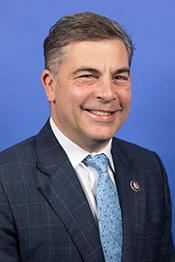
Mr. Speaker, I rise in support of H.R. 1453, the Clean Energy Demonstration Transparency Act of 2025, sponsored by the gentleman from Ohio (Mr. Carey).
This sensible legislation will provide Congress with the necessary tools to effectively oversee the Department of Energy's growing number of large demonstration projects. DOE established the Office of Clean Energy Demonstrations, or OCED, to carry out the technology demonstration projects authorized in the Energy Act of 2020 and the Infrastructure Investment and Jobs Act. These projects include bipartisan initiatives like the Advanced Reactor Demonstration Program and the Long-Duration Energy Storage Demonstration Initiative.
This bill requires the Secretary of Energy to submit semiannual reports to Congress on all demonstration projects managed by OCED. These reports must include details on contracts, milestones, schedules, funding profiles, and cost-share agreements.
Historically, DOE's applied energy offices have managed these programs, ensuring a seamless transition from
basic laboratory research to applied field work. However, with the creation of OCED, these activities were placed in a new office, separating critical expertise and adding an unnecessary layer of bureaucracy.
At the same time, the infrastructure bill and the Inflation Reduction Act appropriated over $27 billion to OCED to fund these projects.
This combination of organizational restructuring and a large influx of funding should raise concerns for every lawmaker of this institution, considering DOE's past mismanagement of demonstration projects.
Since its inception, OCED has been slow to award funding and has struggled to identify unique capabilities not already addressed by the applied energy offices. Congress lacks adequate safeguards and the capacity to conduct rigorous oversight over OCED and its demonstration projects.
For example, when the Science, Space, and Technology Committee sought more information on DOE's decision to waive the cost-share requirement for a multimillion-dollar project, the Department was not obliged to document or justify its rationale. Requiring DOE to submit semiannual reports will provide Congress with crucial tools to protect taxpayer dollars, hold OCED accountable, and ensure that projects are based on merit rather than crony favoritism.
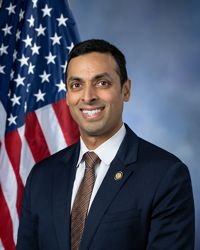
Mr. Speaker, I thank Representative Carey for his continued leadership on this issue despite no longer even sitting on the Science, Space, and Technology Committee. I also thank Representative Riley for his work in advancing this bill forward.
Mr. Speaker, I urge all of my colleagues to support this legislation, and I reserve the balance of my time.
Mr. Speaker, I yield such time as he may consume to the gentleman from Ohio (Mr. Carey).
Mr. Speaker, I yield myself the balance of my time to close.
Mr. Speaker, one of our key responsibilities in Congress is to manage taxpayer dollars wisely. I don't take that job lightly. I want to see DOE and all of our vital Federal research agencies succeed in developing revolutionary next-generation technologies.
At the same time, we need to monitor the progress of these projects well before their costs balloon to multibillions of dollars and strain research budgets.
H.R. 1453 allows us to do precisely that. It enhances transparency between DOE and Congress, giving both parties the necessary information and insights into the successes of Federal demonstration projects to foster further achievements.
Mr. Speaker, I thank the gentleman from Ohio (Mr. Carey) and the gentleman from New York (Mr. Riley), his cosponsor, for leading this bill.
Mr. Speaker, I urge my colleagues to support this legislation, and I yield back the balance of my time.