H.R. 2361House119th Congress (2025-2027)In Committee

Cameras in the Courtroom Act

Introduced March 26, 2025

AI-Generated Summary

Updated November 24, 2025 at 1:40 AM UTC

The Cameras in the Courtroom Act would make it mandatory for the Supreme Court to allow TV coverage of its open sessions, unless the justices determine that broadcasting a specific case would harm a party’s due‑process rights. It adds a new statutory provision to the U.S. Code to formalize this requirement and gives the Court a limited ability to opt out in particular cases.

Key Provisions

  • Adds a new section (Sec. 678) to Title 28 that requires the Supreme Court to allow television coverage of all open sessions, unless a majority of the justices vote that broadcasting a particular case would violate the due‑process rights of a party.
  • Specifies that the Court can block coverage case‑by‑case, but otherwise must permit televised broadcasts of its open proceedings.

Legislative Activity

Stay on top of the latest movement without scrolling through every action

1 earlier action
HouseIntro Referral Latest Action

Referred to the House Committee on the Judiciary.

March 26, 2025

View full timeline
HouseIntro Referral

Introduced in House

March 26, 2025

HouseIntro Referral

Referred to the House Committee on the Judiciary.

March 26, 2025

Bill Text

Latest available legislative text

Reading Mode
Latest
Introduced in HouseIssued March 26, 2025

I

119th CONGRESS

1st Session

H. R. 2361

IN THE HOUSE OF REPRESENTATIVES

March 26, 2025

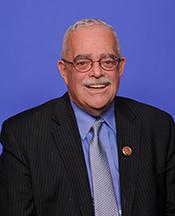
Mr. Connolly introduced the following bill; which was referred to the Committee on the Judiciary

A BILL

To permit the televising of Supreme Court proceedings.

1.

Short title

This Act may be cited as the Cameras in the Courtroom Act.

2.

Amendment to title 28

(a)

In general

Chapter 45 of title 28, United States Code, is amended by adding at the end the following:

678.

Televising Supreme Court proceedings

The Supreme Court shall permit television coverage of all open sessions of the Court unless the Court decides, by a vote of the majority of justices, that allowing such coverage in a particular case would constitute a violation of the due process rights of one or more of the parties before the Court.

.

(b)

Clerical amendment

The chapter analysis for chapter 45 of title 28, United States Code, is amended by adding at the end the following:

678. Televising Supreme Court proceedings.

.