Mr. Speaker, I yield myself such time as I may consume. Mr. Speaker, let me, first of all, thank my good friend, Mr. Katko, who is the original sponsor; and I am proud to be an original cosponsor of…
Mr. Speaker, I yield myself such time as I may consume.
Mr. Speaker, let me, first of all, thank my good friend, Mr. Katko, who is the original sponsor; and I am proud to be an original cosponsor of this legislation. We serve on the Homeland Security Committee and have oversight over the Secret Service, as does the aspects of this legislation, as relates to Judiciary has oversight as well. So ensuring that our men and women, who put their lives on the line daily, are protected is an important initiative. As I said earlier, I am proud to be an original cosponsor, along with my colleague from New York (Mr. Katko).
The Secret Service Recruitment and Retention Act of 2017 is intended to provide overtime pay for employees of the United States Secret Service. Currently, the premium pay for protective services, under the Overtime Pay for Protective Services Act of 2016, has severe earning limitations, or otherwise caps, which many of these men and women have reached.
Due to earnings limitations put in place through 5 U.S.C. 5547, many Secret Service employees are not receiving timely or full payment for the hours they work. The requirements of protective operations directly contrast with the intent of an annual pay cap, as the protective mission requires continued, uninterrupted coverage for our protectees, beyond the control of the Secret Service. I think that is an important point.
And I want my colleagues to know that I wholly support that our protectees are protected wherever they go. But I would be remiss if I did not express my concern on the number of trips that the Secret Service today has had to make on outings for entertainment, Mar-a-Lago, which I think is over 100 times, and the enormous amount of money and burden that is being placed on the Federal Government.
This does not mean that I do not want these individuals to be compensated. And might I stop for a moment to thank the Secret Service, who I have known and have seen working over the years that I have served in the United States Congress in many different ways. Let me personally thank them for their service and for their professional service, dedicated service, and longstanding service and commitment to sacrificing their life for their protectee.
I would say that this problem often requires individuals to work over the amount of premium pay, for which they are able to be legally paid, due to the annual cap. We have seen the extent to which Secret Service members are stretched in this administration alone. Providing protection for the President, his family members, and other high officials requires depth within the agency to ensure protectees are covered as well as their respective posts when pulled away. As I made the point, these various family members and President go in many ways off of the path of their government service related to the people of the United States.
It is my hope that we are able to eventually work collaboratively on a more permanent fix to this problem since the Secret Service cannot administratively control protective overtime, which is dependent on the schedules of the protectees. Raising the pay cap will aid the Secret Service in reducing attrition rates and retaining personnel, which is what this bill purports to do. I truly want to make sure that happens.
Exit interview data indicates the pay cap issue is the number one concern among employees leaving the Secret Service. We must ensure that we are employing the best available candidates when dealing with the protection of America's highest diplomats. Therefore, pay should not be a deterrence in the recruitment and/or retention of Secret Service agents, and it is crucial that we retain them.
Departing employees said raising the pay cap would have had an effect on their decision to leave, and they would have stayed. They are leaving the Secret Service for other positions in the Federal Government with equal pay and less travel.
The U.S. Secret Service is currently protecting a historic number of protectees--about 25 percent more protectees--than during the Obama administration. In comparison to the previous five Presidential administrations--Bush 41 to Obama--for the first 6 months in office, Trump administration Secret Service protectees had more travel stops and travel days than any other President.
As such, the operational tempo for protective activities have remained higher than normal. Protective overtime hours for special agents are about 15 to 20 percent higher when compared to CY 2015, the last non-Presidential campaign year.
For CY 2017, as of 9-30-17, the Secret Service anticipates approximately 1,200 personnel will exceed the statutory pay cap.
The costs related to protective overtime in excess of the pay cap for CY 2017 is estimated at $10.5 million. The same costs are projected for 2018, if the protective tempo remains unchanged.
I, therefore, support this bill, and I urge my colleagues to do the same. Any way that we can help protect the protectees, and keep these well-experienced, committed, dedicated agents, willing to sacrifice their lives, from leaving, so that we can also recruit, is a vital step forward. I hope not only is this bill passed by the House, but I also hope passed quickly by the Senate to be able to be signed by the President of the United States.
Ensuring that our men and women, who put their lives on the line daily, are protected is an important initiative. I am proud to be an original co-sponsor along with my colleague Mr. Katko from New York.
``The Secret Service Recruitment and Retention Act of 2017'' is intended to provide overtime pay for employees of the United States Secret Service.
Currently, the premium pay for protective services under the ``Overtime Pay for Protective Services Act of 2016'' has severe earning limitations, or otherwise caps, which many of these men and women have reached.
Due to earnings limitations put in place through 5 U.S.C. 5547, many Secret Service employees are not receiving timely or full payment for the hours they work.
The requirements of protective operations directly contrast with the intent of an annual pay cap, as the protective mission requires continued, uninterrupted coverage for our protectees, beyond the control of the United States Secret Service.
This often requires individuals to work over the amount of premium pay for which they are able to be legally paid due to the annual cap.
We have seen the extent to which the Secret Service members are stretched in this administration alone. Providing protection for the President, his family members and other high officials require depth within the agency to ensure protectees are covered as well as their respective posts when pulled away.
It is my hope that we are able to eventually work collaboratively on a more permanent fix to this problem since the Secret Service cannot administratively control protective overtime, which is dependent on the schedules of the protectees.
Raising the pay cap will aid the Secret Service in reducing attrition rates and retaining personnel, which is what this bill purports to do.
Exit interview data indicates the pay cap issue is the number #1 concern among employees leaving the Secret Service. We must ensure that we are employing the best available candidates when dealing with the protection of America's highest diplomats. Therefore, pay should not be deterrence in the recruitment and/or retention of Secret Service agents.
Departing employees said raising the pay cap would have had an effect on their decision to leave the agency. (They are leaving the Secret Service for other positions in the federal government with equal pay and less travel.)
The USSS is currently protecting a historical high number of protectees--about 25 percent more protectees than during the Obama Administration.
In comparison to the previous five presidential administrations (Bush 41 to Obama), for the first six months in office, Trump Administration Secret Service protectees had more travel stops and travel days than any other.
As such, the operational tempo for protective activities has remained higher than normal. Protective overtime hours for special agents are about 15 to 20 percent higher when compared to CY 2015--the last non- presidential campaign year.
For CY 2017, as of 9/30/17, the Secret Services anticipates approximately 1,200 personnel will exceed the statutory pay cap.
The costs related to protective overtime in excess of the pay cap for CY 2017 is estimated at $10.5 million. The same costs are projected for CY 2018, if the protective tempo remains unchanged.
I therefore, support this bill and urge my colleagues to do the same.
Mr. Speaker, we must do everything we can to protect our United States Secret Service personnel and ensure an effective process for recruitment and retention of these agents.
These agents play a vital role in our democratic system both here at home and abroad. Their keen attention to details and adequate response to dangerous situations around the world cannot be measured in dollar signs.
Beyond protecting the President, Vice-President, their families and other identified individuals, the Secret Service plays a vital role in representing the United States interest around the world through criminal investigation activities that span the gamut from anti- counterfeiting operations to now encompassing financial crimes, identity theft, counterfeiting, computer fraud, and computer-based attacks on the nation's financial, banking, and telecommunications infrastructure, among other areas.
For all these reasons, I therefore, support this bill.
Mr. Speaker, I reserve the balance of my time.
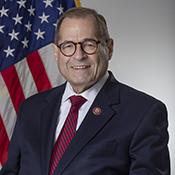
Mr. Speaker, I yield 3 minutes to the gentleman from New York (Mr. Nadler), the ranking member of the House Judiciary Committee.
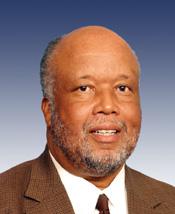
Mr. Speaker, I yield 3 minutes to the gentleman from Maryland (Mr. Cummings), the chairman and ranking member of the Oversight and Government Reform Committee.
Mr. Speaker, I yield myself such time as I may consume.
Let me acknowledge Mr. Cummings for his leadership on this legislation. I believe the combination of Members who are sponsoring this legislation and the work of the Oversight and Government Reform, Homeland Security, and Judiciary Committees clearly speak to almost the crisis of the issue and what we are dealing with.
As we come to a close, Mr. Speaker, I am hoping that my colleagues will vote for this legislation in resounding numbers and I hope that the Senate will hotline this legislation so that it can immediately get to the desk of the President.
I would also ask that we recognize that we must do everything we can to protect our United States Secret Service personnel and ensure an effective process for recruitment and retention of these agents.
I am glad there is an element in this legislation that will allow for a review of all of these issues and that the Congress will have a role in assessing how we can work with the Secret Service agency to improve its performance, its retention, and certainly to say to those hardworking agents that we appreciate them, by way of compensation.
These agents play a vital role in our democratic system both here at home and abroad. Their keen attention to details and adequate response to dangerous situations around the world cannot be measured in dollar signs.
Beyond protecting the President, Vice President, their families, and other identified individuals, the Secret Service plays a vital role in representing the United States' interests around the world through criminal investigation activities that span the gamut from anticounterfeiting operations to now encompassing financial crimes; identity theft, which has exponentially grown in the United States; counterfeiting; computer fraud; and computer-based attacks on the Nation's financial, banking, and telecommunications infrastructure, among other areas.
Congress is standing up to make its voice known and to make appropriate changes.
I think it is appropriate for the administration in this instance, the Commander in Chief, to stand up as well and review the extensive travel and the burdens that are being placed on the Secret Service agents and their families. They are not complaining, but I think it behooves any good leader to look at what can be improved and what can be corrected in order to ensure the astuteness, the excellence, and the safety and security of the protectees and those agents who are out there on the line sacrificing or willing to sacrifice their life.
For all of these reasons, I therefore support this bill. Mr. Speaker, I ask my colleagues to vote for this legislation, H.R. 3731, and I yield back the balance of my time.