An amendment in the nature of a substitute numbered 2 printed in House Report 109-550 to establish a globally consistent, market-based approach to rating agency oversight and protects investors by maintaining quality as a factor in identifying Nationally Recognized Statistical Rating Organizations (NRSRO); require the SEC to complete its definitional rulemaking on what constitutes an NRSRO within 60 days of enactment and establish public guidelines about the process used to identify new NRSROs within 180 days of enactment. encourage participating parties to expedite and complete their ongoing discussions over the Voluntary Framework, consistent with the European Commission's adoption of the International Organization of Securities Commissions' self-regulatory model, to improve market discipline and enhance rating quality; and would require annual hearings for five years on rating agencies before the House Financial Services Committee to explore the effectiveness of the prior two reforms and determine the need for further action.
What it does: Replaces the bill's text with a full substitute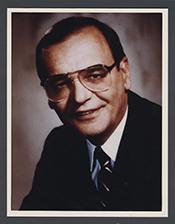 Rep. Paul E. Kanjorski (D-PA)
Description
Amendment in the nature of a substitute sought to replace the language in the bill with the text of the "Credit Ratings Accountability and Transparency Act of 2006".
What it changes
1 change to H.R. 2990
We couldn't match these changes to the text of H.R. 2990, so they're shown as written.
Replaces the bill's text with a full substitute
Replaces the full textEverything after the enacting clauseRemoves all after the enacting clause.
Inserted: SECTION 1. SHORT TITLE.
Inserted: This act may be cited as the "Credit Ratings Accountability and Transparency Act of 2006".
Inserted: SEC. 2. FINDINGS.
Inserted: Congress finds the following:
Inserted: (1) Credit rating agencies play an important role in the United States capital markets by opining on the creditworthiness of certain entities, securities, and money market instruments.
Inserted: (2) Institutional and retail investors utilize ratings issued by credit rating agencies in connection with evaluating credit risk and making investment decisions.
Inserted: (3) The Securities and Exchange Commission staff, through the no action letter process, has identified certain credit rating agencies as Nationally Recognized Statistical Rating Organizations or NRSROs.
Inserted: (4) Many Federal and State regulators and legislatures require the use of NRSRO ratings in regulations and statutes, including those concerning capital requirements for regulated financial institutions and portfolio quality standards, to ensure the utilization of high quality ratings.
Inserted: (5) The Commission staff's process for identifying NRSROs should be more transparent and efficient, while maintaining a high level of quality among NRSROs.
Inserted: (6) Increased competition among credit rating agencies seeking to be identified as a NRSRO is desirable, so long as it is consistent with efforts to ensure high quality ratings.
Inserted: SEC. 3. RULEMAKING ON NRSRO DEFINITION.
Inserted: (a) NRSRO Definition.--Within 60 days after the date of enactment of this Act, the Commission shall finalize its proposed rulemaking to define a NRSRO, published in the Federal Register on April 25, 2005 (70 Fed. Reg. 21306 et seq.).
Show 30 more inserted paragraphsShow less
Inserted: (b) Publication of Guidelines.--Within 180 days after the date of enactment of the Act, the Commission shall publish guidelines concerning the process by which Commission staff issues no-action letters regarding NRSROs, including guidelines concerning the staff's determinations in such no-action letters.
Inserted: SEC. 4. SENSE OF CONGRESS ON NRSRO VOLUNTARY FRAMEWORK.
Inserted: (a) Findings.--Congress finds the following:
Inserted: (1) The existing NRSROs in the United States have entered into discussions to improve current oversight of their activities via the adoption of a voluntary framework.
Inserted: (2) These discussions have sought to apply the self-regulatory model approved by the International Organization of Securities Commissions (in this section referred to as "IOSCO") of which the Commission is a participant.
Inserted: (3) The European Commission policy on credit rating agencies set out in December 2005 used compliance with the IOSCO code as a central component in ensuring the proper functioning of rating agencies in the capital markets.
Inserted: (4) The Chairman of the Commission has testified before the Financial Services Committee of the House of Representatives that Commission staff are continuing to review drafts of a voluntary framework developed by the NRSROs and offer advice about its provisions and contents.
Inserted: (5) The adoption of a voluntary framework by NRSROs in the United States based on the IOSCO self-regulatory model and paralleling the regulatory regime adopted by the European Commission would enhance market discipline, advance investor protection, and facilitate the harmonization of international standards in the area of credit ratings.
Inserted: (b) Sense of Congress.--In light of the findings set forth in subsection (a), it is the sense of the Congress that--
Inserted: (1) all interested parties involved in establishing a voluntary framework for self-regulation in the United States, which is similar to the self-regulatory regime recently adopted by the European Commission that is based upon the IOSCO-approved code for overseeing credit rating agencies, should complete discussions and implement a self-regulatory model as soon as practicable;
Inserted: (2) such voluntary framework should be developed in consultation with the Commission and include adoption of any and all rules, regulations, policies, and practices deemed necessary and appropriate for the protection of investors and in the public interest, including the disclosure of written policies and procedures of NRSROs in the United States designed to--
Inserted: (A) address conflicts of interest relating to--
Inserted: (i) relationships between NRSROs and rated entities;
Inserted: (ii) relationships between NRSROs and underwriters; and
Inserted: (iii) fee structures of the NRSROs;
Inserted: (B) prevent the misuse of confidential information by a NRSRO or any person associated with a NRSRO;
Inserted: (C) ensure compliance with all relevant Federal securities laws;
Inserted: (D) ensure that each NRSRO is capable of issuing independent, predictive, consistent, and reliable ratings; and
Inserted: (E) provide performance data, including default rates for its ratings, for the immediately preceding 4 years, or if in existence less than 4 years, for the life of the entity.
Inserted: SEC. 5. ANNUAL TESTIMONY ON IMPROVING THE CREDIT RATING INDUSTRY.
Inserted: The Chairperson of the Commission, or a designee of the Chairperson, shall annually provide oral testimony beginning in 2007, and for 5 years thereafter, to the Committee on Financial Services of the House of Representatives regarding efforts to improve the transparency and accountability of the credit rating industry, including--
Inserted: (1) the designation of NRSROs;
Inserted: (2) the status and the effectiveness of the voluntary framework described in section 4;
Inserted: (3) the quality of ratings issued by NRSROs;
Inserted: (4) the state of competition among NRSROs; and
Inserted: (5) the appropriateness, need, and form of any potential legislation in the area of credit ratings.
Inserted: SEC. 6. DEFINITIONS.
Inserted: As used in this Act--
Inserted: (1) the term "Commission" means the Securities and Exchange Commission; and
Inserted: (2) the term "NRSRO" means a Nationally Recognized Statistical Rating Organization as determined by the Commission.
Original wording
Strike all after the enacting clause and insert the following:
Read automatically from the Congressional Record. Check the original before relying on it.
As printed
Strike all after the enacting clause and insert the following:
SECTION 1. SHORT TITLE.
This act may be cited as the “Credit Ratings Accountability and Transparency Act of 2006”.
SEC. 2. FINDINGS.
Congress finds the following:
(1) Credit rating agencies play an important role in the United States capital markets by opining on the creditworthiness of certain entities, securities, and money market instruments.
(2) Institutional and retail investors utilize ratings issued by credit rating agencies in connection with evaluating credit risk and making investment decisions.
(3) The Securities and Exchange Commission staff, through the no action letter process, has identified certain credit rating agencies as Nationally Recognized Statistical Rating Organizations or NRSROs.
(4) Many Federal and State regulators and legislatures require the use of NRSRO ratings in regulations and statutes, including those concerning capital requirements for regulated financial institutions and portfolio quality standards, to ensure the utilization of high quality ratings.
(5) The Commission staff's process for identifying NRSROs should be more transparent and efficient, while maintaining a high level of quality among NRSROs.
(6) Increased competition among credit rating agencies seeking to be identified as a NRSRO is desirable, so long as it is consistent with efforts to ensure high quality ratings.
SEC. 3. RULEMAKING ON NRSRO DEFINITION.
(a) NRSRO Definition.--Within 60 days after the date of enactment of this Act, the Commission shall finalize its proposed rulemaking to define a NRSRO, published in the Federal Register on April 25, 2005 (70 Fed. Reg. 21306 et seq.).
(b) Publication of Guidelines.--Within 180 days after the date of enactment of the Act, the Commission shall publish guidelines concerning the process by which Commission staff issues no-action letters regarding NRSROs, including guidelines concerning the staff's determinations in such no-action letters.
SEC. 4. SENSE OF CONGRESS ON NRSRO VOLUNTARY FRAMEWORK.
(a) Findings.--Congress finds the following:
(1) The existing NRSROs in the United States have entered into discussions to improve current oversight of their activities via the adoption of a voluntary framework.
(2) These discussions have sought to apply the self-regulatory model approved by the International Organization of Securities Commissions (in this section referred to as “IOSCO”) of which the Commission is a participant.
(3) The European Commission policy on credit rating agencies set out in December 2005 used compliance with the IOSCO code as a central component in ensuring the proper functioning of rating agencies in the capital markets.
(4) The Chairman of the Commission has testified before the Financial Services Committee of the House of Representatives that Commission staff are continuing to review drafts of a voluntary framework developed by the NRSROs and offer advice about its provisions and contents.
(5) The adoption of a voluntary framework by NRSROs in the United States based on the IOSCO self-regulatory model and paralleling the regulatory regime adopted by the European Commission would enhance market discipline, advance investor protection, and facilitate the harmonization of international standards in the area of credit ratings.
(b) Sense of Congress.--In light of the findings set forth in subsection (a), it is the sense of the Congress that--
(1) all interested parties involved in establishing a voluntary framework for self-regulation in the United States, which is similar to the self-regulatory regime recently adopted by the European Commission that is based upon the IOSCO-approved code for overseeing credit rating agencies, should complete discussions and implement a self-regulatory model as soon as practicable;
(2) such voluntary framework should be developed in consultation with the Commission and include adoption of any and all rules, regulations, policies, and practices deemed necessary and appropriate for the protection of investors and in the public interest, including the disclosure of written policies and procedures of NRSROs in the United States designed to--
(A) address conflicts of interest relating to--
(i) relationships between NRSROs and rated entities;
(ii) relationships between NRSROs and underwriters; and
(iii) fee structures of the NRSROs;
(B) prevent the misuse of confidential information by a NRSRO or any person associated with a NRSRO;
(C) ensure compliance with all relevant Federal securities laws;
(D) ensure that each NRSRO is capable of issuing independent, predictive, consistent, and reliable ratings; and
(E) provide performance data, including default rates for its ratings, for the immediately preceding 4 years, or if in existence less than 4 years, for the life of the entity.
SEC. 5. ANNUAL TESTIMONY ON IMPROVING THE CREDIT RATING INDUSTRY.
The Chairperson of the Commission, or a designee of the Chairperson, shall annually provide oral testimony beginning in 2007, and for 5 years thereafter, to the Committee on Financial Services of the House of Representatives regarding efforts to improve the transparency and accountability of the credit rating industry, including--
(1) the designation of NRSROs;
(2) the status and the effectiveness of the voluntary framework described in section 4;
(3) the quality of ratings issued by NRSROs;
(4) the state of competition among NRSROs; and
(5) the appropriateness, need, and form of any potential legislation in the area of credit ratings.
SEC. 6. DEFINITIONS.
As used in this Act--
(1) the term “Commission” means the Securities and Exchange Commission; and
(2) the term “NRSRO” means a Nationally Recognized Statistical Rating Organization as determined by the Commission.
Legislative Activity
Stay on top of the latest movement without scrolling through every action
Roll call votes on amendments in House
July 12, 2006 • 3:03 PM
View full timeline
Roll call votes on amendments in House
July 12, 2006 • 3:03 PM
House amendment not agreed to: On agreeing to the Kanjorski amendment (A002) Failed by recorded vote: 198 - 222 (Roll no. 367).
July 12, 2006 • 3:03 PM
House amendment offered
July 12, 2006
Amendment failed in Committee of the Whole
July 12, 2006 • 3:03 PM
House amendment offered/reported by : Amendment (A002) in the nature of a substitute offered by Mr. Kanjorski.(consideration: CR H5090-5094; text: CR H5090-5091)
July 12, 2006 • 2:18 PM
Amendment (A002) in the nature of a substitute offered by Mr. Kanjorski. (consideration: CR H5090-5094; text: CR H5090-5091)
July 12, 2006 • 2:18 PM
On agreeing to the Kanjorski amendment (A002) Failed by recorded vote: 198 - 222 (Roll no. 367).
July 12, 2006 • 3:03 PM
Votes
1 roll call on this amendment