S.Amdt. 2967
What it does: Adds SEC. __. RESTRICTIONS ON MEMBERS, OFFICERS, AND EMPLOYEES OF CONGRESS AND THE EXECUTIVE BRANCH TO GUARANTEE IMPARTIALITY IN PERFORMING OFFICIAL DUTIES wherever appropriate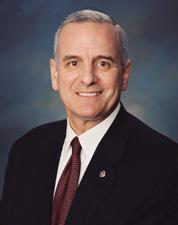 Sen. Mark Dayton (D-MN)
What it changes
1 change to S. 2349
Adds SEC. __. RESTRICTIONS ON MEMBERS, OFFICERS, AND EMPLOYEES OF CONGRESS AND THE EXECUTIVE BRANCH TO GUARANTEE IMPARTIALITY IN PERFORMING OFFICIAL DUTIES wherever appropriate
Adds a sectionInserted: SEC. __. RESTRICTIONS ON MEMBERS, OFFICERS, AND EMPLOYEES OF CONGRESS AND THE EXECUTIVE BRANCH TO GUARANTEE IMPARTIALITY IN PERFORMING OFFICIAL DUTIES.
Inserted: (a) Disclosure.--A Member of Congress and an elected officer and senior employee of either House of Congress shall disclose to the appropriate ethics committee of the House of Representatives or the Senate their private-sector employment for the 6-year period prior to public service and this information shall be made available to the public.
Inserted: (b) Conflict of Interest in the Senate.--Paragraph 4 of rule XXXVII of the Standing Rules of the Senate is amended to read as follows:
Inserted: "4. No Member, officer, or employee shall knowingly use his official position to introduce or aid the progress or passage of legislation, a principal purpose of which is to further--
Inserted: "(1) only his pecuniary interest;
Inserted: "(2) only the pecuniary interest of his immediate family;
Inserted: "(3) only the pecuniary interest of a limited class of persons or enterprises, when he, or his immediate family, or enterprises controlled by them, are members of the affected class;
Inserted: "(4) only the pecuniary interest of a person with whom the Member, officer, or senior employee personally has or seeks a business, contractual, or other financial relationship that involves other than a routine consumer transaction; or
Inserted: "(5) only the pecuniary interest of any person for whom the Member, officer, or senior employee has, within the last 2 years, served as a paid officer, director, trustee, general partner, lobbyist, agent attorney, consultant, or contractor.".
Inserted: (c) Sense of the Senate.--It is the sense of the Senate that the House of Representatives should adopt rules relating to conflict of interest identical to the rule adopted in subsection (b).
Inserted: (d) Restrictions on Officers and Senior Employees of the Executive Branch to Guarantee Impartiality in Performing Official Duties.--
Inserted: (1) Criminal prohibition.--
Show 23 more inserted paragraphsShow less
Inserted: (A) In general.--Chapter 11 of title 18, United States Code, is amended by adding after section 207 the following:
Inserted: "Sec. 207a. Restrictions on officers and senior employees of the executive branch to guarantee impartiality in performing official duties
Inserted: "(a) Impartiality in Performing Official Duties.--No person who is officer or senior employee of the executive branch of the United States shall knowingly participate personally and substantially in an official capacity in any particular matter that directly and particularly benefits a person with whom the officer or senior employee has had a covered relationship.
Inserted: "(b) Penalty.--Violation of this section shall be subject to punishment as provided in section 216 of this title.
Inserted: "(c) Definitions.--In this section:
Inserted: "(1) Active participant.--The term 'active participant'--
Inserted: "(A) means devoting significant time to promoting specific programs of the organization, including--
Inserted: "(i) coordination of fundraising efforts;
Inserted: "(ii) service as an official of the organization or in a capacity similar to that of a chairman of a committee or subcommittee or a spokesman; and
Inserted: "(iii) participation in directing the activities of the organization; and
Inserted: "(B) does not include the payment of dues or the donation or solicitation of financial support, without other participation.
Inserted: "(2) Covered relations.--The term 'covered relationship'--
Inserted: "(A) means--
Inserted: "(i) a person with whom the officer or senior employee personally has or seeks a business, contractual, or other financial relationship that involves other than a routine consumer transaction;
Inserted: "(ii) a person who is a member of the household of the officer or senior employee, or who is a relative with whom the officer or senior employee has a close personal relationship;
Inserted: "(iii) a person for whom the spouse, parent or dependent child of the officer or senior employee is, to the knowledge of the officer or senior employee, serving or seeking to serve as an officer, director, trustee, general partner, agent, attorney, consultant, contractor or employee;
Inserted: "(iv) any person for whom the officer or senior employee has, within the last 2 years, served as a paid officer, director, trustee, general partner, lobbyist, agent, attorney, consultant, contractor, or employee; or
Inserted: "(v) an organization, other than a political party described in section 527(e) of the Internal Revenue Code of 1986, in which the officer or senior employee is an active participant; and
Inserted: "(3) Senior employee.--The term 'senior employee' means an employee paid at a rate of Executive Schedule V or higher.".
Inserted: (B) Chapter analysis.--The chapter analysis for chapter 11 of title 18, United States Code, is amended by inserting after the item for section 207 the following:
Inserted: "207a. Restrictions on officers and senior employees of the executive branch to guarantee impartiality in performing official duties.".
Inserted: (2) Private-sector employment.--An officer and a senior employee of the executive branch of the United States shall disclose to the Office of Government Ethics, their private-sector employment for the 6-year period prior to public service and this information shall be made available to the public.
Inserted: (3) Reporting of the office of government ethics.--The Office of Government Ethics shall make available to the public, on the internet and in a public reading room, any waiver granted by an individual agency ethics officer designee under paragraph (c)(2) or (d) of section 2635.502 of title 5, Code of Federal Regulations (or any corresponding similar regulation or ruling).
The amendment doesn't say where this goes; the clerk decides.
Original wording
At the appropriate place, insert the following:
Read automatically from the Congressional Record. Check the original before relying on it.
As printed
SA 2967. Mr. DAYTON submitted an amendment intended to be proposed by him to the bill S. 2349, to provide greater transparency in the legislative process; which was ordered to lie on the table; as follows:
At the appropriate place, insert the following:
SEC. __. RESTRICTIONS ON MEMBERS, OFFICERS, AND EMPLOYEES OF CONGRESS AND THE EXECUTIVE BRANCH TO GUARANTEE IMPARTIALITY IN PERFORMING OFFICIAL DUTIES.
(a) Disclosure.--A Member of Congress and an elected officer and senior employee of either House of Congress shall disclose to the appropriate ethics committee of the House of Representatives or the Senate their private-sector employment for the 6-year period prior to public service and this information shall be made available to the public.
(b) Conflict of Interest in the Senate.--Paragraph 4 of rule XXXVII of the Standing Rules of the Senate is amended to read as follows:
“4. No Member, officer, or employee shall knowingly use his official position to introduce or aid the progress or passage of legislation, a principal purpose of which is to further--
“(1) only his pecuniary interest;
“(2) only the pecuniary interest of his immediate family;
“(3) only the pecuniary interest of a limited class of persons or enterprises, when he, or his immediate family, or enterprises controlled by them, are members of the affected class;
“(4) only the pecuniary interest of a person with whom the Member, officer, or senior employee personally has or seeks a business, contractual, or other financial relationship that involves other than a routine consumer transaction; or
“(5) only the pecuniary interest of any person for whom the Member, officer, or senior employee has, within the last 2 years, served as a paid officer, director, trustee, general partner, lobbyist, agent attorney, consultant, or contractor.”.
(c) Sense of the Senate.--It is the sense of the Senate that the House of Representatives should adopt rules relating to conflict of interest identical to the rule adopted in subsection (b).
(d) Restrictions on Officers and Senior Employees of the Executive Branch to Guarantee Impartiality in Performing Official Duties.--
(1) Criminal prohibition.--
(A) In general.--Chapter 11 of title 18, United States Code, is amended by adding after section 207 the following:
“Sec. 207a. Restrictions on officers and senior employees of
the executive branch to guarantee impartiality in
performing official duties
“(a) Impartiality in Performing Official Duties.--No person who is officer or senior employee of the executive branch of the United States shall knowingly participate personally and substantially in an official capacity in any particular matter that directly and particularly benefits a person with whom the officer or senior employee has had a covered relationship.
“(b) Penalty.--Violation of this section shall be subject to punishment as provided in section 216 of this title.
“(c) Definitions.--In this section:
“(1) Active participant.--The term ‘active participant'--
“(A) means devoting significant time to promoting specific programs of the organization, including--
“(i) coordination of fundraising efforts;
“(ii) service as an official of the organization or in a capacity similar to that of a chairman of a committee or subcommittee or a spokesman; and
“(iii) participation in directing the activities of the organization; and
“(B) does not include the payment of dues or the donation or solicitation of financial support, without other participation.
“(2) Covered relations.--The term ‘covered relationship'--
“(A) means--
“(i) a person with whom the officer or senior employee personally has or seeks a business, contractual, or other financial relationship that involves other than a routine consumer transaction;
“(ii) a person who is a member of the household of the officer or senior employee, or who is a relative with whom the officer or senior employee has a close personal relationship;
“(iii) a person for whom the spouse, parent or dependent child of the officer or senior employee is, to the knowledge of the officer or senior employee, serving or seeking to serve as an officer, director, trustee, general partner, agent, attorney, consultant, contractor or employee;
“(iv) any person for whom the officer or senior employee has, within the last 2 years, served as a paid officer, director, trustee, general partner, lobbyist, agent, attorney, consultant, contractor, or employee; or
“(v) an organization, other than a political party described in section 527(e) of the Internal Revenue Code of 1986, in which the officer or senior employee is an active participant; and
“(3) Senior employee.--The term ‘senior employee' means an employee paid at a rate of Executive Schedule V or higher.”.
(B) Chapter analysis.--The chapter analysis for chapter 11 of title 18, United States Code, is amended by inserting after the item for section 207 the following:
“207a. Restrictions on officers and senior employees of the executive branch to guarantee impartiality in performing official duties.”.
(2) Private-sector employment.--An officer and a senior employee of the executive branch of the United States shall disclose to the Office of Government Ethics, their private-sector employment for the 6-year period prior to public service and this information shall be made available to the public.
(3) Reporting of the office of government ethics.--The Office of Government Ethics shall make available to the public, on the internet and in a public reading room, any waiver granted by an individual agency ethics officer designee under paragraph (c)(2) or (d) of section 2635.502 of title 5, Code of Federal Regulations (or any corresponding similar regulation or ruling).
Legislative Activity
Stay on top of the latest movement without scrolling through every action
Senate amendment submitted
March 8, 2006