To ensure that methodologies and technologies used by the Bureau of Customs and Border Protection to screen for and detect the presence of chemical, nuclear, biological, and radiological weapons in municipal solid waste are as effective as the methodologies and technologies used by the Bureau to screen for those materials in other items of commerce entering the United States through commercial motor vehicle transport.
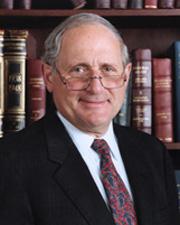 Sen. Carl Levin (D-MI)
Legislative Activity
Stay on top of the latest movement without scrolling through every action
Senate amendment proposed (on the floor): Amendment SA 4617 proposed by Senator Gregg for Senator Levin.(consideration: CR S7470-7472; text: CR S7470-7471)
July 13, 2006
View full timeline
Senate amendment proposed (on the floor): Amendment SA 4617 proposed by Senator Gregg for Senator Levin.(consideration: CR S7470-7472; text: CR S7470-7471)
July 13, 2006
Senate amendment agreed to: Amendment SA 4617 agreed to in Senate by Unanimous Consent.
July 13, 2006
Amendment SA 4617 proposed by Senator Gregg for Senator Levin. (consideration: CR S7470-7472; text: CR S7470-7471) To ensure that methodologies and technologies used by the Bureau of Customs and Border Protection to screen for and detect the presence of chemical, nuclear, biological, and radiological weapons in municipal solid waste are as effective as the methodologies and technologies used by the Bureau to screen for those materials in other items of commerce entering the United States through commercial motor vehicle transport.
July 13, 2006
Amendment SA 4617 agreed to in Senate by Unanimous Consent.
July 13, 2006
Senate amendment submitted
July 12, 2006
Text
Submitted
SA 4617. Mr. LEVIN (for himself, Ms. Stabenow, and Mr. Voinovich)
submitted an amendment intended to be proposed by him to the bill H.R.
5441, making appropriations for the Department of Homeland Security for
the fiscal year ending September 30, 2007, and for other purposes;
which was ordered to lie on the table; as follows:

On page 127, between lines 2 and 3, insert the following:

SEC. 5__. SCREENING OF MUNICIPAL SOLID WASTE.

(a) Definitions.--In this section:
(1) Bureau.--The term `` Bureau'' means the Bureau of
Customs and Border Protection.
(2) Commercial motor vehicle.--The term ``commercial motor
vehicle'' has the meaning given the term in section 31101 of
title 49, United States Code.
(3) Commissioner.--The term ``Commissioner'' means the
Commissioner of the Bureau.
(4) Municipal solid waste.--The term ``municipal solid
waste'' includes sludge (as defined in section 1004 of the
Solid Waste Disposal Act (42 U.S.C. 6903)).
(b) Reports to Congress.--Not later than 90 days after the
date of enactment of this Act, the Commissioner shall submit
to Congress a report that--
(1) indicates whether the methodologies and technologies
used by the Bureau to screen for and detect the presence of
chemical, nuclear, biological, and radiological weapons in
municipal solid waste are as effective as the methodologies
and technologies used by the Bureau to screen for those
materials in other items of commerce entering the United
States through commercial motor vehicle transport; and
(2) if the report indicates that the methodologies and
technologies used to screen municipal solid waste are less
effective than those used to screen other items of commerce,
identifies the actions that the Bureau will take to achieve
the same level of effectiveness in the screening of municipal
solid waste, including actions necessary to meet the need for
additional screening technologies.
(c) Impact on Commercial Motor Vehicles.--If the
Commissioner fails to fully implement an action identified
under subsection (b)(2) before the earlier of the date that
is 180 days after the date on which the report under
subsection (b) is required to be submitted or the date that
is 180 days after the date on which the report is submitted,
the Secretary shall deny entry into the United States of any
commercial motor vehicle carrying municipal solid waste until
the Secretary certifies to Congress that the methodologies
and technologies used by the Bureau to screen for and detect
the presence of chemical, nuclear, biological, and
radiological weapons in municipal solid waste are as
effective as the methodologies and technologies used by the
Bureau to screen for those materials in other items of
commerce entering into the United States through commercial
motor vehicle transport.
______