S.Amdt. 948
What it does: Rewrites page 120, line 21 through page 122, line 14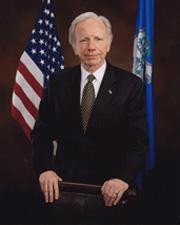 Sen. Joseph I. Lieberman (D-CT)
What it changes
1 change to H.R. 6
Rewrites page 120, line 21 through page 122, line 14
ReplacesPrinted pageRemoves page 120, line 21 through page 122, line 14 of the printed bill. See that page
Inserted: Subtitle D--Oil Security SEC. 151. SHORT TITLE; FINDINGS AND PURPOSES.
Inserted: (a) Short Title.--This subtitle may be cited as the "Oil Security Act".
Inserted: (b) Findings.--Congress finds that--
Inserted: (1) the United States is dangerously dependent on oil;
Inserted: (2) that dependence threatens the national security, weakens the economy, and harms the environment of the United States;
Inserted: (3) the United States currently imports nearly 60 percent of oil needed in the United States, and that ratio is expected to grow to almost 70 percent by 2025 if no actions are taken;
Inserted: (4) approximately 2,500,000 barrels of oil per day are imported from countries in the Persian Gulf region;
Inserted: (5) that dependence on foreign oil undermines the war on terror by financing both sides of the war;
Inserted: (6) in 2004 alone, the United States sent $103,000,000,000 to undemocratic countries, some of which use revenues to support terrorism and spread ideology hostile to the United States, as documented by the Council on Foreign Relations;
Inserted: (7) terrorists have identified oil as a strategic vulnerability and have ramped up attacks against oil infrastructure worldwide;
Inserted: (8) oil imports comprise more than 25 percent of the dangerously high United States trade deficit;
Inserted: (9) it is feasible to achieve oil savings of more than 2,500,000 barrels per day by 2015 and 10,000,000 barrels per day by 2025;
Show 422 more inserted paragraphsShow less
Inserted: (10) those goals can be achieved by establishing a set of flexible policies, including--
Inserted: (A) increasing the gasoline-efficiency of cars, trucks, tires, and oil;
Inserted: (B) providing economic incentives for companies and consumers to purchase fuel-efficient cars;
Inserted: (C) encouraging the use of transit and the reduction of truck idling; and
Inserted: (D) increasing production and commercialization of alternative liquid fuels;
Inserted: (11) technology available as of the date of enactment of this Act (including popular hybrid-electric vehicle models, the sales of which in the United States increased 136 percent in the first 4 months of 2005 as compared with the same period in 2004) make an oil savings plan eminently achievable; and
Inserted: (12) it is urgent, essential, and feasible to implement an action plan to achieve oil savings as soon as practicable because any delay in initiating action will--
Inserted: (A) make achieving necessary oil savings more difficult and expensive; and
Inserted: (B) increase the risks to the national security, economy, and environment of the United States.
Inserted: (c) Purposes.--The purposes of this subtitle are--
Inserted: (1) to help instill consumer confidence and acceptable of alternative motor vehicles by lowering the 3 major barriers to confidence and acceptance;
Inserted: (2) to enable the accelerated introduction into the marketplace of new motor vehicle technologies without adverse emission impact, while retaining a policy of fuel neutrality in order to foster private innovation and commercialization and allow market forces to decide the technologies and fuels that are consumer-friendly, safe, environmentally-sound, and economic;
Inserted: (3) to provide, for a limited time period, financial incentives to encourage consumers nationwide to purchase or lease new fuel cell, hybrid, battery electric, and alternative fuel motor vehicles;
Inserted: (4) to increase demand of vehicles described in paragraph (3) so as to make the annual production by manufacturers and retail sale of the vehicles economically and commercially viable for the consumer;
Inserted: (5) to promote and expand the use of vehicles described in paragraph (3) throughout the United States; and
Inserted: (6) to promote a nationwide diversity of motor vehicle fuels for advanced and hybrid technology and alternatively fueled motor vehicles.
Inserted: SEC. 152. MANUFACTURING INCENTIVES FOR ALTERNATIVE FUEL VEHICLES.
Inserted: (a) Advanced Technology Motor Vehicles Program.--
Inserted: (1) Definitions.--In this subsection:
Inserted: (A) Advanced lean burn technology motor vehicle.--The term "advanced lean burn technology motor vehicle" means a motor vehicle with an internal combustion engine that--
Inserted: (i) is designed to operate primarily using more air than is necessary for complete combustion of the fuel;
Inserted: (ii) incorporates direct injection;
Inserted: (iii) achieves at least 125 percent of the 2002 model year city fuel economy; and
Inserted: (iv) that, for 2004 and later model vehicles, has received a certificate that the vehicle meets or exceeds--
Inserted: (I) in the case of any vehicle having a gross vehicle weight rating of not more than 6,000 pounds, the Bin 5 Tier II emission standard established in regulations prescribed by the Administrator of the Environmental Protection Agency under section 202(i) of the Clean Air Act (42 U.S.C. 7521(i)) for that make and model year vehicle; and
Inserted: (II) in the case of any vehicle having a gross vehicle weight rating of more than 6,000 pounds but not more than 8,500 pounds, the Bin 8 Tier II emission standard as established in accordance with the regulations described in subclause (I).
Inserted: (B) Advanced technology motor vehicle.--The term "advanced technology motor vehicle" means any advanced lean burn technology motor vehicle or any new qualified hybrid motor vehicle as defined in section 30B(c)(3) of the Internal Revenue Code of 1986 (other than a heavy duty hybrid motor vehicle) that is in compliance with any Environmental Protection Agency emission standard for fine particulate matter for the applicable make and model year of the vehicle, eligible for a credit amount under section 30B(c)(2)(B) of the Internal Revenue Code of 1986.
Inserted: (C) Base year.--The term "base year" means model year 2002.
Inserted: (D) Eligible component.--The term "eligible component" means any component specially designed for any advanced technology motor vehicle and installed for the purpose of meeting the performance requirements for an advanced technology motor vehicle, including--
Inserted: (i) with respect to any gasoline-electric new qualified hybrid motor vehicle--
Inserted: (I) an electric motor or generator;
Inserted: (II) a power split device;
Inserted: (III) a power control unit;
Inserted: (IV) power controls;
Inserted: (V) an integrated starter generator; or
Inserted: (VI) a battery;
Inserted: (i) with respect to any advanced lean burn technology motor vehicle--
Inserted: (I) a diesel engine;
Inserted: (II) a turbocharger;
Inserted: (III) a fuel injection system; or
Inserted: (IV) an after-treatment system, such as a particle filter or NOx absorber; and
Inserted: (iii) any other component submitted for approval by the Secretary.
Inserted: (E) Eligible entity.--The term "eligible entity" means a manufacturer, 25 percent or more of the gross receipts of which are derived from the manufacture of motor vehicles or any component parts of motor vehicles.
Inserted: (F) Engineering integration costs.--The term "engineering integration costs" means costs incurred prior to the market introduction of advanced technology vehicles for engineering tasks relating to--
Inserted: (i) incorporating eligible components into the design of advanced technology vehicles; and
Inserted: (ii) designing new tooling and equipment for production facilities which produce eligible components or advanced technology vehicles.
Inserted: (G) Program.--The term "program" means the program established under paragraph (2).
Inserted: (H) Qualified investment.--
Inserted: (i) In general.--The term "qualified investment" means--
Inserted: (I) the incremental costs incurred to re-equip or expand a manufacturing facility of the eligible taxpayer to produce advanced technology motor vehicles or to produce eligible components; and
Inserted: (II) any engineering integration costs associated with the advanced technology motor vehicles or eligible components.
Inserted: (2) Establishment.--The Secretary shall establish a program to provide grants, loans, and loan guarantees to eligible entities for qualified investments.
Inserted: (3) Requirements.--For an automobile manufacturer to be eligible for a grant, loan, or loan guarantee under the program, the adjusted average fuel economy of the manufacturer for light duty vehicles for the most recent year for which data is available may not be less than the base year average fuel economy of the manufacturer for all of the light duty motor vehicles of the manufacturer.
Inserted: (4) Limitation.--The total amounts of grants, loans, and loan guarantees that may be provided to any 1 qualified investment under the program shall be not more than $200,000,000.
Inserted: (5) Regulations.--The Secretary shall issue regulations establishing procedures for providing grants, loans, and loan guarantees under the program.
Inserted: (6) Authorization of appropriations.--There are authorized to be appropriated such sums as are necessary to carry out this subsection.
Inserted: (b) Fuel Economy Calculations.--
Inserted: (1) In general.--Section 32905 of title 49, United States Code, is amended--
Inserted: (A) in subsections (b) and (d),
Inserted: (i) by amending paragraph (1) of each subsection to read as follows:
Inserted: "(1) the number determined by--
Inserted: "(A) subtracting from 1.0 the alternative fuel use factor for the model; and
Inserted: "(B) dividing the difference calculated under subparagraph (A) by the fuel economy measured under section 32904(c) when operating the model on gasoline or diesel fuel; and"; and
Inserted: (ii) by amending paragraph (2) of each subsection to read as follows:
Inserted: "(2) the number determined by dividing the alternative fuel use factor for the model by the fuel economy measured under subsection (a) when operating the model on alternative fuel."; and
Inserted: (B) by adding at the end the following:
Inserted: "(h) Determination of Alternative Fuel Use Factor.--
Inserted: "(1) For purposes of subsections (b) and (d), the term 'alternative fuel use factor' means, for a model of automobile, the factor determined by the Administrator under paragraph (3).
Inserted: "(2) At the beginning of each calendar year, the Secretary of Transportation shall estimate, by model, the aggregate amount of fuel and the aggregate amount of alternative fuel used to operate all dual fuel automobiles during the most recent 12-month period.
Inserted: "(3) The Administrator shall determine, by regulation, the alternative fuel use factor for each model of dual fueled automobile, on an energy equivalent basis, by calculating the ratio that the amount of alternative fuel used by such model bears to the amount of fuel used by such model.".
Inserted: (2) Applicability of existing standards.--The amendments made by this subsection shall not affect the application of section 32901 of title 49, United States Code, to automobiles manufactured before model year 2007.
Inserted: (3) Effective date.--The amendments made by this subsection shall take effect on January 1, 2007.
Inserted: SEC. 153. CELLULOSE BIOMASS-TO-FUEL EARLY DEPLOYMENT AND COMMERCIALIZATION INITIATIVES.
Inserted: (a) General Requirements.--
Inserted: (1) Definitions.--In this section:
Inserted: (A) Cellulose biomass-to-fuel.--The term "cellulose biomass-to-fuel" means any fuel that is produced from at least 80 percent cellulosic biomass.
Inserted: (B) Commercial-scale plant.--The term "commercial-scale plant" means a plant that--
Inserted: (i) has a production capacity of greater than 7,000,000 gallons per year of cellulose biomass-to-fuel and related products, as measured by energy content; and
Inserted: (ii) uses technology that has been successfully tested in a pilot or demonstration project that produced at least 1,000,000 gallons per year of cellulose biomass-to-fuel and related products, as measured by energy content.
Inserted: (C) Committee.--The term "Committee" means the Cellulosic Biomass-to-Fuel Review Committee established under paragraph (4).
Inserted: (D) Pre-commercial scale plant.--The term "pre-commercial scale plant" means--
Inserted: (i) a plant that has a production capacity of less than 7,000,000 gallons per year of cellulose biomass-to-fuel and related products, as measured by energy content; or
Inserted: (ii) an existing industrial facility--
Inserted: (I) that adds equipment to conduct research, development, or demonstration to overcome the recalcitrance of biomass, feedstock development, or co-products development; and
Inserted: (II) at which the addition of the equipment increases the production capacity of the facility by less than 7,000,000 gallons per year of cellulose biomass-to-fuel and related products, as measured by energy content.
Inserted: (E) Production capacity.--For purposes of this section, the production capacity of a plant shall be measured--
Inserted: (i) assuming maximum potential output, 24 hours a day, 365 days per year; and
Inserted: (ii) in terms of gallons of ethanol equivalent, with other fuels converted to this unit of measurement, based on the energy content of the fuels.
Inserted: (2) Purpose.--The purpose of this section is to--
Inserted: (A) accelerate deployment and commercialization of cellulosic biomass to fuel;
Inserted: (B) reduce the oil dependence of the United States; and
Inserted: (C) enhance the ability of the United States to produce alternative fuels.
Inserted: (3) Establishment.--The Secretary, in consultation with the Secretary of the Treasury, shall establish a cellulose biomass-to-fuels incentives program under subsection (b).
Inserted: (4) Cellulose biomass-to-fuel review committee.--The Secretary shall request that the National Academy of Science establish an independent Cellulose Biomass-to-Fuel Review Committee, of which at least \1/2\ of the members shall be experts external to the Department of Agriculture and the Department of Energy.
Inserted: (5) Solicitation process.--
Inserted: (A) In general.--The Secretary, in consultation with the Committee, shall establish an open and competitive solicitation process to select projects for participation in the cellulose biomass-to-fuel early deployment and commercialization initiative.
Inserted: (B) Eligibility determinations.--Eligibility determinations shall be established based on expert peer review of the proposals by the Committee.
Inserted: (C) Consistency.--The solicitation shall be consistent from year to year.
Inserted: (D) Requirements.--At a minimum, eligible plants shall--
Inserted: (i) be located in the United States;
Inserted: (ii) meet all applicable Federal and State permitting requirements; and
Inserted: (iii) convert cellulose biomass to fuel.
Inserted: (E) Financial criteria.--The Secretary may establish such additional financial criteria as the Secretary considers to be appropriate.
Inserted: (F) Prioritization.--In selecting projects, the Committee shall prioritize the following goals in the following order:
Inserted: (i) Projects demonstrating the potential for significant advances in biomass processing.
Inserted: (ii) Projects demonstrating the potential to substantially further scale-sensitive national objectives, including--
Inserted: (I) sustainable resource supply;
Inserted: (II) reduced greenhouse gas emissions;
Inserted: (III) healthier rural economies; and
Inserted: (IV) improved strategic security and trade balances.
Inserted: (iii) Projects located in local markets that have the greatest need for the facility because of--
Inserted: (I) a high level of demand for fuel ethanol or other commercial byproducts of the facility; or
Inserted: (II) availability of sufficient quantities of cellulosic biomass.
Inserted: (6) Reporting.--Not later than 180 days after the date of enactment of this Act, the Secretary, in consultation with the Committee, shall submit to Congress a report that includes a 10-year plan containing--
Inserted: (A) a detailed assessment of whether the aggregate funding levels provided under subsection (b) are appropriate;
Inserted: (B) a detailed description of how proposals will be solicited and evaluated, including a list of all activities expected to be carried out; and
Inserted: (C) a detailed list of milestones for each biomass and related technology that will be pursued.
Inserted: (7) Periodic updates.--Until all incentives committed under subsection (b) have been used, the Secretary, in conjunction with the Secretary of the Treasury, shall annually submit to Congress a report on the activities of the Secretary and the Secretary of the Treasury under this section.
Inserted: (b) Cellulosic Biomass Fuels Incentive Program.--
Inserted: (1) In general.--
Inserted: (A) Establishment of program.--The Secretary, in consultation with the Secretary of the Treasury, shall establish a program for providing incentives to commercial scale cellulose biomass-to-fuels producers.
Inserted: (B) In general.--The Secretary may provide loan guarantees and performance incentives to merchant producers of cellulose biomass-to-fuel in the United States to assist the producers--
Inserted: (i) to build eligible commercial-ready production facilities; and
Inserted: (ii) to produce cellulose biomass-to-fuel in accordance with paragraphs (2) and (3).
Inserted: (C) Total value of incentives.--
Inserted: (i) In general.--Except as provided in clause (ii), cellulose biomass-to-fuel facilities selected by the Secretary may receive all of the incentives offered under this subsection.
Inserted: (ii) Total value.--The total value to the facility of all incentives offered under this subsection shall not exceed the values presented in the following table, in which the "Facility on line" dates are expressed in years from the date of enactment of this Act.
Inserted: ----------------------------------------------------------------------------------------------------------------Total Value of Incentives Over the Life of a Facility: The lesser of: -----------------------------------------------------------------------Facility on line: Per million gallons Percent of total capital Total dollar capacity cost amount Year 4.................................. $4,600,000................ 46%....................... $80,000,000 Year 6.................................. $3,500,000................ 35%....................... $60,000,000 Year 10................................. $1,500,000................ 15%....................... $25,000,000
Inserted: (D) Authorization of appropriations.--There are authorized to be appropriated to the Secretary such sums as are necessary to carry out this subsection.
Inserted: (E) Termination of authority.--The authority of the Secretary and the Secretary of the Treasury to commit to new incentives under paragraphs (2), (3), and (4) shall terminate on the date that is 10 years after the date of enactment of this Act.
Inserted: (2) Cellulosic biomass fuel loan guarantees.--
Inserted: (A) Establishment of program.--The Secretary shall establish a program to provide guarantees of loans by private institutions for the construction of facilities to process and convert cellulosic biomass into fuel and other commercial byproducts.
Inserted: (B) Limitation.--The total amount of all loans guaranteed under this paragraph shall not exceed $2,000,000,000 at any time during the program.
Inserted: (C) Requirements.--The Secretary may provide a loan guarantee under this paragraph to an applicant if--
Inserted: (i) the prospective earning power of the applicant and the character and value of the security pledged provide a reasonable assurance of repayment of the loan to be guaranteed in accordance with the terms of the loan; and
Inserted: (ii) the loan bears interest at a rate determined by the Secretary to be reasonable, taking into account--
Inserted: (I) the current average yield on outstanding obligations of the United States with remaining periods of maturity comparable to the loan; and
Inserted: (II) the risk profile of the loan.
Inserted: (D) Terms and conditions.--The loan agreement for a loan guarantee under this paragraph shall provide that--
Inserted: (i) no provision of the loan agreement may be amended or waived without the consent of the Secretary;
Inserted: (ii) the loan guarantee shall have a maturity of not more than 20 years; and
Inserted: (iii) the recipient of a loan guarantee under this paragraph shall pay the Secretary an amount determined by the Secretary to be sufficient to cover the administrative costs of the Secretary relating to the loan guarantee.
Inserted: (E) Eligibility and limitations.--
Inserted: (i) In general.--In addition to the overall limitation established under paragraph (1)(C)(ii), the maximum loan guarantee that any project that is begun not later than 4 years after the date of establishment of the program under this paragraph may receive shall be the lesser of--
Inserted: (I) $5,600,000 per million gallons of capacity;
Inserted: (II) 80 percent of the total project debt; or
Inserted: (III) $100,000,000 per facility.
Inserted: (ii) Schedule.--The Secretary shall establish a schedule of limitations that decrease throughout the period that begins on the date that is 4 year after the date of establishment of the program under this paragraph and ends on the date that is 10 years after the date of establishment of the program.
Inserted: (F) Full faith and credit.--
Inserted: (i) In general.--The full faith and credit of the United States is pledged to the payment of all guarantees issued under this paragraph with respect to principal and interest.
Inserted: (ii) Conclusive evidence.--Any guarantee made by the Secretary under this paragraph shall be conclusive evidence of the eligibility of the loan for the guarantee with respect to principal and interest.
Inserted: (iii) Incontestable validity.--The validity of the guarantee shall be incontestable in the hands of a holder of the guaranteed loan.
Inserted: (G) Allowed uses of funds.--In the event of a performance shortfall, the loan guarantee funds may be used to either pay senior debt or make fixes to increase output or efficiency.
Inserted: (3) Cellulosic biomass fuels performance incentives program.--
Inserted: (A) Establishment of program.--The Secretary shall establish a program to make available to commercial scale cellulose biomass-to-fuel producers performance incentives on a per gallon basis of cellulose biomass-to-fuel from eligible facilities.
Inserted: (B) Incentives.--
Inserted: (i) In general.--The program established under subparagraph (A) shall consist of 2 phases.
Inserted: (ii) First phase.--
Inserted: (I) In general.--During the period that begins on the date of establishment of the program under this paragraph and ends on the date that is 6 years after the date of establishment of the program, performance payments shall be available to all projects participating in the program, subject to the limits established in paragraph (1)(C)(ii).
Inserted: (II) Payments.--During the period described in subclause (I), payments shall be made per gallon produced and sold by the facility during the first 6 years of operation.
Inserted: (iii) Second phase.--
Inserted: (I) In general.--During the period that begins on the date that is 7 years after the date of establishment of the program under this paragraph and ends on the date that is 10 years after the date of establishment of the program, performance incentives shall be made available through not less than 2 reverse auctions as described in subclauses (II) through (V).
Inserted: (II) Amount of funds.--The Secretary, in coordination with the Secretary of the Treasury, shall establish the amount of funds available for use as performance payments after taking into account other existing and expected liabilities under this subsection.
Inserted: (III) Desired amount.--For each reverse auction conducted under this clause, each eligible facility shall request a desired amount of performance incentive on a per gallon basis.
Inserted: (IV) Selection of facilities.--The Secretary shall select facilities beginning with the facility that requests the lowest amount of performance incentive on a per gallon basis and continuing until the funds available under subclause (II) for the reverse auction are committed.
Inserted: (V) Incentives received.--A facility selected by the Secretary shall receive the amount of performance incentive requested by the facility in the auction for each gallon produced and sold by the facility during the first 6 years of operation.
Inserted: (C) Limitations.--
Inserted: (i) In general.--In addition to the overall limitation established in paragraph (1)(C)(ii), the value of incentives paid under this subsection for projects that are begun not later than 4 years after the date of establishment of the program under this paragraph shall be limited to the lesser of--
Inserted: (I) $0.75 per gallon;
Inserted: (II) $4,000,000 per million gallons of capacity; or
Inserted: (III) 40 percent of the total capacity cost of the project.
Inserted: (ii) Schedule.--The Secretary shall establish a schedule of limitations that decrease throughout the period that begins on the date that is 4 year after the date of establishment of the program under this paragraph and ends on the date that is 10 years after the date of establishment of the program.
Inserted: (c) Authorization of Appropriations.--There are authorized to be appropriated such sums as are necessary to carry out this section.
Inserted: SEC. 154. NEAR-TERM VEHICLE TECHNOLOGY PROGRAM.
Inserted: (a) Purposes.--The purposes of this section are--
Inserted: (1) to enable and promote comprehensive development, demonstration, and commercialization of a wide range of electric drive components, systems, and vehicles--
Inserted: (A) in partnership with industry; and
Inserted: (B) for a wide range of electric drive components, systems, and vehicles in a wide range of applications using diverse electric drive transportation technologies;
Inserted: (2) to make critical public investments in building strong links to private industry, institutions of higher education, National Laboratories, and research institutions to expand innovation, industrial growth, and jobs in the United States;
Inserted: (3) to take greater advantage of the existing electric infrastructure for transportation and other on-road and non-road mobile sources of emissions--
Inserted: (A) that are reported to be over 3,000,000 units today, including electric forklifts, golf carts, and similar non-road vehicles; and
Inserted: (B) because existing and emerging technologies that connect to the grid greatly enhance the energy security of the United States, reduce dependence on imported oil, and reduce emissions;
Inserted: (4) to more quickly advance the widespread commercialization of all types of hybrid electric vehicle technology into all sizes and applications of vehicles leading to commercialization of plug-in hybrid electric vehicles, plug-in hybrid fuel cell vehicles, and eventually to fuel cell vehicles and use of batteries and electric vehicles to provide services back to the grid; and
Inserted: (5) to improve the energy efficiency of and reduce the petroleum use of transportation.
Inserted: (b) Definitions.--In this section:
Inserted: (1) Battery.--The term "battery" means an energy story device used in an on-road or non-road vehicle powered in whole or in part using an off-board or on-board source of electricity.
Inserted: (2) Electric drive transportation technology.--The term "electric drive transportation technology" means--
Inserted: (A) on-road or non-road vehicles that use an electric motor for all or part of their motive power and that may or may not use off-board electricity, including battery electric vehicles, fuel cell vehicles, engine dominant hybrid electric vehicles, plug-in hybrid electric vehicles, plug-in hybrid fuel cell vehicles, and electric rail; or
Inserted: (B) equipment related to transportation or mobile sources of air pollution that use an electric motor to replace an internal combustion engine for all or part of the work of the equipment, including corded electric equipment linked to transportation or mobile sources of air pollution.
Inserted: (3) Engine dominant hybrid electric vehicle.--The term "engine dominant hybrid electric vehicle" means an on-road or non-road vehicle propelled by an internal combustion engine or heat engine using--
Inserted: (A) any combustible fuel;
Inserted: (B) an on-board, rechargeable storage device; and
Inserted: (C) no means of using an off-board source of electricity.
Inserted: (4) Fuel cell vehicle.--The term "fuel cell vehicle" means an on-road or non-road vehicle that uses a fuel cell (as defined in section 3 of the Spark M. Matsunaga Hydrogen Research, Development, and Demonstration Act of 1990).
Inserted: (5) On-road or non-road vehicle.--The term "on-road or non-road vehicle" means--
Inserted: (A) a light-duty, medium-duty, or heavy-duty motor vehicle; or
Inserted: (B) a vehicle or propelled piece of equipment that is primarily intended for use on private or public property other than publicly-owned highways, freeways, streets, and roads.
Inserted: (6) Plug-in hybrid electric vehicle.--The term "plug-in hybrid electric vehicle" means an on-road or non-road vehicle that is propelled by an internal combustion engine or heat engine using--
Inserted: (A) any combustible fuel;
Inserted: (B) an on-board, rechargeable storage device; and
Inserted: (C) a means of using an off-board source of electricity.
Inserted: (7) Plug-in hybrid fuel cell vehicle.--The term "plug-in hybrid fuel cell vehicle" means a fuel cell vehicle that also can use a battery supplied by an off-board source of electricity.
Inserted: (c) Program.--The Secretary shall conduct a program of research, development, demonstration, and commercial application for electric drive transportation technology, including--
Inserted: (1) high capacity, high efficiency lithium and nickel metal hybrid batteries for plug-in hybrid electric vehicles and plug-in hybrid fuel cell vehicles;
Inserted: (2) high efficiency on-board and off-board charging components;
Inserted: (3) high power drive train systems for passenger and commercial vehicles and for non-road equipment;
Inserted: (4) control system development and power train development and integration for plug-in hybrid electric vehicles, plug-in hybrid fuel cell vehicles, and engine dominant hybrid electric vehicles, including--
Inserted: (A) development of efficient cooling systems;
Inserted: (B) analysis and development of control systems that minimize the emissions profile when clean diesel engines are part of a plug-in hybrid drive system; and
Inserted: (C) development of different control systems that optimize for different goals, including--
Inserted: (i) battery life;
Inserted: (ii) reduction of petroleum consumption;
Inserted: (iii) green house gas reduction; and
Inserted: (iv) understanding consumer preference for many different control systems will assist or deter widespread applications of the vehicles;
Inserted: (5) nanomaterial technology applied to both battery and fuel cell systems;
Inserted: (6) large-scale demonstrations, testing, and evaluation of plug-in hybrid electric vehicles in different applications with different batteries and control systems, including--
Inserted: (A) military applications;
Inserted: (B) paratransit applications;
Inserted: (C) mass market passenger and light-duty truck applications;
Inserted: (D) private fleet applications; and
Inserted: (E) medium- and heavy-duty applications;
Inserted: (7) a nationwide education strategy for electric drive transportation technologies providing secondary and high school teaching materials and support for university education focused on electric drive system and component engineering;
Inserted: (8) introduction strategies for plug-in hybrid electric vehicles and plug-in hybrid fuel cell vehicles, including--
Inserted: (A) examining how best to link the technology to low carbon or renewable energy;
Inserted: (B) an improved understanding of potential markets, driving patterns, charging behavior, and consumer acceptance and benefits; and
Inserted: (C) working with the Administrator of the Environmental Protection Agency to develop procedures for testing and certification of criteria pollutants, fuel economy, and petroleum use for light-, medium- and heavy-duty vehicle applications, including considering--
Inserted: (i) the vehicle and fuel as a system, not just an engine; and
Inserted: (ii) nightly off-board charging; and
Inserted: (9) advancement of battery and corded electric transportation technologies in mobile source applications by--
Inserted: (A) improvement in battery, drive train, and control system technologies; and
Inserted: (B) working with industry and the Administrator of the Environmental Protection Agency to--
Inserted: (i) understand and inventory markets; and
Inserted: (ii) identify and implement methods of removing barriers for existing and emerging applications.
Inserted: (d) Goals.--The goals of the electric drive transportation technology program established under subsection (c) shall be to develop, in partnership with industry and institutions of higher education, projects that focus on--
Inserted: (1) innovative electric drive technology developed in the United States;
Inserted: (2) growth of job opportunities for electric drive design and manufacturing;
Inserted: (3) validation of the plug-in hybrid potential through fleet demonstrations; and
Inserted: (4) enabling the fuel cell revolution by establishing a mature electric drive technology system that is an integral part of the fuel cell vehicle system.
Inserted: (E) Authorization of Appropriations.--There are authorized to be appropriated such sums as are necessary to carry out this section.
Inserted: SEC. 155. TIRE EFFICIENCY PROGRAM.
Inserted: (a) Standards for Tires Manufactured for Interstate Commerce.--Section 30123 of title 49, United States Code, is amended--
Inserted: (1) in subsection (b)--
Inserted: (A) in the first sentence, by striking "The Secretary" and inserting the following:
Inserted: "(1) Uniform quality grading system.--
Inserted: "(A) In general.--The Secretary";
Inserted: (B) in the second sentence, by striking "The Secretary" and inserting the following:
Inserted: "(2) Nomenclature and marketing practices.--The Secretary";
Inserted: (C) in the third sentence, by striking "A tire standard" and inserting the following:
Inserted: "(3) Effect of standards and regulations.--A tire standard"; and
Inserted: (D) in paragraph (1), as designated by subparagraph (A), by adding at the end the following:
Inserted: "(B) Inclusion.--The grading system shall include standards for rating the fuel efficiency of tires designed for use on passenger cars and light trucks."; and
Inserted: (2) by adding at the end the following:
Inserted: "(d) National Tire Efficiency Program.--
Inserted: "(1) Definition.--In this subsection, the term 'fuel economy', with respect to a tire, means the extent to which the tire contributes to the fuel economy of the motor vehicle on which the tire is mounted.
Inserted: "(2) Program.--The Secretary shall develop and carry out a national tire fuel efficiency program for tires designed for use on passenger cars and light trucks.
Inserted: "(3) Requirements.--Not later than March 31, 2008, the Secretary shall implement--
Inserted: "(A) policies and procedures for testing and labeling tires for fuel economy to enable tire buyers to make informed purchasing decisions about the fuel economy of tires;
Inserted: "(B) policies and procedures to promote the purchase of energy-efficient replacement tires, including purchase incentives, website listings on the Internet, printed fuel economy guide booklets, and mandatory requirements for tire retailers to provide tire buyers with fuel-efficiency information on tires; and
Inserted: "(C) minimum fuel economy standards for tires, promulgated by the Secretary.
Inserted: "(4) Minimum fuel economy standards.--In promulgating minimum fuel economy standards for tires, the Secretary shall design standards that--
Inserted: "(A) ensure that the average fuel economy of replacement tires is equal to or better than the average fuel economy of tires sold as original equipment;
Inserted: "(B) secure the maximum technically feasible and cost-effective fuel savings;
Inserted: "(C) do not adversely affect tire safety;
Inserted: "(D) incorporate the results from--
Inserted: "(i) laboratory testing; and
Inserted: "(ii) to the extent appropriate and available, on-road fleet testing programs conducted by manufacturers; and
Inserted: "(E) do not adversely affect efforts to manage scrap tires.
Inserted: "(5) Applicability.--The policies, procedures, and standards developed under paragraph (3) shall apply to all tire types and models regulated under the uniform tire quality grading standards in section 575.104 of title 49, Code of Federal Regulations (or a successor regulation).
Inserted: "(6) Review.--
Inserted: "(A) In general.--Not less than once every 3 years, the Secretary shall--
Inserted: "(i) review the minimum fuel economy standards in effect for tires under this subsection; and
Inserted: "(ii) subject to subparagraph (B), revise the standards as necessary to ensure compliance with standards under paragraph (4).
Inserted: "(B) Limitation.--The Secretary may not reduce the average fuel economy standards applicable to replacement tires.
Inserted: "(7) No preemption of state law.--Nothing in this section preempts any provision of State law relating to higher fuel economy standards applicable to replacement tires designed for use on passenger cars and light trucks.
Inserted: "(8) Exceptions.--Nothing in this section shall apply to--
Inserted: "(A) a tire or group of tires with the same SKU, plant, and year, for which the volume of tires produced or imported is less than 15,000 annually;
Inserted: "(B) a deep tread, winter-type snow tire, space-saver tire, or temporary use spare tire;
Inserted: "(C) a tire with a normal rim diameter of 12 inches or less;
Inserted: "(D) a motorcycle tire; or
Inserted: "(E) a tire manufactured specifically for use in an off-road motorized recreational vehicle.".
Inserted: (b) Conforming Amendment.--Section 30103(b)(1) of title 49, United States Code, is amended by striking "When" and inserting "Except as provided in section 30123(d), when".
Inserted: (c) Time for Implementation.--Beginning not later than March 31, 2008, the Secretary of Transportation shall administer the national tire fuel efficiency program established under section 30123(d) of title 49, United States Code, in accordance with the policies, procedures, and standards developed under section 30123(d)(2) of such title.
Inserted: SEC. 156. HEAVY TRUCK IDLING REDUCTION.
Inserted: (a) Definitions.--In this section:
Inserted: (1) Heavy-duty motor vehicle.--The term "heavy-duty motor vehicle" means a vehicle of greater than 10,000 pounds gross vehicle weight that is driven or drawn by mechanical power and manufactured primarily for use on public streets, roads, and highways, but does not include a vehicle operated only on a rail line.
Inserted: (2) Idling reduction system.--The term "idling reduction system" means a device or system of devices used to reduce long duration idling of a main drive engine in a vehicle.
Inserted: (3) Long duration idling.--The term "long duration idling" means the operation of a main drive engine of a heavy-duty motor vehicle for a period of more than 5 consecutive minutes when the main drive engine is not engaged in gear, except that such term does not include idling as a result of traffic congestion or other impediments to the movement of a heavy-duty motor vehicle.
Inserted: (b) Regulations.--Not later than 1 year after the date of enactment of this Act, the Administrator of the Environmental Protection Agency shall, in consultation with the Secretary of Transportation, prescribe regulations that ensure the maximum feasible and cost effective reductions in fuel consumption during long duration idling of heavy-duty motor vehicles. The Administrator shall review the regulations not less frequently than every 3 years and revise the regulations as necessary to ensure the regulations reflect the maximum feasible and cost effective reductions in fuel consumption during long duration idling.
Inserted: (c) Air quality.--Not later than 1 year after the date of enactment of this Act, the Administrator of the Environmental Protection Agency shall prescribe regulations that prevent degradation in air quality resulting from the use of idling reduction systems.
Inserted: (d) Agreements With States.--Section 111 of title 23, United States Code, is amended by adding at the end the following:
Inserted: "(d) Idling Reduction Facilities in Interstate Rights-of-Way.--
Inserted: "(1) In general.--Notwithstanding subsection (a), a State may--
Inserted: "(A) permit electrification or other idling reduction facilities and equipment, for use by motor vehicles used for commercial purposes, to be placed in rest and recreation areas, and in safety rest areas, constructed or located on rights-of-way of the Interstate System in the State, if the idling reduction measures do not--
Inserted: "(i) reduce the existing number of designated truck parking spaces at any given rest or recreation area; or
Inserted: "(ii) preclude the use of the spaces by trucks employing alternative idle reduction technologies; and
Inserted: "(B) charge a fee, or permit the charging of a fee, for the use of a parking space that provides electrification or other idling reduction facilities and equipment.
Inserted: "(2) Purpose of facilities.--The exclusive purpose of the electrification or other idling reduction facilities described in paragraph (1) (or similar technologies) shall be to enable operators of motor vehicles used for commercial purposes--
Inserted: "(A) to reduce idling of a truck while parked in the rest or recreation area; and
Inserted: "(B) to use equipment specifically designed to reduce idling of a truck, or provide alternative power for supporting driver comfort, while parked.".
Inserted: SEC. 157. FUEL EFFICIENCY FOR HEAVY DUTY TRUCKS.
Inserted: Part C of subtitle VI of title 49, United States Code, is amended by inserting after chapter 329 the following:
Inserted: "CHAPTER 330--HEAVY DUTY VEHICLE FUEL ECONOMY STANDARDS
Inserted: Sec.
Inserted: 33001. Purpose and policy.
Inserted: 33002. Definitions.
Inserted: 33003. Standards.
Inserted: "Sec. 33001. Purpose and policy "The purpose of this chapter is to reduce petroleum consumption by heavy duty motor vehicles.
Inserted: "Sec. 33002. Definitions "In this chapter, 'heavy duty motor vehicle'--
Inserted: "(1) means a vehicle of greater than 10,000 pounds gross vehicle weight that is driven or drawn by mechanical power and manufactured primarily for use on public streets, roads, and highways; and
Inserted: "(2) does not include a vehicle operated only on a rail line.
Inserted: "Sec. 33003. Standards
Inserted: "(a) General Requirements.--The Secretary of Transportation shall prescribe heavy duty motor vehicle fuel economy standards. Each standard shall be practicable, meet the need for heavy duty motor vehicle fuel consumption reduction, and be stated in objective terms.
Inserted: "(b) Considerations and Consultation.--When prescribing a heavy duty motor vehicle fuel economy standard under this chapter, the Secretary shall--
Inserted: "(1) consider relevant available heavy duty motor vehicle fuel consumption information;
Inserted: "(2) consider whether a proposed standard is reasonable, practicable, and appropriate for the particular type of heavy duty motor vehicle for which it is prescribed; and
Inserted: "(3) consider the extent to which the standard will carry out section 33001.
Inserted: "(c) Cooperation.--The Secretary may advise, assist, and cooperate with departments, agencies, and instrumentalities of the United States Government, States, and other public and private agencies in developing fuel economy standards for heavy duty motor vehicles.
Inserted: "(d) Effective Dates of Standards.--The Secretary shall specify the effective date and model years of a heavy duty motor vehicle fuel economy standard prescribed under this chapter.
Inserted: "(e) 5-Year Plan for Testing Standards.--The Secretary shall establish, periodically review, and continually update a 5-year plan for testing heavy duty motor vehicle fuel economy standards prescribed under this chapter. In developing the plan and establishing testing priorities, the Secretary shall consider factors the Secretary considers appropriate, consistent with section 33001 and the Secretary's other duties and powers under this chapter.".
Inserted: SEC. 158. FLEXIBLE FUEL VEHICLE STANDARDS.
Inserted: (a) Definitions.--In this section:
Inserted: (1) Alternative fuel; alternative fuel automobile.--The terms "alternative fuel" and "alternative fuel automobile" have the meanings given such terms in section 32901 of title 49, United States Code.
Inserted: (2) Alternative fuel refueling retail outlet.--The term "alternative fuel refueling retail outlet" means an establishment--
Inserted: (A) equipped to dispense alternative fuel into motor vehicles; and
Inserted: (B) at which alternative fuel is sold or offered for sale to the general public for use in motor vehicles without the need to establish an account.
Inserted: (3) Flexible fuel vehicles.--The term "flexible fuel vehicle" means an alternative fuel vehicle capable of operating using gasoline and 1 or more alternative fuels, including--
Inserted: (A) ethanol and methanol in blends up to 85 percent alternative fuel by volume; and
Inserted: (B) electricity from an external charging source sufficient to power the vehicle for at least 20 miles of driving.
Inserted: (4) Owner or lessor.--The term "owner or lessor" means--
Inserted: (A) a franchisor who owns, leases, or controls a retail gasoline outlet at which the franchisee is authorized or permitted, under the franchise agreement, to sell alternative fuel;
Inserted: (B) a refiner or distributor who owns, leases, or controls a retail gasoline outlet
Inserted: (b) Increasing Percentage of Light Duty Vehicles that are Alternative or Flexible Fuel Vehicles.--
Inserted: (1) In general.--Of the new light duty vehicles sold in the United States--
Inserted: (A) not less than 10 percent manufactured for model year 2009 shall be alternative fuel automobiles or flexible fuel vehicles;
Inserted: (B) not less than 20 percent manufactured for model year 2010 shall be alternative fuel automobiles or flexible fuel vehicles;
Inserted: (C) not less than 35 percent manufactured for model year 2011 shall be alternative fuel automobiles or flexible fuel vehicles; and
Inserted: (D) not less than 50 percent manufactured for model year 2012, and each year thereafter, shall be alternative fuel automobiles or flexible fuel vehicles.
Inserted: (2) Rulemaking.--Not later than 1 year after the date of enactment of this Act, the Secretary of Transportation shall issue regulations to carry out the provisions of this subsection.
Inserted: (c) Alternative Fuel Retail Outlets.--
Inserted: (1) Requirement.--Beginning in the year in which 10 percent or more of the registered vehicles in a county are capable of using a designated alternative fuel, each owner or lessor of a retail gasoline outlet with 10 or more vehicle fuel pumps in that county shall offer such designated alternative fuel at not less than 10 percent of such pumps.
Inserted: (2) Compliance.--An owner or lessor is in compliance with the requirement under paragraph (1) if the owner or lessor--
Inserted: (A) provides alternative fuel at vehicle pumps owned or controlled by the owner or lessor; or
Inserted: (B) purchases credits from another owner or lessor who operates more than the minimum required number of alternative fuel pumps.
Inserted: (3) Projections.--Not later than July 1st of each year, the Secretary of Energy shall--
Inserted: (A) identify the counties in which at least 10 percent of the registered vehicles are expected to be capable of using a designated alternative fuel within the following 18-month period; and
Inserted: (B) notify owners and lessors with retail gasoline outlets in the counties identified under subparagraph (A) of the alternative fuel pump requirement under this subsection.
Inserted: (4) Rulemaking.--The Secretary of Energy shall issue regulations to carry out the provisions of this subsection.
Inserted: SEC. 159. OIL SAVINGS STUDIES.
Inserted: (a) In General.--The Secretary of Transportation shall develop and implement pilot projects the purpose of which is to reduce vehicle miles traveled.
Inserted: (b) Highway Congestion Tolling Evaluation Study.--The Secretary of Transportation shall carry out a national evaluation study to determine how technology can best be applied to assess--
Inserted: (1) mileage-based road user charges on major highways at peak-commuting times for the purposes of--
Inserted: (A) reducing oil usage;
Inserted: (B) lessening highway congestion; and
Inserted: (C) expanding travel alternatives; and
Inserted: (2) the economic impact on users.
Inserted: (c) Parking Cash-Out Evaluation Project.--The Secretary of Transportation shall carry out a national evaluation pilot project to assess how offering commuters the option to receive the cash value of their workplace parking place instead of free parking can--
Inserted: (1) reduce oil usage;
Inserted: (2) lessen highway congestion; and
Inserted: (3) promote economic development.
Inserted: (d) Authorization of Appropriations.--There are authorized to be appropriated to carry out this section $8,000,000 for each of fiscal years 2006 through 2015.
Inserted: SEC. 159A. NATIONWIDE MEDIA CAMPAIGN TO DECREASE OIL CONSUMPTION.
Inserted: (a) In General.--The Secretary of Energy, acting through the Assistant Secretary for Energy Efficiency and Renewable Energy (referred to in this section as the "Secretary"), shall develop and conduct a national media campaign for the purpose of decreasing oil consumption in the United States over the next decade.
Inserted: (b) Contract With Entity.--The Secretary shall carry out subsection (a) directly or through--
Inserted: (1) contracts with 1 or more nationally recognized media firms for the development and distribution of monthly television, radio, and newspaper public service announcements; or
Inserted: (2) collective agreements with 1 or more nationally recognized institutes, businesses, or nonprofit organizations for the funding, development, and distribution of monthly television, radio, and newspaper public service announcements.
Inserted: (c) Use of Funds.--
Inserted: (1) In general.--Amounts made available to carry out this section shall be used for the following:
Inserted: (A) Advertising costs.--
Inserted: (i) The purchase of media time and space.
Inserted: (ii) Creative and talent costs.
Inserted: (iii) Testing and evaluation of advertising.
Inserted: (iv) Evaluation of the effectiveness of the media campaign.
Inserted: (v) The negotiated fees for the winning bidder on requests from proposals issued either by the Secretary for purposes otherwise authorized in this section.
Inserted: (vi) Entertainment industry outreach, interactive outreach, media projects and activities, public information, news media outreach, and corporate sponsorship and participation.
Inserted: (B) Administrative costs.--Operational and management expenses.
Inserted: (2) Limitations.--In carrying out this section, the Secretary shall allocate not less than 85 percent of funds made available under subsection (e) for each fiscal year for the advertising functions specified under paragraph (1)(A).
Inserted: (d) Reports.--The Secretary shall annually submit to Congress a report that describes--
Inserted: (1) the strategy of the national media campaign and whether specific objectives of the campaign were accomplished, including--
Inserted: (A) determinations concerning the rate of change of oil consumption, in both absolute and per capita terms; and
Inserted: (B) an evaluation that enables consideration whether the media campaign contributed to reduction of oil consumption;
Inserted: (2) steps taken to ensure that the national media campaign operates in an effective and efficient manner consistent with the overall strategy and focus of the campaign;
Inserted: (3) plans to purchase advertising time and space;
Inserted: (4) policies and practices implemented to ensure that Federal funds are used responsibly to purchase advertising time and space and eliminate the potential for waste, fraud, and abuse; and
Inserted: (5) all contracts or cooperative agreements entered into with a corporation, partnership, or individual working on behalf of the national media campaign.
Inserted: (e) Authorization of Appropriations.--There is authorized to be appropriated to carry out this section $100,000,000 for each of fiscal years 2006 through 2010.
Inserted: SEC. 159B. OIL SAVINGS TARGET AND ACTION PLAN.
Inserted: Not later than 270 days after the date of enactment of this Act, the Director of the Office of Management and Budget (referred to in this section as the "Director") shall publish in the Federal Register an action plan consisting of--
Inserted: (1) a list of requirements proposed pursuant to section 159C that are authorized to be issued under law in effect on the date of enactment of this Act, and this subtitle, that will be sufficient, when taken together, to save from the baseline determined under section 159F, at least--
Inserted: (A) 1,000,000 barrels of oil per day during calendar year 2015; and
Inserted: (B) 2,500,000 barrels per day during calendar year 2020; and
Inserted: (2) a Federal Government-wide analysis that analyzes--
Inserted: (A) the expected oil savings from the baseline to be accomplished by each requirement; and
Inserted: (B) whether all such requirements, taken together, will achieve the oil savings specified in this section.
Inserted: SEC. 159C. STANDARDS AND REQUIREMENTS.
Inserted: (a) Secretary of Energy.--On or before the date of publication of the action plan under section 159B, the Secretary shall propose regulations establishing each standard or other requirement listed in the action plan that is under the jurisdiction of the Secretary.
Inserted: (b) Secretary of Transportation.--On or before the date of publication of the action plan under section 159B, the Secretary of Transportation shall propose regulations establishing each standard or other requirement listed in the action plan that is under the jurisdiction of the Secretary of Transportation.
Inserted: (c) Administrator.--On or before the date of publication of the action plan under section 159B, the Administrator shall propose regulations establishing each standard or other requirement listed in the action plan that is under the jurisdiction of the Administrator.
Inserted: (d) Final Regulations.--Not later than 18 months after the date of enactment of this Act, the Secretary, the Secretary of Transportation, and the Administrator shall promulgate final regulations described in subsections (a), (b), and (c), respectively.
Inserted: (e) Agency Analyses.--Each proposed and final regulation promulgated under this section shall--
Inserted: (1) be accompanied by an agency analysis of the oil savings from the baseline determined under section 159F that the regulation will achieve; and
Inserted: (2) achieve at least the oil savings required as a result of the regulation under the action plan published under section 159B.
Inserted: SEC. 159D. INITIAL EVALUATION.
Inserted: (a) In General.--Not later than 2 years after the date of enactment of this Act, the Director of the Office of Management and Budget (referred to in this section as the "Director") shall publish in the Federal Register a Federal Government-wide analysis of the oil savings achieved from the baseline established under section 159F.
Inserted: (b) Inadequate Oil Savings.--If the oil savings are less than the targets established under section 159B, simultaneously with the analysis required under subsection (a)--
Inserted: (1) the Director shall publish a revised action plan that is adequate to achieve the targets; and
Inserted: (2) the Secretary of Energy, the Secretary of Transportation, and the Administrator shall propose new or revised regulations under subsections (a), (b), and (c), respectively, of section 159C.
Inserted: (c) Final Regulations.--Not later than 180 days after the date on which regulations are proposed under subsection (b)(2), the Secretary of Energy, the Secretary of Transportation, and the Administrator shall promulgate final versions of those regulations.
Inserted: SEC. 159E. REVIEW AND UPDATE OF ACTION PLAN.
Inserted: (a) Review.--Not later than January 1, 2010, and every 3 years thereafter, the Director of the Office of Management and Budget (referred to in this section as the "Director") shall publish a report that--
Inserted: (1) evaluates the progress achieved in implementing the oil savings targets established under section 159B;
Inserted: (2) analyzes the expected oil savings under the standards and requirements established under this subtitle and the amendments made by this subtitle; and
Inserted: (3)(A) analyzes the potential to achieve oil savings that are in addition to the savings required by section 159B; and
Inserted: (B) if the President determines that it is in the national interest, establishes a higher oil savings target for calendar year 2016 or any subsequent calendar year.
Inserted: (b) Inadequate Oil Savings.--If the oil savings are less than the targets established under section 159B, simultaneously with the report required under subsection (a)--
Inserted: (1) the Director shall publish a revised action plan that is adequate to achieve the targets; and
Inserted: (2) the Secretary of Energy, the Secretary of Transportation, and the Administrator shall propose new or revised regulations under subsections (a), (b), and (c), respectively, of section 159C.
Inserted: (c) Final Regulations.--Not later than 180 days after the date on which regulations are proposed under subsection (b)(2), the Secretary of Energy, the Secretary of Transportation, and the Administrator shall promulgate final versions of those regulations.
Inserted: SEC. 159F. BASELINE AND ANALYSIS REQUIREMENTS.
Inserted: In performing the analyses and promulgating proposed or final regulations to establish standards and other requirements necessary to achieve the oil savings required by this subtitle, the Director of the Office of Management and Budget, the Secretary of Energy, the Secretary of Transportation, and the Administrator shall--
Inserted: (1) determine oil savings as the projected reduction in oil consumption from the baseline established by the reference case contained in the report of the Energy Information Administration entitled "Annual Energy Outlook 2005";
Inserted: (2) determine the oil savings projections required on an annual basis for each of calendar years 2008 through 2025; and
Inserted: (3) account for any overlap among the standards and other requirements to ensure that the projected oil savings from all the promulgated standards and requirements, taken together, are as accurate as practicable.
Original wording
Beginning on page 120, strike line 21 and all that follows through page 122, line 14, and insert the following:
Read automatically from the Congressional Record. Check the original before relying on it.
As printed
SA 948. Mr. LIEBERMAN (for himself, Mr. Bayh, and Mr. Salazar) submitted an amendment intended to be proposed by him to the bill H.R. 6, to ensure jobs for our future with secure, affordable, and reliable energy; which was ordered to lie on the table; as follows:
Beginning on page 120, strike line 21 and all that follows through page 122, line 14, and insert the following:
Subtitle D--Oil Security SEC. 151. SHORT TITLE; FINDINGS AND PURPOSES.
(a) Short Title.--This subtitle may be cited as the “Oil Security Act”.
(b) Findings.--Congress finds that--
(1) the United States is dangerously dependent on oil;
(2) that dependence threatens the national security, weakens the economy, and harms the environment of the United States;
(3) the United States currently imports nearly 60 percent of oil needed in the United States, and that ratio is expected to grow to almost 70 percent by 2025 if no actions are taken;
(4) approximately 2,500,000 barrels of oil per day are imported from countries in the Persian Gulf region;
(5) that dependence on foreign oil undermines the war on terror by financing both sides of the war;
(6) in 2004 alone, the United States sent $103,000,000,000 to undemocratic countries, some of which use revenues to support terrorism and spread ideology hostile to the United States, as documented by the Council on Foreign Relations;
(7) terrorists have identified oil as a strategic vulnerability and have ramped up attacks against oil infrastructure worldwide;
(8) oil imports comprise more than 25 percent of the dangerously high United States trade deficit;
(9) it is feasible to achieve oil savings of more than 2,500,000 barrels per day by 2015 and 10,000,000 barrels per day by 2025;
(10) those goals can be achieved by establishing a set of flexible policies, including--
(A) increasing the gasoline-efficiency of cars, trucks, tires, and oil;
(B) providing economic incentives for companies and consumers to purchase fuel-efficient cars;
(C) encouraging the use of transit and the reduction of truck idling; and
(D) increasing production and commercialization of alternative liquid fuels;
(11) technology available as of the date of enactment of this Act (including popular hybrid-electric vehicle models, the sales of which in the United States increased 136 percent in the first 4 months of 2005 as compared with the same period in 2004) make an oil savings plan eminently achievable; and
(12) it is urgent, essential, and feasible to implement an action plan to achieve oil savings as soon as practicable because any delay in initiating action will--
(A) make achieving necessary oil savings more difficult and expensive; and
(B) increase the risks to the national security, economy, and environment of the United States.
(c) Purposes.--The purposes of this subtitle are--
(1) to help instill consumer confidence and acceptable of alternative motor vehicles by lowering the 3 major barriers to confidence and acceptance;
(2) to enable the accelerated introduction into the marketplace of new motor vehicle technologies without adverse emission impact, while retaining a policy of fuel neutrality in order to foster private innovation and commercialization and allow market forces to decide the technologies and fuels that are consumer-friendly, safe, environmentally-sound, and economic;
(3) to provide, for a limited time period, financial incentives to encourage consumers nationwide to purchase or lease new fuel cell, hybrid, battery electric, and alternative fuel motor vehicles;
(4) to increase demand of vehicles described in paragraph (3) so as to make the annual production by manufacturers and retail sale of the vehicles economically and commercially viable for the consumer;
(5) to promote and expand the use of vehicles described in paragraph (3) throughout the United States; and
(6) to promote a nationwide diversity of motor vehicle fuels for advanced and hybrid technology and alternatively fueled motor vehicles.
SEC. 152. MANUFACTURING INCENTIVES FOR ALTERNATIVE FUEL VEHICLES.
(a) Advanced Technology Motor Vehicles Program.--
(1) Definitions.--In this subsection:
(A) Advanced lean burn technology motor vehicle.--The term “advanced lean burn technology motor vehicle” means a motor vehicle with an internal combustion engine that--
(i) is designed to operate primarily using more air than is necessary for complete combustion of the fuel;
(ii) incorporates direct injection;
(iii) achieves at least 125 percent of the 2002 model year city fuel economy; and
(iv) that, for 2004 and later model vehicles, has received a certificate that the vehicle meets or exceeds--
(I) in the case of any vehicle having a gross vehicle weight rating of not more than 6,000 pounds, the Bin 5 Tier II emission standard established in regulations prescribed by the Administrator of the Environmental Protection Agency under section 202(i) of the Clean Air Act (42 U.S.C. 7521(i)) for that make and model year vehicle; and
(II) in the case of any vehicle having a gross vehicle weight rating of more than 6,000 pounds but not more than 8,500 pounds, the Bin 8 Tier II emission standard as established in accordance with the regulations described in subclause (I).
(B) Advanced technology motor vehicle.--The term “advanced technology motor vehicle” means any advanced lean burn technology motor vehicle or any new qualified hybrid motor vehicle as defined in section 30B(c)(3) of the Internal Revenue Code of 1986 (other than a heavy duty hybrid motor vehicle) that is in compliance with any Environmental Protection Agency emission standard for fine particulate matter for the applicable make and model year of the vehicle, eligible for a credit amount under section 30B(c)(2)(B) of the Internal Revenue Code of 1986.
(C) Base year.--The term “base year” means model year 2002.
(D) Eligible component.--The term “eligible component” means any component specially designed for any advanced technology motor vehicle and installed for the purpose of meeting the performance requirements for an advanced technology motor vehicle, including--
(i) with respect to any gasoline-electric new qualified hybrid motor vehicle--
(I) an electric motor or generator;
(II) a power split device;
(III) a power control unit;
(IV) power controls;
(V) an integrated starter generator; or
(VI) a battery;
(i) with respect to any advanced lean burn technology motor vehicle--
(I) a diesel engine;
(II) a turbocharger;
(III) a fuel injection system; or
(IV) an after-treatment system, such as a particle filter or NOx absorber; and
(iii) any other component submitted for approval by the Secretary.
(E) Eligible entity.--The term “eligible entity” means a manufacturer, 25 percent or more of the gross receipts of which are derived from the manufacture of motor vehicles or any component parts of motor vehicles.
(F) Engineering integration costs.--The term “engineering integration costs” means costs incurred prior to the market introduction of advanced technology vehicles for engineering tasks relating to--
(i) incorporating eligible components into the design of advanced technology vehicles; and
(ii) designing new tooling and equipment for production facilities which produce eligible components or advanced technology vehicles.
(G) Program.--The term “program” means the program established under paragraph (2).
(H) Qualified investment.--
(i) In general.--The term “qualified investment” means--
(I) the incremental costs incurred to re-equip or expand a manufacturing facility of the eligible taxpayer to produce advanced technology motor vehicles or to produce eligible components; and
(II) any engineering integration costs associated with the advanced technology motor vehicles or eligible components.
(2) Establishment.--The Secretary shall establish a program to provide grants, loans, and loan guarantees to eligible entities for qualified investments.
(3) Requirements.--For an automobile manufacturer to be eligible for a grant, loan, or loan guarantee under the program, the adjusted average fuel economy of the manufacturer for light duty vehicles for the most recent year for which data is available may not be less than the base year average fuel economy of the manufacturer for all of the light duty motor vehicles of the manufacturer.
(4) Limitation.--The total amounts of grants, loans, and loan guarantees that may be provided to any 1 qualified investment under the program shall be not more than $200,000,000.
(5) Regulations.--The Secretary shall issue regulations establishing procedures for providing grants, loans, and loan guarantees under the program.
(6) Authorization of appropriations.--There are authorized to be appropriated such sums as are necessary to carry out this subsection.
(b) Fuel Economy Calculations.--
(1) In general.--Section 32905 of title 49, United States Code, is amended--
(A) in subsections (b) and (d),
(i) by amending paragraph (1) of each subsection to read as follows:
“(1) the number determined by--
“(A) subtracting from 1.0 the alternative fuel use factor for the model; and
“(B) dividing the difference calculated under subparagraph (A) by the fuel economy measured under section 32904(c) when operating the model on gasoline or diesel fuel; and”; and
(ii) by amending paragraph (2) of each subsection to read as follows:
“(2) the number determined by dividing the alternative fuel use factor for the model by the fuel economy measured under subsection (a) when operating the model on alternative fuel.”; and
(B) by adding at the end the following:
“(h) Determination of Alternative Fuel Use Factor.--
“(1) For purposes of subsections (b) and (d), the term ‘alternative fuel use factor' means, for a model of automobile, the factor determined by the Administrator under paragraph (3).
“(2) At the beginning of each calendar year, the Secretary of Transportation shall estimate, by model, the aggregate amount of fuel and the aggregate amount of alternative fuel used to operate all dual fuel automobiles during the most recent 12-month period.
“(3) The Administrator shall determine, by regulation, the alternative fuel use factor for each model of dual fueled automobile, on an energy equivalent basis, by calculating the ratio that the amount of alternative fuel used by such model bears to the amount of fuel used by such model.”.
(2) Applicability of existing standards.--The amendments made by this subsection shall not affect the application of section 32901 of title 49, United States Code, to automobiles manufactured before model year 2007.
(3) Effective date.--The amendments made by this subsection shall take effect on January 1, 2007.
SEC. 153. CELLULOSE BIOMASS-TO-FUEL EARLY DEPLOYMENT AND COMMERCIALIZATION INITIATIVES.
(a) General Requirements.--
(1) Definitions.--In this section:
(A) Cellulose biomass-to-fuel.--The term “cellulose biomass-to-fuel” means any fuel that is produced from at least 80 percent cellulosic biomass.
(B) Commercial-scale plant.--The term “commercial-scale plant” means a plant that--
(i) has a production capacity of greater than 7,000,000 gallons per year of cellulose biomass-to-fuel and related products, as measured by energy content; and
(ii) uses technology that has been successfully tested in a pilot or demonstration project that produced at least 1,000,000 gallons per year of cellulose biomass-to-fuel and related products, as measured by energy content.
(C) Committee.--The term “Committee” means the Cellulosic Biomass-to-Fuel Review Committee established under paragraph (4).
(D) Pre-commercial scale plant.--The term “pre-commercial scale plant” means--
(i) a plant that has a production capacity of less than 7,000,000 gallons per year of cellulose biomass-to-fuel and related products, as measured by energy content; or
(ii) an existing industrial facility--
(I) that adds equipment to conduct research, development, or demonstration to overcome the recalcitrance of biomass, feedstock development, or co-products development; and
(II) at which the addition of the equipment increases the production capacity of the facility by less than 7,000,000 gallons per year of cellulose biomass-to-fuel and related products, as measured by energy content.
(E) Production capacity.--For purposes of this section, the production capacity of a plant shall be measured--
(i) assuming maximum potential output, 24 hours a day, 365 days per year; and
(ii) in terms of gallons of ethanol equivalent, with other fuels converted to this unit of measurement, based on the energy content of the fuels.
(2) Purpose.--The purpose of this section is to--
(A) accelerate deployment and commercialization of cellulosic biomass to fuel;
(B) reduce the oil dependence of the United States; and
(C) enhance the ability of the United States to produce alternative fuels.
(3) Establishment.--The Secretary, in consultation with the Secretary of the Treasury, shall establish a cellulose biomass-to-fuels incentives program under subsection (b).
(4) Cellulose biomass-to-fuel review committee.--The Secretary shall request that the National Academy of Science establish an independent Cellulose Biomass-to-Fuel Review Committee, of which at least \1/2\ of the members shall be experts external to the Department of Agriculture and the Department of Energy.
(5) Solicitation process.--
(A) In general.--The Secretary, in consultation with the Committee, shall establish an open and competitive solicitation process to select projects for participation in the cellulose biomass-to-fuel early deployment and commercialization initiative.
(B) Eligibility determinations.--Eligibility determinations shall be established based on expert peer review of the proposals by the Committee.
(C) Consistency.--The solicitation shall be consistent from year to year.
(D) Requirements.--At a minimum, eligible plants shall--
(i) be located in the United States;
(ii) meet all applicable Federal and State permitting requirements; and
(iii) convert cellulose biomass to fuel.
(E) Financial criteria.--The Secretary may establish such additional financial criteria as the Secretary considers to be appropriate.
(F) Prioritization.--In selecting projects, the Committee shall prioritize the following goals in the following order:
(i) Projects demonstrating the potential for significant advances in biomass processing.
(ii) Projects demonstrating the potential to substantially further scale-sensitive national objectives, including--
(I) sustainable resource supply;
(II) reduced greenhouse gas emissions;
(III) healthier rural economies; and
(IV) improved strategic security and trade balances.
(iii) Projects located in local markets that have the greatest need for the facility because of--
(I) a high level of demand for fuel ethanol or other commercial byproducts of the facility; or
(II) availability of sufficient quantities of cellulosic biomass.
(6) Reporting.--Not later than 180 days after the date of enactment of this Act, the Secretary, in consultation with the Committee, shall submit to Congress a report that includes a 10-year plan containing--
(A) a detailed assessment of whether the aggregate funding levels provided under subsection (b) are appropriate;
(B) a detailed description of how proposals will be solicited and evaluated, including a list of all activities expected to be carried out; and
(C) a detailed list of milestones for each biomass and related technology that will be pursued.
(7) Periodic updates.--Until all incentives committed under subsection (b) have been used, the Secretary, in conjunction with the Secretary of the Treasury, shall annually submit to Congress a report on the activities of the Secretary and the Secretary of the Treasury under this section.
(b) Cellulosic Biomass Fuels Incentive Program.--
(1) In general.--
(A) Establishment of program.--The Secretary, in consultation with the Secretary of the Treasury, shall establish a program for providing incentives to commercial scale cellulose biomass-to-fuels producers.
(B) In general.--The Secretary may provide loan guarantees and performance incentives to merchant producers of cellulose biomass-to-fuel in the United States to assist the producers--
(i) to build eligible commercial-ready production facilities; and
(ii) to produce cellulose biomass-to-fuel in accordance with paragraphs (2) and (3).
(C) Total value of incentives.--
(i) In general.--Except as provided in clause (ii), cellulose biomass-to-fuel facilities selected by the Secretary may receive all of the incentives offered under this subsection.
(ii) Total value.--The total value to the facility of all incentives offered under this subsection shall not exceed the values presented in the following table, in which the “Facility on line” dates are expressed in years from the date of enactment of this Act.
----------------------------------------------------------------------------------------------------------------Total Value of Incentives Over the Life of a Facility: The lesser of: -----------------------------------------------------------------------Facility on line: Per million gallons Percent of total capital Total dollar capacity cost amount
----------------------------------------------------------------------------------------------------------------
Year 4.................................. $4,600,000................ 46%....................... $80,000,000
----------------------------------------------------------------------------------------------------------------
Year 6.................................. $3,500,000................ 35%....................... $60,000,000
----------------------------------------------------------------------------------------------------------------
Year 10................................. $1,500,000................ 15%....................... $25,000,000
----------------------------------------------------------------------------------------------------------------
(D) Authorization of appropriations.--There are authorized to be appropriated to the Secretary such sums as are necessary to carry out this subsection.
(E) Termination of authority.--The authority of the Secretary and the Secretary of the Treasury to commit to new incentives under paragraphs (2), (3), and (4) shall terminate on the date that is 10 years after the date of enactment of this Act.
(2) Cellulosic biomass fuel loan guarantees.--
(A) Establishment of program.--The Secretary shall establish a program to provide guarantees of loans by private institutions for the construction of facilities to process and convert cellulosic biomass into fuel and other commercial byproducts.
(B) Limitation.--The total amount of all loans guaranteed under this paragraph shall not exceed $2,000,000,000 at any time during the program.
(C) Requirements.--The Secretary may provide a loan guarantee under this paragraph to an applicant if--
(i) the prospective earning power of the applicant and the character and value of the security pledged provide a reasonable assurance of repayment of the loan to be guaranteed in accordance with the terms of the loan; and
(ii) the loan bears interest at a rate determined by the Secretary to be reasonable, taking into account--
(I) the current average yield on outstanding obligations of the United States with remaining periods of maturity comparable to the loan; and
(II) the risk profile of the loan.
(D) Terms and conditions.--The loan agreement for a loan guarantee under this paragraph shall provide that--
(i) no provision of the loan agreement may be amended or waived without the consent of the Secretary;
(ii) the loan guarantee shall have a maturity of not more than 20 years; and
(iii) the recipient of a loan guarantee under this paragraph shall pay the Secretary an amount determined by the Secretary to be sufficient to cover the administrative costs of the Secretary relating to the loan guarantee.
(E) Eligibility and limitations.--
(i) In general.--In addition to the overall limitation established under paragraph (1)(C)(ii), the maximum loan guarantee that any project that is begun not later than 4 years after the date of establishment of the program under this paragraph may receive shall be the lesser of--
(I) $5,600,000 per million gallons of capacity;
(II) 80 percent of the total project debt; or
(III) $100,000,000 per facility.
(ii) Schedule.--The Secretary shall establish a schedule of limitations that decrease throughout the period that begins on the date that is 4 year after the date of establishment of the program under this paragraph and ends on the date that is 10 years after the date of establishment of the program.
(F) Full faith and credit.--
(i) In general.--The full faith and credit of the United States is pledged to the payment of all guarantees issued under this paragraph with respect to principal and interest.
(ii) Conclusive evidence.--Any guarantee made by the Secretary under this paragraph shall be conclusive evidence of the eligibility of the loan for the guarantee with respect to principal and interest.
(iii) Incontestable validity.--The validity of the guarantee shall be incontestable in the hands of a holder of the guaranteed loan.
(G) Allowed uses of funds.--In the event of a performance shortfall, the loan guarantee funds may be used to either pay senior debt or make fixes to increase output or efficiency.
(3) Cellulosic biomass fuels performance incentives program.--
(A) Establishment of program.--The Secretary shall establish a program to make available to commercial scale cellulose biomass-to-fuel producers performance incentives on a per gallon basis of cellulose biomass-to-fuel from eligible facilities.
(B) Incentives.--
(i) In general.--The program established under subparagraph (A) shall consist of 2 phases.
(ii) First phase.--
(I) In general.--During the period that begins on the date of establishment of the program under this paragraph and ends on the date that is 6 years after the date of establishment of the program, performance payments shall be available to all projects participating in the program, subject to the limits established in paragraph (1)(C)(ii).
(II) Payments.--During the period described in subclause (I), payments shall be made per gallon produced and sold by the facility during the first 6 years of operation.
(iii) Second phase.--
(I) In general.--During the period that begins on the date that is 7 years after the date of establishment of the program under this paragraph and ends on the date that is 10 years after the date of establishment of the program, performance incentives shall be made available through not less than 2 reverse auctions as described in subclauses (II) through (V).
(II) Amount of funds.--The Secretary, in coordination with the Secretary of the Treasury, shall establish the amount of funds available for use as performance payments after taking into account other existing and expected liabilities under this subsection.
(III) Desired amount.--For each reverse auction conducted under this clause, each eligible facility shall request a desired amount of performance incentive on a per gallon basis.
(IV) Selection of facilities.--The Secretary shall select facilities beginning with the facility that requests the lowest amount of performance incentive on a per gallon basis and continuing until the funds available under subclause (II) for the reverse auction are committed.
(V) Incentives received.--A facility selected by the Secretary shall receive the amount of performance incentive requested by the facility in the auction for each gallon produced and sold by the facility during the first 6 years of operation.
(C) Limitations.--
(i) In general.--In addition to the overall limitation established in paragraph (1)(C)(ii), the value of incentives paid under this subsection for projects that are begun not later than 4 years after the date of establishment of the program under this paragraph shall be limited to the lesser of--
(I) $0.75 per gallon;
(II) $4,000,000 per million gallons of capacity; or
(III) 40 percent of the total capacity cost of the project.
(ii) Schedule.--The Secretary shall establish a schedule of limitations that decrease throughout the period that begins on the date that is 4 year after the date of establishment of the program under this paragraph and ends on the date that is 10 years after the date of establishment of the program.
(c) Authorization of Appropriations.--There are authorized to be appropriated such sums as are necessary to carry out this section.
SEC. 154. NEAR-TERM VEHICLE TECHNOLOGY PROGRAM.
(a) Purposes.--The purposes of this section are--
(1) to enable and promote comprehensive development, demonstration, and commercialization of a wide range of electric drive components, systems, and vehicles--
(A) in partnership with industry; and
(B) for a wide range of electric drive components, systems, and vehicles in a wide range of applications using diverse electric drive transportation technologies;
(2) to make critical public investments in building strong links to private industry, institutions of higher education, National Laboratories, and research institutions to expand innovation, industrial growth, and jobs in the United States;
(3) to take greater advantage of the existing electric infrastructure for transportation and other on-road and non-road mobile sources of emissions--
(A) that are reported to be over 3,000,000 units today, including electric forklifts, golf carts, and similar non-road vehicles; and
(B) because existing and emerging technologies that connect to the grid greatly enhance the energy security of the United States, reduce dependence on imported oil, and reduce emissions;
(4) to more quickly advance the widespread commercialization of all types of hybrid electric vehicle technology into all sizes and applications of vehicles leading to commercialization of plug-in hybrid electric vehicles, plug-in hybrid fuel cell vehicles, and eventually to fuel cell vehicles and use of batteries and electric vehicles to provide services back to the grid; and
(5) to improve the energy efficiency of and reduce the petroleum use of transportation.
(b) Definitions.--In this section:
(1) Battery.--The term “battery” means an energy story device used in an on-road or non-road vehicle powered in whole or in part using an off-board or on-board source of electricity.
(2) Electric drive transportation technology.--The term “electric drive transportation technology” means--
(A) on-road or non-road vehicles that use an electric motor for all or part of their motive power and that may or may not use off-board electricity, including battery electric vehicles, fuel cell vehicles, engine dominant hybrid electric vehicles, plug-in hybrid electric vehicles, plug-in hybrid fuel cell vehicles, and electric rail; or
(B) equipment related to transportation or mobile sources of air pollution that use an electric motor to replace an internal combustion engine for all or part of the work of the equipment, including corded electric equipment linked to transportation or mobile sources of air pollution.
(3) Engine dominant hybrid electric vehicle.--The term “engine dominant hybrid electric vehicle” means an on-road or non-road vehicle propelled by an internal combustion engine or heat engine using--
(A) any combustible fuel;
(B) an on-board, rechargeable storage device; and
(C) no means of using an off-board source of electricity.
(4) Fuel cell vehicle.--The term “fuel cell vehicle” means an on-road or non-road vehicle that uses a fuel cell (as defined in section 3 of the Spark M. Matsunaga Hydrogen Research, Development, and Demonstration Act of 1990).
(5) On-road or non-road vehicle.--The term “on-road or non-road vehicle” means--
(A) a light-duty, medium-duty, or heavy-duty motor vehicle; or
(B) a vehicle or propelled piece of equipment that is primarily intended for use on private or public property other than publicly-owned highways, freeways, streets, and roads.
(6) Plug-in hybrid electric vehicle.--The term “plug-in hybrid electric vehicle” means an on-road or non-road vehicle that is propelled by an internal combustion engine or heat engine using--
(A) any combustible fuel;
(B) an on-board, rechargeable storage device; and
(C) a means of using an off-board source of electricity.
(7) Plug-in hybrid fuel cell vehicle.--The term “plug-in hybrid fuel cell vehicle” means a fuel cell vehicle that also can use a battery supplied by an off-board source of electricity.
(c) Program.--The Secretary shall conduct a program of research, development, demonstration, and commercial application for electric drive transportation technology, including--
(1) high capacity, high efficiency lithium and nickel metal hybrid batteries for plug-in hybrid electric vehicles and plug-in hybrid fuel cell vehicles;
(2) high efficiency on-board and off-board charging components;
(3) high power drive train systems for passenger and commercial vehicles and for non-road equipment;
(4) control system development and power train development and integration for plug-in hybrid electric vehicles, plug-in hybrid fuel cell vehicles, and engine dominant hybrid electric vehicles, including--
(A) development of efficient cooling systems;
(B) analysis and development of control systems that minimize the emissions profile when clean diesel engines are part of a plug-in hybrid drive system; and
(C) development of different control systems that optimize for different goals, including--
(i) battery life;
(ii) reduction of petroleum consumption;
(iii) green house gas reduction; and
(iv) understanding consumer preference for many different control systems will assist or deter widespread applications of the vehicles;
(5) nanomaterial technology applied to both battery and fuel cell systems;
(6) large-scale demonstrations, testing, and evaluation of plug-in hybrid electric vehicles in different applications with different batteries and control systems, including--
(A) military applications;
(B) paratransit applications;
(C) mass market passenger and light-duty truck applications;
(D) private fleet applications; and
(E) medium- and heavy-duty applications;
(7) a nationwide education strategy for electric drive transportation technologies providing secondary and high school teaching materials and support for university education focused on electric drive system and component engineering;
(8) introduction strategies for plug-in hybrid electric vehicles and plug-in hybrid fuel cell vehicles, including--
(A) examining how best to link the technology to low carbon or renewable energy;
(B) an improved understanding of potential markets, driving patterns, charging behavior, and consumer acceptance and benefits; and
(C) working with the Administrator of the Environmental Protection Agency to develop procedures for testing and certification of criteria pollutants, fuel economy, and petroleum use for light-, medium- and heavy-duty vehicle applications, including considering--
(i) the vehicle and fuel as a system, not just an engine; and
(ii) nightly off-board charging; and
(9) advancement of battery and corded electric transportation technologies in mobile source applications by--
(A) improvement in battery, drive train, and control system technologies; and
(B) working with industry and the Administrator of the Environmental Protection Agency to--
(i) understand and inventory markets; and
(ii) identify and implement methods of removing barriers for existing and emerging applications.
(d) Goals.--The goals of the electric drive transportation technology program established under subsection (c) shall be to develop, in partnership with industry and institutions of higher education, projects that focus on--
(1) innovative electric drive technology developed in the United States;
(2) growth of job opportunities for electric drive design and manufacturing;
(3) validation of the plug-in hybrid potential through fleet demonstrations; and
(4) enabling the fuel cell revolution by establishing a mature electric drive technology system that is an integral part of the fuel cell vehicle system.
(E) Authorization of Appropriations.--There are authorized to be appropriated such sums as are necessary to carry out this section.
SEC. 155. TIRE EFFICIENCY PROGRAM.
(a) Standards for Tires Manufactured for Interstate Commerce.--Section 30123 of title 49, United States Code, is amended--
(1) in subsection (b)--
(A) in the first sentence, by striking “The Secretary” and inserting the following:
“(1) Uniform quality grading system.--
“(A) In general.--The Secretary”;
(B) in the second sentence, by striking “The Secretary” and inserting the following:
“(2) Nomenclature and marketing practices.--The Secretary”;
(C) in the third sentence, by striking “A tire standard” and inserting the following:
“(3) Effect of standards and regulations.--A tire standard”; and
(D) in paragraph (1), as designated by subparagraph (A), by adding at the end the following:
“(B) Inclusion.--The grading system shall include standards for rating the fuel efficiency of tires designed for use on passenger cars and light trucks.”; and
(2) by adding at the end the following:
“(d) National Tire Efficiency Program.--
“(1) Definition.--In this subsection, the term ‘fuel economy', with respect to a tire, means the extent to which the tire contributes to the fuel economy of the motor vehicle on which the tire is mounted.
“(2) Program.--The Secretary shall develop and carry out a national tire fuel efficiency program for tires designed for use on passenger cars and light trucks.
“(3) Requirements.--Not later than March 31, 2008, the Secretary shall implement--
“(A) policies and procedures for testing and labeling tires for fuel economy to enable tire buyers to make informed purchasing decisions about the fuel economy of tires;
“(B) policies and procedures to promote the purchase of energy-efficient replacement tires, including purchase incentives, website listings on the Internet, printed fuel economy guide booklets, and mandatory requirements for tire retailers to provide tire buyers with fuel-efficiency information on tires; and
“(C) minimum fuel economy standards for tires, promulgated by the Secretary.
“(4) Minimum fuel economy standards.--In promulgating minimum fuel economy standards for tires, the Secretary shall design standards that--
“(A) ensure that the average fuel economy of replacement tires is equal to or better than the average fuel economy of tires sold as original equipment;
“(B) secure the maximum technically feasible and cost-effective fuel savings;
“(C) do not adversely affect tire safety;
“(D) incorporate the results from--
“(i) laboratory testing; and
“(ii) to the extent appropriate and available, on-road fleet testing programs conducted by manufacturers; and
“(E) do not adversely affect efforts to manage scrap tires.
“(5) Applicability.--The policies, procedures, and standards developed under paragraph (3) shall apply to all tire types and models regulated under the uniform tire quality grading standards in section 575.104 of title 49, Code of Federal Regulations (or a successor regulation).
“(6) Review.--
“(A) In general.--Not less than once every 3 years, the Secretary shall--
“(i) review the minimum fuel economy standards in effect for tires under this subsection; and
“(ii) subject to subparagraph (B), revise the standards as necessary to ensure compliance with standards under paragraph (4).
“(B) Limitation.--The Secretary may not reduce the average fuel economy standards applicable to replacement tires.
“(7) No preemption of state law.--Nothing in this section preempts any provision of State law relating to higher fuel economy standards applicable to replacement tires designed for use on passenger cars and light trucks.
“(8) Exceptions.--Nothing in this section shall apply to--
“(A) a tire or group of tires with the same SKU, plant, and year, for which the volume of tires produced or imported is less than 15,000 annually;
“(B) a deep tread, winter-type snow tire, space-saver tire, or temporary use spare tire;
“(C) a tire with a normal rim diameter of 12 inches or less;
“(D) a motorcycle tire; or
“(E) a tire manufactured specifically for use in an off-road motorized recreational vehicle.”.
(b) Conforming Amendment.--Section 30103(b)(1) of title 49, United States Code, is amended by striking “When” and inserting “Except as provided in section 30123(d), when”.
(c) Time for Implementation.--Beginning not later than March 31, 2008, the Secretary of Transportation shall administer the national tire fuel efficiency program established under section 30123(d) of title 49, United States Code, in accordance with the policies, procedures, and standards developed under section 30123(d)(2) of such title.
SEC. 156. HEAVY TRUCK IDLING REDUCTION.
(a) Definitions.--In this section:
(1) Heavy-duty motor vehicle.--The term “heavy-duty motor vehicle” means a vehicle of greater than 10,000 pounds gross vehicle weight that is driven or drawn by mechanical power and manufactured primarily for use on public streets, roads, and highways, but does not include a vehicle operated only on a rail line.
(2) Idling reduction system.--The term “idling reduction system” means a device or system of devices used to reduce long duration idling of a main drive engine in a vehicle.
(3) Long duration idling.--The term “long duration idling” means the operation of a main drive engine of a heavy-duty motor vehicle for a period of more than 5 consecutive minutes when the main drive engine is not engaged in gear, except that such term does not include idling as a result of traffic congestion or other impediments to the movement of a heavy-duty motor vehicle.
(b) Regulations.--Not later than 1 year after the date of enactment of this Act, the Administrator of the Environmental Protection Agency shall, in consultation with the Secretary of Transportation, prescribe regulations that ensure the maximum feasible and cost effective reductions in fuel consumption during long duration idling of heavy-duty motor vehicles. The Administrator shall review the regulations not less frequently than every 3 years and revise the regulations as necessary to ensure the regulations reflect the maximum feasible and cost effective reductions in fuel consumption during long duration idling.
(c) Air quality.--Not later than 1 year after the date of enactment of this Act, the Administrator of the Environmental Protection Agency shall prescribe regulations that prevent degradation in air quality resulting from the use of idling reduction systems.
(d) Agreements With States.--Section 111 of title 23, United States Code, is amended by adding at the end the following:
“(d) Idling Reduction Facilities in Interstate Rights-of-Way.--
“(1) In general.--Notwithstanding subsection (a), a State may--
“(A) permit electrification or other idling reduction facilities and equipment, for use by motor vehicles used for commercial purposes, to be placed in rest and recreation areas, and in safety rest areas, constructed or located on rights-of-way of the Interstate System in the State, if the idling reduction measures do not--
“(i) reduce the existing number of designated truck parking spaces at any given rest or recreation area; or
“(ii) preclude the use of the spaces by trucks employing alternative idle reduction technologies; and
“(B) charge a fee, or permit the charging of a fee, for the use of a parking space that provides electrification or other idling reduction facilities and equipment.
“(2) Purpose of facilities.--The exclusive purpose of the electrification or other idling reduction facilities described in paragraph (1) (or similar technologies) shall be to enable operators of motor vehicles used for commercial purposes--
“(A) to reduce idling of a truck while parked in the rest or recreation area; and
“(B) to use equipment specifically designed to reduce idling of a truck, or provide alternative power for supporting driver comfort, while parked.”.
SEC. 157. FUEL EFFICIENCY FOR HEAVY DUTY TRUCKS.
Part C of subtitle VI of title 49, United States Code, is amended by inserting after chapter 329 the following:
“CHAPTER 330--HEAVY DUTY VEHICLE FUEL ECONOMY STANDARDS
Sec.
33001. Purpose and policy.
33002. Definitions.
33003. Standards.
“Sec. 33001. Purpose and policy
“The purpose of this chapter is to reduce petroleum consumption by heavy duty motor vehicles.
“Sec. 33002. Definitions
“In this chapter, ‘heavy duty motor vehicle'--
“(1) means a vehicle of greater than 10,000 pounds gross vehicle weight that is driven or drawn by mechanical power and manufactured primarily for use on public streets, roads, and highways; and
“(2) does not include a vehicle operated only on a rail line.
“Sec. 33003. Standards
“(a) General Requirements.--The Secretary of Transportation shall prescribe heavy duty motor vehicle fuel economy standards. Each standard shall be practicable, meet the need for heavy duty motor vehicle fuel consumption reduction, and be stated in objective terms.
“(b) Considerations and Consultation.--When prescribing a heavy duty motor vehicle fuel economy standard under this chapter, the Secretary shall--
“(1) consider relevant available heavy duty motor vehicle fuel consumption information;
“(2) consider whether a proposed standard is reasonable, practicable, and appropriate for the particular type of heavy duty motor vehicle for which it is prescribed; and
“(3) consider the extent to which the standard will carry out section 33001.
“(c) Cooperation.--The Secretary may advise, assist, and cooperate with departments, agencies, and instrumentalities of the United States Government, States, and other public and private agencies in developing fuel economy standards for heavy duty motor vehicles.
“(d) Effective Dates of Standards.--The Secretary shall specify the effective date and model years of a heavy duty motor vehicle fuel economy standard prescribed under this chapter.
“(e) 5-Year Plan for Testing Standards.--The Secretary shall establish, periodically review, and continually update a 5-year plan for testing heavy duty motor vehicle fuel economy standards prescribed under this chapter. In developing the plan and establishing testing priorities, the Secretary shall consider factors the Secretary considers appropriate, consistent with section 33001 and the Secretary's other duties and powers under this chapter.”.
SEC. 158. FLEXIBLE FUEL VEHICLE STANDARDS.
(a) Definitions.--In this section:
(1) Alternative fuel; alternative fuel automobile.--The terms “alternative fuel” and “alternative fuel automobile” have the meanings given such terms in section 32901 of title 49, United States Code.
(2) Alternative fuel refueling retail outlet.--The term “alternative fuel refueling retail outlet” means an establishment--
(A) equipped to dispense alternative fuel into motor vehicles; and
(B) at which alternative fuel is sold or offered for sale to the general public for use in motor vehicles without the need to establish an account.
(3) Flexible fuel vehicles.--The term “flexible fuel vehicle” means an alternative fuel vehicle capable of operating using gasoline and 1 or more alternative fuels, including--
(A) ethanol and methanol in blends up to 85 percent alternative fuel by volume; and
(B) electricity from an external charging source sufficient to power the vehicle for at least 20 miles of driving.
(4) Owner or lessor.--The term “owner or lessor” means--
(A) a franchisor who owns, leases, or controls a retail gasoline outlet at which the franchisee is authorized or permitted, under the franchise agreement, to sell alternative fuel;
(B) a refiner or distributor who owns, leases, or controls a retail gasoline outlet
(b) Increasing Percentage of Light Duty Vehicles that are Alternative or Flexible Fuel Vehicles.--
(1) In general.--Of the new light duty vehicles sold in the United States--
(A) not less than 10 percent manufactured for model year 2009 shall be alternative fuel automobiles or flexible fuel vehicles;
(B) not less than 20 percent manufactured for model year 2010 shall be alternative fuel automobiles or flexible fuel vehicles;
(C) not less than 35 percent manufactured for model year 2011 shall be alternative fuel automobiles or flexible fuel vehicles; and
(D) not less than 50 percent manufactured for model year 2012, and each year thereafter, shall be alternative fuel automobiles or flexible fuel vehicles.
(2) Rulemaking.--Not later than 1 year after the date of enactment of this Act, the Secretary of Transportation shall issue regulations to carry out the provisions of this subsection.
(c) Alternative Fuel Retail Outlets.--
(1) Requirement.--Beginning in the year in which 10 percent or more of the registered vehicles in a county are capable of using a designated alternative fuel, each owner or lessor of a retail gasoline outlet with 10 or more vehicle fuel pumps in that county shall offer such designated alternative fuel at not less than 10 percent of such pumps.
(2) Compliance.--An owner or lessor is in compliance with the requirement under paragraph (1) if the owner or lessor--
(A) provides alternative fuel at vehicle pumps owned or controlled by the owner or lessor; or
(B) purchases credits from another owner or lessor who operates more than the minimum required number of alternative fuel pumps.
(3) Projections.--Not later than July 1st of each year, the Secretary of Energy shall--
(A) identify the counties in which at least 10 percent of the registered vehicles are expected to be capable of using a designated alternative fuel within the following 18-month period; and
(B) notify owners and lessors with retail gasoline outlets in the counties identified under subparagraph (A) of the alternative fuel pump requirement under this subsection.
(4) Rulemaking.--The Secretary of Energy shall issue regulations to carry out the provisions of this subsection.
SEC. 159. OIL SAVINGS STUDIES.
(a) In General.--The Secretary of Transportation shall develop and implement pilot projects the purpose of which is to reduce vehicle miles traveled.
(b) Highway Congestion Tolling Evaluation Study.--The Secretary of Transportation shall carry out a national evaluation study to determine how technology can best be applied to assess--
(1) mileage-based road user charges on major highways at peak-commuting times for the purposes of--
(A) reducing oil usage;
(B) lessening highway congestion; and
(C) expanding travel alternatives; and
(2) the economic impact on users.
(c) Parking Cash-Out Evaluation Project.--The Secretary of Transportation shall carry out a national evaluation pilot project to assess how offering commuters the option to receive the cash value of their workplace parking place instead of free parking can--
(1) reduce oil usage;
(2) lessen highway congestion; and
(3) promote economic development.
(d) Authorization of Appropriations.--There are authorized to be appropriated to carry out this section $8,000,000 for each of fiscal years 2006 through 2015.
SEC. 159A. NATIONWIDE MEDIA CAMPAIGN TO DECREASE OIL CONSUMPTION.
(a) In General.--The Secretary of Energy, acting through the Assistant Secretary for Energy Efficiency and Renewable Energy (referred to in this section as the “Secretary”), shall develop and conduct a national media campaign for the purpose of decreasing oil consumption in the United States over the next decade.
(b) Contract With Entity.--The Secretary shall carry out subsection (a) directly or through--
(1) contracts with 1 or more nationally recognized media firms for the development and distribution of monthly television, radio, and newspaper public service announcements; or
(2) collective agreements with 1 or more nationally recognized institutes, businesses, or nonprofit organizations for the funding, development, and distribution of monthly television, radio, and newspaper public service announcements.
(c) Use of Funds.--
(1) In general.--Amounts made available to carry out this section shall be used for the following:
(A) Advertising costs.--
(i) The purchase of media time and space.
(ii) Creative and talent costs.
(iii) Testing and evaluation of advertising.
(iv) Evaluation of the effectiveness of the media campaign.
(v) The negotiated fees for the winning bidder on requests from proposals issued either by the Secretary for purposes otherwise authorized in this section.
(vi) Entertainment industry outreach, interactive outreach, media projects and activities, public information, news media outreach, and corporate sponsorship and participation.
(B) Administrative costs.--Operational and management expenses.
(2) Limitations.--In carrying out this section, the Secretary shall allocate not less than 85 percent of funds made available under subsection (e) for each fiscal year for the advertising functions specified under paragraph (1)(A).
(d) Reports.--The Secretary shall annually submit to Congress a report that describes--
(1) the strategy of the national media campaign and whether specific objectives of the campaign were accomplished, including--
(A) determinations concerning the rate of change of oil consumption, in both absolute and per capita terms; and
(B) an evaluation that enables consideration whether the media campaign contributed to reduction of oil consumption;
(2) steps taken to ensure that the national media campaign operates in an effective and efficient manner consistent with the overall strategy and focus of the campaign;
(3) plans to purchase advertising time and space;
(4) policies and practices implemented to ensure that Federal funds are used responsibly to purchase advertising time and space and eliminate the potential for waste, fraud, and abuse; and
(5) all contracts or cooperative agreements entered into with a corporation, partnership, or individual working on behalf of the national media campaign.
(e) Authorization of Appropriations.--There is authorized to be appropriated to carry out this section $100,000,000 for each of fiscal years 2006 through 2010.
SEC. 159B. OIL SAVINGS TARGET AND ACTION PLAN.
Not later than 270 days after the date of enactment of this Act, the Director of the Office of Management and Budget (referred to in this section as the “Director”) shall publish in the Federal Register an action plan consisting of--
(1) a list of requirements proposed pursuant to section 159C that are authorized to be issued under law in effect on the date of enactment of this Act, and this subtitle, that will be sufficient, when taken together, to save from the baseline determined under section 159F, at least--
(A) 1,000,000 barrels of oil per day during calendar year 2015; and
(B) 2,500,000 barrels per day during calendar year 2020; and
(2) a Federal Government-wide analysis that analyzes--
(A) the expected oil savings from the baseline to be accomplished by each requirement; and
(B) whether all such requirements, taken together, will achieve the oil savings specified in this section.
SEC. 159C. STANDARDS AND REQUIREMENTS.
(a) Secretary of Energy.--On or before the date of publication of the action plan under section 159B, the Secretary shall propose regulations establishing each standard or other requirement listed in the action plan that is under the jurisdiction of the Secretary.
(b) Secretary of Transportation.--On or before the date of publication of the action plan under section 159B, the Secretary of Transportation shall propose regulations establishing each standard or other requirement listed in the action plan that is under the jurisdiction of the Secretary of Transportation.
(c) Administrator.--On or before the date of publication of the action plan under section 159B, the Administrator shall propose regulations establishing each standard or other requirement listed in the action plan that is under the jurisdiction of the Administrator.
(d) Final Regulations.--Not later than 18 months after the date of enactment of this Act, the Secretary, the Secretary of Transportation, and the Administrator shall promulgate final regulations described in subsections (a), (b), and (c), respectively.
(e) Agency Analyses.--Each proposed and final regulation promulgated under this section shall--
(1) be accompanied by an agency analysis of the oil savings from the baseline determined under section 159F that the regulation will achieve; and
(2) achieve at least the oil savings required as a result of the regulation under the action plan published under section 159B.
SEC. 159D. INITIAL EVALUATION.
(a) In General.--Not later than 2 years after the date of enactment of this Act, the Director of the Office of Management and Budget (referred to in this section as the “Director”) shall publish in the Federal Register a Federal Government-wide analysis of the oil savings achieved from the baseline established under section 159F.
(b) Inadequate Oil Savings.--If the oil savings are less than the targets established under section 159B, simultaneously with the analysis required under subsection (a)--
(1) the Director shall publish a revised action plan that is adequate to achieve the targets; and
(2) the Secretary of Energy, the Secretary of Transportation, and the Administrator shall propose new or revised regulations under subsections (a), (b), and (c), respectively, of section 159C.
(c) Final Regulations.--Not later than 180 days after the date on which regulations are proposed under subsection (b)(2), the Secretary of Energy, the Secretary of Transportation, and the Administrator shall promulgate final versions of those regulations.
SEC. 159E. REVIEW AND UPDATE OF ACTION PLAN.
(a) Review.--Not later than January 1, 2010, and every 3 years thereafter, the Director of the Office of Management and Budget (referred to in this section as the “Director”) shall publish a report that--
(1) evaluates the progress achieved in implementing the oil savings targets established under section 159B;
(2) analyzes the expected oil savings under the standards and requirements established under this subtitle and the amendments made by this subtitle; and
(3)(A) analyzes the potential to achieve oil savings that are in addition to the savings required by section 159B; and
(B) if the President determines that it is in the national interest, establishes a higher oil savings target for calendar year 2016 or any subsequent calendar year.
(b) Inadequate Oil Savings.--If the oil savings are less than the targets established under section 159B, simultaneously with the report required under subsection (a)--
(1) the Director shall publish a revised action plan that is adequate to achieve the targets; and
(2) the Secretary of Energy, the Secretary of Transportation, and the Administrator shall propose new or revised regulations under subsections (a), (b), and (c), respectively, of section 159C.
(c) Final Regulations.--Not later than 180 days after the date on which regulations are proposed under subsection (b)(2), the Secretary of Energy, the Secretary of Transportation, and the Administrator shall promulgate final versions of those regulations.
SEC. 159F. BASELINE AND ANALYSIS REQUIREMENTS.
In performing the analyses and promulgating proposed or final regulations to establish standards and other requirements necessary to achieve the oil savings required by this subtitle, the Director of the Office of Management and Budget, the Secretary of Energy, the Secretary of Transportation, and the Administrator shall--
(1) determine oil savings as the projected reduction in oil consumption from the baseline established by the reference case contained in the report of the Energy Information Administration entitled “Annual Energy Outlook 2005”;
(2) determine the oil savings projections required on an annual basis for each of calendar years 2008 through 2025; and
(3) account for any overlap among the standards and other requirements to ensure that the projected oil savings from all the promulgated standards and requirements, taken together, are as accurate as practicable.
Legislative Activity
Stay on top of the latest movement without scrolling through every action
Senate amendment submitted
June 22, 2005