To provide for classified information procedures for military commissions, and to provide for interlocutory appeals by the United States of certain orders and rulings of military judges.
What it does: 7 changes: inserts text, strikes text in 2 places, replaces text in 4 places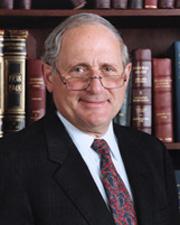 Sen. Carl Levin (D-MI)
What it changes
7 changes to S. 1390 · 2 shown in the bill's text
We couldn't read part of this amendment. That part is shown as written below.
Change 1: Inserts new text on page 323, between lines 22 and 23
InsertsPrinted pageInserted: (8) National security.--The term "national security
Original wording
On page 323, between lines 22 and 23, insert the following:
Change 2: Strikes page 347, line 19 through page 349, line 10
StrikesPrinted pageRemoves page 347, line 19 through page 349, line 10 of the printed bill. See that page
Original wording
Beginning on page 347, strike line 19 and all that follows through page 349, line 10.
Change 3: Strikes page 354, line 13 through page 355, line 10
StrikesPrinted pageRemoves page 354, line 13 through page 355, line 10 of the printed bill. See that page
Original wording
On page 354, strike line 13 and all that follows through page 355, line 10.
Change 4: Rewrites page 360, line 24
ReplacesPrinted pageRemoves page 360, line 24 of the printed bill. See that page
Inserted: SUBCHAPTER V--CLASSIFIED INFORMATION PROCEDURES
Inserted: Sec.
Inserted: 949p-1. Protection of classified information: applicability of subchapter.
Inserted: 949p-2. Pretrial conference.
Inserted: 949p-3. Protective orders.
Inserted: 949p-4. Discovery of, and access to, classified information by the accused.
Inserted: 949p-5. Notice by accused of intention to disclose classified information.
Inserted: 949p-6. Procedure for cases involving classified information.
Inserted: 949p-7. Introduction of classified information into evidence.
Inserted: Sec. 949p-1. Protection of classified information:
Inserted: applicability of subchapter
Inserted: (a) Protection of Classified Information.--Classified information shall be protected and is privileged from disclosure if disclosure would be detrimental to the national security. Under no circumstances may a military judge order the release of classified information to any person not authorized to receive such information.
Show 86 more inserted paragraphsShow less
Inserted: (b) Access to Evidence.--Any information admitted into evidence pursuant to any rule, procedure, or order by the military judge shall be provided to the accused.
Inserted: (c) Declassification.--Trial counsel shall work with the original classification authorities for evidence that may be used at trial to ensure that such evidence is declassified to the maximum extent possible, consistent with the requirements of national security. A decision not to declassify evidence under this section shall not be subject to review by a military commission or upon appeal.
Inserted: (d) Construction of Provisions.--The judicial construction of the Classified Information Procedures Act (18 U.S.C. App.) shall be authoritative in the interpretation of this subchapter, except to the extent that such construction is inconsistent with the specific requirements of this chapter.
Inserted: Sec. 949p-2. Pretrial conference
Inserted: (a) Motion.--At any time after service of charges, any party may move for a pretrial conference to consider matters relating to classified information that may arise in connection with the prosecution.
Inserted: (b) Conference.--Following a motion under subsection (a), or sua sponte, the military judge shall promptly hold a pretrial conference. Upon request by either party, the court shall hold such conference ex parte to the extent necessary to protect classified information from disclosure, in accordance with the practice of the Federal courts under the Classified Information Procedures Act (18 U.S.C. App.).
Inserted: (c) Matters To Be Established at Pretrial Conference.--
Inserted: (1) Timing of subsequent actions.--At the pretrial conference, the military judge shall establish the timing of--
Inserted: (A) requests for discovery;
Inserted: (B) the provision of notice required by section 949p-5 of this title; and
Inserted: (C) the initiation of the procedure established by section 949p-6 of this title.
Inserted: (2) Other matters.--At the pretrial conference, the military judge may also consider any matter--
Inserted: (A) which relates to classified information; or
Inserted: (B) which may promote a fair and expeditious trial.
Inserted: (d) Effect of Admissions by Accused at Pretrial Conference.--No admission made by the accused or by any counsel for the accused at a pretrial conference under this section may be used against the accused unless the admission is in writing and is signed by the accused and by the counsel for the accused.
Inserted: Sec. 949p-3. Protective orders
Inserted: Upon motion of the trial counsel, the military judge shall issue an order to protect against the disclosure of any classified information that has been disclosed by the United States to any accused in any military commission under this chapter or that has otherwise been provided to, or obtained by, any such accused in any such military commission.
Inserted: Sec. 949p-4. Discovery of, and access to, classified information by the accused
Inserted: (a) Limitations on Discovery or Access by the Accused.--
Inserted: (1) Declarations by the united states of damage to national security.--In any case before a military commission in which the United States seeks to delete, withhold, or otherwise obtain other relief with respect to the discovery of or access to any classified information, the trial counsel shall submit a declaration invoking the United States' classified information privilege and setting forth the damage to the national security that the discovery of or access to such information reasonably could be expected to cause. The declaration shall be signed by a knowledgeable United States official possessing authority to classify information.
Inserted: (2) Standard for authorization of discovery or access.--Upon the submission of a declaration under paragraph (1), the military judge shall not authorize the discovery of or access to such classified information unless the military judge determines that such classified information would be noncumulative, relevant, and helpful to a legally cognizable defense, rebuttal of the prosecution's case, or to sentencing, in accordance with standards generally applicable to discovery of or access to classified information in Federal criminal cases. If the discovery of or access to such classified information is authorized, it shall be addressed in accordance with the requirements of subsection (b).
Inserted: (b) Discovery of Classified Information.--
Inserted: (1) Substitutions and other relief.--The military judge, in assessing the accused's discovery of or access to classified information under this section, may authorize the United States--
Inserted: (A) to delete or withhold specified items of classified information;
Inserted: (B) to substitute a summary for classified information; or
Inserted: (C) to substitute a statement admitting relevant facts that the classified information or material would tend to prove.
Inserted: (2) Ex parte presentations.--The military judge shall permit the trial counsel to make a request for an authorization under paragraph (1) in the form of an ex parte presentation to the extent necessary to protect classified information, in accordance with the practice of the Federal courts under the Classified Information Procedures Act (18 U.S.C. App.). If the military judge enters an order granting relief following such an ex parte showing, the entire text of the written submission shall be sealed and preserved in the records of the military commission to be made available to the appellate court in the event of an appeal.
Inserted: (3) Action by military judge.--The military judge shall grant the request of the trial counsel to substitute a summary or to substitute a statement admitting relevant facts, or to provide other relief in accordance with paragraph (1), if the military judge finds that the summary, statement, or other relief would provide the accused with substantially the same ability to make a defense as would discovery of or access to the specific classified information.
Inserted: (c) Reconsideration.--An order of a military judge authorizing a request of the trial counsel to substitute, summarize, withhold, or prevent access to classified information under this section is not subject to a motion for reconsideration by the accused, if such order was entered pursuant to an ex parte showing under this section.
Inserted: Sec. 949p-5. Notice by accused of intention to disclose classified information
Inserted: (a) Notice by Accused.--
Inserted: (1) Notification of trial counsel and military judge.--If an accused reasonably expects to disclose, or to cause the disclosure of, classified information in any manner in connection with any trial or pretrial proceeding involving the prosecution of such accused, the accused shall, within the time specified by the military judge or, where no time is specified, within 30 days before trial, notify the trial counsel and the military judge in writing. Such notice shall include a brief description of the classified information. Whenever the accused learns of additional classified information the accused reasonably expects to disclose, or to cause the disclosure of, at any such proceeding, the accused shall notify trial counsel and the military judge in writing as soon as possible thereafter and shall include a brief description of the classified information.
Inserted: (2) Limitation on disclosure by accused.--No accused shall disclose, or cause the disclosure of, any information known or believed to be classified in connection with a trial or pretrial proceeding until--
Inserted: (A) notice has been given under paragraph (1); and
Inserted: (B) the United States has been afforded a reasonable opportunity to seek a determination pursuant to the procedure set forth in section 949p-6 of this title and the time for the United States to appeal such determination under section 950d of this title has expired or any appeal under that section by the United States is decided.
Inserted: (b) Failure To Comply.--If the accused fails to comply with the requirements of subsection (a), the military judge--
Inserted: (1) may preclude disclosure of any classified information not made the subject of notification; and
Inserted: (2) may prohibit the examination by the accused of any witness with respect to any such information.
Inserted: Sec. 949p-6. Procedure for cases involving classified information
Inserted: (a) Motion for Hearing.--
Inserted: (1) Request for hearing.--Within the time specified by the military judge for the filing of a motion under this section, either party may request the military judge to conduct a hearing to make all determinations concerning the use, relevance, or admissibility of classified information that would otherwise be made during the trial or pretrial proceeding.
Inserted: (2) Conduct of hearing.--Upon a request by either party under paragraph (1), the military judge shall conduct such a hearing and shall rule prior to conducting any further proceedings.
Inserted: (3) In camera hearing upon declaration to court by appropriate official of risk of disclosure of classified information.--Any hearing held pursuant to this subsection (or any portion of such hearing specified in the request of a knowledgeable United States official) shall be held in camera if a knowledgeable United States official possessing authority to classify information submits to the military judge a declaration that a public proceeding may result in the disclosure of classified information. Classified information is not subject to disclosure under this section unless the information is relevant and necessary to an element of the offense or a legally cognizable defense and is otherwise admissible in evidence.
Inserted: (4) Military judge to make determinations in writing.--As to each item of classified information, the military judge shall set forth in writing the basis for the determination.
Inserted: (b) Notice and Use of Classified Information by the Government.--
Inserted: (1) Notice to accused.--Before any hearing is conducted pursuant to a request by the trial counsel under subsection (a), trial counsel shall provide the accused with notice of the classified information that is at issue. Such notice shall identify the specific classified information at issue whenever that information previously has been made available to the accused by the United States. When the United States has not previously made the information available to the accused in connection with the case the information may be described by generic category, in such forms as the military judge may approve, rather than by identification of the specific information of concern to the United States.
Inserted: (2) Order by military judge upon request of accused.--Whenever the trial counsel requests a hearing under subsection (a), the military judge, upon request of the accused, may order the trial counsel to provide the accused, prior to trial, such details as to the portion of the charge or specification at issue in the hearing as are needed to give the accused fair notice to prepare for the hearing.
Inserted: (c) Substitutions.--
Inserted: (1) In camera pretrial hearing.--Upon request of the trial counsel pursuant to the Military Commission Rules of Evidence, and in accordance with the security procedures established by the military judge, the military judge shall conduct a classified in camera pretrial hearing concerning the admissibility of classified information.
Inserted: (2) Protection of sources, methods, and activities by which evidence acquired.--The military judge shall permit the trial counsel to introduce otherwise admissible evidence, including a substituted evidentiary foundation pursuant to the procedures described in subsection (d), before a military commission while protecting from disclosure the sources, methods, or activities by which the United States acquired the evidence if the military judge finds that the sources, methods, or activities are classified, the evidence is reliable, and the redaction is consistent with affording the accused a fair trial.
Inserted: (d) Alternative Procedure for Disclosure of Classified Information.--
Inserted: (1) Motion by the united states.--Upon any determination by the military judge authorizing the disclosure of specific classified information under the procedures established by this section, the trial counsel may move that, in lieu of the disclosure of such specific classified information, the military judge order--
Inserted: (A) the substitution for such classified information of a statement admitting relevant facts that the specific classified information would tend to prove;
Inserted: (B) the substitution for such classified information of a summary of the specific classified information; or
Inserted: (C) any other procedure or redaction limiting the disclosure of specific classified information.
Inserted: (2) Action on motion.--The military judge shall grant such a motion of the trial counsel if the military judge finds that the statement, summary, or other procedure or redaction will provide the defendant with substantially the same ability to make his defense as would disclosure of the specific classified information.
Inserted: (3) Hearing on motion.--The military judge shall hold a hearing on any motion under this subsection. Any such hearing shall be held in camera at the request of a knowledgeable United States official possessing authority to classify information.
Inserted: (4) Submission of statement of damage to national security if disclosure ordered.--The trial counsel may, in connection with a motion under paragraph (1), submit to the military judge a declaration signed by a knowledgeable United States official possessing authority to classify information certifying that disclosure of classified information would cause identifiable damage to the national security of the United States and explaining the basis for the classification of such information. If so requested by the trial counsel, the military judge shall examine such declaration during an ex parte presentation.
Inserted: (e) Sealing of Records of in Camera Hearings.--If at the close of an in camera hearing under this section (or any portion of a hearing under this section that is held in camera), the military judge determines that the classified information at issue may not be disclosed or elicited at the trial or pretrial proceeding, the record of such in camera hearing shall be sealed and preserved for use in the event of an appeal. The accused may seek reconsideration of the military judge's determination prior to or during trial.
Inserted: (f) Prohibition on Disclosure of Classified Information by the Accused; Relief for Accused When the United States Opposes Disclosure.--
Inserted: (1) Order to prevent disclosure by accused.--Whenever the military judge denies a motion by the trial counsel that the judge issue an order under subsection (a), (c), or (d) and the trial counsel files with the military judge a declaration signed by a knowledgeable United States official possessing authority to classify information objecting to disclosure of the classified information at issue, the military judge shall order that the accused not disclose or cause the disclosure of such information.
Inserted: (2) Result of order under paragraph (1).--Whenever an accused is prevented by an order under paragraph (1) from disclosing or causing the disclosure of classified information, the military judge shall dismiss the case; except that, when the military judge determines that the interests of justice would not be served by dismissal of the case, the military judge shall order such other action, in lieu of dismissing the charge or specification, as the military judge determines is appropriate. Such action may include, but need not be limited to, the following:
Inserted: (A) Dismissing specified charges or specifications.
Inserted: (B) Finding against the United States on any issue as to which the excluded classified information relates.
Inserted: (C) Striking or precluding all or part of the testimony of a witness.
Inserted: (3) Time for the united states to seek interlocutory appeal.--An order under paragraph (2) shall not take effect until the military judge has afforded the United States--
Inserted: (A) an opportunity to appeal such order under section 950d of this title; and
Inserted: (B) an opportunity thereafter to withdraw its objection to the disclosure of the classified information at issue.
Inserted: (g) Reciprocity.--
Inserted: (1) Disclosure of rebuttal information.--Whenever the military judge determines that classified information may be disclosed in connection with a trial or pretrial proceeding, the military judge shall, unless the interests of fairness do not so require, order the United States to provide the accused with the information it expects to use to rebut the classified information. The military judge may place the United States under a continuing duty to disclose such rebuttal information.
Inserted: (2) Sanction for failure to comply.--If the United States fails to comply with its obligation under this subsection, the military judge--
Inserted: (A) may exclude any evidence not made the subject of a required disclosure; and
Inserted: (B) may prohibit the examination by the United States of any witness with respect to such information.
Inserted: Sec. 949p-7. Introduction of classified information into evidence
Inserted: (a) Preservation of Classification Status.--Writings, recordings, and photographs containing classified information may be admitted into evidence in proceedings of military commissions under this chapter without change in their classification status.
Inserted: (b) Precautions by Military Judges.--
Inserted: (1) Precautions in admitting classified information into evidence.--The military judge in a trial by military commission, in order to prevent unnecessary disclosure of classified information, may order admission into evidence of only part of a writing, recording, or photograph, or may order admission into evidence of the whole writing, recording, or photograph with excision of some or all of the classified information contained therein, unless the whole ought in fairness be considered.
Inserted: (2) Classified information kept under seal.--The military judge shall allow classified information offered or accepted into evidence to remain under seal during the trial, even if such evidence is disclosed in the military commission, and may, upon motion by the Government, seal exhibits containing classified information for any period after trial as necessary to prevent a disclosure of classified information when a knowledgeable United States official possessing authority to classify information submits to the military judge a declaration setting forth the damage to the national security that the disclosure of such information reasonably could be expected to cause.
Inserted: (c) Taking of Testimony.--
Inserted: (1) Objection by trial counsel.--During the examination of a witness, trial counsel may object to any question or line of inquiry that may require the witness to disclose classified information not previously found to be admissible.
Inserted: (2) Action by military judge.--Following an objection under paragraph (1), the military judge shall take such suitable action to determine whether the response is admissible as will safeguard against the compromise of any classified information. Such action may include requiring trial counsel to provide the military judge with a proffer of the witness' response to the question or line of inquiry and requiring the accused to provide the military judge with a proffer of the nature of the information sought to be elicited by the accused. Upon request, the military judge may accept an ex parte proffer by trial counsel to the extent necessary to protect classified information from disclosure, in accordance with the practice of the Federal courts under the Classified Information Procedures Act (18 U.S.C. App.).
Inserted: (d) Disclosure at Trial of Certain Statements Previously Made by a Witness.--
Inserted: (1) Motion for production of statements in possession of the united states.--After a witness called by the trial counsel has testified on direct examination, the military judge, on motion of the accused, may order production of statements of the witness in the possession of the United States which relate to the subject matter as to which the witness has testified. This paragraph does not preclude discovery or assertion of a privilege otherwise authorized.
Inserted: (2) Invocation of privilege by the united states.--If the United States invokes a privilege, the trial counsel may provide the prior statements of the witness to the military judge during an ex parte presentation to the extent necessary to protect classified information from disclosure, in accordance with the practice of the Federal courts under the Classified Information Procedures Act (18 U.S.C. App.).
Inserted: (3) Action by military judge on motion.--If the military judge finds that disclosure of any portion of the statement identified by the United States as classified would be detrimental to the national security in the degree to warrant classification under the applicable Executive Order, statute, or regulation, that such portion of the statement is consistent with the testimony of the witness, and that the disclosure of such portion is not necessary to afford the accused a fair trial, the military judge shall excise that portion from the statement. If the military judge finds that such portion of the statement is inconsistent with the testimony of the witness or that its disclosure is necessary to afford the accused a fair trial, the military judge, shall, upon the request of the trial counsel, review alternatives to disclosure in accordance with section 949p-6(d) of this title.
Inserted: SUBCHAPTER VI--SENTENCES
Original wording
On page 360, strike line 24 and insert the following:
Change 5: Replaces “SUBCHAPTER VI” with “SUBCHAPTER VII”
In S. 1390 · Placed on Calendar Senate
"(b) Treatment During Confinement by Other Than the Armed Forces.--Persons confined under subsection (a)(2) in a penal or correctional institution not under the control of an armed force are subject to the same discipline and treatment as persons confined or committed by the courts of the United States or of the State, District of Columbia, or place in which the institution is situated.
"SUBCHAPTER
[struck: VI][inserted: VII]--POST-TRIAL PROCEDURE AND REVIEW OF MILITARY COMMISSIONS"Sec. "950a. Error of law; lesser included offense. "950b. Review by the convening authority. "950c. Appellate referral; waiver or withdrawal of appeal. "950d. Appeal by the United States. "950e. Rehearings. "950f. Review by United States Court of Appeals for the Armed Forces and Supreme Court. "950g. Appellate counsel "950h. Execution of sentence; suspension of sentence. "950i. Finality of proceedings, findings, and sentences.
Original wording
On page 362, line 9, strike “SUBCHAPTER VI” and insert “SUBCHAPTER VII”.
Change 6: Rewrites page 368, line 7 through page 369, line 8
ReplacesPrinted pageRemoves page 368, line 7 through page 369, line 8 of the printed bill. See that page
Inserted: Sec. 950d. Interlocutory appeals by the United States
Inserted: (a) Interlocutory Appeal.--Except as provided in subsection (b), in a trial by military commission under this chapter, the United States may take an interlocutory appeal to the United States Court of Appeals for the Armed Forces under section 950f of this title of any order or ruling of the military judge--
Inserted: (1) that terminates proceedings of the military commission with respect to a charge or specification;
Inserted: (2) that excludes evidence that is substantial proof of a fact material in the proceeding;
Inserted: (3) that relates to a matter under subsection (c) or (d) of section 949d of this title; or
Inserted: (4) that, with respect to classified information--
Inserted: (A) authorizes the disclosure of such information;
Inserted: (B) imposes sanctions for nondisclosure of such information; or
Inserted: (C) refuses a protective order sought by the United States to prevent the disclosure of such information.
Inserted: (b) Limitation.--The United States may not appeal under subsection (a) an order or ruling that is, or amounts to, a finding of not guilty by the military commission with respect to a charge or specification.
Inserted: (c) Scope of Appeal Right With Respect to Classified Information.--The United States has the right to appeal under paragraph (4) of subsection (a) whenever the military judge enters an order or ruling that would require the disclosure of classified information, without regard to whether the order or ruling appealed from was entered under this chapter, another provision of law, a rule, or otherwise. Any such appeal may embrace any preceding order, ruling, or reasoning constituting the basis of the order or ruling that would authorize such disclosure.
Inserted: (d) Timing and Action on Interlocutory Appeals Relating to Classified Information.--
Show 11 more inserted paragraphsShow less
Inserted: (1) Appeal to be expedited.--An appeal taken pursuant to paragraph (4) of subsection (a) shall be expedited by the United States Court of Appeals for the Armed Forces.
Inserted: (2) Appeals before trial.--If such an appeal is taken before trial, the appeal shall be taken within 10 days after the order or ruling appealed from and the trial shall not commence until the appeal is decided.
Inserted: (3) Appeals during trial.--If such an appeal is taken during trial, the military judge shall adjourn the trial until the appeal is decided, and the court of appeals--
Inserted: (A) shall hear argument on such appeal within 4 days of the adjournment of the trial (excluding weekends and holidays);
Inserted: (B) may dispense with written briefs other than the supporting materials previously submitted to the military judge;
Inserted: (C) shall render its decision within four days of argument on appeal (excluding weekends and holidays); and
Inserted: (D) may dispense with the issuance of a written opinion in rendering its decision.
Inserted: (e) Notice and Timing of Other Appeals.--The United States shall take an appeal of an order or ruling under subsection (a), other than an appeal under paragraph (4) of that subsection, by filing a notice of appeal with the military judge within 5 days after the date of the order or ruling.
Inserted: (f) Method of Appeal.--An appeal under this section shall be forwarded, by means specified in regulations prescribed by the Secretary of Defense, directly to the United States Court of Appeals for the Armed Forces.
Inserted: (g) Appeals Court to Act Only With Respect to Matter of Law.--In ruling on an appeal under paragraph (1), (2), or (3) of subsection (a), the appeals court may act only with respect to matters of law.
Inserted: (h) Subsequent Appeal Rights of Accused Not Affected.--An appeal under paragraph (4) of subsection (a), and a decision on such appeal, shall not affect the right of the accused, in a subsequent appeal from a judgment of conviction, to claim as error reversal by the military judge on remand of a ruling appealed from during trial.
Original wording
Beginning on page 368, strike line 7 and all that follows through page 369, line 8, and insert the following:
Change 7: Replaces “SUBCHAPTER VII” with “SUBCHAPTER VIII”
In S. 1390 · Placed on Calendar Senate
"Sec. 950i. Finality of proceedings, findings, and sentences "The appellate review of records of trial provided by this chapter, and the proceedings, findings, and sentences of military commissions as approved, reviewed, or affirmed as required by this chapter, are final and conclusive. Orders publishing the proceedings of military commissions under this chapter are binding upon all departments, courts, agencies, and officers of the United States, subject only to action by the Secretary or the convening authority as provided in section 950h(c) of this title and the authority of the President.
"SUBCHAPTER
[struck: VII][inserted: VIII]--PUNITIVE MATTERS"Sec. 950p. Definitions; construction of certain offenses; common circumstances
Original wording
On page 374, line 4, strike “SUBCHAPTER VII” and insert “SUBCHAPTER VIII”.
Shown as written
On page 321, in the table of subchapters in the quoted text following line 21, strike the items relating to subchapters V, VI, and VII, and insert the following:
On page 362, in the table of sections in the quoted text following line 10, strike the item relating to section 950d and insert the following:
Read automatically from the Congressional Record. Check the original before relying on it.
As printed
SA 1710. Mr. LEVIN (for himself, Mr. McCain, and Mr. Graham) submitted an amendment intended to be proposed by him to the bill S. 1390, to authorize appropriations for fiscal year 2010 for military activities of the Department of Defense, for military construction, and for defense activities of the Department of Energy, to prescribe military personnel strengths for such fiscal year, and for other purposes; which was ordered to lie on the table; as follows:
On page 321, in the table of subchapters in the quoted text following line 21, strike the items relating to subchapters V, VI, and VII, and insert the following:
“V. Classified Information Procedures..........................949p-1.
“VI. Sentences...................................................949s.
“VII. Post-Trial Procedures and Review of Military Commissions...950a.
“VIII. Punitive Matters..........................................950p.
On page 323, between lines 22 and 23, insert the following:
“(8) National security.--The term “national security” means the national defense and foreign relations of the United States.
Beginning on page 347, strike line 19 and all that follows through page 349, line 10.
On page 354, strike line 13 and all that follows through page 355, line 10.
On page 360, strike line 24 and insert the following:
“SUBCHAPTER V--CLASSIFIED INFORMATION PROCEDURES
“Sec.
“949p-1. Protection of classified information: applicability of subchapter.
“949p-2. Pretrial conference.
“949p-3. Protective orders.
“949p-4. Discovery of, and access to, classified information by the accused.
“949p-5. Notice by accused of intention to disclose classified information.
“949p-6. Procedure for cases involving classified information.
“949p-7. Introduction of classified information into evidence.
“Sec. 949p-1. Protection of classified information:
applicability of subchapter
“(a) Protection of Classified Information.--Classified information shall be protected and is privileged from disclosure if disclosure would be detrimental to the national security. Under no circumstances may a military judge order the release of classified information to any person not authorized to receive such information.
“(b) Access to Evidence.--Any information admitted into evidence pursuant to any rule, procedure, or order by the military judge shall be provided to the accused.
“(c) Declassification.--Trial counsel shall work with the original classification authorities for evidence that may be used at trial to ensure that such evidence is declassified to the maximum extent possible, consistent with the requirements of national security. A decision not to declassify evidence under this section shall not be subject to review by a military commission or upon appeal.
“(d) Construction of Provisions.--The judicial construction of the Classified Information Procedures Act (18 U.S.C. App.) shall be authoritative in the interpretation of this subchapter, except to the extent that such construction is inconsistent with the specific requirements of this chapter.
“Sec. 949p-2. Pretrial conference
“(a) Motion.--At any time after service of charges, any party may move for a pretrial conference to consider matters relating to classified information that may arise in connection with the prosecution.
“(b) Conference.--Following a motion under subsection (a), or sua sponte, the military judge shall promptly hold a pretrial conference. Upon request by either party, the court shall hold such conference ex parte to the extent necessary to protect classified information from disclosure, in accordance with the practice of the Federal courts under the Classified Information Procedures Act (18 U.S.C. App.).
“(c) Matters To Be Established at Pretrial Conference.--
“(1) Timing of subsequent actions.--At the pretrial conference, the military judge shall establish the timing of--
“(A) requests for discovery;
“(B) the provision of notice required by section 949p-5 of this title; and
“(C) the initiation of the procedure established by section 949p-6 of this title.
“(2) Other matters.--At the pretrial conference, the military judge may also consider any matter--
“(A) which relates to classified information; or
“(B) which may promote a fair and expeditious trial.
“(d) Effect of Admissions by Accused at Pretrial Conference.--No admission made by the accused or by any counsel for the accused at a pretrial conference under this section may be used against the accused unless the admission is in writing and is signed by the accused and by the counsel for the accused.
“Sec. 949p-3. Protective orders
“Upon motion of the trial counsel, the military judge shall issue an order to protect against the disclosure of any classified information that has been disclosed by the United States to any accused in any military commission under this chapter or that has otherwise been provided to, or obtained by, any such accused in any such military commission.
“Sec. 949p-4. Discovery of, and access to, classified
information by the accused
“(a) Limitations on Discovery or Access by the Accused.--
“(1) Declarations by the united states of damage to national security.--In any case before a military commission in which the United States seeks to delete, withhold, or otherwise obtain other relief with respect to the discovery of or access to any classified information, the trial counsel shall submit a declaration invoking the United States' classified information privilege and setting forth the damage to the national security that the discovery of or access to such information reasonably could be expected to cause. The declaration shall be signed by a knowledgeable United States official possessing authority to classify information.
“(2) Standard for authorization of discovery or access.--Upon the submission of a declaration under paragraph (1), the military judge shall not authorize the discovery of or access to such classified information unless the military judge determines that such classified information would be noncumulative, relevant, and helpful to a legally cognizable defense, rebuttal of the prosecution's case, or to sentencing, in accordance with standards generally applicable to discovery of or access to classified information in Federal criminal cases. If the discovery of or access to such classified information is authorized, it shall be addressed in accordance with the requirements of subsection (b).
“(b) Discovery of Classified Information.--
“(1) Substitutions and other relief.--The military judge, in assessing the accused's discovery of or access to classified information under this section, may authorize the United States--
“(A) to delete or withhold specified items of classified information;
“(B) to substitute a summary for classified information; or
“(C) to substitute a statement admitting relevant facts that the classified information or material would tend to prove.
“(2) Ex parte presentations.--The military judge shall permit the trial counsel to make a request for an authorization under paragraph (1) in the form of an ex parte presentation to the extent necessary to protect classified information, in accordance with the practice of the Federal courts under the Classified Information Procedures Act (18 U.S.C. App.). If the military judge enters an order granting relief following such an ex parte showing, the entire text of the written submission shall be sealed and preserved in the records of the military commission to be made available to the appellate court in the event of an appeal.
“(3) Action by military judge.--The military judge shall grant the request of the trial counsel to substitute a summary or to substitute a statement admitting relevant facts, or to provide other relief in accordance with paragraph (1), if the military judge finds that the summary, statement, or other relief would provide the accused with substantially the same ability to make a defense as would discovery of or access to the specific classified information.
“(c) Reconsideration.--An order of a military judge authorizing a request of the trial counsel to substitute, summarize, withhold, or prevent access to classified information under this section is not subject to a motion for reconsideration by the accused, if such order was entered pursuant to an ex parte showing under this section.
“Sec. 949p-5. Notice by accused of intention to disclose
classified information
“(a) Notice by Accused.--
“(1) Notification of trial counsel and military judge.--If an accused reasonably expects to disclose, or to cause the disclosure of, classified information in any manner in connection with any trial or pretrial proceeding involving the prosecution of such accused, the accused shall, within the time specified by the military judge or, where no time is specified, within 30 days before trial, notify the trial counsel and the military judge in writing. Such notice shall include a brief description of the classified information. Whenever the accused learns of additional classified information the accused reasonably expects to disclose, or to cause the disclosure of, at any such proceeding, the accused shall notify trial counsel and the military judge in writing as soon as possible thereafter and shall include a brief description of the classified information.
“(2) Limitation on disclosure by accused.--No accused shall disclose, or cause the disclosure of, any information known or believed to be classified in connection with a trial or pretrial proceeding until--
“(A) notice has been given under paragraph (1); and
“(B) the United States has been afforded a reasonable opportunity to seek a determination pursuant to the procedure set forth in section 949p-6 of this title and the time for the United States to appeal such determination under section 950d of this title has expired or any appeal under that section by the United States is decided.
“(b) Failure To Comply.--If the accused fails to comply with the requirements of subsection (a), the military judge--
“(1) may preclude disclosure of any classified information not made the subject of notification; and
“(2) may prohibit the examination by the accused of any witness with respect to any such information.
“Sec. 949p-6. Procedure for cases involving classified
information
“(a) Motion for Hearing.--
“(1) Request for hearing.--Within the time specified by the military judge for the filing of a motion under this section, either party may request the military judge to conduct a hearing to make all determinations concerning the use, relevance, or admissibility of classified information that would otherwise be made during the trial or pretrial proceeding.
“(2) Conduct of hearing.--Upon a request by either party under paragraph (1), the military judge shall conduct such a hearing and shall rule prior to conducting any further proceedings.
“(3) In camera hearing upon declaration to court by appropriate official of risk of disclosure of classified information.--Any hearing held pursuant to this subsection (or any portion of such hearing specified in the request of a knowledgeable United States official) shall be held in camera if a knowledgeable United States official possessing authority to classify information submits to the military judge a declaration that a public proceeding may result in the disclosure of classified information. Classified information is not subject to disclosure under this section unless the information is relevant and necessary to an element of the offense or a legally cognizable defense and is otherwise admissible in evidence.
“(4) Military judge to make determinations in writing.--As to each item of classified information, the military judge shall set forth in writing the basis for the determination.
“(b) Notice and Use of Classified Information by the Government.--
“(1) Notice to accused.--Before any hearing is conducted pursuant to a request by the trial counsel under subsection (a), trial counsel shall provide the accused with notice of the classified information that is at issue. Such notice shall identify the specific classified information at issue whenever that information previously has been made available to the accused by the United States. When the United States has not previously made the information available to the accused in connection with the case the information may be described by generic category, in such forms as the military judge may approve, rather than by identification of the specific information of concern to the United States.
“(2) Order by military judge upon request of accused.--Whenever the trial counsel requests a hearing under subsection (a), the military judge, upon request of the accused, may order the trial counsel to provide the accused, prior to trial, such details as to the portion of the charge or specification at issue in the hearing as are needed to give the accused fair notice to prepare for the hearing.
“(c) Substitutions.--
“(1) In camera pretrial hearing.--Upon request of the trial counsel pursuant to the Military Commission Rules of Evidence, and in accordance with the security procedures established by the military judge, the military judge shall conduct a classified in camera pretrial hearing concerning the admissibility of classified information.
“(2) Protection of sources, methods, and activities by which evidence acquired.--The military judge shall permit the trial counsel to introduce otherwise admissible evidence, including a substituted evidentiary foundation pursuant to the procedures described in subsection (d), before a military commission while protecting from disclosure the sources, methods, or activities by which the United States acquired the evidence if the military judge finds that the sources, methods, or activities are classified, the evidence is reliable, and the redaction is consistent with affording the accused a fair trial.
“(d) Alternative Procedure for Disclosure of Classified Information.--
“(1) Motion by the united states.--Upon any determination by the military judge authorizing the disclosure of specific classified information under the procedures established by this section, the trial counsel may move that, in lieu of the disclosure of such specific classified information, the military judge order--
“(A) the substitution for such classified information of a statement admitting relevant facts that the specific classified information would tend to prove;
“(B) the substitution for such classified information of a summary of the specific classified information; or
“(C) any other procedure or redaction limiting the disclosure of specific classified information.
“(2) Action on motion.--The military judge shall grant such a motion of the trial counsel if the military judge finds that the statement, summary, or other procedure or redaction will provide the defendant with substantially the same ability to make his defense as would disclosure of the specific classified information.
“(3) Hearing on motion.--The military judge shall hold a hearing on any motion under this subsection. Any such hearing shall be held in camera at the request of a knowledgeable United States official possessing authority to classify information.
“(4) Submission of statement of damage to national security if disclosure ordered.--The trial counsel may, in connection with a motion under paragraph (1), submit to the military judge a declaration signed by a knowledgeable United States official possessing authority to classify information certifying that disclosure of classified information would cause identifiable damage to the national security of the United States and explaining the basis for the classification of such information. If so requested by the trial counsel, the military judge shall examine such declaration during an ex parte presentation.
“(e) Sealing of Records of in Camera Hearings.--If at the close of an in camera hearing under this section (or any portion of a hearing under this section that is held in camera), the military judge determines that the classified information at issue may not be disclosed or elicited at the trial or pretrial proceeding, the record of such in camera hearing shall be sealed and preserved for use in the event of an appeal. The accused may seek reconsideration of the military judge's determination prior to or during trial.
“(f) Prohibition on Disclosure of Classified Information by the Accused; Relief for Accused When the United States Opposes Disclosure.--
“(1) Order to prevent disclosure by accused.--Whenever the military judge denies a motion by the trial counsel that the judge issue an order under subsection (a), (c), or (d) and the trial counsel files with the military judge a declaration signed by a knowledgeable United States official possessing authority to classify information objecting to disclosure of the classified information at issue, the military judge shall order that the accused not disclose or cause the disclosure of such information.
“(2) Result of order under paragraph (1).--Whenever an accused is prevented by an order under paragraph (1) from disclosing or causing the disclosure of classified information, the military judge shall dismiss the case; except that, when the military judge determines that the interests of justice would not be served by dismissal of the case, the military judge shall order such other action, in lieu of dismissing the charge or specification, as the military judge determines is appropriate. Such action may include, but need not be limited to, the following:
“(A) Dismissing specified charges or specifications.
“(B) Finding against the United States on any issue as to which the excluded classified information relates.
“(C) Striking or precluding all or part of the testimony of a witness.
“(3) Time for the united states to seek interlocutory appeal.--An order under paragraph (2) shall not take effect until the military judge has afforded the United States--
“(A) an opportunity to appeal such order under section 950d of this title; and
“(B) an opportunity thereafter to withdraw its objection to the disclosure of the classified information at issue.
“(g) Reciprocity.--
“(1) Disclosure of rebuttal information.--Whenever the military judge determines that classified information may be disclosed in connection with a trial or pretrial proceeding, the military judge shall, unless the interests of fairness do not so require, order the United States to provide the accused with the information it expects to use to rebut the classified information. The military judge may place the United States under a continuing duty to disclose such rebuttal information.
“(2) Sanction for failure to comply.--If the United States fails to comply with its obligation under this subsection, the military judge--
“(A) may exclude any evidence not made the subject of a required disclosure; and
“(B) may prohibit the examination by the United States of any witness with respect to such information.
“Sec. 949p-7. Introduction of classified information into
evidence
“(a) Preservation of Classification Status.--Writings, recordings, and photographs containing classified information may be admitted into evidence in proceedings of military commissions under this chapter without change in their classification status.
“(b) Precautions by Military Judges.--
“(1) Precautions in admitting classified information into evidence.--The military judge in a trial by military commission, in order to prevent unnecessary disclosure of classified information, may order admission into evidence of only part of a writing, recording, or photograph, or may order admission into evidence of the whole writing, recording, or photograph with excision of some or all of the classified information contained therein, unless the whole ought in fairness be considered.
“(2) Classified information kept under seal.--The military judge shall allow classified information offered or accepted into evidence to remain under seal during the trial, even if such evidence is disclosed in the military commission, and may, upon motion by the Government, seal exhibits containing classified information for any period after trial as necessary to prevent a disclosure of classified information when a knowledgeable United States official possessing authority to classify information submits to the military judge a declaration setting forth the damage to the national security that the disclosure of such information reasonably could be expected to cause.
“(c) Taking of Testimony.--
“(1) Objection by trial counsel.--During the examination of a witness, trial counsel may object to any question or line of inquiry that may require the witness to disclose classified information not previously found to be admissible.
“(2) Action by military judge.--Following an objection under paragraph (1), the military judge shall take such suitable action to determine whether the response is admissible as will safeguard against the compromise of any classified information. Such action may include requiring trial counsel to provide the military judge with a proffer of the witness' response to the question or line of inquiry and requiring the accused to provide the military judge with a proffer of the nature of the information sought to be elicited by the accused. Upon request, the military judge may accept an ex parte proffer by trial counsel to the extent necessary to protect classified information from disclosure, in accordance with the practice of the Federal courts under the Classified Information Procedures Act (18 U.S.C. App.).
“(d) Disclosure at Trial of Certain Statements Previously Made by a Witness.--
“(1) Motion for production of statements in possession of the united states.--After a witness called by the trial counsel has testified on direct examination, the military judge, on motion of the accused, may order production of statements of the witness in the possession of the United States which relate to the subject matter as to which the witness has testified. This paragraph does not preclude discovery or assertion of a privilege otherwise authorized.
“(2) Invocation of privilege by the united states.--If the United States invokes a privilege, the trial counsel may provide the prior statements of the witness to the military judge during an ex parte presentation to the extent necessary to protect classified information from disclosure, in accordance with the practice of the Federal courts under the Classified Information Procedures Act (18 U.S.C. App.).
“(3) Action by military judge on motion.--If the military judge finds that disclosure of any portion of the statement identified by the United States as classified would be detrimental to the national security in the degree to warrant classification under the applicable Executive Order, statute, or regulation, that such portion of the statement is consistent with the testimony of the witness, and that the disclosure of such portion is not necessary to afford the accused a fair trial, the military judge shall excise that portion from the statement. If the military judge finds that such portion of the statement is inconsistent with the testimony of the witness or that its disclosure is necessary to afford the accused a fair trial, the military judge, shall, upon the request of the trial counsel, review alternatives to disclosure in accordance with section 949p-6(d) of this title.
“SUBCHAPTER VI--SENTENCES
On page 362, line 9, strike “SUBCHAPTER VI” and insert “SUBCHAPTER VII”.
On page 362, in the table of sections in the quoted text following line 10, strike the item relating to section 950d and insert the following:
“949d. Interlocutory appeals by the United States.
Beginning on page 368, strike line 7 and all that follows through page 369, line 8, and insert the following:
“Sec. 950d. Interlocutory appeals by the United States
“(a) Interlocutory Appeal.--Except as provided in subsection (b), in a trial by military commission under this chapter, the United States may take an interlocutory appeal to the United States Court of Appeals for the Armed Forces under section 950f of this title of any order or ruling of the military judge--
“(1) that terminates proceedings of the military commission with respect to a charge or specification;
“(2) that excludes evidence that is substantial proof of a fact material in the proceeding;
“(3) that relates to a matter under subsection (c) or (d) of section 949d of this title; or
“(4) that, with respect to classified information--
“(A) authorizes the disclosure of such information;
“(B) imposes sanctions for nondisclosure of such information; or
“(C) refuses a protective order sought by the United States to prevent the disclosure of such information.
“(b) Limitation.--The United States may not appeal under subsection (a) an order or ruling that is, or amounts to, a finding of not guilty by the military commission with respect to a charge or specification.
“(c) Scope of Appeal Right With Respect to Classified Information.--The United States has the right to appeal under paragraph (4) of subsection (a) whenever the military judge enters an order or ruling that would require the disclosure of classified information, without regard to whether the order or ruling appealed from was entered under this chapter, another provision of law, a rule, or otherwise. Any such appeal may embrace any preceding order, ruling, or reasoning constituting the basis of the order or ruling that would authorize such disclosure.
“(d) Timing and Action on Interlocutory Appeals Relating to Classified Information.--
“(1) Appeal to be expedited.--An appeal taken pursuant to paragraph (4) of subsection (a) shall be expedited by the United States Court of Appeals for the Armed Forces.
“(2) Appeals before trial.--If such an appeal is taken before trial, the appeal shall be taken within 10 days after the order or ruling appealed from and the trial shall not commence until the appeal is decided.
“(3) Appeals during trial.--If such an appeal is taken during trial, the military judge shall adjourn the trial until the appeal is decided, and the court of appeals--
“(A) shall hear argument on such appeal within 4 days of the adjournment of the trial (excluding weekends and holidays);
“(B) may dispense with written briefs other than the supporting materials previously submitted to the military judge;
“(C) shall render its decision within four days of argument on appeal (excluding weekends and holidays); and
“(D) may dispense with the issuance of a written opinion in rendering its decision.
“(e) Notice and Timing of Other Appeals.--The United States shall take an appeal of an order or ruling under subsection (a), other than an appeal under paragraph (4) of that subsection, by filing a notice of appeal with the military judge within 5 days after the date of the order or ruling.
“(f) Method of Appeal.--An appeal under this section shall be forwarded, by means specified in regulations prescribed by the Secretary of Defense, directly to the United States Court of Appeals for the Armed Forces.
“(g) Appeals Court to Act Only With Respect to Matter of Law.--In ruling on an appeal under paragraph (1), (2), or (3) of subsection (a), the appeals court may act only with respect to matters of law.
“(h) Subsequent Appeal Rights of Accused Not Affected.--An appeal under paragraph (4) of subsection (a), and a decision on such appeal, shall not affect the right of the accused, in a subsequent appeal from a judgment of conviction, to claim as error reversal by the military judge on remand of a ruling appealed from during trial.”.
On page 374, line 4, strike “SUBCHAPTER VII” and insert “SUBCHAPTER VIII”.
Legislative Activity
Stay on top of the latest movement without scrolling through every action
Senate amendment proposed (on the floor): Amendment SA 1710 proposed by Senator Levin.(consideration: CR S7987-7989)
July 23, 2009
View full timeline
Senate amendment proposed (on the floor): Amendment SA 1710 proposed by Senator Levin.(consideration: CR S7987-7989)
July 23, 2009
Senate amendment agreed to: Amendment SA 1710 agreed to in Senate by Unanimous Consent.
July 23, 2009
Amendment SA 1710 proposed by Senator Levin. (consideration: CR S7987-7989) To provide for classified information procedures for military commissions, and to provide for interlocutory appeals by the United States of certain orders and rulings of military judges.
July 23, 2009
Amendment SA 1710 agreed to in Senate by Unanimous Consent.
July 23, 2009
Senate amendment submitted
July 22, 2009