To amend the preamble.
What it does: Rewrites preamble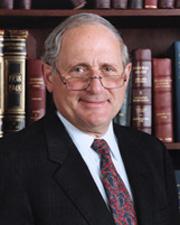 Sen. Carl Levin (D-MI)
What it changes
1 change to S.Res. 322
The Congressional Record cuts off the end of this amendment, so some changes may be missing.
Rewrites preamble
ReplacesRemoves preamble.
Inserted: Whereas the territory of Iraq, the land of Mesopotamia, has millennia of rich cultural and religious history;
Inserted: Whereas the Sumerians, Babylonians, and Assyrians thrived within what are now the borders of Iraq;
Inserted: Whereas the biblical patriarch Abraham was born in Ur, King Hammurabi ruled from Babylon, and Imam Ali, the founder of Shiite Islam, died in Kufa;
Inserted: Whereas during the 35-year rule of the Baath Party and Saddam Hussein, and despite the Provisional Constitution of 1968 that provided for individual religious freedom in Iraq, the Government of Iraq severely limited freedom of religion, especially for religious minorities, and sought to exploit religious differences for political purposes, leading the United States Government to designate Iraq as a "country of particular concern" under the International Religious Freedom Act of 1998 (Public Law 105-292) because of systematic, ongoing, egregious violations of religious freedom;
Inserted: Whereas members of religious minority communities of Iraq, both those who have been forced to flee the homeland in which their ancestors have lived for thousands of years and those who remain in Iraq, are committed to maintaining their presence in Iraq and keeping alive their communities' cultures, heritage, and religions, but threats against them jeopardize the future of Iraq as a diverse, pluralistic, and free society;
Inserted: Whereas despite the reduction in violence in Iraq in recent years, serious threats to religious freedom remain, including religiously motivated violence directed at vulnerable religious minorities, their leaders, and their holy sites, including Chaldeans, Syriacs, Assyrians, Armenians and other Christians, Sabean Mandeans, Yeazidis, Baha'is, Kaka'is, Jews, and Shi'a Shabak;
Inserted: Whereas the March 2010 Report on Human Rights issued by the Department of State identifies "insurgent and extremist violence, coupled with weak government performance in upholding the rule of law" resulting in "widespread and severe human rights abuses" as among the significant and continuing human rights problems in Iraq;
Inserted: Whereas although violence has impacted all aspects of society in Iraq, there have been alarming levels of religiously motivated violence in Iraq in recent years;
Inserted: Whereas the United States Commission on International Religious Freedom continues to recommend that the Secretary of State designate Iraq as a "country of particular concern" under the International Religious Freedom Act of 1998, because of the systematic, ongoing, egregious violations of religious freedom in Iraq;
Inserted: Whereas scores of holy sites in Iraq have been bombed since 2004;
Inserted: Whereas members of small religious minority communities in Iraq do not have militia or tribal structures to defend them, often receive inadequate official protection, and are legally, politically, and economically marginalized;
Inserted: Whereas in the Nineveh and Kirkuk governorates, where control is disputed between the Government of Iraq and the Kurdistan regional government, religious minorities have been targeted for abuse, violence, and discrimination;
Show 8 more inserted paragraphsShow less
Inserted: Whereas before 1951, non-Muslims comprised some 6 percent of the population of Iraq, with Jews as the oldest and largest of these communities, tracing back to the Babylonian captivity of the sixth century BCE, but today the Jewish community in Iraq numbers in the single digits and essentially lives in hiding;
Inserted: Whereas religious minorities in Iraq, who made up about 3 percent of the population of Iraq in 2003, make up a disproportionately high percentage of registered Iraqi refugees;
Inserted: Whereas the number of Christians in Iraq was approximately 1,400,000 according to the 1987 Iraqi census but, according to the 2009 Report on International Religious Freedom issued by the Department of State, may now number only 500,000 to 600,000;
Inserted: Whereas the United States is gravely concerned about the viability of the indigenous Christian communities of Iraq and other religious minority communities, and the possible disappearance of their ancient languages, culture, and heritage;
Inserted: Whereas the Sabean Mandean community in Iraq reports that almost 90 percent of its members have fled Iraq, leaving only about 3,500 to 5,000 Mandeans in Iraq as of 2009;
Inserted: Whereas the Baha'i faith, estimated to have fewer than 2,000 adherents in Iraq, remains prohibited in Iraq under a 1970 law;
Inserted: Whereas although hundreds of thousands of Iraqi refugees and internally displaced persons have returned to their areas of origin, the numbers of religious minority returnees to Iraq are disproportionately low; and
Inserted: Whereas members of religious minority communities of Iraq in diaspora have organized to support their communities in Iraq in ways that also benefit the whole of Iraq society by encouraging the rule of law, enhanced security, employment, education and health services: Now therefore be it
Original wording
Strike the preamble and insert the following:
Read automatically from the Congressional Record. Check the original before relying on it.
As printed
SA 4605. Mr. REID (for Mr. Levin (for himself and Mr. Lugar)) proposed an amendment to the resolution S. Res. 322, expressing the sense of the Senate on religious minorities in Iraq; as follows:
Strike the preamble and insert the following:
Whereas the territory of Iraq, the land of Mesopotamia, has millennia of rich cultural and religious history;
Whereas the Sumerians, Babylonians, and Assyrians thrived within what are now the borders of Iraq;
Whereas the biblical patriarch Abraham was born in Ur, King Hammurabi ruled from Babylon, and Imam Ali, the founder of Shiite Islam, died in Kufa;
Whereas during the 35-year rule of the Baath Party and Saddam Hussein, and despite the Provisional Constitution of 1968 that provided for individual religious freedom in Iraq, the Government of Iraq severely limited freedom of religion, especially for religious minorities, and sought to exploit religious differences for political purposes, leading the United States Government to designate Iraq as a “country of particular concern” under the International Religious Freedom Act of 1998 (Public Law 105-292) because of systematic, ongoing, egregious violations of religious freedom;
Whereas members of religious minority communities of Iraq, both those who have been forced to flee the homeland in which their ancestors have lived for thousands of years and those who remain in Iraq, are committed to maintaining their presence in Iraq and keeping alive their communities' cultures, heritage, and religions, but threats against them jeopardize the future of Iraq as a diverse, pluralistic, and free society;
Whereas despite the reduction in violence in Iraq in recent years, serious threats to religious freedom remain, including religiously motivated violence directed at vulnerable religious minorities, their leaders, and their holy sites, including Chaldeans, Syriacs, Assyrians, Armenians and other Christians, Sabean Mandeans, Yeazidis, Baha'is, Kaka'is, Jews, and Shi'a Shabak;
Whereas the March 2010 Report on Human Rights issued by the Department of State identifies “insurgent and extremist violence, coupled with weak government performance in upholding the rule of law” resulting in “widespread and severe human rights abuses” as among the significant and continuing human rights problems in Iraq;
Whereas although violence has impacted all aspects of society in Iraq, there have been alarming levels of religiously motivated violence in Iraq in recent years;
Whereas the United States Commission on International Religious Freedom continues to recommend that the Secretary of State designate Iraq as a “country of particular concern” under the International Religious Freedom Act of 1998, because of the systematic, ongoing, egregious violations of religious freedom in Iraq;
Whereas scores of holy sites in Iraq have been bombed since 2004;
Whereas members of small religious minority communities in Iraq do not have militia or tribal structures to defend them, often receive inadequate official protection, and are legally, politically, and economically marginalized;
Whereas in the Nineveh and Kirkuk governorates, where control is disputed between the Government of Iraq and the Kurdistan regional government, religious minorities have been targeted for abuse, violence, and discrimination;
Whereas before 1951, non-Muslims comprised some 6 percent of the population of Iraq, with Jews as the oldest and largest of these communities, tracing back to the Babylonian captivity of the sixth century BCE, but today the Jewish community in Iraq numbers in the single digits and essentially lives in hiding;
Whereas religious minorities in Iraq, who made up about 3 percent of the population of Iraq in 2003, make up a disproportionately high percentage of registered Iraqi refugees;
Whereas the number of Christians in Iraq was approximately 1,400,000 according to the 1987 Iraqi census but, according to the 2009 Report on International Religious Freedom issued by the Department of State, may now number only 500,000 to 600,000;
Whereas the United States is gravely concerned about the viability of the indigenous Christian communities of Iraq and other religious minority communities, and the possible disappearance of their ancient languages, culture, and heritage;
Whereas the Sabean Mandean community in Iraq reports that almost 90 percent of its members have fled Iraq, leaving only about 3,500 to 5,000 Mandeans in Iraq as of 2009;
Whereas the Baha'i faith, estimated to have fewer than 2,000 adherents in Iraq, remains prohibited in Iraq under a 1970 law;
Whereas although hundreds of thousands of Iraqi refugees and internally displaced persons have returned to their areas of origin, the numbers of religious minority returnees to Iraq are disproportionately low; and
Whereas members of religious minority communities of Iraq in diaspora have organized to support their communities in Iraq in ways that also benefit the whole of Iraq society by encouraging the rule of law, enhanced security, employment, education and health services: Now therefore be it
Legislative Activity
Stay on top of the latest movement without scrolling through every action
Senate amendment submitted
August 5, 2010
View full timeline
Senate amendment submitted
August 5, 2010
Senate amendment agreed to: Amendment SA 4605 agreed to in Senate by Unanimous Consent.
August 5, 2010
Senate amendment proposed (on the floor): Amendment SA 4605 proposed by Senator Reid for Senator Levin.(consideration: CR S6989-6990; text: CR S6989-6990)
August 5, 2010
Amendment SA 4605 proposed by Senator Reid for Senator Levin. (consideration: CR S6989-6990; text: CR S6989-6990) To amend the preamble.
August 5, 2010
Amendment SA 4605 agreed to in Senate by Unanimous Consent.
August 5, 2010