S.Amdt. 1989
What it does: Adds SEC. __. CLEAN VEHICLE CORRIDORS PROGRAM wherever appropriate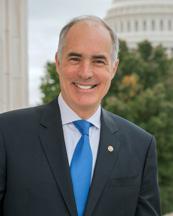 Sen. Robert P. Casey Jr. (D-PA)
What it changes
1 change to S. 2204
Adds SEC. __. CLEAN VEHICLE CORRIDORS PROGRAM wherever appropriate
Adds a sectionInserted: SEC. __. CLEAN VEHICLE CORRIDORS PROGRAM.
Inserted: (a) Findings.--Congress makes the following findings:
Inserted: (1) Traditional transportation refueling networks are well-established, but market uncertainties continue to hamper the full use of cleaner-burning domestic energy resources.
Inserted: (2) Despite considerable investor interest, higher capital costs and an uncertain consumer base has limited expansion of cleaner-burning alternative refueling options and its customer base.
Inserted: (3) Reduced emissions and energy independence are important factors at a national level, but they are not a sufficient inducement to create large-scale changes.
Inserted: (4) While American-made fuels provide many energy security and environmental benefits, a significant portion of imported oil continues to be consumed as diesel fuel in on-road motor vehicles.
Inserted: (5) Motor vehicles fueled by domestically-generated, cleaner-burning transportation fuels, such as compressed natural gas, liquified natural gas, propane, electricity, and biofuels, can pay for themselves over time, but sales of such vehicles, other than return-to-base vehicles, have been hampered because of insufficient refueling infrastructure.
Inserted: (6) Simultaneous facilitation of infrastructure development and a robust customer base is needed to avoid penalizing current users or early adopters.
Inserted: (7) Facilitating focused infrastructure development along designated routes will foster an expansion of alternative fuel vehicles and increase the likelihood for commercial success.
Inserted: (8) Eliminating the logistical barriers that are delaying infrastructure development along clean vehicle corridors will--
Inserted: (A) provide alternative refueling stations with a larger customer base;
Inserted: (B) attract more buyers to the purchase of clean vehicles; and
Show 35 more inserted paragraphsShow less
Inserted: (C) provide new market outlets for clean fuel providers.
Inserted: (b) Purposes.--The purposes of this section are--
Inserted: (1) to provide market certainty to drive private and commercial capital investment in clean transportation options;
Inserted: (2) to promote clean transportation technologies that will--
Inserted: (A) lead to increased diversity and dissemination of alternative fuel options; and
Inserted: (B) enable the United States to bridge the gap from foreign energy imports to secure, domestically produced energy; and
Inserted: (3) to facilitate clean transportation incentives that will--
Inserted: (A) attract a critical mass of clean transportation vehicles that will give alternative fueling stations an assured customer base and market certitude;
Inserted: (B) provide for ongoing increases in energy demands;
Inserted: (C) support the growth of jobs and businesses in the United States; and
Inserted: (D) reduce petroleum use and emissions by vehicles.
Inserted: (c) Clean Vehicle Corridors Program.--
Inserted: (1) Corridor designations.--
Inserted: (A) In general.--Not later than 1 year after the date of the enactment of this Act, the Secretary of Energy (referred to in this section as the "Secretary") shall designate 10 "Clean Vehicle Corridors" along Federal highways or other contiguous highways.
Inserted: (B) Consultation.--In making designations under paragraph (1), the Secretary shall--
Inserted: (i) consult with the Secretary of Transportation; and
Inserted: (ii) gather information from Federal, State, and local governments, nongovernmental organizations, and individuals to help determine which highways should be included in the corridors designated under subparagraph (A).
Inserted: (2) Infrastructure development.--
Inserted: (A) Cleaner-burning fuels.--
Inserted: (i) In general.--The Secretary shall encourage the addition of alternative fueling options and other supporting infrastructure along Clean Vehicle Corridors. These refueling stations should provide 2 or more cleaner-burning fuels and allow any motor vehicle that operates on such fuels to refuel at distances comfortably within 1 tank range without the need for prior arrangement. Existing and private facilities should be encouraged to be included in the Clean Vehicle Corridors network.
Inserted: (B) Definitions.--In this paragraph:
Inserted: (i) Cleaner-burning fuels.--The term "cleaner-burning fuels" includes--
Inserted: (I) rapid-fueling compressed natural gas;
Inserted: (II) liquefied natural gas;
Inserted: (III) liquefied petroleum gas (also known as propane);
Inserted: (IV) plug-in electric;
Inserted: (V) biofuel;
Inserted: (VI) hydrogen; and
Inserted: (VII) other clean fuels designated by the Secretary.
Inserted: (ii) Supporting infrastructure.--The term "supporting infrastructure" includes fueling stations, rest stops, travel plazas, and other service areas on Federal or private property that are found to be most practically located along a Clean Vehicle Corridor.
Inserted: (3) Information and resources on clean vehicle corridors.--
Inserted: (A) Website.--The Secretary shall maintain a website containing information and resources for Clean Vehicle Corridors.
Inserted: (B) Interstate compacts.--
Inserted: (i) Establishment.--Two or more contiguous States may enter into an interstate compact to establish clean vehicle corridor partnerships to facilitate planning for and siting of necessary facilities within those States.
Inserted: (ii) Technical assistance.--The Secretary, in consultation with the Secretary of Energy, may provide technical assistance to interstate compact partnerships established pursuant to clause (i).
The amendment doesn't say where this goes; the clerk decides.
Original wording
At the appropriate place, insert the following:
Read automatically from the Congressional Record. Check the original before relying on it.
As printed
SA 1989. Mr. CASEY submitted an amendment intended to be proposed by him to the bill S. 2204, to eliminate unnecessary tax subsidies and promote renewable energy and energy conservation; which was ordered to lie on the table; as follows:
At the appropriate place, insert the following:
SEC. __. CLEAN VEHICLE CORRIDORS PROGRAM.
(a) Findings.--Congress makes the following findings:
(1) Traditional transportation refueling networks are well-established, but market uncertainties continue to hamper the full use of cleaner-burning domestic energy resources.
(2) Despite considerable investor interest, higher capital costs and an uncertain consumer base has limited expansion of cleaner-burning alternative refueling options and its customer base.
(3) Reduced emissions and energy independence are important factors at a national level, but they are not a sufficient inducement to create large-scale changes.
(4) While American-made fuels provide many energy security and environmental benefits, a significant portion of imported oil continues to be consumed as diesel fuel in on-road motor vehicles.
(5) Motor vehicles fueled by domestically-generated, cleaner-burning transportation fuels, such as compressed natural gas, liquified natural gas, propane, electricity, and biofuels, can pay for themselves over time, but sales of such vehicles, other than return-to-base vehicles, have been hampered because of insufficient refueling infrastructure.
(6) Simultaneous facilitation of infrastructure development and a robust customer base is needed to avoid penalizing current users or early adopters.
(7) Facilitating focused infrastructure development along designated routes will foster an expansion of alternative fuel vehicles and increase the likelihood for commercial success.
(8) Eliminating the logistical barriers that are delaying infrastructure development along clean vehicle corridors will--
(A) provide alternative refueling stations with a larger customer base;
(B) attract more buyers to the purchase of clean vehicles; and
(C) provide new market outlets for clean fuel providers.
(b) Purposes.--The purposes of this section are--
(1) to provide market certainty to drive private and commercial capital investment in clean transportation options;
(2) to promote clean transportation technologies that will--
(A) lead to increased diversity and dissemination of alternative fuel options; and
(B) enable the United States to bridge the gap from foreign energy imports to secure, domestically produced energy; and
(3) to facilitate clean transportation incentives that will--
(A) attract a critical mass of clean transportation vehicles that will give alternative fueling stations an assured customer base and market certitude;
(B) provide for ongoing increases in energy demands;
(C) support the growth of jobs and businesses in the United States; and
(D) reduce petroleum use and emissions by vehicles.
(c) Clean Vehicle Corridors Program.--
(1) Corridor designations.--
(A) In general.--Not later than 1 year after the date of the enactment of this Act, the Secretary of Energy (referred to in this section as the “Secretary”) shall designate 10 “Clean Vehicle Corridors” along Federal highways or other contiguous highways.
(B) Consultation.--In making designations under paragraph (1), the Secretary shall--
(i) consult with the Secretary of Transportation; and
(ii) gather information from Federal, State, and local governments, nongovernmental organizations, and individuals to help determine which highways should be included in the corridors designated under subparagraph (A).
(2) Infrastructure development.--
(A) Cleaner-burning fuels.--
(i) In general.--The Secretary shall encourage the addition of alternative fueling options and other supporting infrastructure along Clean Vehicle Corridors. These refueling stations should provide 2 or more cleaner-burning fuels and allow any motor vehicle that operates on such fuels to refuel at distances comfortably within 1 tank range without the need for prior arrangement. Existing and private facilities should be encouraged to be included in the Clean Vehicle Corridors network.
(B) Definitions.--In this paragraph:
(i) Cleaner-burning fuels.--The term “cleaner-burning fuels” includes--
(I) rapid-fueling compressed natural gas;
(II) liquefied natural gas;
(III) liquefied petroleum gas (also known as propane);
(IV) plug-in electric;
(V) biofuel;
(VI) hydrogen; and
(VII) other clean fuels designated by the Secretary.
(ii) Supporting infrastructure.--The term “supporting infrastructure” includes fueling stations, rest stops, travel plazas, and other service areas on Federal or private property that are found to be most practically located along a Clean Vehicle Corridor.
(3) Information and resources on clean vehicle corridors.--
(A) Website.--The Secretary shall maintain a website containing information and resources for Clean Vehicle Corridors.
(B) Interstate compacts.--
(i) Establishment.--Two or more contiguous States may enter into an interstate compact to establish clean vehicle corridor partnerships to facilitate planning for and siting of necessary facilities within those States.
(ii) Technical assistance.--The Secretary, in consultation with the Secretary of Energy, may provide technical assistance to interstate compact partnerships established pursuant to clause (i).
Legislative Activity
Stay on top of the latest movement without scrolling through every action
Senate amendment submitted
March 28, 2012