S.Amdt. 3663
What it does: Adds SECTION 4. FEDERAL PERMITTING IMPROVEMENT at the end of the bill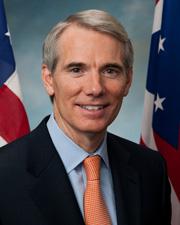 Sen. Rob Portman (R-OH)
What it changes
1 change to S. 2569 · shown in the bill's text
Adds SECTION 4. FEDERAL PERMITTING IMPROVEMENT at the end of the bill
Adds a sectionIn S. 2569 · Placed on Calendar Senate
(d) Effective Date.--The amendments made by this section shall apply to amounts paid or incurred after the date of the enactment of this Act.
Inserted: SECTION 4. FEDERAL PERMITTING IMPROVEMENT.
Inserted: (a) Short Title.--This section may be cited as the "Federal Permitting Improvement Act of 2013".
Inserted: (b) Definitions.--In this section:
Inserted: (1) Agency.--The term "agency" has the meaning given the term in section 551 of title 5, United States Code.
Inserted: (2) Agency cpo.--The term "agency CPO" means the chief permitting officer of an agency designated by the head of the agency under subsection (c)(2)(B)(i)(I).
Inserted: (3) Authorization.--The term "authorization" means--
Inserted: (A) any license, permit, approval, or other administrative decision required or authorized to be issued by an agency with respect to the siting, construction, reconstruction, or commencement of operations of a covered project under Federal law, whether administered by a Federal or State agency; or
Inserted: (B) any determination or finding required to be issued by an agency--
Inserted: (i) as a precondition to an authorization described under paragraph (A); or
Inserted: (ii) before an applicant may take a particular action with respect to the siting, construction, reconstruction, or commencement of operations of a covered project under Federal law, whether administered by a Federal or State agency.
Inserted: (4) Council.--The term "Council" means the Federal Infrastructure Permitting Improvement Council established by subsection (c)(1).
Inserted: (5) Covered project.--
Show 208 more inserted paragraphsShow less
Inserted: (A) In general.--The term "covered project" means any construction activity in the United States that requires authorization or review by a Federal agency--
Inserted: (i) involving renewable or conventional energy production, electricity transmission, surface transportation, aviation, ports and waterways, water resource projects, broadband, pipelines, manufacturing, or any other sector as determined by the Federal CPO; and
Inserted: (ii) that is likely to require an initial investment of more than $25,000,000, as determined by the Federal CPO.
Inserted: (B) Exclusion.--The term "covered project" does not include any project subject to section 101(b)(4) of title 23, United States Code.
Inserted: (6) Dashboard.--The term "Dashboard" means the Permitting Dashboard required by subsection (e)(2).
Inserted: (7) Environmental assessment.--The term "environmental assessment" means a concise public document for which a Federal agency is responsible that serves--
Inserted: (A) to briefly provide sufficient evidence and analysis for determining whether to prepare an environmental impact statement or a finding of no significant impact;
Inserted: (B) to aid in the compliance of the agency with NEPA if an environmental impact statement is not necessary; and
Inserted: (C) to facilitate preparation of an environmental impact statement, if an environmental impact statement is necessary.
Inserted: (8) Environmental document.--The term "environmental document" means an environmental assessment or environmental impact statement.
Inserted: (9) Environmental impact statement.--The term "environmental impact statement" means the detailed statement of significant environmental impacts required to be prepared under NEPA.
Inserted: (10) Environmental review.--The term "environmental review" means the agency procedures for preparing an environmental impact statement, environmental assessment, categorical exclusion, or other document required under NEPA.
Inserted: (11) Federal cpo.--The term "Federal CPO" means the Federal Chief Permitting Officer appointed by the President under subsection (c)(2)(A).
Inserted: (12) Inventory.--The term "inventory" means the inventory of covered projects established by the Federal CPO under subsection (c)(3)(A)(i).
Inserted: (13) Lead agency.--The term "lead agency" means the agency with principal responsibility for review and authorization of a covered project, as determined under subsection (c)(3)(A)(ii).
Inserted: (14) NEPA.--The term "NEPA" means the National Environmental Policy Act of 1969 (42 U.S.C. 4321 et seq.).
Inserted: (15) Participating agency.--The term "participating agency" means any agency participating in reviews or authorizations for a particular covered project in accordance with subsection (e).
Inserted: (16) Project sponsor.--The term "project sponsor" means the entity, including any private, public, or public-private entity, that seeks approval for a project.
Inserted: (c) Federal Permitting Improvement Council.--
Inserted: (1) Establishment.--There is established the Federal Permitting Improvement Council.
Inserted: (2) Composition.--
Inserted: (A) Chair.--The President shall appoint an officer of the Office of Management and Budget as the Federal Chief Permitting Officer to serve as Chair of the Council, by and with the advice and consent of the Senate.
Inserted: (B) Chief permitting officers.--
Inserted: (i) In general.--
Inserted: (I) Designation by head of agency.--Each individual listed in clause (ii) shall designate a member of the agency in which the individual serves to serve as the agency CPO.
Inserted: (II) Qualifications.--The agency CPO described in subclause (I) shall hold a position in the agency of the equivalent of a deputy secretary or higher.
Inserted: (III) Membership.--Each agency CPO described in subclause (I) shall serve on the Council.
Inserted: (ii) Heads of agencies.--The individuals that shall each designate an agency CPO under this clause are as follows:
Inserted: (I) The Secretary of Agriculture.
Inserted: (II) The Secretary of Commerce.
Inserted: (III) The Secretary of the Interior.
Inserted: (IV) The Secretary of Energy.
Inserted: (V) The Secretary of Transportation.
Inserted: (VI) The Secretary of Defense.
Inserted: (VII) The Administrator of the Environmental Protection Agency.
Inserted: (VIII) The Chairman of the Federal Energy Regulatory Commission.
Inserted: (IX) The Chairman of the Nuclear Regulatory Commission.
Inserted: (X) The Chairman of the Advisory Council on Historic Preservation.
Inserted: (XI) Any other head of a Federal agency that the Federal CPO may invite to participate as a member of the Council.
Inserted: (C) Chairman of the council on environmental quality.--In addition to the members listed in subparagraphs (A) and (B), the Chairman of the Council on Environmental Quality shall also be a member of the Council.
Inserted: (3) Duties.--
Inserted: (A) Federal cpo.--
Inserted: (i) Inventory development.--The Federal CPO, in consultation with the members of the Council, shall--
Inserted: (I) not later than 3 months after the date of enactment of this Act, establish an inventory of covered projects that are pending the review or authorization of the head of any Federal agency;
Inserted: (II)(aa) categorize the projects in the inventory as appropriate based on the project type; and
Inserted: (bb) for each category, identify the types of reviews and authorizations most commonly involved; and
Inserted: (III) add covered projects to the inventory after the Federal CPO receives a notice described in subsection (e)(1)(A).
Inserted: (ii) Lead agency designation.--The Federal CPO, in consultation with the Council, shall--
Inserted: (I) designate a lead agency for each category of covered projects described in clause (i)(II); and
Inserted: (II) publish on an Internet website the designations and categories in an easily accessible format.
Inserted: (iii) Performance schedules.--
Inserted: (I) In general.--The Federal CPO, in consultation with the Council, shall develop nonbinding performance schedules, including intermediate and final deadlines, for reviews and authorizations for each category of covered projects described in clause (i)(II).
Inserted: (II) Requirements.--
Inserted: (aa) In general.--The performance schedules shall reflect employment of the use of the most efficient applicable processes.
Inserted: (bb) Limit.--The final deadline for completion of any review or authorization contained in the performance schedules shall not be later than 180 days after the date on which the completed application or request is filed.
Inserted: (III) Review and revision.--Not later than 2 years after the date on which the performance schedules are established under this clause, and not less frequently than once every 2 years thereafter, the Federal CPO, in consultation with the Council, shall review and revise the performance schedules.
Inserted: (iv) Guidance.--The Federal CPO may issue circulars, bulletins, guidelines, and other similar directives as necessary to carry out responsibilities under this section and to effectuate the adoption by agencies of the best practices and recommendations of the Council described in subparagraph (B).
Inserted: (B) Council.--
Inserted: (i) Recommendations.--
Inserted: (I) In general.--The Council shall make recommendations to the Federal CPO with respect to the designations under subparagraph (A)(ii) and the performance schedules under subparagraph (A)(iii).
Inserted: (II) Update.--The Council may update the recommendations described in subclause (I).
Inserted: (ii) Best practices.--Not later than 1 year after the date of enactment of this Act, and at least annually thereafter, the Council shall issue recommendations on the best practices for--
Inserted: (I) early stakeholder engagement, including fully considering and, as appropriate, incorporating recommendations provided in public comments on any proposed covered project;
Inserted: (II) assuring timeliness of permitting and review decisions;
Inserted: (III) coordination between Federal and non-Federal governmental entities;
Inserted: (IV) transparency;
Inserted: (V) reduction of information collection requirements and other administrative burdens on agencies, project sponsors, and other interested parties;
Inserted: (VI) evaluating lead agencies and participating agencies under this section; and
Inserted: (VII) other aspects of infrastructure permitting, as determined by the Council.
Inserted: (d) Permitting Process Improvement.--
Inserted: (1) Project initiation and designation of participating agencies.--
Inserted: (A) Notice.--
Inserted: (i) In general.--A project sponsor shall provide the Federal CPO and the lead agency notice of the initiation of a proposed covered project.
Inserted: (ii) Contents.--Each notice described in clause (i) shall include--
Inserted: (I) a description, including the general location, of the proposed project;
Inserted: (II) a statement of any Federal authorization or review anticipated to be required for the proposed project; and
Inserted: (III) an assessment of the reasons why the proposed project meets the definition of a covered project in subsection (b).
Inserted: (B) Invitation.--
Inserted: (i) In general.--Not later than 45 days after the date on which a lead agency receives the notice under subparagraph (A), the lead agency shall--
Inserted: (I) identify another agency that may have an interest in the proposed project; and
Inserted: (II) invite the agency to become a participating agency in the permitting management process and in the environmental review process described in subsection (f).
Inserted: (ii) Deadlines.--Each invitation made under clause (i) shall include a deadline for a response to be submitted to the lead agency.
Inserted: (C) Participating agencies.--An agency invited under subparagraph (B) shall be designated as a participating agency for a covered project, unless the agency informs the lead agency in writing before the deadline described in subparagraph (B)(ii) that the agency--
Inserted: (i) has no jurisdiction or authority with respect to the proposed project; or
Inserted: (ii) does not intend to exercise authority related to, or submit comments on, the proposed project.
Inserted: (D) Effect of designation.--The designation described in subparagraph (C) shall not give the participating agency jurisdiction over the proposed project.
Inserted: (E) Change of lead agency.--
Inserted: (i) In general.--On the request of a lead agency, participating agency, or project sponsor, the Federal CPO may designate a different agency as the lead agency for a covered project if the Federal CPO receives new information regarding the scope or nature of a covered project that indicates that the project should be placed in a different category under subsection (c)(3)(A)(ii).
Inserted: (ii) Resolution of dispute.--Any dispute over designation of a lead agency for a particular covered project shall be resolved by the Federal CPO.
Inserted: (2) Permitting dashboard.--
Inserted: (A) Requirement to maintain.--
Inserted: (i) In general.--The Federal CPO, in coordination with the Administrator of General Services, shall maintain an online database to be known as the "Permitting Dashboard" to track the status of Federal reviews and authorizations for any covered project in the inventory.
Inserted: (ii) Specific and searchable entry.--The Dashboard shall include a specific and searchable entry for each project.
Inserted: (B) Additions.--Not later than 7 days after the date on which the Federal CPO receives a notice under paragraph (1)(A), the Federal CPO shall create a specific entry on the Dashboard for the project, unless the Federal CPO or lead agency determines that the project is not a covered project.
Inserted: (C) Submissions by agencies.--The lead agency and each participating agency shall submit to the Federal CPO for posting on the Dashboard for each covered project--
Inserted: (i) any application and any supporting document submitted by a project sponsor for any required Federal review or authorization for the project;
Inserted: (ii) not later than 2 business days after the date on which any agency action or decision that materially affects the status of the project is made, a description, including significant supporting documents, of the agency action or decision; and
Inserted: (iii) the status of any litigation to which the agency is a party that is directly related to the project, including, if practicable, any judicial document made available on an electronic docket maintained by a Federal, State, or local court.
Inserted: (D) Postings by the federal cpo.--The Federal CPO shall post on the Dashboard an entry for each covered project that includes--
Inserted: (i) the information submitted under subparagraph (C)(i) not later than 2 days after the date on which the Federal CPO receives the information;
Inserted: (ii) a permitting timetable approved by the Federal CPO under paragraph (3)(B)(iii);
Inserted: (iii) the status of the compliance of each participating agency with the permitting timetable;
Inserted: (iv) any modifications of the permitting timetable; and
Inserted: (v) an explanation of each modification described in clause (iv).
Inserted: (3) Coordination and timetables.--
Inserted: (A) Coordination plan.--
Inserted: (i) In general.--Not later than 60 days after the date on which the lead agency receives a notice under paragraph (1)(A), the lead agency, in consultation with each participating agency, shall establish a concise plan for coordinating public and agency participation in, and completion of, any required Federal review and authorization for the project.
Inserted: (ii) Memorandum of understanding.--The lead agency may incorporate the coordination plan described in clause (i) into a memorandum of understanding.
Inserted: (B) Permitting timetable.--
Inserted: (i) Establishment.--As part of the coordination plan required by subparagraph (A), the lead agency, in consultation with each participating agency, the project sponsor, and the State in which the project is located, shall establish a permitting timetable that includes intermediate and final deadlines for action by each participating agency on any Federal review or authorization required for the project.
Inserted: (ii) Factors for consideration.--In establishing the permitting timetable under clause (i), the lead agency shall follow the performance schedules established under subsection (c)(3)(A)(iii), but may vary the timetable based on relevant factors, including--
Inserted: (I) the size and complexity of the covered project;
Inserted: (II) the resources available to each participating agency;
Inserted: (III) the regional or national economic significance of the project;
Inserted: (IV) the sensitivity of the natural or historic resources that may be affected by the project; and
Inserted: (V) the extent to which similar projects in geographic proximity to the project were recently subject to environmental review or similar procedures under State law.
Inserted: (iii) Approval by the federal cpo.--
Inserted: (I) Requirement to submit.--The lead agency shall promptly submit to the Federal CPO a permitting timetable established under clause (i) for review.
Inserted: (II) Revision and approval.--
Inserted: (aa) In general.--The Federal CPO, after consultation with the lead agency, may revise the permitting timetable if the Federal CPO determines that the timetable deviates without reasonable justification from the performance schedule established under subsection (c)(3)(A)(iii).
Inserted: (bb) No revision by federal cpo within 7 days.--If the Federal CPO does not revise the permitting timetable earlier than the date that is 7 days after the date on which the lead agency submits to the Federal CPO the permitting timetable, the permitting timetable shall be approved by the Federal CPO.
Inserted: (iv) Modification after approval.--The lead agency may modify a permitting timetable established under clause (i) for good cause only if--
Inserted: (I) the lead agency and the affected participating agency agree to a different deadline;
Inserted: (II) the lead agency or the affected participating agency provides a written explanation of the justification for the modification; and
Inserted: (III) the lead agency submits to the Federal CPO a modification, which the Federal CPO may revise or disapprove.
Inserted: (v) Consistency with other time periods.--A permitting timetable established under clause (i) shall be consistent with any other relevant time periods established under Federal law.
Inserted: (vi) Compliance.--
Inserted: (I) In general.--Each Federal participating agency shall comply with the deadlines set forth in the permitting timetable approved under clause (iii), or with any deadline modified under clause (iv).
Inserted: (II) Failure to comply.--If a Federal participating agency fails to comply with a deadline for agency action on a covered project, the head of the participating agency shall--
Inserted: (aa) promptly report to the Federal CPO for posting on the Dashboard an explanation of any specific reason for failing to meet the deadline and a proposal for an alternative deadline; and
Inserted: (bb) report to the Federal CPO for posting on the Dashboard a monthly status report describing any agency activity related to the project until the agency has taken final action on the delayed authorization or review.
Inserted: (C) Cooperating state, local, or tribal governments.--
Inserted: (i) In general.--To the maximum extent practicable under applicable Federal law, the lead agency shall coordinate the Federal review and authorization process under this paragraph with any State, local, or tribal agency responsible for conducting any separate review or authorization of the covered project to ensure timely and efficient review and permitting decisions.
Inserted: (ii) Memorandum of understanding.--
Inserted: (I) In general.--Any coordination plan between the lead agency and any State, local, or tribal agency shall, to the maximum extent practicable, be included in a memorandum of understanding.
Inserted: (II) Submission to federal cpo.--A lead agency shall submit to the Federal CPO each memorandum of understanding described in subclause (I).
Inserted: (III) Post to dashboard.--The Federal CPO shall post to the Dashboard each memorandum of understanding submitted under subclause (II).
Inserted: (4) Early consultation.--The lead agency shall provide an expeditious process for project sponsors to confer with each participating agency involved and to have each participating agency determine and communicate to the project sponsor, not later than 60 days after the date on which the project sponsor submits a request, information concerning--
Inserted: (A) the likelihood of approval for a potential covered project; and
Inserted: (B) key issues of concern to each participating agency and to the public.
Inserted: (5) Cooperating agency.--
Inserted: (A) In general.--A lead agency may designate a participating agency as a cooperating agency in accordance with part 1501 of title 40, Code of Federal Regulations (or successor regulations).
Inserted: (B) Effect on other designation.--The designation described in subparagraph (A) shall not affect any designation under paragraph (1)(C).
Inserted: (C) Limitation on designation.--Any agency not designated as a participating agency under paragraph (1)(C) shall not be designated as a cooperating agency under subparagraph (A).
Inserted: (e) Interstate Compacts.--The consent of Congress is given for 3 or more contiguous States to enter into an interstate compact establishing regional infrastructure development agencies to facilitate authorization and review of covered projects, under State law or in the exercise of delegated permitting authority described under subsection (g), that will advance infrastructure development, production, and generation within the States that are parties to the compact.
Inserted: (f) Coordination of Required Reviews.--
Inserted: (1) Concurrent reviews.--Each agency shall, to the greatest extent permitted by law--
Inserted: (A) carry out the obligations of the agency under other applicable law concurrently, and in conjunction with other reviews being conducted by other participating agencies, including environmental reviews required under NEPA, unless doing so would impair the ability of the agency to carry out statutory obligations; and
Inserted: (B) formulate and implement administrative, policy, and procedural mechanisms to enable the agency to ensure completion of the environmental review process in a timely, coordinated, and environmentally responsible manner.
Inserted: (2) Adoption and use of documents.--
Inserted: (A) State environmental documents; supplemental documents.--
Inserted: (i) Use of existing documents.--On the request of a project sponsor, a lead agency shall consider and, as appropriate, adopt or incorporate, a document that has been prepared for a project under State laws and procedures as the environmental impact statement or environmental assessment for the project if the State laws and procedures under which the document was prepared provide, as determined by the lead agency in consultation with the Council on Environmental Quality, environmental protection and opportunities for public participation that are substantially equivalent to NEPA.
Inserted: (ii) NEPA obligations.--An environmental document adopted under clause (i) may serve as, or supplement, an environmental impact statement or environmental assessment required to be prepared by a lead agency under NEPA.
Inserted: (iii) Supplemental document.--In the case of an environmental document described in clause (i), during the period after preparation of the document and prior to the adoption of the document by the lead agency, the lead agency shall prepare and publish a supplemental document to the document if the lead agency determines that--
Inserted: (I) a significant change has been made to the project that is relevant for purposes of environmental review of the project; or
Inserted: (II) there have been significant changes in circumstances or availability of information relevant to the environmental review for the project.
Inserted: (iv) Comments.--If a lead agency prepares and publishes a supplemental document under clause (iii), the lead agency may solicit comments from other agencies and the public on the supplemental document for a period of not more than 30 days beginning on the date on which the supplemental document is published.
Inserted: (v) Record of decision.--A lead agency shall issue a record of decision or finding of no significant impact, as appropriate, based on the document adopted under clause (i) and any supplemental document prepared under clause (iii).
Inserted: (3) Alternatives analysis.--
Inserted: (A) Participation.--As early as practicable during the environmental review, but not later than the commencement of scoping for a project requiring the preparation of an environmental impact statement, the lead agency shall provide an opportunity for the involvement of cooperating agencies in determining the range of alternatives to be considered for a project.
Inserted: (B) Range of alternatives.--Following participation under subparagraph (A), the lead agency shall determine the range of alternatives for consideration in any document that the lead agency is responsible for preparing for the project.
Inserted: (C) Methodologies.--The lead agency shall determine, in collaboration with each cooperating agency at appropriate times during the environmental review, the methodologies to be used and the level of detail required in the analysis of each alternative for a project.
Inserted: (D) Preferred alternative.--At the discretion of the lead agency, the preferred alternative for a project, after being identified, may be developed to a higher level of detail than other alternatives to facilitate the development of mitigation measures or concurrent compliance with other applicable laws if the lead agency determines that the development of the higher level of detail will not prevent--
Inserted: (i) the lead agency from making an impartial decision as to whether to accept another alternative that is being considered in the environmental review; and
Inserted: (ii) the public from commenting on the preferred and other alternatives
Inserted: (4) Environmental review comments.--
Inserted: (A) Comments on draft environmental impact statement.--For comments by an agency or the public on a draft environmental impact statement, the lead agency shall establish a comment period of not more than 60 days after the date on which a notice announcing availability of the environmental impact statement is published in the Federal Register, unless--
Inserted: (i) the lead agency, the project sponsor, and each participating agency agree to a different deadline; or
Inserted: (ii) the deadline is extended by the lead agency for good cause.
Inserted: (B) Other comments.--For all other comment periods for agency or public comments in the environmental review process, the lead agency shall establish a comment period of not later than 30 days after the date on which the materials on which comment is requested are made available, unless--
Inserted: (i) the lead agency, the project sponsor, and each participating agency agree to a different deadline; or
Inserted: (ii) the lead agency modifies the deadline for good cause.
Inserted: (5) Issue identification and resolution.--
Inserted: (A) Cooperation.--The lead agency and each participating agency shall work cooperatively in accordance with this subsection to identify and resolve issues that could delay completion of the environmental review or could result in denial of any approval required for the project under applicable laws.
Inserted: (B) Lead agency responsibilities.--
Inserted: (i) In general.--The lead agency shall make information available to each participating agency as early as practicable in the environmental review regarding the environmental, historic, and socioeconomic resources located within the project area and the general locations of the alternatives under consideration.
Inserted: (ii) Sources of information.--The information described in clause (i) may be based on existing data sources, including geographic information systems mapping.
Inserted: (C) Participating agency responsibilities.--Based on information received from the lead agency under subparagraph (B), each participating agency shall identify, as early as practicable, any issues of concern, including any issues that could substantially delay or prevent an agency from granting a permit or other approval needed for the project, regarding any potential environmental, historic, or socioeconomic impacts of the project.
Inserted: (6) Categories of projects.--The authorities granted under this subsection may be exercised for an individual project or a category of projects.
Inserted: (g) Delegated State Permitting Programs.--If a Federal statute permits a State to be delegated or otherwise authorized by a Federal agency to issue or otherwise administer a permit program in lieu of the Federal agency, each member of the Council shall--
Inserted: (1) on publication by the Council of best practices under subsection (c)(3)(B)(ii), initiate a process, with public participation, to determine whether and the extent to which any of the best practices are applicable to permitting under the statute; and
Inserted: (2) not later than 2 years after the date of enactment of this Act, make recommendations for State modifications of the permit program to reflect the best practices described in subsection (c)(3)(B)(ii), as appropriate.
Inserted: (h) Litigation, Judicial Review, and Savings Provision.--
Inserted: (1) Limitations on claims.--
Inserted: (A) In general.--Notwithstanding any other provision of law, a claim arising under Federal law seeking judicial review of any authorization issued by a Federal agency for a covered project shall be barred unless--
Inserted: (i) the action is filed not later than 150 days after the date on which a notice is published in the Federal Register that the authorization is final pursuant to the law under which the agency action is taken, unless a shorter time is specified in the Federal law under which judicial review is allowed; and
Inserted: (ii) in the case of an action pertaining to an environmental review conducted under NEPA--
Inserted: (I) the action is filed by a party that submitted a comment during the environmental review on the issue on which the party seeks judicial review; and
Inserted: (II) the comment was sufficiently detailed to put the lead agency on notice of the issue on which the party seeks judicial review.
Inserted: (B) New information.--
Inserted: (i) In general.--The head of a lead agency or participating agency shall consider new information received after the close of a comment period if the information satisfies the requirements under regulations implementing NEPA.
Inserted: (ii) Supplemental environmental impact statement.--If the preparation of a supplemental environmental impact statement is required, the preparation of the supplemental environmental impact statement shall be considered a separate final agency action and the deadline for filing a claim for judicial review of the agency action shall be 150 days after the date on which a notice announcing the agency action is published in the Federal Register.
Inserted: (C) Rule of construction.--Nothing in this paragraph creates a right to judicial review or places any limit on filing a claim that a person has violated the terms of an authorization.
Inserted: (2) Preliminary injunctive relief.--In addition to considering any other applicable equitable factors, including the effects on public health, safety, and the environment, in any action seeking a temporary restraining order or preliminary injunction against an agency or a project sponsor in connection with review or authorization of a covered project, the court shall--
Inserted: (A) consider the potential for significant job losses or other economic harm resulting from an order or injunction; and
Inserted: (B) not presume that the harms described in subparagraph (A) are reparable.
Inserted: (3) Judicial review.--Except as provided in paragraph (1), nothing in this section affects the reviewability of any final Federal agency action in a court of the United States or in the court of any State.
Inserted: (4) Savings clause.--Nothing in this section--
Inserted: (A) supersedes, amends, or modifies NEPA or any other Federal environmental statute or affects the responsibility of any Federal officer to comply with or enforce any statute; or
Inserted: (B) creates a presumption that a covered project will be approved or favorably reviewed by any agency.
Inserted: (5) Limitations.--Nothing in this subsection preempts, limits, or interferes with--
Inserted: (A) any practice of seeking, considering, or responding to public comment; or
Inserted: (B) any power, jurisdiction, responsibility, or authority that a Federal, State, or local governmental agency, metropolitan planning organization, Indian tribe, or project sponsor has with respect to carrying out a project or any other provisions of law applicable to any project, plan, or program.
Inserted: (i) Report to Congress.--
Inserted: (1) In general.--Not later than April 15 of each year, the Federal CPO shall submit to Congress a report detailing the progress accomplished under this section during the previous fiscal year.
Inserted: (2) Contents.--The report described in paragraph (1) shall assess the performance of each participating agency and lead agency based on the best practices described in subsection (c)(3)(B)(ii).
Inserted: (3) Opportunity to include comments.--Each agency CPO shall have the opportunity to include comments concerning the performance of the agency in the report described in paragraph (1).
Inserted: (j) Application.--This section applies to any covered project for which an application or request for a Federal authorization is pending before a Federal agency 90 days after the date of enactment of this Act.
Original wording
At the end, add the following:
Read automatically from the Congressional Record. Check the original before relying on it.
As printed
SA 3663. Mr. PORTMAN (for himself and Mrs. McCaskill) submitted an amendment intended to be proposed by him to the bill S. 2569, to provide an incentive for businesses to bring jobs back to America; which was ordered to lie on the table; as follows:
At the end, add the following:
SECTION 4. FEDERAL PERMITTING IMPROVEMENT.
(a) Short Title.--This section may be cited as the “Federal Permitting Improvement Act of 2013”.
(b) Definitions.--In this section:
(1) Agency.--The term “agency” has the meaning given the term in section 551 of title 5, United States Code.
(2) Agency cpo.--The term “agency CPO” means the chief permitting officer of an agency designated by the head of the agency under subsection (c)(2)(B)(i)(I).
(3) Authorization.--The term “authorization” means--
(A) any license, permit, approval, or other administrative decision required or authorized to be issued by an agency with respect to the siting, construction, reconstruction, or commencement of operations of a covered project under Federal law, whether administered by a Federal or State agency; or
(B) any determination or finding required to be issued by an agency--
(i) as a precondition to an authorization described under paragraph (A); or
(ii) before an applicant may take a particular action with respect to the siting, construction, reconstruction, or commencement of operations of a covered project under Federal law, whether administered by a Federal or State agency.
(4) Council.--The term “Council” means the Federal Infrastructure Permitting Improvement Council established by subsection (c)(1).
(5) Covered project.--
(A) In general.--The term “covered project” means any construction activity in the United States that requires authorization or review by a Federal agency--
(i) involving renewable or conventional energy production, electricity transmission, surface transportation, aviation, ports and waterways, water resource projects, broadband, pipelines, manufacturing, or any other sector as determined by the Federal CPO; and
(ii) that is likely to require an initial investment of more than $25,000,000, as determined by the Federal CPO.
(B) Exclusion.--The term “covered project” does not include any project subject to section 101(b)(4) of title 23, United States Code.
(6) Dashboard.--The term “Dashboard” means the Permitting Dashboard required by subsection (e)(2).
(7) Environmental assessment.--The term “environmental assessment” means a concise public document for which a Federal agency is responsible that serves--
(A) to briefly provide sufficient evidence and analysis for determining whether to prepare an environmental impact statement or a finding of no significant impact;
(B) to aid in the compliance of the agency with NEPA if an environmental impact statement is not necessary; and
(C) to facilitate preparation of an environmental impact statement, if an environmental impact statement is necessary.
(8) Environmental document.--The term “environmental document” means an environmental assessment or environmental impact statement.
(9) Environmental impact statement.--The term “environmental impact statement” means the detailed statement of significant environmental impacts required to be prepared under NEPA.
(10) Environmental review.--The term “environmental review” means the agency procedures for preparing an environmental impact statement, environmental assessment, categorical exclusion, or other document required under NEPA.
(11) Federal cpo.--The term “Federal CPO” means the Federal Chief Permitting Officer appointed by the President under subsection (c)(2)(A).
(12) Inventory.--The term “inventory” means the inventory of covered projects established by the Federal CPO under subsection (c)(3)(A)(i).
(13) Lead agency.--The term “lead agency” means the agency with principal responsibility for review and authorization of a covered project, as determined under subsection (c)(3)(A)(ii).
(14) NEPA.--The term “NEPA” means the National Environmental Policy Act of 1969 (42 U.S.C. 4321 et seq.).
(15) Participating agency.--The term “participating agency” means any agency participating in reviews or authorizations for a particular covered project in accordance with subsection (e).
(16) Project sponsor.--The term “project sponsor” means the entity, including any private, public, or public-private entity, that seeks approval for a project.
(c) Federal Permitting Improvement Council.--
(1) Establishment.--There is established the Federal Permitting Improvement Council.
(2) Composition.--
(A) Chair.--The President shall appoint an officer of the Office of Management and Budget as the Federal Chief Permitting Officer to serve as Chair of the Council, by and with the advice and consent of the Senate.
(B) Chief permitting officers.--
(i) In general.--
(I) Designation by head of agency.--Each individual listed in clause (ii) shall designate a member of the agency in which the individual serves to serve as the agency CPO.
(II) Qualifications.--The agency CPO described in subclause (I) shall hold a position in the agency of the equivalent of a deputy secretary or higher.
(III) Membership.--Each agency CPO described in subclause (I) shall serve on the Council.
(ii) Heads of agencies.--The individuals that shall each designate an agency CPO under this clause are as follows:
(I) The Secretary of Agriculture.
(II) The Secretary of Commerce.
(III) The Secretary of the Interior.
(IV) The Secretary of Energy.
(V) The Secretary of Transportation.
(VI) The Secretary of Defense.
(VII) The Administrator of the Environmental Protection Agency.
(VIII) The Chairman of the Federal Energy Regulatory Commission.
(IX) The Chairman of the Nuclear Regulatory Commission.
(X) The Chairman of the Advisory Council on Historic Preservation.
(XI) Any other head of a Federal agency that the Federal CPO may invite to participate as a member of the Council.
(C) Chairman of the council on environmental quality.--In addition to the members listed in subparagraphs (A) and (B), the Chairman of the Council on Environmental Quality shall also be a member of the Council.
(3) Duties.--
(A) Federal cpo.--
(i) Inventory development.--The Federal CPO, in consultation with the members of the Council, shall--
(I) not later than 3 months after the date of enactment of this Act, establish an inventory of covered projects that are pending the review or authorization of the head of any Federal agency;
(II)(aa) categorize the projects in the inventory as appropriate based on the project type; and
(bb) for each category, identify the types of reviews and authorizations most commonly involved; and
(III) add covered projects to the inventory after the Federal CPO receives a notice described in subsection (e)(1)(A).
(ii) Lead agency designation.--The Federal CPO, in consultation with the Council, shall--
(I) designate a lead agency for each category of covered projects described in clause (i)(II); and
(II) publish on an Internet website the designations and categories in an easily accessible format.
(iii) Performance schedules.--
(I) In general.--The Federal CPO, in consultation with the Council, shall develop nonbinding performance schedules, including intermediate and final deadlines, for reviews and authorizations for each category of covered projects described in clause (i)(II).
(II) Requirements.--
(aa) In general.--The performance schedules shall reflect employment of the use of the most efficient applicable processes.
(bb) Limit.--The final deadline for completion of any review or authorization contained in the performance schedules shall not be later than 180 days after the date on which the completed application or request is filed.
(III) Review and revision.--Not later than 2 years after the date on which the performance schedules are established under this clause, and not less frequently than once every 2 years thereafter, the Federal CPO, in consultation with the Council, shall review and revise the performance schedules.
(iv) Guidance.--The Federal CPO may issue circulars, bulletins, guidelines, and other similar directives as necessary to carry out responsibilities under this section and to effectuate the adoption by agencies of the best practices and recommendations of the Council described in subparagraph (B).
(B) Council.--
(i) Recommendations.--
(I) In general.--The Council shall make recommendations to the Federal CPO with respect to the designations under subparagraph (A)(ii) and the performance schedules under subparagraph (A)(iii).
(II) Update.--The Council may update the recommendations described in subclause (I).
(ii) Best practices.--Not later than 1 year after the date of enactment of this Act, and at least annually thereafter, the Council shall issue recommendations on the best practices for--
(I) early stakeholder engagement, including fully considering and, as appropriate, incorporating recommendations provided in public comments on any proposed covered project;
(II) assuring timeliness of permitting and review decisions;
(III) coordination between Federal and non-Federal governmental entities;
(IV) transparency;
(V) reduction of information collection requirements and other administrative burdens on agencies, project sponsors, and other interested parties;
(VI) evaluating lead agencies and participating agencies under this section; and
(VII) other aspects of infrastructure permitting, as determined by the Council.
(d) Permitting Process Improvement.--
(1) Project initiation and designation of participating agencies.--
(A) Notice.--
(i) In general.--A project sponsor shall provide the Federal CPO and the lead agency notice of the initiation of a proposed covered project.
(ii) Contents.--Each notice described in clause (i) shall include--
(I) a description, including the general location, of the proposed project;
(II) a statement of any Federal authorization or review anticipated to be required for the proposed project; and
(III) an assessment of the reasons why the proposed project meets the definition of a covered project in subsection (b).
(B) Invitation.--
(i) In general.--Not later than 45 days after the date on which a lead agency receives the notice under subparagraph (A), the lead agency shall--
(I) identify another agency that may have an interest in the proposed project; and
(II) invite the agency to become a participating agency in the permitting management process and in the environmental review process described in subsection (f).
(ii) Deadlines.--Each invitation made under clause (i) shall include a deadline for a response to be submitted to the lead agency.
(C) Participating agencies.--An agency invited under subparagraph (B) shall be designated as a participating agency for a covered project, unless the agency informs the lead agency in writing before the deadline described in subparagraph (B)(ii) that the agency--
(i) has no jurisdiction or authority with respect to the proposed project; or
(ii) does not intend to exercise authority related to, or submit comments on, the proposed project.
(D) Effect of designation.--The designation described in subparagraph (C) shall not give the participating agency jurisdiction over the proposed project.
(E) Change of lead agency.--
(i) In general.--On the request of a lead agency, participating agency, or project sponsor, the Federal CPO may designate a different agency as the lead agency for a covered project if the Federal CPO receives new information regarding the scope or nature of a covered project that indicates that the project should be placed in a different category under subsection (c)(3)(A)(ii).
(ii) Resolution of dispute.--Any dispute over designation of a lead agency for a particular covered project shall be resolved by the Federal CPO.
(2) Permitting dashboard.--
(A) Requirement to maintain.--
(i) In general.--The Federal CPO, in coordination with the Administrator of General Services, shall maintain an online database to be known as the “Permitting Dashboard” to track the status of Federal reviews and authorizations for any covered project in the inventory.
(ii) Specific and searchable entry.--The Dashboard shall include a specific and searchable entry for each project.
(B) Additions.--Not later than 7 days after the date on which the Federal CPO receives a notice under paragraph (1)(A), the Federal CPO shall create a specific entry on the Dashboard for the project, unless the Federal CPO or lead agency determines that the project is not a covered project.
(C) Submissions by agencies.--The lead agency and each participating agency shall submit to the Federal CPO for posting on the Dashboard for each covered project--
(i) any application and any supporting document submitted by a project sponsor for any required Federal review or authorization for the project;
(ii) not later than 2 business days after the date on which any agency action or decision that materially affects the status of the project is made, a description, including significant supporting documents, of the agency action or decision; and
(iii) the status of any litigation to which the agency is a party that is directly related to the project, including, if practicable, any judicial document made available on an electronic docket maintained by a Federal, State, or local court.
(D) Postings by the federal cpo.--The Federal CPO shall post on the Dashboard an entry for each covered project that includes--
(i) the information submitted under subparagraph (C)(i) not later than 2 days after the date on which the Federal CPO receives the information;
(ii) a permitting timetable approved by the Federal CPO under paragraph (3)(B)(iii);
(iii) the status of the compliance of each participating agency with the permitting timetable;
(iv) any modifications of the permitting timetable; and
(v) an explanation of each modification described in clause (iv).
(3) Coordination and timetables.--
(A) Coordination plan.--
(i) In general.--Not later than 60 days after the date on which the lead agency receives a notice under paragraph (1)(A), the lead agency, in consultation with each participating agency, shall establish a concise plan for coordinating public and agency participation in, and completion of, any required Federal review and authorization for the project.
(ii) Memorandum of understanding.--The lead agency may incorporate the coordination plan described in clause (i) into a memorandum of understanding.
(B) Permitting timetable.--
(i) Establishment.--As part of the coordination plan required by subparagraph (A), the lead agency, in consultation with each participating agency, the project sponsor, and the State in which the project is located, shall establish a permitting timetable that includes intermediate and final deadlines for action by each participating agency on any Federal review or authorization required for the project.
(ii) Factors for consideration.--In establishing the permitting timetable under clause (i), the lead agency shall follow the performance schedules established under subsection (c)(3)(A)(iii), but may vary the timetable based on relevant factors, including--
(I) the size and complexity of the covered project;
(II) the resources available to each participating agency;
(III) the regional or national economic significance of the project;
(IV) the sensitivity of the natural or historic resources that may be affected by the project; and
(V) the extent to which similar projects in geographic proximity to the project were recently subject to environmental review or similar procedures under State law.
(iii) Approval by the federal cpo.--
(I) Requirement to submit.--The lead agency shall promptly submit to the Federal CPO a permitting timetable established under clause (i) for review.
(II) Revision and approval.--
(aa) In general.--The Federal CPO, after consultation with the lead agency, may revise the permitting timetable if the Federal CPO determines that the timetable deviates without reasonable justification from the performance schedule established under subsection (c)(3)(A)(iii).
(bb) No revision by federal cpo within 7 days.--If the Federal CPO does not revise the permitting timetable earlier than the date that is 7 days after the date on which the lead agency submits to the Federal CPO the permitting timetable, the permitting timetable shall be approved by the Federal CPO.
(iv) Modification after approval.--The lead agency may modify a permitting timetable established under clause (i) for good cause only if--
(I) the lead agency and the affected participating agency agree to a different deadline;
(II) the lead agency or the affected participating agency provides a written explanation of the justification for the modification; and
(III) the lead agency submits to the Federal CPO a modification, which the Federal CPO may revise or disapprove.
(v) Consistency with other time periods.--A permitting timetable established under clause (i) shall be consistent with any other relevant time periods established under Federal law.
(vi) Compliance.--
(I) In general.--Each Federal participating agency shall comply with the deadlines set forth in the permitting timetable approved under clause (iii), or with any deadline modified under clause (iv).
(II) Failure to comply.--If a Federal participating agency fails to comply with a deadline for agency action on a covered project, the head of the participating agency shall--
(aa) promptly report to the Federal CPO for posting on the Dashboard an explanation of any specific reason for failing to meet the deadline and a proposal for an alternative deadline; and
(bb) report to the Federal CPO for posting on the Dashboard a monthly status report describing any agency activity related to the project until the agency has taken final action on the delayed authorization or review.
(C) Cooperating state, local, or tribal governments.--
(i) In general.--To the maximum extent practicable under applicable Federal law, the lead agency shall coordinate the Federal review and authorization process under this paragraph with any State, local, or tribal agency responsible for conducting any separate review or authorization of the covered project to ensure timely and efficient review and permitting decisions.
(ii) Memorandum of understanding.--
(I) In general.--Any coordination plan between the lead agency and any State, local, or tribal agency shall, to the maximum extent practicable, be included in a memorandum of understanding.
(II) Submission to federal cpo.--A lead agency shall submit to the Federal CPO each memorandum of understanding described in subclause (I).
(III) Post to dashboard.--The Federal CPO shall post to the Dashboard each memorandum of understanding submitted under subclause (II).
(4) Early consultation.--The lead agency shall provide an expeditious process for project sponsors to confer with each participating agency involved and to have each participating agency determine and communicate to the project sponsor, not later than 60 days after the date on which the project sponsor submits a request, information concerning--
(A) the likelihood of approval for a potential covered project; and
(B) key issues of concern to each participating agency and to the public.
(5) Cooperating agency.--
(A) In general.--A lead agency may designate a participating agency as a cooperating agency in accordance with part 1501 of title 40, Code of Federal Regulations (or successor regulations).
(B) Effect on other designation.--The designation described in subparagraph (A) shall not affect any designation under paragraph (1)(C).
(C) Limitation on designation.--Any agency not designated as a participating agency under paragraph (1)(C) shall not be designated as a cooperating agency under subparagraph (A).
(e) Interstate Compacts.--The consent of Congress is given for 3 or more contiguous States to enter into an interstate compact establishing regional infrastructure development agencies to facilitate authorization and review of covered projects, under State law or in the exercise of delegated permitting authority described under subsection (g), that will advance infrastructure development, production, and generation within the States that are parties to the compact.
(f) Coordination of Required Reviews.--
(1) Concurrent reviews.--Each agency shall, to the greatest extent permitted by law--
(A) carry out the obligations of the agency under other applicable law concurrently, and in conjunction with other reviews being conducted by other participating agencies, including environmental reviews required under NEPA, unless doing so would impair the ability of the agency to carry out statutory obligations; and
(B) formulate and implement administrative, policy, and procedural mechanisms to enable the agency to ensure completion of the environmental review process in a timely, coordinated, and environmentally responsible manner.
(2) Adoption and use of documents.--
(A) State environmental documents; supplemental documents.--
(i) Use of existing documents.--On the request of a project sponsor, a lead agency shall consider and, as appropriate, adopt or incorporate, a document that has been prepared for a project under State laws and procedures as the environmental impact statement or environmental assessment for the project if the State laws and procedures under which the document was prepared provide, as determined by the lead agency in consultation with the Council on Environmental Quality, environmental protection and opportunities for public participation that are substantially equivalent to NEPA.
(ii) NEPA obligations.--An environmental document adopted under clause (i) may serve as, or supplement, an environmental impact statement or environmental assessment required to be prepared by a lead agency under NEPA.
(iii) Supplemental document.--In the case of an environmental document described in clause (i), during the period after preparation of the document and prior to the adoption of the document by the lead agency, the lead agency shall prepare and publish a supplemental document to the document if the lead agency determines that--
(I) a significant change has been made to the project that is relevant for purposes of environmental review of the project; or
(II) there have been significant changes in circumstances or availability of information relevant to the environmental review for the project.
(iv) Comments.--If a lead agency prepares and publishes a supplemental document under clause (iii), the lead agency may solicit comments from other agencies and the public on the supplemental document for a period of not more than 30 days beginning on the date on which the supplemental document is published.
(v) Record of decision.--A lead agency shall issue a record of decision or finding of no significant impact, as appropriate, based on the document adopted under clause (i) and any supplemental document prepared under clause (iii).
(3) Alternatives analysis.--
(A) Participation.--As early as practicable during the environmental review, but not later than the commencement of scoping for a project requiring the preparation of an environmental impact statement, the lead agency shall provide an opportunity for the involvement of cooperating agencies in determining the range of alternatives to be considered for a project.
(B) Range of alternatives.--Following participation under subparagraph (A), the lead agency shall determine the range of alternatives for consideration in any document that the lead agency is responsible for preparing for the project.
(C) Methodologies.--The lead agency shall determine, in collaboration with each cooperating agency at appropriate times during the environmental review, the methodologies to be used and the level of detail required in the analysis of each alternative for a project.
(D) Preferred alternative.--At the discretion of the lead agency, the preferred alternative for a project, after being identified, may be developed to a higher level of detail than other alternatives to facilitate the development of mitigation measures or concurrent compliance with other applicable laws if the lead agency determines that the development of the higher level of detail will not prevent--
(i) the lead agency from making an impartial decision as to whether to accept another alternative that is being considered in the environmental review; and
(ii) the public from commenting on the preferred and other alternatives
(4) Environmental review comments.--
(A) Comments on draft environmental impact statement.--For comments by an agency or the public on a draft environmental impact statement, the lead agency shall establish a comment period of not more than 60 days after the date on which a notice announcing availability of the environmental impact statement is published in the Federal Register, unless--
(i) the lead agency, the project sponsor, and each participating agency agree to a different deadline; or
(ii) the deadline is extended by the lead agency for good cause.
(B) Other comments.--For all other comment periods for agency or public comments in the environmental review process, the lead agency shall establish a comment period of not later than 30 days after the date on which the materials on which comment is requested are made available, unless--
(i) the lead agency, the project sponsor, and each participating agency agree to a different deadline; or
(ii) the lead agency modifies the deadline for good cause.
(5) Issue identification and resolution.--
(A) Cooperation.--The lead agency and each participating agency shall work cooperatively in accordance with this subsection to identify and resolve issues that could delay completion of the environmental review or could result in denial of any approval required for the project under applicable laws.
(B) Lead agency responsibilities.--
(i) In general.--The lead agency shall make information available to each participating agency as early as practicable in the environmental review regarding the environmental, historic, and socioeconomic resources located within the project area and the general locations of the alternatives under consideration.
(ii) Sources of information.--The information described in clause (i) may be based on existing data sources, including geographic information systems mapping.
(C) Participating agency responsibilities.--Based on information received from the lead agency under subparagraph (B), each participating agency shall identify, as early as practicable, any issues of concern, including any issues that could substantially delay or prevent an agency from granting a permit or other approval needed for the project, regarding any potential environmental, historic, or socioeconomic impacts of the project.
(6) Categories of projects.--The authorities granted under this subsection may be exercised for an individual project or a category of projects.
(g) Delegated State Permitting Programs.--If a Federal statute permits a State to be delegated or otherwise authorized by a Federal agency to issue or otherwise administer a permit program in lieu of the Federal agency, each member of the Council shall--
(1) on publication by the Council of best practices under subsection (c)(3)(B)(ii), initiate a process, with public participation, to determine whether and the extent to which any of the best practices are applicable to permitting under the statute; and
(2) not later than 2 years after the date of enactment of this Act, make recommendations for State modifications of the permit program to reflect the best practices described in subsection (c)(3)(B)(ii), as appropriate.
(h) Litigation, Judicial Review, and Savings Provision.--
(1) Limitations on claims.--
(A) In general.--Notwithstanding any other provision of law, a claim arising under Federal law seeking judicial review of any authorization issued by a Federal agency for a covered project shall be barred unless--
(i) the action is filed not later than 150 days after the date on which a notice is published in the Federal Register that the authorization is final pursuant to the law under which the agency action is taken, unless a shorter time is specified in the Federal law under which judicial review is allowed; and
(ii) in the case of an action pertaining to an environmental review conducted under NEPA--
(I) the action is filed by a party that submitted a comment during the environmental review on the issue on which the party seeks judicial review; and
(II) the comment was sufficiently detailed to put the lead agency on notice of the issue on which the party seeks judicial review.
(B) New information.--
(i) In general.--The head of a lead agency or participating agency shall consider new information received after the close of a comment period if the information satisfies the requirements under regulations implementing NEPA.
(ii) Supplemental environmental impact statement.--If the preparation of a supplemental environmental impact statement is required, the preparation of the supplemental environmental impact statement shall be considered a separate final agency action and the deadline for filing a claim for judicial review of the agency action shall be 150 days after the date on which a notice announcing the agency action is published in the Federal Register.
(C) Rule of construction.--Nothing in this paragraph creates a right to judicial review or places any limit on filing a claim that a person has violated the terms of an authorization.
(2) Preliminary injunctive relief.--In addition to considering any other applicable equitable factors, including the effects on public health, safety, and the environment, in any action seeking a temporary restraining order or preliminary injunction against an agency or a project sponsor in connection with review or authorization of a covered project, the court shall--
(A) consider the potential for significant job losses or other economic harm resulting from an order or injunction; and
(B) not presume that the harms described in subparagraph (A) are reparable.
(3) Judicial review.--Except as provided in paragraph (1), nothing in this section affects the reviewability of any final Federal agency action in a court of the United States or in the court of any State.
(4) Savings clause.--Nothing in this section--
(A) supersedes, amends, or modifies NEPA or any other Federal environmental statute or affects the responsibility of any Federal officer to comply with or enforce any statute; or
(B) creates a presumption that a covered project will be approved or favorably reviewed by any agency.
(5) Limitations.--Nothing in this subsection preempts, limits, or interferes with--
(A) any practice of seeking, considering, or responding to public comment; or
(B) any power, jurisdiction, responsibility, or authority that a Federal, State, or local governmental agency, metropolitan planning organization, Indian tribe, or project sponsor has with respect to carrying out a project or any other provisions of law applicable to any project, plan, or program.
(i) Report to Congress.--
(1) In general.--Not later than April 15 of each year, the Federal CPO shall submit to Congress a report detailing the progress accomplished under this section during the previous fiscal year.
(2) Contents.--The report described in paragraph (1) shall assess the performance of each participating agency and lead agency based on the best practices described in subsection (c)(3)(B)(ii).
(3) Opportunity to include comments.--Each agency CPO shall have the opportunity to include comments concerning the performance of the agency in the report described in paragraph (1).
(j) Application.--This section applies to any covered project for which an application or request for a Federal authorization is pending before a Federal agency 90 days after the date of enactment of this Act.
Legislative Activity
Stay on top of the latest movement without scrolling through every action
Senate amendment submitted
July 24, 2014