An amendment numbered 6 printed in House Report 115-229 to strike the underlying bill and replace it with a grant program to benefit regions with the poorest air quality.
What it does: Replaces the bill's text with a full substitute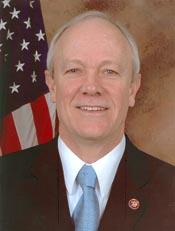 Rep. Jerry McNerney (D-CA)
We couldn't match these changes to the text of H.R. 806, so they're shown as written.
Replaces the bill's text with a full substitute
Replaces the full textEverything after the enacting clauseRemoves all after the enacting clause.
Inserted: SECTION 1. SHORT TITLE.
Inserted: This Act may be cited as the "Air and Health Quality Empowerment Zone Designation Act of 2017".
Inserted: SEC. 2. AIR AND HEALTH QUALITY EMPOWERMENT ZONES.
Inserted: (a) Designation of Air and Health Quality Empowerment Zones.--
Inserted: (1) In general.--The Administrator may designate an area as an air and health quality empowerment zone if--
Inserted: (A) the air pollution control district or other local governmental entity authorized to regulate air quality for the area submits an application under paragraph (2) nominating the area for such designation; and
Inserted: (B) the Administrator determines that--
Inserted: (i) the information in the application is reasonably accurate; and
Inserted: (ii) the nominated area satisfies the eligibility criteria described in paragraph (3).
Inserted: (2) Nomination.--To nominate an area for designation under paragraph (1), the air pollution control district or other local governmental entity authorized to regulate air quality for the area shall submit to the Administrator an application that--
Inserted: (A) demonstrates that the nominated area satisfies the eligibility criteria described in paragraph (3); and
Inserted: (B) includes a strategic plan that--
Show 49 more inserted paragraphsShow less
Inserted: (i) is designed for--
Inserted: (I) addressing air quality challenges and achieving attainment of air quality standards in the area; and
Inserted: (II) improving the health of the population in the area;
Inserted: (ii) describes--
Inserted: (I) the process by which the district or local governmental entity is a full partner in the process of developing and implementing the strategic plan; and
Inserted: (II) the extent to which local institutions and organizations have contributed to the planning process;
Inserted: (iii) identifies--
Inserted: (I) the amount of State, local, and private resources that will be available for carrying out the strategic plan; and
Inserted: (II) the private and public partnerships to be used (which may include participation by, and cooperation with, institutions of higher education, medical centers, and other private and public entities) in carrying out the strategic plan;
Inserted: (iv) identifies the funding requested under any Federal program in support of the strategic plan;
Inserted: (v) identifies baselines, methods, and benchmarks for measuring the success of the strategic plan; and
Inserted: (vi) includes such other information as may be required by the Administrator; and
Inserted: (C) provides written assurances satisfactory to the Administrator that the strategic plan will be implemented.
Inserted: (3) Eligibility criteria.--To be eligible for designation under paragraph (1), an area must meet all of the following criteria:
Inserted: (A) Nonattainment.--The area has been designated as being--
Inserted: (i) in extreme nonattainment of the national ambient air quality standard for ozone; and
Inserted: (ii) in nonattainment of the national ambient air quality standard for PM<inf>2.5</inf>.
Inserted: (B) Unique sources.--The area had--
Inserted: (i) emissions of oxides of nitrogen from farm equipment of at least 30 tons per day in calendar year 2011;
Inserted: (ii) emissions of volatile organic compounds from farming operations of at least 3 tons per day in calendar year 2010; or
Inserted: (iii) emissions of oxides of nitrogen from sources governed primarily through international law of at least 50 tons per day in calendar year 2010.
Inserted: (C) Air quality-related health effects.--As of the date of designation, the area meets or exceeds the national average per capita incidence of asthma.
Inserted: (D) Economic impact.--As of the date of designation, the area experiences unemployment rates higher than the national average.
Inserted: (E) Matching funds.--The air pollution control district or other local governmental entity submitting the strategic plan under paragraph (2) for the area agrees that it will make available (directly or through contributions from the State or other public or private entities) non-Federal contributions toward the activities to be carried out under the strategic plan in an amount equal to $1 for each $1 of Federal funds provided for such activities. Such non-Federal matching funds may be in cash or in-kind, fairly evaluated, including plant, equipment, or services.
Inserted: (4) Period of designation.--A designation under paragraph (1) shall remain in effect during the period beginning on the date of the designation and ending on the earlier of--
Inserted: (A) the last day of the tenth calendar year ending after the date of the designation; or
Inserted: (B) the date on which the Administrator revokes the designation.
Inserted: (5) Revocation of designation.--The Administrator may revoke the designation under paragraph (1) of an area if the Administrator determines that--
Inserted: (A) the area is in attainment with the national ambient air quality standards for PM<inf>2.5</inf> and ozone; or
Inserted: (B) the air pollution control district or other local governmental entity submitting the strategic plan under paragraph (2) for the area is not complying substantially with, or fails to make progress in achieving the goals of, such strategic plan.
Inserted: (b) Grants for Air and Health Quality Empowerment Zones.--
Inserted: (1) In general.--For the purpose described in paragraph (2), the Administrator may award one or more grants to the air pollution control district or local governmental entity submitting the application under subsection (a)(2) on behalf of each air and health quality empowerment zone designated under subsection (a)(1).
Inserted: (2) Use of grants.--A recipient of a grant under paragraph (1) shall use the grant solely for the purpose of carrying out the strategic plan submitted by the recipient under subsection (a)(2).
Inserted: (3) Amount of grants.--The amount awarded under this subsection with respect to a designated air and health quality empowerment zone shall be determined by the Administrator based upon a review of--
Inserted: (A) the information contained in the application for the zone under subsection (a)(2); and
Inserted: (B) the needs set forth in the application for those anticipated to benefit from the strategic plan submitted for the zone.
Inserted: (4) Timing of grants.--To the extent and in the amount of appropriations made available in advance, the Administrator shall--
Inserted: (A) award a grant under this subsection with respect to each air and health quality empowerment zone on the date of designation of the zone under subsection (a)(1); and
Inserted: (B) make the grant funds available to the grantee on the first day of the first fiscal year that begins after the date of such designation.
Inserted: (c) Definitions.--In this section:
Inserted: (1) Administrator.--The term "Administrator" means the Administrator of the Environmental Protection Agency.
Inserted: (2) PM<inf>2.5</inf>.--The term "PM<inf>2.5</inf>" means particulate matter with a diameter that does not exceed 2.5 micrometers.
Inserted: SEC. 3. REPORT TO CONGRESS.
Inserted: Not later than 5 years after the date of the enactment of this Act, the Administrator of the Environmental Protection Agency--
Inserted: (1) shall submit a report to the Congress on the impact of this Act; and
Inserted: (2) may include in such report a description of the impact of this Act in regard to--
Inserted: (A) the reduction of particulate matter and nitrogen oxides emissions;
Inserted: (B) the reduction of asthma rates and other health indicators; and
Inserted: (C) economic indicators. Amend the title so as to read: "A bill to provide for the designation of, and the award of grant with respect to, air and health quality empowerment zones.".
Original wording
Strike all after the enacting clause and insert the following:
Read automatically from the Congressional Record. Check the original before relying on it.
As printed
Strike all after the enacting clause and insert the following:
SECTION 1. SHORT TITLE.
This Act may be cited as the “Air and Health Quality Empowerment Zone Designation Act of 2017”.
SEC. 2. AIR AND HEALTH QUALITY EMPOWERMENT ZONES.
(a) Designation of Air and Health Quality Empowerment Zones.--
(1) In general.--The Administrator may designate an area as an air and health quality empowerment zone if--
(A) the air pollution control district or other local governmental entity authorized to regulate air quality for the area submits an application under paragraph (2) nominating the area for such designation; and
(B) the Administrator determines that--
(i) the information in the application is reasonably accurate; and
(ii) the nominated area satisfies the eligibility criteria described in paragraph (3).
(2) Nomination.--To nominate an area for designation under paragraph (1), the air pollution control district or other local governmental entity authorized to regulate air quality for the area shall submit to the Administrator an application that--
(A) demonstrates that the nominated area satisfies the eligibility criteria described in paragraph (3); and
(B) includes a strategic plan that--
(i) is designed for--
(I) addressing air quality challenges and achieving attainment of air quality standards in the area; and
(II) improving the health of the population in the area;
(ii) describes--
(I) the process by which the district or local governmental entity is a full partner in the process of developing and implementing the strategic plan; and
(II) the extent to which local institutions and organizations have contributed to the planning process;
(iii) identifies--
(I) the amount of State, local, and private resources that will be available for carrying out the strategic plan; and
(II) the private and public partnerships to be used (which may include participation by, and cooperation with, institutions of higher education, medical centers, and other private and public entities) in carrying out the strategic plan;
(iv) identifies the funding requested under any Federal program in support of the strategic plan;
(v) identifies baselines, methods, and benchmarks for measuring the success of the strategic plan; and
(vi) includes such other information as may be required by the Administrator; and
(C) provides written assurances satisfactory to the Administrator that the strategic plan will be implemented.
(3) Eligibility criteria.--To be eligible for designation under paragraph (1), an area must meet all of the following criteria:
(A) Nonattainment.--The area has been designated as being--
(i) in extreme nonattainment of the national ambient air quality standard for ozone; and
(ii) in nonattainment of the national ambient air quality standard for PM<inf>2.5</inf>.
(B) Unique sources.--The area had--
(i) emissions of oxides of nitrogen from farm equipment of at least 30 tons per day in calendar year 2011;
(ii) emissions of volatile organic compounds from farming operations of at least 3 tons per day in calendar year 2010; or
(iii) emissions of oxides of nitrogen from sources governed primarily through international law of at least 50 tons per day in calendar year 2010.
(C) Air quality-related health effects.--As of the date of designation, the area meets or exceeds the national average per capita incidence of asthma.
(D) Economic impact.--As of the date of designation, the area experiences unemployment rates higher than the national average.
(E) Matching funds.--The air pollution control district or other local governmental entity submitting the strategic plan under paragraph (2) for the area agrees that it will make available (directly or through contributions from the State or other public or private entities) non-Federal contributions toward the activities to be carried out under the strategic plan in an amount equal to $1 for each $1 of Federal funds provided for such activities. Such non-Federal matching funds may be in cash or in-kind, fairly evaluated, including plant, equipment, or services.
(4) Period of designation.--A designation under paragraph (1) shall remain in effect during the period beginning on the date of the designation and ending on the earlier of--
(A) the last day of the tenth calendar year ending after the date of the designation; or
(B) the date on which the Administrator revokes the designation.
(5) Revocation of designation.--The Administrator may revoke the designation under paragraph (1) of an area if the Administrator determines that--
(A) the area is in attainment with the national ambient air quality standards for PM<inf>2.5</inf> and ozone; or
(B) the air pollution control district or other local governmental entity submitting the strategic plan under paragraph (2) for the area is not complying substantially with, or fails to make progress in achieving the goals of, such strategic plan.
(b) Grants for Air and Health Quality Empowerment Zones.--
(1) In general.--For the purpose described in paragraph (2), the Administrator may award one or more grants to the air pollution control district or local governmental entity submitting the application under subsection (a)(2) on behalf of each air and health quality empowerment zone designated under subsection (a)(1).
(2) Use of grants.--A recipient of a grant under paragraph (1) shall use the grant solely for the purpose of carrying out the strategic plan submitted by the recipient under subsection (a)(2).
(3) Amount of grants.--The amount awarded under this subsection with respect to a designated air and health quality empowerment zone shall be determined by the Administrator based upon a review of--
(A) the information contained in the application for the zone under subsection (a)(2); and
(B) the needs set forth in the application for those anticipated to benefit from the strategic plan submitted for the zone.
(4) Timing of grants.--To the extent and in the amount of appropriations made available in advance, the Administrator shall--
(A) award a grant under this subsection with respect to each air and health quality empowerment zone on the date of designation of the zone under subsection (a)(1); and
(B) make the grant funds available to the grantee on the first day of the first fiscal year that begins after the date of such designation.
(c) Definitions.--In this section:
(1) Administrator.--The term “Administrator” means the Administrator of the Environmental Protection Agency.
(2) PM<inf>2.5</inf>.--The term “PM<inf>2.5</inf>” means particulate matter with a diameter that does not exceed 2.5 micrometers.
SEC. 3. REPORT TO CONGRESS.
Not later than 5 years after the date of the enactment of this Act, the Administrator of the Environmental Protection Agency--
(1) shall submit a report to the Congress on the impact of this Act; and
(2) may include in such report a description of the impact of this Act in regard to--
(A) the reduction of particulate matter and nitrogen oxides emissions;
(B) the reduction of asthma rates and other health indicators; and
(C) economic indicators. Amend the title so as to read: “A bill to provide for the designation of, and the award of grant with respect to, air and health quality empowerment zones.”.
Legislative Activity
Stay on top of the latest movement without scrolling through every action
House amendment offered
July 18, 2017
View full timeline
House amendment offered
July 18, 2017
Amendment failed in Committee of the Whole
July 18, 2017 • 4:33 PM
House amendment not agreed to: On agreeing to the McNerney amendment (A006) Failed by voice vote.
July 18, 2017 • 4:33 PM
House amendment offered/reported by : Amendment (A006) in the nature of a substitute offered by Mr. McNerney.(consideration: CR H5960-5962; text: CR H5960-5961)
July 18, 2017 • 4:23 PM
Amendment (A006) in the nature of a substitute offered by Mr. McNerney. (consideration: CR H5960-5962; text: CR H5960-5961)
July 18, 2017 • 4:23 PM
On agreeing to the McNerney amendment (A006) Failed by voice vote.
July 18, 2017 • 4:33 PM