S.Amdt. 1338
What it does: Adds SEC. ___. WATER EFFICIENCY AND CONSERVATION BLOCK GRANT PROGRAM wherever appropriate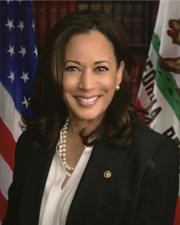 Sen. Kamala D. Harris (D-CA)
What it changes
1 change to S. 2657
Adds SEC. ___. WATER EFFICIENCY AND CONSERVATION BLOCK GRANT PROGRAM wherever appropriate
Adds a sectionInserted: SEC. ___. WATER EFFICIENCY AND CONSERVATION BLOCK GRANT PROGRAM.
Inserted: (a) Definitions.--In this section:
Inserted: (1) Eligible entity.--The term "eligible entity" means--
Inserted: (A) a State;
Inserted: (B) a unit of local government;
Inserted: (C) an entity established by an interstate compact; and
Inserted: (D) an Indian tribe.
Inserted: (2) Indian tribe.--The term "Indian tribe" has the meaning given the term in section 4 of the Indian Self-Determination and Education Assistance Act (25 U.S.C. 5304).
Inserted: (3) Program.--The term "program" means the program established under subsection (b).
Inserted: (4) State.--The term "State" means--
Inserted: (A) a State;
Inserted: (B) the District of Columbia;
Show 53 more inserted paragraphsShow less
Inserted: (C) the Commonwealth of Puerto Rico; and
Inserted: (D) any other territory or possession of the United States.
Inserted: (b) Establishment.--The Secretary shall establish a program, to be known as the "Water Efficiency and Conservation Block Grant Program", under which the Secretary shall provide grants to eligible entities to carry out activities to achieve the purpose of the program described in subsection (c).
Inserted: (c) Purpose.--The purpose of the program is to assist eligible entities in implementing strategies--
Inserted: (1) to reduce water use in a manner that--
Inserted: (A) is environmentally sustainable;
Inserted: (B) improves the affordability of water and sanitation for disadvantaged communities; and
Inserted: (C) maximizes benefits for local and regional communities;
Inserted: (2) to reduce the total water use of the people, businesses, farms, and institutions located within the jurisdiction of eligible entities receiving grants under the program;
Inserted: (3) to improve water efficiency in the agricultural sector, building sector, or any other appropriate sector operating within the jurisdictions of the eligible entities receiving grants under the program; and
Inserted: (4) to reduce the energy required to pump, transport, treat, and heat water.
Inserted: (d) Activities.--An eligible entity may use a grant under the program to carry out activities that include--
Inserted: (1) developing and implementing a water efficiency and conservation strategy;
Inserted: (2) retaining technical consultant services to assist in the development of a strategy described in paragraph (1), including services to assist with--
Inserted: (A) the formulation of water efficiency, water conservation, and water usage goals;
Inserted: (B) the engagement of water users and other stakeholders in the identification of goals and priorities for water efficiency and conservation;
Inserted: (C) the identification of strategies to achieve the goals formulated under subparagraphs (A) and (B)-- (i) through investments in physical measures to increase water efficiency and reduce water consumption;
Inserted: (ii) by encouraging water conservation practices by--
Inserted: (I) the population served by the eligible entity; and
Inserted: (II) the suppliers of water and sanitation services operating within the jurisdiction of the eligible entity; and
Inserted: (iii) by collecting any revenues that may be required to support the implementation of those strategies through fair and transparent mechanisms that encourage efficient water use and support the affordability of water and sanitation services for low-income households;
Inserted: (D) the development of methods to measure progress in achieving the goals formulated under subparagraphs (A) and (B);
Inserted: (E) the development and publication of annual reports, made available to the population served by the eligible entity, describing--
Inserted: (i) the goals formulated under subparagraphs (A) and (B) and the strategies identified under subparagraph (C); and
Inserted: (ii) the progress made in achieving those goals and strategies during the preceding calendar year; and
Inserted: (F) any other activities appropriate to implement the strategy described in paragraph (1);
Inserted: (3) conducting residential and commercial building water audits;
Inserted: (4) conducting water loss audits of public water distribution systems, securing validation of the audit reports, and conducting component analyses of any leaks and losses described in an audit report;
Inserted: (5) establishing a financial incentive program for water efficiency improvements;
Inserted: (6) providing grants to nonprofit organizations, governmental agencies, and Tribal governments for the purpose of performing water efficiency upgrades that result in quantifiable savings;
Inserted: (7) developing and implementing water efficiency and conservation programs for buildings and facilities within the jurisdiction of the eligible entity, including programs that--
Inserted: (A) identify the most effective methods for achieving maximum participation rates and administrative efficiency;
Inserted: (B) effectively engage the owners and tenants of affordable housing;
Inserted: (C) have a public education component;
Inserted: (D) use measurement and verification protocols; and
Inserted: (E) identify water efficient technologies;
Inserted: (8) developing and implementing building codes and inspection services to promote building water efficiency;
Inserted: (9) adopting ordinances for the annual benchmarking of the water use of large buildings and the public posting of water benchmark reports;
Inserted: (10) implementing water distribution technologies that significantly increase water efficiency, including--
Inserted: (A) customer service meters with enhanced accuracy at low flow levels;
Inserted: (B) automated meter infrastructure for data collection, analysis, and display;
Inserted: (C) pressure monitoring and management to mitigate excessive pressure;
Inserted: (D) agricultural water distribution improvements, including--
Inserted: (i) water measurement devices of sufficient accuracy to use for billing purposes;
Inserted: (ii) enclosure and pressurization of agricultural water delivery systems; and
Inserted: (iii) addition of regulatory storage and automated controls within distribution systems to enable fulfillment of irrigation delivery requests in not more than 24 hours; and
Inserted: (E) other activities that may have water conservation and efficiency benefits; and
Inserted: (11) any other appropriate activities, as determined by the Secretary, in consultation with--
Inserted: (A) the Administrator of the Environmental Protection Agency;
Inserted: (B) the Secretary of Transportation;
Inserted: (C) the Secretary of Agriculture; and
Inserted: (D) the Secretary of Housing and Urban Development.
Inserted: (e) Authorization of Appropriations.--There is authorized to be appropriated to the Secretary to carry out this section $2,000,000,000 for each of fiscal years 2021 through 2025.
The amendment doesn't say where this goes; the clerk decides.
Original wording
At the appropriate place, insert the following:
Read automatically from the Congressional Record. Check the original before relying on it.
As printed
SA 1338. Ms. HARRIS submitted an amendment intended to be proposed by her to the bill S. 2657, to support innovation in advanced geothermal research and development, and for other purposes; which was ordered to lie on the table; as follows:
At the appropriate place, insert the following:
SEC. ___. WATER EFFICIENCY AND CONSERVATION BLOCK GRANT PROGRAM.
(a) Definitions.--In this section:
(1) Eligible entity.--The term “eligible entity” means--
(A) a State;
(B) a unit of local government;
(C) an entity established by an interstate compact; and
(D) an Indian tribe.
(2) Indian tribe.--The term “Indian tribe” has the meaning given the term in section 4 of the Indian Self-Determination and Education Assistance Act (25 U.S.C. 5304).
(3) Program.--The term “program” means the program established under subsection (b).
(4) State.--The term “State” means--
(A) a State;
(B) the District of Columbia;
(C) the Commonwealth of Puerto Rico; and
(D) any other territory or possession of the United States.
(b) Establishment.--The Secretary shall establish a program, to be known as the “Water Efficiency and Conservation Block Grant Program”, under which the Secretary shall provide grants to eligible entities to carry out activities to achieve the purpose of the program described in subsection (c).
(c) Purpose.--The purpose of the program is to assist eligible entities in implementing strategies--
(1) to reduce water use in a manner that--
(A) is environmentally sustainable;
(B) improves the affordability of water and sanitation for disadvantaged communities; and
(C) maximizes benefits for local and regional communities;
(2) to reduce the total water use of the people, businesses, farms, and institutions located within the jurisdiction of eligible entities receiving grants under the program;
(3) to improve water efficiency in the agricultural sector, building sector, or any other appropriate sector operating within the jurisdictions of the eligible entities receiving grants under the program; and
(4) to reduce the energy required to pump, transport, treat, and heat water.
(d) Activities.--An eligible entity may use a grant under the program to carry out activities that include--
(1) developing and implementing a water efficiency and conservation strategy;
(2) retaining technical consultant services to assist in the development of a strategy described in paragraph (1), including services to assist with--
(A) the formulation of water efficiency, water conservation, and water usage goals;
(B) the engagement of water users and other stakeholders in the identification of goals and priorities for water efficiency and conservation;
(C) the identification of strategies to achieve the goals formulated under subparagraphs (A) and (B)-- (i) through investments in physical measures to increase water efficiency and reduce water consumption;
(ii) by encouraging water conservation practices by--
(I) the population served by the eligible entity; and
(II) the suppliers of water and sanitation services operating within the jurisdiction of the eligible entity; and
(iii) by collecting any revenues that may be required to support the implementation of those strategies through fair and transparent mechanisms that encourage efficient water use and support the affordability of water and sanitation services for low-income households;
(D) the development of methods to measure progress in achieving the goals formulated under subparagraphs (A) and (B);
(E) the development and publication of annual reports, made available to the population served by the eligible entity, describing--
(i) the goals formulated under subparagraphs (A) and (B) and the strategies identified under subparagraph (C); and
(ii) the progress made in achieving those goals and strategies during the preceding calendar year; and
(F) any other activities appropriate to implement the strategy described in paragraph (1);
(3) conducting residential and commercial building water audits;
(4) conducting water loss audits of public water distribution systems, securing validation of the audit reports, and conducting component analyses of any leaks and losses described in an audit report;
(5) establishing a financial incentive program for water efficiency improvements;
(6) providing grants to nonprofit organizations, governmental agencies, and Tribal governments for the purpose of performing water efficiency upgrades that result in quantifiable savings;
(7) developing and implementing water efficiency and conservation programs for buildings and facilities within the jurisdiction of the eligible entity, including programs that--
(A) identify the most effective methods for achieving maximum participation rates and administrative efficiency;
(B) effectively engage the owners and tenants of affordable housing;
(C) have a public education component;
(D) use measurement and verification protocols; and
(E) identify water efficient technologies;
(8) developing and implementing building codes and inspection services to promote building water efficiency;
(9) adopting ordinances for the annual benchmarking of the water use of large buildings and the public posting of water benchmark reports;
(10) implementing water distribution technologies that significantly increase water efficiency, including--
(A) customer service meters with enhanced accuracy at low flow levels;
(B) automated meter infrastructure for data collection, analysis, and display;
(C) pressure monitoring and management to mitigate excessive pressure;
(D) agricultural water distribution improvements, including--
(i) water measurement devices of sufficient accuracy to use for billing purposes;
(ii) enclosure and pressurization of agricultural water delivery systems; and
(iii) addition of regulatory storage and automated controls within distribution systems to enable fulfillment of irrigation delivery requests in not more than 24 hours; and
(E) other activities that may have water conservation and efficiency benefits; and
(11) any other appropriate activities, as determined by the Secretary, in consultation with--
(A) the Administrator of the Environmental Protection Agency;
(B) the Secretary of Transportation;
(C) the Secretary of Agriculture; and
(D) the Secretary of Housing and Urban Development.
(e) Authorization of Appropriations.--There is authorized to be appropriated to the Secretary to carry out this section $2,000,000,000 for each of fiscal years 2021 through 2025.
Legislative Activity
Stay on top of the latest movement without scrolling through every action
Senate amendment submitted
March 2, 2020