Expressing the support and appreciation of the Nation for the President and the members of the Armed forces who are participating in Operation Iraqi Freedom.

Legislative Activity
Stay on top of the latest movement without scrolling through every action
Referred to the Committee on Armed Services.
April 2, 2003
View full timeline
Introduced in House
March 20, 2003
ORDER OF BUSINESS - Mr. Hunter sent to the desk a concurrent resolution and asked unanimous consent for its immediate consideration pursuant to the following order: Debate on the concurrent resolution shall be limited to two hours equally divided and controlled by Mr. Hunter and Mr. Skelton; and that the previous question shall be considered as ordered on the concurrent resolution to final adoption without intervening motion or demand for a division of the question. Agreed to without objection.
March 20, 2003 • 11:08 PM
Mr. Hunter asked unanimous consent for the immediate consideration of the concurrent resolution pursuant to the earlier order of the House. (consideration: CR H2227-2251, H2262-2263)
March 20, 2003 • 11:13 PM
DEBATE - The House proceeded with two hours of debate on H. Con. Res. 104.
March 20, 2003 • 11:14 PM
The previous question was ordered pursuant to a previous order of the House.
March 21, 2003 • 2:07 AM
POSTPONED PROCEEDINGS - At the conclusion of debate the yeas and nays were demanded and ordered. Pursuant to clause 8 of rule XX, further proceedings were postponed.
March 21, 2003 • 2:08 AM
Passed/agreed to in House: On agreeing to the resolution Agreed to by the Yeas and Nays: 392 - 11, 22 Present (Roll no. 83).(text: CR 3/20/2003 H2229)
March 21, 2003 • 3:00 AM
On agreeing to the resolution Agreed to by the Yeas and Nays: 392 - 11, 22 Present (Roll no. 83). (text: CR 3/20/2003 H2229)
March 21, 2003 • 3:00 AM
Motion to reconsider laid on the table Agreed to without objection.
March 21, 2003 • 3:00 AM
Received in the Senate.
March 21, 2003
Referred to the Committee on Armed Services.
April 2, 2003
Voting History
1 vote recorded • Roll call available
Floor Debate
24 membersWhat members said about H.Con.Res. 104 on the floor
DH JCJ
JCJ IS
IS LD
LD TD+19
TD+19
Floor Debate
24 membersWhat members said about H.Con.Res. 104 on the floor
Mr. Speaker, I offer a concurrent resolution (H. Con. Res. 104) expressing the support and appreciation of the Nation for the President and the members of the Armed Forces who are participating in…
Mr. Speaker, I offer a concurrent resolution (H. Con. Res. 104) expressing the support and appreciation of the Nation for the President and the members of the Armed Forces who are participating in Operation Iraqi Freedom, and ask unanimous consent for its immediate consideration pursuant to the following order:
Debate on the concurrent resolution shall be limited to 2 hours, equally divided and controlled by myself and the gentleman from Missouri (Mr. Skelton), and the previous question shall be considered as ordered on the concurrent resolution to final adoption, without intervening motion or demand for a division of the question.
Mr. Speaker, will the gentleman yield?
Mr. Speaker, is the gentleman asking me if I am aware that the other body passed a resolution?
Yes.
That is true.
If the gentleman will yield further, yes, we would be open to including it.
Mr. Speaker, I would retract that and tell the gentleman that I would not be open to that. Would the gentleman yield further?
If the gentleman will continue to yield, Mr. Speaker, I just want to advise the gentleman that I read not only the resolution that was offered by the other body in 1991, but
also our resolution. We had a different resolution at that point, also.
I would just say to the gentleman that I think that the Members of this body have made a very fine statement, a very heartfelt statement commending our troops. I think it says the right thing. I applaud the gentleman for other things that he would like to see in a resolution. I think reasonable minds can differ.
I would hope that the gentleman would, in the spirit of bipartisan support for people that wear the uniform of the United States, not ask us to have precisely the same words as the other body, and simply spend a few minutes and go home. I would hope the gentleman would allow us to have our own resolution to express our own heartfelt support for those people, and let this body work its will.
No.
If the gentleman will continue to yield, Mr. Speaker, let me just say to the gentleman that we have some excellent commendations in this particular resolution.
Let me finish my statement, if I might.
We commend the President as Commander in Chief. That is something we did in 1991. Under the Constitution, he leads this military force. We commend the Members of the United States Armed Forces. We commend the families. We give them our sincere gratitude and appreciation.
I would think that any Member reading this resolution, and I would ask all Members to read it since the gentleman has called it into question, would agree that this resolution is an excellent resolution, and that it does all the things that we want to do. It would lead us all to wonder why the gentleman somehow wants it to say something else or follow some other example. It does not make a lot of sense.
I will look forward to that.
Mr. Speaker, I just want to say to the gentleman and to the gentleman who just spoke, there are hundreds of thousands of Americans in uniform putting themselves in very difficult positions for our freedom tonight. If they are watching this procedure, they are probably wondering, what in the heck are those guys doing? We have a commending vehicle.
I guess what I am saying is the answer is no to the gentleman from Ohio.
If the gentleman will continue to yield, Mr. Speaker, first, that restates the President's letter.
Second, a second point I would make to the gentleman is that we have been working, Democrats and Republicans, to put this resolution together. My colleague, the ranking member of the Committee on Armed Services, has been working on it. The gentleman's leadership has been working on it. The product that we have before us is a product of both sides.
I would just say to the gentleman if he has a disagreement with it and he thinks that it does not state his position, I would urge the gentleman to take time in this debate in the next several hours and explain his position; but nonetheless, let the rest of us in this House work our will and give our commendation to the troops. Obviously, we would all write it differently.
I look forward to the gentleman's statement.
Mr. Speaker, I yield myself such time as I may consume.
As I rise today, this country is embarked on a very noble endeavor. Last evening, military forces of the United States and our coalition allies commenced military operations to liberate the country of Iraq.
This is indeed a historic moment. Operation Iraqi Freedom marks the culmination of nearly 13 years of U.S. action in Iraq. Commencing with Iraq's invasion of Kuwait on August 2, 1990, through Operations Desert Shield and Desert Storm, through the coalition enforcement of the northern and southern no-fly zones, to Operation Desert Fox and beyond, the United States and our allies have for over a decade been required to deal with the deceit, brutality and duplicity of Saddam Hussein, both diplomatically and militarily.
Today Saddam's moment of truth has arrived. The path to his downfall began
when the Congress passed and President Clinton signed the Iraq Liberation Act of 1998, making it the policy of this Nation to support efforts to remove Saddam's regime from power and to promote a democratic government in Iraq. It continued last fall when Congress passed and President Bush signed House Joint Resolution 114 authorizing the use of military force in Iraq should it become necessary.
Since the passage of that resolution, President Bush has undertaken herculean efforts to avoid a conflict. The President aggressively pursued the unanimous passage of U.N. Security Council Resolution 1441, calling for Iraq to disarm or face grave consequences. Subsequently, the President has exhausted every diplomatic means available to make the United Nations Security Council enforce 1441 to no avail.
Today, the time for diplomacy has passed.
Mr. Speaker, the resolution before us today does three things. First, it expresses the support and appreciation of our Nation to the President for his firm leadership and decisive action in the conduct of the military operations currently underway in Iraq. It is because of his wisdom and judgment that Iraq will soon be a free Nation, a Nation without weapons of mass destruction, a Nation that will become a full and peaceful participant in the international community.
Second, this resolution expresses the support and appreciation of a Nation to our men and women in uniform. A few short weeks ago, the gentleman from Missouri (Mr. Skelton) and I brought forward H.J. Res. 27 commending the members of our Armed Forces and their families for the dedication to duty and service to country that they demonstrate each and every day around the world. Today we bring forward this resolution to show our support, admiration and thanks for the nearly 230,000 soldiers, sailors, airmen, marines and coast guardsmen who are participating in Operation Iraqi Freedom. Because of their dedication and devotion to duty, Operation Iraqi Freedom will be a success.
Finally, this resolution expresses support for the families who wait at home for their loved ones who have undertaken this mission. Without the love and support of the families, our military personnel could not focus on the serious task at hand in Iraq, and I want to express a special thanks to the families of those serving in Operation Iraqi Freedom. Their sacrifice will not be in vain.
Mr. Speaker, I urge my colleagues to show our support for our men and women in uniform by supporting this resolution.
Mr. Speaker, I reserve the balance of my time.
Mr. Speaker, I yield myself 2 minutes to respond to my friend from Missouri.
Mr. Speaker, I want to commend the gentleman from Missouri (Mr. Skelton) and all the members of our Committee on Armed Services, Republican and Democrat, who work every day to support the people in uniform who are protecting American freedom around the world.
Mr. Speaker, this great instrument of freedom, our Armed Forces, have saved the world and liberated hundreds of millions of people in three major conflicts, World War I, World War II and, of course, the Cold War that involved several smaller wars, smaller battles, that I call Vietnam and Korea, and we have liberated hundreds of millions of people.
The real product of our Army and our Navy and our Marine Corps and our Air Force is freedom, and shortly we are going to be liberating 23 million more people, Mr. Speaker.
Mr. Speaker, in that great book about Korea, it was called the Bridges of Toko-Ri, by James Michener, if my colleagues have read that book, watched that movie, they may recall that the hero was a carrier pilot, flew out and hit a set of bridges in Toko-Ri that they had gone after day after day and lost a lot of people, and in the end that pilot did not come back. The commander of that carrier air group stood on the deck of the carrier when it was clear he would not return and neither would those people who were sent out to rescue him, and he asked, where does America get these people who will join the U.S. Armed Forces and put themselves in a very dangerous position, in this case go off on a mission, fly into enemy territory, hit a very heavily defended target and come back and try to find that little postage stamp called an American aircraft carrier? Then he answered his own question: They come from the cities and the towns and the villages of this country, and they always have, and as long as they continue to come, we are going to be a free Nation.
Mr. Speaker, one of those people comes from Shelbina, Missouri.
Mr. Speaker, I yield 2 minutes to the gentleman from California (Mr. Cunningham), who was the top gun in Vietnam, nominated for the Congressional Medal of Honor, and a guy whose heart always travels with people that wear the uniform of the United States.
Mr. Speaker, I yield 1 minute to the gentleman from Texas (Mr. DeLay), the majority leader.
Mr. Speaker, I yield 3 minutes to the gentleman from California (Mr. Lewis), chairman of the appropriations Subcommittee on Defense and a guy who works every day on behalf of folks in uniform.
Mr. Speaker, I yield 3 minutes to the gentleman from Maryland (Mr. Bartlett), who is the chairman of the Subcommittee on Projection Forces.
Mr. Speaker, I yield 2 minutes to the gentleman from South Carolina (Mr. Wilson).
Mr. Speaker, I yield 2 minutes to the gentleman from Tennessee (Mr. Wamp).
(Mr. WAMP asked and was given permission to revise and extend his remarks.)
Mr. Speaker, I yield 2 minutes to the gentleman from Nevada (Mr. Gibbons), who was a fighter pilot in the Persian Gulf and in Vietnam.
(Mr. GIBBONS asked and was given permission to revise and extend his remarks.)
Mr. Speaker, I want to thank the gentleman from Rhode Island (Mr. Langevin) for his great service to the Committee on Armed Services.
I yield 3 minutes to the gentleman from Virginia (Mr. Schrock), another gentleman with great military expertise.
Mr. Speaker, I yield 2 minutes to the gentleman from Georgia (Mr. Isakson).
Mr. Speaker, I yield 2 minutes to the gentleman from Minnesota (Mr. Kline), a gentleman with great experience in the U.S. Marine Corps.
Mr. Speaker, I yield 4 minutes to the gentleman from Georgia (Mr. Collins).
Mr. Speaker, I thank the gentleman from New Jersey (Mr. Andrews) for his great work on the committee.
Mr. Speaker, I yield 3 minutes to the gentleman from Maryland (Mr. Gilchrest), who was a distinguished Marine rifleman in Vietnam.
Mr. Speaker, I yield 2 minutes to the gentleman from New Mexico (Mr. Pearce).
(Mr. PEARCE asked and was given permission to revise and extend his remarks.)
Mr. Speaker, I yield 3 minutes to the gentlewoman from Colorado (Mrs. Musgrave), who has a son in the United States Navy.
Mr. Speaker, I yield 3 minutes to the gentleman from Texas (Mr. Burgess).
(Mr. BURGESS asked and was given permission to revise and extend his remarks.)
Mr. Speaker, I yield myself such time as I may consume.
Mr. Speaker, I just say to the gentleman from Missouri (Mr. Skelton) and ranking member on the Committee on Armed Services, that I would hope that the gentleman would discourage Members like the Member who just spoke from using this time when we are supposed to be commending our troops from demeaning other Members of this House.
I yield to the gentleman from Maryland.
Mr. Speaker, I yield 2 minutes to the gentleman from Georgia (Mr. Burns).
Mr. Speaker, I yield 2 minutes to the gentleman from Colorado (Mr. Beauprez).
Mr. Speaker, I yield myself such time as I may consume.
Mr. Speaker, I am disappointed. I had hoped that this time, that this resolution which was brought forward this evening would bring us together as a House, and perhaps after having some partisan work and working on a policy, budget policy, which often divides us, we would come together and find some common ground in commending our troops and commending our President.
I think anybody who must be watching this from overseas must be wondering at this point, what is in this resolution that so many Members have come out from the Democrat side to condemn? I thought it might be good to go through the resolution, because this resolution is extremely similar to the resolution that we passed in 1991 after we took our first action in Iraq.
What did we do here? The whereas clauses talk about the fact that there was an Iraq Liberation Act of 1998 in which we stated it would be the policy of the United States to support efforts to remove the regime headed by Saddam Hussein and to promote the emergence of a democratic government to replace that regime. That vote passed, Mr. Speaker, overwhelmingly, Democrat and Republican. It also states that on October 16, 2002, the President signed into law House Joint Resolution 114 of the 107th Congress, the authorization, and I would say this clearly for my colleagues, many of whom probably voted against this, but nonetheless it was the authorization for the use of military force against Iraq. Incidentally, Mr. Speaker, that vote passed 296-133. It passed overwhelmingly. It passed more overwhelmingly than the vote that we passed in 1991.
So what was so wrong with this resolution? This resolution followed the law, the steps that we took under the law, under United Nations resolution and under our own law that brought us to the culmination of this event in which it was necessary for the United States to interject force into the Iraq theater. We talked about Security Council Resolution 1441, now well known to most Members of this body that voted unanimously that Iraq will face serious consequences as a result of its continued violations of its obligations to disarm in accordance with all relevant United Nations resolutions.
It also said that Iraq remained in material breach of the relevant United Nations resolutions. That was clearly stated by the reports that were adopted by the United Nations. It was in material breach, and Saddam Hussein is in material breach of his obligations.
So just like the resolution in 1991, we followed the law. We followed this trail of steps, very patient steps that the United States took, including acts that were signed by a Democrat President, stating that it was our policy to bring about a free Iraq. That is what we state in this resolution that you think is so poorly worded.
What else did we do? When you get down to the meat of the resolution, and we talk about what it actually says, let us go to the resolved clause. First I want to go to the resolved clause that we passed in 1991 regarding the President and the troops and their families. We said in 1991 that we acclaim the President for his decisive leadership, unerring judgment and sound decisions. We say in this resolution, Mr. Speaker, that we express our support and appreciation to the President as Commander in Chief for his firm leadership and decisive action in the conduct of military operations in Iraq as part of the ongoing global war on terrorism.
Now, many of the faces that I see here who are condemning this resolution were thanking Mr. Rumsfeld a few hours ago for the clear judgment that is being shown by this administration in prosecuting this war. I had many Members come up to me from the Democrat side who said he was doing the right thing. They said we were lucky to have a person of that capability. We are lucky to have a team like this team that President George Bush has put together. So we commended our President because he is the Commander in Chief. We commended him in 1991. We commend him tonight.
What else did we do? In 1991 we expressed our highest commendation and sincerest appreciation to the members of the United States Armed Forces and other members of the international coalition who participated in Operation Desert Storm and have demonstrated exceptional bravery, dedication and professionalism.
Where is the trick language in this that you object to so much?
And what did we do in this resolution? We said that we express our appreciation ``to the members of the United States Armed Forces serving in Operation Iraqi Freedom,'' the present operation, ``who are carrying out their missions with excellence, patriotism, and bravery.'' Where is the trick language there? Where is the double meaning?
Now we go to the families, and we say in this resolution ``to the families of the United States military personnel
serving in Operation Iraqi Freedom, who are providing support and prayers for their loved ones currently engaged in military operations in Iraq.'' We give the unequivocal support and appreciation of the Nation. That is what we do in this.
What did we do in 1991? We said almost the same thing, and we conveyed our deepest sympathy and condolences to the families and friends of the United States and coalition forces who had been injured or killed during that operation.
So, Mr. Speaker, this resolution is extremely similar to the resolution that we passed in 1991, I might add, with a Democrat Congress, those words that I read to you about the President exercising unerring judgment even though many of the Democratic leadership had voted against this operation in a much closer vote, incidentally, than the vote to allow force that we took this fall. So they talked about his judgment, and many of them have talked privately about his good judgment in the present operation when we are referring to the present President.
The President and his team have done an excellent job. So maybe what we are really talking about is the cause. The many Members who I think did not represent a majority of the Democrat Party who came out here could have worked this resolution if they wanted it to say we do not really believe in the cause, but I do not think a majority of the Democrat Party wanted to say that because I do not think they believe it. I think they do believe in the cause. Do the Members know something else, Mr. Speaker? I think the people we are commending that we have been talking about all night believe in this cause, and maybe that is the difference between those people, those people wearing the uniform of the United States, and the people who wanted to use this forum to continue to debate this policy.
The facts are this body believes in this cause. We have given permission to the President to use our most valuable asset, our most precious resource, our Armed Forces, to ensure that this just cause is carried out. And, Mr. Speaker, since we have all given our foreign policy statements here tonight, maybe we should listen to the foreign policy statement of a Marine leader just before he took his people across that line, and I want to read a statement that was issued to every member of the First Marine Division before they went into operation today. It comes from the commanding general, J.N. Mattis, and this is what he states. Even though I am sure some Members of the other side could take exception to his language, this is his position:
``For decades Saddam Hussein has tortured, imprisoned, raped, and murdered the Iraqi people, invaded neighboring countries without provocation, and threatened the world with weapons of mass destruction. The time has come to end his reign of terror. On your young shoulders rest the hopes of mankind.
``When I give you the word, together we will cross the line of departure close with those forces that choose to fight and destroy them. Our fight is not with the Iraqi people nor is it with members of the Iraqi Army who choose to surrender. While we move swiftly and aggressively against those who resist, we will treat all others with decency, demonstrating chivalry and soldierly compassion for people who have endured a lifetime under Saddam's oppression.
``Chemical attack, treachery, and the use of the innocent as human shields can be expected as can other unethical tactics. Take it all in stride. Be the hunter, not the hunted. Never allow your unit to be caught with its guard down. Use good judgment and act in the best interests of our Nation.
``You are part of the world's most feared and trusted force. Engage your brain before you engage your weapon. Share your courage with each other as we enter the uncertain terrain north of the Line of Departure. Keep faith in your comrades on your left and right and Marine air overhead. Fight with a happy heart and a strong spirit.
``For the mission's sake, our country's sake, and the sake of the men who carried the Division's colors in past battles, who fought for life and never lost their nerve, carry out your mission and keep your honor clean. Demonstrate to the world that there is `No Better Friend, No Worse Enemy' than a United States Marine.''
Ladies and gentlemen, those people that wear the uniform do not have the disagreement with this resolution that so many Members from the other side had tonight. They know this is a good cause. They believe in this cause. They share this cause. They also believe that they have a great President leading them.
May God bless them. May God bless America.
Mr. Speaker, we gather here for a well-deserved tribute to our troops in the Middle East. Yet just before this, we were debating the President's budget which cruelly cut $25 billion of veterans…
Mr. Speaker, we gather here for a well-deserved tribute to our troops in the Middle East. Yet just before this, we were debating the President's budget which cruelly cut $25 billion of veterans benefits, including disabled veterans. Is this how Republicans would honor those who have made great sacrifices in defense of our country? Is that how they would boost the morale of our current troops? Every major veterans organization has denounced these cuts as unconscionable, but now the pending business before us is a little bit different.
So I rise to reject these efforts to piggyback support for President Bush's dangerous policies on to a simple, but deserved, resolution supporting our troops. I trust the American people to see through this attempt to coerce endorsement of his ``preventive war'' doctrine.
I fully support our troops and offer my prayers for their safe return. I am an Army veteran myself; I care deeply about their well- being. And precisely for that reason, I cannot in good conscience vote for tonight's resolution, a carefully crafted document to force endorsement of President Bush's doctrine of preventive war, allowing him to attack countries whenever or wherever he chooses. I will not provide support for such a dangerous doctrine.
For years to come, it will unnecessarily put current and future members of our Armed Forces in harm's way, even when our national security is not really threatened.
Mr. Speaker, President Bush is about to unleash the dogs of war. He has set the clock ticking toward an unprecedented barrage of destruction dropped on a city of 6 million human beings. The barrage is oddly named the days of ``shock and awe.'' All Americans who hold human life precious should watch the clock run down, not with ``awe'' but with fear and trembling. The sad truth is that we are lurching towards an unnecessary war that President Bush seems determined to launch.
Apparently, therefore, the brave young men and women of our Armed Forces are about to head into harm's way. We all offer them our support as they try to do their duty, and we send our prayers for their safe return. But we must also be faithful to our duty, a duty entrusted exclusively to the Congress by our Founding Fathers. That is the solemn duty to decide whether the United States should go to war.
The Constitution's framers emphatically entrusted that decision to the Congress alone. They were adamant that the Executive not play a role--although once war began the Executive is the Commander-in-Chief to implement that decision. The Framers were so intent on excluding the President that they rejected an offer to share the power to declare war between the Congress and the Executive.
I know that President Bush, and many of my colleagues believe that the Congress properly authorized war against Iraq last Fall, pursuant to Article 1, Section 8 of the Constitution. I respectfully disagree. We have not performed our duty yet. Last fall Congress enacted a resolution that generally authorized the president to fight terrorism and to seek enforcement of previous U.N. Resolutions on Iraq. But in reality, that resolution bucked the duty constitutionally conferred on Congress to the President. It let the President decide to choose when and where and against whom to start a war. In short, it dodged the decision and sought to delegate an authority that may not be delegated.
The administration's supporters argue that legal precedents allow the Congress to provide an authorization of war that is functionally equivalent to the now rarely-used formal Declaration of War. That entirely misses the point. It is not the format which is at issue; it is ``who decides?''
It was clear, at that time, from the congressional debate, from Executive Branch statements, and from the resolution itself that the diplomatic route would be pursued first, by going through the U.N. Subsequently, in response to a broad national consensus, the U.S. spearheaded U.N. Security Council passage of Resolution 1441 that imposed a new inspection regime. In other words, it was clear last fall that the decision of whether to declare war was being put off for a later date.
In the months since then, it has become increasingly clear that the decision on going to war would turn on two crucial assessments. The first would be an assessment of the results of that inspection program.
The second assessment, and the ultimate judgment, would require weighing the implications of the inspection results and other information about what threat Iraq poses to the U.S. against the full costs--fiscal, diplomatic, casualties and increased terrorism--of going to war. Clearly these are not military judgments for a Commander-in- Chief. They are precisely the kind of complex national policy judgments that the Founding Fathers conferred on the Congress in matters of war and peace.
Yet in the present circumstances, the Congress has abdicated any role in that fateful decision. The entire world has been riveted on whether the American President would decide to declare war against Iraq. President Bush has brazenly told journalists and Members of Congress alike that it is his decision, and his decision alone. This is a perversion of the Constitution.
Even if one argues that Congress properly exercised its constitutional duties, and that the President thereby has all necessary authority to start a war the fundamental questions remain. ``Why war?'' ``Why now?'' And most importantly, ``Will waging war in Iraq make us more secure or less secure?''
Bush's war would have disastrous consequences for every American. War is about devastation, destruction and death. The American people are not bloodthirsty. We want war only if our country is in imminent danger. Otherwise, a war's human and economic costs are too great. The human devastation of death, injury and destruction is obvious. In addition, it will rob us of resources urgently needed by America's working families and less fortunate.
Even in terms of national security, an all-out war will rob Americans of hundreds of billions of dollars needed for the first line of defense in homeland security, on which we have made far too little progress since the tragedy of 9/11. As the President repeats his unverified mantra of ``threats to national security,'' cities across this land are laying off police, firemen, and emergency medical services teams--the so-call ``first responders'' to any new terrorist attack. They must do so because this Administration's ``first response'' to empty city treasuries across America has been one word: ``Tough.''
This is not merely a partisan spat, nor a Washington insiders' policy dispute. The citizens' crusade to stop an immoral war in Iraq has been nothing less than a noble struggle for our Nation's soul. Thus far, that struggle has not succeeded. But we will not give up. We must commit ourselves to stopping hostilities and re-weaving the torn fabric of international organizations with the same dedication and urgency with which we strove to stop segregation and the Vietnam war, and finally brought our Government to its senses.
President Bush repeatedly insists that for him ``war is a last resort.'' But his actions reveal that war was really his first choice, all along. His attempts to make it politically palatable by badgering, bullying and bribing countries into a counterfeit coalition have been a mere fig leaf transparent to the entire world.
President Bush has failed to present compelling evidence that Iraq currently is a threat to our national security. One rationale after another has been disproved. The President, Vice President and Secretary of Defense have presented a kaleidoscope of ever-changing rationale as they tried to stay one jump ahead of ``truth squads'' exposing their disinformation--at the U.N., among skeptical Members of Congress and the media, and even in their own intelligence agencies.
Americans have readily borne the burden of war when attacked or actually threatened. But America cannot, in good conscience, start a war so costly in blood and treasure simply on the basis of circumstantial evidence and speculation that, sometime in the unspecified future, Iraq may present an actual threat to the U.S.
Bush's war against Iraq is:
A war that will devastate a country of 26 million and cause damage that will take years to undo;
A war that will see many American casualties, and that could fracture our fragile economy;
A war that will destabilize the Middle East;
A war that will swell the ranks of terrorist recruits;
A war that will weaken our fight against terrorism, at home and abroad, and that will cost billions of dollars desperately needed for programs in Detroit and other cities;
A war that will set a terrible precedent, in a world of growing numbers of nuclear states, for any country to launch a preventive war against opponents deemed a possible future threat; and
A war not really wanted by the American people, our military commanders or our allies.
Worst of all, it is a war that, as the CIA admits, will only make it more likely that Saddam would unleash whatever unconventional weapons he does have against our troops, Israel and our other allies. There is no evidence Saddam seeks to commit suicide. We deterred him from using weapons of mass destruction during Desert Storm. If he faces destruction, however, Saddam may well seek to play Sampson and pull down the Temple for lethal revenge.
Last weekend, several of the Nation's leading newspapers seemed to suddenly discover all of these grave costs of war in Iraq. Article after article reported with an air of sudden discovery that:
The war would drastically increase the likelihood of Saddam's using weapons of mass destruction;
That it would almost certainly escalate dramatically terrorist attacks against Americans;
That many U.S. military commanders feared it would undermine the real war against terrorism;
That their could be extensive casualties among innocent Iraqi civilians; and
That, even following a quick ``military victory'' against Saddam, we could be mired in
an Iraqi quicksand of tribal feuds and guerrilla warfare for years.
I took cold comfort from the irony of the media's belated ``discoveries.'' It would have been far more useful to their readers if the media had discovered this costly side of the war ledger months earlier. Instead, like the Administration, most media coverage focused only on whether, absent other concerns, it was desirable to prevent Saddam's pursuit of armaments and remove his regime--as if there were no competing costs on the other side of the ledger to be carefully weighed in deciding whether war would be a net plus for America.
There is still time for President Bush to avoid starting the wrong war, in the wrong place, at the wrong time. There is still time--but precious little time--for the American people to speak out against a war that few of them support. If the war commences, there is time for it to be brought to a rapid end and areversion to diplomatic efforts and enhanced inspections.
We should remember the warning of General Anthony Zinni. A distinguished Marine Commandant and head of U.S. Central Command, which guards the Middle East, Zinni reminded us that military commanders know the full horrors of war and hesitate to plunge ahead unless the national interest is clearly at stake. On the other hand, Zinni warned, those who have never worn a uniform or seen combat often are the quickest to beat the drums of war.
Those are harsh words. The administration will condemn whoever utters them as partisan and unpatriotic--just as the Johnson White House condemned King's questioning of Vietnam. The Bush team has already spread that slander, in order to stop erosion of support for the war as the public learns the truth. Are the military veterans and retired generals opposed to this war unpatriotic? Are families of those who were killed on 9/11 and who oppose this war partisan? That is outrageous.
I know many of my colleagues have in good faith been convinced that Iraq is a threat to us now. But they have been the target of a Niagara of propaganda, especially the Vice President's early insistence that Saddam was involved in 9/11 and that Saddam had nuclear weapons now-- both of which claims have long been disavowed by our intelligence community. Many other assertions and premises used by the administration to ``market their product,'' in the revealing phrase of the White House Chief of staff, have crumbled under close scrutiny.
I would ask my colleagues who support the war to reconsider their view in light of these facts:
Almost the entire world is strongly against this war; this includes the majority of the citizens of even those countries formally part of the ``coalition'';
Every major city in America has gone on record against this war;
The U.S. Conference of Catholic Bishops, almost every major Protestant denomination, the American Labor movement and the NAACP are against this war;
Leading retired U.S. military commanders such as General Zinni, and General Schwarzkopf--in his original unvarnished views--have voiced opposition to this war;
Numerous active duty generals have told reporters off the record of their concerns about a war against Iraq; and
General Scowcroft, who was also President George Herbert Walker Bush's National Security Advisory is against this war.
And all of this opposition has arisen even before the war has started--an unprecedented phenomenon in human history. In view of these facts, I ask whether it is just possible that there is something amiss with the President's premises with his logic, and with his rejection of further effort to resolve the issues peacefully.
I urge my colleague to reflect on these powerful facts and join me in pressing President Bush to find another way--to follow the path of peace. As the Bible teaches, ``Blessed are the Peacemakers.''
Mr. Speaker, I yield myself such time as I may consume. This is a solemn moment for this body. We are here this evening representing Americans all across our land, and we are here to say on their…
Mr. Speaker, I yield myself such time as I may consume.
This is a solemn moment for this body. We are here this evening representing Americans all across our land, and we are here to say on their behalf thank you to the young men and women who wear the uniform today, just as those veterans have done in yesteryear.
I appreciate the Speaker mentioning to this body that our colleague and friend the gentleman from Indiana (Mr. Buyer) has been called to Active Duty. We will remember him in our thoughts and prayers, just like we do every soldier, sailor, airman and marine who represents us in this struggle for freedom and the end of a regime that could cause great harm to the free world.
It is too bad that we have to have a resolution for our young men and women when they are in danger. Maybe we ought to pass one when there is a time for peace, when there is no conflict or a threat of conflict. It was the British poet Rudyard Kipling that put it so well in his poem ``Tommy'' when he said, It's Tommy this and Tommy that and throw them out the brute, but savior of his country when the guns begin to shoot.
I think we should show respect and thanks and appreciation to those who wear the uniform, who are trained daily, working daily, and, when they are called upon as they are now, be ready.
So I thank the gentleman from California (Mr. Hunter), my good friend and chairman, for his efforts. We have worked so well, as we did on a previous resolution just a few days ago, and sadly, the process by which we find ourselves here tonight has not met with full understanding. Nevertheless, we are here to commend those troops for what they are about to do and what they are doing on the field of battle this evening.
We unite as Americans in support of our troops, who are the truest expression of what this country stands for: courage, strength, compassion. They are the finest sons, daughters we have to offer the world as defenders of freedom, both in the United States of America, for the Iraqi people, as well as for those who love freedom across this globe.
I urge my colleagues to support this resolution. We will have a number of speakers, and as a result thereof, I will cut my remarks short, and I thank the gentleman from California for his efforts in this behalf.
Mr. Speaker, I reserve the balance of my time.
Mr. Speaker, I yield such time as she may consume to the gentlewoman from California (Ms. Pelosi), the minority leader.
Mr. Speaker, I yield 1 minute to the gentleman from Texas (Mr. Frost).
(Mr. FROST asked and was given permission to revise and extend his remarks.)
Mr. Speaker, I yield such time as he may consume to the gentleman from Maryland (Mr. Cardin).
(Mr. CARDIN asked and was given permission to revise and extend his remarks.)
Mr. Speaker, I yield 1 minute to the gentlewoman from California (Mrs. Tauscher).
Mr. Speaker, I yield 1 minute to the gentlewoman from Illinois (Ms. Schakowsky).
Mr. Speaker, I yield 1 minute to the gentleman from Illinois (Mr. Emanuel).
Mr. Speaker, I yield such time as she may consume to the gentlewoman from Michigan (Ms. Kilpatrick).
(Ms. KILPATRICK asked and was given permission to revise and extend her remarks.)
Mr. Speaker, I yield 1 minute to the gentlewoman from California (Ms. Lee).
Mr. Speaker, I yield 1 minute to the gentleman from Rhode Island (Mr. Langevin).
(Mr. LANGEVIN asked and was given permission to revise and extend his remarks.)
Mr. Speaker, I yield 1 minute to the gentleman from Washington (Mr. McDermott).
Mr. Speaker, I yield 2 minutes to the very distinguished gentleman from New York (Mr. Rangel).
(Mr. RANGEL asked and was given permission to revise and extend his remarks.)
Mr. Speaker, I yield 1\1/2\ minutes to the gentlewoman from California (Ms. Watson).
Mr. Speaker, I yield 1\1/2\ minutes to the gentleman from Texas (Mr. Turner), the ranking member of the new Select Committee on Homeland Security.
Mr. Speaker, I yield 1 minute to the gentlewoman from California (Ms. Waters).
Mr. Speaker, I yield 1 minute to the gentlewoman from California (Mrs. Davis).
Mr. Speaker, I yield 1 minute to the gentlewoman from Ohio (Mrs. Jones).
Mr. Speaker, I yield 1 minute to the gentlewoman from California (Ms. Eshoo).
Mr. Speaker, I yield 2 minutes to the gentleman from Georgia (Mr. Lewis).
Mr. Speaker, I yield 1 minute to the gentlewoman from Connecticut (Ms. DeLauro).
Mr. Speaker, I yield 2 minutes to the gentleman from Michigan (Mr. Conyers), the ranking member on the Committee on the Judiciary.
(Mr. CONYERS asked and was given permission to revise and extend his remarks.)
Mr. Speaker, I yield such time as he may consume to the gentleman from California (Mr. Baca).
(Mr. BACA asked and was given permission to revise and extend his remarks.)
Mr. Speaker, I yield 1 minute to the gentleman from New Jersey (Mr. Andrews).
(Mr. ANDREWS asked and was given permission to revise and extend his remarks.)
Mr. Speaker, I yield 2 minutes to the gentleman from Massachusetts (Mr. Frank).
Mr. Speaker, I yield 1 minute to the gentleman from Georgia (Mr. Scott).
Mr. Speaker, I yield 1\1/2\ minutes to the gentleman from Texas (Mr. Doggett).
Mr. Speaker, I yield 1 minute to the gentleman from Texas (Mr. Edwards).
Mr. Speaker, I yield 2\1/2\ minutes to the gentlewoman from Texas (Ms. Jackson-Lee).
(Ms. JACKSON-LEE of Texas asked and was given permission to revise and extend her remarks.)
Mr. Speaker, I yield 1 minute to the gentleman from New York (Mr. Crowley).
Mr. Speaker, I yield 1 minute to the gentleman from New York (Mr. Meeks).
Mr. Speaker, I yield 1 minute to the gentleman from Ohio (Mr. Strickland).
Mr. Speaker, I yield 1 minute to the gentleman from New York (Mr. Nadler).
Mr. Speaker, I yield 1 minute to the gentlewoman from California (Ms. Woolsey).
(Ms. WOOLSEY asked and was given permission to revise and extend her remarks.)
Mr. Speaker, I yield 1 minute to the gentleman from Florida (Mr. Meek), who is a member of the Committee on Armed Services.
(Mr. MEEK of Florida asked and was given permission to revise and extend his remarks.)
Mr. Speaker, I yield 1 minute to the gentleman from New York (Mr. Engel).
Mr. Speaker, I yield 1 minute to the gentleman from Iowa (Mr. Boswell), an Army veteran and distinguished Member of this body.
Mr. Speaker, I yield 1 minute to the gentleman from American Samoa (Mr. Faleomavaega).
(Mr. FALEOMAVAEGA asked and was given permission to revise and extend his remarks.)
Mr. Speaker, I yield 1 minute to the gentlewoman from California (Ms. Lofgren).
Mr. Speaker, I yield 3 minutes to the gentleman from Mississippi (Mr. Taylor), a distinguished member of the Committee on Armed Services.
Mr. Speaker, I yield 4 minutes to the gentleman from Maryland (Mr. Hoyer), the Democratic whip.
Mr. Speaker, I yield such time as he may consume to the gentleman from Illinois (Mr. Davis).
(Mr. DAVIS of Illinois asked and was given permission to revise and extend his remarks.)
Mr. Speaker, I yield such time as she may consume to the gentlewoman from Ohio (Ms. Kaptur).
(Ms. KAPTUR asked and was given permission to revise and extend her remarks.)
May I inquire of the Chair how many minutes we have remaining on each side?
Mr. Speaker, I yield myself such time as I may consume.
As I mentioned earlier in the evening, this is a solemn moment. I wish I had the eloquence of diction to sway everyone within hearing distance to vote for this resolution. However, in my mind it is one that speaks loudly and clearly about the young men and young women who wear the uniform today, many of whom will be in harm's way very soon. They are all not Active Duty. We have 212,000 National Guard and reservists called up; 26,000 are in the Gulf area. Our hearts and thoughts are with them.
Earlier in the evening the gentleman from Maryland (Mr. Gilchrest) quoted that famous poem that came out of the First World War, Flanders Fields. Part of that poem reads:
To you from failing hands we throw
The torch; be yours to hold it high.
If ye break faith with us who die
We shall not sleep, though poppies grow
In Flanders fields.
Every generation, it seems, has thrown the torch of freedom to hold it high. The generation today that stands guard for Americans wherever they may be, fighting terrorists or in the Gulf, are the ones that are holding that torch high today. We salute them and thank them.
Mr. Speaker, I urge everyone in this body to support this resolution. I give a special thanks to the gentleman from California (Mr. Hunter), the chairman, a veteran of the Army, the Vietnam conflict, for his courtesy and help in putting this resolution to the floor.
Mr. Speaker, I reserve the balance of my time.
Mr. Speaker, I yield 1 minute to the gentleman from Illinois (Mr. Rush).
Mr. Speaker, I yield 1 minute to the gentleman from Maryland (Mr. Wynn).
Mr. Speaker, I thank my friend from California for his eloquent statement.
Mr. Speaker, I yield such time as he may consume to the gentleman from Rhode Island (Mr. Kennedy).
(Mr. KENNEDY of Rhode Island asked and was given permission to revise and extend his remarks.)
Mr. Speaker, I yield myself such time as I may consume.
Some discussion has been held tonight regarding foreign policy. Let me say my foreign policy. I speak of the valor and the courage and the dedication of young men and young women who are protecting freedom and safety of our country and of the free world, whether they be on the outskirts of Iraq or in Afghanistan or wherever they may be in this world. I hope everyone will see themselves clear to support and vote for this resolution so we can say thanks to those brave souls of America. We have lost some, as was recently said this evening, whose families will grieve, but it is for us to carry on and say thank you.
Mr. Speaker, the great Roman orator once said that gratitude is the greatest of all virtues, and I hope tonight by this vote we can express our gratitude and exhibit that virtue by voting for this resolution.
Mr. Speaker, reserving the right to object, the gentleman from Illinois (Mr. Hastert), the Speaker of the House, has rightly reminded us tonight of the events of 9/11. I think all of us remember the…
Mr. Speaker, reserving the right to object, the gentleman from Illinois (Mr. Hastert), the Speaker of the House, has rightly reminded us tonight of the events of 9/11. I think all of us remember the time that we stood together singing ``God bless America'' on the steps of this Capitol, unified in recognizing that what is involved here is bigger than us as individuals or as political parties, and how we joined with near unanimity in supporting the President on the war on terrorism.
Thanks to the good efforts of the gentleman from California (Mr. Hunter), we did this once again about 10 days ago, when he offered his resolution, H.J. Res. 27, ``commending the continuing dedication, selfless service, and commitment of members of the Armed Forces and their families during the Global War on Terrorism.'' At that time I rose, along with many colleagues, to support that resolution honoring our service members and to commend the gentleman from California (Mr. Hunter) for an effort that brought us together, rather than splitting us apart.
I doubt that we can offer too many resolutions for our servicemen and servicewomen, so I understand the gentleman's interest in offering a further resolution tonight. I would like nothing more than to see a similar unanimous vote in support of that resolution.
I would ask the gentleman under my reservation, since we have not yet even had this resolution printed for our review, if he is familiar with a resolution commending our troops that was authored by Senators Frist and Warner and Senators Daschle and Levin, and which was passed unanimously today in the United States Senate?
I yield to the gentleman from California.
Yes.
Is it correct that the gentleman's resolution is not the same as resolution S. Con. Res. 26?
I believe the gentleman's resolution omits clause 5 of Senate resolution S. Con. Res. 26, which says that the Congress ``joins all Americans in remembering those who lost their lives during Operation Desert Shield and Operation Desert Storm in 1991, and those still missing from that conflict, including Captain Scott Speicher of the United States Navy''.
Would the gentleman be open to amending his resolution to include that language from clause 5 of the Senate Con. Res. 26?
The gentleman would be open to including that language?
Mr. Speaker, I ask unanimous consent to add clause 5 of the Senate version, S. Con. Res. 26.
Let me just ask, and then I will be very brief, because I know it is late and the gentleman wishes to proceed.
The Senate, I am sure, acted, and not every word did I agree with, but they did act unanimously. It was good enough for the majority leader, Senator Frist and Senator Warner, chairman of the Armed Services Committee. Could we not dispense with this debate and simply take up, with the gentleman's approval, the entire Senate resolution and adopt it, and have every one of us saying not only the same thing in this House chamber but saying the same thing throughout the Capitol, that with one voice, we, the House and Senate, approve and applaud and support our troops?
Mr. Speaker, I respect the gentleman. Continuing under my reservation very briefly, it just seems to me we have heard so much about the need for us to speak with one voice that we could speak with one voice and do it promptly by taking verbatim what was good enough for Senators Frist and Warner.
But let me ask the gentleman one other question, since he talks about acting with unanimity. The gentleman has three enacting clauses in his resolution. Clause two commends the Members of the United States Armed Forces; Clause three commends their families. I think there is unanimous agreement for both of these.
Would the gentleman be open under his unanimous consent agreement to our proceeding now by unanimous consent to approve those two clauses, so that we could concentrate our debate in the only area that we have any difference, which are the words that the gentleman uses to approve the President's action with his first-strike policy in clause one?
Just one final question. The draft of this resolution, and I know there have been changes going on all night, but the draft that we Democrats were asked to approve late this afternoon was a little like the President's recent budget on Afghanistan, which he forgot to fund. The resolution draft we were offered as praising the troops largely forgot the troops.
I was wondering if the gentleman would have any objection to my putting into the Record the resolution draft that we were given this afternoon and asked to approve, which did not include in the ``whereas'' clauses much of anything about our servicemembers other than the first and last paragraphs. Most all of it seems to be about the President.
Added at our request, for the troops.
Mr. Speaker, I thank the gentleman. I will save the rest of my remarks for the debate.
I ask unanimous consent to include in the Record, Mr. Speaker, this type of unanimous consent request, which seeks only to place in the Record the draft of the resolution we Democrats were asked to concur in this afternoon, that it might be made part of the record so all could see it.
Mr. Speaker, it being apparent that the decision of 99 Members of the United States Senate is inadequate for some in this House, that they will not accept even placing in the Record at this point, at a very appropriate and proper point, the resolution they offered us, which treated the troops almost as an afterthought, since the goal was not to applaud the troops but the President; and recognizing their refusal to let us approve now unanimously what we all agreed to, that the Members of the Armed Forces and their families deserve commendation, even if we disagree with the civilian, political decision to institute a new first-strike policy, which will actually endanger our families, I recognize little ability to reach unanimity; and I will raise the rest of my concerns about the Administration's unfortunate new policy, which places so many in harm's way, in the course of the debate.
Mr. Speaker, I withdraw my reservation of objection.
Mr. Speaker, I thank the gentleman for yielding time to me.
For the sacrifices of our sons and daughters in uniform and that of their families, no mere resolution or series of resolutions suffices to express our gratitude.
Because the support for our troops is so very strong and the justification for the administration's reckless first-strike doctrine is so very weak, this resolution relies on the pride that all of us feel for our troops in order to carry this weak policy, this faulty and unworthy policy that is so faulty it cannot stand on its own merits, it has to be clumped with the sacrifices of the men and women who serve America tonight in the Persian Gulf.
Just as this administration has failed completely to provide the slightest
link between Saddam Hussein and 9-11, this resolution mistakenly links the invasion of Iraq to the war on terrorism. I support that war. I recognize that containment and disarmament may not end all wars, but they are clearly superior to the new first-strike policy that risks wars without end.
This resolution could have been the one the Senate adopted today by 99 votes. It was good enough for Majority Leader Frist, it was good enough for John Warner, but it did not go to the extremes that our colleagues want.
We could have all accepted my request that we approve by unanimous consent support for our troops and families, but they did not have that in mind. They want this back-door approval. We will not be intimidated into silence. If we were to do that, we would be abandoning the very democracy we are pledged to serve and that they tonight defend.
Mr. Speaker, I thank the gentleman from California (Mr. Hunter) and the gentleman from Missouri (Mr. Skelton) for bringing this resolution to the floor. Even though the hour is late, Members are…
Mr. Speaker, I thank the gentleman from California (Mr. Hunter) and the gentleman from Missouri (Mr. Skelton) for bringing this resolution to the floor.
Even though the hour is late, Members are willing to stay here because it is so important for the House of Representatives to express our support for our men and women in uniform, our troops in harm's way now, and as the minority leader said, those troops anywhere in the world and at home. And also to support their families for the sacrifices that they are making. It is tough on the families, probably tougher on the families than any other people. We are also here to commend the President for his strong leadership in bringing us to where we are today.
Our men and women in uniform need to understand why they are fighting and why they are risking their lives, and understand that this House supports them in that because in order to risk their lives, they have to understand that they are doing it for the right reasons.
Last night began a challenging time for our country as our Armed Forces went on the march against tyranny. It also signaled the time for our country to come together with singleness of purpose and speak with a single voice.
Under our Constitution, America speaks through the United States Congress, and last year we spoke out boldly and strongly from both political parties. We let the world know that the defenders of freedom are not going to allow the world's leading purveyor and practitioner of terror continue to spread his grip of fear.
Today, Congress is set to speak again for the American people. We want to honor the men and women of our Armed Forces who are conducting their mission with the utmost honor and courage as they defend our democracy.
We salute every person taking risks to confront terrorism and tyranny to expand the frontiers of freedom, and we salute the President for showing the world the power of strong, moral leadership.
We know that Saddam Hussein is seeking the means to murder millions in just a single moment, and he is consumed with hatred for America. We know that the war on terrorism will be fought here at home unless we summon the will to confront evil before it attacks. Free democratic nations must be willing to stop his evil aspirations. He is not a man with whom we can confer, consult, or convince. He is not a man we can trust. He has violated 17 United Nations resolutions. He is in material breach of multiple U.N. resolutions, and he has ignored the final ultimatum by the President of the United States.
Saddam Hussein once agreed to end his missile program. He agreed to stop building chemical weapons. He agreed to stop developing biological weapons. He agreed to end his nuclear weapons program. He agreed to stop brutalizing and oppressing his people. He agreed to do many, many other things; but every promise he made was a lie. Every agreement was a devious swindle. Every commitment was an expedient falsehood.
It was all a devilish strategy designed to escape accountability for past crimes and to buy the time to develop weapons for even greater crimes against humanity.
He turned the regime's resources to the awful purpose of developing terror weapons to spread the cruelty and oppression beyond his own borders. He welcomes terrorists to sanctuary and support within his own borders.
During the years that Saddam Hussein slow-walked the United Nations through his series of deceptions, his regime systematically brutalized the Iraqi people. He tortures children to punish their parents. He executes members of his government to enforce obedience. We can never know how many faceless victims have screamed out their last words to the uncaring ears of Saddam Hussein's torturers.
As a member of England's Labour Party recently laid out in chilling detail earlier this week, Saddam Hussein is a diabolical prodigy in the craft of evil. This member spoke of Iraqi citizens who witnessed men being forced into a machine intended to shred plastic. The men who went in head first were, in a tragic sense, the fortunate ones. The men who were sent to their death feet first, their final words were anguished screams for mercy. She told of women raped as Saddam Hussein's torturers made their husbands watch.
This is wickedness that by the grace of God the people of America will never know. We have not cornered the market on morality, but our policy of intervention to force an end to this evil is clearly a just cause, a worthy war and a principled stand.
Fortunately, President Bush is proceeding with courage and boldness. He is leading with moral clarity. He is fighting principled battles, and he is not backing down. We have to give President Bush our full support as he confronts this evil, and our men and women in uniform as they confront this evil.
This vote to support our Commander in Chief and our courageous troops in battle sends the right message that we are denying Saddam Hussein the power to take additional lives. We believe that in the teeth of terrorism, America must continue exporting the values, democratic institutions, and patterns of conduct that have built the strongest and fairest system of government and the most free society the world has ever seen.
We feel very deeply for all of the people trapped within autocratic regimes and born with repressive governments. And as defenders of freedom, we also owe the besieged people of Iraq the same hope we supplied to the people of Germany nearly 6 decades ago.
In the battle between freedom and terrorist tyranny, there is no middle ground. We look to the day, far off though it may be, when every person comes into this world with the full promise of their God-given rights upheld by the government of their birthplace. This is a bold vision and a noble goal, but the potential of the American people is not constrained by the timid boundaries of conventional thinking. We are called to far more than that. And due to the excellence and patriotism and bravery of our soldiers and their families, and the courage of the President with moral purpose, the liberation of Iraq has begun.
May God bless our President, may God bless our troops, may God bless our Nation.
Show 8 more
Mr. Speaker, I thank the distinguished ranking member for yielding time and for his distinguished service on the committee and to our country, and I also commend the gentleman from California (Mr.…
Mr. Speaker, I thank the distinguished ranking member for yielding time and for his distinguished service on the committee and to our country, and I also commend the gentleman from California (Mr. Hunter).
In the previous day, a couple of weeks ago, we had a very fine resolution on the floor that they proposed that was worthy of the troops that we were honoring. I wish we had that resolution before us today.
Nonetheless, Mr. Speaker, I rise in support of this resolution which, in part, honors our courageous men and women in uniform. I disagree with the policy that took us to this war. I dispute some of the arguments used in favor of this resolution, and I am disappointed in some of the provisions in it, but even those objections cannot overcome the pride and appreciation that I have in our troops and the message that I want them to hear from us tonight of our support for them.
Tonight the thoughts and prayers of all Americans are with our military forces and their families. I think we should be honoring the military wherever they serve in our country tonight because they are all brave, courageous, patriotic and willing to make the sacrifice for our country.
Mr. Speaker, I certainly think we could have done better in this resolution, but do not let that stand in Members' way for us to give a resounding vote of support of appreciation and pride for our men and women in uniform.
Tonight we learned of the first casualties of this war. Sixteen American and British Marines have died in a tragic helicopter accident in Kuwait. I hope it is a comfort to the families who lost their loved ones that so many people mourn their loss and are praying for them at this sad time. There is no heavier burden for a President and no more solemn choice for this Nation than to send our young men and women into battle.
As Commander in Chief, President Bush has made that difficult decision. Despite our policy decisions, as Americans we stand behind our men and women in uniform. As Congress, charged by the U.S. Constitution with providing for the common defense, we pledge today to our Armed Forces and their families, they will have the support they need in this dangerous and difficult time, both to win the war and to secure the peace.
In recent weeks I have met with some of these courageous men and women. We have all been meeting with them over time; but as the war drew near, it was more poignant. I traveled with the gentleman from Missouri (Mr. Skelton), the ranking member of the Committee on Armed Services, to Whiteman Air Force Base in Missouri to meet with the B-2 crews that may soon be engaged over Iraq. They were again brave and patriotic. Everyone respected the gentleman from Missouri (Mr. Skelton), as Members can imagine; and everyone recognized what a great patriot he is in our country.
Three weeks ago, along with the gentleman from Pennsylvania (Mr. Murtha) and the gentleman from Ohio (Mr. Hobson), I traveled to Kuwait, Qatar, and Turkey to meet with the soldiers, sailors, airmen and Marines now risking their lives in Iraq. We brought with us Members' good wishes of appreciation and pride, and thanked them for their patriotism, courage and, willingness to make the ultimate sacrifice.
Our men and women in uniform are an inspiration. They have waved good-bye to their husbands, wives, and children; and they endure daily hardships over many months to enhance America's diplomatic leverage. They are focused on their mission, motivated by a profound love of country and prepared, yes, to make the ultimate sacrifice. They are the best-trained, best-equipped and best-led military force the world has ever seen; and every American is eternally indebted to these patriots.
During our visit to the Persian Gulf, we met a young soldier named Captain Jennifer Schulke of Fort Bliss, Texas. She commands a Patriot missile battery in Kuwait. With the precision and ease of an engineer, she described for us the capability of the weapons system she commands. But she spoke with even greater pride of something else, about her daughter back home. Her daughter will be 2 years old on March 27, and on her birthday her mother will be serving in a country halfway around the world. Captain Schulke is one of the countless mothers and fathers, husband and wives and sons and daughters in uniform making sacrifices American families can only begin to imagine. I thought of her today when we heard of the Scud attacks and the Patriot response. It is people like Captain Schulke who inspire us and insist that we must support our men and women in uniform.
Today we pray for their swift and safe return into the loving arms of their families. When they come home, we will honor them for the heroes they are. And if they do not come home, we will support their families and honor their heroic deeds. We also honor our men and women in uniform by proving ourselves worthy of their sacrifice when we uphold the democratic values they defend with their very lives.
As we protect and defend the American people, we must also protect and defend the Constitution and the civil liberties contained therein which we cherish. And we must treat honest debate for what it is, an expression of patriotism, not a violation of it. Open discussion of the great task before us does not give comfort to America's adversaries. No, on the contrary, it gives comfort and confidence to the American people who look to Congress to uphold the immutable values and ideals that define our American democracy.
Today, America's sons and daughters preparing to go into Iraq have answered the call of their country. In the days to come, let us build a future worthy of their sacrifice. May God bless our courageous forces and their brave families. May God bless America.

Mr. Speaker, will the gentleman yield? Mr. Speaker, I had this and I was not going to use it. I am on the same side as the gentleman. I am in the minority of my party on this issue. But I want to…
Mr. Speaker, will the gentleman yield?
Mr. Speaker, I had this and I was not going to use it. I am on the same side as the gentleman. I am in the minority of my party on this issue. But I want to tell Members that they cannot have it both ways. On December 13, 1995, our troops were deployed. Our troops were deployed in Bosnia. They were deployed for the purposes of keeping the peace. They were successful. Thousands of people were being killed. The gentleman remembers that, and our troops were deployed for the purpose of keeping the peace pursuant to an agreement by President Clinton and others in the NATO alliance.
There was a resolution on the floor. That resolution was a very brief resolution and it had one resolved clause, just one and it said this: That the House of Representatives unequivocally supports the men and women of the United States Armed Forces who are carrying out their mission in support of peace in Bosnia and Herzegovina with professional excellence, dedicated patriotism, and exemplary bravery.
The gentleman from California (Mr. Hunter) voted ``no'' on that resolution. The gentleman from Texas (Mr. DeLay) voted ``no'' on that resolution. The gentleman from Georgia (Mr. Collins), who spoke earlier, voted ``no'' on that resolution. The gentleman from California (Mr. Cunningham), who talked about the troops, voted ``no'' on that resolution.
I am with my friend on the substance, but when the gentlewoman from California (Ms. Lofgren) gets up and makes her statement and she is criticized, remember December 13, 1995.
Mr. Speaker, Robert Kennedy once remarked, ``All of us, from the wealthiest and most powerful men, to the weakest and hungriest children, share one precious possession, the name American.''
So tonight as our brave men and women in uniform fight for freedom and our security half a world away, we come here not as Democrats or Republicans, but as Americans, Americans united as one in support of our Armed Forces, and for the success of the cause for which they willingly risk their lives.
That cause, liberty and freedom from fear, inspired our Founding Fathers 227 years ago, and guides our action today. It is a measure of our Nation's greatness that when freedom's call came at
this hour, the finest, best-trained, most skilled and best-equipped military in the history of the world answered the call as previous generations have done.
Our thoughts and prayers are with our troops and with the troops of our allies, four of whom also lost their lives this night, and our thoughts as well are with the families who wait. We are with you. We honor you; we honor your sacrifice. We hail your courage, and we pray for your safe return.
We are confident that the Iraqi people who have been terrorized for so long under Saddam Hussein's brutal reign will soon throw off the shackles of tyranny and see that your mission has always been one of liberation and not of aggression. There should be no doubt we shall win this war, and we must win the peace that will follow. We are committed to a liberated and free Iraq where individual Iraqis can decide their own fate, where basic human rights and the rule of law are respected, and where that nation's tremendous resources are the property of a proud Iraqi people, and not plundered by an international criminal who has killed his own people and who continues to threaten the security of the region and the world.
Saddam Hussein believed, like other dictators and despots who pockmark history, that our democratic debate was evidence of disunity and weakness. He was wrong.
In fact, as all of us who are privileged to serve here know, that ability to debate, that ability to disagree, that ability to want options is what makes America so strong, so envied.
Tonight we stand as one behind our brave Armed Forces. No matter the votes, we stand as one and pray for a quick end to this conflict and to the safe return of our brave men and women and the brave men and women of every nation who will fight in those sands.
May God protect our men and women. May God give wisdom to our Commander in Chief, and may God continue to bless America.
Mr. Speaker, I reserve the right to object. Mr. Speaker, I would say to the gentleman from California (Mr. Hunter), we are all patriots and we all want to support the troops, including our colleague.…
Mr. Speaker, I reserve the right to object.
Mr. Speaker, I would say to the gentleman from California (Mr. Hunter), we are all patriots and we all want to support the troops, including our colleague. We all want to support their families.
In hopes of trying to come to an agreement here, I am wondering if the gentleman would be willing to modify his unanimous consent request to include a more neutral resolution which supports the troops, as we all do, for their valiant and dedicated work, consistently performing in a professional manner; and which supports the families at this time of difficulty and trial?
Since I think unanimously there is a way that we can all agree on this, would the gentleman be prepared to support House Concurrent Resolution 105, which I left at the desk and which is at the desk there, which is a resolution that supports the troops, but does not require Members to agree with the policy in Iraq?
I yield to the gentleman from California.
Mr. Speaker, I reclaim my time.
To the gentleman, and he is a gentleman, I would like to say that we all agree that we want to support the troops. This resolution, however, or at least half of it, is not about the troops. At least half of it is about the war in Iraq, which is a matter of contention. We understand that. There are 133 Members of this House who voted against the Iraq resolution.
The gentleman has made his decision, and I regret the decision, which
Mr. Speaker, I think the gentleman is correct. I think this House should be able to give a commendation to the troops.
Mr. Speaker, I will withdraw my reservation of objection in the hopes that in the course of the debate we can clarify that while we all support the troops, there are many of us who have reservations about the wording of this resolution and it going beyond support for the troops.
I yield to the gentleman from Massachusetts.
Mr. FRANK OF Massachusetts. Mr. Speaker, I was glad to hear the gentleman from California respond to the gentleman from Ohio when the gentleman from Ohio referred to that part of the resolution which quotes the President's letter and said he disagreed with it in effect.
The response from the gentleman from California was that simply factually recounts the President's letter. If, in fact, he is saying this is not necessarily by this body an endorsement of that, but simply a recognition of the fact that the President says it, and this is on the record, I think that would help us advance this.
So I appreciate the gentleman from California having made that point that that particular phrase that the gentleman from Ohio mentioned is not the wording of this House. It is a reference to a fact that the President said that, and it does not reflect one way or the other what individual Members might think.
Mr. Speaker, I withdraw my reservation of objection.
Mr. Speaker, I support the brave young men and women who are following orders that have placed them in harm's way. I hope and pray for their safe return. My thoughts and prayers are with them, their families and loved ones in this difficult time.
While I will always support the troops, I cannot support this mission. Last night, the President ordered an unprovoked aggressive attack against Iraq in violation of American traditions of defensive war.
This war is wrong. As a nation we must come together to support the troops, but continue to challenge the policy that has put them at grave risk.
Mr. Speaker, I thank the gentleman for yielding me time. Mr. Speaker, I congratulate the gentleman from California (Chairman Hunter) and the gentleman from Missouri (Mr. Skelton) for bringing this…
Mr. Speaker, I thank the gentleman for yielding me time.
Mr. Speaker, I congratulate the gentleman from California (Chairman Hunter) and the gentleman from Missouri (Mr. Skelton) for bringing this resolution to the floor.
Mr. Speaker, in early February, the Speaker asked five of us to travel to the Middle East, first stopping in Kurdistan, on into Uzbekistan. We attempted to get into Afghanistan, but, due to bad weather, we were unable to; and also on into Kuwait city.
The purpose of that trip was to deliver a message from the Congress of the United States about the support that we have for Enduring Freedom and for the operation that is going on that they are carrying out today.
On our visit to each of the stops, we had four ways of expressing our gratitude. One, we had banners, banners that had inscribed the words from the President's State of the Union Address, when he addressed the troops and said, you believe in America, and America believes in you. Those banners were signed by hundreds of people, not just Members of Congress, but people from across the country who visited here in Washington. Each of those banners was signed by the Commander in Chief.
Another way that we had of expressing the gratitude of the Congress was a video, a 10-minute video which began with the Speaker of the House delivering a message personally, the Commanding General of Fort Benning, Georgia, people from the PX, people from the streets, also the gentlewoman from California (Ms. Harman), the gentleman from Georgia (Mr. Bishop), Vice President Dick Cheney, and ending by a message from the Commander in Chief, President Bush.
The third way that we expressed our gratitude from the Congress was with a flag. We presented each stop, each unit that we visited, with a flag that had been previously flown over the Capitol of the United States.
Five of us were traveling; the gentleman from New Jersey (Mr. Pascrell), the gentleman from Massachusetts (Mr. Capuano), the gentleman from Alabama (Mr. Everett), the gentleman from South Carolina (Mr. Wilson) and myself. Never once did we identify ourselves at any stop as other than Members of Congress. We did not carry a label by party, just Members of Congress, to express our gratitude.
The fourth way was there in person, to personally deliver the message. We never heard one complaint, and we shook the hands of thousands of men and women in uniform. Not one complaint, but a lot of fine compliments to the Congress and to the Commander in Chief. Proud to serve both.
But to our surprise in Uzbekistan, as we were presenting these gifts and expressions of gratitude of the Congress, they had a gift for the Congress. They had a flag that they had flown over the air base, K-2 in Uzbekistan, a forward operation base for Enduring Freedom. But not only did they fly it over the base, they put it aboard a C-130 gunship and flew it over Afghanistan, because they wanted to express to us their gratitude for what we do as Congress and for our Commander in Chief.
Should we not be doing that today in the same fashion that the five of us traveled, as Members of Congress; not by party label, just Members of Congress, proud to be so, and proud of our soldiers and our airmen, our sailors, our marines, our Coast Guard.
God bless each and every one, and God bless our Commander in Chief.
Mr. Speaker, I rise today in support of this resolution commending our brave men and women of the armed services. I wish them Godspeed and a quick and decisive victory so they can return home soon…
Mr. Speaker, I rise today in support of this resolution commending our brave men and women of the armed services. I wish them Godspeed and a quick and decisive victory so they can return home soon and safe.
America is the greatest democracy the world has ever known. The advent of a new century has brought new threats and new terrors never before imagined that threaten our cherished freedoms and liberties. Fortunately, we have some of the finest citizens of our country who choose to serve to defend those cherished liberties, even at times, by giving their last full measure of their lives. They do it for their country, they do it for their families, and they do it for their buddies in the foxhole next to them, and thank God they do it well. Each generation has faced its own unique challenges and has risen to address them. Now it's our turn and I am confident that the current generation of servicemen and servicewomen will perform honorably and successfully. We are so very proud of them.
With military action to disarm Saddam Hussein just underway, my thoughts and prayers are with these men and women, as well as their families. Over 2,200 members of the Wisconsin Air and Army National Guard are serving on active duty as well as many Reservists from across the Badger State. Our appreciation not only goes out to them but also to their families and their employers for their support and sacrifice during these challenging times.
I want to particularly express my appreciation to the members and families of the Wisconsin Army National Guard's 229th Engineer Company out of Prairie du Chien and Platteville under the command of Capt. Robert Pruitt, the 829th Engineer Detachment out of Richland Center under the command of Capt. Kurt Geilfuss, and the 1158th Transportation Company with members from Tomah and Black River Falls under the leadership of 1LT Jason Stebbins, and Army Reserve's 652nd Engineer Company out of Ellsworth under the command of Capt. Dean Kasparek. These units have been activated and deployed. They can take great pride in knowing that they are part of the greatest military force the world has ever known and that they have the support of a grateful nation. We owe them a debt of gratitude that can never be repaid.
I also want to thank Maj. Gen. Al Wilkening, the Wisconsin Adjunct General and LTC Tim Donovan of the Wisconsin Army National Guard, along with Col. Mike Stazak, commander of Ft. McCoy, Army Reserve Total Force Training Center and his staff in western Wisconsin. The people of Wisconsin are proud of their service and the service of all the men and women of our armed services during this important time in our Nation's history.
As our military effort continues, I and other members of Congress will work to ensure that our service men and women have all the resources necessary to fulfill their mission. My thoughts and prayers are with those serving our country, as well as their families. America is firmly behind our troops and we're all hoping to see them home safe, secure, and soon.
May God bless our troops during this difficult time and may God continue to bless the United States of America.
Mr. Speaker, I thank the gentleman for yielding me the time. I rise this morning to honor the men and women of our armed services by supporting the support the troops resolution. I believe the time…
Mr. Speaker, I thank the gentleman for yielding me the time.
I rise this morning to honor the men and women of our armed services by supporting the support the troops resolution.
I believe the time has come for Americans to put aside our differences concerning Operation Iraqi Freedom and to stand together to show solidarity for the men and women in our Armed Forces. It is time for all Americans to show their support for the mothers and fathers, the sons and daughters and friends and loved ones who are serving our Nation and defending our freedom.
Our Nation, at the guidance of our President, is facing the inevitable action in Iraq. War is something that we would never dream of for our children to see or to hear. There comes a time, however, when we must unite together and show the enemy that we will stand up for our freedoms, freedoms that our forefathers fought for and won, and we will fight to ensure that the United States remains a beacon of hope and freedom that brightens the world.
One woman in my district, Judith Allen of Denton, Texas, has done her part. After saying good-bye to her son, Private Joseph Paul Terrace, who is part of the Army's 101st Airborne Division, Judith formed the Military Support Group of Denton, Texas. The group is open to families and friends with loved ones in the Armed Forces.
Judith's son answered the call to duty and said in a recent interview with the Denton Record Chronicle, ``Nobody actually wants to go to war, but they want to do their job, and they want to keep people safe, and we realize how much a real threat things are these days.''
In my home county of Denton, Texas, county Judge Mary Horn and her husband Jim have a son also named Jim who is now in an undisclosed region in the Gulf. Keith Self, a man who was in the Republican primary with me in our six-way primary last spring, we were opposed during the primary, but we became friends and have remained friends since that time, Lieutenant Colonel Self was recalled to Active Duty and now serves in an undisclosed location in the Gulf.
My own son Mike serves in the Air National Guard in Fort Worth, Texas. While he has not been called into Active Duty, part of his unit has and is now in an undisclosed location in the Gulf.
I do not believe that in our ordinary life we think about the sacrifices that our U.S. military personnel make, from the hardship of time away from families and children to the hundreds of reservists who unselfishly answer the call to duty. These men and women protect our borders, shield our skies, guard our country, believe in America and support our President. These brave souls will march the same steps of previous generations who gave of their lives to defend our homeland and to secure the blessings of liberty for our country and for generations to come.
While our troops and allies exemplify the true spirit of patriotism, we, the citizens at home, must remain united for freedom and show the world we believe in liberty more than the horror of allowing a deadly dictator to threaten the security of liberty.
Mr. Speaker, as a veteran I stand behind our troops, and I ask everyone to get together in the form of solidarity. Mr. Speaker, several months ago, when we voted on the President's Iraq resolution,…
Mr. Speaker, as a veteran I stand behind our troops, and I ask everyone to get together in the form of solidarity.
Mr. Speaker, several months ago, when we voted on the President's Iraq resolution, we all hoped war could be avoided, even though most of us believed deep down that it was a forgone conclusion. It was just a matter of when. Well, the day we all knew would come upon us. As we speak the U.S. Army 7th Calvary has engaged the enemy inside Iraq.
This is a difficult dilemma. We hope and pray that Saddam does not have any weapons of mass destruction to use against our troops. My faith teaches me that only those who are without sin should cast the first stone in conflict. We have cast the stone, and we'll just have to wait and see what the effects will be.
However, Mr. Speaker, none of that is important anymore. The most important issue we face as any war begins is how we are going to support our brave men and women in uniform. No matter how we feel about the prospect of waging war at this time, we must stand solidly behind our troops. Hundreds of soldiers from my district have already deployed. Thousands more from the Inland Empire and across California are heading to the Persian Gulf region. Even more Californians are serving our Nation in the Army, Navy, Air Force and Marines all over the World. It saddens me to think that some of these men and women will not return home to their mothers and fathers, to their sons and daughters, to their husbands and wives.
We can support our troops by keeping the promises we have made to our veterans, and by providing them with the benefits and healthcare that they have earned through their services to our Nation.
Mr. Speaker, as I think about the lives that may be lost in the coming days and weeks, I ask myself one question. Could this situation have been avoided? Although I cannot answer this question with 100 percent certainty, I have always believed that there was a diplomatic solution to the Iraq crisis. I believed that when I voted for a resolution in October authorizing the President to use our armed forces in support of any U.N. resolution mandating the disarmament of Saddam Hussein. Mr. Speaker, I still believe that now. Unfortunately, the diplomatic window is closed. Diplomacy no longer seems to be an option.
But I want my colleagues to hear me when I say this. Now is not the time to debate misguided or unsuccessful policies. Now is the time to come together and support our brave men and women in uniform. We must let them and their families know that we appreciate their sacrifice. Let us rally around our troops and show the world that our Nation stands united. I hope the unity that Members on both sides of the aisle are showing tonight sends a strong signal to our troops. We are thinking of you and praying for you.
Mr. Speaker, I do have one request. I ask my constituents, and every American, to light a candle and pray for our troops and pray for all the innocent victims of this war.
Mr. Speaker, I rise today in support of H. Con. Res. 104, a measure to honor our men and women in uniform and the families who support them. Mr. Speaker, the meaning of this resolution strikes close…
Mr. Speaker, I rise today in support of H. Con. Res. 104, a measure to honor our men and women in uniform and the families who support them.
Mr. Speaker, the meaning of this resolution strikes close to home because many men and women from my district are currently deployed overseas or they are in the cue to be deployed. There must be a remarkable level of stress associated with deployment. Uncertainty can be the largest contributor to this anxiety. Uncertain where they will be sent, uncertain as to what they will see. But rest assured, Mr. Speaker, there is no uncertainty in what they must do.
I know first hand that those airmen from the Air Force Special Operations Command, based at Hurburt Field, are of the best trained, best equipped members in our United States Armed Forces. They go hand in hand with the Rangers who trained at Camp Rudder in the Northwest Florida swamps, the sailors who trained at Pensacola Naval Air Station and Whiting field, the Air Force Reservists from Duke Field and the airmen from the 33rd Fighter Wing, the Nomads, from Eglin Air Force Base.
These are the faces of our forces in Iraq. These men and women, mothers and fathers, daughters and sons, are the people who have volunteered to defend our freedom wherever a defense is needed. They protect the very fabric that gives protestors the right to protest, the editorialist the right to editorialize and the security where we can move about our day, completing our routine duties, without fear of oppression or persecution based on our simple, God-given rights.
As you, Mr. Speaker, I've seen many object to our efforts to liberate Iraq. I am deeply troubled by their lack of understanding as to what our troops are battling but at the same time I am proud of our Nation and the beacon of light we shine around the world--that those objections are permitted. Nobody here expects everyone to agree with every policy implemented. But I have yet to see a single protest against the Iraqi regime in downtown Baghdad. I would highly doubt the citizens in Iraq are truly comfortable with living a life of terror at the hands of their own government. I doubt they move about their daily routines without fear of persecution. I know they cannot assemble to oppose the government or publicize their written thoughts that run contrary to the views of the ruling regime.
Mr. speaker, we here in the United States, Western Europe and scores of other countries are fortunate to live in a land where life, liberty and the pursuit of happiness are abundant, and I would submit, taken for granted. I look forward to the Iraqi people living in the same type of land and I thank the troops for bringing them to our welcoming arms.
May God bless and protect our men and women in Uniform and continue to bless the United States of America.
Show 11 more
Mr. Speaker, I thank the gentleman from California (Mr. Hunter), the chairman of the Committee on Armed Services, and the gentleman from Missouri (Mr. Skelton), the ranking member, for bringing this…
Mr. Speaker, I thank the gentleman from California (Mr. Hunter), the chairman of the Committee on Armed Services, and the gentleman from Missouri (Mr. Skelton), the ranking member, for bringing this resolution to the floor to express our support for our citizen soldiers, all of our men and women who proudly wear the uniform of our armed services, as they are now in harm's way fighting the war against terror in Iraq.
Mr. Speaker, I am not here to debate the substance of the merits of the war, but only to express our support, especially for the families and loved ones who anxiously wait and wonder if their husbands, wives, brothers and sisters, mothers or fathers, aunts and uncles and friends will return from the war.
As a Vietnam veteran, nothing warms the hearts and minds of our soldiers, sailors, airmen or Marines more than to know that we here in this Chamber support and pray for their welfare, knowing that at any moment our men and women in the military walk a very thin line between life and death.
Mr. Speaker, the words of Martin Luther King, Jr., ring well in my ears tonight. He said, ``In the end, we will not remember the words of our enemies, but the silence of our friends.''
Mr. Speaker, God bless our men and women in the Armed Forces.
Mr. Speaker, I thank the distinguished Chairman of the Armed Services Committee (Mr. Hunter) and our senior ranking member, Mr. Skelton, for bringing this resolution to the floor, to express our fullest support for our citizens-soldiers--all our men and women who proudly wear the uniforms of our armed services, as they are now in harm's way fighting the war in Iraq.
I am not here to debate the substance or the merits of the war, but only to express our support especially for the families and loved ones who anxiously wait and wonder if their husbands and wives, fathers, mothers, brothers and sisters, uncles and aunts and friends will return from the war.
As a Vietnam veteran, Mr. Speaker, nothing warms the hearts and minds of our soldiers, our sailors, our marines and our airmen more than to know that we here in this Chamber support and pray for their welfare-- knowing that any moment our men and women in the military walk a very thin line between life and death.
Mr. Speaker, the words of Rev. Martin Luther King, Jr. rings well in my ears tonight. He said, ``In the end, we will not remember the words of our enemies, but the silence of our friends.''
Mr. Speaker, as the most powerful military power in the world, we need to also be reminded of a statement made centuries ago by Thucydides who said, ``Of all manifestations of power, restraint impresses most men.''
Mr. Speaker, God bless our men and women in the armed forces.
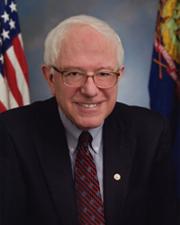
Mr. Speaker, I am voting for this resolution because, like every American, I want to see all of our troops come home safely and want to show my support for them and their families. I also want to see…
Mr. Speaker, I am voting for this resolution because, like every American, I want to see all of our troops come home safely and want to show my support for them and their families. I also want to see this war ended as quickly as possible, with a minimum of Iraqi casualties.
I am disturbed, however, about the partisan nature of this resolution. Instead of simply indicating our support for the troops, this resolution has language in it which some might suggest indicates support for the policies of the President which have led us to where we are today. Let me be very clear. I do not support those policies. I do not support the concept of ``preemptive war.'' I do not support a foreign policy which undermines the United Nations,
and which alienates us from virtually all of our allies. I believe that all of these actions create a horrendous precedent which makes our country and our planet less safe, which could well result in more terrorism, not less terrorism. I voted against giving the President the authority to go to war in Iraq and I believe that history will determine that was the right vote.
Saddam Hussein is an evil dictator but I believe that, with the support of the international community and the United Nations, he could be contained and his weapons of mass destruction could be removed from him--without war and without killing and at a fraction of the cost that this war and occupation will cost. I also believe that with enforced and prolonged inspections, and with a strong commitment to human rights, the international community could bring democracy to Iraq.
Mr. Speaker, let us not forget the phenomenon of ``blow-back,'' or unintended consequences. The U.S., the most powerful military force on earth, will surely win this war in short order, but I'm not so sure that this victory will seem quite so clean and positive five years from now. I'm not so sure that the American occupation of Iraq will have all of the positive results that some think.
Let me conclude by expressing my outrage about how, at a time when young men and women are in the line of fire in Iraq, the Republican leadership, on this very night, is voting to cut the benefits of our veterans. On one hand we vote to ``support the troops,'' while on the other hand we vote to deny health care and other promised benefits to those veterans who fought in the first Persian Gulf War, or Vietnam, or Korea or World War II. What hypocrisy! Yes. We apparently have billions available for tax breaks for the rich, but not enough to keep the promises we made to our veterans.
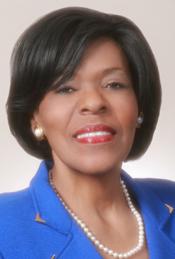
Mr. Speaker, I stand in strong support of our troops and our families. Mr. Speaker, at this moment my prayers and thoughts are with the service men and women who are braving the fierceness of battle…
Mr. Speaker, I stand in strong support of our troops and our families.
Mr. Speaker, at this moment my prayers and thoughts are with the service men and women who are braving the fierceness of battle in the deserts of Iraq. My best wishes are with them and their families for a safe return home. I have no doubt that they will be victorious in their undertaking and perform their duties honorably and bravely.
I have a particularly soft spot in my heart for the service men and women serving in Michigan's National Guard and reserve units that are now activated to duty. They are providing a myriad of services and tasks on behalf of the war effort and in service to our nation.
The politics of war should stop when the first shot is fired and when the men and women who make up our armed forces move into the field of battle. Some Members in this chamber have taken exception to the Administration's handling of the Iraq crisis, and I include myself among those who have had strong reservations about our road to war. If this were a simple resolution expressing our support and best wishes for the safe return of our troops, it would have my complete and unquestioning support. As a Member of the House Appropriations Committee, I will do everything I can to make sure that our troops are provided with the equipment and resources necessary to ensure their safety and support their families.
But I have strong reservations about the course of action that took us into our present state of war. My position on this war has been plainly clear since the beginning, when the Administration first proposed using preemptive action against Iraq. I supported working through the United Nations and our allies and using all diplomatic means possible to disarm Saddam Hussein. I do not feel that the President stayed true to this path and exhausted all diplomatic means available. Therefore, I could not in good, moral conscious, vote ``yes'' for this resolution because it represents an affirmation of the policy of pre-emption. I strongly disagree with the application of a pre-emptive doctrine. It is counter to our values as a democratic nation and our American tradition.
Now that we are committed, our troops are bound to perform their mission effectively and destroy the Iraqi war machine. As they pursue their objective, they will encounter many perils as the war follows its course. I share with the President the wish that their job will be completed swiftly so that they will soon be returning home to their loved ones.
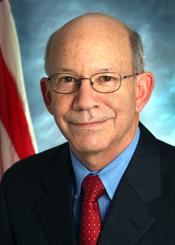
Mr. Speaker, nearly 250,000 men and women serving in the United States Armed Forces are deployed in Operation Iraqi Freedom. We have just had notice of the first casualties with the crash of a Marine…
Mr. Speaker, nearly 250,000 men and women serving in the United States Armed Forces are deployed in Operation Iraqi Freedom. We have just had notice of the first casualties with the crash of a Marine helicopter. I would like to convey my condolences to their families; my heart and prayers are with them at this difficult time.
With the consideration of this resolution, I and every other Member of the United States House of Representatives wish to honor the courage and service of all our troops to this nation. Our thoughts and prayers are with them for their prompt and safe return home to their families.
The House of Representatives could have better demonstrated support this evening for members of the Armed Forces past and present during deliberation and votes on the Budget resolution. The resolution that just passed will cut veterans benefits and fails to fulfill the commitment to lifelong care and care of dependents made to our young men and women at the time of enlistment. I voted against the Republican budget Resolution that mandated the cuts in veterans benefits. Instead I voted for an alternative budget resolution that would have fully funded veterans programs and met our nation's obligation to those who have served selflessly in defense of our freedoms.
I will vote for this resolution to further demonstrate my support for our young men and women in the armed forces. I only wish that all those who join me in this vote had demonstrated a similar commitment when it came to full funding for veterans programs. In casting my aye vote for the troops, I want to note that I would have offered a motion to strike the whereas clause beginning at the bottom of page 2 extending to the top of page 3. I also find that the assertion at the end of line 6 ending on line 7 (p. 4) is not supported by any facts released by the CIA or other intelligence agencies and was, in fact, debunked in a publicly released CIA document last fall.
I have previously made known my concerns with the new policies of pre-emptive and preventative war. I have also spoken of the failure of the United States Congress to fulfill its duty under Article I Section 8, the duty to debate and declare war. Now, as we mourn the first casualties and honor our soldiers still on the front lines, is not the time to continue that debate despite the concerns I expressed earlier. However, there will come a day in the not too distant future when the House will no longer be able to avoid its duties.
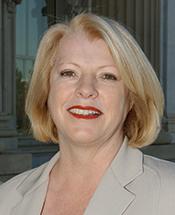
Mr. Speaker, I thank the gentleman for yielding time to me. Mr. Speaker, as I sat last night in front of the TV, I could not take my eyes off of the images that I was seeing because, as a mother, I…
Mr. Speaker, I thank the gentleman for yielding time to me.
Mr. Speaker, as I sat last night in front of the TV, I could not take my eyes off of the images that I was seeing because, as a mother, I was thinking of my son. The gentlemen know that a mother's love is different than a father's love.
As I sat there, I thought of my grandmother, who sent two young sons off to war. I thought of my uncle, who was missing in action for over 13 months; of how the family felt when they did not know whether he was dead or alive. I
thought of my brother-in-law, who served in Korea. I thought of him because that, as you know, is the forgotten war. I thought of my brother who served in Germany.
I thought of the heroes among us in this Chamber, the veterans that we love and we honor. I thought of when I first shook the hand of the gentleman from Texas (Mr. Sam Johnson). When I found out why his hand was crippled, I thought of how I wanted to kiss his hand and honor him.
Tonight, with a mother's heart, I want to say, God bless each one of the young men and women who are serving us. God bless their families that have made the sacrifice. When we are away from our loved ones, we want to hold them; and we are holding them in our hearts.
Today I got an e-mail from John, and it touched me. Let me just share it with you:
``Hey, everyone, I just wanted to drop an e-mail to you to let you know I am doing great and that I am safe and sound. Here on the ship, the spirits are high. Everyone is going about their business like we do every day. Everyone here is united in the spirit of what we are doing. It gives us a sense of how important our job really is. All the late hours, all the things we put up with, are now justified.
``Just wanted to give you a quick update and thank you for your thoughts and your prayers.''
Tonight my thoughts and prayers are with our Commander in Chief. I pray that the Lord would give him wisdom. I pray for the team that he has surrounded himself with. I pray for the families whose young people are serving.
I want to give a clear message to every one of those young men and young women: never again in this Nation should we tell anyone who is serving that we do not appreciate what they have done, because we appreciate every one of them. We love them and we hold them in our hearts tonight. God willing they will come home so we can hold them in our arms again.
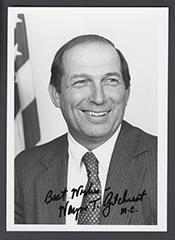
Mr. Speaker, I thank the gentleman for yielding me this time, and I thank him and the gentleman from Missouri (Mr. Skelton), my good friend, the two of them, for bringing this resolution to the…
Mr. Speaker, I thank the gentleman for yielding me this time, and I thank him and the gentleman from Missouri (Mr. Skelton), my good friend, the two of them, for bringing this resolution to the floor.
We all remember the words of Thomas Jefferson: ``We hold these truths to be self-evident that all men are created equal, that they are endowed by their Creator with certain unalienable rights and among these are life, liberty, and the pursuit of happiness.''
And we remember the words of Abraham Lincoln: ``With malice toward none, with charity for all, let us work together to bind up the Nation's wounds.''
And another century passing by, we remember Martin Luther King, Jr. and his dream that little children will not
be judged by the color of their skin, but by the content of their character.
This great Nation of ours has seen periods of great joy, wretched despair, and great sacrifice. And still, we come, children of democracy, again here tonight to find our place in history. Our young men and women, once again on the front lines of history, once again in anticipation of great joy, although for some there will be wretched despair because some will not come home, we give them our praise and support for the sacrifice that they are now enduring as they bear the greatest burden of preserving and restoring freedom during this present crisis.
Mr. Speaker, I would like to close with a very familiar poem by a Canadian soldier during World War I who did not make it home:
``In Flanders fields the poppies blow
Between the crosses, row by row
That mark our place; and in the sky
The larks, still bravely singing, fly
Scarce heard amid the guns below.
``We are the Dead. Short days ago
We lived, felt dawn, saw sunset glow,
Loved and were loved, and now we lie
In Flanders fields.''
Those who lie in Flanders fields said,
``Take up our quarrel with the foe:
To you from failing hands we throw
The torch; be yours to hold it high.
If ye break faith with us who die
We shall not sleep, though poppies grow
In Flanders fields.''
The Americans in the Middle East are bearing the burden of the present crisis, and we come here tonight to mix and to mingle and to speak and to have differences, but the unity of this Congress, the unity of this Nation will linger for decades to come.
I stand here tonight to support the resolution.
Mr. Speaker, I, like many of my colleagues, worked to keep America's sons and daughters out of harm's way and to protect the innocent civilians of Iraq by encouraging the continuation of U.N.…
Mr. Speaker, I, like many of my colleagues, worked to keep America's sons and daughters out of harm's way and to protect the innocent civilians of Iraq by encouraging the continuation of U.N. inspections and diplomatic efforts to gain the support of the United Nations Security Council.
I am deeply disappointed that the President instead has chosen to begin military action. But the fact is, since the decision was made to go to war, we must do everything in our power to support and protect our troops and to prevent civilian casualties.
I, like all Americans, am deeply grateful for the patriotism of our troops, their courage and the sacrifices they are willing to make. I join all Americans in praying for their prompt and safe return home to America and to their families.
Since September 11, 2001, Congress has worked in a bipartisan fashion to provide the tools necessary for our military forces to accomplish the difficult tasks given to them. I have supported these efforts because our fighting men and women deserve the very best. With our troops now engaged in conflict, Congress and the President must make certain that our armed force continue to promptly receive the necessary resource to end the war and to secure the peace when the conflict ends.
As the wife of a former Marine and as the stepmother of a proud member of the Army, I also want to thank our country's military families who share fully in the sacrifices of our military personnel. I will work with congressional leaders to continue to address the particular needs of these families during these difficult times and work to insure that full veteran benefits are available to them when they return.
The United States must continue diplomacy to bring together the broadest coalition to aid our efforts during and after the military conflict. America will need the support of our allies to help the people of Iraq rebuild their country.
Mr. Speaker, tonight our prayers and thoughts for our troops and innocent Iraqi civilians are perhaps best expressed by the American poet, Longfellow, who wrote so poignantly:
Our hearts, our hopes are all with thee.
Our hearts, our hopes our prayers, our tears,
Our faith triumphant o'er our fears,
Are all with thee--are all with thee.
Mr. Speaker, will the gentleman yield? Mr. Speaker, it is sadly too late for truth to be the first casualty of this war, because we have already had brave people killed. But truth is taking a beating…
Mr. Speaker, will the gentleman yield?
Mr. Speaker, it is sadly too late for truth to be the first casualty of this war, because we have already had brave people killed. But truth is taking a beating tonight.
We had the floor manager of this bill object to efforts to democratize the process and give Members more choice to make real votes in the name of letting the House work its will. He blocked unanimous consent requests that would have allowed amendments, that would have allowed separated votes, theoretically in the name of democracy. We had another gentleman from California come and say, ``let us not make this partisan,'' in defense of a resolution that is very partisan, that is drafted in a way that will minimize, rather than maximize, the goal Members pretend to want to be in favor of.
We have had Members who savaged Bill Clinton during the war in Kosovo, now announcing their convergence to the doctrine that once the guns start, the President is untouchable. Why? To use the unanimous admiration felt in this House for our troops for political purposes.
The gentleman from California who is managing the bill asked before, he said, people will be watching and they will say to us on the Democratic side, what are you doing? I will tell them what we were trying to do. We were trying to stop the Republicans from taking the troops politically hostage to serve the President's political purposes. We were trying not to allow the support that is unanimously felt for the troops, the admiration for their courage, the sympathy for the plight that their families are in; we did not want that used to puff up support that does not exist for decisions made by the President.
Sadly, we failed, because the majority used its control of this body, and so Members were put in an unfortunate position. But let us be very clear. Had the majority wanted to do it, there would have been a unanimous vote in this House, every Member voting, in support of the troops. The resolution, those parts of it that support the troops would have been unanimous. Unfortunately, partisanship has resulted in what will be a diminution in the vote that is cast for the support for the troops.
Mr. Speaker, I thank the gentleman from Missouri (Mr. Skelton) for yielding me this time. To the point on Bosnia, a lot of us had misgivings. I remember going there fully intent on finding kids to…
Mr. Speaker, I thank the gentleman from Missouri (Mr. Skelton) for yielding me this time.
To the point on Bosnia, a lot of us had misgivings. I remember going there fully intent on finding kids to tell me it was a bad idea. I met a kid from Ocean Springs, Mississippi. I regret that I cannot remember his first name. His last name is Rhodes. I asked him should we be here. It was a couple of weeks before Thanksgiving. It was snowing and crummy. It is 80 degrees in Ocean Springs, and it is 18 degrees in Bosnia.
And the kid said, Yeah. I was dumbfounded. I said, Why? He said because I am keeping women from getting raped. I am keeping children from getting murdered. I am keeping old folks from getting drug out into the street and getting tortured at night. That is why I joined the United States Army, to be a good guy.
Tonight we vote to commend the 250,000 young Americans, just like Private Rhodes, who are doing the very same thing.
To my colleagues, I would say every other generation of Americans, check the record, every other generation of Americans voted to pay the cost of those wars right then and not stick the young Private Rhodeses with that bill. Let us not be the first generation of Americans that after we welcome the Private Rhodeses home, stick them with the bill from this war.
I am going to vote for the resolution because it is exactly right, but I am going to vote against their budget because they are sticking those 250,000 young Americans and their children with this bill. That is inexcusable. Let us vote for the troops. Let us vote to pay the bill. Those of us fortunate enough not to be on the front lines, not to watch our buddies lose an arm or leg, their vision, not to watch our buddies die, at least ought to be willing to pay the bill for this war right now and not stick our kids with it.
In the past 2 years, we have run up $802 billion worth of debt. That is no prize to hand those kids when they come home. Let us support the troops and pay for this war right now. Let us be honest with the American people and leave them a Nation that is worthy of their sacrifice.
Announcement by the Speaker Pro Tempore
Mr. Speaker, I rise in strong support of our troops. Mr. Speaker, I rise in support of the concurrent resolution. We are now at a state of war with Iraq. Regardless of how we as individuals may feel…
Mr. Speaker, I rise in strong support of our troops.
Mr. Speaker, I rise in support of the concurrent resolution. We are now at a state of war with Iraq. Regardless of how we as individuals
may feel about the President's decision to go to war, it is imperative that we support the men and women who are in Iraq now and who have put their lives in harm's way.
Over the last few months, we as a nation have engaged in a vigorous discussion concerning our policy toward Iraq. During this time, many people have expressed a differing view from the President's concerning Iraq.
No one should ever mistake our open society for weakness of spirit and resolve. I support our American and allied troops, and I pray for a swift and decisive conclusion with as few casualties as possible.
When the fighting concludes, and if Iraqi President Saddam Hussein and his top officials survive the war, I have introduced a resolution with the gentleman from Pennsylvania, Mr. Weldon, which calls for the establishment of a U.N. war crimes tribunal to investigate and try them for crimes against humanity, genocide and other criminal violations of international law. I have little doubt that such a tribunal is justified. There is an enormous amount of irrefutable evidence that Saddam and his top officials ordered Iraqi soldiers to commit atrocities against their own population and against others, including American soldiers during the 1991 Gulf War.
Our immediate focus after the fighting stops must be to stabilize Iraq and the entire Middle East region. After the war the United States and our international partners must help Iraq transition to a democratic republic that respects the rule of law and human rights. I also look forward to working with the President to ensure that Iraq has the help it needs to transition to a democratic republic that respects the rule of law and human rights.
The weeks ahead will be difficult ones, but I know Americans will join me in supporting our troops who are in harm's way. I also know that all of us want a swift conclusion to this conflict with as little loss of life as possible.
Mr. Speaker, as a parent of three sons who are in the military, I rise in support of the resolution being offered by the gentleman from California (Mr. Hunter), chairman of the Committee on Armed…
Mr. Speaker, as a parent of three sons who are in the military, I rise in support of the resolution being offered by the gentleman from California (Mr. Hunter), chairman of the Committee on Armed Services.
In particular, I had the opportunity just last month of going on a delegation to visit our troops in Kuwait. It was an extraordinary opportunity. The delegation was led by the gentleman from Georgia (Mr. Collins). We went to encourage the troops, but actually while I was there, they encouraged me. We saw the troops of the 82nd Airborne, the 3rd Infantry Division, neighbors of mine from Fort Stewart, Georgia; I was able to see the troops from the 1st Marine Division.
At each stop we were encouraged by the high morale of the troops. We could see that they had the best equipment in the world. They have the best training in the world. They have the finest military leaders in the world. My greatest concern for the troops was the threat of chemical and biological weapons.
I want to thank the gentleman from New Jersey (Mr. Saxton), chairman of the Subcommittee on Terrorism, Unconventional Threats and Capabilities. Yesterday we had a presentation which revealed to us the extraordinary technology which is being provided our troops, the lightweight protective gear, the wonderful modern gas masks, the 20,000 chemical detection devices. Each one of our troops is well protected against chemical and biological weapons.
We have 44 allies involved in the coalition that is facing Saddam Hussein at this time. In the Persian Gulf there were 41. Two countries in particular I want to thank. I have had the opportunity to be with Ambassador Elena Poptodorova of Bulgaria. Bulgaria has provided troops. It is providing the first American air base in the history of their country at Burgas. I also thank Ambassador Sorin Ducaru of Romania. I met with him 2 days ago. It is just extraordinary the services they are providing as they support the war against terrorism and the war against Saddam Hussein.
I conclude, God bless our troops.
Bill Text
3 versions available
        [Congressional Bills 108th Congress]
[From the U.S. Government Publishing Office]
[H. Con. Res. 104 Referred in Senate (RFS)]

1st Session
H. CON. RES. 104

_______________________________________________________________________

IN THE SENATE OF THE UNITED STATES

March 21, 2003

Received

April 2, 2003

Referred to the Committee on Armed Services

_______________________________________________________________________

CONCURRENT RESOLUTION

Expressing the support and appreciation of the Nation for the President
and the members of the Armed Forces who are participating in Operation
Iraqi Freedom.

Whereas the United States Armed Forces, a total force comprised of active,
National Guard, and Reserve personnel, are now undertaking courageous
and determined operations against the forces of Saddam Hussein's regime;
Whereas the Senate and House of Representatives and the American people have the
greatest pride in the members of the Armed Forces and strongly support
them;
Whereas the Iraq Liberation Act of 1998 (Public Law 105-338) stated that it
should be the policy of the United States to support efforts to remove
the regime headed by Saddam Hussein from power in Iraq and to promote
the emergence of a democratic government to replace that regime;
Whereas on October 16, 2002, the President signed into law House Joint
Resolution 114 of the 107th Congress, the Authorization for Use of
Military Force Against Iraq Resolution of 2002 (Public Law 107-243),
which provides congressional authorization for the use of military force
against Iraq;
Whereas the United Nations Security Council, in Security Council Resolution
1441, adopted on November 8, 2002, voted unanimously that Iraq ``...will
face serious consequences as a result of its continued violations of its
obligations'' to disarm in accordance with all relevant United Nations
resolutions;
Whereas Iraq remains in material breach of the relevant United Nations
resolutions;
Whereas the United States has assembled and deployed an allied military
coalition to apply pressure on Saddam Hussein to comply with the
relevant United Nations resolutions;
Whereas on March 18, 2003, the President transmitted to the Speaker of the House
of Representatives and the President pro tempore of the Senate the
President's determination, consistent with the Authorization for Use of
Military Force Against Iraq Resolution of 2002 (Public Law 107-243),
that reliance by the United States on further diplomatic and other
peaceful means alone will neither adequately protect the national
security of the United States against the continuing threat posed by
Iraq nor likely lead to enforcement of all relevant United Nations
Security Council resolutions regarding Iraq, and that the President's
use of military force against Iraq is consistent with necessary ongoing
efforts by the United States and other countries against international
terrorists and terrorist organizations, including those nations,
organizations, or persons who planned, authorized, committed, or aided
the terrorist attacks that occurred on September 11, 2001;
Whereas on the evening of March 17, 2003, the President of the United States
issued Saddam Hussein and his sons a final ultimatum to leave Iraq
within 48 hours or face United States military intervention;
Whereas, when Saddam Hussein failed to comply, the President ordered United
States Armed Forces to commence military operations against the forces
of Saddam Hussein during the evening of March 19, 2003, under the code
name of Operation Iraqi Freedom, in order to liberate Iraq, remove
Saddam Hussein from power, and neutralize Iraq's weapons of mass
destruction;
Whereas the United States Armed Forces and allied forces are performing their
missions with great courage and distinction in carrying out air, land,
and sea attacks against Iraqi military targets; and
Whereas the ability of the Armed Forces to successfully perform their mission
requires the support of their nation, community, and families: Now,
therefore, be it
Resolved by the House of Representatives (the Senate concurring),
That the Congress expresses the unequivocal support and appreciation of
the Nation--
(1) to the President as Commander-in-Chief for his firm
leadership and decisive action in the conduct of military
operations in Iraq as part of the on-going Global War on
Terrorism;
(2) to the members of the United States Armed Forces
serving in Operation Iraqi Freedom, who are carrying out their
missions with excellence, patriotism, and bravery; and
(3) to the families of the United States military personnel
serving in Operation Iraqi Freedom, who are providing support
and prayers for their loved ones currently engaged in military
operations in Iraq.

Passed the House of Representatives March 21 (legislative
day, March 20), 2003.

Attest:

JEFF TRANDAHL,

Clerk.