To amend the Reclamation Wastewater and Groundwater Study and Facilities Act to increase the ceiling on the Federal share of the costs of phase I of the Orange County, California, Regional Water Reclamation Project.
Legislative Activity
Stay on top of the latest movement without scrolling through every action
Received in the Senate and Read twice and referred to the Committee on Energy and Natural Resources.
July 20, 2004
View full timeline
Introduced in House
March 6, 2003
Referred to the House Committee on Resources.
March 6, 2003
Referred to the Subcommittee on Water and Power.
March 14, 2003
Subcommittee Hearings Held.
September 10, 2003
Subcommittee Consideration and Mark-up Session Held.
October 30, 2003
Forwarded by Subcommittee to Full Committee by Unanimous Consent.
October 30, 2003
Committee Consideration and Mark-up Session Held.
May 19, 2004
Reported by the Committee on Resources. H. Rept. 108-562.
June 23, 2004
Placed on the Union Calendar, Calendar No. 327.
June 23, 2004
Sponsor introductory remarks on measure. (CR H5430)
July 9, 2004
Mr. Hayworth moved to suspend the rules and pass the bill.
July 19, 2004 • 2:21 PM
Considered under suspension of the rules. (consideration: CR H5929-5930)
July 19, 2004 • 2:22 PM
DEBATE - The House proceeded with forty minutes of debate on H.R. 1156.
July 19, 2004 • 2:22 PM
Passed/agreed to in House: On motion to suspend the rules and pass the bill Agreed to by voice vote.(text: CR H5929)
July 19, 2004 • 2:24 PM
On motion to suspend the rules and pass the bill Agreed to by voice vote. (text: CR H5929)
July 19, 2004 • 2:24 PM
Motion to reconsider laid on the table Agreed to without objection.
July 19, 2004 • 2:24 PM
Received in the Senate and Read twice and referred to the Committee on Energy and Natural Resources.
July 20, 2004
Floor Debate
23 membersWhat members said about H.R. 1156 on the floor
 KC
KC WH
WH CMD
CMD GFN
GFN DD+18
DD+18
Floor Debate
23 membersWhat members said about H.R. 1156 on the floor
Mr. Speaker, pursuant to House Resolution 711, I call up the bill (H.R. 2828), to authorize the Secretary of the Interior to implement water supply technology and infrastructure programs aimed at…
Mr. Speaker, pursuant to House Resolution 711, I call up the bill (H.R. 2828), to authorize the Secretary of the Interior to implement water supply technology and infrastructure programs aimed at increasing and diversifying domestic water resources, and ask for its immediate consideration.
Mr. Speaker, I ask unanimous consent that all Members may have 5 legislative days within which to revise and extend their remarks and include extraneous material on H. R. 2828.
Mr. Speaker, today's consideration of this bill is a giant step forward in resolving California's water supply problems.
Mr. Speaker, I yield such time as he may consume to the gentleman from
California (Mr. Pombo), the chairman of the full committee.
Mr. Speaker, I yield 3 minutes to the gentleman from California (Mr. Doolittle).
Mr. Speaker, I yield myself 3\1/2\ minutes.
Mr. Speaker, before I make a statement about this bill, I want to also thank the ranking member, the gentlewoman from California (Mrs. Napolitano) for all her great work on this bill. She has spent many hours and days traveling across the State of California. I think we probably were in most congressional districts throughout California as this process took place. Certainly I thank her for her great work in this legislation.
This bill represents great progress in helping solve the water problems of the west by making California more self-reliant and carefully using its own water supply. We have come a long way over the last few years. The Subcommittee on Water and Power conducted three field hearings in California, a legislative hearing, two mark-ups, and too many meetings to count to get where we are today.
Individually, many of the members of our committee have helped to shepherd often contentious quantification settlement agreements, for instance, that was delayed, but we finally came to a decisive conclusion. My friends in the upper-lower basin States should know that this bill today is another positive step in California weaning itself from historically overdrafting the Colorado River.
As we have found with the plumbing in California's water system, everything in the world of water is related to everything else. Thus, achievements like the quantification settlement agreement helped us conclude the carefully balanced agreement on CALFED that we have before us today. Water is not and should not be a partisan issue. I worked constructively with the Committee on Resources chairman, the gentleman from California (Mr. Pombo), Senator Feinstein, as I mentioned, the ranking Democratic member; the gentlewoman from California (Mrs. Napolitano); the gentleman from California (Mr. Dooley); the gentleman from California (Mr. Cardoza); of course, the gentleman from California (Mr. George Miller); and the full committee ranking member, the gentleman from West Virginia (Mr. Rahall) and many, many more to make sure this bill before us is a consensus that I believe that it is.
I am proud to have many Democratic members of the Committee on Resources supporting this bill. The original intent of CALFED was to provide balance to a complex water delivery system, to ensure that everybody gets better together. That is what this bill does. H.R. 2828 simply and truly means that the environment, recreation, drinking water, agriculture and industries gets better together.
As our distinguished colleague, the gentleman from California (Mr. Pombo) said, This bill makes historic strides in water quality improvements in the Sacramento-San Joaquin Bay Delta. Improved water quality helps everyone across the board. We have also created new water supplies for southern California through my friend, the gentlewoman from California's (Mrs. Napolitano) water recycling amendment, and we enhanced surface storage to improve water quality for families in our colleagues' district in the Bay area and beyond as evidenced by the support of such water districts as the Northern California Water District, Contra Costa Water District, Central Contra Water District and many others.
We have created a right to know provision by making Federal agencies report how they will spend the money. Congress and the American taxpayer deserve government accountability and this bill provides it.
Mr. Speaker, I will continue to work with my colleagues in the House and the Senate to bring ultimate resolution to this bipartisan effort. Our bill includes and supports a diverse approach to solving our water problems, including conservation, reclamation, desalinization, conjunctive use, ground water storage and, of course, surface storage options that have been carefully studied and negotiated down to the bare minimum.
We have made significant progress and we can see the light at the end of the tunnel. With today's vote, we will pass this bill and we will make that light shine even brighter. I urge support.
Mr. Speaker, I reserve the balance of my time.
Mr. Speaker, I yield 3\1/2\ minutes to the gentleman from California (Mr. Radanovich).
Mr. Speaker, I yield 2 minutes to the gentleman from California (Mr. Dreier), the chairman of the Committee on Rules.
(Mr. DREIER asked and was given permission to revise and extend his remarks.)
Mr. Speaker, I yield 2 minutes to the gentleman from California (Mr. Thomas), the chairman of the Committee on Ways and Means.
(Mr. THOMAS asked and was given permission to revise and extend his remarks.)
Mr. Speaker, I yield myself what time I may consume for a short comment.
Congressional approval of water projects from planning through construction is not a new concept. The Corps of Engineers has authority through the Water Resources Development Act, WRDA, to implement projects following a favorable Chief's, or some people call it feasibility, report.
Through WRDA, Congress approves projects from planning through construction, subject to the conditions stated in a favorable Chief's report. Numerous examples of the corps' projects can be found in WRDA 1996, WRDA 1999, and WRDA 2000 which authorize construction following a favorable Chief's report.
In the last three WRDAs, over 50 projects were approved from planning through construction, with conditional authorization subject to a favorable Chief's report. New projects were conditionally authorized, and there were additional project modifications that were conditionally authorized.
WRDA projects conditionally authorized included the Bel Marin Keys Unit, California, well over $100 million; Kill Van Kull, New York and New Jersey navigation project, $325 million authorization to $750 million; the Savannah Harbor Expansion navigation project $230 million, and I can go on and on and on.
Are my colleagues saying we should replace the 120-day congressional authorization which is in the present bill with extensively used WRDA language that Congress has accepted and continues to support?
H.R. 2828 includes provisions that approve water recycling projects from planning through construction which was proposed by the Southern California Democrats. By the way, these four projects that are in this bill are in the Record of Decision which has been negotiated over the years, as all my friends know, and a very difficult negotiation, to bring this process of CALFED in a balanced manner forward.
So I would say to my colleagues, this is nothing new. People would like to see these projects built if, in fact, they are feasible; and all the environmental processes, NEPA, CEPA, Endangered Species Act, et cetera, et cetera, et cetera, must be met to make sure that these projects are viable and feasible under the law.
Mr. Speaker, I reserve the balance of my time.
Mr. Speaker, will the gentlewoman yield?
Mr. Speaker, I thank the gentlewoman for her support and inquiry.
As the gentlewoman knows, I strongly support recycling as a way to reduce Southern California's dependence on imported water and help drought-proof the region. That is why I supported H.R. 1156, a bill championed by our colleagues, the gentleman from California (Mr. Rohrabacher), whose district includes the Groundwater Replenishment System, and the gentlewoman here today from the 47th district.
I am fully supportive of House passage of H.R. 1156, H.R. 2991, introduced by our colleague the gentleman from California (Mr. Dreier), and other recycling bills reported by the House Committee on Resources, but I know that it is up to the leadership on both sides of the aisle to determine which bills are debated on the House floor.
In the meantime, I will continue to strongly support H.R. 1156, and I thank the gentlewoman's support for H.R. 2828.
Mr. Speaker, will the gentleman yield?
Mr. Speaker, I thank the gentleman for his support of the Salton Sea. I would like to assure him that I and many of our Southern California colleagues, including the gentlewoman from California (Mrs. Bono) and certainly the gentleman from California (Mr. Hunter), continue to strongly support the restoration of the Salton Sea, and we will work with him and others in our delegation to continue these efforts.
Mr. Speaker, I yield 30 seconds to the gentleman from California (Mr. Ose).
Mr. Speaker, the answer to the gentleman's question is: No.
Mr. Speaker, I yield myself such time as I may consume to close, and I want to again thank the gentlewoman from California (Mrs. Napolitano) for her good work and her dedication on this legislation. She spent many hours and much of her time traveling through the State of California and throughout the western United States as we came to understand the issue of water.
There are very few subjects that bring out more emotion and passion than water, and certainly I have grown to understand the subject much better over the last number of years. I am looking forward to passing this bill today and moving ahead.
Mr. Speaker, I yield back the balance of my time.
Mr. Speaker, I offer an amendment in the nature of a substitute.
Mr. Speaker, I yield myself such time as I may consume.
Mr. Speaker, we have been working hard to improve this bill since its introduction. The amendment in the nature of a substitute is a bipartisan amendment that has been carefully crafted based on input from Senator Feinstein and her staff, the administration, the State of California, and water groups. This amendment was not crafted in a vacuum, and I believe it addresses many concerns voiced over the last several weeks.
Reflecting the dynamic that differing regions of California represent, as opposed to the whole State, the amendment also includes necessary policy provisions:
Bay-Delta water quality protections: Bay-Delta water quality issues have not been adequately addressed in the past and they need to be fixed now. It is not fair that the constituents of the gentleman from California (Mr. Pombo), or the constituents of the gentleman from California (Mr. George Miller), or the constituents of the gentleman from California (Mr. Cardoza) should bear the highest water quality burdens because of circumstances outside their control.
These water quality provisions addressed in this bill are the results of discussions between water users throughout California, including in- Delta water uses. Most importantly, these provisions do not allow increased pumping unless water quality standards are met.
Water storage: Everyone wants to have more flexibility delivering water supplies throughout the State. Increased storage will give us more flexibility and improve water quality. In fact, my good friends in districts in the Bay area and beyond recently supported the Los Vaqueros expansion for these very purposes. My amendment provides that CALFED storage projects are subject to appropriate feasibility studies and if Congress does not act to disapprove them in 120 days, then construction is authorized.
Ensuring that adequate storage is part of a balanced CALFED is important here since CALFED expenditures so far have been imbalanced. This provision helps develop CALFED storage, and in no way undermines the regulatory process, including the Endangered Species Act, NEPA, SEQA, the Clean Water Act, and a number of other Federal acts and laws. Furthermore, these projects are still subject to appropriations.
Ecosystem restoration: The amendment has a ``right to know'' provision on how taxpayer dollars are being spent on ecosystem restoration. These provisions ask the Federal agencies to submit a management plan for CALFED-related ecosystem projects. These management plans would require a cost analysis, possible alternatives, disclosure of impacts, and required mitigation. All other projects, like storage projects, require much more detailed feasibility reports. We are only asking for a management plan that sits before Congress, which has no veto authority over such a management plan. This is nothing more than a good government plan that in no way hinders ecosystem restoration.
Mr. Speaker, there has never been a water bill that everybody likes. God knows I know that. But this is getting close. We have worked hard to resolve concerns and will continue to work with my colleagues and stakeholders on these issues. We cannot let the perfect be the enemy of the good. I urge my colleagues to support this amendment and the bill.
Mr. Speaker, I reserve the balance of my time.
Mr. Speaker, I rise in opposition to the motion to recommit.
Mr. Speaker, I yield 1 minute to the gentleman from California (Mr. Pombo).
Mr. Speaker, I yield 1 minute to the gentlewoman from California (Mrs. Napolitano), the ranking Democrat.
Mr. Speaker, I yield 1 minute to the gentleman from California (Mr. Cardoza).
Mr. Speaker, I yield myself such time as I may consume.
As my friend, the gentleman from California (Mr. George Miller), knows, negotiating water agreements is not easy; and we have had numerous conversations about the subject of water over the years. And certainly he has a long history in water in the State of California. As everyone knows who has been involved in water negotiations, they are difficult. There are conflicts all over the place. One of the concepts that we took when we went down this road was balance; and the Record of Decision that was a difficult Record of Decision to come to a conclusion, part of that was water storage on four projects. There were a lot more water projects that were being considered in that Record of Decision, but it was weaned down in difficult negotiations to really a limited amount of water storage.
Over $12 million has been spent to date on looking at the feasibility of these four projects. All of the environmental laws must be met, and that is considerable, before any of these projects could ever become feasible. And even then if in fact they are deemed feasible, you would have to go through the appropriation process.
As I would point out to my friends, the Auburn Dam is an authorized project. I doubt if it will ever get appropriations to build. Unless a project is feasible, unless it has the political support in order to build, it will not happen.
And so I would say this motion to recommit takes the balance out of the process that we put together, and I believe it would remove all support for this CALFED process to continue. So I would urge my colleagues to vote ``no'' on the motion to recommit and vote ``yes'' on final passage.
Mr. Speaker, I yield back the balance of my time.
Mr. Speaker, I rise today to oppose the bill offered by my good friend from California and Chairman of the Resources Subcommittee on Water and Power, Congressman Ken Calvert. Mr. Speaker, on balance,…
Mr. Speaker, I rise today to oppose the bill offered by my good friend from California and Chairman of the Resources Subcommittee on Water and Power, Congressman Ken Calvert.
Mr. Speaker, on balance, H.R. 2828 is not a good bill for rural Northern California. While it takes some positive steps forward to improve the administration of CALFED by instituting greater financial accountability and ecosystem reporting requirements, it still allows the implementation of an expensive, and ill-advised program that has not produced storage nor positive results for Northern California. The bill basically adopts and focuses on the CALFED Record of Decision (ROD) as a framework, which does not provide a comprehensive water solution for the State. CALFED has always been heavily weighted toward ecosystem restoration and increasing exports from the Delta. I don't see that changing sufficiently under this bill. New storage under CALFED has been only empty promises, and the language in H.R. 2828 doesn't ensure otherwise. The state should take a new direction that places a greater emphasis on water storage and constrains the ability of state and federal agencies to buy more land and water. In short, there is not much to be gained, but much to be lost under H.R. 2828 for our area. As such, I strongly oppose it.
I originally supported the CALFED program in concept. Recognizing the very serious water challenges facing our state, I shared the view held by many other Members of Congress from California that such a joint state-federal program could provide an opportunity for developing a framework to solve our water woes for the long-term. Unfortunately, rather than providing a realistic solution to allow the water
interests in the state to ``get well together,'' as CALFED had originally promised, the program has become heavily weighted toward ecosystem restoration and focused on buying land and water to shift around already constrained water supplies, rather than on developing new water storage to meet our state's growing water needs. In addition, there has never been sufficient local control. Instead, federal agencies have been empowered to make important decisions about land and water resources impacting communities.
California faces a water deficit of potentially crisis proportions. The water supply in the state is already stretched to its practical limits. To put the current situation in perspective, recognize that the State Water Project was constructed when California's population was only 16 million people. Today it is over 34 million, and growing at a rate of roughly 600,000 new citizens a year. Yet California's water supply yield has increased by a mere 2 percent over the last 20 years. And the California Water Plan Update, Bulletin 160-98 from a few years ago indicates that existing supply shortages will get appreciably worse over the next 20 years as the state's population continues to increase. Water deficits are projected to reach approximately 2.4 million acre feet in an average water year and 6.2 million acre feet in drought years by the year 2020. If history is any guide, Californians are likely to face major drought conditions not unlike the 500-year drought that is currently plaguing the Colorado basin states some time in the near future. Yet despite this pending crisis, the central focus of the CALFED program has been a plethora of costly environmental projects and plans to increase ability of the State and Federal water projects to move more water to Southern California,
CALFED has failed to make the hard decisions necessary to meet this incredible challenge. While it publicly recognizes water shortfalls, the storage solutions it has proposed will not provide sufficient supply benefits. A new Sites Reservoir, raising Shasta Dam and augmenting Los Vaqueros could be essential pieces of our water puzzle, but my concern is they really won't inject significant additional water ``yield'' into the system. CALFED has taken solutions such as an Auburn Dam, a Yuba Dam, and other on-stream reservoirs off the table because of the environmental controversy they might cause, despite the fact that they present opportunities for new cost-effective water supplies, and provide other benefits like flood control, electricity generation and recreation.
Our current situation is so desperate, and the possible impacts to the economy and public safety of another sustained drought so horrific, that we're not in a position to take these options off the table because they're politically unpalatable. To the contrary, we should be vigorously pursuing them, setting deadlines and goals, streamlining environmental review requirements, and updating federal laws to ensure cost-effective, feasible projects will actually be built and provide water to communities and farmers. Yet, despite several years and millions of dollars of investments from the state and federal government, CALFED has only studied and restudied a limited number of small storage options, without moving the ball down the field. Meantime, our water needs continue to grow dramatically. Fundamentally, when the problem is too many people and not enough water, I believe the answer is to create additional water storage, not sacrifice some parts of the state, including California's thriving agriculture industry, so others can get better. Carving up and reallocating an already constrained water system will not allow everyone to ``get well together.''
The ``Water Supply, Reliability and Environmental Improvement Act'' takes some positive steps forward in some areas, and will institute some accountability into a program that desperately needs it. For example, CALFED has spent taxpayer dollars without Congress or the public knowing or understanding where those funds have gone, and what the benefits for the state have been. H.R. 2828's financial reporting requirements will help Congress better track those expenditures. In addition, the annual reporting requirements for ecosystem restoration provided for in the bill will help Congress better monitor those projects, including land and water purchases. The bill also clarifies that local fish screen projects are a legitimate and helpful way to help local farmers meet federal and state endangered species requirements. I believe each of these program changes represent positive steps forward.
That being said, I do not feel this bill goes far enough to fix a program that is fundamentally flawed and moving in the wrong direction. While its expedited ``preauthorization'' process for CALFED storage projects elevates storage as a principle and could set an important new precedent for future infrastructure development, it appears to authorize only those projects approved pursuant to the CALFED ROD. I have long argued that CALFED's storage proposals are woefully insufficient to address our state's water needs. According to some estimates, a small Shasta raise, a new Sites Reservoir and a project at Los Vaqueros--the CALFED ROD's storage projects--the approximate yield would be only about 300,000 acre feet--far short of addressing a water shortfall in the millions of acre feet.
The bill also does not require expedited consideration for these projects. We have seen time and again how CALFED has dithered and stalled in pursuing new storage. In my view, a responsible CALFED should set hard and fast deadlines and move storage forward on an aggressive schedule. Moreover, the federal environmental review process, as we have seen on forest health projects, can take years and cost millions of dollars, only to be obstructed in the end by radical environmentalists through appeals and court challenges. The bill does not recognize and address those hard realities. In my view, it doesn't do enough to streamline the environmental review process, or to address the obstacles that unbalanced environmental laws are likely to pose to their ultimate development.
There is nothing in the bill to prevent CALFED agencies from continuing to purchase land and water as proposed in the ROD. Indeed, the bill explicitly authorizes the purchase of land and water as an acceptable CALFED activity under existing authority. And while there are reporting requirements, the impetus is on Congress to specifically defund these agency-approved acquisitions, rather than on the agencies to ask Congress to specifically approve and justify them. Because of the community impacts and private property rights concerns of additional land and water acquisitions, it should be the other way around.
I am also concerned by proposals to place the burden of CALFED funding on the shoulders of Sacramento Valley water users, but I understand Chairman Calvert has attempted to address that issue. In accordance with language contained in the report accompanying H.R. 2828, the ``beneficiary pays'' principle specifically applies to direct beneficiaries of projects that improve the Delta. According to this principle, project participants in the CALFED solution area are not considered direct beneficiaries of the CALFED program. Therefore, Sacramento Valley water users who participate in projects to improve the Delta are not subject to any fees or taxes imposed on beneficiaries of the CALFED program.
In closing, something needs to be done--and soon--about the water situation in California. It is only getting worse with each passing day. Today's legislation takes some positive steps forward and I commend my colleagues for their efforts in this regard. However, I fear that the task at hand is so great that unless stronger and more aggressive changes are made to the CALFED program, the state will fail to meet today's and tomorrow's infrastructure challenges.
Mr. Speaker, I want to commend the gentleman from California (Mr. Calvert) and the gentlewoman from California (Mrs. Napolitano) for the terrific work they have done in crafting this legislation.…
Mr. Speaker, I want to commend the gentleman from California (Mr. Calvert) and the gentlewoman from California (Mrs. Napolitano) for the terrific work they have done in crafting this legislation.
Obviously, one of the greatest challenges we face in California and, indeed, the entire west, is how do we provide adequate water for all of our needs, whether they be consumptive needs, as well as the environment. And this legislation is a step forward to providing greater certainty that in the future we will have the water resources that are needed for the expanding population. We will have the water resources that are needed for our agriculture sector as well as our industrial sector. Most importantly, it also ensures that we are going to provide the protection that our environment needs.
This legislation is clearly something that is going to meet the needs of all the citizens of California. And while there are some of our colleagues in California that do not think this is a perfect piece of legislation, I would agree with them that it might not be perfect but it would be foolhardy for us to not allow this legislation to move forward so that we could eventually see a compromise and a final consensus developed that will, in fact, contribute to the needs of California.
Mr. Speaker, I rise in strong support of H.R. 2828, the Water Supply, Reliability, and Environmental Improvement Act and commend the leadership of my subcommittee Chairman Ken Calvert and Ranking Member Grace Napolitano for bringing this important legislation to its place on the floor today.
I also want to recognize the very significant role that the senior Senator from California has played in developing and moving a counterpart bill in the Senate on a parallel track, paving the way for a bill to become law later this year.
This bipartisan water bill has been long in the making. Federal authorization for funding the Calfed Bay-Delta Program, commonly referred to as CALFED, expired in 2000--the same year that a consortium of Federal and State agencies issued a Record of Decision (ROD) setting forth a 30-year plan for CALFED.
Since 2000, various versions of reauthorizing legislation have been under consideration by the Congress. Until today, however, none of the earlier versions was able to reach the House floor.
The fact that today we finally have a bipartisan CALFED bill on the House floor reflects the long and arduous process of seeking input, balancing interests and making compromises. Many, many stakeholders were consulted in the development of this bill, including representatives of agricultural, urban, environmental, fishery, and business interests. None of them are likely to say that this is the ``perfect'' bill from their individual perspectives. But the bill we now have before us represents a constructive effort to forge a thoughtful and balanced approach to the management of California's water supplies. It deserves our support today.
A sound bill when it was introduced last year, H.R. 2828 improved when it was marked up by the Resources Committee on May 5, and several provisions of Senator Feinstein's bill were incorporated. Additional refinements to the legislative language have been included in today's managers' amendment, enhancing the prospects for an expeditious conference with the Senate and enactment this year.
Many in this body are aware of the legal conflicts and tensions that have evolved over the years on California water issues. The intent of this bill is to reduce those conflicts and tensions by providing guidance and authority for improving water supply reliability and water quality, while at the same time enhancing the environment. The bill recognizes the CALFED 2000 Record of Decision as the framework for implementing the program, and ensures that implementation moves ahead on a balanced basis.
There are many important provisions in the bill. I will comment on only a few of them.
For those of us in the Central Valley of California, this bill provides important assurances of improved conveyance of water supplies through the Delta. It authorizes evaluation and construction of much- needed new barriers and interties. It also recognizes the importance of
improving drainage in south Delta channels to minimize impact on drinking water quality. It thus requires implementation of a program to meet water quality standards in the San Joaquin River and the Delta prior to increased pumping or deliveries.
The bill is designed to give the Secretary more flexibility in meeting water quality standards in the Delta while reducing the reliance on the New Melones Project for meeting water quality and fish flows standards. To help meet this goal, the Secretary is authorized to use a variety of tools, including the purchase of water from willing sellers on the tributaries of the San Joaquin River. The legislation further allows the Secretary to use the CVP Restoration Fund to help pay for these water purchases and other designated actions.
It is important to recognize that water purchases and the use of the Restoration Fund monies are merely tools that the Secretary may use to achieve a goal. They are not mandates that supercede existing water rights or water supply contracts or replace existing Restoration Fund priorities. The Program to Meet Standards created by H.R. 2828 does not give the Secretary any new authority to acquire or re-allocate water from anyone but willing sellers.
On another issue--that of cost allocation--the Committee report on H.R. 2828 makes clear that the costs of implementing the CALFED program are to be allocated in a way that relates directly to benefits to be received. This ``beneficiaries pay'' principle precludes the imposition of water-use fee, tax or surcharge that would force water agencies or individuals to pay for CALFED projects or programs from which they do not benefit. Nothing in this legislation provides the basis for the imposition of such a fee or tax.
Some critics of this bill are claiming that it cedes congressional authority over water storage projects. I wish to make it clear that such a claim is not true.
The bill does give the Secretary blanket authority under the framework of the CALFED program to undertake feasibility studies for water storage projects. Such an authorization makes sense, given the fact that a Record of Decision for the CALFED program has already been issued and the extensive Federal-State-stakeholder consultation process within CALFED itself provides for due deliberation of project proposals.
If as a result of a specific feasibility study, the Secretary determines that a particular project is indeed feasible, the Secretary cannot simply move ahead, but first must submit a report to Congress identifying project benefits and beneficiaries and a cost allocation plan. Congress then has 120 legislative days--not calendar days, but legislative days--to consider the report and recommendation, and pass a disapproval resolution if we disagree with the Secretary's recommendation. Such a disapproval resolution procedure, as we all know, is not an uncommon procedure for congressional oversight of proposed administration actions. In addition to the 120-day layover period, congressional approval through the enactment of appropriations for the project must occur. We all know this is no small step.
So the bill does delegate more authority to the Secretary at the beginning of the feasibility process, enabling proposals to be explored and developed on an expeditious basis, but still retains the ultimate congressional authority to stop any particular water storage project as well as to determine its appropriations, if any. This process is thus a bit streamlined from the existing procedures for water storage projects. However, it provides adequate safeguards for congressional prerogatives while enhancing the expeditious consideration of worthy project proposals.
Before closing, I wish to thank the staff of the Water and Power Subcommittee, on both sides of the aisle, for their hard work and cooperation in helping us arrive to this point today. Their openness and professionalism are deeply appreciated by me and my staff.
Mr. Speaker, passage of this legislation is long overdue. If we are to have any chance of CALFED being reauthorized in this session of Congress, we must pass this bill today and forward it to the Senate for its consideration. I urge my colleagues to support this bill and vote ``aye.''
Mr. Speaker, I yield myself such time as I may consume. Mr. Speaker, I would like to thank my friend and colleague, the gentleman from California (Mr. Calvert), the subcommittee chairman and the…
Mr. Speaker, I yield myself such time as I may consume.
Mr. Speaker, I would like to thank my friend and colleague, the gentleman from California (Mr. Calvert), the subcommittee chairman and the sponsor of H.R. 2828, for his tireless work to keep the CALFED authorization moving forward, and also the gentleman from California (Chairman Pombo) for his unwavering support.
As ranking member of the Subcommittee on Water and Power, I have had the privilege of working with the chairman on many water issues. His commitment to a fair and open legislative process is indeed very commendable.
The State of California needs a more reliable water supply; we can all agree on that. We now face, like many other States, severe restrictions specifically on the use of the Colorado River, and we must reduce our water use to meet the terms of the Colorado River Compact.
The gentleman from California (Chairman Calvert) and others on our committee are well aware of my strong support for water recycling, desalinization, and groundwater cleanup projects. With H.R. 2828, the gentleman from California (Chairman Calvert) has raised the importance of these projects to unprecedented levels. He deserves our combined thanks and our support for his commitment.
Efficient water use, water recycling, ground water treatment, new storage, and desalinization projects are all critically important if we in Southern California are to succeed in our effort to cut back our use of the Colorado River. With increased emphasis on using water more efficiently, we can increase our available water supply by more than half a million acre feet of water per year, and we can do it cheaply and quickly.
Mr. Speaker, by working together, we have taken a huge step forward towards authorizing the CALFED program. The gentlemen from California (Chairman Pombo) and (Chairman Calvert) and their staffs have cooperated with us fully, and we have together made many improvements to this legislation. I look forward to continuing our progress on CALFED as we move this bill towards the White House. I urge all of my Democratic and Republican colleagues to support this legislation.
Mr. Speaker, I reserve the balance of my time.
Mr. Speaker, I yield 1 minute to the gentlewoman from California (Ms. Lofgren).
Mr. Speaker, I yield 1 minute to the gentleman from California (Mr. Dooley).
(Mr. DOOLEY of California asked and was given permission to revise and extend his remarks.)
Mr. Speaker, I yield 1\1/2\ minutes to the gentleman from California (Mr. Baca).
Mr. Speaker, I yield 1\1/2\ minutes to the distinguished gentlewoman from California (Ms. Millender-McDonald).
Mr. Speaker, I yield 1 minute to the distinguished gentlewoman from California (Mrs. Tauscher).
Mr. Speaker, I yield 1 minute to the distinguished gentleman from California (Mr. George Miller).
Mr. Speaker, I yield 1\1/2\ minutes to the distinguished gentlewoman from California (Ms. Loretta Sanchez).
Mr. Speaker, I am pleased to yield 1\1/2\ minutes to the distinguished gentleman from Southern California (Mr. Filner).
(Mr. FILNER asked and was given permission to revise and extend his remarks.)
Mr. Speaker, I yield 2 minutes to the gentleman from California (Mr. Cardoza)
Mr. Speaker, I yield myself such time as I may consume.
Mr. Speaker, we have been going through trying to get reauthorization for CALFED for a number of years and have been unable to because of the differences of opinions from many areas of needs. I think it is time that we move forward and begin to work on getting this CALFED passed, which has had a lot of give on the side that we have been working on, and for that, I thank the chairman.
We look forward to making sure that we continue to work on anything else that some of my colleagues might want on another venue, and I certainly would urge all my colleagues, Democrat and Republican, to vote for this legislation.
Mr. Speaker, I yield back the balance of my time.
No, I do not.
Mr. Speaker, I yield myself such time as I may consume.
Mr. Speaker, I certainly want to thank my good friend, the chairman of the subcommittee, the gentleman from California (Mr. Calvert), for accommodating suggestions from minority staff and myself to improve this bill.
In particular, I am very pleased that the language that was inserted earlier in the week to allow the use of Central Valley Project Restoration Fund for the Environmental Water Account purchases has been deleted. This revision would make it clear that the CVP Restoration Fund cannot be used inappropriately.
I am very thankful and look forward to continuing to work on California's water projects, as well as other projects for the rest of the Nation.
Mr. Speaker, I yield back the balance of my time.
Mr. Speaker, I rise in opposition to the motion to recommit on H.R. 2828. The passage of this motion would prevent a bipartisan measure from moving forward, and we have worked in good faith with the chairman and his staff to try to develop the California water bill. And I know, as has been said, we do not all get what we want. I know I did not get everything I needed and wanted.
The gentleman from California (Chairman Calvert) has stripped numerous provisions that I objected to, including language relating to the Clean Water Act, the Beneficiary Pays, the role of the Record of Decision, and the role of the Interior Department in implementing the CALFED program.
I am sympathetic to the issue. However, I cannot support this motion to recommit at this time.
Mr. Speaker, I rise to again extend congratulations, as I did earlier, to my colleagues. I have lived in California since I was a freshman in college since 1971. I remember very vividly during the…
Mr. Speaker, I rise to again extend congratulations, as I did earlier, to my colleagues. I have lived in California since I was a freshman in college since 1971. I remember very vividly during the past 3 decades the constant struggle that has gone on between north and south over this issue of water, the battles over the Colorado River water. And this notion of coming to some kind of reconciliation on a partnership between the State of California and the Federal Government is something that many believed could never ever happen.
Because of the leadership of my colleague, the gentleman from California (Mr. Calvert), working under the gentleman from California (Mr. Pombo) as chairman of the Committee on Resources, and closely with the gentlewoman from California (Mrs. Napolitano), and I have seen so many Californians involved in this debate here on the House floor. The gentleman from California (Mr. Doolittle) was speaking earlier, and I saw the gentleman from California (Mr. Nunes) talking, and I know we have a couple of people in our delegation who are not on board.
But the fact of the matter is we have been able to, I believe, bring together an overwhelming majority of Democrats and Republicans from California to deal with this very important and pressing need.
Remember, Mr. Speaker, there are 35 million people in our State. And I know that there are a lot of people around here who are not as crazy about California as those of us who represent it, but the fact of the matter is, California, is the largest State in our union, and virtually everyone around the country has some kind of tie to California.
So it is important for us to, as a body and as a government, address this very important need; and so I thank, again, my friend, the gentlewoman from California (Mrs. Napolitano), who has worked so tirelessly. I was very honored to be at a water treatment facility that we have had as we worked together to deal with groundwater contamination in the area that the gentlewoman from California (Mrs. Napolitano) and I represent with the discovery of per chlorate, which has created very serious problems. We have come together in a bipartisan way to address water issues, and passage of this legislation is going to be a great testament to the bipartisanship of our delegation.
Mr. Speaker, I rise today in strong support of the Water Supply, Reliability and Environmental Improvement Act, H.R. 2828, widely known as CALFED. The mission of the CALFED Bay-Delta Program is to develop and implement a long-term comprehensive plan that improves water management for beneficial uses of the Bay-Delta System. The San Francisco Bay/Sacramento-San Joaquin Delta Estuary, the Bay-Delta, is a region of critical importance to California, often described as the hub of the State's water supply system.
The authorization of the CALFED program has been a priority for California and its neighboring States for many years. And while the existing program has accomplished a great deal in managing our water supply and improving the ecosystem of the Bay-Delta, this bill provides the comprehensive Congressional accountability it has been lacking. H.R. 2828 provides the authority for Federal agencies to fully engage in a partnership with the State of California and the stakeholders of the CALFED program.
We have also long recognized the importance of improving management and coordination of existing water supply projects for meeting present and future water demands. Preserving and enhancing the ecosystem, while developing new sources of water for growing consumptive needs, and allocating existing
supplies to meet changing demands, is a great challenge.
This challenge was met head on by the House Resources Committee under the leadership of Chairman Richard Pombo, and Subcommittee on Water and Power Chairman Ken Calvert. I congratulate both of them for their extraordinary work in achieving this level of negotiation, compromise, and support. What is even more remarkable is that the work produced by Mr. Calvert will be voted on today without any amendments offered to it on the House floor, with the exception of the substitute that he crafted. This is a testament to his tenacity in providing Californians with the best water plan possible.
I also know that Mr. Calvert and this legislation have widespread support back home in California, beginning with Governor Arnold Schwarzenegger. One of his first acts as then Governor-Elect in late October, 2003, was to send a strong letter of support for CALFED legislation to Congress expressing his desire to see Mr. Calvert's legislation succeed and making CALFED authorization a priority for the State.
H.R. 2828 will provide a long-term comprehensive plan to address challenges in the Bay-Delta region by balancing water resource management issues including supply, quality, and ecosystem restoration. I strongly urge my colleagues to vote for the Water Supply, Reliability and Environmental Improvement Act.
Show 8 more
Mr. Speaker, I thank the gentlewoman for yielding time to me, and I want to commend her for her work on this legislation, also to the gentleman from California (Mr. Calvert) for all of his work on…
Mr. Speaker, I thank the gentlewoman for yielding time to me, and I want to commend her for her work on this legislation, also to the gentleman from California (Mr. Calvert) for all of his work on this legislation.
Regretfully, I must oppose this legislation because I think at the moment, as this is currently drafted, this legislation fails to address what is, I believe, a fatal defect. Not only do I think it will delay the consideration of this legislation for a successful passage through the Congress, I also believe that it has a very real possibility of throwing much of this legislation back into the court, something we are trying to avoid with the CALFED process, and that is, the preauthorization of future California water projects.
I appreciate what the gentleman said about WRDA; but I think if he takes a close look at WRDA he will find, in fact, it is a much different process than what we envision here. In fact, the language of this legislation says that virtually any water project or water supply or water yield can move into construction after a feasibility study. It does not say a favorable report, as it says in the WRDA or the Chief's. It simply says if you have the feasibility study, you can move on; and I think what, in fact, we will see is that those people who are critics of many of the projects that all of us support in this legislation will start to raise Cain at the local level about the process being rigged.
They will take this to the courts, take this to the bow, and we will go through a process that is just going to be unacceptable in terms of meeting the goals that the gentleman from California (Mr. Calvert) and the gentlewoman from California (Mrs. Napolitano) have for this legislation.
Mr. Speaker, I offer a motion to recommit.
I am, Mr. Speaker.
Mr. Speaker, I yield myself such time as I may consume.
Mr. Speaker, I rise in support of the motion to recommit, and every Member of the House who is concerned about runaway spending should join me in this vote.
The motion seeks to delete just one feature of this bill: The so- called ``preauthorization of future California water projects'' that ends a century of congressional review and design of massive, costly, and sometimes controversial water projects.
Passing this bill without deleting the so-called preauthorization provision grants a blank check to bureaucrats and Federal agencies to spend billions of dollars on dams, conveyance facilities, and other potentially controversial water projects in California without any further authorization by Congress.
This provision grants special privileges to California projects. They alone, not projects in Arizona, Colorado, or New Mexico, or anywhere else in the reclamation west, would be cleared for construction based upon a study done by the planners in the Department of the Interior. A study might reveal serious fiscal, legal, or environmental problems. But the project goes ahead anyway unless Congress passes a bill to stop it. If that bill is not brought to the floor of the House, the project goes forward.
So as projects in other States are forced to wait for bills to pass authorizing their construction, California moves to the front of the line, awaiting no authorization, freed from the scrutiny that will be imposed on projects in every other State. Those of you who have been here for a while know that water projects typically move in packages so that no State is left behind. Well, say goodbye to that process if this bill passes with the California preauthorization process, because many of the biggest, most expensive, most controversial projects will be off and running while you are still in the paddock.
Now, some may ask, why would I, as a Californian, raise this concern? Because I am a strong supporter of CALFED, I am a strong supporter of the record of decision, and I would like to support this legislation. But as the former chairman of both the Subcommittee on Water and Power and the full Committee on Resources, I know that a project that bypasses the authorization process is going to face withering opposition in the appropriations process and in the regulatory and judicial process and among the voters back at home, and that is why I offer this motion to recommit.
Mr. Speaker, I yield such time as she may consume to the gentlewoman from California (Mrs. Tauscher).
Mr. Speaker, I yield myself such time as I may consume, and I thank the gentlewoman for her comments, and say to the House that if this motion is passed, the bill would come back immediately to the House for its consideration and then it would move on to the Senate without this very controversial provision that has substantial Senate opposition and we can get on with passing this bill that the people have worked so terribly hard on and which our State needs.
Mr. Speaker, I object to the vote on the ground that a quorum is not present and make the point of order that a quorum is not present.
Mr. Speaker, I rise today to urge my colleagues to support an issue that has been addressed in this House for nearly a decade yet has never made it quite this far before today. This is an enormous…
Mr. Speaker, I rise today to urge my colleagues to support an issue that has been addressed in this House for nearly a decade yet has never made it quite this far before today. This is an enormous accomplishment and I applaud my colleagues, the gentleman from California (Mr. Pombo), the gentlewoman from California (Mrs. Napolitano), and our subcommittee chairman, the gentleman from California (Mr. Calvert), as well as our esteemed Senator from California, Senator Feinstein, for overcoming numerous hurdles that have prevented this issue from passing in recent years.
This is an immense amount of work from both sides of the aisle and both Chambers that has gone into this measure; and, finally, we are poised to formalize our commitment to ensuring a safe, reliable water supply for California.
This proposal will greatly strengthen California's agricultural economy as well as address the needs of a fast-growing population, while at the same time maintaining our commitment to the environment. In fact, I believe this bill strongly enhances the environment and, in particular, the Delta of California.
This delicate balance, while difficult to achieve, is critical to the success of CALFED. In my mind, the true test of the value of the bill is whether it has achieved a level of compromise. While no one is completely satisfied with this measure, everyone's concerns were considered and addressed. This measure passes the test by leaps and bounds. This bill has brought together parties that in the past have had conflicts that have just torn the State apart. These stakeholders have worked diligently now for years to develop some creative opportunities for additional conveyance, while addressing some of the extremely tough water quality and water supply challenges in California.
Mr. Speaker, time is of the essence. If the Federal Government does not act now on this legislation, the future of CALFED and our agricultural economy and viability hangs in the balance. I believe that those of us who have pushed for additional surface storage are finally being heard. These projects are critical to California's future and must move forward now without pure obstructionists standing in the way.
This is a good bill for the environment, this is a good bill for the economy, and it is a good bill for California. I urge my colleagues to vote ``aye.''
Mr. Speaker, I regretfully rise in opposition to this motion. H.R. 2828 has been negotiated in a bipartisan manner, and I have been pleased to be part of such a fair and open process. The gentleman from California (Chairman Pombo) and the gentleman from California (Mr. Calvert) have maintained a very open process, as both the gentlewoman from California (Mrs. Napolitano) and I can attest.
The majority has accepted several of the requests that were put forward by the Democratic committee members, including critical water quality and water recycling language, and have acted in good faith. To send this bill back to committee now would mean the likely end to CALFED this year. If we do not act today and send this bill to conference where ongoing conversations with Senator Feinstein can resume, we will lose precious time and I fear lose our remaining window of opportunity to address the water crisis in California.
Because of the job-creation impact, the building trades unions mentioned in my previous Dear Colleague wholeheartedly support final passage of H.R. 2828.
I urge my Democratic colleagues to defeat this motion.
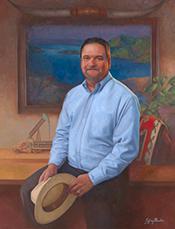
Mr. Speaker, I thank the gentleman for yielding me this time. I am pleased today to support the subcommittee chairman, the gentleman from California (Mr. Calvert), on this historic legislation. For…
Mr. Speaker, I thank the gentleman for yielding me this time.
I am pleased today to support the subcommittee chairman, the gentleman from California (Mr. Calvert), on this historic legislation. For over 10 years we have been trying to move this process forward to develop a comprehensive water plan to benefit all of California, and this legislation does just that.
This legislation addresses the water needs of California by bringing adversaries together for the first time on many of these issues.
For over 30 years, sides have not resolved the Sacramento/San Joaquin Bay-Delta water quality issues. This legislation includes a historic agreement between these parties to once and for all improve water quality by addressing many concerns in the Delta and its tributaries.
By improving water quality, everybody benefits. Improved water quality in the Delta means better drinking water for our cities, better water for our farmers, and better water quality for our fish. This bill provides the Secretary with a variety of tools to address this very serious issue, including the purchase of water from voluntary sellers to meet water quality standards. It also gives direction for the implementation of an operational plan for the New Melones Reservoir that will rely on the best available science and coordinate releases to benefit both the fisheries and the water quality for municipal and agricultural users.
This bill increases California's water supply through water reclamation and recycling projects, water storage, better operation, and the coordination of Federal and State projects, and the development of water conservation projects that benefit all of California. With an ever-increasing demand for water in the State of California, there is a need to move all of the projects of every type forward quickly and efficiently, and this bill does that.
I again want to congratulate the gentleman from California (Mr. Calvert) on the great work that he did on this bill, and the gentlewoman from California (Mrs. Napolitano) for working with her subcommittee chairman to make this work. I appreciate all that she put in to make this a good bill.
Mr. Speaker, I thank the gentleman for yielding me this time.
This is not about setting a precedent over the way legislation is done. As the gentleman from California (Mr. Calvert) has already pointed out, this is done very regularly in the process here.
My colleagues that offer this motion to recommit are not offering a motion to strip out everything that is authorized in this bill. They are only going after specifically the water storage projects. This is a bill that has been in the process, as has been said, many times for over 10 years of trying to come up with a compromise that everybody, Northern California, Southern California, east and west, everybody supported.
We were able to put together a compromise with the good work of the subcommittee chairman and ranking member, and now we have somebody coming to the floor trying to blow that up. It is the same thing that we fought through with all of the water problems in California. You always have somebody who thinks they did not get everything they wanted or that somebody else may be getting something, and they try to blow it up. That is exactly what is going on here.
I urge my colleagues to vote against the motion to recommit.
Mr. Speaker, I thank the gentlewoman from Guam (Ms. Bordallo) for yielding me this time. Mr. Speaker, I rise in support of H.R. 1156, a bill that I authored. I am pleased to see that the bill is on…
Mr. Speaker, I thank the gentlewoman from Guam (Ms. Bordallo) for yielding me this time.
Mr. Speaker, I rise in support of H.R. 1156, a bill that I authored. I am pleased to see that the bill is on the Suspension Calendar today, and I thank the leadership for putting it on today's calendar.
H.R. 1156 would increase the authorized Federal share for the Orange County, California, groundwater replenishment system from $20 million to $80 million. This will allow Orange County to complete its innovative groundwater replenishment system. The groundwater replenishment system will serve about 2.3 million residents of north and central Orange County, and it will create a new water supply of 72,000 acre-feet per year. It is basically a recycling program, a very innovative one; and many States and nations around the world have come to Orange County to look at our tertiary cleaning system that we have.
What this bill does is to increase the Federal share of the project, bringing it closer to the 25 percent level, the level at which almost every other reclamation project is funded in the Reclamation Wastewater and Groundwater Study and Facilities Act of 1992 and the Reclamation Cycling and Water Conservation Act.
The project is not just important to Orange County, California, but is important to the entire western United States because by recycling our own water, we would not rely so heavily on the Colorado River Aqueduct or the San Francisco Bay Delta water.
Members from both sides of the aisle recognize the need for this project, and I would like to particularly recognize the gentleman from California (Mr. Gary G. Miller) for his cosponsorship and his continued support. The gentleman from California (Mr. Gary G. Miller) is also offering H.R. 142 today, authorizing the Interior Secretary to participate in Inland Empire water projects; and I am pleased to be a cosponsor of that, and I urge my colleagues to support that as well.
At the same time, I would like to thank the Committee on Resources chairman, the gentleman from California (Mr. Pombo); the ranking member, the gentleman from West Virginia (Mr. Rahall); as well as the chairman of the Subcommittee on Water and Power, the gentleman from California (Mr. Calvert); and the ranking member, the gentlewoman from California (Mrs. Napolitano) for their overwhelming support of H.R. 1156.
I would also like to say in a very bipartisan manner, the rest of the Orange County delegation, including the gentleman from California (Mr. Cox), the gentleman from California (Mr. Rohrabacher), and the gentleman from California (Mr. Royce), have been strong supporters of H.R. 1156; and I thank them as well.
Lastly, let me thank Denis Bilodeau, Virginia Grebbien, Craig Miller, and everyone affiliated with the Orange County Water District and Orange County Sanitation District for their hard work and leadership in groundwater recycling. Their innovation has
put Orange County in the forefront of water recycling and groundwater replenishment technology. I thank them for their continued support.
Mr. Speaker, I have no additional speakers, and I yield back the balance of my time.

Mr. Speaker, I rise to engage in a colloquy with the gentleman from California (Mr. Calvert), the chairman, on an issue which I would hope to have seen more about in this bill, and that is the…
Mr. Speaker, I rise to engage in a colloquy with the gentleman from California (Mr. Calvert), the chairman, on an issue which I would hope to have seen more about in this bill, and that is the restoration of the Salton Sea.
As we know, an earlier version of the bill provided for a feasibility study and $300 million in restoration funds. We all know about the importance of the Salton Sea in our ecology and in our economy. It is critical for the Pacific flyway for migratory birds, as well as the Colorado River's delta, and is home to a variety of wildlife, including fish, birds, microbes, and wetlands species. The sea also provides many recreational opportunities such as camping, bird watching, fishing, boating, hiking, hunting, and off-roading.
If the sea were no longer able to support life, it would cause irreparable harm to Southern California's ecosystem and economy.
The Salton Sea lies mostly in my district in Southern California. It is the third largest saline lake in the nation, and the largest inland body of water west of the Rockies. The Sea
is an important natural resource, one that is valued not only by residents of the area, but also by the many who come from around the country to enjoy its bounty.
The Salton Sea does not have an outlet to keep the water fresh, so as water evaporates from the saline lake, the salt left behind continues to concentrate. As the salinity of the Sea continues to rise, and the environmental quality continues to decline, it will no longer be able to support life and will begin to die. If that were to happen, it will cause irreparable harm to Southern California's ecosystem and economy.
The surrounding areas of the Coachella and Imperial Valleys rely on the Sea to support their agricultural and recreational economies. I share the concerns of many about what might occur if the elevation of the Sea drops, becomes too saline to support fish or birds, and further impairs air quality due to blowing sediment.
The Salton Sea is also an essential link in increasing and diversifying our domestic water resources, and therefore needs funding for restoration. A recently signed federal water transfer agreement between Southern California water agencies will reduce flows to the Salton Sea. While the water transfer will assist Southern California in staying within its Colorado River water allocation, inflows to the Sea may be reduced dramatically. With that diminished amount of inflow, the Salton Sea presents a particularly difficult challenge in protecting and restoring it, while at the same time reducing California's use of Colorado River water.
The gentleman from California (Mr. Calvert) has been very supportive of the Salton Sea and has been involved in this issue for well over a decade.
I would like to inquire as to further support of the Salton Sea as part of the CALFED legislative process, and would ask for the gentleman to comment on that.
I yield to the gentleman from California.
Mr. Speaker, I thank the distinguished gentleman and look forward to that work and urge support of the bill.
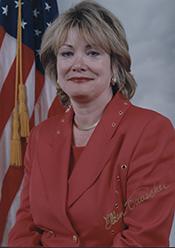
Mr. Speaker, I regretfully rise in opposition to the bill as it currently is constructed; and as a Californian, I fully understand the urgent need to pass legislation to reauthorize CALFED; but if we…
Mr. Speaker, I regretfully rise in opposition to the bill as it currently is constructed; and as a Californian, I fully understand the urgent need to pass legislation to reauthorize CALFED; but if we fail to reauthorize this program, we will sacrifice millions of dollars scheduled to go to important water infrastructure projects. But in its current form, this legislation will jeopardize the delicate balance of water interests in California that we have worked so hard to achieve and make it more difficult for us to reauthorize CALFED.
Instead of codifying the Record of Decision that was agreed to in the CALFED process, this bill disrupts the balance that it created. This bill sets the dangerous precedent of authorizing large-scale projects before they have undergone comprehensive review and analysis. The preauthorization language is bad policy and bad politics.
The gentleman from California (Mr. George Miller), the gentleman from West Virginia (Mr. Rahall), and I will offer a motion to recommit this bill
that would strip the preauthorization language from the legislation. I urge my colleagues to support the motion so that we can pass a CALFED bill this year and get it signed by the President.
Mr. Speaker, I thank the gentleman for yielding me this time, and I rise in strong support of the Miller-Tauscher motion to recommit.
As a member of California who represents a large part of the San Francisco Bay-Delta, I fully understand the importance of reauthorizing the CALFED program. Now more than
ever, California needs the Federal Government to be an active financial partner in helping restore the delta's ecosystem and meeting our State's growing water needs.
However, the preauthorization language in this bill severely jeopardizes our ability to renew this critical State-Federal partnership. Not only is it bad economic and environmental policy, but insisting on preauthorization, knowing that the other body will reject it, is a failed strategy for reaching agreement this year. Passing this bill as it is currently drafted is a divisive step that fails to really help Californians.
Mr. Speaker, with less than 30 legislative days remaining in the 108th Congress, we must have a smart strategy to get a CALFED bill done for the people of California before we adjourn. I urge my colleagues to support this motion, which will simply remove one paragraph from the bill and immediately return it to the House for consideration.
Our constituents sent us here to make timely progress on water policies that will help them. Removing this objectionable roadblock provision will help us move forward. I urge my colleagues to support the motion to recommit.
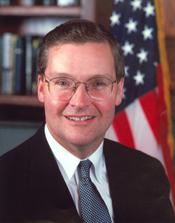
Mr. Speaker, I want to compliment the gentleman from California (Mr. Calvert). Putting this bill together has been very difficult and has taken a number of years. He and his staff and the gentleman…
Mr. Speaker, I want to compliment the gentleman from California (Mr. Calvert). Putting this bill together has been very difficult and has taken a number of years. He and his staff and the gentleman from California (Mr. Pombo) and his staff have done an outstanding job.
I remember when CALFED was first unleashed, and it was I think in 1996, and it was done in an appropriations bill. So, really, this is the first proper authorization that we have actually had, and it has been a long time in coming.
It has been mentioned that this bill brings balance between the ecological work that has been done, which has received almost all of the focus and all of the funding, and balance for water yield. Yield means water that is available in critically dry years, that is reliably available; and this bill emphasizes that and creates studies and commences processes that will produce what is needed to meet the growing needs of our State.
This bill also subjects to accountability everything that is going on in CALFED. These projects have been going on for nearly 10 years; and yet there has been very little accountability.
Now we will have the accountability that we need so that the Congress can assess what is working and what is not, and so that Congress can also assure that we are meeting all the objectives of CALFED, not just some.
I also wish to draw attention to the limitation on the water use fees that are contained in the report accompanying this bill that provides that only direct beneficiaries of projects benefiting the Bay Delta region will be subject to the beneficiary pays provision. This means that upstream water users who participate in projects to improve the region are not subject to fees or taxes imposed on beneficiaries of the project. In addition, this legislation does not authorize the creation of a broad-based fee or tax for water users. Any fee or tax that is developed will be directly proportional to the benefit received from specific projects authorized by the program.
Mr. Speaker, I thank my colleagues and appreciate the cooperation we have had. I thank the gentlewoman from California (Mrs. Napolitano) for her work and her staff and commend everyone for finally being able to bring this great package together. Everyone who cares about water and the future in California should be supporting this bill.
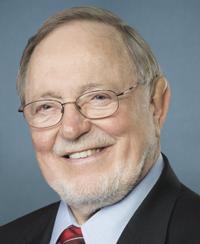
Mr. Speaker, I am pleased that today the House is considering H.R. 2828, the Water Supply Reliability, and Environmental Improvement Act. This bill reauthorizes the CALFED Bay-Delta Program, a…
Mr. Speaker, I am pleased that today the House is considering H.R. 2828, the Water Supply Reliability, and Environmental Improvement Act.
This bill reauthorizes the CALFED Bay-Delta Program, a Federal-State cooperative effort to manage water resources in California.
The purpose of the program is to increase the supply of available water for municipal, agricultural, and industrial use, and to engage in watershed restoration.
Water is a very precious resource, particularly in the West.
The supply of water is governed by State law. However, many Federal and State programs and projects also manage water resources and impact water supply.
Eighteen Federal and State agencies are partners in the CALFED program. Two of those agencies, the Environmental Protection Agency and the Army Corps of Engineers, fall under the jurisdiction of the Transportation and Infrastructure Committee.
EPA has some existing authorities that can help meet the goals of the CALFED program. The Corps also has many water resources development projects either under study or under construction in the Bay-Delta area, including the Sacramento/San Joaquin river basins comprehensive study.
This legislation does not authorize any EPA programs or Corps projects, even if a project is specifically mentioned in the August 28, 2000, programmatic record of decision that H.R. 2828 establishes as the general framework for addressing the CALFED program.
EPA and Corps activities in furtherance of the CALFED program must fall under existing authorities and nothing in this bill changes those authorities, or directs the USA of EPA or Corps funds.
Additional Corps projects in the Bay-Delta area may be authorized later, but those projects will go through the regular Corps of Engineers feasibility study process and regular authorization process in a water resources development act.
This does not mean that EPA and the Corps are not full participants in the CALFED program. In carrying out existing programs and projects, EPA and the Corps will coordinate their activities with all the Federal agencies participating in CALFED, and the State of California.
I congratulate Mr. Calvert and Mr. Pombo for bringing this legislation to the House floor. It has been a long time coming and reflects a lot of hard work by many Members.
I urge all Members to support this bill.
Show 11 more
Mr. Speaker, I would like to take my short time to address all those Members of the House of Representatives who are not from California. They do create a majority in this body after all. We have a…
Mr. Speaker, I would like to take my short time to address all those Members of the House of Representatives who are not from California. They do create a majority in this body after all.
We have a rather unique situation with the chairman of the full committee from California, the ranking member of the subcommittee from California, and the chairman of the subcommittee from California; but that is not what is important.
What is important for my colleagues not from California to understand is this is a State of more than 30 million people that has a significant impact on the economy of the United States and, frankly, the quality of life in the United States.
In the 1930s, the Federal Government began developing the water resources on the east side of California. Californians in the 1960s took the responsibility on themselves to build a multi-billion dollar water project on the west side of California.
They have been discussing CALFED. The State and the Federal Government water projects have never been coordinated, and the resources of California have never been maximized for the benefit both of the environment and the economy and individuals.
Our colleague, the gentlewoman from California (Mrs. Napolitano), talked about the fact that as other States, Arizona and others in the area of the Colorado River, have gained population, California is using a source of water that we have relied on for a long time. This is the first time that we have not had a partisan fight; that we are not going to have a regional fight; and that California has come together to begin to solve the water problems of the largest State in the Union.
I would ask my colleagues, if they are not from California, witness the bipartisanship, witness finally in California the understanding that north and south need to work together, and please, give us a strong vote on this legislation which is important to California and important to the United States.
Mr. Speaker, I would like to acknowledge also the great work of the gentleman from California (Mr. Calvert), the chairman, and the gentlewoman from California (Mrs. Napolitano), the ranking member,…
Mr. Speaker, I would like to acknowledge also the great work of the gentleman from California (Mr. Calvert), the chairman, and the gentlewoman from California (Mrs. Napolitano), the ranking member, for their tireless efforts in bringing about a much- needed piece of legislation. These two leaders have done a yeoman's job for us in bringing H.R. 2828, and they have come to my district many times to hold hearings on this issue of water.
I would like to specifically thank the chairman and the ranking member for including the strong water use efficiency section in H.R. 2828. This section will meet my community's strong demand for water supply and reliability, not by taking more water from the Bay-Delta ecosystem, not taking more water from the Colorado River in our neighboring States, but from recycling and cleaning up Southern California's existing water supply and investing in sea water desalination projects.
H.R. 2828 specifically clarifies that in addition to recycling and desalination projects, groundwater cleanup projects for contaminants such as per chlorate, nitrates, and volatile organic compounds will qualify for CALFED program funding.
Continued Federal investment in desalination technology, such as the one in Long Beach, will verify and further develop energy savings and optimize the process so that it can be enlarged and duplicated throughout the United States.
The Long Beach Water Department's desalination pilot plant is on the cutting edge, and I am looking forward to seeing this technology fully developed.
Again, I support and commend these two for their outstanding work.
Mr. Speaker, I move to suspend the rules and pass the bill (H.R. 1156) to amend the Reclamation Wastewater and Groundwater Study and Facilities Act to increase the ceiling on the Federal share of the…
Mr. Speaker, I move to suspend the rules and pass the bill (H.R. 1156) to amend the Reclamation Wastewater and Groundwater Study and Facilities Act to increase the ceiling on the Federal share of the costs of phase I of the Orange County, California, Regional Water Reclamation Project.
Mr. Speaker, I ask unanimous consent that all Members may have 5 legislative days within which to revise and extend their remarks and include extraneous material on H.R. 1156, the bill under consideration.
Mr. Speaker, I yield myself such time as I may consume.
Mr. Speaker, H.R. 1156, introduced by the gentlewoman from California (Ms. Loretta Sanchez), increases the authorized Federal cost ceiling of the phase I Regional Water Reclamation Project in Orange County, California, by $60 million.
Local project sponsors have expressed a desire to expand the groundwater replenishment system, which injects highly treated wastewater blended with other sources of water into the local groundwater aquifer. This project will provide an additional water supply for future use and create a freshwater barrier to prevent seawater intrusion.
The project reduces the region's dependency on imported water supplies and provides drought-proofing safeguards.
I urge my colleagues to support this important bill.
Mr. Speaker, I reserve the balance of my time.
Mr. Speaker, I have no additional speakers; I yield back the remainder of my time.
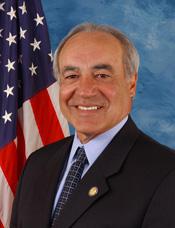
Mr. Speaker, I rise in support of H.R. 2828, the Water Supply Reliability and Environmental Improvement Act known as the CALFED, a historical giant step in improving the quantity and quality of water…
Mr. Speaker, I rise in support of H.R. 2828, the Water Supply Reliability and Environmental Improvement Act known as the CALFED, a historical giant step in improving the quantity and quality of water in California.
CALFED is a State and Federal partnership formed to increase water storage and improve water reliability. It is crucial to the future of the home of the State of California. Without clean water or enough water, there can be no development of jobs and housing, I state no development of jobs and housing. And without clean water, my children, my grandchildren or any child cannot enjoy normal, healthy lives.
I am proud to be a co-sponsor of this legislation. I commend the gentleman from California (Mr. Calvert). I commend the minority leader, the gentlewoman from California (Mrs. Napolitano). I am also proud that this legislation includes the environmental justice language that I promoted. This
bill states that environmental justice a goal of CALFED, making sure that everyone, regardless of race or income deserves the same protections for environment and health hazards.
I recommend and I ask my colleagues to support this legislation. CALFED provides a means to respond to rapid population growths, especially in my area, in my district. California deserves to have a good quality of water and a good quantity of water. And it will help the State of California improve.
Mr. Speaker, the CALFED process is an unprecedented undertaking and one that is crucial to the water security of all people in California, both northern and southern, urban and rural. That is why we…
Mr. Speaker, the CALFED process is an unprecedented undertaking and one that is crucial to the water security of all people in California, both northern and southern, urban and rural. That is why we need a balanced reauthorization bill that respects the hard work done over the past years by all CALFED stakeholders in the blueprint record of decision agreed upon in 2000.
I fear that H.R. 2828 does not achieve the delicate balance necessary because of the preauthorization of the dam projects that are controversial in their communities and among the stakeholders. So I would urge that H.R. 2828 be opposed and that the motion to recommit offered by the gentleman from California (Mr. George Miller) and the gentlewoman from California (Mrs. Tauscher) that would correct the preauthorization provision be supported.
However, I do want to give credit to the gentlewoman from California (Mrs. Napolitano) and to all who have worked on this, because I am confident that once we get through this process in working with our Senators who have
a parallel effort that avoids the flaw in this bill, that we will end up with a bill that all of us support. It is important that the CALFED process move forward.
Mr. Speaker, I would like to enter into a colloquy with the gentleman from California (Mr. Calvert). I rise in support, full support and strong support, of H.R. 2828. I think maximizing the use of…
Mr. Speaker, I would like to enter into a colloquy with the gentleman from California (Mr. Calvert).
I rise in support, full support and strong support, of H.R. 2828. I think maximizing the use of our limited water resources in California is an issue that is close to my Orange County district, and it is close to me.
In fact, the gentleman from California (Mr. Gary G. Miller) and I are the sponsors of a bill, H.R. 1156, which would allow Orange County to complete its revolutionary Groundwater Replenishment System. That system would create a new water supply of 72,000 acre feet per year and serve 2.3 million residents of the north and central portion of Orange County.
The bill would increase the authorized Federal share for this project from $20 million to $80 million, and I would like to inquire if the Chairman continues to support this very important bill that, unfortunately, is not in this good CALFED bill, but which is very important to Orange County.
I yield to the gentleman from California.
Mr. Speaker, I ask the support of our colleagues for this bill on the floor today.
Mr. Speaker, I yield myself such time as I may consume. (Ms. BORDALLO asked and was given permission to revise and extend her remarks.) Mr. Speaker, as many of my colleagues know, the Colorado River…
Mr. Speaker, I yield myself such time as I may consume.
(Ms. BORDALLO asked and was given permission to revise and extend her remarks.)
Mr. Speaker, as many of my colleagues know, the Colorado River Basin is now experiencing the worst drought in 500 years. H.R. 1156 authorizes a modest increase in Federal financial support to expand water recycling in southern California's Orange County water district.
There is a strong Federal interest in completing this project, as it will help reduce the amount of water that now must be imported from the Colorado River. I would like to take this opportunity to congratulate the gentlewoman from California (Ms. Loretta Sanchez) for introducing this important legislation.
I urge support for H.R. 1156.
Mr. Speaker, I yield such time as she may consume to the gentlewoman from California (Ms. Loretta Sanchez).
Mr. Speaker, I oppose H.R. 2828, the California Water Bill because it preauthorizes wasteful projects. It forces federal taxpayers to pick up more than a $1.5 billion tab for a California-only…
Mr. Speaker, I oppose H.R. 2828, the California Water Bill because it preauthorizes wasteful projects.
It forces federal taxpayers to pick up more than a $1.5 billion tab for a California-only project. It would not prevent taxpayers from getting stuck with the cost for large water projects, and would open the Federal treasury to raids by disingenuous water users. H.R. 2828 would ``preauthorize'' major water projects. A ``yes'' vote on H.R. 2828 would mean Congress gives up its long-standing right to have a say over taxpayer funded projects. Why should the rest of the country pay for California's water problem? They have 35 million taxpayers to pay for it.
Mr. Speaker, in California, wine is for drinking and water is for fighting. The gentleman from California (Mr. Pombo) and the gentleman from California (Mr. Calvert) and the gentlewoman from…
Mr. Speaker, in California, wine is for drinking and water is for fighting. The gentleman from California (Mr. Pombo) and the gentleman from California (Mr. Calvert) and the gentlewoman from California (Mrs. Napolitano) have done a Herculean job task of putting together all the interests in California in a water bill that is supported by just about every interest group out there, and that was an incredible task. That is why I am a proud co-sponsor and supporter of
Mr. Speaker, I rise today to enter into a very brief colloquy with the chairman of the subcommittee; that being, does this bill change existing law as it relates to area of origin? I yield to the…
Mr. Speaker, I rise today to enter into a very brief colloquy with the chairman of the subcommittee; that being, does this bill change existing law as it relates to area of origin?
I yield to the gentleman from California.
Mr. Speaker, I thank the gentleman.

Mr. Speaker, on July 9, 2004, I missed rollcall vote No. 354, the motion to recommit for H.R. 2828. I missed the vote due to a meeting I had with the President of the World Bank. Had I been present I…
Mr. Speaker, on July 9, 2004, I missed rollcall vote No. 354, the motion to recommit for H.R. 2828. I missed the vote due to a meeting I had with the President of the World Bank. Had I been present I would have voted ``no.''
Bill Text
4 versions available
        [Congressional Bills 108th Congress]
[From the U.S. Government Publishing Office]
[H.R. 1156 Referred in Senate (RFS)]

2d Session
H. R. 1156

_______________________________________________________________________

IN THE SENATE OF THE UNITED STATES

July 20, 2004

Received; read twice and referred to the Committee on Energy and
Natural Resources

_______________________________________________________________________

AN ACT

To amend the Reclamation Wastewater and Groundwater Study and
Facilities Act to increase the ceiling on the Federal share of the
costs of phase I of the Orange County, California, Regional Water
Reclamation Project.

Be it enacted by the Senate and House of Representatives of the
United States of America in Congress assembled,

SECTION 1. INCREASE IN CEILING ON FEDERAL SHARE OF WATER RECLAMATION
PROJECT.

Section 1631(d) of the Reclamation Wastewater and Groundwater Study
and Facilities Act (43 U.S.C. 390h-13(d)) is amended--
(1) in paragraph (1) by striking ``paragraph (2)'' and
inserting ``paragraphs (2) and (3)''; and
(2) by adding at the end the following:
``(3) The Federal share of the costs of the project authorized by
section 1624 shall not exceed $80,000,000.''.

Passed the House of Representatives July 19, 2004.

Attest:

JEFF TRANDAHL,

Clerk.