Fallen Heroes Immigrant Spouse Fairness Act of 2003
Legislative Activity
Stay on top of the latest movement without scrolling through every action
Sponsor introductory remarks on measure. (CR H4904-4905)
June 4, 2003
View full timeline
Introduced in House
April 11, 2003
Referred to the House Committee on the Judiciary.
April 11, 2003
Sponsor introductory remarks on measure. (CR E775-776)
April 12, 2003
Referred to the Subcommittee on Immigration, Border Security, and Claims.
April 28, 2003
Subcommittee Hearings Held.
May 6, 2003
Sponsor introductory remarks on measure. (CR H4904-4905)
June 4, 2003
Floor Debate
21 membersWhat members said about H.R. 1799 on the floor
 SJL
SJL JCJ
JCJ FJS
FJS HLB
HLB SR+16
SR+16
Floor Debate
21 membersWhat members said about H.R. 1799 on the floor
Mr. Speaker, I yield myself such time as I may consume. Mr. Speaker, this is a great day today. Mr. Speaker, I might add my support to H. Con. Res. 177, that commends the troops for the Iraqi…
Mr. Speaker, I yield myself such time as I may consume.
Mr. Speaker, this is a great day today. Mr. Speaker, I might add my support to H. Con. Res. 177, that commends the troops for the Iraqi operation, and H. Res. 201, that commends the business support of the troops, because this is the day when we further acknowledge that there is no divide amongst Americans or amongst those of us who are Members of the United States Congress in commemorating, celebrating and appreciating the valid service of the United States troops.
I am very pleased to join the chairman of the Committee on the Judiciary in full support of H.R. 1954, the Armed Forces Naturalization Act of 2003.
I do want to thank the gentleman from Wisconsin (Mr. Sensenbrenner), as full committee chairman, and, as well, the chairman of the subcommittee, the gentleman from Indiana (Mr. Hostettler) for working with the ranking member of the full committee, the gentleman from Michigan (Mr. Conyers) and myself as the ranking member of the subcommittee, in what is an important legislative action that we are joined in by any number of my colleagues who have done an outstanding job in recognizing this very important challenge.
This work is a culmination of a bipartisan effort to improve the military naturalization provisions of the Immigration and Nationality Act.
The gentleman from Wisconsin (Mr. Sensenbrenner) was quick to respond and sensitive to the need of moving this legislation along very quickly. I am proud to be an original cosponsor of this bill that was later introduced by the chairman, but more importantly, to be working very closely on the drafting of these issues within the bill and to make the bill as responsive as possible, along with the gentleman from Michigan (Mr. Conyers), to the issues of concern to those brave and valiant individuals who serve us and create an opportunity for our freedom.
Mr. Speaker, I also want to thank the Members who cooperated with this project by combining their individual naturalization bills to produce a comprehensive Armed Forces Naturalization Act. Certainly the gentleman from Washington (Mr. Hastings), the gentleman from Texas (Mr. Frost), the gentleman from North Carolina (Mr. Jones), the gentlewoman from California (Ms. Solis), the gentleman from California (Mr. Issa), and the gentleman from illinois (Mr. Gutierrez), all of them had brilliant ideas, brilliant piece of legislation focusing on very important aspects of this work. We could not have done this legislation without them.
Marine Corporal Jose Angel Garibay and Lance Corporal Jose Gutierrez were among the 129 men and women killed during the Iraqi war. Those numbers obviously have increased. When they volunteered for military service and fought in this war, they were immigrants with resident status and not citizens of the United States.
Jose A. Gutierrez was an orphan from Guatemala when he hitchhiked on railcars into Mexico in 1997. He entered the United States illegally. Later, however, he obtained permanent resident status. And according to Martha Espinosa, one of his former foster mothers, he once told her, ``I was born the day I arrived in this county.''
Garibay was a native of Jalisco, Mexico, whose family moved to the United States when he was a baby. He joined the Marines 3 years ago. ``He probably thought he was more an American than a Mexican,'' said his sister. With the help of their families and fellow Marines, these brave young Americans unfortunately lost their lives in the war in Iraq; and so we would hope that as we move this legislation forward, these brave young Marines will also obtain their citizenship posthumously.
Service in the United States military, particularly in times of conflict, is the ultimate act of patriotism. Our immigration laws traditionally have allowed for expedited citizenship consideration for noncitizen members of the United States military even in peacetime. For instance, section 328 of the INA allows noncitizen members of the military to become citizens after 3 years of peacetime service instead of the usual 5-year wait required of nonmilitary applicants.
Section 329 of the INA allows noncitizens to receive immediate naturalization eligibility through their active duty service in the Armed Forces during periods of military hostilities.
Under this section of the INA, 143,000 noncitizen military participants in World Wars I and II, and 31,000 members of the United States military who fought during the Korean War became naturalized American citizens. More than 100,000 members of the United States became citizens following Vietnam and the Persian Gulf War collectively.
The important point, Mr. Speaker, is to realize that this Nation continues to be a Nation built upon immigrants and their desire to be part of this great democracy. And it also shows how much we are united, united in our war against terrorism, and that immigration does not equate to terrorism.
The Armed Forces Naturalization Act of 2003 would reduce the time that a peacetime member of the Armed Forces has to serve for naturalization eligibility purposes from 3 years to a single year. The fees normally charged for naturalization will be waived for members of the Armed Forces.
Moreover, effort will be made to provide locations overseas at which soldiers will be able to take the naturalization examination, the interviews and other steps in the naturalization process. If you can imagine, before this legislation and the vision of the gentleman from Texas (Mr. Frost), these persons had to come back from their posts, and that was very, very difficult, to proceed to naturalize. This will avoid the expense to that soldier serving overseas of paying his or her transportation to and from the United States to complete the naturalization process.
The current law provides for posthumous citizenship when a soldier has been killed during a period that has been declared a time of military hostilities, but the current law explicitly denies derivative immigrant benefits for the soldier's spouse and children. This bill will correct that inequity by allowing the spouse, children and parents of such a soldier to self-petition for immediate relative status on the basis of the soldier's posthumous citizenship.
The bill as offered at the mark-up, however, did not extend similar benefits to the case in which the soldier's surviving spouse is already a lawful permanent resident. This omission was corrected by an amendment I offered at the mark-up. Ordinarily, a lawful permanent resident must be married to a United States citizen for a period of 3 years before becoming eligible for naturalization as a spouse of a United States citizen. Section 319(d) of the INA waives that requirement when a lawful permanent resident's citizen spouse dies in the Armed Forces.
The pertinent part section of 319(d) reads as follows:
``Any person who is a surviving spouse of a United States citizen, whose citizen spouse dies during a period of honorable service in the Armed Forces of the United States and who was living in marital union with the citizen spouse at the time of his death, may be naturalized upon compliance with all the requirements of this title except that no prior residence or specified physical presence within the United States shall be required.''
My amendment provides the same waiver in the case of the lawful permanent resident spouse whose soldier spouse receives citizenship posthumously.
The only difference between the two situations is that the one permitted under current law involves a soldier who received his citizenship before he died; whereas in the second situation, the citizenship is received posthumously. In both cases, the soldier is a citizen who is killed during a period
of honorable military service. I am pleased that the committee voted to approve that amendment.
There are two instances of concern that I have. One amendment provides that anyone naturalized under the bill's 1 year of service in the Armed Forces measure can have such citizenship revoked if the individual is subsequently separated from the military under other than honorable conditions. No such provision currently exists for revoking the citizenship of Armed Forces personnel who obtain naturalization pursuant to peacetime service. I am concerned about that and hope we can work through conference on that issue.
I am also concerned about an amendment that modifies the provisions in the bill that are intended to grant immigration benefits to the parents of soldiers who receive citizenship posthumously. The original provisions in the bill make the parents eligible for immediate relative status without imposing any additional eligibility requirements. Immediate relative status would permit them to obtain an immigrant visa without having to wait for a visa number.
The amendment that was in this bill limits the benefit to parents who are lawfully authorized to be present in the United States on the date of the soldier's death. Aside from unusual situations, such as when the parents happen to be college students or have visas for temporary employment in the United States as computer experts, et cetera, this is a problem because we can imagine problems of where a parent might be on any given day when the son or daughter dies, whether or not they are out of the country; and I would hope that we could make a correction as we move forward with this legislation.
I do want to acknowledge that this is an important bill that has come about through bipartisan efforts, and I do want to acknowledge that there are problems that we want to work through; and clearly, we want to make sure that the problems that we face will be ones that can be corrected.
I believe, Mr. Speaker, that we worked in a bipartisan way for the betterment and good of these heroes, valiant heroes; and I would ask that my colleagues support this legislation.
Mr. Speaker, the ``Armed Forces Naturalization Act of 2003'' is the culmination of a bi-partisan effort to improve the military naturalization provisions of the Immigration and Nationality Act (INA). I am proud to be an original cosponsor of this bill, which was introduced by Representative F. James Sensenbrenner, the Chairman of the Committee on the Judiciary. I want to thank Chairman Sensenbrenner and the Ranking Member of the Judiciary Committee, Representative John Conyers, for their leadership. I also want to thank the members who cooperated with this project by combining their individual naturalization bills to produce the comprehensive Armed Forces Naturalization Act, Representatives Doc Hastings, Martin Frost, Walter Jones, Hilda Solis, Darrell Issa, and Luis Gutierrez.
Marine Corporal Jose Angel Garibay and Lance Corporal Jose Gutierrez were among the 129 men and women killed during the Iraqi war. When they volunteered for military service and fought in this war, they were immigrants with resident status, not citizens of the United States.
Jose A. Gutierrez was an orphan from Guatemala when he hitchhiked on railcars into Mexico in 1997. He entered the United States illegally. Later, however, he obtained permanent resident status. According to Martha Espinosa, one of his former foster mothers, ``He once told me, ` was born the day I arrived in this country.' '' Garibay was a native of Jalisco, Mexico, whose family moved to the United States when he was a baby. He joined the Marines three years ago. ``He probably thought he was more an American than a Mexican,'' said Garibay's sister Crystal. With the help of their families and fellow Marines, Garibay and Gutierrez became American citizens posthumously.
Service in the United States military, particularly in times of conflict, is the ultimate act of patriotism. Our immigration laws traditionally have allowed for expedited citizenship consideration for non-citizen members of the United States military, even in peacetime. For instance, Section 328 of the INA allows non-citizen members of the military to become citizens after 3 years of peacetime service, instead of the usual 5-year wait required of non-military applicants.
Section 329 of INA allows non-citizens to receive immediate naturalization eligibility through their active duty service in the Armed Forces during periods of military hostilities. Under this Section of the INA, 143,000 non-citizen military participants in World Wars I and II, and 31,000 members of the United States military who fought during the Korean War, became naturalized American citizens. More than 100,000 members of the United States military became citizens following Vietnam and the Persian Gulf War collectively.
The Armed Forces Naturalization Act of 2003 will reduce the time that a peacetime member of the armed forces has to serve for naturalization eligibility purposes from 3 years to a single year. The fees normally charged for naturalization will be waived for members of the armed forces. Moreover, effort will be made to provide locations overseas at which soldiers will be able to take the naturalization examination, the interviews, and the other steps in the naturalization process. This will avoid the expense to the soldier serving overseas of paying for his or her own transportation to and from the United States to complete the naturalization process.
Current law provides for posthumous citizenship when a soldier is killed during a period that has been declared a time of military hostilities, but the current law explicitly denies derivative immigration benefits to the soldier's spouse and children. this bill will correct that inequity by allowing the spouse, children, and parents of such a soldier to self-petition for immediate relative status on the basis of the soldier's posthumous citizenship. the bill as offered at the markup, however, did not extend similar benefits to the case in which the soldier's surviving spouse is already a lawful permanent resident. This omission was corected by an amendment I offered at the markup.
Ordinarily, a lawful permanent resident must be married to a United States citizen for a period of 3 years before becoming eligible for naturalization as the spouse of a United States citizen. Section 319(d) of the INA waives that requirement when the lawful permanent resident's citizen spouse dies during a period of honorable service in the Armed
Mr. Speaker, I am delighted to yield 4 minutes to the distinguished gentleman from California (Mr. Berman), a member of the full Committee on the Judiciary and the Subcommittee on Immigration, Border Security, and Claims.
Mr. Speaker, can I inquire the time remaining.
Mr. Speaker, I am delighted to yield 3 minutes to the gentleman from Texas (Mr. Frost), the distinguished ranking member of the Committee on Rules and a major proponent but also author of legislation that has been part of this bipartisan legislation.
(Mr. FROST asked and was given permission to revise and extend his remarks.)
Mr. Speaker, I yield 2 minutes to the distinguished gentlewoman from California (Ms. Solis), who was also one of the authors of legislation that contributed to this bipartisan bill that is on the floor today.
Mr. Speaker, I would like to inquire of the Speaker how much time is remaining.
Mr. Speaker, I yield 2 minutes to the gentleman from New Jersey (Mr. Menendez), the distinguished chairman of the Democratic Caucus and a proponent of this legislation.
(Mr. MENENDEZ asked and was given permission to revise and extend his remarks.)
Mr. Speaker, I yield 30 seconds to the distinguished gentlewoman from California (Ms. Linda Sanchez), a member of the full committee and a member of the subcommittee.
(Ms. LINDA SANCHEZ of California asked and was given permission to revise and extend her remarks.)
Mr. Speaker, I thank the chairman, the gentleman from Wisconsin (Mr. Sensenbrenner) for yielding me this time. Mr. Speaker, the reason this is on the consent calendar is that the members of the…
Mr. Speaker, I thank the chairman, the gentleman from Wisconsin (Mr. Sensenbrenner) for yielding me this time.
Mr. Speaker, the reason this is on the consent calendar is that the members of the Committee on the Judiciary, as well as the Members in the House, agree that we should take steps to make sure citizenship is granted to some 37,000 military people who happen to be noncitizens. And it is in that spirit that I rise to commend the ranking subcommittee chair, the gentlewoman from Houston, Texas (Ms. Jackson- Lee), and the subcommittee chairman, the chairman of the full committee, and all of the members on the Committee on the Judiciary that worked on this.
We are trying to still improve this measure as it goes to conference, and I would like to urge everyone to give it a rousing vote this afternoon.
Mr. Speaker, since this Nation's founding, more than 55 million immigrants from every continent have settled in the United States. Many of these immigrants have not only payed taxes and adopted the American way of life, they have honorably defended our Nation as members of the military.
During the recent war with Iraq, immigrant soldiers have continued to defend our country in large numbers, and tragically 10 noncitizens have lost their lives. It is important that we honor the extraordinary contributions these immigrants make to the Armed Forces by facilitating their naturalization and establishing important protections for their families if they are killed in action. Surely, if these immigrants are willing to risk their lives for our country, the least we can do is grant them the citizenship they so greatly desire.
Unfortunately, the rigidness of current immigrant laws often prevents individuals like these soldiers, who are truly deserving, to be granted citizenship. In particular, a noncitizen who is honorably serving in our military must leave his post abroad and return to the United States to file a naturalization application, be interviewed for the application, and to take the oath of citizenship. Consequently, soldiers serving abroad must spend prohibitive amounts of money in order to become citizens of the country they are defending.
And yet even more shocking is the scenario in which a citizen or noncitizen soldier is killed while serving in our military; current law would void most pending applications for immigration benefits made by the soldier on behalf of his immediate family. This is hardly a way to show our thanks to families that have sacrificed their loved ones in the name of our country.
H.R. 1954, the Armed Forces Naturalization Act of 2003, reduces the 3 year military requirement to naturalize to 1 year, waives fees for naturalization petitions, and allows surviving family members of citizens and posthumous granted citizens to apply for immigration benefits. These substantive changes to immigration law will surely benefit those defending our Nation and will ensure that immigrant families of our fallen soldiers are not penalized for their great sacrifice to our nation.
This is not a perfect bill. For example, it does not go as far as I would have liked in helping the families of deceased servicemen and women obtain green cards. The result is that spouses, children, and parents of a soldier killed in combat who have been rendered removable or ineligible for immigration benefits by the 1996 immigration laws will be precluded from enjoying the benefits of this bill. This means that we will be deporting many of the spouses, children and parents of soldiers who have given their lives serving our country.
I am also concerned with two amendments added to this legislation in the Judiciary Committee. The first amendment will require revocation of citizenship granted through 1 year of military service if the soldier is discharged under less than honorable terms within his first 5 years of military service. This bill was drafted with the intent to reward those who have taken a great risk and made great sacrifice for our country. However, allowing for the revocation of naturalization for less than honorable discharge would punish Service Members in a way that does not currently exist for soldiers applying for naturalization pursuant to completion of service during a time of peace.
The second amendment added to the bill in the Judiciary Committee will prevent parents of citizen soldiers and the parents of soldiers granted citizenship posthumously from obtaining immigration benefits if they are out of the country at the time that their child is killed in combat. The amendment is drafted in such a broad manner that it would exclude from benefits even parents who have not violated any immigration laws, including parents who are waiting abroad for a pending petition filed by their citizen child to be approved. Rather than honoring the sacrifice made by the fallen soldier and his parents, this amendment arbitrarily picks out the category of parents and adds a new requirement that would not have existed had the soldier lived and applied for benefits on behalf of his parents.
H.R. 1954 is a positive step in loosening the rigid restrictions immigration law has imposed on immigrant soldiers and their families. H.R. 1954 would: (a) Expedite the naturalization process by allowing military members to naturalize after serving 1 year in the military, waive naturalization fees, and allow naturalization interviews and oath ceremonies to take place abroad; (b) waive posthumous citizenship fees; and (c) ensure the ability of lawful permanent resident spouses, parents legally present in the United States, and unmarried children of citizen or posthumous granted citizen soldiers killed as a result of military service to self petition for immigration benefits or continue to pursue already filed petitions as if the U.S. citizen had not died. These substantive changes to immigration law will benefit those defending our Nation and will help ensure that many immigrant families of our fallen soldiers are not penalized for their great sacrifice. I am disappointed, however, that the bill passed by the committee is not more generous in addressing the unique needs of immigrant families and, in some cases, makes existing law worse.
More than 37,000 noncitizen soldiers are currently serving on active duty in the U.S. Armed Forces and some of the first U.S. casualties in the current war in Iraq were noncitizens. Unfortunately, the rigidness of current immigration laws often prevents individuals like these soldiers, who are truly deserving, to be granted citizenship. In particular, a noncitizen who is honorably serving in our military must leave his post abroad and return to the United States to file a naturalization application, be interviewed for the application, and to take the oath of citizenship. Consequently, soldiers serving abroad must spend prohibitive amounts of money in order to become citizens of the country they are defending. And yet even more shocking is the scenario in which a citizen or noncitizen soldier is killed while serving in our military; current law would void most pending applications for immigration benefits made by the soldier on behalf of his immediate family.
H.R. 1954 makes many meaningful improvements to existing law. However, I would have preferred that the committee go much further in assisting the immigrant families of our fallen soldiers. One of the unjust consequences of the 1996 immigration laws is that many individuals in the U.S. became ineligible for permanent residence due to a prior unlawful entry or a minor scrape with the law many years prior. The result is that spouses, children, and parents of a soldier killed in combat who have been rendered removable or ineligible for immigration benefits by the 1996 laws will be precluded from enjoying the benefits of this bill. This means that we will be deporting many of the spouses, children and parents of soldiers who have given their lives serving our country. In response, Reps. Howard Berman and Linda Sanchez offered an amendment, defeated by a party line vote, that would have waived certain documentation requirements, and authorized the Department of Homeland Security, on a discretionary basis, to waive categories of inadmissibility for spouses, children, and parents of soldiers killed in service to the military. This proposal would have balanced the goal of honoring the sacrifice these families have made with our duty to national security.
I further believe that this bill does not go far enough in extending immigration benefits to all noncitizens serving the U.S. military, including the Selected Reservists. Current law grants the President authority to designate by Executive order a period of military hostilities that would trigger immediate naturalization eligibility for active duty members of the Armed Forces. Unlike traditional members of the Armed Forces, Selected Reservists are not eligible for immediate citizenship under this law if they do not serve in combat during times of hostility. Rep. Zoe Lofgren offered an amendment, defeated by voice vote, that would have applied immediate naturalization benefits to Select Reservists during times of hostility regardless of whether they serve in combat. This amendment would have addressed the fact that the rationale for providing benefits to members of the Armed Forces and members of the Select Reserves is nearly identical because during times of hostility they both must be ready to leave family, friends, and familiar surroundings at a moment's notice and potentially die for their country.
I take great issue with two amendments added to this legislation by Rep. Steve King. The first amendment will require revocation of citizenship granted through 1 year of military service if the soldier is discharged under less than honorable terms. This bill was drafted with the intent to reward those who have taken a great risk and made great sacrifice for our country. However, allowing for the revocation of naturalization for less than honorable discharge would punish Service Members in a way that does not currently exist for soldiers applying for naturalization pursuant to completion of service during a time of peace. I understand Rep. King's desire to make the bill parallel to current law in 329(c) of the INA, but he overlooks that 329(c) applies exclusively to a special case in which members of the Armed Forces are eligible for immediate naturalization during a time of hostility without the requirement of any prior service or commitment to the military. The provision added to H.R. 1954 would bestow conditional citizenship on all immigrants naturalized through a demonstrated commitment to military service and would create a perverse incentive for noncitizens not to join the military. Moreover, this language would allow military authorities to routinely make legal decisions that in effect would deprive a U.S. citizen of his or her citizenship. In some cases, these decisions would be based on conduct that would be completely lawful in civilian contexts, but is considered a military offense under the Uniform Code of Military Justice.
The second amendment added to the bill by Representative King will prevent parents of citizen soldiers and the parent of soldiers granted citizenship posthumously from obtaining immigration benefits if they are out of the country at the time that their child is killed in combat. The amendment is drafted in such a broad manner that it would exclude from benefits even parents who have not violated any immigration laws, including parents who are waiting abroad for a pending petition filed by their citizen child to be approved and parents who lawfully reside in the United States, but have left the country temporarily at the time of their child's death. Rather than honoring the sacrifice made by the fallen soldier and his parents, this amendment arbitrarily picks out the category of parents and adds a new requirement that would not have existed had the soldier lived and applied for benefits on behalf of his parents.
I reiterate that the Armed Forces Naturalization Act of 2003 does not go far enough in assisting the immigrant families of our fallen soldiers. Moreover, amendments added to the bill in the Judiciary committee would punish noncitizen soldiers and their families, rather than reward them for their service and sacrifice, by creating a conditional class of citizenship and putting additional restrictions on immigrant parents of soldiers.
While this bill is not perfect, it does make many meaningful improvements to existing immigration law and takes a significant step help our soldiers and their families be granted the citizenship they so greatly desire. It is my hope that as this bill goes to conference will seriously consider the negative repercussions these two amendments will have on the people this bill intends to honor. It is for these reasons that I think we can all support this bill.
Mr. Speaker, I move to suspend the rules and pass the bill (H.R. 1954) to revise the provisions of the Immigration and Nationality Act relating to naturalization through service in the Armed Forces,…
Mr. Speaker, I move to suspend the rules and pass the bill (H.R. 1954) to revise the provisions of the Immigration and Nationality Act relating to naturalization through service in the Armed Forces, and for other purposes, as amended.
Mr. Speaker, I ask unanimous consent that all Members may have 5 legislative days within which to revise and extend their remarks and include extraneous material on H.R. 1954, the bill currently under consideration.
Mr. Speaker, I yield myself such time as I may consume.
Mr. Speaker, since the beginning of Operation Iraqi Freedom and the news that 10 members of our Armed Forces who died in combat were not U.S. citizens, several bills have been introduced to either ease the naturalization requirements of legal permanent residents in the Armed Forces or to provide immigration benefits to the surviving family members of those killed in service to America, or both.
We can never adequately express our gratitude to those noncitizen members of our military who made the ultimate sacrifice, but we can bring reasonable changes to the naturalization process for other permanent resident service members willing to make the same sacrifice and to provide immigration benefits to family members of those who died.
The Committee on the Judiciary has worked closely with those who have introduced bills on this issue, including the gentleman from Washington (Mr. Hastings), the gentleman from Texas (Mr. Frost), the gentleman from North Carolina (Mr. Jones), the gentlewoman from California (Ms. Solis), the gentleman from Illinois (Mr. Gutierrez), and the gentleman from California (Mr. Issa), as well as the ranking member, the gentleman from Michigan (Mr. Conyers) and Subcommittee on Immigration, Border Security, and Claims ranking member, the gentlewoman from Texas (Ms. Jackson-Lee), to come up with a bipartisan compromise bill.
In addition, six Members not on the Committee on the Judiciary testified at a hearing before the Subcommittee on Immigration, Border Security, and Claims regarding their legislation.
H.R. 1954, the Armed Forces Naturalization Act is a consensus bill in which I have done my best to address the concerns of the other interested Members and to balance competing priorities. I am grateful that the gentleman from Michigan (Mr. Conyers) and the gentlewoman from Texas (Ms. Jackson-Lee) have signed on as original cosponsors.
Not every Member got everything they wanted in this bill, but each of the Members we consulted with got something that they wanted. As a result, we have a bill that should easily be able to pass the House with support from Members with widely varying views on immigration who all want to honor the service to our country of permanent residents in the Armed Forces.
H.R. 1954 reduces the military service requirement to apply for naturalization during peacetime from 3 years to 1 year. Some of the earlier bills reduced the requirement to 2 years and another bill reduced it to zero years. One year is an obvious compromise.
It lowers the required years of service while maintaining the requirement that a military member must still establish their worthiness for expedited naturalization through a period of honorable military service during peacetime. For soldiers, this bill also waives the fees for the naturalization petition or naturalization certificate, along with related State fees and waives the fees for the posthumous citizenship application. This will ease the financial burden for military members who perform an outstanding service for our country and receive little money in return.
The bill permits the revocation of citizenship if a person is separated from the Armed Forces under other than honorable conditions before the person has served honorably for 5 years in either peacetime or wartime. In addition to the 5-year military revocation, an alien would remain subject to denaturalization at any time if, for example, the alien committed fraud to gain citizenship or the underlying green card.
I would also add that this bill does not allow for the naturalization or acquisition of permanent resident status to undocumented aliens.
H.R. 1954 would require the Departments of Homeland Security, State and Defense to ensure that naturalization applications, interviews, filings, oaths and ceremonies are available to the maximum extent practicable at U.S. embassies, consulates and military installations. Currently, a soldier must be physically present in the United States to file a naturalization application, to be interviewed for the application and to take the oath of citizenship. This requirement causes some soldiers who are stationed outside the United States to leave their post abroad and to return the United States at their own expense. This is both expensive and causes unnecessary interruption in their military service.
The bill would also permit surviving immediate family members of both military members who are U.S. citizens before death and immigrant military members who are granted citizenship posthumously to apply for immigration benefits as if the military family member had not died. Under current law, family members of posthumous citizens cannot apply for immigration benefits through the posthumous citizen. This bill would permit the spouse, the children and certain parents to do so.
Under current law, a lawful permanent resident spouse of a U.S. citizen may apply for naturalization in 3 years instead of 5 years. If the U.S. citizen spouse happens to be in the military and dies during military service, the lawful permanent resident spouse may apply for naturalization immediately rather than wait 3 years.
H.R. 1954 extends this immediate eligibility for naturalization to lawful permanent resident spouses of military members who gain U.S. citizenship posthumously.
Finally, the bill would waive the affidavit of support/public charge ground of inadmissibility for family members applying for adjustment of status. If the military member was the breadwinner, we elected not to penalize the immediate relative because their means of support died during service to our country.
I urge my colleagues to support this carefully crafted and broadly supported compromise bill.
Mr. Speaker, I reserve the balance of my time.
Mr. Speaker, I yield 2 minutes to the gentleman from Washington (Mr. Hastings).
Mr. Speaker, I yield 3 minutes to the gentleman from North Carolina (Mr. Jones).
Mr. Speaker, I yield 2 minutes to the gentleman from Illinois (Mr. Weller).
Mr. Speaker, I yield 1 minute to the gentleman from California (Mr. Dreier), the very distinguished chairman of the Committee on Rules.
Mr. Speaker, I yield 2 minutes to the gentleman from Florida (Mr. Putnam).
Mr. Speaker, has the time allocated to the minority expired?
Mr. Speaker, I yield 1 minute to the gentleman from Michigan (Mr. Conyers) to show how bipartisan we in the Committee on the Judiciary are on practically everything.
(Mr. CONYERS asked and was given permission to revise and extend his remarks.)
Mr. Speaker, I yield 1 minute to the gentleman from Texas (Mr. Green).
(Mr. GREEN of Texas asked and was given permission to revise and extend his remarks.)
Mr. Speaker, I yield 30 seconds to the gentleman from Texas (Mr. Reyes).
(Mr. REYES asked and was given permission to revise and extend his remarks.)
Mr. Speaker, I yield myself such time as I may consume.
Mr. Speaker, H.R. 1954 is a bill that has almost universal support in this House because it is a compromise. The Committee on the Judiciary on legislation relating to the Immigration and Naturalization Act has deep divisions.
The reason this bill is so strongly supported is twofold. One is that there is a demonstrated need to provide a naturalization road and the immigration benefits to those who have served our country, their immediate families and their survivors. Everybody agrees that this is part of the immigration law that needs to be changed and updated, particularly in light of those who have paid the ultimate price in defending America's freedoms in Iraq.
But I would like to give a word of caution, because this bill is a compromise. Everybody with an oar in the water and a differing viewpoint gave up something to ease the passage of this bill. If we allow the bill to emphasize the divisions that we have in the Congress and in the Committee on the Judiciary on immigration law and in the conference, then it is not going to have an easy road from here. But what we have given up to make H.R. 1954 an agreed-upon bill that will get an overwhelming vote in a few minutes should continue to be given up in the conference so we can speedily turn this bill into law and give the benefits to the people that we want to give the benefits to. As we proceed in this, I urge all of my colleagues to keep that in mind.
Mr. Speaker, I yield back the balance of my time.
Mr. Speaker, on that I demand the yeas and nays.
Mr. Speaker, I thank the gentlewoman, the ranking member of the subcommittee, both for her excellent work and for yielding me this time. I rise in strong support of the bill, but I do want to point…
Mr. Speaker, I thank the gentlewoman, the ranking member of the subcommittee, both for her excellent work and for yielding me this time.
I rise in strong support of the bill, but I do want to point out a few issues that were addressed in the Committee on the Judiciary where I think we could have gone farther to be fair to the families of our soldiers.
I very much appreciate the gentleman from Wisconsin's (Mr. Sensenbrenner) willingness to create a bipartisan process in the negotiations on this bill, a process that started with at least seven different bills on the topic. I think the goal of all the Members who introduced those bills, and of most of us in the House, were the same. We wanted to reward the dedication of lawful, permanent residents in the military by making it as easy as possible for them to become full members of the country they are serving on the battlefield.
Secondly, we wanted to honor the sacrifice of both lawful, permanent residents and U.S. citizens who have been killed in service; and we are doing that by ensuring that their families are treated fairly by the country that they gave their lives to defend.
As I indicated, the bill is a very good start. The problem is that there will be some families of these brave soldiers who will not be helped by this bill. My hope is that in the conference with the other body we will be able to address those issues so we can be sure that we are not creating a situation where we have to, for example, tell the mother of a young man who gave his life for his country, our country, that we thank him very much for his service but his mother will have to leave. As one of my colleagues on the committee put it, we ought to be sure that the family members of our fallen heroes have the right to tend to the grave of their loved one.
When the Committee on the Judiciary considered this bill, I offered an amendment that would have provided the Secretary of Homeland Security the discretion, the discretion, to waive certain bars in our immigration laws that otherwise could be an obstacle to relief for the spouses, children, parents of the soldier killed in combat. We are not talking an automatic waiver. What we asked for was an opportunity for the Secretary of Homeland Security to do an investigation and, in his discretion, provide relief where he deemed it appropriate.
I think it is right to offer some level of forgiveness to these families whose spouse or child or sibling has given the ultimate sacrifice to our country; and by giving that discretion to the Secretary of Homeland Security, we would have ensured that the waiver posed no threat to our national security.
The second issue of concern in this legislation is one raised by the gentlewoman from Texas, the ranking member, that we have drawn an arbitrary line with respect to immigration relief for the parents of both U.S. citizen soldiers and soldiers granted posthumous citizenship under the bill.
Under current law, legal permanent residents cannot petition for their parents to come to this country as immigrants. Naturalized citizens can petition for their parents. Under the language of this bill, the parent of a legal permanent resident soldier who is killed in combat and is given posthumous citizenship cannot get immigration benefits if they were waiting outside the country for their child to naturalize and then petition for them.
If a U.S. citizen soldier filed a petition for their parents before they were killed in combat and their parents do not happen to have a visa to be in the U.S. on the exact date that their child was killed, the petition would be extinguished. In other words, the parent patiently waiting, playing by the rules, is turned away by the country their son or daughter died for.
In a bizarre and totally arbitrary twist, if that parent happened to get a visitor's visa to enter the country, say to help take care of the soldier's children while he was deployed, and that time in the U.S. happened to include the exact date on which their child was killed in combat, then the parent of a legal permanent resident soldier would be eligible for relief. This distinction makes no sense and we should correct it. A parent is a parent whether they are in Mexico waiting patiently or here on a tourist visa helping with the kids.
I would hope we could address these issues in conference.
Mr. Speaker, I am pleased to rise today in favor of H.R. 1954, the Armed Forces Naturalization Act, which recognizes the contributions made to our country by over 37,000 legal permanent residents…
Mr. Speaker, I am pleased to rise today in favor of H.R. 1954, the Armed Forces Naturalization Act, which recognizes the contributions made to our country by over 37,000 legal permanent residents serving in our armed services. As a member of the Committee on Armed Services who has had an opportunity to visit Iraq and other parts of the world where our men and women are serving proudly in the military, this bill is the right recognition for their services and for putting their lives on the line. So I strongly recommend that all my colleagues support it.
I am pleased to rise today in favor of H.R. 1954, the Armed Forces Naturalization Act, which recognizes the contributions made to our country by the 38,000 legal permanent residents serving in our armed forces. These men and women dedicate their energies and put their lives on the line to defend the freedoms and liberties of this great nation. It is only appropriate that in exchange for their sacrifice, we remove barriers to obtaining citizenship.
They have earned this.
H.R. 1954 would allow immigrants serving in our armed forces to apply for citizenship after one year of service, down from three years under current law. The bill removes administrative barriers to the naturalization process by making citizenship applications, interviews, filings, oaths, ceremonies and other such proceedings available to members of the armed forces at our military bases, diplomatic missions, and consulates overseas. The bill also waives application fees. In both this Congress and the 107th Congress, I have been a proud original co- sponsor of legislation introduced by my colleague from Texas, Congressman Martin Frost, known as the Citizenship for America's Troops Act, that sought to make these changes. I am pleased that they are part of the bill we are voting on today.
The bill also allows spouses, children and parents of naturalized soldiers who die in the line of duty to apply for permanent residency status. Additionally, this bill recognizes the important support that spouses provide to our soldiers by waiving the three-year residency requirement to apply for citizenship. These provisions recognize the important role that family plays and ensures that when their loved one dies in the line of duty, they are not made to suffer even more by having their residency status placed in jeopardy.
Despite these very good provisions, I must express my disappointment that the bill does nothing for immediate family members who are undocumented. I was an original cosponsor of legislation introduced by my colleague Hilda Solis, which would have provided immigration protections to immediate family members of soldiers who die in the lain of duty, regardless of their immigration status. A father does not cease to be a father, and a wife does cease to be a wife, just because of the immigration papers they may or may not have.
I am further disappointed, startled in fact, that the bill actually expands existing rules allowing for citizenship to be revoked from naturalized servicemembers who are discharged under other than honorable conditions. The major problem here is that there are other forms of discharge that are not termed honorable, but which are not necessarily dishonorable. The language in the bill would actually punish someone who is discharged for medical reasons. For example, someone who serves in our armed forces, applies for and obtains citizenship, continues to serve for four years and then has to be discharged for a medical condition, would have his or her citizenship revoked. I cannot believe that the authors of this bill intended for that to be the case. I strongly urge my colleagues to resolve this in conference.
On balance, Mr. Speaker, this legislation, H.R. 1954, demonstrates the appreciation of a grateful nation to the thousands of people who come to this country from around the world to contribute to the freedom, strength and prosperity of America. I would like to thank my colleagues, Representatives Solis and Frost, for all their work in championing this issue, and most of all, I would like to thank the members of our armed services for the sacrifices they make on our behalf. I urge all my colleagues to vote yes on H.R. 1954.
Show 8 more
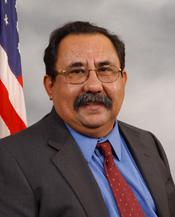
Mr. Speaker, the passage of H.R. 1779 is a welcome first step in addressing the serious problems facing our National Guard and Reserve today. But as we once again mobilize more troops and send them…
Mr. Speaker, the passage of H.R. 1779 is a welcome first step in addressing the serious problems facing our National Guard and Reserve today. But as we once again mobilize more troops and send them off to fight, and possibly die, in an increasingly hostile environment, we must ask ourselves why legislation such as H.R. 1779 has become a necessary stopgap measure.
The very fact that Guard and Reserve members feel compelled to withdraw funds from their IRA's in order to pay the bills at home is unacceptable.
Yet, this is precisely the problem: Current compensation and benefits programs for the National Guard and Reserve were developed more than 50 years ago, when it was expected that they would be mobilized only in the most dire national emergency. Over the past dozen years, the Guard and Reserve contract has changed dramatically, with more than 40 percent of members being called to duty and in some cases, being repeatedly deployed without fulfilling the requisite off-duty time period. H.R. 1799 is a band-aid measure temporarily mending a broken system. Congress must and can upgrade Guard and Reserve compensation and benefits to better offset the demands and sacrifices imposed on the Guard and Reserve community.
It is a great injustice that those who selflessly and voluntarily serve our country are not repaid in kind. By this I mean that Guard and Reserve members are ineligible for military health coverage, except while on active duty or after age 60. Although covered by TRICARE when mobilized, many Guard and Reservists and their families are faced with changing doctors and dropping private coverage. We must provide adequate and comprehensive health care coverage for the Guard and Reserve community. It is my hope that this year's Defense Authorization Act will include permanent authority for a fee-based TRICARE coverage for all drilling Guard and Reserve members, and offer all such members the option to have the government pay part or all of their employer coverage premium during extended activations.
Loan forgiveness and increased education infrastructure funding for Guard and Reservists and their families should also be a top priority during this year's budget deliberations. Earlier this year, I received a letter from one of my constituents and his wife who are both Guard Members. Both were more than willing to serve their first tour of duty in Iraq, knowing full well that this would delay by a semester their graduate course studies. Six months later, both were facing yet another extension of active duty. Along with delaying their studies and future career path, they are now also incurring interest on a loan which is not being utilized. Congress must improve educational opportunities and benefits for Guard and Reservists by providing deferments and interest payments for borrowers of student loans who are called to active duty.
Health care, timely compensation, and education funding are only a few of the many
things we should and CAN provide to our Guard and Reserve members. Extending the military pay raise, providing meaningful tax relief for military families, and improving overall quality of life entitlement programs is the very least we can do for the families and servicemembers who have endured extraordinary--and in some cases-- supreme sacrifices for our country.
The mistreatment of our Guard and Reservists and its repercussions on them and their families' morale and well-being must stop. Is it too much to ask that our government provide basic necessary services such as comprehensive health coverage and timely compensation to our Guard and Reserve members?
I urge my colleagues to include funding for these measures in this year's Defense Authorization Act and to push for passage of the many proposals addressing these issues which are currently stalled in Committee.

Mr. Speaker, I am pleased to stand here and support this bill, but I just want to bring people's attention to one part of the bill in particular I am concerned about, and that is parents of legal…
Mr. Speaker, I am pleased to stand here and support this bill, but I just want to bring people's attention to one part of the bill in particular I am concerned about, and that is parents of legal permanent resident soldiers killed in combat who are not eligible for citizenship if they were outside the United States at the time their child was killed. Those same parents would be eligible for citizenship if they are here in the United States. It makes no sense to differentiate between the two.
A parent is a parent, whether or not they happen to have gone to their home country for a short time, or whether they are in the process of waiting for a visa application renewal, or whether some other circumstances have forced them to be outside the U.S. when their child was killed.
I urge the other body to correct this aspect of the bill, but I rise in support of the bill and urge my colleagues to do the same.
In this country, non-citizens have worn our military uniforms and fought in our battles throughout our history. One of my uncles served in the military as a legal permanent resident during the Korean War. Now, approximately 3 percent of our military are legal permanent residents.
I am a strong supporter of measures that provide opportunities for legal permanent residents serving in our military to become U.S. citizens. These individuals are making enormous sacrifices. Without being citizens, and without having the protections that status would give them, these immigrant men and women are willing to risk their own lives to defend this nation. The least we can do is give them something in return.
What this bill does is to provide them the opportunity to apply for citizenship after 2 years of military service, instead of the 3 years requirement in current law. It also allows for the spouse and children of legal permanent resident soldiers, killed in action, to apply for citizenship.
I commend Chairman Sensenbrenner, and other Members of the House, for introducing legislation to address this issue. I appreciate Chairman Sensenbrenner's willingness and diligence in working closely with Democrats to produce a bill that we can support. I still have some concerns with aspects of this bill, however, and hope that we are able to work out these issues.
In particular, I am concerned that parents of legal permanent resident soldiers killed in combat and not eligible for citizenship if they were outside the U.S. at the time their child was killed. Those same parents would be eligible if they are here in the U.S. It makes no sense. A parent is a parent, whether or not they happen to have gone to their home country for a short time, or whether they are in the process of waiting for a visa application renewal, or whether some other circumstance has forced them to be outside the U.S. when their child was killed. I urge the other body to correct this aspect of the bill. In addition, during consideration of this bill in the Judiciary Committee, I joined with Mr. Berman in offering an amendment to provide a discretionary waiver to the Secretary of Homeland Security for three categories of people. Unfortunately, that amendment failed. I will work with Mr. Berman to encourage the other Body to include this provision in their version.
Again, I applaud Chairman Sensenbrenner and other Members who have worked so diligently on this issue. I hope that, with continued work in conference with the other Body, we can produce a bill that truly honors our legal permanent resident soldiers.
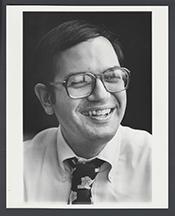
Mr. Speaker, I thank the gentlewoman for yielding me the time. Mr. Speaker, I am here today to express my support for H.R. 1954, the Armed Forces Naturalization Act of 2003. In the war against Saddam…
Mr. Speaker, I thank the gentlewoman for yielding me the time.
Mr. Speaker, I am here today to express my support for H.R. 1954, the Armed Forces Naturalization Act of 2003.
In the war against Saddam Hussein, noncitizen soldiers were among the first brave men and women to fall. Some were born in Mexico before joining the U.S. military like Pfc. Francisco Martinez Flores, Corporal Jose Angel Garibay, and Lance Corporal Jesus Suarez del Solar. Others were born in Guatemala, like Lance Corporal Jose Gutierrez; but all died fighting for a country where they could not even cast a vote.
Mr. Speaker, in the last Congress, in May of 2002 to be precise, I first introduced legislation to help remedy the obstacles these brave soldiers faced on their path to citizenship, and I reintroduced my bill in this Congress before the war with Saddam Hussein began. So I am pleased that we are finally here today voting to ease the burdens placed on our legal permanent resident troops.
The men and women who serve honorably in the Armed Forces have earned the respect and gratitude of every American citizen. All of those who have chosen to make the ultimate sacrifice for the defense of our country certainly have earned the full rights and privileges of U.S. citizenship.
While it is unfortunate that it took a war to shed light on the sacrifices of our green card troops and compel the House as a body to act, I am hopeful that we will focus our attention on rewarding and enhancing our military personnel in time of peace as well as times of war.
According to the Department of Defense, the number of legal permanent residents serving on active duty has risen to 37,401, or about 3 percent of our military. Additionally, thousands of immigrants serve in the Reserves and were called up for active duty.
The ranks of noncitizens serving in the Armed Forces are growing, and today's immigrants are building upon a rich legacy of service in the U.S. military. Immigrants have fought in every American conflict from the Revolutionary War to the war with Iraq. The military service of immigrants reflects the strong strain of patriotism among generations who have chosen to come to America, and the patriotism of today's large Hispanic immigrant communities is particularly strong.
However, thousands of those troops are still not citizens today because of the significant obstacles that remain.
The sacrifices of legal permanent residents in our military are unique. They choose to defend freedom of American citizens while not sharing in the full rights and privileges of citizenship themselves. Unfortunately, the process for granting citizenship to immigrants within the U.S. still places heavy burdens upon them, especially those serving in the toughest overseas assignments.
Mr. Speaker, simply stated, the Armed Forces Naturalization Act of 2003 will help remove unfair and unnecessary obstacles facing thousands of legal permanent residents serving honorably in the U.S. military trying to obtain their citizenship. While there are some differences in the bill that I originally introduced and the bill we are debating today, I am hopeful that certain changes can be made in conference.
This is why I urge my colleagues to vote in favor of this legislation. Let us honor our truly brave soldiers who have shown the willingness to make the ultimate sacrifice for the country they dearly wish to be citizens of.

Mr. Speaker, I thank the chairman of the committee for yielding me this time, and I also want to thank the ranking member, my neighbor from Houston. I am really happy that H.R. 1954 is up today.…
Mr. Speaker, I thank the chairman of the committee for yielding me this time, and I also want to thank the ranking member, my neighbor from Houston. I am really happy that H.R. 1954 is up today.
There is no more powerful or honorable way to serve our country than in our Armed Forces. Our military men and women are willing to put their lives on the line to defend freedom and democracy. This type of service is remarkable, particularly for our non-native born.
We have legal permanent residents who volunteer, and I have some who were actually drafted in World War II, Korea, and the Vietnam War who deserve their citizenship. We have worked with them to get them through the system with INS to get their citizenship, but this bill just gives us a statute that will make it work.
Mr. Speaker, again, I thank the chairman and I thank all the members of the Committee on the Judiciary for allowing this. We had more than 300,000 Mexican Americans that served in our Armed Forces just in World War II. I have constituents whom I have talked to who served and who were told they would get their citizenship, but they did not. Again, that is our constituent work, working together, but this makes it so much easier.
Mr. Speaker, I rise today in support of H.R. 1954, the Armed Forces Naturalization Act of 2003.
Legal Permanent Residents who volunteer in our U.S. Armed Forces demonstrate the highest level of patriotism and service to our country.
They serve, not out of obligation or a sense of duty to their homeland, but because they have embraced everything that America stands for.
These individuals are willing to risk their own lives, so that their children and grandchildren can grow up as citizens of this great land.
Legal permanent residents have a long history of serving our country and protecting our democracy.
More than 300,000 Mexican Americans served in the armed forces during World War II. Most enlisted in the army, and more Hispanics served in combat divisions than any other ethnic group.
Of the fourteen Texans awarded the Medal of Honor during WWII, five were Mexican Americans. By the end of the war, seventeen Mexican Americans had earned the Medal of Honor. Five were awarded posthumously.
Today, immigrants continue to play an important role in the United States military.
As of February 2003, more than 37,000 people in active duty status in the Army, Navy, Air Force and Marines were non-citizens.
During our war with Iraq some of the first fallen soldiers were immigrants who were not naturalized citizens. The least we can do for these individuals--who are willing to serve in ways that many American born individuals aren't--is to recognize them as citizens.
The Armed Forces Naturalization Act of 2003 will allow immigrant service men and women who have risked death--and those who have made the ultimate sacrifice--to come a step closer to fulfilling the American Dream by giving them the opportunity to become a naturalized citizen.
I urge my colleagues to vote for the Armed Forces Naturalization Act of 2003 and grant citizenship to non-citizen immigrants who have honorably served in our military.
I would like to express my strong support for H.R. 1779, the Guardsmen and Reservists Financial Relief Act of 2003. This bill would allow penalty-free withdrawals from retirement plans during the…
I would like to express my strong support for H.R. 1779, the Guardsmen and Reservists Financial Relief Act of 2003. This bill would allow penalty-free withdrawals from retirement plans during the period that a military reservist or national guardsman is called to active duty for an extended period.
It is now more important than ever to work to mitigate the financial hardship we are placing on our reservists. At the outset of Operation Iraqi Freedom, both the White House and Department of Defense spoke of swiftly achieving victory in Iraq and bringing our servicemembers home within a few short months.
Despite the valorous efforts of our military personnel, it is clear that we are facing a very different picture. According to DOD, stabilizing and ultimately winning the peace in Iraq will require the mobilization of at least 100,000 to 150,000 reserve component personnel annually for the next several years. Reserve component personnel comprise nearly 40 percent of our current force, whereas they only comprised 2.0 percent of the initial force used in the invasion.
In light of the tragic upsurge in violence over the last month, 20,000 soldiers recently learned that their year-long deployments to Iraq had been extended for an additional 3 months. Nearly one-fourth are reservists.
It is apparent that our success in Iraq and Afghanistan, and in the broader war on terrorism, is dependent on the continued commitment of our reservists. And I don't think we are doing enough right now to ensure that they are being adequately compensated for their sacrifice.
According to GAO, nearly 41 percent of reservists are impacted by a pay discrepancy between his or her military and civilian salary. This is taking its toll. Not only are families racking up credit card debt, falling behind on bills, and losing businesses, but many are grappling with not re-enlisting when their service is up.
And the fear of financial hardship may be hurting recruiting efforts. In 2003, every active and reserve component achieved its recruiting goals except the Army National Guard, which fell short of its recruiting goal by 7,798 (12.6 percent).
We must begin to alleviate the financial burden on reservists, and I believe this bill is an important step in the right direction. However, it is not enough. Simply allowing our reservists to raid their retirement is not the answer.
We must provide better re-enlistment bonuses, we must secure the extension of TRICARE benefits, we must secure the continuation of hazardous duty pay and family separation allowance, and we must continue to push for pay raises for our military families.
In short, we must do everything in our power to compensate our guardsmen and reservists for their unprecedented sacrifice.
Mr. Speaker, I thank the gentleman for yielding me the time, and I want to thank the chairman of this committee and the ranking member for working with me on H.R. 1799, the Fallen Heroes Immigrant…
Mr. Speaker, I thank the gentleman for yielding me the time, and I want to thank the chairman of this committee and the ranking member for working with me on H.R. 1799, the Fallen Heroes Immigrant Spouse Fairness Act.
Mr. Speaker, this came to my attention when I attended the funeral of a Marine who was killed in Operation Iraqi Freedom. His name was Michael
Bitz. Sergeant Bitz was married to a lady, Janina Bitz, who was from Australia, and at the time we were concerned with the fact that he had lost his life, that his wife might have to start the process again of becoming a naturalized citizen.
When I attended the funeral down at Camp Lejeune of Sergeant Bitz, I met Pat Millush, the military liaison to the Bureau of Citizenship and Immigration Service at Camp Lejeune. Pat said to me the immigrant spouses of military personnel were treated unfairly under current immigration law.
By knowing that, Mr. Speaker, I decided that I would put this legislation in that would allow the spouse of a member of the military who had lost their life, whether it be in war or by accident or in training, that if they had not reached that 2-year period of time, that they would still be able to continue the naturalization process without being penalized.
I am delighted and want to thank again the chairman of the committee and the ranking member for not only working with me on this issue but other Members who have been named today, because the men and women who serve this great Nation and their families need to be honored; and I think this bill itself is a way to honor those who have given their lives for this great Nation.
Basically what 1799 did, which has been included in this bill, allows the immigrant spouse of military personnel who die as a result of a service-connected injury or disease to continue the immigration process regardless of the number of years of the marriage. Mr. Speaker, I have outside of my office, 422 Cannon, a photograph of everyone who has died in the war for freedom in Iraq, and I am pleased and honored that this committee would accept the language in 1799 and encompass it in this naturalization bill to honor our men and women in uniform.
Mr. Speaker, again, I will close by saying I ask God to please bless our men and women in uniform. I ask God to please bless the families of the loved ones fighting for freedom; and again, I thank the leadership, the Republican leadership and the Democratic leadership, for this honor that they have given to Michael Bitz who gave his life for America.
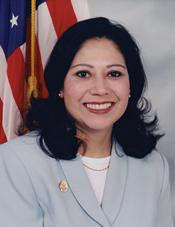
Mr. Speaker, I wish to thank the gentlewoman for yielding me this time, and I also would like to thank the chairman of the committee, the gentleman from Wisconsin (Mr. Sensenbrenner), the ranking…
Mr. Speaker, I wish to thank the gentlewoman for yielding me this time, and I also would like to thank the chairman of the committee, the gentleman from Wisconsin (Mr. Sensenbrenner), the ranking member, the gentleman from Michigan (Mr. Conyers), the ranking member of the subcommittee, the gentlewoman from Texas (Ms. Jackson- Lee), and others who helped to put forward this piece of legislation.
Mr. Speaker, I was moved to put forward legislation on this issue because we have several young soldiers that are in my district that are serving now, but one in particular, Francisco Martinez Flores, who actually lost his life. He lost his life just 2 weeks short of becoming a U.S. citizen. Most of his family is here legally, with the exception of his father. Without this piece of legislation, his father is out there on his own for the time being, and it would take a while for him to become a U.S. citizen.
I am very appreciative of the work that has taken place on the bill. Thirty-seven thousand legal permanent residents will be eligible, through this legislation, in 1 year to become citizens, and their family members. That is first and foremost in my mind in terms of what we need to do for the families.
I had a chance to meet with several of those families in my own district, many of whom are waiting, wanting their children to come home and hoping they do come home. The fact we are moving in this direction today to provide opportunities for them to continue to support our country is something we can all take pleasure and pride in today.
I also want to thank the gentleman from Texas (Mr. Frost) for putting forward legislation that is also incorporated in this piece of legislation, for having the foresight to put forward his idea even before the conflict began.
There are many different angles and parts of this bill that I could speak on. I know I have limited time here, but I do want to say that we should make some corrections. One piece that is amiss in the bill that I put forward was to try to allow for parents that are not here with appropriate documentation to be allowed to become legal permanent residents even if their son or daughter is serving and may be a fallen soldier.
We need to look at that and continue to work on this legislation to make sure that we take care of those family members because there are many, many that are not here, that are in Mexico or Central America waiting to hear about their children.
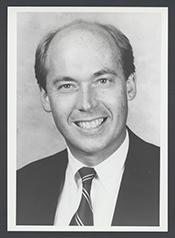
Mr. Speaker, I thank the gentleman for yielding me this time. As Americans, we owe the men and women who serve our Nation a great debt of gratitude, and that is why I rise in strong support of H.R.…
Mr. Speaker, I thank the gentleman for yielding me this time.
As Americans, we owe the men and women who serve our Nation a great debt of gratitude, and that is why I rise in strong support of H.R. 1954, the Armed Forces Naturalization Act of 2003.
Many immigrants have proven their patriotism by fighting in this country's wars. These soldiers are real patriots, adopting America as their home to honor and defend. America's armed services have long included soldiers, sailors, airmen and Marines who were noncitizen residents of the United States. These men and women fight and die along with their fellow citizen-soldiers and deserve the privilege of U.S. citizenship.
Currently, over 37,000, or 2.6 percent of active members of the armed services are noncitizens or immigrants. There is one specific American patriot I would like to honor today, Lance Corporal Jakub H. Kowalik. Sadly, having given the ultimate sacrifice, Jakub died in an ordnance explosion while serving in Iraq on May 12 of this year.
Jakub, a native of Poland, migrated with his family in 1991, settling in Schaumburg, Illinois. He played football at Maine East High School, where he graduated in 2002. Jakub enjoyed fishing with his father, Henryk, who preceded him in death 2 years after their arrival in the United States. Jakub enlisted in the Marines his senior year in high school, a few months before the attacks of September 11. His older brother, Paul, called him his best friend and hero. His mother said he just enjoyed being a Marine. Jakub is but one example of the many noncitizens who have proudly served our country.
The message of this legislation is very clear: While we can never fully repay these men and women who have willingly entered harm's way to preserve, protect, and defend our freedom
around the world, serving with courage and selflessness, we can honor and respect them for their service. Throughout history they have answered the call. Today, we have the opportunity to reply with the greatest privilege we have to offer, which is U.S. citizenship.
My colleagues, I urge passage and bipartisan support for this legislation.
Show 9 more

Mr. Speaker, this Member rises in reluctant opposition to H.R. 1954, the Armed Forces Naturalization Act. Certainly, this Member has no objections to expediting citizenship for noncitizen members…
Mr. Speaker, this Member rises in reluctant opposition to H.R. 1954, the Armed Forces Naturalization Act. Certainly, this Member has no objections to expediting citizenship for noncitizen members serving in U.S. armed services and supports efforts to provide appropriate incentives for a very small percentage of few noncitizens who meet established requirements to join our professional military forces. However, in granting citizenship to these qualified men and women, it is not necessary or desirable to also grant priority to their parents, spouses, and children. And it is certainly not appropriate to waive the requirement that such family members financially support themselves in the U.S. Unfortunately, provisions in H.R. 1954 would have that effect.
Through this bill, the spouses, children under the age of 21, and parents of men and women who have been granted citizenship based on their service in the U.S. Armed Forces and who have died in the line of duty would be authorized to seek permanent resident status on an expedited basis. Then, unlike other people seeking legal immigrant status, these family members would not be required to meet financial thresholds which indicate that they would not immediately be public charges.
Most of the American public is unaware of these provisions. Enacting such excessive inducements for joining the U.S. military is a step in the wrong direction, particularly if it results in this country increasingly depending upon what could come to be thought of and called foreign mercenaries to serve in the Armed Forces. This practice has too many similarities to the mercenary forces of the Roman Empire in its decline as Roman citizens themselves became unwilling to serve in the Roman legions. Imagine, too, the reactions of foreign nations that begin to see our forces as forces that serve to gain citizenship for themselves and their families.
Mr. Speaker, this Member encourages his colleagues to vote against H.R. 1954 and to push strenuously for changing this legislation before enactment.
Mr. Speaker, I rise today in support of our troops who serve our Nation in both peace and war and to support their families who must endure the loneliness and fear of losing a loved one to uphold the…
Mr. Speaker, I rise today in support of our troops who serve our Nation in both peace and war and to support their families who must endure the loneliness and fear of losing a loved one to uphold the strength of our Nation.
I support this bill that not only eases requirements for immigrant soldiers to become U.S. citizens, but also extends immigration benefits to surviving family members of soldiers who gave their lives to defend our Nation. I can't think of a better way to recognize the service of immigrant soldiers and honor the memory of those that have died fighting for their country, while also showing our appreciation to their families for their tremendous sacrifices.
Although the Armed Forces Naturalization Act does much to help immigrant soldiers and their families, we could and should have done more. And we tried, but the Republican majority, so intent on limiting immigration benefits, wouldn't even allow some mothers of soldiers killed in combat to legally remain in this country.
How about this Republican logic? When an immigrant proudly serves in the military and dies for the country, it is obvious that he or she has shown devotion to our country. What about the families of soldiers whom so proudly serve our Nation? If the mother of the soldier has overstayed her visa, she is excluded from the benefits of this bill.
How about this? Your son is killed in combat: but you are deported. How are you to put flowers on your son's grave? Republicans, so caught up in anti-immigrant philosophies, want to short-change them and limit their immigration benefits. What a shame.
There are 37,000 immigrants currently serving in our military and at least 10 who have been killed in recent combat. It is time for us to recognize and honor their service to our country by granting them full and complete citizenship that extends full immigration benefits to their families.
This bill is certainly a step in the right direction, but I know that if it wasn't for the Republican majority, we could have done more.
Mr. Speaker, I thank the distinguished chairman for yielding me this time, and I appreciate his leadership on this important issue. I rise in support of H.R. 1954. Our servicemen and women shoulder…
Mr. Speaker, I thank the distinguished chairman for yielding me this time, and I appreciate his leadership on this important issue.
I rise in support of H.R. 1954. Our servicemen and women shoulder the burden of defense as one of the responsibilities of citizenship in this country. Having participated in protecting our rights of U.S. citizenship, and having met lethal force on battlefields around the world, they are more than qualified to appreciate and treasure the blessings of citizenship in the country they so proudly serve.
The relationship of citizenship to the all-volunteer force is very real. That force is a reflection of the intrinsic civic virtue of military service. That civic virtue is as strong today among America's citizen-soldiers as with the first minutemen. And making it easier for military service members to gain citizenship is a minimal act of gratitude by an often all-too-ungrateful Nation.
A citizen of the United States is accorded a number of benefits not granted to lawful permanent residents. He has the right to vote and to hold public office and may qualify for various jobs from which permanent residents are barred. But who is more deserving to receive those benefits of U.S. citizenship than a member of the Armed Forces?
I am delighted that the committee's bill incorporated my legislation, H.R. 1806, along with others, as part of the final package. It came to my attention that this was the right thing to do for our citizen- soldiers when one of my district caseworkers notified me that some of our own constituents were courageously serving in our Armed Forces, defending our freedom, and sadly, some of those who had been killed had yet to be granted U.S. citizenship.
More so than most, these individuals have earned their opportunity to become citizens of the country they defend. These active duty service members who have shown such courage and bravery in the defense of our homeland deserve to become citizens before not after they begin risking their lives to defend ours.

Mr. Speaker, I thank the gentleman for yielding me the time; and, Mr. Speaker, I rise in support of H.R. 1954 and would like to commend the gentleman from Wisconsin (Mr. Sensenbrenner), the…
Mr. Speaker, I thank the gentleman for yielding me the time; and, Mr. Speaker, I rise in support of H.R. 1954 and would like to commend the gentleman from Wisconsin (Mr. Sensenbrenner), the distinguished chairman of the Committee on the Judiciary, for his leadership on this important issue.
Mr. Speaker, I am particularly pleased that the committee's bill includes the principal provisions of my legislation, the Armed Forces Citizenship Act. I introduced my bill during the recent war in Iraq in order to make it possible for legal immigrants serving in America's Armed Forces to become U.S. citizens after 1 year in uniform rather than the 3 to 5 years required for naturalization under current law.
Mr. Speaker, these patriotic men and women have willingly volunteered to carry out one of the most solemn duties any nation can ask of its citizens, the defense of freedom. In doing so, I believe that they have truly earned the opportunity to become citizens of the country that they serve to protect.
After all, is there any better way to demonstrate our fitness for citizenship than to make that kind of commitment to what our Nation stands for? Are not these precisely, Mr. Speaker, the kinds of individuals that we should want as United States citizens? By enacting this legislation, America can do the right thing for some very brave men and women who are doing the right thing for America.
As my colleagues know, some of our troops who died in Iraq wearing the uniform of the United States gave their lives before they were truly entitled to call themselves Americans. Frankly, Mr. Speaker, that is just plain wrong, and it is an injustice; and I am pleased that Congress is moving quickly to correct that injustice.
So, Mr. Speaker, let us recognize their love of this country by voting today to enable legal immigrants serving America's Armed Forces to become citizens before, not after, they begin risking their lives to save ours.

Mr. Speaker, I rise in support of H.R. 1954, a bill that honors all of the men and women who place themselves in harms way for the sake of this Nation. America is composed of individuals from across…
Mr. Speaker, I rise in support of H.R. 1954, a bill that honors all of the men and women who place themselves in harms way for the sake of this Nation. America is composed of individuals from across the globe--people who come from various nations all united by their strong belief in the ideals for which America stands. Some of those who have come to the United States are brave enough and committed enough to serve in the military defending our country. It is partly because of individuals like these that our democracy maintains its strength in a sometimes perilous world. Accordingly, our democracy should respect their sacrifice. A year's honorable service in the Armed Forces of the United States, especially in this time of heightened security, is surely ample proof that such a person deserves the full rights of United States Citizenship. Additionally, if such a person loses his or her life so serving, family members should not be forced to leave America--on the contrary, they should be embraced by this Nation quickly and expeditiously. Current laws are not adequate on either front: required service time is unnecessarily long, and surviving family members must undergo too much to gain immigration benefits.
I am proud to be the cosponsor of similar measures that have been introduced by my colleagues Mr. Frost and Ms. Solis. Those two bills, and the one before this Chamber today, uphold the spirit of honor and respect that must be accorded to any individual willing to commit themselves to the defense of our Nation. Such individuals come from New Jersey, Texas, and California, but they also come from Poland, India, and Mexico. Over 37,000 of the 1.4 million active duty members of the Armed Forces are noncitizens--they and their families deserve the right and honor of citizenship in the United States. I applaud their service, and I eagerly welcome these men and women as fellow citizens.

Mr. Speaker, I rise today to support H.R. 1954, the ``Armed Forces Naturalization Act of 2003,'' a bill that helps the families of non-citizen military personnel killed in combat gain what their…
Mr. Speaker, I rise today to support H.R. 1954, the ``Armed Forces Naturalization Act of 2003,'' a bill that helps the families of non-citizen military personnel killed in combat gain what their loved ones died defending--the rights and freedoms of Americans.
Camp Pendleton Marine Corps Base in my Congressional district is home to over 50,000 Marines. Many of these Marines were deployed to liberate Iraq from Saddam Hussein's oppressive regime. While many have returned to their families, some were not as fortunate. One of the Marines that died in Iraq was a non-citizen stationed at Camp Pendleton. I was told that he would receive posthumous citizenship--under current law, a strictly honorary award.
Posthumous citizenship is a hollow benefit for a fallen hero if his spouse and children are subsequently asked to leave the country he died defending. Existing immigration and naturalization law permits the President to award posthumous citizenship to non-citizens killed in any military hostility, but denies immigration benefits for their spouse and children. H.R. 1954 will honor the sacrifice of fallen heroes by allowing their spouses and children to enjoy the benefits and freedoms of the country they were fighting to defend, and would have eventually gained had their loved one not perished.
There are nearly 38,000 non-U.S. citizens serving in our nation's armed forces. These men and women are called upon to protect this nation. I want them to know that when they make the ultimate sacrifice for America their family will not face a cruel and unnecessary legal sanction. H.R. 1954 will allow surviving family members of military personnel, killed in defense of our freedom, to enjoy a real benefit from a posthumous grant of citizenship.
I thank you for the opportunity to speak on this bill. I urge all my colleagues to vote in favor of this legislation.
Mr. Speaker, I rise in support of the Armed Forces Naturalization Act, and I hope that it will give rise to some other opportunities that have been discussed here in terms of those who serve our…
Mr. Speaker, I rise in support of the Armed Forces Naturalization Act, and I hope that it will give rise to some other opportunities that have been discussed here in terms of those who serve our country and their families.
I remember during the 107th Congress when a Republican colleague of ours referred to legal permanent residents as enemies of the State on this very floor during campaign finance reform debate. Thousands of these enemies of the State, as they were referred to, are serving in our Armed Forces. They fight for our country, they shed blood for the country, and in some cases, they die for this country. They are also protecting our airports, our seaports, and our borders. They risk their lives daily in Afghanistan, Iraq, and other places around the world to protect us here at home.
These members of the so-called green-card military, the more than 37,000 noncitizen legal immigrants currently serving in America's Armed Forces, have been fighting, and in some cases dying, for their adopted country. In fact, a noncitizen, Lance Corporal Jose Gutierrez of Guatemala was the first U.S. casualty in the war with Iraq,
and at least seven other noncitizen soldiers also made the ultimate sacrifice in Iraq.
So this legislation rectifies a variety of barriers faced by U.S. servicemen and women seeking to become citizens of the country that they serve and that they risk their lives for. I hope we will not only pass this, but it will give rise to other opportunities.

Mr. Speaker, I thank my friend, the very, very able chairman of the Committee on the Judiciary for yielding me this time, and I thank him for the tremendous time and energy he puts into so much of…
Mr. Speaker, I thank my friend, the very, very able chairman of the Committee on the Judiciary for yielding me this time, and I thank him for the tremendous time and energy he puts into so much of the heavy lifting that goes on in this institution.
I rise in strong support of this very important legislation. As we think about the sacrifice that has been made, and it has obviously come to the forefront in the past several months, I believe that steps towards recognizing those sacrifices that have been made by people regardless of their background and citizenship, I think this piece of legislation which has been crafted in a bipartisan way to address this important need will go a long way toward sending a signal of great, unwavering appreciation of those of us in the United States Congress and the American people on behalf of that sacrifice that has been made.
I want to congratulate my fellow colleague, the gentlewoman from California (Ms. Solis) for her work on this, obviously the gentleman from Washington (Mr. Hastings), the gentleman from California (Mr. Berman), and the others who have been involved in this legislation; and I look forward to its speedy passage.
Mr. Speaker, I rise today in support of H.R. 1954, legislation that I view as a good first step towards recognizing and rewarding the significant contributions made by immigrants who serve in our…
Mr. Speaker, I rise today in support of H.R. 1954, legislation that I view as a good first step towards recognizing and rewarding the significant contributions made by immigrants who serve in our armed services.
Since our Nation's founding, immigrants have played a prominent role in defending our country. For example, I have introduced H.J. Res. 125, which grants honorary citizenship to all civil war soldiers of Asian descent as a symbolic gesture to correct the historical injustices they suffered.
But just as we endeavor to correct the mistakes of the past, we should remedy current laws that treat some members of our Armed Forces unfairly. That is why H.R. 1954 is so important and I am pleased it is on the floor today.
By passing this legislation, the House of Representatives will be begin to recognize the contributions of immigrant soldiers by providing them and their family members just immigration laws.
Again, I reiterate this is a good first step, but there is much more we can do to help make immigration laws more fair in this country.
Bill Text
Latest available legislative text
        [Congressional Bills 108th Congress]
[From the U.S. Government Publishing Office]
[H.R. 1799 Introduced in House (IH)]

108th CONGRESS
1st Session
H. R. 1799

To amend the Immigration and Nationality Act to waive the requirement
of 2 years of marriage for a spouse to self-petition to be an immediate
relative in the case of spouses of citizens killed in service in the
Armed Forces and to prohibit any fees relating to posthumous
citizenship for aliens killed while on active duty service during
periods of military hostilities.

_______________________________________________________________________

IN THE HOUSE OF REPRESENTATIVES

April 11, 2003

Mr. Jones of North Carolina introduced the following bill; which was
referred to the Committee on the Judiciary

_______________________________________________________________________

A BILL

To amend the Immigration and Nationality Act to waive the requirement
of 2 years of marriage for a spouse to self-petition to be an immediate
relative in the case of spouses of citizens killed in service in the
Armed Forces and to prohibit any fees relating to posthumous
citizenship for aliens killed while on active duty service during
periods of military hostilities.

Be it enacted by the Senate and House of Representatives of the
United States of America in Congress assembled,

SECTION 1. SHORT TITLE.

This Act may be cited as the ``Fallen Heroes Immigrant Spouse
Fairness Act of 2003''.

SEC. 2. WAIVER OF 2 YEAR MARRIAGE REQUIREMENT TO SELF-PETITION TO BE AN
IMMEDIATE RELATIVE FOR SPOUSES OF CITIZENS KILLED IN
SERVICE IN THE ARMED SERVICES.

(a) In General.--Section 201(b)(2)(A)(i) of the Immigration and
Nationality Act (8 U.S.C. 1151(b)(2)(A)(i)) is amended by inserting
after ``for at least 2 years at the time of the citizen's death'' the
following: ``or for any period in the case of a citizen spouse who dies
during a period of honorable service in the Armed Forces of the United
States as a result of injury or disease incurred in or aggravated by
such service''.
(b) Effective Date.--The amendment made by subsection (a) shall
take effect on September 11, 2001, and shall apply to citizen spouses
who die on or after such date.

SEC. 3. PROHIBITION ON FEES RELATING TO POSTHUMOUS CITIZENSHIP THROUGH
DEATH WHILE ON ACTIVE DUTY SERVICE DURING PERIODS OF
MILITARY HOSTILITIES.

(a) In General.--Section 329A of the Immigration and Nationality
Act (8 U.S.C. 1440-1) is amended by adding at the end the following new
subsection:
``(f) Prohibition on Imposition of Fees.--Notwithstanding any other
provision of law, no fee shall be charged or collected for filing an
application under this section or for the issuance of a suitable
document under subsection (d).''.
(b) Effective Date.--The amendment made by subsection (a) shall
apply to the imposition of fees on or after such date (not later than
60 days after the date of the enactment of this Act) as the Secretary
of Homeland Security shall provide.
<all>