MEDIA Act of 2003
Legislative Activity
Stay on top of the latest movement without scrolling through every action
Referred to the Subcommittee on Commercial and Administrative Law.
June 25, 2003
View full timeline
Introduced in House
May 22, 2003
Sponsor introductory remarks on measure. (CR E1059)
May 22, 2003
Referred to the Committee on Energy and Commerce, and in addition to the Committee on the Judiciary, for a period to be subsequently determined by the Speaker, in each case for consideration of such provisions as fall within the jurisdiction of the committee concerned.
May 22, 2003
Referred to the Subcommittee on Telecommunications and the Internet.
June 2, 2003
Referred to the Subcommittee on Commercial and Administrative Law.
June 25, 2003
Floor Debate
20 membersWhat members said about H.R. 2212 on the floor
 TD
TD JT
JT JB
JB DMC
DMC CC+15
CC+15
Floor Debate
20 membersWhat members said about H.R. 2212 on the floor
Mr. Speaker, I yield myself such time as I may consume. Mr. Speaker, I rise in support of S. 15, the Project Bioshield Act of 2004. The bill provides the government with the necessary tools to…
Mr. Speaker, I yield myself such time as I may consume.
Mr. Speaker, I rise in support of S. 15, the Project Bioshield Act of 2004. The bill provides the government with the necessary tools to develop and purchase vaccines and other drugs to protect Americans in the event of a bioterrorist attack. The President first announced this proposal during his 2003 State of the Union address, and it serves as the cornerstone of the administration's strategy to prepare our Nation against the possibility of bioterrorism.
A few minutes ago, we were privileged to hear from the chairman of the Select Committee on Homeland Security, the gentleman from California (Mr. Cox); and I will include for the Record an editorial written by the gentleman from California that appeared in the Washington Times and published July 12, 2004.
[From the Washington Times, July 12, 2004]
Intercepting Bioterrorism
(By Christopher Cox)
America is at a very dangerous crossroads. Not only al
Qaeda but also terrorist groups such as Jemaah Islamiah are
working on acquiring or developing new terrorism
capabilities, including bioweapons. Will we be prepared?
Evidence in an Egyptian terrorism trial two years ago
indicated Osama bin Laden may already have access to
dangerous biological agents. Meanwhile, the risk of
proliferation to terrorists continues growing, with at least
eight nations running bioweapons programs, including genetic
engineering of pathogens and developmental programs for new
production and delivery methods.
Winning the war on terrorism will require our nation not
only to defeat attacks with explosives and military-style
weapons, but also to be prepared to overcome potential
assaults with weaponized anthrax, ricin, smallpox, plague,
tularemia, botulism toxin and viral hemmorhagic fevers (such
as the Ebola virus).
Just how vulnerable are we to such attacks today? The
United States now can fully meet only a handful of the 57
``top echelon'' bioterror threats. That's not an acceptable
level of preparedness for the greatest power on Earth. We can
launch a Tomahawk cruise missile and thread it down the
smokestack of a munitions factory from 1,000 miles away--once
thought to be a million-to-one shot at best--yet we aren't
prepared to deal with the frightening prospect of an anthrax
or sarin gas attack against our civilian population.
It's vital that we put our best minds to work round-the-
clock on new ways to prepare for a biological or chemical
attack here at home. But according to a study published in
the May 2004 issue of the journal Clinical Infectious
Diseases, only six of 506 drugs currently in development are
antibioltics--even though drug-resistant bacteria are a
growing threat.
This is only because the proper incentives and funding
aren't there, not because the scientific challenge is too
great. Indeed, the germs that cause anthrax and plague are
not nearly as difficult to analyze as a virus such as HIV.
Vaccines and treatments for biological weapons such as these
can be developed.
Certainly, America has made some progress in preparing for
possible germ warfare on our own soil, but we're not ready to
combat a major bioterror assault at this time and our enemies
know it. Worse, they're looking for ways to exploit our
weaknesses.
We are now on the threshold of changing that. Project
Bioshield, expected to receive final legislative approval
tomorrow and then be sent to the president for his signature,
will shortly unleash the greatest force in world history:
American ingenuity.
By guaranteeing a market for successful vaccines and
antidotes, Project BioShield will provide incentives for
private-sector scientists, physicians, and researchers to
develop lifesaving treatments. Congress has made available
$5.6 billion over 10 years to purchase and stockpile a
national supply of drugs and vaccines for use if a biological
weapon is set loose by terrorists on an unsuspecting American
public.
BioShield will speed research and development on new drugs
and antidotes at the National Institutes of Health and in our
national laboratories. And it will allow, if germ warfare
breaks out, distribution of developmental lifesaving drugs on
a fast-track approval basis to save innocent lives, so long
as the benefits outweigh potential risks.
President Bush asked Congress to move immediately on his
plans for Project BioShields in the 2003 State of the Union
address. The House quickly responded. Last July, the
Homeland Security Committee, which I chair, worked closely
with other House committees to turn the president's vision
into legislation. Unfortunately, after our bipartisan bill
passed the House by a wide margin, it languished in the
Senate nearly a year before being rescued by Majority
Leader Bill Frist, Tennessee Republican.
But now that both chambers have worked out their
differences, America finally is ready to prepare in earnest
for a potential terrorist attack that won't yield to bullets
or bombs. Now, we'll be using the very best weapon in our
defensive arsenal--our brainpower.
By approving Project BioShield, Congress is saying: ``Let
the race to find lifesaving countermeasures begin.''
America's leaders have heeded the advice of experts who have
estimated that without BioShield it could take 10 years, and
cost up to $800 million or more, to bring a single new
vaccine from development through clinical trials to market.
The war won't wait that long, of course: Terrorists could
strike us at any minute. And once a bioweapon is released,
every second will count.
In many ways, the war on terrorism is like a chess game. We
must anticipate our enemy's moves, and mount an impenetrable
defense. In their pursuit of bioweapons, the terrorists have
revealed some of their game plan. Project BioShield will
ensure we stay one move ahead of them.
Someday soon, when it comes to bioterrorism, Americans will
be able to say: Checkmate.
Mr. Speaker, the bipartisan bill we are considering today is similar to H.R. 2122, which was passed by the House on July 16, 2003. S. 15 is a good bill that serves a compelling national interest.
Over the past few decades, we have seen rapid progress in the development of treatments for many serious, naturally occurring diseases. Pharmaceutical and biotech companies are highly capable of producing diagnostics and therapeutics when consumer demand exists. However, there has been little progress in treatments for deadly diseases like smallpox, anthrax, ebola, and plague that affect today few Americans. There is little manufacturer interest in developing treatments for these diseases since there is no significant market, other than the government.
Drug companies have little incentive for the substantial investment required to bring treatments to these deadly diseases to market. Moreover, the potential liability for an adverse reaction by a patient far outweighs any potential financial benefit in some of these cases.
Should the United States be attacked with these deadly pathogens, however, the need for vaccines, tests and treatments would be great and immediate. S. 15 is designed to ensure that our country is prepared.
The bill provides the Secretary of Health and Human Services with a number of flexible acquisition tools based on existing streamlined procedures to promote research and development and procure necessary drugs and vaccines. These tools are instrumental to the success of the Bioshield program.
S. 15 gives the Secretary of Health and Human Services streamlined authorities to promote the research and development of drugs and other products needed to protect Americans in the event of a public health emergency affecting national security. The Secretary will be armed with flexible acquisition tools for research and development projects and would also have expedited authorities to award research grants and to hire technical experts and consultants. It would not be burdened with the existing procurement processes that could take months.
The bill authorizes the procurement of biomedical countermeasures for the Nation's stockpile, using a special reserve fund. The Secretary of Health and Human Services and the Secretary of the Department of Homeland Security would be required to work together to recommend the countermeasures that are needed for the stockpile. Acquisition of countermeasures
using the special reserve fund could only be made with the approval of the President of the United States.
This bill would permit the use of simplified acquisition procedures only when the Secretary of Health and Human Services determines that the mission of the Bioshield program would be seriously impaired without the use of such special procedures.
Finally, during national emergencies, the bill would permit the government to make available new and promising treatments prior to approval by the Food and Drug Administration.
I especially want to thank my ranking member, the gentleman from California (Mr. Waxman), and his staff for working with us on this important legislation. I urge my colleagues to support it.
Mr. Speaker, I reserve the balance of my time.
Mr. Speaker, I thank the gentleman from Texas and others who have been involved in getting this legislation before us.
Let me just say I share the frustration that many Members of this body feel at the time it has taken to get this measure to this floor, in a conference report form, and then send it on to the President's desk for signature. We passed this legislation with bipartisan support a year ago, and it languished over in the other body until it was rescued by Senator Frist.
The time is late, but the time is now. I urge my colleagues to adopt and support this legislation.
Announcement by the Speaker Pro Tempore
Speaker, I yield back the balance of my time.
Mr. Speaker, on that I demand the yeas and nays.
Mr. Speaker, I yield myself such time as I may consume. I think we all understand that to win the war on terror we have to be much more aggressive about going after the terrorists wherever they are.…
Mr. Speaker, I yield myself such time as I may consume.
I think we all understand that to win the war on terror we have to be much more aggressive about going after the terrorists wherever they are. Breaking up international terrorist cells is project number one for the national defense of this country.
We also know that we have to strengthen our homeland defenses and protect our vulnerabilities and protect our population from threats posed by challenges as the one addressed in this bill today, bioterrorism.
Finally, I hope we will soon learn that in order to win the war on terror we have to start addressing the policies that we need to pursue to prevent the rise of future terrorists so that someday we can stand on this floor and announce, as we did at the end of the Cold War, that we have won, that we have prevailed.
To win this war on terror, we must address the threat that is addressed by Project Bioshield, the threat of mass destruction through the use of bioweapons. Perhaps the most devastating weapon is a bioweapon of mass destruction. The anthrax attacks of 2001 woke this Nation up to the very real threat of bioterrorism. We know that al Qaeda intends to engage in bioterrorism, and we know that Osama bin Laden has called for the use of weapons of mass destruction against the American public. In fact, he has called it a religious duty.
In spite of this dire and clear warning, our biodefenses are no better than they were in September of 2001. No new medical treatments, vaccines, or lifesaving drugs have been approved for use. There is no antitoxin for ricin poisoning, no vaccine to protect against the plague, and no treatments of any kind against the deadly ebola virus.
Mr. Speaker, we must regain the sense of urgency that we all felt in this Chamber in the aftermath of September 11, and I hope that the passage of this bill will mark a renewed sense of urgency regarding the bioterror threat. Because this bill marks but the beginning, not the end, of a long road we must travel, I hope that the passage of this legislation will renew our urgency about the threat of bioterrorism. I support the Bioshield legislation because it is a good first step to addressing the challenge.
From the beginning of this process, I and many of my colleagues on the Democratic side have been concerned that this legislation is not enough to address the threats that we face. Whether Bioshield will be a success is yet to be determined. Bioshield is, in fact, an experiment. We do not know if the incentives in this bill will drive our pharmaceutical industry to develop medicines for biodefense when we all know they can make much more money developing and putting on the market other types of products. Many experts in the field believe that the best we can hope for is that in 10 years we may have a few new countermeasures that will plug some of the holes in our biodefenses.
The longer it takes for companies to step forward to fill these gaps, the longer we will remain vulnerable. Our terrorist enemies will not wait while we experiment and our national security is at stake. We must protect our population. That is our responsibility. If the private sector does not step up to address and accept the challenge presented in this bill, then our government needs to have the authority to do the job itself directly.
One example of a capability that we clearly need and that Project Bioshield does not address is the ability to respond rapidly to a previously unknown or engineered pathogen. Terrorists may soon be able to genetically manipulate biological agents so they are resistant to our current stockpile of countermeasures and perhaps to those we develop in the future. That is why I, along with 35 of my Democratic colleagues, introduced H.R. 4258, the Rapid Cures Act. This legislation recognizes the fact that the growing power of biotechnology can render a pathogen like anthrax or smallpox immune to the vaccines and drugs we may develop through Project Bioshield. We need to develop the mechanism to go from bug to drug, that is from the identification of a pathogen to the development of a countermeasure to combat it in a matter of a few months or even weeks.
Today the average development period for a vaccine is 8 years. That is too long to address the threat that our terrorist enemies of the future may present us. Personally, I cannot think of another research goal that would bring more benefits to the security and the health of this Nation than shortening the period of drug and vaccine development. It is that kind of capability that we need legislation to bring about today.
Finally, it is incumbent on this Congress to exercise vigorous oversight in the implementation of this law and to ensure that the investment in resources which could be as much as $6 billion over 10 years produces the results that we intend. We have had biodefense failures before. The national smallpox vaccine program which was announced by the President with much fanfare at the end of 2002 has fallen far short of its goal of vaccinating 500,000 health care workers with, in fact, less than 10 percent of that number actually vaccinated today.
Forty percent of our States report that they are unable to vaccinate their populations within 10 days, that critical period, 10 days of an outbreak of smallpox. As soon as next month, we are likely to hear of the award of the first-ever Bioshield contract for 75 million doses of new anthrax vaccine. We need to be asking now before the ink dries on this multimillion-dollar contract, what is the plan? How does this vaccine fit into our biodefenses? Given the failure of our smallpox vaccine program, do we really expect our citizens to be any more receptive to the anthrax vaccine than they were to the smallpox vaccine? And if the old anthrax vaccine, as some have told us, is now safe and effective for our troops, why in fact do we need a new one?
And if as is the case and we already have a vaccine but we lack good treatments for an anthrax infection, perhaps we need to be investing in the treatment for those who may contract anthrax and need a drug to cure that dread condition. And if anthrax is not a contagious disease and we know it is not and if this vaccine will only work after three injections over 3 weeks, as I understand the proposed new anthrax vaccine requires, how will that protect us in the event of an actual anthrax attack?
So before the Secretary of Homeland Security and the Secretary of Health and Human Services decide to spend a billion dollars on a new vaccine, we in this Congress have a responsibility to get the answers to those questions.
For this Nation, Project Bioshield is an important first step, but much more work remains to be done, and we must take even stronger steps as soon as possible to protect us and to secure us in the days ahead.
Mr. Speaker, I reserve the balance of my time.
Mr. Speaker, I yield 5 minutes to the distinguished gentleman from New Jersey (Mr. Andrews), who has spent a great deal of time and energy working on this important issue.
(Mr. ANDREWS asked and was given permission to revise and extend his remarks.)
Mr. Speaker, I yield 6 minutes to the distinguished gentlewoman from Texas (Ms. Jackson-Lee), who has worked very hard in the area of trying to improve our bioterror defenses.
(Ms. JACKSON-LEE of Texas asked and was given permission to revise and extend her remarks.)
Mr. Speaker, I yield myself such time as I may consume.
Mr. Speaker, first of all, let me thank all of the Members on both sides who have worked to bring us to this point in the passage of the legislation. I must say I have a great deal of agreement and sympathy for the remarks made by the gentleman from Tennessee (Mr. Wamp) a few moments ago, because the urgency of this matter certainly dictates that we move much more quickly than we have been able to move on this legislation.
The President proposed this project in his State of the Union address in 2003. The House passed the bill in July of 2003, the Senate passed the bill 2 months ago, and we are just now bringing this conference report to the floor. So there is no question that in these times of terrorist threat the stakes are very high. The risks that we face are very great, and failure to close the security gaps in the area of bioterrorism or in a host of other areas where we have serious threats is not an option for this country.
We also know that in Project Bioshield and its implementation, we face great risk; and it is my hope that the three committees who worked so well together in crafting this bill will also each in their own way vigorously exercise the oversight that is necessary to ensure that Project Bioshield is successful.
When we know that we may be hearing of a decision in the near future by Secretary Ridge and Secretary Thompson to begin to acquire a new anthrax vaccine, I think it is incumbent upon each of us in our committees, in our oversight responsibilities to ask the tough questions about whether or not we are moving in the right direction; for that first contract could be in the neighborhood of a $1 billion Federal contract.
Failure in making that decision in the appropriate and proper way to ensure that it is successful is an essential oversight responsibility that each of us have.
So it is my hope that the good work and the good cooperation that occurred between the Committee on Commerce and the Committee on Homeland Security and the Committee on Government Reform will be carried forward as we provide the necessary oversight to ensure the success of this important piece of legislation.
Again, Mr. Speaker, this is an important bill, and I urge every Member of the House to vote aye.
Mr. Speaker, I yield back the balance of my time.
Mr. Speaker, pursuant to the order of the House of Tuesday, July 13, 2004, I call up the Senate bill (S. 15) to amend the Public Health Service Act to provide protections and countermeasures against…
Mr. Speaker, pursuant to the order of the House of Tuesday, July 13, 2004, I call up the Senate bill (S. 15) to amend the Public Health Service Act to provide protections and countermeasures against chemical, radiological, or nuclear agents that may be used in a terrorist attack against the United States by giving the National Institutes of Health contracting flexibility, infrastructure improvements, and expediting the scientific peer review process, and streamlining the Food and Drug Administration approval process of countermeasures, and ask for its immediate consideration.
Mr. Speaker, I ask unanimous consent that all Members may have 5 legislative days within which to revise and extend their remarks and include extraneous material on S. 15.
Mr. Speaker, I yield myself such time as I may consume.
(Mr. BARTON of Texas asked and was given permission to revise and extend his remarks, and include extraneous material.)
Mr. Speaker, the Senate recently joined the House in passing one of President Bush's top legislative initiatives for this Congress, Project Bioshield. The House passed a similar bill in July 2003 by a strong bipartisan vote of 421 to 2. I want to commend our colleagues in the Senate for working with us after the House passed its legislation to provide a bill that will be acceptable to both bodies.
The bill largely reflects H.R. 2122, the bill that passed the House last year. Revisions in the Senate were made in close consultation with the House committees of jurisdiction. This is a bicameral and bipartisan product.
On the House side, I want to thank the gentleman from Louisiana (Mr. Tauzin), my predecessor as chairman of the committee, who is on the floor this evening, for his strong leadership; and I would also like to thank the gentleman from California (Mr. Cox), the gentleman from Virginia (Mr. Tom Davis), the gentleman from Michigan (Mr. Dingell), the gentleman from Texas (Mr. Turner), and the gentleman from California (Mr. Waxman) for their cooperation and hard work on this bill.
The bipartisan spirit reflected in this legislation is similar to the effort of the last Congress on the Public Health Security and Bioterrorism Preparedness and Response Act and also on the Homeland Security Act. We can be proud of this product, and America can be confident in our commitment to make the right investments and smart policy choices to meet the challenges and to protect our Nation's public health.
Project Bioshield will spur the research and development of new vaccines, new drugs and other countermeasures to deal with those biological, chemical, nuclear, or radiological agents that pose a material threat to our national security. This list includes anthrax, the plague, ebola and other similar viruses, many of which lack any effective treatment or antidote today.
The bill provides increased flexibility in a range of areas, from government contracting rules and peer review to personnel matters, in order to speed up government-sponsored research and development into these deadly agents.
It would also authorize a special reserve fund of money, authorized in advance, for the government's purchase of those countermeasures that ultimately are developed in response to the President's call. This latter feature is the most important because, without this clear commitment of funding in future years, private sector companies that are capable of such development will not undertake the heavy investment and risk associated with developing products that deal with agents that do not affect significant populations today and hopefully never will. Congress has already provided the advance appropriation of $5.6 billion over the next 10 years for this purpose, consistent with our authorization in the House budget resolution.
The bill before us also provides new authority to the Secretary of Health and Human Services to authorize, in times of emergency, the use of unapproved products whose benefits in treating or preventing infection outweigh the risk of using those products. Under current law, the only way an individual can receive an unapproved product is pursuant to a clinical investigation. In a time of national emergency, however, it may be necessary to give such investigational drugs on a large-scale basis to millions of Americans. The bill before us today says that if there is such an emergency, if no adequate alternative therapy is available, then and only then the Secretary can authorize the use of such a drug, device, or vaccine in a flexible manner.
I applaud the leadership of President Bush and the truly bipartisan work of both bodies across multiple committees of jurisdiction to protect our country and to promote public health security from the many new dangers that we face today.
I would urge my colleagues to support the bill and look forward to President Bush signing into law another of his major homeland security initiatives.
At this point in the Record, I will insert an exchange of letters between the gentleman from California (Mr. Thomas) and myself on this subject.
House of Representatives,
Committee on Ways and Means
Washington, DC, July 13, 2004.
The Hon. Joe Barton,
Chairman, Committee on Energy and Commerce, 2125 Rayburn
House Office Building, Washington, DC.
Dear Chairman Barton: I am writing concerning S. 15, the
``Project Bioshield Act of 2004,'' which is scheduled for
floor consideration on Wednesday, July 14, 2004.
As you know, the Committee on Ways and Means has
jurisdiction over matters concerning health issues.
Specifically, Section 9 of the bill provides a waiver for
application of Section 1867 of the Social Security Act, known
as the Examination and Treatment for Emergency Medical
Conditions and Women in Labor Act. Section 9 allows hospitals
and other providers to transfer unstable patients during a
declared emergency period or pursuant to a state emergency
preparedness plan by waiving hospital requirements under
Medicare, and thus falls within the jurisdiction of the
Committee on Ways and Means.
However, in order to expedite this legislation for floor
consideration, the Committee will forego action on this bill.
This is being done with the understanding that it does not in
any way prejudice the Committee with respect to exercising
its jurisdictional prerogatives on this or similar
legislation.
I would appreciate your response to this letter, confirming
this understanding with respect to S. 15 and would ask that a
copy of our exchange of letters on this matter be included in
the Congressional Record during floor consideration.
Best regards,
Bill Thomas,
Chairman.
Mr. Speaker, I yield such time as he may consume to the gentleman from Louisiana (Mr. Tauzin), the distinguished former chairman of the Committee on Energy and Commerce, who in a very true sense is a principal author of this piece of legislation and who has toiled tirelessly for the last several years to have it passed.
Mr. Speaker, could I inquire as to how much time remains that I am controlling?
Mr. Speaker, I yield 2 minutes to the distinguished gentleman from Michigan (Mr. Rogers), a member of the committee.
Mr. Speaker, I yield 3 minutes to the gentleman from Arizona (Mr. Shadegg), the distinguished whip of the Committee on Energy and Commerce.
Mr. Speaker, I yield 3 minutes to the distinguished gentlewoman from Florida (Ms. Ginny Brown-Waite), a former president pro
tempore with the Florida Senate who chaired the Homeland Security Select Committee in the Florida Senate.
Mr. Speaker, I yield such time as he may consume to the gentleman from California (Mr. Cox), the distinguished chairman of the Select Committee on Homeland Security.
Mr. Speaker, I yield 3 minutes to the great volunteer, the gentleman from Tennessee (Mr. Wamp).
(Mr. WAMP asked and was given permission to revise and extend his remarks.)
Mr. Speaker, I believe I have 4 minutes remaining. I yield that time to the gentleman from Virginia (Mr. Tom Davis), the chairman of the Committee on Government Reform, and ask that he control the balance of the Committee on Energy and Commerce time.
Mr. Speaker, I want to begin by first thanking our Chairman, Mr. Cox from California and Ranking member, from Texas, Mr. Turner, for their leadership on the select committee and for this opportunity…
Mr. Speaker, I want to begin by first thanking our Chairman, Mr. Cox from California and Ranking member, from Texas, Mr. Turner, for their leadership on the select committee and for this opportunity to offer my support for S. 15, Project Bioshield, and to draw attention to the critical issues of homeland security. And I also want to take the opportunity to again thank the minority leader, the gentlewoman from California, Ms. Pelosi, for the honor of serving on this important committee.
In this post 9/11 world, it has been said that bioterrorism may represent our greatest threat. Project Bioshield is important because it will help to ensure that we can spur the development of vaccines and other countermeasures that will be needed to counteract or treat an infectious, radiological or chemical attack. But it can only go so far, because we have no idea what the agent might be or how a known one might be altered. Not only is it possible that hundreds of millions of dollars could be spent to develop a medicine or vaccine and it be totally useless, but the very best of medicines, vaccines or other agents will be worthless to you, me and the people we serve without an intact public health system.
A recent bipartisan commission's report, ``First Responders Underfunded and Unprepared,'' documents the dire need of our public health and other responders in stark and frightening terms. I am still waiting for a formal hearing on their findings, and we should not be afraid to have the report aired. We should really be more afraid not to pay attention to its findings and its recommendations.
Particular when we think about the health care disparities in minorities and in our rural areas that I have come to this floor to bring to the attention of our colleagues on many occasions did not just come about by chance. They exist because of the poor public health systems in these communities. The last 3 years of cuts to health budgets have been devastating. The lack of emphasis on minority and rural health and the even bigger cuts that the President is insisting on this year, so that those who already have the best of health care can get a tax cut and other perks, have sent States into a free fall of budget deficits, and local public health safety nets, like those in Los Angeles, and Detroit, to near collapse.
Mr. Speaker, we cannot just throw money at the problem of terrorism, as this administration has a tendency to do, without adequate planning. In this case, we must first and foremost insist that our public health system is intact and that it can ensure that people are healthy and our bodies are in a better condition to fight off infections and the other biological assaults that may come from a bioterrorism attack.
The anthrax scare taught us that lesson. The breakdowns were fundamental ones. Project Bioshield, the administration's centerpiece for public health preparedness and biological countermeasures, would not have saved the two postal workers just down the street from here who died because the public health system failed to respond. It happened here, but it could happen anywhere.
Confronting the danger posed by these advanced biological weapons is a challenge we must begin today. Thus, we must ensure that biotechnology is fundamentally ``dual-use,'' that is it can be used both for peaceful and destructive purposes. Because of its potential for misuse, balanced biodefense policies must be developed and adopted to ensure our safety and security. These should include reasonable steps to prevent the spread of dangerous pathogens and the technology to enhance them. Preparedness of our health infrastructure must also be enhanced and maintained. Finally, protections, including drugs and vaccines, to counter potential weaponized pathogens need to be available during a crisis.
It is in the area of protections for tomorrow's biological weapons threat that we are particularly weak. The primary proposal advanced to boost our protection capacities, Project Bioshield, will not address this threat because it is targeted to addressing classical agents. In addition, it relies on the current base of science and technology in drug and vaccine development, which takes an average of 14 years to develop and introduce a new medicine. As a consequence, our protective biodefenses are essentially static and unmoving in the face of a threat that is highly variable and unpredictable. The recent experience with SARS and the danger of a new flu pandemic demonstrate the dangers of a lack of effective countermeasures and a nimble ability to develop and field them.
Recently, Ranking member Turner and I introduced H.R. 4258 The RAPID Cures Act. This bill seeks to commission the development of a strategy to achieve a dramatic reduction in the timeframe required today for the delivery of drugs and vaccines to counter pathogen threats for which we have no existing countermeasures. The achievement of reductions and the institution of a national rapid response ``Bug-to-Drug'' capability will be a significant boost to our biodefenses against the emerging and future threat of bioengineered biological weapons, as well as naturally occurring novel threats, such as SARS or pandemic flu.
In addition to improving antimicrobial and vaccine development capabilities, an area currently neglected by the private sector, the technical spin-offs of such an endeavor are also likely to benefit the domestic pharmaceutical and biotechnology industries more generally. Broad public health benefits will also be forthcoming. Extensive literature exists to show that the long timeframes (14 years) and high failure rates typical of drug development processes today are a significant cause of high R&D costs, and thus high prescription drug costs.
Mr. Speaker, today I know that we will pass this bill, but what I and other health providers, public health experts and officials and the people of this country want to know is that we will always move just as determinedly and expeditiously to fully fund the strengthening of our public health system, the training of our first responders and provide them with the tools and facilities they need to protect us in those first critical hours where lives can and must be saved.
I again want to take this opportunity to thank and commend Chairman Cox and Ranking Member Turner for their leadership in moving this bill through Congress.
Mr. Speaker, I thank the chairman for yielding me this time. This has been an extraordinary collaborative effort. I want to congratulate the gentleman from Texas (Mr. Turner), my ranking member, who…
Mr. Speaker, I thank the chairman for yielding me this time.
This has been an extraordinary collaborative effort. I want to congratulate the gentleman from Texas (Mr. Turner), my ranking member, who is on the floor and who has been on his feet for much of this debate. I want to thank the gentleman from Texas (Mr. Barton), the chairman of the Committee on Energy and Commerce; and the gentleman from Michigan (Mr. Dingell), ranking Democrat on that committee.
In the same way that this was a collaboration between the Committee on Energy and Commerce and the Select Committee on Homeland Security in the Congress and the Committee on Government Reform in the House of Representatives, chaired by the gentleman from Virginia (Mr. Tom Davis), who will speak shortly; likewise, it was a collaborative effort in the Senate, including their Government Affairs Committee. It is a collaborative effort within the administration that we are setting up. The Department of Homeland Security and the Department of Health and Human Services will partner in this first responder effort of unprecedented magnitude.
And I should say, Mr. Speaker, that this is the largest first responder program ever enacted in American history. The purpose, of course, is to protect Americans, to protect Americans
in the event of an attack. That puts this squarely in the orbit of what we consider to be first response. But we need to make sure that our first responders have the tools that they need to arrest the spread of a biological attack and to protect Americans before it is too late. Every second, every moment really does count in the event of a terror attack, as the Senate Majority Leader Dr. Frist has so ably pointed out in his book on this topic.
It was 18 months ago that President Bush called on Congress to enact a bill to speed the development of antidotes, vaccines, against biological warfare and against chemical weapons. We need to have drugs, vaccines, and antidotes to combat these weapons if they are used against us, as we now expect they might be.
We know, for example, that Mr. Zarqawi, when he was in Afghanistan, was working on biological and chemical weapons development. He is now attacking Americans and leading the terrorist attacks on Americans in Iraq. We know that Osama bin Laden at various times expressed interest in and may have acquired precursors of these same kinds of weapons.
We cannot take these kinds of threats lightly, and we are not. The bill that we are passing today reflects a model for future legislation because it is so collaborative. Homeland security requires us to knit together different responsibilities, different authorities, the responsibilities of different agencies of government, of law enforcement, different levels of government, Federal, State, and local, as never before.
That is going to happen under this bill as well.
In the first instance, it will be the responsibility of the Department of Homeland Security to assess the global threat, to tell us what are the most likely and most threatening agents that could be used against us. Then we will hand off to the Department of Health and Human Services, which will help, after the priorities are set for this research jointly with DHS, implement this program. The research priorities will be implemented based on the information that has been provided by the Department of Homeland Security.
By properly understanding the threats that confront us based on our country's best intelligence, we can allocate our resources and focus our efforts where they are most needed, on the biological, chemical and radiological agents for which the risks and potential consequences of attacks are greatest.
Another genius of this program is that it is not a government-run program. The government is putting significant resources at the ready to provide an incentive and a market to purchase any successful products that are developed as a result of our call to action, but we are unleashing the creative genius of the private sector.
Under the President's new national biodefense directive issued on April 28, 2004, all bioterrorism projects and programs will fall under a coordinated and focused strategic plan. This will help maximize these resources that we are putting to work here, and it will ensure a unified effort across all the Federal agencies.
Bioshield is an integral part of this strategic plan. It will draw upon the expertise and resources of the private sector, as almost no other government program that is part of the strategic plan, in order to produce more quickly those countermeasures necessary to make our Nation safer.
It is important to recognize the visionary leadership of the President in this regard. It is without exaggeration or embellishment that I can say that this President, President Bush, and his administration, and in particular Vice President Cheney, have devoted more attention and more resources to the fight against bioterror than any administration in history.
Prior to 2001, our investments in research and development and other public health preparedness activities were minimal. They are now profound. The President and this Congress are allocating annually billions of dollars to this fight, and under Project Bioshield alone we will spend $5.6 billion over the next 10 years. The President is clearly leading the way.
Project Bioshield was not dreamed up here in the halls of Congress, but with big obstacles to addressing that need we have acted. So it is with both bipartisan pride, I think, and also with collaboration in mind between the executive branch and the legislative branch that we can say that we have enacted into law, we very shortly will be able to do this, next week we will be able to say this, the most significant first responder program in our Nation's history.
The Select Committee looks forward to working with President Bush, Secretary Ridge, Secretary Thompson, and the other committees in the House and Senate to make sure we leverage the resources provided by Project Bioshield to build a sustained countermeasure capacity to protect our Nation and our citizens from the ever-evolving threat of weapons of mass destruction.
Mr. Speaker, I reserve the balance of my time.
Show 8 more
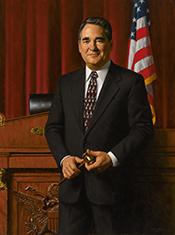
Mr. Speaker, I thank the gentleman for yielding me this time; and, on a very bipartisan note, let me first thank the Members of this House and of the Senate, and particularly my friend from…
Mr. Speaker, I thank the gentleman for yielding me this time; and, on a very bipartisan note, let me first thank the Members of this House and of the Senate, and particularly my friend from Massachusetts, Mr. Kennedy, for the great success we had in passing the Public Health Security Act and the Bioterrorism Preparedness and Response Act.
As my colleagues will recall, right after 9-11 it became clear to us as a Nation that we were under serious threat of attacks from agents like anthrax or perhaps even such horrible agents as botulism toxin or ebola or other similar viruses and that we were so unprepared in this country for that kind of attack that we got together, in a bipartisan fashion, and immediately passed an act to bolster the competence and the ability of the Center for Disease Control and of agents across the country to better respond to an attack of that nature.
Since the passage of those two very important actions that have better armed our country for this danger that we face perhaps even more increasingly as years go by, it has come to our attention that there were some holes even in that great act. The most important hole which this act seeks to fill is the concern we have that when it comes to some of these agents, whether they be a botulism toxin agent, ebola, or whether it is a radioactive type of attack we have to deal with in this country, that we have not done enough research and development into the antidotes, the vaccines, the treatments that victims of these attacks might find are critically necessary to save lives and prevent injury.
I do not have to tell my colleagues that this House and the Senate recently received another briefing on national security threats. The concern levels are up about an attack that might occur in this country from al Qaeda or other enemies of this country. As we fight them overseas, they are thinking about planning an attack on us here at home again. We know that. We know the attack may come in a place we do not know, in a place we are unprepared for, and it might involve radiological materials or it might involve some horrible virus or some agent the likes of which we are unprepared to deal with.
This bill seeks to make sure that the private sector does the work along with government to find the antidotes, the treatment for these kinds of agents that might be used in such an attack which might not otherwise be developed in the private sector.
What is the incentive today to develop a vaccine for ebola or for the plague when there is no real market for such a vaccine in this country? This bill and the appropriations we have already provided in the advance funds, some $5.6 billion, is designed to make sure that that research and development occurs and that those vaccines and those treatments are indeed available to our country in case the worst happens and we are subject to that kind of an attack by al Qaeda or other enemies of this country within our borders as we saw on 9-11.
Secondly, the bill tries to do something else, and that is to say we are going to change our law a little bit when it comes to the government's approval of treatment and/or it might be
a vaccine or some treatment that has not yet been approved by the Food and Drug Administration but yet has a greater ability to cure and help people than the risk involved with allowing it to be used. In other words, we are streamlining the law to make sure, if we do come under attack, if there is some vaccine, some treatment under study that has a lot of promise but has not yet been approved, that we are not forbidden to use it to help people who might be hurt or in need of that kind of treatment.
In short, this Bioshield Act, an incredibly important new step in protecting our country at a time when we are increasingly learning of the hatred and evil that exists out there that wants to inflict more damage on our country, this new act, passed again in, I hope, a very strong bipartisan way, reaching the President's desk for his signature very soon, I hope, will add this new element of protection for our country that Senator Kennedy and I tried to provide in the first bioterrorism act for our Nation following 9-11.
This is an important step in protecting our country at a time when we are under, as you know, this increasing warning that these evil individuals are thinking about planning and trying to figure out how they might hurt us again. It is a critical two-step process in making sure that we have the protective vaccines and treatments in place when the worst might happen to our people. So I urge its adoption.
I want to congratulate all of those who have worked on completing the conference on this bill with the Senate. I want to thank the other body for its cooperation. The sooner this reaches the President's desk, the sooner all of us can feel a little better this country is becoming safer as fast as we can from the threat of these kind of agents, and I urge its final approval by this House.
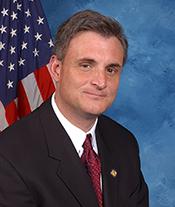
Mr. Speaker, I thank my friend from Texas for his leadership and hard work on this bill. I congratulate him, the gentleman from Ohio (Mr. Brown), the gentleman from Michigan (Mr. Dingell), the…
Mr. Speaker, I thank my friend from Texas for his leadership and hard work on this bill. I congratulate him, the gentleman from Ohio (Mr. Brown), the gentleman from Michigan (Mr. Dingell), the gentlewoman from New York (Mrs. Maloney), the gentleman from Texas (Mr. Barton), the gentleman from Louisiana (Mr. Tauzin), the gentleman from California (Mr. Cox), and all those responsible for the passage of this very important bill.
One of the most frustrating failures of local government is when there is a traffic fatality at an intersection and the residents of the community say, for years we have been warning that there was going to be a fatality at this intersection. How come you did not put a traffic light or a stop sign up before? Why did it take a fatality to get government to pay attention?
This is a massive and serious equivalent at the national level of whether we should prevent the traffic accident by putting up the signal ahead of time. Although this bill is not perfect, it recognizes an issue that is not much talked about today but is very much looming on the horizon as a potential catastrophe for the country. As the gentleman from Texas said very eloquently just a few minutes ago, perhaps the most ominous and destructive terrorist attack that could occur on this country would be a terrorist attack using a biological weapon. Unlike chemical weapons, unlike radiological weapons, even unlike nuclear weapons, the threat of a bioweapon is not localized because very often a bioweapon uses as its carrier a human being. So the spread of a bioweapon attack will not be limited to a discrete local area. It will likely be spread throughout the country and throughout the world. This makes it even more urgent that antidotes that could cure those exposed to the attack or prevent people from being sickened or killed by the attack, that these antidotes be developed as rapidly as possible.
I am particularly pleased that the committees involved worked with us to include in this bill language that will protect the interests of companies that begin the process of developing an antidote and then have their contract terminated for convenience because a better idea comes along from another vendor. It is a very important provision that will permit these investors in research to recover the funds that they put into the contract.
Let me express three concerns about the bill, and I hope that we return once this is made law to improve these areas. One is what the gentleman from Texas talks about, particularly with respect to mutant or new strains of bioweapons that would not be handled by the antidotes developed under this bill. We need a much more rapid and focused effort to deal with those mutant or new strains.
Second, I am very concerned that the liability provisions in this bill are not sufficiently protective of the companies that would step forward to address the need to create these Bioshield defenses. I am not at all convinced that the immunity is broad enough or dependable enough. Time will tell.
If the immunity is not broad or dependable enough, we are going to have to revisit that issue.
Finally, I am concerned, to the extent that funding under this bill is discretionary and not mandatory, the financial rewards that are necessary to induce a company to step forward and participate in this process may not be certain enough. An investor is not going to take a risk unless there is a guaranteed return. I think this bill takes a step in the right direction, but I am concerned it does not go far enough.
I wholeheartedly support this bill. I am honored to have been a part of writing and pursuing the bill. I hope that the products produced as a result of this bill are never used. That would be the real measure of success. But, God forbid, if the day comes when they need to be used, let us be prepared. Let us not look upon ourselves and say, why did we not take action in the peaceful days before the attack when we had a chance to do so?
This legislation is long overdue. I enthusiastically support it. I would ask colleagues on both the Republican and Democratic side to vote ``yes.''
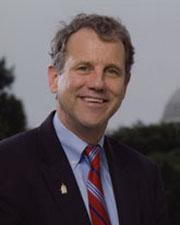
Mr. Speaker, I yield myself as much time as I may consume. The United States, and the global community, can only benefit from the development of bioterrorism countermeasures. By rendering biological…
Mr. Speaker, I yield myself as much time as I may consume.
The United States, and the global community, can only benefit from the development of bioterrorism countermeasures.
By rendering biological attacks less lethal and, therefore, less attractive to would-be terrorists, new countermeasures serve a dual purpose. They are both an antidote and a deterrent to future attacks.
For the sake of national and international security, it makes sense to invest in both basic and advanced research aimed at producing new bioterrorism countermeasures. When an opportunity to produce one of these countermeasures presents itself, it makes sense to capitalize on that opportunity quickly.
That is the logic behind this legislation. It establishes an expedited process for Federal support of countermeasure research and a procurement process to encourage private sector investment.
But Project Bioshield is not a blank check. Congress has a responsibility to weigh competing priorities and set funding levels appropriately. In that context, Congress cannot rest easy once we have passed this bill.
Bioterrorism funding is certainly important, the legislation before us today is certainly important, but our investment in bioterrorism must not come at the expense of research on cancer and research on Alzheimer's and muscular dystrophy and AIDS and other significant health threats.
If investing in Bioshield means diverting from other promising medical research, TB, multiple sclerosis, all other kinds of medical research, we are not making progress. We are, in fact, making trade- offs; trade-offs that set back the clock on cures for deadly and disabling diseases; trade-offs the public did not bargain for and should not abide.
The last thing Congress or the President should do is assure the public that we are doing everything we can more than ever to find cures for major illnesses like cancer and Parkinson's when actually we are choking off funding for medical research.
During his 2000 election campaign, President Bush said, ``As President, I will fund and lead a medical moonshot to reach far beyond what seems possible today.'' Apparently it was a short trip.
According to a White House budget memo recently leaked to the press, if President Bush wins the election this fall, one of his first actions will be to propose a $587 million cut in funding for the National Institutes of Health.
Medical researchers tell us that just to sustain the pace of medical progress that NIH has fostered, the agency's budget must increase 10 percent annually, something I hope everyone here would agree with, even though the President does not. Compared to annual, double-digit increases in the NIH budget, a cut in funding is a major step backward that would undermine promising medical research.
Finding ways to prevent, to treat, and to cure disease is an enduring national priority. Interest in that should not wax and wane. That is why we do not double NIH funding, which we did bipartisanly between 1999 under President Clinton, into 2003 still supported by President Bush, but then reduced that increase and then proposed a cut in funding. Our investment must remain constant.
We have a responsibility to prepare the country for a possible bioterrorist attack, but we also have a responsibility to maintain strong support for other medical research priorities.
I urge my colleagues to support this legislation. In creating Project Bioshield, it gives America a promising weapon in the battle against terrorism.
But bioterrorism, as I have said, is just one enemy in a much broader war against disease and disability. If we fund Project Bioshield, as we should, at the expense of life-saving and life-improving NIH research, we risk winning the battle and losing the war.
Mr. Speaker, I reserve the balance of my time.
Mr. Speaker, I also ask unanimous consent to yield the remainder of my time to the ranking member of the Select Committee on Homeland Security, the gentleman from Texas (Mr. Turner), and that he be allowed to control that time.
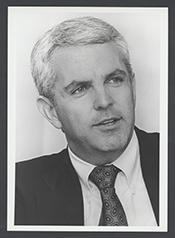
Mr. Speaker, I thank the gentleman for yielding me this time. I rise in strong support of the Project Bioshield Act. Is the act perfect? Does it solve all problems in this area? No. But I do not…
Mr. Speaker, I thank the gentleman for yielding me this
time. I rise in strong support of the Project Bioshield Act. Is the act perfect? Does it solve all problems in this area? No. But I do not think we will hear anyone take to the floor and say that this is not a bicameral, bipartisan proposal to address a serious threat to this Nation.
I want to thank the chairman of the Committee on Energy and Commerce and the previous chairman, the gentleman from Louisiana (Mr. Tauzin), both of whom have worked very hard on this legislation, as well as the chairman of the Select Committee on Homeland Security in bringing this initiative forward and moving it as rapidly as possible through the United States Congress. I also want to thank President Bush for putting this initiative on our agenda.
Thirty years ago, perhaps 20 years ago, we had never even heard of biotechnology or genomics; but today, along with our country's unparalleled leadership in semiconductors and computing power, we are making breathtaking breakthroughs in the field of bioscience. And as my colleague from Texas just outlined, there is much more that can be done. This legislation goes at a serious vulnerability for our Nation.
As has been referred to in this debate, we are aware by the briefings we get and by the press we read that we face a threat from al Qaeda and others who would seek to use these agents against us, chemical, biological, radiological, and even nuclear, weapons. They would like to use dangerous agents like anthrax, botulinum toxin, the plague, ebola and other similar viruses, as have just been noted, even some we are not even aware of. And of course as was well explained by my colleague, the former chairman of the Committee on Energy and Commerce, the gentleman from Louisiana, in the absence of this legislation, it is very clear that there is no incentive for anyone, not the government, not the private sector, not anyone, to develop and do the research to develop the countermeasures we need for these serious threats to the American people.
This is critically important first-step legislation. It not only will encourage the research but it also encourages the development of those countermeasures and the stockpiling of them so that they are readily available. The American people expect that of us and both committees in both bodies have worked hard on this kind of legislation.
I want to point out that I chair the Subcommittee on Emergency Preparedness and Response of the Select Committee on Homeland Security as well as serving on the Committee on Energy and Commerce; and I chaired hearings on the House parallel to this legislation, H.R. 2122. In those hearings we discovered a fact that has not been mentioned in this debate, and that is that the mere development of these countermeasures for such a biological attack will deter the attack. Think of that point. The reality is if al Qaeda knows that we are unprepared for a chemical, a biological or a radiological attack, then they are incentivized to make that kind of attack. On the other hand if they know that we have invested the money and done the research and we have developed countermeasures so that a biological attack or an anthrax attack, an attack of ebola or of the plague is something we are prepared for, then they are discouraged to even make that kind of attack.
The American people expect us to do everything humanly possible to prepare for the event of an attack; but even more importantly they want us to deter any attacks. They want us to protect the American people from an attack. This legislation, Project Bioshield, by not only encouraging the research of these antitoxins but also encouraging their development and their stockpiling will indeed deter such attacks.
I strongly urge my colleagues to support this legislation.

Mr. Speaker, I do claim the time on behalf of the Committee on Government Reform, and I yield myself such time as I may consume. Mr. Speaker, we have before us today S. 15, the Project Bioshield Act.…
Mr. Speaker, I do claim the time on behalf of the Committee on Government Reform, and I yield myself such time as I may consume.
Mr. Speaker, we have before us today S. 15, the Project Bioshield Act. This bill is substantially the same as H.R. 2122, which passed this House on July 16 of last year by a vote of 421 to 2. This bill is, in essence, the conference report on the bill and includes some minor improvements made by the Senate. I urge Members to support this measure as well.
Given the serious threat of bioterrorism, the development of effective countermeasures to biological agents is vital to our national security. The goal of Project Bioshield is to encourage the development of these projects. I fully support the intent of this legislation. I also agree with its premise, that when the market cannot foster the development of critical products by itself, the government must rise to the challenge.
The bill before us today includes several significant improvements from earlier proposals. For example, it includes important protections against waste and abuse that are standard for government contracts, such as preserving the government's right to review contractors' books and records.
The bill also permits the use of certain streamlined procurement procedures, but only if the Secretary of Health and Human Services determines that there is a pressing need to do so.
The Senate bill appropriately strengthens some of these provisions and also allows for recovery by the government in the event of grossly negligent or reckless conduct on the part of a contractor.
In emergency situations, we should not impede the development of necessary products. However, any exceptions from standard procurement procedures should be made only when necessary and should be subject to review. This proposal preserves that important standard.
The provisions of Bioshield authorizing the emergency distribution of unapproved drugs and devices, whose risks and benefits are not fully tested, impose an unprecedented responsibility on the government. FDA must be vigilant in protecting the public against unnecessary risks from these products. In part because of these concerns, the bill requires that health care providers and patients be informed that the products have not been approved and be informed of their risks.
The bill also requires that manufacturers monitor and report adverse reactions to the products and keep other appropriate records about the use of the products. These conditions are essential for the safe use of unapproved products, and they should be imposed in all cases except in truly extraordinary circumstances.
In addition, the HHS secretary is authorized to limit the distribution of the products, to limit who may administer the products, to waive good manufacturing practice requirements only when absolutely necessary, and to require recordkeeping by others in the chain of distribution. We expect the Secretary to consider the needs for these additional conditions in each case and to impose them to the full extent necessary to protect the public from the risk of these products.
The bill before us today is an improvement over the original proposal and represents a bipartisan consensus of the House and the Senate and the White House. It deserves our support.
Mr. Speaker, I ask unanimous consent to yield the balance of my time to the gentleman from Texas (Mr. Turner) as the ranking minority member of the Select Committee on Homeland Security and that he be allowed to control that time.
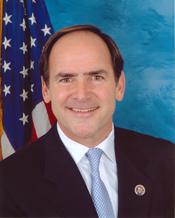
Mr. Speaker, I thank the chairman for yielding me time, and I thank all of those involved for bringing this legislation to the floor in the form of a conference report. I have to come to the floor,…
Mr. Speaker, I thank the chairman for yielding me time, and I thank all of those involved for bringing this legislation to the floor in the form of a conference report.
I have to come to the floor, though, saying it is frustrating for me as a Member of the Subcommittee on Homeland Security of the Committee on Appropriations that it took a year to get the bill from the House floor back to the House floor in the form of a conference agreement, since time is very much of the essence.
Also I want to tell a story. About a year ago, when I brought ``Buy America'' provisions to the floor trying to insert them in this legislation, received assurances from Secretary Thompson and the gentleman from Louisiana (Chairman Tauzin) that every effort would be made to buy America where possible in all of the implementation of not just Bioshield, but all of the different treatments and antidotes that fall under Bioshield or not. Then later in the fall I had an Assistant Secretary of Health and Human Services in my office, and I spoke about the treatment for a radiation event and how that was going to be procured. It is called Prussian Blue, and I was told that that was still in the process of being competed.
Little did anyone know in the room under this interagency working group that a month earlier, an exclusive contract had already been committed to procure Prussian Blue and fill up our stockpiles to a German company.
I have got to tell you, in Tennessee that does not go over very well, when there are U.S. manufacturers prepared to do this and time is of the essence. The FDA, HHS, DHS, we need to coordinate better. I am very concerned about ceding the responsibility to interagency working groups and not having an accountable person.
This is billions of dollars. It is, frankly, late. We have been appropriating the money. It cannot go forward, and time is of the essence. We are going to the conventions, and the threats are real, and we do not have the stockpiles full.
I commend the authorizers; but, darn, everybody involved needs to move quicker because we do not have the stockpiles full of these treatments, and many of them are available and on the shelf by U.S. manufacturers. I was in Tampa, Florida, a week ago Monday; and I saw those treatments, and they are not on the streets of New York or Boston or across the country, or in Athens, Greece; and U.S. manufacturers can export them.
We have the best technology in the world. We do not have to lean on the French or the Germans to fill up our stockpiles for treatments in the event of more terrorism. It is not just Bioshield, it is Chemshield and Nukeshield. It is all of the major threats.
So, yes, vote for this. It is long overdue. Move it quickly to the President's desk. And then get the administration to coordinate better together.
I called Assistant Secretary Simonson today. I said, I need to talk to you. I am still waiting for the phone call. The legislation is on the floor. I am on the subcommittee. I am waiting
for the phone to ring. We need action. The American people demand no less. This is the most target-rich environment in the next 4 months that we have ever faced in the history of this country. Let us get it on.
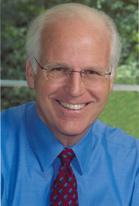
Mr. Speaker, I rise today in strong support of this bipartisan legislation, the Project BioShield Act. The anthrax attacks in the fall of 2001 brought the once distant threat of biological weapons…
Mr. Speaker, I rise today in strong support of this bipartisan legislation, the Project BioShield Act. The anthrax attacks in the fall of 2001 brought the once distant threat of biological weapons into these very buildings. It is not a question of if, but when terrorists will strike again. Project BioShield marks an important step toward preparedness to deter or defeat the next terrorist attack using deadly pathogens.
I am particularly pleased that the legislation clarified some ambiguity that I had raised during the bill's initial consideration regarding safeguards for the application of medical products during emergencies for military personnel. Initially, the legislation appeared to allow the President or Secretary of HHS to remove safeguards for military personnel that were available to the general population. This legislation addressed those concerns.
This legislation will provide $5.6 billion over 10 years to develop and procure effective countermeasures against biological, chemical and radiological weapons. To counter the grave and changing threat, the bill gives the Secretary of HHS new, flexible authorities to conduct and support research and development for new vaccines and drugs. Most importantly, Project BioShield removes barriers and provides important incentives to the private sector to spur the advance of biotechnologies. If used aggressively and wisely, the authorities in this legislation will result in significantly strengthened defenses against bioterrorism.
Two words of caution: First, implementation of BioShield must be linked to the threat. Vaccines and antidotes against exotic agents may present easier, near-term opportunities for quick successes. But the Center for Disease Control and the intelligence community maintain a threat list of pathogens, and that list should focus and guide BioShield investments. Botulinum toxin ranks right behind anthrax as a known biological threat. But testimony before the Select Committee on Homeland Security concluded development of botulinum anti-toxin stocks could take up to 10 years. If Project BioShield is going to provide anything more than a symbolic barrier against biological attack, that estimate has to change.
And, the success of BioShield also depends upon broader bio- preparedness priorities. The Government Reform National Security Subcommittee, which I chair, has held several hearings on bioterrorism preparedness. We learned that massive caches of stockpiled vaccines, antibiotics and drugs will protect no one if they cannot be administered quickly and safely. Public health capacity is a critical enabler to BioShield success. Surveillance systems, diagnostic tools and trained medical personnel are prerequisites to any effective defense against natural and man-made biological outbreaks.
Terrorism thrives on uncertainty. We cannot expect to vaccinate everyone against every possible pathogen. Instead, we need a well- equipped, well-trained public health system that can rapidly respond to health emergencies.
Mr. Speaker, Project Bioshield is a much needed initiative, and I would urge all of my colleagues to support for this legislation.
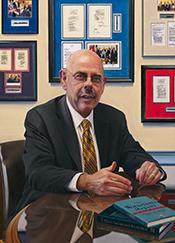
Mr. Speaker, we have before us today S. 15, the Project BioShield Act. This bill is substantially the same as H.R. 2122, which passed the House on July 16, of last year by a vote of 421 to 2. This…
Mr. Speaker, we have before us today S. 15, the Project BioShield Act. This bill is substantially the same as H.R. 2122, which passed the House on July 16, of last year by a vote of 421 to 2. This bill is in essence the conference report on the bill, and includes some minor improvements made by the Senate. I urge members to support this measure as well.
Given the serious threat of bioterrorism, the development of effective countermeasures to biological agents is vital to our national security. The goal of Project BioShield is to encourage the development of these products. I fully
support the intent of this legislation. I also agree with its premise-- that when the market cannot foster the development of critical products by itself, the government must rise to the challenge.
The bill before us today includes several significant improvements from earlier proposals. For example, it includes important protections against waste and abuse that are standard for government contracts, such as preserving the government's rights to review contractor's books and records. The bill also permits the use of certain streamlined procurement procedures, but only if the Secretary of Health and Human Services determines that there is a pressing need to do so.
The Senate bill appropriately strengthens some of these provisions and also allows for recovery by the government in the event of grossly negligent or reckless conduct on the part a contractor.
In emergency situations we should not impede the development of necessary products. However, any exceptions from standard procurement procedures should be made only when necessary and should be subject to review. This proposal preserves that standard.
The provisions of Bioshield authorizing the emergency distribution of unapproved drugs and devices, whose risks and benefits are not fully tested, impose an unprecedented responsibility on the government. FDA must be vigilant in protecting the public against unnecessary risks from these products.
In part because of these concerns, the bill requires that health care providers and patients be informed that the products have not been approved and of their risks. The bill also requires that manufacturers monitor and report adverse reactions to the products and keep other appropriate records about the use of the products.
These conditions are essential for the safe use of unapproved products, and they should be imposed in all cases, except in truly extraordinary circumstances. In addition, the HHS Secretary is authorized to limit the distribution of the products, to limit who may administer the products, to waive good manufacturing practice requirements only when absolutely necessary, and to require record keeping by others in the chain of distribution.
We expect the Secretary to consider the need for these additional conditions in each case and to impose them to the full extent necessary to protect the public from the risks of these products.
The bill before us today is an improvement over the original proposal, and represents a bipartisan consensus of the House, the Senate, and the White House. It deserves our support.
Show 7 more

Mr. Speaker, I rise today in strong support of S. 15, legislation to protect our Nation from future biological and chemical terrorist attacks. The House passed H.R. 2122, similar legislation, last…
Mr. Speaker, I rise today in strong support of S. 15, legislation to protect our Nation from future biological and chemical terrorist attacks. The House passed H.R. 2122, similar legislation, last year by an overwhelming margin of 421 to 2. As a member of both the Homeland Security Committee and the Energy and Commerce Committee, I have been proud of the bipartisan work that has gone into this legislation which will add to our effort to protect the Nation from biochemical attack.
Mr. Speaker, although five people were killed in the anthrax attacks of 2001, the death toll was kept relatively low because effective medical countermeasures were available. After the outbreak, strong antibiotics were immediately prescribed to deal with the crisis. In 2002, Congress further enhanced our ability to respond by enacting the Public Health Security and Bioterrorism Preparedness Response Act (PL 107-188), which authorized funds to increase the Nation's stockpile of medicines and vaccines--particularly for smallpox--and provided aid to state and local governments and health facilities to help them prepare for possible attacks.
Unfortunately, effective vaccines or treatments do not exist for many biological threats deemed by the U.S. government to be most dangerous, including botulinum toxin, plague, and viral hemorrhagic fevers such as the Ebola virus.
The development of effective countermeasures has been hindered by the lack of a significant commercial market. Currently, companies have little financial incentive to invest the funds needed to research, develop or produce vaccines or other countermeasures because there is little or no market.
Despite these challenges, in my district, the Stowers Institute and the Kansas City Life Sciences Institute are both trailblazers in the field of research. The Stowers Institute's new research facility in Kansas City incorporates the best that present technology can offer. In my community, the best and the brightest are working to broaden the base of knowledge in hopes of discovering cures and vaccines for today's diseases and future threats.
Today's legislation will encourage and support these efforts by providing additional funding for research and development of new countermeasures and vaccines. The bill will also provide for an expedited approval process to ensure that the fruits of our research can protect the public as soon as possible.
Mr. Speaker, all over this Nation, our first responders serve on the front lines when disasters occur and continue to be the eyes and ears of our Nation. They are a significant part of the effort to protect our homeland and guard against the invisible threat of a chemical and biological attack. Today's legislation is an important step in that process and I support it.
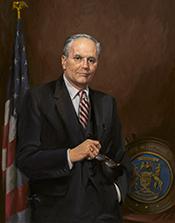
Mr. Speaker, I rise in support of S. 15, the ``Project Bioshield Act of 2004.'' This legislation reflects bipartisan bicameral negotiations that have made minor modifications to the language of H.R.…
Mr. Speaker, I rise in support of S. 15, the ``Project Bioshield Act of 2004.'' This legislation reflects bipartisan bicameral negotiations that have made minor modifications to the language of H.R. 2122 which was passed by the House on July 16, 2003. I commend the hard work and dedication of all who participated in this endeavor.
In this era of heightened threats to our national security and the increased risk of harm to Americans, Project Bioshield is an unfortunate but necessary measure. There are no effective therapies for many of the ``select agents'' that have been identified as potential instrumentalities of terrorism. The basic purpose of Project Bioshield is to support research that will lead to the development and availability in the Strategic National Stockpile of ``countermeasures'' to combat public health emergencies that threaten our national security.
The bill has three basic features: enhanced countermeasure research; procurement of countermeasures; and emergency regulatory authority for approval and use of drugs, biologics, and devices that are qualified countermeasures. The Committees' work clarified, modified, and otherwise improved on the Administration's proposal in each of these areas. The bill before us reflects further refinements and does not contain major policy changes from last year's bill.
Among the significant measures in this bill are provisions aimed at enhancing accountability for actions taken pursuant to Project Bioshield. Congress will receive comprehensive information, not less than annually, on the major activities authorized by this Act. In addition, the Government Accountability Office (GAO) will provide reports on key economic and scientific elements of this program after it has been in effect for several years.
Finally, I am pleased to note that this bill maintains the approach of H.R. 2122 that funding be authorized, rather than a permanent, unlimited appropriation sought by the Administration. Bioshield should not automatically be given a higher priority over other national security or public health matters.
This is a good bill, and is a worthy continuation of our important and bipartisan work on bioterrorism preparedness. I urge all of my colleagues to support it.
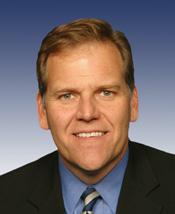
Mr. Speaker, I thank the gentleman for yielding me this time; and I want to also thank Members on both sides of the aisle on this very, very important issue. This legislation will greatly strengthen…
Mr. Speaker, I thank the gentleman for yielding me this time; and I want to also thank Members on both sides of the aisle on this very, very important issue.
This legislation will greatly strengthen our Nation's capability to protect our military, first responders, and U.S. citizens from the real threat of biological, chemical, radiological, and nuclear weapons of mass destruction.
I am very pleased that this expands the definition of eligible countermeasures and would permit funding and procurement for certain FDA-licensed vaccines as well as experimental products for inclusion in the Strategic National Stockpile. I cannot say how important that is.
We find heroes and patriots both abroad and at home risking their lives in defense of freedom in this war on terror, but there are patriots and unsung heroes in my community who, under withering criticism, toiled to make their product better and get it into the hands of those who needed it most. Thanks to the employees of Bioport in Lansing, Michigan, since 1998, more than 1.1 million military and civilian personnel have been safely vaccinated with more than 4 million doses of the vaccine, including both pre- and post-exposure vaccinations of many of our own congressional colleagues and staff members after the October, 2001, anthrax attacks.
These existing products, like BioThrax vaccine, will provide our Nation with the insurance policy to strengthen its immediate bioterrorism preparedness capability in conjunction with working on new experimental vaccines.
Mr. Speaker, I would even go further and urge the Departments of Homeland Security and Health and Human Services to consider the immediate procurement of millions of additional doses of the FDA- licensed anthrax vaccines, as well as additional doses of antibiotics for the Strategic National Stockpile. These doses are essential to improving our capability and responding to another potential anthrax attack.
I want to again thank the President of the United States for making this a priority and sending a very clear and strong message that our Nation is serious about protecting the citizens and first responders from deadly terrorist threats with proven countermeasures.
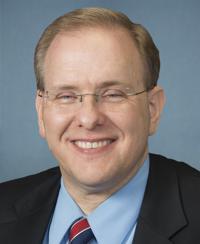
Mr. Speaker, I rise today in support of the Project Bioshield Act of 2004. Bioterrorism is a major threat to our national security, and I believe it is our job as members of Congress to instill…
Mr. Speaker, I rise today in support of the Project Bioshield Act of 2004. Bioterrorism is a major threat to our national security, and I believe it is our job as members of Congress to instill confidence in the American people that a coordinated, concerted effort is being made to combat this threat. While Project Bioshield is not the only answer, it is certainly an important step towards that goal, and I hope Congress will continue to provide the funding and oversight the project needs to be effective.
This bill, much like H.R. 2212 passed by the House a year ago, authorizes the Project Bioshield initiative and will set in motion crucial efforts to develop new countermeasures to treat diseases and conditions caused by bioterror attacks and chemical, radiological and nuclear agents. Under this program, the Federal government will be able to enhance the Strategic National Stockpile, promote research and development of countermeasures, and, in an emergency, move forward with public distribution of certain drugs and treatments that may not yet have FDA approval. It is never pleasant to imagine a scenario where this kind of preparation and flexibility will be necessary, but the threat is indeed there. Project Bioshield will help lay the groundwork to respond to that threat quickly and effectively.
However, I must also mention my ongoing concern that until the Department of Homeland Security's Information Analysis and Infrastructure Protection Directorate is fully staffed and meeting expectations, the rest of DHS is at a tremendous disadvantage in determining how to allocate resources and focus energies. The proper implementation of Project Bioshield requires a reliable and comprehensive threat assessment from the Information Analysis team, a team that should include bioterror experts working closely with their peers at agencies like CDC and NIH to identify the most pressing dangers and develop a plan to combat them.
So, Mr. Speaker, I urge my colleagues to support this legislation and hope that DHS will do its part to make Project Bioshield as effective as possible.
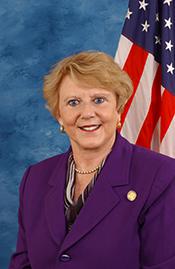
Mr. Speaker, I rise today in support of this legislation and certainly to congratulate both the former and current chairmen of the Committee on Energy and Commerce for their perseverance in bringing…
Mr. Speaker, I rise today in support of this legislation and certainly to congratulate both the former and current chairmen of the Committee on Energy and Commerce for their perseverance in bringing this bill to fruition today.
Since the attacks of 9-11, America has been under siege. We are fighting a war against terror and must not waver in our commitment to combating this evil. This war knows no set battleground, and the terrorists' arsenal of weapons is limitless. From using a cell phone as a bomb detonator to contemplating a crop-duster, as we found in Florida, as a vessel of pestilence, these thugs have proven both their resourcefulness and also their boldness and audacity.
For this reason, America must be prepared and must do everything in its power to protect its citizens. This legislation does exactly that. Among other things, the bill gives the Secretary of HHS the authority to conduct research and development for new vaccines that will offer protection from the possible chemical and biological agents that these arrogant fanatics conspire to exploit. Congress will provide the advance appropriation of $5.6 billion over the next 10 years to purchase these vital countermeasures.
S. 15 adds to America's security and offers us the piece of mind in knowing that if terror strikes America will be ready and we will be a whole lot safer. The tragedies of 9-11 taught us that we must do much more to protect our Nation and that the unrest around the world can have a disastrous impact on us here at home. Terrorism knows no boundaries, and neither should our efforts to prevent it.
This is a well-thought-out bill, and I encourage my colleagues on both sides of the aisle to support this proposal this evening.

Mr. Speaker, I'm pleased to support the Project Bioshield Act which encourages the development of new countermeasures to deal with diseases and conditions caused by bioterrorism attacks. It…
Mr. Speaker, I'm pleased to support the Project Bioshield Act which encourages the development of new countermeasures to deal with diseases and conditions caused by bioterrorism attacks. It authorizes $5.6 billion over 10 years for purchasing countermeasures, such as vaccines and treatments, to bioterrorist attacks. The bill also allows the government, in the event of a national emergency involving a bioterrorism or similar attack, to distribute to the public certain drugs and treatments that have not yet been approved by the Federal Drug Administration (FDA).
The Project Bioshield Act is an important part of our mission to secure and protect our homeland and hometowns. The threat of chemical, biological and radiological attacks is too great and this bill provides necessary regulatory flexibility to the Department of Homeland Security and the Department of Health and Human Services so they can speed and promote research and development of needed countermeasures.
The September 11th tragedies and subsequent anthrax attacks made the Nation aware that the public health system is ill-prepared to mange a large scale emergency. Since then, our public health system has continued to respond to high profile threats like severe acute respiratory syndromes (SARS) and West Nile Virus which illustrate how quickly infections can spread among populations and across the globe.
Over the last 3 years, our eyes have been opened to the threats we face on our own soil. We've discovered serious vulnerabilities and I'm proud of what we've done in this bill to address them. I urge the entire House to vote for this important legislation.
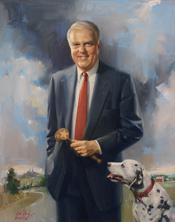
Mr. Speaker, I rise in support of S. 15, the ``Project BioShield Act of 2004.'' This important legislation will help us to be better prepared against bioterrorism and other forms of terrorism. I just…
Mr. Speaker, I rise in support of S. 15, the ``Project BioShield Act of 2004.'' This important legislation will help us to be better prepared against bioterrorism and other forms of terrorism. I just want to briefly note the jurisdictional interest of the Committee on the Judiciary in the Federal Tort Claims Act provision contained in the new Sec. 319F-1(d)(2) which is contained in 2(a) of the bill. I support the inclusion of this provision. However, I want to note that by allowing this provision to be included in the bill, the Committee on the Judiciary does not waive its jurisdiction over the provision. With that, I urge my colleagues to support the bill.
Bill Text
Latest available legislative text
        [Congressional Bills 108th Congress]
[From the U.S. Government Publishing Office]
[H.R. 2212 Introduced in House (IH)]

108th CONGRESS
1st Session
H. R. 2212

To require the Federal Communications Commission to comply with the
Administrative Procedures Act and to adhere to the policies and
purposes of Communications Act of 1934 favoring diversity of media
voices, vigorous economic competition, technological advancement, and
promotion of the public interest, convenience, and necessity, and for
other purposes.

_______________________________________________________________________

IN THE HOUSE OF REPRESENTATIVES

May 22, 2003

Mr. Conyers (for himself, Mr. Hinchey, Ms. Jackson-Lee of Texas, Mr.
Cummings, Mr. Case, Ms. Slaughter, Ms. Lee, Mr. Filner, Ms. Watson, Ms.
Solis, Mr. Michaud, Mr. McDermott, Mr. Peterson of Minnesota, Mrs.
Jones of Ohio, and Mr. Watt) introduced the following bill; which was
referred to the Committee on Energy and Commerce, and in addition to
the Committee on the Judiciary, for a period to be subsequently
determined by the Speaker, in each case for consideration of such
provisions as fall within the jurisdiction of the committee concerned

_______________________________________________________________________

A BILL

To require the Federal Communications Commission to comply with the
Administrative Procedures Act and to adhere to the policies and
purposes of Communications Act of 1934 favoring diversity of media
voices, vigorous economic competition, technological advancement, and
promotion of the public interest, convenience, and necessity, and for
other purposes.

Be it enacted by the Senate and House of Representatives of the
United States of America in Congress assembled,

SECTION 1. SHORT TITLE.

This Act may be cited as the ``Maintaining and Ensuring Diversity
and Integrity on the Airwaves Act of 2003'' or the ``MEDIA Act of
2003''.

SEC. 2. COMPLIANCE WITH THE ADMINISTRATIVE PROCEDURES ACT.

Section 553 of title 5, United States Code, is amended by adding at
the end the following new subsection:
``(e) Notwithstanding subsection (b)(3), an agency may not
prescribe substantial and extensive revisions to its regulations unless
such revised regulations have been published in proposed form to afford
interested persons the opportunity under subsection (c) to submit data,
views, or arguments thereon.''.

SEC. 3. EXTENSION OF INTERVAL FOR REVIEWS.

(a) Amendment.--Subsection (a) of section 11 of the Communications
Act of 1934 (47 U.S.C. 161(a)) is amended--
(1) by striking ``Biennial'' in the heading of such
subsection; and
(2) by striking ``In every even-numbered year (beginning
with 1998),'' and inserting ``Once each 5 years (beginning with
2008),''.
(b) Elimination of Special Treatment of Media Rules.--Section 202
of the Telecommunications Act of 1996 (Public Law 104-104; 110 Stat.
111) is amended by striking subsection (h).

SEC. 4. COMPLIANCE WITH POLICIES AND PURPOSES OF THE COMMUNICATIONS ACT
OF 1934.

Section 257 of the Communications Act of 1934 (47 U.S.C. 257) is
amended by adding at the end the following new subsection:
``(d) Compliance With Policies and Purposes.--
``(1) Completion of review and report prior to deregulatory
actions.--The Commission shall not take any action under
section 11 of this Act to repeal or modify any regulation the
Commission determines to be no longer necessary in the public
interest unless--
``(A) the Commission has completed the report to
Congress required by subsection (c) of this section to
be submitted during 2003;
``(B) the Commission has included in a report to
Congress under subsection (c) of this section an
analysis of how any change of the existing regulations
(i) is consistent with the national policy as set forth
in subsection (b), and (ii) would affect the barriers
to entry identified under subsection (a) of this
section; and
``(C) the Commission determines that such repeal or
modification is consistent with the removal of such
barriers and with the policies and purposes set forth
in subsection (b) of this section.
``(2) Prohibition of license transfers pending completion
of requirements.--Unless the Commission has complied with the
requirements of this section (including the requirements of
paragraph (1) of this subsection), the Commission shall not
approve any application, or group of interrelated applications,
for the transfer or assignment under section 309 of any license
licenses for a television or radio broadcast station or
stations to any party if--
``(A) such aggregate value of the transaction or
transactions involving such station or stations is in
excess of $50,000,000; and
``(B) such party or any of its principal
stockholders, partners, or members, officers, or
directors, directly or indirectly, owns, operates, or
controls another television or radio broadcast
station.''.
<all>