Recognizing the social problem of child abuse and neglect, and supporting efforts to enhance public awareness of the problem.
Legislative Activity
Stay on top of the latest movement without scrolling through every action
Motion to reconsider laid on the table Agreed to without objection.
March 26, 2003 • 10:52 AM
View full timeline
Introduced in House
February 27, 2003
Referred to the House Committee on Education and the Workforce.
February 27, 2003
Mr. Porter moved to suspend the rules and agree to the resolution, as amended.
March 26, 2003 • 10:24 AM
Considered under suspension of the rules. (consideration: CR H2316-2319)
March 26, 2003 • 10:24 AM
DEBATE - The House proceeded with forty minutes of debate on H. Res. 113.
March 26, 2003 • 10:24 AM
Passed/agreed to in House: On motion to suspend the rules and agree to the resolution, as amended Agreed to by voice vote.(text: CR H2316)
March 26, 2003 • 10:52 AM
On motion to suspend the rules and agree to the resolution, as amended Agreed to by voice vote. (text: CR H2316)
March 26, 2003 • 10:52 AM
Motion to reconsider laid on the table Agreed to without objection.
March 26, 2003 • 10:52 AM
Floor Debate
16 membersWhat members said about H.Res. 113 on the floor
 CBM
CBM JCG
JCG PHJDH
PHJDH RH+11
RH+11
Floor Debate
16 membersWhat members said about H.Res. 113 on the floor
Mr. Speaker, I thank the gentleman for yielding me time and for his leadership on this important bill that I am supporting. But I rise today to pay tribute to Senator Daniel Patrick Moynihan, and, on…
Mr. Speaker, I thank the gentleman for yielding me time and for his leadership on this important bill that I am supporting. But I rise today to pay tribute to Senator Daniel Patrick Moynihan, and, on behalf of my colleagues and constituents, to join with them in mourning his passing today.
Senator Moynihan was one of our truly inspiring legislators. He was a scholar, a legislator, an ambassador, a cabinet officer, a Presidential adviser in four administrations, the only person in history to serve four consecutive administrations. He was a teacher, a writer, and one of the best Senators
ever to grace the halls of this institution.
He was unmatched in his ability to craft innovative solutions to society's most pressing problems, from welfare to Social Security, to transportation, to taxes. His legislative stamp is everywhere.
Known as, and I quote from the Almanac of American Politics, ``the Nation's best thinker among politicians since Lincoln, and its best politician among thinkers since Jefferson,'' Senator Moynihan moved people through the power of his ideas. He was a unique figure in public life, a man of pure intellect, who was unafraid of speaking inconvenient truths.
Senator Moynihan's life exemplified the American dream. He grew up in a slum known as Hell's Kitchen. Abandoned by his father, his mother became the sole supporter of the family during the Depression. Small wonder that Senator Moynihan grew up to be a strong voice on welfare issues. He recognized the danger of fostering a culture of dependency, while understanding the importance of maintaining a strong safety net.
He proved to be one of the most accurate prophets of our era. Time and time again he correctly predicted future consequences, even though many refused to believe him when his prediction ran counter to conventional wisdom. In the 1980s, he predicted the coming collapse of the Soviet Union. In the 1990s, he expressed concern about the tendency of our society to define deviancy down.
For New Yorkers, Senator Moynihan has and always will be one of our own homegrown heroes, our proud gift to the Nation. Despite his reputation for attention to the more scholarly pursuits, he authored 18 books, Senator Moynihan never forgot those of us who elected him.
He was a hero to landmark preservationists for his effort to preserve the Custom House and the Farley Post Office, the new train station on the Farley site, which he helped plan and which he helped to fund, but it does not yet have a name. I believe that it should be named for Daniel Patrick Moynihan.
When the Coast Guard left Governors Island, he persuaded President Clinton to agree to give the island to New York for $1, and it was this Congress that was able to make that pledge a reality. As ambassador to the United Nations, he denounced the resolution equating Zionism with racism. Seventeen years later, the U.N. reversed itself, revoking this shameful resolution.
Senator Moynihan was a prime mover behind ISTEA, which changed the way highway and transportation funds are distributed. He was widely credited with shifting transportation priorities and making it possible for us to invest in alternatives, like high-speed rail.
As a member of the Senate Finance Committee, he was a guardian of Social Security; and he focused his attention on the importance of opening up government filings and reducing secrecy in government. I was proud to have worked with him on the passage of the Nazi War Crimes Disclosure bill. After 50 years, Americans finally are beginning to get a glimpse of the things that our government knew.
Senator Moynihan was also a tireless worker on getting an accurate census for our country.
Senator Moynihan's passing will make this country a poorer place. I join my constituents and my colleagues in paying tribute to the great Senator from the Great State of New York.
Senator Moynihan was truly an American treasure. He was a great friend and mentor to me, and we will miss him greatly. My colleagues and I send to Elizabeth and their family our deep concern and condolences.
Mr. Speaker, I include for the Record a biography of this remarkable man.
Daniel Patrick Moynihan was the senior United States Senator from New York. First elected in 1976, Senator Moynihan was re-elected in 1982, 1988, and 1994.
Senator Moynihan was the Ranking Minority Member of the Senate Committee on Finance. He served on the Senate Committee on Environment and Public Works and the Senate Committee on Rules and Administration. He also was a member of the Joint Committee on Taxation and the Joint Committee on the Library of Congress.
A member of the Cabinet or sub-Cabinet of Presidents Kennedy, Johnson, Nixon and Ford, Senator Moynihan was the only person in American history to serve in four successive administrations. He was U.S. Ambassador to India from 1973 to 1975 and U.S. Representative to the United Nations from 1975 to 1976. In February 1976 he represented the United States as President of the United Nations Security Council.
Senator Moynihan was born on March 17, 1927. He attended public and parochial schools in New York City and graduated from Benjamin Franklin High School in East Harlem. He went on to attend the City College of New York for one year before enlisting in the United States Navy. He served on active duty from 1944 to 1947. In 1966, he completed twenty years in the Naval Reserve and was retired. Senator Moynihan earned his bachelor's degree (cum laude) from Tufts University, studied at the London School of Economics as a Fulbright Scholar, and received his M.A. and Ph.D. from Tufts University's Fletcher School of Law and Diplomacy.
Senator Moynihan was a member of Averell Harriman's gubernatorial campaign staff in 1954 and then served on Gov. Harriman's staff in Albany until 1958. He was an alternate Kennedy delegate at the 1960 Democratic Convention. Beginning in 1961, he served in the U.S. Department of Labor as an assistant to the Secretary, and later as Assistant Secretary of Labor for Policy Planning and Research.
In 1966, Senator Moynihan became Director of the Joint Center for Urban Studies at Harvard University and the Massachusetts Institute of Technology. He has been a Professor of Government at Harvard University, Assistant Professor of Government at Syracuse University, a fellow at the Center for Advanced Studies at Wesleyan University, and has taught in the extension programs of Russell Sage College and the Cornell University School of Industrial and Labor Relations. Senator Moynihan is the recipient of 62 honorary degrees.
Senator Moynihan was the author or editor of 18 books. His most recent work is Secrecy: The American Experience, published in the fall of 1998, an expansion of the report by the Commission on Protecting and Reducing Government Secrecy. Senator Moynihan, as Chairman of the Commission, led the first comprehensive review in forty years of the Federal Government's system of classifying and declassifying information and granting clearances.
Since 1976 Senator Moynihan has published an analysis of the flow of funds between the Federal Government and New York State. In 1992 the analysis became a joint publication with the Taubman Center for State and Local Government at Harvard University, and includes all fifty states.
Senator Moynihan was a fellow of the American Association for the Advancement of Science (AAAS). He was Chairman of the AAAS's section on Social, Economic and Political Science (1971-72) and a member of the Board of Directors (1972-73). He also served as a member of the President's Science Advisory Committee (1971-73). Senator Moynihan was Vice Chairman (1971-76) of the Woodrow Wilson International Center for Scholars. He served on the National Commission on Social Security Reform (1982-83) whose recommendations formed the basis of legislation to assure the system's fiscal stability.
He was the founding Chairman of the Board of Trustees of the Hirshhorn Museum and Sculpture Garden (1971-85) and served as Regent of the Smithsonian Institution, having been appointed in 1987 and again in 1995. In 1985, the Smithsonian awarded him its Joseph Henry Medal.
In 1965, Senator Moynihan received the Arthur S. Flemming Awards, which recognizes outstanding young Federal employees, for his work as ``an architect of the Nation's program to eradicate poverty.'' He has also received the International League of Human Rights Award (1975) and the John LaFarge Award for Interracial Justice (1980). In 1983, he was the first recipient of the American Political Science Association's Hubert H. Humphrey Award for ``notable public service by a political scientist.'' In 1984, Senator Moynihan received the State University of New York at Albany's Medallion of the University in recognition of his ``extraordinary public service and leadership in the field for education.'' In 1986, he received the Seal Medallion of the Central Intelligence Agency and the Britannica Medal for the Dissemination of Learning.
He has also received the Laetare Medal of the University of Notre Dame (1992), the Thomas Jefferson Award for Public Architecture from the American Institute of Architects (1992), and the Thomas Jefferson Medal for Distinguished Achievement in the Arts or Humanities from the American Philosophical Society (1993). In 1994, he received the Gold Medal Award ``honoring services to humanity'' from the National Institute of Social Sciences.
In 1997, the College of Physicians and Surgeons at Columbia University awarded Senator Moynihan the Cartwright Prize. He was the 1998 recipient of the Heinz Award in Public Policy ``for having been a distinct and unique voice in the century--independent in his convictions, a scholar, teacher, statesman and politician, skilled in the art of the possible.''
Elizabeth Brennan Moynihan, his wife of 44 years, is an architectural historian with a special interest in 16th century Mughal architecture in India. She is the author of Paradise as a Garden: In Persia and Mughal India (1979) and numerous articles. Mrs. Moynihan is a former Chairman of the Board of the American Schools of Oriental Research. She serves as a member of the Indo-U.S. Subcommission on Education and Culture, and the visiting committee of the Freer Gallery of Art at the Smithsonian Institution. She is Vice Chair of the Board of the National Building Museum, and on the Trustees Council of the Preservation League of New York State.
Mr. Speaker, I thank the gentleman for yielding me time. I also thank him for his splendid work on this very important piece of legislation. Mr. Speaker, I also thank the gentleman from Texas (Mr.…
Mr. Speaker, I thank the gentleman for yielding me time. I also thank him for his splendid work on this very important piece of legislation.
Mr. Speaker, I also thank the gentleman from Texas (Mr. Hinojosa), the gentleman from Ohio (Chairman Boehner), and the ranking member, the gentleman from California (Mr. George Miller), for their work, because they truly produced a bipartisan product here. If there was ever a reason to come together across the aisle, Republican and Democrat, to come to agreement, I cannot think of one more vital than that, of protecting children from child abuse and responding to children who have been abused.
Mr. Speaker, before I entered politics, I was a caseworker. I worked with abused and neglected children. And it is painful work to do. We all know about child abuse, the immediate consequences of child abuse. There is nothing more pathetic and pitiful than to think of a young child, a newborn, a child of any age, who looks to his or her mother, his or her father, for the kind of guidance, the kind of love, the kind of nurturing that all of us want to give to our children and all of us were fortunate enough to have in our childhood, and instead receive rebukes, receive blows, to be tortured, to be sexually abused. The pain of that is unimaginable and anguishing for the child.
Then, of course, it produces long-term consequences that the gentleman from Texas (Mr. DeLay) and others have referred to. It is the cause of so many people turning to lives of crime, it is the cause of so many individuals becoming abusers themselves of their children and of their spouses, it is the cause of substance abuse in so many cases. So many of the ills of society that are costly in terms of human suffering and costly in terms of tax dollars have their origin in the abuse of children.
One of the things that frustrated me as a caseworker was that we know how to respond to abuse. We know how to get it reported now. We have hot lines. We know how to do interventions and investigations. We know how to prosecute child abusers. We know how to seek custody of children who are dependent and not safe at home and place them into foster care. We know how to place children in adoption. We even know how, in some instances, to bring families together again and heal the parents and provide them the services that they need so that they do not have to be abusive.
But the thing that we have the most difficulty in doing is preventing the abuse in the first place. That is so hard, so difficult to get to. That is why I take such great satisfaction in the fact that the members of my committee, the ranking members of the subcommittee and the full committee and the chairman and the gentleman from Michigan (Mr. Hoekstra) and the staff helped me to put language in this bill that I hope will do a great deal to prevent child abuse.
If we look at the precursors to child abuse, if we try to predict child abuse and see where we can intervene before it occurs, what the experts will tell us, and those of us who have been in the field know, is that substance abuse is a great predictor of child abuse. When you have a mother and/or a father or others in the house who are addicted to alcohol, who are addicted to drugs, you find so frequently in, I think, 35 percent of the cases, you find that because they are inhibited, they break awful taboos; because their nerves are ruined, they become short-tempered and abusive to their children; because they are out of touch with reality, they do things they do not even know that they are doing. We know that substance abuse leads so frequently, almost invariably, to child abuse.
So what do we do about that? The opportunity to intervene is best found when a child is born. When a child is born in a hospital and it suffers from fetal alcohol syndrome, if it is clear that the mother is addicted to drugs because either she is showing the signs or the child is in neonatal abstinence syndrome, which means they are coming off of drugs at the time of birth, if we can see the systemic presence of a substance, a controlled substance in a child, if it has done neurological damage to a child, we know right there and then at that moment of birth of this child that if something does not happen there is an extraordinarily high chance that that child, after its neurological conditions, its physiological conditions are healed in the hospital, will then return home to a situation in which it is incredibly likely to be abused.
The problem we have had heretofore is there is no legal way to intervene. People have tried to pass laws at the State level and at perhaps the Federal level to make it a child abuse case. Well, that is problematic, because we do not want to necessarily prosecute the woman for child abuse because she has a substance abuse problem. We may even drive her away from the hospital if she knows she is going to face that, and she may choose to deliver at home in a dangerous situation. So it seems that the thing to do is to intervene with social services.
What the language that is in the bill says is that when these children appear under these circumstances is that the hospital personnel, the medical personnel shall be required to report that information to the child protective services specialists who then will come out to the hospital right away and intervene and get with that mother and hopefully the father, if the father is there, and say, look, you have a problem here. You have struck bottom. Look what your problem has done to your child. Here is an opportunity to get help. For the sake of your child, are you willing to receive nursing care at your home, in-home nurses? Are you willing to get treatment for your drug abuse? Are you willing to get social services? We can bring to bear a whole host of intervention services so that your problems are solved and you do not put your child at risk.
It is a wonderful opportunity. All of the substance abuse treatment experts will tell us that it is a bottoming-out experience when the mother and/or the father look and say, what have we done here? This is as low as it gets. We have hurt our newborn baby, that they are most ready for help. By bringing these services to bear, we can help these children and these families. We can prevent child abuse.
In the cases where the mother and the father just refuse to accept services, then that may be the trigger for the caseworkers to take that case to court and seek custody of the child and provide protective custody. But hopefully, in most cases, it will result in a happier ending than that and one in which the child is protected, the family is healed, and good is done all around.
So I want to thank the gentleman from Michigan (Mr. Hoekstra), the gentleman from Texas (Mr. Hinojosa), the gentleman from Ohio (Mr. Boehner), the gentleman from California (Mr. George Miller), and the staff on both sides of the aisle for helping me get this language in which I tried for years and years in my State legislature of Pennsylvania to get it in; and I am so happy to have it as part of this bill this evening.
Mr. Speaker, pursuant to the order of the House of March 25, 2003, I call up the bill (H.R. 14) to amend the Child Abuse Prevention and Treatment Act to make improvements to and reauthorize programs…
Mr. Speaker, pursuant to the order of the House of March 25, 2003, I call up the bill (H.R. 14) to amend the Child Abuse Prevention and Treatment Act to make improvements to and reauthorize programs under that Act, and for other purposes, and ask for its immediate consideration in the House.
Mr. Speaker, I ask unanimous consent that all Members may have 5 legislative days within which to revise and extend their remarks on H.R. 14.
Mr. Speaker, I yield myself such time as I may consume.
Mr. Speaker, I am pleased that we are here today to consider H.R. 14, the Keeping Children and Families Safe Act of 2003, which reauthorizes and improves the Child Abuse Prevention and Treatment Act, CAPTA, the Adoption Opportunities Program, the Abandoned Infants Act, and the Family Violence Prevention and Treatment Act.
Consideration of this bill today is appropriate and timely, as next week begins National Child Abuse Prevention month. Unfortunately, the House and Senate were unable to reach agreement on all issues pertaining to the reauthorization of CAPTA and FVPSA at the end of last Congress. The bill before us today shows our efforts and commitment to ensuring that programs aimed at the prevention of child abuse and neglect continue.
I would like to thank my colleagues on both sides for their hard work and efforts in developing this legislation under consideration today. I especially want to thank the gentleman from Ohio (Mr. Boehner), the full committee chairman, for his continued support of our efforts in moving this bill forward; the gentleman from Pennsylvania (Mr. Greenwood) for his diligence in ensuring that infants born addicted to alcohol or drugs receive necessary service; and of course my colleagues on the other side of the aisle, the gentleman from California (Mr. George Miller), the ranking member of the full committee, for his support in quickly bringing this bill before us; and also the gentleman from Texas (Mr. Hinojosa), who again in somewhat of irregular order consented to bypass the subcommittee and enable this bill to come right to the full committee and now come to the House. I thank him very much again for his partnership, and as we complete this bill today, it will now enable us to move on to other issues within the committee, so I thank the gentleman from Texas (Mr. Hinojosa) very much.
H.R. 14 provides for the continued provision of important Federal resources for identifying and addressing the issues of child abuse and neglect and for supporting effective methods of prevention and treatment. It also continues local projects with demonstrated value in eliminating barriers to permanent adoption and addressing the circumstances that often lead to child abandonment.
Mr. Speaker, this bill emphasizes the prevention of child abuse and neglect before it occurs. It promotes partnerships between child protective services and private- and community-based organizations, including education and health systems to ensure that services and linkages are more effectively provided. H.R. 14 appropriately addresses a growing concern over parents being falsely accused of child abuse and neglect and the aggressiveness of social workers in their child abuse investigations. It includes language to increase public education opportunities, to strengthen the public's understanding of the child protection system, and appropriate reporting of suspected incidents of child maltreatment.
The bill fosters cooperation between parents and child protective service workers by requiring caseworkers to inform parents of the allegations made against them. It improves the training opportunities and requirements for child protective services personnel regarding the extent and limits of their legal authority and the legal rights of parents and legal guardians. It also ensures the safety of foster and adoptive children by requiring States to conduct criminal background checks for prospective foster and adoptive parents and other adult relatives and nonrelatives residing in the household.
Lastly, this bill expands adoption opportunities to provide for services for infants and young children who are disabled or born with life-threatening conditions and requires the Secretary of Health and Human Services to conduct a study on the annual number of infants and young children abandoned each year and extends the authorization for the Family Violence Prevention and Services Act.
I want to thank my colleagues for their work on this bill and urge them to join me in supporting this effort to improve the prevention and treatment of child abuse and family violence by supporting H.R. 14, the Keeping Children and Families Safe Act of 2003.
Mr. Speaker, I reserve the balance of my time.
Mr. Speaker, I yield such time as he may consume to the gentleman from Texas (Mr. DeLay), an individual who has a passion for helping all of our children and who has demonstrated a real caring for abused and neglected children in America.
Mr. Speaker, I yield such time as he may consume to the gentleman from Pennsylvania (Mr. Greenwood), a member of the full committee and a gentleman who helped us work through this legislation.
Mr. Speaker, I yield myself such time as I may consume.
Mr. Speaker, just in closing, some may ask, what is the Federal Government's role in this? Do we not realize that dealing with these kinds of issues is done at the local level, that it is done at the State level? And they are absolutely right. What we want to do tonight is we want to recognize the tens of thousands of caseworkers and social workers who each and every day wrestle with these kinds of issues and how they help these children, how they help these families address these very serious problems.
What we are doing here tonight, what comes out of the CAPTA bill, is that at the Federal Government level we do research, we identify best practices, we provide technical assistance, we provide funding for demonstration projects. All of these things are intended to help the States and help those workers at the local level, that when they are involved in these cases that they come up with the right set of answers, the right sets of proposals, to help the child, to help the family, and to help the community forward. That is where the Federal Government can provide a helping hand to address this very, very serious problem.
So, in closing, I thank the gentleman from Texas (Mr. Hinojosa), I thank the gentleman from Ohio (Mr. Boehner), and I thank the gentleman from California (Mr. George Miller) and the staff on both sides of the aisle for working in a very collaborative way to get this bill done. I look forward now to joining with my colleagues in passing this bill out of the House and bringing it to the other body and, soon, either being in a conference committee or being at the White House for the President to sign this legislation.
Mr. Speaker, I yield back the balance of my time.
Mr. Speaker, let me also, at the outset, begin with a personal note: how pleased I am to have my neighbor from Nevada here managing this legislation on the floor of the House, the first such…
Mr. Speaker, let me also, at the outset, begin with a personal note: how pleased I am to have my neighbor from Nevada here managing this legislation on the floor of the House, the first such opportunity he has had. I predict he will have many more opportunities to serve his home State of Nevada and this Nation with great distinction.
Let me also take time at the outset to thank my friend, the gentleman from Illinois (Mr. Davis), on the other side of the aisle for his support of this resolution, House Resolution 113, a resolution that recognizes the scope of child abuse and neglect and declares support for efforts to raise public awareness of this tragic problem.
Mr. Speaker, in many ways this House Chamber becomes America's town hall. We are able to focus the collective attention of our Nation on vital concerns of the day. While war rages around the globe, while our men and women in harm's way are doing their best to liberate another nation, it is worth noting that here at home we have serious problems; and, indeed, these problems extend to the youngest among us.
Mr. Speaker, homicide is the only major cause of childhood death that has increased over the last 30 years. Think about that for just a minute. In the last 3 decades, while we have made such tremendous strides against childhood disease, a cause of death so brutal as the premeditated taking of another's life continues to be on the rise among our youngest. Mr. Speaker, the tragic fact is, murders of children 5 years old and younger are most often committed by family members through beatings or suffocation.
While we welcome the strides my friend, the gentleman from Illinois, talked about in his home State, Mr. Speaker, I am compelled to come to the floor and talk about the challenges my home State of Arizona confronts. An average of 89 reports of alleged child abuse and neglect are made to Arizona's Child Protective Services each day. Of the over 17,000 reports of alleged maltreatment received from April 1 of 2002 to September 30 of that same year, 60 percent alleged neglect, 32 percent physical abuse, 6 percent sexual abuse, and 2 percent emotional abuse.
My friend, the gentleman from Illinois, touched on it earlier; but it bears repeating: sadly, parents who abuse all too often raise children who become abusers when they become parents. Maltreated children are at a higher risk of arrest at a younger age, with more significant and repeated criminal involvement. They can be expected to commit nearly twice as many crimes as children raised in a healthier environment.
We come to this floor today to recognize this social ill, but to go beyond that, not only to draw the scrutiny of our Nation, Mr. Speaker, to this problem, not only to talk about the width and breadth of the challenge we confront, that approximately 3 million cases of suspected or known child abuse and neglect involving 5 million American children are made each year, but also the sobering speculation and belief among many who study this problem that the actual incidence of abuse and neglect is estimated to be three times greater than the number actually reported to authorities. Mr. Speaker, we move beyond mere statistics to the very real human equation of the desperation confronted by the youngest among us.
Therefore, Mr. Speaker, this resolution expresses the sense of Congress that all Americans should keep victims of child abuse and neglect in their thoughts and prayers and urges the faith community, nonprofit organizations, and individual volunteers to recommit and mobilize their resources to assist the victims.
Mr. Speaker, we might also make a personal appeal to those parents who, for reasons of rage or helplessness or, sadly, convenience, reach out almost
reflexively to strike a child. Mr. Speaker, in this place at this time we would ask those parents and those adults to stop and think. Indeed, Mr. Speaker, this resolution urges Americans to seek to break the cycle of child abuse and neglect and to give these victimized children hope for the future.
As was noted earlier, the upcoming month of April is distinguished as Child Abuse Prevention Month. The nonprofit organization Childhelp USA, which I am honored by the fact that it is headquartered in the Fifth Congressional District of Arizona, has initiated the National Day of Hope to focus public awareness of child abuse and neglect. As my colleagues mentioned earlier, this year National Day of Hope is scheduled for Wednesday, April 2.
This resolution also commends Childhelp USA for its efforts on behalf of children and its embracing of the goals of the National Day of Hope.
Lost among all the platitudes about children representing our future is this stunning fact that we cannot ignore: millions of American children are abused and neglected each year. This brutal behavior is so devastating that not only those children, but also our society, are victimized.
The challenge we confront demands the attention and compassionate action of every American. That is why I would urge Members' support for this resolution today.
Mr. Speaker, I yield myself such time as I may consume. I want to thank the gentleman from Ohio (Chairman Boehner). I want to thank the gentleman from California (Mr. George Miller) and the gentleman…
Mr. Speaker, I yield myself such time as I may consume.
I want to thank the gentleman from Ohio (Chairman Boehner). I want to thank the gentleman from California (Mr. George Miller) and the gentleman from Michigan (Mr. Hoekstra), subcommittee chairman, for their commitment to writing such a good bipartisan bill; and I look forward to working with our subcommittee chairman on many more issues that are going to be coming up in this session.
The Keeping Children and Families Safe Act of 2003, or as it is better known, CAPTA, is a small program that fills an important role in the Federal response to child abuse by focusing on prevention and treatment. Child abuse is a serious public problem, and we must do much more at the Federal level to protect children from abuse and improve the treatment they receive.
In 2002 there were almost 900,000 substantiated cases of child abuse and neglect. In 2000 an estimated 1,200 children died as a result of abuse and neglect. The bill before us today will enhance collaboration between child protection systems and the juvenile justice system. Research shows that children who are abused and neglected are more likely to be involved in delinquent and criminal behavior. By fostering linkages between the child protection and juvenile justice systems, the provisions of this bill should lead to better, more appropriate treatment services.
The legislation also makes important changes by increasing collaboration between child protective services and health agencies. Children with disabilities are almost four times more likely to be victims of abuse and neglect, and children in the child welfare system are at higher risk for health problems. Any serious attempt to prevent and treat child abuse and neglect must include procedures for linking abused children and children at risk for abuse to the appropriate health and mental health services. The bill also requires States to report on their efforts to improve caseworker training, supervision, and retention so that children and families will be served better.
Ultimately, our success in appropriately intervening and providing services and treatment for vulnerable children and their families is dependent on having a well-trained workforce to make difficult judgments about how to best keep a child safe and make sure they have the love and the support of a permanent family.
This is a strong bill that will help children receive the services they need to grow up safe and healthy.
We must not be hypocritical about this. We cannot say we support children, but not provide the resources to do it. Right now, only 12 percent of Federal money for child abuse and neglect go toward prevention and treatment. This is shortsighted policy, because if we do not pay now for prevention and treatment, we pay later in our criminal justice system and health care costs.
The leadership has designated this week as Children's Week, and it is fitting that we focus on protecting our most vulnerable children. However, this legislation will offer little protection if it is not fully funded at the authorized level of $285 million. Similarly, designating a week as Children's Week will be little more than another empty promise if we are unwilling to provide the resources that we authorize for the key programs that serve our youth, such as this one, and the No Child Left Behind Act. I hope that the week we consider fiscal year 2004 appropriations for these programs will truly be Children's Week.
In closing, Mr. Speaker, I urge my colleagues to support H.R. 14 today.
Mr. Speaker, I reserve the balance of my time.
Mr. Speaker, I yield 5 minutes to the distinguished gentlewoman from New York (Mrs. Maloney).
(Mrs. MALONEY asked and was given permission to speak out of order revise and extend her remarks and include extraneous material.)
Tribute to the Late Daniel Patrick Moynihan
Mr. Speaker, before bringing this to closure, I want to join the gentlewoman from New York (Mrs. Maloney) in agreeing that the tribute that she paid Senator Daniel Patrick Moynihan was one that is well deserved and one that is going to be remembered
throughout the country by many thousands of people who learned to love Senator Moynihan.
I want to thank the subcommittee chairman, the gentleman from Michigan (Mr. Hoekstra), for bringing this legislation forward and bringing it to the floor in a very bipartisan manner.
Mr. Speaker, I yield back the balance of my time.
Show 8 more
Mr. Speaker, I yield myself such time as I may consume. Mr. Speaker, I am pleased to rise in support of House Resolution 113, recognizing the social problems of child abuse and neglect and to bring…
Mr. Speaker, I yield myself such time as I may consume.
Mr. Speaker, I am pleased to rise in support of House Resolution 113, recognizing the social problems of child abuse and neglect and to bring attention to this issue. I also want to commend the gentleman from Arizona (Mr. Hayworth) for introducing such a timely and important piece of legislation.
Mr. Speaker, today we call attention to the important fact that in the year 2000 about 879,000 children were victims of abuse and neglect in this country. Of this number, approximately 1,200 children died of abuse or neglect, and 44 percent of those children were under the age of 1 year. It is indeed a disturbing thought that an adult would want to hurt an innocent, helpless child; yet it still occurs daily in our country.
By the United States Congress taking a moment to bring this issue to the floor, we are not only acknowledging that there is a problem, but expressing a concern to help a child in need. I am pleased to report that in the past 7 years, the State of Illinois, my State, has seen a significant drop in its number of abuse cases. There was a 39 percent decrease in the number of cases of children that were victims of sexual abuse, as well as a 45 percent decrease in child abuse and neglect cases.
However, there is always the correlation between the state of the economy and violence. As the economy worsens and the number of unemployed rises, it is likely that we will see the number of crimes also increase. We will see the level of frustration increase. We will see an increase in the number of individuals who will take out their anger and frustration on whoever and whatever is closest to them. Oftentimes, these are innocent children.
We must ensure that crimes towards one's child are prevented as much as crimes towards one's neighbor. The National Institute of Justice reported that maltreatment in childhood increases the likelihood of arrest as a juvenile by 53 percent and as an adult by 38 percent. Therefore, we need to intervene today and every day to keep our children safe and protected before we severely pay for it tomorrow.
Mr. Speaker, I again commend the gentleman from Arizona (Mr. Hayworth) for this thoughtful and timely legislation.
Mr. Speaker, I reserve the balance of my time.
Mr. Speaker, I yield such time as he may consume to the gentleman from American Samoa (Mr. Faleomavaega).
(Mr. FALEOMAVAEGA asked and was given permission to revise and extend his remarks.)
Mr. Speaker, I yield myself such time as I may consume.
I will just make two observances in closing. One is to follow up on the comments of Mr. Faleomavaega, that there is a tremendous need for parenting classes and parenting help, for many of our young parents, especially, who have children but not much opportunity to really know about parenting. That is one of the needs that exists and one of the program areas that we need to pay serious attention to.
The other is, people often ask me, are these kind of resolutions of any value? Do they make any sense?
I thought of a story that I heard the other day that a man was walking along the beach, and he saw a silver fish, and he picked it up and threw it in the water. Another fellow walking behind him says, I hate to bother you, he said, but can you tell me what you are doing? He said, well, I am throwing the silver fish back into the water. He said, I do not know why you are doing that. There are so many of them you could never throw them all in, and even if you did all of them in this particular area, there are beaches all over the world, and so you are kind of wasting your time. Do you really think it will make a difference?
The man never answered. He just reached down, threw another fish into the water. Of course, when the fish fall into the water, they oxidate and continue to live, and he said it made a difference to that one, picked up another one, made a difference to that one.
If we only make a difference in the life of one child with this resolution, we have made a difference to that one.
Mr. Speaker, I yield back the balance of my time.
Mr. Speaker, I commend the gentleman from Arizona for bringing this critical issue to the floor of the House, and I join him in calling for a Day of Hope during Child Abuse Month. Thank you for your…
Mr. Speaker, I commend the gentleman from Arizona for bringing this critical issue to the floor of the House, and I join him in calling for a Day of Hope during Child Abuse Month. Thank you for your commitment and dedication to addressing this issue that impacts over 5 million children in the United States.
It is also my hope that this will be a year of action by this Congress in working to strengthen our nation's response to child abuse and foster care.
Sadly, as is the case on the Mainland, child abuse and neglect are very serious and urgent problems in Puerto Rico. The twin evils of poverty and substance abuse have combined to conspire against our children and have placed too many of them at risk for abuse and neglect. In 2002, the Commonwealth received around 30,000 complaints of abuse and neglect and nearly 10,000 children went through our foster care system,
Governor Calderon has made this issue a top priority, and, with an additional investment of $12 million in Commonwealth funds, and no additional support from the federal government, doubled the number of social workers in the Family Department, lowered caseloads to 31, and practically eliminated the backlog of complaints. A pilot program to reduce investigation time to less than 48 hours was implemented successfully and is being expanded, and a new inter-agency, multi- service transitional housing center for foster children was inaugurated. We know this is not enough, but we think it is an excellent start, and the Commonwealth will be more aggressive in reaching out and partnering with the community based and church affiliated organizations on the island in order to succeed.
In fact, some of the residential services offered to our foster children are being provided by a variety of community and faith based organizations throughout the Island, such as ``Ave Maria,'' in Bayamon, which is run by priests and shelters children from infancy to five years, and ``Aldea Juvenil,'' in San Lorenzo, a specialized facility for boys with behavioral problems that is run by a local pastor.
Mr. Speaker, as you may know, on the mainland a child in need of foster care is entitled to federal/state assistance for foster care through the Title IV-E program. However, because of statutory restrictions, children in Puerto Rico do not have that same guaranteed access. Our children get care, but once the limit of federal support is reached, it is the Commonwealth alone providing the resources. Even when the Commonwealth has earned a performance bonus for its good work, if it means the so-called cap is exceeded, the Commonwealth is denied the bonus. Just last year a $200,000 adoption bonus payment was denied because of limitations on Title IV-E funds--a restriction that children on the mainland do not have to worry about.
This resolution calls on us to give children hope for the future.
Mr. Speaker, it is my hope that my colleagues will join with me this year in working to see that Puerto Rico's abused and neglected children are provided the same access to federal assistance during the darkest times of their lives--without the imposition of arbitrary limits that bear no relationship to their actual needs.
If we are able to accomplish this goal, it will get one more positive step in making sure no child living under the laws of our land be left behind.
Again, Mr. Speaker, I want to commend the gentleman from Arizona for bringing this important issue to the floor of this House and I join with him in urging the resolution's adoption.
Mr. Speaker, I thank the gentleman for yielding me time. Mr. Speaker, I rise today in support of H.R. 14, to reauthorize the Child Abuse Prevention and Treatment Act, and I thank the chairman of the…
Mr. Speaker, I thank the gentleman for yielding me time.
Mr. Speaker, I rise today in support of H.R. 14, to reauthorize the Child Abuse Prevention and Treatment Act, and I thank the chairman of the committee and the ranking member of the Committee on Education and the Workforce for all the hard work that they put into this important piece of legislation.
I truly want to commend the gentleman from Michigan (Mr. Hoekstra) for the work that he put into this in working with Members on both sides of the aisle. He has crafted a piece of legislation that will be meaningful to the children of this country. The work that he put in is exemplary; and most importantly, what he did is he put the best interests of the child forward in writing this legislation. So many times we forget the child when we put legislation in, and the gentleman from Michigan (Mr. Hoekstra) did an outstanding job, and we appreciate it.
Mr. Speaker, the dimensions of child mistreatment and child murder are staggering in this country. Sadly, each day four children die from child abuse and neglect. The rate of infant murder has doubled over the last 30 years. Almost one infant homicide per day was reported in the year 2000. Incredibly, half of all the infant murders took place before the baby even reached the fourth month of life; and tragically, the risk of infant homicide is highest on the day that the child is born.
The impact of child abuse goes way beyond the 1,200 children that lose their lives each year. The consequences are far reaching and devastating, resulting in permanent disabilities, juvenile delinquency, teenage drug addictions, and prostitution. Today's abused children, if they live long enough, grow up to become tomorrow's murderers and perpetrators of violence. Seventy percent, 70 percent, of adult male prisoners in this country convicted of felonies report a history of child abuse.
Mr. Speaker, in the fall of 2001, The Washington Post ran a series of articles describing the deaths of infants born addicted to drugs or alcohol in the District of Columbia. Over a period of 7 years, 11 newborns died right here in our Nation's Capital because they simply got lost in the system.
The bill before the House today offers hope. H.R. 14 will ensure that when an infant is born drug exposed, procedures will be put into place at the hospital to identify the fragile newborn and provide services to the mother.
In addition, H.R. 14 strikes the appropriate balance between ensuring a child's safety and protecting the individual rights of parents accused of child maltreatment. The committee heard testimony describing numerous cases of innocent families, many of them home schoolers, being aggressively investigated for child abuse, and then allegations were proven to be false. When this happens, not only do the families lose, but abused children lose as well, because precious time was lost.
This bill does two important things: one, it will improve public education on the role of the caseworker in investigating complaints of child abuse; and, two, it will increase training on appropriate reporting of suspected child abuse. I believe that these two things will significantly decrease the incidence of false reports that tie up the system, leaving real abused children uninvestigated.
In short, Mr. Speaker, I believe that H.R. 14 will make our children safer, and there can be no higher goal.
Mr. Speaker, I move to suspend the rules and agree to the resolution (H. Res. 113) recognizing the social problem of child abuse and neglect, and supporting efforts to enhance public awareness of the…
Mr. Speaker, I move to suspend the rules and agree to the resolution (H. Res. 113) recognizing the social problem of child abuse and neglect, and supporting efforts to enhance public awareness of the problem, as amended.
Mr. Speaker, I ask unanimous consent that all Members may have 5 legislative days within which to revise and extend their remarks on H. Res. 113.
Mr. Speaker, I yield myself such time as I may consume.
Mr. Speaker, I rise today in support of House Resolution 113 offered by my colleague, the gentleman from Arizona (Mr. Hayworth).
House Resolution 113 recognizes the social problem of child abuse and neglect and supports efforts to enhance public awareness of child maltreatment. The resolution is timely and appropriate, as next week begins National Child Abuse Prevention Month.
Every year, approximately 3 million reports of possible child abuse and neglect are made to child protective services. According to the most recent report, it is estimated that 63 percent of
victims suffered neglect, 19 percent were physically abused, and 10 percent were sexually abused in the year of 2000. Unfortunately, Mr. Speaker, 1,200 children died in that same year due to child maltreatment.
Child abuse and neglect have tragic social repercussions. Human and economic costs related to crime and delinquency, drug and alcohol abuse, domestic violence, and welfare dependency affect all citizens; and all citizens should seek to break this cycle and give victimized children hope for a brighter future.
This resolution also commends Child Help USA for its efforts on behalf of abused and neglected children throughout the United States. Child Help USA is one of the Nation's oldest and largest nonprofit organizations dedicated to the prevention and treatment of child abuse and neglect.
Mr. Speaker, their mission is to meet the physical, emotional, educational, and spiritual needs of abused and neglected children.
Child Help USA has also created a National Day of Hope to be observed on April 2, 2003, to focus public awareness on child maltreatment.
National Day of Hope is a time for all Americans to remember the young victims of abuse and neglect by keeping them in their thoughts and prayers and encouraging community involvement to ensure that all appropriate resources are available to assist the abused and neglected children.
Mr. Speaker, this resolution is important and timely in that it draws attention to the need for more public awareness of the problem of child abuse and neglect and supports the goals and ideals of the National Day of Hope.
I would like to thank the gentleman from Arizona (Mr. Hayworth) for bringing this resolution forward and urge my colleagues to vote in support of this resolution.
Mr. Speaker, I reserve the balance of my time.
Mr. Speaker, I yield such time as he may consume to the gentleman from Arizona (Mr. Hayworth), the distinguished author of this legislation.
(Mr. HAYWORTH asked and was given permission to revise and extend his remarks.)
Mr. Speaker, I applaud all the speakers this morning. We have no further requests for time, and I yield back the balance of my time.
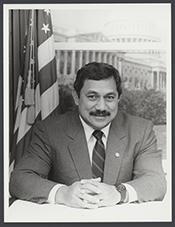
Mr. Speaker, I first would like to extend my commendation to the sponsor of this resolution, my good friend, the gentleman from Arizona (Mr. Hayworth), who also happens to be the co- chair of our…
Mr. Speaker, I first would like to extend my commendation to the sponsor of this resolution, my good friend, the gentleman from Arizona (Mr. Hayworth), who also happens to be the co- chair of our Congressional Native American Caucus. I am very moved by the leadership and the initiative that this gentleman has taken to bring this resolution to the floor for consideration by the Members of this Chamber.
I also would like to thank my good friend, the gentleman from Illinois (Mr. Davis), as co-manager of this legislation, and the gentleman from Nevada (Mr. Porter) for his management of this proposed resolution.
Mr. Speaker, today I rise in support of House Resolution 113 to recognize the social problems of child abuse and neglect and support efforts to enhance public awareness of the problem. Currently, much of the world is focused on the current global events, and as a Nation we support our troops overseas and pray for their safe return home.
I would also like to express my gratitude to our Committee on Armed Services for their diligence and bravery, as well as to their family members who continue to remain stalwart in support of them.
Mr. Speaker, as we continue to keep abreast of these global events, we must also remember that we have a generation of children who need our support and our protection. Each year, child protective service agencies receive approximately 3 million reports of suspected or known child abuse and neglect. Many of these children are removed from their unsafe home conditions and placed in foster care; tragically, some die as a result of abuse and neglect.
Mr. Speaker, our children require our assistance. They need us to defend their right to provide safe havens for them to grow and flourish. There has been a recognition for the need to get out into the public and educate families regarding parenting skills aimed at rehabilitating the family and preventing out-of-home placement of children.
We have seen a struggle between old, traditional views of childrearing and modern society's views. As a society, it has been important for us to recognize that child abuse and neglect occurs in our community and that we as a collective unit are charged with preventing such abuses. We cannot continue to ignore the problems our children face. Now is the time for us to act to stand up for our children's rights, to report abuse that we see take place, and to get involved.
With all the trials and tribulations that life holds, we owe it to our children to provide them a safe environment while they are young, one where they have the opportunity to grow, to learn, and to live without fear. We can achieve this goal by supporting this resolution and calling on all Americans to participate in breaking the cycle of child abuse and neglect and to give these victimized children hope for the future.
Again, I am always impressed by the eloquence of my good friend, the gentleman from Arizona (Mr. Hayworth), and I thank him for his initiative and efforts to bring this resolution to the floor. I ask my colleagues to support this resolution.
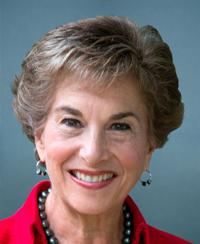
Mr. Speaker, I rise today in support of H.R. 14, the Keeping Children and Families Safe Act. There are provisions in this bill that will provide much needed resources for child abuse prevention,…
Mr. Speaker, I rise today in support of H.R. 14, the Keeping Children and Families Safe Act. There are provisions in this bill that will provide much needed resources for child abuse prevention, assistance for victims of child abuse and family violence, and adoption opportunities. In particular, I am very pleased that this bill authorizes $25 million for each of the fiscal years 2004 through 2008 for transitional housing for victims of domestic violence. It is my sincere hope that this bill will pass and the funding for transitional housing will be appropriated as soon as possible.
Transitional housing has been shown to prevent domestic violence and mitigate its effects. Unfortunately, many women who leave their abusers lack adequate resources and, with a shortage of emergency shelter and transitional housing options, are forced to choose between abuse at home or life on the streets. Yet, despite the fact that 50 percent of homeless women and children are fleeing domestic violence, there is currently no federal funding for transitional housing specifically for those victims.
It is critical that transitional housing be available to all those fleeing domestic abuse if we want to see an end to this violence. Transitional housing resources and services provide a continuum between emergency shelter provisions and independent living. A stable, sustainable home base for women and their children in transitional housing allows women the opportunities to learn new job skills, participate in educational programs, work full-time jobs, and search for adequate child care in order to gain self-sufficiency. Without such resources, many women eventually return to situations where they are abused and even killed.
In addition to supporting the funding for transitional housing as provided in H.R. 14, I am currently preparing to reintroduce the Domestic Violence and Sexual Assault Victims Housing Act. This bill would authorize $50 million a year to the Violence Against Women Office to award grants to provide transitional housing to women and their children escaping violence. I urge my colleagues to support this measure.
However, supporting measures such as H.R. 14 and the Domestic Violence and Sexual Assault Victims Housing Act are only the first step in making sure that Congress works to end the cycle of violence against women. It is crucial that Congress take the next step of actually making the money available. The House has authorized funding for transitional housing for domestic violence victims multiple times, yet has never appropriated a single dollar for this purpose. Therefore, I strongly urge my colleagues to follow through on their support for transitional housing and appropriate money for this purpose in the Fiscal Year (FY) 2004 budget.
Victims of domestic violence deserve nothing less than our full commitment to providing adequate resources that will help them rid their lives of violence forever and rebuild
healthy lives for themselves and their children. I urge my colleagues to vote ``yes'' on H.R. 14.
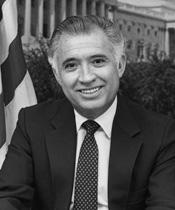
Mr. Speaker, I rise in support of H.R. 14. This bill reauthorizes several federal programs aimed at curtailing the prevalence of child abuse across this country. While each Congressional district in…
Mr. Speaker, I rise in support of H.R. 14. This bill reauthorizes several federal programs aimed at curtailing the prevalence of child abuse across this country. While each Congressional district in the nation is affected by atrocities against children, in our South Texas community, we were vividly reminded this month of the horrors people visit on children.
Recently, three young children, ages two months to three years old, were brutally murdered by their parents in Brownsville. These children were the latest innocent victims in society's ongoing struggle against child abuse.
There is nothing this House can do to change the sad, sick hearts of those who abuse our children. But we can offer local communities resources to combat this serious problem. This legislation will increase grant funding by 114 percent for child abuse prevention and will offer roughly $80 million for community-based grants to target and combat child abuse.
This bill will require the overburdened child welfare systems to ensure abused or neglected children under age 3 have access to early intervention programs. We know that without early intervention, children become harder and harder to reach. It is the child welfare programs that are our most effective anti-crime weapon. When we reach children early, we have a chance at preserving their morale and directing their emotions in a healthy way.
This bill incorporates private partnerships by improving the supervision of casework and promoting partnerships between state child protective service systems and private organizations.
Estimates are that child protective agencies receive 3 million reports of child abuse or neglect involving 5 million children in the United States. More than 1,200 children die each year as a direct result of this neglect. This abuse is most often associated with delinquency, drug abuse and other vices on part of the parents, which was the case of the young Brownsville victims. This cycle of violence evolves from abused children to troubled adults who then victimize their own children. Intervening in this cycle, as early as possible, is the best recourse we can offer.
I am also pleased that we are also considering today H. Res. 113, to provide Congressional recognition to Child Help USA for sponsoring a ``Day of Hope'' which will be observed on April 2, during Child Abuse Prevention Month. While Congress cannot change the dark hearts of those who abuse innocent children, we can at least focus public attention on this important subject and offer additional resources to those who fight this heartbreaking fight every day.
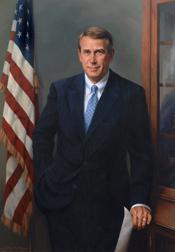
Mr. Speaker, I rise in support of H.R. 14, the ``Keeping Children and Families Safe Act of 2003.'' This bill reauthorizes the Child Abuse Prevention and Treatment Act and the Family Violence…
Mr. Speaker, I rise in support of H.R. 14, the ``Keeping Children and Families Safe Act of 2003.'' This bill reauthorizes the Child Abuse Prevention and Treatment Act and the Family Violence Prevention and Services Act, and related child and family protection acts. H.R. 14 represents our efforts and commitment to once again ensure that programs aimed at the prevention of child abuse and neglect are strengthened and continue to serve vulnerable children.
It's fitting that we are considering this bill today, as next week marks the beginning of National Child Abuse Prevention Month. This bill reflects our strong belief that every child in America deserves the security of being a part of a safe, permanent, caring family.
H.R. 14 aims to improve program implementation. It makes improvements to current law to ensure that states have the necessary resources and flexibility to properly address the prevention of child abuse and neglect.
It ensures that children are protected from abuse and neglect through best practice prevention and treatment services. It also reflects our belief that we can help achieve this goal by maintaining resources for adoption opportunities, identifying and addressing the needs of abandoned infants, and ensuring that resources continue to be available to promote family violence prevention activities. This bill also addresses the problem of child abandonment and abuse with effective solutions that can make a real difference in the lives of children.
H.R. 14 appropriately addresses issues regarding child protective services across the United States by enhancing training for personnel, requiring more effective partnerships between child protective services and private and community-based organizations, and improving public education on the child protection system.
This bill enjoys bipartisan support and is widely supported throughout the child abuse prevention and family violence prevention communities.
Finally Mr. Speaker, I want to thank my colleagues--Select Education Subcommittee Chairman Hoekstra, Mr. Greenwood, and Mr. Miller, the ranking member of the full committee--for their efforts in bringing forward this important and timely legislation.
I urge my colleagues to join me in support of H.R. 14, the Keeping Children and Families Safe Act of 2003.
Show 4 more
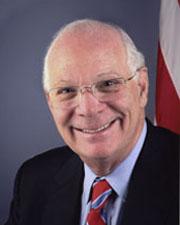
Mr. Speaker, I rise today in support of the Keeping Children and Families Safe Act (H.R. 14). This legislation reauthorizes several programs that attempt to both prevent and respond to cases of child…
Mr. Speaker, I rise today in support of the Keeping Children and Families Safe Act (H.R. 14). This legislation reauthorizes several programs that attempt to both prevent and respond to cases of child abuse.
In addition to authorizing spending for these child abuse prevention programs, H.R. 14 also expands their focus to address some of the growing problems within our child protective services system.
For example, the legislation highlights the need to improve the retention and training of child welfare caseworkers. The average tenure of these workers who deal with very difficult cases of dysfunctional families and abused children is less than two years. Such a rapid turnover rate negatively affects the system's ability to make informed decisions about the placement of at-risk children.
The bill also acknowledges the importance of providing mental health and substance abuse services to some of the troubled families in the child welfare system.
We know that appropriate access to these critical services is often very limited--which either delays the reunification of children with their families, or potentially leads to their placement in unsafe environments.
As we laud this bill, we must remember that it authorizes only a few hundred million dollars a year for a whole spectrum of activities related to providing protection and permanency for children. In the context of a foster care system that spends about $5 billion a year on the placement of children outside of their homes, this is a very modest investment.
We also need to keep in mind that this bill is merely an authorization--meaning the funding must still be approved every year by the Appropriations Committee. The CAPTA grants, which the bill authorizes $200 million for next year, were funded at less than half that amount this year ($89 million).
So this bill is a good step in the right direction, but we still have a long road to travel to adequately protect at-risk children. As the year continues, I hope we can emulate the bipartisan spirit of this bill and make some additional progress toward ensuring the safety and well-being of our most vulnerable children.
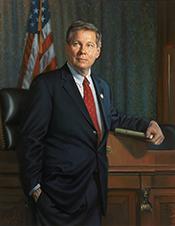
Mr. Speaker, I rise in strong support of this resolution and thank my colleague from Arizona for introducing it. The problem of child abuse and neglect is one of the great social ills of our society…
Mr. Speaker, I rise in strong support of this resolution and thank my colleague from Arizona for introducing it.
The problem of child abuse and neglect is one of the great social ills of our society and must be a major focus of our nation. The statistics are staggering. More than three children die each day as a result of abuse in the home, with 85% of the victims under the age of six. Approximately three million child abuse reports are made each year, and it is estimated that the actual incidence of abuse and neglect is estimated to be three times that of the number reported to authorities.
We all know that the federal government is limited in our ability to combat this problem. It takes the individuals on the front lines in child protective services, law enforcement, and the volunteer community to break the cycle of abuse and neglect, ensuring that the most fragile and innocent among us are protected. We are fortunate that such individuals and organizations exist among us.
In my home county of Fairfax, we are fortunate to have the Childhelp USA Children's Center of Virginia working to combat abuse. Last week, they entered into an agreement with the Fairfax County Police Department, Fairfax County Department of Family Services, Fairfax/Falls Church Community Services Board, Office of the Commonwealth Attorney, Inova Fairfax Hospital for children, and Hispanics Against Child Abuse and Neglect to better integrate our efforts to prevent and respond to child abuse and neglect in Fairfax County. I commend this partnership for their commitment and for their efforts.
We can never appropriately thank or recognize the individuals and organizations that make up this network for the services, compassion, and hope that they provide to children all across our great nation. We can, however, ensure that we work with them and help to provide the necessary resources to ensure that all children have the ability to hope, dream, and achieve their full potential. Together we can break the cycle of abuse that threatens the future of so many of our nation's children.
Mr. Speaker, I rise today in support of House Resolution 113 offered by my friend and colleague, the gentleman from Arizona, Mr. Hayworth. House Resolution 113 recognizes the social problem of child…
Mr. Speaker, I rise today in support of House Resolution 113 offered by my friend and colleague, the gentleman from Arizona, Mr. Hayworth. House Resolution 113 recognizes the social problem of child abuse and neglect and supports the goals and ideals of the National Day of Hope. I am pleased to have the opportunity today to speak on behalf of it.
This resolution addresses an issue that, unfortunately, plagues many of our districts. Each year approximately 3 million reports of possible child abuse and neglect are made to child welfare agencies. As a result, about 556,000 children are unable to live safely with their families at home and are placed in foster care.
Child abuse and neglect is a social problem that affects all Americans. The results of such abuse and neglect have great human and economic costs and are related to crime and delinquency, drug and alcohol abuse, domestic violence, and welfare dependency. Therefore, all Americans should strive to break the cycle of child abuse and neglect to give victimized children hope for the future.
Childhelp USA is one of the Nation's oldest and largest nonprofit organizations dedicated to the prevention and treatment of child abuse and neglect. As part of their efforts to bring attention to this issue, Childhelp USA has initiated a National Day of Hope to be observed on April 2, 2003. A day that is appropriate and timely as April is designated as National Child Abuse Prevention Month.
This day of hope is a reminder to all Americans that they should keep the victims of child maltreatment in their thoughts and prayers, and it encourages community efforts to mobilize resources to assist abused and neglected children.
Mr. Speaker, this resolution is very simple and straightforward. It rightly recognizes the need for more public awareness of the problem of child maltreatment and supports the goals and ideals of the National Day of Hope.
I commend the gentleman from Arizona for his leadership on this matter and urge my colleagues to vote in support of the resolution.
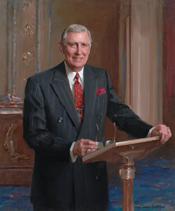
Mr. Speaker, today the House considered H. Res. 113, a resolution that recognizes the scope of child abuse and neglect and declares support for efforts to raise public awareness of this tragic…
Mr. Speaker, today the House considered H. Res. 113, a resolution that recognizes the scope of child abuse and neglect and declares support for efforts to raise public awareness of this tragic problem. I wholeheartedly support H. Res. 113 for several reasons. Approximately 3 million cases of suspected or known child abuse and neglect involving 5 million American children occur each year. The actual incidence of abuse and neglect is estimated to be 3 times greater than then number reported to authorities. This social problem results in human and economic costs due to its relationship to crime, delinquency, drug and alcohol abuse, domestic violence, and welfare dependency.
As a child growing up in Indiana, I personally experienced the horrors of child abuse in my own family. Children in abusive homes have very few options to improve their situations. I believe that the public needs to be better educated about the effects of abuse. It is important that children living in abusive homes know that there are people and organizations available to help them. Children shouldn't have to live in fear of abuse. The law should be there to protect them, and when it doesn't we should take steps to ensure their safety.
H. Res. 113 recognizes the need for better public awareness of the tragedy of child abuse. I urge my colleagues to continue to promote awareness of this tragic problem.
Bill Text
2 versions available
        [Congressional Bills 108th Congress]
[From the U.S. Government Publishing Office]
[H. Res. 113 Engrossed in House (EH)]

In the House of Representatives, U.S.,

March 26, 2003.
Whereas approximately 3,000,000 reports of suspected or known child abuse and
neglect involving 5,000,000 American children are made to child
protective service agencies each year;
Whereas 556,000 American children are unable to live safely with their families
and are placed in foster homes and institutions;
Whereas it is estimated that more than 1,200 children, 85 percent of whom are
under the age of 6 years and 44 percent of whom are under the age of 1
year, lose their lives as a direct result of abuse and neglect every
year in the United States;
Whereas this tragic social problem results in human and economic costs due to
its relationship to crime and delinquency, drug and alcohol abuse,
domestic violence, and welfare dependency; and
Whereas Childhelp USA has initiated a ``Day of Hope'' to be observed on
Wednesday, April 2, 2003, during Child Abuse Prevention Month, to focus
public awareness on this social ill: Now, therefore, be it
Resolved, That--
(1) it is the sense of the House of Representatives that--
(A) all Americans should keep the victims of child abuse and
neglect in their thoughts and prayers;
(B) all Americans should seek to break the cycle of child
abuse and neglect and to give these victimized children hope for
the future; and
(C) the faith community, nonprofit organizations, and
volunteers across the United States should recommit themselves
and mobilize their resources to assist these abused and
neglected children; and
(2) the House of Representatives--
(A) supports the goals and ideals of the ``Day of Hope'',
which was initiated by Childhelp USA; and
(B) commends Childhelp USA for all of its efforts on behalf
of abused and neglected children throughout the United States.
Attest:

Clerk.