Commending the University of Minnesota Duluth Bulldogs for winning the NCAA 2003 National Collegiate Women's Ice Hockey Championship.

Legislative Activity
Stay on top of the latest movement without scrolling through every action
Motion to reconsider laid on the table Agreed to without objection.
June 17, 2003 • 2:45 PM
View full timeline
Introduced in House
April 2, 2003
Referred to the House Committee on Education and the Workforce.
April 2, 2003
Referred to the Subcommittee on 21st Century Competitiveness.
May 2, 2003
Mr. Kline moved to suspend the rules and agree to the resolution.
June 17, 2003 • 12:14 PM
Considered under suspension of the rules. (consideration: CR H5418-5421)
June 17, 2003 • 12:14 PM
DEBATE - The House proceeded with forty minutes of debate on H. Res. 171.
June 17, 2003 • 12:14 PM
At the conclusion of debate, the Yeas and Nays were demanded and ordered. Pursuant to the provisions of clause 8, rule XX, the Chair announced that further proceedings on the motion would be postponed.
June 17, 2003 • 12:23 PM
Considered as unfinished business. (consideration: CR H5437-5438)
June 17, 2003 • 2:39 PM
Passed/agreed to in House: On motion to suspend the rules and agree to the resolution Agreed to by the Yeas and Nays: (2/3 required): 423 - 0 (Roll no. 280).(text: CR H5418)
June 17, 2003 • 2:45 PM
On motion to suspend the rules and agree to the resolution Agreed to by the Yeas and Nays: (2/3 required): 423 - 0 (Roll no. 280). (text: CR H5418)
June 17, 2003 • 2:45 PM
Motion to reconsider laid on the table Agreed to without objection.
June 17, 2003 • 2:45 PM
Voting History
1 vote recorded • Roll call available
Floor Debate
16 membersWhat members said about H.Res. 171 on the floor
 AS
AS PS
PS ALH
ALH BM
BM JCG+11
Floor Debate
16 membersWhat members said about H.Res. 171 on the floor
Mr. Speaker, due to family reasons, I was unable to vote on rollcall No. 227: H. Res. 159. Had I been present, I would have voted ``yes.'' Mr. Speaker, due to family reasons, I was unable vote on…
Mr. Speaker, due to family reasons, I was unable to vote on rollcall No. 227: H. Res. 159. Had I been present, I would have voted ``yes.''
Mr. Speaker, due to family reasons, I was unable vote on rollcall No. 228: H. Res. 195. Had I been present, I would have voted ``yes.''
Mr. Speaker, due to family reasons, I was unable to vote on rollcall No. 229: H.R. 1465. Had I been present, I would have voted ``yes.''
Mr. Speaker, due to family reasons, I was unable to vote on rollcall No. 230: S. 222. Had I been present, I would have voted ``yes.''
Mr. Speaker, due to family reasons, I was unable to vote on rollcall No. 231: S. 273. Had I been present, I would have voted ``yes.''
Mr. Speaker, due to family reasons, I was unable to vote on rollcall No. 232: S. 763. Had I been present, I would have voted ``yes.''
Mr. Speaker, due to family reasons, I was unable to vote on rollcall No. 233: H. Amdt. to H. J. Res. 4. Had I been present, I would have voted ``no.''
Mr. Speaker, due to family reasons, I was unable to vote on rollcall No. 234: Final passage of H. J. Res. 4. Had I been present, I would have voted ``yes.''
Mr. Speaker, due to family reasons, I was unable to vote on rollcall No. 235: Motion to suspend the rules and pass H. Res. 231. Had I been present, I would have voted ``yes.''
Mr. Speaker, due to family reasons, I was unable to vote on rollcall No. 236: on agreeing to H. Res. 257. Had I been present, I would have voted ``no.''
Mr. Speaker, due to family reasons, I was unable to vote on rollcall No. 237: Motion to suspend the rules and pass H. Res. 177. Had I been present, I would have voted ``yes.''
Mr. Speaker, due to family reasons, I was unable to vote on rollcall No. 238: Motion to suspend the rules and pass H. Res. 201. Had I been present, I would have voted ``yes.''
Mr. Speaker, due to family reasons, I was unable to vote on rollcall No. 239: H.R. 1954. Had I been present, I would have voted ``yes.''
Mr. Speaker, due to family reasons, I was unable to vote on rollcall No. 240: H. Amdt. 154 to H.R. 760. Had I been present, I would have voted ``yes.''
Mr. Speaker, due to family reasons, I was unable to vote on rollcall No. 241: Motion to Recommit to H.R. 760. Had I been present, I would have voted ``yes.''
Mr. Speaker, due to family reasons, I was unable to vote on rollcall No. 242: final passage of H.R. 760. Had I been present, I would have voted ``no.''
Mr. Speaker, due to family reasons, I was unable to vote on rollcall No. 243: On Ordering the Previous Question for H. Res. 256. Had I been present, I would have voted ``yes.''
Mr. Speaker, due to family reasons, I was unable to vote on rollcall No. 244: H. Res. 258. Had I been present, I would have voted ``yes.''
Mr. Speaker, due to family reasons, I was unable to vote on rollcall No. 245: H. Res. 258. Had I been present, I would have voted ``yes.''
Mr. Speaker, due to family reasons, I was unable to vote on rollcall No. 246: on passage of H.R. 1474. Had I been present, I would have voted ``yes.''
Mr. Speaker, due to family reasons, I was unable to vote on rollcall No. 247: S. 222. Had I been present, I would have voted ``yes.''
Mr. Speaker, due to family reasons, I was unable to vote on rollcall No. 248: S. 273. Had I been present, I would have voted ``yes.''
Mr. Speaker, due to family reasons, I was unable to vote on rollcall No. 249: H.R. 1610. Had I been present, I would have voted ``yes.''
Mr. Speaker, due to family reasons, I was unable to vote on rollcall No. 250: H. Con Res. 162. Had I been present, I would have voted ``yes.''
Mr. Speaker, due to family reasons, I was unable to vote on rollcall No. 251: S. 763. Had I been present, I would have voted ``yes.''
Mr. Speaker, due to family reasons, I was unable to vote on rollcall No. 252: H. Res. 263 to H.R. 2143. Had I been present, I would have voted ``yes.''
Mr. Speaker, due to family reasons, I was unable to vote on rollcall No. 253: H. Res. 263 to H.R. 2143. Had I been present, I would have voted ``No.''
Mr. Speaker, due to family reasons, I was unable to vote on rollcall No. 254: H. Amdt. 159 to H.R. 2143. Had I been present, I would have voted ``No.''
Mr. Speaker, due to family reasons, I was unable to vote on rollcall No. 255: Passage of H.R 2143. Had I been present, I would have voted ``yes.''
Mr. Speaker, due to family reasons, I was unable to vote on rollcall No. 256: H. Res. 252: Had I been present, I would have voted ``yes.''
Mr. Speaker, due to family reasons, I was unable to vote on rollcall No. 257: On ordering the previous question for H.R. 2115. Had I been present, I would have voted ``yes.''
Mr. Speaker, due to family reasons, I was unable to vote on rollcall No. 258: On agreeing to the rule for H.R. 2115. Had I been present, I would have voted ``yes.''
Mr. Speaker, due to family reasons, I was unable to vote on rollcall No. 259: On passage of H. Con. Res. 110. Had I been present I would have voted ``yes.''
Mr. Speaker, due to family reasons, I was unable to vote on rollcall No. 260: On passage of H.R. 1320. Had I been present I would have voted ``yes.''
Mr. Speaker, due to family reasons, I was unable to vote on rollcall No. 261: H.R. 2350. Had I been present, I would have voted ``yes.''
Mr. Speaker, due to family reasons, I was unable to vote on rollcall No. 262: H. Amdt. 5 to H.R. 2115. Had I been present, I would have voted ``yes.''
Mr. Speaker, due to family reasons, I was unable to vote on rollcall No. 263: H. Amdt. 4 to H.R. 2115. Had I been present, I would have voted ``yes.''
Mr. Speaker, due to family reasons, I was unable to vote on rollcall No. 264: On passage of H.R. 2115. Had I been present, I would have voted ``yes.''
Mr. Speaker, due to family reasons, I was unable to vote on rollcall No. 265: H. Res. 269 to H.R. 1115. Had I been present, I would have voted ``yes.''
Mr. Speaker, due to family reasons, I was unable to vote on rollcall No. 266: H. Res. 269 to H.R. 1115. Had I been present, I would have voted ``no.''
Mr. Speaker, due to family reasons, I was unable to vote on rollcall No. 268: H. Amdt.
168 to H.R. 1115. Had I been present, I would have voted ``yes.''
Mr. Speaker, due to family reasons, I was unable to vote on rollcall No. 269: H. Amdt. 169 to H.R. 1115. Had I been present, I would have voted ``yes.''
Mr. Speaker, due to family reasons, I was unable to vote on rollcall No. 270: H. Amdt. 170 to H.R. 1115. Had I been present, I would have voted ``yes.''
Mr. Speaker, due to family reasons, I was unable to vote on rollcall No. 271: Motion to Recommit to H.R. 1115. Had I been present, I would have voted ``yes.''
Mr. Speaker, due to family reasons, I was unable to vote on rollcall No. 272: Passage of H.R. 1115. Had I been present, I would have voted ``yes.''
Mr. Speaker, due to family reasons, I was unable to vote on rollcall No. 273: H. Res. 270 to H.R 1308. Had I been present, I would have voted ``no.''
Mr. Speaker, due to family reasons, I was unable to vote on rollcall No. 274: Rule for H.R. 1308. Had I been present, I would have voted ``no.''
Mr. Speaker, due to family reasons, I was unable to vote on rollcall No. 275: Motion to Instruct Conferees H.R. 1308. Had I been present, I would have voted ``yes.''
Mr. Speaker, due to family reasons, I was unable to vote on rollcall No. 276: H.R. 2254. Had I been present, I would have voted ``yes.''
Mr. Speaker, due to family reasons, I was unable to vote on rollcall No. 277: H. Con. Res. 220. Had I been present, I would have voted ``yes.''
Mr. Speaker, due to family reasons, I was unable to vote on rollcall No. 278: S. 703. Had I been present, I would have voted ``yes.''
Mr. Speaker, due to family reasons, I was unable to vote on rollcall No. 279: H. Res. 276. Had I been present, I would have voted ``yes.''
Mr. Speaker, due to family reasons, I was unable to vote on rollcall No. 280: H. Res. 171. Had I been present, I would have voted ``yes.''
Mr. Speaker, due to family reasons, I was unable to vote on rollcall No. 281: Passage of H.R. 658. Had I been present, I would have voted ``yes.''
Mr. Speaker, due to family reasons, I was unable to vote on rollcall No. 282: S. 342. Had I been present, I would have voted ``yes.''
Mr. Speaker, due to family reasons, I was unable to vote on rollcall No. 283: Passage of S. Con. Res. 43. Had I been present, I would have voted ``yes.''
Mr. Speaker, due to family reasons, I was unable to vote on rollcall No. 284: Previous Question to H. Res. 281. Had I been present, I would have voted ``no.''
Mr. Speaker, due to family reasons, I was unable to vote on rollcall No. 285: H. Res. 281 to H.R 8. Had I been present, I would have voted ``no.''
Mr. Speaker, due to family reasons, I was unable to vote on Rollcall No. 286: Approving the Journal. Had I been present, I would have voted ``yes.''
Mr. Speaker, due to family reasons, I was unable to vote on Rollcall No. 287: H. Amdt. 171 to H.R. 8. Had I been present, I would have voted ``yes.''
Mr. Speaker, due to family reasons, I was unable to vote on Rollcall No. 288: Passage of H.R. 8. Had I been present, I would have voted ``no''.
Mr. Speaker, due to family reasons, I was unable to vote on Rollcall No. 289: H. Res. 283 to H.R. 660. Had I been present, I would have voted ``yes.''
Mr. Speaker, due to family reasons, I was unable to vote on Rollcall No. 290: H. Res. 283 to H.R. 660. Had I been present, I would have voted ``no''.
Mr. Speaker, due to family reasons, I was unable to vote on Rollcall No. 291: H. Amdt. 172 to H.R. 1528. Had I been present, I would have voted ``yes.''
Mr. Speaker, due to family reasons, I was unable to vote on Rollcall No. 292: Motion to Recommit H.R. 1528. Had I been present, I would have voted ``yes.''
Mr. Speaker, due to family reasons, I was unable to vote on Rollcall No. 293: Passage of H.R. 1528. Had I been present, I would have voted ``no''.
Mr. Speaker, due to family reasons, I was unable to vote on Rollcall No. 294: Kind amendment to H.R. 660. Had I been present, I would have voted ``yes.''
Mr. Speaker, due to family reasons, I was unable to vote on Rollcall No. 295: On motion to recommit with instructions to H.R. 660. Had I been present, I would have voted ``yes.''
Mr. Speaker, due to family reasons, I was unable to vote on Rollcall No. 296: On final passage to H.R. 660. Had I been present, I would have voted ``yes.''
Mr. Speaker, due to family reasons, I was unable to vote on Rollcall No. 297: H. Res. 264. Had I been present, I would have voted ``yes.''
Mr. Speaker, due to family reasons, I was unable to vote on Rollcall No. 298: H. Res. 177. Had I been present, I would have voted ``yes.''
Mr. Speaker, due to family reasons, I was unable to vote on Rollcall No. 299: H. Con. Res. 209. Had I been present, I would have voted ``yes.''
Mr. Speaker, due to family reasons, I was unable to vote on Rollcall No. 300: Passage of H.R. 2465. Had I been present, I would have voted ``yes.''
Mr. Speaker, due to family reasons, I was unable to vote on Rollcall No. 301: Previous Question to H. Res. 293. Had I been present, I would have voted ``no''.
Mr. Speaker, due to family reasons, I was unable to vote on Rollcall No. 302: Agreeing to H. Res. 293. Had I been present, I would have voted ``no''.
Mr. Speaker, due to family reasons, I was unable to vote on Rollcall No. 303: Passage of H.R. 923. Had I been present, I would have voted ``yes.''
Mr. Speaker, due to family reasons, I was unable to vote on Rollcall No. 304: H.R. 1460. Had I been present, I would have voted ``yes.''
Mr. Speaker, due to family reasons, I was unable to vote on Rollcall No. 305: On sustaining the ruling of the chair on H.R. 2555. Had I been present, I would have voted ``no''.
Mr. Speaker, due to family reasons, I was unable to vote on Rollcall No. 306: Sustain ruling of the chair on H.R. 2555. Had I been present, I would have voted ``yes.''
Mr. Speaker, due to family reasons, I was unable to vote on Rollcall No. 307: H. Amdt. 176 to H.R. 2555. Had I been present, I would have voted ``yes.''
Mr. Speaker, due to family reasons, I was unable to vote on Rollcall No. 308: H. Amdt. 183 to H.R. 2555. Had I been present, I would have voted ``yes.''
Mr. Speaker, due to family reasons, I was unable to vote on Rollcall No. 309: H. Amdt. 188 to H.R. 2555. Had I been present, I would have voted ``no''.
Mr. Speaker, due to family reasons, I was unable to vote on Rollcall No. 310: Passage of H.R. 2555. Had I been present, I would have voted ``yes.''
Mr. Speaker, due to family reasons, I was unable to vote on Rollcall No. 311: Passage to H.R. 1416. Had I been present, I would have voted ``yes.''
Mr. Speaker, due to family reasons, I was unable to vote on Rollcall No. 312: S. 858. Had I been present, I would have voted ``yes.''
Mr. Speaker, due to family reasons, I was unable to vote on Rollcall No. 313: H.R. 2474. Had I been present, I would have voted ``yes.''
Mr. Speaker, due to family reasons, I was unable to vote on Rollcall No. 314: H. J. Res. 49. Had I been present, I would have voted ``yes.''
Mr. Speaker, due to family reasons, I was unable to vote on Rollcall No. 315: H. Con. Res. 49. Had I been present, I would have voted ``yes.''
Mr. Speaker, due to family reasons, I was unable to vote on Rollcall No. 316: H. Res. 199. Had I been present, I would have voted ``yes.''
Mr. Speaker, due to family reasons, I was unable to vote on Rollcall No. 317: H. Res. 294. Had I been present, I would have voted ``yes.''
Mr. Speaker, due to family reasons, I was unable to vote on Rollcall No. 318: On the Hastings amendment to H.R. 2417. Had I been present, I would have voted ``yes.''
Mr. Speaker, due to family reasons, I was unable to vote on Rollcall No. 319: On the Kucinich amendment to H.R. 2417. Had I been present, I would have voted ``no''.
Mr. Speaker, due to family reasons, I was unable to vote on Rollcall No. 320: On the Lee amendment to H.R. 2417. Had I been present, I would have voted ``yes.''
Mr. Speaker, due to family reasons, I was unable to vote on Rollcall No. 321: H. Res. 299 to H.R. 1 and H.R. 2596. Had I been present, I would have voted ``no''.
Mr. Speaker, due to family reasons, I was unable to vote on Rollcall No. 322: H. Res. 299 to H.R. 1 and H.R. 2596. Had I been present, I would have voted ``no''.
Mr. Speaker, due to family reasons, I was unable to vote on Rollcall No. 323: H. Res. 297 to H.R. 1 and H.R. 2596. Had I been present, I would have voted ``no''.
Mr. Speaker, due to family reasons, I was unable to vote on Rollcall No. 324: Ordering the previous question on H. Res. 298. Had I been present, I would have voted ``yes.''
Mr. Speaker, due to family reasons, I was unable to vote on Rollcall No. 325: Passage of H.R. 2559. Had I been present, I would have voted ``yes.''
Mr. Speaker, due to family reasons, I was unable to vote on Rollcall No. 326: Passage of H. Res. 277. Had I been present, I would have voted ``yes.''
Mr. Speaker, due to family reasons, I was unable to vote on Rollcall No. 327: On approval of the Journal. Had I been present, I would have voted ``yes.''
Mr. Speaker, due to family reasons, I was unable to vote on Rollcall No. 328: H.R. 2596. Had I been present, I would have voted ``no''.
Mr. Speaker, due to family reasons, I was unable to vote on Rollcall No. 330: H. Amdt.
197 to H.R. 1. Had I been present, I would have voted ``no''.
Mr. Speaker, due to family reasons, I was unable to vote on Rollcall No. 331: Motion to recommit with instructions to H.R. 1. Had I been present, I would have voted ``yes.''
Mr. Speaker, due to family reasons, I was unable to vote on Rollcall No. 332: Final passage of H.R. 1. Had I been present, I would have voted ``no''.
Mr. Speaker, due to family reasons, I was unable to vote on Rollcall No. 333: On passage of H.R. 2417. Had I been present, I would have voted ``yes.''
Mr. Speaker, by direction of the Committee on Rules, I call up House Resolution 276 and ask for its immediate consideration. Mr. Speaker, for the purpose of debate only, I yield the customary 30…
Mr. Speaker, by direction of the Committee on Rules, I call up House Resolution 276 and ask for its immediate consideration.
Mr. Speaker, for the purpose of debate only, I yield the customary 30 minutes to the gentleman from Florida (Mr. Hastings), pending which I yield myself such time as I may consume. During consideration of this resolution, all time yielded is for the purpose of debate only.
Mr. Speaker, this resolution is a standard rule for consideration of conference reports and waives all points of order against consideration of the conference report.
Mr. Speaker, the process of reauthorizing the Child Abuse Prevention and Treatment Act and the Family Violence Prevention Treatment Act completes a promise made to the American people that was begun in the 107th Congress. Unfortunately, the last Congress adjourned before consensus was reached between the two bodies on this very important issue. By taking up the conference report on the reintroduced legislation today, Congress is demonstrating an ongoing commitment to ensuring that programs to prevent child abuse, neglect, and family violence can continue to work and to protect American families.
The underlying conference report that we are debating maintains important Federal resources for identifying and addressing issues of domestic violence. It supports efforts to ensure that the current programs designed to address these issues are operating effectively and efficiently, and that they promote the prevention of child abuse before these heinous acts can occur.
The conference report retains language promoting partnerships between child protective services and private and community-based organizations, including education and mental health systems, to provide child abuse and neglect prevention and treatment services. It improves the training, recruitment, and retention of individuals who are capable of providing services to children and families. It also increases the availability of casework supervisors for oversight and consultation, while simultaneously improving public education on the role of the child protective services system and appropriate reporting of suspected incidents of child abuse and neglect, to reduce the number of false or malicious allegations.
This conference report requires States to have provisions and procedures for administering criminal background checks to prospective foster and adoptive parents, and other adult relatives and nonrelatives residing in the household, and helps to improve the training opportunities and requirements of child protective services personnel to ensure their active collaboration with families, and their knowledge of legal duties with these individuals to protect children's individual rights.
Mr. Speaker, this legislation also requires States to implement policies and procedures to address the needs of infants born and identification as being affected by illegal substance abuse or withdrawal symptoms resulting from prenatal drug exposure, including the requirement that healthcare providers involved in the delivery or care of such infants notify child protective services of the occurrence of such conditions in infants. It then requires the development and planning of safe care for such infants.
Lastly, the conference report retains language that expands priority services to infants and young children who are born with a life- threatening condition or with other very special medical needs, to ensure that these special needs are met and that these special children have a chance in life.
If there is one issue upon which every single Member of this institution can agree, regardless of his or her political belief, it should be the need to prevent child abuse and domestic abuse. These atrocities and often silent crimes do lasting damage to the lives of individuals and the moral fabric of our society. There exists a responsibility incumbent upon each of us to enact laws that protect the most vulnerable in our society, and this conference report will go a very long way to accomplish that exactly that noble and moral goal.
I am pleased to note that the House version of this legislation, H.R. 14, easily passed through its committee of jurisdiction, the Committee on Education and the Workforce, earlier this year and then through the House by voice vote. Today's conference report should continue to enjoy widespread and overwhelming bipartisan support as it has already enjoyed tremendous support throughout the child abuse and family violence prevention advocacy communities.
I would ask each of my colleagues on both sides of the aisle to demonstrate their commitment to American families, to American communities, and to America's future by supporting this conference report. In particular today, I would like to thank the gentleman from Michigan (Mr. Hoekstra), the House sponsor of this legislation; and the gentleman from Ohio (Mr. Boehner), chairman of the Committee on Education and the Workforce, for their hard work in producing this conference report. I would also like to take this moment to commend the conferees from both bodies that have labored to produce this fine product.
Mr. Speaker, I urge my colleagues to join me in supporting this rule and the underlying legislation.
Mr. Speaker, I reserve the balance of my time.
Mr. Speaker I yield myself such time as I may consume.
Mr. Speaker, the issue we have before us, this rule, this conference report that we are working on, really does talk about ways in which we can go and improve the lives of millions of children, where we can help families. Families, many times single parents, who are under the stress and strain of attempting to go to work, raise their family, meet their obligations in the community, to their schools, need some help, and I think that that is exactly what this bill does. It does it in a way that community-based organizations can become involved in the life and the opportunity to make not only their neighborhoods and their schools and their communities is safer and better, but they did it in a way that is a partnership.
This administration, this President, supports this. This administration, our President, when President Bush was the Governor of Texas, worked extensively in Texas across Texas in poor communities to try to make the lives better of children to provide them an opportunity to grow up and not only be in safe neighborhoods, but also have safety in their schools. So I think that the underlying legislation in this conference report is fabulous. It does a lot of things to make sure that as a Member of Congress, that all of us as Members of Congress, that we can become engaged in things that we not only can hold our head up high about but we can mentor with our President to make sure that people see this Congress as a caring group of men and women who not only want to ensure the success of people who many of whom we will never know their names but the children who live their lives and are prepared for the future.
I think that in the scheme of things this is a question that comes about not just to Members of Congress but as a demand on this country. The demand on our country is do America's greatest days lie in our future? Are we doing those things throughout the 40 some weeks that we are here in Washington, D.C. away from our families, are we handling the business of the people to
make sure that we make life better? And I think that answer is yes. Today the underlying legislation is yet another example of this Congress working together with this President to make sure that America's greatest days lie in our future because we are active, engaged, and involved with our communities and with people back home.
Mr. Speaker, I reserve the balance of my time.
Mr. Speaker, I yield 5 minutes to the gentleman from Pennsylvania (Mr. Greenwood), from the Committee on Energy and Commerce.
Mr. Speaker, I yield myself such time as I may consume.
Mr. Speaker, hearing the gentleman from Illinois and the gentleman from Pennsylvania speak about children, about the things that we encounter and learn from time about tragedies that occur in people's lives with women who have problems along life, either drugs or alcohol, and also at the same time at which they are birthing babies and carry life within them, and the impact that it has on those children, not just at birth but throughout their life, it is a stunning problem in America.
But to hear the gentleman from Illinois and the gentleman from Pennsylvania speak about the great parts about this bill, about how this Congress can reach out, how we as a government can keep working with local communities to bring out the best, not only in their interaction with these mothers that are at risk, but also child abuse victims, it is all important.
I am hopeful we can also learn a lot from the things we have learned over the last few years about people who perpetrate crimes upon children, the identification of those kinds of people, so that communities can do a better job spotting these people and protecting their children. That is what this bill is about. That is the good part of what this bill is about.
I appreciate both these gentleman for coming and telling their stories, not only about why they support this bill, but why this rule is fair and important for us to pass and this conference report. Let us get it to the President and let the President continue to do the things for the American people that he did for the people of Texas when he was Governor.
Mr. Speaker, I reserve the balance of my time.
Mr. Speaker, I yield 4 minutes to the gentleman from Marietta, Georgia (Mr. Gingrey), one of our bright young Republican Members.
Mr. Speaker, I yield myself such time as I may consume.
I appreciate the gentleman from Florida for his support of this conference report, S. 342, Keeping Children and Families Safe Act of 2003.
Mr. Speaker, we have had a good debate today. We have talked about the children of this country. We have talked about our communities. We have talked about our schools. We have talked about the desire that we have as this United States Congress, this administration, President George W. Bush and the kind and gracious leadership of this House, including our Speaker, the gentleman from Illinois (Mr. Hastert), and our majority leader, the gentleman from Texas (Mr. DeLay), to time after time take time out of their schedule not only to talk about children, children that are the future of this country and will make a difference, but also that these three gentleman, as leaders of our country, take time to make sure that this administration and the laws of this country are there to protect children, the most vulnerable part of our society.
Mr. Speaker, I am proud of what this will do. This conference report will go to help people. It will strengthen our communities. It will strengthen community-based organizations who work in a way that we need them to become efficient and be efficient and to offer these services.
I am proud of what we are doing. I am proud of what this Congress is doing, and Mr. Speaker, I urge my colleagues to join me in supporting this rule and the underlying legislation.
Mr. Speaker, I yield back the balance of my time, and I move the previous question on the resolution.
Mr. Speaker, I yield myself such time as I may consume. I thank the gentleman from Texas (Mr. Sessions), my friend, for yielding me this time. Mr. Speaker, I rise today in support of this rule and…
Mr. Speaker, I yield myself such time as I may consume.
I thank the gentleman from Texas (Mr. Sessions), my friend, for yielding me this time.
Mr. Speaker, I rise today in support of this rule and the underlying conference report for the Keeping Children and Families Safe Act. My colleagues know that the rules for conference reports in the House are typically closed, and today's rule is reflective of the longstanding tradition in the House to bring conference reports to the floor in a similar fashion.
Mr. Speaker, every time a child is abused or neglected, the whole human race suffers. With that sobering thought in mind, I support the Keeping Children and Families Safe Act. I support this conference report, because most States are facing severe budget deficits, and this is the only Federal legislation that targets child abuse and neglect. I support this conference report because States are dependent on Federal money to meet the increasing demand for community child abuse prevention programs. But realize this legislation does not begin to solve the overwhelming financial problems that the States are currently experiencing. In fact, critics of this bill including the director of the National Child Abuse Coalition say that there is a $2.5 billion spending gap between the amount currently allocated towards prevention and protection and the amount required to handle this problem effectively.
The statistics on child abuse and neglect in this country are heart- wrenching. The Department of Health and Human Services estimated that in 2001, 903,000 children in this country were victims of abuse or neglect. This figure represents an 11 percent increase from the previous year, and many child advocates say the stress of a bad economy and unemployment could be two reasons for the increase.
This bill includes funding for training and preventative programs for social workers and families and encourages partnerships between State child protective services and community organizations. It also requires foster parents and adoptive parents to undergo criminal background checks and mandates that States expand child abuse services to children born with drug-related problems.
Child abuse and neglect is everyone's problem and it affects us both morally and financially. The cost of training and preventative programs will be offset later when children who might have been burdens on society grow into upstanding citizens. From a financial perspective, the costs of child abuse and neglect to our society as a whole are staggering. Studies have documented the link between abuse and neglect in childhood with medical, emotional, psychological and behavioral disorders in adulthood. Those who are abused as children are more likely to suffer from depression, alcoholism, and drug abuse.
The abused are also more likely to become juvenile delinquents and are 29 percent more likely to become criminals. Using that estimate, 36,000 of the children who were victims of abuse or neglect in 2001 can or may become criminals.
I certainly hope that the work we are doing in this conference report will help curb this number and help those who need it. However, if we are going to come to the floor today and talk about child abuse and neglect, we will be remiss to not talk about the child neglect that occurred last week in this very Chamber when Republicans in this body refused to extend the child tax credit to more than 12 million children living in low-income families without attaching a significant cost to the bill that would have provided for those 12 million children.
Frankly, it baffles me how the rhetoric of Republicans in this body rarely meet the reality of their policies. The All-American Tax Relief Act, which passed this House last week was filled with tax cuts that benefit the more well off in our society more than six times as much as they do the needy. The bill was another tax cut to the wealthy that further drives our country into debt and deficit spending, and it lacked even the slightest bit of fiscal responsibility. In truth, the child tax credit failed to provide relief to more than 12 million children who are growing up in low-income families. In truth, families making between $10,500 and $26,625 were excluded from this tax relief, including 1 million children of U.S. Armed Forces personnel. Perhaps when Republicans talk about all Americans, they are really talking about all Americans in the upper tax brackets.
Mr. Speaker, Health and Human Services Secretary Tommy Thompson noted, ``A Nation as compassionate as ours should ensure that no child is a victim of abuse or neglect. The number of children that are being abused and neglected in this country is an unacceptable daily tragedy.'' Indeed, Secretary Thompson is correct.
But while this body helps communities fight child abuse and neglect throughout the country, we ought to first fight it right here in the House of Representatives. That we do not, Mr. Speaker, is an unacceptable daily tragedy.
Mr. Speaker, I reserve the balance of my time.
Mr. Speaker, I yield myself such time as I may consume.
Before I yield to the gentlewoman from California, I would like to respond to my good friend and colleague by indicating that the President's remarks were to pass the Senate bill, and what we did last week was force a conference which is going to delay the tax cuts for the 12 million persons about whom I spoke earlier.
That is a reality, and, to my way of thinking, that is, in some respects, uncaring. It certainly is not compassionate. Everybody that is wealthy, including those of us here in Congress, will get our tax benefits, but many of the persons about whom I speak, including some in the military, will not receive a dime this year by virtue of the actions that we took last week.
Mr. Speaker, I am privileged to yield 5 minutes to my friend, the gentlewoman from California (Ms. Woolsey), who has been a leader in the fight for protecting children.
Mr. Speaker, I yield myself such time as I may consume.
Mr. Speaker, before I yield, I will just respond to my friend from Pennsylvania, who is an extremely thoughtful Member of this body, when he cites the fact that Democrats want to spend. Let me isolate that on the child tax credit: Democrats did want to spend the $3.5 billion that the United States Senate wanted to spend, and each nickel of it was offset. Toward that end, I would urge that that kind of spending redounds to all of our benefit.
Mr. Speaker, I am privileged to yield 3 minutes to my good friend, the gentleman from Illinois (Mr. Davis).
Mr. Speaker, I yield myself such time as I may consume.
Mr. Speaker, when it comes to taking care of children, I just wonder, and pardon me for asking, what $1.1 trillion in the original tax cut during the President's administration and the $350 billion that we passed recently, in addition to the tack-on to the child tax credit, they ran it up to $82 billion, I wonder what those funds could possibly have done for the children of America? I, for one, would have preferred to spend it on them, rather than on rich people.
Mr. Speaker, I am pleased to yield to 2\1/2\ minutes to my friend, the gentlewoman from Connecticut (Ms. DeLauro), a continuing fighter and champion for children.
Mr. Speaker, I am very pleased to yield 2\1/ 2\ minutes to the gentleman from Illinois (Mr. Emanuel), my good friend who has been a continuing champion for children in this body and in his previous life before coming here.
Mr. Speaker, I yield myself such time as I may consume.
Mr. Speaker, at the close of this matter, I will urge that Members pay attention to a request on the previous question, and I will urge Members to vote ``no'' on the previous question. If the previous question is defeated, I will offer an amendment to the rule, and my amendment will provide that as soon as the House passes the conference report, it will take from the Speaker's table and immediately consider the Senate-passed version of H.R. 1307, the Armed Forces Tax Fairness Act. My amendment will also add to H.R. 1307 the text of H.R. 1308, as passed by the Senate, which restores the refundable child tax credit that was removed from the Republican tax bill passed last month.
This will allow the House to combine these two Senate-passed bills and immediately send them back to the Senate and then, hopefully, on to the President's desk for his signature. If this happens, we can begin helping America's lower- and modest-income families right away, and we can give tax relief to those members of the military who are bravely fighting for this Nation as we speak.
Is it not about time we started giving tax breaks to those Americans who really need it? And is it not about time we put an end to legislation that has no chance of becoming law?
Last week, the President said he would sign H.R. 1308, as it was passed by the Senate, and restore the refundable tax credit to those families making between $10,000 and $26,000. H.R. 1308, as amended by the Senate, will provide immediate tax relief to America's hard- working, but struggling, families by extending the child tax credit to 6.5 million low-income working families and nearly 12 million additional children. This measure will provide help to the families of 8 million children whose parents serve in the military or are veterans. It will also help families of soldiers in combat in Iraq and Afghanistan by extending the child tax credit to many of them.
Mr. Speaker, H.R. 1307 will also help our brave men and women serving in the military. It will help with travel costs for those called up for the National Guard and Reserves, and it will provide benefits for the families of the Columbia astronauts.
Vote ``no'' on the previous question so we can combine and then consider these two important tax relief bills as they passed in the Senate and rush them back to the Senate. Let us not let tax relief for these two important and deserving segments of our society wither on the vine.
Mr. Speaker, I urge a ``no'' vote on the previous question so we can consider tax relief that can actually become law and really help those most in need of tax relief.
I want to emphasize that a ``no'' vote will not prevent the House from considering the conference report for this very important legislation, the Keeping Children and Families Safe Act. It will allow us to consider the Senate-passed versions of the refundable child tax credit and the Armed Forces Tax Fairness Act, in addition to this important conference.
However, a yes vote will stop us from voting on this package of true tax relief for lower income Americans.
Mr. Speaker, I ask unanimous consent that the text of the amendment be printed in the Record immediately before the vote on the previous question.
Mr. Speaker, I ask Members to vote no on the previous question, and I yield back the balance of my time.
Mr. Speaker, I object to the vote on the ground that a quorum is not present and make the point of order that a quorum is not present.
Madam Speaker, I yield myself such time as I may consume. I am pleased to support House Resolution 171, commending the University of Minnesota Duluth women's hockey team for winning the NCAA 2003…
Madam Speaker, I yield myself such time as I may consume.
I am pleased to support House Resolution 171, commending the University of Minnesota Duluth women's hockey team for winning the NCAA 2003 National Collegiate Women's Ice Hockey Championship.
I also too want to congratulate Bulldog Coach Shannon Miller for being
named the 2003 American Hockey Coach's Association Women's University Division Coach of the Year. We are all proud of the extraordinary accomplishment of these women.
The March 23 triumph of the UMD Bulldogs over Harvard has been referred to as the greatest game in the history of college women's hockey, played before a record-breaking crowd of over 5,000, double overtime, 4 to 3, in order to defeat the Harvard team. This gave the Bulldogs their third consecutive national championship. In only the fourth season of their existence, the Bulldogs have brought the sport of women's hockey to a new and exciting level.
The success that this team has achieved over the past few years has helped to fuel a women's hockey explosion in Minnesota and across the country. Twenty-nine colleges now sponsor Division I teams, and the NCAA is considering expanding its field in 2005. In Minnesota, the number of high school women's hockey teams has rocketed from 24 in 1995 to 128 today. Nationwide, the number of girls and women playing ice hockey has increased more than four-fold in this last decade, with more than 39,000 registered females playing hockey today.
The success of the Bulldogs and the ever-growing opportunities for women in sports remind us of the importance of title IX, the landmark legislation that banned sex discrimination in schools. It passed over 30 years ago. Title IX has kicked open the door for women and girls in athletics and education, and since the passage of title IX, girls and women have gone from hoping for a team to hoping to make the team.
Unfortunately, there are still some who would like to turn back the clock and see this law weakened. But as women continue to make strides towards equal opportunity, title IX must remain strong. We must uphold the progress we have made and continue to expand the opportunities for our daughters, granddaughters, and nieces for the next generation and beyond. Every girl and young woman must be given a chance to one day become a national champion.
Once again, I congratulate the UMD Lady Bulldogs on their remarkable achievements.
Madam Speaker, I reserve the balance of my time.
Madam Speaker, I yield myself such time as I may consume.
Once again, congratulations to the University of Minnesota Duluth Lady Bulldogs. I know the gentleman from Minnesota (Mr. Sabo), the gentleman from Minnesota (Mr. Peterson), and, of course, the gentleman from Minnesota (Mr. Oberstar), who represents the University of Duluth here in Washington, D.C., could not be more proud.
I have to say this was truly exciting to get to do this, Madam Speaker, because when I was a young girl trying to learn how to ice skate, hockey was not available for us; and it certainly was not available to participate on a team and even think about winning a championship. So congratulations, Lady Bulldogs.
Madam Speaker, I yield 1 minute to the gentleman from Minnesota (Mr. Oberstar).
Madam Speaker, I yield such time as he may consume to the gentleman from Illinois (Mr. Davis).
(Mr. DAVIS of Illinois asked and was given permission to revise and extend his remarks.)
Madam Speaker, I am pleased to support H. Res. 171, commending the University of Minnesota Duluth women's hockey team for winning the NCAA 2003 National Collegiate Women's Ice Hockey Championship. I also want to congratulate Bulldogs Coach Shannon Miller on being named the 2003 American Hockey Coaches Association Women's University Division Coach of the Year. We are all proud of the extraordinary accomplishments of these women.
The March 23 triumph of the UMD Bulldogs over Harvard has been referred to as the greatest game in the history of college women's hockey. Played before a record-breaking crowd of over 5,000, the double-overtime 4 to 3 defeat of Harvard gave the Bulldogs their third consecutive national championship. In only the fourth season of their existence, the Bulldogs have brought the sport of women's hockey to a new and exciting level.
The success that this team has achieved over the past few years has helped to fuel a women's hockey explosion in Minnesota and across the country. Twenty-nine colleges now sponsor Division I teams, and the NCAA is considering expanding its field in 2005. In Minnesota, the number of high school women's hockey teams has rocketed from 24 in 1995 to 128 today. Nationwide, the number of girls and women playing ice hockey has increased more than four-fold in the last decade, with more than 39,000 registered females playing today.
The success of the Bulldogs and the ever-growing opportunities for women in sports remind us of the importance of Title IX--the landmark legislation that banned sex discrimination in schools. Over the past 30 years, Title IX has kicked open the door for women and girls in athletics and education. Since the passage of Title IX, girls have gone from hoping for a team to hoping to make the team.
Unfortunately, there are some who would like to turn back the clock and see this law weakened. But as women continue to make strides toward equal opportunity, Title IX must remain strong. We must uphold the progress that we have made and continue to expand opportunities for our daughters, granddaughters and generations beyond. Every girl must be given the chance to one day become a national champion.
Once again, I congratulate the UMB Bulldogs on their achievements.
Madam Speaker, I have no further requests for time, and I yield back the balance of my time.
Mr. Speaker, I thank the gentleman for yielding me time. Mr. Speaker, I do think it is unfortunate that when we are here to debate a bill on child abuse prevention, that we get into a debate about a…
Mr. Speaker, I thank the gentleman for yielding me time.
Mr. Speaker, I do think it is unfortunate that when we are here to debate a bill on child abuse prevention, that we get into a debate about a legitimate difference of opinion as to tax policy. I think that that is unfortunate.
But, be that as it may, I also would say ironically I think it is unfortunate to hear the minority party constantly talking about their hatred of deficits, when every single subcommittee markup of any kind I have been in for the last several months, it is the other party trying to spend more money, more money, more money, and us trying to hold the line.
Let us talk about the rule before us. I rise in support of the rule, which I think is a fair rule, but I also rise in strong support of the bill.
I would like to talk about a particular provision that I worked very hard to get in in the Committee on Education and Workforce, and which I think will do a tremendous amount to actually prevent child abuse, which is what we want to do.
What it does is it says that we look at the causes, the root causes, of child abuse. When you look for the root causes of child abuse to try to prevent it, you find this constant association between abusers of children and abusers of substance. We find it over and over again. Parents who are caught in abusive cycles with drugs and alcohol bring their problems to bear on their children, with often very devastating results in terms of physical brutality against children, sexual abuse of children and psychological abuse of children.
What we noticed, and I bring to bear on this experience my own time spent as a child protective service worker in my home of Bucks County, what we find is that children are born in hospitals every day in this country, and it as clear as can be they are born to mothers who are addicted. These are women who come to the hospitals and bear children who either suffer from fetal alcohol syndrome or they suffer from the systemic presence of a drug or actually have what is called neonatal abstinence syndrome. The child is in withdrawal from the drug. It is a pretty good indicator that this child may be returning to a home where it is not safe.
We have wrestled as a society with how do you protect these children. We do not want to necessarily deem the mothers as having abused the child by virtue of their abuse of the substance. We want to provide intervention, but how do you do that?
What this underlying conference committee report says is that when children appear in a hospital and are delivered and have these symptoms of substance abuse apparent, that the mandated reporters, the health care providers, must notify the child protective service agency, and that child protective service agency then must come in and make sure that there is a safe plan of care for the child.
It does not say that it finds abuse necessarily, it does not say that it finds dependency, it just says we need to intervene, we need to talk with the parents of this child and find out how they intend to overcome their own personal issues so that they can be prepared to nurture this vulnerable child.
I think this provision will go in a tremendous way to provide intervention for young children before they are ever subject to abuse, and help not only that child, but help the mother certainly and the father involved as well.
Mr. Speaker, I want to commend and thank the staffs of the committees that worked with us in the House and Senate, and the Committee on Rules for providing a rule under which this conference report can be considered.
Show 8 more
Mr. Speaker, I thank the gentleman from Texas (Mr. Sessions) for yielding me this time. Mr. Speaker, I have to admit, of course, as a freshman legislator, I am here to speak in favor of the rule for…
Mr. Speaker, I thank the gentleman from Texas (Mr. Sessions) for yielding me this time.
Mr. Speaker, I have to admit, of course, as a freshman legislator, I am here to speak in favor of the rule for the conference agreement to S. 342, the Keeping Children and Families Safe Act of 2003, and to speak in favor of the overall piece of legislation. But I stand here and I am listening to the other side and all of the discussion I hear is about a tax bill, and it just makes me wonder if the speakers from the other side plan to vote against this bill, if they are opposed to keeping children and families safe for the foreseeable future.
I am, as most of my colleagues know, a physician Member, Mr. Speaker, of this body; and, in particular, I am an OB-GYN doctor. As such, over the past 28 years, I have delivered over 5,000 precious children. Unfortunately, I wish I could say they were all born healthy and well and in the best of circumstances, but unfortunately, some
were not. I think that my passion for this type of legislation, for protecting children and making sure that every child has an opportunity to be well born and in a healthy environment and going into a healthy family situation, that is what this legislation is all about.
We can talk about the child tax credit and tax issues ad infinitum, but we have already had that debate. What we are talking about here today on the floor of the House is this conference committee report and the reauthorization of the Child Abuse Prevention and Treatment Act, the Adoption Opportunities Program, the Abandoned Infants Assistance Act, the Family Violence Prevention and Services Act. That is what this debate is about. I would hope and trust that the Members of the other side will support unanimously this legislation, because we desperately need to protect those of our society, the most precious and vulnerable members of our society; and that is what this great piece of bipartisan legislation is all about.
I am very proud to serve on the Committee on Education and the Workforce and to serve under my subcommittee chairman, the gentleman from Michigan (Mr. Hoekstra), who brings this bill to us, this reauthorization. It was an honor, it was an honor indeed for this freshman Member of Congress to be appointed to the conference committee on this bill. In fact, the gentleman from Michigan (Mr. Hoekstra) said to me, he had been here 10 years before having an opportunity to be appointed to a conference committee.
So it is indeed a privilege. I think it shows a lot of respect for me as a physician Member and someone who is often in that delivery room seeing these children who may be very possibly born in a situation where the mom has been on substance abuse or drugs during the pregnancy and we, many times, are highly suspicious of that situation because of the condition of the child, the irritability of the child during the physical examination. These children have a certain physical appearance which is very suggestive in some instances of alcohol or substance abuse. And to just simply go from that delivery room to the next one or the next one, or go from there to a surgical procedure, and then back to the medical office where you might see an additional 30 patients a day would be unconscionable.
So this bill calls for, among other things, reporting these instances. I cannot tell my colleagues how supportive I am of this legislation, and I am proud of the leadership for bringing it to us.
Mr. Speaker, I would like to thank the gentleman from Florida (Mr. Hastings), my friend, for yielding me this time. The underlying bill here I think reflects not only bipartisanship, but our common…
Mr. Speaker, I would like to thank the gentleman from Florida (Mr. Hastings), my friend, for yielding me this time.
The underlying bill here I think reflects not only bipartisanship, but our common set of values. It is the right approach to how to protect our children.
As the brother of a sister who is adopted, I applaud the efforts that are reflected here and the attempt here. But that bipartisanship, also those common set of values that we come together on, is in sharp contrast to what was done on the child tax credit.
Mr. Speaker, the other day The New York Times reported that in Iraq right now, 200,000 Iraqis are getting $20 a day who do not show up for work. Mr. Speaker, 200,000 Iraqis, $20 a day who do not show up for work. I come from Chicago. We know something about no-show jobs. We think they are a good thing, periodically. But that stands in stark contrast to the 200,000 active duty troop members who are over there putting their lives on the line who will not get the full child tax credit. Now, where in our common values do we respect the people of Iraq, give them 20 bucks a day who do not show up for work, and yet, to our troops who are over there in Afghanistan and Iraq, whose families are only getting $450 per child tax credit, but not the full $1,000. Where in our common set of values do we say that is the right thing to do?
Over the weekend the AP ran a story that Halliburton's bid for the oil drilling and oil work that they are doing in Iraq originally for $77 million is now running double. It was a no-bid contract and Halliburton, in the year of 2001, did not pay any Federal income taxes and, in fact, got an $85 million rebate. Last week when we were debating the child tax credit, some people described welfare as the full refundable credit; and I have a description of welfare, it is known as corporate welfare, that was done in Halliburton's case.
We here in Congress earn $12,800 a month. That is equivalent to what some of these families earn in a full year who are worthy of this child tax credit.
So I applaud the efforts that were done here to reflect our values and to take care of our children. I applaud the work done here on this bill; but I want to remind our colleagues, this bill's success comes from not only our bipartisanship but working on a common set of values. We need now to come together, come together, work on the conference, Democrats and Republicans, produce a bill, because as July approaches, some families will get this tax cut and other families, 12 million children, 6.5 million families who work full-time, sometimes more than 40 hours a week, will not be getting that tax credit.
Now, originally this bill was passed to get a tax cut to get the economy moving. It was in there in the Senate when they went to conference, but when the Vice President showed up, somehow it got dropped. We all have an obligation from the White House to the Senate to the Congress, Democrats and Republicans, to work together to give these middle-class families a tax cut.

Mr. Speaker, I rise in opposition to H. Res. 276 the Rule governing debate on S. 342, the ``Keeping Children and Families Safe Act of 2003.'' This rule waives all points of order against the…
Mr. Speaker, I rise in opposition to H. Res. 276 the Rule governing debate on S. 342, the ``Keeping Children and Families Safe Act of 2003.'' This rule waives all points of order against the Conference Report and its consideration.
Just last week, this Chamber vigorously debated the Child Tax Credit bill. The Republican members of the House of Representatives refused to adopt the Senate-passed tax bill that would have provided relief to 12 million children of hard-working American families. My Democratic colleagues offered a substitute to aid America's children but it was voted down. We have still not passed a Child Tax Credit for America's low-income children.
Now, we prepare to debate the Keeping Children and Families Safe Act of 2003. Another bill that is beneficial to America's children by taking strong steps to prevent child abuse. This bill governs dissemination of information about abused children, expands valuable research programs, authorizes grant programs, and many other valuable programs.
The Keeping Children and Families Safe Act was an opportunity to redress the failures of this body in our failure to pass the Child Tax Credit bill last week. By passing this rule, we continue to neglect and jeopardize the welfare of America's children and families, by not immediately passing the Senate Child Tax Credit bill so the President can immediately sign the bill.
Mr. Speaker, I oppose the Rule governing debate on the Keeping Children and Families Safe Act. I find it ironic that the title of the bill is the Keeping Children and Families Safe Act, and yet will have not passed real Child Tax Credit. This rule jeopardizes America's children, bill for America's most vulnerable children.
The material previously referred to by Mr. Hastings of Florida is as follows:
Previous Question for H. Res 276
Rule on Conference for Keeping Children & Families Safe Act
At the end of the resolution insert the following new
section:
``Sec. 2. Immediately after disposition of the conference
report, the House shall be considered to have taken from the
Speaker's table the bill (H.R. 1307) to amend the Internal
Revenue Code of 1986 to provide a special rule for members of
the uniformed services in determining the exclusion of gain
from the sale of a principal residence and to restore the tax
exempt status of death gratuity payments to members of the
uniformed services, and for other purposes, with the Senate
amendment thereto, and a motion that the House concur in the
Senate amendment with an amendment consisting of the text of
the Senate amendment to the text of H.R. 1308 shall be
considered as pending without intervention of any point of
order. The Senate amendment and the motion shall be
considered as read. The motion shall be debatable for one
hour equally divided and controlled by the chairman and
ranking minority member of the Committee on Ways and Means.
The previous question shall be considered as ordered on the
motion to final adoption without intervening motion.''
Mr. Speaker, today as we stand here and discuss the conference report on the Keeping Our Children and Families Safe Act, I find it ironic that this week the Republican leadership can find it in their…
Mr. Speaker, today as we stand here and discuss the conference report on the Keeping Our Children and Families Safe Act, I find it ironic that this week the Republican leadership can find it in their hearts to provide much-needed funding to prevent child abuse, which is decent and necessary, but last week they could not provide critical funding for low-income children without voting for additional tax breaks for the rich. These are the very children from low-income families who are statistically likely to suffer from child abuse, perhaps because of frustration piled on families struggling to make ends meet. This week, the Republicans care about children; last week, they did not. What kind of message is this?
The Republican's child tax credit bill, which the House debated last week, was a squandered opportunity to invest in all of our children and their families. We missed the chance to pass a child tax credit bill which would immediately grant our Nation's hard-working families their fair share of the tax credit.
The families I am talking about are those with dedicated workers that work long hours at low pay, who pay taxes and earn less than $26,000 a year. It is unfortunate that Republicans believe these children and families do not contribute enough to deserve a break, a break now, like higher income families will get.
Republican actions last week left me no doubt that Republican priorities are dead wrong. Last week the House Republicans should have followed the other body and brought a child tax credit bill before us that would help children now, without burdening them with a tax debt later in life. But, according to the majority leader, ``If we are going to do it, we should get something in exchange. If we give people a tax break that don't pay taxes, it is welfare.''
Well, Mr. Speaker, these families do pay taxes. They are not seeking welfare. They are seeking the same acknowledgment for their hard work as the rich received in the Republican tax package. They deserve tax relief at the same time as other American families. Instead, this supposed party of ``compassionate conservatism'' has exploited the child tax credit issue to pass even more tax cuts for their wealthy friends. Instead of bringing up the other body's child tax credit bill costing $3.5 billion with offsets to fully pay for it, they passed a bill costing over $80 billion not paid for.
Mr. Speaker, this is at a time when America's Federal deficit will exceed $400 billion, which, by the way, will be paid for by our children, their children, and their children, and on down the line.
Mr. Speaker, our priority must be putting money in the hands of working Americans while keeping our fiscal house in order. That way we can create jobs and build a strong economy. We are helping our children today by protecting them from child abuse, but being poor is abuse of another kind.
Mr. Speaker, children are 25 percent of the population of this Nation, but they are 100 percent of our Nation's future.
Mr. Speaker, this legislation would authorize $312 million for several programs that seek to prevent child abuse, expand adoption opportunities, assist abandoned infants, and prevent family violence;…
Mr. Speaker, this legislation would authorize $312 million for several programs that seek to prevent child abuse, expand adoption opportunities, assist abandoned infants, and prevent family violence; good goals, good values, good measures. Child abuse is an important issue. It has many, many manifestations. It is attributable to many causes, including, and let me just mention, there is a pending issue in this body, a piece of unfinished business that pertains to our Nation's children; and, if you will, our delaying on this issue directly abuses American children.
What we need to do is to restore the child tax credit to the 6.5 million families this Republican leadership continues to leave behind. That is child abuse. The families of 12 million children generally earn minimum wage. They are tax-paying families. They deserve tax relief like every other family. They have bills to pay, mouths to feed, children to care for, just like every other family. And with the economy stuck in a rut, they cannot go to bed at night knowing whether their job will even be there for them the week after next.
These families pay taxes. They make between $10,500 and $26,600 a year. They pay taxes, payroll taxes, sales taxes, excise taxes, property taxes. And they pay a greater share of their income in taxes than Enron did; and for the last 5 years, I say to my colleagues, Enron paid zero taxes. There are lots of individuals who are getting the benefit of $93,000 worth of tax cuts every year, those who are the 184,000 millionaires in this country. I will bet some of them have not paid all of the taxes that they were supposed to have been paying all of these years.
That is why what this House needs to do is to take up the other body's child tax credit legislation, legislation that was denied a simple up or down vote in the House of Representatives.
Let me be clear. The majority has said that these 6.5 million families are not their priority. What they tried to do last week is, in essence, they passed a bill here which would kill the opportunity for the $3.5 billion to address this issue and it would be taken care of. I would just quote the Committee on Ways and Means chairman. He says he is going to be heavily focused on a different issue and that they would be surprised if a conference between the House and Senate could begin this week. They are going to kill this piece of legislation because they do not really care about the 6.5 million families or the 12 million children.
Mr. Speaker, let us do the right thing. Let us address this issue. Let us end this kind of child abuse.
Madam Speaker, I thank the gentlewoman from yielding me this time. Madam Speaker, the University of Minnesota--Duluth women's hockey team achieved something truly extraordinary in the history of…
Madam Speaker, I thank the gentlewoman from yielding me this time.
Madam Speaker, the University of Minnesota--Duluth women's hockey team achieved something truly extraordinary in the history of collegiate athletics in winning the NCAA hockey championship for the third year consecutively. It is a great tribute to the skill and stamina and determination of the women who have devoted themselves to this team and to each other and displayed an extraordinary kind of cooperative spirit that is characteristic of college athletics. It is notable that the report in the Duluth News Tribune on the championship game was written by a female reporter, and I will include the report on the game, the championship game, for the Record at this time.
[From the Duluth (MN) News Tribune, Mar. 24, 2003]
Bulldog Women Claim Third Title
(By Christa Lawler)
The forgotten game puck was tucked in the back of the net
while the Minnesota Duluth women's hockey team celebrated its
third consecutive NCAA Frozen Four title.
While streamers and confetti dropped from the rafters of
the Duluth Entertainment Convention Center, University of
Minnesota Duluth goalie Shannon Kasparek crawled to the back
of the goal to retrieve the pesky puck that, for one overtime
and more than four minutes, refused to settle anywhere.
UMD beat Harvard 4-3 Sunday night when Bulldog sophomore
forward Nora Tallus, wide open, took a few strides and sent
the puck low past the Crimson's goalie Jessica Ruddock, who
had skated out to meet her. The game lasted 84 minutes--the
longest in the history of the women's NCAA-sanctioned event.
There were 5,167 fans at the game, largely pro-Bulldogs.
There were quite a few Harvard supporters and some who said
they just wanted to see a great game.
``It couldn't have been better for women's hockey,'' UMD
fourth-year coach Shannon Miller said. ``I talked to (Harvard
coach) Katey Stone before the game. I gave her a little hug
and said `Let's put on a show. Raise the bar for women's
hockey.' ''
The Bulldogs won the tournament in Durham, N.H., last year
with a 3-2 win over Brown. The previous year, they beat St.
Lawrence 4-2 in Minneapolis. No other team in the country has
ever owned the NCAA women's Frozen Four title.
Tallus, a slight, Finnish player, was mobbed by her
teammates, who created a mound of maroon on the ice on top of
her. It was Tallus' eight goal of the season, and followed
her game-high four penalties earlier in the game.

Madam Speaker, I move to suspend the rules and agree to the resolution (H. Res. 171) commending the University of Minnesota Duluth Bulldogs for winning the NCAA 2003 National Collegiate Women's Ice…
Madam Speaker, I move to suspend the rules and agree to the resolution (H. Res. 171) commending the University of Minnesota Duluth Bulldogs for winning the NCAA 2003 National Collegiate Women's Ice Hockey Championship.
Madam Speaker, I ask unanimous consent that all Members may have 5 legislative days within which to revise and extend their remarks on H. Res. 171.
Madam Speaker, I yield myself such time as I may consume.
Madam Speaker, I rise today in support of House Resolution 171; and I would like to thank my colleague, the gentleman from Minnesota (Mr. Oberstar), for bringing this resolution forward.
Madam Speaker, this resolution recognizes the achievement of the University of Minnesota Duluth women's hockey team, the Bulldogs, for their NCAA National Collegiate championship. This victory marks the third consecutive national championship for the Bulldogs.
The national champion Bulldogs deserve recognition for their double overtime victory against a talented Harvard University team. In addition to the inspiring team victory, four individuals distinguished themselves from the field: three young women from the University of Minnesota of Duluth were named to the All-Tournament team, and Coach Shannon Miller was named the 2003 AHCA Women's Division Coach of the Year. The distinction earned by these individuals and the remarkable repeat victories of the team reflect the dedication of each player, the leadership of Coach Shannon Miller, and the support of family, friends, and fans.
I extend my congratulations to each of the hard-working players on the successful Bulldog team, to Coach Miller, and to the University of Minnesota Duluth. I am happy to join my colleagues in honoring the accomplishment of this team and wish them continued success. I ask my colleagues to support this resolution.
Madam Speaker, I reserve the balance of my time.
Madam Speaker, I yield 2 minutes to the gentleman from Minnesota (Mr. Kennedy).
Madam Speaker, I yield myself such time as I may consume, just to associate myself with the remarks of my colleague, the gentlewoman from Minnesota (Ms. McCollum), in saying that the women in Minnesota have confirmed what we always knew, that Minnesota is the ice hockey headquarters of the world, and we are proud to associate ourselves with them and congratulate the team.
Madam Speaker, I yield back the balance of my time.
Madam Speaker, on that I demand the yeas and nays.
Madam Speaker, I rise in support of this resolution. Madam Speaker, I rise today to congratulate the University of Minnesota Duluth Bulldogs, the NCAA 2003 National Collegiate Women's Ice Hockey…
Madam Speaker, I rise in support of this resolution.
Madam Speaker, I rise today to congratulate the University of Minnesota Duluth Bulldogs, the NCAA 2003 National Collegiate Women's Ice Hockey Champions. I thank the Gentleman from Minnesota, Mr. Oberstar, for allowing the House this opportunity to congratulate and recognize the Bulldogs on winning their third straight championship. During the championship game against Harvard University, the Bulldogs showed tremendous strength and ability, going into double overtime, finally winning with a score of 4-3. This season, they won an impressive 31 games, while only losing 3 and tying 2. And as we prepare to celebrate the upcoming thirty-first anniversary of Title IX, this team serves to be a prime example that Title IX is working. And since it is working, to weaken or water down Title IX in any way would be detrimental to the future of events like these and to teams like the Bulldogs.
I happen to be one who believes that there ought to be absolute equality in all endeavors
in all walks of life. I am amazed, as a matter of fact, sometimes when I recall even the Preamble to our Constitution, when we say, ``We hold these truths to be self-evident, that all men are created equal,''; and at the same time, we left out women. Some people would suggest that when they said ``men'' they meant women as well, but I am not always sure of that.
As a matter of fact, we can look at what the experiences have been. Even though we have Title IX, only 42 percent of college athletes are female and female athletes receive $133 million fewer scholarship dollars per year than their male counterparts. This proves that, if anything, Title IX needs to be strengthened as we still face inequities in athletics today.
We have to keep Title IX alive; we have to make sure that it is strong; and we have to keep working so that there is in fact equality across the board without regard to race, gender, ethnicity, or any other form of origin.
America is a great Nation. We have made lots of progress and we have come a long way, but we still have much further to go. I do not believe we will ever get where we need to be unless we reinforce all of those processes that we have used to get us where we are. Keeping Title IX will continue the successes that we have seen with teams like the Bulldogs and with other athletic teams in the future.
Show 4 more
Mr. Speaker, I want to thank the gentleman for yielding me time. Mr. Speaker, as we discuss keeping children and families safe, I cannot help but be reminded of a popular song that Marvin Gaye used…
Mr. Speaker, I want to thank the gentleman for yielding me time.
Mr. Speaker, as we discuss keeping children and families safe, I cannot help but be reminded of a popular song that Marvin Gaye used to sing, and the words went sort of like this. He says, ``Who will save the children? Who is willing to try? Who will save a world that is destined to die? Save the babies.''
The reality is, Mr. Speaker, that when we talk about protecting families and saving children and refuse to provide a meager tax credit for those at the bottom of the barrel, for those who can barely survive, who can barely make it, it seems to me we are being contradictory.
It is abusive in my mind when we refuse to fully fund education so that every child can have a meaningful head start, to get a grip and a handle on life. It is abusive when we leave children out of being protected so that they can have the kind of health care that they need. And it is certainly abusive that we have 2.7 million people who have lost their jobs in the last 2 years and cannot find a way to really make it. And while I agree that programs and activities are always good and meaningful and beneficial, policies are even better.
I would hope that as we try and find these ways to protect our children, that which would protect their families by giving them a meaningful opportunity to earn a living, to have a job, to have the monies that are needed so that they are not frustrated and resort to behavior that causes them, in many instances, to abuse children.
So, Mr. Speaker, I would have to ask, who will save the world? Who is willing to try? Who will save a world that is destined to die? Let us save the children.
Madam Speaker, I thank my friend, the gentleman from Minnesota (Mr. Kline), for yielding me this time to speak about the University of Minnesota Duluth's women's hockey team. I do not know if people…
Madam Speaker, I thank my friend, the gentleman from Minnesota (Mr. Kline), for yielding me this time to speak about the University of Minnesota Duluth's women's hockey team. I do not know if people realize how important hockey is to us in Minnesota. It is a great sport. The people of particularly northern Minnesota have a proud tradition of hockey from the youth on up, and this is an example of how they are continuing that tradition.
Madam Speaker, this is the third consecutive championship, as we have spoken about several times. But how often does that happen? And that speaks to the great program that they have up there. It has already been talked about, the dramatic win, defeating Harvard 4 to 3 in double overtime. Any opportunity a team from Minnesota has to beat Harvard is a great opportunity, and it shows the competitiveness there is across the country.
The three Bulldog players named to the All-Tournament team and Coach Shannon Miller being named the AHCA Coach of the Year also merits additional pride. The coach has the highest winning percentage among the NCAA women's coaches.
While the Bulldogs shine on the ice, I think it is important to point out that they also shine in the classroom. Seven of the players from the championship team were named to the WCHA All-Academic team, so we continue to value education as well in Minnesota.
Madam Speaker, this team embodies the spirit of student athletes and our great ambassadors for the importance of sports and education for the State of Minnesota. I am honored to join them today in congratulating them on continuing the proud tradition of Minnesota hockey.
Mr. Speaker, on Tuesday, June 17, 2003. I missed three votes due to my sons high school graduation. Had I been present I would have voted YES on: Roll Call Vote #279--H. Res. 276--Ordering the…
Mr. Speaker, on Tuesday, June 17, 2003. I missed three votes due to my sons high school graduation. Had I been present I would have voted YES on:
Roll Call Vote #279--H. Res. 276--Ordering the previous question on waiving points of order against the conference report to accompany S. 342 to amend the Child Abuse Prevention and Treatment Act to make improvements to and reauthorize programs under the Act, and for other purposes.
Roll Call Vote #280--H. Res. 171--Commending the University of Minnesota Duluth Bulldogs for winning the NCAA 2003 National Collegiate Women's Ice Hockey Championship.
Roll Call Vote #281--H.R. 658--The Accountant, Compliance, and Enforcement Act.
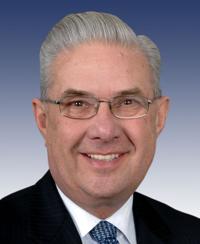
Mr. Speaker, on rollcall No. 280 had I been present, I would have voted ``yea.''
Mr. Speaker, on rollcall No. 280 had I been present, I would have voted ``yea.''
Bill Text
2 versions available
        [Congressional Bills 108th Congress]
[From the U.S. Government Publishing Office]
[H. Res. 171 Engrossed in House (EH)]

In the House of Representatives, U.S.,

June 17, 2003.
Whereas on Sunday, March 23, 2003, the two-time defending NCAA National
Collegiate Women's Ice Hockey champion, the University of Minnesota
Duluth Bulldogs, won the National Championship for the third straight
year;
Whereas Minnesota Duluth defeated Harvard University in double overtime of the
championship game by the score of 4-3, having defeated Dartmouth College
5-2 in the semifinal;
Whereas sophomore Nora Tallus scored the game-winning goal in the second
overtime, assisted by Erika Holst and Joanne Eustace;
Whereas during the 2002-2003 season, the Bulldogs won an impressive 31 games,
while losing only 3 and tying 2;
Whereas forwards Jenny Potter, Hanne Sikio, and Caroline Ouellette were selected
to the 2003 All-Tournament team and Caroline Ouellette was named the
tournament's Most Outstanding Player;
Whereas the Bulldogs are the only team in the country to earn a berth in the
women's national championship tournament in each year of its existence;
Whereas junior forward Jenny Potter was one of three finalists for the Patty
Kazmaier Memorial Award, given annually to the most outstanding player
in women's collegiate varsity ice hockey and was named to the Jofa
Women's University Division Ice Hockey All-American First Team;
Whereas senior forward Maria Rooth, for the fourth time, was one of ten
finalists for the Patty Kazmaier Memorial Award, and was named to the
Jofa Women's University Division Ice Hockey All-American Second Team;
Whereas Minnesota Duluth Head Coach Shannon Miller, after winning the National
Championship in three consecutive years, has been named a finalist for
the American Hockey Coaches Association 2002-2003 University Division
Women's Ice Hockey Coach of the Year Award; and
Whereas all of the team's players showed tremendous dedication throughout the
season toward the goal of winning the National Championship: Now,
therefore, be it
Resolved, That the House of Representatives--
(1) commends the University of Minnesota Duluth women's
hockey team for winning the NCAA 2003 National Collegiate
Women's Ice Hockey Championship;
(2) recognizes the achievements of all the team's players,
coaches, and support staff and invites them to the United
States Capitol Building to be honored;
(3) requests that the President recognize the achievements
of the University of Minnesota Duluth women's hockey team and
invite them to the White House for an appropriate ceremony
honoring a national championship team; and
(4) directs the Clerk of the House of Representatives to
make available enrolled copies of this resolution to the
University of Minnesota Duluth for appropriate display and to
transmit an enrolled copy of this resolution to each coach and
member of the NCAA 2003 National Collegiate Women's Ice Hockey
Championship team.

Attest:

Clerk.