Waiving points of order against the conference report to accompany the bill (S. 342) to amend the Child Abuse Prevention and Treatment Act to make improvements to and reauthorize programs under that Act, and for other purposes.
Legislative Activity
Stay on top of the latest movement without scrolling through every action
Motion to reconsider laid on the table Agreed to without objection.
June 17, 2003 • 2:38 PM
View full timeline
Introduced in House
June 16, 2003
The House Committee on Rules reported an original measure, H. Rept. 108-154, by Mr. Sessions.
June 16, 2003
Rule provides for consideration of the conference report to S. 342 with 1 hour of general debate.
June 16, 2003 • 7:48 PM
Placed on the House Calendar, Calendar No. 63.
June 16, 2003
Considered as privileged matter. (consideration: CR H5431-5437)
June 17, 2003 • 1:27 PM
DEBATE - The House proceeded with one hour of debate on H. Res. 276.
June 17, 2003 • 1:27 PM
On ordering the previous question Agreed to by the Yeas and Nays: 226 - 200 (Roll no. 279).
June 17, 2003 • 2:37 PM
Passed/agreed to in House: On agreeing to the resolution Agreed to by voice vote.(text: CR H5431)
June 17, 2003 • 2:37 PM
On agreeing to the resolution Agreed to by voice vote. (text: CR H5431)
June 17, 2003 • 2:37 PM
Motion to reconsider laid on the table Agreed to without objection.
June 17, 2003 • 2:38 PM
Voting History
1 vote recorded • Roll call available
Floor Debate
16 membersWhat members said about H.Res. 276 on the floor
 ASPS
ASPS ALH
ALH SJL
SJL DKD+11
Floor Debate
16 membersWhat members said about H.Res. 276 on the floor
Mr. Speaker, due to family reasons, I was unable to vote on rollcall No. 227: H. Res. 159. Had I been present, I would have voted ``yes.'' Mr. Speaker, due to family reasons, I was unable vote on…
Mr. Speaker, due to family reasons, I was unable to vote on rollcall No. 227: H. Res. 159. Had I been present, I would have voted ``yes.''
Mr. Speaker, due to family reasons, I was unable vote on rollcall No. 228: H. Res. 195. Had I been present, I would have voted ``yes.''
Mr. Speaker, due to family reasons, I was unable to vote on rollcall No. 229: H.R. 1465. Had I been present, I would have voted ``yes.''
Mr. Speaker, due to family reasons, I was unable to vote on rollcall No. 230: S. 222. Had I been present, I would have voted ``yes.''
Mr. Speaker, due to family reasons, I was unable to vote on rollcall No. 231: S. 273. Had I been present, I would have voted ``yes.''
Mr. Speaker, due to family reasons, I was unable to vote on rollcall No. 232: S. 763. Had I been present, I would have voted ``yes.''
Mr. Speaker, due to family reasons, I was unable to vote on rollcall No. 233: H. Amdt. to H. J. Res. 4. Had I been present, I would have voted ``no.''
Mr. Speaker, due to family reasons, I was unable to vote on rollcall No. 234: Final passage of H. J. Res. 4. Had I been present, I would have voted ``yes.''
Mr. Speaker, due to family reasons, I was unable to vote on rollcall No. 235: Motion to suspend the rules and pass H. Res. 231. Had I been present, I would have voted ``yes.''
Mr. Speaker, due to family reasons, I was unable to vote on rollcall No. 236: on agreeing to H. Res. 257. Had I been present, I would have voted ``no.''
Mr. Speaker, due to family reasons, I was unable to vote on rollcall No. 237: Motion to suspend the rules and pass H. Res. 177. Had I been present, I would have voted ``yes.''
Mr. Speaker, due to family reasons, I was unable to vote on rollcall No. 238: Motion to suspend the rules and pass H. Res. 201. Had I been present, I would have voted ``yes.''
Mr. Speaker, due to family reasons, I was unable to vote on rollcall No. 239: H.R. 1954. Had I been present, I would have voted ``yes.''
Mr. Speaker, due to family reasons, I was unable to vote on rollcall No. 240: H. Amdt. 154 to H.R. 760. Had I been present, I would have voted ``yes.''
Mr. Speaker, due to family reasons, I was unable to vote on rollcall No. 241: Motion to Recommit to H.R. 760. Had I been present, I would have voted ``yes.''
Mr. Speaker, due to family reasons, I was unable to vote on rollcall No. 242: final passage of H.R. 760. Had I been present, I would have voted ``no.''
Mr. Speaker, due to family reasons, I was unable to vote on rollcall No. 243: On Ordering the Previous Question for H. Res. 256. Had I been present, I would have voted ``yes.''
Mr. Speaker, due to family reasons, I was unable to vote on rollcall No. 244: H. Res. 258. Had I been present, I would have voted ``yes.''
Mr. Speaker, due to family reasons, I was unable to vote on rollcall No. 245: H. Res. 258. Had I been present, I would have voted ``yes.''
Mr. Speaker, due to family reasons, I was unable to vote on rollcall No. 246: on passage of H.R. 1474. Had I been present, I would have voted ``yes.''
Mr. Speaker, due to family reasons, I was unable to vote on rollcall No. 247: S. 222. Had I been present, I would have voted ``yes.''
Mr. Speaker, due to family reasons, I was unable to vote on rollcall No. 248: S. 273. Had I been present, I would have voted ``yes.''
Mr. Speaker, due to family reasons, I was unable to vote on rollcall No. 249: H.R. 1610. Had I been present, I would have voted ``yes.''
Mr. Speaker, due to family reasons, I was unable to vote on rollcall No. 250: H. Con Res. 162. Had I been present, I would have voted ``yes.''
Mr. Speaker, due to family reasons, I was unable to vote on rollcall No. 251: S. 763. Had I been present, I would have voted ``yes.''
Mr. Speaker, due to family reasons, I was unable to vote on rollcall No. 252: H. Res. 263 to H.R. 2143. Had I been present, I would have voted ``yes.''
Mr. Speaker, due to family reasons, I was unable to vote on rollcall No. 253: H. Res. 263 to H.R. 2143. Had I been present, I would have voted ``No.''
Mr. Speaker, due to family reasons, I was unable to vote on rollcall No. 254: H. Amdt. 159 to H.R. 2143. Had I been present, I would have voted ``No.''
Mr. Speaker, due to family reasons, I was unable to vote on rollcall No. 255: Passage of H.R 2143. Had I been present, I would have voted ``yes.''
Mr. Speaker, due to family reasons, I was unable to vote on rollcall No. 256: H. Res. 252: Had I been present, I would have voted ``yes.''
Mr. Speaker, due to family reasons, I was unable to vote on rollcall No. 257: On ordering the previous question for H.R. 2115. Had I been present, I would have voted ``yes.''
Mr. Speaker, due to family reasons, I was unable to vote on rollcall No. 258: On agreeing to the rule for H.R. 2115. Had I been present, I would have voted ``yes.''
Mr. Speaker, due to family reasons, I was unable to vote on rollcall No. 259: On passage of H. Con. Res. 110. Had I been present I would have voted ``yes.''
Mr. Speaker, due to family reasons, I was unable to vote on rollcall No. 260: On passage of H.R. 1320. Had I been present I would have voted ``yes.''
Mr. Speaker, due to family reasons, I was unable to vote on rollcall No. 261: H.R. 2350. Had I been present, I would have voted ``yes.''
Mr. Speaker, due to family reasons, I was unable to vote on rollcall No. 262: H. Amdt. 5 to H.R. 2115. Had I been present, I would have voted ``yes.''
Mr. Speaker, due to family reasons, I was unable to vote on rollcall No. 263: H. Amdt. 4 to H.R. 2115. Had I been present, I would have voted ``yes.''
Mr. Speaker, due to family reasons, I was unable to vote on rollcall No. 264: On passage of H.R. 2115. Had I been present, I would have voted ``yes.''
Mr. Speaker, due to family reasons, I was unable to vote on rollcall No. 265: H. Res. 269 to H.R. 1115. Had I been present, I would have voted ``yes.''
Mr. Speaker, due to family reasons, I was unable to vote on rollcall No. 266: H. Res. 269 to H.R. 1115. Had I been present, I would have voted ``no.''
Mr. Speaker, due to family reasons, I was unable to vote on rollcall No. 268: H. Amdt.
168 to H.R. 1115. Had I been present, I would have voted ``yes.''
Mr. Speaker, due to family reasons, I was unable to vote on rollcall No. 269: H. Amdt. 169 to H.R. 1115. Had I been present, I would have voted ``yes.''
Mr. Speaker, due to family reasons, I was unable to vote on rollcall No. 270: H. Amdt. 170 to H.R. 1115. Had I been present, I would have voted ``yes.''
Mr. Speaker, due to family reasons, I was unable to vote on rollcall No. 271: Motion to Recommit to H.R. 1115. Had I been present, I would have voted ``yes.''
Mr. Speaker, due to family reasons, I was unable to vote on rollcall No. 272: Passage of H.R. 1115. Had I been present, I would have voted ``yes.''
Mr. Speaker, due to family reasons, I was unable to vote on rollcall No. 273: H. Res. 270 to H.R 1308. Had I been present, I would have voted ``no.''
Mr. Speaker, due to family reasons, I was unable to vote on rollcall No. 274: Rule for H.R. 1308. Had I been present, I would have voted ``no.''
Mr. Speaker, due to family reasons, I was unable to vote on rollcall No. 275: Motion to Instruct Conferees H.R. 1308. Had I been present, I would have voted ``yes.''
Mr. Speaker, due to family reasons, I was unable to vote on rollcall No. 276: H.R. 2254. Had I been present, I would have voted ``yes.''
Mr. Speaker, due to family reasons, I was unable to vote on rollcall No. 277: H. Con. Res. 220. Had I been present, I would have voted ``yes.''
Mr. Speaker, due to family reasons, I was unable to vote on rollcall No. 278: S. 703. Had I been present, I would have voted ``yes.''
Mr. Speaker, due to family reasons, I was unable to vote on rollcall No. 279: H. Res. 276. Had I been present, I would have voted ``yes.''
Mr. Speaker, due to family reasons, I was unable to vote on rollcall No. 280: H. Res. 171. Had I been present, I would have voted ``yes.''
Mr. Speaker, due to family reasons, I was unable to vote on rollcall No. 281: Passage of H.R. 658. Had I been present, I would have voted ``yes.''
Mr. Speaker, due to family reasons, I was unable to vote on rollcall No. 282: S. 342. Had I been present, I would have voted ``yes.''
Mr. Speaker, due to family reasons, I was unable to vote on rollcall No. 283: Passage of S. Con. Res. 43. Had I been present, I would have voted ``yes.''
Mr. Speaker, due to family reasons, I was unable to vote on rollcall No. 284: Previous Question to H. Res. 281. Had I been present, I would have voted ``no.''
Mr. Speaker, due to family reasons, I was unable to vote on rollcall No. 285: H. Res. 281 to H.R 8. Had I been present, I would have voted ``no.''
Mr. Speaker, due to family reasons, I was unable to vote on Rollcall No. 286: Approving the Journal. Had I been present, I would have voted ``yes.''
Mr. Speaker, due to family reasons, I was unable to vote on Rollcall No. 287: H. Amdt. 171 to H.R. 8. Had I been present, I would have voted ``yes.''
Mr. Speaker, due to family reasons, I was unable to vote on Rollcall No. 288: Passage of H.R. 8. Had I been present, I would have voted ``no''.
Mr. Speaker, due to family reasons, I was unable to vote on Rollcall No. 289: H. Res. 283 to H.R. 660. Had I been present, I would have voted ``yes.''
Mr. Speaker, due to family reasons, I was unable to vote on Rollcall No. 290: H. Res. 283 to H.R. 660. Had I been present, I would have voted ``no''.
Mr. Speaker, due to family reasons, I was unable to vote on Rollcall No. 291: H. Amdt. 172 to H.R. 1528. Had I been present, I would have voted ``yes.''
Mr. Speaker, due to family reasons, I was unable to vote on Rollcall No. 292: Motion to Recommit H.R. 1528. Had I been present, I would have voted ``yes.''
Mr. Speaker, due to family reasons, I was unable to vote on Rollcall No. 293: Passage of H.R. 1528. Had I been present, I would have voted ``no''.
Mr. Speaker, due to family reasons, I was unable to vote on Rollcall No. 294: Kind amendment to H.R. 660. Had I been present, I would have voted ``yes.''
Mr. Speaker, due to family reasons, I was unable to vote on Rollcall No. 295: On motion to recommit with instructions to H.R. 660. Had I been present, I would have voted ``yes.''
Mr. Speaker, due to family reasons, I was unable to vote on Rollcall No. 296: On final passage to H.R. 660. Had I been present, I would have voted ``yes.''
Mr. Speaker, due to family reasons, I was unable to vote on Rollcall No. 297: H. Res. 264. Had I been present, I would have voted ``yes.''
Mr. Speaker, due to family reasons, I was unable to vote on Rollcall No. 298: H. Res. 177. Had I been present, I would have voted ``yes.''
Mr. Speaker, due to family reasons, I was unable to vote on Rollcall No. 299: H. Con. Res. 209. Had I been present, I would have voted ``yes.''
Mr. Speaker, due to family reasons, I was unable to vote on Rollcall No. 300: Passage of H.R. 2465. Had I been present, I would have voted ``yes.''
Mr. Speaker, due to family reasons, I was unable to vote on Rollcall No. 301: Previous Question to H. Res. 293. Had I been present, I would have voted ``no''.
Mr. Speaker, due to family reasons, I was unable to vote on Rollcall No. 302: Agreeing to H. Res. 293. Had I been present, I would have voted ``no''.
Mr. Speaker, due to family reasons, I was unable to vote on Rollcall No. 303: Passage of H.R. 923. Had I been present, I would have voted ``yes.''
Mr. Speaker, due to family reasons, I was unable to vote on Rollcall No. 304: H.R. 1460. Had I been present, I would have voted ``yes.''
Mr. Speaker, due to family reasons, I was unable to vote on Rollcall No. 305: On sustaining the ruling of the chair on H.R. 2555. Had I been present, I would have voted ``no''.
Mr. Speaker, due to family reasons, I was unable to vote on Rollcall No. 306: Sustain ruling of the chair on H.R. 2555. Had I been present, I would have voted ``yes.''
Mr. Speaker, due to family reasons, I was unable to vote on Rollcall No. 307: H. Amdt. 176 to H.R. 2555. Had I been present, I would have voted ``yes.''
Mr. Speaker, due to family reasons, I was unable to vote on Rollcall No. 308: H. Amdt. 183 to H.R. 2555. Had I been present, I would have voted ``yes.''
Mr. Speaker, due to family reasons, I was unable to vote on Rollcall No. 309: H. Amdt. 188 to H.R. 2555. Had I been present, I would have voted ``no''.
Mr. Speaker, due to family reasons, I was unable to vote on Rollcall No. 310: Passage of H.R. 2555. Had I been present, I would have voted ``yes.''
Mr. Speaker, due to family reasons, I was unable to vote on Rollcall No. 311: Passage to H.R. 1416. Had I been present, I would have voted ``yes.''
Mr. Speaker, due to family reasons, I was unable to vote on Rollcall No. 312: S. 858. Had I been present, I would have voted ``yes.''
Mr. Speaker, due to family reasons, I was unable to vote on Rollcall No. 313: H.R. 2474. Had I been present, I would have voted ``yes.''
Mr. Speaker, due to family reasons, I was unable to vote on Rollcall No. 314: H. J. Res. 49. Had I been present, I would have voted ``yes.''
Mr. Speaker, due to family reasons, I was unable to vote on Rollcall No. 315: H. Con. Res. 49. Had I been present, I would have voted ``yes.''
Mr. Speaker, due to family reasons, I was unable to vote on Rollcall No. 316: H. Res. 199. Had I been present, I would have voted ``yes.''
Mr. Speaker, due to family reasons, I was unable to vote on Rollcall No. 317: H. Res. 294. Had I been present, I would have voted ``yes.''
Mr. Speaker, due to family reasons, I was unable to vote on Rollcall No. 318: On the Hastings amendment to H.R. 2417. Had I been present, I would have voted ``yes.''
Mr. Speaker, due to family reasons, I was unable to vote on Rollcall No. 319: On the Kucinich amendment to H.R. 2417. Had I been present, I would have voted ``no''.
Mr. Speaker, due to family reasons, I was unable to vote on Rollcall No. 320: On the Lee amendment to H.R. 2417. Had I been present, I would have voted ``yes.''
Mr. Speaker, due to family reasons, I was unable to vote on Rollcall No. 321: H. Res. 299 to H.R. 1 and H.R. 2596. Had I been present, I would have voted ``no''.
Mr. Speaker, due to family reasons, I was unable to vote on Rollcall No. 322: H. Res. 299 to H.R. 1 and H.R. 2596. Had I been present, I would have voted ``no''.
Mr. Speaker, due to family reasons, I was unable to vote on Rollcall No. 323: H. Res. 297 to H.R. 1 and H.R. 2596. Had I been present, I would have voted ``no''.
Mr. Speaker, due to family reasons, I was unable to vote on Rollcall No. 324: Ordering the previous question on H. Res. 298. Had I been present, I would have voted ``yes.''
Mr. Speaker, due to family reasons, I was unable to vote on Rollcall No. 325: Passage of H.R. 2559. Had I been present, I would have voted ``yes.''
Mr. Speaker, due to family reasons, I was unable to vote on Rollcall No. 326: Passage of H. Res. 277. Had I been present, I would have voted ``yes.''
Mr. Speaker, due to family reasons, I was unable to vote on Rollcall No. 327: On approval of the Journal. Had I been present, I would have voted ``yes.''
Mr. Speaker, due to family reasons, I was unable to vote on Rollcall No. 328: H.R. 2596. Had I been present, I would have voted ``no''.
Mr. Speaker, due to family reasons, I was unable to vote on Rollcall No. 330: H. Amdt.
197 to H.R. 1. Had I been present, I would have voted ``no''.
Mr. Speaker, due to family reasons, I was unable to vote on Rollcall No. 331: Motion to recommit with instructions to H.R. 1. Had I been present, I would have voted ``yes.''
Mr. Speaker, due to family reasons, I was unable to vote on Rollcall No. 332: Final passage of H.R. 1. Had I been present, I would have voted ``no''.
Mr. Speaker, due to family reasons, I was unable to vote on Rollcall No. 333: On passage of H.R. 2417. Had I been present, I would have voted ``yes.''
Mr. Speaker, by direction of the Committee on Rules, I call up House Resolution 276 and ask for its immediate consideration. Mr. Speaker, for the purpose of debate only, I yield the customary 30…
Mr. Speaker, by direction of the Committee on Rules, I call up House Resolution 276 and ask for its immediate consideration.
Mr. Speaker, for the purpose of debate only, I yield the customary 30 minutes to the gentleman from Florida (Mr. Hastings), pending which I yield myself such time as I may consume. During consideration of this resolution, all time yielded is for the purpose of debate only.
Mr. Speaker, this resolution is a standard rule for consideration of conference reports and waives all points of order against consideration of the conference report.
Mr. Speaker, the process of reauthorizing the Child Abuse Prevention and Treatment Act and the Family Violence Prevention Treatment Act completes a promise made to the American people that was begun in the 107th Congress. Unfortunately, the last Congress adjourned before consensus was reached between the two bodies on this very important issue. By taking up the conference report on the reintroduced legislation today, Congress is demonstrating an ongoing commitment to ensuring that programs to prevent child abuse, neglect, and family violence can continue to work and to protect American families.
The underlying conference report that we are debating maintains important Federal resources for identifying and addressing issues of domestic violence. It supports efforts to ensure that the current programs designed to address these issues are operating effectively and efficiently, and that they promote the prevention of child abuse before these heinous acts can occur.
The conference report retains language promoting partnerships between child protective services and private and community-based organizations, including education and mental health systems, to provide child abuse and neglect prevention and treatment services. It improves the training, recruitment, and retention of individuals who are capable of providing services to children and families. It also increases the availability of casework supervisors for oversight and consultation, while simultaneously improving public education on the role of the child protective services system and appropriate reporting of suspected incidents of child abuse and neglect, to reduce the number of false or malicious allegations.
This conference report requires States to have provisions and procedures for administering criminal background checks to prospective foster and adoptive parents, and other adult relatives and nonrelatives residing in the household, and helps to improve the training opportunities and requirements of child protective services personnel to ensure their active collaboration with families, and their knowledge of legal duties with these individuals to protect children's individual rights.
Mr. Speaker, this legislation also requires States to implement policies and procedures to address the needs of infants born and identification as being affected by illegal substance abuse or withdrawal symptoms resulting from prenatal drug exposure, including the requirement that healthcare providers involved in the delivery or care of such infants notify child protective services of the occurrence of such conditions in infants. It then requires the development and planning of safe care for such infants.
Lastly, the conference report retains language that expands priority services to infants and young children who are born with a life- threatening condition or with other very special medical needs, to ensure that these special needs are met and that these special children have a chance in life.
If there is one issue upon which every single Member of this institution can agree, regardless of his or her political belief, it should be the need to prevent child abuse and domestic abuse. These atrocities and often silent crimes do lasting damage to the lives of individuals and the moral fabric of our society. There exists a responsibility incumbent upon each of us to enact laws that protect the most vulnerable in our society, and this conference report will go a very long way to accomplish that exactly that noble and moral goal.
I am pleased to note that the House version of this legislation, H.R. 14, easily passed through its committee of jurisdiction, the Committee on Education and the Workforce, earlier this year and then through the House by voice vote. Today's conference report should continue to enjoy widespread and overwhelming bipartisan support as it has already enjoyed tremendous support throughout the child abuse and family violence prevention advocacy communities.
I would ask each of my colleagues on both sides of the aisle to demonstrate their commitment to American families, to American communities, and to America's future by supporting this conference report. In particular today, I would like to thank the gentleman from Michigan (Mr. Hoekstra), the House sponsor of this legislation; and the gentleman from Ohio (Mr. Boehner), chairman of the Committee on Education and the Workforce, for their hard work in producing this conference report. I would also like to take this moment to commend the conferees from both bodies that have labored to produce this fine product.
Mr. Speaker, I urge my colleagues to join me in supporting this rule and the underlying legislation.
Mr. Speaker, I reserve the balance of my time.
Mr. Speaker I yield myself such time as I may consume.
Mr. Speaker, the issue we have before us, this rule, this conference report that we are working on, really does talk about ways in which we can go and improve the lives of millions of children, where we can help families. Families, many times single parents, who are under the stress and strain of attempting to go to work, raise their family, meet their obligations in the community, to their schools, need some help, and I think that that is exactly what this bill does. It does it in a way that community-based organizations can become involved in the life and the opportunity to make not only their neighborhoods and their schools and their communities is safer and better, but they did it in a way that is a partnership.
This administration, this President, supports this. This administration, our President, when President Bush was the Governor of Texas, worked extensively in Texas across Texas in poor communities to try to make the lives better of children to provide them an opportunity to grow up and not only be in safe neighborhoods, but also have safety in their schools. So I think that the underlying legislation in this conference report is fabulous. It does a lot of things to make sure that as a Member of Congress, that all of us as Members of Congress, that we can become engaged in things that we not only can hold our head up high about but we can mentor with our President to make sure that people see this Congress as a caring group of men and women who not only want to ensure the success of people who many of whom we will never know their names but the children who live their lives and are prepared for the future.
I think that in the scheme of things this is a question that comes about not just to Members of Congress but as a demand on this country. The demand on our country is do America's greatest days lie in our future? Are we doing those things throughout the 40 some weeks that we are here in Washington, D.C. away from our families, are we handling the business of the people to
make sure that we make life better? And I think that answer is yes. Today the underlying legislation is yet another example of this Congress working together with this President to make sure that America's greatest days lie in our future because we are active, engaged, and involved with our communities and with people back home.
Mr. Speaker, I reserve the balance of my time.
Mr. Speaker, I yield 5 minutes to the gentleman from Pennsylvania (Mr. Greenwood), from the Committee on Energy and Commerce.
Mr. Speaker, I yield myself such time as I may consume.
Mr. Speaker, hearing the gentleman from Illinois and the gentleman from Pennsylvania speak about children, about the things that we encounter and learn from time about tragedies that occur in people's lives with women who have problems along life, either drugs or alcohol, and also at the same time at which they are birthing babies and carry life within them, and the impact that it has on those children, not just at birth but throughout their life, it is a stunning problem in America.
But to hear the gentleman from Illinois and the gentleman from Pennsylvania speak about the great parts about this bill, about how this Congress can reach out, how we as a government can keep working with local communities to bring out the best, not only in their interaction with these mothers that are at risk, but also child abuse victims, it is all important.
I am hopeful we can also learn a lot from the things we have learned over the last few years about people who perpetrate crimes upon children, the identification of those kinds of people, so that communities can do a better job spotting these people and protecting their children. That is what this bill is about. That is the good part of what this bill is about.
I appreciate both these gentleman for coming and telling their stories, not only about why they support this bill, but why this rule is fair and important for us to pass and this conference report. Let us get it to the President and let the President continue to do the things for the American people that he did for the people of Texas when he was Governor.
Mr. Speaker, I reserve the balance of my time.
Mr. Speaker, I yield 4 minutes to the gentleman from Marietta, Georgia (Mr. Gingrey), one of our bright young Republican Members.
Mr. Speaker, I yield myself such time as I may consume.
I appreciate the gentleman from Florida for his support of this conference report, S. 342, Keeping Children and Families Safe Act of 2003.
Mr. Speaker, we have had a good debate today. We have talked about the children of this country. We have talked about our communities. We have talked about our schools. We have talked about the desire that we have as this United States Congress, this administration, President George W. Bush and the kind and gracious leadership of this House, including our Speaker, the gentleman from Illinois (Mr. Hastert), and our majority leader, the gentleman from Texas (Mr. DeLay), to time after time take time out of their schedule not only to talk about children, children that are the future of this country and will make a difference, but also that these three gentleman, as leaders of our country, take time to make sure that this administration and the laws of this country are there to protect children, the most vulnerable part of our society.
Mr. Speaker, I am proud of what this will do. This conference report will go to help people. It will strengthen our communities. It will strengthen community-based organizations who work in a way that we need them to become efficient and be efficient and to offer these services.
I am proud of what we are doing. I am proud of what this Congress is doing, and Mr. Speaker, I urge my colleagues to join me in supporting this rule and the underlying legislation.
Mr. Speaker, I yield back the balance of my time, and I move the previous question on the resolution.
Mr. Speaker, I yield myself such time as I may consume. I thank the gentleman from Texas (Mr. Sessions), my friend, for yielding me this time. Mr. Speaker, I rise today in support of this rule and…
Mr. Speaker, I yield myself such time as I may consume.
I thank the gentleman from Texas (Mr. Sessions), my friend, for yielding me this time.
Mr. Speaker, I rise today in support of this rule and the underlying conference report for the Keeping Children and Families Safe Act. My colleagues know that the rules for conference reports in the House are typically closed, and today's rule is reflective of the longstanding tradition in the House to bring conference reports to the floor in a similar fashion.
Mr. Speaker, every time a child is abused or neglected, the whole human race suffers. With that sobering thought in mind, I support the Keeping Children and Families Safe Act. I support this conference report, because most States are facing severe budget deficits, and this is the only Federal legislation that targets child abuse and neglect. I support this conference report because States are dependent on Federal money to meet the increasing demand for community child abuse prevention programs. But realize this legislation does not begin to solve the overwhelming financial problems that the States are currently experiencing. In fact, critics of this bill including the director of the National Child Abuse Coalition say that there is a $2.5 billion spending gap between the amount currently allocated towards prevention and protection and the amount required to handle this problem effectively.
The statistics on child abuse and neglect in this country are heart- wrenching. The Department of Health and Human Services estimated that in 2001, 903,000 children in this country were victims of abuse or neglect. This figure represents an 11 percent increase from the previous year, and many child advocates say the stress of a bad economy and unemployment could be two reasons for the increase.
This bill includes funding for training and preventative programs for social workers and families and encourages partnerships between State child protective services and community organizations. It also requires foster parents and adoptive parents to undergo criminal background checks and mandates that States expand child abuse services to children born with drug-related problems.
Child abuse and neglect is everyone's problem and it affects us both morally and financially. The cost of training and preventative programs will be offset later when children who might have been burdens on society grow into upstanding citizens. From a financial perspective, the costs of child abuse and neglect to our society as a whole are staggering. Studies have documented the link between abuse and neglect in childhood with medical, emotional, psychological and behavioral disorders in adulthood. Those who are abused as children are more likely to suffer from depression, alcoholism, and drug abuse.
The abused are also more likely to become juvenile delinquents and are 29 percent more likely to become criminals. Using that estimate, 36,000 of the children who were victims of abuse or neglect in 2001 can or may become criminals.
I certainly hope that the work we are doing in this conference report will help curb this number and help those who need it. However, if we are going to come to the floor today and talk about child abuse and neglect, we will be remiss to not talk about the child neglect that occurred last week in this very Chamber when Republicans in this body refused to extend the child tax credit to more than 12 million children living in low-income families without attaching a significant cost to the bill that would have provided for those 12 million children.
Frankly, it baffles me how the rhetoric of Republicans in this body rarely meet the reality of their policies. The All-American Tax Relief Act, which passed this House last week was filled with tax cuts that benefit the more well off in our society more than six times as much as they do the needy. The bill was another tax cut to the wealthy that further drives our country into debt and deficit spending, and it lacked even the slightest bit of fiscal responsibility. In truth, the child tax credit failed to provide relief to more than 12 million children who are growing up in low-income families. In truth, families making between $10,500 and $26,625 were excluded from this tax relief, including 1 million children of U.S. Armed Forces personnel. Perhaps when Republicans talk about all Americans, they are really talking about all Americans in the upper tax brackets.
Mr. Speaker, Health and Human Services Secretary Tommy Thompson noted, ``A Nation as compassionate as ours should ensure that no child is a victim of abuse or neglect. The number of children that are being abused and neglected in this country is an unacceptable daily tragedy.'' Indeed, Secretary Thompson is correct.
But while this body helps communities fight child abuse and neglect throughout the country, we ought to first fight it right here in the House of Representatives. That we do not, Mr. Speaker, is an unacceptable daily tragedy.
Mr. Speaker, I reserve the balance of my time.
Mr. Speaker, I yield myself such time as I may consume.
Before I yield to the gentlewoman from California, I would like to respond to my good friend and colleague by indicating that the President's remarks were to pass the Senate bill, and what we did last week was force a conference which is going to delay the tax cuts for the 12 million persons about whom I spoke earlier.
That is a reality, and, to my way of thinking, that is, in some respects, uncaring. It certainly is not compassionate. Everybody that is wealthy, including those of us here in Congress, will get our tax benefits, but many of the persons about whom I speak, including some in the military, will not receive a dime this year by virtue of the actions that we took last week.
Mr. Speaker, I am privileged to yield 5 minutes to my friend, the gentlewoman from California (Ms. Woolsey), who has been a leader in the fight for protecting children.
Mr. Speaker, I yield myself such time as I may consume.
Mr. Speaker, before I yield, I will just respond to my friend from Pennsylvania, who is an extremely thoughtful Member of this body, when he cites the fact that Democrats want to spend. Let me isolate that on the child tax credit: Democrats did want to spend the $3.5 billion that the United States Senate wanted to spend, and each nickel of it was offset. Toward that end, I would urge that that kind of spending redounds to all of our benefit.
Mr. Speaker, I am privileged to yield 3 minutes to my good friend, the gentleman from Illinois (Mr. Davis).
Mr. Speaker, I yield myself such time as I may consume.
Mr. Speaker, when it comes to taking care of children, I just wonder, and pardon me for asking, what $1.1 trillion in the original tax cut during the President's administration and the $350 billion that we passed recently, in addition to the tack-on to the child tax credit, they ran it up to $82 billion, I wonder what those funds could possibly have done for the children of America? I, for one, would have preferred to spend it on them, rather than on rich people.
Mr. Speaker, I am pleased to yield to 2\1/2\ minutes to my friend, the gentlewoman from Connecticut (Ms. DeLauro), a continuing fighter and champion for children.
Mr. Speaker, I am very pleased to yield 2\1/ 2\ minutes to the gentleman from Illinois (Mr. Emanuel), my good friend who has been a continuing champion for children in this body and in his previous life before coming here.
Mr. Speaker, I yield myself such time as I may consume.
Mr. Speaker, at the close of this matter, I will urge that Members pay attention to a request on the previous question, and I will urge Members to vote ``no'' on the previous question. If the previous question is defeated, I will offer an amendment to the rule, and my amendment will provide that as soon as the House passes the conference report, it will take from the Speaker's table and immediately consider the Senate-passed version of H.R. 1307, the Armed Forces Tax Fairness Act. My amendment will also add to H.R. 1307 the text of H.R. 1308, as passed by the Senate, which restores the refundable child tax credit that was removed from the Republican tax bill passed last month.
This will allow the House to combine these two Senate-passed bills and immediately send them back to the Senate and then, hopefully, on to the President's desk for his signature. If this happens, we can begin helping America's lower- and modest-income families right away, and we can give tax relief to those members of the military who are bravely fighting for this Nation as we speak.
Is it not about time we started giving tax breaks to those Americans who really need it? And is it not about time we put an end to legislation that has no chance of becoming law?
Last week, the President said he would sign H.R. 1308, as it was passed by the Senate, and restore the refundable tax credit to those families making between $10,000 and $26,000. H.R. 1308, as amended by the Senate, will provide immediate tax relief to America's hard- working, but struggling, families by extending the child tax credit to 6.5 million low-income working families and nearly 12 million additional children. This measure will provide help to the families of 8 million children whose parents serve in the military or are veterans. It will also help families of soldiers in combat in Iraq and Afghanistan by extending the child tax credit to many of them.
Mr. Speaker, H.R. 1307 will also help our brave men and women serving in the military. It will help with travel costs for those called up for the National Guard and Reserves, and it will provide benefits for the families of the Columbia astronauts.
Vote ``no'' on the previous question so we can combine and then consider these two important tax relief bills as they passed in the Senate and rush them back to the Senate. Let us not let tax relief for these two important and deserving segments of our society wither on the vine.
Mr. Speaker, I urge a ``no'' vote on the previous question so we can consider tax relief that can actually become law and really help those most in need of tax relief.
I want to emphasize that a ``no'' vote will not prevent the House from considering the conference report for this very important legislation, the Keeping Children and Families Safe Act. It will allow us to consider the Senate-passed versions of the refundable child tax credit and the Armed Forces Tax Fairness Act, in addition to this important conference.
However, a yes vote will stop us from voting on this package of true tax relief for lower income Americans.
Mr. Speaker, I ask unanimous consent that the text of the amendment be printed in the Record immediately before the vote on the previous question.
Mr. Speaker, I ask Members to vote no on the previous question, and I yield back the balance of my time.
Mr. Speaker, I object to the vote on the ground that a quorum is not present and make the point of order that a quorum is not present.
Mr. Speaker, I thank the very distinguished gentleman from Illinois (Mr. Davis) for yielding me this time. I have very much appreciated his leadership on the issues dealing with children in America.…
Mr. Speaker, I thank the very distinguished gentleman from Illinois (Mr. Davis) for yielding me this time.
I have very much appreciated his leadership on the issues dealing with children in America. We have spent some time in Texas listening to many of our social worker, skilled social workers from around the Nation giving us instructions on the importance of providing social services to the needs of our children.
To the gentleman from Ohio (Mr. Boehner), the full committee chairman; and to the gentleman from California (Mr. George Miller); and to the gentleman from Michigan (Mr. Hoekstra) for his leadership on this issue, I too rise in support of S. 342, Keeping Children and Families Safe Act of 2003, and will share a number of comments on the importance of this legislation that deals with enhancing the resources and the instructions and guidelines for protecting the Nation's children against abuse and neglect.
It is not my purpose to fault one State over another. Certainly all of us come from jurisdictions that can stand improvement, and this legislation will help us do so. But in the last few weeks and months, we note the tragedies that occurred in the State of New Jersey and Florida, in particular in Florida the missing little girl still yet to be found who was taken away from her grandmother by someone who alleged to be within the children's protective services, and similar stories in the State of New Jersey shows that our system is broken and needs to be fixed. Frankly, this legislation ensures that hopefully that we can focus on that broken aspect.
There is currently a $2.5 billion spending gap between what this country spends on child abuse and prevention and what is needed, and as a Nation we cannot rest. We cannot sit idly by with the knowledge that millions of children are not being properly cared for. Child abuse and neglect victims may experience one or more kinds of maltreatment including neglect, physical abuse, sexual abuse, psychological or other maltreatment. Neglect is the most common form of child maltreatment; and in recent years, close to 63 percent of child abuse victims suffer neglect including medical neglect.
Of the millions of children who reported abuse and neglect, 24 percent suffered physical abuse, 12 percent suffered sexual abuse, 6 percent suffered emotional maltreatment, and 3 percent suffered from medical neglect. Sadly, almost 40 percent of the children are under the age of six. Unfortunately, in my home State of Texas, 47,400 children were confirmed victims of abuse or neglect. There are over 6 million children in Texas. This legislation will hopefully focus with resources, instruction, and of course aiding and insisting on better services in our States to make sure that we confront this problem head on.
Just a few years ago I joined with the children's protective services in Harris County to tackle the problem of abandoned children, to engage in a billboard campaign along with other outreach campaigns to insist that there are other ways to avoid abandoning a baby and leaving a child unattended and to be able to work with the children's protective services and foster parent care to ensure that our children are never abandoned along a roadside or in a garbage dump. We are still working on that problem, Mr. Speaker; and we have a long way to go.
I would say that the gentleman from Illinois (Mr. Davis) is absolutely correct. While we are protecting our children against abuse, whether it is sexual abuse and neglect, whether it is by way of medical treatment or nutrition, we also need to look at programs that are headed our way to this floor; and certainly this morning in a hearing sponsored by the Congressional Black Caucus it is very clear that the Head Start program is not broken and should not be fixed. Absolutely, legislation that is making its way to this floor should not include a block grant provision that takes moneys away from this vital Head Start program, 38 years old, that provides nurturing and caring attitudes toward our children, a nurturing and supportive atmosphere for our parents, immunization and nutrition, giving some of these children two meals a day that they would have never have gotten. This effort to block grant this program even if it is only in eight States, Mr. Speaker, is misdirected and loses the point of what Head Start has done for 38 years. Clearly, we can work to improve our program; but we should not abolish it, and we have people in Congress today, Head Start professionals and parents, who are advocating do not abolish Head Start; and I hope that our colleagues will listen to them.
I would say also, Mr. Speaker, that we have another job yet undone, and that is to provide a tax credit for low-income children. Yes, this legislation is extremely important. But today, June 17, 2003, America's low-income children still do not have a tax credit. What we can do, Mr. Speaker, is immediately pass the Senate bill and send it to the President's desk and send the Senate bill to our low-income families. In my State of Texas, 2.129 million children are missing the impact of a low-income tax credit because we have stalled this legislation in the House. In addition, 12 million to 19 million children could be helped by the Senate bill along with the children of our military families, some of whom have their loved ones on the front lines of Iraq.
Mr. Speaker, this body should be a problem-solver. As the gentleman from Illinois (Mr. Davis) has said, we have a lot of work that we have accomplished, but much work to be done. Let us not abolish Head Start with this misdirected legislation headed to the floor. Let us pass this legislation enthusiastically to protect our children, but yet let us not leave 19 million children out in the cold without an effective child tax credit for low-income families. Let us pass that legislation as we pass S. 342, and let us work to secure and protect Head Start funding to the Head Start programs and not abolish it by block granting those funds to the State.
I thank the distinguished gentleman for yielding me this time, and I ask my colleagues to enthusiastically support S. 342.
Mr. Speaker, I rise in support of this rule and the underlying Conference Report on S. 342, the Keeping Children and Families Safe Act of 2003. I join my colleagues and reiterate how important it is to protect our children from abuse and neglect.
Many states are dependent on Federal money to meet the increasing demand for child abuse prevention programs. This legislation is important because it is the only Federal legislation that directly addresses the prevention of child abuse. Currently, there is a $2.5 billion spending gap between what this country spends on child abuse prevention and what is needed. As a nation we cannot rest, we can not sit idly by with the knowledge that millions of children are not being properly cared for.
Child abuse and neglect victims may experience one or more kinds of maltreatment including neglect, physical abuse, sexual abuse, psychological or other maltreatment. Neglect is the most common form of child maltreatment and in recent years close to 63 percent of child abuse victims suffered neglect (including medical neglect). Of the millions of children who are reported abused or neglected, 24 percent suffered physical abuse, 12 percent suffered sexual abuse, 6 percent suffered emotional maltreatment and three percent suffered from medical neglect. Sadly, almost 40 percent of the children were under the age of 6.
I am particularly concerned with that 12 percent of cases involving sexual abuse. Child sexual abuse includes actual physical abuse such as touching a child's genital area or molestation, and it also includes sexual assault, self-exposure (flashing), voyeurism, and exposing children to pornography.
Unfortunately, in my home state of Texas 47,400 children are confirmed victims of abuse or neglect. I want to put that number into perspective, Mr. Speaker. There are over six million children in Texas. Over one million Texas children live in poverty. Many of the children and families I am talking about would not have been eligible for the Republican's child tax credit. Studies have shown that poverty is one of the many societal elements that can increase the occurrence of child abuse. I am glad to say that this underlying bill will lead to services for all families, including those whose incomes are low.
It is beyond reprehensible that anyone would treat children in this way. Furthermore,
it would be despicable for this Congress not to do everything possible to help prevent such abuse.
Between 1993 and 1999, the incidence of child abuse and neglect declined on the national level. However, after 1999 the incidence of child abuse rose. We must turn that tide back around. We must not be discouraged by the size of the problem we must seek to work together, in a bipartisan way. Because the matter of protecting our children is not political or partisan it is simply the most important thing that this body can do.
There is more that we can do. In fact, there is more that we must do. The underlying bill is a step in the right direction therefore I support the rule on the Conference Report for S. 342.
Mr. Speaker, I yield myself such time as I may consume. I rise today in support of Senate bill 342, the Keeping Children and Families Safe Act to amend the Child Abuse Prevention and Treatment Act.…
Mr. Speaker, I yield myself such time as I may consume. I rise today in support of Senate bill 342, the Keeping Children and Families Safe Act to amend the Child Abuse Prevention and Treatment Act.
First of all, I want to commend Chairman Boehner and Ranking Member Miller for their movement of this legislation to the floor. Obviously I am pleased with my participation as a member of the conference committee. I also commend the gentleman from Michigan (Mr. Hoekstra), the gentleman from Pennsylvania (Mr. Greenwood), and the gentleman from Texas (Mr. Hinojosa) for their participation. Also I would like to thank the House committee Democratic staff, Ruth Friedman, Ricardo Martinez, and Maggie McDow and the Republican committee staff, Pam Davidson, Krisann Pearce, Kate Houston, Rebecca Hunt, and Judy Boyer for all of their hard work and collaboration with the Senate staff in shaping this legislation to better serve some of our neediest and most helpless citizens.
In the year 2000, about 879,000 children were victims of abuse and neglect in this country. Of this number, approximately 1,200 children died of abuse or neglect, and 44 percent of those children were under the age of 1. It is indeed a disturbing thought that an adult would want to hurt an innocent, helpless child. Yet it occurs and it occurs daily in this country. The United States Congress has in the recent past taken to the floor to bring awareness to the problem and the need to deal with child abuse in this country. This resolution allows us to not only acknowledge this tragic problem but also to provide some assistance to the children and the families that are victims of abuse.
I am very proud of the many good provisions of this legislation. One is the increase of funds from $33 million to $80 million for community- based groups that run programs to strengthen and support families in efforts to reduce the level of child abuse that exists and that exists among families. There are also other new funds and emphasis to better meet the needs of abused children, such as providing funds to meet the needs of children who witness domestic violence and have policies in place to address the needs of infants who are born and identified as having been physically affected by prenatal exposure to illegal drugs or to HIV or who are HIV-infected.
However, this bill would only be doing half its job if we did not also look at individuals who assist the victims of abuse. There will be grants made available to improve child protection services, particularly cross-training to enable child protection service workers to better recognize the signs of domestic violence and substance abuse in addition to child abuse. It also calls on States to provide better training and to strengthen efforts toward child abuse prevention programs.
As our economy worsens and the number of unemployed, especially long- term unemployment, rises, we need to recall the correlation between the state of the economy and violence. With high unemployment and a weak economy, more adults will become frustrated and depressed, both of which often lead to child abuse. You mix together an unemployed individual who feels depressed, frustrated and stressed, who becomes overwhelmed, and it is unfortunate that more of them will take out their rage or their emotion on whoever is closest or whatever is closest to them. At times, sadly, this may be released on a spouse or a child.
Just as the bill would be incomplete if it did not acknowledge improvements for child protection systems, we would be incomplete in our focus on improving the status of at-risk children if we did not acknowledge the state of the economy and the need of a tax credit for our neediest families. One may not see the correlation, but it is there. If we are going to stand here today and send the message that we sincerely care about the well-being of the less fortunate victims in our Nation, we cannot then in the next breath send the message to the once-abused mother or father that they are not worth the child tax credit, or to the children who witness domestic violence or violent crimes around their home on a regular and ongoing basis that they are not worth a concrete, comprehensive program like Head Start.
Mr. Speaker, as I have said, I am proud of this bill, Keeping Families and Children Safe Act; but I also do not believe that we are doing a complete job, that we are doing enough to help the neediest and the most helpless, and sometimes youngest, victims in our Nation to be safe and secure.
And so I commend the gentleman from Michigan; I commend all of those who have worked and helped shape this legislation. I support this legislation.
Mr. Speaker, I reserve the balance of my time.
Mr. Speaker, it is my pleasure to yield 6 minutes to the gentlewoman from Texas (Ms. Jackson-Lee), who is indeed an advocate for children, not only an advocate for children but who is indeed an advocate for whatever is good and wholesome for the United States of America.
Mr. Speaker, I yield myself 4 minutes.
Mr. Speaker, I noticed that the chairman of the Committee on Education and the Workforce has come to the floor, and again I want to reiterate my commendations to him for the outstanding leadership that he has provided in bringing this legislation before us and to the floor of the House.
I have always been told that the greatness of a society can be determined by how well it looks after its old, how well it looks after its young, and what it does for those who have difficulty in looking out for themselves. And when we think about abused and neglected children, we are thinking about individuals who have difficulty looking out for themselves.
For the last 10 or more years each Christmas Eve, I and a group of my friends visit what we call halfway houses for neglected and abused children; and to see little children in the basements of apartment buildings, in the basements of churches or in many instances just places that the keepers of these facilities have found and to see them there with little hope, with no real encouragement, and not even knowing what the season is about, and to see the glee and the joy that they have just when they are given an apple or an orange or some fruit or a toy that someone else may have just given away, that speaks to what this legislation will mean. If we can prevent families from taking out their frustration on children, if we can find children who have left home, who themselves are confused, if we can bring hope to the hopeless and help to those who are helpless, then that is really what America should be about; and that is one of the things that this legislation helps to do. So once again, I commend all of those who have been instrumental in bringing it to this point.
Mr. Speaker, I reserve the balance of my time.
Mr. Speaker, I yield myself such time as I may consume.
Mr. Speaker, I am going to note it is a pleasure to see as many children in the Chamber as there are to see this bipartisan legislation being approved. I would reiterate that there is nothing more important that America could do than to demonstrate how important children are and prepare for the future leaders of our Nation to emerge, to have the kind of services that they need, the kind of programs.
We cannot afford to lose a single one. So every time we can go out and bring in a child who may have been lost, may have been neglected or may have been abused we are actually doing the best work that we could do. I would urge support of this legislation.
Mr. Speaker, I yield back the balance of my time.
Show 8 more
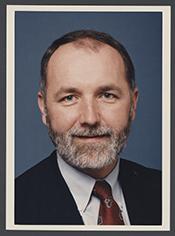
Mr. Speaker, pursuant to House Resolution 276, I call up the conference report on the Senate bill (S. 342) to amend the Child Abuse Prevention and Treatment Act to make improvements to and…
Mr. Speaker, pursuant to House Resolution 276, I call up the conference report on the Senate bill (S. 342) to amend the Child Abuse Prevention and Treatment Act to make improvements to and reauthorize programs under that Act, and for other purposes.
Mr. Speaker, I yield myself such time as I may consume.
Mr. Speaker, I am pleased that we are here today to discuss the conference agreement to S. 342, the Keeping Children and Families Safe Act of 2003, which reauthorizes and improves the Child Abuse Prevention and Treatment Act, CAPTA; the adoption opportunities program; the Abandoned Infants Act; and the Family Violence Prevention and Services Act.
We began this process of reauthorizing CAPTA and FVPSA in the last Congress. The conference report before us today shows our ongoing bipartisan effort and our commitment to ensuring that programs aimed at the prevention of child abuse and neglect and family violence continue.
The conference report before us continues to emphasize the prevention of child abuse and neglect before it occurs. It promotes partnerships between child protective services and private and community-based organizations, including education and health systems, to ensure that services and linkages are more effectively provided. It retains important language from the House bill to appropriately address a growing concern over parents being falsely accused of child abuse and neglect and the aggressiveness of social workers in their child abuse investigations.
It retains language to increase public education opportunities that strengthen the public's understanding of the child protection system while teaching the appropriate manner for reporting suspected incidents of child maltreatment. It also retains language to foster cooperation between parents and child protective service workers by requiring caseworkers to inform parents of the allegations made against them, and improves the training opportunities for child protective services personnel regarding the extent and limits of their legal authority in order to protect the legal rights of parents and legal guardians. These are important additions to our Nation's child abuse laws that should not be overlooked.
This conference report retains the House language requiring States to implement policies and procedures to address the needs of infants born and identified as being affected by illegal substance abuse or withdrawal symptoms resulting from prenatal drug exposure, including the requirement that health care providers involved in the delivery or care of these infants notify child protective services of the occurrence of such condition and develop a plan of safe care for such infants.
In addition, this conference report maintains language expanding adoption opportunities and services for infants and young children who are disabled or born with life-threatening conditions, requires the Secretary of Health and Human Services to conduct a study on the annual number of infants and young children abandoned each year, and extends the authorization for the Family Violence Prevention and Services Act.
Finally, Mr. Speaker, I want to thank all the conferees, both the House and the Senate, for their hard work and efforts in finalizing this conference report. I especially want to thank the gentleman from Ohio (Mr. Boehner) for his continued support throughout this process and the gentleman from Pennsylvania (Mr. Greenwood) for his diligence in ensuring that infants born addicted to drugs receive necessary services. I appreciate the assistance of the ranking member of the full committee, the gentleman from California (Mr. George Miller); and the ranking member of the subcommittee, the gentleman from Texas (Mr. Hinojosa), in ensuring that we have reached this point here today. I, of course, also want to thank the chairman of the Senate HELP Committee, Senator Gregg; the ranking member, Senator Kennedy; and Senator Dodd for their efforts in finalizing this bill.
Most importantly, I also want to thank the staff. This conference report would not be before us today if it were not for the diligence and dedication of the staff who have spent many hours working through the differences in the two bills to ensure that we reached this final agreement.
Mr. Speaker, again, I am very pleased with this conference report. I urge my colleagues to join me in support of this bicameral, bipartisan effort to improve the prevention and treatment of child abuse and family violence.
Mr. Speaker, I reserve the balance of my time.
Mr. Speaker, I yield 3 minutes to the gentleman from Georgia (Mr. Burns), a member of the subcommittee.
Mr. Speaker, I yield 3 minutes to the gentleman from Nevada (Mr. Porter), vice chairman of the subcommittee.
Mr. Speaker, I yield myself such time as I may consume.
I would like to thank the gentleman from Illinois (Mr. Davis) for the kind words and the tone of discussion and the debate today. It is not a debate. We have worked very positively in a bipartisan way to bring this legislation not only through the House but through a conference committee, and one of the instrumental leaders in making sure that that is a tone that we have on the committee and the tone for this piece of legislation is the chairman of the full committee.
Mr. Speaker, I yield 4 minutes to the gentleman from Ohio (Chairman Boehner) and express our appreciation and thanks for having the opportunity to move this bill.
Mr. Speaker, I yield myself such time as I may consume.
Mr. Speaker, I would like to just reiterate my support to the comments of the gentleman from Illinois (Mr. Davis). It is absolutely true that society will be measured by how we take care of those who are least able to take care of themselves. This bill is a step in the right direction. I hope that we can continued working on these issues and other issues to make sure that we do not leave a single child behind, either at this stage in life through the education process or later on as they enter into higher education.
Those are all the kinds of issues that we will either consider at the subcommittee or the full committee level, and hopefully we can continue to maintain this bipartisan support on these very, very critical issues, recognizing that we each come from different communities with different perspectives, different backgrounds and different needs, and that by bringing those perspectives to the committee, by bringing those perspectives to the House, we will reach the appropriate kind of legislation that will have the most impact and most beneficial impact across America.
Mr. Speaker, I urge my colleagues to support this legislation.
Mr. Speaker, I yield back the balance of my time.
Mr. Speaker, on that I demand the yeas and nays.
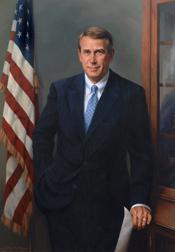
Mr. Speaker, I thank my colleague for yielding me this time. I thank both him and the gentleman from Illinois (Mr. Davis) and many others for their efforts in bringing us here, and I rise today in…
Mr. Speaker, I thank my colleague for yielding me this time.
I thank both him and the gentleman from Illinois (Mr. Davis) and many others for their efforts in bringing us here, and I rise today in support of the conference report to S. 342, the Keeping Children and Families Safe Act of 2003. This conference report reauthorizes the Child Abuse Prevention and Treatment Act and the Family Violence Prevention and Services Act and related programs and acts. The conference report represents, I think, our efforts and commitment to once again ensure that programs aimed at the prevention of child abuse and neglect are strengthened and continue to serve vulnerable children.
When this process began, we wanted to ensure that the final bill reflected our strong belief that every child in America deserves the security of being part of a safe, permanent, and caring family. And I am pleased to say that the conference report that we have before us does just that. It aims to improve program implementation, making enhancements to current law to ensure that States have the necessary resources and flexibility to properly address the prevention of child abuse and neglect. This conference report retains language to ensure that children are protected from abuse and neglect through best practice prevention and treatment services. And, importantly, it continues to reflect our belief that we can help achieve this goal by maintaining resources for adoption opportunities, identifying and addressing the needs of abandoned infants, and ensuring that resources continue to be available to promote family violence prevention activities. This conference report also retains language to address the problem of child abandonment and abuse with effective solutions that make a real difference in the lives of children.
In addition, this conference report continues to appropriately address issues regarding child protective services across the United States by enhancing training for personnel, requiring more effective partnerships between child protective services and private and community-based organizations, and improving public education on the children protection system. This conference report enjoys a strong bipartisan support and is widely supported throughout the child abuse prevention and family violence prevention communities. I want to thank all the conferees from both the House and the Senate for their efforts in getting us to this point.
I especially want to thank the Select Education Subcommittee chairman (Chairman Hoekstra) for his leadership and dedication to the completion of this conference report; the gentleman from Pennsylvania (Mr. Greenwood); the gentleman from Texas (Mr. Hinojosa); the gentleman from Illinois (Mr. Davis); and the gentleman from California (Mr. George Miller), my friend and the ranking member of our committee.
I wish to thank Senator Gregg, the Chairman of the Senate Health Committee, Senator Kennedy, the ranking member, and Senator Dodd for their assistance in finalizing and helping us bring this legislation forward today.
I also want to thank the staff for their hard work and their dedication, especially Krisann Pearce, Pam Davidson, Kate Houston, Holli Traud, Alexa Marrero, and Jo-Marie St. Martin of
my committee staff; Ruth Friedman with the gentleman from California (Mr. George Miller), Ricardo Martinez with the gentleman from Texas (Mr. Hinojosa), Rebecca Hunt with the staff of the gentleman from Michigan (Mr. Hoekstra), Judy Borger and Matt Haggerty with the gentleman from Pennsylvania (Mr. Greenwood), and the counsel from the minority side, Mort Zuckerman, whom I see in the Chamber. They have all worked in an especially close way to help bring us here today.
So I want to urge my colleagues to support the conference report to S. 342, and thank them for all of their hard work.
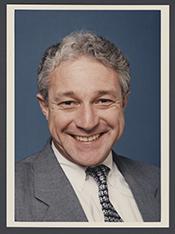
Mr. Speaker, I thank the gentleman for yielding me time. Mr. Speaker, I do think it is unfortunate that when we are here to debate a bill on child abuse prevention, that we get into a debate about a…
Mr. Speaker, I thank the gentleman for yielding me time.
Mr. Speaker, I do think it is unfortunate that when we are here to debate a bill on child abuse prevention, that we get into a debate about a legitimate difference of opinion as to tax policy. I think that that is unfortunate.
But, be that as it may, I also would say ironically I think it is unfortunate to hear the minority party constantly talking about their hatred of deficits, when every single subcommittee markup of any kind I have been in for the last several months, it is the other party trying to spend more money, more money, more money, and us trying to hold the line.
Let us talk about the rule before us. I rise in support of the rule, which I think is a fair rule, but I also rise in strong support of the bill.
I would like to talk about a particular provision that I worked very hard to get in in the Committee on Education and Workforce, and which I think will do a tremendous amount to actually prevent child abuse, which is what we want to do.
What it does is it says that we look at the causes, the root causes, of child abuse. When you look for the root causes of child abuse to try to prevent it, you find this constant association between abusers of children and abusers of substance. We find it over and over again. Parents who are caught in abusive cycles with drugs and alcohol bring their problems to bear on their children, with often very devastating results in terms of physical brutality against children, sexual abuse of children and psychological abuse of children.
What we noticed, and I bring to bear on this experience my own time spent as a child protective service worker in my home of Bucks County, what we find is that children are born in hospitals every day in this country, and it as clear as can be they are born to mothers who are addicted. These are women who come to the hospitals and bear children who either suffer from fetal alcohol syndrome or they suffer from the systemic presence of a drug or actually have what is called neonatal abstinence syndrome. The child is in withdrawal from the drug. It is a pretty good indicator that this child may be returning to a home where it is not safe.
We have wrestled as a society with how do you protect these children. We do not want to necessarily deem the mothers as having abused the child by virtue of their abuse of the substance. We want to provide intervention, but how do you do that?
What this underlying conference committee report says is that when children appear in a hospital and are delivered and have these symptoms of substance abuse apparent, that the mandated reporters, the health care providers, must notify the child protective service agency, and that child protective service agency then must come in and make sure that there is a safe plan of care for the child.
It does not say that it finds abuse necessarily, it does not say that it finds dependency, it just says we need to intervene, we need to talk with the parents of this child and find out how they intend to overcome their own personal issues so that they can be prepared to nurture this vulnerable child.
I think this provision will go in a tremendous way to provide intervention for young children before they are ever subject to abuse, and help not only that child, but help the mother certainly and the father involved as well.
Mr. Speaker, I want to commend and thank the staffs of the committees that worked with us in the House and Senate, and the Committee on Rules for providing a rule under which this conference report can be considered.
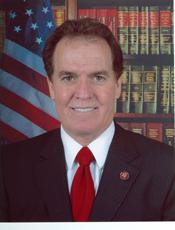
Mr. Speaker, I thank the gentleman from Texas (Mr. Sessions) for yielding me this time. Mr. Speaker, I have to admit, of course, as a freshman legislator, I am here to speak in favor of the rule for…
Mr. Speaker, I thank the gentleman from Texas (Mr. Sessions) for yielding me this time.
Mr. Speaker, I have to admit, of course, as a freshman legislator, I am here to speak in favor of the rule for the conference agreement to S. 342, the Keeping Children and Families Safe Act of 2003, and to speak in favor of the overall piece of legislation. But I stand here and I am listening to the other side and all of the discussion I hear is about a tax bill, and it just makes me wonder if the speakers from the other side plan to vote against this bill, if they are opposed to keeping children and families safe for the foreseeable future.
I am, as most of my colleagues know, a physician Member, Mr. Speaker, of this body; and, in particular, I am an OB-GYN doctor. As such, over the past 28 years, I have delivered over 5,000 precious children. Unfortunately, I wish I could say they were all born healthy and well and in the best of circumstances, but unfortunately, some
were not. I think that my passion for this type of legislation, for protecting children and making sure that every child has an opportunity to be well born and in a healthy environment and going into a healthy family situation, that is what this legislation is all about.
We can talk about the child tax credit and tax issues ad infinitum, but we have already had that debate. What we are talking about here today on the floor of the House is this conference committee report and the reauthorization of the Child Abuse Prevention and Treatment Act, the Adoption Opportunities Program, the Abandoned Infants Assistance Act, the Family Violence Prevention and Services Act. That is what this debate is about. I would hope and trust that the Members of the other side will support unanimously this legislation, because we desperately need to protect those of our society, the most precious and vulnerable members of our society; and that is what this great piece of bipartisan legislation is all about.
I am very proud to serve on the Committee on Education and the Workforce and to serve under my subcommittee chairman, the gentleman from Michigan (Mr. Hoekstra), who brings this bill to us, this reauthorization. It was an honor, it was an honor indeed for this freshman Member of Congress to be appointed to the conference committee on this bill. In fact, the gentleman from Michigan (Mr. Hoekstra) said to me, he had been here 10 years before having an opportunity to be appointed to a conference committee.
So it is indeed a privilege. I think it shows a lot of respect for me as a physician Member and someone who is often in that delivery room seeing these children who may be very possibly born in a situation where the mom has been on substance abuse or drugs during the pregnancy and we, many times, are highly suspicious of that situation because of the condition of the child, the irritability of the child during the physical examination. These children have a certain physical appearance which is very suggestive in some instances of alcohol or substance abuse. And to just simply go from that delivery room to the next one or the next one, or go from there to a surgical procedure, and then back to the medical office where you might see an additional 30 patients a day would be unconscionable.
So this bill calls for, among other things, reporting these instances. I cannot tell my colleagues how supportive I am of this legislation, and I am proud of the leadership for bringing it to us.
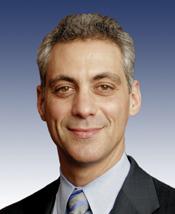
Mr. Speaker, I would like to thank the gentleman from Florida (Mr. Hastings), my friend, for yielding me this time. The underlying bill here I think reflects not only bipartisanship, but our common…
Mr. Speaker, I would like to thank the gentleman from Florida (Mr. Hastings), my friend, for yielding me this time.
The underlying bill here I think reflects not only bipartisanship, but our common set of values. It is the right approach to how to protect our children.
As the brother of a sister who is adopted, I applaud the efforts that are reflected here and the attempt here. But that bipartisanship, also those common set of values that we come together on, is in sharp contrast to what was done on the child tax credit.
Mr. Speaker, the other day The New York Times reported that in Iraq right now, 200,000 Iraqis are getting $20 a day who do not show up for work. Mr. Speaker, 200,000 Iraqis, $20 a day who do not show up for work. I come from Chicago. We know something about no-show jobs. We think they are a good thing, periodically. But that stands in stark contrast to the 200,000 active duty troop members who are over there putting their lives on the line who will not get the full child tax credit. Now, where in our common values do we respect the people of Iraq, give them 20 bucks a day who do not show up for work, and yet, to our troops who are over there in Afghanistan and Iraq, whose families are only getting $450 per child tax credit, but not the full $1,000. Where in our common set of values do we say that is the right thing to do?
Over the weekend the AP ran a story that Halliburton's bid for the oil drilling and oil work that they are doing in Iraq originally for $77 million is now running double. It was a no-bid contract and Halliburton, in the year of 2001, did not pay any Federal income taxes and, in fact, got an $85 million rebate. Last week when we were debating the child tax credit, some people described welfare as the full refundable credit; and I have a description of welfare, it is known as corporate welfare, that was done in Halliburton's case.
We here in Congress earn $12,800 a month. That is equivalent to what some of these families earn in a full year who are worthy of this child tax credit.
So I applaud the efforts that were done here to reflect our values and to take care of our children. I applaud the work done here on this bill; but I want to remind our colleagues, this bill's success comes from not only our bipartisanship but working on a common set of values. We need now to come together, come together, work on the conference, Democrats and Republicans, produce a bill, because as July approaches, some families will get this tax cut and other families, 12 million children, 6.5 million families who work full-time, sometimes more than 40 hours a week, will not be getting that tax credit.
Now, originally this bill was passed to get a tax cut to get the economy moving. It was in there in the Senate when they went to conference, but when the Vice President showed up, somehow it got dropped. We all have an obligation from the White House to the Senate to the Congress, Democrats and Republicans, to work together to give these middle-class families a tax cut.
Mr. Speaker, I rise in opposition to H. Res. 276 the Rule governing debate on S. 342, the ``Keeping Children and Families Safe Act of 2003.'' This rule waives all points of order against the…
Mr. Speaker, I rise in opposition to H. Res. 276 the Rule governing debate on S. 342, the ``Keeping Children and Families Safe Act of 2003.'' This rule waives all points of order against the Conference Report and its consideration.
Just last week, this Chamber vigorously debated the Child Tax Credit bill. The Republican members of the House of Representatives refused to adopt the Senate-passed tax bill that would have provided relief to 12 million children of hard-working American families. My Democratic colleagues offered a substitute to aid America's children but it was voted down. We have still not passed a Child Tax Credit for America's low-income children.
Now, we prepare to debate the Keeping Children and Families Safe Act of 2003. Another bill that is beneficial to America's children by taking strong steps to prevent child abuse. This bill governs dissemination of information about abused children, expands valuable research programs, authorizes grant programs, and many other valuable programs.
The Keeping Children and Families Safe Act was an opportunity to redress the failures of this body in our failure to pass the Child Tax Credit bill last week. By passing this rule, we continue to neglect and jeopardize the welfare of America's children and families, by not immediately passing the Senate Child Tax Credit bill so the President can immediately sign the bill.
Mr. Speaker, I oppose the Rule governing debate on the Keeping Children and Families Safe Act. I find it ironic that the title of the bill is the Keeping Children and Families Safe Act, and yet will have not passed real Child Tax Credit. This rule jeopardizes America's children, bill for America's most vulnerable children.
The material previously referred to by Mr. Hastings of Florida is as follows:
Previous Question for H. Res 276
Rule on Conference for Keeping Children & Families Safe Act
At the end of the resolution insert the following new
section:
``Sec. 2. Immediately after disposition of the conference
report, the House shall be considered to have taken from the
Speaker's table the bill (H.R. 1307) to amend the Internal
Revenue Code of 1986 to provide a special rule for members of
the uniformed services in determining the exclusion of gain
from the sale of a principal residence and to restore the tax
exempt status of death gratuity payments to members of the
uniformed services, and for other purposes, with the Senate
amendment thereto, and a motion that the House concur in the
Senate amendment with an amendment consisting of the text of
the Senate amendment to the text of H.R. 1308 shall be
considered as pending without intervention of any point of
order. The Senate amendment and the motion shall be
considered as read. The motion shall be debatable for one
hour equally divided and controlled by the chairman and
ranking minority member of the Committee on Ways and Means.
The previous question shall be considered as ordered on the
motion to final adoption without intervening motion.''
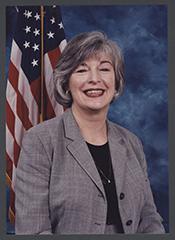
Mr. Speaker, today as we stand here and discuss the conference report on the Keeping Our Children and Families Safe Act, I find it ironic that this week the Republican leadership can find it in their…
Mr. Speaker, today as we stand here and discuss the conference report on the Keeping Our Children and Families Safe Act, I find it ironic that this week the Republican leadership can find it in their hearts to provide much-needed funding to prevent child abuse, which is decent and necessary, but last week they could not provide critical funding for low-income children without voting for additional tax breaks for the rich. These are the very children from low-income families who are statistically likely to suffer from child abuse, perhaps because of frustration piled on families struggling to make ends meet. This week, the Republicans care about children; last week, they did not. What kind of message is this?
The Republican's child tax credit bill, which the House debated last week, was a squandered opportunity to invest in all of our children and their families. We missed the chance to pass a child tax credit bill which would immediately grant our Nation's hard-working families their fair share of the tax credit.
The families I am talking about are those with dedicated workers that work long hours at low pay, who pay taxes and earn less than $26,000 a year. It is unfortunate that Republicans believe these children and families do not contribute enough to deserve a break, a break now, like higher income families will get.
Republican actions last week left me no doubt that Republican priorities are dead wrong. Last week the House Republicans should have followed the other body and brought a child tax credit bill before us that would help children now, without burdening them with a tax debt later in life. But, according to the majority leader, ``If we are going to do it, we should get something in exchange. If we give people a tax break that don't pay taxes, it is welfare.''
Well, Mr. Speaker, these families do pay taxes. They are not seeking welfare. They are seeking the same acknowledgment for their hard work as the rich received in the Republican tax package. They deserve tax relief at the same time as other American families. Instead, this supposed party of ``compassionate conservatism'' has exploited the child tax credit issue to pass even more tax cuts for their wealthy friends. Instead of bringing up the other body's child tax credit bill costing $3.5 billion with offsets to fully pay for it, they passed a bill costing over $80 billion not paid for.
Mr. Speaker, this is at a time when America's Federal deficit will exceed $400 billion, which, by the way, will be paid for by our children, their children, and their children, and on down the line.
Mr. Speaker, our priority must be putting money in the hands of working Americans while keeping our fiscal house in order. That way we can create jobs and build a strong economy. We are helping our children today by protecting them from child abuse, but being poor is abuse of another kind.
Mr. Speaker, children are 25 percent of the population of this Nation, but they are 100 percent of our Nation's future.
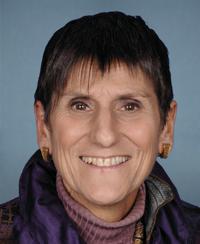
Mr. Speaker, this legislation would authorize $312 million for several programs that seek to prevent child abuse, expand adoption opportunities, assist abandoned infants, and prevent family violence;…
Mr. Speaker, this legislation would authorize $312 million for several programs that seek to prevent child abuse, expand adoption opportunities, assist abandoned infants, and prevent family violence; good goals, good values, good measures. Child abuse is an important issue. It has many, many manifestations. It is attributable to many causes, including, and let me just mention, there is a pending issue in this body, a piece of unfinished business that pertains to our Nation's children; and, if you will, our delaying on this issue directly abuses American children.
What we need to do is to restore the child tax credit to the 6.5 million families this Republican leadership continues to leave behind. That is child abuse. The families of 12 million children generally earn minimum wage. They are tax-paying families. They deserve tax relief like every other family. They have bills to pay, mouths to feed, children to care for, just like every other family. And with the economy stuck in a rut, they cannot go to bed at night knowing whether their job will even be there for them the week after next.
These families pay taxes. They make between $10,500 and $26,600 a year. They pay taxes, payroll taxes, sales taxes, excise taxes, property taxes. And they pay a greater share of their income in taxes than Enron did; and for the last 5 years, I say to my colleagues, Enron paid zero taxes. There are lots of individuals who are getting the benefit of $93,000 worth of tax cuts every year, those who are the 184,000 millionaires in this country. I will bet some of them have not paid all of the taxes that they were supposed to have been paying all of these years.
That is why what this House needs to do is to take up the other body's child tax credit legislation, legislation that was denied a simple up or down vote in the House of Representatives.
Let me be clear. The majority has said that these 6.5 million families are not their priority. What they tried to do last week is, in essence, they passed a bill here which would kill the opportunity for the $3.5 billion to address this issue and it would be taken care of. I would just quote the Committee on Ways and Means chairman. He says he is going to be heavily focused on a different issue and that they would be surprised if a conference between the House and Senate could begin this week. They are going to kill this piece of legislation because they do not really care about the 6.5 million families or the 12 million children.
Mr. Speaker, let us do the right thing. Let us address this issue. Let us end this kind of child abuse.
Show 5 more

Mr. Speaker, I rise today to express my support for the conference report on S. 342, the Keeping Children and Families Safe Act of 2003. As a member of the conference committee, I am proud that it…
Mr. Speaker, I rise today to express my support for the conference report on S. 342, the Keeping Children and Families Safe Act of 2003. As a member of the conference committee, I am proud that it reauthorizes several programs that are critical to families in our country.
The bill focuses resources on preventing child abuse, improving opportunities for adoption of foster children, and protecting families from violence. It does so by providing necessary funds to identify and address issues of child abuse and neglect and working to stop family violence before it occurs. These issues know no party or boundary.
This bipartisan legislation recognizes that we must address the problems in a comprehensive way. It shows that we can bring public and private resources to bear in this fight by promoting partnerships between child protective services and community-based organizations. The conference report also gives priority to the training, recruitment, and retention of those who provide services for the victims of violence and abuse. We must not lose the benefits of the experience of these individuals.
Our families and children form the basis of our society and the future of our country. By providing a national clearinghouse of effective child abuse prevention programs and training resources for law enforcement and social service personnel, we can help State and local programs operate more effectively. This bill demonstrates our national commitment to the welfare of those most vulnerable of our citizens. We have an opportunity to help break the cycle of domestic violence and abuse and give a better future to children who would have had no future at all. I would urge all of my colleagues to vote for the conference report and pass this legislation today.
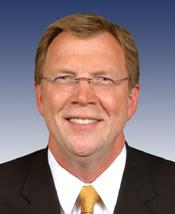
Mr. Speaker, I rise today in support of the conference agreement to S. 342, the Keeping Children and Families Safe Act of 2003. Mr. Speaker, this legislation builds upon changes made during the last…
Mr. Speaker, I rise today in support of the conference agreement to S. 342, the Keeping Children and Families Safe Act of 2003. Mr. Speaker, this legislation builds upon changes made during the last reauthorization of the Child Abuse Prevention and Treatment Act and the Family Violence Prevention and Services Act, directing its efforts towards the prevention of child abuse and neglect and family violence in collaboration with child protective services. It would ensure that States have the necessary flexibility and resources for identifying and addressing the issues of child maltreatment and family violence before they occur and works to protect and treat abused and neglected children and victims of family violence.
According to the United States Department of Health and Human Services, in 2001 there were an estimated 903,000 victims of abuse or neglect nationally. Almost three-fifths of all victims suffered from neglect, and the most victimized children were in the zero to three age group. In Clark County, Nevada, while there was an increase in the number of child abuse and neglect reports, up in 2001 to 8,316, in 2000 there was a drop to 7,932. There was a decrease in the substantiated child abuse reports as a percentage of the total reports in 2001, having continually declined from 1997. And with the improvements we have established throughout the intense conference negotiations on the Keeping Children and Families Safe Act of 2003, I hope to see a further decline in child abuse and family violence across this country.
It is important that children and families can lead safe and healthy lives. Treatment and preventative measures are essential to stopping this abuse. I urge my colleagues to support this conference report.
Mr. Speaker, I commend the committee leadership in both Chambers for bringing forth this agreement, which represents a bipartisan, bicameral effort to protect children. As with the Amber Alert…
Mr. Speaker, I commend the committee leadership in both Chambers for bringing forth this agreement, which represents a bipartisan, bicameral effort to protect children.
As with the Amber Alert legislation, and the Runaway, Homeless and Missing Children Protection Act that passed the House earlier this year, this legislation shows that we are unified in our desire to protect young people who are in danger. I am proud to be a part of this effort.
I won't repeat all the technical aspects of the bill, but this effort will focus on the prevention and treatment of child abuse by authorizing grants to States to help with the functions of the child protection system. It also provides authority for research and demonstration projects, enhances investigations and prosecutions of maltreatment, and provides grants for local community-based programs.
I am pleased that we were able to include in the final agreement demonstration programs to assist children who witness domestic violence as well as an Internet enhancement of the domestic violence hotline.
There is no more important task before this Congress than to protect the most vulnerable of our Nation's children.
I only hope that our commitment to children will extend beyond rhetoric to the resources needed to fully fund these and other programs for children. Unfortunately, help for poor, disadvantaged children has taken a backseat to tax breaks for the wealthy. We are sending a clear message to our young people, not only will we leave you behind, we will also leave you the bill.
I firmly urge all my colleagues to support the final conference agreement. When the time comes, I also urge you to support the resources necessary to protect, defend, and educate our children.
Mr. Speaker, I want to thank the gentleman for yielding me time. Mr. Speaker, as we discuss keeping children and families safe, I cannot help but be reminded of a popular song that Marvin Gaye used…
Mr. Speaker, I want to thank the gentleman for yielding me time.
Mr. Speaker, as we discuss keeping children and families safe, I cannot help but be reminded of a popular song that Marvin Gaye used to sing, and the words went sort of like this. He says, ``Who will save the children? Who is willing to try? Who will save a world that is destined to die? Save the babies.''
The reality is, Mr. Speaker, that when we talk about protecting families and saving children and refuse to provide a meager tax credit for those at the bottom of the barrel, for those who can barely survive, who can barely make it, it seems to me we are being contradictory.
It is abusive in my mind when we refuse to fully fund education so that every child can have a meaningful head start, to get a grip and a handle on life. It is abusive when we leave children out of being protected so that they can have the kind of health care that they need. And it is certainly abusive that we have 2.7 million people who have lost their jobs in the last 2 years and cannot find a way to really make it. And while I agree that programs and activities are always good and meaningful and beneficial, policies are even better.
I would hope that as we try and find these ways to protect our children, that which would protect their families by giving them a meaningful opportunity to earn a living, to have a job, to have the monies that are needed so that they are not frustrated and resort to behavior that causes them, in many instances, to abuse children.
So, Mr. Speaker, I would have to ask, who will save the world? Who is willing to try? Who will save a world that is destined to die? Let us save the children.
Mr. Speaker, on Tuesday, June 17, 2003. I missed three votes due to my sons high school graduation. Had I been present I would have voted YES on: Roll Call Vote #279--H. Res. 276--Ordering the…
Mr. Speaker, on Tuesday, June 17, 2003. I missed three votes due to my sons high school graduation. Had I been present I would have voted YES on:
Roll Call Vote #279--H. Res. 276--Ordering the previous question on waiving points of order against the conference report to accompany S. 342 to amend the Child Abuse Prevention and Treatment Act to make improvements to and reauthorize programs under the Act, and for other purposes.
Roll Call Vote #280--H. Res. 171--Commending the University of Minnesota Duluth Bulldogs for winning the NCAA 2003 National Collegiate Women's Ice Hockey Championship.
Roll Call Vote #281--H.R. 658--The Accountant, Compliance, and Enforcement Act.
Bill Text
2 versions available
        [Congressional Bills 108th Congress]
[From the U.S. Government Publishing Office]
[H. Res. 276 Engrossed in House (EH)]

In the House of Representatives, U.S.,

June 17, 2003.
Resolved, That upon adoption of this resolution it shall be in order to
consider the conference report to accompany the bill (S. 342) to amend the Child
Abuse Prevention and Treatment Act to make improvements to and reauthorize
programs under that Act, and for other purposes. All points of order against the
conference report and against its consideration are waived.
Attest:

Clerk.