Recognizing the valuable contributions of military impacted schools, teachers, administration, and staff for their ongoing contributions to the education of military children.
Legislative Activity
Stay on top of the latest movement without scrolling through every action
Motion to reconsider laid on the table Agreed to without objection.
May 4, 2004 • 2:44 PM
View full timeline
Introduced in House
April 20, 2004
Referred to the Committee on Education and the Workforce, and in addition to the Committee on Armed Services, for a period to be subsequently determined by the Speaker, in each case for consideration of such provisions as fall within the jurisdiction of the committee concerned.
April 20, 2004
Mr. Hayes moved to suspend the rules and agree to the resolution.
May 4, 2004 • 2:12 PM
Considered under suspension of the rules. (consideration: CR H2500-2505)
May 4, 2004 • 2:12 PM
DEBATE - The House proceeded with forty minutes of debate on H. Res. 598.
May 4, 2004 • 2:12 PM
On motion to suspend the rules and agree to the resolution Agreed to by voice vote. (text: CR H2500)
May 4, 2004 • 2:44 PM
Motion to reconsider laid on the table Agreed to without objection.
May 4, 2004 • 2:44 PM
Floor Debate
15 membersWhat members said about H.Res. 598 on the floor
RH TR
 WBJ
 JAB
 RH+10
Floor Debate
15 membersWhat members said about H.Res. 598 on the floor
Mr. Speaker, I move to suspend the rules and agree to the resolution (H. Res. 598) recognizing the valuable contributions of military impacted schools, teachers, administration, and staff for their…
Mr. Speaker, I move to suspend the rules and agree to the resolution (H. Res. 598) recognizing the valuable contributions of military impacted schools, teachers, administration, and staff for their ongoing contributions to the education of military children.
Mr. Speaker, I ask unanimous consent that all Members may have 5 legislative days within which to revise and extend their remarks on H. Res. 598.
Mr. Speaker, I yield myself such time as I may consume.
Mr. Speaker, let me begin by saying that on National Teachers Day, we, all of us, at every time rise to honor our teachers for their incredible contributions. Today we especially wanted to honor those teachers, staff, administrators, and all the support personnel at military impacted schools.
Mr. Speaker, I must add that you have been one of the champions of the fight for military impacted schools and increasing that amount of aid.
Mr. Speaker, the National Education Association agrees with our resolution. May I quote them: ``In addition to providing the highest quality of academic support, schools serving active duty military dependents help provide students a sense of safety and reassurance by creating a normal environment and regular routine. The schools also offer increased counseling services to students and their families to help them cope with the deployment of parents, other relatives and friends. We thank you,'' myself and our cosponsors, ``for your efforts to recognize the invaluable contributions of the thousands of teachers, administrators and staff in military impacted schools.''
Mr. Speaker, I am immensely proud of the overwhelming bipartisan support for our military impacted schools. Eighty-seven Members on both sides of the aisle have cosponsored this resolution, and I have a letter of support from the NEA, clearly demonstrating this body's commitment to our military children and those that serve them. I certainly urge our colleagues to pass this resolution.
Mr. Speaker, I yield 3 minutes to the gentleman from Virginia (Mr. Schrock), a captain who serves eight bases and over 400 commands in Hampton Roads, Virginia, a great military veteran and a tremendous champion of education and our military children.
Mr. Speaker, I yield myself such time as I may consume.
I must express my disappointment in the loss of focus here today. The purpose of H. Res. 598 is to honor teachers, staff, and administrators. We are not here to criticize the administration, particularly when the facts do not add up, and I will speak to that later. It is rather ironic that the former administration cut Impact Aid 8 years in a row, but we will speak about that in a minute.
Mr. Speaker, at this point, it is with great pleasure that I yield 3 minutes to the gentleman from North Carolina (Mr. Jones), my good friend who represents Camp Lejeune and Seymour Johnson Air Force Base.
Mr. Speaker, I yield myself such time as I may consume.
Mr. Speaker, I do rise today to proudly support our Nation's teachers, administrators, and staff of military-impacted schools. Just like many of students' parents, teachers at military-impacted schools across the country report for duty each day ready to serve, but with an added mission: to keep each school day as normal as possible for students who often have much more on their minds than learning. Every day, approximately 750,000 school-age children of members of the active duty Armed Forces are at school, tasked with concentrating on their studies and faced with the reality that their mom or dad may be serving in a danger zone.
Mr. Speaker, 650,000 of these students are served by talented and caring teachers in our Nation's public schools near our military bases, while an additional 100,500 military children are served in Department of Defense education activity schools stateside and overseas.
In the 8th District of North Carolina, the school systems surrounding Fort Bragg meet together regularly to discuss the common issues affecting military children. Officials from the Department of Defense schools at Fort Bragg work alongside public schools to facilitate smooth transitions and to ensure that teachers and staff are trained and sensitive to the military needs and culture. Dr. Bill Harrison, superintendent of the Cumberland County schools, and also superintendent Joel Hansen of the DOD school on post, are working together constantly to meet the needs of these children.
Mr. Speaker, the teachers in my district do an outstanding job of serving these students and their families. They not only provide a quality education for all students, but they take the extra time and energy needed to serve our military children.
Mr. Speaker, I reserve the balance of my time.
Mr. Speaker, I yield myself such time as I may consume.
Mr. Speaker, again, we have lost focus. This is about honoring our
teachers our administrators and our staff. I again would remind my colleague that that is what this is about.
Mr. Speaker, I yield 3 minutes to the gentlewoman from Tennessee (Mrs. Blackburn) who is an outstanding Member and hard worker for our military and for their children and dependents.
Mr. Speaker, does my colleague have additional speakers and do I have the right to close?
Mr. Speaker, I am prepared to close. I reserve the balance of my time.
Mr. Speaker, I yield myself such time as I may consume.
Mr. Speaker, let me point out again our appreciation for the gentleman from Nebraska (Mr. Terry) who has a military-impacted school association in your district and you have been a tremendous help.
I thank my colleague, the gentleman from Ohio (Mr. Ryan) for his kind remarks in support of the resolution. I take a moment to simply digress to say that under No Child Left Behind, there has been a 42.5 percent increase in funding for education over the past 4 years.
We had the entire State Board of Education from North Carolina here to talk about No Child Left Behind. And ironically, Democrats and Republicans, as they should, came together to pass No Child Left Behind. What came out of this meeting was that it is very clear that people who are concerned with the outcome are working together to make sure that that destination is arrived at by all children and all teachers. And if there are issues to be dealt with, we are willing, able and eager to do that.
I also might point out as a result of No Child Left Behind, the Federal Government is currently spending more money on K to 12 than at any other time in history. Discretionary appropriations for the Department of Education rose from $23 billion in 1996 to $55.7 billion, 142 percent increase.
Mr. Speaker, we are not here to talk about the administration, past or present. We are here again to thank and honor those teachers and administrators and staff. These are the teachers that plan and attend Military Appreciation Days. They allow students the flexibility to attend send off and welcome home ceremonies. They coordinate letter writing campaigns for our troops and integrate academic studies with the real world current events that impact their students. These teachers celebrate with families when a parent returns from deployment, and they weep with them when a loved one is lost. They recognize that sometimes their students deserve an extra dose of patience, sympathy and encouragement. They identify and meet those special needs.
Teachers in military impacted schools challenge students a demanding curriculum and the toughest academic standards, yet they faithfully provide the additional support that they need.
Studies show that military children move three times more than non- military. They face unique challenges, including managing school records, making new friends and adjusting to different school system policies and calendars.
Most publicly-impacted school districts also rely on impact aid for funding. Impact aid is not only the first education program, but also one of the most efficient programs the Department of Education administers. In public school, districts where the Federal Government is a primary employer-land owner, a vital tax base is lost. Impact aid payments step in to fill the gap.
I look forward to working with my colleagues to increase funding. Over the years since we have been here, every year Democrats and Republicans have worked to restore funding. Some folks do not have military installations. They do not understand this need. But we are working and we have improved it every year and that is what bipartisanship is all about.
Because of compassionate post assignments such as Ft. Bragg and Camp Lejeune, some military installations are home to substantially high number of special needs children. Schools must adjust to meet these needs and provide an appropriate education for every child.
Additionally, schools across the country that may not be near a military installation, but are home to children of National Guard and Reservists are caring for families as troops are deployed, join the remaining parent or caretaker in supporting the academic and emotional needs of students.
Military-impacted schools often employ teachers who themselves served in the Armed Forces. Reservists often live near military installations and when called to active duty, school districts must fill these temporary vacancies with another qualified interim teacher.
Mr. Speaker, the teachers, administrators and staff of military- impacted schools are some of the finest Americans I know. They serve the ones who serve. They exemplify the same fine American values that our armed services demonstrate each day, commitment, dedication and patriotism.
Mr. Speaker, please allow me a moment to recognize several organizations that play vital roles in supporting our military families, specifically, the Military Impacted School Association, National Association of Federally Impacted Schools, National Military Family Association, and the Military Child Education Coalition. They work every day to build partnerships that strengthen the educational opportunities for children. I am proud of these organizations and am dedicated to working with them to achieve our common goal.
Mr. Speaker, today, May 4, 2004, is National Teacher Day. This week has been designated National Teacher Appreciation Week by the Parent Teacher Association National Branch. Today we all tell our teachers that we appreciate their service to America's children. But specifically today, I urge my colleagues to join me in honoring the fine men and women in our military-impacted schools for their dedication to our country's children, our Armed Forces and their families.
Again, working together we have been able to raise the level of funding, and we will continue in a bipartisan fashion to do that.
I thank my colleagues for their support, their co-sponsorship, and their words of encouragement to their fine teachers and their staff. I urge my colleagues to support the resolution.
Mr. Speaker, I yield back the balance of my time.
Mr. Speaker, I yield myself such time as I may consume. Mr. Speaker, I also rise in support of H. Res. 598. Today's resolution honors the role that military impacted schools, teachers,…
Mr. Speaker, I yield myself such time as I may consume.
Mr. Speaker, I also rise in support of H. Res. 598. Today's resolution honors the role that military impacted schools, teachers, administrators, counselors, and other staff play in educating children of military families. These individuals deserve our thanks, and they deserve our support. Hard-working teachers, principals, and superintendents across the country are doing all they can to help the 650,000 military children served in public schools. They are making a difference in the lives of the children, helping them learn, helping them succeed in school and in life.
In Congress today we commend them, the parents, the teachers, the superintendents, the principals, for working on the front lines at home to educate students during times of peace and times of conflict. We should be doing all we can to support them in this important work.
Yet President Bush and the Republican Congress are not providing these children and the families with the support they deserve. Why? Because they are failing to provide adequate funding for schools serving military children. These shortcomings are even more pronounced while these children's parents, our soldiers, are defending us in Iraq, Afghanistan and around the world.
We need to be doing more, not less, for these children and their families.
President Bush has shortchanged children and military families in several ways. First, passing tax cuts that leave hundreds of thousands of military children behind. While millionaires receive checks averaging $93,500 from the government, the hard-working parents of 12 million children receive nothing because Congress refused to close the loophole in the massive tax cut to the richest Americans. Even 260,000 children of active military parents were excluded from the child tax credit that the President signed.
Second, flat-funding the Impact Aid program. The Impact Aid program provides funds for schools which serve heavy concentrations of children from military families. Unfortunately, the Bush administration has failed to invest adequate resources in this program. First, by proposing to cut the program last year, and then flat-funding it in the fiscal year 2005 budget submitted only 3 months ago. Also by freezing school construction funding.
Under the Impact Aid program, school construction funding is reserved for the military school districts with the most pressing facility needs. In his fiscal year 2005 budget, President Bush proposed to freeze construction funding. Worse yet, the level of funding for school construction has declined considerably and is less than one-third of the level President Bush proposed when he entered office in 2001.
This President has also broken the promise to fund No Child Left Behind. President Bush has underfunded No Child Left Behind by nearly $27 billion since it was enacted. Schools serving military children generally have high numbers of disadvantaged children. No Child Left Behind's funding is targeted to school districts with high concentrations of disadvantaged children.
This lack of commitment to funding hits military-impacted districts especially hard. If this budget becomes law, military children across the country will be shortchanged.
For instance, in my home State of Ohio, children in my district, the 17th congressional district, are being short-changed. Children in Title I schools in are eligible for $574,200 in Title I funding, but the President's budget provides only $399,000, for a shortfall of over 30 percent, nearly $175,000. Southeast school district children are eligible for $351,000 in Title I funding, but would get only $241,000 under the President's budget, for a shortfall of over 31 percent.
Mr. Speaker, it is these programs and many more that are being cut by this President's budget or frozen by this President's budget.
We are going to support this resolution. We are going to support our teachers, the faculty, and the parents of these children.
Mr. Speaker, I reserve the balance of my time.
Mr. Speaker, I yield myself such time as I may consume.
I would also like to say to the gentleman from North Carolina, our comments today in no way take away from our ability to thank these teachers for all of their hard work. We just think that there are opportunities here that this Congress and this President could move to make this a better program, to help our children more. This is not a criticism of the teachers or principals or the teachers who are active in this program.
Mr. Speaker, I yield 2 minutes to the gentlewoman from California (Mrs. Davis).
Mr. Speaker, I yield myself such time as I may consume.
Mr. Speaker, there are several other issues here that I wanted to touch upon. One is the zeroing out of the counseling program; it was $32 million, it has been zeroed out. Children of military families struggle to deal with a lot of the issues that are brought forth during times of war, during times of conflict. President Bush has zeroed out the elementary and secondary school counseling program. The program represents one of the few counseling efforts that the Federal Government supports, and especially as children struggle with the uncertainties facing their families in deployment during a time of war.
Also, another issue that must be touched upon here. I do not think we can have a debate about the military schools or the military impact program or any education program without looking at the whole picture. We cannot ignore IDEA. We cannot ignore No Child Left Behind. We cannot ignore construction for these facilities. We cannot ignore the counseling programs. Education is an integrated process, and by ignoring any of these, I do not think we fully touch upon the issues that we want to talk about here today.
Military-impacted districts have, on average, dealing with IDEA, more children with disabilities than nonmilitary-impacted districts. So they are clearly going to be affected in a deeper manner than an average school, and by failing to fully fund IDEA, President Bush is exacerbating the challenges that military-impacted districts face. These districts and these taxpayers get hit twice. The government comes in, they buy the land up, they are not getting the proper amount of reimbursement from this program and, at the same time, because you have less land, you are getting an increase in your own property tax.
So this hits these families in these communities that more often than not need a lot of help. And I know Windham and Southeast and Maplewood in my congressional district, they need this assistance. Ohio is a State that has lost over 200,000 jobs. We need to begin to educate our kids.
No Child Left Behind has been reported by the Ohio Department of Education, a Republican-controlled general assembly, every Statewide officeholder in Ohio is a Republican, and they have said that the No Child Left Behind program is underfunded in the State of Ohio by $1.4 billion. We cannot talk about any kind of education programs without looking at the whole pack.
Mr. Speaker, I reserve the balance of my time.
Mr. Speaker, I yield myself such time as I may consume.
Mr. Speaker, just one final closing point, and we do not need to beat a dead horse here, but I do believe that we cannot have an honest debate about this education program or any other education programs without looking at the money, and we need to fund these education programs.
Again, we commend the teachers. We commend the principles and the people who were involved in this program. And there is no doubt about the outstanding work that they provide, the outstanding leadership that they provide for our young students who are there. We will support this resolution. But, in the current fiscal year 2004 appropriations, $61.6 million, it would take $1.1 billion to fully fund this program.
When you look at that in the light of all the tax cuts that we have given to the top one, 2 percent of the people in this country, the wealthiest 1 and 2 percent of the people in this country, we just believe on this side of the aisle that it is time for us to take this responsibility seriously.
We are losing jobs left and right, and we want every single child to have an opportunity to get a quality education with the new facility with the proper education in these time of great need for these children.
We are supportive of this resolution. I thank the gentleman for bringing it up. It is a great idea to take time out of our busy schedules here in Congress to commend these teachers and these people who are leading the future youth of this country.
Mr. Speaker, I yield back the balance of my time.
Mr. Speaker, I thank the gentleman from North Carolina (Mr. Hayes), my colleague, for yielding me this time, and I want to thank him for introducing this resolution 598. Again, I appreciate the fact…
Mr. Speaker, I thank the gentleman from North Carolina (Mr. Hayes), my colleague, for yielding me this time, and I want to thank him for introducing this resolution 598. Again, I appreciate the fact that we will come together and vote on this resolution today as both Republicans and Democrats, because these schools, these DOD schools are exceptional in many ways.
I want to just touch on my personal experience down at Camp Lejeune. Mr. Speaker, I have the privilege, as the gentleman from North Carolina (Mr. Hayes) said, to have Camp Lejeune, Cherry Point, Seymour Johnson Air Force Base in my district. In Camp Lejeune, for the 10 years I have been in office, I have had many occasions to go visit the schools at Camp Lejeune, both elementary schools and senior high schools.
As fate would have it, shortly after the decision to go into Iraq, I had the opportunity to speak to the seniors in the auditorium, and I could tell that some of those young people, their faces, you could tell that they had parents who had already been deployed overseas, and I spoke to them and tried to encourage them to tell them how much we in Congress on both sides of the aisle appreciate the commitment their parents have made to this great Nation.
I mention that for this reason: I found when I was there that day that there is a special bonding among the teachers and the administration and the students at these DOD schools, this one in particular at Camp Lejeune, that there is an environment there that is cohesive to the situation that these young people are finding themselves in because their parents have been deployed. One parent, in some cases, it was 2 parents, quite frankly, who had been overseas defending freedom in Iraq and also for the American people.
There is one thing that I always wonder, is why, when something is working so well, why the Federal agency, in this case, the Department of Defense, wants, to study and see what the future of the schools needs to be? That is why I was so pleased that the gentleman from North Carolina (Mr. Hayes) introduced this resolution, and again, both sides are supporting the resolution.
These schools are exceptional. These young people, time after time, when
they take national tests, the students at the DOD schools are really doing as well, if not better, in most cases, than even the public schools. I am not here to compare one school to another school, but the record speaks for itself. These young kids at the DOD schools excel when it comes to these national tests.
Also, I was touched that I had the privilege to visit the children at Camp Lejeune with special needs. I never will forget a little girl that met me in the hall when I was speaking to the teachers, and she held my hand as we walked to her class. I had a chance to observe and to talk to the teacher and to the assistant teacher as to the fine work they are doing with children with special needs at our DOD schools, again, this is Camp Lejeune.
So my friend, the gentleman from North Carolina (Mr. Hayes) and the others, both Democrat and Republican who are on the floor today, to say thank you to our teachers, to our principals, and to our administrators at these DOD schools, we very much appreciate the great job they are doing.
I do say, Mr. Speaker, God bless our men and women in uniform and their families and God bless America.
Mr. Speaker, I rise today in support of House Resolution 598 offered by the gentleman from North Carolina, Mr. Hayes. House Resolution 598 recognizes the valuable contributions of the teachers,…
Mr. Speaker, I rise today in support of House Resolution 598 offered by the gentleman from North Carolina, Mr. Hayes. House Resolution 598 recognizes the valuable contributions of the teachers, administrators, and staff who work hard everyday to educate the children of military families.
It's fitting that we are considering this resolution today, as this week marks National Teacher Appreciation Week. This resolution reflects our strong belief that every child in America, regardless of their military connection, deserves the opportunity to receive a quality education, and that every child should be taught by a highly qualified teacher.
The success of education reform efforts is increasingly seen as directly dependent on the quality of classroom instruction, and ensuring the quality of America's 3.2 million teachers is an essential part of providing an excellent education to all our children. A growing number of studies provide conclusive evidence that teacher quality is the primary school-related factor affecting student achievement. Students who are taught by effective and competent teachers excel quickly, while those who are assigned to the least effective teachers lag behind and often never catch up.
House Resolution 598 focuses on schools that serve our military children. These schools understand the importance of providing a normal learning environment and regular routine for children whose parents serve in the military so that they are able to learn in stressful situations, especially in times of conflict. They can also provide students with a sense of safety and reassurance while their parents are defending our freedom.
Schools serving military installations can offer increased counseling for military children when family members are deployed, and teachers and counselors working in such schools are trained to work with military children and their classmates when there is a service-related incident or death. These schools can also offer additional counseling for staff, many of whom are spouses, parents, brothers, and sisters of deployed members of the Armed Forces.
I would particularly like to thank the schools serving the children of Wright-Patterson Air Force Base in my district. The Wright-Patterson Air Force Base is the only active military base in Ohio and focuses on aviation research and development. I would like to thank them for their commitment to serving the needs of our military families.
Mr. Speaker, the teachers, administrators and staff of all our schools are the true heroes of our communities. Every child deserves an excellent education in order to gain the skills needed to continue on to higher learning, compete in the marketplace, contribute to society, and lead a fulfilling life.
This resolution rightly recognizes the contributions of the teachers, administrators, and staff of military impacted schools, and Department of Defense Education Activity schools world-wide and we praise the teachers in military impacted communities who work on the front lines at home to educate students during times of peace and times of conflict.
I would like to thank Mr. Hayes for his leadership in bringing this bipartisan resolution forward and urge my colleagues to vote in support of this resolution.
Mr. Speaker, I rise in support of H.Res. 598 legislation recognizing the valuable contributions of military impacted schools, teachers, administration, and staff for their ongoing contributions to…
Mr. Speaker, I rise in support of H.Res. 598 legislation recognizing the valuable contributions of military impacted schools, teachers, administration, and staff for their ongoing contributions to the education of military children. I want to reiterate the importance of supporting our military families through the Impact Aid program, and I commend the teachers and school administrators for the outstanding work they do. This program is vital to the education of millions of children across the nation.
Impact Aid was created in 1950 when Congress recognized the obligation of the Federal Government to assist school districts and communities that experience a loss in their local property tax base due to the presence of the Federal Government. Between 1950 and 1969, the Impact Aid Program was fully funded by Congress. Since that time the funding level has not kept pace with the amount required to cover the Federal Government's tax obligation. Impact Aid funds are sent directly to the school district. The funds go directly into the school district's general fund for operations such as the purchase of textbooks, computers, utilities, and payment of staff salaries. Over 90 percent of funding for education comes from local funds such as property taxes. But what happens if that property is owned by the Federal Government and is off the tax rolls? Kids report to class with no property tax dollars needed for their school. In my district more than 1,000 students at Monmouth Regional High School, more than 1,300 students in Eatontown, and more than 1,700 in Tinton Falls are affected by impact aid. The teachers there work very hard to provide a quality education to all their students. Teachers who teach students of military families have the added burden of teaching students whose parents are or may be going overseas.
The quickest way to take a soldier or sailor's mind off their mission is to have them worrying about their children's education. Children from military families come from some of the hardest working, most patriotic families, but the schools they attend sometimes face bankruptcy. This is because of the way we fund our nation's schools. Impact Aid honors our commitment to military families. It guarantees that those families who serve to protect our freedom are in turn protected by the Federal Government. The hard working teachers of these districts ensure that these children of military members will succeed. The administrators, teachers, aids, guidance counselors, librarians, bus drivers, janitors all need to be commended for their work.
Our constitution commands that the first job of the Federal Government is to ``provide for the common defense.'' As we improve the pay and benefits of men and women in uniform, we must also support their kids, the local schools they attend, and the teachers who teach them. The time is now to support schools that educate the children whose parents wear our nation's uniform.
Show 8 more
Mr. Speaker, I rise today in support of House Resolution 598. Tens of thousands of men and women in uniform are serving our country around the world. I believe we owe it to them to make sure that…
Mr. Speaker, I rise today in support of House Resolution 598.
Tens of thousands of men and women in uniform are serving our country around the world. I believe we owe it to them to make sure that their children here at home have access to a quality education. Teachers, staff, and administrators at schools serving our military communities are a critical part of achieving this goal. These professionals work hard to educate our youth as well as support families who are dealing with a loved one serving overseas--very often in a dangerous, combat area. That is why I am taking time today to honor these great educators for the work they do every day. The commitment of the staff at these schools is unwavering and I am proud to stand here today in support of these great Americans.
In my district, the Maryland 2nd Congressional District, schools around Fort Meade in Anne Arundel County, especially elementary schools, are feeling the pinch. The military is funding the development of 3200 new housing units on the base in the next few years. This is welcome news for military families but this initiative coupled with the fact that more military personnel are being called to duty is expected to bring 700 new students to the Anne Arundel County School System. These military families typically don't pay taxes in Anne Arundel County because their home of record is in another state. This situation is expected to overburden the school system and disrupt the system's construction and modernization plan due to this influx of new students.
As the former Baltimore County Executive, I understand the financial constraint situations like this put on local governments. I am doing everything I can here on Capitol Hill to make sure that this situation does not unfairly burden Anne Arundel County. I believe we need to fully fund Impact Aid to counties serving military children like Anne Arundel County. Impact Aid is federal assistance that helps offset the costs of educating military children when their families don't pay taxes in the area. Right now Impact Aid is only funded 60%. I believe we should completely fund the program.
The teachers, staff, and administrators at these schools do their part to educate and support these military families in this very difficult time. We in Congress must do our part and give them the resources they deserve.

Mr. Speaker, I thank the gentleman for yielding me time. Mr. Speaker, I rise today to support H. Res. 598. Life for military families is very complex, especially at times like these when one or…
Mr. Speaker, I thank the gentleman for yielding me time.
Mr. Speaker, I rise today to support H. Res. 598. Life for military families is very complex, especially at times like these when one or sometimes two of the parents are off serving in the global war on terror. The burdens on caregivers, schools, and the community to counsel these children and make them feel safe and secure are great.
Though the Department of Defense, with the help of Congress, is able to compensate communities for these burdens, the sensitivity of teachers, administrators, and other educators at military impacted schools is not something we can simply write a check for and expect the issues to be addressed. I cannot overstate the importance of supporting these affected communities financially.
However, today I am here to recognize the valuable contributions the schools have in the education, comfort, and care of our military children. Children of military communities are subject to different kinds of stress than
other children. Their fear that mom and dad may not return from war cannot be comprehended by others in the community.
Educators in these areas have extra duties placed on them as they work the front lines to educate these children during times of both peace and conflict. Schools serving military installations must be aware of world events and how that can impact the lives of the children they teach.
The daily school routine helps provide military children with the feeling of safety and security. The need for normalcy is great in these communities; and educators, through their love and support of the children, help to provide that normalcy.
Approximately 650,000 public school children around the United States have parents serving in the military. The importance of supporting military impact aid for schools that serve these children is essential. Services such as increased counseling, security at the schools near military installations, and all around support can make all the difference in the lives of military children.
Today, I rise to support H. Res. 598 and to recognize the important and valuable contributions of military impacted schools, teachers, and administrations as they continue to care for our children; and I encourage all of my colleagues to do the same.

Mr. Speaker, I rise today in support of House Resolution 598 offered by my colleague, the gentleman from North Carolina, Mr. Hayes. House Resolution 598 recognizes the valuable contributions of the…
Mr. Speaker, I rise today in support of House Resolution 598 offered by my colleague, the gentleman from North Carolina, Mr. Hayes. House Resolution 598 recognizes the valuable contributions of the administrators, teachers and staff who educate children of military families.
There are approximately 650,000 school-aged children of members of the Armed Forces enrolled in public schools across the United States. Another 100,500 military children are served in Department of Defense Education Activity schools in the U.S. and overseas.
While all children deserve a quality education in a stable learning environment, children of military families often face unique and stressful situations, especially in times of conflict when their parents can be deployed for long periods of time and often with short notice.
Schools serving military installations understand the importance of providing a normal learning environment and regular routine for children whose parents serve in the military. They can provide students with a sense of safety and reassurance and, a place for them to thrive academically.
Military impacted schools can also offer increased counseling for military children due to the deployment of family members, and teachers and counselors working in such schools are trained to work with military children and their classmates when there is a service-related incident or death.
I'd like to particularly recognize the Caesar Rodney School District in my home State of Delaware, which serves the families of Dover Air Force Base. The Caesar Rodney School District serves nearly 7,000 students and has a long history of academic excellence and service to its community. I would like to thank them for their commitment to serving the needs of our military children.
Mr. Speaker, House Resolution 598 is simple. It recognizes and commends the valuable contributions of the teachers, administrators, and staff of military impacted schools and the Department of Defense Education Activity Schools.
This resolution is also timely as this is National Teacher Appreciation Week. We not only would like to recognize the hard work and accomplishments of our military impacted schools personnel, but all elementary and secondary teachers across the country.

Mr. Speaker, I rise today to join my colleagues in recognizing the contributions of military impacted schools. My district includes Camp Pendleton, the home of the First Marine Expeditionary Force,…
Mr. Speaker, I rise today to join my colleagues in recognizing the contributions of military impacted schools. My district includes Camp Pendleton, the home of the First Marine Expeditionary Force, which has deployed to Iraq and has recently conducted major operations in cities throughout the Sunni Triangle, including Fallujah. The 1 MEF has participated in Operation Enduring Freedom, Operation Iraqi Freedom and is now serving in Iraq as part of Operation Iraqi Freedom II.
The schools that care for and educate the children of Camp Pendleton Marines provide vital educational and counseling services that have helped ease the stresses associated with this latest deployment. They provide military children with a normal daily routine--a critical need in this age when news from the front lines is brought home almost immediately.
They also have provided these children with an excellent education. Mary Faye Pendleton and San Onofre Elementary Schools, both of which are located on-base are the highest-performing schools in the entire Fallbrook Elementary School district. In addition, Oceanside Unified's three on-base schools were all recognized as California Distinguished Schools this past year.
I am proud of the teachers, administrators, staff, and volunteers of all the military impacted schools in my district. Oceanside Unified, Vista Unified, Fallbrook Elementary, Fallbrook High School, Bonsall Unified, Julian Unified, Valley Center Unified, and Warner Unified School District have all provided a great service to our men and women in uniform.
I am particularly proud of the way these schools have continued to provide quality education to these military children despite major shortfalls in federal funding for Impact Aid, which funds military impacted schools. Every year we have a budget battle over Impact Aid.
We need to remind ourselves that military impacted schools are a critical element in the support of our military families. If we are going to recognize the importance of these schools to our military men and women serving overseas, we must support them with the resources they need to do their jobs well. I urge my colleagues to support this resolution.
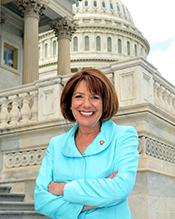
Mr. Speaker, I rise in strong support of House Resolution 598 honoring teachers in military-impacted schools. Mr. Speaker, this is Teachers' Week, honoring all teachers, but we especially thank those…
Mr. Speaker, I rise in strong support of House Resolution 598 honoring teachers in military-impacted schools.
Mr. Speaker, this is Teachers' Week, honoring all teachers, but we especially thank those who work in our communities that have large numbers of military families.
San Diego is the proud home of the largest number of Marine and Naval personnel and their families in the country. And we are all very well aware of the sacrifices of these families, including members of the Reserves and the National Guard are making as their loved ones have deployed to Iraq. Many have had their tours extended or have just returned to Iraq for a second tour. To give these members of our armed services peace of mind, it is important that they can count on their children having a stable and caring school environment.
Every one of us can surely recall how difficult it is to concentrate on our work when our lives are disrupted. For children, the anxiety of a parent leaving for the battlefield for an indeterminate amount of time is especially traumatic. Having a loving teacher who understands that a child may be tense or anxious or unable to concentrate because he has just said good-bye to a parent is important, not only to that child, but also to the parents.
Nearly 40 percent of the students in Coronado, one of the communities in my district, are related to the military, with many living in housing on base. So we know that every day, teachers and administrators in the district are seriously impacted by the fact that we have many, many people serving overseas today, and they are there with loving hugs and caring for the children. Sometimes, as it has been stated here today, we undermine their efforts. Mr. Speaker, I think it is important for us not to do that, because we need to salute their efforts so that teachers, the administration, and staff in this district and every other district in the country that receives Federal Impact Aid, we say a special thank you today.
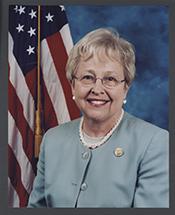
Mr. Speaker, I rise today to pay tribute to the basketball capital of the nation, Storrs CT home of the University of Connecticut Huskies. For the first time in NCAA history, one school has brought…
Mr. Speaker, I rise today to pay tribute to the basketball capital of the nation, Storrs CT home of the University of Connecticut Huskies. For the first time in NCAA history, one school has brought home both the Men's and Women's Division I Basketball titles in the same year.
I would like to offer special congratulations to Head Coaches Jim Calhoun and Geno Auriemma. This is Coach Calhoun's second National Championship. For Coach Auriemma, this is his third consecutive championship and fifth overall. Both men are outstanding coaches who exemplify leadership and commitment to our young people.
Mr. Speaker, this is an extraordinary group of young men and women. We could spend hours telling you about each one of these marvelous student athletes. Since we don't have that much time, I want to take a moment to tell you a little about All Americans Emeka Okafor and Diana Taurasi.
Emeka Okafor the Co-National Player of the Year, is not only a stellar shot blocker, he is graduating from UCONN as a Junior with his degree in Finance and carries a 3.8 GPA. Earlier this year he was named Kodak Academic Player of the Year. Emeka is a genuine role model for our children.
Diana Taurasi was recently named the national women's Player of the Year and the Final Four Most Outstanding Player. As a senior at UCONN, she led the Huskies to three consecutive national titles--and finished her college career with a team-high 17 points in the championship game.
Coach Auriemma told his team before the game that in the early 90's the team played in its first championship game before a crowd of roughly 1,500 people. On April 6th the Huskies defeated the University of Tennessee Volunteers in front of a crowd of over 15,000. Mr. Speaker I think its safe to say that Title IX is alive and doing well in Storrs Connecticut.
Mr. Speaker, I ask you and all of our colleagues to join me in honoring these two tremendous teams.
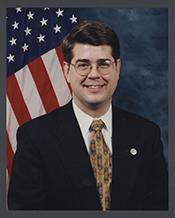
Mr. Speaker, I take this opportunity to join the other co- sponsors of H. Res. 598 as we pay tribute to America's military impacted schools. It is important that we take time to honor the teachers,…
Mr. Speaker, I take this opportunity to join the other co- sponsors of H. Res. 598 as we pay tribute to America's military impacted schools. It is important that we take time to honor the teachers, administrators, counselors, and other staff members of our military schools. These are the quiet professionals who report for duty each day, but carry the burden of an added mission: to provide the best possible education to students who often have much more on their minds than school work.
I extend my appreciation to Congressman Hayes for sponsoring this resolution. Too often, our military schools and the educators who fill them are taken for granted. This should never be the case. After all, the education of a military child is directly connected to the military's overall quality of life, as well as its retention and readiness.
Today, approximately 650,000 military children are served by talented and caring teachers in public schools near military bases. Another 100,500 military children attend Department of Defense Education Activity schools
here in the states and overseas. Many of these students are facing the reality that their father or mother--or both--are serving in a danger zone.
Fortunately, one thing that American troops do not have to worry about is whether their children are receiving a quality education. The educators in our military impacted schools make certain that the children of our Soldiers, Sailors, Marines and Airmen have a first- class educational experience--each and every school day.
This is our opportunity to thank the exceptional teachers, administrators, and staff of America's military impacted schools. We recognize the extra efforts they are making in these challenging times, and we are grateful. Job well done.
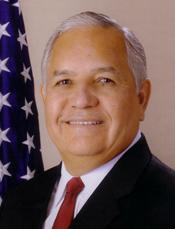
Mr. Speaker, I rise in support of H. Res 598, sponsored by my colleague Mr. Hayes of North Carolina. The resolution recognizes the valuable contributions of military impacted schools, teachers,…
Mr. Speaker, I rise in support of H. Res 598, sponsored by my colleague Mr. Hayes of North Carolina. The resolution recognizes the valuable contributions of military impacted schools, teachers, administration, and staff for their ongoing contributions to the education of military children.
The federal Impact Aid program has been assisting school districts since its inception in 1950. The Impact Aid program provides financial assistance to school districts that are limited in their ability to raise local revenue by the presence of tax-exempt federal property, and must educate larger numbers of children because of the presence of federal employees. The program provides formula grants to cover a portion of per pupil education costs, as well as grants to support construction and maintenance needs.
This program has been a life-line for many school districts like the El Paso Independent School District (EPISD), which I represent, whose annual budget includes a significant amount of federal Impact Aid funds.
Fort Bliss, Texas, also located within my district, is home to the U.S. Army Air Defense Artillery Center as well as the Army's Sergeant Major's Academy. Fort Bliss is also a major employer in my district. The children of troops and civil servants at Fort Bliss attend EPISD schools.
I ask my colleagues to support our troops, their families and this resolution. I would also urge my colleagues to support H.R. 932, a bill sponsored by my colleagues Mr. Kirk and Mr. Larson. This bill would make Impact Aid an entitlement for our local education agencies. This is a fair, just and more efficient way to fund our federally impacted schools.
Show 2 more

Mr. Speaker, as part of National Teachers Week, it is so fitting that we commend our teachers for the work that they do. And I think it is particularly appropriate that America take time to thank the…
Mr. Speaker, as part of National Teachers Week, it is so fitting that we commend our teachers for the work that they do. And I think it is particularly appropriate that America take time to thank the teachers and the school administrators at our military-impacted schools.
The 101 Airborne Division of the U.S. Army is stationed at Ft. Campbell in my district, in Montgomery County, Tennessee. There are 5,400 children who have at least one parent in the military and 1,700 children of civilian military employees attending the local Clarksville-Montgomery County Schools.
These schools play a central role in the lives of children whose needs are unique. As they adjust to their parents being deployed around the world defending America, the sacrifice that these children and their families make is enormous. And how fitting that we recognize that and that we recognize the teachers and the administrators who work with them teach and every day.
I know these children often have many things on their minds, many important and pressing issues on their minds, and the teachers at our military-impacted schools are important in providing a warm, friendly environment for these students.
Mr. Speaker, I thank the teachers and the staff at our military- impacted schools for their commitment to the children to their families and to our service members.
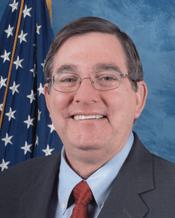
Mr. Speaker, I rise today during the National Teacher Appreciation Week of 2004 in strong support of H. Res. 598, which recognizes and commends the teachers, administration, and staff of Military…
Mr. Speaker, I rise today during the National Teacher Appreciation Week of 2004 in strong support of H. Res. 598, which recognizes and commends the teachers, administration, and staff of Military Impacted Schools, as well as those serving at the Department of Defense Education Activity schools world-wide.
As a member of the House Impact Aid Coalition, I would like to thank these teachers and staff for their dedication to the over 750,000 children of military personnel.
In our current War on Terrorism, it is especially important for the children in these schools, many of whom have at least one parent deployed abroad, to have the support of these extraordinary teachers. Teachers serving Military Impacted schools encounter unique challenges every day as they help military children achieve a high degree of educational attainment.
While none of the schools in the Texas 26th District are militarily impacted, the State of Texas is home to thousands of military personnel, and I would like to thank each and every one of the teachers who provide military children with support and an excellent education.
Bill Text
2 versions available
        [Congressional Bills 108th Congress]
[From the U.S. Government Publishing Office]
[H. Res. 598 Engrossed in House (EH)]

In the House of Representatives, U.S.,

May 4, 2004.
Whereas there are approximately 750,000 school-aged children of members of the
active duty Armed Forces in the United States;
Whereas there are approximately 650,000 of these military children served in
public schools across the United States;
Whereas there are approximately 100,500 military children served in Department
of Defense Education Activity schools in the United States and overseas;
Whereas schools serving military installations stress the importance of being
aware of what is happening in the world and the impact of world events
on the lives of military families;
Whereas schools serving military installations can provide students a sense of
safety and reassurance;
Whereas schools serving military installations understand the importance of
providing a normal environment and regular routine for children of
parents in the military before learning can ever take place;
Whereas such schools can offer increased counseling for military children due to
the deployment of family members;
Whereas such schools can offer additional counseling for staff, many of whom are
spouses, parents, brothers, and sisters of deployed members of the Armed
Forces;
Whereas schools serving military installations often have additional security
measures in place and are continually looking at further security
measures for their schools;
Whereas schools serving military installations serve students whose parents can
be deployed for long periods of time and often with short notice;
Whereas teachers and counselors working in schools serving military
installations are trained to work with military children and their
classmates when there is a service-related incident or death;
Whereas school districts surrounding military installations can assist other
school districts impacted by National Guard and Reserve deployments with
support for students; and
Whereas the Impact Aid program provides support for military impacted schools in
their efforts to serve students: Now, therefore, be it
Resolved, That the House of Representatives--
(1) recognizes the contributions of the teachers, administration,
and staff of Military Impacted Schools and the Department of Defense
Education Activity schools world-wide; and
(2) commends the teachers in military impacted communities who work
on the front lines at home to educate students during times of peace and
times of conflict.
Attest:

Clerk.