Oceans and Human Health Act
 Sen. Ernest F. Hollings (D-SC)
Legislative Activity
Stay on top of the latest movement without scrolling through every action
Referred to the Subcommittee on Environment, Technology, and Standards.
April 8, 2004
View full timeline
Introduced in Senate
June 10, 2003
Sponsor introductory remarks on measure. (CR S7621-7623)
June 10, 2003
Read twice and referred to the Committee on Commerce, Science, and Transportation. (text of measure as introduced: CR S7623-7625)
June 10, 2003
Committee on Commerce, Science, and Transportation. Ordered to be reported with an amendment in the nature of a substitute favorably.
June 26, 2003
Committee on Commerce, Science, and Transportation. Reported by Senator McCain with an amendment in the nature of a substitute. With written report No. 108-203.
November 19, 2003
Placed on Senate Legislative Calendar under General Orders. Calendar No. 403.
November 19, 2003
Measure laid before Senate by unanimous consent. (consideration: CR S3110-3115; text of measure as reported in Senate: CR S3110-3113)
March 24, 2004
The committee substitute as amended agreed to by Unanimous Consent.
March 24, 2004
Passed Senate with an amendment by Unanimous Consent.
March 24, 2004
Received in the House.
March 25, 2004 • 10:45 AM
Message on Senate action sent to the House.
March 25, 2004
Referred to the Committee on Science, and in addition to the Committee on Energy and Commerce, for a period to be subsequently determined by the Speaker, in each case for consideration of such provisions as fall within the jurisdiction of the committee concerned.
March 25, 2004
Referred to the Subcommittee on Health, for a period to be subsequently determined by the Chairman.
March 30, 2004
Referred to the Subcommittee on Environment, Technology, and Standards.
April 8, 2004
Floor Debate
15 membersWhat members said about S. 1218 on the floor


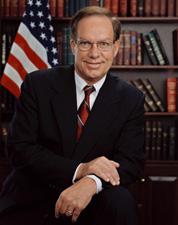
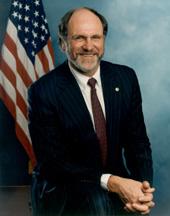 +10
+10
Floor Debate
15 membersWhat members said about S. 1218 on the floor
Mr. President, I am pleased to join Senators Akaka, Leahy, Durbin and Dayton today in introducing the Federal Employees Protection of Disclosures Act. Our bill strengthens the law protecting…
Mr. President, today I am introducing legislation to spur the advent of an exciting new field of research, one that explores the role of the oceans in human health. I am pleased to be joined in this…
Mr. President, today I am introducing legislation to spur the advent of an exciting new field of research, one that explores the role of the oceans in human health. I am pleased to be joined in this…
Mr. President, today I rise to introduce the National Ocean Policy and Leadership Act, which is co-sponsored by my colleagues Senators Stevens and Inouye. The passage of this bill would mark a brand…
Mr. President, I rise in support of S. 1218, the Oceans and Human Health Act, legislation being considered by the Senate today. This bill, which Senator Stevens and I introduced last year, was…
Show 8 more
Mr. President, I rise today to discuss a rising epidemic that is preventing a growing number of children in our Nation from learning and contributing fully as members of our society. Twelve million…
Mr. President, currently approximately 19,500 Colorado seniors are beneficiaries of Medicare health plans called ``cost contracts.'' Under current law, cost contracts will expire. Along with Senator…
Mr. President, I rise today to introduce the Firearms Safety and Consumer Protection Act of 2003, legislation to protect gun owners and the public by establishing safety standards for firearms such…

Mr. President. Today I rise to introduce the Federal Employee Protection of Disclosures Act with Senators Levin, Leahy, Durbin, and Dayton to amend the Whistleblower Protection Act, WPA. These…

Mr. President, I rise today because there is a crisis in our country that begs our attention. This crisis is the overwhelming lack of adequate mental health services available to the children and…

Mr. President, I thank Senators McCain and Hollings and the members of the Commerce Committee for their leadership in moving the Oceans and Human Health Act, S. 1218. I also express my appreciation…
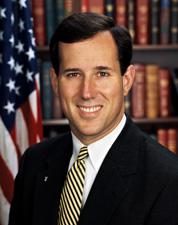
Mr. President, I rise to join my colleague Mrs. Lincoln of Arkansas to reintroduce bipartisan legislation aimed at improving long-term care health and rehabilitation options for Medicare…
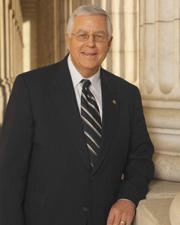
Mr. President, today I join with my friend and colleague from the State of Colorado to introduce the Bison Nickel Restoration Act of 2004 to bring the image of the American bison back to the 5-cent…
Show 6 more

Mr. President, we had a very busy week. The Senate continued consideration of S. 1637, the FSC/ETI bill earlier in the week. Unfortunately, our colleagues on the other side of the aisle insisted on…

Mr. President, I rise today to introduce the Cigarette Fire Safety Act of 2004. Joe Moakley started his effort to require less fire-prone cigarettes in 1979 and championed this issue until his death…

Mr. President, I rise today to introduce The Public Broadcasting Reauthorization Act of 2004. This legislation is designed to reauthorize the Corporation for Public Broadcasting (CPB or ``the…

Mr. President, today I rise to introduce the School Service Act of 2003. Across our Nation, as more and more people participate in national service programs, young people, too, are making real…

Mr. President, today I am introducing the Smuggled Tobacco Prevention Act of 2004, and Representative Doggett of Texas is introducing identical legislation in the House of Representatives. As many of…
Mr. President, at this juncture I ask unanimous consent that the Senate now proceed to consideration of calendar No. 403, S. 1218. Mr. President, I ask unanimous consent the Hollings amendment at the…
Bill Text
4 versions available
        [Congressional Bills 108th Congress]
[From the U.S. Government Publishing Office]
[S. 1218 Referred in House (RFH)]

2d Session
S. 1218

_______________________________________________________________________

IN THE HOUSE OF REPRESENTATIVES

March 25, 2004

Referred to the Committee on Science, and in addition to the Committee
on Energy and Commerce, for a period to be subsequently determined by
the Speaker, in each case for consideration of such provisions as fall
within the jurisdiction of the committee concerned

_______________________________________________________________________

AN ACT

To provide for Presidential support and coordination of interagency
ocean science programs and development and coordination of a
comprehensive and integrated United States research and monitoring
program.

Be it enacted by the Senate and House of Representatives of the
United States of America in Congress assembled,

SECTION 1. SHORT TITLE.

This Act may be cited as the ``Oceans and Human Health Act''.

SEC. 2. FINDINGS AND PURPOSES.

(a) Findings.--The Congress makes the following findings:
(1) The rich biodiversity of marine organisms provides
society with an essential biomedical resource, a promising
source of novel compounds with therapeutic potential, and a
potentially important contribution to the national economy.
(2) The diversity of ocean life and research on the health
of marine organisms, including marine mammals and other
sentinel species, helps scientists in their efforts to
investigate and understand human physiology and biochemical
processes, as well as providing a means for monitoring the
health of marine ecosystems.
(3) The oceans drive climate and weather factors causing
severe weather events and shifts in temperature and rainfall
patterns that affect the density and distribution of disease-
causing organisms and the ability of public health systems to
address them.
(4) The oceans act as a route of exposure for human disease
and illnesses through ingestion of contaminated seafood and
direct contact with seawater containing toxins and disease-
causing organisms.
(5) During the past two decades, the incidence of harmful
blooms of algae and hypoxia has increased in United States
coastal waters, including the Great Lakes, and around the
world, contaminating shellfish, causing widespread fish kills,
threatening marine environmental quality and resulting in
substantial economic losses to coastal communities.
(6) Existing Federal programs and resources support
research in a number of these areas, but gaps in funding,
coordination, and outreach have impeded national progress in
addressing ocean health issues.
(7) National investment in a coordinated program of
research and monitoring would improve understanding of marine
ecosystems, allow prediction and prevention of marine public
health problems and assist in realizing the potential of the
oceans to contribute to the development of effective new
treatments of human diseases and a greater understanding of
human biology.
(b) Purposes.--The purposes of this Act are to provide for--
(1) Presidential support and coordination of interagency
ocean science programs; and
(2) development and coordination of a comprehensive and
integrated United States ocean, coastal, and Great Lakes
research and monitoring program that will assist this Nation
and the world to understand, use and respond to the role of the
oceans in human health.

SEC. 3. INTERAGENCY OCEANS AND HUMAN HEALTH RESEARCH PROGRAM.

(a) Coordination.--The President, through the National Science and
Technology Council, shall coordinate and support a national research
program to improve understanding of the role of the oceans in human
health.
(b) Implementation Plan.--Within 1 year after the date of enactment
of this Act, the National Science and Technology Council, through the
Director of the Office of Science and Technology Policy shall develop
and submit to the Congress a plan for coordinated Federal activities
under the program. Nothing in this subsection is intended to duplicate
or supersede the activities of the Inter-Agency Task Force on Harmful
Algal Blooms and Hypoxia established under section 603 of the Harmful
Algal Bloom and Hypoxia Research and Control Act of 1998 (16 U.S.C.
1451 note). In developing the plan, the Committee will consult with the
Inter-Agency Task Force on Harmful Algal Blooms and Hypoxia. Such plan
will build on and complement the ongoing activities of the National
Oceanic and Atmospheric Administration, the National Science
Foundation, and other departments and agencies and shall--
(1) establish, for the 10-year period beginning in the year
it is submitted, the goals and priorities for Federal research
which most effectively advance scientific understanding of the
connections between the oceans and human health, provide usable
information for the prediction of marine-related public health
problems and use the biological potential of the oceans for
development of new treatments of human diseases and a greater
understanding of human biology;
(2) describe specific activities required to achieve such
goals and priorities, including the funding of competitive
research grants, ocean and coastal observations, training and
support for scientists, and participation in international
research efforts;
(3) identify and address, as appropriate, relevant programs
and activities of the Federal agencies and departments that
would contribute to the program;
(4) consider and use, as appropriate, reports and studies
conducted by Federal agencies and departments, the National
Research Council, the Ocean Research Advisory Panel, the
Commission on Ocean Policy and other expert scientific bodies;
(5) make recommendations for the coordination of program
activities with ocean and human health-related activities of
other national and international organizations; and
(6) estimate Federal funding for research activities to be
conducted under the program.
(c) Program Scope.--The program may include the following
activities related to the role of oceans in human health:
(1) Interdisciplinary research among the ocean and medical
sciences, and coordinated research and activities to improve
understanding of processes within the ocean that may affect
human health and to explore the potential contribution of
marine organisms to medicine and research, including--
(A) vector- and water-borne diseases of humans and
marine organisms, including marine mammals and fish;
(B) harmful algal blooms and hypoxia (through the
Inter-Agency Task Force on Harmful Algal Blooms and
Hypoxia);
(C) marine-derived pharmaceuticals;
(D) marine organisms as models for biomedical
research and as indicators of marine environmental
health;
(E) marine environmental microbiology;
(F) bioaccumulative and endocrine-disrupting
chemical contaminants; and
(G) predictive models based on indicators of marine
environmental health or public health threats.
(2) Coordination with the National Ocean Research
Leadership Council (10 U.S.C. 7902(a)) to ensure that any
integrated ocean and coastal observing system provides
information necessary to monitor and reduce marine public
health problems including health-related data on biological
populations and detection of contaminants in marine waters and
seafood.
(3) Development through partnerships among Federal
agencies, States, or academic institutions of new technologies
and approaches for detecting and reducing hazards to human
health from ocean sources and to strengthen understanding of
the value of marine biodiversity to biomedicine, including--
(A) genomics and proteomics to develop genetic and
immunological detection approaches and predictive tools
and to discover new biomedical resources;
(B) biomaterials and bioengineering;
(C) in situ and remote sensors used to detect,
quantify, and predict the presence and spread of
contaminants in marine waters and organisms and to
identify new genetic resources for biomedical purposes;
(D) techniques for supplying marine resources,
including chemical synthesis, culturing and
aquaculturing marine organisms, new fermentation
methods and recombinant techniques; and
(E) adaptation of equipment and technologies from
human health fields.
(4) Support for scholars, trainees and education
opportunities that encourage an interdisciplinary and
international approach to exploring the diversity of life in
the oceans.
(d) Annual Report.--Beginning with the first year occurring more
than 24 months after the date of enactment of this Act, the National
Science and Technology Council, through the Director of the Office of
Science and Technology Policy shall prepare and submit to the President
and the Congress not later than January 31st of each year an annual
report on the activities conducted pursuant to this Act during the
preceding fiscal year, including--
(1) a summary of the achievements of Federal oceans and
human health research, including Federally supported external
research, during the preceding fiscal year;
(2) an analysis of the progress made toward achieving the
goals and objectives of the plan developed under subsection
(b), including identification of trends and emerging trends;
(3) a copy or summary of the plan and any changes made in
the plan;
(4) a summary of agency budgets for oceans and human health
activities for that preceding fiscal year; and
(5) any recommendations regarding additional action or
legislation that may be required to assist in achieving the
purposes of this title.

SEC. 4. NATIONAL OCEANIC AND ATMOSPHERIC ADMINISTRATION OCEANS AND
HUMAN HEALTH INITIATIVE.

(a) Establishment.--As part of the interagency program planned and
coordinated under section 3, the Secretary of Commerce is authorized to
establish an Oceans and Human Health Initiative to coordinate and
implement research and activities of the National Oceanic and
Atmospheric Administration related to the role of the oceans, the
coasts, and the Great Lakes in human health. In carrying out this
section, the Secretary shall consult with other Federal agencies
conducting integrated oceans and human health research and research in
related areas, including the National Science Foundation. The Oceans
and Human Health Initiative is authorized to provide support for--
(1) centralized program and research coordination;
(2) an advisory panel;
(3) one or more National Oceanic and Atmospheric
Administration national centers of excellence;
(4) research grants; and
(5) distinguished scholars and traineeships.
(b) Advisory Panel.--The Secretary is authorized to establish an
oceans and human health advisory panel to assist in the development and
implementation of the Oceans and Human Health Initiative. Membership of
the advisory group shall provide for balanced representation of
individuals with multi-disciplinary expertise in the marine and
biomedical sciences. The Federal Advisory Committee Act (5 U.S.C. App.)
shall not apply to the oceans and human health advisory panel.
(c) National Centers.--(1) The Secretary is authorized to identify
and provide financial support through a competitive process to develop,
within the National Oceanic and Atmospheric Administration, for one or
more centers of excellence that strengthen the capabilities of the
National Oceanic and Atmospheric Administration to carry out its
programs and activities related to the oceans' role in human health.
(2) The centers shall focus on areas related to agency missions,
including use of marine organisms as indicators for marine
environmental health, ocean pollutants, marine toxins and pathogens,
harmful algal blooms, hypoxia, seafood testing, drug discovery, and
biology and pathobiology of marine mammals, and on disciplines
including marine genomics, marine environmental microbiology,
ecological chemistry and conservation medicine.
(3) In selecting centers for funding, the Secretary will give
priority to proposals with strong interdisciplinary scientific merit
that encourage educational opportunities and provide for effective
partnerships among the Administration, other Federal entities, State,
academic, medical, and industry participants.
(d) Extramural Research Grants.--(1) The Secretary is authorized to
provide grants of financial assistance to the scientific community for
critical research and projects that explore the relationship between
the oceans and human health and that complement or strengthen programs
and activities of the National Oceanic and Atmospheric Administration
related to the ocean's role in human health. Officers and employees of
Federal agencies may collaborate with, and participate in, such
research and projects to the extent requested by the grant recipient.
The Secretary shall consult with the oceans and human health advisory
panel established under subsection (b) and may work cooperatively with
other agencies participating in the interagency program under section 3
to establish joint criteria for such research and projects.
(2) Grants under this subsection shall be awarded through a
competitive peer-reviewed, merit-based process that may be conducted
jointly with other agencies participating in the interagency program
established in section 3 or under the National Oceanographic
Partnership Program under section 7901 of title 10, United States Code.
(e) Distinguished Scholars and Traineeships.--(1) The Secretary is
authorized to designate and provide financial assistance to support
distinguished scholars from academic institutions, industry, State
governments, or other Federal agencies for collaborative work with
National Oceanic and Atmospheric Administration scientists and
facilities.
(2) The Secretary of Commerce is authorized to establish a program
to provide traineeships, training, and experience to pre-doctoral and
post-doctoral students and to scientists at the beginning of their
careers who are interested in the oceans in human health research
conducted under the NOAA initiative.

SEC. 5. PUBLIC INFORMATION AND OUTREACH.

(a) Establishment.--The Secretary of Commerce, in consultation with
other appropriate Federal agencies shall design and implement a
national information and outreach program on potential ocean-related
human health risks, including health hazards associated with the human
consumption of seafood. Under such program, the Secretary shall--
(1) collect information on the incidence and locations of
ocean-related health hazards and illnesses;
(2) disseminate such information to any appropriate Federal
or State agency, involved industries, and other interested
persons; and
(3) assess and make recommendations for observing systems
to support the program.

SEC. 6. AUTHORIZATION OF APPROPRIATIONS.

(a) NOAA Oceans and Human Health Initiative.--There are authorized
to be appropriated to the Secretary of Commerce to carry out the
National Oceanic and Atmospheric Administration Oceans and Human Health
Initiative established under section 4, $12,000,000 for fiscal year
2005, $15,000,000 for fiscal year 2006, and $20,000,000 for each of
fiscal years 2007 and 2008. Not less than 50 percent of the amounts
appropriated to carry out the initiative for each fiscal year shall be
utilized to support the programs described in subsections (d) and (e)
of section 4.
(b) Public Information.--There are authorized to be appropriated to
the Secretary to carry out the public information and outreach program
established under section 5, $3,000,000 for each of fiscal years 2005
through 2007.

Passed the Senate March 24, 2004.

Attest:

EMILY J. REYNOLDS,

Secretary.