Federal Pell Grant Eligibility Clarification Act of 2003

Legislative Activity
Stay on top of the latest movement without scrolling through every action
Read twice and referred to the Committee on Health, Education, Labor, and Pensions. (text of measure as introduced: CR S8737-8738)
June 26, 2003
View full timeline
Introduced in Senate
June 26, 2003
Sponsor introductory remarks on measure. (CR S8735-8736)
June 26, 2003
Read twice and referred to the Committee on Health, Education, Labor, and Pensions. (text of measure as introduced: CR S8737-8738)
June 26, 2003
Floor Debate
17 membersWhat members said about S. 1348 on the floor
 DF
DF CL
CL MMMC
MMMC LM+12
LM+12
Floor Debate
17 membersWhat members said about S. 1348 on the floor
Mr. President, I rise today to introduce legislation to amend the Graton Rancheria Restoration Act to give the State of California and the local communities of Sonoma, Napa, and Marin counties the…
Mr. President, I rise today to introduce legislation to amend the Graton Rancheria Restoration Act to give the State of California and the local communities of Sonoma, Napa, and Marin counties the opportunity for input and review of the tribe's plan for a major casino in the Bay Area.
I am offering this legislation because the Boards of Supervisors of the local communities impacted by this planned casino have asked me to amend the Graton Rancheria Restoration Act. The Boards of Supervisors of Sonoma, Marin, and Napa counties have each unanimously passed resolutions seeking a change in Federal law to restore the Secretary of Interior's discretion in approving land into trust and allowing the State and local government to have a voice in the process.
Prior to today's introduction I have met with the Presidents of the Sonoma and Marin Boards of Supervisors, the Graton tribe, and Senators Campbell and Inouye the Chairman and Ranking Member of the Indian Affairs Committee.
This week I had a very spirited and frank conversation with Graton Tribal Chairman Greg Sarris and representatives from the casino investors. During the meeting Chairman Sarris committed to work with the local Boards of Supervisors and he committed to look at alternative sites for the casino. Chairman Sarris also said the Tribe and the casino investors would conduct an environmental review based on the criteria laid out in the National Environmental Policy Act, NEPA, before a site is selected. These are positive signs and I have told both the Boards of Supervisors and the Tribe that I would like to see them continue to work together.
This legislation guarantees that the local and State officials have a voice in the process. Without this change to the Graton Rancheria Restoration Act they do not have that voice.
In 2000, Congress passed the Graton Rancheria Restoration Act to restore Federal recognition to the 355 members of the Federated Indians of the Graton Rancheria.
The Graton Tribe's original Rancheria was in the northern Sonoma County town of Graton on land purchased by the Bureau of Indian Affairs, BIA, in 1920 for the ``village home'' of otherwise homeless Miwok and Pomo Indians. The Rancheria was terminated in 1958 when the BIA approved a plan to distribute the assets to resident Indians and remove the Rancheria from Federal trust.
The original version of the Graton restoration bill, H.R. 946, sponsored by Congresswoman Lynn Woolsey in the 106th Congress, passed the House of Representatives with a gaming restriction, to which the Tribe agreed.
In testimony before the House Resources Committee in May 2000, and in other public comments, Graton Chairman Greg Sarris stated that the Tribe had no intention of conducting gaming.
In fact, before the House Resources Committee, Chairman Sarris stated, ``Many may think our motives for restoration have been influenced by the opportunity gaming affords some other recognized tribes. Because our local political constituency, both democratic and republican has opposed any sort of development for environmental reasons, we agreed with these local political forces to not develop a gaming complex. So, as proof, we voted as a tribe to include a non- gaming clause in our bill, stipulating that we will not be a gaming tribe.''
Furthermore, in an article in the Marin Independent Journal on September 21, 2000, Chairman Sarris said, ``All we want is to be formally recognized as Indians and have the same rights that other Indians do for education and health care. We are not interested in gambling.'' I ask unanimous consent to print a copy of this article in the Record.
Senator Boxer sponsored legislation identical to Congresswoman Woolsey's in the Senate, but the gaming restriction was stricken when the bill was ultimately passed as part of the Omnibus Indian Advancement Act of 2000.
The day the legislation passed on December 11, 2000, Senator Boxer stated on the Senate Floor that dropping the gaming restriction was necessary because of opposition to the no-gaming clause by the Senate Committee on Indian Affairs and the Clinton Administration and because, according to Senator Boxer, ``Senator Inouye asserts that the no-gaming clause is unnecessary because the Graton Rancheria have no intention of conducting gaming.''
So what has changed one might ask?
Well, even though the Gratons voluntarily and repeatedly took a no- gaming pledge while their restoration bill was under consideration by Congress, on April 23, 2003, the Tribe and its partner, Stations Casinos of Las Vegas, announced plans to purchase approximately 2,000 acres of land in Southern Sonoma County near Sears Point for the development of a casino.
This site is located on environmentally sensative open space and San Francisco--North Bay tidelands which have been the subject of a decades-long conservation effort by environmentalists and local residents.
This site is roughly 30 miles from San Francisco--along the gateway to Sonoma that leads thousands of travelers into the beautiful wine country each day.
The Tribe's casino proposal has outraged local elected officials and residents who had sympathized with the Tribe's plight and supported their restoration on the condition that they not seek to develop a casino. The Sonoma and Marin County Boards of Supervisors have each passed unanimous resolutions objecting to the Graton casino proposal. In fact, even the Board of Supervisors of neighboring Napa has also passed a resolution against the casino proposal. I ask unanimous consent to print these resolutions and letters from the counties in the Record.
Let me just read one part of the Resolution from Marin County which will give you an idea of the opposition to the Graton tribe's proposed casino:
RESOLVED, that the Board of Supervisors of the County of Marin calls on its elected members of the United States Senate, Dianne Feinstein and Barbara Boxer, and its elected member of the House of Representatives, Lynn Woolsey, to assist the residents of Marin and the entire North Bay to preserve their environment by introducing legislation that would amend the Graton Rancheria Restoration Act and/ or the Indian Gaming Regulatory Act to stop the unregulated creation of tribal lands and to subject development of tribal lands in the Marin and Sonoma Counties at a minimum to the regulatory and approval processes applicable to newly acquired tribal lands by the Indian Gaming Regulatory Act.
While the counties acknowledge that the Graton have a right to be recognized, they object to the site selected by the tribe and they especially object to language in the Restoration Act
that precludes the local community, the Governor, or the Secretary of the Interior from providing input on the suitability of this location for land taken into trust for gaming purposes.
There is a problematic section of the Restoration Act that states, ``Upon application by the Tribe, the Secretary shall accept into trust for the benefit of the Tribe any real property located in Marin or Sonoma County . . .'' According to the Department of the Interior, this language removes any discretion by the Secretary as well as any tribal obligations for consultation with the surrounding community or environmental review, as required by the normal process under the Indian Gaming Regulatory Act for newly acquired land taken into trust for gaming purposes.
According to the Department of the Interior, the tribe must only conduct a hazardous materials review and show title to the land for land to be taken into trust. This could be completed in 9 months--and it is an inadequate review in my opinion.
Since the local communities are seeking a remedy which would restore the Secretary's discretion in approving its land trust application and allow local government to provide input in the process, I am introducing this legislation today that will change the ``shall take land into trust'' to ``may take land into trust.'' This legislation will also require the two-part test that is standard under the Indian Gaming Regulatory Act of 1988 to apply so that the State and local communities have input in the process.
There is precedent for this change. In 1994, legislation was passed restoring the United Auburn Tribe with the same directive to the Secretary of the Interior, requiring that land ``shall'' be taken into trust for the Tribe. One of the restoration act's sponsors, Congressman John Doolittle sponsored an amendment to change ``shall'' to ``may'' after it had been passed, thereby affording the Secretary of Interior discretion in accepting particular parcels of land into trust and local government officials an opportunity to weigh in on the Tribe's proposed site.
The result of that change was that the Auburn Tribe and Placer County officials successfully cooperated in not only identifying a mutually agreeable site, but they signed a Memorandum of Understanding to mitigate potential impacts from the proposed Thunder Valley Casino. And earlier this month, the tribe opened its casino.
Today California is home to 109 federally recognized tribes. 61 tribes have gaming compacts with the State and there are 54 tribal casinos. With more than 50 tribes seeking Federal recognition and approximately 23 recognized tribes seeking gaming compacts from the Governor, revenues from California's tribal gaming industry are expected to surpass Nevada's by the end of the decade.
The dramatic growth in tribal gaming in California has the potential to yield much needed benefits for tribal members in terms of healthcare, education and general welfare, as Congress and California voters intended. However, the question is not whether gaming should be permitted, but rather how and where. Those questions were asked and answered in the Indian Gaming Regulatory Act of 1988, IGRA. But without the modest change made by this legislation, the Graton tribe will be allowed to develop an off-reservation casino outside the requirements established in IGRA, the first time such an exception has ever been made for a California tribe. Allowing this to happen would set a dangerous precedent not only for California, but every State where tribal gaming is permitted.
The changes we are seeking today are extremely modest. We are not reversing any restoration of the tribe. We are not infringing on Native American sovereignty. We are not even blocking the casino proposal. We are only seeking to give the State and the local communities a voice in the process. They were promised the tribe would not open a casino. That promise was broken, so the least we can do is ensure a normal review will take place.
I hope my colleagues will support this legislation and I look forward to working with the Chairman and Ranking Member of the Indian Affairs Committee to pass this legislation quickly.
I ask unanimous consent that the text of the bill be printed in the Record.
Mr. President, I rise to introduce the Notification of Risk to Personal Data Act of 2003. This legislation will require that individuals are notified when their most sensitive personal information is stolen from a corporate or government database.
Specifically, the bill would require government or private entities to notify individuals if a data breach has compromised their Social Security number, driver's license number, credit card number, debit card number, or financial account numbers.
In most cases, if authorities know that someone is a victim of a crime, the victim is notified. But that isn't the case if an individual's most sensitive personal information is stolen from an electronic database.
Unfortunately, data breaches are becoming all too common. Consider the following incidents which have compromised the records of hundreds of thousands of Americans.
On April 5, 2002, a hacker broke into the electronic records of Steven P. Teale Data Center, the payroll facility for California State employees. The hacker compromises files containing the first initials, middle initials, and last names, Social Security numbers, and payroll deduction information of approximately 265,000 people. Despite the breathtaking potential harm of the crime, the breach was not publicly acknowledged and State employees were not made aware of their vulnerability to identify theft until May 24, 2002--17 days later.
On December 14, 2002, TriWest Health Care Alliance, a company that provides health care coverage for military personnel and their families, was burglarized at its Phoenix, AZ offices. Thieves broke into a management suite and stole laptop computers and computer hard drives containing the names, addressed, telephone numbers, birth dates and Social Security numbers of 562,000 military service members, dependents and retirees, as well as medical claims records for people on active duty in the Persian Gulf.
In February 2003, a hacker gained access to 10 million Visa, MasterCard, American Express Card and Discovery Card numbers from the databases of a credit processor, DPI Merchant services of Omaha, NE. Company officials maintained that the intruder did not obtain any personal information for these card numbers such as the account holder's name, address, telephone number or Social Security number. However, at least one bank canceled and replaced 8,800 cards when it found out about the security breach.
And in March of this year, a University of Texas student was charged with hacking into the university's computer system and stealing 55,000 Social Security numbers.
These are just some examples of the types of breaches that are occurring today. Except for California, which as a notification law going into effect in July, no State of Federal law requires companies or agencies to tell individuals of the misappropriation of their personal data.
I strongly believe Americans should be notified if a hacker gets access to their most personal data. This is both a matter of principle and a practical measure to curb identity theft.
Let me take a moment to describe the proposed legislation.
The Notification of Risk to Personal Data Act will set a national standard for notification of consumers when a data breach occurs.
Specifically, the legislation requires a business or government entity to notify an individual when there is a reasonable basis to conclude that a hacker or other criminal has obtained unencrypted personal data maintained by the entity.
Personal data is defined by the bill as an individual's Social Security number, State identification number, driver's license number, financial account number, or credit card number.
The legislation's notification scheme minimizes the burdens on companies or agencies that must report a data breach.
In general, notice would have to be provided to each person whose data was compromised in writing or through e-mail. But there are important exceptions.
First, companies that have developed their own reasonable notification policies are given a safe harbor under the
bill and are exempted from its notification requirements.
Second, encrypted data is exempted.
Third, where it is too expensive or impractical, e.g., contact address information is incomplete, to notify every individual who is harmed, the bill allows entities to send out an alternative form of notice called ``substitute notice.'' Substitute notice includes posting notice on a website or notifying major media.
Substitute notice would be triggered if any of the following factors exist: 1. the agency or person demonstrates that the cost of providing direct notice would exceed $250,000; 2. the affected class of subject persons to be notified exceeds 500,000; or 3. the agency or person does not have sufficient contact information to notify people whose information is at risk.
The bill has a tough, but fair enforcement regime. Entities that fail to comply with the bill will be subject to fines by the Federal Trade Commission of $5,000 per violation or up to $25,000 per day while the violation persists. State Attorneys General can also file suit to enforce the statute.
Additionally, the bill would allow California's new law to remain in effect, but preempt conflicting State laws. It is my understanding that legislators in a number of States are developing bills modeled after the California law. Reportedly, some of these bills have requirements that are inconsistent with the California legislation. It is not fair to put companies in a situation that forces them to comply with database notification laws of 50 different States.
I strongly believe individuals have a right to be notified when their most sensitive information is compromised--because it is truly their information. Ask the ordinary person on the street if he or she would like to know if a criminal had illegally gained access to their personal information from a database--the answer will be a resounding yes.
Enabling consumers to be notified in a timely manner of security breaches involving their personal data will help combat the growth scourge of identity theft. According to the Identity Theft Resources Center, a typical identity theft victim takes six to 12 months to discover that a fraud has been perpetuated against them.
As Linda Foley, Executive Director of the Identity Theft Resources center puts it: ``Identity theft is a crime of opportunity and time is essential at every junction. Every minute that passes after the breach until detection and notification increases the damage done to the consumer victim, the commercial entities, and law enforcement's ability to track and catch the criminals. It takes less than a minute to fill out a credit application and to start an action that could permanently affect the victim's life. Multiply that times hundreds of minutes, hundreds of opportunities to use or sell the information stolen and you just begin to understand the enormity of the problem that the lack of notification can cause.''
If individuals are informed of the theft of their Social Security numbers or other sensitive information, they can take immediate preventative action.
They can place a fraud alert on their credit report to prevent crooks from obtaining credit cards in their name; they can monitor their credit reports to see if unauthorized activity has occurred; they can cancel any affected financial or consumer or utility accounts; they can change their phone numbers if necessary.
I look forward to working with my colleagues to pass this vitally needed legislation. This bill will give ordinary Americans more control and confidence about the safety of their personal information. Americans will have the security of knowing that should a breach occur, they will be notified and be able to take protective action.
I ask unanimous consent that the text of the bill be printed in the Record.
I rise to introduce with Senator Wyden a bill to reduce the risk of catastrophic fire in our country's magnificent national forests.
No one who watched last week as Arizona's community of Summerhaven on Mount Lemmon burned can doubt the importance of this issue. My heart goes out to the residents of Summerhaven, and to the others who will be displaced by the fires yet to come this summer.
Americans know that there is something wrong with our national forests. For too long we have suppressed fires, gradually letting brush and small trees multiply until many of our forests are now choked by a dense thicket.
Today, there are 57 million acres of Federal lands at the highest risk of catastrophic forest fires. If we do not take action now, these forests could go up in smoke. This bill we are introducing today is balancing, and it will reduce the risk of catastrophic fire in our country's magnificent national forests.
This legislation would speed up the environmental review process-- without sacrificing the most important environmental protections. It also would protect the communities which face the highest risk and safeguard old growth stands and large trees. And it would include sensible provisions on judicial review that will help projects go forward quickly without compromising our independent judiciary. These are provisions that makes sense, and I hope that my colleagues will support the bill.
We have crafted our bill around three fundamental principles:
We should focus limited Federal resources on protecting communities and on the forest lands truly most at risk;
We should speed up the environmental review process, but without sacrificing the most important environmental protections; and
We should protect old growth stands and large trees.
Let me show how the bill achieves these three goals.
First, the bill prioritizes our efforts. Many people believe that we should protect communities first. The bill does so. Seventy percent of the funding is directed to the wildland-urban interface near communities.
Of course, conditions vary by State. The bill allows Governors to adjust the percentage of work that is to be done within the wildland-- urban interface for their State, up to a maximum of 75 percent, or down to a minimum of 50 percent.
By way of contrast, H.R. 1904, which passed the House, includes no focus on protecting communities. All the money can be spent far from communities under H.R. 1904, even if the Governor of a State wishes otherwise.
Senator Wyden and I believe that in addition to protecting communities, there are some forest lands that should be thinned to ensure that catastrophic fires do not devastate the forest and eliminate habitat for the species that have there.
In the last century, Americans have rigorously suppressed fires, stamping them out whenever they start. In certain forests like ponderosa pine, these fires would naturally have cleared out the brush and small trees every 10 or 20 years or so.
In the absence of these fires, brush has grown into ``doghair thickets'' with dangerous levels of fuel loadings. When fires burn now in these forests, they will be so hot that they won't just clear out the brush but will kill the large trees and often scorch the soil.
These are the forests where we need to focus our efforts. We thus target thinning projects to forests that are both Fire Regime I and Condition Class 3. Fire Regime I forests are those that used to have low-intensity, brush-clearing fires; and Condition Class 3 forests are the most altered from their natural condition. The combination of Fire Regime I and Condition Class 3 are the highest priority lands for treatment.
We also direct projects to municipal watersheds and diseased or windblown forests that are in Condition Class 3. If we don't protect the municipal watersheds, catastrophic fires could strip off the tree cover that prevents soils from eroding into creeks and lakes. Municipalities' water quality could suffer.
In contrast to our bill, H.R. 1904 fails to prioritize brush-clearing projects for the areas that need it the most. Instead, H.R. 1904 provides expedited processes for lands that are only moderately altered by fire suppression--Condition Class 2 lands in addition to Condition Class 3.
In many of the forests where H.R. 1904 would direct brush-clearing work, there naturally would have been severe fires that burned all the trees in the stand. After a thinning project, fires in these forests will still behave the same way, scorching and killing most of the trees. Thus, much of the thinning called for in H.R. 1904 would have little effect on the fire behavior or forest health.
Senator Wyden and I have worked very hard to develop a bill that speeds up the review process so important work can get done without sacrificing environmental protections.
Almost everyone agrees that we need to work quickly to protect the areas immediately around communities. There is little controversy or debate over these projects.
The Forest Service has proposed an analytical short-cut for these projects, which requires very little environmental analysis and no formal pubic comment process or administrative appeal.
There is some uncertainty, however, over the Forest Service's proposed approach. People can claim that laws Congress has previously passed will require some of these projects to be held up by more environmental analysis or administrative appeals.
Our bill eliminates this uncertainty. When the Forest Service works in the immediate vicinity of a community, the bill would make absolutely clear that there need to be no environmental analysis or administrative appeals. The only exception is where there might be extraordinary circumstances, such as a major threat to endangered species. We also prohibit the Forest Service from conducting clearcuts around communities, requiring them to focus on clearing out the brush.
By way of comparison, the House-passed bill does not provide any assistance to thinning projects in the immediate vicinity of communities, even though everyone agrees on the need for these projects.
Senator Wyden and I have also sped up the process for projects outside the immediate vicinity of communities. These projects are more controversial, so we want to make sure that the public has some opportunity for input.
In the past, the Forest Service and the Department of the Interior have been able to conduct the majority of brush-clearing mechanical treatment following a National Environmental Policy Act process known as environmental assessments. Our bill simplified these environmental assessments in several ways.
The bill provides one round of public comment--the administrative appeal process--rather than two.
The bill shortens the time frame for administrative appeals from 90 to 60 days.
Finally, the appeal deciding offer can make necessary changes rather than having to send the project back to the original decisionmaker for further time-consuming review.
Together, these changes will likely speed up the process by a few months or more. We do all this without eliminating public comment or gutting core parts of the environmental analysis.
In contrast, the House-passed bill would eliminate the requirement that the Forest Service consider alternatives to the proposed project as part of its environmental analysis. In other
words, the Forest Service doesn't have to study other, less damaging ways of undertaking the project--it can just do the project the way it wants.
Many people think that public debate over alternatives is the core of the National Environmental Policy Act. Our bill does not eliminate this important environmental protection.
Another important part of our bill is its protection of magnificent old growth stands. The remaining groves of these trees provide a connection to nature untrammeled by human activity, a connection that many of us cherish.
Our bill would require full protection of these old growth stands. In addition, outside old growth stands, the bill focuses on small-diameter trees and protects large trees that promote fire-resistant stands and species diversity.
By way of contrast, H.R. 1904 provides no protection for these magnificent resources.
Let me now talk about judicial review. No one wants court cases to go on too long. In addition, people should not be able to tie up projects by gaming the system and picking and choosing the friendliest courts to hear their lawsuits.
Our bill addresses these problems. The bill encourages courts, to the maximum extent practicable, to resolve lawsuits over brush-clearing projects quickly. These are important projects for the safety of our communities and our forests, and it is appropriate to give them some priority.
In addition, we require that potential litigants file suit in the same judicial district where a fuels reduction project takes place, No one can game the system by looking for a friendly judge somewhere else.
Finally, we limit temporary injunctions that are typically issued at the outset of a case to 60 days. They can be renewed if necessary--but the challengers to a projects must submit updates explaining why the injunctions should be extended. This provision prevents projects from being held up any longer than is strictly necessary.
These changes will expedite the process--but they still respect our court system's essential autonomy. As a member of the Judiciary Committee, I spend much of my time trying to make sure our court system is as fair as possible.
Americans count on a judiciary independent of the executive branch to preserve their liberties and to right any wrongs that their government commits. I think it is very important that we do not interfere with the independence of our judiciary.
The House-passed bill would require the courts to give weight to certain findings by the Forest Service and the Department of the Interior. Even if projects had been found to violate the environmental laws, courts would be told to give weight to the agencies' findings and allow many of the projects to go ahead anyway.
This is a dangerous provision for a bill to include, and I cannot support it. I believe our bill includes more sensible provisions on judicial review that will help projects go forward quickly without compromising the independence of our judiciary.
Our bill includes several provisions to address forest health problems on private and State lands.
We authorize $50 million annually in emergency grants to States and localities where lives are at risk. The last few years have seen vast insect epidemics killing millions of trees in Southern California, Arizona, and elsewhere.
In places like Lake Arrowhead, Big Bear and Idyllwild in Southern California, communities are surrounded by dead and dying trees that are perfect kindling for a catastrophic fire. There is a real threat to people's lives that we must address.
There is now no good funding source for clearing evacuation routes and clearing around schools and other emergency shelters that are on State and private lands. The emergency grants in the bill would authorize funds for these essential purposes.
The bill also includes two measures to encourage homeowners to clear brush around their houses and install non-flammable roofs. A study of Southern California fires by Forest Service researcher Jack Cohen has shown that these measures could reduce a blaze's threat to homes by as much as 85 to 95 percent.
Our bill would encourage these home-saving practices in two ways:
The bill would prioritize grants to those communities that encourage brush-clearing and use of non-flammable roofs or develop comprehensive fire plans.
The bill would record the Sense of Congress that insurers should offer lower premiums to homeowners who take steps to protect their homes.
Our bill would also include grants to encourage the use of woody material, or biomass, for energy production. Biomass-to-energy plants serve multiple beneficial purposes: one, they are a clean and renewable source of energy; and two, they make brush-clearing projects more cost- effective, so we can protect more with the finite Federal dollars available.
Finally, our bill would also include contracting provisions to benefit rural communities. The Forest Service and the Department of the Interior would be required to use ``best value contracting'' for brush- clearing projects under the Act.
This contracting approach requires the agencies to consider other factors besides the price of the bid in awarding contractors. Bidders would be rewarded for such factors as their commitment to hire local workers, and their past record of environmental stewardship.
I would like to close by saying that this is truly a bipartisan issue. All of us, Democrat and Republican, have an interest in clearing out dangerous accumulations of brush in our national forests. All of us have an interest as well in protecting the magnificent old growth stands and species habitat that Americans cherish, and in upholding our environmental laws.
I look forward to working with my colleagues on both sides of the aisle to pass a bill as soon as possible.
Mr. President, I ask unanimous consent that the text of the Keweenaw National Historical Park bill be printed in the Record. Mr. President, I am pleased to join Senators Akaka, Grassley, Leahy, and…
Mr. President, I ask unanimous consent that the text of the Keweenaw National Historical Park bill be printed in the Record.
Mr. President, I am pleased to join Senators Akaka, Grassley, Leahy, and Durbin today in introducing the Federal Employees Protection of Disclosures Act. Our bill strengthens the law protecting employees who blow the whistle on fraud, waste, and abuse in federal programs.
Whistleblowers play a crucial role in ensuring that Congress and the public are aware of serious cases of waste, fraud, and mismanagement in government. Whistleblowing is never more important than when our national security is at stake. Since the terrorist attacks of September 11, 2001, courageous individuals have stepped forward to blow the whistle on significant lapses in our efforts to protect the United States against potential future attacks. Most notably, FBI Agent Coleen Rowley alerted Congress to serious institutional problems at the FBI and their impact on the agency's ability to effectively investigate and prevent terrorism.
In another example, two Border Patrol agents from my State of Michigan, Mark Hall and Bob Lindemann, risked their careers when they blew the whistle on Border Patrol and INS policies that were compromising security on
the Northern Border. Their disclosure led to my holding a hearing at the Permanent Subcommittee on Investigations in November 2001, that exposed serious deficiencies in the way Border Patrol and INS were dealing with aliens who were arrested while trying to enter the country illegally. Since the hearing, some of the most troublesome policies have been changed, improving the security situation and validating the two agents' concerns. Despite the fact that their concerns proved to be dead on, shortly after they blew the whistle, disciplinary action was proposed against the two agents. Fortunately in this case, whistleblower protections worked. The Office of Special Counsel conducted an investigation and the decision to discipline the agents was reversed. However, that disciplinary an action was proposed in the first place is a troubling reminder of how important it is for us to both strengthen protections for whistleblowers and empower the Office of Special Counsel to discipline managers who seek to muzzle employees.
Agent Rowley, Mark Hall and Bob Lindermann are simply the latest in a long line of Federal employees who have taken great personal risks in blowing the whistle on government waste, fraud, and mismanagement. Congress has long recognized the obligation we have to protect a Federal employee when he or she discloses evidence of wrongdoing in a Federal program. If an employee reasonably believes that a fraud or mismanagement is occurring, and that employee has the courage and the sense of responsibility to make that fraud or mismanagement known, it is our duty to protect the employee from any reprisal. We want Federal employees to identify problems so we can fix them, and if they fear reprisal for doing so, then we are not only failing to protect the whistleblower, but we are also failing to protect the taxpayer.
I sponsored the Whistleblower Protection Act in 1989 which strengthened and clarified whistleblower rights, as well as the bill passed by Congress to strengthen the law further in 1994. Unfortunately, however, repeated holdings by the United States Court of Appeals for the Federal Circuit have corrupted the intent of Congress, with the result that additional clarifying language is sorely needed. The case of LaChance versus White represents perhaps the most notable example of the Federal Circuit's misinterpretation of the whistleblower law.
In LaChance, decided on May 14, 1999, the court imposed an unfounded and virtually unattainable standard on Federal employee whistleblowers in proving their cases. In that case, John E. White was an education specialist for the Air Force who spoke out against a new educational system that purported to mandate quality standards for schools contracting with the Air Force bases. White criticized the new system as counterproductive because it was too burdensome and seriously reduced the education opportunities available on base. After making these criticisms, local agency officials reassigned White, relieving him of his duties and allegedly isolating him. However, after an independent management review supported White's concerns, the Air Force canceled the program White had criticized. White appealed the reassignment in 1992 and the case has been in litigation ever since.
The administrative judge initially dismissed White's case, finding that his disclosures were not protected by the Whistleblower Protection Act. The MSPB, however, reversed the administrative judge's decision and remanded the case back to the administrative judge, holding that since White disclosed information he reasonably believed evidenced gross mismanagement, this disclosure was protected under the Act. On remand, the administrative judge found that the Air Force had violated the Whistleblower Protection Act and ordered the Air Force to return White to his prior status; the MSPB affirmed the decision of the administrative judge. OPM petitioned the Federal Circuit for a review of the board's decision. The Federal Circuit subsequently reversed the MSPB's decision, holding that there was not adequate evidence to support a violation under the Whistleblower Protection Act. The Federal Circuit held that the evidence that White was a specialist on the subject at issue and aware of the alleged improper activities and that his belief was shared by other employees was not sufficient to meet the ``reasonable belief'' test in the law. The court held that ``the board must look for evidence that it was reasonable to believe that the disclosures revealed misbehavior'' by the Air Force. The court went on to say: ``In this case, review of the Air Force's policy and implementation via the QES standards might well show them to be entirely appropriate, even if not the best option. Indeed, this review would start out with a presumption that public officers perform their duties correctly, fairly, in good faith, and in accordance with the law and governing regulations. * * * And this presumption stands unless there is `irrefragable proof to the contrary'.''
It was appropriate for the Federal Circuit to remand the case to the MSPB to have it reconsider whether it was reasonable for White to believe that what the Air Force did in this case involved gross mismanagement. However, the Federal Circuit went on to impose a clearly erroneous and excessive standard for him to demonstrate his ``reasonable belief''--requiring him to provide ``irrefragable'' proof that the Air Force had engaged in gross mismanagement.
Irrefragable means ``undeniable, incontestable, incontrovertible, incapable of being overthrown.'' How can a Federal employee meet a standard of ``irrefragable'' in proving gross mismanagement? It is virtually impossible standard of proof to meet. Moreover, there is nothing in the law or legislative history that even suggests such a standard applies to the Whistleblower Protection Act. The intent of the law is not for a federal employee to act as an investigator and compile ``irrefragable'' proof that the Federal Government, in fact, committed fraud, waste or abuse. Rather, under the clear language of the statute, the employee needs only to have ``a reasonable belief'' that there is fraud, waste or abuse occurring in order to make a protected disclosure.
LaChance is only one example of the Federal Circuit misinterpreting the law. Our bill corrects LaChance and as well as several other Federal Circuit holdings. In addition, the bill strengthens the Office of Special Counsel and creates additional protections for federal employees who are retaliated against for blowing the whistle.
One of the most important issues addressed in the bill is to clarify again that the law is intended to protect a broad range of whistleblower disclosures. The legislative history supporting the 1994 Whistleblower Protection Act amendments emphasized: ``[I]t also is not possible to further clarify the clear language in section 2302(b)(8) that protection for `any' whistleblowing disclosure truly means `any'. A protected disclosure may be made as part of an employee's job duties, may concern policy or individual misconduct, and may be oral or written and to any audience inside or outside the agency, without restriction to time, place, motive or content.''
Despite this clear Congressional intent that was clearly articulated in 1994, the Federal Circuit has acted to push a number of whistleblower disclosures outside the protections of the whistleblower law. For example, in Horton versus the Department of the Navy, the Federal Circuit ruled that a whistleblower's disclosures to co-workers, or to the wrong-doer, or to a court ruled that a whistleblower's disclosures to official in the agency chain of command or those made in the course of normal job duties were not protected. In Huffman versus Office of Personnel Management, the Federal Circuit reaffirmed Horton and Willis. And in Meuwissen versus Department of Interior, the Federal Circuit held that a whistleblower's disclosures of previously known information do not qualify as ``disclosures'' under the WPA. All of these rulings violate clear Congressional intent to afford broad protection to whistleblower disclosures.
In order to make it clear that any lawful disclosure that an employee or job applicant reasonably believes is evidence of waste, fraud, abuse, or gross mismanagement is covered by the WPA, the bill codifies previous statements of Congressional intent. Using the 1994 legislative history, it amends the whistleblower statute to
cover any disclosure of information without restriction to time, place, form, motive or context, or prior disclosure made to any person by an employee or applicant, including a disclosure made in the ordinary course of an employee's duties that the employee or applicant reasonably believes is credible evidence of any violation of any law, rule, or regulation, or other misconduct specified in the whistleblower law. I want to emphasize here that, other than the explicitly listed exceptions identified in the statute, we intend for there to be no exceptions, inferred or otherwise, as to what is a protected disclosure. And the prohibition on inferred exceptions is intended to apply to all protected speech categories in section 2302(b)(8) of the law. The intent here, again, is to make it clear that when the WPA speaks of protecting disclosures by Federal employees ``any'' means ``any.''
The bill also addresses the clearly erroneous standard established by the Federal Circuit's LaChance decision I mentioned earlier. Rather than needing ``irrefragable proof'' to overcome the presumption that a public officer performed his or her duties correctly, fairly, in good faith, and in accordance with the law and regulations, the bill makes it clear that the whistleblower can rebut this presumption with ``substantial evidence.'' This burden of proof is a far more reasonable and appropriate standard for whistleblowing cases.
The Federal Circuit's repeated misinterpretations of the whistleblower law are unacceptable and demand Congressional action. In response to the court's inexplicable and inappropriate rulings, our bill would suspend for five years the Federal Circuit's exclusive jurisdiction over whistleblower appeals. It would instead allow a whistleblower to file a petition to review a final order or final decision of the MSPB in the Federal Circuit or in any other United States appellate court of competent jurisdiction and defined under 5 U.S.C. 7703(b)(2). In most cases, using another court would mean going to the federal circuit where the contested personnel action took place. This five year period would allow Congress to evaluate whether other appellate courts would issue whistleblower decisions which are consistent with the Federal Circuit's interpretation of WPA protections and guide Congressional efforts to clarify the law if necessary.
In addition to addressing jurisdictional issues and troublesome Federal Circuit precedents, our bill would also make important additions to the list of protected disclosures. First, it would subject certain disclosures of classified information to whistleblower protections. However, in order for a disclosure of classified information to be protected, the employee would have to possess a reasonable belief that the disclosure was direct and specific evidence of a violation of law, rule or regulation, gross mismanagement, a gross waste of funds, an abuse of authority, a substantial and specified danger to public health or safety, or a false statement to Congress on an issue of material fact. A whistleblower must also limit the disclosure to a member of Congress or staff of the executive or legislative branch holding the appropriate security clearance and authorized to receive the information disclosed. Federal agencies covered by the WPA would be required to establish a process to provide confidential advice to employees on how to lawfully make a protected disclosure of classified information to Congress.
Current law permits Federal employees to file a case at the MSPB when they feel that a manager has taken a personnel action against them in retaliation for blowing the whistle. The legislation would add three new personnel actions to the list of adverse actions that cannot be taken against whistleblowers for engaging in protected activity. These actions would include enforcement of any nondisclosure policy, form or agreement against a whistleblower for making a protected disclosure; the suspension, revocation, or other determination relating to a whistleblower's security clearance; and an investigation of an employee or applicant for employment if taken due to their participation in whistleblowing activity.
It is important to note that, if it is demonstrated that a security clearance was suspended or revoked in retaliation for whistleblowing, the legislation limits the relief that the MSPB and reviewing court can order. The bill specifies that the MSPB or reviewing court may issue declaratory and other appropriate relief but may not direct a security clearance to be restored. Appropriate relief may include back pay, an order to reassign the employee, attorney fees, or any other relief the Board or court is authorized to provide for other prohibited personnel practices. In addition, if the Board finds an action on a security clearance to have been illegal, it may bar the agency from directly or indirectly taking any other personnel action based on that illegal security clearance action. Our legislation would also require the agency to review and provide a report to Congress detailing the circumstances of the agency's security clearance decision, and authorizes expedited MSPB review of whistleblower cases where a security clearance was revoked or suspended. The latter is important because a person whose clearance has been suspended or revoked and whose job responsibilities require clearance may be unable to work while their case is being considered.
Our bill would also add two prohibited personnel practices of the whistleblower law. First, it would codify the ``anti-gag'' provision that has been in force since 1988, by virture of its inclusion in appropriations bills. Second, it would prohibit a manager from initiating an investigation of an employee or applicant for employment because they engage in a protected activity, including whistleblowing.
Another issue addressed in the bill involves certain employees who are excluded from the WPA. Among these are employees who hold ``confidential policy-making positions.'' In 1994, Congress amended the WPA to keep agencies from designating employees confidential policymakers after the employees filed whistleblower complaints. The WPA also allows the President to exclude from WPA jurisdiction any agency whose principal function is the conduct of foreign intelligence or counterintelligence activities. Our legislation maintains this authority but makes it clear that a decision to exclude an agency from WPA protections must also be made prior to a personnel action being taken against a whistleblower from that agency. This provision is necessary to ensure that agencies cannot argue that employees are exempt from whistleblower protections after an employee files a claim that they were retaliated against.
Another key section of the bill would strengthen the Office of Special Counsel. OSC is the independent federal agency responsible for investigating and prosecuting federal employee complaints of whistleblower retaliation. Current law, however, limits OSC's ability to effectively enforce and defend whistleblower laws. For example, the law provides the OSC with no authority to request the Merit Systems Protection Board to reconsider one of its decisions or to seek appellate review of an MSPB decision. Even when another party petitions for a review of a MSPB decision, OSC is typically denied the right to participate in the proceedings.
Our bill would provide explicit authority for the Office of Special Counsel to appear in any civil action brought in connection with the whistleblower law. In addition, it would authorize OSC to obtain circuit court review of any MSPB order in a whistleblowing case if the OSC determines the Board erred and the case would have a substantial impact on the enforcement of the whisltleblower statute. In a letter to me addressing these provisions, special Counsel Elaine Kaplan said, ``I believe that these changes are necessary, not only to ensure OSC's effectiveness, but to address continuing concerns about the whittling away of the WPA's protections by narrow judicial interpretations of the law.'' I ask unanimous consent that the OSC letter be printed in the Record.
OSC currently has the authority to pursue disciplinary action against managers who retaliate against whistleblowers. However, Federal Circuit decisions, like LaChance, have undermined the agency's ability to successfully pursue such cases. The Special Counsel has said that ``change is necessary in order to ensure that the burden of proof in these cases is not so onerous as to make it virtually impossible to secure disciplinary action against retaliators.'' In addition to it being difficult to win, if the OSC loses a disciplinary case, it has to pay the legal fees of those against whom OSC initiates disciplinary action. In its letter, OSC said that ``the specter of having to pay large attorney fee awards . . . is a significant obstacle to our ability to use this important authority to hold managers accountable.'' Our bill addresses these problems by establishing a reasonable burden of proof for disciplinary actions and requiring the employing agency, not the OSC, to reimburse the prevailing party for attorney fees in a disciplinary proceeding.
Finally, the bill addresses a new issue that has arisen in connection with the recent enactment of the Homeland Security Act or HSA. To evaluate the vulnerability to terrorist attack of certain critical infrastructure such as chemical plants, computer networks and other key facilities, the HSA asks private companies that own these facilities to submit unclassified information about them to the government. In doing so, the law also created some ambiguity on the question of whether Federal employee whistleblowers would be protected by the WPA if they should disclose information that has been independently obtained by the whistleblower about such facilities but which may also have been disclosed to the government under the critical infrastructure information program.
While I believe it was Congress's intent to extend whistleblower protections to Federal employees who disclose such independently obtained information, the law's ambiguities are troublesome in the context of the tendency of the Federal Circuit to narrowly construe the scope of protections afforded by the WPA. Our bill would thus clarify that whistleblower protections do extend to Federal employees who disclose independently obtained information that may also have been disclosed to the government as part of the
critical infrastructure information program
We need to encourage Federal employees to blow the whistle on waste, fraud and abuse in Federal Government agencies and programs. These people take great risks and often face enormous obstacles in doing what they believe is right. The Congress and the country owe a particular debt of gratitude to those whistleblowers who put their careers on the line to protect national security. Since September 11, 2001, we have seen a number of examples of how crucial people like Coleen Rowley, Mark Hall and Bob Lindermann are to keeping our country safe. I request unanimous consent that a letter from Agent Rowley be printed in the Record. In the letter she says that when she blew the whistle, she was lucky enough to garner the support of many of her colleagues and members of Congress. However, her letter warns that for every Coleen Rowley, ``there are many more who do not benefit from the relative safety of public notoriety.'' It is to protect those responsible, courageous many that we offer this legislation. We need more like them.
I ask unanimous consent to print in the Record a section-by-section explanation of the bill.
Mr. President, today, along with my colleagues Senators Kyl and Leahy, I offer the ``Cambodia Democracy and Accountability Act of 2003''. This Act is particularly timely, given that national…
Mr. President, today, along with my colleagues Senators Kyl and Leahy, I offer the ``Cambodia Democracy and Accountability Act of 2003''. This Act is particularly timely, given that national elections are scheduled in that country on July 27th.
Cambodia is on its third round of parliamentary elections since the 1991 Paris Peace Accords, with previous elections having been funded by the United Nations in 1993 and by the Cambodian governments in 1998. Despite the billions of dollars spent on elections in that country-- over $2 billion by the U.N. alone--there has yet to be a credible poll that accurately reflects the will of the Cambodian people.
My colleagues will remember that the U.N.-sponsored elections resulted in a large voter turnout--but also an unworkable power sharing deal brokered between the winning royalist FUNCINPEC party and the hard line Cambodian People's Party, CPP, that quickly dissolved into open hostilities, including a bloody grenade attack against a peaceful, pro- democracy rally and a CPP sponsored coup d'etat in 1997.
The debilitating hangover from this coup--destroyed party offices, dead activists, and a palpable climate of fear and repression-- undermined prospects for free and fair elections in 1998 even before the first ballots were cast.
Fatigued and frustrated, the international community found it expedient to endorse the flawed elections, even as students and Buddhist monks erected a ``democracy square'' in Phnom Penh to protest the polls. A CPP crackdown left many of these peaceful protestors killed, beaten or harassed.
It is time that Prime Minister Hun Sen--as the self-proclaimed strongman of Cambodia--is held accountable for the murder of political activists, Buddhist monks, civilians, and students. There is no rule of law, if the leaders of the government are not subject to it.
A second ``coalition'' government between royalists and hard liners was cobbled together in the aftermath of the 1998 elections. This time, there was no pretext of power sharing, and for the past 5 years CPP has been firmly and completely in control of the country.
Nevertheless, in the months and weeks before the upcoming July elections, the political marriage between FUNCINPEC and CPP is fraying. In an
effort to harass and intimidate his opponents, in late January Prime Minister Hun Sen whipped up nationalistic sentiment against Thailand, let loose the so-called Pagoda Boys, government-paid thugs, and destroyed $50 million worth of Thai public and private interests in Phnom Penh.
Despite frantic pleas for assistance, the Thai ambassador and other diplomatic personnel escaped injury by scaling the embassy's walls and scurrying to safety. In the aftermath of the riots, Hun Sen arrested and intimidated students, independent broadcasters, and political activists. A senior opposition figure sought--and was granted-- refuge in the U.S. Embassy.
In February, former royalist parliamentarian Om Radsady was gunned down in a mafia-style murder in Phnom Penh. Well liked and respected by his colleagues from all Cambodian political parties, Radsady's assassination sent a not so subtle message that no one is immune from the black hand of CPP.
It is time Hun Sen is held accountable for his complicity in actions that grossly violate international and domestic laws, and the human rights and dignity of the people of Cambodia.
The fundamental question facing the Cambodian people today is whether the July 27th elections will be a meaningful exercise in democracy, or another lost opportunity to chart a new course for that beleaguered country.
Last week, Prime Minister Hun Sen assured Secretary of State Colin Powell that Cambodia would hold free and fair elections. Secretary Powell should not be duped by these hollow promises. A preponderance of evidence suggests that CPP is actively trying to steal the elections before July 27th: political activists continue to be murdered and intimidated, creating a chilling tone of fear and repression; the CPP continues to directly influence and manipulate the election machinery, with members of the National Election Commission, NEC, nominated in a closed manner by the co-Ministers of Interior and the NEC already failing to investigate allegations of election improprieties; and, opposition political parties continue to lack access to media, with several broadcast outlets in Cambodia unwilling to sell air time to CPP's challengers.
Let me take a moment to describe what the Cambodian Democracy and Accountability Act does--and does not--do.
The Act provides additional foreign assistance to Cambodia--an increase by half (or $21.5 million) over the fiscal year 2004 budget request of $43 million--if new leadership has been elected in free and fair elections, and if Hun Sen is no longer Prime Minister. It has been apparent to me that Hun Sen has long been part of Cambodia's problems-- and not part of the solution.
The Act does not preclude the Cambodian people from voting for the political party of their choice. Ballot secrecy must be ensured--as well as transparency in the process of vote counting and tabulation--in order that the will of the Cambodian people is accurately expressed. It is my fear that CPP pre-election chicanery may already have violated the integrity of the election process.
If I wanted to interfere with the elections I would have offered legislation that restricts all assistance to Cambodia unless a specific political party or parties was elected. This Act does not do this. It does not cut any assistance--not a single penny--to Cambodia included in the fiscal year 2004 budget request. It simply provides that if the major obstacle to democracy and development in the country--namely Prime Minister Hun Sen--is out of power, additional foreign aid will be forthcoming.
It is important to recall that Hun Sen's coup resulted in severe restrictions on assistance to Cambodia--that continue to this day. If given an opportunity through free and fair elections, the Cambodian people will make the right choices that will ensure a dawn for development in that country.
Why will they make the right choice? Over the many decades he has been in power, Hun Sen has ruled Cambodia through violence, fear and repression. Under his watch, the country has become a haven for sexual predators and pedophiles, the criminal underworld, and international terrorists. Hun Sen has repeatedly abused the most basic of freedoms protected by the Cambodian Constitution, attacked his political opposition, and perpetuated a climate of impunity that stifles the advancement of freedom and free markets.
And he has never--not once--been held accountable for his actions.
In addition to increasing foreign assistance under certain conditions, the Act restricts assistance to a Khmer Rouge tribunal unless the President determines that, among other things, the tribunal is supported by democratic Cambodian political parties and is not under the control or influence of the CPP. It also requires the Federal Bureau of Investigations to resume its investigation of the March 30, 1997 grenade attack against opposition leader Sam Rainsy that killed and injured scores of Cambodians.
I should remind my colleagues that American democracy worker Ron Abney was injured in this act of terrorism, reportedly carried out by the CPP. Ron--and all the victims of this attack--are still waiting for justice.
Secretary Powell wrote in a June 24 op-ed that Zimbabwean dictator Robert Mugabe's ``time has come and gone.'' As democracy is similarly under siege in both Zimbabwe and Cambodia, dictator Hun Sen's time has also come and gone.
Mr. President, I rise today to introduce a very important piece of legislation that could provide great benefits for the health of our young people while simultaneously strengthening the future viability of dairy producers throughout the United States.
My bill, the Child Nutrition Improvement Act of 2003, would provide incentives for schools to encourage the consumption of milk as part of the school lunch program and supply needed flexibility for schools to offer a wide variety of milk products and flavors.
There is no doubt that the eating habits we develop when we are young affect our habits and nutritional choices for the rest of our lives. The school lunch program has provided a key tool in promoting healthy eating habits among young people, which have both health and educational benefits.
Milk has been a critical component of the school lunch program because it is the principal source of calcium and a leading source of several other important nutrients in our diet. That was true when the federal program began in 1946 and it is still true today.
With 9 out of 10 teenage girls and 7 out of 10 teenage boys currently not getting enough calcium, milk's important is perhaps greater today than ever before. Serving milk with the school lunch is a critical step in addressing the calcium crisis. Federal child health experts who are on the frontlines fighting the calcium crisis recognize milk's central role in addressing the problem. Study after study, emphasize the need for growing children and teens to consume more milk for healthy bones, and the American Academy of Pediatrics has urged its members to recommend their patients get enough milk, cheese, yogurt and other calcium rich foods to help build bone mass.
As a result of these recommendations, we have seen a push for more milk in more places in school, like vending machines and school stores. There's a real concern about nutritious choices for school children, and many
local school districts and state legislatures are pushing to add more healthful beverage choices like milk.
A large school vending test in 2001 demonstrated that kids will eagerly buy milk from vending machines in schools when it is offered. The test was heralded by school nutritionists and helped stimulate nationwide interest in getting milk vending machines into more schools.
A pilot test conducted in 146 schools with 100,000 students showed dramatic increases in milk consumption--15 percent in elementary schools and 22 percent in secondary schools--when simple improvements were made in the way milk was packaged and presented to students. The milk was served colder and kids loved the addition of a third flavor, it was usually strawberry. No only did kids drink more milk, more kids ate in the cafeteria. That meant they not only got milk, they also got improved nutrition through greater intake of vegetables, fruits and other nutritionally important foods.
Milk has an unsurpassed nutrient package for young children and teens. Milk has nine essential vitamins and minerals, including calcium, vitamins A, D and B12, protein, potassium, riboflavin, niacin and phosphorus. These nutrients are critical to good health and the prevention of chronic disease. In addition, it is the primary way that growing children get the calcium they need. In fact, according to the U.S. Department of Agriculture about 75 percent of the calcium in our food supply comes from milk and foods made with milk. By about age 20, the average young person has acquired about 98 percent of his or her skeletal mass. Building strong bones during childhood and adolescence is one of the best defenses against developing osteoporosis later in life.
In addition to the bone-building benefits of milk, research indicates that a diet rich in low-fat milk may help reduce the risk of high blood pressure and heart disease and help prevent breast cancer, colon cancer and even help in the fight against obesity.
Milk's role in a nutritious diet has long been noted by the nutrition and science community, including the American Academy of Pediatrics, the American Dietetic Association, the National Institute of Child Health and Human Development, the National Osteoporosis Foundation, the U.S. Department of Agriculture, and many other reputable health organizations.
As I have already mentioned, government statistics indicate that we have a calcium crisis among our children and youth. Nearly 90 percent of teenage girls and almost 70 percent of teenage boys fail to get enough calcium in their diets. During the teen years nearly half of all bone is formed and about 15 percent of your adult height is added. As a national health priority, for proper growth and development, we need to be doing all we can to encourage our children and youth to drink milk, and that is the goal of the legislation I am introducing today.
I ask my colleagues for your support of this important piece of legislation.
I ask unanimous consent that the text of the bill be printed in the Record.
Mr. President, I come to the floor today to discuss a topic that I believe is critical to our Nation's economic growth and future competitiveness--the training of our workforce. We are living in…
Mr. President, I come to the floor today to discuss a topic that I believe is critical to our Nation's economic growth and future competitiveness--the training of our workforce.
We are living in tough economic times. The economy of the State of Washington and the Nation at large are suffering through a recession where jobs are scarce and workers are scrambling to pay the bills. The most recent employment data available from the Bureau of Labor Statistics have offered little comfort in Washington where the unemployment rate is 7.3 percent. Washington, along with the other Pacific Northwest States of Oregon and Alaska, continues to have among the highest unemployment rates in the nation.
Just a month ago, the Senate moved quickly to extend the temporary extension of unemployment compensation program, so that approximately four million workers across this country will not lose their Federal extended unemployment benefits. I am proud that the Senate acted quickly to extend this important program. This means that over 100,000 unemployed workers in Washington State will receive 26 weeks of Federal extended benefits. I am disappointed, however, that we were not able to pass coverage for the estimated 1.1 million unemployed workers who have entirely exhausted their State and Federal benefits. Therefore, I am fighting to pass a bill that would extend coverage to the long-term unemployed, so that help is available to the hardest hit workers in this weak economy.
Nonetheless, our efforts should not stop with an unemployment insurance extension. We must continue to pursue long-term strategies for a sustained economic recovery. The fundamental strength of our economy lies in the working men and women of this Nation whose innovation and hard work propelled the massive economic expansion of the past decade.
The competitive edge that will keep our workers ahead in this changing global economy is their skills. Our economy is global, linked by international markets and communications networks. The sustained success of U.S. companies depends on adaptability and innovation, which means that workers themselves need to remain flexible and continually update job skills.
Even in this time of high unemployment, businesses throughout the country cannot find workers with the skills they need. According to a study completed by Heldrich Work Trends Survey, American employers are finding it difficult to hire qualified workers. Nearly half, 46 percent, of American businesses say they have had trouble finding workers with the necessary skills. At the same time, over three million workers are laid off each year, but well under 500,000 receive any sort of training to learn the skills demanded by those businesses that face worker shortages. Job training is an answer to meeting those skill demands and bridging the skills gaps that persist. However, it will not occur widely without a strong financial commitment from the Federal Government to ensure access to job training programs, and ongoing efforts to maximize the effectiveness of those funds that we already invest.
Investment in job training must be our first priority not our last-- the decisions we make today to invest in our workers will pay off many times over in the form of stronger local economies, healthier communities, and improved quality of life.
But the reality is that we are delivering a trickle of funding while faced with a tidal wave of need. I have traveled across my state, from Olympia to Kelso, Vancouver to Bellingham, the Tri-cities to Spokane and received a great deal of feedback from Washingtonians who are seeking training, are providing it, or are serving as employers who need to hire skilled workers. And I heard similar concerns repeated in each of these areas: first, as our economy continues to evolve, the demand for new skills has grown; second, the enormous increase in demand for skills training by individual workers who are upgrading skills or changing jobs is a trend that appears to be widespread throughout the Nation; but third, far too many of those workers seeking access to training cannot get the training they need due to limited space at training institutions and the limited tuition assistance.
Last year, my office released a study of this apparent shortfall in capacity of training systems in my State, and the results of that study were staggering to me. There are over 110,000 dislocated workers in my state, the majority of whom want to upgrade their skills but cannot do so because of budgetary limitations that prevent institutions from offering enough courses, and the limited numbers of available training vouchers.
To make things worse, this year, the State of Washington received approximately 40 percent less in Workforce Investment Act, WIA, formula funding compared to last year. This drastic cut in WIA funding means that services will be cut back at a time when the demand is at an all time high. It is imperative that during this time of State deficits, States receive additional help from the Federal Government for important services such as education and job training.
As my colleagues know, the Workforce Investment Act is up for reauthorization this year. The WIA system is clearly the centerpiece of the Federal job training programs. It provides a one-stop delivery system designed to meet a broad range of worker needs, and it emerged from years of bipartisan work by Congress to consolidate over 33 Federal programs into one system for delivering employment and training services.
Today, I am introducing three bills that are designed to build upon the existing workforce structure to expand opportunities for training and improve its effectiveness.
The first piece of legislation would change the Pell Grant program to make certain that student financial aid is available to recently laid off workers. Under current law, the standard practice in the determination of Pell Grant eligibility for student aid is to base grant awards upon the applicant's income during the previous year. The use of tax forms for this purpose, in many cases, is the most appropriate and easiest administrative method of obtaining a clear and official statement of financial need. But, as a result, many recently laid-off workers are not eligible for critical financial assistance at a time when the workers' families are experiencing a dramatic decrease in income. My legislation would explicitly provide the authority for educational institutions, after taking sufficient precautions to prevent fraud, to consider current-year income levels for applicants seeking training through Pell Grant-eligible programs. It does this in a very narrow way, by only allowing institutions in States with high unemployment rates to consider current year financial circumstances rather than previous year income.
The second bill addresses issues of distance-learning and delivery of training to hard to reach areas in a comprehensive manner. While many distance-learning technologies have been developed in recent years, those technologies have not necessarily reached many of those who are most in need of training. Many workers in need of
training may not be aware of online distance learning opportunities and may not be able to take advantage of them even if they do know about them. I believe, it is not enough to create a distance learning curriculum and passively provide it through an educational institution website. Rather, comprehensive solutions need to be developed that integrate curriculum innovations, technological access, and the promotion and linkage of workers in need of training with such opportunities, especially to help workers in rural areas. That's why my bill encourages the local workforce development boards to plan a comprehensive approach to improve access to and delivery of employment training services by using technology and online resources to connect workers with the information and tools they need to upgrade their skills.
The third bill that I am introducing today is designed to help local workforce development boards better understand regional labor market dynamics and improve system performance by identifying emerging sectors and industries with chronic worker shortages. My legislation encourages local workforce development boards to target employment and training resources so that workers can get training in occupations where employers need workers.
My legislation provides new resources to the state level so that states can direct funding down to the local workforce development boards to form partnerships with employers, unions, service providers and other key players in order to develop a strategic plan for addressing regional industry and workforce needs.
I want to make clear that this legislation is not intended to reinvent the wheel for areas that are already developing sectoral approaches within existing workforce development systems. In fact, Washington State is a leader in sector approaches: in 2000, the Washington State Legislature enacted legislation to support industry skills panels known as the ``Skills Initiative.'' The Skills Initiative provides grants to local workforce development councils to engage business and industry in strategies to close the skill gaps in my State. My legislation emphasizes this work by providing funding to support these partnerships.
This is a first step on a long journey as we work to improve Federal job training systems, and it is critical, now more than ever, that Congress increase funding for the job training programs under the Workforce Investment Act. By providing the necessary resources, we send a strong message to the American public that our government must invest in our greatest resource--the American worker. Each of these bills is an important component of that broader strategy, and I look forward to working with my colleagues as we begin to look at the reauthorization of WIA and the Higher Education Act this year and next.
Mr. President, I ask unanimous consent that the text of each bill be printed in the Record.
Mr. President, I come to the floor today to discuss a topic that I believe is critical to our Nation's economic growth and future competitiveness--the training of our workforce. We are living in…
Mr. President, I come to the floor today to discuss a topic that I believe is critical to our Nation's economic growth and future competitiveness--the training of our workforce.
We are living in tough economic times. The economy of the State of Washington and the Nation at large are suffering through a recession where jobs are scarce and workers are scrambling to pay the bills. The most recent employment data available from the Bureau of Labor Statistics have offered little comfort in Washington where the unemployment rate is 7.3 percent. Washington, along with the other Pacific Northwest States of Oregon and Alaska, continues to have among the highest unemployment rates in the nation.
Just a month ago, the Senate moved quickly to extend the temporary extension of unemployment compensation program, so that approximately four million workers across this country will not lose their Federal extended unemployment benefits. I am proud that the Senate acted quickly to extend this important program. This means that over 100,000 unemployed workers in Washington State will receive 26 weeks of Federal extended benefits. I am disappointed, however, that we were not able to pass coverage for the estimated 1.1 million unemployed workers who have entirely exhausted their State and Federal benefits. Therefore, I am fighting to pass a bill that would extend coverage to the long-term unemployed, so that help is available to the hardest hit workers in this weak economy.
Nonetheless, our efforts should not stop with an unemployment insurance extension. We must continue to pursue long-term strategies for a sustained economic recovery. The fundamental strength of our economy lies in the working men and women of this Nation whose innovation and hard work propelled the massive economic expansion of the past decade.
The competitive edge that will keep our workers ahead in this changing global economy is their skills. Our economy is global, linked by international markets and communications networks. The sustained success of U.S. companies depends on adaptability and innovation, which means that workers themselves need to remain flexible and continually update job skills.
Even in this time of high unemployment, businesses throughout the country cannot find workers with the skills they need. According to a study completed by Heldrich Work Trends Survey, American employers are finding it difficult to hire qualified workers. Nearly half, 46 percent, of American businesses say they have had trouble finding workers with the necessary skills. At the same time, over three million workers are laid off each year, but well under 500,000 receive any sort of training to learn the skills demanded by those businesses that face worker shortages. Job training is an answer to meeting those skill demands and bridging the skills gaps that persist. However, it will not occur widely without a strong financial commitment from the Federal Government to ensure access to job training programs, and ongoing efforts to maximize the effectiveness of those funds that we already invest.
Investment in job training must be our first priority not our last-- the decisions we make today to invest in our workers will pay off many times over in the form of stronger local economies, healthier communities, and improved quality of life.
But the reality is that we are delivering a trickle of funding while faced with a tidal wave of need. I have traveled across my state, from Olympia to Kelso, Vancouver to Bellingham, the Tri-cities to Spokane and received a great deal of feedback from Washingtonians who are seeking training, are providing it, or are serving as employers who need to hire skilled workers. And I heard similar concerns repeated in each of these areas: first, as our economy continues to evolve, the demand for new skills has grown; second, the enormous increase in demand for skills training by individual workers who are upgrading skills or changing jobs is a trend that appears to be widespread throughout the Nation; but third, far too many of those workers seeking access to training cannot get the training they need due to limited space at training institutions and the limited tuition assistance.
Last year, my office released a study of this apparent shortfall in capacity of training systems in my State, and the results of that study were staggering to me. There are over 110,000 dislocated workers in my state, the majority of whom want to upgrade their skills but cannot do so because of budgetary limitations that prevent institutions from offering enough courses, and the limited numbers of available training vouchers.
To make things worse, this year, the State of Washington received approximately 40 percent less in Workforce Investment Act, WIA, formula funding compared to last year. This drastic cut in WIA funding means that services will be cut back at a time when the demand is at an all time high. It is imperative that during this time of State deficits, States receive additional help from the Federal Government for important services such as education and job training.
As my colleagues know, the Workforce Investment Act is up for reauthorization this year. The WIA system is clearly the centerpiece of the Federal job training programs. It provides a one-stop delivery system designed to meet a broad range of worker needs, and it emerged from years of bipartisan work by Congress to consolidate over 33 Federal programs into one system for delivering employment and training services.
Today, I am introducing three bills that are designed to build upon the existing workforce structure to expand opportunities for training and improve its effectiveness.
The first piece of legislation would change the Pell Grant program to make certain that student financial aid is available to recently laid off workers. Under current law, the standard practice in the determination of Pell Grant eligibility for student aid is to base grant awards upon the applicant's income during the previous year. The use of tax forms for this purpose, in many cases, is the most appropriate and easiest administrative method of obtaining a clear and official statement of financial need. But, as a result, many recently laid-off workers are not eligible for critical financial assistance at a time when the workers' families are experiencing a dramatic decrease in income. My legislation would explicitly provide the authority for educational institutions, after taking sufficient precautions to prevent fraud, to consider current-year income levels for applicants seeking training through Pell Grant-eligible programs. It does this in a very narrow way, by only allowing institutions in States with high unemployment rates to consider current year financial circumstances rather than previous year income.
The second bill addresses issues of distance-learning and delivery of training to hard to reach areas in a comprehensive manner. While many distance-learning technologies have been developed in recent years, those technologies have not necessarily reached many of those who are most in need of training. Many workers in need of
training may not be aware of online distance learning opportunities and may not be able to take advantage of them even if they do know about them. I believe, it is not enough to create a distance learning curriculum and passively provide it through an educational institution website. Rather, comprehensive solutions need to be developed that integrate curriculum innovations, technological access, and the promotion and linkage of workers in need of training with such opportunities, especially to help workers in rural areas. That's why my bill encourages the local workforce development boards to plan a comprehensive approach to improve access to and delivery of employment training services by using technology and online resources to connect workers with the information and tools they need to upgrade their skills.
The third bill that I am introducing today is designed to help local workforce development boards better understand regional labor market dynamics and improve system performance by identifying emerging sectors and industries with chronic worker shortages. My legislation encourages local workforce development boards to target employment and training resources so that workers can get training in occupations where employers need workers.
My legislation provides new resources to the state level so that states can direct funding down to the local workforce development boards to form partnerships with employers, unions, service providers and other key players in order to develop a strategic plan for addressing regional industry and workforce needs.
I want to make clear that this legislation is not intended to reinvent the wheel for areas that are already developing sectoral approaches within existing workforce development systems. In fact, Washington State is a leader in sector approaches: in 2000, the Washington State Legislature enacted legislation to support industry skills panels known as the ``Skills Initiative.'' The Skills Initiative provides grants to local workforce development councils to engage business and industry in strategies to close the skill gaps in my State. My legislation emphasizes this work by providing funding to support these partnerships.
This is a first step on a long journey as we work to improve Federal job training systems, and it is critical, now more than ever, that Congress increase funding for the job training programs under the Workforce Investment Act. By providing the necessary resources, we send a strong message to the American public that our government must invest in our greatest resource--the American worker. Each of these bills is an important component of that broader strategy, and I look forward to working with my colleagues as we begin to look at the reauthorization of WIA and the Higher Education Act this year and next.
Mr. President, I ask unanimous consent that the text of each bill be printed in the Record.
Show 8 more
Mr. President, I rise today to reintroduce a bill that passed the Senate with bipartisan support in the 107th Congress. This legislation addresses an equity issue for one of Alaska's rural village…
Mr. President, I rise today to reintroduce a bill that passed the Senate with bipartisan support in the 107th Congress. This legislation addresses an equity issue for one of Alaska's rural village corporations.
Cape Fox Corporation is an Alaskan Village Corporation organized pursuant to the Alaska Native Claims Settlement Act, by the Native Village of Saxman, near Ketchikan, AK. As with other ANCSA village corporations in Southeast Alaska, Cape Fox was limited to selecting 23,040 acres under Section 16. However, unlike other village corporations, Cape Fox was further restricted from selecting lands within 6 miles of the boundary of the home rule city of Ketchikan. All other ANCSA corporations were restricted from selecting within 2 miles of such a home rule of city.
The 6-mile restriction went beyond protecting Ketchikan's watershed and damaged Cape Fox by preventing the corporation from selecting valuable timber lands, industrial sites, and other commercial property, not only in its core township, but in surrounding lands far removed from Ketchikan and its watershed. AS a result of the 6-mile restriction, only the mountainous northeast corner of Cape Fox's core township, which is nonproductive and of no economic value, was available for selection by the corporation. Cape Fox's land selections were further limited by the fact that the Annette Island Indian Reservation is within its selection area, and those lands were unavailable for ANCSA selection. Cape Fox is the only ANCSA village corporation affected by this restriction.
Clearly, Cape Fox was placed on unequal economic footing relative to other village corporations in Southeast Alaska. Despite its best efforts during the years since ANCSA was signed into law, Cape Fox has been unable to overcome the disadvantage the law built into its land selection opportunities by this inequitable treatment.
To address this inequity, I have introduced the Cape Fox Land Entitlement Adjustment Act of 2003. This bill will address the Cape Fox problem by providing three interrelated remedies:
(1) The obligation of Cape Fox to select and seek conveyance of the approximately 160 acres of unusable land in the mountainous northeast corner of Cape Fox's core township will be annulled.
(2) Cape Fox will be allowed to select and the Secretary of the Interior will be directed to convey 99 acres of timber land adjacent to Cape Fox's current holdings on Revilla Island.
(3) Cape Fox and the Secretary of Agriculture will be authorized to enter into an equal value exchange of lands in Southeast Alaska that will be of mutual benefit to the Corporation and the U.S. Forest Service. Lands conveyed to Cape Fox in this exchange will not be timberlands, but will be associated with a mining property containing existing Federal mining claims, some of which are patented. Lands anticipated to be returned to Forest Service ownership will be of wildlife habitat, recreation and watershed values and will consolidate Forest Service holdings in the George Inlet area of Revilla Island.
The land exchange provisions of this bill will help rectify the long- standing inequities associated with restrictions placed on Cape Fox in ANCSA. It will help allow this Native village corporation to make the transition from its major dependence on timber harvest to a more diversified portfolio of income-producing lands.
The bill also provides for the resolution of a long-standing land ownership problem with the Tongass National Forest. The predominant private landowner in the region, Sealaska Corporation, holds the subsurface estate on several thousand acres of National Forest System lands. This split estate poses a management problem which the Forest Service has long sought to resolve. Efforts to address this issue go back more than a decade. Provisions in the Cape Fox Land Entitlement Act of 2003 will allow the agency to consolidate its surface and subsurface estate and greatly enhance its management effectiveness and efficiency in the Tongass National Forest. I urge my colleagues to support this important legislation. I ask unanimous consent that the text of the bill be printed in the Record.
Mr. President, on the morning following the annual candlelight vigil to honor fallen law enforcement officers, I came to the floor to speak about three brave Alaskans whose names were inscribed on the National Law Enforcement Officers' Memorial at Judiciary Square this year. One of these brave Alaskans was a National Park Service ranger who lost his life when the aircraft he was piloting crashed in a remote part of Alaska. Today, I am introducing legislation which I hope will help the surviving family members of this ranger in their recovery from this tragic loss and provide authority for the Federal Government to help the surviving family members of other similarly situated Federal employees should a similar tragedy occur in the future.
This ranger I am speaking about was assigned to the Katmai National Park and Preserve in the Bristol Bay region of Alaska and lived in the community of Naknek. Naknek is not connected to the rest of North America by road. It is what we in Alaska call a ``bush'' community. But it was home to the ranger and became the adopted home of his widow who did not grow up in the area. The ranger about whom I am speaking was hired under a special hiring authority in the Alaska National Interest Lands Conservation Act, ANILCA, which authorizes the Federal land managers to extend a hiring preference to those with special knowledge about a Conservation System Unit. He was regarded as a ``local hire.''
Under the Federal Travel Regulation, when a federal employee dies outside of the Continental United States, the Federal Government will reimburse the members of his or her household for the cost of relocating to their permanent residence. Alaska is regarded as ``outside of the Continental United States'' under this regulation.
Thus, if the National Park Service ranger who died in the line of duty came from the Lower 48 before being assigned to the Katmai National Park and Preserve then the Federal Government, as I read the regulation, could reimburse the surviving family members for the cost of relocating to Anchorage. This cost can be fairly substantial since one cannot hire a moving van to ship the personal effects from South Naknek to Anchorage. There are no roads which connect the bush village of South Naknek to Anchorage. The personal effects need to be transported by air.
However, if the deceased employee is a local hire employee, the Federal Travel Regulation does not authorize the Federal Government to reimburse the surviving family members for their relocation cost because the deceased employee's hometown is deemed to be the local hire location. This works an inequity where, as in the present case, the deceased employee's surviving spouse does not have ties to the duty station community, but rather to another community in Alaska. In this instance, the surviving spouse desires to relocate to Anchorage, which is Alaska's largest city, and continue to raise her three children there.
The legislation that I am introducing today is intended to cure this inequity. It would amend ANILCA, the same legislation which contains the local hire authority, to provide that if a local hire employee dies in the line of duty, the Federal Government will reimburse the surviving immediate family for the cost of transporting the remains to a location in Alaska of their choosing and will also relocate the immediate family members to a community in the State of Alaska which is selected by the surviving head of household. I think that this is the least we can do for the survivors of local hire employees who go to work everyday in the harsh climate and conditions of bush Alaska but sadly sometimes do not return home.
I ask unanimous consent that the text of the bill be printed in the Record.
Mr. President, I rise today to introduce legislation that will authorize additional judgeships in the Middle and Southern Federal Judicial Districts of Florida. Additional judgeships are needed in…
Mr. President, I rise today to introduce legislation that will authorize additional judgeships in the Middle and Southern Federal Judicial Districts of Florida.
Additional judgeships are needed in these two districts in order to deal with a large volume of filings, heavy pending caseloads, the considerable number of senior judges, and a rapidly growing population. It is vital that we add two additional permanent and one temporary judgeship in the Middle District and four additional permanent judgeships in the Southern District of Florida.
Florida's Middle District is one of the busiest Federal district courts in the Nation. In 2001 it was ranked fifth in the Nation for the number of criminal defendants charged with fraud and drug related offenses among all district courts. It handles cases filed in three of the four largest cities in the State of Florida, Jacksonville, Orlando and Tampa, which comprise 60 percent of the State's population.
In 1999 four judges were added to the Middle District of Florida. The numbers of weighted filings and pending caseload both decreased in 2000. However, numbers quickly rose again in 2001. A biennial judgeship survey conducted in 2003 showed that in 2001 there were 553 weighted filings in this district versus the national average of 490. In addition, the United States Department of Justice has identified Central Florida as a High Intensity Drug Trafficking Enforcement Area.
The Southern and Middle Districts are parallel in some of the challenges that they face. Despite the additional judgeships that were created in the Southern District in 2001, the amount of weighted filings continues to rise. Since 1994, civil and criminal filings per judgeship have stayed above the national average, with civil filings rising by 67 percent and criminal filings increasing by 58 percent. Many of these increases in criminal filings are linked to the increase in fraud, drugs, firearms and immigration prosecutions.
The administration of justice will continue to be a challenge in Florida's Federal courts unless adequate resources are committed. It is projected that by 2015 Florida may surpass third-ranked New York in population. As the population increases, so do the number of people seeking justice from the Federal courts in our State. I ask that my colleagues join me in supporting this important legislation.
Mr. President, I rise today to introduce legislation that will remove a significant and arbitrary barrier to appellate review of veterans' benefits claims. In 1988, when Congress created judicial review for veterans' claims it intended to provide ``an opportunity for those aggrieved by VA decisions to have such decisions reviewed by a court'' and found such review ``necessary in order to provide such claimants with fundamental justice.''
A veteran or survivor of a veteran seeking VA benefits must file a claim for such benefits, generally at a VA Regional Office. If the VA denies the claim for benefits, the claimant must file a ``Notice of Disagreement,'' or NOD, as defined in section 7105 of title 38 of the United States Code. This NOD initiates appellate review by the agency and begins a series of events where VA communicates the basis of the denial to the claimant and allows various levels of review of this denial at the regional office. If the claimant still disagrees with the VA decision, the claimant may file a ``Substantive Appeal'' that vests jurisdiction of the claim with the Board of Veterans' Appeals, the appellate arm of VA.
Section 7105 defines what is required of a valid NOD. It must be filed within 1 year from the notice of the initial denial, in writing, and filed with the regional office that issued the decision over which there is disagreement. The NOD may be filed by the claimant or the claimant's guardian or representative.
VA has promulgated regulations to implement section 7105. In Section 20.201 or title 38 of the Code of Federal Regulations, the Secretary defined a NOD to not require special wording. The regulation does require that the NOD ``must be in terms which can be reasonably construed as disagreement with the determination and a desire for appellate review.'' The second component of that sentence--``a desire for appellate review''--is not required under the statute.
In 1997, Raymond Gallegos, a veteran, again filed an application for service connection for post-traumatic stress disorder that had been previously denied. The VA regional office granted his claim. However, Mr. Gallegos believed the effective date assigned to his claim was wrong and filed what was then thought to be a NOD. He appealed this issue to the Board, which reasoned that the letter expressing his disagreement was not a valid NOD because it did not express his desire for appellate review. Mr. Gallegos appealed the Board's determination to the United States Court of Appeals for Veterans Claims, or the CAVC.
In 2000, the CAVC determined in Gallegos v. Gober that the VA regulation was invalid because it required more of the claimant than Congress required in statute. Last year, in Gallegos v. Principi, the United States Court of Appeals for the Federal Circuit reversed the CAVC and upheld the VA regulation, finding that the agency interpretation was entitled to deference because Congressional intent was not clear in limiting the requirements of a NOD to those in section 7105.
Congress never intended to require that level of formality from veterans, in this uniquely pro-claimant system. Therefore, I offer legislation that would specify that if a claimant's filing meets the criteria defined in section 7105 of title 38 of the United States Code, the document will be deemed a Notice of Disagreements with all the rights and procedures that accompany that determination. It will also ensure that claimants whose NODs were found to be defective since the court decision will have the opportunity to have their NOD reevaluated under this new provision.
This is very significant because there are two key consequences of not having a valid, timely NOD. First, if a claimant fails to file a timely, valid NOD, the VA denial becomes final. The claimant will need to submit ``new and material evidence'' that VA erred in order to reopen the case. If successful, the claimant will only be able to receive benefits dating to the beginning of the newly reopened claim, potentially losing years of retroactive benefits. This may affect a veteran's ability to receive VA health care, a dependent's ability to use educational benefits, and all the other benefits that flow from a finding of service-connection.
Second, if a claimant has not been deemed to file a NOD, there can be no appeal of the VA decision. A NOD is required to initiate an appeal. It is a prerequisite to review by the Board of Veterans' Appeals and ultimately judicial review at the CAVC. This contravenes Congress's intent to remove arbitrary barriers to judicial review as it did in Public Law 107-103.
We face the tragic fact that in 2002, America lost 646,264 veterans. The many aging veterans who still await justice cannot afford this debate. I ask my colleagues to support this critical measure and restore this fundamental justice to our veterans.
I ask unanimous consent that the text of this bill be printed in the Record.
Mr. President, today, along with my distinguished colleagues Senators Schumer, Akaka, and Boxer, I am introducing ``The Money Wire Improvement and Remittance Enhancement Act'' (The ``Money WIRE…
Mr. President, today, along with my distinguished colleagues Senators Schumer, Akaka, and Boxer, I am introducing ``The Money Wire Improvement and Remittance Enhancement Act'' (The ``Money WIRE Act''), legislation that will protect consumers who send cash remittances through international money wire transmitters by providing them with increased disclosure of the exchange rate and service fees, as well as hidden costs, for those transactions. The legislation also expands access to mainstream money wiring, check cashing, and other important services for millions of the unbanked in America, particularly immigrants, through our Nation's credit unions.
Every year, thirty million Americans send their friends and relatives $40 billion in cash remittances through wire transfers. The majority of these transfers are remittances sent to their native countries by immigrants to the United States. For these individuals, many of whom are in low-to-minimum wage jobs, sending this money only increases their own personal financial burdens--but they do so to aid their families and their loved ones.
Unfortunately, these immigrants increasingly find themselves being preyed upon by the practices of some money wire transfer providers who not only charge consumers with an upfront charge for the money wire transfer service, but also hit them on the back end with hidden costs. Many of these charges are extracted when the dollars sent by the consumer are converted to the foreign currency value that is supposed to be paid out to the friend of the family member.
This exploitation is especially pervasive in Latin American and Caribbean countries, where much of these types of transactions occur. According to the Multilateral Investment Fund and the Inter-American Development Bank, Latin American and Caribbean immigrants sent a record $32 billion to their home countries in 2002--a dramatic increase compared with $23 billion in 2001. Many of these dollars were used to pay for basic needs, such as food, medicine, and schooling, and to alleviate the suffering of loved ones during a difficult economic year.
To bring this amount into even greater perspective, the remittances that flowed into Latin America and the Caribbean last year equaled roughly the amount of direct foreign investment that flowed into the region, and exceeded the amount of development aid to Latin America from all sources. For this decade alone, Latin America and the Caribbean could receive more than $300 billion. And experts believe that number is likely to grow significantly in coming years.
These large cash flows have proven to be a powerful incentive for greed in the case of some wire transfer companies. Customers wiring money to Latin America and elsewhere in the world lose billions of dollars annually to undisclosed ``currency conversion fees,'' and other service costs.
In fact, many large companies aggressively target immigrant communities, often advertising ``low fee'' or ``no fee'' rates for international transfers. But these misleading ads do not always clearly disclose the fees charged when the currency is exchanged.
While large wire service companies typically obtain foreign currencies at bulk rates, they charge a significant currency conversion fee to their U.S. customers. For example, customers wiring money to Mexico are charged an exchange rate that routinely varies from the benchmark by as much as 15 percent. These hidden fees create staggering profits, allowing companies to reap billions of dollars on top of the stated fees they charge for the wire transfer services.
Last year alone, immigrants who sent money to Latin America and the Caribbean paid approximately $4 billion in transaction costs to the money wire transfer companies that dominate this business. In other words, for every $100 that an immigrant sent home, to help their family and loved ones, $12 was siphoned off by these businesses in order to ``service'' that transaction.
That adds up to a $20-$30 average cost, occasionally it can be considerably more, for poor, hard-working folks for whom the typical remittance--around $250 to $300 a month--represents a significant percentage of their monthly income.
Multiplied by millions, these excessive charges constitute a significant major economic force. These millions could have otherwise been used to feed children, house a family, or invest in a small business--all of which markedly improve overall quality of life.
The ``Money WIRE Act'' would require money wire transmitting businesses to disclose to senders, and receivers, of international money wire transfers the exchange rate used in association with the transaction; any surcharges, commissions or fees charged to the customer for the service; and the exact amount of the foreign currency to be received by the recipient in the foreign country.
It also requires that that rate and fee information be prominently displayed at the wire transmitting service location and on all receipts associated with the money wire transaction--and it ensures that those disclosures occur in the same language as that principally used by the business to advertise its money transmitting services, if that language is other than English.
The bill also requires Federal banking regulators and the Department of Treasury to conduct a study, and submit a report to Congress, of the fees and fees disclosure at traditional financial institutions compared to those that occur at money transmitting businesses for money wire transactions.
Finally, the Act includes a provision that expands the ``field of membership'' definition for credit unions to give non-members, particularly unbanked and immigrant communities, access to credit unions for international money transfer, money order, and check cashing services, where the costs for these services are significantly less.
This legislation does more than merely provide better information to consumers--it actually helps them and their families financially. Consumers will see increased competition among wire transfer service providers because they are better-informed and more knowledgeable. That competition will result in lower fees for the wire transfer services that will free up a greater portion of these cash remittances to go to the friends and families that they were originally intended for.
In short, this is sound public policy that empowers those who do their part to help America's economy move forward.
I hope that my colleagues will support this legislation and I ask unanimous consent that the text of the bill be printed in the Record.

Mr. President, today, I am introducing the International Remittances Services Enhancement and Protection Act of 2003. Remittances are the funds that immigrants send to their families abroad to help…
Mr. President, today, I am introducing the International Remittances Services Enhancement and Protection Act of 2003.
Remittances are the funds that immigrants send to their families abroad to help those relatives meet their basic needs. In the Latino community, 47 percent of all Latinos born outside the United States regularly send money to their country of origin. But since 43 percent to 58 percent of those who send remittances abroad regularly do not have a bank account, much of their hard earned money is lost in fees paid to check cashing agencies and wire transfer companies. They rely on check cashing services to cash their paychecks at hefty fees and then pay another fee to send some portion of that money through a wire service to their relatives in Latin America and elsewhere at varying exchange rates.
This legislation will increase competition and transparency in the remittances market. It will provide immigrants with access to more choices for sending remittances by allowing credit unions to provide wire transfer and check cashing services to nonmembers. It will also provide immigrants with access to information in more than one language from all money transmitters about the fees and exchange rates that they pay. That information will make it easier for consumers to compare the value of the services they can receive from different service providers.
The larger goal is to provide immigrants with more control over their finances. I believe this bill with encourage financial institutions to develop better services for immigrants and build stronger relationships with immigrant communities.
According to the Multilateral Investment Fund, immigrants living in the United States sent $23 billion to Latin America in 2001. More than $3 billion of that total was consumed in fees paid to money transfer agencies. If current growth rates in remittance transfers are maintained, cumulative remittances to Latin America could reach $300 billion for the 10-year period ending in 2010. We need to work to ensure that competition in the market and modern technology come together to lower the portion of those monies lost in fees and instead are used for productive purposes.
Mr. President, today, I am introducing legislation that will strengthen national security, promote commerce, and provide assistance to our dedicated agents at the border.
Thousands of San Diego and Tijuana residents cross the border every day as commuters, shoppers, or visitors. Unfortunately, our border infrastructure has not kept pace with the increasing
traffic volume, and travelers frequently encounter delays and congestion at the border.
The tragic events of September 11 further intensified these challenges along the border. Increased security measures severely over- extended inspection resources and resulted in longer waiting times for crossing the border.
The Secure Electronic Network for Travelers' Rapid Inspection, SENTRI, program was created to help alleviate the congestion at the border.
SENTRI is a dedicated commuter lane program. It allows pre-screened travelers to move quickly through the inspection process at the United States-Mexican border. After participants pass a background check, they can move more quickly through a dedicated lane.
SENTRI accepts only travelers who pass both an extensive background check to verify their eligibility and a thorough inspection of their vehicle.
Delays at crossing the border were often an hour or more prior to SENTRI But, with the program, the delays for participants are 5 to 15 minutes. Travelers in other lanes also benefit because the prescreened SENTRI crossers move swiftly through the border, reducing the number of motorists using general commuter lanes.
Expediting inspections through SENTRI is actually helping to improve border security, as Customs and Border Patrol agents can focus more attention on nonscreened drivers and passengers.
Unfortunately, SENTRI has become a victim of its own success. SENTRI needs a greater investment of resources to keep up with the current and future demand. Enrollment increased by more than 100 percent after September 11. Currently, prospective applicants must wait approximately 8 months to participate in the program.
For innovative programs, such as SENTRI, to work, we must provide them with the tools and resources they need to succeed. This is why I am introducing the Secure and Fast Entry at the Border Act or SAFE Border Act.
The SAFE Border Act recognizes the contribution of SENTRI to border security and the agents who administer the program. My bill would extend the length of a SENTRI pass from 1 to 2 years--enabling border agents to process more new applicants and reduce the current enrollment wait. The SAFE Border Act also recommends the appointment of dedicated SENTRI staff to expedite application processing, and encourages the creation of a dedicated commuter lane for prescreened, low-risk pedestrian crossers.
In addition, to ensure security at our borders, my legislation bans a person convicted of a felony or under active criminal investigation from participating in the program.
Our agents at the border shoulder an enormous responsibility every day. I believe we owe them the appropriate resources and support they need to carry out their duties.
Our Nation's economic and overall security is heavily linked to smooth and secure border crossings. The SAFE Border Act provides a way for trusted travelers to cross the border securely and quickly.

Mr. President, I rise as a cosponsor of the Money Wire Improvement and Remittance Enhancement Act introduced by my colleague, Senator Corzine. I thank Senator Corzine for his leadership on this…
Mr. President, I rise as a cosponsor of the Money Wire Improvement and Remittance Enhancement Act introduced by my colleague, Senator Corzine. I thank Senator Corzine for his leadership on this issue.
Immigrants often send a portion of their hard-earned wages to their relatives abroad. Remittances are often used to improve the standard of living of recipients by increasing access to health care, education, and essentials of daily life. In addition, remittances contribute significantly to the economic development of nations. For example, Philippines workers across the globe sent an estimated $6.4 billion back to the Philippines in 2001.
Despite the tremendous importance of remittances, people who send them are often unaware of the fees and exchange rates assessed in these transactions which reduce the amount of money received by their family members. Fees for sending remittances often can be ten to twenty percent of the value of the transaction. Also, the exchange rate used in the transaction can be significantly lower than the market rate.
Consumers and their families cannot afford to remain uninformed about their financial service options and the fees placed on their transactions. This legislation would ensure that each customer is fully informed of all of the fees and the exchange rates used in sending money.
I am hopeful that the enactment of this legislation will result in more people utilizing banks and credit unions for remittances because these institutions do not charge the exorbitant fees often associated with remittances processed by certain other entities. In addition, if unbanked immigrants take advantage of the remittance services offered by banks and credit unions, they will be more likely to open up an account. This would allow immigrants to take advantage of the opportunities for saving and borrowing found at mainstream financial institutions and offer them alternatives to fringe banking products, such as check cashing services.
The Money Wire Improvement and Remittance Enhancement Act has special significance to my home State of Hawaii. Hawaii is home to significant numbers of recent immigrants from many nations, including the Philippines, who send remittances to their relatives abroad. We must do what we can to ensure that their hard-earned dollars are not eroded by unnecessary fees or a lack of transparency regarding exchange rates.
I encourage my colleagues to support this much-needed legislation.
Mr. President, I rise today to discuss the Federal Employee Protection of Disclosures Act. I offered legislation under this title earlier this month. I am modifying that measure, S. 1229, by introducing a new bill today which is cosponsored by Senators Grassley, Levin, Leahy, and Durbin. This bill, as with S. 1229, amends the Whistleblower Protection Act, WPA. These amendments are necessary to safeguard Federal employees from retaliation and protect American taxpayers from government waste, fraud, and abuse. Our bill follows S. 995 and S. 3070, the latter of which was favorably reported by the Governmental Affairs Committee in the 107th Congress. The bill we introduce today is the result of a bipartisan compromise to protect our federal whistleblowers.
Our bill would codify the repeated and unequivocal statements of congressional intent that Federal employees are to be protected when making ``any disclosure'' evidencing violations of law, gross mismanagement, or a gross waste of funds. The bill would also clarify the test that must be met to prove that a Federal employee reasonably believed that his or her disclosure was evidence of wrongdoing. The clear language of the WPA says that an employee is protected for disclosing information he or she reasonably believes evidences a violation. However, the Federal Circuit Court of Appeals, which has sole jurisdiction over whistleblower cases, ruled in 1999 that the reasonableness review must begin with the presumption that public officers perform their duties in good faith and that this presumption stands unless there is ``irrefragable proof'' to the contrary. As irrefragable means impossible to refute, our bill replaces this excessively high burden with the more reasonable standard of substantial evidence.
The measure would also provide independent litigating authority to the Office of Special Counsel, OSC. Under current law, OSC has no authority to request the Merit Systems Protection Board, MSPB, to reconsider its decision or to seek review of a MSPB decision by the Federal Circuit. The limitation undermines both OSC's ability to protect whistleblowers and the integrity of the WPA. As such, our bill would provide OSC authority to appear in any civil action brought in connection with the WPA and obtain review of any MSPB order where OSC determines MSPB erred and the case will impact the enforcement of the
Mr. President, I rise today to introduce legislation that will greatly enhance Federal participation in financing and improving our Nation's ferry transportation system. Today I am introducing the…
Mr. President, I rise today to introduce legislation that will greatly enhance Federal participation in financing and improving our Nation's ferry transportation system.
Today I am introducing the Ferry Transportation Enhancement Act. I am proud to have Senators Boxer, Cantwell, Corzine, Clinton, Edwards, Feinstein, Hollings, Kennedy, Lautenberg, and Schumer as original cosponsors. This bill will provide significantly more resources to state governments, public ferry systems, and public entities responsible for developing facilities for ferries.
Specifically, the bill would: provide $150 million a year for the Federal Highway Administration's Ferry Boat Discretionary Program for fiscal years 2004 through 2009. This is approximately four times the $38 million a year that is currently being provided under this program; add ``ferry maintenance facilities'' to the list of allowable use of funds under this program; add ``ferries'' to the Clean Fuels Program; establish a Ferry Joint Program Office to coordinate Federal programs affecting ferry boat and ferry facility construction, maintenance, and operations and to promote ferry service as a component of the Nation's transportation system; establish an information database on ferry systems, routes, vessels, passengers and vehicles carried; and establish an institute for ferries to conduct R&D, conduct training programs, encourage collaborative efforts to promote ferry service, and preserve historical information. This will parallel institutes that now exist for highways, transit, and rail.
Currently, the Federal investment in ferries is only one-tenth of one percent of the total Surface Transportation Program. There is virtually no coordination at the Federal level to encourage and promote ferries as there are for other modes of transportation.
We need better coordinated ferry services because it's the sole means of surface transportation in many areas of the country, including Hawaii, Alaska and my home State of Washington.
Ferries are also the preferred, and the only feasible, method of commuting from home to work in places like Washington State, New York/ New Jersey, North Carolina, Hawaii and Alaska.
Finally, in many States--like my home State of Washington--they are an important part of the tourism industry and represent a part of our cultural identity.
The symbol of ferries moving people and vehicles on the waterways of the Puget Sound is as much a part of our cultural identity as computers, coffee, commercial aircraft and the Washington Apple.
Ferry use is growing.
In Washington State our ferry system--the Nation's largest--currently transports 26 million passengers each year and carries 11 million vehicles.
Other systems that serve New York/New Jersey, North Carolina, San Francisco, and Alaska also have significant numbers of passengers using the ferries.
The Nation's six largest ferry systems carried 73 million people and 13 million vehicles last year.
The growth projection for ferry use is very high. For these larger systems, it is projected that by 2009 there will be a 14-percent increase in passengers and a 17-percent increase in vehicles being carried by ferries compared to 2002.
In San Francisco, that projection is a 46-percent increase.
It is clear that many people are using ferries and more will be using them in the future.
This is all with very little help from the Federal Government.
Our investment in ferries pails in comparison to the Federal investments in highways and other forms of mass transit.
Our bill would provide the needed funding for these growing systems for new ferry boat construction, for ferry facilities and terminals, and for maintenance facilities.
The bill also would make ferries eligible under the Clean Fuels Program.
Like busses, ferries are a form of mass transit that is environmentally cleaner than mass use of cars and trucks. Making them eligible for the Clean Fuels Program will encourage boat makers to design cleaner and more efficient vessels in the future. This will make ferry travel an even more environmentally friendly means of transportation than it already is today.
Finally, setting up a Ferry Joint Program Office, keeping track of ferry statistics, and establishing a National Ferry Institute will increase the profile of ferries as part of our Nation's infrastructure and provide a method to analyze and research ways to improve their use.
In the end, I hope this proposal can be included in the TEA-21 Reauthorization.
Ferries are an important part of our Nation's transportation infrastructure.
This bill recognizes their importance by providing the resources and support they need to grow and serve passengers.
I urge the Senate support this bill, and I look forward to working with my colleagues to see it passed.
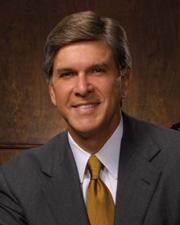
Mr. President, on behalf of myself and my colleagues, Mr. Kohl of Wisconsin, Mrs. Boxer of California, Mr. Cornyn of Texas, Mr. Feingold of Wisconsin, Mrs. Hutchison of Texas, Ms. Murkowski of…
Mr. President, on behalf of myself and my colleagues, Mr. Kohl of Wisconsin, Mrs. Boxer of California, Mr. Cornyn of Texas, Mr. Feingold of Wisconsin, Mrs. Hutchison of Texas, Ms. Murkowski of Alaska, and Mr. Wyden of Oregon, I ask unanimous consent that the text of the bill, the ``Veterans American Dream Home Ownership Act'' be printed in the Record.
Mr. President, today I am introducing legislation which would deal with a real problem facing our Nation, the decline of our U.S.-owned shipping fleet. A U.S. owned shipping fleet is essential as a matter of national and economic security. My bill would help make U.S. based shipping companies more competitive in the global market.
This is important to our country and to my state. Oregon plays a key role as a facilitator of international commerce. The Port of Portland is one of the most active ports in the world. It is a key link for trade between the United States and the Pacific Rim. In addition to its key role enabling global commerce, Portland is home to U.S. owned shipping companies, shipyards, and numerous support businesses.
As a result of tax-law changes enacted in 1975 and 1986, U.S. shipping companies must pay tax on income earned by subsidiaries overseas immediately rather than when such income is later brought back to the United States. This treatment represents a sharp departure from the generally applicable income tax principle of ``deferral'' and places U.S.-based owners of international fleets at a distinct tax disadvantage compared to their foreign-based competitors.
Controlled foreign corporations engaged in ocean transport are one of the only active businesses that are not eligible for general rule of deferral. My bill would amend the Internal Revenue Code to allow U.S. companies that own foreign-flagged ships to treat income earned by their controlled foreign corporations in the same manner as all other U.S. companies. In short, it would allow American shipping companies to defer the payment of tax on income that they derive from shipping activities outside the United States until that income is repatriated to the United States.
Most foreign-based carriers pay no home-country taxes on income they earn abroad from international shipping. As a result of this competitive imbalance, U.S. companies now hold precious little share of the world shipping marketplace. Indeed, U.S. ownership of international shipping trades dropped precipitously in the aftermath of the 1975 and 1986 tax-law changes. Before 1975, the U.S.-owned share of the world's open-registry shipping fleet stood at 26 percent. By 1986, the U.S. share had dropped to 14 percent. By 1996, the U.S. share had dropped to 5 percent.
Other security concerns also are raised by the decline in U.S. ownership of the international shipping trade. The U.S. military, in times of emergency, relies on the ability to requisition U.S.-owned foreign-flagged tankers, bulk carriers, and other vessels to carry oil, gasoline, and other materials in defense of U.S. interests overseas. These vessels comprise the Effective United States Control, EUSC, fleet. The sharp decline in the EUSC fleet since the 1975 and 1986 tax- law changes, and the resulting adverse strategic consequences, have been confirmed in a recent MIT study conducted for the Navy Department. The study recommended that in the short term, the most practical and cost-effective means of reversing this trend would be to ``revise legislation to reflect tax deferment of income for some or all EUSC vessels.''
U.S. security also depends in no small part on our ability to maintain adequate domestic oil supplies in times of emergency. The United States consumes approximately 19.6 million barrels of oil per day, of which roughly 55 percent, mostly crude, is imported into the United States. It is estimated that 95 percent of all oil imported into the United States by sea is now imported on foreign-owned tankers. This means that one half of every gallon of oil consumed in the United States is carried on foreign-owned vessels. This growing dependence on foreign parties--who may not be sympathetic to U.S. interests--to deliver our oil in times of global crisis is cause for potential alarm. In recent years, two of the largest American shipping companies have been purchased by foreign companies, thereby making their shipping operations more competitive than the remaining American companies.
The time has come for us to make changes in the tax law that will allow our domestic companies to compete fairly in the global marketplace. I urge my colleagues to join me to enact this needed legislation. I ask unanimous consent that the text of the legislation be printed in the Record.

Mr. President, I am pleased to join with my colleague from Colorado, Mr. Allard, as a cosponsor of the Chronic Wasting Disease Financial Assistance Act of 2003. This legislation is similar to…
Mr. President, I am pleased to join with my colleague from Colorado, Mr. Allard, as a cosponsor of the Chronic Wasting Disease Financial Assistance Act of 2003. This legislation is similar to legislation, S. 1036, the Chronic Wasting Disease Support Act of 2003, that we introduced earlier this year.
The House Resources Committee held a hearing on June 19, 2003 on the issue of chronic wasting disease, or CWD. At that hearing, state agency representatives argued strongly that Congress should create a new grant program to provide assistance to states for the management of CWD. They also expressed an interest in having those funds distributed using an existing distribution mechanism. This legislation responds directly to these comments. In total, the bill directs the U.S. Fish and Wildlife Service to provide $20.5 million in Federal grants to State and tribal governments for CWD management in wild deer and elk, $10.5 million more in resources than were included in the bill Senator Allard and I introduced earlier this year.
The bill creates three new Federal CWD grant programs. The first program is a new nationwide CWD capacity grant, authorized at a total of $7.5 million. This program would provide grants to States so that they can fund CWD management programs. Preference would be given to States with comprehensive and integrated chronic wasting disease management programs involving all relevant state agencies.
The second grant program would provide additional $10 million in grant assistance to states like Colorado and Wisconsin that already have detected chronic wasting disease in their wild deer and elk. These States need additional help. Wisconsin has undertaken significant measures to combat CWD at significant expense, and this program acknowledges that outbreaks are expensive to manage and require Federal financial assistance.
Finally, the bill would create a third $3 million grant program to provide CWD management grants directly to tribal governments. To be eligible for these programs, States and tribes are given the ability under the bill to use an existing mechanism, the U.S. Fish and Wildlife Service Federal Assistance Act procedures to expedite the receipt of grant funds.
This bill is needed because State wildlife departments and tribal governments do not have the financial resources to adequately confront the problem. Their resources are spread too thin as they attempt to prevent the disease from spreading. Federal help in the form of management funding is urgently needed. Federal funding will help States and tribes to protect and safeguard our valued wild deer and elk from this disease.
I look forward to working with the Senate to secure passage of this measure. This is a good bill, and it deserves the Senate's support.
Show 5 more

Mr. President, as thousands of families look forward to summer vacations at our beautiful national parks, we must address an issue that could one day ruin their experience: privatization of the…
Mr. President, as thousands of families look forward to summer vacations at our beautiful national parks, we must address an issue that could one day ruin their experience: privatization of the National Park Service.
The Park Service has worked hard to preserve Nevada's unique landscapes at the Great Basin National Park, Death Valley, and Lake Mead National Recreation Area. Instead of applauding the Park Service for a job well done, the Administration wants to study 1,800 jobs in the Park Service for privatization.
Many of these Park Service jobs have direct contact with visitors to our parks. They not only collect fees and maintain parks but also give directions, fight wildfires when necessary, and provide emergency medical assistance to injured park visitors. They are not required to do these things; they are driven by a love for the parks and a commitment to public service that contractors lack.
Privatizing the Park Service would jeopardize our national parks. Members of the Park Service have a career-long interest in maintaining the parks and perform their jobs because they are dedicated to serving the public. They often go beyond the call of duty to fix a problem in the middle of the night or change a tire for an unlucky park visitor. Can we be sure that a contractor would do the same? No.
In addition, the Park Service receives tens of thousands of hours of volunteer work every year. At the Lake Mead National Recreation Area alone, volunteers provided 92,000 hours of work, the equivalent of 44 full-time employees. Will a contractor find volunteers to provide it with 92,000 hours of assistance. Not likely.
Privatization will waste taxpayer money. Privatization studies cost about $3,000 per position studied, and privatization does not save money.
Nevadans visiting the national parks this summer want members of the Park Service, not profit-minded corporations, enriching their experience by directing them to the famous sites and best kept secrets of our parks.
I oppose privatizing the Park Service because it would hurt Nevadans, endanger our national parks, and waste taxpayer money.
This bill will keep our dedicated Park Service members running our national parks. It stops costly privatization studies and redirects the funds to address the maintenance backlog that President Bush promised to eliminate.
I am committed to protecting our parks, and I am proud to introduce this bill that will ensure that the Park Service can preserve them for generations to come.
I ask unanimous consent that the text of the bill be printed in the Record.

Mr. President: Today, I introduce, for myself and Mrs. Feinstein, the Community and Forest Protection Act. I ask unanimous consent that the text of the bill to be printed in the Record.
Mr. President: Today, I introduce, for myself and Mrs. Feinstein, the Community and Forest Protection Act. I ask unanimous consent that the text of the bill to be printed in the Record.
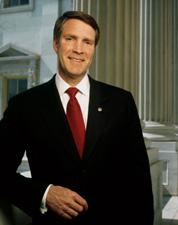
Mr. President, I ask unanimous consent that the text of the bill be printed in the Record.
Mr. President, I ask unanimous consent that the text of the bill be printed in the Record.
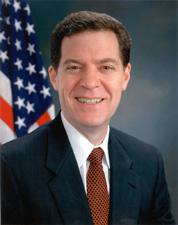
Mr. President, I ask unanimous consent that the text of the bill be printed in the Record.
Mr. President, I ask unanimous consent that the text of the bill be printed in the Record.
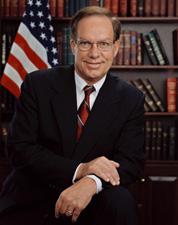
Mr. President, I ask unanimous consent that the text of the bill be printed in the Record.
Mr. President, I ask unanimous consent that the text of the bill be printed in the Record.
Bill Text
Latest available legislative text
        [Congressional Bills 108th Congress]
[From the U.S. Government Publishing Office]
[S. 1348 Introduced in Senate (IS)]

108th CONGRESS
1st Session
S. 1348

To amend the Higher Education Act of 1965 to modify the computation of
eligibility for certain Federal Pell Grants, and for other purposes.

_______________________________________________________________________

IN THE SENATE OF THE UNITED STATES

June 26, 2003

Ms. Cantwell introduced the following bill; which was read twice and
referred to the Committee on Health, Education, Labor, and Pensions

_______________________________________________________________________

A BILL

To amend the Higher Education Act of 1965 to modify the computation of
eligibility for certain Federal Pell Grants, and for other purposes.

Be it enacted by the Senate and House of Representatives of the
United States of America in Congress assembled,

SECTION 1. SHORT TITLE.

This Act may be cited as the ``Federal Pell Grant Eligibility
Clarification Act of 2003''.

SEC. 2. CONSIDERATION OF CURRENT YEAR CIRCUMSTANCES.

Section 480(a) of the Higher Education Act of 1965 (20 U.S.C.
1087vv(a)) is amended--
(1) in paragraph (1), by striking ``paragraph (2)'' and
inserting ``paragraphs (2) and (3)''; and
(2) by adding at the end the following:
``(3) Consideration of current year circumstances for
certain pell grant awards.--
``(A) In general.--If a student is a resident of a
State that is in an extended benefit period (within the
meaning of section 203 of the Temporary Extended
Unemployment Compensation Act of 2002 (Public Law 107-
147)), then for purposes of calculating total income
under paragraph (1) for a student seeking assistance
under subpart 1 of part A, the Secretary shall reduce
the student's total income by an amount by which--
``(i) the adjusted gross income plus
untaxed income and benefits for the preceding
tax year minus excludable income (as defined in
subsection (e)), exceeds
``(ii) the projected gross income plus
untaxed income and benefits for the current tax
year minus the projected excludable income (as
defined in subsection (e)).
``(B) Anti-fraud procedures.--The Secretary shall establish
procedures to ensure that computations made pursuant to
subparagraph (A) are not fraudulent.''.
<all>