A bill to amend the Packers and Stockyards Act, 1921, to limit the number of packer-owned swine that certain packers may slaughter in any calendar year.

Legislative Activity
Stay on top of the latest movement without scrolling through every action
Read twice and referred to the Committee on Agriculture, Nutrition, and Forestry. (text of measure as introduced: CR S11834)
September 23, 2003
View full timeline
Introduced in Senate
September 23, 2003
Sponsor introductory remarks on measure. (CR S11834)
September 23, 2003
Read twice and referred to the Committee on Agriculture, Nutrition, and Forestry. (text of measure as introduced: CR S11834)
September 23, 2003
Floor Debate
14 membersWhat members said about S. 1644 on the floor
 LEC
LEC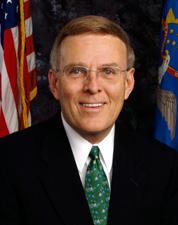 BLD
BLD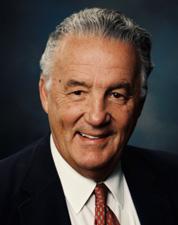 PSSCG
PSSCG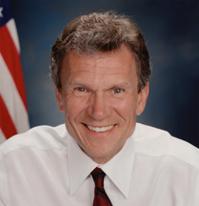 TAD+9
TAD+9
Floor Debate
14 membersWhat members said about S. 1644 on the floor
Mr. President, I am pleased to announce today the introduction of bipartisan farmworker reform legislation with a bipartisan group of Members in both the Senate and the House of Representatives. Our…
Mr. President, I am pleased to announce today the introduction of bipartisan farmworker reform legislation with a bipartisan group of Members in both the Senate and the House of Representatives. Our leading sponsors include Senator Ted Kennedy, Congressman Howard Berman, and Congressman Chris Cannon.
The name of the bill says it all--``AgJOBS.'' That stands for the ``Agricultural Job Opportunity, Benefits, and Security Act of 2003.'' We are introducing this bill today because Members of Congress realize our Nation is facing a growing crisis--for farm workers, growers, and the wider public. We want and need a stable, predictable, legal work force in American agriculture.
Willing American workers deserve a system that puts them first in line for available jobs with fair market wages. We want all workers to receive decent treatment and protection of fundamental legal rights. Consumers deserve a safe, stable, domestic food supply. American citizens and taxpayers deserve secure borders and a government that works.
Yet Americans are being threatened on all these counts, because agriculture, more than any other sector of the economy, has become dependent for its existence on the labor of immigrants who are here without legal documentation. The only program currently in place to respond to a lack of legal domestic workers, the H-2A Guest Workers Program, is profoundly broken. Outside of H-2A, farm employers have no effective, reliable assurance that their employees are legal. Our own government has estimated that half of the total 1.6 million agricultural work force are not legally authorized to work in this country, based, astoundingly, on self-disclosure in worker surveys. Responsible private estimates run to 85 percent.
Several more times in recent months, we have read of the senseless and inhuman deaths of farmworkers being smuggled illegally into the United States. Those who survive to work in the fields are among the most vulnerable persons in this country, unable to assert the most basic legal rights and protections. This situation never was acceptable. It has become intolerable. Immigrants not legally authorized to work in this country know they must work in hiding. They have been known to pay ``coyotes''--labor smugglers--thousands of dollars to be smuggled into this country. They cannot even claim basic legal rights and protections. They are vulnerable to predation and exploitation. They sometimes have been stuffed inhumanly into dangerously enclosed truck trailers and car trunks, in order to be transported, hidden from the view of the law. We heard with horror of the young girl who died this summer when a labor smuggler abandoned her entire family in the desert in the Southwest.
In contrast, legal workers have legal protections. They can assert wage, safety, and other legal protections. They can bargain openly and join unions. H-2A workers, in fact, are guaranteed housing and transportation. Time is running out for American agriculture, farmworkers, and consumers. What was a problem years ago is a crisis today and will be a catastrophe if we do not act immediately. A growing number of family farms simply are going out of business as growers try to, but cannot, secure a legal work force. All Americans face the danger of losing more and more of our safe, domestic food supply to imports.
Many farmers have seen recently hired workers scattered unpredictably by a government letter or random raid. As enforcement of our immigration and employment documentation laws has been stepped up-- sporadically and haphazardly--workers are rarely deported,
but the workplace is frequently and widely disrupted. Between computerized checking by the Social Security Administration and audits and raids by the Immigration and Naturalization Service, more and more employers have discovered they have undocumented employees. More and more workers here illegally are being discovered and evicted from their jobs. The larger the so-called ``underground economy,'' the harder it is to knowledgeably and effectively provide for our homeland security needs.
The H-2A status quo is complicated and legalistic. The Department of Labor's compliance manual alone is more than 300 pages long. A General Accounting Office study found that DOL missed deadlines in processing H-2A applications 40 percent of the time. For workers and growers alike, the H-2A status quo is slow, bureaucratic, and inflexible. It does nothing to recognize the uncertainties farmers face, from changes in the weather to global market demands. The current H-2A process is so hard to use, it will place only about 40,000 legal guest workers this year--2 to 3 percent of the total agricultural work force.
The answer is AgJOBS. This farmworker reform legislation builds upon some six years of discussion and ideas from among growers, farmworker advocates, Latino and immigration issue groups, Members of both parties in both Houses of Congress, and others. The coming together of all these diverse viewpoints and interests makes AgJOBS truly an historic piece of legislation. Our AgJOBS bill offers a thoughtful, two-step solution. On a one-time basis, experienced, trusted workers with a significant work history in American agriculture would be allowed to stay here legally and earn adjustment to legal status. For workers and growers using the H-2A legal guest worker program, that program would be overhauled and made more streamlined, practical, and secure. AgJOBS takes a win-win-win approach for our nation, workers, and farmers.
AgJOBS may be no one's idea of perfect labor and immigration legislation in an ideal world. However, for the imperfect world we live in, it is a balanced, practical, and achievable approach to resolving urgent problems that require immediate attention. The broad bipartism support for this approach is reflected already in the cosponsorship of a number of our colleagues. Among others, I am happy we are joined by Senators Gordon Smith and Bob Graham as original cosponsors, both of whom have invested years of work in this issue. Supporters of this legislation include the United Farm Workers of America, the National Council of La Raza, and the AFL-CIO, all of whom participated in a press conference the principal sponsors held earlier today, as well as the U.S. Chamber of Commerce. This bill has overwhelming support in the agriculture community, including the National Council of Agricultural Employers, the American Nursery and Landscape Association, and the American Farm Bureau Federation.
I ask unanimous consent to print in the Record a list from the Agriculture Coalition for Immigration Reform that includes a large number of agricultural groups around the country who support this bill. I also ask unanimous consent to print a technical summary of the bill; a side-by-side comparison with current law; an open letter to Congress from our former Secretary of Agriculture, Ambassador Clayton Yeutter; and the next of the AgJOBS bill.
Mr. President, I am pleased to announce today the introduction of bipartisan farmworker reform legislation with a bipartisan group of Members in both the Senate and the House of Representatives. Our…
Mr. President, I am pleased to announce today the introduction of bipartisan farmworker reform legislation with a bipartisan group of Members in both the Senate and the House of Representatives. Our leading sponsors include Senator Ted Kennedy, Congressman Howard Berman, and Congressman Chris Cannon.
The name of the bill says it all--``AgJOBS.'' That stands for the ``Agricultural Job Opportunity, Benefits, and Security Act of 2003.'' We are introducing this bill today because Members of Congress realize our Nation is facing a growing crisis--for farm workers, growers, and the wider public. We want and need a stable, predictable, legal work force in American agriculture.
Willing American workers deserve a system that puts them first in line for available jobs with fair market wages. We want all workers to receive decent treatment and protection of fundamental legal rights. Consumers deserve a safe, stable, domestic food supply. American citizens and taxpayers deserve secure borders and a government that works.
Yet Americans are being threatened on all these counts, because agriculture, more than any other sector of the economy, has become dependent for its existence on the labor of immigrants who are here without legal documentation. The only program currently in place to respond to a lack of legal domestic workers, the H-2A Guest Workers Program, is profoundly broken. Outside of H-2A, farm employers have no effective, reliable assurance that their employees are legal. Our own government has estimated that half of the total 1.6 million agricultural work force are not legally authorized to work in this country, based, astoundingly, on self-disclosure in worker surveys. Responsible private estimates run to 85 percent.
Several more times in recent months, we have read of the senseless and inhuman deaths of farmworkers being smuggled illegally into the United States. Those who survive to work in the fields are among the most vulnerable persons in this country, unable to assert the most basic legal rights and protections. This situation never was acceptable. It has become intolerable. Immigrants not legally authorized to work in this country know they must work in hiding. They have been known to pay ``coyotes''--labor smugglers--thousands of dollars to be smuggled into this country. They cannot even claim basic legal rights and protections. They are vulnerable to predation and exploitation. They sometimes have been stuffed inhumanly into dangerously enclosed truck trailers and car trunks, in order to be transported, hidden from the view of the law. We heard with horror of the young girl who died this summer when a labor smuggler abandoned her entire family in the desert in the Southwest.
In contrast, legal workers have legal protections. They can assert wage, safety, and other legal protections. They can bargain openly and join unions. H-2A workers, in fact, are guaranteed housing and transportation. Time is running out for American agriculture, farmworkers, and consumers. What was a problem years ago is a crisis today and will be a catastrophe if we do not act immediately. A growing number of family farms simply are going out of business as growers try to, but cannot, secure a legal work force. All Americans face the danger of losing more and more of our safe, domestic food supply to imports.
Many farmers have seen recently hired workers scattered unpredictably by a government letter or random raid. As enforcement of our immigration and employment documentation laws has been stepped up-- sporadically and haphazardly--workers are rarely deported,
but the workplace is frequently and widely disrupted. Between computerized checking by the Social Security Administration and audits and raids by the Immigration and Naturalization Service, more and more employers have discovered they have undocumented employees. More and more workers here illegally are being discovered and evicted from their jobs. The larger the so-called ``underground economy,'' the harder it is to knowledgeably and effectively provide for our homeland security needs.
The H-2A status quo is complicated and legalistic. The Department of Labor's compliance manual alone is more than 300 pages long. A General Accounting Office study found that DOL missed deadlines in processing H-2A applications 40 percent of the time. For workers and growers alike, the H-2A status quo is slow, bureaucratic, and inflexible. It does nothing to recognize the uncertainties farmers face, from changes in the weather to global market demands. The current H-2A process is so hard to use, it will place only about 40,000 legal guest workers this year--2 to 3 percent of the total agricultural work force.
The answer is AgJOBS. This farmworker reform legislation builds upon some six years of discussion and ideas from among growers, farmworker advocates, Latino and immigration issue groups, Members of both parties in both Houses of Congress, and others. The coming together of all these diverse viewpoints and interests makes AgJOBS truly an historic piece of legislation. Our AgJOBS bill offers a thoughtful, two-step solution. On a one-time basis, experienced, trusted workers with a significant work history in American agriculture would be allowed to stay here legally and earn adjustment to legal status. For workers and growers using the H-2A legal guest worker program, that program would be overhauled and made more streamlined, practical, and secure. AgJOBS takes a win-win-win approach for our nation, workers, and farmers.
AgJOBS may be no one's idea of perfect labor and immigration legislation in an ideal world. However, for the imperfect world we live in, it is a balanced, practical, and achievable approach to resolving urgent problems that require immediate attention. The broad bipartism support for this approach is reflected already in the cosponsorship of a number of our colleagues. Among others, I am happy we are joined by Senators Gordon Smith and Bob Graham as original cosponsors, both of whom have invested years of work in this issue. Supporters of this legislation include the United Farm Workers of America, the National Council of La Raza, and the AFL-CIO, all of whom participated in a press conference the principal sponsors held earlier today, as well as the U.S. Chamber of Commerce. This bill has overwhelming support in the agriculture community, including the National Council of Agricultural Employers, the American Nursery and Landscape Association, and the American Farm Bureau Federation.
I ask unanimous consent to print in the Record a list from the Agriculture Coalition for Immigration Reform that includes a large number of agricultural groups around the country who support this bill. I also ask unanimous consent to print a technical summary of the bill; a side-by-side comparison with current law; an open letter to Congress from our former Secretary of Agriculture, Ambassador Clayton Yeutter; and the next of the AgJOBS bill.
Today I am introducing legislation to correct a long- standing inequity that has caused hardship for American farmers. That inequity is the pricing of agricultural pesticides for American producers…
Today I am introducing legislation to correct a long- standing inequity that has caused hardship for American farmers. That inequity is the pricing of agricultural pesticides for American producers in relationship to Canadian pesticide pricing. My bill would solve this inequity by allowing individual States to label Canadian pesticides that have the same formula as those used in the U.S. for use by American farmers.
Farmers combine land, water, commercial inputs, labor, and their management skills into practices and systems to produce food and fiber. To sustain production over time, farmers must make a profit and preserve their resource and financial assets. Society wants food and fiber products that are low-cost, safe to consume, and aesthetically pleasing, and wants production systems that preserve or enhance the environment. These often competing goals and pressures are reflected not only in the inputs made available for production, but also in how the inputs are selected, combined, and managed at the farm level.
Time and time again I have come to Senate floor to point out the stark realities of free trade. I have talked at length about the flood of imported grain that streams across our border. Come to my State of North Dakota. Every day truckload after truckload of Canadian commodities, wheat, barley, durum, come across our border to compete with commodities grown here at home. These Canadian imports are grown with the aid of pesticides, pesticides of the same makeup and composition as those purchased in the United States. Yet Canadian producers have the luxury of buying those same chemicals at prices substantially lower than those American farmers have to pay.
Why? The answer is simple; pesticide manufacturers charge American farmers more because they can. In agricultural policy, benefits from the North American Free Trade Agreement flow the same direction as the Red River of my State, north. This is especially true of pesticide pricing.
A recent survey completed by North Dakota State University surveyed 15 different pesticides commonly used in both Canada and North Dakota. All would qualify for registration in North Dakota under this bill. Of the 15, not one, not one, had a price differential in favor of the American farmer. When you totaled it all out, those 15 chemicals cost, in North Dakota alone, $23.7 million more, in 1 year, for the American producer. That's just not right.
If we're going to have free trade, let's make it fair trade. If we are going to open our borders to Canadian grain grown with Canadian pesticides, we ought to open our borders to similar pesticides for U.S. producers at the same cost. It's time to level the playing field for American farmers, we must give them the same advantages that Canadian producers have enjoyed for years. If we're going to have a free trade agreement with Canada, let's all sing from the same page, using the same music. Because putting American farmers at a disadvantage in the world marketplace over pesticide prices that are not in harmony with our competitors is a practice that must be stopped. It must be stopped now.
Nothing in this legislation harms the environment, unless you're in the environment of profits. This legislation would create a procedure whereby individual states could apply and receive an Environmental Protection Agency label for agricultural chemicals sold in Canada that are identical or substantially similar to agricultural chemicals used in the United States. Thus, U.S. producers and suppliers could purchase such chemicals in Canada for use in the United States.
The new labels for the chemicals would still be under the strict scrutiny of the Environmental Protection Agency as would their use. This would continue to insure safety in the food supply. Food safety is a number one priority for all of us. Chemical safety is a number one priority for all of us. This bill keeps those priorities intact.
It is impossible to defend chemical price imbalance. You can't defend it to the growers, you can't defend it to the chemical distributor, and you can't defend it to the chemical retailer. Most importantly, you can't defend it to the American consumer, who ultimately pays the tab.
Let's be clear, this is not the end of the journey but the beginning. We have a long way to go to cure the imbalances of trade between our nations. If we don't begin the journey, we can't end it. This bill is a step in the right direction.
I request unanimous consent that the text of the bill be printed in the Record.
Mr. President, today I am re-introducing legislation, together with my colleague Senator Mikulski, to re-designate Catoctin Mountain Park as the Catoctin Mountain National Recreation Area. I first…
Mr. President, today I am re-introducing legislation, together with my colleague Senator Mikulski, to re-designate Catoctin Mountain Park as the Catoctin Mountain National Recreation Area. I first introduced this measure in October 2002, but unfortunately it was not acted upon during the closing days of the 107th Congress. It is my hope that the legislation will receive full and prompt consideration this year.
I spoke last year about the need for this legislation and would like to underscore the principal arguments today. Catoctin Mountain Park is a hidden gem in our National Park System. Home to Camp David, the Presidential retreat, it has been aptly described as ``America's most famous unknown park.'' Comprising nearly 6000 acres of the eastern reach of the Appalachian Mountains in Maryland, the park is rich in history as well as outdoor recreation opportunities. Visitors can enjoy camping, picnicking, cross-country skiing, fishing, as well as the solitude and beauty of the woodland mountain and streams in the park.
Catoctin Mountain Park had its origins during the Great Depression as one of 46 Recreational Demonstration Areas, RDA, established under the authority of the National Industrial Recovery Act. The Federal Government purchased more than 10,000 acres of mountain land that had been heavily logged and was no longer productive to demonstrate how sub-marginal land could be turned into a productive recreational area and help put people back to work. From 1936 through 1941, hundreds of workers under the Works Progress Administration and later the Civilian Conservation Corps were employed in reforestation activities and in the construction of a number of camps, roads and other facilities, including the camp now known as Camp David, and one of the earliest--if not the oldest--camp for disabled individuals. In November 1936, administrative authority for the Catoctin RDA was transferred to the National Park Service by Executive Order.
In 1942, concern about President Roosevelt's health and safety led to the selection of Catoctin Mountain, and specifically Camp Hi-Catoctin as the location for the President's new retreat. Subsequently approximately 5,000 acres of the area was transferred to the State of Maryland, becoming Cunningham Falls State Park in 1954. The remaining 5,770 acres of the Catoctin Recreation Demonstration Area was renamed Catoctin Mountain Park by the Director of the National Park Service in 1954. Unfortunately, the Director failed to include the term ``National'' in the title and the park today remains one of 17 units in the entire National Park System and one of 9 units in the National Capital Region that does not have this designation. Those units include four parkways, four wild and scenic rivers, the White House and Wolf Trap Farm Park for the Performing Arts.
The proximity of Catoctin Mountain Park, Camp David, and Cunningham Falls State Park, and the differences between national and state park management, has caused longstanding confusion for visitors to the area. Catoctin Mountain Park is continually misidentified by the public as containing lake and beach areas associated with Cunningham Falls State Park, being operated by the State of Maryland, or being closed to the public because of the presence of Camp David. National Park employees spend countless hours explaining, assisting and redirecting visitors to their desired destinations.
My legislation would help to address this situation and clearly identify this park as a unit of the National Park System by renaming it the Catoctin Mountain National Recreation Area. The mission and characteristics of this park--which include the preservation of significant historic resources and important natural areas in locations that provide outdoor recreation for large numbers of people--make this designation appropriate. This measure would not change access requirements or current recreational uses occurring within the park. But it would assist the visiting public in distinguishing between the many units of the State and Federal systems. It will also, in my judgment, help promote tourism by enhancing public awareness of the National Park unit.
The legislation is supported by the Board of County Commissioners and Tourism Council of Frederick County. I urge approval of this legislation.
Mr. President, during the last Congress Senator Feingold and I sponsored the Transparency for Independent Livestock Producers Act, or what we have generally referred to as the ``Transparency Act''.…
Mr. President, during the last Congress Senator Feingold and I sponsored the Transparency for Independent Livestock Producers Act, or what we have generally referred to as the ``Transparency Act''. Today we are once again working together in a bipartisan fashion to re-introduce this important legislation.
As everyone knows, I introduced the packer ban this Congress because I want more competition in the marketplace. While I don't think packers should be in the same business as independent livestock producers, it's not the fact that the packers own the livestock that bothers me as much as the fact that the packers' livestock competes for shackle space and adversely impacts the price independent producers receive.
My sponsorship of the packer ban is based on the belief that independent producers should have the opportunity to receive a fair price for their livestock. The last few years have led to widespread consolidation and concentration in the packing industry. Add on the trend toward vertical integration among packers and there is no question why independent producers are losing the opportunity to market their own livestock during profitable cycles in the live meat markets.
The past CEO of IBP in 1994 explained that the reason packers own livestock is that when the price is high the packers use their own livestock for the lines and when the price is low the packers buy livestock. This means that independent producers are most likely being limited from participating in the most profitable ranges of the live market. This is not good for the survival of the independent producer.
This bipartisan legislation would guarantee that independent producers have a share in the market place while assisting the Mandatory Price Reporting system. The proposal would require that 25 percent of a packer's daily kill comes from the spot market. By requiring a 25 percent spot market purchase daily, the mandatory price reporting system, which has been criticized due to reporting and accuracy problems, would have consistent, reliable numbers being purchased from the spot market, improving the accuracy and transparency of daily prices. In addition, independent livestock producers would be guaranteed a competitive position due to the packers need to fill the daily 25 percent spot/cash market requirement.
The packs required to comply would be the same packs required to report under the Mandatory Price Reporting system. Those are packs that kill either 125,000 head of cattle, 100,000 head of hogs, or 75,000 lambs annually, over a 5 year average.
Packers are arguing that this will hurt their ability to offer contracts to producers, but the fact of the matter is that the majority of livestock contracts pay out on a calculation incorporating Mandatory Price Reporting data. If the Mandatory Price Reporting data is not accurate, or open to possible manipulation because of low numbers on the spot market, contracts are not beneficial tools for producers to manage their risk. This legislative proposal will hopefully give confidence to independent livestock producers by improving the accuracy and viability of the Mandatory Price reporting system and secure fair prices for contracts based on that data.
It's just common sense, when there aren't a lot of cattle and pigs being purchased on the cash market, it's easier for the Mandatory Price reporting data to be inaccurate or manipulated. The majority of livestock production contracts are based on that data, so if that information is wrong the contract producers suffer.
This legislation will guarantee independent livestock producers market access and a fair price. It will accomplish these goals by making it more difficult for the Mandatory Price Reporting System to be manipulated because of low numbers being reported by the packs. The Transparency Act is crucial legislation to guarantee livestock producers receive a fair shake at the farm gate and I am looking forward to working on this legislation in a bipartisan fashion.
I ask unanimous consent that the text of the bill be printed in the Record.
Show 8 more
Mr. President, today I am reintroducing legislation to correct an inequity in the laws affecting many Native American children. I am joined by Senators McCain, Inouye, Baucus, Johnson, Domenici,…
Mr. President, today I am reintroducing legislation to correct an inequity in the laws affecting many Native American children. I am joined by Senators McCain, Inouye, Baucus, Johnson, Domenici, Bingaman, Cochran and Stabenow, in sponsoring this important piece of legislation. This effort is also supported by the National Indian Child Welfare Association, the American Public Human Services Association, and the National Congress of American Indians.
Every year, for a variety of often tragic reasons, thousands of children across the country are placed in foster care. To assist with the cost of food, shelter, clothing, daily supervision and school supplies, foster parents of children who have come to their homes through state court placement receive financial assistance through Title IV-E of the Social Security Act. Additionally, States receive funding for administrative training and data collection to support this program. Unfortunately, because of a legislative oversight, many Native American children who are placed in foster care by tribal courts do not receive foster care and adoptive services and assistance to which all other income-eligible children are entitled.
Not only are otherwise eligible Native children denied foster care maintenance payments, but this inequity also extends to children who are adopted through tribal placements. Currently, the IV-E program offers limited assistance for expenses associated with adoption and the training of professional staff and parents involved in the adoption. These circumstances, sadly, have made it even harder for Indian children to attain the permanency they need and deserve.
In many instances, these children face insurmountable odds. Many come from abusive homes. Foster parents who open their doors to care for these special children deserve our help. These generous people should not have to worry about whether they have the resources to provide nourishing food or a warm coat, or even adequate shelter for these children. This legislation will go a long way to ease their concerns.
Currntly, some tribes and states have entered into IV-E agreements, but these arrangements are the exception. They also, by and large, do not include funds to train tribal social workers and foster and adoptive parents. This bill would make it clear that tribes would be treated like a state when they choose to run their own programs under the IV-E program.
The bill we are introducing today would: extend the Title IV-E entitlement programs to children placed by tribal agencies in foster and adoptive homes; authorize tribal governments to receive direct funding from the Department of Health and Human Services for administration of IV-E programs (tribes must have HHS-approved programs); allow the Secretary flexibility to modify the requirements of the IV-E law for tribes if those requirements are not in the best interest of Native children; and allow continuation of tribal-State IV- E agreements.
In a 1994 report, HHS found that the best way to serve this underfunded group is to provide direct assistance to tribal governments qualified tribal families. This bill would not result in reduced funding for the States, as they would continue to be reimbursed for their expenses under the law.
I strongly believe Congress should address this oversight and provide equitable benefits to native American children who are under the jurisdiction of their tribal governments, and I urge my colleagues to support this bill.

Mr. President, I ask unanimous consent that the Willing Seller bill be printed in the Record. Mr. President, I am pleased to be joined by the Senator Jeffords in reintroducing legislation that seeks…
Mr. President, I ask unanimous consent that the Willing Seller bill be printed in the Record.
Mr. President, I am pleased to be joined by the Senator Jeffords in reintroducing legislation that seeks to add an important measure of flexibility to a provision of the Temporary Assistance for Needy Families program, TANF, under the Personal Responsibility and Work Opportunity Reconciliation Act of 1996. The legislation we are introducing increases from 12 to 24 months the limit on the amount of vocational education training that a State can count towards meeting its work participation rate.
Under the pre-1996 Aid to Families with Dependent Children program, welfare recipients could participate in post-secondary vocational training or community college programs for up to 24 months while receiving assistance. While I support TANF's emphasis on moving welfare recipients into jobs, I am troubled by the restriction on post- secondary education training, limiting it to 12 months. Only one year of vocational education counts as an approved work activity. The second year of post-secondary education study does not.
The limitation on post-secondary education and training raises a number of concerns, not the least of which is whether individuals may be forced into low-paying, short-term employment that will lead them back onto public assistance because they are unable to support themselves or their families. According to recent studies, this is exactly what has happened in far too many cases.
A March 13, 2001, report of the Congressional Research Service, indicates that the average hourly wage for these former welfare recipients ranged from $5.50 to $8.80 per hour. According to the U.S. Census Bureau, the mean earnings of adults with an associate degree are 20 percent higher than adults who have not achieved such a degree.
A majority of the Senate has previously voted to make 24 months of post-secondary education a permissible work activity under TANF. The Levin-Jeffords amendment to the 1997 Reconciliation bill, permitting up to 24 months of post-secondary education, received 55 votes--falling five votes short of the required procedural vote of 60. I must note the efforts of our dear friend and colleague Senator Paul
Wellstone who was committed to this issue and who subsequently, in 1998, offered similar legislation as an amendment to the Higher Education Act reauthorization, which I cosponsored. The Senate adopted his amendment, however, the amendment was dropped during conference negotiations.
In June of last year, Senator Jeffords and I were very pleased that our proposal was included in the Senate Finance Committee reported bill reauthorizing TANF. It is our hope that the Senate will again act favorably and expeditiously on this legislation and that the House will support this much-needed state flexibility. We must do what is necessary to achieve TANF's intended goal of getting families permanently off of welfare and onto self-sufficiency.
Finally, I would like to share with my colleagues some examples of the difference that completion of two years of vocational or community college can make. The following are jobs that an individual could prepare for in a structured two-year training or community college program, including the average starting salary, as provided by the Bureau of Labor Statistics.
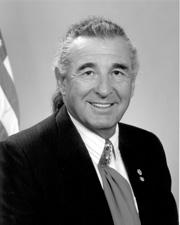
Mr. President, today I introduce legislation that would recognize and protect the sanctity of veterans' memorials standing tributes to the brave American men and women who have fought for our…
Mr. President, today I introduce legislation that would recognize and protect the sanctity of veterans' memorials standing tributes to the brave American men and women who have fought for our enduring freedom. I am pleased to be joined by eleven of my colleagues, who are original cosponsors of this bill, the ``Veterans' Memorial Preservation and Recognition Act of 2003.''
This bill is based on legislation which passed the Senate in the 107th Congress, S.1644. When I introduced S.1644, it was four days before Veterans' Day--an appropriate marker to honor those who so admirably served our country. Under my bill, someone who willfully destroys any type of monument commemorating those in the Armed Services on Federal property would be fined or put in jail. The violator would be subject to a civil penalty in addition to a fine, equal to the cost of repairing the damage.
The second part of this bill would permit states to place supplemental
guide signs for veterans' cemeteries on Federal-aid highways. By allowing signs to be posted on well-traveled roads, these sites will gain the recognition they deserve. It is my goal to make cemeteries easily accessible to those who want to pay their respect there. Many Americans do stop and recognize the sacrifice so many have made for our freedom, and I am convinced many more would if they were aware of where our memorials are located.
Our veterans, living and lost, are reminders of our national unity. Those who have served in our Armed Services remind us of freedom and justice in the midst of conflict and during times of peace. We are losing thousands of them forever, each year, as the veteran population ages. We have to honor their sacrifices by protecting those sites that recognize them. There are hundreds of veterans' memorials, on Federal property, where we go to heal and to remember. As a veteran myself, I am committed to seeing that not a single one is stripped of its dignity.
I learned that approximately one month before introducing my bill, vandals in Mead, CO, had stolen four headstones and shattered another at a local cemetery. One of those headstones belonged to a Civil War veteran. I commend the Weld County Sheriff's office for their work on the ongoing investigation into the crime, as well as local residents who have volunteered their time to rebuild the site.
This was a local cemetery, which received overwhelming local support. Unfortunately, when heartbreaking incidents like this happen on Federal land, there currently is no comprehensive law to protect the site nor to punish the perpetrators.
I encourage my colleagues to work together for swift consideration of this important legislation. It doesn't cost the taxpayers a thing, but it could save the American people from the injustices of thoughtless vandalism. I have the support of several veterans' organizations who have offered words of encouragement for this bill. These Americans know, first hand, the concept of service. Let's honor what they and thousands of others have done so bravely to preserve our freedom.
I ask unanimous consent that the bill and letters of support be printed in the Record.

Mr. President, I rise today to introduce legislation to close a gaping loophole in the Victims of Child Abuse Act that currently ties the hands of military prosecutors. Congress passed the Victims of…
Mr. President, I rise today to introduce legislation to close a gaping loophole in the Victims of Child Abuse Act that currently ties the hands of military prosecutors.
Congress passed the Victims of Child Abuse Act to extend the statute of limitations for prosecuting offenses involving the sexual or physical abuse of minor children. But the military's highest court recently said the VCCA's extended statute of limitations doesn't apply to courts martial.
Because Congress did not expressly address the relationship of this provision to the Uniform Code of Military Justice serious crimes against children are now out of military prosecutors' reach.
This loophole became tragically apparent to me after I was contacted by the father of a young girl who was sexually abused by a member of the military. The victim's father called my office to express his frustration that the Air Force couldn't properly prosecute the man for molesting his daughter over a 7-year period. The military couldn't convict the offender on the worst counts levied against him because of the insufficient 5-year statute of limitations provided by the Uniform Code of Military Justice.
Air Force prosecutors originally used the extended statute of limitations provided by the Victims of Child Abuse Act to convict the defendant of several crimes, but the most serious convictions were overturned by the U.S. Court of Appeals for the Armed Forces which determined that the shorter statute of limitations provided by the UCMJ applied to the case instead of the extended prosecution period provided by the VCAA.
The Court's narrow interpretation of the VCAA means this sex offender will do a very short sentence at best, even though he abused this young girl for years.
The bill I introduce today is designed to ensure that kids aren't denied justice just because the defendant happens to be a member of the military. Military prosecutors need the power to put these criminals away for a long time.
The statute of limitations provided by the VCAA allows prosecutions until the victim's 25th birthday. My bill clarifies that the VCAA's statute of limitations applies to courts martial whenever a case arises involving the sexual or physical abuse of a child.
Child victims of sexual crimes sometimes struggle to come to terms with the crimes committed against them and often are not willing, or able, to bring the crime to the attention of authorities until they are much older. Applying the longer statute of limitations provided by the VCAA to courts martial will allow military prosecutors to throw the book at sexual predators.
I strongly urge my colleagues to support this simple, but very important, change to the law. Our kids deserve this protection and we should give it to them without delay.
I ask unanimous consent that the text of the bill be printed in the Record.

Mr. President, it is a privilege to join my colleagues in introducing the Agricultural Jobs, Opportunity, Benefits, and Security Act. The treatment of immigrant farm workers, dating back to the…
Mr. President, it is a privilege to join my colleagues in introducing the Agricultural Jobs, Opportunity, Benefits, and Security Act.
The treatment of immigrant farm workers, dating back to the Bracero program, represents a shameful chapter in our history. The decades of exploitation these workers have endured continues to this day. Large numbers of men and women employed in agriculture today are indispensable workers who also happen to be undocumented. As a result, they are easily exploited by unscrupulous employers, who get away with paying them very low wages and forcing them to work in dangerous conditions. Inevitably, that means lower wages for legal farm workers.
We have been struggling for decades to find a solution to this emotional heart-wrenching problem. This legislation--a historic and far-reaching agreement between the United Farm Workers of America and the representatives of agricultural industries--provides a common sense solution to this long-standing problem. It will provide farm workers and their families with dignity and justice and give agricultural industries with a legal workforce.
We need an agriculture policy grounded in reality, a policy that recognizes their contributions and respects and rewards their work. This legislation will improve the wages and working conditions of all farm workers, and provide a way for foreign-born workers to become permanent residents.
Under this bill, 500,000 farm workers currently working the United States will be able to legalize their status. These changes will benefit both workers and growers. The legislation will improve the wages and working conditions of all farm workers, and provide a way for foreign-born workers to become permanent residents.
Agriculture is a unique industry. Growers must have an immediate and reliable workforce at harvest time. Everyone is harmed when crops rot in the field because the workers are not available. With these changes, growers will have greater access to dependable, hard-working employees, and a workforce that is no longer subject to sudden immigration raids.
I urge my colleagues to support this needed legislation. These reforms are long overdue, to improve the lives and working conditions of all farm workers, and it is long past time for Congress to act.
Mr. President, it is a privilege to join my colleagues in introducing the Agricultural Jobs, Opportunity, Benefits, and Security Act. The treatment of immigrant farm workers, dating back to the…
Mr. President, it is a privilege to join my colleagues in introducing the Agricultural Jobs, Opportunity, Benefits, and Security Act.
The treatment of immigrant farm workers, dating back to the Bracero program, represents a shameful chapter in our history. The decades of exploitation these workers have endured continues to this day. Large numbers of men and women employed in agriculture today are indispensable workers who also happen to be undocumented. As a result, they are easily exploited by unscrupulous employers, who get away with paying them very low wages and forcing them to work in dangerous conditions. Inevitably, that means lower wages for legal farm workers.
We have been struggling for decades to find a solution to this emotional heart-wrenching problem. This legislation--a historic and far-reaching agreement between the United Farm Workers of America and the representatives of agricultural industries--provides a common sense solution to this long-standing problem. It will provide farm workers and their families with dignity and justice and give agricultural industries with a legal workforce.
We need an agriculture policy grounded in reality, a policy that recognizes their contributions and respects and rewards their work. This legislation will improve the wages and working conditions of all farm workers, and provide a way for foreign-born workers to become permanent residents.
Under this bill, 500,000 farm workers currently working the United States will be able to legalize their status. These changes will benefit both workers and growers. The legislation will improve the wages and working conditions of all farm workers, and provide a way for foreign-born workers to become permanent residents.
Agriculture is a unique industry. Growers must have an immediate and reliable workforce at harvest time. Everyone is harmed when crops rot in the field because the workers are not available. With these changes, growers will have greater access to dependable, hard-working employees, and a workforce that is no longer subject to sudden immigration raids.
I urge my colleagues to support this needed legislation. These reforms are long overdue, to improve the lives and working conditions of all farm workers, and it is long past time for Congress to act.

Mr. President, I am pleased to join my colleagues, Senator Kennedy of Massachusetts and Senator Craig of Idaho, in introducing the Agricultural Job Opportunity Benefits and Security Act of 2003. For…
Mr. President, I am pleased to join my colleagues, Senator Kennedy of Massachusetts and Senator Craig of Idaho, in introducing the Agricultural Job Opportunity Benefits and Security Act of 2003. For the last six years, I have been working closely with several of my colleagues in the Senate and House of Representatives, including the Senators from Massachusetts and Idaho, to enact legislation that would provide a balanced approach to reforming our agricultural guest worker program.
There is one thing I believe we can all agree on--the status quo of agricultural guest workers in America is unacceptable. Under the status quo, we have created an underground society and pushed many of our Nation's hardest workers into the shadows. This is unfair treatment for workers who play such a vital part in our Nation's economic health.
Recently, the Miami Herald published a series documenting the horrible working and living conditions of agricultural workers in Florida. I have attached parts of that series for the Record. This series substantiates what we have all known anecdotally for years. Farm workers in our country--those who are legal citizens or residents of the United States as well as those who are undocumented--live in uninhabitable housing, are transported in vehicles that do not meet basic safety standards, and are subject to predatory lending practices that require payment of as much as 100 percent interest on accumulated debt.
Mr. President, I ask unanimous consent that the text of the series be printed in the Record.
Mr. President, I am pleased to join my colleagues, Senator Kennedy of Massachusetts and Senator Craig of Idaho, in introducing the Agricultural Job Opportunity Benefits and Security Act of 2003. For…
Mr. President, I am pleased to join my colleagues, Senator Kennedy of Massachusetts and Senator Craig of Idaho, in introducing the Agricultural Job Opportunity Benefits and Security Act of 2003. For the last six years, I have been working closely with several of my colleagues in the Senate and House of Representatives, including the Senators from Massachusetts and Idaho, to enact legislation that would provide a balanced approach to reforming our agricultural guest worker program.
There is one thing I believe we can all agree on--the status quo of agricultural guest workers in America is unacceptable. Under the status quo, we have created an underground society and pushed many of our Nation's hardest workers into the shadows. This is unfair treatment for workers who play such a vital part in our Nation's economic health.
Recently, the Miami Herald published a series documenting the horrible working and living conditions of agricultural workers in Florida. I have attached parts of that series for the Record. This series substantiates what we have all known anecdotally for years. Farm workers in our country--those who are legal citizens or residents of the United States as well as those who are undocumented--live in uninhabitable housing, are transported in vehicles that do not meet basic safety standards, and are subject to predatory lending practices that require payment of as much as 100 percent interest on accumulated debt.
Mr. President, I ask unanimous consent that the text of the series be printed in the Record.
Show 7 more

Mr. President, I am proud to be a cosponsor of this measure and commend Senator Campbell for his leadership on this matter. This is a measure the Senate passed last year as S. 1644. The Senate's…
Mr. President, I am proud to be a cosponsor of this measure and commend Senator Campbell for his leadership on this matter. This is a measure the Senate passed last year as S. 1644. The Senate's action in May, 2002, unfortunately met with resistance in the House of Representatives and our bill was not enacted into law last year as it should have been.
Senator Campbell correctly proceeded to reintroduce the bill as S. 330, earlier this year. The bill provides for two things: highway signs to guide visitors to veterans cemeteries and a criminal provision for the willful destruction of memorials and cemeteries for our Armed Forces veterans.
I have urged all Senators, Republicans and Democrats, to support this modest legislative effort to help honor our Armed Forces veterans. In addition, of course, I will continue to support efforts to improve medical services, veterans hospitals, and other benefits for the women and men who risk and have risked their lives and livelihoods to protect all of us.
I asked the chairman of the Judiciary Committee to include this matter on the agenda for Judiciary Committee action last week I thank him for accommodating our request and am happy that this bill was reported unanimously by the Judiciary Committee to the full Senate. I am confident that the Senate will again pass it. I trust that this year the House of Representatives will act favorably on this good legislation to honor our veterans.

Mr. President, today, I am joined by Senator Hollings in introducing legislation to provide a short-term extension of the safety programs administered by the Federal Motor Carrier Safety…
Mr. President, today, I am joined by Senator Hollings in introducing legislation to provide a short-term extension of the safety programs administered by the Federal Motor Carrier Safety Administration (FMCSA), the National Highway Traffic Safety Administration (NHTSA), and the boating safety program administered by the Coast Guard. It is our expectation that this measure will be joined with broader legislation to extend the highway and transit programs for five months.
I take pride in the fact that the Senate Commerce Committee completed work last June on a 6-year reauthorization of the safety programs under its jurisdiction. The bipartisan bill is designed to meet the level of commitment to safety needed to achieve aggressive goals for reducing accidents and fatalities on the nation's roadways. This short-term extension is consistent with our Committee's longer-term reauthorization proposal. It is also consistent with the President's budget request for fiscal year 2004 and with the appropriations bill for fiscal year 2004 that has been reported by the Senate Appropriations Committee.
We look forward to working with our colleagues to approve the extension to ensure the continuity of these important safety programs.
I ask unanimous consent that the text of the bill be printed in the Record.
Hard-working, law-abiding farmers and growers also suffer under the current system. They continue to be at legal risk for hiring undocumented workers who frequently present fraudulent documents that…
Hard-working, law-abiding farmers and growers also suffer under the current system. They continue to be at legal risk for hiring undocumented workers who frequently present fraudulent documents that appear to be credible. The current agricultural guest worker program also fails to provide for unforeseen labor shortages.
The bill before us provides an essential balance. It establishes a legal system that ensures basic rights and protections for workers who make significant contributions to our nation's economy. It also ensures the development of an efficient agricultural guest worker program that improves farmer and grower access to legal agricultural workers.
Agricultural workers do extremely grueling work, work that puts fruits, vegetables and flowers on the tables of many American households. Dedicated, experienced farm workers deserve the dignity, empowerment and improved quality of life that come with earning legal status. Farmers that play by the rules should have a modern, streamlined program that provides easier access to legal agricultural workers.
Congress has not focused on farm worker issues since the mid-1980s. Reform of our agricultural guest worker program is long overdue, and I am hopeful that we will move beyond our status quo and address this important issue this year.
Hard-working, law-abiding farmers and growers also suffer under the current system. They continue to be at legal risk for hiring undocumented workers who frequently present fraudulent documents that…
Hard-working, law-abiding farmers and growers also suffer under the current system. They continue to be at legal risk for hiring undocumented workers who frequently present fraudulent documents that appear to be credible. The current agricultural guest worker program also fails to provide for unforeseen labor shortages.
The bill before us provides an essential balance. It establishes a legal system that ensures basic rights and protections for workers who make significant contributions to our nation's economy. It also ensures the development of an efficient agricultural guest worker program that improves farmer and grower access to legal agricultural workers.
Agricultural workers do extremely grueling work, work that puts fruits, vegetables and flowers on the tables of many American households. Dedicated, experienced farm workers deserve the dignity, empowerment and improved quality of life that come with earning legal status. Farmers that play by the rules should have a modern, streamlined program that provides easier access to legal agricultural workers.
Congress has not focused on farm worker issues since the mid-1980s. Reform of our agricultural guest worker program is long overdue, and I am hopeful that we will move beyond our status quo and address this important issue this year.
Mr. President, I ask unanimous consent that the text of the bill be printed in the Record. Mr. President, today I am introducing legislation which will set a ceiling on vertical integration in the…
Mr. President, I ask unanimous consent that the text of the bill be printed in the Record.
Mr. President, today I am introducing legislation which will set a ceiling on vertical integration in the pork industry. Specifically, this bill will make it unlawful for any packer with an annual slaughter capacity of more than 20 million swine to slaughter more than 10 million packer-owned swine in any calendar year.
I am offering this because I believe the pork industry is at a critical juncture due to the impending sale of Farmland's pork division.
Either we stop the trend toward vertical integration, or we prepare for the inevitable ``chicken-ization'' of the pork industry.
It is vital that we sustain a place in the market for the independent pork producer. This legislation will at least limit the cancerous growth of vertical integration until we can pass a cure.
I ask unanimous consent the text of the bill be printed in the Record.
Mr. President, today I am introducing legislation which will set a ceiling on vertical integration in the pork industry. Specifically, this bill will make it unlawful for any packer with an annual…
Mr. President, today I am introducing legislation which will set a ceiling on vertical integration in the pork industry. Specifically, this bill will make it unlawful for any packer with an annual slaughter capacity of more than 20 million swine to slaughter more than 10 million packer-owned swine in any calendar year.
I am offering this because I believe the pork industry is at a critical juncture due to the impending sale of Farmland's pork division.
Either we stop the trend toward vertical integration, or we prepare for the inevitable ``chicken-ization'' of the pork industry.
It is vital that we sustain a place in the market for the independent pork producer. This legislation will at least limit the cancerous growth of vertical integration until we can pass a cure.
I ask unanimous consent the text of the bill be printed in the Record.
Mr. President, I ask unanimous consent that the Senate proceed to the immediate consideration of Calendar No. 44, S. 330. Mr. President, I ask unanimous consent that the bill be read a third time,…
Mr. President, I ask unanimous consent that the Senate proceed to the immediate consideration of Calendar No. 44, S. 330.
Mr. President, I ask unanimous consent that the bill be read a third time, and passed, the motion to reconsider be laid upon the table, and that any statements relating to the bill be printed in the Record.
Bill Text
Latest available legislative text
        [Congressional Bills 108th Congress]
[From the U.S. Government Publishing Office]
[S. 1644 Introduced in Senate (IS)]

108th CONGRESS
1st Session
S. 1644

To amend the Packers and Stockyards Act, 1921, to limit the number of
packer-owned swine that certain packers may slaughter in any calendar
year.

_______________________________________________________________________

IN THE SENATE OF THE UNITED STATES

September 23, 2003

Mr. Grassley introduced the following bill; which was read twice and
referred to the Committee on Agriculture, Nutrition, and Forestry

_______________________________________________________________________

A BILL

To amend the Packers and Stockyards Act, 1921, to limit the number of
packer-owned swine that certain packers may slaughter in any calendar
year.

Be it enacted by the Senate and House of Representatives of the
United States of America in Congress assembled,

SECTION 1. ANNUAL LIMITATION ON NUMBER OF PACKER-OWNED SWINE
SLAUGHTERED BY CERTAIN PACKERS.

(a) In General.--Title II of the Packers and Stockyards Act, 1921
(7 U.S.C. 191 et seq.) is amended by adding at the end the following:

``Subtitle C--Annual Limitation on Number of Packer-Owned Swine
Slaughtered by Certain Packers

``SEC. 231. DEFINITIONS.

``In this subtitle:
``(1) Affiliate.--The term `affiliate' has the meaning
given the term in section 231 of the Agricultural Marketing Act
of 1946 (7 U.S.C. 1635i).
``(2) Packer.--The term `packer' has the meaning given the
term in section 231 of the Agricultural Marketing Act of 1946
(7 U.S.C. 1635i).
``(3) Packer-owned swine.--The term `packer-owned swine'
means swine that a packer (including a subsidiary or affiliate
of the packer) owns for at least 7 days (excluding any Saturday
or Sunday) before slaughter.
``(4) Slaughter capacity.--The term `slaughter capacity'
means the total number of swine that a packer (including a
subsidiary or affiliate of the packer) could slaughter in a
calendar year if all federally inspected swine processing
plants operated by the packer were operated at full capacity
for 260 days each calendar year.
``(5) Swine.--The term `swine' has the meaning given the
term in section 231 of the Agricultural Marketing Act of 1946
(7 U.S.C. 1635i).

``SEC. 232. UNLAWFUL PRACTICE.

``It shall be unlawful for any packer with an annual slaughter
capacity of more than 20,000,000 swine to slaughter more than
10,000,000 packer-owned swine in any calendar year.''.
(b) Effective Date.--
(1) In general.--Subject to paragraph (2), the amendment
made by subsection (a) takes effect on the date of enactment of
this Act.
(2) Existing packers.--In the case of a packer that, on the
date of enactment of this Act, would otherwise be in violation
of section 232 of the Packers and Stockyards Act, 1921 (as
added by subsection (a)), the amendment made by subsection (a)
takes effect on the date that is 18 months after the date of
enactment of this Act.
<all>