A bill to amend the Lease Lot Conveyance Act of 2002 to provide that the amounts received by the United States under that Act shall be deposited in the reclamation fund, and for other purposes.
Legislative Activity
Stay on top of the latest movement without scrolling through every action
Became Public Law No: 108-351.
October 21, 2004
View full timeline
Introduced in Senate
October 28, 2003
Sponsor introductory remarks on measure. (CR S13381)
October 28, 2003
Read twice and referred to the Committee on Energy and Natural Resources. (text of measure as introduced: CR S13381)
October 28, 2003
Committee on Energy and Natural Resources Subcommittee on Water and Power. Hearings held. With printed Hearing: S.Hrg. 108-539.
March 25, 2004
Committee on Energy and Natural Resources. Ordered to be reported without amendment favorably.
April 28, 2004
Committee on Energy and Natural Resources. Reported by Senator Domenici without amendment. With written report No. 108-272.
May 20, 2004
Placed on Senate Legislative Calendar under General Orders. Calendar No. 527.
May 20, 2004
Passed Senate without amendment by Unanimous Consent. (consideration: CR S9330; text as passed Senate: CR S9330)
September 15, 2004
Received in the House.
September 17, 2004 • 10:03 AM
Message on Senate action sent to the House.
September 17, 2004
Referred to the House Committee on Resources.
September 17, 2004
Referred to the Subcommittee on Water and Power.
September 20, 2004
Mr. Pombo moved to suspend the rules and pass the bill.
October 7, 2004 • 1:13 AM
Considered under suspension of the rules. (consideration: CR H8349-8350)
October 7, 2004 • 1:13 AM
DEBATE - The House proceeded with forty minutes of debate on S. 1791.
October 7, 2004 • 1:13 AM
Passed/agreed to in House: On motion to suspend the rules and pass the bill Agreed to by voice vote.(text: CR H8349)
October 7, 2004 • 1:16 AM
On motion to suspend the rules and pass the bill Agreed to by voice vote. (text: CR H8349)
October 7, 2004 • 1:16 AM
Motion to reconsider laid on the table Agreed to without objection.
October 7, 2004 • 1:16 AM
Presented to President.
October 12, 2004
Signed by President.
October 21, 2004
Became Public Law No: 108-351.
October 21, 2004
Floor Debate
15 membersWhat members said about S. 1791 on the floor
 EMK
EMK CJD
CJD LA
LA JB
JB GA+10
GA+10
Floor Debate
15 membersWhat members said about S. 1791 on the floor
Mr. President, it should be our common purpose to guarantee the promise of a good education to all from birth through college. The strength, security, and future of our Nation lie in the education…
Mr. President, it should be our common purpose to guarantee the promise of a good education to all from birth through college. The strength, security, and future of our Nation lie in the education and character of our people.
In recent years, on a bipartisan basis, we have been working to improve pre-school, elementary, and secondary education. We should move forward in the same bipartisan way on higher education.
Last year, on a bipartisan basis, we passed the No Child Left Behind Act to raise standards for students in elementary and secondary schools to hold schools and states accountable for results. These worthwhile school reforms deserve to be well-funded, so that all public school students will have a fair chance to succeed.
Last year, Senator Gregg and I also introduced a bipartisan bill to improve the quality of early childhood education in the states, and help ensure that young children begin school ready to learn.
This year, in the Education Committee, again on a bipartisan basis, we have worked to strengthen the Individuals with Disabilities Education Act (IDEA) and ensure that special needs children receive a quality education. I hope we can pass that legislation soon, to assure that the federal government meets its full obligation to children with disabilities.
The next great challenge we should confront on a bipartisan basis is to ensure that every student with the talent, desire, and drive to go to college is able to afford to go to college. Education is the golden door of opportunity, but for too long, the door of higher education has been closed to many students, because of their inability to pay. Surely, we have reached a stage in America where we can say it and mean it--cost will never be a barrier to a college education.
Just as Social Security is a promise of retirement security to senior citizens, just as Medicare is a promise of health security to senior citizens, so we should make ``Education Security'' a promise to every young American. If you work hard, if you finish high school, if you are admitted to a college, we should guarantee that you can afford the cost of the four years it takes to earn a degree.
As we move forward on the reauthorization of the Higher Education Act, let us come together again on a bipartisan basis to make college affordable to all qualified students. No students should have to mortgage their future to obtain a college degree.
At other times in our nation's history, we have acted boldly to extend college opportunity. In 1862, a year after the Civil War began, President Abraham Lincoln signed into law the Morrill Land Grant Colleges Act which set aside at least 90,000 acres in each Union State--30,000 acres for each of the state seats in Congress. The Act was named for Congressman Justin Morrill from Vermont, and the funds from sales of the land were to be used for public colleges and universities in the fields of engineering, agriculture, and military science. In the following years, over 70 colleges were established, and in 1890, the Morrill Act was extended to Southern and Western States. Today, over 3.5 million students are educated in public colleges and universities first created under the Morrill Act.
The next great benchmark in higher education came in 1944 when President Franklin Roosevelt signed the GI Bill to help the vast number of veterans who would be returning to civilization when World War II ended. The nation embraced the transforming principles that became a cornerstone of our democracy, that the benefits of college education should be available to all in our society, not just the elite, the wealthy or the white. In less than a decade, 8 million veterans benefitted from the GI Bill, and the immense success of that bill is in no small measure the reason why the World War II generation is now called the Greatest Generation.
In the half century since the GI Bill was enacted, we have made ongoing efforts to make college a reality for as many young men and women as possible. In 1972, we created what we now know as Pell Grants to make college affordable for low and middle income families. Since then, over 79 million students have attended college with the assistance of a Pell Grant, which are named for our distinguished colleague Claiborne Pell, who served as Chairman of the Senate Committee.
In 1993, we created the Direct Loans to make inexpensive student loans available to college students. In the same year, we created AmeriCorps to encourage young people to serve their communities and pursue their education.
Now, in this new century, in this new century, it is essential for Congress to take new steps to make the dream of a college education a reality for all.
Men and women with a college degree now earn 75 percent more than those without it--a million dollars more in earnings over their lifetime. Those who use computers on the job earn 43 percent more than those who do not. Jobs requiring at least some post-secondary education are estimated to account for over 40 percent of total employment growth over the next decade.
The need for a college education is greater that ever, but so is cost, and the soaring cost today is often pressing college education out of reach for qualified students. Last year, tuition and fees at four-year public colleges rose an average of 14 percent, and the year before, 10 percent. For families in the lowest quartile of income average public university costs now consume over 62 percent of their income--compared to 42 percent in the early 1970's.
It is shameful that federal aid has not kept pace with rising tuition. Twenty years ago, a Pell Grant covered over 80 percent of four-year college costs. Today, it covers less than 40 percent. Twenty years ago, the typical package of student financial aid had 60 percent in grants and 40 percent in loans. Today, the ratio is reduced the typical package now has 40 percent in grants and 60 percent loans--and the grant-loan imbalance is getting worse.
Each year, over a half a million high school graduates who are qualified for college do not go to college full-time, because they cannot pay the bill. The average low-income, college student has an average of $3,800 a year in college costs not covered by grants, loans, work, or family savings.
Students who begin college have trouble staying in college and graduating from college. Only 48 percent of students from upper-income families graduate from college by age 24, and that figure is seven times the graduation rate of students from low-income families. Only 7 percent--7 percent--of low-income students graduate from college by age 24. Students from minority backgrounds and those who would be the first in their family to achieve a four-year college degree are 33 percent more likely to drop out of college.
Only forty percent of all whites in ages of 18 to 24 attend college. Only 30 percent of African-American and only 16 percent of all Latinos are enrolled in college. Four in ten Latino college students drop out within three years of their enrollment.
We cannot allow these unacceptable percentages to continue. We must do more to help students attend and finish college, and do more to help colleges train more teachers and better teachers for our public schools so that more young men and women will be able to go to college and earn their degree, and fulfill their role in the nation's future.
It is a privilege today to join our Democratic colleagues on the Education Committee, in introducing the College Quality, Affordability, and Diversity Improvement Act of 2003 to improve college opportunity for qualified students. We know that too many families and students across the country are struggling to afford the cost of college and we should do all we can to
help them. The bill will improve access to college in six key ways. It helps students pay for college by providing more financial aid. It slows the excessive increases in college tuition. It makes the repayment of students loan less costly. It encourages and rewards students working their way through school. It help minority and low- income students go to college and finish college. It improves the recruitment and training of public school teachers who will prepare the next generation of college students.
In compliance with the Congressional Budget Act of 1974, the cost of our bill is offset by eliminating windfall profits to banks that participate in the student loan program.
Fulfilling a pledge of ``Education Security'' requires renewed resolve by everyone--students, families, colleges, states, and the federal government. Students should work to save money for college. Families should pay what they can afford. Colleges should commit to reducing increases in tuition. States should continue as much support as they can for students. Federal support should fill the gap that remains.
Under our bill, $1,500 more in student aid will be available to hard- pressed, middle-class families and $3,800 to lower income families.
We increase the maximum Pell grant by nearly $500, from $4,050 to $4,500, in order to keep pace with rising costs of tuition in public colleges; 4.8 million lower income and working class students will get larger Pell grants and 200,000 middle-class students will get Pell grants for the first time.
The Act makes $3,000 in HOPE tax credit aid available to low-income families who currently do not receive this aid, in part because the tax credit is not refundable, and doubles the $1,500 HOPE scholarship tax credit that middle-class families currently receive. Over 4 million Pell grant students in families with a median income of $15,200 a year will receive the HOPE tax credit for the first time. For 3.2 million middle-income families, their tax credit will double in size.
The bill increases campus-based financial aid programs such as College Work-Study and the Supplemental Education Opportunity Grants, which means $200 more in aid to needy students on average.
The bill eliminates $100 in annual student taxes (also called ``origination fees'') on federal need-based loans. Over 5 million students will no longer have to pay these up-front fees for the privilege of borrowing tens of thousands of dollars.
For needy families struggling to send their children to college, these changes will provide $3,800 in additional college aid each year-- $500 in increased Pell aid, $3,000 in HOPE tax benefits, $200 more in campus-based aid, and $100 in waivers of student loan fees.
The rising cost of college is an increasingly serious problem for the nation. Students need more financial aid each year. Families need protection from tuition increases that year after year are in the hundreds, or even thousands of dollars. We have ignored the tuition increase problem in higher education for too long.
In fact, few students actually pay ``sticker price'' tuition at private colleges, since many get a discount. At private universities, 8 out of every 10 students receives a discount from the published tuition cost, and those discounts average 40 percent of the sticker price.
The sticker price of college tuition is rising for many reasons. Public colleges are dependent on state funding that has been declining with the struggling national economy. As states cut back their support for higher education, tuition rises. Colleges can reduce some costs in order to limit tuition increases, and we can help them do so.
Tuition is rising in general because colleges believe that in the constant competition for students and faculty, it is necessary for each college to have the best facilities and programs. In effect, and because of this, a ``higher education arms race,'' colleges are constantly striving to be ahead of the competition.
This bill rejects the price controls on college tuition that some have suggested. Instead, it creates incentives for colleges to reduce costs. It reduces regulatory costs for colleges and supports voluntary limits on cost growth. It requires states to do their part in supporting higher education. It ensures that families obtain better information about the true cost of college. And importantly, it rejects the idea of withholding federal student aid for students who attend colleges with excessive tuition costs, because doing so would hurt the neediest students.
Our bill supports the creation of college consortiums that will jointly buy in bulk and share the costs of health care, libraries, faculties, and other needs, so that they achieve economies of scale. It reduces regulatory burdens on colleges. When we lower the operating costs of colleges, we make it easier for them to restrain tuition increases.
The bill requires the Secretary of Education to convene a ``higher education arms control'' summit. Groups of competing colleges will be convened by the Secretary to negotiate limits on future growth in tuition. The Secretary will be given the authority to waive anti-trust protections, when the waiver is needed to achieve reduced tuition growth.
States and colleges must do their part to make college affordable. The bill insists that states must not treat college students like piggy banks to balance state budgets. The bill offers a new partnership to States, under which additional federal resources will be available to states that invest in higher education. States that dramatically cut higher education will be limited to current levels of aid.
Finally, our bill requires schools to publish their true tuition: the extent and average amount of discounts offered to students. Families should know how much school really will cost and how possible it is to bargain for the best deal.
No matter what we do on grants and college costs, loans will continue to be a large part of college aid, but that debt should not be excessive. Today, the average debt on student loans is $17,000, but it can exceed $100,000 for graduate students and professional students. This bill makes it easier to repay student loan debt or work it off. It creates a new refinancing option for borrowers now saddled with consolidated loans at high interest rates. It saves taxpayers money by rewarding student and school participation in the Direct Loan program.
The Act converts the current tax deduction for interest tax on student loans into a tax credit. This bipartisan proposal of Senator Snowe and Senator Schumer will provide low-income graduates with up to $1,500 in reimbursement for interest in student loans.
To encourage public service, the Act forgives the debt on Direct Loans for remaining after ten years for students in certain public sector jobs. Currently, student loan debt is often so large that it prevents students from accepting public interest jobs and forces them to look for higher paying jobs in the private sector. The bill rewards those who choose lower paying public interest jobs in sectors where the need is great, such as public safety, law enforcement, teaching, and public interest legal services.
In addition, the Act enables all college graduates to refinance their student loans, just as their families would refinance a home mortgage. Under current law, graduates who make payments on multiple variable interest rate student loans can consolidate their loans today into a single fixed rate loan at the relatively low interest rate of 3.42 percent. But over 5 million borrowers consolidated their student loans years ago at higher interest rates. The bill enables them to refinance that consolidated loan at today's prevailing interest rate.
The availability of new Refinanced Direct Loans will dramatically reduce student loan repayment for millions of college graduates. A middle-class borrower, for example, with $60,000 in student loan debt at 7 percent interest will save $1,200 a year, or more than $10,000 over the life of the loan, if they refinance under this proposal.
Further, the bill rewards schools and students that save taxpayers money by participating in the federal Direct Loan program. For every dollar borrowed through the Direct Loan program instead of the traditional private FFEL program, taxpayers save approximately fourteen cents. Our bill offers schools that participate in the Direct Loan program a percentage of the federal savings earmarked for student
aid. Taxpayers will save money and students will receive more financial aid, as a result of this ``Direct Loan Reward Program.'' It's a win-win proposal.
In light of the growing need today, current law imposes too heavy a penalty on students who work their way through college. Their financial aid is reduced by 50 cents for every after-tax dollar they earn.
This bill exempts from penalty the first $9,000 earned by traditional college students and the first $18,000 earned by adults attending college. Those students who work to support their college education deserve this additional assistance.
This bill includes a series of proposals to enable larger numbers of minority first-generation college students to go to college and graduate from college. Our national commitment to diversity in college education has been re-affirmed earlier this year by the Supreme Court. A major part of that commitment is preparing all young persons to approach the doors of higher education, making sure the gates are fully and fairly open to them, helping students to pay the costs, and enabling them to stay in college and graduate from college.
The Act increases funding for the successful TRIO and GEAR UP programs that provide information and counseling about college preparation, financial aid, and admissions.
It increases the access of low-income students to college preparation and tutoring programs for the Scholastic Achievement Test and American College Test that have been proven to be effective.
In addition, it assists students in making well-informed decisions on college applications and enrollments, encourages colleges to act on their own to modify policies that make it more difficult for already disadvantaged students to apply or enroll.
The Act supports partnerships between community colleges and four- year colleges, and it encourages them to provide targeted assistance in the form of tutoring, financial aid, child care, counseling, mentoring, and innovative course schedules, all with the goal of improving the admission, retention and graduation rates of low-income students, and non-traditional students.
Increased funding will be available for Hispanic-Serving Institutions and Historically Black Colleges and Universities. These colleges are the source of an extraordinary proportion of minority graduates from college and they deserve greater support.
The federal government must do its part in strengthening further diversity in higher education and colleges and individual students must do their part as well. Diversity is our nation's strength, and all of us have an obligation to support it.
The Act includes a series of initiatives to help recruit and retain high-quality teachers for the nation's public schools. A fundamental aspect of preparing students for college means making sure they have a good teacher in every classroom.
The shortage of such teachers is increasingly severe. America will need more than 2 million new teachers in the next decade. Today, approximately one in every three teachers leaves teaching within the first three years, and almost half leave within the first five years. The No Child Left Behind Act has set a goal of a highly-qualified teacher in every classroom by 2006. Clearly, it is time for the nation to make teacher training a priority.
The Higher Education Act Amendments of 1998 included a new title II program to respond to the teacher shortage. The Act scales up the current title II ``pilot program'' and strengthens and expands it, so that every State will receive funds every year, in order to assure that as many children as possible are taught by highly qualified teachers.
The Act authorizes additional for State Grants and Partnership Grants, with the goal of establishing formula grants for every State. We need to train teachers more effectively, attract more men and women to the field of teaching, and encourage them to continue in the field. These grants will improve preparation, recruitment, and retention of teachers, and help States and schools put a highly qualified teacher in every classroom.
By increasing the accountability of teacher preparation programs, the Act strengthens teacher preparation courses, so that teachers will have the skills and support they need to succeed in the classroom. The bill creates a new national database to provide accurate information on the quality of these preparation programs.
In addition, the Act establishes innovative programs to attract and retain teachers. A mentoring program will help train new teachers and provide professional assistance from more experienced teachers. A new home-ownership program will provide teachers in high-need districts with funds to afford the purchase of a home. A separate initiative will develop links between community colleges and four-year colleges in teacher preparation programs, and help train teacher aides in high-need communities to become teachers.
The Act also helps attract teachers to high-need areas in high-demand subjects, by increasing the amount of student loan forgiveness from $5,000 to $15,000, for teachers who teach math, science, special education, bilingual education, or early education in these areas.
Good teachers in our schools are essential for preparing students to enter college. We must do all we can to support them and give them the training necessary to enable all students to achieve.
In total dollars, the size of this legislation is approximately $15 billion a year. For a sense of context, I would note that we have just approved an $87 billion package for Iraq, have a $786 billion annual discretionary budget, and a $2.3 trillion annual mandatory and discretionary budget. This legislation is comparatively small.
There are three types of cost included. First, there are the tax provisions that total approximately $9.2 billion a year--the same size as the President's tax breaks on dividend and capital gain income. We should replace those dividend and capital gains cuts for the very wealthy instead with the education tax benefits included in this legislation for families trying to pay for college.
Second, there are about $1.3 billion in annual changes to the student loan program for which this legislation fully pays. The bill eliminates windfall profits to lenders in the loan program in order to pay fully for the elimination student loan origination fees and to enable borrowers out of school to refinance their consolidated loans.
In particular, this bill closes a loophole in the student loan program whereby taxpayers subsidize a small minority of lenders to the tune of over $400 million a year in order to assure them a 9.5 percent rate of return. 9.5 percent is too much in today's interest rate environment. All lenders should receive the same guaranteed market rate of return for participating in the student loan program and no more.
Finally, the legislation includes approximately $4.5 billion in annual increases in discretionary education spending. That amount equals one half of one percent of the discretionary budget and is the same amount that education funding increased last year. It is a modest proposal, frankly.
In the past, higher education policy helped the poor and the middle class together. In recent years, though, we have developed separate approaches for these two groups--grants for the poor, and tax benefits for the middle class. The median family income of recipients of Pell grants is $15,000 a year. The HOPE Scholarship tax credit is available only to families with more than $40,000 in income.
Because of the high cost of higher education for everyone, and because each student's own interest in a college education is also in our common interest, this bill will help both hard-pressed low-income and hard-pressed middle income families to send their children to college and prepare them for the future.
Our bill has the support of a variety of national groups: the United States Students' Association, the United States Public Interest Research Group, the Direct Loan Coalition, the National Council for Community and Education Partnerships, the Council for Opportunity in Education, the College Migrant Association, the National Association of Secondary School Principals, the American Federation of Teachers, the National Education Association, and Kaplan, Inc.
Quality, affordability, and diversity--these are the focus of this act because these are the three great challenges we face today in higher education policy and each closely related to the others. Together, we can meet these new challenges in this new century and make the promise of Education Security a reality not just a reality for some of our citizens but a reality for all of our citizens.
I ask unanimous consent that the text of the bill be printed in the Record.
Mr. President, I am pleased to join Senator Alexander in introducing the Poverty Reduction and Prevention Act, which reauthorizes the Community Services Block Grant, the Low-Income Home Energy…
Mr. President, I am pleased to join Senator Alexander in introducing the Poverty Reduction and Prevention Act, which reauthorizes the Community Services Block Grant, the Low-Income Home Energy Assistance Program, and the Assets for Independence Act. I would especially like to congratulate Senator Alexander, Chairman of the Subcommittee on Children and Families, and his staff for working so hard to ensure that this bill would be a bipartisan piece of legislation.
I, like many of my colleagues, was greatly disturbed by the latest U.S. Census poverty data released last month, which shows that poverty rose to 12.1 percent in 2002, bringing the total number of people living in poverty to 34.6 million. The number of children in poverty rose by 400,000, which means that nearly 17 percent of children are living in poverty. Even more disturbing is that the number of people who lack health insurance rose by 2.4 million in 2002, bringing the total number of uninsured to an alarming 43.6 million. Although the proportion of uninsured children did not change between 2001 and 2002, 11.6 percent of all children remain without the necessary safety net of health insurance. Our children truly are our future; we must treat them like the precious resources that they are and provide them with the services and assistance they need.
There are many troubling signs for families today, particularly families with children. Unemployment continues to be a problem. Families are running out of unemployment benefits without finding jobs. The most recent data from the Department of Health and Human Services shows that welfare caseloads continue to decline overall, but in many States over the last year, caseloads are increasing. With States facing their worst budget crisis since WWII, many programs for low-income families are being cut. This is particularly a problem given that half the states are cutting child care funds. Parents need affordable child care to get and keep jobs. Clearly, this is a time of crisis for our Nation's low-income individuals and families. It is time for our government to help them through these difficult economic times and give them the opportunities and the tools to lift themselves back onto their feet.
The bill that we are introducing today will reaffirm our nation's commitment to alleviating poverty and upholding the American ethos of helping our neighbors. For over 40 years, Community Action Agencies have been using Community Service Block Grant (CSBG) funds to coordinate and deliver comprehensive poverty programs and services to our nation's poor. From administering Head Start programs, to delivering meals to the sick and elderly, providing adult education and literacy, and implementing the Low-Income Home Energy Assistance Program, CSBG funds are reaching and helping nearly a quarter of all people living in poverty in the United States. It goes without saying, that ideally, we would like to reach out to each and every individual and family living in poverty, but this bill is a start. It is a good start. It is a firm commitment to communities that when times are tough, Community Action Agencies will continue to work at the local level to address local needs.
The bill will enhance community flexibility in serving the poor and working poor. I don't need to tell you, that a poor person living in urban New Haven has different needs from an impoverished family living in rural Danielson, CT. The same holds true for Community Action Agencies across our Nation. One Community Action Agency could be using their CSBG funds to teach computer skills in a town where a major manufacturing plant just closed down, while another Community Action Agency is using the same funds to develop rural waste water management systems. I am pleased that this reauthorization retains and strengthens the flexibility that makes CSBG such a unique and successful program, by upholding and strengthening the successful and innovative Results Oriented Management Assessment (ROMA) system of accountability and monitoring procedures.
I am also pleased that reauthorization of this bill will allow crucial assistance to reach more of our country's poor and working poor by setting a minimum eligibility level for assistance at 125 percent of the poverty level and a maximum of 60 percent of the State median income. In Connecticut alone, nearly 32 percent, or 437,492 households, are below 60 percent of the State median income. Conversely, if we had set the maximum at 185 percent of the poverty threshold, we would only reach 269,373 households. By using the State median income as a maximum, not only will this bill be benefitting the Nation's families living in poverty, but it will also assist those working poor families just above the poverty line, including those leaving welfare to make a smooth and permanent transition to self-sufficiency.
The bill also reauthorizes the Low-Income Home Energy Assistance Program, LIHEAP, which allocates grants to States to operate home energy assistance programs for low-income households. According to the most recent data from the Department of Health and Human Services, 4.8 million households received winter heating assistance, 250,000 benefitted from cooling aid and 87,000 received summer crisis aid in fiscal year 2001. This legislation makes funding LIHEAP more responsive to community needs by basing emergency funding triggers on the price of home energy bills and the average number of heating and cooling days in a month. These simple automatic triggers will ensure that LIHEAP funds are readily available in times of crisis.
Again, I would like to congratulate and thank Senator Alexander for his fine work on this bipartisan piece of legislation. I firmly believe that this bill is a step in the right direction. Every day in this chamber and throughout the halls of the Senate, we talk about leaving no child behind, food stamps, comprehensive health care, job training and rural housing assistance. Mr. President, this bill encompasses all of these programs and services, and many more important poverty initiatives. I urge my colleagues to support this legislation and join us in helping to strengthen low income communities, so that we can help more families become self-sufficient. In these tough economic times, families deserve this support.
Mr. President, I rise today with Senators Kennedy, Bingaman, Reed, Clinton and Murray to introduce the Democratic proposal to reauthorize the Higher Education Act, the College Quality, Affordability and Diversity Improvement Act of 2003 (QUAD).
The Higher Education Act authorizes the Federal Government's major activities as they relate to financial assistance for students attending colleges and universities. It provides aid to institutions of higher education, services to help students complete high school and enter and succeed in postsecondary education, and mechanisms to improve the training of teachers.
According to a recent CRS report, tuition went up last year at four- year public universities from 1.9 percent in New York to 23.8 percent in Massachusetts. In Connecticut, tuition went up 8.1 percent. According to the College Board, the average cost of attending a public four-year college including tuition, fees, room and board is over $9,000. For private four-year colleges, the average cost is over $24,000. Another study indicates that 29 percent of an average family's income goes toward public university tuition payments and 41 percent of an average family's income goes toward private university tuition. In comparison, the average family's mortgage payment represents 32 percent of the annual income.
The simple fact is that many parents are deeply worried about how they are going to pay for their children's higher education. Constant hikes in tuition are not only a source of concern for parents, in some cases they are a source of panic. The legislation we are introducing today is an attempt to alleviate this worry and help working parents and working students afford the high cost of college. We do this in a number of ways.
The QUAD Act will increase the amount of Pell grants available to working families. Two decades ago, Pell grants covered 84 percent of average costs at four-year universities; today they cover less than 30 percent. This bill will reverse this downward trend by raising the maximum Pell Grant for students by $450, from $4,050 to $4,500.
The bill works through the tax code and student loans to make sure students are getting the financial support that they need on the most favorable terms. We eliminate origination fees on subsidized student loans, double the size of the Hope Credit, and allow college graduates a chance to refinance their consolidated loans so that they can take advantage of today's historically low interest rates.
QUAD works to level the playing field in admissions by requiring universities and colleges to be more up-front about their admissions policies and by creating a grant program so that low-income students and minority students have available to them college test preparation programs that on average increase a student's SAT score by 100 points.
The bill creates two new retention programs to ensure that students that start college complete their degrees. Low-income students are half as likely as upper income students to complete a bachelor's degree in four years. African-American students are half as likely as white students to graduate, and four in ten Hispanics who enroll in four-year institutions drop out within three years.
QUAD will improve opportunities for undergraduates and graduate students at Minority Serving Institutions by creating new grant programs, removing regulatory burdens and increasing the funding levels of current initiatives. The bill also helps colleges and school districts recruit and train more highly qualified teachers and provides better training for principals and superintendents.
In addition to all of this, QUAD directly addresses the problem of rising college costs. This bill puts into place a requirement that states maintain their portion of higher education funding at 90 percent from fiscal year to fiscal year. If the Federal Government is going to make a commitment to providing more resources to higher education by increasing monies for student aid, it is only fair that we require states to maintain their current share of assistance. States should not be using our proposed increases in federal aid as an excuse to decrease their own spending levels. The states and the Federal Government should be working together on higher education, and not using one or the other as an excuse to reduce their share of the costs.
This bill also creates incentives for colleges to cut costs. QUAD creates a demonstration program to provide seed money to colleges and universities that want to explore innovative ways to reduce costs and pass savings on to students. This can be accomplished across universities by pooling resources, making joint purchase of supplies or employee benefits, and creating joint degree programs.
Recently, a 20-member consortium of Wisconsin universities spent $285,000 on staff and resources to find a way to purchase health care jointly. In the first year, they realized a savings of $3.8 million. That is a pretty impressive return on an investment of $285,000. Building on this type of initiative, our bill provides grants of $200,000 to consortia in other states around the country to incentivize these same kinds of cost-cutting measures, measures that have no effect on academic mission or quality of student life.
In the end, it is essential in this reauthorization that we do everything we can to ensure that qualified students are not being locked out of college. The economic costs for families would be immense. A full-time worker with a bachelor's degree earns about 60 percent more than a full-time worker with only a high school diploma. Over a lifetime, the gap in earnings exceeds $1 million.
I hope our colleagues who are not cosponsoring this bill will give it serious consideration. By working together, I believe that the Senate as a body can act to ensure that every young person in our Nation has an opportunity to rise as high as their talents, dreams and determination will take them.
Mr. President, today Senator Dodd and I are introducing the Poverty Reduction and Prevention Act of 2003. This bi- partisan bill proposes to reauthorize important legislation that provides meaningful…
Mr. President, today Senator Dodd and I are introducing the Poverty Reduction and Prevention Act of 2003. This bi- partisan
bill proposes to reauthorize important legislation that provides meaningful assistance to 18 million Americans seeking to fight their way out of poverty. The bill includes the Community Services Block Grant, the Low-Income Heating and Energy Assistance Program, and the Assets for Independence Program.
Statistics show us that poverty touches a large proportion of Americans over their lifetimes. Sometimes poverty is a chronic condition that persists over several generations. But more often, poverty happens as a consequence of life's unexpected tragedies-- illness, job loss, divorce, or disability. These can seriously undermine a family's ability to support itself. What's needed is a safety net in such times of need. Our Poverty Reduction and Prevention Act can provide that help and can make the difference in a family's efforts to fight their way out of poverty become self-sufficient again.
The services of the Poverty Reduction and Prevention Act are provided primarily through Community Action Agencies, created 40 years ago. The heart of these programs are those provided through the Community Services Block Grant, created in 1981. The block grant allows for maximum flexibility to tailor programs to meet local needs with minimal administrative cost. Today the programs touch the lives of almost 25 percent of those living in poverty. These programs fund a state- administered community services network of more than 1000 local agencies that work to alleviate poverty and empower low-income families in communities across the United States. The agencies are very effective in leveraging their funds to mobilize additional resources from local businesses and foundations, as well as other public sources, to make an effective impact in fighting poverty in their communities.
A number of social services are provided that are designed to help low-income individuals and their families achieve a better quality of life. They help people find and keep a good job, get an adequate education, obtain a decent place to live, pay their utility bills, and even learn how to manage a household income.
The Poverty Reduction and Prevention Act has five major themes for its services: to assist families in poverty address their immediate, most basic needs and work toward self-sufficiency; to serve the non- traditional poor who are facing poverty due to unexpected events such as a plant closing or a major illness or injury; to assist special populations, including those dealing with chronic poverty and for whom conventional solutions have failed; to work for systemic change in low- income communities to promote economic development and community revitalization; and to provide direct assistance to help low-income individuals pay their utility bills.
These programs are the true ``safety net'' for millions of low-income and at-risk families and individuals and serve as the centerpiece of most local social service programs in 96 percent of the counties across the country. Last year the programs in the Poverty Reduction and Prevention Act served over 19 million people, primarily through CSBG, serving 13 million, and the Low-Income Heating and Energy Assistance Program, providing assistance to over 5 million.
In Tennessee, over 100,000 individuals were served by CSBG last year, almost 25 percent of whom were disabled. Over 60,000 families were served, 90 percent were living below the federal poverty level, and 40 percent were elderly or disabled families living on a fixed income. And those who are helped in turn help others by volunteering in the programs and giving back to their community. For example, in my home State of Tennessee, long known as the Volunteer State, those who benefitted from these programs gave back to others by working over 190,000 volunteer hours.
And there is good accountability for how those funds are spent in the community. Each agency is governed by a board of directors, a third of which consists of representatives who live in the low-income community, a third are locally elected officials, and the remaining third are community leaders from business, labor, religion, and education.
These programs are not only important to those who receive services; they also make good use of the Federal dollar. Last year in addition to the Federal monies appropriated for these three programs, the community agencies identified other state and local monies and private contributions. In total, local agencies administered over $9 billion on behalf of low-income families and individuals in communities across the country.
In addition to good fiscal accountability and effective use of Federal dollars to leverage additional resources, the programs are a model when it comes to tracking and reporting the outcomes they are helping people achieve. In Tennessee, for example, we know that 43 percent of individuals who were seeking employment were able to find a job, and two-thirds of those jobs included health care coverage. Over 75 percent of those seeking housing assistance were able to move from sub-standard to good, stable housing, and 524 families were moved out of homelessness. Over 85 percent of elderly households assisted were able to continue living independently.
Through LIHEAP in Tennessee, over 72,000 received assistance in paying their utility bills, thereby avoiding having their heating and cooling cut off, which is of very real importance for health and safety as well as quality of life. The high cost of energy is a growing problem for those families trying to get by on a lower income and for our elderly living on fixed incomes.
By helping these people in meaningful ways, the programs administered under the Poverty Reduction and Prevention Act have not only made a difference in thousands of lives but have also saved my state money in significant ways--by avoiding the higher costs of homelessness, reducing the number of people in poverty, reducing the need for nursing homes and institutional care, and providing an important ``bridge'' to help people moving off of welfare achieve permanent self-sufficiency,
While these programs have had many very real successes in the past, as we approached this reauthorization we also looked for ways we could improve the programs and provide even better access to and delivery of these important services. In drafting the reauthorization we gave particular attention to clarifying and strengthening the purpose of these important programs, which, in summary, is to fight and reduce poverty, working in partnerships with community and state leadership.
In this reauthorization we believed it was important to give states greater flexibility in determining who should receive services. We wanted to expand services to the extent possible to assist more of the working poor and their families achieve economic stability and self- sufficiency. While giving more flexibility, we also provided incentives to encourage States to focus on those most in need and to help those transitions from welfare to self-sufficiency. And we strengthened the accountability and monitoring of funds at both the state and local level. We explicitly asked States to hold the line on excessive administrative salaries and expenses, again at both the state and agency level.
In this reauthorization we also wanted to highlight best practices and encourage creativity and innovation in fighting poverty. We called for identifying exemplary local agencies as Centers of Innovation to promote the sharing of best practices among all community agencies.
Focusing on outcomes, we directed local agencies to have established clear goals for reducing poverty in their community and to show that substantial progress is being made in meeting those goals before receiving continuing block grant funds. These goals include leveraging community resources and fostering coordination across Federal, State, local, and private programs and services.
In the area of heating and cooling assistance, we are recommending a significant increase in the funds authorized for this important program, and we have added provisions and specific triggers that allow for better, more effective release of emergency funds for LIHEAP assistance under extraordinary circumstances.
The programs included under the Poverty Reduction and Prevention Act of 2003 are important to millions of Americans who deserve our consideration and need our support. The services touch almost every community in
the country and are often the only source of assistance available to the people the programs are designed to serve. Quite simply, what these services do is help restore dignity to those we serve. Every day one of these programs makes a difference in the lives of our neediest citizens. What this bill can accomplish will make possible a better quality of life for individuals and for neighborhoods and communities across this great land. I join my colleague Senator Dodd in urging the passage of this important reauthorization legislation.
Mr. President, I rise today in support of the College Quality, Affordability and Diversity Improvement Act of 2003, or QUAD, introduced by Senator Kennedy and cosponsored by Senators Dodd, Murray,…
Mr. President, I rise today in support of the College Quality, Affordability and Diversity Improvement Act of 2003, or QUAD, introduced by Senator Kennedy and cosponsored by Senators Dodd, Murray, Reed, Clinton, and myself.
Since 1998, when Congress last reauthorized the Higher Education Act, enrollment in institutions of higher education has risen to an all-time high, growing by nearly one million students. Half of these new enrollments are minority students, nearly 200,000 of which are of Hispanic origin. Projections show that enrollment in higher education will only continue to grow in the coming years. The increased demand for a college degree is due much in part to the changing economy. Those with a bachelor's degree now make 75 percent more than those without, and jobs requiring some post-secondary education are expected to account for over 40 percent of total job growth this decade.
While the demand for a college degree has increased, so too has the cost of college, and rather drastically. These increases severely limit access for many qualified students. For the 2002-2003 school year, four-year public universities reported an average tuition increase of over 14 percent. This comes on top of an almost ten percent increase in average tuition last year. Just three years ago the average increase was just four percent. For families in the lowest income quartile, average public university costs now consume 62 percent of their income. In the
early 1970's it was only 42 percent. What's more, the purchasing power of the Pell grant has declined. Today, Pell Grants cover only 40 percent of average fixed costs at four-year public colleges. Twenty years ago, they covered 80 percent of costs.
Every American should have the opportunity to realize his or her full potential, regardless of the depth of their pocketbook or the size of their parents' wallet. It is time for Congress to step up and meet the challenge: we must do more to help qualified students attend and finish college.
Currently, 40 percent of all whites ages 18-24 are pursuing post- secondary education, compared with only 30 percent of African-Americans and 16 percent of Hispanics of the same age. Those disadvantaged students who do start college often do not finish: low-income students are half as likely as upper income students to complete a bachelor's degree in four years; four in ten Hispanic students enrolled in four- year institutions drop out within three years of initial enrollment.
The College Quality, Affordability, and Diversity Improvement Act will help low-income and minority students get into college. QUAD increases funding to critical programs including GEAR Up, TRIO and LEAP. It improves access for low-income students through the creation of a new grant program for proven-effective test prep programs to provide free tutoring for college entrance exams to low-income students. It improves access and awareness for low-income students by creating a partnership among the federal government, the states, colleges, philanthropies, and corporations to provide low-income students with early information and an early assurance of financial access to college.
But Mr. President, we cannot simply help a student get into and pay for college, we must help them stay in college and earn their degree. Of the 16 percent of 18-24 year old Hispanics enrolling in college, a mere 40 percent actually complete their degree. Similarly, only 38 percent of African-American students that enroll in college complete their degree. QUAD will help low-income and minority students complete their education through the creation of two new retention programs. The first program provides grants to colleges and universities, which serve high-proportions of low-income students to implement innovative programs to provide students with the support they need to persist and graduate. The second program requires schools with large discrepancies in disaggregated graduation rates to increase their investment in support services to improve retention. QUAD also increases funding for minority serving institutions, and creates new grant programs to encourage minority students to pursue graduate education at minority serving institutions.
Minorities make up an increasing proportion of the United States population, but they continue to severely lag behind white students in completing both undergraduate and particularly graduate degrees. Minority Serving Institutions are serving an increasing proportion of minorities, and can help decrease this disparity. Among Hispanics who received master's degrees in 1999-2000, 25 percent attained them at Hispanic Serving Institutions and in the past ten years, the number of Hispanic students receiving master's degrees at HSIs grew by 136 percent, the number receiving doctoral degrees grew by 85 percent, and the number earning first time professional degrees grew by 47 percent.
This past May, I proposed the Next Generation Hispanic-Serving Institutions Act, S. 1190. Under this act, the burdensome regulatory barriers for the 18 Hispanic Serving Institutions in New Mexico and more than 190 HSIs nationally would be removed and opportunities for students at HSIs would be greatly expanded. QUAD takes up this effort, increasing funding for current grants to HSIs and creating a new grant program for graduate programs at HSIs. The grant program would authorize a total of $300 million in fiscal year 2005 and such sums as may be necessary in future years. Grants under this program would help schools improve instructional facilities, purchase instruction and telecommunications materials, give support to needy post baccalaureate students, improve distance learning and other telecommunications capabilities, collaborate with other institutions of higher education to expand programs, and support faculty and curriculum development.
QUAD will also help to attract and retain high quality teachers at tribal universities. This past February, Senator Daschle and I introduced legislation that would create a loan forgiveness program for individuals who choose to teach at tribal colleges and universities. QUAD includes this legislation, S. 378.
Another component of QUAD that I am proud to have worked on is the teacher quality provisions of Title II. Since my involvement in the accountability sections of Title II during the last reauthorization of the Higher Education Act, we have worked to increase the bar for teacher quality. QUAD will greatly improve the training and recruitment of teachers by expanding and strengthening teacher-training programs to help teacher preparation institutions feed more qualified teachers into the classrooms. These improvements will help States and school districts meet the goal outlined in the No Child Left Behind Act of ensuring a highly qualified teacher in every classroom.
QUAD will help colleges and school districts recruit and train more teachers with higher quality programs, and provide better training for in-service principals and superintendents. QUAD strengths provisions of HEA to focus on improving the quality of programs and services to teachers by ensuring that teacher preparation courses provide teachers with the specific skills and supports they need to succeed in the classroom, such as training necessary to help all students achieve high standards, including children with disabilities and limited English proficient students, and the integration of state standards and accountability in the classroom. QUAD supports innovation by establishing new financial incentive programs to professionalize the field of teaching, and attract and retain more individuals in the classroom. QUAD will also help to attract teachers to where they are needed most by increasing the amount of student loan forgiveness for teachers working in high-need, high-demand areas. And QUAD helps to better prepare teachers to use technology in the classroom by increasing funding for the Preparing Tomorrow's Teachers to Use Technology program.
It is time for Congress to step up and meet the challenge: We must do more to help qualified students attend and finish college. I know that my colleagues will take this proposal under serious consideration and I look forward to working with them on the reauthorization of the Higher Education Act this coming year.
Mr. President, I ask unanimous consent that the Committee on Armed Services be authorized to meet during the session of the Senate on April 28, 2004, at 11 a.m., in closed session, to receive a…
Mr. President, I ask unanimous consent that the Committee on Armed Services be authorized to meet during the session of the Senate on April 28, 2004, at 11 a.m., in closed session, to receive a briefing regarding the performance of force protection equipment for ground forces in Iraq, including the up-armored HMMWV, and potential alternatives to meet force protection needs of the combatant commander.
Mr. President, I ask unanimous consent that the Committee on Commerce, Science, and Transportation be authorized to meet on Wednesday, April 28, 2004, at 9:30 a.m., on Telecommunications Policy Review: A Look Ahead, in SR-253.
Mr. President, I ask unanimous consent that the Committee on Energy and Natural Resources be authorized to meet during the session of the Senate, on Wednesday, April 28 at 11:30 a.m. to consider pending calendar business.
Agenda Item 1: S. 203--A bill to open certain withdrawn land in Big Horn County, WY to locatable mineral development for bentonite mining.
Agenda Item 5: S. 1071--A bill to authorize the Secretary of the Interior, through the Bureau of Reclamation, to conduct a feasibility study on a water conservation project within the Arch Hurley Conservancy District in the State of New Mexico, and for other purposes.
Agenda Item 6: S. 1097--A bill to authorize the Secretary of the Interior to implement the Calfed Bay-Delta Program.
Agenda Item 9: S. 1467--A bill to establish the Rio Grande Outstanding Natural Area in the State of Colorado, and for other purposes.
Agenda Item 10: S. 1582--A bill to amend the Valles Preservation Act to improve the preservation of the Valles Caldera, and for other purposes.
Agenda Item 11: S. 1649--A bill to designate the Ojito Wilderness Study Area as wilderness, to take certain land into trust for the Pueblo of Zia, and for other purposes.
Agenda Item 12: S. 1687--A bill to direct the Secretary of the Interior to conduct a study on the preservation and interpretation of the historic sites of the Manhattan Project for potential inclusion in the National Park System.
Agenda Item 13: S. 1778--A bill to authorize a land conveyance between the United States and the City of Craig, AK, and for other purposes.
Agenda Item 14: S. 1791--A bill to amend the Lease Lot Conveyance Act of 2002 to provide that the amounts received by the United States under that Act shall be deposited in the reclamation fund, and for other purposes.
Agenda Item 15: S. 2180--A bill to direct the Secretary of Agriculture to exchange certain lands in the Arapaho and Roosevelt National Forests in the State of Colorado.
Agenda Item 16: S. Res. 321--A resolution recognizing the loyal service and outstanding contributions of J. Robert Oppenheimer to the United States and calling on the Secretary of Energy to observe the 100th anniversary of Dr. Oppenheimer's birth with appropriate programs at the Department of Energy and the Los Alamos National Laboratory.
Agenda Item 20: H.R. 1521--To provide for additional lands to be included within the boundary of the Johnstown Flood National Memorial in the State of Pennsylvania, and for other purposes.
Agenda Item 21: H.R. 3249--To extend the term of the Forest Counties Payments Committee.
In addition, the Committee may turn to any other measures that are ready for consideration.
Mr. President, I ask unanimous consent that the Committee on Environment and Public Works be authorized to meet on Wednesday, April 28th at 9:30 a.m. to conduct a hearing to receive testimony on the reauthorization of the Economic Development Administration.
The hearing will be held in SD 406, hearing room.
Mr. President, I ask unanimous consent that the Committee on Finance be authorized to meet during the session on Wednesday, April 28, 2004, at 10 a.m., in 215 Dirksen Senate Office Building, to hear testimony on ``Taking the Taxpayers for a Ride: Fraud and Abuse in the Power Wheelchair Program.''
Mr. President, I ask unanimous consent that the Committee on Foreign Relations be authorized to meet during the session of the Senate on Wednesday, April 28, 2004 at 10 a.m. to hold a Nomination hearing.
Mr. President, I ask unanimous consent that the Committee on Foreign Relations be authorized to meet during the session of the Senate on Wednesday, April 28, 2004 at 3 p.m. to hold a Nomination hearing.
Mr. President, I ask unanimous consent that the Committee on Governmental Affairs be authorized to meet on Wednesday, April 28, 2004, at 10 a.m. for a hearing titled ``Government Purchase Cards: Smarter Use Can Save Taxpayers Hundreds of Millions of Dollars.''
Mr. President, I ask unanimous consent that the Committee on Indian Affairs be authorized to meet on Wednesday, April 28, 2004, at 10 a.m. in room 485 of the Russell Senate Office Building to conduct a hearing on S. 2172, Tribal Contract Support Cost Technical Amendments of 2004.
Mr. President, I ask unanimous consent that the Committee on the Judiciary be authorized to meet to conduct a hearing on Wednesday, April 28, 2004 at 2 p.m. on ``The Playwrights Licensing Antitrust Initiative Act: Safeguarding the Future of American Live Theater'' in the Dirksen Senate Office Building, Room 226
Witness List
Arthur Miller, Playwright (Death of a Salesman, The Crucible, All My Sons); Roxbury, CT.
Stephen Sondheim, Lyricist (West Side Story, Gypsy, Sweeney Tood); New York, NY.
Wendy Wasserstein, Playwright (Uncommon Women and Others, Isn't It Romantic, The Heidi Chronicles); New York, NY.
Gerald Schoenfeld, Chairman, League of American Theaters and Producers; Chairman, The Shubert Organization; New York, NY.
Roger Berlind, Producer, Berlind Productions (Kiss Me Kate, City of Angels, Wonderful Town, Caroline or Change); New York, NY.
Mr. President, I ask unanimous consent that the Committee on Small Business and Entrepreneurship be authorized to meet during the session of the Senate for a hearing entitled, ``Impact of Stock Option Expensing on Small Businesses'' on Wednesday, April 28, 2004, beginning at 10 a.m. in Room 428A of the Russell Senate Office Building.
Mr. President, I ask unanimous consent that the Joint Economic Committee be authorized to conduct a hearing in Room 628 of the Dirksen Senate Office Building, Wednesday, April 28, 2004, from 10 a.m. to 1 p.m.
Mr. President, I ask unanimous consent that the Select Committee on Intelligence be authorized to meet during the session of the Senate on April 28, 2004, at 2:30 p.m., to hold a closed hearing on Intelligence Matters.
Mr. President, I ask unanimous consent that the Committee on Health, Education, Labor, and Pensions, Subcommittee on Children and Families, be authorized to meet for a hearing on Healthy Marriage: What is it and why should we promote it? During the session of the Senate on Wednesday, April 28, 2004, at 2 p.m.
Mr. President, I ask unanimous consent that the Committee on Health, Education, Labor, and Pensions, Subcommittee on Substance Abuse and Mental Health Services be authorized to meet for a hearing on Mental Health in Children and Youth: Issues Throughout the Development Process during the session of the Senate on Wednesday April 28, 2004, at 10 a.m.
Show 8 more
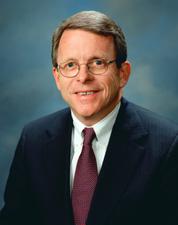
Mr. President, I ask unanimous consent that the Committee on Armed Services be authorized to meet during the session of the Senate on March 25, 2004, at 9:30 a.m., in open and closed session to…
Mr. President, I ask unanimous consent that the Committee on Armed Services be authorized to meet during the session of the Senate on March 25, 2004, at 9:30 a.m., in open and closed session to receive testimony on the role of U.S. Northern Command and U.S. Special Operations Command in defending the homeland and in the global war on terrorism, in review of the defense authorization request for fiscal year 2005.
Mr. President, I ask unanimous consent that the Committee on Banking, Housing, and
Urban Affairs be authorized to meet during the session of the Senate on March 25, 2004, at 2 p.m., to conduct a hearing on ``The Administration's Proposed Fiscal Year 2005 Budget for the Federal Transit Administration.''
Mr. President, I ask unanimous consent that the Committee on Commerce, Science, and Transportation be authorized to meet on Thursday, March 25, 2004, at 9:30 a.m., on Cable Rates.
Mr. President, I ask unanimous consent that the Committee on Health, Education, Labor, and Pensions, Subcommittee on Employment, Safety, and Training be authorized to meet for a hearing on Hazard Communication in the Workplace during the session of the Senate on Thursday, March 25, 2004 at 10 a.m. in SD-430.
Mr. President, I ask unanimous consent that the Committee on Foreign Relations be authorized to meet during the session of the Senate on Thursday, March 25, 2003 at 9:30 a.m. to hold a hearing on AGOA III: the United States Africa Partnership Act of 2003.
Mr. President, I ask unanimous consent that the Committee on Foreign Relations be authorized to meet during the session of the Senate on Thursday, March 25, 2004 at 2:30 p.m. to hold a hearing on Nominations.
Mr. President, I ask unanimous consent that the Committee on Veterans' Affairs be authorized to meet during the session of the Senate on Thursday, March 25, 2004, for a joint hearing with the House of Representatives' Committee on Veterans' Affairs, to hear the legislative presentations of the National Association of State Directors of Veterans Affairs, AMVETS, American Ex-Prisoners of War, the Vietnam Veterans of America, and the Military Officers Association of America.
The hearing will take place in room 345 of the Cannon House Office Building at 10 a.m.
Mr. President, I ask unanimous consent that the Select Committee on Intelligence be authorized to meet during the session of the Senate on March 25, 2004 at 2:30 p.m. to hold a closed hearing on intelligence matters.
Mr. President, I ask unanimous consent that the Subcommittee on Economic Policy of the Committee on Banking, Housing, and Urban Affairs be authorized to meet during the session of the Senate on Thursday, March 25, 2004, at 10 a.m. to conduct a hearing on ``National Flood Insurance Repetitive Losses.''
Mr. President, I ask unanimous consent that the Subcommittee on Strategic Forces of the Committee on Armed Services be authorized to meet during the session of the Senate on March 25, 2004, at 2:30 p.m., in open session to receive testimony on National security space programs, and management, in review of the defense authorization request for fiscal year 2005.
Mr. President, I ask unanimous consent that the Subcommittee on Water and Power of the Committee on Energy and Natural Resources be authorized to meet during the session of the Senate on Thursday, March 25 at 2:30 p.m. to receive testimony regarding the following bills: S. 1085, a bill to provide for a bureau of reclamation program to assist states and local communities in evaluating and developing rural and small community water supply systems, and for other purposes; S. 1732, a bill to direct the Secretary of the Interior to establish a rural water supply program in the reclamation states to provide a clean, safe, affordable, and reliable water supply to rural residents: S. 2218, a bill to direct the Secretary of the Interior to establish a rural water supply program in the reclamation states to provide a clean, safe, affordable, and reliable water supply to rural residents and establish guidelines for projects and for other purposes; S. 1727, a bill to authorize additional appropriations for the Reclamation Safety of Dams Act of 1978; and S. 1791, a bill to amend the Lease Lot Conveyance Act of 2002 to provide that the amounts received by the United States under that act shall be deposited in the reclamation fund, and for other purposes.
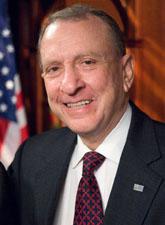
Mr. President, I have sought recognition to introduce legislation that will honor the importance of the steel industry in the Commonwealth of Pennsylvania and the Nation by creating the ``Steel…
Mr. President, I have sought recognition to introduce legislation that will honor the importance of the steel industry in the Commonwealth of Pennsylvania and the Nation by creating the ``Steel Industry National Historic Site'' to be operated by the National Park Service in southwestern Pennsylvania.
The importance of steel to the industrial development of the United States cannot be overstated. A national historic site devoted to the history of the steel industry will afford all Americans the opportunity to celebrate this rich heritage, which is symbolic of the work ethnic endemic to this great Nation. The National Park Service recently reported that Congress should make remnants of the U.S. Steel Homestead Works an affiliate of the national park system, rather than a full national park, which had been considered in prior years, including legislation I offered two years ago in the 107th Congress. Due to the current backlog of maintenance projects at national parks and the resulting moratorium on new national parks, the legislation offered today instead creates a national historic site that would be affiliated with the National Park Service. There is no better place for such a site than in southwestern Pennsylvania, which played a significant role in early industrial America and continues to today.
I have long supported efforts to preserve and enhance this historical steel-related heritage through the Rivers of Steel Heritage Area, which includes the City of Pittsburgh, and seven southwestern Pennsylvania counties: Allegheny, Armstrong, Beaver, Fayette, Greene, Washington and Westmoreland. I have sought and been very pleased with congressional support for the important work within the Rivers of Steel Heritage Area expressed through appropriations levels of roughly $1 million annually since fiscal year 1998. I am hopeful that this support will continue. However, more than just resources are necessary to ensure the historical recognition needed for this important heritage. That is why I am introducing this legislation today.
It is important to note why southwestern Pennsylvania should be the home to the national site that my legislation authorizes. the combination of a strong workforce, valuable natural resources, and Pennsylvania's strategic location in the heavily populated northeastern United States allowed the steel industry to thrive. Today, the remaining buildings and sites devoted to steel production are threatened with further deterioration or destruction. Many of these sites are nationally significant and perfectly suited for the study and interpretation of this crucial period in our Nation's development. Some of these sites include the Carrie Furnace Complex, the Hot Metal Bridges, and the United States Steel Homestead Works, which would all become a part of the Steel Industry National Historic Site under my legislation.
Highlights of such a national historic site would commemorate a wide range of accomplishments and topics for historical preservation and interpretation from industrial process advancements to labor-management relations. It is important to note that the site I seek to become a national site under this bill includes the location of the Battle of Homestead, waged in 1892 between steelworkers and Pinkerton guards. The Battle of Homestead marked a crucial period in the Nation's workers' rights movement. The Commonwealth of Pennsylvania, individuals, and public and private entities have attempted to protect and preserve resources such as the Homestead battleground and the Hot Metal Bridge. For the benefit and inspiration of present and future generations, it is time for the Federal Government to join this effort to recognize their importance with the additional protection I provide in this bill.
I would like to commend my colleague, Representative Mike Doyle, who has been a longstanding leader in this preservation effort and who sponsors the companion legislation, H.R. 521, pending in the House of Representatives. I look forward to working with southwestern Pennsylvania officials and Mr. August Carlino, President and Chief Executive Office of the Steel Industry Heritage Corporation, in order to bring this national historic site to fruition. I urge my colleagues to cosponsor this legislation and I intend to work for its swift passage.
Mr. President, I rise today to introduce a bill that would greatly benefit one of the largest irrigation districts in Southern New Mexico. Last Congress, H.R. 706, the Elephant Butte Lease Lott…
Mr. President, I rise today to introduce a bill that would greatly benefit one of the largest irrigation districts in Southern New Mexico. Last Congress, H.R. 706, the Elephant Butte Lease Lott Conveyance Act, passed the House and Senate unanimously. The purpose of the original bill was to provide security to 403 lease lot holders who were interested in purchasing property currently being leased to them by the Bureau of Reclamation. Many of the lease holders had, at the urging of the Federal Government, invested time and money into improving these lots, including the addition in many cases of permanent fixtures. The bill I bring today would amend that Act by clarifying where the proceeds from the sale of these lands would be deposited.
With regard to proceeds, the late Honorable Howard Bratton, a former Federal District Court judge for the District of New Mexico, ruled in 1992 and in 1997 that the Elephant Butte Irrigation District was entitled to net profits generated from the leasing of grazing and farm lands of the Rio Grande Project. I would just mention that while the latest in these rulings was handed down almost 6 years ago, the District has yet to receive these profits. I understand the Bureau of Reclamation, at the urging of the Federal District Court, has told the Elephant Butte Irrigations District that it will rectify this situation in fiscal year 2004. I intend to closely monitor that situation.
The Lease Lot Conveyance Act of 2002 is silent with regard to any crediting of the proceeds from the sale of the 403 lease lots. Reclamation has taken the position that the proceeds should be credited to the Reclamation Fund. I would just like to note that the repayment obligations of the District were met and title was transferred to the District in the early nineties. The District, therefore, believes that under current law and the opinions of the Federal District Court in New Mexico, they would be entitled to these funds.
The bill I am introducing today makes it clear that the proceeds of the sale should go to the irrigation district instead of to the Reclamation fund. With Reclamation expenses continually escalating, I have been told by the District that they would utilize these proceeds to offset on-going operation and maintenance costs.
While the appraisal of these lands is still pending I do want to be clear that we are only talking about roughly 250 acres out of the total 78,000 acres compromising the Elephant Butte and Caballo Reservoir boundaries. I believe it is reasonable to allow these funds to go to the District. I hope the Senate will act expeditiously on this matter, so that the process can continue to move forward as we intended it to.
I ask unanimous consent that the text of the bill be printed in the Record.
Mr. President, I rise today to introduce a bill that would greatly benefit one of the largest irrigation districts in Southern New Mexico. Last Congress, H.R. 706, the Elephant Butte Lease Lott…
Mr. President, I rise today to introduce a bill that would greatly benefit one of the largest irrigation districts in Southern New Mexico. Last Congress, H.R. 706, the Elephant Butte Lease Lott Conveyance Act, passed the House and Senate unanimously. The purpose of the original bill was to provide security to 403 lease lot holders who were interested in purchasing property currently being leased to them by the Bureau of Reclamation. Many of the lease holders had, at the urging of the Federal Government, invested time and money into improving these lots, including the addition in many cases of permanent fixtures. The bill I bring today would amend that Act by clarifying where the proceeds from the sale of these lands would be deposited.
With regard to proceeds, the late Honorable Howard Bratton, a former Federal District Court judge for the District of New Mexico, ruled in 1992 and in 1997 that the Elephant Butte Irrigation District was entitled to net profits generated from the leasing of grazing and farm lands of the Rio Grande Project. I would just mention that while the latest in these rulings was handed down almost 6 years ago, the District has yet to receive these profits. I understand the Bureau of Reclamation, at the urging of the Federal District Court, has told the Elephant Butte Irrigations District that it will rectify this situation in fiscal year 2004. I intend to closely monitor that situation.
The Lease Lot Conveyance Act of 2002 is silent with regard to any crediting of the proceeds from the sale of the 403 lease lots. Reclamation has taken the position that the proceeds should be credited to the Reclamation Fund. I would just like to note that the repayment obligations of the District were met and title was transferred to the District in the early nineties. The District, therefore, believes that under current law and the opinions of the Federal District Court in New Mexico, they would be entitled to these funds.
The bill I am introducing today makes it clear that the proceeds of the sale should go to the irrigation district instead of to the Reclamation fund. With Reclamation expenses continually escalating, I have been told by the District that they would utilize these proceeds to offset on-going operation and maintenance costs.
While the appraisal of these lands is still pending I do want to be clear that we are only talking about roughly 250 acres out of the total 78,000 acres compromising the Elephant Butte and Caballo Reservoir boundaries. I believe it is reasonable to allow these funds to go to the District. I hope the Senate will act expeditiously on this matter, so that the process can continue to move forward as we intended it to.
I ask unanimous consent that the text of the bill be printed in the Record.
Mr. President, today I am introducing a bill that will help revitalize the Denver Federal Center (DFC) and the surrounding community of Lakewood, CO. This bill will allow the General Services…
Mr. President, today I am introducing a bill that will help revitalize the Denver Federal Center (DFC) and the surrounding community of Lakewood, CO. This bill will allow the General Services Administration to enter into public/private partnerships, thereby efficiently and effectively addressing infrastructure and environmental issues at the DFC.
The DFC is a 670-acre campus with 77 active buildings. It began as a munitions manufacturing plan during World War II. Since then, many other agencies have called the DFC home, leaving behind a history of landfills, leaking underground storage tanks, chemical laboratories, and firing ranges that have contaminated the area. Additonally, many of the existing buildings are more than 60 years old and are in need of extensive repair or replacement. The Colorado Department of Public Health is requiring an environmental investigation and clean-up of contaminated areas at a cost of over $70 million.
As the Denver metropolitan region grows, the GSA has an opportunity to create public / private partnerships that will help foster the growth of the DFC campus into a regional hub of commerce and transportation as formulated in the visions of the local communities. At the same time, through these public / private partnerships, the DFC will be able to help
clean up a 60-year-old environmental mess.
The Regional Transportation District (RTD) would like to create an intermodal facility and public transit hub as the West Corridor Light Rail is developed. New offices can be developed, not only for Federal tenants, but potentially for private businesses as well.
I believe this bill will provide many benefits all around--through the partnerships created, this bill will create new jobs and preserve jobs and institutions already in place, while at the same time taking care of a much needed and necessary environmental preservation.
I ask unanimous consent that the text of the bill be printed in the Record.
Mr. President, I would like to announce, for the information of the Senate and the public, that a hearing has been scheduled before the Subcommittee on Water and Power of the Committee on Energy and…
Mr. President, I would like to announce, for the information of the Senate and the public, that a hearing has been scheduled before the Subcommittee on Water and Power of the Committee on Energy and Natural Resources.
The hearing will be held on Thursday, November 13, at 2:30 p.m., in Room SD-366 of the Dirksen Senate Office Building.
The purpose of the hearing is to receive testimony on S. 1085, a bill to provide for a Bureau of Reclamation program to assist States and local communities in evaluating and developing rural and small community water supply systems, and for other purposes; S. 1732, a bill to direct the Secretary of the Interior to establish a rural water supply program in the Reclamation States to provide a clean, safe, affordable, and reliable water supply to rural residents; S. 1211, a bill to further the purposes of title XVI of the Reclamation Projects Authorization and Adjustment Act of 1992, the ``Reclamation Wastewater and Groundwater Study and Facilities Act'', by directing the Secretary of the Interior to undertake a demonstration program for water reclamation in the Tularosa Basin of New Mexico, and for other purposes; S. 1727, a bill to authorize additional appropriations for the Reclamation Safety of Dams Act of 1978; and S. 1791, a bill to amend the Lease Lot Conveyance Act of 2002 to provide that the amounts received by the United States under that Act shall be deposited in the reclamation fund, and for other purposes. Contact: Shelly Randel 202- 224-7933, Erik Webb 202-224-4756 or Meghan Beal at 202-224-7556.
Because of the limited time available for the hearings, witnesses may testify by invitation only. However, those wishing to submit written testimony for the hearing record should send two copies of their testimony to the Subcommittee on Water and Power, Committee on Energy and Natural Resources, United States Senate, Washington, D.C. 20510- 6150.
Mr. Speaker, I rise to pay tribute to a long time member of the United Farm Workers, Richard Rodriguez. Richard passed away this past Sunday, November 2, 2003. Born on February 3, 1930, Richard was a…
Mr. Speaker, I rise to pay tribute to a long time member of the United Farm Workers, Richard Rodriguez. Richard passed away this past Sunday, November 2, 2003.
Born on February 3, 1930, Richard was a life long resident of Los Angeles, California. He married his sweetheart, Esther Aguilar, on June 30, 1950. Together, they raised five children, nine grandchildren, and twelve great grandchildren.
A loyal supporter of the labor movement, Richard retired from Teamsters Local 357 in 1996. However, his commitment to improving the lives of working families did not cease. With his wife Esther at his side, Richard continued to actively participate as a proud member of the United Farm Workers (UFW), participating in rallies in Watsonville, Sacramento, and Yuma, California. During pilgrimages, he took it upon himself to provide meals, motivation and leadership. Richard also displayed great talent in creating many banners and flags to spread Cesar Chavez's message of workers' rights. His public service went beyond the labor movement. He was a long time community activist who provided gift baskets each Christmas to the less fortunate of Monterey Park and other surrounding communities.
Throughout his life, Richard wore his Teamsters jacket and carried his red UFW banner with enormous pride. He represented the very best that the labor movement and our community has to offer. We will forever remember his dedication to others. His death is a great loss, but we were so fortunate to have known this great citizen.
Mr. President, I would like to announce for the information of the Senate and the public that the following bills have been added to the agenda for the hearing scheduled for Subcommittee on Water and…
Mr. President, I would like to announce for the information of the Senate and the public that the following bills have been added to the agenda for the hearing scheduled for Subcommittee on Water and Power of the Committee on Energy and Natural Resources on Thursday, March 25th, at 2:30 p.m. in Room SD-366 of the Dirksen Senate Office Building.
S. 2218 a bill to direct the Secretary of the Interior to establish a rural water supply program in the Reclamation States to provide a clean, safe, affordable, and reliable water supply to rural residents and establish guidelines for projects and for other purposes. S. 1727, a bill to authorize additional appropriations for the Reclamation Safety of Dams Act of 1978; and S. 1791, a bill to amend the Lease Lot Conveyance Act of 2002 to provide that the amounts received by the United States under that Act shall be deposited in the reclamation fund, and for other purposes.
Because of the limited time available for the hearings, witnesses may testify by invitation only. However, those wishing to submit written testimony for the hearing record should send two copies of their testimony to the Subcommittee on Water and Power, Committee on Energy and Natural Resources, United States Senate, Washington, DC 20510-6150.
For further information, please contact Shelly Randel at 202-224- 7933, Erik Webb at 202-224-4756 or Colin Hayes at 202-224-0883.
subcommittee on national parks
Show 5 more
Mr. President, I would like to announce for the information of the Senate and the public that a hearing has been scheduled before the Subcommittee on National Parks of the Committee on Energy and…
Mr. President, I would like to announce for the information of the Senate and the public that a hearing has been scheduled before the Subcommittee on National Parks of the Committee on Energy and Natural Resources. The purpose of this hearing is to conduct oversight on National Heritage Areas, including findings and recommendations of the General Accounting Office, the definition of a National Heritage Area, the definition of national significance as it relates to National Heritage Areas, recommendations for establishing National Heritage Areas as units of the National Park System, recommendations for prioritizing proposed studies and designations, and options for developing a National Heritage Area Program within the National Park Service.
The hearing will take place on Tuesday, March 30, 2004 at 2:30 p.m. in room SD-366 of the Dirksen Senate Office Building in Washington, DC.
Because of the limited time available for the hearing, witnesses may testify by invitation only. However, those wishing to submit written testimony for the hearing record should send two copies of their testimony to the Committee on Energy and Natural Resources, United States Senate, SD-364 Dirksen Senate Office Building, Washington, DC 20510-6150.
For further information, please contact: Tom Lillie at (202) 224-5161 or Sarah Creachbaum at (202) 224-6293.
Mr. Speaker, I am pleased to rise in support of S. 1791, a bill to amend the Lease Lot Conveyance Act of 2002. The Lease Lot Conveyance Act of 2002 directed the Secretary of the Interior to convey…
Mr. Speaker, I am pleased to rise in support of S. 1791, a bill to amend the Lease Lot Conveyance Act of 2002.
The Lease Lot Conveyance Act of 2002 directed the Secretary of the Interior to convey property to 403 cabin sites to the Elephant Butte/ Caballo Leaseholders Association at fair market value. The necessary appraisals are almost done, and this land will be conveyed to the association in accordance to the 2002 act.
The need for the amendment has arisen because the 2002 act was unclear and did not state specifically what the Bureau of Reclamation should do with the receipts.
The original agreement was for the money to be derived from the sale of this property to be deposited into the Reclamation Fund for immediate use by the applicable irrigation districts to help with their annual operations and maintenance costs. Because of a drafting oversight, the Bureau of Reclamation cannot fulfill the responsibilities of the original agreement of the 2002
act. This bill simply corrects the oversight.
According to the Congressional Budget Office, S. 1791 would have no effect on Federal revenues.
Mr. Speaker, I urge adoption of the bill.

Mr. Speaker, I move to suspend the rules and pass the Senate bill (S. 1791) to amend the Lease Lot Conveyance Act of 2002 to provide that the amounts received by the United States under that Act…
Mr. Speaker, I move to suspend the rules and pass the Senate bill (S. 1791) to amend the Lease Lot Conveyance Act of 2002 to provide that the amounts received by the United States under that Act shall be deposited in the reclamation fund, and for other purposes.
Mr. Speaker, I yield myself such time as I may consume.
Mr. Speaker, S. 1791, authored by our Senate colleague Pete Domenici of New Mexico, amends the Lease Lot Conveyance Act of 2002 to provide that the amounts received by the United States under the act shall be deposited by the Secretary of the Interior in the reclamation fund for the benefit of the Elephant Butte Irrigation District and El Paso County Water Improvement District.
I urge adoption of the bill.
Mr. Speaker, I reserve the balance of my time.
Mr. Speaker, I yield 2 minutes to the gentleman from New Mexico (Mr. Pearce).
Mr. Speaker, I have no further requests for time, and I yield back the balance of my time.
Mr. Speaker, I yield myself such time as I may consume. Mr. Speaker, we have no objection to the consideration of this measure. Mr. Speaker, I reserve the balance of my time. Mr. Speaker, I have no…
Mr. Speaker, I yield myself such time as I may consume.
Mr. Speaker, we have no objection to the consideration of this measure.
Mr. Speaker, I reserve the balance of my time.
Mr. Speaker, I have no further requests for time, and I yield back the balance of my time.
Mr. Speaker, I ask unanimous consent that all Members may have 5 legislative days within which to revise and extend their remarks and include extraneous material on S. 1791, S. 2511, S. 2178, S. 211…
Mr. Speaker, I ask unanimous consent that all Members may have 5 legislative days within which to revise and extend their remarks and include extraneous material on S. 1791, S. 2511, S. 2178, S. 211 and S. 1721.
Bill Text
6 versions available
        [Congressional Bills 108th Congress]
[From the U.S. Government Publishing Office]
[S. 1791 Enrolled Bill (ENR)]

S.1791

One Hundred Eighth Congress

of the

United States of America

AT THE SECOND SESSION

Begun and held at the City of Washington on Tuesday,
the twentieth day of January, two thousand and four

An Act

To amend the Lease Lot Conveyance Act of 2002 to provide that the
amounts received by the United States under that Act shall be deposited
in the reclamation fund, and for other purposes.

Be it enacted by the Senate and House of Representatives of the
United States of America in Congress assembled,

SECTION 1. LEASE LOT CONVEYANCE.

Section 4(b) of the Lease Lot Conveyance Act of 2002 (116 Stat.
2879) is amended--
(1) by striking ``As consideration'' and inserting the
following:
``(1) In general.--As consideration''; and
(2) by adding at the end the following:
``(2) Use.--Amounts received under paragraph (1) shall be--
``(A) deposited by the Secretary, on behalf of the Rio
Grande Project, in the reclamation fund established under the
first section of the Act of June 17, 1902 (43 U.S.C. 391); and
``(B) made immediately available to the Irrigation
Districts, to be credited in accordance with section 4(I) of
the Act of December 5, 1924 (43 U.S.C. 501).''.

Speaker of the House of Representatives.

Vice President of the United States and
President of the Senate.