A bill to designate the facility of the United States Postal Service located at 4141 Postmark Drive, Anchorage, Alaska, as the 'Robert J. Opinsky Post Office Building'.
Legislative Activity
Stay on top of the latest movement without scrolling through every action
Became Public Law No: 108-353.
October 21, 2004
View full timeline
Introduced in Senate
May 13, 2004
Sponsor introductory remarks on measure. (CR S5473)
May 13, 2004
Read twice and referred to the Committee on Governmental Affairs.
May 13, 2004
Committee on Governmental Affairs. Ordered to be reported without amendment favorably.
June 2, 2004
Committee on Governmental Affairs. Reported by Senator Collins without amendment. Without written report.
June 7, 2004
Placed on Senate Legislative Calendar under General Orders. Calendar No. 548.
June 7, 2004
Passed Senate without amendment by Unanimous Consent. (consideration: CR S6681-6682; text as passed Senate: CR S6681)
June 9, 2004
Received in the House.
June 14, 2004 • 12:31 PM
Message on Senate action sent to the House.
June 14, 2004
Referred to the House Committee on Government Reform.
June 14, 2004
Committee Consideration and Mark-up Session Held.
July 21, 2004
Ordered to be Reported by Unanimous Consent.
July 21, 2004
Mr. Duncan moved to suspend the rules and pass the bill.
October 6, 2004 • 5:26 PM
Considered under suspension of the rules. (consideration: CR H8270)
October 6, 2004 • 5:26 PM
DEBATE - The House proceeded with forty minutes of debate on S. 2415.
October 6, 2004 • 5:26 PM
Passed/agreed to in House: On motion to suspend the rules and pass the bill Agreed to by voice vote.(text: CR H8270)
October 6, 2004 • 5:28 PM
On motion to suspend the rules and pass the bill Agreed to by voice vote. (text: CR H8270)
October 6, 2004 • 5:28 PM
Motion to reconsider laid on the table Agreed to without objection.
October 6, 2004 • 5:28 PM
Presented to President.
October 12, 2004
Signed by President.
October 21, 2004
Became Public Law No: 108-353.
October 21, 2004
Floor Debate
12 membersWhat members said about S. 2415 on the floor
 EMK
EMK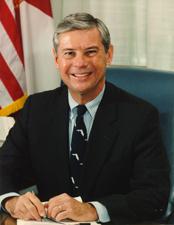 BG
BG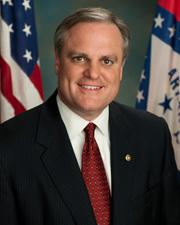 MLP
MLP MB
MB GHS+7
GHS+7
Floor Debate
12 membersWhat members said about S. 2415 on the floor
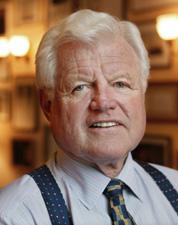
Mr. President, the Health Care Modernization, Cost Reduction, and Quality Improvement Act addresses three serious and related problems in our health care system that affect every American family:…
Mr. President, the Health Care Modernization, Cost Reduction, and Quality Improvement Act addresses three serious and related problems in our health care system that affect every American family: Health care costs are too high and are rising too rapidly. The quality of care received by too many patients is well below the standard that we are capable of achieving. In fact, the gap between the care we actually provide and the care we should be providing is so great that the prestigious Institute of Medicine has referred to it as a ``quality chasm.'' Our system lavishes funds on sickness care and neglects the health promotion and disease prevention activities that are the most effective ways of reducing health costs and assuring good health for as many of our people as possible.
The legislation we are introducing is an effective way to modernize and improve the health care system, by using modern information technology, by paying for value and results and not simply for procedures performed or patients admitted to hospitals, and by focusing on improving quality and preventing disease.
Controlling the soaring cost of health care is essential. In the year 2000, health insurance premiums grew 8 percent--two and a half times the cost of living. In 2001, premiums went up 11 percent--six times the Consumer Price Index. They went up 13 percent in 2002, and 14 percent in 2003--almost eight times the cost of living increase. By any standard, increases like that are unsustainable.
We have to bring these costs under control--but there is a right way and a wrong way to do it. Arbitrary cutbacks for hard-pressed hospitals and physicians are the wrong remedy.
With emergency rooms bursting at the seams, nursing shortages threatening the quality of care, and physicians forced to spend less time with more patients, we have an obligation to all our health providers as well. They're the backbone of our health care system, and we have an obligation to help them provide the quality care that every patient deserves.
Fortunately, the right way to control costs is also the right way to achieve higher quality care. It's based on an emerging consensus of health experts and practitioners. It involves four fundamental principles--using information technology, paying for results, improving quality, and investing in prevention.
The gap is vast and growing between information technology and the current practice of medicine. Health care in America is the best in the world, but it is also one of the least efficient industries in America. We spend a staggering $480 billion a year on administration alone--more than 30 cents of every dollar spent on care. Over a quarter of all personnel in the health care system today are performing administrative tasks, not providing care.
The potential savings through modern technology are immense. Transactions in health care cost $12 to $25 apiece. Brokers and bankers used to have similar costs, but now, a transaction in these industries costs less than one cent.
Information technology can also improve the quality of care, at the same time it reduces costs. Automated patient record-keeping can help bring real coordination to what is often a frighteningly fragmented health care system.
Today, for one in five patients with significant health problems, various health professionals order duplicate tests and procedures. One in four patients arrive for a doctor's appointment and find that needed test results or records are not available. Information technology can end this waste of time and resources and also prevent the errors that reduce quality. Automated prescribing, for example, has reduced errors by 95 percent, and reduced hospital costs by an amazing 13 percent. It's time to end the disconnect between modern health care and modern information technology, and the savings will be immense.
The gap between the best standard of care and the care that too many patients receive is staggering. A quarter of all breast cancer patients receive substandard care. A third of all patients diagnosed with high blood pressure receive substandard care. Half of asthma patients receive substandard care. Sixty percent of patients with pneumonia receive substandard care. Almost 80 percent of patients with a hip fracture receive substandard care.
The Midwest Business Group on Health estimates that poor quality care costs employers $2,000 a worker every year. Improving quality can cut costs dramatically. But more important, it can reduce unnecessary suffering. For patients and their families, good quality care can truly mean the difference between life and death, and between disability and health.
One of the highest barriers to improving the quality of care is the backward incentive system embedded in the way we pay for care. We need to start rewarding the quality care by paying for results, and not just for the number of procedures performed or the number of hospital admissions. Too often, the incentives today are geared to doing more-- not doing better. It makes no sense that doing better today can actually result in even greater financial hardship for health care institutions. If hospitals organize patient-tracking, home visits, and patient education to improve care for chronic diseases, they can reduce hospitalization dramatically. But the hospitals won't get paid much, if anything, for these improvements--and they will no longer receive the large reimbursements they would otherwise receive for inpatient care. Use of doctors specially trained to manage hospital intensive care units has been shown to reduce costs and improve outcomes. But fewer days in the ICU mean lower revenues for hospitals. That's wrong, and we need to correct it.
Hospitals in Boston have already negotiated terms with insurers under which they are paid for results, rather than days of care. Some business associations, such as the Leapfrog Group, have begun to make quality standards a condition for participation in their insurance plans. the Department of Health and Human Services is testing the use of incentive payments to hospitals that meet specific quality standards. These steps are hopeful, but we need to make payment for results the rule, rather than the exception, in all aspects of our health care system.
Another key step is to assure that the typical standard of care comes much closer to the best standard of care. We need to do far more to see that what we know how to do for patients is actually what is done.
Opportunities are immense for improvements by targeting specific diseases that have high incidence, high costs, and high impact on individuals and families. Diabetes, for example, afflicts 17 million Americans. Patients with the disease account for one in ten dollars of overall health expenditures and one in four dollars of expenditures by Medicare. By using proven methods of prevention and treatment, we can save 10 million Americans from diabetes-related amputations, disability, or blindness during their lives--and save more than 50 billion dollars a year as well.
Stroke is another example of the huge gap between what we could do and what we actually do. Stroke is the third leading cause of death and one of the major causes of disability. It strikes nearly 750,000 Americans each year. The economic cost is also staggering. The United States spends almost $50 billion a year in caring for persons who have suffered a stroke. Appropriate, timely intervention with clot- dissolving drugs has been shown to reduce disability and death by 55 percent but only three percent of patients receive the needed treatment.
Chronic illnesses are major costs in the current system. Medicare beneficiaries with three or more chronic conditions account for almost 90 percent of Medicare spending. Well-organized care for patients with chronic conditions such as congestive heart failure, diabetes, asthma, and depression produce significant reductions in costs and significant improvements in outcomes. But only a fraction of patients with chronic conditions have the opportunity to benefit from such treatment.
Finally, to cut costs and promote quality, we can do much more to stop illness before it starts. Health promotion and disease prevention must be central to our health system as hospital and physician care. Four hundred thousand Americans require medical treatment every year for diseases that are fully preventable by vaccination. Lack of exercise and poor diet cost almost $80 billion a year because of increased heart disease, cancer, and diabetes.
The legislation being introduced today is a recipe for a peaceful revolution in the way health care in the United States is delivered. Building on a growing expert consensus, it provides a blueprint for a better health care system that will be lower in cost, higher in quality, and more closely oriented toward prevention.
To assure that modern information technology will be fully utilized in health care, the legislation sets a goal of full implementation of a broad-based system of electronic medical records and automated bill- paying. It authorizes grants, loans and loan guarantees for health providers to install and implement clinical information systems that meet national technical standards for parameters such as security and interoperability.
The bill also offers larger reimbursements for providers who implement these types of information systems. Over a period of time, it reduces payments for large health care facilities that fail to do so. The legislation also encourages the use of information technology to reduce the administrative costs, by requiring insurance companies to adopt the same types of computerized transaction-processing systems that are the norm in other industries.
In these ways, the legislation begins the needed effort to enable the health care system to become a system that pays for value, rather than solely for procedures performed or illnesses treated. The Secretary of HHS is required to set quality standards for providers of services. Public and private payers will be required, through their reimbursement procedures, to reward the attainment of these quality standards, and are permitted to reduce reimbursements to providers who fail to meet the standards.
When a provider of services believes it can provide higher quality care at lower cost, but feels that existing reimbursement procedures will not fairly recognize these innovations, payers are required to enter into good faith negotiations with providers to reach agreement on an alternative payment system. The legislation also has special provisions for payment for chronic care services in recognition of the special role of coordination of care, patient education, tracking, and follow-up in achieving quality care for individuals with chronic diseases.
Finally, the legislation contains a number of important initiatives to improve the quality of care and strengthen health promotion and disease prevention. These include the establishment of a National Quality Council, and specific initiatives on diabetes, stroke, arthritis, nutrition, exercise, adult oral health, adult immunizations, and the provision of culturally and linguistically appropriate care for patients whose primary language is not English.
America's health care system cannot continue to lurch from crisis to crisis. Our people deserve affordable care, and when illness strikes, they deserve the best care our system can provide. This legislation lays out a number of important steps to achieve this objective, and I look forward to working with my colleagues in Congress and the broader health community to achieve the important goals we share.
Mr. President, I rise to introduce the State Children's Health Insurance Program, SCHIP, Expansion Act of 2004. This Congress passed the Children's Health Insurance Program in the late 1990s. It has…
Mr. President, I rise to introduce the State Children's Health Insurance Program, SCHIP, Expansion Act of 2004. This Congress passed the Children's Health Insurance Program in the late 1990s. It has been a great success. There are 5 million American children today who have quality medical insurance because of this program; without this program there would be another 5 million Americans uninsured.
The expansion of this legislation in 2004 would allow States to expand health coverage under the SCHIP program to all uninsured children, regardless of their family income. It would also provide critical funding for this important program.
This week is Cover the Uninsured Week. This is a collaborative effort of the Robert Wood Johnson Foundation and many other organizations highlighting the vast number of uninsured in this country and the need to find a solution.
Yesterday, I introduced legislation with Senators Daschle and Kennedy which will call for the Nation to cover all Americans by the year 2006. The goal of universal coverage is one that I believe every Member of this Senate
shares. Based on the experience of the last decade, it is my judgment that the road to achieving that goal of full coverage begins with a first step. We have not taken a significant first step on the road to closing the gap now in over 5 years. In that 5-year period, we have seen a dramatic increase in the number of uninsured Americans, including uninsured children.
We could take that first step by providing health coverage for all children. That step will be a large one.
Today, there are an estimated 9 million American children under the age of 19 who are uninsured for their health care. Over 640,000 of those children live in my home State of Florida. There are other large groups of uninsured Americans, however, and one might ask, why pick out children from this large group of uninsured Americans? The goal is to cover all Americans. The reality is the effort to accomplish that objective in one giant step has proven to be without success. Uninsured children, in my judgment, represent the group that we should start with, for the following reasons.
We know this about uninsured children: They are four times more likely to delay seeking care than insured children, and they are five times more likely than insured children to use an emergency room for regular medical care. Lack of timely treatment can turn a simple health problem into a serious childhood illness. Covering children is cost effective, and more important, it improves the lives of children. It can, in fact, save the lives of children. Let me give two common examples.
Ear infections are a very common affliction of young children and easily treated with an inexpensive antibiotic. However, if that ear infection is not diagnosed and not treated, the infection can mature into deafness and learning disabilities. What happens when an unvaccinated child is struck with bacterial meningitis? Failure to diagnose and treat this contagious disease with an antibiotic can lead to brain damage, even to death.
Our Nation's publicly funded health programs play a critical role in providing access to care in order to prevent such occurrences. As I said in the beginning, SCHIP has made an enormous difference in the health and lives of over 5 million American children, many of whom are from working families.
We know 8 out of 10 of the currently uninsured Americans come from a family in which one or both parents are working.
Despite the success of SCHIP, States have taken to such tactics as capping enrollment and placing limits on eligibility and benefits. I am sorry to have to report some of the things that have happened in my State, not because they are peculiar, but because they are increasingly representative of what is happening in States across America.
Until recently, Florida had amassed a waiting list of children who were eligible for the SCHIP program but who were not being served, primarily because of limitations on State funds to match the Federal funds. We had a waiting list of nearly 100,000 Florida children. Although most of these children have since been temporarily enrolled, the Florida SCHIP program has eliminated all outreach activities; that is, those activities that had informed families about the availability of these programs have been eliminated. Florida has also restricted eligibility for children in families whose employers offer any kind of dependent coverage, regardless of its cost.
If there is one thing we know, it is that one of the factors that is fueling the increase in the numbers of uninsured Americans is that even when employers provide at least the appearance of health insurance coverage but that coverage is so expensive that it amounts to more than 5, sometimes almost 10 percent of that family's income, and as available as it may appear, in real economic terms it is not available. Yet in my State, I am sad to report that a child who has fallen into that circumstance will not any longer be considered eligible for the SCHIP program.
Florida has eliminated its SCHIP waiting list. No one in the future will ever say that Florida has nearly 100,000 children who are eligible for but not receiving SCHIP coverage because there will not be any list of children who are waiting for their opportunity to be covered. This is a means by which knowledge of the number of uninsured children who are denied access to the program will be denied to the people of Florida, as will, therefore, their ability to influence public policy to increase the health care coverage of the children of Florida.
What would the legislation I introduce today do to address these problems? First, it would allow States to expand health coverage to uninsured children, regardless of the income, so that no child goes without necessary care.
Second, it would provide Federal financial support to assure the long-term stability of the SCHIP program. To meet congressional budget limits, Federal funding for SCHIP declined by over $1 billion a year, beginning in the fiscal year 2002, and running through the current fiscal year of 2004. That reduction, which is referred to as the CHIP dip, has brought the Federal funds available for children's health insurance from $4 billion annually down to $3 billion.
The consequence of this is that many States which had a fully operational SCHIP program--that is, they were using the full amount of the pre-2002 Federal funds--are now facing another component of their fiscal crisis.
The SCHIP Expansion Act would restore Federal funding allotments to their pre-2002 level, assurance that States could continue to cover more uninsured children.
The legislation would also invest additional resources in SCHIP, allowing States that are currently using all of their Federal funds to expand their programs, providing relief to many States that anticipate a shortage of funding in the near future.
The Center on Budget and Policy Priorities estimates that by 2007, on the current course, 39 States will have spent their entire funding allotments. Additional funds are necessary to allow these States to continue to reach new currently uncovered, uninsured children. Many of our uninsured children are, in fact, already eligible for coverage under SCHIP, but where you have limitations in Federal or State funds, they are not enrolled. Effective outreach and streamlined enrollment are keys to improving coverage.
SCHIP expansion will help States cover more children by increasing funds for outreach in States. That will simplify the enrollment process.
Finally, this legislation will prohibit States that have not exhausted all available Federal funds from capping enrollment in their SCHIP program. Where enrollment is capped, children are put on a waiting list--if the State has not done what Florida has done, which is to eliminate the waiting list, and they will go without coverage. Without coverage, their parents must choose between paying for rent and paying for medicine for their sick children.
Have we not reached a sad state of affairs in this Nation when many of our elder citizens have to make a choice between paying for prescription drugs or eating a nutritious meal three times a day, and that many of our parents of young children who are sick and without medical insurance must make a choice between paying the rent or paying for the medicine for their child?
My bill assures no family faces such a choice as a result of an arbitrary enrollment tax. States which choose to participate in SCHIP must be willing to participate fully and cover as many children as they can with the funds they have available. There is no reason in a nation of unsurpassed wealth and of unsurpassed medical talent that any child should be without health insurance coverage.
Investment in proven effective public programs is imperative.
Although our overall goal is universal coverage, assuring that all children have access to quality health care is a crucial first step. In my opinion, steps 2 and 3 should be to cover the working poor and the early retirees. These steps won't achieve the goal of full coverage even in conjunction with the full coverage of children, but they will significantly close the gap of those Americans today who are without health coverage.
The SCHIP expansion program represents a serious and long overdue commitment to expanding coverage for the most vulnerable in our society, our young boys and girls. This measure has
the support of the Children's Defense Fund, Catholic Charities USA, the Association of Maternal and Child Health Programs, and Families USA.
I ask unanimous consent that a letter of support be printed in the Record.
I call upon this Congress to act and to act this year to pass this important legislation, and to remove from the rolls of the uninsured for health coverage Americans, at least those most fragile and vulnerable, those we love the most, our children.
Mr. President, our men and women serving in the military are the defenders of freedom and security around the world. The special role they play demands that they be ``on call'' to serve our Nation at…
Mr. President, our men and women serving in the military are the defenders of freedom and security around the world. The special role they play demands that they be ``on call'' to serve our Nation at points all over the globe.
The unique nature of their job has resulted in a unique and, I must say, very complex compensation package. The various types of compensation and benefits oftentimes create an especially difficult burden, especially when it comes to filing their tax return.
Through the years, Congress has periodically passed laws that recognize the special needs of our military and to lessen administrative burdens on them.
During consideration of such a bill last year, I approached the distinguished chairman of the Senate Finance Committee, Senator Chuck Grassley, and ranking member of that committee, Senator Max Baucus, and asked them to join me in an effort to get a fresh look at the overall picture of how the Tax Code treats our military.
I was pleased when they agreed to join me in this work, and I was delighted to jointly request an expedited study by the GAO. It has been an honor to work with them and their staffs throughout this process, and I believe our work will produce good things for our military.
Yesterday, GAO released a report as a result of our request. The report raises many interesting findings, but there is one especially important issue that demands our immediate attention. Mr. President, I want to discuss the problem identified by GAO, and then I will introduce a bill to correct the inequity that has been documented.
The problem identified by GAO is the result of complex interactions between the combat zone exclusion under section 112 of the Internal Revenue Code and the earned-income tax credit and the child tax credit.
Under the combat pay exclusion, a very important benefit provided by Congress, military pay earned--including basic pay, bonuses, special pay and allowances--is excluded from taxable income while members of the military are serving in a designated combat zone.
That is right, Uncle Sam doesn't impose taxes on military pay for those serving our country in combat zones--and rightfully so.
However, income excluded under the combat pay provision is also excluded from income for the purpose of computing the earned-income tax credit and the child care credit.
As a result of this, thousands of men and women serving in combat, in places such as Iraq, Afghanistan, and other places around the globe, will see a reduction or elimination of their earned-income tax credit or the child tax credit and, in effect, because of how these interact, will lose money. In other words, the Tax Code has the impact of penalizing them because they are serving in combat zones. That is the opposite effect intended by Congress.
The GAO report characterizes this result as an ``unintended consequence.'' I call it a wrong, and I urge my colleagues to join me in fixing this glitch as soon as possible.
The urgency of this situation is highlighted especially when you focus on those of our troops which this affects.
We are talking about troops who tend to be in combat for more than 6 months, who are not making much money, who have families to provide for and have little or no savings or little or no spouse income.
I am going to repeat that. We are talking about a clear wrong in the Tax Code that takes money away from men and women serving this Nation heroically and in dangerous places such as Iraq and Afghanistan.
The GAO analysis suggests the amount of the tax benefit loss enlisted personnel could face is up to $4,500 and $3,200 for officers. This is real money, make-or-break money, to many of these families who are already under an enormous amount of stress. This money will make a real difference and we need to get about the business of fixing this problem as soon as possible.
To correct the unfairness of current law, I am introducing the Tax Relief for Americans in Combat Act. The bill allows men and women in uniform serving in combat to include combat pay for the purpose of calculating their earned income tax credit and their child tax credit benefits. In other words, they will be able to continue receiving their rightful combat pay exclusions while having the ability to take full advantage of other tax credits. I urge my colleagues to join me in this effort. It will make a real difference for thousands of military families across the Nation.
I thank Liz Liebschultz and Christy Mistr of the Finance Committee staff for their advice and counsel in helping me sort through this matter in generating this GAO report. They did the work in drafting the provisions of this bill to make sure these provisions could be adopted by the Senate as soon as possible.
Also I want to recognize the GAO team which put this report together, because they did a lot of work on this: Jim White, Derek Stewart, Lori Atkinson, Jennifer Gravelle, John Pendleton, Sonja Ware, and James Wozny. They did a great job in preparing this report and I appreciate their hard work.
While we found this tax breakdown in the GAO report, there is also a lot of good news in the report regarding the compensation of our military personnel and I hope my colleagues will take time to review what the GAO says in all the information provided.
During a time of war, I do not want to lose sight that the Senate Armed Services Committee chairman, Senator John Warner of Virginia, and the ranking member, Senator Carl Levin of Michigan, are taking care of our troops financially.
One thing we talked about in the Armed Services Committee is recruiting and retention. Are we going to be able to meet those two objectives for our military? Well, I think today with this bill we can send a clear message to our youth and our enlisted personnel that a military career is an amazing option, and the compensation is such that it can compete with the private sector.
There is a real problem with our Tax Code that needs to be fixed immediately and the good news is, it can be. The bill corrects a problem and lets our troops risking life and limb know while they are away fighting for us, fighting for freedom and democracy, we will be in the Senate fighting for them and fighting for their families.
I urge my colleagues to consider this legislation and also to consider cosponsoring this bill with me.
I ask unanimous consent that a GAO summary, and the text of the bill, be printed in the Record.
Mr. President, I rise today to join my good friend from Arkansas, Senator Pryor, in introducing the Tax Relief for Americans in Combat Act. I applaud Senator Pryor for his commitment to our Armed…
Mr. President, I rise today to join my good friend from Arkansas, Senator Pryor, in introducing the Tax Relief for Americans in Combat Act. I applaud Senator Pryor for his commitment to our Armed Forces. The study and the bill that he has unveiled today provide just one example of that commitment.
Last year, Senator Pryor asked me to join him in requesting a study on the compensation received by our military personnel, and the tax treatment of this compensation. This study has been completed. Many of the results are encouraging. But the study reveals one significant glitch in the tax law that is hurting many of our low-income military personnel.
For the most part, the compensation packages received by our military personnel are competitive with the private sector. And the Tax Code provides many incentives for military service. But as the GAO study reveals, some low-income military personnel are losing out because they have been called to serve in a combat zone.
Now this just does not make sense. Why would we penalize those military personnel who are serving our country in Afghanistan, Iraq, and elsewhere around the world?
Let me explain. Under current law, compensation earned by military personnel while they are serving in a combat zone is exempt from income tax. This provides most military personnel in these areas with a very significant tax benefit. Because of a glitch in the tax law, however, certain individuals may actually end up losing money because of this exemption.
This is because the law is preventing them from receiving the Earned Income Tax Credit and Refundable Child Tax Credit that they would otherwise been entitled to. These credits are based on earned income, and the law says that combat zone income does not qualify as earned income. GAO has found that as many as 10,000 men and women serving in combat will see a reduction or elimination of their EITC or child credit, they will, in effect, lose money.
This bill would fix that glitch in the law, and provide these individuals with the tax credits to which they are entitled.
Our brave men and women in the Armed Forces put their lives on the line for our Nation every day. It is the least we can do to ensure that they are being properly compensated and receiving all the tax benefits that are due to them under the law. Given the ongoing conflict in Iraq and the war on terrorism, it is more important than ever that we vigilantly oversee the tax system to ensure that our troops are being treated fairly.
I applaud Senator Pryor for taking the lead. I am proud to join him in introducing legislation to correct these errors and ensure our service men and women receive the proper level of tax relief they deserve. Serving our country is one of the most honorable services a citizen can provide. Now it is up to us to provide them with the tax compensation they are due.
I hope that the Senate will take up and pass this bill at the earliest appropriate time, and make sure that our men and women in uniform receive the tax relief to which they are entitled.
Mr. President, I rise today to introduce the Real Estate Mortgage Investment Conduit Modernization Act. I am pleased to join my colleague and friend, Senator Conrad, in introducing this legislation…
Mr. President, I rise today to introduce the Real Estate Mortgage Investment Conduit Modernization Act. I am pleased to join my colleague and friend, Senator Conrad, in introducing this legislation to accelerate economic growth for every American community.
A Real Estate Mortgage Investment Conduit (REMIC) is a tax vehicle created by Congress in 1986 to support the housing market and investment in real estate by making it simpler to issue real estate- backed securities.
By pooling real estate loans into mortgage backed securities, REMICs offer residential and commercial real estate borrowers access to large pools of capital that would not otherwise be available. REMICs allow commercial banks and other lenders to sell their loans in the capital markets, thus freeing up assets for additional lending and investments. Because they contribute to the efficiency and liquidity of the U.S. real estate markets, REMICs help to minimize the costs of residential and commercial real estate borrowing and to spur real estate development and rehabilitation.
REMICs play a critical role in providing capital for residential and commercial mortgages. As of September 30, 2003, the value of single- family, multi-family and commercial-mortgage backed REMICs outstanding was over $1.2 trillion. While the current volume of REMIC transactions reflects their important role in this market, certain changes to the tax code will eliminate impediments and unleash even greater potential. Current rules that govern REMICs often prevent many common loan modifications that facilitate loan administration and ensure repayment of investors.
The legislation that created REMICs has not been updated in nearly 20 years. Our legislation will update the REMIC provisions of the tax code. These proposed changes are simple, non-controversial, and will greatly enhance the ability of commercial real estate interests to obtain capital for financing new construction projects.
These changes would ultimately benefit the entire real estate community, including local real estate owners, builders, construction managers, the engineering, architectural and interior design firms that provide real estate services, as well as firms that offer services to support real estate sales. The changes would accelerate the creation of jobs and economic activity throughout the U.S., and would have a positive effect on federal and state tax revenues. By encouraging property renovations and expansions, these changes would strengthen the local property tax base in towns and cities across America.
We urge our colleagues to work with us to enact this legislation to spur economic and employment growth in real
estate, the construction trades, and the building materials industry.
I ask unanimous consent that the text of the legislation be printed in the Record.
Show 8 more
Mr. President, the Veterans Administration has taken remarkable strides over the years to adapt to the increasing number of women veterans using VA facilities. As of 2002, there were approximately…
Mr. President, the Veterans Administration has taken remarkable strides over the years to adapt to the increasing number of women veterans using VA facilities. As of 2002, there were approximately 1.5 million women in the Armed Forces and 20,000 of these women are from Minnesota. Many of these soldiers want to start families when they return home and will need to use their VA healthcare coverage for obstetrics care.
Currently, a woman can use her VA coverage for prenatal care, delivery and postnatal care. The VA will enter into a contract with a hospital to provide these services, but the VA cannot provide any coverage for the baby after it is born. The baby is uninsured until a hospital social worker or the parents can arrange for private healthcare coverage, or in most cases, for the baby to receive Medicaid assistance. This period of time, which in some cases can reach 2 weeks, is very stressful for all the parties involved.
Today, I have introduced a bill that will allow the VA to provide coverage for veterans' babies for up to 14 days after delivery in a VA hospital or VA contract facility. This will help care for these children during the time needed to secure long-term coverage outside of the VA system.
This bill will also make it easier for the VA to find willing hospitals. Today, many hospitals are reluctant to offer services to an insured mother and an uninsured baby. If both the mother and the baby were covered by the VA, hospitals in the veterans' local community would be more likely to accommodate them. Finally, I am hopeful that over time this legislation will save money for VA by eliminating extra surcharges and fees to hospitals which currently cover their liability for delivering an uninsured baby.
I firmly believe that veterans who have gone through the traumatic experiences of war should not have to worry about the health of their newborn babies because of bureaucratic glitches in the system. This bill will cut the red tape surrounding the delivery rooms and ease the burden on our veterans who want nothing more than to bring children into the free society which they helped protect and defend.
Mr. President, I ask unanimous consent that the text of the bill be printed in the Record.
Mr. President, I am happy to join my friend and Finance Committee colleague, Mr. Smith, to introduce The Real Estate Mortgage Investment Conduit Modernization Act. This is a measure that will help…
Mr. President, I am happy to join my friend and Finance Committee colleague, Mr. Smith, to introduce The Real Estate Mortgage Investment Conduit Modernization Act. This is a measure that will help expand access to capital for real estate investment across the nation and especially in rural areas like my home State of North Dakota.
Growth in the commercial real estate market over the last decade has been fueled, in part, by a strong and growing secondary market for commercial mortgages. That market is structured through real estate mortgage investment conduits (REMICs). Created by Congress in 1986, REMICs are critically important to U.S. real estate finance, providing new capital and expanded access to that capital. They have proven to be a cost-effective method for the private sector to create pools of capital that are made available across the nation.
It is time to modernize the REMIC law because many borrowers have been stymied in attempts to make improvements to the mortgaged properties. For example, if a property is in a REMIC, the property owner is effectively precluded from adding a parking garage to an existing building. That is because the 1986 tax rules treat that improvement as a collateral modification triggering a deemed exchange of a new loan for the old loan thereby violating REMIC regulations.
Unlike home mortgages, which are rarely modified, commercial loans require flexibility in dealing with changing circumstances in order to support the borrower's ongoing business property. The bill we are introducing today will add this needed flexibility to the tax code, increasing the ability of property owners to invest in improvements.
I urge our colleagues to help us harness the full potential of mortgage-backed securities to provide improved access to capital to America's businesses--big and small. Please join us in working to enact the Real Estate Mortgage Investment Conduit Modernization Act.
Mr. President, I send to the desk legislation to designate the U.S. Post Office located at 4141 Postmark Drive in Anchorage, Alaska after Robert J. Opinsky. Bob Opinsky started his career with the…
Mr. President, I send to the desk legislation to designate the U.S. Post Office located at 4141 Postmark Drive in Anchorage, Alaska after Robert J. Opinsky.
Bob Opinsky started his career with the Postal Service in 1956 as a $1.50-an-hour temporary clerk. Through hard work and dedication, he was able to work up the ranks of the Postal Service and become the District Manager of the Postal Service in Alaska.
During his 41 years with the Postal Service, Bob has proven his commitment to the Postal Service. In 1964 when the great earthquake hit Alaska, the local roads were torn apart and homes and buildings were destroyed. In addition, the earthquake created a large hole in the Anchorage post office building. However, despite the conditions of the Anchorage post office and roads, Bob Opinsky went to work on the Monday morning following the Friday quake.
Bob Opinsky introduced innovative methods to run the Postal Service. Under Bob's leadership in 1996, the Postal Service was awarded the Green Star Award; an award given in honor of environmental responsibility. The Postal Service in Alaska recycled more than 725,000 pounds of mixed paper and 100,000 pounds of cardboard. Not only was the Anchorage recycling program environmentally friendly, the Postal Service's efforts reduced their annual disposal cost by about $34,000.
After 41 years of employment with the Postal Service, Bob Opinsky retired from his District Manager position in 1996. Bob has poured his heart and soul into the Postal Service. It is only fitting we honor his commitment to the Postal Service by dedicating a post office in Anchorage, Alaska after him.
Mr. President, I send to the desk legislation to designate the U.S. Post Office located at 4141 Postmark Drive in Anchorage, Alaska after Robert J. Opinsky. Bob Opinsky started his career with the…
Mr. President, I send to the desk legislation to designate the U.S. Post Office located at 4141 Postmark Drive in Anchorage, Alaska after Robert J. Opinsky.
Bob Opinsky started his career with the Postal Service in 1956 as a $1.50-an-hour temporary clerk. Through hard work and dedication, he was able to work up the ranks of the Postal Service and become the District Manager of the Postal Service in Alaska.
During his 41 years with the Postal Service, Bob has proven his commitment to the Postal Service. In 1964 when the great earthquake hit Alaska, the local roads were torn apart and homes and buildings were destroyed. In addition, the earthquake created a large hole in the Anchorage post office building. However, despite the conditions of the Anchorage post office and roads, Bob Opinsky went to work on the Monday morning following the Friday quake.
Bob Opinsky introduced innovative methods to run the Postal Service. Under Bob's leadership in 1996, the Postal Service was awarded the Green Star Award; an award given in honor of environmental responsibility. The Postal Service in Alaska recycled more than 725,000 pounds of mixed paper and 100,000 pounds of cardboard. Not only was the Anchorage recycling program environmentally friendly, the Postal Service's efforts reduced their annual disposal cost by about $34,000.
After 41 years of employment with the Postal Service, Bob Opinsky retired from his District Manager position in 1996. Bob has poured his heart and soul into the Postal Service. It is only fitting we honor his commitment to the Postal Service by dedicating a post office in Anchorage, Alaska after him.
Mr. Speaker, I move to suspend the rules and pass the Senate bill (S. 2415) to designate the facility of the United States Postal Service located at 4141 Postmark Drive, Anchorage, Alaska, as the…
Mr. Speaker, I move to suspend the rules and pass the Senate bill (S. 2415) to designate the facility of the United States Postal Service located at 4141 Postmark Drive, Anchorage, Alaska, as the ``Robert J. Opinsky Post Office Building''.
Mr. Speaker, I ask unanimous consent that all Members may have 5 legislative days within which to revise and extend their remarks and include extraneous material on S. 2415, the Senate bill under consideration.
Mr. Speaker, I yield myself such time as I may consume.
Mr. Speaker, S. 2415 honors a devoted Postal Service employee of more than four decades, Robert Opinsky. Bob Opinsky began his career with the Postal Service in 1956 as a $1.50-an-hour temporary clerk. Through hard work and dedication, he was able to work up the ranks of the Postal Service and become the district manager of the Postal Service in Alaska. He retired in 1996.
Bob Opinsky was a terrific leader within the Postal Service community; therefore, I am pleased to support this post office designation in his honor, an exceedingly appropriate tribute to his postal career.
Mr. Speaker, I thank the Senator from Alaska, Mr. Stevens, for advancing this legislation. I support it, and I urge passage of the bill.
Mr. Speaker, I reserve the balance of my time.
Mr. Speaker, I have no further requests for time, and I yield back the balance of my time.

Mr. President, I ask unanimous consent that the Committee on Armed Services be authorized to meet during the session of the Senate on June 2, 2004, at 10:15 a.m., in closed session to receive a…
Mr. President, I ask unanimous consent that the Committee on Armed Services be authorized to meet during the session of the Senate on June 2, 2004, at 10:15 a.m., in closed session to receive a briefing on the situation in Iraq.
Mr. President, I ask unanimous consent that the Committee on Banking, Housing, and Urban Affairs be authorized to meet during the session of the Senate on Wednesday, June 2, 2004, at 10 a.m., to conduct a hearing on ``The Role of State Securities Regulators in Protecting Investors.''
Mr. President, I ask unanimous consent that the Committee on Commerce,
Science, and Transportation be authorized to meet Wednesday, June 2, 2004, at 9:30 a.m. on fire fighting aircraft.
Mr. President, I ask unanimous consent that the Committee on Commerce, Science, and Transportation be authorized to meet Wednesday, June 2, 2004, at 2:30 p.m. on nominations.
Mr. President, I ask unanimous consent that the Committee on Foreign Relations be authorized to meet during the session of the Senate on Wednesday, June 2, 2003, at 9:30 a.m., to hold a hearing on the Greater Middle East Initiative.
Mr. President, I ask unanimous consent that the Committee on Governmental Affairs be authorized to meet on Wednesday, June 2, 2004 at 10 a.m. to hold a business meeting to consider pending Committee business.
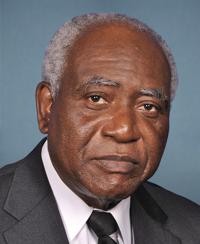
Mr. Speaker, I yield myself such time as I may consume. Mr. Speaker, I rise in strong support of S. 2415, to designate the facility of the United States Postal Service located at 4141 Postmark Drive…
Mr. Speaker, I yield myself such time as I may consume.
Mr. Speaker, I rise in strong support of S. 2415, to designate the facility of the United States Postal Service located at 4141 Postmark Drive in Anchorage, Alaska, as the Robert J. Opinsky Post Office Building.
Mr. Opinsky was an outstanding, hardworking postal employee who worked his way up through the ranks. He was known as a man who delivered mail through rain, sleet or snow. It is fitting and proper that we designate this facility in his honor.
Mr. Speaker, I yield back the balance of my time.
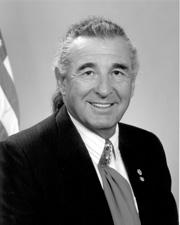
Mr. President, I ask unanimous consent that the text of the bill be printed in the Record.
Mr. President, I ask unanimous consent that the text of the bill be printed in the Record.
Bill Text
6 versions available
        [Congressional Bills 108th Congress]
[From the U.S. Government Publishing Office]
[S. 2415 Enrolled Bill (ENR)]

S.2415

One Hundred Eighth Congress

of the

United States of America

AT THE SECOND SESSION

Begun and held at the City of Washington on Tuesday,
the twentieth day of January, two thousand and four

An Act

To designate the facility of the United States Postal Service located at
4141 Postmark Drive, Anchorage, Alaska, as the ``Robert J. Opinsky Post
Office Building''.

Be it enacted by the Senate and House of Representatives of the
United States of America in Congress assembled,
SECTION 1. ROBERT J. OPINSKY POST OFFICE BUILDING.
(a) Designation.--The facility of the United States Postal Service
located at 4141 Postmark Drive, in Anchorage, Alaska, shall be known
and designated as the ``Robert J. Opinsky Post Office Building''.
(b) References.--Any reference in a law, map, regulation, document,
paper, or other record of the United States to the facility referred to
in subsection (a) shall be deemed to be a reference to the ``Robert J.
Opinsky Post Office Building''.

Speaker of the House of Representatives.

Vice President of the United States and
President of the Senate.