Medicare Preventive Services Coverage Act of 2004
Legislative Activity
Stay on top of the latest movement without scrolling through every action
Read twice and referred to the Committee on Finance.
June 17, 2004
View full timeline
Introduced in Senate
June 17, 2004
Sponsor introductory remarks on measure. (CR 6/18/2004 S7000-7003)
June 17, 2004
Read twice and referred to the Committee on Finance.
June 17, 2004
Floor Debate
11 membersWhat members said about S. 2535 on the floor
 BNBG
BNBG JIL
JIL RJD
RJD SMC+6
SMC+6
Floor Debate
11 membersWhat members said about S. 2535 on the floor
Mr. President, I am pleased to be joined by my colleague and cosponsor Senator Jay Rockefeller as we introduce the Advance Directives Improvement and Education Act of 2004. Senators Rockefeller and…
Mr. President, I am pleased to be joined by my colleague and cosponsor Senator Jay Rockefeller as we introduce the Advance Directives Improvement and Education Act of 2004. Senators Rockefeller and Collins, along with Senator Wyden, sponsored a bill with similar goals in the 107th Congress and have provided invaluable support and counsel in drafting the bill we introduce today.
The Advance Directives Improvement and Education Act of 2004 has a simple purpose: to encourage all adults in America, especially those 65 and older, to think about, talk about and write down their wishes for medical care near the end-of-life should they become unable to make decisions for themselves. Advance directives, which include a living will, stating the individual's preferences for care, and a power of attorney for health care, are critical documents that each of us should have. The goal is clear, but reaching it requires that we educate the public about the importance of advance directives, offer opportunities for discussion of the issues, and reinforce the requirement that health care providers honor patients' wishes. This bill is designed to do just that.
Americans are afraid of death. We don't like to think about it, talk about it, or plan for it. Any yet, we will all face it. Not only our own deaths, but our parents, siblings, friends, and sometimes, tragically, children. Today, most Americans face death unprepared. Family members frequently end up making critical medical decisions for incapacitated patients, yet they, too, are unprepared. Only 15 to 20 percent of adults have advance directives. Among this group, many have not discussed the contents of these important documents with their families or even the person named as the health care proxy.
It is time to bring this discussion into the mainstream. Too much is at stake to continue to deny our mortality. You all know about the tragic situation going on in Florida with Terri Schiavo. Here is a young woman in a persistent vegetative state who is the subject of a debate about her treatment between her husband and her parents, a debate that has now become a court case and a legislative quagmire. Why? Because she didn't write down what type of care she would want in the event an accident, illness or other medical condition caused her to be in an incapacitated state. She is young and didn't think about death or dying. If she had an advance directive that made her wishes clear and named a health care proxy to make decisions for her should she be unable to do so for herself, the treatment debate might continue, but there would be no question as to who could decide. The Supreme Court has clearly affirmed that competent adults have the right to refuse unwanted medical treatment Washington v. Glucksburg and Vacco v. Quill, 1997, but it also stressed that advance directives are a means of safeguarding that right should adults become incapable of deciding for themselves.
Fortunately, situations like Mrs. Schiavo's are rare. Of the 2.5 million people who die each year 83 percent are Medicare beneficiaries. In fact, 27 percent of Medicare expenditures cover care in the last year of life. Remember, everyone who enrolls in Medicare will die on Medicare. The Advance Directives Improvement and Education Act encourages all Medicare beneficiaries to prepare advance directives by providing a free physician office visit for the purpose of discussing end-of-life care choices and other issues around medical decision- making in a time of incapacitation. Physicians will be reimbursed for spending time with their patients to help them understand situations in which an advance directive would be useful, medical options, the Medicare hospice benefit and other concerns. The conversation will also enable phyisicans to learn about their patients' wishes, fears, religious beliefs, and life experiences that might influence their medical care wishes. These are important aspects of a physician-patient relationship that are too often unaddressed.
Another part of our bill will provide funds for the Department of Health and Human Services to conduct a public education campaign to raise awareness of the importance of planning for care near the end of life. This campaign would explain what advance directives are, where they are available, what questions need to be asked and answered, and what to do with the executed documents. HHS, directly or through grants, would also establish an information clearinghouse where consumers could receive state-specific information and consumer- friendly documents and publications.
State-specific information is needed because in addition to the federal Patients Self-Determination Act passed in 1990, most states also have enacted advance directive laws. Because the state laws differ, some states may be reluctant to honor advance directives that were executed in another state. The bill we introduce today contains language that would make all advance directives ``portable,'' that is, useful from one state to another. As long as the documents were lawfully executed in the state of origin, they must be accepted and honored in the state in which they are presented, unless to do so would violate state law.
All of the provisions in the Advance Directives Improvement and Education Act of 2004 are there for one reason: to increase the number of people in the United States who have advance directives, who have discussed their wishes with their physicians and families, and who have given copies of the directives to their loved ones, health care providers, and legal representatives.
Senator Rockefeller and I all believe that as our Medicare population grows and life expectancy lengthens, improving care near the end of life must be a priority. Helping people complete these critical documents is an essential part of making the final journey as meaningful and peaceful as possible.
Over the next decade or two our elderly population will grow. Baby- boomers, used to having control of
their lives and demanding the best, will be stunned to discover that good end-of-life care is hard to find. I recommend to all of you a report called Means to a Better End: A Report on Dying in America Today that was published in November 2002 by Last Acts Partnership. In it, every state and the District of Columbia was rated on eight different criteria to assess the state of end-of-life care in this country. Not one state--not mine, not yours--received a high grade. Some did well in one or two areas, but none did well in half or more of the measures; all were mediocre at best. The researchers found that too many people end their days in hospitals and nursing homes, attached to machines, alone, in pain. Doctors, not wanting to admit ``failure,'' as many of them see death, urge aggressive treatments such as chemotherapy on patients who have little chance of responding to it. Pain medication is often underprescribed or withheld for fear that the dying patient-- dying patient--might become addicted to the drug.
The good news is that growing numbers of health care providers, nonprofit organizations and consumer advocates recognize the need for change. New palliative care programs, pain protocols and hospice services are being instituted in facilities around the country. Another Last Acts Partnership publication, On the Road from Theory to Practice highlights the best programs and practices for others to emulate.
This body is a legislative institution not a medical one--with the exception of the distinguished majority leader, of course. We cannot legislate good medical care or compassion. What we can do, what I hope we will do, is to enact this bill so that the American public can participate in improving end-of-life care--first, by filling out their own advice directives and talking to their families about them; and by raising their voices to demand that our health care systems honor their wishes and improve the way they care for people who are near the end of life. If we can do that, we will have done a great deal.
I ask unanimous consent that the full text of the bill be printed in the Record.
Mr. President, I also ask that a letter of support for this legislation from the Last Acts Partnership also be printed in the Record.
Mr. President, I am very pleased to introduce the Medicare Preventive Services Coverage Act of 2004, and to be joined by Senator Richard Durbin. This legislation would change the basic charter of…
Mr. President, I am very pleased to introduce the Medicare Preventive Services Coverage Act of 2004, and to be joined by Senator Richard Durbin.
This legislation would change the basic charter of Medicare to one that not only diagnoses and treats, but also prevents illness.
On July 30, 1965, Medicare was created under title 18 of the Social Security Act to provide health insurance coverage for the elderly.
The coverage provided through the program was limited to diagnostic and treatment services that were considered reasonable and necessary.
There was little demand to cover preventive services under Medicare or any other health plan at that time because we were not yet cognizant of the vital role of prevention on the health and quality of human life.
The basic charter of Medicare reflects this lack of understanding.
However, since Medicare's inception, we have learned a lot about the enormous burden of chronic disease on our Nation.
According to the Centers for Disease Control and Prevention, CDC, more than 1.7 million Americans die of a chronic disease each year, accounting for about 70 percent of all deaths.
Not only does chronic disease lead to a majority of deaths and disabilities in America, it also accounts for about 75 percent of health care costs each year, placing a huge economic demand on our Nation.
Medicare bears a lion's share of this cost. In 2003, Medicare spent nearly $7,000 per beneficiary; much of this cost is attributable to treating chronic illnesses.
The percentage of the population over age 65 has increased dramatically and will continue to do so. This will place an even greater economic burden on Medicare.
What is the bottom line? In short, Medicare cannot afford this spiraling cost.
The good news is that we now have decades of research demonstrating that although chronic diseases are the most common and costly of all health problems, they are also the most preventable.
For example, according to the CDC regular eye exams and timely treatment could prevent up to 90 percent of diabetes related blindness.
Eye chart screening for visual acuity is currently recommended by the United States Preventive Services Task Force, USPSTF, but is not covered by Meidcare.
The impact of prevention on chronic disease is well known by the President's Secretary for Health and Human Services.
HHS Secretary Thompson said in September 2003:
There is clear evidence that the costs of chronic
conditions are enormous, as are the potential savings from
preventing them, even if there may not always be agreement on
the exact amounts of these cost savings.
He goes on to say:
. . . the Nation simply cannot afford not to step up
efforts to reverse the growing prevalence of chronic
disorders. Resources and energy need to be marshaled in all
sectors and at all levels of society.
Partnership for Prevention, a Washington, DC, think tank on health policy takes Thompson's comments one step further. A recent Partnership report makes the following logical assumption:
As the primary source of health insurance coverage for
millions of older Americans and persons with permanent
disabilities, Medicare has the potential to have a
substantial impact on the health of beneficiaries by
promoting and covering cost-effective preventive services.
Congress has added coverage for some preventive services over the last two decades, including the flu vaccine, mammograms, and cancer screening.
As HHS does not have the authority to add preventive services to Medicare--despite the growing body of evidence that has proved their efficacy--these benefits were only added to Medicare because of congressional action.
The benefits that Congress have added are extremely important, and I am glad that we have taken the steps to make them available to our seniors.
However, the congressional process is slow, and subject to political winds and influences that are not always based purely in science.
The legislation I am introducing would change the basic charter of Medicare from a program focused on diagnosing and treating illnesses to one that also prevents illnesses by giving the Department of Health and Human Services the authority to make coverage decisions for preventive services.
Why change the current system of passing legislation each time we want to add coverage of preventive service to Medicare? There are some very logical reasons.
The reliance on Congress to cover preventive services has resulted in: Coverage for only half of clinical preventive services that experts recommend for the 65+ age group; coverage that not only fails to keep up with changes in scientific evidence but is often in consistent with authoritative recommendations; a confusing array of cost sharing requirements across covered preventive services; and lack of coverage of some preventive services that provide great health benefits in favor of others that do not meet current evidence standards as a result of vocal advocacy groups.
Luckily, the fundamental reform of the program that I am proposing does not require extensive statutory or bureaucratic change.
Medicare already has a process in place for the Secretary of Health and Human Services to make coverage decisions on diagnostic, treatment, and durable medical equipment options.
My bill would authorize the Secretary to make coverage decisions on preventive services using that same process, based on the recommendations of the federally-convened United States Preventive Services Task Force, USPSTF, and other groups.
This authorization would not entail dramatic new administrative expenses or a major reorganization of CMS coverage processes and staff.
My legislation would put preventive services on an equal footing with diagnostic and treatment services by allowing the Secretary to make coverage decisions for all services needed to prevent, diagnose, and treat illness.
Providing beneficiaries with the most cost-effective and current preventive services should no longer require an ``Act of Congress.''
It should, instead, require the insight of the experts in the field, and be based on the same careful process HHS is currently using.
Let us untie their hands and improve the lives of our Medicare beneficiaries by building coverage of preventive services into the currently established coverage decision process.
This legislation is supported by the following groups: American College of Preventive Medicine; HealthPartners; Deafness Research Foundation; Partnership for Prevention; American Dietetic Association; American Public Health Association; Families USA; American Physical Therapy Association; American Academy of Family Physicians; United Cerebral Palsy Association; National Mental Health Association; Campaign for Tobacco-Free Kids, and the Emergency Department Practice Management Association.
If Medicare were created today, it would certainly not exclude coverage of preventive services.
Today we know how important preventive services are; they save money and lives. Let us give Medicare the authority to do its job.
I urge my colleagues to join me in sponsoring this important piece of legislation.
I ask unanimous consent to print letters of support from the above- listed groups in the Record.
Mr. President, I am very pleased to introduce the Medicare Preventive Services Coverage Act of 2004, and to be joined by Senator Richard Durbin. This legislation would change the basic charter of…
Mr. President, I am very pleased to introduce the Medicare Preventive Services Coverage Act of 2004, and to be joined by Senator Richard Durbin.
This legislation would change the basic charter of Medicare to one that not only diagnoses and treats, but also prevents illness.
On July 30, 1965, Medicare was created under title 18 of the Social Security Act to provide health insurance coverage for the elderly.
The coverage provided through the program was limited to diagnostic and treatment services that were considered reasonable and necessary.
There was little demand to cover preventive services under Medicare or any other health plan at that time because we were not yet cognizant of the vital role of prevention on the health and quality of human life.
The basic charter of Medicare reflects this lack of understanding.
However, since Medicare's inception, we have learned a lot about the enormous burden of chronic disease on our Nation.
According to the Centers for Disease Control and Prevention, CDC, more than 1.7 million Americans die of a chronic disease each year, accounting for about 70 percent of all deaths.
Not only does chronic disease lead to a majority of deaths and disabilities in America, it also accounts for about 75 percent of health care costs each year, placing a huge economic demand on our Nation.
Medicare bears a lion's share of this cost. In 2003, Medicare spent nearly $7,000 per beneficiary; much of this cost is attributable to treating chronic illnesses.
The percentage of the population over age 65 has increased dramatically and will continue to do so. This will place an even greater economic burden on Medicare.
What is the bottom line? In short, Medicare cannot afford this spiraling cost.
The good news is that we now have decades of research demonstrating that although chronic diseases are the most common and costly of all health problems, they are also the most preventable.
For example, according to the CDC regular eye exams and timely treatment could prevent up to 90 percent of diabetes related blindness.
Eye chart screening for visual acuity is currently recommended by the United States Preventive Services Task Force, USPSTF, but is not covered by Meidcare.
The impact of prevention on chronic disease is well known by the President's Secretary for Health and Human Services.
HHS Secretary Thompson said in September 2003:
There is clear evidence that the costs of chronic
conditions are enormous, as are the potential savings from
preventing them, even if there may not always be agreement on
the exact amounts of these cost savings.
He goes on to say:
. . . the Nation simply cannot afford not to step up
efforts to reverse the growing prevalence of chronic
disorders. Resources and energy need to be marshaled in all
sectors and at all levels of society.
Partnership for Prevention, a Washington, DC, think tank on health policy takes Thompson's comments one step further. A recent Partnership report makes the following logical assumption:
As the primary source of health insurance coverage for
millions of older Americans and persons with permanent
disabilities, Medicare has the potential to have a
substantial impact on the health of beneficiaries by
promoting and covering cost-effective preventive services.
Congress has added coverage for some preventive services over the last two decades, including the flu vaccine, mammograms, and cancer screening.
As HHS does not have the authority to add preventive services to Medicare--despite the growing body of evidence that has proved their efficacy--these benefits were only added to Medicare because of congressional action.
The benefits that Congress have added are extremely important, and I am glad that we have taken the steps to make them available to our seniors.
However, the congressional process is slow, and subject to political winds and influences that are not always based purely in science.
The legislation I am introducing would change the basic charter of Medicare from a program focused on diagnosing and treating illnesses to one that also prevents illnesses by giving the Department of Health and Human Services the authority to make coverage decisions for preventive services.
Why change the current system of passing legislation each time we want to add coverage of preventive service to Medicare? There are some very logical reasons.
The reliance on Congress to cover preventive services has resulted in: Coverage for only half of clinical preventive services that experts recommend for the 65+ age group; coverage that not only fails to keep up with changes in scientific evidence but is often in consistent with authoritative recommendations; a confusing array of cost sharing requirements across covered preventive services; and lack of coverage of some preventive services that provide great health benefits in favor of others that do not meet current evidence standards as a result of vocal advocacy groups.
Luckily, the fundamental reform of the program that I am proposing does not require extensive statutory or bureaucratic change.
Medicare already has a process in place for the Secretary of Health and Human Services to make coverage decisions on diagnostic, treatment, and durable medical equipment options.
My bill would authorize the Secretary to make coverage decisions on preventive services using that same process, based on the recommendations of the federally-convened United States Preventive Services Task Force, USPSTF, and other groups.
This authorization would not entail dramatic new administrative expenses or a major reorganization of CMS coverage processes and staff.
My legislation would put preventive services on an equal footing with diagnostic and treatment services by allowing the Secretary to make coverage decisions for all services needed to prevent, diagnose, and treat illness.
Providing beneficiaries with the most cost-effective and current preventive services should no longer require an ``Act of Congress.''
It should, instead, require the insight of the experts in the field, and be based on the same careful process HHS is currently using.
Let us untie their hands and improve the lives of our Medicare beneficiaries by building coverage of preventive services into the currently established coverage decision process.
This legislation is supported by the following groups: American College of Preventive Medicine; HealthPartners; Deafness Research Foundation; Partnership for Prevention; American Dietetic Association; American Public Health Association; Families USA; American Physical Therapy Association; American Academy of Family Physicians; United Cerebral Palsy Association; National Mental Health Association; Campaign for Tobacco-Free Kids, and the Emergency Department Practice Management Association.
If Medicare were created today, it would certainly not exclude coverage of preventive services.
Today we know how important preventive services are; they save money and lives. Let us give Medicare the authority to do its job.
I urge my colleagues to join me in sponsoring this important piece of legislation.
I ask unanimous consent to print letters of support from the above- listed groups in the Record.
Mr. President, today I am introducing legislation, along with my colleague from Connecticut, Mr. Dodd, that will strengthen the content and pedagogy knowledge of our present K-12 teacher workforce…
Mr. President, today I am introducing legislation, along with my colleague from Connecticut, Mr. Dodd, that will strengthen the content and pedagogy knowledge of our present K-12 teacher workforce and thus ultimately raise student achievement.
My proposal would establish eight new Teacher Professional Development Institutes throughout the Nation each year over the next five years based on the model which has been operating at Yale University for over 25 years. Every Teacher Institute would consist of a partnership between an institution of higher education and the local public school system in which a significant proportion of the students come from low-income households. These Institutes will strengthen the present teacher workforce by giving each participant an opportunity to gain more sophisticated content knowledge and a chance to develop curriculum units with other colleagues that can be directly applied in their classrooms. We know that teachers gain confidence and enthusiasm when they have a deeper understanding of the subject matter that they teach and this translates into higher expectations for their students and thus, an increase in student achievement.
The Teacher Professional Development Institutes are based on the Yale-New Haven Teachers Institute model that has been in existence since 1978. For over 25 years, the Institute has offered six or seven thirteen-session seminars each year, led by Yale faculty, on topics that teachers have selected to enhance their mastery of the specific subject area that they teach. The subject selection process begins with representatives from the Institutes soliciting ideas from teachers throughout the school district for topics on which teachers feel they need to have additional preparation, topics that will assist them in preparing materials they need for their students, or topics that will assist them in addressing the standards that the school district requires. As a consensus emerges about desired seminar subjects, the Institute director identifies university faculty members with the appropriate expertise, interest and desire to lead the seminar. University faculty members, especially those who have led Institute seminars before, may sometimes suggest seminars they would like to lead, and these ideas are circulated by the representatives as well. The final decisions on which seminar topics are offered are ultimately made by the teachers who participate. In this way, the offerings are designed to respond to what teachers believe is needed and useful for both themselves and their students.
The cooperative nature of the Institute seminar planning process ensures its success: Institutes offer seminars and relevant materials on topics teachers have identified and feel are needed for their own preparation as well as what they know will motivate and engage their students. Teachers enthusiastically take part in rigorous seminars they have requested, and as part of the program, practice using the materials they have obtained and developed. This helps ensure that the experience not only increases their preparation in the subjects they are assigned to teach, but also their participation in an Institute seminar gives them immediate hands-on active learning materials that can be used in the classroom. In short, by allowing teachers to determine the seminar subjects and providing them the resources to develop relevant curricula for their classroom and their students, the Institutes empower teachers. Teachers know their students best and they know what should be done to improve schools and increase student learning. The Teacher Professional Development Institutes promote this philosophy.
From 1999-2002, the Yale-New Haven Teachers Institute launched a National
Demonstration Project to create comparable Institutes at four diverse sites with large concentrations of disadvantaged students. These demonstration projects are located in Pittsburgh, PA, Houston, TX, Albuquerque, NM, and Santa Ana, CA.
Follow-up evaluations have earned very positive results from the teacher participants in the Yale-New Haven Institute, as well as the four demonstration sites. The data strongly support the conclusion that virtually all teachers felt substantially strengthened in their mastery of content knowledge and they also developed increased expectations for what their students could achieve. In addition, because of their involvement in the course selection and curriculum development process, teacher participants have found these seminars to be especially relevant and useful in their classroom practices. Ninety-five percent of all participating teachers reported that the seminars were useful. These Institutes have also served to foster teacher leadership, to develop supportive teacher networks, to heighten university faculty commitments to improving K-12 public education, and to foster more positive partnerships between school districts and institutions of higher education.
By some studies, teacher quality is the single most important school- related factor in determining student achievement. In support of this, the No Child Left Behind Act requires a ``highly qualified'' teacher to be in every classroom by the end of 2005-2006. Effective teacher professional development programs that focus on subject and pedagogy knowledge are a proven method for enhancing the success of a teacher in the classroom and in helping them meet the highly qualified criteria.
Though a K-12 teacher shortage is forecast in the near-term and many new teachers will be entering our schools, those teachers who are presently on the job will do the majority of teaching in the classrooms in the very near future. For this reason, it is imperative to invest in methods to strengthen our present teaching workforce. Like many professions, the quality of our teachers could diminish if their professional development is neglected. Research has shown that positive educational achievements occur when coursework in a teachers' specific content area is combined with pedagogy techniques. This is what the Teacher Professional Development Institutes Act strives to accomplish.
The Yale-New Haven Institutes have already proven to be a successful model for teacher professional development as demonstrated by the high caliper curriculum unit plans that teacher participants have developed and placed on the web and by the evaluations that support the conclusion that virtually all the teacher participants felt substantially strengthened in their mastery of content knowledge and their teaching skills. My proposal would open this opportunity to many more urban teachers throughout the nation.
I urge my colleagues to act favorably on this measure. I ask unanimous consent that the text of the bill be printed in the Record.
Mr. President, today I am introducing legislation that will strengthen consumer confidence in the safety of genetically engineered food and genetically engineered animals that may enter the food…
Mr. President, today I am introducing legislation that will strengthen consumer confidence in the safety of genetically engineered food and genetically engineered animals that may enter the food supply. This bill, known as the Genetically Engineered Food Act (GEFA) of 2004, requires the Federal Food and Drug Administration (FDA) to conduct an environmental and safety review of all genetically engineered plants and animals that may enter the food supply.
Our country has been blessed with one of the safest and most abundant food supplies in the world but we can do better. Genetically engineered foods have become a major portion of the American food supply and promise to become a larger part in the future. The next generation of genetically engineered foods will be more complex, will possess more novel genetic variations and will challenge regulatory agencies' ability to assess and manage their food safety and potential environmental effects.
Currently, the FDA screens genetically engineered foods through a voluntary consultation program. Despite assurances from the FDA for the past two years that the proposed and more stringent ``pre-market biotechnology notification'' (PBN) rules governing genetically engineered foods were imminent, those rules have yet to appear.
The Genetically Engineered Food Act of 2004 will create a transparent process that promotes public participation as decisions are made regarding the safety and environmental impact of genetically engineered plants and animals.
This bill will make the review process mandatory in place of the current voluntary system, which will reduce the chance that a potentially harmful product could bypass or receive inadequate regulatory oversight. The measure will establish unambiguous and predictable pathways for developers of genetically modified foods to gain approval to go to market and will ensure consumer confidence in the integrity of the system through a fully transparent review process.
An improved regulatory system for genetically engineered foods will boost consumer confidence in biotechnology derived foods, give federal agencies clear legal authority to deal with new technology and provide a process to detect problems even after genetically engineered foods are approved.
The Genetically Engineered Food Act of 2004 will strengthen government oversight in several important ways.
Mandatory Review: Producers of genetically engineered foods will be required to receive approval from the FDA before introducing their products into interstate commerce. The FDA will ensure, based on the best scientific evidence, that genetically engineered foods are just as safe as comparable food products before allowing them on the market.
Public Involvement and Transparency: In order for our country to gain the benefits that genetically engineered plants and animals can offer as additional sources of food, public confidence must be maintained in the safety of these products. My bill will provide for public involvement in the approval process by providing information to consumers, and giving them the opportunity to provide comments. Adding transparency will increase the public's understanding and confidence in the safety of these animals as they enter the food supply.
Scientific studies and other materials submitted to the FDA as part of the mandatory review of genetically engineered foods will be made available for public review and comment. Members of the public will be able to submit any new information on genetically engineered foods not previously available to the FDA and request a new review of a particular genetically engineered food product even if that food is already on the market.
Testing: The FDA, in conjunction with other Federal agencies, will be given the authority to conduct scientifically-sound testing to determine whether genetically engineered foods are inappropriately entering the food supply.
Communication: The FDA and other Federal agencies will establish a registry of genetically engineered foods for easy access to information about those foods that have been cleared for market. The genetically engineered food review process will be fully transparent to give the public access to all non-confidential information.
Environmental Review with Respect to Animals: While genetically engineered foods such as corn and soybeans are already part of our food supply, genetically engineered animals will also soon be ready for market approval. These animals hold much promise as an additional source of food for our nation. However, we must ensure not only the safety of these genetically engineered animals as they enter the food supply, but also the impact of these animals as they come in contact with the environment.
The provisions of my bill are consistent with the recommendations made in the 2004 National Academy of Sciences report, ``Biological Confinement of Genetically Engineered Organisms''; the Pew Initiative on Food and Biotechnology 2004 report, ``Issues in the Regulation of Genetically Engineered Plants and Animals''; and the 2004 report from the Ecological Society of America, ``Genetically Engineered Organisms and the Environment''.
The FDA has a mandatory review process in place that is used to review the food safety of genetically engineered animals before they enter the food supply. However, this bill will provide the FDA with additional oversight authorities to address the potential environmental impact of genetically engineered animals prior to their safety approval.
Environmental issues have been identified as a major science-based concern associated with genetically engineered animals. Therefore, to obtain approval to market a genetically engineered animal, the developer must include an environmental assessment that analyzes the potential effects of the genetically engineered animal on the environment. A plan must also be in place to reduce or eliminate any negative effects. If the environmental assessment is not adequate, approval will not be granted.
I urge my colleagues to join me in this effort to strengthen consumer confidence in the safety of genetically engineered foods and genetically engineered animals that may enter the food supply. The Genetically Engineered Foods Act of 2004 will help provide the public with the added assurance that
genetically engineered foods and animals are safe to produce and consume. I ask unanimous consent that the text of the legislation be printed in the Record.
Show 7 more
Mr. President, today Senator Wyden and I are introducing the Homeland Security Civil Rights and Civil Liberties Protection Act of 2004. It has been a pleasure to work with my colleague from Oregon on…
Mr. President, today Senator Wyden and I are introducing the Homeland Security Civil Rights and Civil Liberties Protection Act of 2004. It has been a pleasure to work with my colleague from Oregon on this legislation to strengthen protections for civil rights and civil liberties. In the wake of the terrorist attacks on September 11, 2001, during his joint address to Congress, the President called on all Americans to ``uphold the values of America and remember why so many have come here. We're in a fight for our principles, and our first responsibility is to live by them.''
In response to the need to safeguard our homeland, Congress enacted the Homeland Security Act of 2002 that
created the Department of Homeland Security, the most significant government restructuring in more than 50 years. But in focusing our attention on protecting the homeland from future terrorist attacks, we also must ensure that we do not trample on the very values that the terrorists seek to destroy. In enacting the Homeland Security Act, Congress understood the importance of providing checks and balances to protect civil rights and civil liberties. To this end, Congress created within the Department three positions devoted wholly or in part to ensuring respect for civil liberties as the Department carries out its mandate to protect our homeland. These positions are the Officer for Civil Rights and Civil Liberties, the Privacy Officer, and the Department's Inspector General. These three officials have crucial roles in assessing actions of the Department that may affect personal privacy, civil rights, and civil liberties.
The nature of the mission of the Department of Homeland Security makes safeguards especially important. The Department is now our country's biggest law enforcement agency. It has more Federal officers with arrest and firearm authority than the Department of Justice. In addition, DHS law enforcement personnel have contact with thousands of people every day. In this post 9/11 world, DHS law enforcement personnel must be especially sensitive to maintaining civil liberties as they work to strengthen security and detect and deter terrorist attacks.
I am pleased that the leadership of the Department recognizes the fundamental importance of protecting the rights of all of us while fighting terrorism. Under the leadership of Secretary Ridge, the new Department of Homeland Security has won praise for its commitment to the protection of our freedoms. Secretary Ridge has provided the Officer for Civil Rights and Civil Liberties and the Privacy Officer with the tools they need to be effective. These officials have functioned at the senior level, regularly providing advice to the Secretary and his deputies. The Officer for Civil Rights and Civil Liberties, the Privacy Officer and the Inspector General have met regularly with organizations concerned about civil liberties, privacy, human rights, and immigrant rights and have been responsive to their concerns.
It is time for Congress to build on the foundation Secretary Ridge has laid in protecting civil rights and civil liberties. I believe the Homeland Security Civil Rights and Civil Liberties Protection Act of 2004 does exactly that.
The bill would write into law the activities of the Officer for Civil Rights and Civil Liberties. As enacted, the Homeland Security Act did not clearly define the duties of that position. Over the past year, however, a strong Officer, with the support of the Department's leadership, has charted an important course for his office. The Officer has worked closely with the senior leadership of the Department. He has assisted in the development of departmental policies to ensure that civil liberties are given due consideration. He has overseen compliance with constitutional and other requirements relating to the rights and liberties of individuals affected by the Department's programs. He has coordinated with the Privacy Officer to ensure that overlapping privacy and civil rights concerns are addressed in a comprehensive way. And he has investigated alleged abuses of civil rights and civil liberties.
None of these activities is expressly addressed in the statutory language creating the Department, and there is no assurance in the law that future Officers for Civil Rights and Civil Liberties will work so energetically to carry out these vital duties. It is time for the law to catch up with practice, and the Homeland Security Civil Rights and Civil Liberties Protection Act ensures that goal.
The bill also clarifies that the Officer for Civil Rights and Civil Liberties as well as the Privacy Officer should report directly to the Secretary, and requires coordination between those officers to ensure an integrated and comprehensive approach to the important issues they address.
The Homeland Security Civil Rights and Civil Liberties Protection Act of 2004 strengthens the ability of the Department's Inspector General to safeguard civil rights and civil liberties by requiring the DHS Inspector General to designate a senior official to coordinate investigation of abuses, ensure public awareness of complaint procedures, and coordinate his or her work with the Officer for Civil Rights and Civil Liberties. This position is similar to one Congress created in the Office of the Inspector General of the Department of Justice.
Finally, the Homeland Security Civil Rights and Civil Liberties Protection Act of 2004 amends the mission statement of the Department of Homeland Security to ensure that actions taken by the Department to protect the homeland do not diminish civil liberties and civil rights. This important revision places into the statutory language that the protection of civil rights and civil liberties is crucial in this time of heightened security.
The battle against terror will last for many years, perhaps decades. During that long struggle, we must continue to secure our nation against future attacks, but at the same time protect those American values that define our free society. The Homeland Security Civil Rights and Civil Liberties Protection Act of 2004 will strengthen the protection of civil rights and civil liberties and will help to ensure that that protection will continue in the years to come.
Mr. President, I ask unanimous consent that the text of the bill be printed in the Record.
Mr. President, I am pleased to be joined today by Senators Brownback, Hutchison, and Allen in introducing legislation to re-authorize the National Aeronautics and Space Administration. This…
Mr. President, I am pleased to be joined today by Senators Brownback, Hutchison, and Allen in introducing legislation to re-authorize the National Aeronautics and Space Administration. This legislation marks the beginning of a new age of exploration, and the extension of humanity's quest for knowledge to a manned mission to Mars.
NASA is currently responsible for a number of programs that create greater knowledge about the Earth and the universe around us. As we speak today, the two robots, Spirit and Opportunity, are exploring craters on Mars in search of ancient lake beds. The Hubble telescope continues to show us new discoveries about the universe. NASA satellites also help us to develop a better scientific understanding of the Earth's atmosphere and its response to natural and human-induced changes. NASA is in the process of developing airplanes with morphing wings that will change shape during flight.
Despite all of these wondrous achievements, NASA is an agency in search of a new mission. For many Americans, the Apollo landings remain a moment of inspiration, but also a fading memory of the past. Many space enthusiasts have complained that the manned space program has been stuck in low Earth orbit and harnessed to a costly space station and aging Space Shuttle infrastructure. Just last year, we again witnessed the inherent danger in manned spaceflight, and some questioned the need for such a risky and expensive program.
To his credit, President Bush announced on the day of the Columbia tragedy that ``our journey into space will go on.'' In January, the President offered a bold new space vision and made a firm commitment to return the Space Shuttle to flight, finish construction of the International Space Station, and return astronauts to the Moon in preparation for a manned mission to Mars. This bill would authorize these activities consistent with the President's overall requested budget amounts, and set the nation firmly on a course for manned exploration beyond low Earth orbit.
However, we also have learned from the mistakes of the past. Unfortunately, NASA's recent history of managing projects, such as the X-33 and X-34, has been full of disappointment and failure. Many Members have seen the wisdom of President Reagan's adage to ``trust, but verify,'' when analyzing NASA's budget numbers. With these lessons in mind, the bill contains a number of provisions to ensure that NASA stays on track.
The bill would require the submission of a baseline technical requirements document and life cycle cost estimate, so that Congress can find out exactly what is required to implement the President's vision and begin to determine its cost. The bill also would require an industrial assessment of the private sector's ability to support manned missions to the Moon and Mars, and a commercialization plan to identify opportunities for the private sector to participate in future missions. Most importantly, the bill would require quarterly life cycle reports on major systems of the new initiative, and include cost-control measures when the cost overruns of these systems exceed 15 percent and 25 percent over the total life cycle cost of the system.
The bill also would codify many of the recommendations of the Columbia Accident Investigation Board (CAIB). Admiral Gehman and the other board members did an admirable job in thoroughly investigating the causes of this tragic accident. The bill would establish a lessons- learned and best practices program to ensure that NASA does not repeat the mistakes of the past. In addition, the Office of Safety and Mission Assurance is given independent funding and direct line authority over the entire Space Shuttle Safety organization. An Independent Technical Engineering Authority is established within NASA with its own budgetary line to maintain technical standards, be the sole waiver-granting authority for technical standards, and perform other tasks. The bill also would ensure that the Independent Technical Engineering Authority would recertify the Space Shuttle orbiters for operation prior to any operations beyond 2010. The bill would include an assessment of NASA's culture and organization, and an action plan to fix the cultural and organizational problems that the CAIB identified as a major cause of the accident. The men and women of the Columbia gave their lives to further America's knowledge of the Earth and the stars, and we should honor their memory by ensuring that such an accident never occurs again.
In addition, the bill would address the problems concerning the Hubble Space Telescope. As my colleagues know, NASA has indicated that it cannot use the Space Shuttle for another human mission to service this national treasure. Both NASA and the National Academy of Sciences are reviewing options for using robots and other means to save the telescope. Sixty days after the National Academy releases its report, the Administrator would be directed to report to Congress on the future servicing options for Hubble and how much it will cost.
I realize that concerns have been raised regarding some of the cuts that NASA is proposing to pay for the President's exploration vision. In order to pay for this new program, we must realize that there is limited funding and that NASA funding has to be re-allocated. However, this bill should not be construed as supporting each and every proposed reduction. Instead, the bill simply would authorize the funding levels buy the major budget accounts.
Curiosity and a drive to explore have always been quintessential American traits. This has been most evident in the space program, which continues to show great advances in human knowledge. However, we are fully aware of the inherent risks and costs of space exploration, and the need to mitigate them wherever possible. Based on this knowledge, let us now embark upon this great journey into the stars to find whatever may await us.
I urge my colleagues to support this legislation, and look forward to working with them to ensure passage of this bill this year.
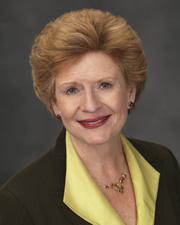
Mr. President, today I rise to introduce the Health Care Access for Small Businesses Act of 2004. I am pleased to be joined in this endeavor by my colleagues, Senator Lincoln and Michigan's senior…
Mr. President, today I rise to introduce the Health Care Access for Small Businesses Act of 2004. I am pleased to be joined in this endeavor by my colleagues, Senator Lincoln and Michigan's senior Senator Levin. My bill would help small businesses provide health coverage for their employees, an important first step in providing access to health care for all Americans.
Last month, thousands of Americans participated in the annual Cover the Uninsured week, a discussion about the urgent need to cover the uninsured. The sheer breadth of the groups that participated in the unprecedented effort demonstrates the urgency of this issue. Labor unions were united with business groups, doctors with nurses, and charity health care providers with for-profit hospitals and insurance companies.
And yesterday, the consumer group Families USA and the governors of Iowa, Kansas, and Maine released even more disturbing news. Using Census Bureau data, they found that approximately 81.8 million Americans--one out of three people under 65 years of age--were uninsured at some point of time for the past two years. Almost two- thirds were uninsured for six months or more; and over half were uninsured for at least nine months.
We need to stop having discussions and start finding solutions. Too many hard working Americans are going without health insurance. There is a great misconception that uninsured Americans are largely unemployed or on welfare. That is simply not the case. More than 80 percent of uninsured Americans are part of working families, and almost half work for small businesses. If we can help small businesses cover their employees, we will have made great progress in covering the uninsured.
The bill I am introducing today is aimed at making coverage more affordable for employees of small businesses through what is called a ``three-share'' program. It would not impose any new funding mandates on state or local governments nor would it create new bureaucracy. It is an innovative community-based approach that could work throughout the country.
And it's aimed at ensuring primary care services are more available. We know that the primary care model through federally qualified health centers has been a tremendous success. This would build on this success by empowering communities--health care providers, small businesses, churches, civic groups--to form their own health care programs.
The three-share model is an innovative community-based idea that has been working across the U.S. from California to Arkansas to Maryland and, of course, Michigan. The name ``three-share'' stems from the program's payment structure. Premiums are shared between the employer who pays 30 percent, the employee who pays 30 percent, and the community which covers the remaining 40 percent of the cost.
In a three share model, a non-profit or local government entity serves as the manager of the plan. They design a benefit package by negotiating directly with providers or contracting through an insurance company. Then, they recruit small businesses that have not offered insurance coverage to their employees for the past year. The average cost for coverage is about $1,800 per year, much lower than the national average for commercial insurance, which on average costs about $3,400 for a single person and $9,000 for a family, according to the 2003 Kaiser survey of
employer benefits. Of the $1,800, the employer and employee would each pay approximately $540 and the community would pay about $720.
And they have been successful. For example, in Muskegon, Michigan, the three-share program Access Health has been working with about 400 small businesses to cover some 1,500 uninsured full and part-time employees. Wayne County has operated Health Choice for a decade. Although it is undergoing some changes, it has nearly 1,300 businesses enrolled and covers everyone from cab drivers, nail salon technicians, and nursing aides. Kent County, where Grand Rapids is located, began enrolling small businesses and employees in their program in 2002 and hope to grow to cover 2,500 individuals this year.
Different three share plans have received funds for the community portion from various places. In Michigan, most of the money has come from Medicaid funds. A plan in California uses money from the tobacco settlement, while a plan in Arkansas raises funds through church events and other community initiatives.
Unfortunately, despite the nuances that distinguish three share plans from one another, they all share a common challenge: they all lack a stable and sustainable funding source for the community share. This bill will help provide a steady stream of funding and analyze what three shares do right and how communities can develop their own three share model programs.
Insuring more working families will also take the pressure off state Medicaid budgets. Adequate care for those presently uninsured will also help slash the billions that is spent on uncompensated care.
Providing health care for these families fulfills a moral commitment. No one in America who gets up in the morning and goes to work should go to sleep at night fearful that an illness or injury in the family could wipe out everything they have worked hard for. This is a great nation, and together we can ensure that no American has to go without health care again.
I ask unanimous consent that the text of the bill be printed in the Record.

Mr. President, it's a privilege to join my colleagues in introducing the No Child Left Behind Fairness Act. Our goal is to achieve accurate and fair determinations of accountability in current law.…
Mr. President, it's a privilege to join my colleagues in introducing the No Child Left Behind Fairness Act. Our goal is to achieve accurate and fair determinations of accountability in current law. The bill does not change the accountability provisions of the law, but it does require the Department of Education to play by its own rules in considering the progress of each school.
The accountability provisions in the No Child Left Behind Act are critical to accomplishing the goal of closing the achievement gap. Before its enactment, many communities ignored the gaps between some children and others in school, even though some groups of students were consistently falling behind. Communities are now beginning to provide the help those schools need to meet higher standards for all students, such as better teacher training, better curriculums, and better support and attention.
It makes sense to identify schools as needing improvement. There's nothing wrong with shining a light on areas that need improvement--even in the best schools. That doesn't mean they are failures.
But for the accountability provisions in the law to be useful, they must be accurate. We need accurate determinations of whether schools are making progress.
A full two years after passage of the No Child Left Behind Act, the Department of Education finally issued the regulations and guidance that schools need to accurately calculate accountability under the law. Those rules were a step in the right direction. They specifically addressed the achievement of children with disabilities and limited English proficient children.
The Department's rules were effective immediately, but many schools had already made their evaluations for the year as best they could. They shouldn't have had to make these assessments and calculations without adequate guidance. They certainly shouldn't be penalized for the Department's delay in issuing this guidance.
So far, 28,000 schools have been identified by States as failing to make adequate yearly progress. Many of those schools were identified in the 2002-2003 school year, before the new rule were released. A number of schools and districts identified as failing to make adequate yearly progress might have succeeded if the new rules had been in effect from the start. The Department's delay in issuing adequate rules and guidance has created unnecessary confusion, caused a potential mislabeling of schools, and misdirected resources from the schools and students who actually need them.
Some States have asked the Department of Education for permission to review their scores from last year under the new rules, and submit a more accurate calculation of accountability. Many of us in Congress have urged the Secretary of Education to apply the new regulations retroactively, so that States, school districts, and schools can review last year's data
On accountability and correct it if necessary. The Secretary of Education has refused, stating that he lacks the authority to do so.
This bill provides that authority. It enables the new regulations to be applied retroactively, so that schools will be judged on the same standards for the past year as they will be in the future, not by different criteria for different years.
Schools across the country are struggling to comply with the requirements of the No Child Left Behind Act. If we want schools to be held accountable, we need to make the process fair. I urge my colleagues to pass this legislation s soon as possible. Schools are waiting for our response. They don't deserve an unfair burden in complying with the act and improving their schools.
I ask unanimous consent that the text of this bill be printed in the Record.

Mr. President, I stand today to offer a bill to protect educational radio stations. Broadcaster Linda Ellerbee has compared radio to a national campfire: a place where a variety of voices bring us…
Mr. President, I stand today to offer a bill to protect educational radio stations.
Broadcaster Linda Ellerbee has compared radio to a national campfire: a place where a variety of voices bring us stories, news, opinion, culture and entertainment. But it seems these days that those representing the biggest business interests have the best seats at that campfire.
Current regulations allow commercial broadcasters to move into the spaces of some, lower-powered educational stations.
Last year the FCC ordered an educational station at a high school in Pennsylvania to be closed because a commercial broadcaster wanted to move into that space. That high school station had been serving the students and the community in Havertown, PA for fifty years. But no more. The high school station's voice was silenced. And that same FCC order also closed a radio station operated by a school district in Princeton, NJ. Both stations lost their licenses so a commercial broadcaster could get a frequency closer to the very profitable radio market in Philadelphia.
In my State of Washington, a high school station that has served a Seattle community for 35 years is now threatened with closure. That's because a commercial broadcaster located in another State wants to relocate to a larger city to increase its profits at the expense of the students of Mercer Island High School and the community the station serves. And in this case, the school's station also serves an important tool in the lives of those working in the local music community. The station focuses on introducing new and local bands to the airways. These artists are frequently later picked up for airplay by other radio stations. Few stations across the U.S. perform this role in the music industry. No other station serves this role so well in the Seattle music community.
If the FCC allows this move, it could be worth millions to the commercial broadcasters. But what is the cost to the local community when this voice is silenced? What is the educational cost to the students at this high school? What benefits and experiences will they be losing in the future?
This is a classic example of commercial interests trumping the public service interest in preserving local educational broadcasters. These small public service stations usually don't have
anyone to stand up for them. Since the 1970's, we have seen more than a hundred of these stations disappear, to be replaced by larger, often national broadcasters, with little if any connection to the local community.
The examples I've given you here today are not the only ones. Radio stations run by universities in Pittsburgh and North Carolina are also vulnerable to similar attempts.
This is why I am introducing the Educational Radio Protection Act.
My legislation is very simple: educational stations that are able to meet certain qualifying standards, similar to the requirements for primary, Class A, stations on FM radio, will be given the same protected status that these primary stations receive.
This is an important measure to protect community broadcasters. And the bottom line is that commercial broadcasters won't be able to bump these educational stations off the radio dial.
I thank you for the time today to discuss an issue that really is a cornerstone of democracy. For only in a democracy are the voices of the many heard to bring about a functioning government. I urge my colleagues to support this bill, and yield the floor.
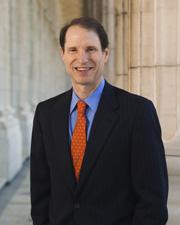
Mr. President, the threat of terrorism is an unfortunate fact of life today, and it is not going to go away any time soon. Protecting American citizens against this threat will continue to be an…
Mr. President, the threat of terrorism is an unfortunate fact of life today, and it is not going to go away any time soon. Protecting American citizens against this threat will continue to be an essential and urgent task for the foreseeable future.
However, I do not believe that fighting terrorism aggressively requires tossing civil liberties protections into the scrap heap. This is not an ``either or'' choice. This country's tradition of high standards of civil rights and civil liberties should not and need not become the first casualty of the war on terrorism.
I have made this point repeatedly in the time since the terrorist attacks of 9/11. Still, all too often, we have seen well-meaning government agencies take the approach of designing a security system or program first, and worrying about the civil liberties and privacy implications later.
I am convinced that the approach of making civil liberties an afterthought doesn't work and isn't acceptable. Civil liberties and privacy considerations need to be built into the DNA of the Homeland Security Department and its various programs.
The legislation that created the Homeland Security Department included some very positive steps in that regard, by creating an Officer for Civil Rights and Civil Liberties and a Privacy Officer.
Today, I am joining Senator Collins in introducing new legislation to flesh out the role and stature of these key offices within the Department.
Specifically, the legislation would add a reference to civil liberties to the statutory mission statement of the Department of Homeland Security. It would provide further detail as to the duties of the Officer for Civil Rights and Civil Liberties. It would specify that both the Officer for Civil Rights and Civil Liberties and the Privacy Officer shall report directly to the Secretary. And it would direct the DHS Inspector General to designate a point person within the I.G. office to focus expressly on civil liberties matters.
None of these items represents a radical departure from the original Homeland Security legislation or the current practice of the department. Rather, this new bill codifies much of what is already going on, giving it a firm statutory basis.
I hope my colleagues will join Senator Collins and me in supporting this legislation, and in delivering a strong message that civil liberties matters remain a core factor in this country's homeland security efforts. I ask unanimous consent that the text of the bill be printed in the Record.
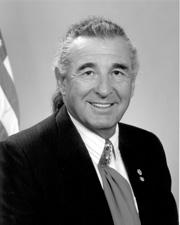
Mr. President, today I am pleased to introduce legislation to update and improve the Tribally Controlled Colleges or University Assistance Act and amend the Indian sections of the Higher Education…
Mr. President, today I am pleased to introduce legislation to update and improve the Tribally Controlled Colleges or University Assistance Act and amend the Indian sections of the Higher Education Act.
Indian tribal colleges were first created about 30 years ago in response to the higher education needs of Native populations living in remote and isolated areas of the country where access to higher education is extremely difficult.
There are 33 tribally- or Federally-chartered Indian colleges in the Nation and they do a superb job despite the many obstacles they face.
In recent years the cost of higher education has far exceeded the rate of inflation. Tribal colleges face other problems as well: a growing population and growing demand for services; increased demand for additional facilities; geographical isolation; and difficulty attracting quality professors to teach.
Tribal colleges not only provide a quality higher education but also enhance the cultural knowledge, knowledge depositories, college preparatory work, and other important educational needs of Indian communities.
Tribal colleges also enhance the economies of tribes. The national unemployment rate in the U.S. today is about 5.6 percent, while the rate for Native Americans is many times that and in some parts of Indian country hovers above 50 percent.
Tribal colleges serve as centers for business incubation and small business development in order to encourage private business development and job creation.
Tribal colleges are also being called on to help Indian communities in the often-difficult transition from welfare to work. These institutions also provide education and training to people ready to join the workforce.
To continue the vital work of these colleges, the bill I am introducing will provide additional resources and means to develop facilities, increase quality faculty and improve the overall education of Indian people within their reservations.
I urge my colleagues to join me in supporting this important bill.
I ask unanimous consent that the text of the bill be printed in the Record.
Bill Text
Latest available legislative text
        [Congressional Bills 108th Congress]
[From the U.S. Government Publishing Office]
[S. 2535 Introduced in Senate (IS)]

108th CONGRESS
2d Session
S. 2535

To amend title XVIII of the Social Security Act to modernize the
medicare program by ensuring that appropriate preventive services are
covered under such program.

_______________________________________________________________________

IN THE SENATE OF THE UNITED STATES

June 17, 2004

Mr. Graham of Florida (for himself and Mr. Durbin) introduced the
following bill; which was read twice and referred to the Committee on
Finance

_______________________________________________________________________

A BILL

To amend title XVIII of the Social Security Act to modernize the
medicare program by ensuring that appropriate preventive services are
covered under such program.

Be it enacted by the Senate and House of Representatives of the
United States of America in Congress assembled,

SECTION 1. SHORT TITLE.

This Act may be cited as the ``Medicare Preventive Services
Coverage Act of 2004''.

SEC. 2. COVERAGE OF ADDITIONAL PREVENTIVE SERVICES DETERMINED
APPROPRIATE BY THE SECRETARY.

(a) Coverage.--
(1) Description of program.--Section 1831 of the Social
Security Act (42 U.S.C. 1395j) is amended by inserting
``(including appropriate preventive benefits)'' after ``medical
insurance benefits''.
(2) Medical and other health services.--Section 1861(s)(2)
of the Social Security Act (42 U.S.C. 1395x(s)(2)), as amended
by section 642(a) of the Medicare Prescription Drug,
Improvement, and Modernization Act of 2003 (Public Law 108-173;
117 Stat. 2322), is amended--
(A) in subparagraph (Y), by striking ``and'' after
the semicolon at the end;
(B) in subparagraph (Z), by adding ``and'' after
the semicolon at the end; and
(C) by adding at the end the following new
subparagraph:
``(AA) additional preventive services (as defined in
subsection (bbb)(1));''.
(b) Services Described.--Section 1861 of the Social Security Act
(42 U.S.C. 1395x), as amended by section 706(b) of the Medicare
Prescription Drug, Improvement, and Modernization Act of 2003 (Public
Law 108-173; 117 Stat. 2339), is amended by adding at the end the
following new subsection:

``Additional Preventive Services

``(bbb)(1) The term `additional preventive services' means items
and services, including mental health services, not otherwise covered
under this title that the Secretary determines to be reasonable and
necessary for the prevention or early detection of an illness or
disability.
``(2) In making determinations under paragraph (1), the Secretary
shall--
``(A) take into account evidence-based recommendations by
the United States Preventive Services Task Force and other
appropriate organizations; and
``(B) use the process for making national coverage
determinations (as defined in section 1869(f)(1)(B)) under this
title.''.
(c) Payment and Elimination of Cost-Sharing.--
(1) In general.--Section 1833(a)(1) of the Social Security
Act (42 U.S.C. 1395l(a)(1)), as amended by section 302(b)(2) of
the Medicare Prescription Drug, Improvement, and Modernization
Act of 2003 (Public Law 108-173; 117 Stat. 2229), is amended--
(A) by striking ``and'' before ``(V)''; and
(B) by inserting before the semicolon at the end
the following: ``, and (W) with respect to additional
preventive services (as defined in section
1861(bbb)(1)), the amount paid shall be 100 percent of
the lesser of the actual charge for the services or the
amount determined under a fee schedule established by
the Secretary for purposes of this subparagraph''.
(2) Elimination of coinsurance in outpatient hospital
settings.--
(A) Exclusion from opd fee schedule.--Section
1833(t)(1)(B)(iv) of the Social Security Act (42 U.S.C.
1395l(t)(1)(B)(iv)), as amended by section 614 of the
Medicare Prescription Drug, Improvement, and
Modernization Act of 2003 (Public Law 108-173; 117
Stat. 2306), is amended by striking ``and diagnostic
mammography'' and inserting ``, diagnostic mammography,
or additional preventive services (as defined in
section 1861(bbb)(1))''.
(B) Conforming amendments.--Section 1833(a)(2) of
the Social Security Act (42 U.S.C. 1395l(a)(2)) is
amended--
(i) in subparagraph (F), by striking
``and'' after the semicolon at the end;
(ii) in subparagraph (G)(ii), by striking
the comma at the end and inserting ``; and'';
and
(iii) by inserting after subparagraph
(G)(ii) the following new subparagraph:
``(H) with respect to additional preventive
services (as defined in section 1861(bbb)(1)) furnished
by an outpatient department of a hospital, the amount
determined under paragraph (1)(W),''.
(3) Waiver of application of deductible.--The first
sentence of section 1833(b) of the Social Security Act (42
U.S.C. 1395l(b)) is amended--
(A) by striking ``and'' before ``(6)''; and
(B) by inserting before the period the following:
``, and (7) such deductible shall not apply with
respect to additional preventive services (as defined
in section 1861(bbb)(1))''.
(d) Inclusion as Part of Initial Preventive Physical Examination.--
Section 1861(ww)(2) of the Social Security Act (42 U.S.C.
1395x(ww)(2)), as added by section 611(b) of the Medicare Prescription
Drug, Improvement, and Modernization Act of 2003 (Public Law 108-173;
117 Stat. 2303), is amended by adding at the end the following new
subparagraph:
``(L) Additional preventive services (as defined in
subsection (bbb)(1)).''.
(e) Effective Date.--The amendments made by this section shall
apply to services furnished on or after the date of enactment of this
Act.
<all>