Breast Cancer and Environmental Research Act of 2003
Legislative Activity
Stay on top of the latest movement without scrolling through every action
Read twice and referred to the Committee on Health, Education, Labor, and Pensions. (text of measure as introduced: CR S5674-5675)
May 1, 2003
View full timeline
Introduced in Senate
May 1, 2003
Sponsor introductory remarks on measure. (CR S5674)
May 1, 2003
Read twice and referred to the Committee on Health, Education, Labor, and Pensions. (text of measure as introduced: CR S5674-5675)
May 1, 2003
Floor Debate
22 membersWhat members said about S. 983 on the floor
 AS
AS EMK
EMK FRL
FRL MB
MB TH+17
TH+17
Floor Debate
22 membersWhat members said about S. 983 on the floor
Mr. President, I have sought recognition to join Senator Tom Harkin, my colleague and distinguished ranking member of the Appropriations Subcommittee on Labor, Health and Human Services and…
Mr. President, I have sought recognition to join Senator Tom Harkin, my colleague and distinguished ranking member of the Appropriations Subcommittee on Labor, Health and Human Services and Education, which I chair, in introducing the ``Medicaid Attendant Care Services and Supports Act of 2003.'' This creative proposal addresses a glaring gap in Federal health coverage, and assists one of our Nation's most vulnerable populations, persons with disabilities.
In an effort to improve the delivery of care and the comfort of those with long-term disabilities, this vital legislation would allow for reimbursement for community-based attendant care services, in lieu of institutionalization, for eligible individuals who require such services based on functional need, without regard to the individual's age or the nature of the disability. The most recent data available tell us that 58.5 million individuals receive care for disabilities under the Medicaid program. The number of disabled who are not currently enrolled in the program who would apply for this improved benefit is not easily counted, but would likely be substantial given the preference of home and community-based care over institutional care.
Under this proposal, States may apply for grants for assistance in implementing ``systems change'' initiatives, in order to eliminate the institutional bias in their current policies and for needs assessment activities. Further, if a state can show that the aggregate amounts of Federal expenditures on people living in the community exceeds what would have been spent on the same people had they been in nursing homes, the state can limit the program. No limiting mechanism is mandated under this bill, And finally, States would be required to maintain expenditures for attendant care services under other Medicaid community-based programs, thereby preventing the states from shifting patients into the new benefit proposed under this bill.
Let me speak briefly about why such a change in Medicaid law is so desperately needed. In 1999 the Supreme Court held in Olmstead v. L.C., 119 S. Ct. 2176 (1999), that the Americans with Disabilities Act, ADA, requires States, under some circumstances, to provide community-based treatment to persons with mental disabilities rather than placing them in institutions. This decision and several lower court decisions have pointed to the need for a structured Medicaid attendant-care services benefit in order to meet obligations under the ADA. Disability advocates strongly support this legislation, arguing that the lack of Medicaid community-based services options is discriminatory and unhealthful for disabled individuals. Virtually every major disability advocacy group supports this bill, including ADAPT, the Arc, the National Council on Independent Living, Paralyzed Veterans of America, and the National Spinal Cord Injury Association.
Senator Harkin and I recognize that such a shift in the Medicaid program is a huge undertaking--but feel that it is a vitally important one. We are introducing this legislation today in an attempt to move ahead with the consideration of crucial disability legislation and to provide a starting point for debate. The time has come for concerted action in this arena.
I urge the Congressional leadership, including the appropriate committee chairmen, to move forward in considering this legislation, and take the significant next step forward in achieving the objective of providing individuals with disabilities the freedom to live in their own communities.
Mr. President, I have sought recognition today to introduce legislation designed to permit certain youths, those exempt from attending school, between the ages of 14 and 18 to work in sawmills under special safety conditions and close adult supervision. I introduced identical measures in the past three Congresses. Similar legislation introduced by my distinguished colleague, Representative Joseph R. Pitts, has already passed in the House in the 105th and 106th Congresses. I am hopeful the Senate will also enact this important issue.
As Chairman of the Labor, Health and Human Services and Education Appropriations Subcommittee, I have strongly supported increased funding for the enforcement of the important child safety protections contained in the Fair Labor Standards Act. I also believe, however, that accommodation must be made for youths who are exempt from compulsory school-attendance laws after the eighth grade. It is extremely important that youths who are exempt from attending school be provided with access to jobs and apprenticeships in areas that offer employment where they live.
The need for access to popular trades is demonstrated by the Amish community. In 1998, I toured an Amish sawmill in Lancaster County, PA, and had the opportunity to meet with some of my Amish constituency. In December 2000, Representative Pitts and I held a meeting in Gap, PA with over 20 members of the Amish community to hear their concerns on this issue. On May 3, 2001, I chaired a hearing of the Labor, Health and Human Services and Education Appropriations Subcommittee to examine these issues.
At the hearing the Amish explained that while they once made their living almost entirely by farming, they have increasingly had to expand into other occupations as farmland has disappeared in many areas due to pressure from development. As a result, many of the Amish have come to rely more and more on work in sawmills to make their living. The Amish culture expects youth, upon the completion of their education at the age of 14, to begin to learn a trade that will enable them to become productive members of society. In many areas, work in sawmills is one of the major occupations available for the Amish, whose belief system limits the types of jobs they may hold. Unfortunately, these youths are currently prohibited by law from employment in this industry until they reach the age of 18. This prohibition threatens both the religion and lifestyle of the Amish.
Under my legislation, youths would not be allowed to operate power machinery, but would be restricted to performing activities such as sweeping, stacking wood, and writing orders. My legislation requires that the youths must be protected from wood particles or flying debris and wear protective equipment, all while under strict adult supervision. The Department of Labor must monitor these safeguards to insure that they are enforced.
The Department of Justice has raised serious concerns under the Establishment Clause with the House legislation. The House measure conferred benefits only to a youth who is a ``member of a religious sect or division thereof whose established teachings do not permit formal education beyond the eighth grade.'' By conferring the ``benefit'' of working in a sawmill only to the adherents of certain religions, the Department argues that the bill appears to impermissibly favor religion to ``irreligion.'' In drafting my legislation, I attempted to overcome such an objection by conferring permission to work in sawmills to all youths who ``are exempted from compulsory education laws after the eighth grade.'' Indeed, I think a broader focus is necessary to create a sufficient range of vocational opportunities for all youth who are legally out of school and in need of vocational opportunities.
I also believe that the logic of the Supreme Court's 1972 decision in Wisconsin v. Yoder supports my bill. In Yoder, the Court held that Wisconsin's compulsory school attendance law requiring children to attend school until the age of 16 violated the Free Exercise Clause. The Court found that the Wisconsin law imposed a substantial burden on the free exercise of religion by the Amish since attending school beyond the eighth grade ``contravenes the basic religious tenets and practices of the Amish faith.'' I believe a similar argument can be made with respect to Amish youth working in sawmills. As their population grows and their subsistence through an agricultural way of life decreases, trades such as sawmills become more and more crucial to the continuation of their lifestyle. Barring youths from the sawmills denies these youths the very vocational training and path to self- reliance that was central to the Yoder Court's holding that the Amish do not need the final two years of public education.
I offer my legislation with the hope that my colleagues will work with me to provide relief for the Amish community.
Mr. President, I have sought recognition today to introduce legislation designed to improve the Department of Transportation's Essential Air Services program and reinstate Lancaster, PA's eligibility to receive subsidized air service.
The Essential Air Services program provides operating subsidies to airlines, enabling them to serve smaller markets which would otherwise be unable to attract or retain commercial flights. To be eligible to receive such a subsidy, the community where the airport is located must be greater than 70 miles from the nearest large or medium hub airport. If the airport is located within 70 miles of a hub airport, the Secretary of Transportation may use his or her discretion to award a subsidy if the most commonly used highway route between both places is greater than 70 miles. It is up to the Department of Transportation to determine what route is used in making this mileage determination.
Residents and businesses in many rural and smaller communities throughout the United States rely heavily upon air service to provide a necessary link to larger cities. Lancaster, PA is one such community which had been designated as an Essential Air Services city since the Airline Deregulation Act of 1978. Up until the events of September 11, when the Airport faced a sharp decline in passenger revenue, Lancaster had never required a subsidy under this program.
When Lancaster ultimately found it necessary to seek a subsidy for its three daily flights to Pittsburgh, the Department of Transportation issued an Order to Show Cause on March 8, 2002, stating that Lancaster was not eligible for an Essential Air Services subsidy because it was located within 70 miles of Philadelphia International Airport. The Secretary of Transportation declined to use his discretion to award the subsidy because the Department identified a driving route of less than 70 miles between Lancaster City and Philadelphia Airport. While there is no question that such a route exists, it is by no means the most commonly used highway route as required by law.
The route selected by the Department of Transportation is one which the average person would never travel, via back roads and seldom used streets. In making its distance determination, the Department used a 66 mile route along Route 30 which would take over three hours to drive. The more commonly used highway route to the Philadelphia International Airport would be along US 222 to the Pennsylvania Turnpike, and then on to I-76, which is over 70 miles.
The legislation I am introducing today addresses this issue by designating an area's local metropolitan planning organization, rather than the Department of Transportation, as the organization responsible for determining the most commonly used highway route. If no such organization exists, the Governor of the State in which the airport is located, or the Governor's designee will make the determination. I believe that a local entity, not the Department of Transportation, is better suited to identify the route most travelers would drive. In such cases where that route exceeds 70 miles, the Department should be required to designate a community as eligible to receive subsidized air service.
My legislation will not place too great a burden upon the Essential Air Services program by allowing additional airports to participate. I am advised that there are only eight other communities, including Lancaster, which could become newly eligible to receive subsidized air service as a result of the changes I am proposing. Further, I would note that of the $113 million the program received in Fiscal Year 2002, there was an excess of $10.9 million which remained unspent and which carried over into Fiscal Year 2003.
Lancaster Airport's only commercial air carrier, Colgan Air, ceased operations on March 23, 2003, because it could not sustain service without a subsidy. The loss of commercial air service has already had a serious impact upon the Lancaster community. I am confident that my legislation will not only reinstate Lancaster's eligibility for subsidized air service and allow for the return of commercial air service, but it will also provide for a greater level of fairness for other communities which rely so heavily upon this important program.
Mr. President, it's a privilege to join my colleagues in introducing this legislation to combat hate crimes. Hate crimes are a violation of all our country stands for. They send the poisonous message…
Mr. President, it's a privilege to join my colleagues in introducing this legislation to combat hate crimes. Hate crimes are a violation of all our country stands for. They send the poisonous message that some Americans deserve to be victimized solely because of who they are. Like acts of terrorism, hate crimes have an impact far greater than the impact on the individual victims. They are crimes against entire communities, against the whole Nation, and against the fundamental ideals on which America was founded. As Attorney General Ashcroft has said, ``Criminal acts of hate run counter to what is best in America--our belief in equality and freedom.''
Although there was a significant overall reduction in violent crimes during the 1990s, the number of hate crimes continued to grow. According to the Federal Bureau of Investigation, 9,730 hate crimes were reported in the United States in 2001. That is over 26 hate crimes a day, every day. More than 83,000 hate crimes have been reported since 1991.
The need for an effective national response is as compelling as it has ever been. Hate crimes against Arabs and Muslims rose dramatically in the weeks following the September 11 terrorist attacks. These hate crimes included murder, beatings, arson, attacks on mosques, shootings, and other assaults. In 2001, anti-Islamic incidents were the second highest-reported type of hate crimes based on religion--second only to anti-Jewish hate crimes.
Los Angeles and Chicago reported a massive increase in the number of anti-Arab and anti-Muslim crimes after 9/11.
Hate crimes based on sexual orientation continue to be a serious danger, constituting 14 percent of all hate crimes reported.
Each person's life is valuable, and even one life lost is too many. It is not the frequency of hate crimes alone that makes these acts of violence so serious. It is the terror and intimidation they inflict on the victims, their families, their communities, and, in some cases, the entire Nation.
Congress cannot sit silent while this hatred spreads. It is long past time for us to do more to end hate-motivated violence. The Local Law Enforcement Enhancement Act will strengthen the ability of Federal, State and local governments to investigate and prosecute these vicious and senseless crimes. Our legislation is supported by over 175 law enforcement, civil rights, civic, and religious organizations.
The current Federal law on hate crimes was passed soon after the assassination of Dr. Martin Luther King Jr. Today, however, it is a generation out of date. It has two significant deficiencies. It does not cover hate crimes based on sexual orientation, gender, or disability. And even in cases of hate crimes based on race, religion, or ethnic background, it contains excessive restrictions requiring proof that the victims were attacked because they were engaged in certain ``federally protected activities.''
Our bill is designed to close these substantial loopholes. It has six principal provisions: 1. It removes the ``federally protected activity'' barrier. 2. It adds sexual orientation, gender and disability to the existing categories of race, color, religion, and national origin. 3. It protects State interests with a strict certification procedure that requires the Federal Government to consult with local officials before bringing a Federal case. 4. It offers federal assistance to State and local law enforcement officials to investigate and prosecute heated crimes in any of the federal categories. 5. It offers training grants for local law enforcement. 6. It amends the Federal Hate Crime Statistics Act to add gender to the existing categories of race, religion, ethnic background, sexual orientation, and disability.
These much needed changes in current law will help ensure that the Department of Justice has what it needs to combat the growing problem of hate-motivated violence more effectively.
Nothing in the bill prohibits or punishes speech, expression, or association in any way--even ``hate speech.'' It addresses only violent actions that result in death or injury. The Supreme Court has ruled repeatedly--and as recently as this year, in the cross-burning decision Virginia v. Black--that a hate crimes statute that considers bias motivation directly connected to a defendant's criminal conduct does not violate the First Amendment. No one has a First Amendment right to commit a crime.
A strong Federal role in prosecuting hate crimes is essential, because crimes have an impact far greater than their impact on individual victims. Nevertheless, our bill fully respects the primary role of state and local law enforcement in responding to violent crime. The vast majority of hate crimes will continue to be prosecuted at the state and local level. The bill authorizes the Justice Department to assist State and local authorities in hate crimes cases, but it authorizes Federal prosecutions only when a state does not have jurisdiction, or when it asks the Federal Government to take jurisdiction, or when it fails to act against hate-motivated violence. In other words, the bill establishes an appropriate back-up for State and local law enforcement, to deal with hate crimes in cases where states request assistance, or cases that would not otherwise be effectively investigated and prosecuted.
Working cooperatively, State, local and Federal law enforcement officials have the best chance to bring the perpetrators of hate crimes to justice. Federal resources and expertise in the identification and proof of hate crimes can provide invaluable assistance to state and local authorities without undermining the traditional role of states in prosecuting crimes. As Attorney General Ashcroft has said of current law, ``Cooperation between federal agents and local law enforcement officers and between Justice Department prosecutors and local prosecutors has been outstanding.'' And it will continue to be so, and be even more effective, when this legislation is enacted into law.
Now is the time for Congress to speak with one voice and insist that all Americans will be guaranteed the equal protection of the laws. Now is the time to make combating hate crimes a high national priority. The Local Law Enforcement Enhancement Act is a needed response to a serious problem that continues to plague the nation, and I urge the Senate to support it.
I ask unanimous consent that the text of the bill be printed in the Record.
Mr. President, it is a privilege to join Senator Fitizgerald and Senator Snowe in introducing the Treatment of Children's Deformities Act. The purpose of our bill is to see that health insurers and health plans cover the treatment of children's congenital and developmental deformities and disorders.
About 7 percent of all children are born with significant problems, including cleft lips or cleft palates, serious skin lesions such as port wine stains, malformations of the ear, or facial deformities. Plastic surgery can correct many of these conditions, but too often parents face significant barriers in obtaining care for their children. More than half of all plastic surgeons report that these patients are denied insurance coverage or had the struggle to receive it. Too often, insurers deny coverage by calling the treatment cosmetic or not medically necessary.
The medical, developmental, and psychological problems associated with denied or delayed treatment of these deformities are enormous. Treatment often requires a series of treatments as the child grow. No child should be forced to live with an untreated cleft lip or a facial deformity while parents appeal an insurer's unfair denial. Delayed or denied treatment puts a child's physical and mental health at risk.
Our bill requires health insurers and health plans to provide coverage to treat a child's congenial or developmental deformity, or disorders caused by disease, trauma, infection, or tumor. It is supported by many medical organizations, including the American Academy of Pediatrics, the American Medical Association, and the American Society of Plastic Surgeons. I urge the Senate to support this important bill, and give children and families the support they deserve.
Mr. President, I rise to introduce a critical piece of legislation, the Homeland Security Gun Safety Act. In the aftermath of the tragic events of 9-11, the Federal Government has reassessed the…
Mr. President, I rise to introduce a critical piece of legislation, the Homeland Security Gun Safety Act.
In the aftermath of the tragic events of 9-11, the Federal Government has reassessed the Nation's vulnerabilities to acts and threats of terrorism.
And in response, the United States Congress gave the Department of Justice expanded powers to detain suspected terrorists, conduct surveillance and obtain confidential information on American citizens. In addition, we have created the new Department of Homeland Security-- the largest reorganization of the Federal Government since the 1940s.
In short, the events of 9-11 required us to reevaluate our safety concerns and the security of the Nation.
Echoing this need, President Bush said before the United Nations on November 10, 2001, that ``we have the responsibility to deny weapons to terrorists and to actively prevent private citizens from providing them.''
I wholeheartedly agree with this statement. And I believe the American people want the U.S. Senate to follow through with concrete legislative action.
However, we have failed to address a significant remaining threat: the accessibility to firearms and explosives within our own borders.
How can we truly protect this Nation, if we do not enact legislation which prevents terrorists and potential terrorists from acquiring guns in the United States?
Terrorists have identified the lax gun laws of the United States as a means to advance their evil goal to terrorize and harm the American people.
In December 2001, during the war on terror, we attacked a terrorist training facility south of Kabul. Found among the rubble at that facility was a manual called: ``How I Can Train Myself for Jihad.''
This manual, contains an entire section on ``Firearms Training'' and singles out the United States for its easy availability of firearms. It stipulates that terrorists living in the U.S. should ``obtain an assault weapon legally, preferably AK-47 or variations.'' It also advises would-be terrorsts on how they should conduct themselves in order to avoid arousing suspicion as they amass and transport firearms.
There are other examples where terrorists have sought to take advantage of this nation's lax gun laws.
On the eve of the September 11 terrorist attack, on September 10, 2001, a Federal jury convicted Ali Boumelhem, a known member of the terrorist group Hezbollah on seven counts of weapons charges and conspiracy to ship weapons and ammunition to Lebanon.
And we have seen how firearms can be used to terrorize an entire community.
We are all familiar with the case of John Muhammad and John Malvo, who terrorized the Washington, DC area for more than three weeks as they embarked on a shooting spree with a sniper rifle, shooting 13 innocent people before being caught.
Homeland Security Secretary Tom Ridge agrees that there is a dangerous link between guns and terror. During his confirmation hearing before Governmental Affairs Committee on January 17, 2003, in response to a question I asked him about guns and terror, Secretary Ridge said:
[W]hen anyone uses a firearm, whether it's the kind of
terrorism that we are trying to combat with al Qaeda and
these non-state terrorists, or as a former district attorney
involved in the conviction of an individual who used firearms
against innocent citizens--regardless of how we define
terrorism, that individual and that family felt that they
were victims of a terrorist act. Brandishing a firearm in
front of anybody under any set of circumstances is a
terrorist act and needs to be dealt with.
Well, the Homeland Security Gun Safety Act deals with it. The Act deals with this threat that leaves America especially vulnerable to future terrorist attacks.
The Homeland Security Gun Safety Act would enact specific measures that would help prevent terrorists from acquiring firearms within our own borders.
Under current law, there are cases when law enforcement is blocked from conducting an adequate investigation when a terrorist or criminal tries to buy a gun.
Current law says if law enforcement takes over three days to conduct a background check on someone who wants a weapon--just hand over the gun.
That is ludicrous--especially when we are in an elevated state of terrorist threat.
When we are at Code Yellow, the Department of Homeland Security has determined that we are at a significant risk of terrorist attack.
The bill I am introducing today would suspend these loopholes in our gun safety laws when we are at Code Yellow or above in the interest of homeland security.
The three-day limit on law enforcement is nothing more than a loophole in our laws put there by the gun lobby.
And it's a dangerous loophole--a recent study showed that, from December 1998 to June 2001, nearly 10,000 people who should not have been permitted to buy guns, did receive guns because the three-day period passed before law enforcement could finish a background check.
Our bill will also require that the Federal Government retain records of weapons transactions while we are in an elevated state of alert. There is no reason we should handicap law enforcement during such a dangerous time.
This bill will also close a number of loopholes that have allowed rogue gun dealers to skirt the law. These are the same few gun dealers that are now the subject of lawsuits across the country.
These dangerous loopholes that the gun lobby built into our gun laws now pose a major threat to homeland security.
This bill will help shut down those loopholes. The bill would require gun dealers to: immediately report ``missing'' guns or face suspension of their license; and put appropriate security measures in place to prevent theft of their weapons; and check with the FBI's Stolen Gun Registry to make sure that secondhand weapons they purchase are not stolen.
This bill will also step up enforcement of gun dealers: law enforcement would not be restricted in its ability to inspect dealers. Currently, law enforcement is only allowed one unannounced inspection per year.
The bill will also increase the penalties for violations of gun dealer laws to a felony. Right now, the maximum penalty is only a misdemeanor. It has no teeth.
I know the NRA will cry wolf to gun owners about this bill. But this bill will not affect the vast majority of honest, law abiding Americans who want to purchase guns. This bill focuses on preventing weapons from getting into the hands of terrorists and criminals.
Over 75 percent of background checks are performed in mere minutes. However, there are those purchasers who raise red flags that require further investigation.
Those are red flags we can no longer afford to ignore.
When we are at Code Yellow, everyday Americans are prevented from taking a tour of the White House--but a terrorist can buy weapons.
It makes no sense.
This bill offers Congress a clear choice: protect our homeland or protect the gun lobby.
I ask unanimous consent that a summary of my bill, the Homeland Security Gun Safety Act, be printed in the Record.
Mr. President, I am introducing a bill today that I hope will take us one step closer to achieving permanent protections for Montana's magnificent Rocky Mountain Front. The Front, as we call it back…
Mr. President, I am introducing a bill today that I hope will take us one step closer to achieving permanent protections for Montana's magnificent Rocky Mountain Front.
The Front, as we call it back home, is part of one of the largest and most intact wild places left in the lower 48. To the North, the Front includes a 200 square mile area known as the Badger-Two Medicine in the Lewis and Clark National Forest. This area sits just south-east of Glacier National Park, one of our greatest national treasures. The Badger-Two Medicine area is sacred ground to the Blackfeet Tribe. In January of 2002, portions of the Badger-Two, known as the Badger-Two Medicine Blackfoot Traditional Cultural District, were declared eligible for listing in the National Register of Historic Places.
South of the Badger-Two, the Front includes a 400 square mile strip of national forest land and about 20 square miles of BLM lands, including three BLM Outstanding Natural Areas.
Not only does the Front still retain almost all its native species, but it also harbors the country's largest bighorn sheep herd and second largest elk herd. The Rocky Mountain Front supports one of the largest populations of grizzly bears south of Canada and is the only place in the lower 48 states where grizzly bears still roam from the mountains to their historic range on the plains.
Because of this exceptional habitat, the Front offers world renowned hunting, fishing and recreational opportunities. Sportsmen, local land owners, hikers, local communities and many other Montanans have worked for decades to protect and preserve the Front for future generations.
In short, a majority of Montanans feel very strongly that oil and gas development, and Montana's Rocky Mountain Front, just don't mix. The habitat is too rich, the landscape too important, to subject it to the roads, drills, pipelines, industrial equipment, chemicals, noise and human activity that come with oil and gas development.
Building upon a significant public and private conservation investment and following an extensive public comment process, the Lewis and Clark National Forest decided in 1997 to withdraw for 15 years 356,000 acres in the Front from any new oil and gas leasing. This was a significant first step in protecting the Front from development that I wholeheartedly supported.
However, in many parts of the Rocky Mountain Front, oil and gas leases exist that pre-date the 1997 decision or are located in the Badger-Two Medicine area, where the lease suspension could be lifted soon. These leaseholders have invested time and resources in acquiring their leases. Several leaseholders have applied to the federal government for permits to drill. These leases are the subject of my proposed bill.
History has shown that energy exploration and development in the Front is likely to result in expensive and time-consuming environmental studies and litigation. This process rarely ends with a solution that is satisfactory to the oil and gas lessee. For example, in the late 1980's both Chevron and Fina applied for permits to drill in the Badger Two Medicine portion of the Front.
After millions of dollars spent on studies and years of public debate, Chevron abandoned or assigned all of its lease rights, and Fina sold its lease rights back to the original owner.
Therefore, I think we should be fair to those leaseholders. We want them to continue to provide for our domestic oil and gas needs, but they are going to have a long, difficult and expensive road if they wish to develop oil and gas in the Rocky Mountain Front.
My legislation would direct the Interior Department to evaluate non- producing leases in the Rocky Mountain Front and look at opportunities to cancel those leases, in exchange for allowing leaseholders to explore for oil and gas somewhere else, namely in the Gulf of Mexico or in the State of Montana. In conducting this evaluation, the Secretary would have to consult with leaseholders, with the State of Montana, the public and other interested parties.
When Interior concludes this study in two years, the bill calls for the agency to make recommendations to Congress and the Energy and Natural Resources Committee on the advisability of pursuing lease exchanges in the Front and any changes in law and regulation needed to enable the Secretary to undertake such an exchange.
Finally, in order to allow the Secretary to conduct this study, my bill would continue the current lease suspension in the Badger-Two Medicine Area for three more years. This lease suspension would only apply to the Badger-Two Medicine Area, not the entire Front.
That's it, that's all my bill does. It doesn't predetermine any outcome, it doesn't impact any existing exploration activities or environmental processes. It just creates a process through which the federal government, the people of Montana and leaseholders can finally have a real, open and honest discussion about the fate of the Rocky Mountain Front.
I would also point out that the Administration recently completed an inventory of the onshore oil and gas reserves on federal lands in five basins in the Interior West, including the Rocky Mountain Front, also known as the Montana Thrust Belt. The Administration's study found that this area contains the smallest volumes of oil and gas resources of all five of the Western inventory areas. For example, the mean estimate of all natural gas reserves in the Uinta/Pinceance Basin in Colorado and Utah is 22 trillion cubic feet. In the Front, the mean estimate is only 8.6 trillion cubic feet.
Additionally, the study concluded that in reality, the vast majority of Federal lands in the interior West are available for leasing with few if any restrictions. Although a large percentage of federal lands in the Front are currently unavailable for leasing, many of those lands are unavailable because they lie under Glacier National Park, Indian lands, and already established wilderness areas, which comprise much of the Federal land in the Front. So, not only is the Front relatively poor in terms of oil and gas reserves, many of those reserves--by Congressional mandate, executive order or treaty--will never be available for leasing.
We should look for ways to fairly compensate leaseholders for investments they've made in their leases if they decide to leave the Front rather than waste years and millions fighting to explore for uncertain--and small--oil and gas reserves. A lot of Montanans just don't want to see the Front developed, and they will fight to protect it. Including me.
So, developers can wait years, or decades, or most likely never, for oil and gas to flow from the Front. Or we can look at ways to encourage domestic production much sooner, in much more cost effective, appropriate and efficient ways somewhere else.
That is what I hope this legislation will accomplish Mr. President, and I hope my colleagues in the Senate will support it.
Mr. President, today Senator Specter and I and others introduce the Medicaid Community-Based Attendant Services and Supports Act of 2003, MICASSA. This legislation is needed to truly bring people…
Mr. President, today Senator Specter and I and others introduce the Medicaid Community-Based Attendant Services and Supports Act of 2003, MICASSA. This legislation is needed to truly bring people with disabilities into the mainstream of society and provide equal opportunity for employment and community activities.
In order to work or live in their own homes, Americans with disabilities and older Americans need access to community-based services and supports. Unfortunately, under current Federal Medicaid policy, the deck is stacked in favor of living in an institution. The purpose of our bill is to level the playing field and give eligible individuals equal access to community-based services and supports.
The Medicaid Community Attendant Services and Supports Act accomplishes four goals.
First, the bill amends Title XIX of the Social Security Act to provide a new Medicaid plan benefit that would give individuals who are currently eligible for nursing home services or an intermediate care facility for the mentally retarded equal access to community-based attendant services and supports.
Second, for a limited time, States would have the opportunity to receive additional funds to support community attendant services and supports and for certain administrative activities. Each State currently gets Federal money for their Medicaid program based on a set percentage. This percentage is the Medicaid match rate. This bill would increase that percentage to provide some additional funding to States to help them reform their long term care systems.
Third, the bill provides States with financial assistance to support ``real choice systems change initiatives'' that include specific action steps to increase the provision of home and community based services.
Finally, the bill establishes a demonstration project to evaluate service coordination and cost sharing approaches with respect to the provision of services and supports for individuals with disabilities under the age of 65 who are dually eligible for Medicaid and Medicare.
Some States have already recognized the benefits of home and community based services. Every State offers certain services under home and community based waiver programs, which serve a capped number of individuals with an array of home and community based services to meet their needs and avoid institutionalization. Some States also are now providing the personal care optional benefit through their Medicaid program.
However, despite this market progress, home and community based services are unevenly distributed within and across states and only reach a small percentage of eligible individuals.
Those left behind are often needlessly institutionalize because they cannot access community alternatives. A person with a disability's civil right to be integrated into his or her community should not depend on his or her address. In Olmstead v. LC, the Supreme Court recognized that needless institutionalization is a form of discrimination under the Americans With Disabilities Act. We in Congress have a responsibility to help States meet their obligations under Olmstead.
This MICASSA legislation is designed to do just that and make the promise of the ADA a reality. It will help rebalance the current Medicaid long term care system, which spends a disproportionate amount on institutional services. For example, in 2000, 49.5 billion dollars were spent on institutional care, compared to 18.2 billion on community based care. In the same year, only 3 States spent 50 percent or more of their long term care funds under the Medicaid program on home and community based care.
And that means that individuals do not have equal access to community based care throughout this country. An individual should not be asked to move to another state in order to avoid needless segregation. They also should not be moved away from family and friends because their only choice is an institution.
For example, I know a young man in Iowa, Ken Kendall, who is currently living in a nursing home because he cannot access home and community based care. Ken was injured in a serious accident at the age of 17 and sustained a spinal chord injury. With the help of community based services covered by his insurance company, Ken could live in his home in Iowa City. Remaining independent made a tremendous difference in his life.
However, several years ago, Ken lost his health insurance and after a time, he went onto Medicaid. As a Medicaid recipient, Ken was only given the option to live in a nursing home in Waterloo, almost two hours from his friends and family in Iowa City. In the nursing home, Ken has become isolated. He is very far from his family and friends and does not have access to transportation. He has not been to a restaurant or a movie since he moved to the nursing home over two years ago. His life has dramatically changed from when he lived in his own apartment and hired his own attendants to care for him. MICASSA would give him that choice again--the choice to control his own life and live a full and meaningful life in his home community surrounded by his friends and family.
Federal Medicaid policy should reflect the consensus reached in the ADA that Americans with Disabilities should have equal opportunity to contribute to our communities and participate in our society as full citizens. That means no one has to sacrifice their full participation in society because they need help getting out of the house in the morning or assistance with personal care or some other basic service.
I am very pleased that the administration has included the Real Choice Systems Change grants in its budget this year at $40 million dollars. Senator Specter and I have supported these grants for several years now. I also applaud the administration's commitment to The President's New Freedom Initiative for People with Disabilities and believe that this legislation helps promote the goals of that initiative.
Community based attendant services and supports allow people with disabilities to lead independent lives, have jobs, and participate in the community. Some will become taxpayers, some will get an education, and some will participate in recreational and civic activities. But all will experience a chance to make their own choices and govern their own lives.
This bill will open the door to full participation by people with disabilities in our workplaces, our economy, and our American Dream, and I urge all my colleagues to support us on this issue. I want to thank Senator Specter for his leadership on this issue and his commitment to improving access to home and community based services for people with disabilities. I would also like to thank Senators Kennedy, Cochran, Biden, Landrieu, Kerry, Corzine, Schumer, and Clinton for joining me in this important initiative.
I ask unanimous consent that the text of the bill be printed in the Record.
Show 8 more

Mr. President, I rise in support of legislation introduced by Senators Boxer and Ensign to improve disclosure of stock option grants in company financial statements while, at the same time, delaying…
Mr. President, I rise in support of legislation introduced by Senators Boxer and Ensign to improve disclosure of stock option grants in company financial statements while, at the same time, delaying the adoption of new accounting standards that could fundamentally distort reported earnings.
I believe that at this time of continued economic weakness it is critical that we take action to both increase transparency and improve corporate governance, without which we cannot hope to restore investor confidence.
The Broad-Based Stock Option Plan Transparency Act would increase the transparency of stock option grants at all levels of public companies, particularly executive compensation, and would provide investors with additional tools to make investment decisions.
Increased disclosure provisions in the bill include: expanded disclosure of the dilutive effect of employee stock options on reported earnings per share; a ``plain English'' discussion of share value dilution, which would allow individual investors to understand the impact of options grants on their investment; more prominent placement and increased comparability of stock option-related footnotes; and a summary of stock options granted to the 5 most highly compensated executives of the company.
These provisions help us fulfill the goal of greater transparency in our markets and improved corporate governance. With passage of the Sarbanes-Oxley accounting reform legislation last summer, we took a major step in that direction, and I believe this bill adds to those achievements.
If individual investors do not feel comfortable with the information reported by public companies or the advice given by banks and other major players in our financial markets, they will not feel comfortable making new investments and our markets are unlikely to recover.
In addition to requiring new disclosure of the impact of employee stock options on a company's earnings per share, this bill also requires the SEC to
monitor the effectiveness of increased disclosure requirements for 3 years.
The bill also specifies that the SEC must examine the impact of broad-based stock option plans on worker productivity and the performance of the firms which use such plans.
As anyone who has spent time in Silicon Valley can attest, the phenomenal achievements of high tech companies in California and across the country would not have been possible without employee stock options.
Stock options give employees a stake in the success of their company and create a degree of employee loyalty, productivity, and achievement that simply would not be possible if cash were the only form of compensation available. Moreover, it has allowed start-ups that are cash-poor to hire and retain talent that might otherwise have been available only to established firms.
A mandatory expensing standard will sharply limit the use of stock options, particularly for rank and file workers, and will slow our economic recovery.
Without a strong high tech sector developing new technologies and bringing new products to market, we cannot hope to return to the robust economic growth of the last decade.
Moreover, mandatory expensing could actually decrease transparency for the average investor. The Financial Accounting Standards Board (FASB) has indicated it will implement such a rule within the next year, but has not come up with an adequate means of valuing those options for expensing purposes.
The binomial pricing model currently used to value short-term derivatives, also known as Black/Scholes, does not work with the types of long-term, restricted options packages granted to employees. Without an accurate valuation methodology, we risk giving investors a much less accurate picture of a company's financial health than they would have otherwise.
I have spoken with the chief executive officers of a number of companies in my state, including John Chambers, CEO of Cisco Systems, Craig Barrett, CEO of Intel, and Richard Kovacevich, CEO of Wells Fargo. Each one of those corporate leaders has told me that a mandatory expensing standard would lead them to sharply limit the number of options he grants to his employees.
They also told me that it would lead them cut back on hiring and possibly send more jobs abroad. I found those comments disturbing, and they should give us pause and compel us to act prudently. That is why we should support further study of the accounting treatment of stock options, during which period no new accounting rules pertaining tot stock options could be adopted.
I would like to describe briefly the impact of employee stock options on the value of an investor's holdings in the company that granted the option.
In order for employee stock options not to be counted as an expense, they must be set at or above the average closing price of the company's stock during a fixed period. They are also generally restricted, and usually cannot be exercised for several years after their grant date.
Should the value of the underlying shares fall during the life of the option, the options are underwater and are effectively worthless. Should the share price increase, however, the exercise of those options creates no cash charge to the company whatsoever. Instead, it increases the total number of shares outstanding.
To take one concrete example, Cisco Systems recently reported approximately 7.3 billion shares outstanding in their latest annual report. They also reported approximately 600 million options to purchase shares that were ``in the money,'' or had an exercise price below the current share price.
If all those options were exercised, and no shares were repurchased, each share would be entitled to approximately 8 percent less in dividends than before. In fact, the actual dilution would likely be somewhat less.
If options are expensed, however, the impact on Cisco's bottom line would be dramatic, despite the fact that their only tangible impact is on the number of shares outstanding. Had Cisco expensed their stock options for the 2001 fiscal year, their reported profits would have been 171 percent lower. A roughly $1 billion profit would instead have been a nearly $1 billion loss.
Yet the actual value of those options now is almost nil. They were all granted at exercise prices well above the current share price, and may never be exercised.
Options are not a cash expense and represent no tangible exchange of assets. They are a form of incentive pay that may ultimately be worthless. In short, they are nothing like a cash salary.
The legislation introduced by Senators Boxer and Ensign recognizes the need for further study, but does not place an indefinite moratorium on FASB action. It is a balanced bill that will help the average investor and ultimately strengthen our financial markets.
I urge my colleagues to support the Broad-Based Stock Option Transparency Act.

Mr. President, October is National Breast Cancer Awareness Month, and, as the month is coming to an end, it is appropriate that we take some time to celebrate the progress we have made against this…
Mr. President, October is National Breast Cancer Awareness Month, and, as the month is coming to an end, it is appropriate that we take some time to celebrate the progress we have made against this devastating disease and, at the same time, acknowledge how much further we have to go.
Breast cancer has taken a tremendous toll on far too many Americans and their families. There are very few people in this country who haven't lost a family member, friend or coworker to this cancer. More than 200,000 women will be diagnosed with breast cancer this year alone, and, regrettably, about 40,000 of those diagnosed will die from the disease. Across the country, one woman in eight will develop breast cancer at some point during her life. While we have made great progress, we must continue to work to find new and more effective ways of preventing, detecting and treating breast cancer.
Astoundingly, of the 3 million American women who are living with breast
cancer, an estimated 1 million don't know it. Regular screenings and early detection remain the most effective ways to combat breast cancer and improve a woman's chances for successful treatment and survival. It is therefore critical that we take steps to make early detection more common.
For this reason, I am a strong supporter of the Centers for Disease Control and Prevention's National Breast and Cervical Cancer Early Detection Program, which has provided important cancer screening services at low or no cost to more than three million low-income American women who otherwise might not have been able to afford these critically important tests. The Maine Breast and Cervical Health program is funded through this program and provides screening and diagnostic services at 300 sites across the State. Since its inception, more than 20,500 screenings have been conducted through this program in Maine, and 151 cases of breast cancer have been diagnosed. As one Maine woman observed, ``This screening program was an answered prayer. I had been concerned about having to skip checkups lately, but there was no way to come up with the money any time soon. I will gladly tell all of my friends about this and will gladly return for follow-up.''
Screening must be coupled with treatment if it is to save lives, and that is why I also cosponsored legislation to provide the treatment necessary to save the lives of the women who are diagnosed with cancer through this program. Since the screening program is targeted to low- income women, many of those screened do not have health insurance and many more are under-insured. The Breast and Cervical Cancer Treatment Act, which has been signed into law, gives states the option of providing treatment through the Medicaid program for woman diagnosed with breast or cervical cancer through this screening program. I am pleased to say that Maine is one of 45 states that have elected to take advantage of this option.
Promising research is leading to major breakthroughs in preventing, treating and curing breast cancer. There simply is no investment that promises greater returns for Americans than our investment in research, and I have been a strong proponent of congressional efforts to double our investment in biomedical research over five years. Last year, the National Institutes of Health spent $640 billion on breast cancer research. This year that figure grew to nearly $700 million.
I was also pleased to join my colleague from California, Senator Feinstein, in introducing the National Cancer Act of 2003, which sets out a comprehensive national plan to combat cancer, with substantial and regular increases in the National Cancer Institute's budget. The legislation also includes important provisions to increase access to cancer screening, clinical trials, cancer drugs, and high quality cancer care. I am hopeful that continued funding increases will allow us to accelerate our efforts to find better treatments, a means of prevention, and ultimately a cure for devastating diseases like breast cancer.
As National Breast Cancer Awareness Month comes to a close, we should celebrate life and the progress we are making in the fight against this disease. With determination and patience, we can limit the terrible impact of the disease and bring hope to millions of women and their families.
In closing, I would like to take a moment to acknowledge the tremendous leadership of the senior Senator from Maine on this issue. Senator Snowe has been a tireless champion and advocate, and has led the battle against breast cancer, first in the House and now in the Senate, on a number of fronts ranging from increased breast cancer research funding at the National Institutes of Health and Department of Defense to landmark legislation prohibiting discrimination on the basis of genetic information. We should all be grateful for her efforts.
Mr. President, I rise today to introduce legislation which will simplify and update a provision of the tax code that affects the sale of timber. It is both a simplification measure and a fairness…
Mr. President, I rise today to introduce legislation which will simplify and update a provision of the tax code that affects the sale of timber. It is both a simplification measure and a fairness measure. I call it the Timber Tax Simplification Act.
Under current law, landowners that are occasional sellers of timer are often classified by the Internal Revenue Service as ``dealers.'' As a result, the small landowner is forced to choose, because of the tax code, between two different methods of selling their timber. The first method, ``lump sum sales provides for good business practice but is subjected to a high income tax. The second method ``pay-as-cut'' sales, allows for lower capital gains tax treatment, but often results in an underrealization of the fair value of the contract. Why, one might ask, do these conflicting incentives exist for our Nation's timber growers?
Ealier in this century, outright, or ``lump sum,'' sales on a cash in advance, sealed basis, were associated with a ``cut and run'' mentality that did not promote good forest management. ``Pay-as-cut sales,'' however, in which a timber owner is only paid for timber that is harvested, were associated with ``enlighted'' resource management. Consequently, in 1943, Congress, in an effect to provide an incentive for improved forest management, passed legislation that allowed capital gains treatment under 631(b) of the IRS Code for pay-as-cut sales, leaving lump-sum sales to pay the much higher rate of income tax. It is said that President Roosevelt opposed the bill and almost vetoed it.
Today, however, Section 631(b) like so many provisions in the IRS Code, is outdated. Forest management practices are much different from what they were in 1943 and lump-sum sales are no longer associated with poor forest management. And while there are occasional special situations where other methods may be more appropriate, most timber owners prefer this method over the ``pay-as-cut'' method. The reasons are simple: title to the timber is transferred upon the closing of the sale and the buyer assumes the risk of any physical loss of timber to fire, insects, disease, storms, etc. Furthermore, the price to be paid for the timber is determined and received at the time of the sale.
Unfortunately, in order for timber owners to qualify for the favorable capital gains treatment, they must market their timber on a ``pay-as-cut'' basis under Section 631(b) which requires timber owners to sell their timber with a ``retained economic interest.'' This means that the timber owner, not the buyer, must bear the risk of any physical loss during the timber sale contract period and must be paid only for the timber that is actually harvested. As a result, this type of sale can be subject to fraud and abuse by the timber buyer. Since the buyer pays only for the timber that is removed and scaled, there is an incentive to waste poor quality timber by breaking the tree during the logging process, underscaling the timber, or removing the timber without scaling. But because 631(b) provides for the favorable tax treatment, many timber owners are forced into exposing themselves to unnecessary risk of loss by having to market their timber in this disadvantageous way instead of the more preferable lump-sum method.
Like many of the provisions in the tax code, Section 631(b) is outdated and prevents good forestry business management. Timber farmers, who have usually spent decades producing their timber ``crop,'' should be able to receive equal tax treatment regardless of the method used for marketing their timber.
In the past, the Joint Committee on Taxation has studied this legislation to consider what impact it might have on the Treasury and found that it would have no real cost--only a ``negligible change'' according to their analysis.
The IRS has no business stepping in and dictating the kind of sales contract a landowner must choose. My legislation will provide greater consistency by removing the exclusive ``retained economic interest'' requirement in the IRC Section 631(b). Reform of 631(b) is important to our Nation's non-industrial, private landowners because it will improve the economic viability of their forestry investments and protect the taxpayer from unnecessary exposure to risk of loss. This in turn will benefit the entire forest products industry, the U.S. economy and especially small landowners.
Mr. President, I am pleased to be joined today by Senator Harry Reid and others in introducing the Breast Cancer and Environmental Research Act of 2003. This bill would establish research centers…
Mr. President, I am pleased to be joined today by Senator Harry Reid and others in introducing the Breast Cancer and Environmental Research Act of 2003. This bill would establish research centers that would be the first in the Nation to specifically study the environmental factors that may be related to the development of breast cancer. The lack of agreement within the scientific community and among breast cancer advocates on this question highlights the need for further study.
It is generally believed that the environment plays some role in the development of breast cancer, but the extent of that role is not understood. The Breast Cancer and Environmental Research Act of 2003 will enable us to conduct more conclusive and comprehensive research to determine the impact of the environment on breast cancer. Before we can find the answers, we must determine the right questions we should be asking.
While more research is being conducted into the relationship between breast cancer and the environment, there are still several issues that must be resolved to make this research more effective. They are as follows:
There is no known cause of breast cancer. There is little agreement in the scientific community on how the environment affects breast cancer. While studies have been conducted on the links between environmental factors like pesticides, diet, and electromagnetic fields, no consensus has been reached. There are other factors that have not yet been studied that could provide valuable information. While there is much speculation, it is clear that the relationship between environmental exposures and breast cancer is poorly understood.
There are challenges in conducting environmental research. Identifying linkages is difficult. Laboratory experiments and cluster analyses, such as those in Long Island, New York, cannot reveal whether an environmental exposure increases a woman's risk of breast cancer. Epidemiological studies must be designed carefully, because environmental exposures are difficult to measure.
Coordination between the National Institutes of Health, NIH, the National Cancer Institute, NCI, and the National Institute of Environmental Health Sciences, NIEHS, needs to occur. NCI and NIEHS are the two institutes in the NIH that fund most of the research related to breast cancer and the environment; however, comprehensive information is not currently available.
This legislation would establish eight Centers of Excellence to study these potential links. These ``Breast Cancer Environmental Research Centers'' would provide for multi-disciplinary research among basic, clinical, epidemiological and behavioral scientists interested in establishing outstanding, state-of-the-art research programs addressing potential links between the environment and breast cancer. The NIEHS would award grants based on a competitive peer-review process. This legislation would require each Center to collaborate with community organizations in the area, including those that represent women with breast cancer. The bill would authorize $30 million for the next five years for these grants.
``Genetics loads the gun, the environment pulls the trigger,'' as Ken Olden, the Director of NIEHS, frequently says. Many scientists believe that certain groups of women have genetic variations that may make them more susceptible to adverse environmental exposures. We need to step back and gather evidence before we come to conclusions--that is the purpose of this bill. People are hungry for information, and there is a lot of inconclusive data out there, some of which has no scientific merit whatsoever. We have the opportunity through this legislation to gather legitimate and comprehensive data from premier research institutions across the nation.
According to the American Cancer Society, each year 800 women in Rhode Island are diagnosed with breast cancer, and 200 women in my state will die of this terrible disease this year. We owe it to these women who are diagnosed with this life-threatening disease to provide them with answers for the first time.
I urge my colleagues to join me in supporting and cosponsoring this important legislation, and ask unanimous consent that the text of the legislation be printed in the Record.
Mr. President, I am pleased to be joined today by Senator Harry Reid and others in introducing the Breast Cancer and Environmental Research Act of 2003. This bill would establish research centers…
Mr. President, I am pleased to be joined today by Senator Harry Reid and others in introducing the Breast Cancer and Environmental Research Act of 2003. This bill would establish research centers that would be the first in the Nation to specifically study the environmental factors that may be related to the development of breast cancer. The lack of agreement within the scientific community and among breast cancer advocates on this question highlights the need for further study.
It is generally believed that the environment plays some role in the development of breast cancer, but the extent of that role is not understood. The Breast Cancer and Environmental Research Act of 2003 will enable us to conduct more conclusive and comprehensive research to determine the impact of the environment on breast cancer. Before we can find the answers, we must determine the right questions we should be asking.
While more research is being conducted into the relationship between breast cancer and the environment, there are still several issues that must be resolved to make this research more effective. They are as follows:
There is no known cause of breast cancer. There is little agreement in the scientific community on how the environment affects breast cancer. While studies have been conducted on the links between environmental factors like pesticides, diet, and electromagnetic fields, no consensus has been reached. There are other factors that have not yet been studied that could provide valuable information. While there is much speculation, it is clear that the relationship between environmental exposures and breast cancer is poorly understood.
There are challenges in conducting environmental research. Identifying linkages is difficult. Laboratory experiments and cluster analyses, such as those in Long Island, New York, cannot reveal whether an environmental exposure increases a woman's risk of breast cancer. Epidemiological studies must be designed carefully, because environmental exposures are difficult to measure.
Coordination between the National Institutes of Health, NIH, the National Cancer Institute, NCI, and the National Institute of Environmental Health Sciences, NIEHS, needs to occur. NCI and NIEHS are the two institutes in the NIH that fund most of the research related to breast cancer and the environment; however, comprehensive information is not currently available.
This legislation would establish eight Centers of Excellence to study these potential links. These ``Breast Cancer Environmental Research Centers'' would provide for multi-disciplinary research among basic, clinical, epidemiological and behavioral scientists interested in establishing outstanding, state-of-the-art research programs addressing potential links between the environment and breast cancer. The NIEHS would award grants based on a competitive peer-review process. This legislation would require each Center to collaborate with community organizations in the area, including those that represent women with breast cancer. The bill would authorize $30 million for the next five years for these grants.
``Genetics loads the gun, the environment pulls the trigger,'' as Ken Olden, the Director of NIEHS, frequently says. Many scientists believe that certain groups of women have genetic variations that may make them more susceptible to adverse environmental exposures. We need to step back and gather evidence before we come to conclusions--that is the purpose of this bill. People are hungry for information, and there is a lot of inconclusive data out there, some of which has no scientific merit whatsoever. We have the opportunity through this legislation to gather legitimate and comprehensive data from premier research institutions across the nation.
According to the American Cancer Society, each year 800 women in Rhode Island are diagnosed with breast cancer, and 200 women in my state will die of this terrible disease this year. We owe it to these women who are diagnosed with this life-threatening disease to provide them with answers for the first time.
I urge my colleagues to join me in supporting and cosponsoring this important legislation, and ask unanimous consent that the text of the legislation be printed in the Record.

Mr. President, I rise today to introduce legislation, along with my colleague, Senator Allen, to mint a commemorative coin celebrating the 400th anniversary of the founding of Jamestown, VA in 2007.…
Mr. President, I rise today to introduce legislation, along with my colleague, Senator Allen, to mint a commemorative coin celebrating the 400th anniversary of the founding of Jamestown, VA in 2007.
The lasting significance of Jamestown stretches far beyond its contributions to the Commonwealth of Virginia. Our Nation is indebted to the 104 original inhabitants of Jamestown who, after completing a harrowing journey across the Atlantic in May of 1607, established the first permanent English settlement in America.
The legacies of Jamestown extend from the founding of our representative democracy in which we serve today, to the free market enterprise system on which our economy has flourished. Our unshakeable traditions of common law, agricultural production, manufacturing, and our free market economy received their humble beginnings from the entrepreneurial spirit of the Jamestown colonists.
The colonists established and implemented the principles of a representative government to build our American democracy that has withstood the test of time and internal conflict. The Jamestown settlers elected America's first democratic assembly, the Virginia House of Burgesses. The structure and procedures of this first legislative body still resonates in the chamber we serve in today. Our political philosophies and traditions took hold in the untamed landscape of Jamestown Island and remain the cornerstone of our republic today.
Jamestown also marked the beginning of the American cultural identity, hosting a combination of diverse cultural traditions. The settlement united English, Native American, and African cultures compelling each one to learn valuable lessons from the others. The colonists at Jamestown were the first immigrants to travel to America, making us a nation of immigrants of which we are so proud today.
The colony at Jamestown showcased the triumph of American ingenuity and hard work. Colonists at Jamestown were forced to battle starvation, disease, and the weather of their new home. Life in Jamestown was a struggle, and the determination shown by the colonists set the foundation for the revolutionary ideas that guided Americans through the colonial era.
Now 395 years later, the history of our Nation continues to come alive in Jamestown. Since 1994, archaeologists have found the remains of the original Jamestown fort constructed in 1607 and over 350,000 artifacts from the colonial period. These fascinating discoveries have given scholars, visitors, and most importantly, America's young people, a realistic view of 17th century American life. The continuing restoration and discovery of the original Jamestown colony provides all Americans with a window on their roots, and to the foundation on which this great Nation was built.
The proceeds from this commemorative coin will help both the National Park Service and the Association for the Preservation of Virginia Antiquities continue their research at the Jamestown site, complete necessary construction projects at the Jamestown National Park, and provide funds for events surrounding the 400th anniversary celebration. In addition, this legislation would help ensure that the Jamestown Rediscovery project will have adequate funds to continue educating the American public on our colonial history. In the 106th Congress, the House and Senate created the Jamestown 400th Commemoration Commission to ensure that the anniversary in 2007 is a truly national event. This legislation that I introduce today continues along this same line.
Recent events have brought about a renewed reverence and interest in our nation's history among the American people. This legislation would help bring national attention to this important anniversary and would serve as a fitting tribute to America's first permanent settlers. This event celebrates America's colonial history and gives every American a chance to help support America's Hometown, Jamestown, VA.
I ask my colleagues in the Senate to join me in supporting our Nation's and Virginia's colonial traditions with this important legislation. I ask unanimous consent that the text of this legislation be printed in the Record.

Mr. President, I rise today to introduce the Children's Deformities Act of 2003, which will require insurance companies to cover corrective surgeries for children with congenital or developmental…
Mr. President, I rise today to introduce the Children's Deformities Act of 2003, which will require insurance companies to cover corrective surgeries for children with congenital or developmental deformities.
According to the March of Dimes, 3.8 percent of babies born annually--about 150,000 babies per year suffer from birth defects. Approximately 50,000 of these babies require reconstructive surgery. Examples of these deformities include cleft lip, cleft palate, skin lesions, vascular anomalies, malformations of the ear, hand, or foot, and other more profound craniofacial deformities.
Plastic surgeons are able to correct many of these problems, and doing so is critical to both the physical and mental health and development of the child. On average, children with congenital deformities or developmental anomalies will need three to five surgical procedures before normalcy is achieved. An increasing number of insurance companies are denying access
to care by labeling the surgical procedures cosmetic or nonfunctional in nature. In some cases, carriers may provide coverage for initial procedures, but resist covering later, necessary procedures, claiming that they are cosmetic and not medically necessary.
Although insurance companies ultimately have decided to cover some of these procedures, families have had to battle through the appeals process of insurance companies for extended periods of time, thereby forcing children to wait unnecessarily for needed surgeries. The treatment plan for children with congenital defects usually requires staged surgical care in accordance with the child's growth pattern. Onerous and time-consuming appeals procedures can jeopardize the physical and psychological health of children with deformities.
The American Medical Association defines cosmetic surgery as being performed to reshape normal structures of the body in order to improve the patient's appearance and self-esteem. In contrast, reconstructive surgery is defined as being performed on abnormal structures of the body, caused by congenital defects, developmental abnormalities, trauma, infection, tumors, or disease. According to the American Society of Plastic Surgeons, reconstructive surgery is performed in order to improve function and approximate a normal appearance.
The Treatment of Children's Deformities Act of 2003 will prohibit insurers from denying coverage for reconstructive surgery for children. This bill identifies the difference between cosmetic and reconstructive surgery and incorporates the American Medical Association's definition of reconstructive surgery. The measure requires group and individual health insurers and group health plans to provide coverage for treatment of a minor child's congenital or developmental deformity, disease, or injury. The legislation defines ``treatment'' to include reconstructive surgical procedures. These are procedures that are performed on abnormal structures of the body caused by congenital defects, developmental abnormalities, trauma, infection, tumors, or disease.
The Treatment of Children's Deformities Act of 2003 has been endorsed by the American Society of Plastic Surgeons, the American Medical Association, the American Academy of Pediatrics, and several other medical organizations. Fifteen States have already enacted legislation that to different degrees require insurance companies to cover treatment of craniofacial and congenital anomalies. While governor of Texas, George W. Bush signed into law legislation that is similar to the legislation I introduce today.
I would like to thank Senator Kennedy and Senator Snowe for cosponsoring this important legislation. I urge all of my colleagues to join me in supporting this bill so that children who suffer from congenital deformities or developmental anomalies do not have to wait unnecessarily for needed treatment.
I ask unanimous consent that the bill be printed in the Record following the conclusion of my remarks.

Mr. President, today I am introducing legislation is to ensure that American taxpayers and American businesses are protected when the Federal Government procures property or services. The purpose of…
Mr. President, today I am introducing legislation is to ensure that American taxpayers and American businesses are protected when the Federal Government procures property or services.
The purpose of this legislation is to close certain loopholes that allow Federal agencies to enter into contracts through a process that does not ensure full and open competition. Current law provides several exceptions that allow Federal agencies to limit competition or provide a sole-source contract. My legislation does not eliminate any of these exceptions, but it does place a 90-day limitation on the broadest exceptions to ensure that a full and fair bidding process takes place as soon as possible.
This bill does not extend the 90-day limitation on sole-source or limited-source contracts when full and open competition is not practicable. For example, the legislation will continue to allow sole- source or limited-source contracts when there is a threat to the national security of the United States or when the property or service is only available from one party.
But we must take a common-sense approach to shield taxpayers from waste and abuse. This bill does just that. I have heard from people throughout my state who believe that the administration is abusing its authority in providing sole-source and limited-source contacts in Iraq.
One example is the sole-source contract worth up to $7 billion that was awarded earlier this year to Kellogg, Brown and Root--a subsidiary of Halliburton--to extinguish oil fires in Iraq. The exception under Federal law used to provide KBR with the sole-source contract was that a full and open bid process would cause unacceptable delays. While it is understandable that oil fires cannot be allowed to burn while an open bid process takes place, it is not acceptable that the term of this contract was 2 years.
Recently, the administration announced that this contract would be terminated and an open bid process take place. While I applaud this move, I fear it would not have happened without the outcry of the American people. My legislation will ensure that certain sole-source contracts will be limited to 90 days. During the 90-day period, a full and open competition would take place so that the long-term contract is awarded to the qualified low-bidder.
It is the responsibility of Congress to ensure that these contracts are awarded in a competitive manner whenever possible. This legislation is a step in the right direction.
I ask unanimous consent that the text of the bill be printed in the Record.
Mr. President, today I am reintroducing the Syria Accountability Act, a bill that aims to end Syrian support for terrorism by diplomatic and economic means.
It is well known that terrorist organizations like Hizballah, Hamas, and the Popular Front for the Liberation of Palestine maintain offices, training camps, and other facilities on Syrian territory and in areas of Lebanon occupied by the Syrian armed forces. We must address this issue not with saber rattling but by confronting the Government of Syria in a diplomatic way that shows the seriousness of our concerns.
The Syria Accountability Act works to achieve our foreign policy goals by expanding economic and diplomatic sanctions against Syria until the President certifies that Syria has ended its support of terrorism, withdrawn from Lebanon, ceased its chemical and biological weapons program, and no longer illegally imports Iraqi oil. The bill provides flexibility to the President by allowing him to choose from a variety of sanctions, as well as the authority to waive sanctions if it is in the interest of United States national security.
I hope this legislation will receive the support of the Administration and Congress because it provides the President with the flexibility to target specific sanctions against Syria, but in no way threatens or condones the use of military force against Syria.
Show 11 more

Mr. President, I rise today to introduce legislation that is important to America's Federal law enforcement officers and the people they protect across the country. I am joined today by Senator…
Mr. President, I rise today to introduce legislation that is important to America's Federal law enforcement officers and the people they protect across the country. I am joined today by Senator Collins, Senator Clinton, Senator Corzine, Senator Cantwell, Senator Durbin, Senator Grassley, Senator Leahy, Senator Snowe, Senator Reed, Senator Biden, Senator Feinstein, Senator Schumer,
Senator Lieberman, Senator Warner, Senator Johnson, Senator Murray, Senator Carper, Senator Kerry, Senator Baucus, Senator Reid, Senator Sarbanes, and Senator Jeffords.
The legislation that we are offering will amend the Federal Law Enforcement Pay Reform Act of 1990 to ensure that the government treats Federal law enforcement officers fairly. This bill will partially increase the locality pay adjustments paid to Federal agents in certain high cost areas. These areas have pay disparities so high they are negatively affecting our Federal law enforcement officers, since locality pay adjustments have either not been increased since 1990, or have been increased negligibly.
All over America, Federal law enforcement personnel are enduring tremendous stress associated with our Nation's effort to protect citizens from the threat of terrorism. Unfortunately, that stress has been compounded by ongoing pressing concerns among many such personnel about their pay. I have heard from officers who have described long commutes, high personal debts, and in some cases, almost all-consuming concerns about financial insecurity. Many of these problems occur when agents or officers are transferred from low-cost parts of the country to high-cost areas. I have been told that some Federal officers are forced to separate from their families and rent rooms in the cities to which they have been transferred because they cannot afford to rent or buy homes large enough for a family.
Unfortunately, the raise in the cost of living in many cities across America has outstripped our Federal pay system. I recognize that this is a problem for other Federal employees and I am prepared to work with my colleagues to address this larger issue. The cost of living has also had a very negative impact on non-federal employees as well and I have consistently worked to ensure that all working Americans enjoy a truly livable wage. The legislation that we are introducing today in no way suggests that the needs of other workers should be ignored, but it acknowledges that as we continue to ask Federal law enforcement personnel to put in long hours and remain on heightened alert, we must provide them with a salary sufficient to allow them to focus on their vital work without nagging worries about how to provide their families with the essentials of food, clothing, and shelter.
The Federal Law Enforcement Officers Association, representing more than 19,000 Federal agents, along with the Fraternal Order of Police, National Association of Police Organizations, National Troopers Coalition, National Organization of Black Law Enforcement Executives, International Brotherhood of Police, and the Police Executive Research Forum have endorsed this legislative proposal.
In these difficult times, we must remain committed to recruiting, hiring, and retaining law enforcement officers of the highest caliber. However, we must also recognize that the Federal government is in competition with State and Local police departments that often pay more and provide better standards of living.
I urge all of my colleagues to join us in this effort. I hope that we can quickly pass this important legislation because it will improve the lives of the men and women who are dedicated to protecting us. In so doing, it will improve the Nation's domestic security.
I ask unanimous consent that the text of the bill be printed in the Record.

Mr. President, I rise today to talk about awareness and prevention of breast cancer. My wife Janet and I have always made the early prevention and detection of breast cancer a top priority. During my…
Mr. President, I rise today to talk about awareness and prevention of breast cancer. My wife Janet and I have always made the early prevention and detection of breast cancer a top priority. During my tenure as Governor of Ohio, the State became one of only four States to create an office within my administration devoted solely to women's health issues. The Office of Women's Health continues to address women's health needs such as early prevention and detection of breast cancer and recommends actions such as legislation or policy development.
I am so proud of Janet who is a champion of detection and prevention procedures to combat breast cancer and that as First Lady she was successful in lobbying the Ohio Legislature to designate the third Thursday in October as Ohio Mammography Day. This year was Janet's eleventh year traveling throughout the State on this day to stress the importance of early breast cancer detection.
For all of Janet's work to promote early prevention and screenings for breast cancer, the Ohio Breast and Cervical Cancer Coalition named an annual award after her. Janet continues to present the ``Janet Voinovich Service Award'' to recognize an individual's commitment to improving the quality of life for cancer survivors.
Yet, there is more that needs to be done to find a cure for breast cancer and I have been fighting in the Senate to encourage the National Institutes of Health, NIH, to take advantage of new technology to undertake innovative research in this field.
One research initiative that could give women a critical tool in the prevention of breast cancer is the study of environmental effects on the occurrence of the disease. Some studies have suggested that environmental factors
like diet, pesticides and electromagnetic fields could play a role in the growth of breast cancer. Yet, to date, there have not been enough comprehensive research initiatives to draw conclusions.
For this reason, in the 107th Congress and again this year, I cosponsored the Breast Cancer and Environmental Research Act to create eight centers throughout the Nation to study the link between environmental factors and breast cancer. While we continue to work on this bill in the Senate, I am so pleased that the NIH and the National Institute of Environmental Health Sciences, NIEHS, have taken the first step in creating four centers for this purpose. I was so proud to be at the University of Cincinnati earlier this month to announce that the University along with the Cincinnati Children's Hospital Medical Center had been chosen to receive a NIH grant to establish one of the four centers. The University of Cincinnati and Children's Hospital have a long history of contribution to the quality of life and health in the Greater Cincinnati region and nationwide, and I am encouraged about the work that is being done to determine the factors that cause breast cancer. We must work to make sure that quality research initiatives like this one continue.
That is why I recently joined my colleagues in a letter of support for the reauthorization of the Breast Cancer Research Stamp program. Since 1998, sales of the stamp have generated more than $34 million for breast cancer research at Federal research facilities. In fact, the Breast Cancer Stamp is the most successful semi-postal in history, and I am confident that its reauthorization will continue to help fund life-saving breast cancer research over the next several years.
Until we find a cure however, Janet and I will continue to do what we can to promote awareness of breast cancer and help ensure that early detection procedures are available to women who need them most.
Mr. President, I rise today, along with my good friend, the junior Senator from California, to introduce legislation on an issue that could have a significant impact on the economy. The financial…
Mr. President, I rise today, along with my good friend, the junior Senator from California, to introduce legislation on an issue that could have a significant impact on the economy.
The financial scandals which occurred last year at Enron, WorldCom, and other corporations rocked our financial markets and greatly diminished investor confidence in this country. In response to abuses by a few high-profile corporate executives, Congress passed the Sarbanes-Oxley Corporate Responsibility Act, which closed loopholes that led to those scandals and sought to restore investor confidence in our markets.
However, in the wake of those scandals, I believe that stock options have been incorrectly equated with abuse.
Stock option plans reflect America's best business values--the willingness to take risks, the vision to develop new entrepreneurial companies and technologies, and a way to broaden ownership and participation among all employees.
Last week, the Financial Accounting Standards Board made a tentative decision to mandate the expensing of stock options. This would effectively kill broad-based stock option plans which are used by many high-growth, entrepreneurial companies. Such board-based plans distribute options to rank-and-file employees, not just to senior executives. This is a very different approach than that used by companies associated with the scandals of last year.
This issue was brought to my attention by a couple hundred chief executive officers and leaders in the high-tech world. This is their No. 1 issue because, when they are properly structured, stock options are valuable incentives for productivity and growth. They also help startup companies recruit and retain workers--an essential tool in a struggling economy.
I think it is absolutely ludicrous that we would risk destroying growth when there isn't even a workable model available to accurately expense stock options. Not only is the plan wrong, it is not doable.
The legislation that we are introducing today would provide shareholders with accurate information
about a company's use of stock options, while also preserving this critical tool for all company employees. It would enhance the availability of financial reporting by requiring the SEC to take very specific steps to give shareholders and investors the important financial information they need.
Additionally, this bill places a 3-year moratorium on the mandatory expensing of stock options. This will allow the Department of Commerce to take a very detailed look at the negative impact that mandating expensing of stock options could have on our economy.
It is important that we do not react to the corporate scandals of last year by stifling this vital tool for economic growth. It would be bad for the economy, bad for workers in this country, and bad for potential investors.
Mr. President, before I yield the floor, I would like to thank the Senator from California, Mrs. Boxer, for her hard work on this issue. I would also like to recognize and thank my colleagues who have signed on in support of this bill, Senators George Allen, Mike Crapo, Larry Craig, Maria Cantwell, Patty Murray, Dianne Feinstein, Harry Reid, Wayne Allard, Conrad Burns, Gordon Smith, Robert Bennett and John Warner.
I yield the floor.
I ask unanimous consent that the text of the bill be printed in the Record in the appropriate place.
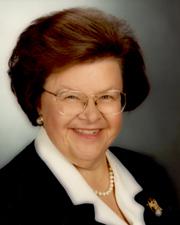
Mr. President, this week marks the close of National Breast Cancer Awareness Month. During the month of October, dedicated advocates, breast cancer survivors, and health professionals commemorate the…
Mr. President, this week marks the close of National Breast Cancer Awareness Month. During the month of October, dedicated advocates, breast cancer survivors, and health professionals commemorate the tremendous progress we have made in the fight against breast cancer, as well as raise awareness about the progress we hope to make in the future.
In the last 10 years, we have accomplished many things. We have increased funding for breast cancer research by 700 percent, passed the Breast Cancer Research Stamp Act, which has raised more than $30 million, and made sure that Medicare and Medicaid are required to cover mammograms. We have accomplished a lot, but we must continue to fight.
Breast cancer is second only to lung cancer in cancer deaths among women. An estimated 211,300 new invasive cases of breast cancer are expected to occur among women in the United States during 2003. An estimated 39,800 women will die from breast cancer. While incidence among men is rare, we know that 400 men will also lose their lives this year to breast cancer, an area in which we still have much to learn.
I wrote the Mammography Quality Standards Act more than 10 years ago to save women's lives. Before MQSA became law, there were no national quality standards. Image quality varied widely and there were no inspections. Now, when women get mammograms, they know the equipment meets Federal safety and quality standards. Currently, I am working to reauthorize this important law before Congress adjourns.
In 1990, I fought for the Breast and Cervical Cancer Screening Program to make sure women without health insurance have access to lifesaving tests like mammograms. Also, I fought for the Breast and Cervical Cancer Treatment Act to help these women get the treatment they need if they are diagnosed with breast or cervical cancer. My colleagues and I on both sides of the aisle have worked together, especially the women Senators and the Galahads of the Senate, like Senators Kennedy, Harkin, Grassley, and Specter.
For all that we have done, there is still more to do. We need to make sure women have the information they need about the importance of screenings, make sure we have the best tools and best trained doctors for diagnosis and treatment, and make sure uninsured women have access to health care. Also, we must be steadfast on research. I came to the U.S. Senate to change lives and save lives. I will continue to fight to eradicate breast cancer.
Today, I commemorate the progress we have made and look towards the future. I will keep fighting to make sure
women's health is on the agenda, and breast cancer survivors, and the health professionals can make a difference in the lives of thousands of women. Each one of us can make a difference. Together we make change.

Mr. President, the American Cancer Society estimates that in 2003, there will be 2,600 new cases of breast cancer diagnosed among women in Oregon and that 500 women will die of breast cancer in…
Mr. President, the American Cancer Society estimates that in 2003, there will be 2,600 new cases of breast cancer diagnosed among women in Oregon and that 500 women will die of breast cancer in Oregon. October is Breast Cancer Awareness Month, so it is important that we take stock of where we are in preventing, detecting and treating this disease.
All women are at risk of breast cancer, but when this cancer is found in its early stages, the 5-year survival rate approaches 100 percent. Screening exams are especially important because through early detection, women, in partnership with their health care providers, can significantly reduce deaths due to breast cancer.
A recent study published in the Archives of Surgery found that more cases of breast cancer were detected in women taking part in an Oregon breast cancer screening program than in women who were not part of the program. The Oregon Breast Cancer and Cervical Cancer Program began in 1996 and is a statewide screening program for low-income women with little access to medical services. In this study, Oregon Health Sciences University researchers evaluated 15,730 women who had a total of 23,149 mammograms and 20,396 breast exams between January 1, 1997 and December 31, 2001. The study found the screening program had a detection rate of 12.3 breast cancers per 1,000 women, which is greater than rates of other screening programs. The women in this study diagnosed with breast cancer also had a 97-percent rate of compliance with suggested therapies for their cancer.
Working together, many groups have found that they can maximize their resources and develop more effective partnerships to reach health care consumers and providers in Oregon. Despite the excellent job that is being done, we need to continue to foster this activism and continue to find new ways to fund innovations in detection and treatment and to make them accessible to all women.
In Oregon, the American Cancer Society, the Susan G. Komen Breast Cancer Foundation, the Y.W.C.A, and the National Black Leadership Initiative on Cancer, are just a few of the leaders in the community who have worked together and with other organizations to reach out to women in Oregon and their families to improve the health status of women in my home State. I want to thank them for their efforts in helping Oregon families have better information and awareness about this disease as well as helping women as they go through treatment.
I have always been a staunch supporter of Federal funds for breast cancer research, and I will continue to do so. It is gratifying to know we have come so far and to see how we can make progress in fighting this form of cancer.
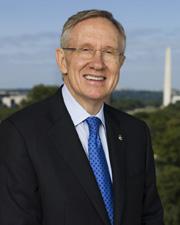
Mr. President, I am pleased to join Senator Chafee in reintroducing the Breast Cancer and Environmental Research Act. Senator Chafee and I serve together on the Environment and Public Works Committee…
Mr. President, I am pleased to join Senator Chafee in reintroducing the Breast Cancer and Environmental Research Act. Senator Chafee and I serve together on the Environment and Public Works Committee where we have had the opportunity to take a closer look at different environment-related health concerns. After a number of children in the small town of Fallon, NV, were diagnosed with leukemia, the committee traveled to Nevada to investigate what environmental factors may have contributed to the cancer cluster.
The Fallon hearing reminded me how little we know about what causes cancer and what, if any, connection exists between the environment and cancer. Three decades have passed since President Nixon declared the ``War on Cancer'' and scientists are still struggling with these and other crucial unanswered questions about cancer. This is particularly true in the case of breast cancer. We still don't know what causes breast cancer. We don't know if the environment plays a role in the development of breast cancer, and if it does, we don't know how significant that role is. In our search for answers about breast cancer, we need to make sure we are asking the right questions.
To date, there has been only a limited research investment to study the role of the environment in the development of breast cancer. More research needs to be done to determine the impact of the environment on breast cancer. The Breast Cancer and Environmental Research Act would give scientists the tools they need to pursue a better understanding about what links between the environment and breast cancer may exist. Specifically, our bill would authorize $30 million to the National Institute of Environmental Health Sciences to establish eight Centers of Excellence that would focus on breast cancer and the environment.
In the year 2003 alone, it is estimated that 258,600 new cases of breast cancer will be diagnosed among women in the United States. In Nevada, an estimated 1400 new cases will be diagnosed in 2003, and tragically, approximately 300 women in Nevada will die of breast cancer this year. If we miss promising research opportunities because of Congress' failure to act, millions of women and their families will face critical unanswered questions about breast cancer. During the 107th Congress, almost half of the Senate cosponsored this important legislation. There is no reason we should not be able to work together during this session to pass this bill so we can find answers for the millions of Americans affected by breast cancer. I urge my colleagues to join in our quest for answers about this deadly disease and to support the Breast Cancer and Environmental Research Act.
Mr. President, I am pleased to join Senator Chafee in reintroducing the Breast Cancer and Environmental Research Act. Senator Chafee and I serve together on the Environment and Public Works Committee…
Mr. President, I am pleased to join Senator Chafee in reintroducing the Breast Cancer and Environmental Research Act. Senator Chafee and I serve together on the Environment and Public Works Committee where we have had the opportunity to take a closer look at different environment-related health concerns. After a number of children in the small town of Fallon, NV, were diagnosed with leukemia, the committee traveled to Nevada to investigate what environmental factors may have contributed to the cancer cluster.
The Fallon hearing reminded me how little we know about what causes cancer and what, if any, connection exists between the environment and cancer. Three decades have passed since President Nixon declared the ``War on Cancer'' and scientists are still struggling with these and other crucial unanswered questions about cancer. This is particularly true in the case of breast cancer. We still don't know what causes breast cancer. We don't know if the environment plays a role in the development of breast cancer, and if it does, we don't know how significant that role is. In our search for answers about breast cancer, we need to make sure we are asking the right questions.
To date, there has been only a limited research investment to study the role of the environment in the development of breast cancer. More research needs to be done to determine the impact of the environment on breast cancer. The Breast Cancer and Environmental Research Act would give scientists the tools they need to pursue a better understanding about what links between the environment and breast cancer may exist. Specifically, our bill would authorize $30 million to the National Institute of Environmental Health Sciences to establish eight Centers of Excellence that would focus on breast cancer and the environment.
In the year 2003 alone, it is estimated that 258,600 new cases of breast cancer will be diagnosed among women in the United States. In Nevada, an estimated 1400 new cases will be diagnosed in 2003, and tragically, approximately 300 women in Nevada will die of breast cancer this year. If we miss promising research opportunities because of Congress' failure to act, millions of women and their families will face critical unanswered questions about breast cancer. During the 107th Congress, almost half of the Senate cosponsored this important legislation. There is no reason we should not be able to work together during this session to pass this bill so we can find answers for the millions of Americans affected by breast cancer. I urge my colleagues to join in our quest for answers about this deadly disease and to support the Breast Cancer and Environmental Research Act.
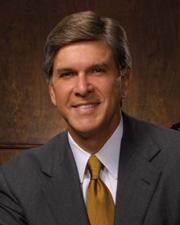
Mr. President, today I rise to speak about breast cancer prevention, detection, and treatment, a cause I have championed throughout my career as a public servant. I am proud to be a sponsor of many…
Mr. President, today I rise to speak about breast cancer prevention, detection, and treatment, a cause I have championed throughout my career as a public servant. I am proud to be a sponsor of many bills to assist the breast cancer community in its fight to treat, prevent, and eventually eradicate this disease.
Like many Americans, my family life has been touched by the tragedy of cancer. The impact of this disease on men and women can not be overestimated. Breast cancer is the leading cancer among American women, second only to lung cancer in cancer deaths.
Each year, more than 200,000 Americans receive a diagnosis of breast cancer and nearly 40,000 die. What we must remember when confronted with these overwhelming numbers, however, is that behind each statistic is a personal story of struggle and courage. I have heard many of these stories. Today, I would like to share the story of one Oregonian fighting to survive her own disease.
Life changed for Janet Romine on August 19, 1999. On that day, this enthusiastic and energetic teacher, wife and daughter reported to her doctor for a regularly-scheduled mammogram. Unlike her previous mammograms, however, a lump was detected that required surgical biopsy. Janet wrote the story of her diagnosis for KGW Northwest News online. In recollecting the wait between surgery and receiving the biopsy results, Janet wrote: ``After the surgery, deep in my soul I knew this was not a simple little lump. I felt violated, depressed and dark as I waited for the phone call.''
In that call, Janet learned that the lump was malignant and would require surgery for its removal and 7 weeks of radiation and drug therapy. Yet, just three days after her diagnosis, Janet participated in the Komen Foundation Race for the Cure in Portland, OR. Janet's friends and teaching colleagues walked the race by her side, having added Janet's name to their banners.
Janet describes her cancer diagnosis as a beginning, and not an ending. Like the thousands of women who were diagnosed before her and the thousands of women who will follow, Janet's life changed forever.
Sadly, stories of coping and courage are no longer rare. However, there is some good news: the mortality rate from breast cancer has declined 2 percent each year for the last 10 years. It is imperative that we fight to continue this trend by supporting increased funding for breast cancer research, prevention, detection and treatment programs.
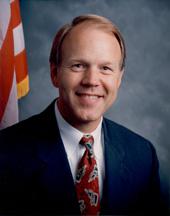
Mr. President, I rise today to introduce legislation to provide that restaurant buildings are depreciated over 15 years instead of the current-law 39 years. My legislation will ensure that the tax…
Mr. President, I rise today to introduce legislation to provide that restaurant buildings are depreciated over 15 years instead of the
current-law 39 years. My legislation will ensure that the tax laws more accurately reflect the true economic life of restaurant buildings.
Under current law, real estate property and any improvements thereto generally must be depreciated over 39 years. However, restaurant buildings undergo excessive wear and tear, and are renovated on average every 6 to 8 years. Requiring restaurant owners to depreciate these renovations over 39 years leads to a mismatch of income and expenses, thereby increasing the tax consequence of making such improvements. The long depreciation period simply makes no economic sense.
In recent years, Congress has changed the depreciation schedules for competitors of owner-occupied restaurants. For example, convenience stores are depreciated over 15 years. In addition, leased properties, including leased restaurant space, can take advantage of the temporary bonus depreciation incentives contained in the 2001 economic stimulus bill.
I believe that our tax laws should be updated to treat restaurant property in a more rational manner. That is why I am introducing legislation to reduce the depreciable life of restaurant property from 39 years to 15 years. My legislation would ensure that all restaurants, either leased or owner-occupied, are treated equally. It would also ensure a level playing field between restaurants and their competitors. By reducing the time period over which all restaurants are depreciated, my bill will more accurately align a restaurant's income and expenses. According to the National Restaurant Association, enacting this legislation would generate an additional $3.7 billion in cash flow for restaurants over the next 10 years. This is money that could be reinvested and, in turn, generate new jobs.
I look forward to working with my colleagues to enact my legislation that will provide more rational tax-treatment of restaurants on a permanent basis. by doing so, we will take an incremental step toward modernizing the tax code's outdated depreciation rules.

Mr. President, I rise today to recognize this month as ``National Breast Cancer Awareness Month.'' This special month is meant to bring awareness to the continued prevalence of breast cancer and the…
Mr. President, I rise today to recognize this month as ``National Breast Cancer Awareness Month.'' This special month is meant to bring awareness to the continued prevalence of breast cancer and the importance of using early detection techniques to help reduce the number of women and men who lose their battle against breast cancer each year.
This year it is estimated that more than 200,000 new cases of breast cancer will be diagnosed. Through the use of early detection, many of these cases will be successfully diagnosed and treated before the cancer spreads. However, breast cancer will also claim close to 40,000 victims in this year alone.
To promote early detection of breast cancer, National Mammography Day is celebrated each October as a part of National Breast Cancer Awareness Month. This year, on October 17, many radiologists provided free or discounted mammograms in an effort to encourage more women to take part in this important screening. Mammography is an important tool to help detect breast cancer while it is still highly treatable.
Unfortunately, not all women have easy access to mammograms either because they are uninsured or their health insurance does not cover this service. Further aggravating this issue is the low reimbursement of mammograms by Medicare, and the fact that not enough assistance is available to train and recruit more radiologists to perform this vital screening. I am proud to be an original cosponsor of the Assure Access to Mammography Act of 2003. This legislation increases the Medicare reimbursement for mammograms and helps in the recruitment of radiologists to perform mammograms. I am hopeful that it will be enacted soon.
Hardly a family or group of friends has not been affected by breast cancer in some way. Events such as the annual ``Race for the Cure'' in support of breast cancer prove that there is widespread support for finding further treatment options and cures for this disease. I encourage those who are interested to visit the National Breast Cancer Awareness Month website to learn more at www.nbcam.org.
Mr. President, this week marks the close of National Breast Cancer Awareness Month, and today is a time for many of us to reflect on how cancer has touched virtually every American's life. According…
Mr. President, this week marks the close of National Breast Cancer Awareness Month, and today is a time for many of us to reflect on how cancer has touched virtually every American's life. According to the American Cancer Society, one in two men and one in three women will be diagnosed with cancer. We have made important advances in treating cancer victims, but we are not yet at our ultimate goal of finding a cure.
I am pleased to announce that my alma mater, Michigan State University, is one of the leaders in finding a cure for breast cancer. Michigan State was one of only four institutions nationwide to receive a grant from the National Institute of Environmental Health Sciences and the National Cancer Institute to study the prenatal-to-adult environmental exposures that may predispose a woman to breast cancer.
But this is just a down-payment in ending breast cancer. It is generally believed that the environment plays some role in the development of breast cancer, but the extent of that role is not understood. If we can identify those risks, we can stop the disease. More research needs to be done to determine the impact of the environment on breast cancer, which has been understudied in the past.
To do so, I urge my colleagues to support S.983, the Breast Cancer and Environmental Research Act, to ensure that this research continues. This legislation would create a new mechanism for environmental health research and provide a unique process by which centers are selected. Modeled after the Defense Department's Breast Cancer Research Program, which has been so successful, it would also include consumer advocates in the peer review and programmatic review process.
It would be amazing if the research about to be conducted at Michigan State led to a cure for breast cancer. But that dream can only happen if scientists, doctors, and others have the right resources. Let's continue to fight the war against cancer.
Bill Text
Latest available legislative text
        [Congressional Bills 108th Congress]
[From the U.S. Government Publishing Office]
[S. 983 Introduced in Senate (IS)]

108th CONGRESS
1st Session
S. 983

To amend the Public Health Service Act to authorize the Director of the
National Institute of Environmental Health Sciences to make grants for
the development and operation of research centers regarding
environmental factors that may be related to the etiology of breast
cancer.

_______________________________________________________________________

IN THE SENATE OF THE UNITED STATES

May 1, 2003

Mr. Chafee (for himself, Mr. Reid, Mr. Hatch, Ms. Mikulski, Ms.
Collins, Mr. Leahy, Mr. Warner, Mr. Kennedy, Mr. Voinovich, Mr. Biden,
Mr. Allen, Mrs. Clinton, Mr. Fitzgerald, Mrs. Murray, Ms. Snowe, Mr.
Johnson, Mr. Feingold, Mrs. Feinstein, Mr. Reed, and Mr. Corzine)
introduced the following bill; which was read twice and referred to the
Committee on Health, Education, Labor, and Pensions

_______________________________________________________________________

A BILL

To amend the Public Health Service Act to authorize the Director of the
National Institute of Environmental Health Sciences to make grants for
the development and operation of research centers regarding
environmental factors that may be related to the etiology of breast
cancer.

Be it enacted by the Senate and House of Representatives of the
United States of America in Congress assembled,

SECTION 1. SHORT TITLE.

This Act may be cited as the ``Breast Cancer and Environmental
Research Act of 2003''.

SEC. 2. FINDINGS.

The Congress finds as follows:
(1) Breast cancer is the second leading cause of cancer
deaths among American women.
(2) More women in the United States are living with breast
cancer than any other cancer (excluding skin cancer).
Approximately 3,000,000 women in the United States are living
with breast cancer, 2,000,000 of which have been diagnosed and
an estimated 1,000,000 who do not yet know that they have the
disease.
(3) Breast cancer is the most commonly diagnosed cancer
among women in the United States and worldwide (excluding skin
cancer). In 2003, it is estimated that 258,600 new cases of
breast cancer will be diagnosed among women in the United
States, 211,300 cases of which will involve invasive breast
cancer and 47,300 cases of which will involve ductal carcinoma
in situ (DCIS).
(4) Breast cancer is the second leading cause of cancer
death for women in the United States. Approximately 40,000
women in the United States die from the disease each year.
Breast cancer is the leading cause of cancer death for women in
the United States between the ages of 20 and 59, and the
leading cause of cancer death for women worldwide.
(5) A woman in the United States has a 1 in 8 chance of
developing invasive breast cancer in her lifetime. This risk
was 1 in 11 in 1975. In 2001, a new case of breast cancer will
be diagnosed every 2 minutes and a woman will die from breast
cancer every 13 minutes.
(6) All women are at risk for breast cancer. About 90
percent of women who develop breast cancer do not have a family
history of the disease.
(7) The National Action Plan on Breast Cancer, a public
private partnership, has recognized the importance of expanding
the scope and breadth of biomedical, epidemiological, and
behavioral research activities related to the etiology of
breast cancer and the role of the environment.
(8) To date, there has been only a limited research
investment to expand the scope or coordinate efforts across
disciplines or work with the community to study the role of the
environment in the development of breast cancer.
(9) In order to take full advantage of the tremendous
potential for avenues of prevention, the Federal investment in
the role of the environment and the development of breast
cancer should be expanded.
(10) In order to understand the effect of chemicals and
radiation on the development of cancer, multi-generational,
prospective studies are probably required.

SEC. 3. NATIONAL INSTITUTE OF ENVIRONMENTAL HEALTH SCIENCES; AWARDS FOR
DEVELOPMENT AND OPERATION OF RESEARCH CENTERS REGARDING
ENVIRONMENTAL FACTORS RELATED TO BREAST CANCER.

Subpart 12 of part C of title IV of the Public Health Service Act
(42 U.S.C. 285l et seq.) is amended by adding at the end the following
section:

``SEC. 463B. RESEARCH CENTERS REGARDING ENVIRONMENTAL FACTORS RELATED
TO BREAST CANCER.

``(a) In General.--The Director of the Institute, based on
recommendations from the Breast Cancer and Environmental Research Panel
established under subsection (b) (referred to in this section as the
`Panel') shall make grants, after a process of peer review and
programmatic review, to public or nonprofit private entities for the
development and operation of not more than 8 centers for the purpose of
conducting multidisciplinary and multi-institutional research on
environmental factors that may be related to the etiology of breast
cancer. Each such center shall be known as a Breast Cancer and
Environmental Research Center of Excellence.
``(b) Breast Cancer and Environmental Research Panel.--
``(1) Establishment.--The Secretary shall establish in the
Institute of Environmental Health Sciences a Breast Cancer and
Environmental Research Panel.
``(2) Composition.--The Panel shall be composed of--
``(A) 9 members to be appointed by the Secretary,
of which--
``(i) six members shall be appointed from
among physicians, and other health
professionals, who--
``(I) are not officers or employees
of the United States;
``(II) represent multiple
disciplines, including clinical, basic,
and public health sciences;
``(III) represent different
geographical regions of the United
States;
``(IV) are from practice settings
or academia or other research settings;
and
``(V) are experienced in biomedical
review; and
``(ii) three members shall be appointed
from the general public who are representatives
of individuals who have had breast cancer and
who represent a constituency; and
``(B) such nonvoting, ex officio members as the
Secretary determines to be appropriate.
``(3) Chairperson.--The members of the Panel appointed
under paragraph (2)(A) shall select a chairperson from among
such members.
``(4) Meetings.--The Panel shall meet at the call of the
chairperson or upon the request of the Director, but in no case
less often than once each year.
``(5) Duties.--The Panel shall--
``(A) oversee the peer review process for the
awarding of grants under subsection (a) and conduct the
programmatic review under such subsection;
``(B) make recommendations with respect to the
funding criteria and mechanisms under which amounts
will be allocated under this section; and
``(C) make final programmatic recommendations with
respect to grants under this section.
``(c) Collaboration With Community.--Each center under subsection
(a) shall establish and maintain ongoing collaborations with community
organizations in the geographic area served by the center, including
those that represent women with breast cancer.
``(d) Coordination of Centers; Reports.--The Director of the
Institute shall, as appropriate, provide for the coordination of
information among centers under subsection (a) and ensure regular
communication between such centers, and may require the periodic
preparation of reports on the activities of the centers and the
submission of the reports to the Director.
``(e) Required Consortium.--Each center under subsection (a) shall
be formed from a consortium of cooperating institutions, meeting such
requirements as may be prescribed by the Director of the Institute.
Each center shall require collaboration among highly accomplished
scientists, other health professionals and advocates of diverse
backgrounds from various areas of expertise.
``(f) Duration of Support.--Support of a center under subsection
(a) may be for a period not exceeding 5 years. Such period may be
extended for one or more additional periods not exceeding 5 years if
the operations of such center have been reviewed by an appropriate
technical and scientific peer review group established by the Director
of the Institute and if such group has recommended to the Director that
such period should be extended.
``(g) Geographic Distribution of Centers.--The Director of the
Institute shall, to the extent practicable, provide for an equitable
geographical distribution of centers under this section.
``(h) Innovative Approaches.--Each center under subsection (a)
shall use innovative approaches to study unexplored or under-explored
areas of the environment and breast cancer.
``(i) Authorization of Appropriations.--For the purpose of carrying
out this section, there is authorized to be appropriated $30,000,000
for each of the fiscal years 2004 through 2009. Such authorization is
in addition to any other authorization of appropriations that is
available for such purpose.''.
<all>