To designate the facility of the United States Postal Service located at 442 West Hamilton Street, Allentown, Pennsylvania, as the "Mayor Joseph S. Daddona Memorial Post Office".
Legislative Activity
Stay on top of the latest movement without scrolling through every action
Became Public Law No: 109-107.
November 22, 2005
View full timeline
Introduced in House
May 19, 2005
Referred to the House Committee on Government Reform.
May 19, 2005
Committee Consideration and Mark-up Session Held.
June 16, 2005
Ordered to be Reported by Unanimous Consent.
June 16, 2005
Mr. Dent moved to suspend the rules and pass the bill.
June 27, 2005 • 3:03 PM
Considered under suspension of the rules. (consideration: CR H5195-5196)
June 27, 2005 • 3:03 PM
DEBATE - The House proceeded with forty minutes of debate on H.R. 2490.
June 27, 2005 • 3:03 PM
Passed/agreed to in House: On motion to suspend the rules and pass the bill Agreed to by voice vote.(text: CR H5195)
June 27, 2005 • 3:08 PM
On motion to suspend the rules and pass the bill Agreed to by voice vote. (text: CR H5195)
June 27, 2005 • 3:08 PM
Motion to reconsider laid on the table Agreed to without objection.
June 27, 2005 • 3:08 PM
Received in the Senate and Read twice and referred to the Committee on Homeland Security and Governmental Affairs.
June 29, 2005
Senate Committee on Homeland Security and Governmental Affairs discharged by Unanimous Consent.(consideration: CR S12551)
November 8, 2005
Senate Committee on Homeland Security and Governmental Affairs discharged by Unanimous Consent. (consideration: CR S12551)
November 8, 2005
Passed Senate without amendment by Unanimous Consent.
November 8, 2005
Cleared for White House.
November 8, 2005
Message on Senate action sent to the House.
November 9, 2005
Presented to President.
November 18, 2005
Signed by President.
November 22, 2005
Became Public Law No: 109-107.
November 22, 2005
Floor Debate
14 membersWhat members said about H.R. 2490 on the floor
 RJD
RJD DKA
DKA BO
BO TH
TH JRB+9
JRB+9
Floor Debate
14 membersWhat members said about H.R. 2490 on the floor
Mr. President, I rise today to introduce the Prosecutors and Defenders Incentive Act of 2005. I am honored to have the support and cosponsorship of Senator DeWine with whom I have enjoyed working on…
Mr. President, I rise today to introduce the Prosecutors and Defenders Incentive Act of 2005. I am honored to have the support and cosponsorship of Senator DeWine with whom I have enjoyed working on similar measures in previous Congresses. I am further pleased that Senators Specter, Leahy, Kennedy, Feingold, Feinstein, Akaka, Cantwell, Harkin, Lautenberg, Pryor, and Kerry have also agreed to join me as original cosponsors of this legislation. Our bill is designed to encourage the best and the brightest law school graduates to enter public service as criminal prosecutors and public defenders by making a student loan repayment program available to them.
I am pleased that this legislation enjoys bipartisan support. I am anxious to work closely with Chairman Specter and Ranking Member Leahy to advance it through the Judiciary Committee and secure its enactment by the full Senate.
Our proposed loan repayment program is supported by the American Bar Association, the National District Attorneys Association, the National Association of Prosecutor Coordinators, the National Legal Aid and Defender Association, and the American Council of Chief Defenders.
We can--and should--do more to help prosecutor and public defender offices compete with the higher salaries available in the private sector. In many instances, despite high aspirations and strong motivation to work in the public sector, many graduates find it economically impossible to pursue that career path due to the overwhelming burden of debt. The availability of student loan repayment can be a powerful incentive for attracting some of our most talented new lawyers to public service employment.
Many of today's law graduates are finishing law school owing staggering amounts of student loan debt. According to the American Bar Association, the median total cumulative educational debt for law school graduates in the class of 2004 was $97,763 for private schools and $66,810 for public schools. Educational loan debts represent a serious financial obligation which must be repaid. A default on any loan triggers serious consequences. Moreover, the looming obligation can impact career choices for many new graduates.
Many budding prosecutors and public defenders face a disheartening dilemma. On the one hand, they have a deep commitment to pursuing a career in public service. On the other hand, they need a level of income to meet the demands of exorbitant educational loan liabilities. This wrenching choice has not only personal impact but adverse implications for the legal profession and its commitment to ensuring access to justice for all citizens. And from an employer's perspective, comparatively low salaries and high debt make it extremely difficult to recruit and retain attorneys in prosecutor and public defender offices.
The results of a special study, ``Lifting the Burden: Law Student Debt as a Barrier to Public Service,'' published in August 2003 by the American Bar Association, reflects eight key findings, which I will describe in more specificity in my remarks.
First, law school tuition levels have skyrocketed. Second, the vast majority of law students borrow funds to finance their legal education. Third, law students are borrowing increasingly larger sums to finance their legal education. Fourth, public service salaries have not kept pace with rising law school debt burdens or private sector salaries. Fifth, high student debt bars many law graduates from pursuing public service careers. Sixth, many law graduates who take public service legal jobs must leave after they gain 2 to 3 years of experience. Seventh, public service employers report serious difficulty recruiting and retaining lawyers. And eighth, the legal profession and society pay a severe price when law graduates are shut out from pursuing public service legal careers due to high educational debt burden.
On the matter of skyrocketing tuition levels, since the early 1970s, there have been steep and persistent hikes in the costs of legal education and in the tuition rates law schools charge. Researchers found that tuition increased about 340 percent from 1985 to 2002 for private law school students and out-of-state students at public law schools. In state students at public law schools saw their tuition jump about 500 percent. During the period 1992-2002, the cost of living in the United States rose 28 percent while the cost of tuition for public law schools rose 134 percent for residents and 100 percent for nonresidents, and private law school tuition increased 76 percent.
In 1975, when private law school tuition averaged $2,525 and public law school tuition for in state residents was $700, the need to borrow to finance a legal education was not as prevalent or necessary. In 1990, when tuition was $11,680 for private institutions and $3,012 for public law schools, it was at least manageable. In 2002, the median law school annual tuitions were $24,920 for private law schools, $18,131 for nonresident students at public law schools, and $9,252 for resident students at public law schools.
A computation of the tuition rates of the 186 ABA-accredited law schools for 2004 reflects that charges for State residents at public law schools average $10,820 per year. For nonresidents attending public law schools, the average tuition amounts to $20,176 per year. Students attending private law schools pay an average of $25,603 per year.
Additional amounts for food, lodging, books, fees and personal expenses increase the costs for 3 years to more than $60,000 in almost all cases and well over $100,000 in many instances.
The vast majority of law students must borrow funds to finance their legal education. In 2002, almost 87 percent of law students borrowed to finance their legal education. That level remained consistent in 2004. Many of these students also carried unpaid debt from their undergraduate studies.
Law students are borrowing increasingly larger sums to finance their legal education. As tuition and other expenses of attending law school rose, more and more students found they needed to borrow to pay for law school. During the 1990s, the average amount students borrowed more than doubled. Today, the amount borrowed by many students exceeds $80,000.
Public service salaries have not kept pace with rising law school debt burdens or private sector salaries. Entry-level salaries for government or other public service position, have always been significantly lower than those in private practice.
Over the years since the mid-1970s, the median starting salaries in private practice have risen at a much faster pace than entry-level public service salaries. Between 1985 and 2002, the median starting salaries at private law firms rose by about 280 percent. Government lawyers, such as prosecutors and public defenders, saw their salaries increase by just 70 percent.
According to the 2004 Public Sector and Public Interest Attorney Salary Report, published in August 2004 by the National Association for Law Placement, Inc., the median entry-level salary for public defenders is $39,000; with 11 to 15 years of experience, the median is $65,000. The salary progression for State and local prosecuting attorneys is similar, starting at about $40,000 and progressing to $68,000-69,000 for those with 11 to 15 years of experience.
In August 2004, NALP also released the results of its tenth annual comprehensive survey of associate compensation in private sector law firms. According to the 2004 Associate Salary Survey Report, based on salary information as of April 1, 2004 provided by 599 offices, the median salary for first-year associates ranged from $65,000 in firms of 2 to 25 attorneys to $120,000 in firms of 500 attorneys or more, with a first-year median for all participating firms of $95,000. These figures evidence the stark reality of compensation differentials for those graduates electing to devote their skills to public service jobs as prosecutors and defenders.
High student debt bars many law graduates from pursuing public service careers. As law school tuition and student debt have sharply escalated, fewer and fewer law school graduates can afford to take the comparatively low-paying public service positions that are available in government agencies or with prosecutor, public defender, or legal services offices.
A national study of law school debt conducted by Equal Justice Works, the Partnership for Public Service, and the National Association for Law Placement found that law student debt prevented two-thirds of law student respondents from considering a public service career.
The report was based on a spring 2002 survey of graduating law students. Survey respondents included 1,622 students from 117 law schools representing 40 States, the District of Columbia, and Canada. Among the findings reported were the following: Overall, 66 percent of respondents stated that law school debt kept them from considering a public interest or government job. The percentage is higher among those who ultimately accepted jobs in small or large private firms, with 83 percent and 78 percent, respectively, stating that debt prevented them from seeking work with public interest organizations or the Federal Government.
Seventy-three percent of students who had not yet accepted a job when surveyed also indicated that they were disinclined to seek a public interest or government position due to heavy debt load. Providing $6,000 a year in available loan repayment assistance would
result in increased interest in a post graduate Federal Government job for 83 percent of student respondents.
Despite their high debt burden, some law graduates initially accept public service jobs. However, the magnitude of debt precipitates high turnover because many of these cannot repay loan obligations on a median starting salary of $36,000 and pay all their other remaining living expenses with the remaining $1,100 per month. Some who begin careers in public service, and who would like to remain, leave after a few years when they find their debts are too severely constraining on their hopes for making ends meet, much less raising children or saving for retirement.
Many public service employers report having a difficult time attracting the best qualified law graduates. Public service employers, such as prosecutor or public defender offices, have vacancies they cannot fill because new law graduates cannot afford to work for them. Alternatively, those who do hire law graduates find that, because of educational debt payments, those whom they do hire leave just at the point when they have acquired the experience to provide the most valuable services.
The legal profession and society pay a severe price when law graduates are shut out from pursuing public service legal careers due to high educational debt burden. Lawyers with dreams of serving their communities as prosecutors or public defenders are unable to use their skills to do so. And when governments cannot hire new lawyers or keep experienced ones, the ability to protect the public safety is challenged. The inability of poor and moderate-income persons to obtain legal assistance can result in dire consequences to those individuals and the communities in which they live.
Our bill, the Prosecutors and Defenders Incentive Act, is designed to help remedy some of these problems. Enacting this measure will help make legal careers in public service as prosecutors and public defenders in the criminal justice system more financially viable and attractive to law school graduates who have incurred significant financial obligations in acquiring their education.
Our proposal would establish, within the Department of Justice, a program of student loan repayment for borrowers who agree to remain employed for at least 3 years as public attorneys who are either State or local criminal prosecutors or State, local, or Federal public defenders in criminal cases. It would allow eligible attorneys to receive student loan debt repayments of up to $10,000 per year, with a maximum aggregate over time of $60,000.
Repayment benefits for such public attorneys would be made available on a first-come, first-served basis and subject to the availability of appropriations. Priority would be given to borrowers who received repayment benefits for the preceding fiscal year and have completed less than 3 years of the first required service period. Borrowers could enter into an additional agreement, after the required 3-year period, for a successive period of service which may be less than 3 years. It would cover student loans made, insured, or guaranteed under the Higher Education Act of 1965, including consolidation loans. Furthermore, it would extend to Federal public defenders the existing Perkins loan forgiveness program available for Federal prosecutors.
Our bill is modeled on the program for Federal executive branch employees which has been enjoying growing success. Federal law permits Federal executive branch agencies to repay their employees' student loans, up to $10,000 in a year, and up to a lifetime maximum of $60,000. In exchange, the employee must agree to remain with the agency for at least 3 years.
During fiscal year 2004, 28 executive branch agencies provided 2,945 Federal employees with more than $16.4 million in student loan repayments, as reported by the Office of Personnel Management in April 2005. This marked a 42-percent increase in the number of beneficiaries and a 79-percent increase in benefits over fiscal year 2003.
It is noteworthy that across the Federal Government in 2004, agencies used the loan repayment program most often to recruit and retain attorneys. In fiscal year 2004, 473 Federal lawyers received loan repayments, representing 16.1 percent of all employees who received the benefit.
The Securities and Exchange Commission provided the benefit to 239 lawyers, and the Justice Department distributed program benefits to 118 of its attorneys. According to the Office of Personnel Management's report, the Nuclear Regulatory Commission reported that the program has been of tremendous benefit in recruiting and retaining attorneys in its Honors Law Graduate Program. NRC commented that law school debt is continuing to rise--to more than $100,000 in some cases--and a gap exists between Federal and private law firm salaries. As a result, some quality candidates may rule out a career as an attorney in the Federal Government. NRC believes the Federal student loan repayment program helps the Commission overcome these obstacles.
I recently received a compelling letter from Jennifer Walsh, the assistant appellate defender for the State of Illinois. Her experiences portray in testamentary terms the real dilemmas encountered by perhaps thousands of attorneys desiring public service careers despite exorbitant student loan obligations.
To simply paraphrase Ms. Walsh's sentiments would diminish their impact, so I would like to quote some excerpts from her letter: ``I love being a public servant. . . . Helping those who cannot afford to help themselves isn't charity and it isn't socially progressive. It is justice and it has made me a better person. . . . However, the one problem that I have consistently had since becoming a public defender is getting my student loans paid. I have a debt burden over $110,000. . . . My student loan payments will soon exceed $950 a month. This represents about one-third of my monthly take-home pay. I cannot help pay the mortgage on my house. I cannot save for my two children's futures. During a financial crisis, my husband knows that he cannot look to me to help the family finances. . . . I am now faced with a Hobson's choice--do I fulfill the needs of my indigent clients or my struggling family? I absolutely, positively don't want to leave. But my responsibilities to my family and my student loan creditors make staying in the public sector feel selfish and irresponsible. Imagine that--working for the public good seems selfish and irresponsible because I cannot do what I love and, at the same time, repay what I owe.''
I appreciate Ms. Walsh's willingness to share her perspectives with me. By enacting and funding this legislation, we can take a meaningful step toward alleviating some of the financial burden for attorneys such as Ms. Walsh who choose careers as criminal prosecutors and public defenders.
I know there are many other law graduates who, like Jennifer Walsh, want to apply their legal training and develop their skills in the public sector, but are deterred by the weight of student loan obligations. Passage of our legislation will help them make their careers dreams a reality. I urge its swift adoption.
I ask unanimous consent that the text of the bill be printed in the Record.
Mr. President, I ask unanimous consent that the text of the bill be printed in the Record.
Mr. President, I rise today to introduce legislation that will help ensure our homeland security is in the hands of the best and the brightest leaders. The Department of Homeland Security Qualified…
Mr. President, I rise today to introduce legislation that will help ensure our homeland security is in the hands of the best and the brightest leaders. The Department of Homeland Security Qualified Leaders Act will establish minimum qualification standards for most Senate-confirmed positions in the Department of Homeland Security, DHS. I am joined by Senators Lautenberg and Carper in introducing this bill, and I thank them for their support.
Hurricane Katrina and the resignation of Under Secretary Michael Brown have raised concerns regarding the experience and qualifications of political appointees in the Federal Government. Mr. Brown had minimal emergency management experience prior to joining the Federal Emergency Management Agency, FEMA. Despite Mr. Brown's 3 years as a senior official at FEMA, the agency faltered during Hurricane Katrina under his leadership.
While not all of the Government's failures to prepare for and respond to Hurricane Katrina can be placed at Mr. Brown's doorstep, leadership matters. At a recent Homeland Security and Governmental Affairs Committee hearing on the Coast Guard's response to Hurricane Katrina, Cpt Bruce C. Jones, the commanding officer of Coast Guard Air Station New Orleans, testified, ``What counts most in a crisis, is not the plan, it's leadership. Not processes, but people. And not organizational charts, but organizational culture.''
According to Captain Jones, one of the reasons the Coast Guard was able to respond immediately and perform efficiently during Hurricane Katrina is because the leaders of the Eighth District and Sector New Orleans were able to make quick, sound decisions while following a predetermined plan. Quick thinking and good judgement cannot be written into a plan.
In addition, DHS, with its multitude of management challenges, requires leaders with strong management experience. Over the past few years, the DHS Inspector General and the Government Accountability Office have cited DHS for poor contract management, ineffective financial systems, and major human capital challenges. Moreover, DHS is in the process of implementing its Second Stage Review, an attempt to better organize the Department to meet its many missions. As Secretary Michael Chertoff overhauls the Department to create what will hopefully be a structure that serve DHS well for years to come, he needs senior officials who have experience running large organizations--people who know which systems and chains of command work and which do not. Good managers are needed across the Federal Government, but nowhere are they more needed than in an infant agency.
Comptroller General David Walker said in a September 21, 2005, interview with Federal Times that ``for certain positions, given the nature of the position, there should be statutory qualification requirements for any nominee.'' I agree.
For these reasons, we must ensure that the right people are leading DHS. Our bill delineates requirements for Senate-confirmed positions based on their compensation under the Executive Schedule. The most senior officials, those in Executive Level II and III, will be required to possess at least 5 years of management experience, 5 years of experience in a field relevant to the position for which the individual
is nominated, such as customs intelligence, or cybersecurity, and a demonstrated ability to manage a substantial staff and budget. These requirements will apply to the following positions: the Under Secretary of Science and Technology; the Under Secretary of Preparedness; the Director of FEMA; and the Under Secretary of Management. The Secretary and Deputy Secretary of Homeland Security are exempt from this bill.
Executive Level IV positions will be required to possess significant management experience, at least 5 years of experience in a field relevant to the position for which the individual is nominated, and a demonstrated ability to manage a substantial staff and budget. These position include the Assistant Secretary for Immigration and Customs Enforcement; the Assistant Secretary for Customs and Border Patrol; the Assistant Secretary for Border and Transportation Security Policy; the Assistant Secretary for Plans, Programs, and Budgets; the Director of the Office State and Local Government Coordination and Preparedness; the Director of U.S. Citizenship and Immigration Services; the Inspector General; the Chief Financial Officer; the U.S. Fire Administrator; and the General Counsel. The bill exempts the commandant of the Coast Guard from this section since requirements for selection of the commandant already exist in law.
I believe that any program or agency will succeed or fail based on leadership. This is especially true at Federal agencies, which need senior leaders with management skills and subject matter expertise. Our bill is a step in the right direction, and I urge my colleagues to join us in passing this important legislation.
I ask unanimous consent that the text of the bill be printed in the Record following my statement.
Mr. President, I rise today to introduce legislation with my senior colleague from Hawaii, Senator Dan Inouye, to provide certain Federal
public benefits for citizens of the Freely Associated State, FAS, who are residing in the United States. The bill would provide eligibility for nonemergency Medicaid, Food Stamps, Temporary Assistance to Needy Families, TANF, and Supplemental Security Income, SSI, to FAS citizens residing in the United States.
Citizens from the FAS are from the Republic of the Marshall Islands, RMI, Federated States of Micronesia, FSM, and the Republic of Palau, which are jurisdictions that have a unique political relationship with the United States. The Compact of Free Association established these nations as sovereign states responsible for their own foreign policies. However, the FAS remain dependent upon the United States for military protection and economic assistance.
Under the compact, the United States has the right to reject the strategic use of, or military access to, the FAS by other countries, which is often referred to as the ``right of strategic denial.'' In addition, the U.S. may block FAS government policies that it deems inconsistent with its duty to defend the FAS, which is referred to as the ``defense veto.'' The compact also states that the United States has exclusive military base rights in the FAS.
In exchange for these prerogatives, the United States is required to support the FAS economically, with the goal of producing self- sufficiency, and FAS citizens are allowed free entry into the United States as nonimmigrants for the purposes of education, medical treatment, and employment. Many FAS citizens reside in the State of Hawaii. Since 1997, when Hawaii began reporting its impact costs, the State has identified more than $140 million in costs associated with FAS citizens. In 2002, the State of Hawaii expended more than $32 million in assistance to FAS citizens. P.L. 108-188, the Compact of Free Association Amendments Act of 2003, provides $30 million in annual funding for compact impact assistance to be shared between the State of Hawaii, Guam, the Commonwealth of the Northern Mariana Islands, CNMI, and American Samoa. While this funding is a positive step forward, it does not begin to reimburse the affected jurisdictions for the costs associated with FAS citizens.
This legislation would provide assistance to states and territories that shoulder the majority of the costs associated with the compact. The Federal Government must provide appropriate resources to help States meet the needs of the FAS citizens--an obligation based on a Federal commitment. It is unconscionable for a State or territory to shoulder the entire financial burden of providing necessary educational, medical, and social services to individuals who are residing in that State or territory when the obligation is that of the Federal Government. For that reason, we are seeking to provide reimbursement of these costs. It is time for the Federal Government to take up some of the financial responsibility that until now has been carried by the State of Hawaii, CNMI, Guam, and American Samoa by restoring public benefits to FAS citizens.
This bill would restore eligibility of FAS citizens for nonemergency Medicaid. FAS citizens lost many of their public benefits as a result of the Personal Responsibility and Work Opportunity, PRWORA, Act of 1996, including Medicaid coverage. FAS citizens were previously eligible for Medicaid as aliens permanently residing under color of law in the United States.
After the enactment of welfare reform, the State of Hawaii could no longer claim Federal matching funds for services rendered to FAS citizens. Yet the State of Hawaii, Guam, American Samoa, and the CNMI have continued to meet the health care needs of FAS citizens. The State of Hawaii has used its resources to provide Medicaid services to FAS citizens.
In 2003 alone, the State spent approximately $9.77 million to provide Medicaid services without receiving any federal matching funds. This represents a dramatic increase from $6.75 million in State fiscal year 2002. Furthermore, the trend in the need for health care services among FAS citizens continues to rise. During fiscal year 2004, the number of individuals served in the State of Hawaii's Medicaid program grew from 3,291 to 4,818 people based on the average monthly enrollment. This is an increase of 46 percent.
This bill would also provide eligibility for FAS citizens residing in the United States to participate in the Temporary Assistance for Needy Families and Supplemental Security Income programs. According to Hawaii's attorney general, financial assistance in the form of the Temporary Assistance to Other Needy Families, TAONF, Program, a State program, provided $5.1 million to FAS citizens in State fiscal year 2003. This continues an upward trend from $4.5 million in State fiscal year 2002. This total includes funds that go to the General Assistance Program, which supports individuals and couples with little or no income and who have a temporary, incapacitating medical condition; the aged, blind, and disabled program for FAS citizens with little or no income who are not eligible for federally-funded Supplemental Security Income; and the State's TAONF Program that assists other needy families who are not eligible for federal-funding under the Temporary Assistance to Needy Families program. The financial assistance that the State of Hawaii provides to FAS citizens in the form of TAONF is a great support to those families attempting to achieve economic stability, but it has a significant financial impact on the State's budget.
The bill would also provide eligibility for the Food Stamp Program. Mr. President, the Food Stamp Program serves as the first line of defense against hunger. It is the cornerstone of the Federal food assistance program and provides crucial support to needy households and those making the transition from welfare to work. We have partially addressed the complicated issue of alien eligibility for public benefits such as food stamps, but again, I must say it is just partial. Not only should all legal immigrants receive these benefits, but so should citizens of the FAS. Exclusion of FAS citizens from Federal, State, or local public benefits or programs is an unintended and misguided consequence of the welfare reform law. We allow certain legal immigrants eligibility in the program. Yet FAS citizens, who are not considered immigrants but who are required to up for the Selective Service if they are residing in the United States are ineligible to receiving food stamps. This bill corrects this inequity.
Mr. President, I ask unanimous consent that the text of the bill be printed in the Record. I also ask unanimous consent that a letter of support I received last week from Director Lillian Koller of the State of Hawaii, Department of Human Services be printed in the Record.
I look forward to working with my colleagues to enact this measure which is of critical importance to my State of Hawaii, which has borne the costs of these benefits for FAS citizens living in Hawaii for the past 19 years.
Mr. President, today, I am introducing the Healthy Communities Act of 2005, and I am pleased to have the support of my good friend and colleague Senator Hillary Rodham Clinton. Over the last few…
Mr. President, today, I am introducing the Healthy Communities Act of 2005, and I am pleased to have the support of my good friend and colleague Senator Hillary Rodham Clinton.
Over the last few decades, our medical researchers and scientists have developed increasingly sophisticated and high tech methods to diagnose and treat disease. Yet, this approach has caused us to lose sight of the need for preventing diseases on the front-end, with greater investment in basic public health interventions that too often get short shrift.
Today, I would like to bring it back to the basics and talk about environmental quality. The air we breathe, the food we eat, the houses in which we live, and the parks in which our children play--all of these factors contribute to our health. Environmental health, as defined by the World Health Organization, includes both the direct, damaging effects of chemicals, radiation, and some biological agents, and the effects on health and well-being of the broad physical, psychological, social, and aesthetic environment. The legislation that I have introduced draws attention to that aspect of the environment that is the physical environment--the toxicants and pollutants that we may not notice, but are present in our everyday surroundings and taking a toll on our health.
My home State of Illinois faces a number of environmental challenges, including high levels of lead poisoning. It is estimated that over 400,000 children in this country suffer from elevated blood lead levels. Chicago has the unfortunate distinction of ranking number 1 for children with elevated blood lead levels. 6,691 children have elevated blood lead levels, which is 50 percent higher than the number of children in the second ranked city of Philadelphia. Elevated blood levels are known to cause behavioral and learning problems, slowed growth, impaired hearing and damage to the kidneys, brain and bone marrow. Adults are not exempt from lead toxicity--poisoned adults suffer pregnancy difficulties, high blood pressure, digestive problems, nerve disorders, memory and concentration problems, and muscle and joint pain. Lead poisoning is completely preventable, and although our agencies have made good progress, we can and must do more to address this issue.
Obviously lead is only one of many toxicants and pollutants with which we must contend. Different areas of the U.S. face unique challenges--States like California are grappling with the repercussions of air pollution, while Massachusetts and others in the Northeast are challenged with high levels of mercury in the water. As much as we know about these hazards, the effects of many chemicals are unknown.
Less than half of the chemicals produced in this country in quantities greater than 10,000 pounds have been tested for their potential human toxicity, with less than 10 percent studied to assess effects on development. This lack of knowledge has serious health repercussions--in children, environmental toxins are estimated to cause
up to 35 percent of asthma cases, up to 10 percent of cancer cases, and up to 20 percent of neurobehavioral disorders. Overall, an estimated 25 percent of preventable illnesses worldwide can be attributed to poor environmental quality. Diseases such as cancer, heart disease, asthma, birth defects, infertility, and obesity are all caused or exacerbated by toxicants or pollutants in the environment.
Minority Americans are significantly more likely to be affected than other Americans. Some studies have found that 3 of every 5 African- and Latino Americans live in communities with one or more toxic waste sites. Communities with existing incinerators, and those that are proposed for placement of new incinerators, have substantially higher numbers of minority residents. Minority Americans are already plagued with higher rates of death and disease, and fewer health resources in their neighborhoods. As we focus our efforts on environmental health, we must be cognizant that some groups are disproportionately affected by federal policies and decision-making, and deserve careful attention.
The Healthy Communities Act of 2005 addresses environmental health concerns in a comprehensive fashion, building upon many of the successful federal initiatives and filling in gaps in other critical areas. The bill establishes an independent advisory committee to provide recommendations across all relevant Federal agencies. It asks the CDC and the EPA to assess and report the environmental public health of the nation, and each State. The Health Action Zone Program will provide intense Federal attention and resources to clean up and address the health needs of the nation's most blighted communities. Environmental research is expanded, including biomonitoring and health tracking initiatives. Finally, the Act promotes environmental health workforce programs at the CDC and the NIH.
The Healthy Communities Act of 2005 will increase national attention on the importance of the environment, and its relationship to good health. As we work to make our future stronger for our communities, let us look to our past. In the National Environmental Policy Act (NEPA) of 1969, Congress wrote that it is the continuing responsibility of the Federal Government to assure that all Americans live in ``safe, healthful and aesthetically and culturally pleasing surroundings.'' Almost forty years later, our responsibility to the American people continues. I encourage all of my colleagues to join me and support passage of this bill.
Mr. President, I rise today to introduce the Lead Free Toys Act of 2005, which directs the Consumer Product Safety Commission to intensify efforts to reduce lead exposure for children.
The unfortunate reality for many children--particularly in low-income and minority households--is the continued presence of high blood lead levels. Over 400,000 children in this country have elevated blood lead levels, with my own hometown of Chicago having the largest concentration of these children.
Lead is a highly toxic substance that can produce a range of health problems in young children, including IQ deficiencies, reading and learning disabilities, impaired hearing, reduced attention spans, hyperactivity, and damage to the kidneys, brain and bone marrow. Even low levels of blood lead in pregnant women, infants and children can lead to impaired cognitive abilities, fetal organ development and behavioral problems.
We know that lead poisoning is completely preventable. As the Nation has increased efforts to reduce environmental lead exposure, the number of children with high blood levels has steadily dropped. Restricting lead in gasoline and paint represent two major accomplishments in this regard. But much work remains to be done.
Earlier today I introduced the Healthy Communities Act of 2005, to strengthen Federal, State and local efforts to address environmental health issues in communities already affected by lead and other toxins. However, we need to take greater proactive steps to prevent contamination, and the Lead Free Toys Act of 2005 will help us do just that.
Disturbingly, lead is present in a number of toys and other frequently used objects by young children. According to research conducted by the National Center for Environmental Health, about half of tested lunch boxes have unsafe levels of lead. The highly popular Angela Anaconda lunch box was found to have 56,400 parts per million of lead, which is more than 90 times the 600 parts per million legal limit for lead in paint for children's products. Other lunch boxes showed levels of lead between two and twenty-five times the legal limit for lead paint in children's products. In most cases, the highest lead levels were found in the lining of lunch boxes, where lead could come into direct contact with food.
This problem is not limited to lunchboxes. One study found that 60 percent of more than 400 pieces of costume jewelry purchased at major department stories contain dangerous amounts of lead. From September 2003 through July 2004, there were 3 recalls of nearly 150 million pieces of toy jewelry because of toxic levels of lead.
This past August the Centers for Disease Control updated their ``Preventing Lead Poisoning in Young Children'' statement calling for the elimination of all nonessential uses of lead in children's products. Specifically, the CDC urged a more systematic approach to identifying lead-contaminated items and prohibiting their sale before children are exposed, rather than usual recall efforts after exposure has occurred.
The Consumer Product Safety Commission leads our national efforts to safeguard our children from potentially dangerous objects. However, the Commission has dragged its feet in aggressively addressing the problem of lead in toys. The Lead Free Toys Act, introduced by my colleague Congressman Henry Waxman earlier this year, requires the Consumer Product Safety Commission to prescribe regulations classifying any children's product containing lead as a banned hazardous substance under the Hazardous Substances Act. It defines ``children's product containing lead'' as any consumer product marketed or used by children under age 6 that contains more than trace amounts of lead as determined by the Commission and prescribed by regulations. The Act also requires the Commission to issue standards for reduction in lead in electronic devices.
It's a national disgrace that toys that could pose a serious and significant danger to children are readily available in our department stores and markets. The Lead Free Toys Act of 2005 will help us keep our children safe and healthy, and contribute to national efforts to reduce lead exposure. I ask each of my colleagues to help support this Act.
Mr. President, today I am pleased to join with Chairman Chambliss in introducing legislation to implement the Stockholm Convention on Persistent Organic Pollutants, the LRTAP POPs Protocol, and the…
Mr. President, today I am pleased to join with Chairman Chambliss in introducing legislation to implement the Stockholm Convention on Persistent Organic Pollutants, the
LRTAP POPs Protocol, and the Rotterdam PIC Protocol. These three agreements provide an international framework for controlling and eliminating the use of chemicals that have the greatest potential for long-term environmental damage. These persistent organic pollutants, or POPs, are chemicals that do not easily break down in the environment. As a result, they tend to move across international boundaries and bio- accumulate--in other words, they travel up the food chain. This legislation modifies existing U.S. law under the Federal Insecticide, Fungicide and Rodenticide Act, FIFRA, to bring us into compliance with these agreements with regard to chemicals used in agriculture. Implementation of the agreements will also require modification of the Toxic Substances Control Act, TSCA.
These conventions and protocols have already entered into force. But at this point, though the United States is a signatory to all of them, we have not ratified them. All of the chemicals that are listed in the agreement are already banned or tightly controlled under U.S. law, but the Stockholm Convention's Review Committee just met in Geneva and further meetings are planned, and decisions are being made without our delegation able to fully participate as a party to the agreement. The United States needs to ratify the convention in order to have a voice in this process.
Our goal in writing this legislation is narrow. It has not been our intention to open up FIFRA as part of this process, but only to craft those changes compelled by our international commitments. That is not to say that FIFRA is perfect or could not be improved and strengthened--only that this is not the occasion to launch into changing the domestic law beyond the narrow goal of compliance with these agreements.
Some have urged that this measure provide for automatic processes triggered by the decisions of the review committee overseeing the Stockholm Convention. For instance, if the review committee lists a chemical, they would have the United States automatically take steps to regulate or ban the chemical domestically. I have sympathy with that approach, and I would hope that our existing environmental laws would be used to restrict the use of such a chemical before international action, as they have with all the initial chemicals listed in the Stockholm Convention.
But that is not what is called for in the Stockholm Convention. The convention that this legislation will implement does not compel parties to adopt new chemicals added to the convention in future years. Instead, the parties are allowed to opt in to the convention's restrictions. The legislation we are introducing today would allow for any information or studies generated as part of the international process to be used as part of a domestic regulatory action on the chemical, but would not provide an automatic process that compelled the Environmental Protection Agency, EPA, to take action. In essence, we are allowing the EPA to move forward and take action on a chemical if the case made in the international review for a ban is strong, and not make EPA reinvent the wheel and generate new data to back up their conclusions, while at the same time, not mandating EPA action to ban or regulate a chemical. This legislation strikes a fair balance and one that is consistent with the limited goal we have in this process to bring FIFRA into compliance with our international obligations.
The most controversial aspects of this legislation are the provisions that deal with the process by which new chemicals are brought under the convention's control. It is critically important that the position of the United States in the international regulation of chemicals take into account the views of all parties--pesticide manufacturers, farmers, environmental scientists, State regulators--everyone who has a stake in the process.
Under the Stockholm Convention, the process of listing new POPs chemicals follows a three-part process. The review committee determines whether a chemical satisfies the agreed screening criteria in the convention; if the criteria are satisfied, a risk profile is prepared; if on the basis of the risk profile, it is determined that global action is required, the committee or parties would consider listing the chemical.
In each of these stages, the U.S. position should be informed by formal notice and comment periods as provided in existing law. The Federal notice and comment process is open, well developed, and well understood by stakeholders in the process. If this process is optional, there is the risk that the U.S. position could be formed without taking into account important views. While nothing in this legislation dictates that any particular position in this established process be taken by the administration, there is a requirement that the administration use this process to collect information to inform its position in the international body regarding any particular chemical.
The administration's draft of this legislation gave the EPA Administrator permission to initiate a notice and comment period but did not require it. The argument for this position was a constitutional claim that the executive's authority over negotiations with other nations includes a right to rely on whatever information that the president chooses to use. The ``remedy'' for negotiating a faulty treaty, according to the letter received from the Department of Justice, is for the Senate to refuse to consent to the treaty.
This position is not consistent with existing Federal law and is impractical particularly in a process like this one, where the negotiation in question would never be subject to ratification by the Senate. My concern with this constitutional theory resulted in an exchange of correspondence last year, when this bill was being drafted by then-Chairman Cochran.
I wrote to then-Administrator Michael Leavitt at the EPA, asking for a written explanation of the administration's position on this issue. This resulted in two letters, one from Administrator Leavitt on behalf of the EPA dated March 25, 2004, and one from Assistant Attorney General William Moschella on behalf of the Department of Justice dated March 25, 2004. Finally, I requested an analysis of the constitutional issues raised by this provision from the American Law Division of the Congressional Research Service and received a memorandum dated March 30, 2004. I will offer all of these letters and the CRS memorandum for inclusion in the Record at the end of my statement.
Having reviewed all this material, I find that the administration's position is not well supported, and I would urge the Senate to reject any effort to include it in this legislation. The CRS memorandum on the EPA draft summarizes the state of the law as follows:
Stated succinctly, the separation of powers doctrine ``implicit in the Constitution and well established in case law, forbids Congress from infringing upon the Executive Branch's ability to perform its traditional functions.'' The Supreme Court has established that in determining whether an act of Congress has violated the doctrine, ``the proper inquiry focuses on the extent to which it prevents the Executive Branch from accomplishing its constitutionally assigned functions.''
The memo goes on to state that it is ``difficult to see how a mandatory notice and comment requirement would implicate this traditional executive function.'' The memorandum concludes that ``it does not appear that a mandatory notice and comment requirement would present any substantive separation of powers concerns.'' Clearly, there is no merit to the Justice Department's contention that mandatory notice and comment would be an unconstitutional intrusion into the President's exclusive prerogative over foreign policy. Clearly, future steps taken domestically to carry out these international agreements should be informed by the views of all stakeholders and build the record through the notice and comment procedure for domestic implementation of any international action. This legislation makes the right choice by mandating notice and comment.
I appreciate the opportunity to work with Chairman Chambliss on this legislation, and with our committee's previous chair, Senator Cochran, whose staff worked tirelessly to develop this legislation. I am hopeful that we can work together with the other body to reach agreement on implementing legislation along the lines of this bill,
that will clear the way for ratification of the Stockholm Convention.
I ask unanimous consent to include in the Record a letter to Administrator Michael Leavitt, his response from March 25, 2004, the response to the same letter by William Moschella on behalf of the Justice Department, and the memorandum of law from the Congressional Research Service.
Mr. President, I rise today to introduce the Full Strength Bureau Initiative Act of 2005. This is a piece of legislation that I think is critically important to our national security. Over the past…
Mr. President, I rise today to introduce the Full Strength Bureau Initiative Act of 2005. This is a piece of legislation that I think is critically important to our national security. Over the past four years, we
have had numerous debates here in the Senate about what we need to do to protect ourselves from international terrorists. While I have disagreed with many of the specific decisions this Congress and President Bush have made, I do agree that we face a grave threat from radical fundamental terrorists. And, it should be a primary focus of our national security efforts. However, it simply makes no sense for us to spend all of our time worrying about terrorism if we turn a blind eye to traditional crime and the threat that it poses to our citizens. We simply have to be able to do both, and the legislation that I am introducing today will help do that.
Part of the response to address this threat has been to shift the primary function of the Federal Bureau of Investigation from investigating and capturing criminals to the prevention of terror attacks. I don't disagree that this is an appropriate shift in priorities, but, we haven't made the investments necessary for the FBI to shift priorities and meet its commitment to combat traditional crime. To address this concern, I am introducing legislation that will authorize funding for the FBI to hire an additional 1,000 agents. These agents will replace the ones that have been reassigned to counterterrorism cases and will help keep our communities safe. The cost--$160 million per year--is minimal when compared to the benefits it will provide. Its passage will help ensure that the FBI has the resources to achieve its counterterrorism priorities without neglecting its traditional crime fighting functions.
A 2004 Government Accountability Office found that the number of overall agents at the FBI has increased by only seven percent since 2001. During the same time, the overall percentage of agents dedicated to counterterrorism by twenty five percent--with 678 agents being permanently shifted from drug, white collar, and violent crime cases to counter-terror activities. In addition, we know that many agents are working on counterterrorism cases even if they have not been ``officially'' dedicated to that effort in a process know within the FBI as ``overburning.''
Ultimately, the GAO concluded, as it often does, that the impact on traditional crime was statistically inconclusive; however the report demonstrated many concerns. First, the report found that the FBI referred 236 counterterrorism matters to U.S. Attorneys for prosecution in fiscal year 2001, which ended three weeks after September 11. Two years later, in fiscal year 2003, the FBI referred 1,821 counterterrorism cases to U.S. Attorneys for prosecution--this is a 671 percent increase. During the same period of time, referrals for drug, whitecollar, and violent crime matters all declined by 39 percent, 23 percent, and 10 percent respectively. This statistically demonstrates that the reprogramming effort--while critical--has had an impact on the FBI's traditional crime fighting efforts.
In addition to investigating Federal crimes, the FBI also provides critical assistance to State and local law enforcement. Quite simply, the FBI has technical expertise and resources that are not available to many State and local agencies--especially smaller jurisdictions. These local agencies rely on the FBI to assist them on technical matters, and as the FBI continues to divert resources from criminal cases, a gap in overall law enforcement capabilities is developing. In order to preserve public safety and national security this is a gap that must be filled.
Unfortunately, local budget woes are making it impossible for local agencies to fill the slack. A recent survey indicated that 23 of 44 police agencies are facing an officer shortfall. The USA Today and the New York Times have reported officer shortages in New York, Cleveland, Los Angeles, Houston and others. In addition, I recently attended a Judiciary Committee hearing in Philadelphia and we heard testimony from the Philadelphia Chief of Police that he had lost 2,000 officers in recent years, and the Pittsburgh police chief reported that she had lost nearly \1/4\ of her officers and had to suspend her community policing programs and other crime prevention programs due to budget cuts.
In addition to local budget woes, the U.S. Congress continues to slash Federal assistance for State and local law enforcement. In this year's Commerce, Justice, State appropriations bill, the Congress cut roughly $300 million from the Justice Assistance Grant and completely eliminated the COPS hiring program. Any local sheriff or police chief will tell you how important this funding assistance is to their efforts, and the investments that we made in them over the past ten years helped drive down crime rates from all-time highs to the lowest levels in a generation. In addition, the COPS program has been statistically proven to reduce crime by the Government Accountability Office, and the Justice Assistance Grants are the primary grant programs used by local agencies to combat illegal drug use in their communities. I voted for this spending bill because it provided critical funding for the FBI and the Drug Enforcement Agency, but I remain very critical of the cuts to state and local law enforcement assistance and hope that the President and the Republican-led Congress will change course.
Unfortunately, these cuts and the FBI reprogramming of agents from crime to counter-terror cases is creating a perfect storm that I'm afraid will contribute to rising crime rates in the future. The good news is that the 2004 Uniform Crime Reports show that crime rates remain at historic lows. But, many criminologists have pointed out that many crime indicators should caution against complacency. Last year, there were over 16,000 murders throughout the United States, and police chiefs and sheriffs are reporting worrying signs of local youth violence. Indeed, a 2005 report by the FBI on youth gangs shows that gang activity is on the rise. Rather than pull-back, we need to re- double our effort to ensure that crime rates don't rise in the future and to push them even lower. I've often said that the safety of Nation's citizens should be the top priority of our Federal Government--this applies to combating international terrorists and traditional crime.
We spent a bulk of the nineties creating a Federal, State, and local partnership that helped make our Nation safer than it has been in a generation. This partnership is breaking down because the President and many in Congress feel that local crime is not a national priority. I couldn't disagree more. The safety of the American people is the most important priority that we have. It doesn't matter whether the threat comes from international terrorists, drug traffickers, or from the thug down the street. In my opinion, it is a terrible mistake to use the successes of the past ten years and the new focus on terrorism as an excuse to abandon our critical anti-crime responsibilities. We can--and we must do both. The American people are counting on us, and the legislation that I am introducing today will help ensure that we meet our commitment to the American people to make sure that they are safe from crime and terrorism.
Show 8 more

Mr. President, I rise today with my friend from North Dakota, Senator Dorgan, and my friend from Missouri, Senator Talent, to introduce a bill of critical importance to the security of our borders:…
Mr. President, I rise today with my friend from North Dakota, Senator Dorgan, and my friend from Missouri, Senator Talent, to introduce a bill of critical importance to the security of our borders: the Border Modernization and Security Act of 2005.
Securing our borders is the first necessary step towards immigration reform, and I believe the legislation I am introducing makes an enormous leap in the right direction.
Our bill builds upon legislation we introduced in the last Congress to improve our port of entry infrastructure as well as a lot of good ideas proposed by other Senators in this Congress, and adds some provisions that I think are important to a comprehensive border security and immigration reform effort.
The Border Modernization and Security Act increases the number of Customs and Border Protection (CBP) officers and Immigration and Customs Enforcement (ICE) agents each by 1000 for each of fiscal years 2007 through 2011. These personnel are necessary to improve our enforcement at ports of entry and within the United States, and increasing the number of these employees goes hand in hand with our recent efforts to increase the number of
border patrol agents who are enforcing the law along our international borders. Along this same line, the bill allows the Department of Homeland Security (DHS) to support its border and immigration forces with National Guard personnel and volunteer retired law enforcement officers, provides for an increase in the number of DHS alien and immigration investigative personnel, and increases the number of Deputy Marshals to investigate criminal immigration matters.
Increasing the number of DHS employees alone will not solve our border problems. Unauthorized aliens also cause a significant burden on our courts. For example, for the 12-month period ending September 30, 2004, 364 felony cases per judge were filed in the New Mexico District. It is apparent how burdensome this number is for my border State's court when you consider that the national average of felony cases filed per judge is 88. To help with these high caseload levels, our bill increases the number of DHS immigration attorneys, federal defenders, Office of Immigration Litigation attorneys, assistant US Attorneys, and immigration judges.
Increased personnel is only one aspect of our effort to secure the border. Any border security effort must provide DHS personnel with necessary technologies and assets. To that end, our bill authorizes funds for the Department to acquire new technologies, construct roads, fences, and barriers, purchase air assets, vehicles, and other equipment, maintain temporary and permanent border checkpoints, and construct the appropriate facilities to support the increased number of DHS personnel being hired. Such assets are invaluable tools for our CBP and ICE employees, and we must make sure those men and women have what they need. We also provide for up to 15,000 new detention beds for unauthorized aliens in our bill.
Another area Congress must address is our land port of entry infrastructure. No American border has undergone a comprehensive infrastructure overhaul since 1986, when Senator Dennis DeConcini of Arizona and I put forth a $357 million effort to modernize the southwest border. A great deal has changed in the past nineteen years. More importantly, much has changed since September 11, 2001. Congress has passed legislation to improve security at airports and seaports, but we have not yet addressed the needs of our busiest ports, located on the United States' northern and southwestern land borders. The Border Modernization and Security Act would change that and would prevent terrorists from exploiting weaknesses at our land ports.
My bill requires the General Service Administration (GSA) to identify port of entry infrastructure and technology improvement projects that would enhance homeland security. The GSA would work with the Department of Homeland Security to prioritize and implement these projects based on needs along the border. The Secretary of Homeland Security would also have to prepare a Land Border Security Plan to assess the vulnerabilities at each port of entry located on the northern border or the southern border. This plan will require the cooperation of Federal, State and local entities involved at our borders to ensure that everyone who plays a role in border security is consulted about the plan.
The Border Modernization and Security Act would also modernize homeland security along the United States' borders by implementing technology demonstration programs to test and evaluate new port of entry and border security technologies. Because equipment and technology alone will not solve the security problems on our border, these test sites will also house facilities to provide the necessary training to personnel who must implement and use these technologies under realistic conditions.
We must also improve the enforcement of existing immigration laws. Our bill authorizes funds for the Department of Homeland Security to expand its Expedited Removal Procedures so DHS can expeditiously return non-Mexican illegal aliens who have spent less than 14 days in the US and who are apprehended within 100 miles of the international border to the alien's country of origin. We also allow DHS to create an automated biometric entry and exit data system at our land ports of entry so we can more accurately keep track of who is entering and leaving the US.
In order for the Department to more easily identify and remove unauthorized aliens who commit crimes under State law and are held in State and local prisons, we authorize the expansion of DHS' Institutional Removal Program. Because of the burden these aliens place on our State and local prisons, DHS will be responsible for reimbursing prisons that detain an alien after the alien has completed his prison sentence in order to effectuate the alien's transfer to federal custody.
Along the same line, the Border Modernization and Security Act provides additional assistance to States that are impacted by unauthorized aliens who commit crimes. I know first hand the impact such aliens have on our State and local prisons from talking to prosecutors and judges in New Mexico, so our bill reauthorizes the State Criminal Alien Assistance Program to help our States with the costs of incarcerating these aliens. Additionally, the bill allows for the reimbursement of State and local costs of processing illegal aliens through the criminal justice system and creates a new grant program for State, local, and Indian tribe law enforcement agencies who incur costs related to border security activities.
I believe that these measures are an important part of addressing this nation's homeland security needs, and I am pleased to introduce this bill today with Senators Dorgan and Talent.
I ask unanimous consent that the text of the bill be printed in the Record.
Mr. President, today, Senator Harkin and I are introducing the POPs, LRTAP POPs and PIC Implementation Act of 2005. This bill would amend the Federal Insecticide, Fungicide and Rodenticide Act…
Mr. President, today, Senator Harkin and I are introducing the POPs, LRTAP POPs and PIC Implementation Act of 2005. This bill would amend the Federal Insecticide, Fungicide and Rodenticide Act (FIFRA) to implement the United States' pesticide- related obligations under the Stockholm Convention on Persistent Organic Pollutants (POPs Convention), the Aarhus Protocol on Persistent Organic Pollutants to the Geneva Convention on Long Range Transboundary Air Pollution (LRTAP POPs Protocol) and the Rotterdam Convention on the Prior Informed Consent Procedure for Certain Hazardous Chemicals and Pesticides in International Trade (PIC Convention).
POPs are certain chemicals that are toxic, persist in the environment for an extended period of time and can bioaccumulate in the human food chain. POPs have been linked to adverse health effects on humans and animals. Due to their persistent characteristics and ability to circulate globally, POPs that are released in one part of the world can travel to neighboring regions and negatively affect environments where they are not produced or used.
The United States has taken a leading role in reducing and eliminating the use POPs. For example, in the late 1970s, the United States prohibited the manufacture of new PCBs and severely restricted the use of remaining stocks. And over the past 35 years, the United States has had a strong regulatory process that restricted the production and use of dangerous pesticides. Even prior to signing the POPs Convention, the United States prohibited the sale of all the POPs pesticides initially targeted by the convention.
In 2001, President George W. Bush signed the POPs Convention. Its ultimate goal is the safe management of hazardous chemicals. Over time, the convention will help bring an end to the production and use of dangerous pollutants around the world and to positively affect the U.S. environment and public health.
Specifically, the convention requires all signatory nations to stop the production and use of 12 listed POPs, including DDT, PCBs and dioxins. Parties to the convention also agree to control sources of POPs by-products to reduce releases and provide for the safe handling and disposal of POPs in an environmentally sound manner. The convention includes a science-based procedure to allow other POPs to be added and provides technical and financial assistance to help developing countries manage and control POPs.
In 1998, the United States and members of the United Nations Economic Commission for Europe (UN-ECE) negotiated a regional protocol on POPs under the auspices of the Convention on Long Range Transboundary Air Pollution (LRTAP). Informally, the agreement is called the LRTAP POPs Protocol. The goal of the protocol is to eliminate production and reduce emissions of POPs in North America and Europe.
The LRTAP POPs Protocol was the basis for the POPs Convention. The two agreements are similar in purpose, except that the LRTAP treaty is regional and it does not include trade restrictions or the technical and financial assistance available to developing nations under the POPs Convention. Also, the LRTAP POPs Protocol includes four additional chemicals to the 12 listed in the POPs Convention.
In 1998, the PIC Convention established an information-sharing process to promote cooperative efforts among the parties to the convention regarding trade in chemicals. The process is designed to help nations decide whether to allow a chemical to be imported. Basically, the PIC Convention provides for prior notification to potential importing countries by nations exporting chemicals that have been banned or severely restricted in the exporting country. Countries exporting the chemicals listed in the convention must generally ensure that the importing country has consented to import the chemical.
The bill we are introducing today would prohibit the sale, distribution, use, production or disposal of any listed POPs pesticides or LRTAP POPs pesticide. It would establish notice and reporting procedures to ensure the American public is aware of potential actions and decisions made by the parties to the conventions. The bill also would add new export reporting and labeling requirements to ensure compliance with U.S. obligations under the PIC Convention.
In order for the United States to become a party to the conventions, the Senate must ratify the POPs and PIC Conventions. Congress also must pass implementing legislation. This bill does not include a ratification resolution and it does not amend the Toxic Substances Control Act.
At this time, the United States is not a party to the conventions and does not have a seat at the negotiating table. This weak position hampers the ability of our technical experts and negotiators to protect our leadership role in international pesticide policy and regulation. Our observer-only status also limits our ability to participate in the critical decisions that affect U.S. businesses and economic interests and our environment and public health. The delay in ratifying the conventions serves to marginalize us.
The U.S. delegation was unable to fully participate in the first meeting of parties to the POPs Convention held in May 2005 in Punta del Este, Uruguay. The next meeting of the parties to the POPs Convention is May 2006. I urge my colleagues to ratify the conventions and pass implementing legislation so that the United States can reclaim its rightful place as a world leader in the safe management of hazardous chemicals.
I look forward to working with my colleagues on the Senate Foreign Relations Committee and the Environment and Public Works Committee on this matter.

Mr. President, today I am introducing a bill that would create a National Methamphetamine Information Clearinghouse (NMIC). This web-based source of information would promote sharing of ``best…
Mr. President, today I am introducing a bill that would create a National Methamphetamine Information Clearinghouse (NMIC). This web-based source of information would promote sharing of ``best practices'' regarding law enforcement, treatment, environmental, social services, and other programs to combat the production, use, and effects of methamphetamine.
The purpose of the NMIC is to make a one-stop shop, where all the ``best practices'' in the fight against meth can be found--information from law enforcement, treatment-based organizations, social services and environmental agencies. It will be a website providing information that agencies and organizations submit, describing what has worked in their local communities. The people who have had success with addressing meth and meth-related issues will be providing this information. Additionally, there will be information and links regarding available grants for establishing and maintaining anti-meth programs.
The NMIC will serve two distinct populations--law enforcement and the broader community. The NMIC will contain a restricted access section where law enforcement will be able to post their successful strategies, training techniques, and conference notes so that other law enforcement will be able to get ideas and incorporate them in their own jurisdictions. The unrestricted portion of the website will include resources for other agencies and the public at large. For example, child protection agencies might post techniques on dealing with meth orphans, community health centers might post treatment options that provided them with some success, and environmental groups might post tips on cleaning up the toxic waste.
So, a landlord or hotel owner whose property was used as a meth lab and who wants to be able to rent out the property again, or the mother who wants to figure out if her child is a meth addict--and what to do if she is they would all be able to find useful information on the site.
One of our challenges in the fight against meth is finding those who need assistance and connecting them with those who can help--and that is exactly what this clearinghouse can do. Many people and organizations that have had some success in controlling meth are more than willing to share the techniques they found that work, if only they knew who needed the information. And, there are those who are just starting to attack the meth problem in their communities and need guidance as to how to make that start an effective one. The NMIC can help bring those groups of people together and enhance everyone's ability to fight the plague of meth.
NMIC will be housed under the auspices of the Department of Justice and
will be governed by an Advisory Council comprised of 10 members from a variety of agencies and organizations. It is this Council who will monitor the submissions to the Clearinghouse and make sure that the information found on the site is accurate, up-to-date, and useful.
The bill I am introducing today provides the basic outline of this idea, and over the next two months, I will be working closely with law enforcement and community groups to modify and improve the Clearinghouse before we move forward with this legislation next year. I look forward to that process and encourage all of my colleagues to join me in this effort to combat the meth problem.
I ask unanimous consent that the text of the bill be printed in the Record.
Mr. Speaker, I move to suspend the rules and pass the bill (H.R. 2490) to designate the facility of the United States Postal Service located at 442 West Hamilton Street, Allentown, Pennsylvania, as…
Mr. Speaker, I move to suspend the rules and pass the bill (H.R. 2490) to designate the facility of the United States Postal Service located at 442 West Hamilton Street, Allentown, Pennsylvania, as the ``Mayor Joseph S. Daddona Memorial Post Office''.
Mr. Speaker, I ask unanimous consent that all Members may have 5 legislative days within which to revise and extend their remarks and include extraneous material on H.R. 2490.
Mr. Speaker, I yield myself such time as I may consume.
Mr. Speaker, H.R. 2490 honors Joseph S. Daddona for his respected service to the community, my hometown, Allentown, Pennsylvania. Mr. Daddona was born in 1933, the son of Italian American immigrants. He grew up in the Second Ward of Allentown, in an ethnically diverse neighborhood.
Too poor to attend college after graduating from what was then Allentown High School, he enlisted in the United States Navy and served his country during the Korean War. After safely returning from overseas, Mr. Daddona put himself through Lehigh University and received an engineering degree.
Although he began his career as a planning engineer for the Western Electric Company, he found himself increasingly drawn to politics in the City of Allentown. In the mid-1960s, as a member of the Allentown Jaycees, Joe Daddona spearheaded the effort to create a Charter Study Commission for the city. He subsequently won a seat on that commission, helped draft the city's strong mayor form of government, and later served a term as an Allentown city councilman.
In 1973, Daddona was elected mayor for the first time. During his tenure,
Allentown was designated an All-American City, one of his proudest accomplishments and something he spoke of often. He stood for reelection in 1977, but lost by 121 votes. Undeterred, Joe Daddona ran again in 1981 and won. He also triumphed in 1985 and 1993, making him the longest serving mayor in the city's history, along with Malcolm W. Gross.
Mayor Daddona's other endeavors include establishing parks, fire stations, and high-rise apartments for the elderly. He also improved environmental conditions at the local sewage treatment facility and was responsible for numerous modifications to local traffic patterns.
Daddona was a relentless booster for the city of Allentown. He was constantly in touch with his constituents and worked tirelessly to solve neighborhood problems. He loved to show off the city during Super Sunday and Mayfair events.
After his political career ended, he appeared on various local television and radio shows, in part to extol the virtues of the city. Daddona died after a long battle with cancer on June 5, 2004. He is survived by his wife Ann and their children.
Mr. Speaker, I urge all my colleagues to join me in support of H.R. 2490 in recognition and memory of my friend, the late Mayor Joe Daddona.
Mr. Speaker, I reserve the balance of my time.
Mr. Speaker, I yield myself such time as I may consume.
Mr. Speaker, I thank all my colleagues for their support of this effort to honor my late friend, Joe Daddona.
Mr. Speaker, I have no further requests for time, and I yield back the balance of my time.

Mr. President, I rise today to introduce the Ed Fountain Park Expansion Act. This legislation would transfer approximately eight acres of Federal land to the city of Las Vegas to allow for the…
Mr. President, I rise today to introduce the Ed Fountain Park Expansion Act. This legislation would transfer approximately eight acres of Federal land to the city of Las Vegas to allow for the expansion of one of the city's most popular parks.
Ed Fountain Park is one of the best known and well-used parks in the city of Las Vegas. Located in a mature part of the city, adjacent to the city's oldest golf course, Ed Fountain Park has provided recreational opportunities for generations of local residents. For many years it has been home to Pop Warner football practices, youth soccer games, and family picnics and reunions. On any given day or night, a multitude of activities are taking place at the park, many of which are associated with the numerous nonprofit organizations that utilize the park's resources.
The city of Las Vegas contacted my office several months ago to express their desire to expand Ed Fountain Park by acquiring land adjacent to the park that served as the site of the local administrative offices for the Bureau of Land Management, BLM, and U.S. Fish and Wildlife Service. The property was vacated by both Federal land management agencies several years ago after they relocated to a larger, multi-jurisdictional facility in the northwest part of the Las Vegas Valley.
The property to be acquired by the city is technically classified as part of the Desert National Wildlife Refuge Complex and is currently under the jurisdiction of the Fish and Wildlife Service. The parcel in question, however, is many miles away the actual wildlife refuge and sits as a vacant urban lot. The former administrative offices that were housed on the land were placed there many decades ago when this area was considered to be in the outskirts of town. Now, after years of unprecedented growth, this land is surrounded by well-established neighborhoods. The site also contains a single empty historical structure that would be part of the conveyance.
Were the property under the jurisdiction of the BLM, as is usually the case in the Las Vegas Valley, the property could have been transferred administratively under the authority of the Recreation and Public Purposes Act. But because it is the property of the Fish and Wildlife Service, legislation is needed to transfer ownership of the property from the Fish and Wildlife Service to the city.
This legislation provides the city with maximum flexibility to use the parcel to expand Ed Fountain Park, to build new athletic fields, to develop a community center, or any combination of these uses. All of these potential uses are in the public interest and provide important justification for conveying the land to the city at no cost.
I look forward to working with the distinguished chairman and ranking
member of the Environment and Public Works Committee to move this legislation forward in a timely manner.
I ask unanimous consent that the text of the bill be printed in the Record.
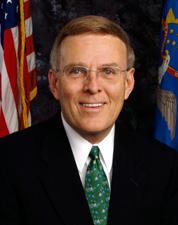
Mr. President, I am pleased to join Senator Domenici in introducing the Border Security and Modernization Act of 2005. Senator Domenici and I represent border States, but the bill we are introducing…
Mr. President, I am pleased to join Senator Domenici in introducing the Border Security and Modernization Act of 2005.
Senator Domenici and I represent border States, but the bill we are introducing today is not one of merely regional importance. Border security is an issue that affects our country as a whole. We cannot have homeland security without strong and effective border security.
The Administration has signaled that it wants to have a vigorous debate on border security and immigration issue early next year. Our bill does not attempt to change immigration law, but it squarely addresses the border security issue.
I began working on border security long before the attacks of September 11, 2001. The Northern border is over 4,000 miles long. In the past, almost all of our resources in this country were targeted at the Southern border. It used to be that we had ports of entry at the Northern border where, at night, the only barrier was an orange rubber cone in the middle of the road. The polite people crossing at night actually stopped and removed the cone before they came across the border. Those who were not so polite would run over it at 60 miles an hour.
In 2001, before the September 11 attacks, I proposed something called the Northern Border Initiative. That bill added hundreds of Customs officers to the Northern border, and it became law. I also worked to replace the orange cones with hardened gates. But we clearly have to do much more.
The legislation we are introducing today, which Senator Domenici has described in detail, would devote significant new resources to our border security. Among other things, this legislation would authorize the hiring of an additional 1,000 Customs and Border Protection inspectors and Immigration and Customs Enforcement officers a year for the next five years. It would authorize the Department of Homeland Security to work with States to use National Guard and a volunteer force of retired law enforcement officers as resources to help monitor the borders. And it would have the Federal Government reimburse State governments for the cost of detaining undocumented aliens while decisions are made regarding possible deportation.
This bipartisan proposal is not about immigration. It's about border security. We need to do a better job of securing our borders, and we need to do so on an urgent basis. We hope our colleagues will join us, on a bipartisan basis, in supporting this legislation.
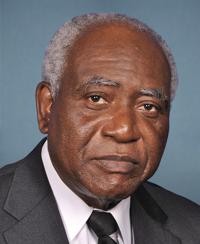
Mr. Speaker, I yield myself such time as I may consume. (Mr. DAVIS of Illinois asked and was given permission to revise and extend his remarks.) Mr. Speaker, as a member of the House Committee on…
Mr. Speaker, I yield myself such time as I may consume.
(Mr. DAVIS of Illinois asked and was given permission to revise and extend his remarks.)
Mr. Speaker, as a member of the House Committee on Government Reform, I am pleased to join my colleague in consideration of H.R. 2490, legislation naming the postal facility in Allentown, Pennsylvania, after the late Joseph S. Daddona, the former mayor of Allentown.
This measure, which was introduced by the gentleman from Pennsylvania (Mr. Dent) on May 19, 2005 and unanimously reported by our committee on June 16, 2005, enjoys the support and cosponsorship of the entire Pennsylvania delegation.
Born and raised in Allentown, Joseph Daddona served 8 years in the U.S. Navy during and after the Korean War. From 1966 to 1994, he served as the mayor of Allentown, the longest serving mayor in the town's history. As mayor, Joseph worked hard to improve the lives of his constituents. He established parks, housing for seniors, and improved environmental conditions.
Sadly, he passed away last June.
Mr. Speaker, I commend my colleague for seeking to honor the legacy of Joseph Daddona and urge swift passage of this bill.
Mr. Speaker, I have no further requests for time, and I yield back the balance of my time.

Mr. President, I ask unanimous consent that the Committee on Homeland Security and Governmental Affairs be discharged from further consideration of H.R. 2490, and the Senate proceed to its immediate…
Mr. President, I ask unanimous consent that the Committee on Homeland Security and Governmental Affairs be discharged from further consideration of H.R. 2490, and the Senate proceed to its immediate consideration.
Mr. President, I ask unanimous consent that the bill be read a third time and passed, the motion to reconsider be laid upon the table, and that any statements relating to the measure be printed in the Record.
Show 1 more

Mr. President, I ask unanimous consent that the text of my bill to reinstate a hydroelectric license for a Federal Energy Regulatory Commission project in Grafton, WV, be printed in the Record.
Mr. President, I ask unanimous consent that the text of my bill to reinstate a hydroelectric license for a Federal Energy Regulatory Commission project in Grafton, WV, be printed in the Record.
Bill Text
5 versions available
        [Congressional Bills 109th Congress]
[From the U.S. Government Publishing Office]
[H.R. 2490 Enrolled Bill (ENR)]

H.R.2490

One Hundred Ninth Congress

of the

United States of America

AT THE FIRST SESSION

Begun and held at the City of Washington on Tuesday,
the fourth day of January, two thousand and five

An Act

To designate the facility of the United States Postal Service located at
442 West Hamilton Street, Allentown, Pennsylvania, as the ``Mayor Joseph
S. Daddona Memorial Post Office''.

Be it enacted by the Senate and House of Representatives of the
United States of America in Congress assembled,

SECTION 1. DESIGNATION.

The facility of the United States Postal Service located at 442
West Hamilton Street, Allentown, Pennsylvania, shall be known and
designated as the ``Mayor Joseph S. Daddona Memorial Post Office''.

SEC. 2. REFERENCES.

Any reference in a law, map, regulation, document, paper, or other
record of the United States to the facility referred to in section 1
shall be deemed to be a reference to the ``Mayor Joseph S. Daddona
Memorial Post Office''.

Speaker of the House of Representatives.

Vice President of the United States and
President of the Senate.