Coffman Cove Administrative Site Conveyance Act of 2006
A bill to provide for the conveyance of certain Forest Service land to the city of Coffman Cove, Alaska.
Also known as Coffman Cove Administrative Site Conveyance Act of 2005
Legislative Activity
Stay on top of the latest movement without scrolling through every action
Held at the desk.
December 8, 2006 • 12:45 PM
View full timeline
Introduced in Senate
July 28, 2005
Sponsor introductory remarks on measure. (CR S9306-9307)
July 28, 2005
Read twice and referred to the Committee on Energy and Natural Resources. (text of measure as introduced: CR S9307)
July 28, 2005
Committee on Energy and Natural Resources Subcommittee on Public Lands and Forests. Hearings held. With printed Hearing: S.Hrg. 109-347.
November 2, 2005
Committee on Energy and Natural Resources. Ordered to be reported with an amendment in the nature of a substitute favorably.
May 24, 2006
Committee on Energy and Natural Resources. Reported by Senator Domenici with an amendment in the nature of a substitute. With written report No. 109-301.
July 31, 2006
Placed on Senate Legislative Calendar under General Orders. Calendar No. 544.
July 31, 2006
Measure laid before Senate by unanimous consent. (consideration: CR S11537-11543; text of measure as reported in Senate: CR S11539)
December 7, 2006
The committee substitute as amended agreed to by Unanimous Consent.
December 7, 2006
Passed Senate with an amendment by Unanimous Consent.
December 7, 2006
Received in the House.
December 8, 2006 • 10:17 AM
Message on Senate action sent to the House.
December 8, 2006
Held at the desk.
December 8, 2006 • 12:45 PM
Amendments
1 amendmentOffered to this bill
Amendments
1 amendmentOffered to this bill
Floor Debate
16 membersWhat members said about S. 1548 on the floor
 DKA
 AS
 PJL
 MBE
 MM+11
Floor Debate
16 membersWhat members said about S. 1548 on the floor
Mr. President, I am introducing the Teacher Acculturation Act of 2005 as a means to address an issue that impedes effective learning in our Nation's classrooms, and that is cultural incongruence.…
Mr. President, I am introducing the Teacher Acculturation Act of 2005 as a means to address an issue that impedes effective learning in our Nation's classrooms, and that is cultural incongruence. Such a lack of congruence exists in a wide range of situations, from rural and underserved communities in remote areas to well-populated urban centers, from my State of Hawaii to areas on the Eastern seaboard. The dynamic I am describing exists along lines of race and ethnicity, socioeconomic strata, age, and many other vectors, which can muddy the stuff of learning that needs to be transmitted between students aiming to learn and teachers seeking to teach.
As many of my colleagues and I have said many times, our children are our future. Furthermore, our great Nation is dependent on the success of our educational system and what it is delivering to our children. An essential part of our educational system is a highly qualified teacher with knowledge of the subject area, and the ability to teach that subject to students. This is the most important factor in the academic success of the student. My bill will address one attribute of that success: the ability of the teacher to present the lesson in a way that students are ready to learn it.
I started my professional life as a teacher, so improvement of the field of education is never far from my thoughts. Even after all of my teacher training, I remember walking into a classroom and thinking, ``What do I do now?'' and, ``Will I be able to connect with my students?'' I have never forgotten those thoughts. Through my bill, I hope to work to help teachers answer these and similar questions, particularly for those teachers who are placed in States that are new to them, or in parts of their home States with which they have little or no familiarity. In my State of Hawaii, according to an article published Monday in the Honolulu Advertiser, Hawaii's 258 public schools need 1,400 to 1,600 new teachers every year to replace those who retire or leave the system, particularly in the areas of special education, speech pathology, autism, and hearing impairment. However, only about 500 Hawaii teachers are graduating and earning their licenses every year from both public and private colleges, and many of them are being drawn away from the State to schools on the mainland. Recruiting trips by the Hawaii Department of Education are seeking hires in cities such as New York, Chicago, Los Angeles, and San Francisco. I would like to help to ensure the success of these and other teachers in similar situations across the country, to help smooth their adjustment to their new homes, and thus, make a fluid transition to their new classrooms.
The Teacher Acculturation Act seeks to address cultural incongruence between the teacher and the student population in the classroom. To be successful, the teacher must be prepared to teach in a way that students are ready to learn. And with a increasingly diverse student population, that becomes harder and harder as time goes by. To achieve these ends, the bill proposes programs in three parts.
The first two parts recognize the success of ongoing and sustained professional development to affect positive change in teaching pedagogy. The bill authorizes demonstration programs that aim to assist teachers in learning, developing, and implementing pedagogies that help all students learn. I have modeled the programs on the Lesson Study theory of change, which is a model that uses a cohort of professionals for lesson development, presentation of the developed lesson by a member of the cohort to a class, observation of the presentation by other members of the cohort, and post-presentation analysis and reflection by the entire cohort, along with coaches, mentors, and supervising practitioners. A group of teachers working together to improve their pedagogy has been shown to be very effective, and this model is becoming more popular at every level in teacher education and professional development, from classroom work in colleges of education, to cohort work by candidates for National Board Certification--the highest performance achievement available to a teacher in the United States.
The first demonstration program would take place during the time the prospective teacher is in a college or school of education, and introduces a multicultural awareness component into the pre-service teaching activities. In this program, prospective teachers would work with members of the community, trained academics, and practicing teachers to learn about cultural characteristics of the student population, to develop pedagogies and curriculum to fit those cultures, and to study how to deliver the new lessons in a culturally relevant style. Prospective teachers would then deliver these lessons to the students in a real classroom setting while student teaching. Post- teaching analysis, reflection, and discussion would then allow the student teacher to analyze and reflect upon the performance.
The second demonstration program is structured similarly to the first program, but conducts a professional development activity during the time the teacher is new to the profession--generally the first three years--recognizing that many teachers develop teaching styles in these initial years that they may use for the duration of their teaching careers. Through this program, a cohort of teachers would undertake a year-long program, which includes two summers, under the direction of a coach trained in multicultural education. Participating teachers would already be placed in teaching positions and have a defined learning community to work with. If done right, such a program has the potential to involve the whole school community and, eventually, contribute to whole school change.
These two programs taken together have the potential to develop a cadre of teachers adept at teaching in ways that are culturally- relevant, ways that address the needs of the students, and ways in which the students are ready to learn. I truly feel that such programs working with new and prospective teachers can make a difference in addressing the current achievement gap, particularly impacting the groups most at risk of being on the losing end of the achievement gap.
The third section of the Teacher Acculturation Act of 2005 would set up Centers of Excellence in Multicultural Education. These centers would support the professional development activities from the first two parts of the bill by providing trained mentors, coaches, and academics, as well as undertaking research into the areas of multicultural education. The centers would also develop activities for use by schools and districts to provide ongoing professional development opportunities to all faculty or teachers.
We must never forget that a solid education is the cornerstone of our future. And a highly qualified teacher is needed to provide that education. The teacher not only needs to be knowledgeable about the subject being taught, but needs to know how to teach the subject to the students. This bill would help address the question of how. It seeks to prepare the teacher to deal with groups of students with different learning styles, as well as to identify the needs of divergent groups of students and how to vary teaching to support the learning of these students. My bill seeks to improve learning among those groups who are underserved today. Although my bill alone would not eliminate the achievement gap, it seeks to provide a good start.
This bill is supported by leading experts and organizations in the field of multicultural education, including Ms. Joyce Harris, Executive director of the National Academy for Multicultural Education, Dr. James Banks of the Center for Multicultural Education at the University of Washington, and Dr. Randy Hitz, Dean of the College of Education at the University of Hawaii. I ask unanimous consent that their letters of support be printed in the Record. I ask unanimous consent that the text of the bill be printed in the Record.
I urge my colleagues to cosponsor this important piece of legislation.
Mr. President, I rise proudly today to introduce legislation that would establish Parkinson's Disease Research Education and Clinical Centers and Multiple Sclerosis, MS, Centers of Excellence in the Veterans Health Administration of the Department of Veterans Affairs, VA. The need for research and care is extremely pressing at a time when VA is dealing with meeting the demands of veterans suffering from debilitating neurological diseases.
VA has been a leader in the advancement of medicine and should be applauded for its progressive and innovative research endeavors. Yet, continued strides in specialized research are necessary to address the specific health care needs of our veterans. Through the establishment of the Parkinson's Disease and Multiple Sclerosis Centers, VA clinicians and educators will be able to gain a better understanding of these diseases that affect not just our veterans, but Americans across the nation. It is through this understanding that clinicians will be able to provide more effective patient care, treatment, and education.
The establishment of the Parkinson's Disease Research Education and Clinical Centers stems from the same spirit that inspired the conception of a great alliance formed between VA and the National Parkinson Foundation, Inc., NPF, in June of 1999. This alliance created an opportunity for the two entities to come together to develop research and treatment symposiums, provide information concerning Parkinson's disease, and also provide VA physicians that treat at least 20,000 Parkinson's patients with continuing education.
Those affected with Parkinson's Disease not only suffer from symptoms that manifest themselves physically, such as through tremors, muffled speech, slowness and impaired mobility. There are also psychological effects characterized in the form of depression for those suffering from this diseases. Through these centers, clinicians and educators can determine better ways to manage symptoms associated with Parkinson's Disease, as well as those symptoms such as fatigue and spasticity associated with MS that will give veterans suffering from these diseases a better quality of life.
Since the time of its inception, the VA health care system was tasked with
meeting the special needs of its veteran patients. Though VA is providing the necessary care to those currently affected by the disease, more can be done to develop new treatments to reduce the symptoms and slow down the progression of the disease.
This legislation will provide VA with the opportunity to establish these centers and mark a new phase in the pursuit of enhanced treatment for those that struggle with the daily challenges imposed by these diseases, which includes not only the veteran patients but their families as well. The Parkinson's Disease Research Education and Clinical Centers and Multiple Sclerosis Centers of Excellence will also be beacons of hope towards finding a cure for degenerative neurological diseases.
I ask my colleagues for their support of this bill as a commitment to advancing research and education for veterans battling Parkinson's Disease and Multiple Sclerosis. I also wish to thank Congressman Lane Evans, who serves as the ranking member of the House Committee on Veterans' Affairs, for his leadership on this issue.
I ask unanimous consent that the full text of the bill be printed in the Record.
Mr. President, I rise today to introduce the Public Land Protection and Conservation Act of 2005. I am pleased to have Senators Inouye, Lautenberg and Levin join me in cosponsoring the bill. My legislation encourages Federal, State, and local agencies, nonprofit organizations, Indian tribes and private entities to work together through a cost-shared, cooperative grant program to control and mitigate the spread of invasive species.
Invasive species are defined as harmful, nonnative plants, animals, or organisms likely to cause economic harm, environmental harm, or harm to human health. They are widespread throughout the United States and cause billions of dollars of damage annually to crops, rangelands, and waterways. The globalization of trade, the massive volume of cargo shipments, and rising tourism have combined to increase the chance of introductions of nonnative species into the United States. They are responsible for damage to native ecosystems and vital industries such as agriculture, fisheries, and ranching. The economic, social, recreational, and ecological losses attributable to invasive species are huge. A recent Cornell University study estimated that invasive plants and animals cost the U.S. economy $137 billion annually. The costs are predicted to increase substantially as more invasive species enter the country.
The implications of the nationwide invasive species problem are enormous. The Ecological Society of America notes that invasive species contribute to the listing of 35 to 46 percent of all threatened and endangered species. Nowhere, however, are the impacts greater than in my home State of Hawaii. Hawaii is known for its biodiversity. Hawaii has more than 10,000 species found nowhere else on Earth. Unfortunately, invasive species are the number one cause of the decline of Hawaii's threatened and endangered species. This is a serious concern because of the 114 endangered species that have become extinct during the first 20 years of the Endangered Species Act, almost half were in Hawaii. Recently, gall wasps were found laying eggs in wiliwili trees. These trees were once a dominant species in dry Hawaiian forests. Now they are nearly 90 percent gone with the remnants of the remaining trees, primarily found on Maui and the Big Island, threatened by the invasive gall wasp. The fragility of our native species is compounded by the fact that most introduced species have no natural predators in the State, and such predators cannot simply cross a State border to enter Hawaii. Hawaii's Invasive Species Partnerships, a group comprised of a state council and island-based committees stated in its 2004 report that ``the silent invasion of Hawaii by alien invasive species is the single greatest threat to Hawaii's economy, natural environment, and the health and lifestyle of Hawaii's people and visitors.'' Hawaii is plagued with pest invasions to a greater extent than almost any other location in the world. The invasion has limited our agricultural export market, decreased bio-diversity in the forests, and decimated native bird populations. It is imperative that this serious issue receive our full attention.
Let me give you just a few examples of invasive species problems in Hawaii. Control efforts for the Formosan ground termite are estimated to cost residents in Hawaii more than $150 million per year. Damage to our agricultural industry and the related control costs of the Mediterranean fruit fly are more than $450 million annually. Miconia, an invasive tree infesting more than 15,000 acres of rainforest in Hawaii, eliminates the habitat of endangered plants and animals and causes serious erosion problems that threaten our water supply. Bush Beardgrass is a drought-tolerant grass that increases the risk of brushfires. Wildlife authorities say the grass is beyond control on Kauai and the Big Island. Native birds in our rainforests are succumbing to malaria spread through introduced mosquitos. Coqui frogs can reach densities of 8,000 frogs per acre and threaten Hawaii's real estate, export floriculture, and nursery industries. The brown tree snake has invaded Guam and devastated native bird populations there. If the snakes become established in Hawaii, economic costs have been estimated to exceed hundreds of millions of dollars. Red fire ants threaten the agriculture industry in Hawaii and in 14 Southern States, causing more than $2 billion in annual damage. As you can see, the list
of problems is long and the time to address the issue of invasive species is now, before even more serious problems crop up.
With 73 percent of land in the continental U.S. held privately, our Federal lands will not be adequately protected without public-private partnerships. My bill requires coordination between the National Invasive Species Council, the Department of the Interior, the U.S. Department of Agriculture, and State invasive species councils and plans. The bill authorizes the Secretary of the Interior to provide grants to promote the development of voluntary State assessments to establish inventories and priorities for controlling invasive species. This is a critical step in establishing an invasives program, but many States do not have the resources to carry out this critical assessment. The legislation also provides additional grants to public or private entities, or Indian tribes, to carry out in partnership with a Federal agency an eradication, containment, or management project on Federal land or adjacent land. Control grants are cost-shared with partners. The criteria for ranking control projects include shared priorities in State and Federal plans, the severity of the invasive species impact on a State, and whether the project fosters results through public-private partnerships. Finally, and perhaps most importantly, the bill provides rapid response funds for States facing new outbreaks of invasive species, to eradicate serious new outbreaks. Rapid response funds are critical to States in order to combat newly identified invasives.
I was pleased to see that Federal departments would receive an overall increase for the seven invasive species general categories in the President's fiscal year 2006 proposed budget. I appreciate the consideration that my colleagues on the Appropriations Committee have given this important issue. However, I was dismayed to see that the budget for the category of control of invasive species declined by $25 million from its fiscal year 2005 enacted level. Control is an essential element in combating invasive species and requires additional funding.
I would like to acknowledge the fine work being accomplished by the National Park Service in establishing its Exotic Plant Management Teams. These Teams are designed to provide a highly trained, mobile strike force of plant management specialists to assist parks in the control of exotic plants. Approximately 2.6 million acres in the national parks are infected and 234 parks have invasive animals in need of management. To date, 17 Teams have been deployed throughout the country. I am grateful to the Pacific Island Team for its efforts to protect increasingly rare native communities in the Hawaiian Islands from invasion. Control of exotic species is one of the most significant land management issues facing national parks. Although I applaud the current efforts of the Department of the Interior and the U.S. Forest Service, a more coordinated and forceful attack on invasive species is needed. The attack must have robust funding and work in partnership with the States.
I am particularly pleased that the State of Hawaii is taking a leadership role in addressing its invasive species problems. Two years ago the Hawaii State Legislature established the Hawaii Invasive Species Council to coordinate the State's fight against animal and plant invaders, with the Department of Agriculture and the Department of Land and Natural Resources in leading roles. The Hawaii State Legislature has directed approximately $8 million to the invasives campaign so far. The Hawaii Invasive Species Council and each county council are committed to a proactive approach to preserve the environmental heritage and economic security of our communities for generations to come. In addition, many public and private partnerships have been formed to protect our common natural resources. For example, the East Maui Watershed Partnership brings together multiple public and private landowners and the County of Maui to control invasive species and protect 100,000 acres of our prime watershed areas. This is just one example of many highly successful and dedicated partnerships in Hawaii working to preserve our invaluable resources.
The National Environmental Coalition on Invasive Species, a coalition of representatives from major environmental organizations, has extended its full support for this legislation. Its letter of support calls this bill ``one of the best legislative proposals to date to deal with the growing threat that invasive species pose to our nation's ecological and economic health.'' The State of Hawaii, Department of Land and Natural Resources, also supports the bill. The Department acknowledges that success in invasive species projects in Hawaii have come largely from the formation of strong partnerships between State, County and Federal agencies and private groups -exactly what my legislation endorses. My bill is also supported by the Conservation Council of Hawaii, the National Wildlife Federation affiliate in Hawaii. I greatly appreciate these endorsements.
As Federal efforts to combat the growing tide of invasive species increase, some landowners and private property advocates are concerned that increased efforts to combat invasives and support native plants and animals could lead to the next big government invasion of private lands. Let me assure you this is not a property rights issue. Any action taken by governments or nonprofits through this bill can occur only with the participation and willingness of the property owner.
There are increasingly severe problems and economic burdens associated with invasive species in our Nation that are borne at the State and local levels. If ever there was a time to commit to defending the security of our domestic resources for the future, it is now. My legislation provides the support necessary for agencies, organizations, and individuals to implement cooperative projects to address new threats and long-standing invasive species problems. This is an issue that must be confronted.
I ask unanimous consent that text of the bill be printed in the Record, as well as the letters of support from Hawaii and national groups, and urge my colleagues to support my legislation.
Mr. President, I have sought recognition today to introduce the Roads to Success Act of 2005, which is legislation designed to expand higher educational and career opportunities for American…
Mr. President, I have sought recognition today to introduce the Roads to Success Act of 2005, which is legislation designed to expand higher educational and career opportunities for American students. There is no doubt as to the benefit of receiving a post-secondary education. The level of education that individuals accumulate has an important influence on their experience in the labor market. According to 2002 U.S. Census Bureau statistics on educational attainment and earnings, the mean earnings of men with a bachelor's degree is $63,354, while the mean earnings of men with a high school degree is $32,363. This is a difference of more than $30,000 or 97 percent.
In recent years, there have been clear signs that more Americans are pursuing higher education opportunities. In June 2002, USA Today reported that 63 percent of high school graduates go to college immediately after graduation, the highest percentage in U.S. history. Yet not all of the news on college graduation rates has been good. Only 18 percent of African Americans and 11 percent of Hispanic high school graduates earn a bachelor's degree by their late twenties, compared to 33 percent of whites according to the National Center for Education Statistics, NCES, in 2001. Further, in 2000, NCES reported that 22 percent of low-income, college qualified high school graduates do not pursue post-secondary education, compared to 4 percent of high-income graduates.
As I travel through Pennsylvania, I still hear from too many middle school and high school students that they do not have the preparation necessary to enroll in higher education institutions. On a trip to the Commonwealth, I joined Andrew McKelvey--the founder of the McKelvey Foundation--to announce Federal funding for entrepreneurial scholarships to rural, low-income Pennsylvania high school graduates. During that trip, I had a frank discussion with Mr. McKelvey regarding the need to not only ensure access to funding for students to pursue higher education, but the need to inform students about the importance of higher education, as well as prepare students for the application process.
The bill I am introducing today, the ``Roads to Success Act of 2005'', will help to educate middle school and high school students in grades 7, 8, 9, 10, 11, and 12, about higher education and career opportunities. This bill will create a program which will provide students with access to information on higher education and career development, and prepare students with the skills necessary to plan for higher education. The availability of information on higher education opportunities makes an enormous difference to students contemplating continuing their education at the undergraduate level.
My legislation will authorize a grant to Roads to Success, a nonprofit educational organization, to develop a core curriculum to be taught in the classroom to equip middle and high school students with the appropriate skills and knowledge to pursue post-secondary education and their career goals. Given the importance of higher education, it makes sense to prepare students for the undergraduate process as part of their class instruction to ensure that all students have access to the necessary information to attain their objectives. To this end, middle schools and high schools participating in the program will dedicate one hour each week of their classroom activity to higher education and career preparation of students utilizing the core curriculum.
Additionally, I seek to create a network of intensive academic support for students by encouraging public-private partnerships to emphasize the importance of higher education and career development. Partnerships with private entities create a unique opportunity for middle schools and high schools to supplement and enhance the core curriculum by offering appropriate enrichments, including guest speakers, videos and web-based services. For example, through these partnerships, middle school and high school students will gain first- hand knowledge of the skills that businesses are seeking by having the opportunity to speak with business leaders, as well as perhaps tour local facilities. This will underscore the significance and importance of higher education for students as they embark on their future career paths.
To implement this initiative, my bill will authorize $10 million annually for fiscal years 2006 through 2011, for Roads to Success to develop a core curriculum which has as its cornerstone increasing awareness of the importance of higher education, developing career awareness, building life skills, and providing education planning to students. Under this legislation, Roads to Success will award subgrants to five State educational agencies to offer higher education preparation programs using the core curriculum in middle and high schools with historically low rates of student application and admission to post-secondary institutions.
It is my sincere hope that this act will ensure that students who wish to enroll in a higher education institution will have access to the tools and resources necessary to help them plan for undergraduate study. We must take this step to encourage students to pursue their educational and career goals--especially those who might not otherwise have this opportunity. I urge my colleagues to join me in cosponsoring this act, and urge its swift adoption.
Mr. President, I seek recognition today to introduce the Agroterrorism Prevention Act of 2005, which would amend Title 18 of the United States Code to criminalize acts of agroterrorism, and to enhance the protection of the United States agricultural industry and food security through increased prevention, detection, response and recovery planning.
Since the events of September 11, 2001, Congress has taken substantive actions to protect America and indeed, the world from the threat of terrorism. Yet, there is a significant component of the United States that is at risk from terrorist attacks, and that is American agriculture. The United States agriculture industry accounts for 13 percent of the Nation's gross domestic product, makes up 8 percent of our foreign trade, and accounts for over $192 billion in cash receipts. More specifically in Pennsylvania, agriculture is the number one industry with over 59,000 farms and ranches producing cash receipts exceeding $4 billion annually. Less than 2 percent of the American people are considered farmers or ranchers; however, they are responsible for feeding 100 percent of the American population. It is incumbent upon us in Congress to do everything in our power to ensure that the American farmer and rancher, and our Nation's food supply, are protected from any act of terrorism.
During the 108th Congress, I held four forums on the issue of agroterrorism and food security at the Pennsylvania Department of Agriculture working in conjunction with the PA Secretary of Agriculture to address the needs and concerns of Pennsylvania's producers, processors, commodity representatives, veterinarians, public health officials, university administrators, and local government representatives. Collectively, the comments and issues raised at these forums provided the impetus to craft this necessary and timely legislation.
This legislation would afford the American farmer, rancher, and the United States agriculture industry the protection it deserves. My bill would amend Title 18 of the United States Code to criminalize the act of agroterrorism, ensuring that we have a legal recourse against individuals seeking to disrupt our interstate commerce and foreign trade, or who try to coerce our civilian population or government. An agroterrist act would be defined as a criminal act that consists of causing, financing, or attempting to cause damage or harm to, or destruction of, a crop, livestock, raw agricultural commodity, food product, farm or ranch equipment, a material, or any other property associated with agriculture, or a person engaged in an agricultural activity, that is committed to intimidate or coerce a civilian population; to influence the policy of a government by intimidation or coercion; or to disrupt interstate commerce or foreign commerce of the United States agricultural industry. Further, I have included the death penalty provision in this legislation to be consistent with existing laws concerning acts of terrorism.
Beyond criminalizing the act of agroterrorism, this legislation would provide farmers and ranchers with on-farm bio-security resources; tools that reduce the potential for disease outbreaks. Through these resources, our farmers and ranchers would be able develop preparedness, response and recovery planning techniques. These techniques would enable farmers and ranchers to control access to their farms, separate animal shipping vehicles from animal feed facilities, and know what risks visitors present. Ultimately, the intent of this provision is to ensure that our first responders have the information, training, and critical infrastructure they need to react aggressively to an incident of agroterrorism.
The impact of globalization affects agriculture in ways that many would be unaware. For example, livestock and crop diseases can be obtained and disseminated with ever increasing ease. These diseases are endemic to other parts of the world and can be extracted from common materials, such as soil. Additionally, agricultural inspections at ports of entry, the first line of defense against the entry of foreign animal and plant diseases, have declined over the last two years at a time when imports have increased. Therefore, I have called for the Secretaries of Homeland Security, Agriculture, Interior, Health and Human Services, the Attorney General, and the Director of National Intelligence to coordinate and enhance monitoring, surveillance, and intelligence capabilities concerning threats, delivery systems, border controls, and actions that could be directed against the agriculture sector.
This legislation would authorize significant grant funding for States to establish state and local emergency response plans, information management, and to provide training for first responders, in the event of an animal or plant disease outbreak. The 2001 foot
and mouth disease outbreak in England required extensive intervention to eradicate and control the spread of disease. Therefore, the question remains if our Nation is ready to respond to such an outbreak, whether caused by a natural event or an act of terrorism.
Additionally, this legislation would authorize funding for pilot grant demonstrations concerning on-farm bio-security. The majority of our Nation's farmers, ranchers, and processors are family owned or small businesses, and they need our assistance in strengthening and changing their practices to meet the challenges they are facing in this war on terror. It is our duty as their representatives to provide the tools they need to preserve the American farm and ranch.
This legislation would ensure that our National Veterinary Stockpile contains sufficient amounts of animal vaccine, antiviral, or therapeutic products to appropriately respond to the most damaging animal diseases affecting human health and the economy. Additionally, let us not think that agroterrorism pertains only to animals. A plant disease event can impact our agricultural economy as well. Therefore, I have included provisions to ensure that our U.S. National Germplasm system can respond to such an event with the use of disease-resistant seed varieties.
Compounding the threat of agroterrorism is the fact that the United States is currently experiencing a shortage of veterinarians in rural agricultural areas. This results in an inability to respond to a disease outbreak whether natural or an act of terrorism. In response to this decline, this legislation would provide both educational debt repayment for veterinarians serving American agriculture during a disease outbreak and capacity building grants for colleges and schools of veterinary medicine to design higher education training programs in exotic animal diseases, epidemiology, and public health.
The last provision of this legislation would require the Secretaries of Homeland Security, Agriculture, HHS, Interior, and the Administrator of EPA to submit a report to Congress that describes the feasibility and need for modernizing or replacing current federal Biological Level 3 and Biological Level 4 laboratories responsible for research, technology development, diagnostic, and forensic activities on plant and animal diseases, including zoonotic diseases. As a nation we cannot adequately fight a modern war on terrorism using technology and laboratories that have exceeded their capability and useful life span.
I urge my colleagues to cosponsor and support this legislation, which would secure our Nation's most critical infrastructure, our food supply. As a nation, we cannot take for granted that our food supply will not be susceptible to terrorist activities. The measures called for in this legislation would not impose any new regulations on our farmers, ranchers, or processors but rather would provide them with the tools necessary to counteract agroterrorism. Without question, the time has come for concerted action to ensure the protection of American agriculture.
Mr. President, I am pleased to introduce the ``Medical Malpractice Insurance Antitrust Act of 2005.'' In the ongoing debate about health care costs, this legislation is a targeted and responsible…
Mr. President, I am pleased to introduce the ``Medical Malpractice Insurance Antitrust Act of 2005.'' In the ongoing debate about health care costs, this legislation is a targeted and responsible move toward fixing one significant part of the system that is broken the skyrocketing insurance premiums for medical malpractice.
For too long, doctors and hospitals have endured dramatic increases in the cost of their malpractice insurance. I doubt there is a single Senator who has not heard repeatedly from beleaguered physicians back home. Rising insurance rates are reportedly forcing some doctors to abandon their practices.
Some of my colleagues in the other body seem content to echo the refrains of the insurance industry and heap blame for the problem of rising insurance premiums rates on trial lawyers and the victims of medical malpractice themselves. I have opposed arbitrary caps on damages because they will inflict additional harm on the most vulnerable victims of medical malpractice.
Many of us have questioned the insurance industry's claim that lawsuits are causing the rise in premium costs since doctors in States that have imposed damages caps have not seen a reduction in their medical malpractice insurance premiums.
A newly released report provides shows that our questions were well- founded. This report provides real evidence rather than anecdotal stories routinely trotted out by the insurance industry advocates. This study was prepared by a former State Insurance Commissioner and uses the insurance industry's own numbers to debunk the myths being advanced by the insurance industry.
The study entitled, ``Falling Claims and Rising Premiums in the Medical Malpractice Insurance Industry,'' suggests that malpractice insurers have been overcharging, even gouging, physicians unconscionably. I expect a number of Senators will be surprised to learn that the malpractice claims payments actually went down, in real
terms, over the past five years. In addition, even the insurers' own projections of future losses are declining. Despite these downward trends, year in and year out, these insurers are burdening doctors with increased premium costs and shifting the blame for their increases on to lawyers and victims.
In the past five years, premiums have more than doubled even though claims payments have been stable. In 2004, malpractice insurers' total premiums were three times higher than their payouts. During the years 2000 to 2004, net premiums increased by 120 percent, while net claims payments increased by less than 6 percent.
I urge Senators to read this report. It is based entirely on data from annual statements filed under oath with State insurance departments by the Nation's 15 largest malpractice insurers. The statements contain each insurer's estimate of how much it will pay out in malpractice claims, as well as data showing how much it actually paid out in claims and took in premiums. Claims and projected losses are down. It is only premiums that are rising, not claims.
What this boils down to is an insurance industry problem, not a problem with the legal system. No wonder that the State attorneys general of Connecticut and Missouri have reacted to the study by attacking industry practices and calling for an aggressive regulatory response.
As this study makes clear, high malpractice insurance premiums are not the result of malpractice lawsuit verdicts. They are the result of investment decisions by the insurance companies and of business models geared toward ever-increasing profits. I hope that this study once and for all shines light on the real culprit in rising malpractice insurance rates and informs the Senate with solid evidence of the best way to assist the good doctors who commit their professional lives to caring for others. I ask unanimous consent that the executive summary of the study be printed in the Record.
To be sure, different States have different experiences with medical malpractice insurance, and insurance remains a largely State-regulated industry. Each State should endeavor to develop its own solution to rising medical malpractice rates because each state has its own unique problems. Some States--such as my own, Vermont--while experiencing problems, do not face as great a crisis as others.
But another fact of the insurance industry's business model requires a Federal legislative correction its blanket exemption from federal anti-trust laws. Insurers have for years enjoyed a special benefit in our marketplace. The McCarran-Ferguson Act permits insurance companies to operate without being subject to most of the Federal antitrust laws, and our Nation's physicians and their patients are suffering from this special treatment. Using their exemption, insurers can collude to set rates, resulting in higher premiums than true competition would achieve and because of this exemption, enforcement officials cannot investigate any such collusion. If Congress is serious about controlling rising premiums, we must revoke this blanket exemption created in the McCarran-Ferguson Act.
That is why today I introduce the ``Medical Malpractice Insurance Antitrust Act of 2005.'' I want to thank Senators Kennedy, Boxer, Corzine, Durbin, Feingold, Mikulski, Obama, Rockefeller, and Salazar for cosponsoring this essential legislation. Our bill modifies the McCarran-Ferguson Act for the most pernicious anti-trust offenses: price fixing, bid rigging, and market allocations. I am hard-pressed to imagine that anyone could object to a prohibition on insurance carriers' fixing prices or dividing territories for anticompetitive purposes. After all, the rest of our Nation's industries manage either to abide by these laws or pay the consequences.
Many State insurance commissioners police the industry well within the power they are accorded in their own laws, and some States have antitrust laws of their own that could cover some anticompetitive activities in the insurance industry. Our legislation would not affect regulation of insurance by State insurance commissioners and other State regulators. There is no reason to continue a system in which the Federal enforcers are precluded from prosecuting the most harmful antitrust violations just because they are committed by insurance companies.
This legislation is a carefully tailored solution to one critical aspect of the problem of excessive medical malpractice insurance premiums. I hope that quick action by the Judiciary Committee and then by the full Senate, will ensure that this real solution is adopted before more damage is done to the physicians of this country and to the patients that they serve.
Only professional baseball has enjoyed an anti-trust exemption comparable to that created for the insurance industry by the McCarran- Ferguson Act. Senator Hatch and I have joined forces several times in recent years to scale back that exemption for baseball, and in the Curt Flood Act of 1998 we successfully eliminated the exemption as it applied to employment relations. I hope we can work together again to create more competition in the insurance industry, just as we did with baseball.
If Congress is serious about helping to control rising medical malpractice insurance premiums, then we must limit the insurance industry's broad exemption to Federal antitrust law and promote real competition in the insurance marketplace.
Mr. President, these people all have something in common: the former Queen Mother of Britain; diet guru Dr. Robert Atkins; former Tonight Show co-host Ed McMahon; former first lady Nancy Reagan; and…
Mr. President, these people all have something in common: the former Queen Mother of Britain; diet guru Dr. Robert Atkins; former Tonight Show co-host Ed McMahon; former first lady Nancy Reagan; and former Senator Bob Dole. What is it? They are all famous seniors who have suffered a fall during the past three years that had serious repercussions on their lives.
Queen Elizabeth's mother had a history of falling. She underwent a major operation in 1995 to replace her right hip and had a second hip replacement in 1998 when she broke her left hip. In 2000, she tripped and fell in her sitting room and fractured the left-hand side of her collarbone. Then, in 2002 at 101-years-old, she stumbled again in her sitting room while getting up from a chair and cut her arm.
Dr. Robert Atkins, the creator of the high-protein, low-carbohydrate Atkins diet, suffered a severe head trauma in 2003 when an accidental fall outside his New York office left him comatose. Although surgeons removed a blood clot to relieve the pressure on his brain, the 72-year- old died eight days later.
In March of this year, former Tonight Show co-host Ed McMahon spent his 82nd birthday in the hospital after a fall in his Beverly Hills home left him with a mild concussion and a gash in his head that required stitches.
Just last month, former first lady Nancy Reagan slipped and fell in her London hotel room. Fortunately, she was not seriously injured, but was told by doctors to limit her activities for two weeks until the pain subsided and full mobility returned.
The final story hits even closer to home. In January of this year, 81-year-old former Senator and presidential candidate Bob Dole felt light-headed and suffered a near fatal fall while putting away a suitcase. After a quick trip to the hospital to stitch up a cut from his eyeglasses, he was taken back home. Later, he felt ill and had to be taken back to Walter Reed Army Medical Center. Doctors worked fast to save his life. In the fall he had severely damaged his left ``good'' arm, and he suffered bleeding in his head which was worsened by the blood thinners he was given a month earlier after a hip replacement operation. After spending 22 days at Walter Reed, he told a reporter that he was ``getting better slowly'' and that the recovery was ``humiliating'' at times.
As evidenced, falling is a very common and serious problem for older persons. These stories demonstrate the fact that falls can happen to anyone--even the rich and famous. A new report finds that although the life expectancy for Americans has reached an all-time high and senior citizens are more active than previous generations were, they are also reporting to emergency rooms in greater numbers for fall-related injuries. Falls can result in decreased physical function and mobility, disability, reduced independence, and a diminished quality of life. Loss of confidence and fear of falling can lead to further functional decline, depression, feelings of helplessness, and social isolation.
The statistics are overwhelming. More than one-third of adults age 65 years and older fall each year. Falls are the leading cause of injury deaths among individuals in that age group. In 2002, falls among older adults accounted for 12,800 deaths and 1,640,000 emergency department visits.
Hospital admissions for hip fractures among the elderly have increased from 231,000 in 1988 to 327,000 in 2001. One in 5 older Americans who suffer a hip fracture die within a year, and 1 in 5 people with a hip fracture end up in a nursing home within a year. Among people 75 years and older, those who fall are four to five times more likely to be admitted to a long-term care facility for a year or longer.
Annually, more than 80,000 individuals who are over 65 years of age sustain a traumatic brain injury as a result of a fall.
A recent study of people age 72 and older found that the average health care cost of a fall injury was $19,440. This figure does not include physician services. The total medical cost of all fall injuries for people age 65 and older was calculated in 2000 to be $19.5 billion. By 2020, the cost of fall injuries is expected to reach $43.8 billion, in current dollars.
Given our aging population, by the year 2040, the number of hip fractures is expected to exceed 500,000--the annual cost of which is projected to be a shocking $240 billion.
To make matters worse, given the aging baby boomers, more and more elderly will be susceptible to falls. By the year 2040, the 65 and older population will more than double to about 77.2 million, and the relative growth rate is even faster for people over 85.
It seems that we've come to expect that a fall by an older relative is just a natural part of aging, when it is not. As the old adage says so well: ``An ounce of prevention is worth a pound of cure.'' Almost without exception, these falls are preventable. Older adults who have fallen previously or who stumble frequently are two to three times more likely to fall within the next year. We need to take action to ensure that doesn't happen.
Last year, Senator Mikulski and I introduced the ``Keeping Seniors Safe From Falls Act of 2004,'' which passed the Senate by unanimous consent. Today, we are reintroducing this legislation, and we look forward to working with our colleagues so that it not only passes the Senate, but is signed into law.
Our bill will direct the Department of Health and Human Services to oversee
and support national and local education campaigns focusing on reducing falls among older adults and preventing repeat falls. It also calls for research in areas such as identifying older adults at high risk for falling; designing, implementing and evaluating the most effective fall prevention interventions; improving diagnosis, treatment, and rehabilitation of older adults who have fallen; tailoring effective strategies to specific populations; and eliminating barriers to adopting proven fall prevention strategies. In addition, the bill supports demonstration and research projects to improve the science behind preventing falls. It also requires the Secretary to evaluate the effect of falls on health care costs, the potential for reducing falls, and the most effective strategies for reducing fall-related health care costs. Finally, the bill authorizes the appropriation of funds for each of fiscal years 2007 through 2009 in order to carry out its provisions.
I look forward to working again with Senator Mikulski, my colleagues on the HELP Committee, and the wide variety of groups who support this bill. I urge you to support this legislation that will help to keep our nation's seniors--ourselves, our family members, and our friends--safe from falls so that they may have a chance to fully enjoy and savor their ``golden years'' in a safer and healthier fashion.
I ask unanimous consent that the text of the bill be printed in the Record.
Mr. President, I rise today to introduce the Equine Equity Act of 2005 with my colleague from Arkansas, Mrs. Lincoln, and my colleague from Kentucky, Mr. Bunning. Each spring on the first Saturday of…
Mr. President, I rise today to introduce the Equine Equity Act of 2005 with my colleague from Arkansas, Mrs. Lincoln, and my colleague from Kentucky, Mr. Bunning.
Each spring on the first Saturday of May, the sporting world turns its attention to my hometown of Louisville for the annual running of the Kentucky Derby. It has been appropriately called ``the most exciting two minutes in sports,'' and has given us such great champions as Secretariat, Seattle Slew, and Smarty Jones.
The activities surrounding the Derby also allow Kentucky to show off one of its signature industries, the horse industry. Long after the pageantry and festivities of Derby day, the horse industry remains a vital part of Kentucky's economy and cultural heritage. Horses are Kentucky's largest agricultural product. The horse industry contributes $3.5 billion to Kentucky's economy, and directly employs more than 50,000 Kentuckians.
While many Americans appropriately identify the horse industry as one of Kentucky's signature industries, the industry's economic impact extends well beyond the borders of the Commonwealth. A recent economic impact study by the firm of Deloitte Touche Tohmatsu found that the horse industry contributes approximately $39 billion in direct economic impacts to the U.S. economy each year. The industry sustains 1.4 million full-time equivalent jobs each year, with over 460,000 of those jobs created from direct spending within the industry.
Nearly 2 million Americans own horses, either for racing, showing, or recreational purposes. While the popular image of horse owners might focus on Millionaire's Row at Churchill Downs on Derby Day, the facts tell a different story. Only about one-quarter, 28 percent, of U.S. horse owners have incomes greater than $100,000. More than one in every three, 34 percent, horse owners has an income of less than $50,000.
Like many businesses, outside investments are essential to the operation and growth of the horse industry. Without investors willing to buy and breed horses, it is impossible for the industry to thrive. Unfortunately, there are several unfair, unwise provisions in Federal law that discourage investment in the horse industry.
In an effort to address these concerns, today I introduce the Equine Equity Act with my colleague from Arkansas, Mrs. Lincoln, and my good friend from Kentucky, Mr. Bunning. The Equine Equity Act includes three key provisions.
First, it will provide capital gains treatment for horses that is equal to other investments. Nearly all capital assets are eligible to receive more favorable capital gains tax treatment once they are held for 12 months. However, horses and cattle must be held for 2 years to receive capital gains treatment. This legislation would reduce the capital gains holding period for horses from 24 months to 12 months.
Second, it will apply equal depreciation standards for all racehorses. Current law states that racehorses that begin training when older than 24 months of age are depreciated over 3 years, while those horses that begin training before reaching 24 months of age are depreciated over 7 years.
Most horses begin training before they reach 24 months, but their racing careers do not last 7 years. This legislation would reduce the depreciation period for racehorses to 3 years to more accurately reflect the racing life of horses.
Finally, the Equine Equity Act would establish equity in eligibility for disaster assistance between horses and other livestock. Most livestock, beef, dairy, sheep, and goats, are eligible for Federal disaster assistance during a drought, but horses are not. This legislation would make horses eligible for disaster-assistance programs offered by the U.S. Department of Agriculture.
I appreciate the willingness of my colleagues from Arkansas and Kentucky to join me in introducing this legislation of tremendous importance to our States. I look forward to working with them and our colleagues in the Senate to enact this bipartisan bill into law.
Mr. President, I ask unanimous consent that the text of the bill be printed in the Record.
Show 8 more

Mr. President, today, I rise, along with my cosponsor, Senator DeWine, to reintroduce legislation called I TEACH, Incentives to Educate America's Children Act of 2005. This legislation is an…
Mr. President, today, I rise, along with my cosponsor, Senator DeWine, to reintroduce legislation called I TEACH, Incentives to Educate America's Children Act of 2005. This legislation is an investment to support teachers in rural areas, and high poverty areas. It provides a $1,000 refundable tax credit for those teachers willing to serve in challenging schools. The bill also gives every teacher the chance to earn a refundable tax credit by offering a $1,000 refundable tax credit for every teacher who earns accreditation by the National Board for Professional Teaching Standards. A National Board Teacher in a rural school or high poverty school would receive a $2,000 credit which hopefully would promote retention of our best teachers.
According to the most recent survey by the American Federation of Teachers, the average teacher salary is $45,771. While teacher salaries rose an average of 3.3 percent, the health insurance benefits spiked an average 13 percent, according to the Bureau of Labor Statistics. The starting salary for a new teacher is estimated to be $30,496. Given the costs of college, the average student graduates with a debt of $19,400 and face loan payments of $210 a month, it is difficult for young, eager graduates to pursue careers in teaching and pay off their student debt and other living expenses.
It is sad when a dedicated young person decides that they simply cannot ``afford'' to be a teacher, but this happens. The I TEACH Act will help by providing meaningful tax credits to teachers willing to serve in rural areas or high poverty schools, and it will provide a strong financial incentive to keep quality teachers in the classrooms by rewarding teachers who earn National Board certification. Thirty States provide some type of financial incentive to National Board teachers, and this refundable tax credit will support such efforts. For example, West Virginia offers a $2,500 bonus for National Board teachers. If I TEACH is enacted, a National Board teacher in my State would receive a 9 percent bonus which is a meaningful incentive.
Our teachers are essential professionals that inspire and educate our children, who represent the next generation. Our teachers deserve our respect and real support. I urge my colleagues to work with me to enact I TEACH and reward our teachers.
Mr. President, throughout my career in the Senate, I have sought to strengthen and improve policies for the most vulnerable children children who are at-risk of abuse and neglect in their own homes. The foster care system is the basic safety net for such children, but common sense tells us that a safe permanent home is the best place for a child. As Congress clearly stated in the 1997 Adoption and Safe Families Act, every child deserves a safe, permanent home. Now the challenge is to reform our program to deliver on this promise.
To truly fulfill that goal, we need to improve the Federal adoption assistance program, which is why I am introducing the Adoption Equality Act today. Current law only provides adoption assistance to special needs children whose parents would have been eligible for the old Aid to Families with Dependent Children (AFDC) as of July 1996. It is ridiculous to base a child's eligibility for assistance on the income of the abusive parents from whom they will have been taken for their own health and safety. Because of this Federal regulation, only half of special needs children get Federal assistance under current law. I firmly believe that every child with special needs who will not be adopted without assistance deserves Federal support. It is a basic investment to delivering on our commitment to help provide a safe, permanent home.
As we talk about the importance of families, shouldn't we invest in helping to create and maintain such families, especially for our most vulnerable children?
By supporting the Adoption Equality Act, we send a clear signal that every child deserves a safe, permanent home.
Mr. President, today, Senator Reed and I are introducing the ``Vaccine Administration and Supply Act.'' Congressman Waxman is introducing a companion bill in the House. Our goal is to improve vaccine…
Mr. President, today, Senator Reed and I are introducing the ``Vaccine Administration and Supply Act.'' Congressman Waxman is introducing a companion bill in the House. Our goal is to improve vaccine accessibility and administration across the country, by guaranteeing that every American has access to recommended vaccines, and strengthening our public health infrastructure.
Vaccines are one of the Nation's most significant success stories in public health. They have wiped out mass killers such as polio and smallpox, and protected millions of Americans from other life- threatening or debilitating infectious diseases. They save lives, and save costs too, in needless treatment and hospitalization for illnesses that could have been prevented.
Today, the threat of infectious disease is ever present. Deadly strains of naturally occurring viruses, such as avian flu, are moving from animals to humans. The possibility of bioterrorism is looming. Accessibility to vaccines and improving our public health infrastructure are essential to protect the health of our communities and our Nation--and efforts to do so are long overdue.
We have made remarkable progress in protecting children from vaccine- preventable diseases by making vaccines available to uninsured and underinsured children at no cost through the Vaccines for Children and Immunization Grant programs. As a result, childhood immunization rates and disease reductions are near all-time highs.
On the other hand, there is a huge gap in adult and adolescent vaccination. Each year, 46,000 to 48,000 adults die from diseases that could be cheaply and effectively prevented by vaccination. Many of these persons miss the opportunity to protect themselves against vaccine-preventable diseases because they don't have adequate insurance coverage.
Our legislation will close this gap in public health by mandating that the Secretary of HHS establish an immunization program for adults. Uninsured and underinsured adolescents and adults will be vaccinated at no charge
in any Federally qualified health center, or local or State public health department.
Participating States will also receive increased funding for the Immunization Grant Program, so that Program Managers can administer vaccinations to uninsured and underinsured citizens, as well as conduct education and awareness campaigns on the importance of vaccination and carry out strategies to increase vaccination rates throughout the States.
In addition to increasing vaccine accessibility through State programs, this bill will also improve the national immunization infrastructure. Last year's shortage of influenza vaccine was a wake up call for greater national coordination of vaccine allocation and delivery. Our bill requires the Secretary of HHS to purchase and stockpile needed vaccines, and develop an emergency response plan, within one-year of enactment, to guide States in administering vaccines in the case of a shortage or emergency.
As our Health Subcommittee on Bioterrorism and Public Health Preparedness continues to discuss provisions to encourage the development of vaccines and other countermeasures to bioterrorism, this legislation will establish the infrastructure needed to ensure the efficient administration of such countermeasures in a time of crisis.
The Association of State and Territorial Health Officials said it well when stating, ``Immunization is a vital public health tool and an essential element in protecting the nation's health.'' In light of the obvious dangers, it is urgent for Congress to increase immunization rates and ensure the efficient allocation of vaccines in an emergency. I commend Congressman Waxman for his leadership on this important health issue in the House, and Senator Reed and I urge our colleagues in the Senate to join in this important effort to improve our public health preparedness.
Mr. President, today I introduce a bill that is very important to a small community in my home State of Alaska. This bill will authorize the U.S. Forest Service to convey approximately 12 acres of…
Mr. President, today I introduce a bill that is very important to a small community in my home State of Alaska. This bill will authorize the U.S. Forest Service to convey approximately 12 acres of land, which it no longer needs but continues to own in Coffman Cove, AK to the city of Coffman Cove. The bill authorizes that the land, a former administrative site, be conveyed without charge to the city which has a population of about 230 people.
Coffman Cove was founded in 1965 as a logging community to provide support for the timber industry on Prince of Wales Island in the Tongass National Forest. It operated for almost 35 years in that capacity. Due to changes in Federal policy, the timber industry on the island no longer provides the economic base necessary to sustain Coffman Cove. Attempts at economic diversification are very difficult so long as the Forest Service holds in Federal ownership these 12 acres which literally occupy the center of this small community.
Just a few years ago, the Forest Service in conjunction with the timber industry completed the environmental cleanup of the logging site and facility at Coffman Cove. That cleanup was funded by the timber industry as good corporate citizens. The result of the cleanup is that the 12 acres can now be made available for disposal to the city.
This bill, in which I am joined by my colleague Mr. Stevens, would convey title to the City without cost so that it
can begin a redevelopment plan for the community. The city of Coffman Cove needs this land if it is to hope to reorient its economy from a principally logging community to a more diversified economic community. A small town of 230 people simply does not have the funds to purchase this land and the Federal Government needs to pitch in by conveying full title without cost to the community.
This is only fair since the Federal Government's change in timber policy has created the city's dilemma. As a result of the change in timber policy with which the Senate is so familiar, the city has been set adrift to fend for itself economically. And it has done a good job. It will soon become the southern terminus for the Inter-Island Ferry Authority's new northern route which will connect Prince of Wales Island with Wrangell and Petersburg. The new route will go into service in the next few months and this should provide an economic boost to the community.
But, Coffman Cove must control the land in the heart of its community if it is to economically diversify. For the new ferry route to bring economic development to the City, the City must able to sell, rent, or develop its local land base. The 12 acres which are the subject of my bill are the 12 key acres right in the center of town. Now this is a small town and without control of this land, the City cannot ever successfully diversity and recovers from the change in its economy as a result of the change in Federal timber policy.
This Forest Service desires to retain a 3 acre site for its continued administrative purposes. My bill does not affect that site and I expect the Forest Service to have no problem with the land conveyance locations provided in this bill. I appreciate the assistance of the Forest Service in helping me to draft the legislation.
This conveyance fulfills the Federal Government's commitment that changes in Federal timber policy would be matched by Federal help to the local communities to diversify. It is absolutely appropriate and fair to offer Coffman Cove this former Forest Service administrative site that no longer has value to the Federal government but that is crucial to Coffman Cove as it plans its future.
I ask unanimous consent that the text of the legislation be printed in the Record.
Mr. President, in the American West, we are frequently faced with the challenge of how best to allocate our scarce water resources among numerous competing interests. There is no better example of…
Mr. President, in the American West, we are frequently faced with the challenge of how best to allocate our scarce water resources among numerous competing interests. There is no better example of this challenge than the one that has developed in the past six years in the Middle Rio Grande Valley in my home State of New Mexico. However, how this challenge was addressed is illustrative of what can be accomplished when people are willing to put adversity and divergent interests aside and work together to solve common problems.
In 1994, the Fish and Wildlife Service listed as endangered the Rio Grande Silvery Minnow, a fish native to the waters of the Rio Grande in New Mexico. The listing was followed by a five-year drought which began in 1999. The drought resulted in an insufficient amount of water to meet the needs of the Silvery Minnow and led several environmental groups to file the lawsuit Minnow v. Keys in Federal district court. After the district court issued a decision, the case was appealed to the United States Court of Appeals for the Tenth Circuit which held that the Endangered Species Act required that water should be taken away from municipalities, farmers and industry in order to meet the needs of the Silvery Minnow. In a water-scarce State like New Mexico, the ruling rang out like a gun shot and created acrimony amongst those who are entirely dependant on water from the Rio Grande.
In response, I established the Middle Rio Grande Collaborative Program in 2000. The program is based on the premise that it is better to work in the spirit of cooperation to develop solutions to shared problems regarding resource management including how best to meet the needs of our endangered species. When left up to the courts, there are always losers. Since 2000, the collaborative program has been a remarkable success, bringing together various stakeholders including Federal and State agencies, cities, Pueblos, environmental groups, farmers and business interests in an effort to protect our biological heritage and ecological diversity while meeting the needs of those who are dependant on the waters of the Rio Grande. Often, the process has been difficult. However, I'm sure all would agree that it is far preferable to the alternative of continued litigation. The success of the program is especially marked when one considers that the program has lacked specific goals, an organizational structure, a decision making hierarchy, and formal authorization.
I rise today to introduce the Middle Rio Grande Endangered Species Collaborative Program Act, a bill to provide the program with the authority it needs to continue its important mission. This bill would streamline the decision making process of the program, delegate responsibilities among federal agencies, and provide adequate authority for Federal participation. I have no doubt that this program will continue to serve as a model of how to deal with the West's resource management challenges.
I would like to thank my dear friend and colleague Senator Bingaman, who I have had the pleasure of serving with in the United States Senate for the past 22 years for being an original co-sponsor of this legislation.
I ask unanimous consent that the text of the bill be printed in the Record.
Mr. President, I am pleased to join Senator Enzi in introducing the Keeping Seniors Safe from Falls Act of 2005. Falls are a serious public health problem that affects millions of seniors each year.…
Mr. President, I am pleased to join Senator Enzi in introducing the Keeping Seniors Safe from Falls Act of 2005. Falls are a serious public health problem that affects millions of seniors each year. This bill expands research and education on elder falls to help keep seniors safe and in their own homes longer.
The facts are staggering. One out of every three Americans over age 65 falls every year. In 2002, over 12,800 seniors died and approximately 1.6 million seniors visited an emergency department as a result of a fall. Falls are the leading cause of injury deaths among seniors. It is estimated that annually more than 80,000 individuals over 65 years of age sustain a traumatic brain injury as a result of a fall. Falls can be financially disastrous for families, and falls place a serious financial strain on our health care system. By 2020, senior falls are estimated to cost the health care system more than $32 billion.
These facts do not begin to tell the story of what falls can mean for seniors and their loved ones. Falls don't discriminate. Many of us have friends or relatives who have fallen. A fall can have a devastating impact on a person's physical, emotional, and mental health. If an older woman loses her footing on her front porch steps, falls, and suffers a hip fracture, she would likely spend about two weeks in the hospital, and there is a 50 percent chance that she would not return home or live independently as a result of her injuries.
With some help, there are simple ways that seniors can improve the safety of their homes and make a fall far less likely. Home modifications like hand rails in the bathroom, rubber mats on slippery tile floors, and cordless telephones that seniors can keep nearby can make a big difference. Well trained pharmacists can review medications to make sure that two drugs do not interact to cause dizziness and throw a senior off balance.
That is why I teamed up with Senator Enzi to introduce this important bill. This legislation is about getting behind our Nation's seniors and giving help to those who practice self-help. This bill creates public education campaigns for seniors, their families, and health care providers about how to prevent falls. It expands research on elder falls to develop better ways to prevent falls and to improve the treatment and rehabilitation of elder falls victims. This legislation also requires an evaluation of the effect of falls on health care costs, ways we can reduce falls, and effective solutions that can be adopted that can help reduce health care costs associated with falls.
Reducing the number of falls will help seniors live longer, healthier, more independent lives. This bill has the strong support of the National Safety Council, the Home Safety Council and the National Council on Aging, and has been supported in the past by over 30 national and local aging and safety organizations. I look forward to working with Senator Enzi and my colleagues on the Health, Education, Labor, and Pensions Committee to get this bill signed into law.
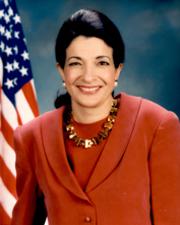
Mr. President, I rise today to introduce legislation on behalf of the Nation's millions of small businesses and self-employed individuals. I am pleased to join with my colleague in the House,…
Mr. President, I rise today to introduce legislation on behalf of the Nation's millions of small businesses and self-employed individuals. I am pleased to join with my colleague in the House, Congressman Wally Herger, in reforming the Internal Revenue Code of 1986 to permanently extend the amount of new investment a business can expense.
This bill is a critical incentive for the small business sector of our economy to invest in new technology, expand their operations, and most important, create jobs.
We can never minimize the role that small businesses play in our economy. They represent 99 percent of all employers, employ 51 percent of the private-sector workforce, provide nearly 75 percent of the net new jobs, contribute 51 percent of the private-sector output, and represent 96 percent of all exporters of goods. In short, size is the only ``small'' aspect of small business.
The bill I introduce today recognizes the vitality and uniquely American innovation of the small business owners and entrepreneurs throughout our country. It will make permanent the provisions in Section 179 of the Internal Revenue Code, which enables small businesses to write off the cost of new equipment, rather than depreciate it over a period of years.
As the chair of the Senate Committee on Small Business and Entrepreneurship, I am responding today to the repeated requests from small businesses in my State of Maine and from across the Nation for greater expensing of new equipment.
By making permanent the current expensing limit of $100,000 and indexing these amounts for inflation, this bill will achieve two important objectives.
First, qualifying businesses will be able to write off more equipment purchases today, instead of waiting 5, 6, 7 or more years to recover their costs through depreciation.
That represents substantial savings both in dollars and in the time small businesses would otherwise be forced to spend complying with complex depreciation rules. Moreover, new equipment contributes to continued productivity growth in the business community, which Federal Reserve Chairman Alan Greenspan has repeatedly stressed is essential to long-term economic growth and job creation.
Second, more businesses will qualify for this benefit because the phase-out limit will be made permanent at $400,000 in new equipment purchases. This will occur at the same time small business capital investment pumps more money into the many sectors of the economy. My bill is a win-win for small business and the economy as a whole.
Small businesses are always at the forefront of our national economic recoveries and our national economic booms. This bill strengthens their ability to lead the way. I urge my colleagues to join me in supporting this important legislation as we work with the President to enact this bill into law.
I ask unanimous consent that the text of the bill be printed in the Record.
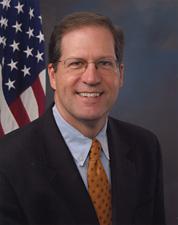
Mr. President: I ask unanimous consent that the Committee on Commerce, Science, and Transportation be authorized to meet on Wednesday, November 2, 2005, at 2:30 p.m., in SH-216, on pending Committee…
Mr. President: I ask unanimous consent that the Committee on Commerce, Science, and Transportation be authorized to meet on Wednesday, November 2, 2005, at 2:30 p.m., in SH-216, on pending Committee business.
Mr. President, I ask unanimous consent that the Committee on Environment and Public Works be authorized to meet on Wednesday, November 2 at 9:30 a.m. The Committee on Environment and Public Works will hold the second in a series of two hearings to receive testimony on the response to Hurricane Katrina.
Mr. President, I ask unanimous consent that the Committee on Foreign Relations be authorized to meet during the session of the Senate on Wednesday, November 2, 2005, at 3 p.m. to hold a hearing on U.S.-India Nuclear Energy Cooperation.
Mr. President, I ask unanimous consent that the Committee on Homeland Security and Governmental Affairs be authorized to meet on Wednesday, November 2, 2005, at 9:30 a.m. for a hearing entitled, ``Hurricane Katrina: Why Did the Levees Fail?''
Mr. President, I ask unanimous consent that the Committee on Indian Affairs be authorized to meet on Wednesday, November 2, 2005, at 9:30 a.m. in Room 216 of the Hart Senate Office Building to conduct an oversight hearing on the In Re Tribal Lobbying Matters, Et Al.
Mr. President, I ask unanimous consent that the Select Committee on Intelligence be authorized to meeting during the session of the Senate on Wednesday, November 2, 2005, at 2:30 p.m. to hold a closed hearing.
Mr. President, I ask unanimous consent that the Subcommittee on the Constitution, Civil Rights and Property Rights be authorized to meet to conduct a markup on Wednesday, November 2, 2005, at 2:30 p.m. in Dirksen 226.
Agenda:
S.J. Res. 1, the Marriage Protection Amendment.
Mr. President, I ask unanimous consent the Subcommittee on Public Lands and Forests be authorized to meet during the session of the Senate on Wednesday, November 2 at 2 p.m. The purpose of the hearing is to receive testimony on S. 1541, to protect, conserve, and restore public lands administered by the Department of the Interior or the Forest Service and adjacent land through cooperative cost-share grants to control and mitigate the spread of invasive species, and for other purposes; S. 1548, to provide for the conveyance of certain forest service land to the city of Coffman Cove, Alaska; S. 1552, to amend public law 97-435 to extend the authorization for the Secretary of the Interior to release certain conditions contained in a patent concerning certain lands conveyed by the United States to Eastern Washington University until December 31, 2009; H.R. 482, to provide for a land exchange involving Federal lands in the Lincoln National Forest in the State of New Mexico; and S. 405, a bill to provide for the conveyance of certain public land in Clark County, Nevada, for use as a heliport.
Show 5 more
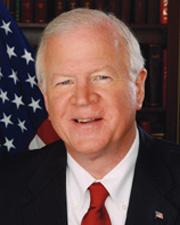
Mr. President, today I introduce the Hunting Heritage Protection Act of 2005. With the introduction of this important legislation, we are able to acknowledge our Nation's rich heritage of hunting.…
Mr. President, today I introduce the Hunting Heritage Protection Act of 2005. With the introduction of this important legislation, we are able to acknowledge our Nation's rich heritage of hunting. The purpose of this bill is to pass that legacy on to future generations by protecting and preserving the rights of our Nation's sportsmen and women.
In 2001, over 13 million Americans contributed over $20.6 billion to the U.S. economy while hunting--a true recreational activity. Many believe that in order to hunt you must own land, but that is not true. I believe that hunting should be available as a recreational activity for everyone.
I have been an avid outdoor sportsman since my adulthood. I am also an avid conservationist, like most other hunters. Recreational hunting provides many opportunities to spend valuable time with children, just as I do with my son. He has been hunting since he was a young boy where he discovered and learned to appreciate one of the Earth's greatest treasures, nature.
Over the years, hunters have contributed billions of dollars to wildlife conservation, by purchasing licenses, permits, and stamps, as well as paying excise taxes on goods used by hunters.
Since the time of President Teddy Roosevelt, father of the conservation movement, sportsmen and women have been and will continue to be some of the greatest supporters of sound wildlife management and conservation practices in the U.S.
Hunters need to be recognized for the vital role they play in conservation in this country. The Hunting Heritage Protection Act will do just that. This bill formalizes a policy by which the Federal Government will support, promote, and enhance recreational hunting opportunities, as permitted under State and Federal law. Further, the bill mandates that Federal public land and water are to be open to access and use for recreational hunting where and when appropriate. I should clarify and stress that this bill does not suggest that we open all national parks to hunting. As I mentioned, the goal is simple--I want recreational hunting on our public land to be available to the citizens of this country where and when appropriate.
It is crucial that the tradition of hunting is protected and that the valuable contributions that hunters have made to conservation in this country are recognized. And, we want to ensure that Federal land management decisions and their actions result in a ``no net loss of hunting opportunities'' on our public lands. This bill allows Congress to address this issue and to honor our Nation's sportsmen and women.
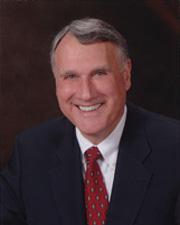
Mr. President, today: I am pleased to join with Senator McCain to introduce the City of Yuma Improvement Act of 2005. This bill authorizes the conveyance to the city of Yuma of six small parcels of…
Mr. President, today: I am pleased to join with Senator McCain to introduce the City of Yuma Improvement Act of 2005. This bill authorizes the conveyance to the city of Yuma of six small parcels of Federal land currently held by the Bureau of Reclamation in exchange for three railroad parcels owned by the city on which the Bureau of Reclamation rail line exists. A companion bill has already been introduced in the House by Congressmen Grijalva and Franks.
These land conveyances will enable the city to complete the redevelopment of the riverfront in downtown Yuma. The Riverfront Master Redevelopment Plan was approved by the City Council in November, 2001. The plan was developed through a joint planning process with the city and the developer. The city's responsibility is to amass the property along the riverfront. The developer must raise the needed capital. The redevelopment includes the development of a welcome center, a new hotel, a conference center, and mixed-use retail stores. This redevelopment is designed to connect Main Street with the Heritage Area and the river to enhance the quality of life of Yuma's citizens and one of the primary economic assets of the area--tourism.
Most of the land in this 22 acre area is already city-owned. However, the Bureau of Reclamation does own several parcels within the redevelopment area that the city seeks to acquire. Since 2001, when the redevelopment plan was approved, the city and the Bureau have been working together to effectuate this acquisition for this public purpose. These efforts include: relocating, at the city's expense, the Bureau facilities that were within the redevelopment area and completing the necessary environmental analyses of the project area, including historic resource studies, site assessments, and asbestos and lead-based paint inspections.
Essentially, the deal is complete with one exception: the authority to accomplish the conveyances. Currently, the Bureau of Reclamation does not have the authority to exchange the lands it possesses for the railroad parcels it seeks--it must be done legislatively. There is broad support in Yuma for this legislated land swap given its public purpose objectives, thorough planning, and the economic opportunity it brings. I hope my colleagues agree and will work with me to pass this legislation this year.

Mr. President, I am introducing legislation today that would ban additional oil and gas drilling in the Los Padres National Forest. My colleague from California, Senator Feinstein, joins me in this…
Mr. President, I am introducing legislation today that would ban additional oil and gas drilling in the Los Padres National Forest. My colleague from California, Senator Feinstein, joins me in this effort. Representative Capps introduced companion legislation in the House of Representatives earlier this month.
Los Padres National Forest is on California's central coast, stretching from Monterey County's Big Sur down to Ventura and the western edge of Los Angeles County. Covering almost 1.75 million acres, it is California's third-largest national forest and one of the State's most visited. Los Padres National Forest is an ecological treasure and a recreational refuge in one of California's, indeed America's, most densely populated areas.
It provides habitat for 20 threatened and endangered wildlife species, including the spectacular California condor. Los Padres also contains unexplored archaeological sites that contain Native American historical artifacts.
Yet, despite these facts and strong local opposition to oil and gas drilling in the Forest, the Forest Service announced today that it will open up more than 52,000 acres of land to oil and gas drilling in Los Padres National Forest. While this is far less land than the Forest Service previously considered opening, additional drilling is simply unacceptable. That is why I am introducing legislation to prevent this new drilling, and any future drilling from occurring in Los Padres National Forest.
Additional oil and gas drilling will threaten the pristine and unspoiled lands in the Forest. It could damage or destroy Native American artifacts. And, it could ruin recreational opportunities by contaminating streams and increasing air pollution.
My legislation is a critical step toward protecting the irreplaceable natural, cultural, and recreational resources of the Los Padres National Forest. I urge my colleagues to support this legislation.

Mr. President, I would like to announce for the information of the Senate and the public that a hearing has been scheduled before the Subcommittee on Public Lands and Forests of the Committee on…
Mr. President, I would like to announce for the information of the Senate and the public that a hearing has been scheduled before the Subcommittee on Public Lands and Forests of the Committee on Energy and Natural Resources.
The hearing will be held on Wednesday, November 2, 2005, at 2 p.m. in Room SD-366 of the Dirksen Senate Office Building.
The purpose of the hearing is to receive testimony on S. 1541, to protect, conserve, and restore public lands administered by the Department of the Interior or the Forest Service and adjacent land through cooperative cost-share grants to control and mitigate the spread of invasive species, and for other purposes; S. 1548, to provide for the conveyance of certain Forest Service land to the city of Coffman Cove, Alaska; S. 1552, to amend Public Law 97-435 to extend the authorization for the Secretary of the Interior to release certain conditions contained in a patent concerning certain lands conveyed by the United States to Eastern Washington University until December 31, 2009; and H.R. 482, to provide for a land exchange involving Federal lands in the Lincoln National Forest in the State of New Mexico, and for other purposes.
Because of the limited time available for the hearing, witnesses may testify by invitation only. However, those wishing to submit written testimony for the hearing record should send two copies of their testimony to the Committee on Energy and Natural Resources, United States Senate, Washington, DC 20510-6150.
For further information, please contact Frank Gladics (202-224-2878), Dick Bouts (202-224-7545), or Kristina Rolph (202-224-8276) of the Committee staff.
Mr. President, I would like to announce for the information of the Senate and the public that a hearing has been scheduled before the Committee on Energy and Natural Resources. The hearing will be…
Mr. President, I would like to announce for the information of the Senate and the public that a hearing has been scheduled before the Committee on Energy and Natural Resources.
The hearing will be held on Tuesday, October 18, 2005 at 10 a.m. in Room SD-366 of the Dirksen Senate Office Building.
The purpose of the hearing is to discuss the winter fuels outlook and the effect of high prices this coming winter.
Because of the limited time available for the hearing, witnesses may testify by invitation only. However, those wishing to submit written testimony for the hearing record should send two copies of their testimony to the Committee on Energy and Natural Resources, United States Senate, Washington, DC 20510-6150.
For further information, please contact Lisa Epifani 202-224-5269 or Shannon Ewan at 202-224-7555.
Subcommittee on Public Lands and Forests
Bill Text
3 versions available
        [Congressional Bills 109th Congress]
[From the U.S. Government Publishing Office]
[S. 1548 Engrossed in Senate (ES)]

109th CONGRESS
2d Session
S. 1548

_______________________________________________________________________

AN ACT

To provide for the conveyance of certain Forest Service land to the
city of Coffman Cove, Alaska.

Be it enacted by the Senate and House of Representatives of the
United States of America in Congress assembled,

SECTION 1. SHORT TITLE.

This Act may be cited as the ``Coffman Cove Administrative Site
Conveyance Act of 2006''.

SEC. 2. DEFINITIONS.

In this Act:
(1) City.--The term ``City'' means the city of Coffman
Cove, Alaska.
(2) Secretary.--The term ``Secretary'' means the Secretary
of Agriculture.

SEC. 3. CONVEYANCE.

(a) In General.--Subject to valid existing rights, the Secretary
shall convey to the City, without consideration and by quitclaim deed
all right, title, and interest of the United States, except as provided
in subsections (c) and (d), in and to the parcel of National Forest
System land described in subsection (b).
(b) Description of Land.--
(1) In general.--The parcel of National Forest System land
referred to in subsection (a) is the approximately 12 acres of
land identified in U.S. Survey 10099, as depicted on the plat
entitled ``Subdivision of U.S. Survey No. 10099'' and recorded
as Plat 2003-1 on January 21, 2003, Petersburg Recording
District, Alaska.
(2) Excluded land.--The parcel of National Forest System
land conveyed under subsection (a) does not include the portion
of U.S. Survey 10099 that is north of the right-of-way for
Forest Development Road 3030-295 and southeast of Tract CC-8.
(c) Right-of-Way.--The United States may reserve a right-of-way to
provide access to the National Forest System land excluded from the
conveyance to the City under subsection (b)(2).
(d) Reversion.--If any portion of the land conveyed under
subsection (a) (other than a portion of land sold under subsection (e))
ceases to be used for public purposes, the land shall, at the option of
the Secretary, revert to the United States.
(e) Conditions on Subsequent Conveyances.--If the City sells any
portion of the land conveyed to the City under subsection (a)--
(1) the amount of consideration for the sale shall reflect
fair market value, as determined by an appraisal; and
(2) the City shall pay to the Secretary an amount equal to
the gross proceeds of the sale, which shall be available,
without further appropriation, for the Tongass National Forest.

SEC. 4. OFFSETS.

(a) George Washington Birthplace National Monument Expansion.--
Section 2 of Public Law 107-354 (16 U.S.C. 442 note) is amended by
striking ``or appropriated funds''.
(b) Maggie L. Walker National Historic Site.--Section 511(e)(1) of
the National Parks and Recreation Act of 1978 (16 U.S.C. 461 note;
Public Law 95-625) is amended by striking ``$795,000'' and inserting
``$195,000''.

Passed the Senate December 7, 2006.

Attest:

Secretary.
109th CONGRESS

2d Session

S. 1548

_______________________________________________________________________

AN ACT

To provide for the conveyance of certain Forest Service land to the
city of Coffman Cove, Alaska.