Revising the congressional budget for the United States Government for fiscal year 2008, establishing the congressional budget for the United States Government for fiscal year 2009, and setting forth appropriate budgetary levels for fiscal years 2010 through 2013.
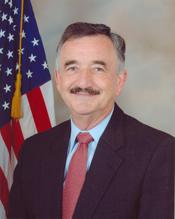
 Rep. John M. Spratt, Jr. (D-SC)
Legislative Activity
Stay on top of the latest movement without scrolling through every action
Pursuant to the provisions of H. Res. 1190, H. Con. Res. 312 is laid on the table.
May 14, 2008 • 5:42 PM
View full timeline
Introduced in House
March 7, 2008
The House Committee on The Budget reported an original measure, H. Rept. 110-543, by Mr. Spratt.
March 7, 2008
Placed on the Union Calendar, Calendar No. 331.
March 7, 2008
Rules Committee Resolution H. Res. 1036 Reported to House. Rule provides for consideration of H. Con. Res. 312 with 4 hours of general debate. Previous question shall be considered as ordered without intervening motions. Measure will be considered read. Specified amendments are in order.
March 11, 2008 • 7:35 PM
Rule H. Res. 1036 passed House.
March 12, 2008 • 2:58 PM
Considered under the provisions of rule H. Res. 1036. (consideration: CR H1561-1573)
March 12, 2008 • 3:11 PM
Rule provides for consideration of H. Con. Res. 312 with 4 hours of general debate. Previous question shall be considered as ordered without intervening motions. Measure will be considered read. Specified amendments are in order.
March 12, 2008 • 3:11 PM
House resolved itself into the Committee of the Whole House on the state of the Union pursuant to H. Res. 1036 and Rule XVIII.
March 12, 2008 • 3:12 PM
The Speaker designated the Honorable Ellen O. Tauscher to act as Chairwoman of the Committee.
March 12, 2008 • 3:12 PM
GENERAL DEBATE - Pursuant to the provisions of H. Res. 1036, the Committee of the Whole proceeded with 4 hours of general debate on H. Con. Res. 312.
March 12, 2008 • 3:12 PM
Committee of the Whole House on the state of the Union rises leaving H. Con. Res. 312 as unfinished business.
March 12, 2008 • 4:47 PM
Considered as unfinished business. (consideration: CR H1575-1580)
March 12, 2008 • 5:30 PM
The Committee of the Whole resumed debate on H. Con. Res. 312.
March 12, 2008 • 5:30 PM
Considered as unfinished business. (consideration: CR H1580-1597)
March 12, 2008 • 6:30 PM
The House resolved into Committee of the Whole House on the state of the Union for further consideration.
March 12, 2008 • 6:31 PM
GENERAL DEBATE - The Committee of the Whole resumed debate on H. Con. Res. 312.
March 12, 2008 • 6:31 PM
Considered as unfinished business. (consideration: CR H1627-1659, H1661-1684)
March 13, 2008 • 11:49 AM
The House resolved into Committee of the Whole House on the state of the Union for further consideration.
March 13, 2008 • 11:49 AM
DEBATE - Pursuant to the provisions of H. Res. 1036, the Committee of the Whole proceeded with one hour of debate on the Kilpatrick amendment in the nature of a substitute.
March 13, 2008 • 11:51 AM
DEBATE - Pursuant to the provisions of H. Res. 1036, the Committee of the Whole proceeded with one hour of debate on the Lee amendment in the nature of a substitute.
March 13, 2008 • 1:17 PM
Ms. Lee moved that the Committee rise.
March 13, 2008 • 2:53 PM
On motion that the Committee rise. Agreed to by voice vote.
March 13, 2008 • 2:54 PM
Considered as unfinished business.
March 13, 2008 • 3:24 PM
DEBATE - Pursuant to the provisions of H. Res. 1036, the Committee of the Whole proceeded with one hour of debate on the Ryan (WI) amendment in the nature of a substitute.
March 13, 2008 • 3:26 PM
The House rose from the Committee of the Whole House on the state of the Union to report H. Con. Res. 312.
March 13, 2008 • 5:31 PM
The previous question was ordered pursuant to the rule. (consideration: CR H1683)
March 13, 2008 • 5:31 PM
Passed/agreed to in House: On agreeing to the resolution Agreed to by the Yeas and Nays: 212 - 207 (Roll no. 141).(text: CR H1627-1633)
March 13, 2008 • 5:50 PM
Motion to reconsider laid on the table Agreed to without objection.
March 13, 2008 • 5:50 PM
On agreeing to the resolution Agreed to by the Yeas and Nays: 212 - 207 (Roll no. 141). (text: CR H1627-1633)
March 13, 2008 • 5:50 PM
Rules Committee Resolution H. Res. 1190 Reported to House. Rule provides for consideration of S. Con. Res. 70 and H. Con. Res. 312. Measure will be considered read. The rule adopts as an amendment in the nature of a substitute consisting of the text H. Con. Res. 312 as adopted by the House, adopts S. Con. Res. 70, as amended, and provides that the House insists on its amendment and requests a conference with the Senate.
May 13, 2008 • 7:44 PM
Rule H. Res. 1190 passed House.
May 14, 2008 • 5:20 PM
Pursuant to the provisions of H. Res. 1190, H. Con. Res. 312 is laid on the table.
May 14, 2008 • 5:42 PM
Voting History
4 votes recorded • Roll call available
HOUSE
Roll Call AvailableMarch 13, 2008 at 5:50 PM
On Agreeing to the Resolution
Majority required: 1/2 (50%)
212 - 207
HOUSE
Roll Call AvailableMarch 13, 2008 at 5:30 PM
On Agreeing to the Amendment
Majority required: 1/2 (50%)
157 - 263
HOUSE
Roll Call AvailableMarch 13, 2008 at 2:53 PM
On Agreeing to the Amendment
Majority required: 1/2 (50%)
98 - 322
Floor Debate
19 membersWhat members said about H.Con.Res. 312 on the floor




 +14
+14
Floor Debate
19 membersWhat members said about H.Con.Res. 312 on the floor
Mr. Chairman, as Vice Chair of the Joint Economic Committee, I am pleased to speak in the time reserved by the Budget Act for a discussion of economic goals. America has the strongest and wealthiest…
Madam Chairman, I yield myself 12\1/2\ minutes. Madam Chairman, in many ways I believe our two parties agree on many things. We both agree on the need to balance the budget. We agree on the need for…
Mr. Speaker, by direction of the Committee on Rules, I call up House Resolution 1036 and ask for its immediate consideration. Mr. Speaker, for the purpose of debate only, I yield the customary 30…
Mr. Chairman, as a member of the Joint Economic Committee on behalf of our senior ranking Republican, the Honorable Jim Saxton, I rise today to oppose the Democrats' irresponsible budget resolution…
Mr. Chairman, I am deeply disappointed that the FY 2009 budget resolution we are considering today continues business as usual in the House. This resolution is another missed opportunity to come to…
Show 8 more
If the gentleman would yield, I simply wanted to chime in and compliment the gentlelady as well, my friend from Wisconsin. She and I coauthored an amendment to this budget resolution on this issue.…
Madam Chairman, I yield myself 14 minutes. Madam Chairman, today we take up the budget resolution. Passing it, like many things in this House, is never easy, and sometimes contentious. But it is…
Mr. Chairman, I rise in opposition to the amendment. First of all, let me commend the gentlelady from Michigan and the other colleagues for bringing forth an alternative budget. As a member of the…

I thank the ranking member for yielding, and I am sorry that my friend from New Jersey has apparently left the floor. No, I see him there. We had the occasion to debate this budget earlier today. I…

Mr. Speaker, I rise today in support of H. Res. 1036, the Concurrent Resolution on the Budget for FY 2009, introduced by my distinguished colleague from South Carolina, Chairman Spratt. This Rule…
Could the Chair please inform us of the time allotted to the gentleman from New Jersey (Mr. Andrews), how much remains available. I yield to the gentleman the balance of his time. That was one…

I thank the chairman for yielding. Mr. Chairman, I'd first like to begin by sincerely congratulating the chairman of the committee and the ranking member from Wisconsin for, I think, a very…

Mr. Chairman, our friends on the other side of the aisle are fond of saying that a budget is a moral document. It shows what we care about. I couldn't agree more. The majority's bloated budget…
Show 11 more
I thank the gentleman for yielding. Mr. Speaker, we are about to decide which path we want to take in America. We are about to decide what budget is right for Americans. Well, let's think about what…

Mr. Speaker, I thank the gentleman from Massachusetts (Mr. McGovern) for yielding me the customary 30 minutes, and I yield myself such time as I may consume. (Mr. LINCOLN DIAZ-BALART of Florida asked…

Mr. Chairman, I am pleased to address the House tonight about the budget because there has been a lot of concern expressed here today on both sides of the aisle about the kind of financial trouble…

Thank you, Mr. Ryan. Mr. Chairman, the American people face the greatest financial challenge we have ever encountered in the history of the Nation. The free people of Great Britain overcame the…
Mr. Chairman, I thank the gentleman from South Carolina, and I particularly thank him for his work and for the work of the Budget Committee and I look forward to a bipartisan, cooperative effort…
I thank the gentleman for yielding. First off, Mr. Chairman, I would like to congratulate the gentlewoman from Michigan and the gentleman from Virginia. The gentleman from Virginia is a knowledgeable…
Mr. Chairman, I rise today in strong support of the Congressional Black Caucus alternative budget which exercises fiscal and moral responsibility. And I thank Chairwoman Kilpatrick and Congressman…

I thank the gentleman from Texas for yielding. And, Mr. Chairman, I am so pleased to come to the floor and participate in this debate. I think it's one of the most important debates that we have…
Madam Chairman, I appreciate the gentleman, my friend, Chairman Spratt, for yielding the time. I rise today to speak in support of the budget resolution that Chairman Spratt and his committee have…
Mr. Chairman, I rise in support of this budget, which represents a down payment on our commitment to restore middle class prosperity. It offers a clear and practical approach to strengthen our…
I want to personally thank you, Mr. Chairman, for your leadership throughout the country and your efforts in providing for our veterans. I know I had the pleasure of serving on the Veterans…
Bill Text
Latest available legislative text
        [Congressional Bills 110th Congress]
[From the U.S. Government Printing Office]
[H. Con. Res. 312 Reported in House (RH)]

Union Calendar No. 331
110th CONGRESS
2d Session
H. CON. RES. 312

[Report No. 110-543]

Revising the congressional budget for the United States Government for
fiscal year 2008, establishing the congressional budget for the United
States Government for fiscal year 2009, and setting forth appropriate
budgetary levels for fiscal years 2010 through 2013.

_______________________________________________________________________

IN THE HOUSE OF REPRESENTATIVES

March 7, 2008

Mr. Spratt, from the Committee on the Budget, reported the following
concurrent resolution; which was committed to the Committee of the
Whole House on the State of the Union and ordered to be printed

_______________________________________________________________________

CONCURRENT RESOLUTION

Revising the congressional budget for the United States Government for
fiscal year 2008, establishing the congressional budget for the United
States Government for fiscal year 2009, and setting forth appropriate
budgetary levels for fiscal years 2010 through 2013.

Resolved by the House of Representatives (the Senate concurring),

SECTION 1. CONCURRENT RESOLUTION ON THE BUDGET FOR FISCAL YEAR 2009.

(a) Declaration.--The Congress determines and declares that the
concurrent resolution on the budget for fiscal year 2008 is revised and
replaced and that this is the concurrent resolution on the budget for
fiscal year 2009, including appropriate budgetary levels for fiscal
years 2010 through 2013.
(b) Table of Contents.--

Sec. 1. Concurrent resolution on the budget for fiscal year 2009.
TITLE I--RECOMMENDED LEVELS AND AMOUNTS

Sec. 101. Recommended levels and amounts.
Sec. 102. Major functional categories.
TITLE II--RECONCILIATION

Sec. 201. Reconciliation in the House of Representatives.
TITLE III--RESERVE FUNDS

Sec. 301. Deficit-neutral reserve fund for SCHIP legislation.
Sec. 302. Deficit-neutral reserve fund for veterans and servicemembers.
Sec. 303. Deficit-neutral reserve fund for education benefits for
servicemembers, veterans, and their
families.
Sec. 304. Deficit-neutral reserve fund for infrastructure investment.
Sec. 305. Deficit-neutral reserve fund for renewable energy and energy
efficiency.
Sec. 306. Deficit-neutral reserve fund for middle-income tax relief and
economic equity.
Sec. 307. Deficit-neutral reserve fund for reform of the alternative
minimum tax.
Sec. 308. Deficit-neutral reserve fund for higher education.
Sec. 309. Deficit-neutral reserve fund for affordable housing.
Sec. 310. Deficit-neutral reserve fund for medicare improvements.
Sec. 311. Deficit-neutral reserve fund for health care quality,
effectiveness, and efficiency.
Sec. 312. Deficit-neutral reserve fund for Medicaid and other programs.
Sec. 313. Deficit-neutral reserve fund for trade adjustment assistance
and unemployment insurance modernization.
Sec. 314. Deficit-neutral reserve fund for county payments legislation.
Sec. 315. Deficit-neutral reserve fund for San Joaquin River
restoration and Navajo Nation water rights
settlements.
Sec. 316. Deficit-neutral reserve fund for the National Park Centennial
Fund.
Sec. 317. Deficit-neutral reserve fund for child support enforcement.
TITLE IV--BUDGET ENFORCEMENT

Sec. 401. Program integrity initiatives.
Sec. 402. Oversight of government performance.
Sec. 403. Point of order against advance appropriations.
Sec. 404. Overseas deployments and emergency needs.
Sec. 405. Budgetary treatment of certain discretionary administrative
expenses.
Sec. 406. Application and effect of changes in allocations and
aggregates.
Sec. 407. Adjustments to reflect changes in concepts and definitions.
Sec. 408. Exercise of rulemaking powers.
TITLE V--POLICY

Sec. 501. Policy on middle-income tax relief.
Sec. 502. Policy on defense priorities.
TITLE VI--SENSE OF THE HOUSE

Sec. 601. Sense of the House on the Innovation Agenda and America
Competes Act.
Sec. 602. Sense of the House on servicemembers' and veterans' health
care and other priorities.
Sec. 603. Sense of the House on homeland security.
Sec. 604. Sense of the House regarding long-term fiscal reform.
Sec. 605. Sense of the House regarding waste, fraud, and abuse.
Sec. 606. Sense of the House regarding extension of the statutory pay-
as-you-go rule.
Sec. 607. Sense of the House on long-term budgeting.
Sec. 608. Sense of the House regarding the need to maintain and build
upon efforts to fight hunger.
Sec. 609. Sense of the House regarding affordable health coverage.
Sec. 610. Sense of the House regarding pay parity.
Sec. 611. Sense of the House regarding subprime lending and
foreclosures.
Sec. 612. Sense of House regarding the importance of child support
enforcement.

TITLE I--RECOMMENDED LEVELS AND AMOUNTS

SEC. 101. RECOMMENDED LEVELS AND AMOUNTS.

The following budgetary levels are appropriate for each of fiscal
years 2008 through 2013:
(1) Federal revenues.--For purposes of the enforcement of
this resolution:
(A) The recommended levels of Federal revenues are
as follows:
Fiscal year 2008: $1,879,540,000,000.
Fiscal year 2009: $2,027,124,000,000.
Fiscal year 2010: $2,205,864,000,000.
Fiscal year 2011: $2,442,025,000,000.
Fiscal year 2012: $2,669,315,000,000.
Fiscal year 2013: $2,771,740,000,000.
(B) The amounts by which the aggregate levels of
Federal revenues should be adjusted are as follows:
Fiscal year 2008: $0.
Fiscal year 2009: -$70,000,000,000.
Fiscal year 2010: $23,000,000,000.
Fiscal year 2011: $14,000,000,000.
Fiscal year 2012: $16,000,000,000.
Fiscal year 2013: $17,000,000,000.
(2) New budget authority.--For purposes of the enforcement
of this resolution, the appropriate levels of total new budget
authority are as follows:
Fiscal year 2008: $2,556,254,000,000.
Fiscal year 2009: $2,529,246,000,000.
Fiscal year 2010: $2,564,161,000,000.
Fiscal year 2011: $2,698,039,000,000.
Fiscal year 2012: $2,740,065,000,000.
Fiscal year 2013: $2,866,862,000,000.
(3) Budget outlays.--For purposes of the enforcement of
this resolution, the appropriate levels of total budget outlays
are as follows:
Fiscal year 2008: $2,462,616,000,000.
Fiscal year 2009: $2,563,380,000,000.
Fiscal year 2010: $2,622,295,000,000.
Fiscal year 2011: $2,716,979,000,000.
Fiscal year 2012: $2,728,965,000,000.
Fiscal year 2013: $2,857,394,000,000.
(4) Deficits (on-budget).--For purposes of the enforcement
of this resolution, the amounts of the deficits (on-budget) are
as follows:
Fiscal year 2008: $583,076,000,000.
Fiscal year 2009: $536,256,000,000.
Fiscal year 2010: $416,431,000,000.
Fiscal year 2011: $274,954,000,000.
Fiscal year 2012: $59,650,000,000.
Fiscal year 2013: $85,654,000,000.
(5) Debt subject to limit.--Pursuant to section 301(a)(5)
of the Congressional Budget Act of 1974, the appropriate levels
of the debt subject to limit are as follows:
Fiscal year 2008: $9,567,484,000,000.
Fiscal year 2009: $10,199,551,000,000.
Fiscal year 2010: $10,724,264,000,000.
Fiscal year 2011: $11,103,954,000,000.
Fiscal year 2012: $11,295,107,000,000.
Fiscal year 2013: $11,495,218,000,000.
(6) Debt held by the public.--The appropriate levels of
debt held by the public are as follows:
Fiscal year 2008: $5,396,807,000,000.
Fiscal year 2009: $5,753,900,000,000.
Fiscal year 2010: $5,981,334,000,000.
Fiscal year 2011: $6,047,654,000,000.
Fiscal year 2012: $5,885,687,000,000.
Fiscal year 2013: $5,744,120,000,000.

SEC. 102. MAJOR FUNCTIONAL CATEGORIES.

The Congress determines and declares that the appropriate levels of
new budget authority and outlays for fiscal years 2008 through 2013 for
each major functional category are:
(1) National Defense (050):
Fiscal year 2008:
(A) New budget authority, $590,686,000,000.
(B) Outlays, $576,173,000,000.
Fiscal year 2009:
(A) New budget authority, $542,497,000,000.
(B) Outlays, $573,362,000,000.
Fiscal year 2010:
(A) New budget authority, $550,414,000,000.
(B) Outlays, $560,726,000,000.
Fiscal year 2011:
(A) New budget authority, $557,026,000,000.
(B) Outlays, $560,099,000,000.
Fiscal year 2012:
(A) New budget authority, $565,800,000,000.
(B) Outlays, $556,699,000,000.
Fiscal year 2013:
(A) New budget authority, $576,223,000,000.
(B) Outlays, 568,829,000,000.
(2) International Affairs (150):
Fiscal year 2008:
(A) New budget authority, $32,648,000,000.
(B) Outlays, $32,843,000,000.
Fiscal year 2009:
(A) New budget authority, $37,111,000,000.
(B) Outlays, $35,702,000,000.
Fiscal year 2010:
(A) New budget authority, $38,516,000,000.
(B) Outlays, $36,918,000,000.
Fiscal year 2011:
(A) New budget authority, $39,433,000,000.
(B) Outlays, $37,679,000,000.
Fiscal year 2012:
(A) New budget authority, $40,247,000,000.
(B) Outlays, $38,154,000,000.
Fiscal year 2013:
(A) New budget authority, $40,677,000,000.
(B) Outlays, $38,346,000,000.
(3) General Science, Space, and Technology (250):
Fiscal year 2008:
(A) New budget authority, $27,407,000,000.
(B) Outlays, $26,456,000,000.
Fiscal year 2009:
(A) New budget authority, $29,934,000,000.
(B) Outlays, $28,700,000,000.
Fiscal year 2010:
(A) New budget authority, $31,165,000,000.
(B) Outlays, $30,604,000,000.
Fiscal year 2011:
(A) New budget authority, $32,474,000,000.
(B) Outlays, $32,201,000,000.
Fiscal year 2012:
(A) New budget authority, $33,853,000,000.
(B) Outlays, $33,564,000,000.
Fiscal year 2013:
(A) New budget authority, $35,298,000,000.
(B) Outlays, $34,477,000,000.
(4) Energy (270):
Fiscal year 2008:
(A) New budget authority, $3,548,000,000.
(B) Outlays, $1,681,000,000.
Fiscal year 2009:
(A) New budget authority, $4,674,000,000.
(B) Outlays, $2,192,000,000.
Fiscal year 2010:
(A) New budget authority, $4,645,000,000.
(B) Outlays, $2,878,000,000.
Fiscal year 2011:
(A) New budget authority, $4,712,000,000.
(B) Outlays, $3,371,000,000.
Fiscal year 2012:
(A) New budget authority, $4,803,000,000.
(B) Outlays, $3,738,000,000.
Fiscal year 2013:
(A) New budget authority, $4,895,000,000.
(B) Outlays, $4,020,000,000.
(5) Natural Resources and Environment (300):
Fiscal year 2008:
(A) New budget authority, $32,560,000,000.
(B) Outlays, $34,440,000,000.
Fiscal year 2009:
(A) New budget authority, $38,651,000,000.
(B) Outlays, $35,576,000,000.
Fiscal year 2010:
(A) New budget authority, $33,782,000,000.
(B) Outlays, $36,192,000,000.
Fiscal year 2011:
(A) New budget authority, $34,670,000,000.
(B) Outlays, $36,420,000,000.
Fiscal year 2012:
(A) New budget authority, $35,568,000,000.
(B) Outlays, $36,745,000,000.
Fiscal year 2013:
(A) New budget authority, $36,490,000,000.
(B) Outlays, $37,299,000,000.
(6) Agriculture (350):
Fiscal year 2008:
(A) New budget authority, $22,456,000,000.
(B) Outlays, $21,528,000,000.
Fiscal year 2009:
(A) New budget authority, $21,529,000,000.
(B) Outlays, $21,279,000,000.
Fiscal year 2010:
(A) New budget authority, $21,719,000,000.
(B) Outlays, $20,680,000,000.
Fiscal year 2011:
(A) New budget authority, $21,891,000,000.
(B) Outlays, $20,876,000,000.
Fiscal year 2012:
(A) New budget authority, $22,263,000,000.
(B) Outlays, $21,435,000,000.
Fiscal year 2013:
(A) New budget authority, $22,621,000,000.
(B) Outlays, $21,816,000,000.
(7) Commerce and Housing Credit (370):
Fiscal year 2008:
(A) New budget authority, $11,216,000,000.
(B) Outlays, $5,381,000,000.
Fiscal year 2009:
(A) New budget authority, $9,560,000,000.
(B) Outlays, $3,722,000,000.
Fiscal year 2010:
(A) New budget authority, $13,887,000,000.
(B) Outlays, $5,835,000,000.
Fiscal year 2011:
(A) New budget authority, $8,998,000,000.
(B) Outlays, $2,193,000,000.
Fiscal year 2012:
(A) New budget authority, $9,246,000,000.
(B) Outlays, $1,735,000,000.
Fiscal year 2013:
(A) New budget authority, $9,642,000,000.
(B) Outlays, $1,648,000,000.
(8) Transportation (400):
Fiscal year 2008:
(A) New budget authority, $79,794,000,000.
(B) Outlays, $77,795,000,000.
Fiscal year 2009:
(A) New budget authority, $73,444,000,000.
(B) Outlays, $80,443,000,000.
Fiscal year 2010:
(A) New budget authority, $77,507,000,000.
(B) Outlays, $83,861,000,000.
Fiscal year 2011:
(A) New budget authority, $78,534,000,000.
(B) Outlays, $86,062,000,000.
Fiscal year 2012:
(A) New budget authority, $79,485,000,000.
(B) Outlays, $88,134,000,000.
Fiscal year 2013:
(A) New budget authority, $80,478,000,000.
(B) Outlays, $90,443,000,000.
(9) Community and Regional Development (450):
Fiscal year 2008:
(A) New budget authority, $20,029,000,000.
(B) Outlays, $27,819,000,000.
Fiscal year 2009:
(A) New budget authority, $14,553,000,000.
(B) Outlays, $24,251,000,000.
Fiscal year 2010:
(A) New budget authority, $14,826,000,000.
(B) Outlays, $21,816,000,000.
Fiscal year 2011:
(A) New budget authority, $15,134,000,000.
(B) Outlays, $17,874,000,000.
Fiscal year 2012:
(A) New budget authority, $15,450,000,000.
(B) Outlays, $15,817,000,000.
Fiscal year 2013:
(A) New budget authority, $15,755,000,000.
(B) Outlays, $15,561,000,000.
(10) Education, Training, Employment, and Social Services
(500):
Fiscal year 2008:
(A) New budget authority, $90,077,000,000.
(B) Outlays, $90,729,000,000.
Fiscal year 2009:
(A) New budget authority, $95,235,000,000.
(B) Outlays, $90,947,000,000.
Fiscal year 2010:
(A) New budget authority, $102,594,000,000.
(B) Outlays, $98,345,000,000.
Fiscal year 2011:
(A) New budget authority, $105,612,000,000.
(B) Outlays, $103,135,000,000.
Fiscal year 2012:
(A) New budget authority, $107,828,000,000.
(B) Outlays, $104,397,000,000.
Fiscal year 2013:
(A) New budget authority, $101,690,000,000.
(B) Outlays, $103,490,000,000.
(11) Health (550):
Fiscal year 2008:
(A) New budget authority, $285,101,000,000.
(B) Outlays, $286,688,000,000.
Fiscal year 2009:
(A) New budget authority, $306,795,000,000.
(B) Outlays, $305,334,000,000.
Fiscal year 2010:
(A) New budget authority, $323,767,000,000.
(B) Outlays, $324,138,000,000.
Fiscal year 2011:
(A) New budget authority, $344,749,000,000.
(B) Outlays, $343,718,000,000.
Fiscal year 2012:
(A) New budget authority, $367,766,000,000.
(B) Outlays, $366,312,000,000.
Fiscal year 2013:
(A) New budget authority, $393,085,000,000.
(B) Outlays, $391,326,000,000.
(12) Medicare (570):
Fiscal year 2008:
(A) New budget authority, $390,458,000,000.
(B) Outlays, $390,454,000,000.
Fiscal year 2009:
(A) New budget authority, $420,191,000,000.
(B) Outlays, $419,974,000,000.
Fiscal year 2010:
(A) New budget authority, $445,225,000,000.
(B) Outlays, $445,349,000,000.
Fiscal year 2011:
(A) New budget authority, $494,370,000,000.
(B) Outlays, $494,193,000,000.
Fiscal year 2012:
(A) New budget authority, $491,353,000,000.
(B) Outlays, $491,110,000,000.
Fiscal year 2013:
(A) New budget authority, $552,389,000,000.
(B) Outlays, $552,503,000,000.
(13) Income Security (600):
Fiscal year 2008:
(A) New budget authority, $389,865,000,000.
(B) Outlays, $394,100,000,000.
Fiscal year 2009:
(A) New budget authority, $411,699,000,000.
(B) Outlays, $414,032,000,000.
Fiscal year 2010:
(A) New budget authority, $417,519,000,000.
(B) Outlays, $418,617,000,000.
Fiscal year 2011:
(A) New budget authority, $426,924,000,000.
(B) Outlays, $427,541,000,000.
Fiscal year 2012:
(A) New budget authority, $412,355,000,000.
(B) Outlays, $412,831,000,000.
Fiscal year 2013:
(A) New budget authority, $427,988,000,000.
(B) Outlays, $427,703,000,000.
(14) Social Security (650):
Fiscal year 2008:
(A) New budget authority, $19,378,000,000.
(B) Outlays, $19,378,000,000.
Fiscal year 2009:
(A) New budget authority, $21,308,000,000.
(B) Outlays, $21,308,000,000.
Fiscal year 2010:
(A) New budget authority, $23,794,000,000.
(B) Outlays, $23,794,000,000.
Fiscal year 2011:
(A) New budget authority, $27,330,000,000.
(B) Outlays, $27,330,000,000.
Fiscal year 2012:
(A) New budget authority, $30,342,000,000.
(B) Outlays, $30,342,000,000.
Fiscal year 2013:
(A) New budget authority, $33,162,000,000.
(B) Outlays, $33,162,000,000.
(15) Veterans Benefits and Services (700):
Fiscal year 2008:
(A) New budget authority, $86,365,000,000.
(B) Outlays, $83,551,000,000.
Fiscal year 2009:
(A) New budget authority, $93,268,000,000.
(B) Outlays, $92,443,000,000.
Fiscal year 2010:
(A) New budget authority, $96,000,000,000.
(B) Outlays, $95,710,000,000.
Fiscal year 2011:
(A) New budget authority, $101,800,000,000.
(B) Outlays, $101,475,000,000.
Fiscal year 2012:
(A) New budget authority, $99,115,000,000.
(B) Outlays, $98,271,000,000.
Fiscal year 2013:
(A) New budget authority, $105,094,000,000.
(B) Outlays, $104,266,000,000.
(16) Administration of Justice (750):
Fiscal year 2008:
(A) New budget authority, $46,237,000,000.
(B) Outlays, $44,282,000,000.
Fiscal year 2009:
(A) New budget authority, $48,104,000,000.
(B) Outlays, $47,936,000,000.
Fiscal year 2010:
(A) New budget authority, $49,101,000,000.
(B) Outlays, $49,602,000,000.
Fiscal year 2011:
(A) New budget authority, $50,338,000,000.
(B) Outlays, $50,596,000,000.
Fiscal year 2012:
(A) New budget authority, $51,622,000,000.
(B) Outlays, $51,501,000,000.
Fiscal year 2013:
(A) New budget authority, $52,967,000,000.
(B) Outlays, $52,542,000,000.
(17) General Government (800):
Fiscal year 2008:
(A) New budget authority, $56,407,000,000.
(B) Outlays, $56,920,000,000.
Fiscal year 2009:
(A) New budget authority, $23,520,000,000.
(B) Outlays, $23,890,000,000.
Fiscal year 2010:
(A) New budget authority, $19,961,000,000.
(B) Outlays, $19,987,000,000.
Fiscal year 2011:
(A) New budget authority, $20,611,000,000.
(B) Outlays, $20,496,000,000.
Fiscal year 2012:
(A) New budget authority, $21,319,000,000.
(B) Outlays, $21,332,000,000.
Fiscal year 2013:
(A) New budget authority, $22,007,000,000.
(B) Outlays, $21,787,000,000.
(18) Net Interest (900):
Fiscal year 2008:
(A) New budget authority, $349,296,000,000.
(B) Outlays, $349,296,000,000.
Fiscal year 2009:
(A) New budget authority, $334,233,000,000.
(B) Outlays, $334,233,000,000.
Fiscal year 2010:
(A) New budget authority, $370,534,000,000.
(B) Outlays, $370,534,000,000.
Fiscal year 2011:
(A) New budget authority, $406,997,000,000.
(B) Outlays, $406,997,000,000.
Fiscal year 2012:
(A) New budget authority, $427,954,000,000.
(B) Outlays, $427,954,000,000.
Fiscal year 2013:
(A) New budget authority, $436,292,000,000.
(B) Outlays, $436,292,000,000.
(19) Allowances (920):
Fiscal year 2008:
(A) New budget authority, $1,000,000,000.
(B) Outlays, $531,000,000.
Fiscal year 2009:
(A) New budget authority, $0.
(B) Outlays, $307,000,000.
Fiscal year 2010:
(A) New budget authority, -$150,000,000.
(B) Outlays, -$53,000,000.
Fiscal year 2011:
(A) New budget authority, -$200,000,000.
(B) Outlays, -$164,000,000.
Fiscal year 2012:
(A) New budget authority, -$200,000,000.
(B) Outlays, -$178,000,000.
Fiscal year 2013:
(A) New budget authority, -$200,000,000.
(B) Outlays, -$200,000,000.
(20) Undistributed Offsetting Receipts (950):
Fiscal year 2008:
(A) New budget authority, -$86,330,000,000.
(B) Outlays, -$86,330,000,000.
Fiscal year 2009:
(A) New budget authority, -$67,060,000,000.
(B) Outlays, -$67,060,000,000.
Fiscal year 2010:
(A) New budget authority, -$70,645,000,000.
(B) Outlays, -$70,645,000,000.
Fiscal year 2011:
(A) New budget authority, -$73,364,000,000.
(B) Outlays, -$73,364,000,000.
Fiscal year 2012:
(A) New budget authority, -$76,104,000,000.
(B) Outlays, -$76,104,000,000.
Fiscal year 2013:
(A) New budget authority, -$79,691,000,000.
(B) Outlays, -$79,691,000,000.
(21) Overseas Deployments and Other Activities (970):
Fiscal year 2008:
(A) New budget authority, $108,056,000,000.
(B) Outlays, $28,901,000,000.
Fiscal year 2009:
(A) New budget authority, $70,000,000,000.
(B) Outlays, $74,809,000,000.
Fiscal year 2010:
(A) New budget authority, $0.
(B) Outlays, $47,407,000,000.
Fiscal year 2011:
(A) New budget authority, $0.
(B) Outlays, $18,251,000,000.
Fiscal year 2012:
(A) New budget authority, $0.
(B) Outlays, $5,176,000,000.
Fiscal year 2013:
(A) New budget authority, $0.
(B) Outlays, $1,775,000,000.

TITLE II--RECONCILIATION

SEC. 201. RECONCILIATION IN THE HOUSE OF REPRESENTATIVES.

(a) Changes in Mandatory Spending.--Not later than September 12,
2008, the House Committee on Ways and Means shall report a
reconciliation bill making changes in laws within its jurisdiction
sufficient to reduce direct spending by $750,000,000 for the period of
fiscal years 2008 through 2013.
(b) Changes in Revenue.--Not later than July 15, 2008, the House
Committee on Ways and Means shall report a reconciliation bill making
changes in laws within its jurisdiction that will reduce total revenues
by $70,000,000,000 for fiscal year 2009 and will increase total
revenues by $70,000,000,000 for the period of fiscal years 2010 through
2013.
(c) Adjustments to Allocations and Aggregates.--
(1) Upon the reporting to the House of any bill that has
complied with reconciliation instructions, the chairman of the
Committee on the Budget may file with the House appropriately
revised allocations under section 302(a) of the Congressional
Budget Act of 1974 and revised functional levels and
aggregates.
(2) Upon the submission to the House of any conference
report recommending a reconciliation bill in which a committee
has complied with its reconciliation instructions, the chairman
of the Committee on the Budget may file with the House
appropriately revised allocations under section 302(a) of such
Act and revised functional levels and aggregates.
(3) Allocations and aggregates revised pursuant to this
subsection shall be considered to be allocations and aggregates
established by the concurrent resolution on the budget pursuant
to section 301 of such Act.

TITLE III--RESERVE FUNDS

SEC. 301. DEFICIT-NEUTRAL RESERVE FUND FOR SCHIP LEGISLATION.

In the House, the chairman of the Committee on the Budget may
revise the allocations of a committee or committees, aggregates, and
other appropriate levels in this resolution for any bill, joint
resolution, amendment, or conference report, which contains matter
within the jurisdiction of the Committee on Energy and Commerce that
expands coverage and improves children's health through the State
Childrens Health Insurance Program (SCHIP) under title XXI of the
Social Security Act and the program under title XIX of such Act
(commonly known as Medicaid) and that increases new budget authority
that will result in no more than $50,000,000,000 in outlays in fiscal
years 2008 through 2013, and others which contain offsets so designated
for the purpose of this section within the jurisdiction of another
committee or committees, if the combined changes would not increase the
deficit or decrease the surplus for the period of fiscal years 2008
through 2013 or for the period of fiscal years 2008 through 2018.

SEC. 302. DEFICIT-NEUTRAL RESERVE FUND FOR VETERANS AND SERVICEMEMBERS.

In the House, the chairman of the Committee on the Budget may
revise the allocations, aggregates, and other appropriate levels in
this resolution for any bill, joint resolution, amendment, or
conference report that--
(1) enhances medical care for wounded or disabled military
personnel or veterans;
(2) maintains affordable health care for military retirees
and veterans;
(3) improves disability benefits or evaluations for wounded
or disabled military personnel or veterans, including measures
to expedite the claims process;
(4) expands eligibility to permit additional disabled
military retirees to receive both disability compensation and
retired pay;
(5) eliminates the offset between Survivor Benefit Plan
annuities and veterans' dependency and indemnity compensation;
or
(6) provides or increases benefits for Filipino veterans of
World War II or their survivors and dependents;
by the amounts provided in such measure if such measure would not
increase the deficit or decrease the surplus for the period of fiscal
years 2008 through 2013 or for the period of fiscal years 2008 through
2018.

SEC. 303. DEFICIT-NEUTRAL RESERVE FUND FOR EDUCATION BENEFITS FOR
SERVICEMEMBERS, VETERANS, AND THEIR FAMILIES.

In the House, the chairman of the Committee on the Budget may
revise the allocations, aggregates, and other appropriate levels in
this resolution for any bill, joint resolution, amendment, or
conference report that enhances education benefits or assistance for
servicemembers (including Active Duty, National Guard, and Reserve),
veterans, or their spouses, survivors, or dependents by the amounts
provided in such measure if such measure would not increase the deficit
or decrease the surplus for the period of fiscal years 2008 through
2013 or for the period of fiscal years 2008 through 2018.

SEC. 304. DEFICIT-NEUTRAL RESERVE FUND FOR INFRASTRUCTURE INVESTMENT.

In the House, the chairman of the Committee on the Budget may
revise the allocations, aggregates, and other appropriate levels in
this resolution for any bill, joint resolution, amendment, or
conference report that provides for increased investment in
infrastructure projects by the amounts provided in such measure if such
measure would not increase the deficit or decrease the surplus for the
period of fiscal years 2008 through 2013 or for the period of fiscal
years 2008 through 2018.

SEC. 305. DEFICIT-NEUTRAL RESERVE FUND FOR RENEWABLE ENERGY AND ENERGY
EFFICIENCY.

In the House, the chairman of the Committee on the Budget may
revise the allocations, aggregates, and other appropriate levels in
this resolution for any bill, joint resolution, amendment, or
conference report that provides tax incentives for or otherwise
encourages the production of renewable energy or increased energy
efficiency; encourages investment in emerging energy or vehicle
technologies or carbon capture and sequestration; provides for
reductions in greenhouse gas emissions; or facilitates the training of
workers for these industries (``green collar jobs'') by the amounts
provided in such measure if such measure would not increase the deficit
or decrease the surplus for the period of fiscal years 2008 through
2013 or for the period of fiscal years 2008 through 2018.

SEC. 306. DEFICIT-NEUTRAL RESERVE FUND FOR MIDDLE-INCOME TAX RELIEF AND
ECONOMIC EQUITY.

In the House, the chairman of the Committee on the Budget may
revise the allocations, aggregates, and other appropriate levels in
this resolution for any bill, joint resolution, amendment, or
conference report that provides for tax relief for middle-income
families and taxpayers or enhanced economic equity, such as extension
of the child tax credit, extension of marriage penalty relief,
extension of the 10 percent individual income tax bracket, elimination
of estate taxes on all but a minute fraction of estates by reforming
and substantially increasing the unified credit, extension of the
research and experimentation tax credit, extension of the deduction for
small business expensing, extension of the deduction for State and
local sales taxes, and a tax credit for school construction bonds, by
the amounts provided in such measure if such measure would not increase
the deficit or decrease the surplus for the period of fiscal years 2008
through 2013 or for the period of fiscal years 2008 through 2018.

SEC. 307. DEFICIT-NEUTRAL RESERVE FUND FOR REFORM OF THE ALTERNATIVE
MINIMUM TAX.

In the House, the chairman of the Committee on the Budget may
revise the allocations, aggregates, and other appropriate levels in
this resolution for any bill, joint resolution, amendment, or
conference report that provides for reform of the Internal Revenue Code
of 1986 by reducing the tax burden of the alternative minimum tax on
middle-income families by the amounts provided in such measure if such
measure would not increase the deficit or decrease the surplus for the
period of fiscal years 2008 through 2013 or for the period of fiscal
years 2008 through 2018.

SEC. 308. DEFICIT-NEUTRAL RESERVE FUND FOR HIGHER EDUCATION.

In the House, the chairman of the Committee on the Budget may
revise the allocations, aggregates, and other appropriate levels in
this resolution for any bill, joint resolution, amendment, or
conference report that makes college more affordable or accessible
through reforms to the Higher Education Act of 1965 or other
legislation by the amounts provided in such measure if such measure
would not increase the deficit or decrease the surplus for the period
of fiscal years 2008 through 2013 or for the period of fiscal years
2008 through 2018.

SEC. 309. DEFICIT-NEUTRAL RESERVE FUND FOR AFFORDABLE HOUSING.

In the House, the chairman of the Committee on the Budget may
revise the allocations, aggregates, and other appropriate levels in
this resolution for any bill, joint resolution, amendment, or
conference report that provides for an affordable housing fund, offset
by reforming the regulation of certain government-sponsored
enterprises, by the amounts provided in such measure if such measure
would not increase the deficit or decrease the surplus for the period
of fiscal years 2008 through 2013 or for the period of fiscal years
2008 through 2018.

SEC. 310. DEFICIT-NEUTRAL RESERVE FUND FOR MEDICARE IMPROVEMENTS.

In the House, the chairman of the Committee on the Budget may
revise the allocations, aggregates, and other appropriate levels in
this resolution for any bill, joint resolution, amendment, or
conference report that improves the Medicare program for beneficiaries
and protects access to care, through measures such as increasing the
reimbursement rate for physicians while protecting beneficiaries from
associated premium increases and making improvements to the
prescription drug program under part D, by the amounts provided in such
measure if such measure would not increase the deficit or decrease the
surplus for the period of fiscal years 2008 through 2013 or for the
period of fiscal years 2008 through 2018.

SEC. 311. DEFICIT-NEUTRAL RESERVE FUND FOR HEALTH CARE QUALITY,
EFFECTIVENESS, AND EFFICIENCY.

In the House, the chairman of the Committee on the Budget may
revise the allocations, aggregates, and other appropriate levels in
this resolution for any bill, joint resolution, amendment, or
conference report that--
(1) provides incentives or other support for adoption of
modern information technology, including electronic
prescribing, to improve quality and protect privacy in health
care;
(2) establishes a new Federal or public-private initiative
for research on the comparative effectiveness of different
medical interventions; or
(3) provides parity between health insurance coverage of
mental health benefits and benefits for medical and surgical
services, including parity in public programs;
by the amounts provided in such measure if such measure would not
increase the deficit or decrease the surplus for the period of fiscal
years 2008 through 2013 or for the period of fiscal years 2008 through
2018.

SEC. 312. DEFICIT-NEUTRAL RESERVE FUND FOR MEDICAID AND OTHER PROGRAMS.

(a) Regulations and Administrative Actions.--In the House, the
chairman of the Committee on the Budget may revise the allocations,
aggregates, and other appropriate levels in this resolution for any
bill, joint resolution, amendment, or conference report that prevents
or delays the implementation or administration of regulations or other
administrative actions that would affect the Medicaid, SCHIP, or other
programs by the amounts provided in such measure if such measure would
not increase the deficit or decrease the surplus for the period of
fiscal years 2008 through 2013 or for the period of fiscal years 2008
through 2018.
(b) Transitional Medical Assistance and Qualifying Individuals.--In
the House, the chairman of the Committee on the Budget may revise the
allocations, aggregates, and other appropriate levels in this
resolution for any bill, joint resolution, amendment, or conference
report that extends the transitional medical assistance program or the
qualifying individuals program, which are included in title XIX of the
Social Security Act, by the amounts provided in such measure if such
measure would not increase the deficit or decrease the surplus for the
period of fiscal years 2008 through 2013 or for the period of fiscal
years 2008 through 2018.

SEC. 313. DEFICIT-NEUTRAL RESERVE FUND FOR TRADE ADJUSTMENT ASSISTANCE
AND UNEMPLOYMENT INSURANCE MODERNIZATION.

In the House, the chairman of the Committee on the Budget may
revise the allocations, aggregates, and other appropriate levels in
this resolution for any bill, joint resolution, amendment, or
conference report that reauthorizes the trade adjustment assistance
program to better meet the challenges of globalization or modernizes
the unemployment insurance system to improve access to needed benefits
by the amounts provided in such measure if such measure would not
increase the deficit or decrease the surplus for the period of fiscal
years 2008 through 2013 or for the period of fiscal years 2008 through
2018.

SEC. 314. DEFICIT-NEUTRAL RESERVE FUND FOR COUNTY PAYMENTS LEGISLATION.

In the House, the chairman of the Committee on the Budget may
revise the allocations, aggregates, and other appropriate levels in
this resolution for any bill, joint resolution, amendment, or
conference report that provides for the reauthorization of the Secure
Rural Schools and Community Self Determination Act of 2000 (Public Law
106-393) or makes changes to the Payments in Lieu of Taxes Act of 1976
(Public Law 94-565) by the amounts provided in such measure if such
measure would not increase the deficit or decrease the surplus for the
period of fiscal years 2008 through 2013 or for the period of fiscal
years 2008 through 2018.

SEC. 315. DEFICIT-NEUTRAL RESERVE FUND FOR SAN JOAQUIN RIVER
RESTORATION AND NAVAJO NATION WATER RIGHTS SETTLEMENTS.

In the House, the chairman of the Committee on the Budget may
revise the allocations, aggregates, and other appropriate levels in
this resolution for any bill, joint resolution, amendment, or
conference report that would fulfill the purposes of the San Joaquin
River Restoration Settlement Act or implement a Navajo Nation water
rights settlement as authorized by the Northwestern New Mexico Rural
Water Projects Act by the amounts provided in such measure if such
measure would not increase the deficit or decrease the surplus for the
period of fiscal years 2008 through 2013 or for the period of fiscal
years 2008 through 2018.

SEC. 316. DEFICIT-NEUTRAL RESERVE FUND FOR THE NATIONAL PARK CENTENNIAL
FUND.

In the House, the chairman of the Committee on the Budget may
revise the allocations, aggregates, and other appropriate levels in
this resolution for any bill, joint resolution, amendment, or
conference report that provides for the establishment of the National
Parks Centennial Fund by the amounts provided in such measure for that
purpose if such measure would not increase the deficit or decrease the
surplus for the period of fiscal years 2008 through 2013 or for the
period of fiscal years 2008 through 2018

SEC. 317. DEFICIT-NEUTRAL RESERVE FUND FOR CHILD SUPPORT ENFORCEMENT.

In the House, the chairman of the Committee on the Budget may
revise the allocations, aggregates, and other appropriate levels in
this resolution for any bill, joint resolution, amendment, or
conference report that improves Federal child support collection
efforts or results in more collected child support reaching families by
the amounts provided in such measure if such measure would not increase
the deficit or decrease the surplus for the period of fiscal years 2008
through 2013 or for the period of fiscal years 2008 through 2018.

TITLE IV--BUDGET ENFORCEMENT

SEC. 401. PROGRAM INTEGRITY INITIATIVES.

(a) Adjustments to Discretionary Spending Limits.--
(1) Continuing disability reviews and supplemental security
income redeterminations.--In the House, prior to consideration
of a bill or joint resolution making appropriations for fiscal
year 2009 that appropriates $264,000,000 for continuing
disability reviews and Supplemental Security Income
redeterminations for the Social Security Administration, and
provides an additional appropriation of up to $240,000,000, and
the amount is designated for continuing disability reviews and
Supplemental Security Income redeterminations for the Social
Security Administration, the allocation to the Committee on
Appropriations shall be increased by the amount of the
additional budget authority and outlays resulting from that
budget authority for fiscal year 2009.
(2) Internal revenue service tax compliance.--In the House,
prior to consideration of a bill or joint resolution making
appropriations for fiscal year 2009 that appropriates
$6,997,000,000 to the Internal Revenue Service and the amount
is designated to improve compliance with the provisions of the
Internal Revenue Code of 1986 and provides an additional
appropriation of up to $490,000,000, and the amount is
designated to improve compliance with the provisions of the
Internal Revenue Code of 1986, the allocation to the Committee
on Appropriations shall be increased by the amount of the
additional budget authority and outlays resulting from that
budget authority for fiscal year 2009.
(3) Health care fraud and abuse control program.--In the
House, prior to consideration of a bill or joint resolution
making appropriations for fiscal year 2009 that appropriates up
to $198,000,000 and the amount is designated to the health care
fraud and abuse control program at the Department of Health and
Human Services, the allocation to the Committee on
Appropriations shall be increased by the amount of additional
budget authority and outlays resulting from that budget
authority for fiscal year 2009.
(4) Unemployment insurance program integrity activities.--
In the House, prior to consideration of a bill or joint
resolution making appropriations for fiscal year 2009 that
appropriates $10,000,000 for in-person reemployment and
eligibility assessments and unemployment insurance improper
payment reviews for the Department of Labor and provides an
additional appropriation of up to $40,000,000, and the amount
is designated for in-person reemployment and eligibility
assessments and unemployment insurance improper payment reviews
for the Department of Labor, the allocation to the Committee on
Appropriations shall be increased by the amount of additional
budget authority and outlays resulting from that budget
authority for fiscal year 2009.
(b) Procedure for Adjustments.--
(1) In general.--In the House, prior to consideration of a
bill, joint resolution, amendment, or conference report, the
chairman of the Committee on the Budget shall make the
adjustments set forth in subsection (a) for the incremental new
budget authority in that measure and the outlays resulting from
that budget authority if that measure meets the requirements
set forth in subsection (a), except that no adjustment shall be
made for provisions exempted for the purposes of titles III and
IV of the Congressional Budget Act of 1974 under section 404 of
this resolution.
(2) Matters to be adjusted.--The adjustments referred to in
paragraph (1) are to be made to--
(A) the allocations made pursuant to the
appropriate concurrent resolution on the budget
pursuant to section 302(a) of the Congressional Budget
Act of 1974; and
(B) the budgetary aggregates as set forth in this
resolution.

SEC. 402. OVERSIGHT OF GOVERNMENT PERFORMANCE.

In the House, all committees are directed to review programs within
their jurisdiction to root out waste, fraud, and abuse in program
spending, giving particular scrutiny to issues raised by Government
Accountability Office reports. Based on these oversight efforts and
committee performance reviews of programs within their jurisdiction,
committees are directed to include recommendations for improved
governmental performance in their annual views and estimates reports
required under section 301(d) of the Congressional Budget Act of 1974
to the Committee on the Budget.

SEC. 403. POINT OF ORDER AGAINST ADVANCE APPROPRIATIONS.

(a) In General.--In the House, except as provided in subsection
(b), a bill or joint resolution making a general appropriation or
continuing appropriation, or an amendment thereto or a conference
report thereon, may not provide for advance appropriations.
(b) Exceptions.--In the House, an advance appropriation may be
provided for fiscal year 2010 for programs, projects, activities, or
accounts identified in the report to accompany this resolution or the
joint explanatory statement of managers to accompany this resolution
under the heading ``Accounts Identified for Advance Appropriations'' in
an aggregate amount not to exceed $27,558,000,000 in new budget
authority, and for 2011, accounts separately identified under the same
heading.
(c) Definition.--In this section, the term ``advance
appropriation'' means any new discretionary budget authority provided
in a bill or joint resolution making general appropriations or any new
discretionary budget authority provided in a bill or joint resolution
continuing appropriations for fiscal year 2009 that first becomes
available for any fiscal year after 2009.

SEC. 404. OVERSEAS DEPLOYMENTS AND EMERGENCY NEEDS.

(a) Overseas Deployments and Related Activities.--In the House, if
any bill, joint resolution, amendment, or conference report makes
appropriations for fiscal year 2008 or fiscal year 2009 for overseas
deployments and related activities, and such amounts are so designated
pursuant to this subsection, then new budget authority and outlays
resulting therefrom shall not count for the purposes of titles III and
IV of the Congressional Budget Act of 1974.
(b) Emergency Needs.--In the House, if any bill, joint resolution,
amendment, or conference report makes appropriations for discretionary
amounts, and such amounts are designated as necessary to meet emergency
needs, then the new budget authority and outlays resulting therefrom
shall not count for the purposes of titles III and IV of the
Congressional Budget Act of 1974.

SEC. 405. BUDGETARY TREATMENT OF CERTAIN DISCRETIONARY ADMINISTRATIVE
EXPENSES.

(a) In General.--In the House, notwithstanding section 302(a)(1) of
the Congressional Budget Act of 1974, section 13301 of the Budget
Enforcement Act of 1990, and section 4001 of the Omnibus Budget
Reconciliation Act of 1989, the joint explanatory statement
accompanying the conference report on any concurrent resolution on the
budget shall include in its allocation under section 302(a) of the
Congressional Budget Act of 1974 to the Committee on Appropriations
amounts for the discretionary administrative expenses of the Social
Security Administration and of the Postal Service.
(b) Special Rule.--In the House, for purposes of applying section
302(f) of the Congressional Budget Act of 1974, estimates of the level
of total new budget authority and total outlays provided by a measure
shall include any off-budget discretionary amounts.

SEC. 406. APPLICATION AND EFFECT OF CHANGES IN ALLOCATIONS AND
AGGREGATES.

(a) Application.--Any adjustments of allocations and aggregates
made pursuant to this resolution shall--
(1) apply while that measure is under consideration;
(2) take effect upon the enactment of that measure; and
(3) be published in the Congressional Record as soon as
practicable.
(b) Effect of Changed Allocations and Aggregates.--Revised
allocations and aggregates resulting from these adjustments shall be
considered for the purposes of the Congressional Budget Act of 1974 as
allocations and aggregates contained in this resolution.
(c) Budget Committee Determinations.--In the House, for purposes of
this resolution, the levels of new budget authority, outlays, direct
spending, new entitlement authority, revenues, deficits, and surpluses
for a fiscal year or period of fiscal years shall be determined on the
basis of estimates made by the Committee on the Budget.

SEC. 407. ADJUSTMENTS TO REFLECT CHANGES IN CONCEPTS AND DEFINITIONS.

In the House, upon the enactment of any bill or joint resolution
providing for a change in concepts or definitions, the chairman of the
Committee on the Budget may make adjustments to the levels and
allocations in this resolution in accordance with section 251(b) of the
Balanced Budget and Emergency Deficit Control Act of 1985 (as in effect
prior to September 30, 2002).

SEC. 408. EXERCISE OF RULEMAKING POWERS.

The House adopts the provisions of this title--
(1) as an exercise of the rulemaking power of the House and
as such they shall be considered as part of the rules of the
House, and these rules shall supersede other rules of the House
only to the extent that they are inconsistent with other such
rules of the House; and
(2) with full recognition of the constitutional right of
the House to change those rules at any time, in the same
manner, and to the same extent as in the case of any other rule
of the House.

TITLE V--POLICY

SEC. 501. POLICY ON MIDDLE-INCOME TAX RELIEF.

It is the policy of this resolution to--
(1) minimize fiscal burdens on middle-income families and
their children and grandchildren;
(2) provide immediate relief for the tens of millions of
middle-income households who would otherwise be subject to the
alternative minimum tax (AMT) under current law, in the context
of permanent, revenue-neutral AMT reform; and
(3) support extension of middle-income tax relief and
enhanced economic equity through policies such as--
(A) extension of the child tax credit;
(B) extension of marriage penalty relief;
(C) extension of the 10 percent individual income
tax bracket;
(D) elimination of estate taxes on all but a minute
fraction of estates by reforming and substantially
increasing the unified tax credit;
(E) extension of the research and experimentation
tax credit;
(F) extension of the deduction for State and local
sales taxes;
(G) extension of the deduction for small business
expensing; and
(H) enactment of a tax credit for school
construction bonds.
This resolution assumes that the cost of enacting such policies is
offset by reforms within the Internal Revenue Code of 1986 that promote
a fairer distribution of taxes across families and generations,
economic efficiency, higher rates of tax compliance to close the ``tax
gap,'' and reduced taxpayer burdens through tax simplification.

SEC. 502. POLICY ON DEFENSE PRIORITIES.

It is the policy of this resolution that--
(1) the Administration's budget requests should comply with
section 1008, Public Law 109-364, the John Warner National
Defense Authorization Act for Fiscal Year 2007, and the
Administration should no longer attempt to fund overseas
military operations through emergency supplemental
appropriations requests;
(2) the Department of Defense should exclude nonwar
requirements from its funding requests for Iraq and
Afghanistan;
(3) implementing the recommendation of the National
Commission on Terrorist Attacks Upon the United States
(commonly referred to as the 9/11 Commission) to adequately
fund cooperative threat reduction and nuclear nonproliferation
programs (securing ``loose nukes'') is a high priority and
should receive far greater emphasis than the President's budget
provides;
(4) readiness of our troops, particularly the National
Guard and Reserve, is a high priority, and that greater
emphasis needs to be placed on mitigating equipment and
training shortfalls;
(5) TRICARE fees for military retirees under the age of 65
should not be increased as the President's budget proposes;
(6) military pay and benefits should be enhanced to improve
the quality of life of military personnel;
(7) improving military health care services continues to be
a high priority and adequate funding to ensure quality health
care for returning combat veterans should be provided;
(8) higher priority defense needs could be addressed by
funding missile defense at an adequate but lower level, not
providing funding for development of space-based missile
defense interceptors, and by restraining excessive cost and
schedule growth in defense research, development and
procurement programs;
(9) the Department of Defense should reassess current
defense plans to ensure that weapons developed to counter cold
war-era threats are not redundant and are applicable to 21st
century threats;
(10) sufficient resources should be provided for the
Department of Defense to do an aggressive job of addressing as
many as possible of the 1,260 unimplemented recommendations
made by the Government Accountability Office (GAO) over the
last 7 years to improve practices at the Department of Defense,
including investigation of the billions of dollars of
obligations, disbursements and overcharges for which the
Department of Defense cannot account;
(11) savings from the actions recommended in paragraphs (8)
and (10) of this section should be used to fund the priorities
identified in paragraphs (3) through (7);
(12) the Department of Defense report to Congress on its
assessment of cold war weapons and progress on implementing GAO
recommendations as outlined in paragraphs (9) and (10) by a
time determined by the appropriate authorizing committees; and
(13) the GAO report to the appropriate congressional
committees by the end of the 110th Congress regarding the
Department of Defense's progress in implementing its audit
recommendations.

TITLE VI--SENSE OF THE HOUSE

SEC. 601. SENSE OF THE HOUSE ON THE INNOVATION AGENDA AND AMERICA
COMPETES ACT.

It is the sense of the House that--
(1) the House should provide sufficient funding so that our
Nation may continue to be the world leader in education,
innovation and economic growth;
(2) last year, Congress passed and the President signed the
America COMPETES Act, bipartisan legislation designed to ensure
that American students, teachers, businesses, and workers are
prepared to continue leading the world in innovation, research,
and technology well into the future;
(3) this resolution supports the efforts authorized in the
America COMPETES Act, providing substantially increased funding
above the President's requested level for 2009, and increased
amounts after 2009 in Function 250 (General Science, Space and
Technology) and Function 270 (Energy);
(4) additional increases for scientific research and
education are included in Function 500 (Education, Employment,
Training and Social Services), Function 550 (Health), Function
300 (Environment and Natural Resources), and Function 370
(Commerce and Housing Credit), all of which receive more
funding than the President's budget provides;
(5) because America's greatest resource for innovation
resides within classrooms across the country, the increased
funding provided in this resolution will support initiatives
within the America COMPETES Act to educate tens of thousands of
new scientists, engineers, and mathematicians, and place highly
qualified teachers in math and science K-12 classrooms; and
(6) because independent scientific research provides the
foundation for innovation and future technologies, this
resolution will keep us on the path toward doubling funding for
the National Science Foundation, basic research in the physical
sciences, and collaborative research partnerships, and toward
achieving energy independence through the development of clean
and sustainable alternative energy technologies.

SEC. 602. SENSE OF THE HOUSE ON SERVICEMEMBERS' AND VETERANS' HEALTH
CARE AND OTHER PRIORITIES.

It is the sense of the House that--
(1) the House supports excellent health care for current
and former members of the United States Armed Services--they
have served well and honorably and have made significant
sacrifices for this Nation;
(2) this resolution provides $48,150,000,000 in
discretionary budget authority for 2009 for Function 700
(Veterans Benefits and Services), including veterans' health
care, which is $4,888,000,000 more than the 2008 level,
$3,602,000,000 more than the Congressional Budget Office's
baseline level for 2009, and $3,232,000,000 more than the
President's budget for 2009; and also provides more
discretionary budget authority than the President's budget in
every year after 2009;
(3) this resolution provides funding to continue addressing
problems such as those identified at Walter Reed Army Medical
Center to improve military and veterans' health care facilities
and services;
(4) this resolution assumes the rejection of the health
care enrollment fees and pharmaceutical co-payment increases in
the President's budget;
(5) this resolution provides additional funding above the
President's inadequate budget levels for the Department of
Veterans Affairs to research and treat veterans' mental health,
post-traumatic stress disorder, and traumatic brain injury; and
(6) this resolution provides additional funding above the
President's inadequate budget levels for the Department of
Veterans Affairs to improve the speed and accuracy of its
processing of disability compensation claims, including funding
to hire additional personnel above the President's requested
level.

SEC. 603. SENSE OF THE HOUSE ON HOMELAND SECURITY.

It is the sense of the House that--
(1) this resolution assumes additional homeland security
funding above the President's requested level for 2009 and
every subsequent year;
(2) this resolution assumes funding above the President's
requested level for 2009, and additional amounts in subsequent
years, in the four budget functions--Function 400
(Transportation), Function 450 (Community and Regional
Development), Function 550 (Health), and Function 750
(Administration of Justice)--that fund most nondefense homeland
security activities; and
(3) the homeland security funding provided in this
resolution will help to strengthen the security of our Nation's
transportation system, particularly our ports where significant
security shortfalls still exist and foreign ports, by expanding
efforts to identify and scan all high-risk United States-bound
cargo, equip, train and support first responders (including
enhancing interoperable communications and emergency
management), strengthen border patrol, and increase the
preparedness of the public health system.

SEC. 604. SENSE OF THE HOUSE REGARDING LONG-TERM FISCAL REFORM.

It is the sense of the House that--
(1) both the Government Accountability Office and the
Congressional Budget Office have warned that the Federal budget
is on an unsustainable path of rising deficits and debt;
(2) using recent trend data and reasonable policy
assumptions, CBO has projected that the gap between spending
and revenues over the next 75 years will reach 6.9 percent of
GDP;
(3) publicly held debt will rise from 36 percent today to
400 percent of GDP by the decade beginning in 2050 under CBO's
alternative policy scenario;
(4) the most significant factor affecting the long-term
Federal fiscal landscape is the expectation that total public
and private health spending will continue to grow faster than
the economy;
(5) the House calls upon governmental and nongovernmental
experts to develop specific options to reform the health care
system and control costs, that further research and analysis on
topics including comparative effectiveness, health information
technology, preventative care, and provider incentives is
needed, and that of critical importance is the development of a
consensus on the appropriate methods for estimating the
budgetary impact and health outcome effects of these proposals;
and
(6) immediate policy action is needed to address the long-
term fiscal challenges facing the United States, including the
rising costs of entitlements, in a manner that is fiscally
responsible, equitable, and lasting, and that also honors
commitments made to beneficiaries, and that such action should
be bipartisan, bicameral, involve both legislative and
executive branch participants, as well as public participation,
and be conducted in a manner that ensures full, fair, and
timely Congressional consideration.

SEC. 605. SENSE OF THE HOUSE REGARDING WASTE, FRAUD, AND ABUSE.

It is the sense of the House that--
(1) all committees should examine programs within their
jurisdiction to identify wasteful and fraudulent spending;
(2) title IV of this resolution includes cap adjustments to
provide appropriations for agencies that control programs that
accounted for a significant share of improper payments reported
by Federal agencies: Social Security Administration Continuing
Disability Reviews, the Medicare/Medicaid Health Care Fraud and
Abuse Control Program, and Unemployment Insurance Program
Integrity;
(3) title IV also includes a cap adjustment for the
Internal Revenue Services for tax compliance efforts to close
the $300,000,000,000 tax gap;
(4) the resolution's deficit-neutral reserve funds require
authorizing committees to cut lower priority and wasteful
spending to accommodate any new high-priority entitlement
benefits; and
(5) title IV of the resolution directs all committees to
review the performance of programs within their jurisdiction
and report recommendations annually to the Committee on the
Budget as part of the views and estimates process required by
section 301(d) of the Congressional Budget Act.

SEC. 606. SENSE OF THE HOUSE REGARDING EXTENSION OF THE STATUTORY PAY-
AS-YOU-GO RULE.

It is the sense of the House that to reduce the deficit, Congress
should extend the PAYGO rules originally enacted in the Budget
Enforcement Act of 1990.

SEC. 607. SENSE OF THE HOUSE ON LONG-TERM BUDGETING.

It is the sense of the Congress that the determination of the
congressional budget for the United States Government and the
President's budget request should include consideration of the
Financial Report of the United States Government, especially its
information regarding the Governments net operating cost, financial
position, and long-term liabilities.

SEC. 608. SENSE OF THE HOUSE REGARDING THE NEED TO MAINTAIN AND BUILD
UPON EFFORTS TO FIGHT HUNGER.

It is the sense of the House that--
(1) 35.5 million Americans (12.6 million of them children)
are food insecure--uncertain of having, or unable to acquire,
enough food, and that 11.1 million Americans are hungry because
of lack of food;
(2) despite the critical contributions of the Department of
Agriculture nutrition programs (particularly the food stamp
program), which significantly reduced payment error rates while
providing help to partially mitigate the effects of rising
poverty and unemployment, significant need remains, even among
families that receive food stamps;
(3) nearly 25 million people, including more than nine
million children and nearly three million seniors, sought
emergency food assistance from food pantries, soup kitchens,
shelters, and local charities last year;
(4) legislation that passed the House with bipartisan
support was an appropriate first step toward ensuring that
nutrition assistance keeps up with inflation and rising food
prices; and
(5) Department of Agriculture programs that help us fight
hunger should be maintained and that the House should continue
to seize opportunities to reach Americans in need and to fight
hunger.

SEC. 609. SENSE OF THE HOUSE REGARDING AFFORDABLE HEALTH COVERAGE.

It is the sense of the House that--
(1) nearly 47 million Americans, including nine million
children, lack health insurance;
(2) people without health insurance are more likely to
experience problems getting medical care and to be hospitalized
for avoidable health problems;
(3) most Americans receive health coverage through their
employers, and a major issue facing all employers is the rising
cost of health insurance;
(4) small businesses, which have generated most of the new
jobs annually over the last decade, have an especially
difficult time affording health coverage, because of higher
administrative costs and fewer people over whom to spread the
risk of catastrophic costs;
(5) because it is especially costly for small businesses to
provide health coverage, their employees make up a large
proportion of the Nation's uninsured individuals; and
(6) legislation consistent with the pay-as-you-go principle
should be adopted that makes health insurance more affordable
and accessible, with attention to the special circumstances
affecting employees of small businesses, and that lowers costs
and improves the quality of health care by encouraging
integration of health information technology tools into the
practice of medicine, and by promoting improvements in disease
management and disease prevention.

SEC. 610. SENSE OF THE HOUSE REGARDING PAY PARITY.

It is the sense of the House that rates of compensation for
civilian employees of the United States should be adjusted at the same
time, and in the same proportion, as are rates of compensation for
members of the uniformed services.

SEC. 611. SENSE OF THE HOUSE REGARDING SUBPRIME LENDING AND
FORECLOSURES.

It is the sense of the House that--
(1) over the last six months, the Nation has experienced a
significant increase in the number of homeowners facing the
risk of foreclosure with estimates of as many as 2.8 million
subprime and other distressed borrowers facing the loss of
their homes over the next five years;
(2) the rise in foreclosures not only has an immediate,
devastating impact on homeowners and their families, but it
also has ripple effects--
(A) local communities experiencing high levels of
foreclosures experience deterioration as a result of
the large number of vacant foreclosed and abandoned
homes;
(B) rising foreclosure rates can accelerate drops
in home prices, affecting all homeowners; and
(C) home mortgage default and foreclosure rates
increase risk for lenders, further restricting the
availability of credit, which can in turn slow economic
growth; and
(3) the rise in foreclosures is not only a crisis for
subprime borrowers, but a larger problem for communities as a
whole, and considering the multi-layered effects of increasing
foreclosures, the House should consider steps to address this
complex problem.

SEC. 612. SENSE OF HOUSE REGARDING THE IMPORTANCE OF CHILD SUPPORT
ENFORCEMENT.

It is the sense of the House that--
(1) additional legislative action is needed to ensure that
States have the necessary resources to collect all child
support that is owed to families and to allow them to pass 100
percent of support on to families without financial penalty;
and
(2) when 100 percent of child support payments are passed
to the child, rather than administrative expenses, program
integrity is improved and child support participation
increases.
Union Calendar No. 331

110th CONGRESS

2d Session

H. CON. RES. 312

[Report No. 110-543]

_______________________________________________________________________

CONCURRENT RESOLUTION

Revising the congressional budget for the United States Government for
fiscal year 2008, establishing the congressional budget for the United
States Government for fiscal year 2009, and setting forth appropriate
budgetary levels for fiscal years 2010 through 2013.

_______________________________________________________________________

March 7, 2008

Committed to the Committee of the Whole House on the State of the Union
and ordered to be printed