Ballast Water Management Act of 2007
 Sen. Daniel K. Inouye (D-HI)
Legislative Activity
Stay on top of the latest movement without scrolling through every action
Placed on Senate Legislative Calendar under General Orders. Calendar No. 589.
March 3, 2008
View full timeline
Introduced in Senate
June 7, 2007
Sponsor introductory remarks on measure. (CR S7360)
June 7, 2007
Read twice and referred to the Committee on Commerce, Science, and Transportation. (text of measure as introduced: CR S7360-7366)
June 7, 2007
Committee on Commerce, Science, and Transportation. Ordered to be reported with an amendment in the nature of a substitute favorably.
September 27, 2007
Committee on Commerce, Science, and Transportation. Reported by Senator Inouye with an amendment in the nature of a substitute. With written report No. 110-269.
March 3, 2008
Placed on Senate Legislative Calendar under General Orders. Calendar No. 589.
March 3, 2008
Floor Debate
14 membersWhat members said about S. 1578 on the floor

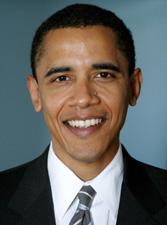


 +9
+9
Floor Debate
14 membersWhat members said about S. 1578 on the floor
Mr. President, I would like to tell you about Connie Martin from Sycamore, IL. Connie's son decided to go to culinary school in Chicago 5 years ago at the age of 25. To pay for tuition, he borrowed…
Mr. President, we will soon begin consideration of legislation to educate America's students, with Head Start, the Elementary and Secondary Education Act, and the Higher Education Act all slated for…
Mr. President, I rise today to introduce the Patient Safety and Abuse Prevention Act with Senators Domenici, McCaskill, Stabenow, Lincoln, Levin and Clinton. This bill is supported by the Elder…
Mr. President, today I am introducing the Veterans Advocacy Act of 2007. This bill would create a grant program for organizations providing pro bono legal representation to servicemembers and…
Mr. President, I wish today to join with my colleague, Senator Snowe to introduce the bipartisan Rural Aviation Improvement Act. Senator Snowe has been a longtime champion of commercial air service…
Show 8 more

Mr. President, I ask unanimous consent that the Committee on Armed Services be authorized to meet during the session of the Senate on September 27, 2007, at 9:30 a.m., in open session to consider the…

Mr. President, I rise today to join my colleagues, Senators Bingaman, Hagel, and Nelson of Nebraska to introduce the bipartisan Rural Aviation Improvement Act. I am proud to join my colleagues, each…

Mr. President, I am pleased to join Senators Kennedy, Cochran, Bingaman, Obama, Durbin and Brown in introducing the Minority Health Improvement and Health Disparity Elimination Act 2007. As we debate…
Mr. President, serious and unjustified health disparities continue to exist in our Nation today. Forty five million Americans have no health insurance and often don't get the health care they need or…

Mr. President, I rise today to introduce legislation that would establish a comprehensive Federal research plan and program to address ocean acidification, which poses a growing threat to the health…

Mr. President, I rise today, to introduce The Early Childhood Investment Act of 2007 to create and enhance public-private partnerships to strengthen investment in early childhood development…

Mr. President, I rise today to introduce the Fluorescent Light Implementation Program to Save Americans Value and Energy, or FLIP-to-SAVE. This bill does something very simple to save Americans money…

Mr. President, I ask unanimous consent that the Committee on Armed Services be authorized to meet during the session of the Senate on Thursday, August 2, 2007, at 11:30 a.m. in closed session to…
Show 3 more
Mr. President, the United States has more than 95,000 miles of coastline, and its ocean territory is larger than the combined land area of all 50 States. We rely on our oceans for such diverse…
Mr. President, the United States has more than 95,000 miles of coastline, and its ocean territory is larger than the combined land area of all 50 States. We rely on our oceans for such diverse…
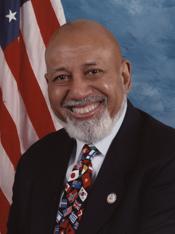
Mr. Speaker, I rise today with Representative Jones and my other colleagues in the Congressional Black Caucus, in calling for a comprehensive revaluation of our strategies in Iraq. I consider the…
Bill Text
2 versions available
        [Congressional Bills 110th Congress]
[From the U.S. Government Printing Office]
[S. 1578 Reported in Senate (RS)]

Calendar No. 589
110th CONGRESS
2d Session
S. 1578

[Report No. 110-269]

To amend the Nonindigenous Aquatic Nuisance Prevention and Control Act
of 1990 to establish vessel ballast water management requirements, and
for other purposes.

_______________________________________________________________________

IN THE SENATE OF THE UNITED STATES

June 7, 2007

Mr. Inouye (for himself and Mr. Stevens) introduced the following bill;
which was read twice and referred to the Committee on Commerce,
Science, and Transportation

March 3, 2008

Reported by Mr. Inouye, with an amendment
[Strike out all after the enacting clause and insert the part printed
in italic]

_______________________________________________________________________

A BILL

To amend the Nonindigenous Aquatic Nuisance Prevention and Control Act
of 1990 to establish vessel ballast water management requirements, and
for other purposes.

Be it enacted by the Senate and House of Representatives of the
United States of America in Congress assembled,

<DELETED>SECTION 1. SHORT TITLE.</DELETED>

<DELETED>    This Act may be cited as the ``Ballast Water Management
Act of 2007''.</DELETED>

<DELETED>SEC. 2. FINDINGS.</DELETED>

<DELETED>    Section 1002(a) of the Nonindigenous Aquatic Nuisance
Prevention and Control Act of 1990 (16 U.S.C. 4701(a)) is amended--
</DELETED>
<DELETED>    (1) by redesignating paragraphs (14) and (15) as
paragraphs (15) and (16);</DELETED>
<DELETED>    (2) by inserting after paragraph (13) the
following:</DELETED>
<DELETED>    ``(14) aquatic nuisance species may be introduced
by other vessel conduits, including the hulls of
ships;'';</DELETED>
<DELETED>    (3) by striking ``inland lakes and rivers by
recreational boaters, commercial barge traffic, and a variety
of other pathways; and'' in paragraph (15), as redesignated,
and inserting ``other areas of the United States, including
coastal areas, inland lakes, and rivers by recreational
boaters, commercial traffic, and a variety of other
pathways;'';</DELETED>
<DELETED>    (4) by inserting ``nongovernmental entities,
institutions of higher education, and the private sector,''
after ``governments,'' in paragraph (16), as
redesignated;</DELETED>
<DELETED>    (5) by striking ``technologies.'' in paragraph
(16), as redesignated, and inserting ``technologies;'';
and</DELETED>
<DELETED>    (6) adding at the end the following:</DELETED>
<DELETED>    ``(17) in 2004, the International Maritime
Organization agreed to a Convention, which the United States
played an active role in negotiating, to prevent, minimize, and
ultimately eliminate the transfer of aquatic nuisance species
through the control and management of ballast water and
sediments;</DELETED>
<DELETED>    ``(18) the International Maritime Organization
agreement specifically recognizes that countries can take more
stringent measures than those of the Convention with respect to
the control and management of ships' ballast water and
sediment; and</DELETED>
<DELETED>    ``(19) due to the interstate nature of maritime
transportation and the ways by which aquatic nuisance species
may be transferred by vessels, a comprehensive and uniform
national approach for addressing vessel-borne aquatic nuisance
species is needed to address this issue
effectively.''.</DELETED>

<DELETED>SEC. 3. MANAGEMENT OF VESSEL-BORNE AQUATIC NUISANCE
SPECIES.</DELETED>

<DELETED>    (a) In General.--Section 1101 of the Nonindigenous Aquatic
Nuisance Prevention and Control Act of 1990 (16 U.S.C. 4711) is amended
to read as follows:</DELETED>

<DELETED>``SEC. 1101. MANAGEMENT OF VESSEL-BORNE AQUATIC NUISANCE
SPECIES.</DELETED>

<DELETED>    ``(a) Statement of Purpose; Vessels to Which This Section
Applies.--</DELETED>
<DELETED>    ``(1) Purposes.--The purposes of this section
are--</DELETED>
<DELETED>    ``(A) to provide an effective,
comprehensive, and uniform national approach for
addressing the introduction and spread of aquatic
nuisance species from ballast water and other ship-
borne vectors;</DELETED>
<DELETED>    ``(B) to require, as part of that
approach, mandatory treatment technology, with the
ultimate goal of achieving zero discharge of aquatic
nuisance species;</DELETED>
<DELETED>    ``(C) to create incentives for the
development of ballast water treatment
technologies;</DELETED>
<DELETED>    ``(D) to implement the International
Convention for the Control and Management of Ships'
Ballast Water and Sediments, adopted by the
International Maritime Organization in 2004;
and</DELETED>
<DELETED>    ``(E) to establish a management approach
for other ship-borne vectors of aquatic nuisance
species.</DELETED>
<DELETED>    ``(2) In general.--Except as provided in
paragraphs (3), (4), (5), and (6) this section applies to a
vessel that is designed, constructed, or adapted to carry
ballast water; and</DELETED>
<DELETED>    ``(A) is a vessel of United States
registry or nationality, or operated under the
authority of the United States, wherever located;
or</DELETED>
<DELETED>    ``(B) is a foreign vessel that--</DELETED>
<DELETED>    ``(i) is en route to a United
States port or place; or</DELETED>
<DELETED>    ``(ii) has departed from a United
States port or place and is within waters
subject to the jurisdiction of the United
States.</DELETED>
<DELETED>    ``(3) Permanent ballast water vessels.--Except as
provided in paragraph (6), this section does not apply to a
vessel that carries all of its permanent ballast water in
sealed tanks and is not subject to discharge.</DELETED>
<DELETED>    ``(4) Armed forces vessels.--</DELETED>
<DELETED>    ``(A) Exemption.--Except as provided in
subparagraph (B) and paragraph (6), this section does
not apply to a vessel of the Armed Forces.</DELETED>
<DELETED>    ``(B) Ballast water management program.--
The Secretary and the Secretary of Defense, after
consultation with each other and with the Under
Secretary of Commerce for Oceans and Atmosphere, the
Administrator of the Environmental Protection Agency,
and other appropriate Federal agencies as determined by
the Secretary, shall implement a ballast water
management program, including the promulgation of
standards for ballast water exchange and treatment and
for sediment management, for vessels of the Armed
Forces under their respective jurisdictions designed,
constructed, or adapted to carry ballast water that
is--</DELETED>
<DELETED>    ``(i) consistent with the
requirements of this section, including the
deadlines; and</DELETED>
<DELETED>    ``(ii) at least as stringent as
the requirements promulgated for such vessels
under section 312 of the Clean Water Act (33
U.S.C. 1322).</DELETED>
<DELETED>    ``(5) Special rule for small vessels.--In applying
this section to vessels less than 50 meters in length that have
a maximum ballast water capacity of 8 cubic meters, the
Secretary may promulgate alternative measures for managing
ballast water in a manner that is consistent with the purposes
of this Act.</DELETED>
<DELETED>    ``(6) Other sources of vessel-borne aquatic
nuisance species.--Measures undertaken by the Secretary under
subsection (s) shall apply to all vessels (as defined in
section 3 of title 1, United States Code).</DELETED>
<DELETED>    ``(b) Uptake and Discharge of Ballast Water or Sediment.--
</DELETED>
<DELETED>    ``(1) Prohibition.--The operator of a vessel to
which this section applies may not conduct the uptake or
discharge of ballast water or sediment except as provided in
this section.</DELETED>
<DELETED>    ``(2) Exceptions.--Paragraph (1) does not apply to
the uptake or discharge of ballast water or sediment in the
following circumstances:</DELETED>
<DELETED>    ``(A) The uptake or discharge is solely
for the purpose of--</DELETED>
<DELETED>    ``(i) ensuring the safety of the
vessel in an emergency situation; or</DELETED>
<DELETED>    ``(ii) saving a life at
sea.</DELETED>
<DELETED>    ``(B) The uptake or discharge is
accidental and the result of damage to the vessel or
its equipment and--</DELETED>
<DELETED>    ``(i) all reasonable precautions
to prevent or minimize ballast water and
sediment discharge have been taken before and
after the damage occurs, the discovery of the
damage, and the discharge; and</DELETED>
<DELETED>    ``(ii) the owner or officer in
charge of the vessel did not willfully or
recklessly cause the damage.</DELETED>
<DELETED>    ``(C) The uptake or discharge is solely
for the purpose of avoiding or minimizing the discharge
from the vessel of pollution that would otherwise
violate applicable Federal or State law.</DELETED>
<DELETED>    ``(D) The uptake or discharge of ballast
water and sediment occurs at the same location where
the whole of that ballast water and that sediment
originated and there is no mixing with ballast water
and sediment from another area that has not been
managed in accordance with the requirements of this
section.</DELETED>
<DELETED>    ``(c) Vessel Ballast Water Management Plan.--</DELETED>
<DELETED>    ``(1) In general.--The operator of a vessel to
which this section applies shall conduct all ballast water
management operations of that vessel in accordance with a
ballast water management plan designed to minimize the
discharge of aquatic nuisance species that--</DELETED>
<DELETED>    ``(A) meets the requirements prescribed by
the Secretary by regulation; and</DELETED>
<DELETED>    ``(B) is approved by the
Secretary.</DELETED>
<DELETED>    ``(2) Approval criteria.--</DELETED>
<DELETED>    ``(A) In general.--The Secretary may not
approve a ballast water management plan unless the
Secretary determines that the plan--</DELETED>
<DELETED>    ``(i) describes in detail the
actions to be taken to implement the ballast
water management requirements established under
this section;</DELETED>
<DELETED>    ``(ii) describes in detail the
procedures to be used for disposal of sediment
at sea and on shore in accordance with the
requirements of this section;</DELETED>
<DELETED>    ``(iii) describes in detail safety
procedures for the vessel and crew associated
with ballast water management;</DELETED>
<DELETED>    ``(iv) designates the officer on
board the vessel in charge of ensuring that the
plan is properly implemented;</DELETED>
<DELETED>    ``(v) contains the reporting
requirements for vessels established under this
section and a copy of each form necessary to
meet those requirements;</DELETED>
<DELETED>    ``(vi) incorporates regulatory
requirements, guidance, and best practices
developed under subsection (s) for other vessel
pathways by which aquatic nuisance species are
transported; and</DELETED>
<DELETED>    ``(vii) meets all other
requirements prescribed by the
Secretary.</DELETED>
<DELETED>    ``(B) Foreign vessels.--The Secretary may
approve a ballast water management plan for a foreign
vessel (as defined in section 2101(12) of title 46,
United States Code) on the basis of a certificate of
compliance with the criteria described in subparagraph
(A) issued by the vessel's country of registration in
accordance with regulations promulgated by the
Secretary.</DELETED>
<DELETED>    ``(3) Copy of plan on board vessel.--The owner or
operator of a vessel to which this section applies shall--
</DELETED>
<DELETED>    ``(A) maintain a copy of the vessel's
ballast water management plan on board at all times;
and</DELETED>
<DELETED>    ``(B) keep the plan readily available for
examination by the Secretary at all reasonable
times.</DELETED>
<DELETED>    ``(d) Vessel Ballast Water Record Book.--</DELETED>
<DELETED>    ``(1) In general.--The owner or operator of a
vessel to which this section applies shall maintain a ballast
water record book in English on board the vessel in which--
</DELETED>
<DELETED>    ``(A) each operation involving ballast
water or sediment discharge is fully recorded without
delay, in accordance with regulations promulgated by
the Secretary;</DELETED>
<DELETED>    ``(B) each such operation is described in
detail, including the location and circumstances of,
and the reason for, the operation; and</DELETED>
<DELETED>    ``(C) the exact nature and circumstances
of any situation under which any operation was
conducted under an exception set forth in subsection
(b)(2) or (e)(3) is described.</DELETED>
<DELETED>    ``(2) Availability.--The ballast water record
book--</DELETED>
<DELETED>    ``(A) shall be kept readily available for
examination by the Secretary at all reasonable times;
and</DELETED>
<DELETED>    ``(B) notwithstanding paragraph (1), may
be kept on the towing vessel in the case of an unmanned
vessel under tow.</DELETED>
<DELETED>    ``(3) Retention period.--The ballast water record
book shall be retained--</DELETED>
<DELETED>    ``(A) on board the vessel for a period of
3 years after the date on which the last entry in the
book is made; and</DELETED>
<DELETED>    ``(B) under the control of the vessel's
owner for an additional period of 3 years.</DELETED>
<DELETED>    ``(4) Regulations.--In the regulations prescribed
under this section, the Secretary shall require, at a minimum,
that--</DELETED>
<DELETED>    ``(A) each entry in the ballast water
record book be signed and dated by the officer in
charge of the ballast water operation
recorded;</DELETED>
<DELETED>    ``(B) each completed page in the ballast
water record book be signed and dated by the master of
the vessel; and</DELETED>
<DELETED>    ``(C) the owner or operator of the vessel
transmit such information to the Secretary regarding
the ballast operations of the vessel as the Secretary
may require.</DELETED>
<DELETED>    ``(5) Alternative means of recordkeeping.--The
Secretary shall provide by regulation for alternative methods
of recordkeeping, including electronic recordkeeping, to comply
with the requirements of this subsection. Any electronic
recordkeeping method authorized by the Secretary shall support
the inspection and enforcement provisions of this Act and shall
comply with applicable standards of the National Institute of
Standards and Technology and the Office of Management and
Budget governing reliability, integrity, identity
authentication, and nonrepudiation of stored electronic
data.</DELETED>
<DELETED>    ``(e) Ballast Water Exchange Requirements.--</DELETED>
<DELETED>    ``(1) In general.--</DELETED>
<DELETED>    ``(A) Requirement.--Until a vessel is
required to conduct ballast water treatment in
accordance with subsection (f) of this section, the
operator of a vessel to which this section applies may
not discharge ballast water in waters subject to the
jurisdiction of the United States except after--
</DELETED>
<DELETED>    ``(i) conducting ballast water
exchange as required by this subsection, in
accordance with regulations prescribed by the
Secretary, in a manner that results in an
efficiency of at least 95 percent volumetric
exchange of the ballast water for each ballast
water tank;</DELETED>
<DELETED>    ``(ii) using ballast water
treatment technology that meets the performance
standards of subsection (f); or</DELETED>
<DELETED>    ``(iii) using environmentally-
sound alternative ballast water treatment
technology, if the Secretary determines that
such treatment technology is at least as
effective as the ballast water exchange
required by clause (i) in preventing and
controlling the introduction of aquatic
nuisance species.</DELETED>
<DELETED>    ``(B) Technology efficacy.--For purposes
of this paragraph, a ballast water treatment technology
shall be considered to be at least as effective as the
ballast water exchange required by clause (i) in
preventing and controlling the introduction of aquatic
nuisance species if preliminary experiments prior to
installation of the technology aboard the vessel
demonstrate that the technology removed at least 98
percent of organisms larger than 50 microns.</DELETED>
<DELETED>    ``(2) Guidance; 5-year usage.--</DELETED>
<DELETED>    ``(A) Guidance.--Within 1 year after the
date of enactment of the Ballast Water Management Act
of 2007, after public notice and opportunity for
comment, the Secretary shall develop guidance on
technology that may be used under paragraph
(1)(A)(iii).</DELETED>
<DELETED>    ``(B) 5-year usage.--The Secretary shall
allow a vessel using environmentally-sound alternative
ballast water treatment technology under paragraph
(1)(A)(iii) to continue to use that technology for 5
years after the date on which the environmentally-sound
alternative ballast water treatment technology was
first placed in service on the vessel, or the date on
which treatment requirements under subsection (f)
become applicable, whichever is later.</DELETED>
<DELETED>    ``(3) Exchange areas.--</DELETED>
<DELETED>    ``(A) Vessels outside the united states
eez.--The operator of a vessel en route to a United
States port or place from a port or place outside the
United States exclusive economic zone shall conduct
ballast water exchange--</DELETED>
<DELETED>    ``(i) before arriving at a United
States port or place;</DELETED>
<DELETED>    ``(ii) at least 200 nautical miles
from the nearest point of land; and</DELETED>
<DELETED>    ``(iii) in water at least 200
meters in depth.</DELETED>
<DELETED>    ``(B) Coastal voyages.--In lieu of using
an exchange zone described in subparagraph (A)(ii) or
(iii), the operator of a vessel originating from a port
or place within waters subject to the jurisdiction of
the United States, or from a port within 200 nautical
miles of the United States in Canada, Mexico, or other
ports designated by the Secretary for purposes of this
section, and which does not voyage into waters
described in subparagraph (A)(ii) or (iii), shall
conduct ballast water exchange--</DELETED>
<DELETED>    ``(i) at least 50 nautical miles
from the nearest point of land; and</DELETED>
<DELETED>    ``(ii) in water at least 200
meters in depth.</DELETED>
<DELETED>    ``(4) Safety or stability exception.--</DELETED>
<DELETED>    ``(A) Secretarial determination.--
Paragraph (3) does not apply to the discharge of
ballast water if the Secretary determines that
compliance with that paragraph would threaten the
safety or stability of the vessel, its crew, or its
passengers because of the design or operating
characteristics of the vessel.</DELETED>
<DELETED>    ``(B) Master of the vessel
determination.--Paragraph (3) does not apply to the
discharge of ballast water if the master of a vessel
determines that compliance with that paragraph would
threaten the safety or stability of the vessel, its
crew, or its passengers because of adverse weather,
equipment failure, or any other relevant
condition.</DELETED>
<DELETED>    ``(C) Notification required.--Whenever the
master of a vessel is unable to comply with the
requirements of paragraph (3) because of a
determination made under subparagraph (B), the master
of the vessel shall--</DELETED>
<DELETED>    ``(i) notify the Secretary as soon
as practicable thereafter but no later than 24
hours after making that determination and shall
ensure that the determination, the reasons for
the determination, and the notice are recorded
in the vessel's ballast water record book;
and</DELETED>
<DELETED>    ``(ii) undertake ballast water
exchange--</DELETED>
<DELETED>    ``(I) in an alternative
area that may be designated by the
Secretary, after consultation with the
Undersecretary, and other appropriate
Federal agencies as determined by the
Secretary, and representatives of
States the waters of which may be
affected by the discharge of ballast
water; or</DELETED>
<DELETED>    ``(II) undertake discharge
of ballast water in accordance with
paragraph (6) if safety or stability
concerns prevent undertaking ballast
water exchange in the alternative
area.</DELETED>
<DELETED>    ``(D) Review of circumstances.--If the
master of a vessel conducts a ballast water discharge
under the provisions of this paragraph, the Secretary
shall review the circumstances to determine whether the
discharge met the requirements of this paragraph. The
review under this clause shall be in addition to any
other enforcement authority of the Secretary.</DELETED>
<DELETED>    ``(5) Discharge under waiver.--</DELETED>
<DELETED>    ``(A) Substantial business hardship
waiver.--If, because of the short length of a voyage,
the operator of a vessel is unable to discharge ballast
water in accordance with the requirements of paragraph
(3)(B) without substantial business hardship, as
determined under regulations prescribed by the
Secretary, the operator shall request a waiver from the
Secretary and discharge the ballast water in accordance
with paragraph (6). A request for a waiver under this
subparagraph shall be submitted to the Secretary at
such time and in such form and manner as the Secretary
may require.</DELETED>
<DELETED>    ``(B) Substantial business hardship.--For
purposes of subparagraph (A), the factors taken into
account in determining substantial business hardship
shall include whether--</DELETED>
<DELETED>    ``(i) compliance with the
requirements of paragraph (3)(B) would require
a sufficiently great change in routing or
scheduling of service as to compromise the
economic or commercial viability of the trade
or business in which the vessel is operated;
or</DELETED>
<DELETED>    ``(ii) it is reasonable to expect
that the trade or business or service provided
will be continued only if a waiver is granted
under subparagraph (A).</DELETED>
<DELETED>    ``(6) Permissable discharge.--</DELETED>
<DELETED>    ``(A) In general.--The discharge of
unexchanged ballast water shall be considered to be
carried out in accordance with this paragraph if it
is--</DELETED>
<DELETED>    ``(i) in an area designated for
that purpose by the Secretary, after
consultation with the Undersecretary and other
appropriate Federal agencies as determined by
the Secretary and representatives of any State
that may be affected by discharge of ballast
water in that area; or</DELETED>
<DELETED>    ``(ii) into a reception facility
described in subsection (f)(2).</DELETED>
<DELETED>    ``(B) Limitation on volume.--The volume of
any ballast water discharged under the provisions of
this paragraph may not exceed the volume necessary to
ensure the safe operation of the vessel.</DELETED>
<DELETED>    ``(7) Partial compliance.--The operator of a
vessel that is unable to comply fully with the requirements of
paragraph (3)--</DELETED>
<DELETED>    ``(A) shall nonetheless conduct ballast
water exchange to the maximum extent feasible in
compliance with those paragraphs; and</DELETED>
<DELETED>    ``(B) may conduct a partial ballast water
exchange under this paragraph only to the extent that
the ballast water in an individual ballast tank can be
completely exchanged in accordance with the provisions
of paragraph (1)(A).</DELETED>
<DELETED>    ``(8) Certain geographically limited routes.--
Notwithstanding paragraph (3)(B) of this subsection, the
operator of a vessel is not required to comply with the
requirements of this subsection--</DELETED>
<DELETED>    ``(A) if the vessel operates exclusively--
</DELETED>
<DELETED>    ``(i) within Lake Superior, Lake
Michigan, Lake Huron, and Lake Erie and the
connecting channels; or</DELETED>
<DELETED>    ``(ii) between or among the main
group of the Hawaiian Islands; or</DELETED>
<DELETED>    ``(B) if the vessel operates exclusively
within any area with respect to which the Secretary has
determined, after consultation with the Undersecretary,
the Administrator, and representatives of States the
waters of which would be affected by the discharge of
ballast water, that the risk of introducing aquatic
nuisance species through ballast water discharge in the
areas in which the vessel operates is
insignificant.</DELETED>
<DELETED>    ``(9) Marine sanctuaries and other prohibited
areas.--A vessel may not conduct ballast water exchange or
discharge unexchanged ballast water under this subsection
within a marine sanctuary designated under title III of the
National Marine Sanctuaries Act (16 U.S.C. 1431 et seq.) or in
any other waters designated by the Secretary after consultation
with the Undersecretary and the Administrator.</DELETED>
<DELETED>    ``(10) Regulations deadline.--The Secretary shall
issue a final rule for regulations required by this subsection
within 1 year after the date of enactment of the Ballast Water
Management Act of 2007.</DELETED>
<DELETED>    ``(11) Vessels operating in the great lakes.--
</DELETED>
<DELETED>    ``(A) Regulations.--Until such time as
regulations are promulgated to implement the amendments
made by the Ballast Water Management Act of 2007,
regulations promulgated to carry out this Act shall
remain in effect until revised or replaced pursuant to
the Ballast Water Management Act of 2007.</DELETED>
<DELETED>    ``(B) Relationship to other programs.--On
promulgation of regulations required under this Act to
implement a national mandatory ballast management
program that is at least as comprehensive as the Great
Lakes program (as determined by the Secretary, in
consultation with the Governors of Great Lakes
States)--</DELETED>
<DELETED>    ``(i) the program regulating
vessels and ballast water in Great Lakes under
this section shall terminate; and</DELETED>
<DELETED>    ``(ii) the national program shall
apply to such vessels and ballast
water.</DELETED>
<DELETED>    ``(12) Vessels with no ballast on board.--Not
later than 180 days after the date of enactment of the Ballast
Water Management Act of 2007, the Secretary shall promulgate
regulations to minimize the discharge of invasive species from
ships entering a United States port or place from outside the
United States exclusive economic zone that claim no ballast on
board, or that claim to be carrying only unpumpable quantities
of ballast, including, at a minimum, a requirement that--
</DELETED>
<DELETED>    ``(i) such a ship shall conduct
saltwater flushing of ballast water tanks--
</DELETED>
<DELETED>    ``(I) outside the
exclusive economic zone; or</DELETED>
<DELETED>    ``(II) at a designated
alternative exchange site;
and</DELETED>
<DELETED>    ``(ii) before being allowed entry
into the Great Lakes beyond the St. Lawrence
Seaway, the master of such a ship shall certify
that the ship has complied with each applicable
requirement under this subsection.</DELETED>
<DELETED>    ``(f) Ballast Water Treatment Requirements.--</DELETED>
<DELETED>    ``(1) Performance standards.--A vessel to which
this section applies shall conduct ballast water treatment in
accordance with the requirements of this subsection before
discharging ballast water so that the ballast water discharged
will contain--</DELETED>
<DELETED>    ``(A) less than 1 living organism per 10
cubic meters that is 50 or more micrometers in minimum
dimension;</DELETED>
<DELETED>    ``(B) less than 1 living organism per 10
milliliters that is less than 50 micrometers in minimum
dimension and more than 10 micrometers in minimum
dimension;</DELETED>
<DELETED>    ``(C) concentrations of indicator microbes
that are less than--</DELETED>
<DELETED>    ``(i) 1 colony-forming unit of
toxicogenic Vibrio cholera (serotypes O1 and
O139) per 100 milliliters, or less than 1
colony-forming unit of that microbe per gram of
wet weight of zoological samples;</DELETED>
<DELETED>    ``(ii) 126 colony-forming units of
escherichia coli per 100 milliliters;
and</DELETED>
<DELETED>    ``(iii) 33 colony-forming units of
intestinal enterococci per 100 milliliters;
and</DELETED>
<DELETED>    ``(D) concentrations of such additional
indicator microbes as may be specified in regulations
promulgated by the Administrator, after consultation
with the Secretary and other appropriate Federal
agencies as determined by the Secretary, that are less
than the amount specified in those
regulations.</DELETED>
<DELETED>    ``(2) Reception facility exception.--</DELETED>
<DELETED>    ``(A) In general.--Paragraph (1) does not
apply to a vessel that discharges ballast water into a
facility for the reception of ballast water that meets
standards prescribed by the Administrator.</DELETED>
<DELETED>    ``(B) Promulgation of standards.--Within 1
year after the date of enactment of the Ballast Water
Management Act of 2007, the Administrator, in
consultation with the Secretary other appropriate
Federal agencies as determined by the Administrator,
shall promulgate standards for--</DELETED>
<DELETED>    ``(i) the reception of ballast
water from vessels into reception facilities;
and</DELETED>
<DELETED>    ``(ii) the disposal or treatment
of such ballast water in a way that does not
impair or damage the environment, human health,
property, or resources.</DELETED>
<DELETED>    ``(3) Implementation schedule.--Paragraph (1)
applies to vessels in accordance with the following
schedule:</DELETED>
<DELETED>    ``(A) First phase.--Beginning January 1,
2011, for vessels constructed on or after that date
with a ballast water capacity of less than 5,000 cubic
meters.</DELETED>
<DELETED>    ``(B) Second phase.--Beginning January 1,
2013, for vessels constructed on or after that date
with a ballast water capacity of 5,000 cubic meters or
more.</DELETED>
<DELETED>    ``(C) Third phase.--Beginning January 1,
2013, for vessels constructed before January 1, 2011,
with a ballast water capacity of 1,500 cubic meters or
more but not more than 5,000 cubic meters.</DELETED>
<DELETED>    ``(D) Fourth phase.--Beginning January 1,
2015, for vessels constructed--</DELETED>
<DELETED>    ``(i) before January 1, 2011, with
a ballast water capacity of less than 1,500
cubic meters or 5,000 cubic meters or more;
or</DELETED>
<DELETED>    ``(ii) on or after January 1,
2011, and before January 1, 2013, with a
ballast water capacity of 5,000 cubic meters or
more.</DELETED>
<DELETED>    ``(4) Treatment system approval required.--The
operator of a vessel may not use a ballast water treatment
system to comply with the requirements of this subsection
unless the system is approved by the Secretary, in consultation
with the Administrator. The Secretary shall promulgate
regulations establishing a process for such approval, after
consultation with the Administrator and other appropriate
Federal agencies as determined by the Secretary, within 1 year
after the date of enactment of the Ballast Water Management Act
of 2007.</DELETED>
<DELETED>    ``(5) Feasibility review.--</DELETED>
<DELETED>    ``(A) In general.--Not less than 2 years
before the date on which paragraph (1) applies to
vessels under each subparagraph of paragraph (3), or as
that date may be extended under this paragraph, the
Secretary, in consultation with the Administrator,
shall complete a review to determine whether
appropriate technologies are available to achieve the
standards set forth in paragraph (1) for the vessels to
which they apply under the schedule set forth in
paragraph (3). In reviewing the technologies the
Secretary, after consultation with the Administrator
and other appropriate Federal agencies as determined by
the Secretary, shall consider--</DELETED>
<DELETED>    ``(i) the effectiveness of a
technology in achieving the
standards;</DELETED>
<DELETED>    ``(ii) feasibility in terms of
compatibility with ship design and
operations;</DELETED>
<DELETED>    ``(iii) safety
considerations;</DELETED>
<DELETED>    ``(iv) whether a technology has an
adverse impact on the environment;
and</DELETED>
<DELETED>    ``(v) cost
effectiveness.</DELETED>
<DELETED>    ``(B) Delay in scheduled application.--If
the Secretary determines, on the basis of the review
conducted under subparagraph (A), that compliance with
the standards set forth in paragraph (1) in accordance
with the schedule set forth in any subparagraph of
paragraph (3) is not feasible for any class of vessels,
the Secretary shall require use of the best performing
technology available that meets, at a minimum, the
applicable ballast water discharge standard of the
International Maritime Organization. If the Secretary
finds that no technology exists that will achieve
either the standards set forth in paragraph (1) or the
standards of the International Maritime Organization,
then, the Secretary shall--</DELETED>
<DELETED>    ``(i) extend the date on which
that subparagraph first applies to vessels for
a period of not more than 24 months;
and</DELETED>
<DELETED>    ``(ii) recommend action to ensure
that compliance with the extended date schedule
for that subparagraph is achieved.</DELETED>
<DELETED>    ``(C) Higher standards; earlier
implementation.--</DELETED>
<DELETED>    ``(i) Standards.--If the Secretary
determines that ballast water treatment
technology exists that exceeds the performance
standards required under this subsection, the
Secretary shall, for any class of vessels,
revise the performance standards to incorporate
the higher performance standards.</DELETED>
<DELETED>    ``(ii) Implementation.--If the
Secretary determines that technology that
achieves the applicable performance standards
required under this subsection can be
implemented earlier than required by this
subsection, the Secretary shall, for any class
of vessels, accelerate the implementation
schedule under paragraph (3). If the Secretary
accelerates the implementation schedule
pursuant to this clause, the Secretary shall
provide at least 24 months notice before such
accelerated implementation goes into
effect.</DELETED>
<DELETED>    ``(iii) Determinations not
mutually exclusive.--The Secretary shall take
action under both clause (i) and clause (ii) if
the Secretary makes determinations under both
clauses.</DELETED>
<DELETED>    ``(6) Delay of application for vessel
participating in promising technology evaluations.--</DELETED>
<DELETED>    ``(A) In general.--If a vessel
participates in a program approved by the Secretary to
test and evaluate promising ballast water treatment
technologies that are likely to result in treatment
technologies achieving a standard that is the same as
or more stringent than the standard that applies under
paragraph (1) before the first date on which paragraph
(1) applies to that vessel, the Secretary shall allow
the vessel to use that technology for a 10-year period
and such vessel shall be deemed to be in compliance
with the requirements of paragraph (1) during that 10-
year period.</DELETED>
<DELETED>    ``(B) Vessel diversity.--The Secretary--
</DELETED>
<DELETED>    ``(i) shall seek to ensure that a
wide variety of vessel types and voyages are
included in the program; but</DELETED>
<DELETED>    ``(ii) may not grant a delay under
this paragraph to more than 5 percent of the
vessels to which subparagraph (A), (B), (C), or
(D) of paragraph (3) applies.</DELETED>
<DELETED>    ``(C) Termination of grace period.--The
Secretary may terminate the 10-year grace period of a
vessel under subparagraph (A) if participation of the
vessel in the program is terminated without the consent
of the Secretary.</DELETED>
<DELETED>    ``(D) Annual re-evaluation; termination.--
The Secretary shall establish an annual evaluation
process to determine whether the performance of an
approved technology is sufficiently effective and
whether it is causing harm to the environment. If the
Secretary determines that an approved technology is
insufficiently effective or is causing harm to the
environment, the Secretary shall revoke the approval
granted under subparagraph (A).</DELETED>
<DELETED>    ``(7) Review of standards.--</DELETED>
<DELETED>    ``(A) In general.--In December, 2014, and
in every third year thereafter, the Administrator, in
consultation with the Secretary, shall review ballast
water treatment standards to determine, after
consultation with the Undersecretary and other
appropriate Federal agencies as determined by the
Secretary, if the standards under this subsection
should be revised to reduce the amount of organisms or
microbes allowed to be discharged, taking into account
improvements in the scientific understanding of
biological processes leading to the spread of aquatic
nuisance species and improvements in ballast water
treatment technology. The Administrator shall revise by
regulation the performance standard required under this
subsection as necessary.</DELETED>
<DELETED>    ``(B) Application of adjusted standards.--
In the regulations, the Secretary shall provide for the
prospective application of the adjusted standards
prescribed under this paragraph to vessels constructed
after the date on which the adjusted standards apply
and for an orderly phase-in of the adjusted standards
to existing vessels.</DELETED>
<DELETED>    ``(8) Installed equipment.--If ballast water
treatment technology used for purposes of complying with the
regulations under this subsection is installed on a vessel,
maintained in good working order, and used by the vessel, the
vessel may use that technology for the shorter of--</DELETED>
<DELETED>    ``(A) the 10-year period beginning on the
date of initial use of the technology; or</DELETED>
<DELETED>    ``(B) the life of the ship on which the
technology is used.</DELETED>
<DELETED>    ``(9) High-risk vessels.--</DELETED>
<DELETED>    ``(A) Vessel list.--Within 1 year after
the date of enactment of the Ballast Water Management
Act of 2007, the Secretary shall publish and regularly
update a list of vessels identified by States that, due
to factors such as the origin of their voyages, the
frequency of their voyages, the volume of ballast water
they carry, the biological makeup of the ballast water,
and the fact that they frequently discharge unexchanged
ballast water pursuant to an exception under subsection
(e), pose a relatively high risk of introducing aquatic
nuisance species into the waters of those
States.</DELETED>
<DELETED>    ``(B) Incentive programs.--The Secretary
shall give priority to vessels on the list for
participation in pilot programs described in paragraph
(6). Any Federal agency, and any State agency with
respect to vessels identified by such State to the
Secretary for inclusion on the list pursuant to
subparagraph (A), may develop technology development
programs or other incentives (whether positive or
negative) to such vessels in order to encourage the
adoption of ballast water treatment technology by those
vessels consistent with the requirements of this
section on an expedited basis.</DELETED>
<DELETED>    ``(10) Exception for vessels operating exclusively
in determined area.--</DELETED>
<DELETED>    ``(A) In general.--Paragraph (1) does not
apply to a vessel that operates exclusively within an
area if the Secretary has determined through a
rulemaking proceeding, after consultation with the
Undersecretary and other appropriate Federal agencies
as determined by the Secretary, and representatives of
States the waters of which could be affected by the
discharge of ballast water, that the risk of
introducing aquatic nuisance species through ballast
water discharge from the vessel is
insignificant.</DELETED>
<DELETED>    ``(B) Certain vessels.--A vessel
constructed before January 1, 2001, that operates
exclusively within Lake Superior, Lake Michigan, Lake
Huron, and Lake Erie and the connecting channels shall
be presumed not to pose a significant risk of
introducing aquatic nuisance species unless the
Secretary finds otherwise in a rulemaking proceeding
under subparagraph (A).</DELETED>
<DELETED>    ``(C) Best practices.--The Secretary shall
develop, and require vessels exempted from complying
with the requirements of paragraph (1) under this
paragraph to follow, best practices, developed in
consultation with the Governors or States that may be
affected, to minimize the spreading of aquatic nuisance
species in its operating area.</DELETED>
<DELETED>    ``(11) Laboratories.--The Secretary may use any
Federal or non-Federal laboratory that meets standards
established by the Secretary for the purpose of evaluating and
certifying ballast water treatment technologies and equipment
under this subsection.</DELETED>
<DELETED>    ``(g) Warnings Concerning Ballast Water Uptake.--
</DELETED>
<DELETED>    ``(1) In general.--The Secretary shall notify
vessel owners and operators of any area in waters subject to
the jurisdiction of the United States in which vessels may not
uptake ballast water due to known conditions.</DELETED>
<DELETED>    ``(2) Contents.--The notice shall include--
</DELETED>
<DELETED>    ``(A) the coordinates of the area;
and</DELETED>
<DELETED>    ``(B) if possible, the location of
alternative areas for the uptake of ballast
water.</DELETED>
<DELETED>    ``(h) Sediment Management.--</DELETED>
<DELETED>    ``(1) In general.--The operator of a vessel to
which this section applies may not remove or dispose of
sediment from spaces designed to carry ballast water except--
</DELETED>
<DELETED>    ``(A) in accordance with this subsection
and the ballast water management plan required under
subsection (c); and</DELETED>
<DELETED>    ``(B) more than 200 nautical miles from
the nearest point of land or into a reception facility
that meets the requirements of paragraph (3).</DELETED>
<DELETED>    ``(2) Design requirements.--</DELETED>
<DELETED>    ``(A) New vessels.--After December 31,
2008, it shall be unlawful to construct a vessel in the
United States to which this section applies unless that
vessel is designed and constructed, in accordance with
regulations prescribed under subparagraph (C), in a
manner that--</DELETED>
<DELETED>    ``(i) minimizes the uptake and
entrapment of sediment;</DELETED>
<DELETED>    ``(ii) facilitates removal of
sediment; and</DELETED>
<DELETED>    ``(iii) provides for safe access
for sediment removal and sampling.</DELETED>
<DELETED>    ``(B) Existing vessels.--Every vessel to
which this section applies that was constructed before
January 1, 2009, shall be modified before January 1,
2009, to the extent practicable, to achieve the
objectives described in clauses (i), (ii), and (iii) of
subparagraph (A).</DELETED>
<DELETED>    ``(C) Regulations.--The Secretary shall
promulgate regulations establishing design and
construction standards to achieve the objectives of
subparagraph (A) and providing guidance for
modifications and practices under subparagraph (B). The
Secretary shall incorporate the standards and guidance
in the regulations governing the ballast water
management plan.</DELETED>
<DELETED>    ``(3) Sediment reception facilities.--</DELETED>
<DELETED>    ``(A) Standards.--The Secretary, in
consultation with other appropriate Federal agencies as
determined by the Secretary, shall promulgate
regulations governing facilities for the reception of
vessel sediment from spaces designed to carry ballast
water that provide for the disposal of such sediment in
a way that does not impair or damage the environment,
human health, or property or resources of the disposal
area.</DELETED>
<DELETED>    ``(B) Designation.--The Administrator, in
consultation with the Secretary and other appropriate
Federal agencies as determined by the Administrator,
shall designate facilities for the reception of vessel
sediment that meet the requirements of the regulations
promulgated under subparagraph (A) at ports and
terminals where ballast tanks are cleaned or
repaired.</DELETED>
<DELETED>    ``(i) Examinations and Certifications.--</DELETED>
<DELETED>    ``(1) Initial examination.--</DELETED>
<DELETED>    ``(A) In general.--The Secretary shall
examine vessels to which this section applies to
determine whether--</DELETED>
<DELETED>    ``(i) there is a ballast water
management plan for the vessel that meets the
requirements of this section; and</DELETED>
<DELETED>    ``(ii) the equipment used for
ballast water and sediment management in
accordance with the requirements of this
section and the regulations promulgated
hereunder is installed and functioning
properly.</DELETED>
<DELETED>    ``(B) New vessels.--For vessels
constructed in the United States on or after January 1,
2011, the Secretary shall conduct the examination
required by subparagraph (A) before the vessel is
placed in service.</DELETED>
<DELETED>    ``(C) Existing vessels.--For vessels
constructed before January 1, 2011, the Secretary
shall--</DELETED>
<DELETED>    ``(i) conduct the examination
required by subparagraph (A) before the date on
which subsection (f)(1) applies to the vessel
according to the schedule in subsection (f)(3);
and</DELETED>
<DELETED>    ``(ii) inspect the vessel's
ballast water record book required by
subsection (d).</DELETED>
<DELETED>    ``(D) Foreign vessels.--In the case of a
foreign vessel (as defined in section 2101(12) of title
46, United States Code), the Secretary shall perform
the examination required by this paragraph the first
time the vessel enters a United States port.</DELETED>
<DELETED>    ``(2) Subsequent examinations.--The Secretary
shall examine vessels no less frequently than once each year to
ensure vessel compliance with the requirements of this
section.</DELETED>
<DELETED>    ``(3) Inspection authority.--</DELETED>
<DELETED>    ``(A) In general.--The Secretary may carry
out inspections of any vessel to which this section
applies at any time, including the taking of ballast
water samples, to ensure the vessel's compliance with
this Act. The Secretary shall use all appropriate and
practical measures of detection and environmental
monitoring, and shall establish adequate procedures for
reporting violations and accumulating
evidence.</DELETED>
<DELETED>    ``(B) Investigations.--Upon receipt of
evidence that a violation has occurred, the Secretary
shall cause the matter to be investigated. In any
investigation under this section the Secretary may
issue subpoenas to require the attendance of any
witness and the production of documents and other
evidence. In case of refusal to obey a subpoena issued
to any person, the Secretary may request the Attorney
General to invoke the aid of the appropriate district
court of the United States to compel
compliance.</DELETED>
<DELETED>    ``(4) Required certificate.--If, on the basis of
an initial examination under paragraph (1) the Secretary finds
that a vessel complies with the requirements of this section
and the regulations promulgated hereunder, the Secretary shall
issue a certificate under this paragraph as evidence of such
compliance. The certificate shall be valid for a period of not
more than 5 years, as specified by the Secretary. The
certificate or a true copy shall be maintained on board the
vessel.</DELETED>
<DELETED>    ``(5) Notification of violations.--If the
Secretary finds, on the basis of an examination under paragraph
(1) or (2), sampling under paragraph (3), or any other
information, that a vessel is being operated in violation of
the requirements of this section or the regulations promulgated
hereunder, the Secretary shall--</DELETED>
<DELETED>    ``(A) notify in writing--</DELETED>
<DELETED>    ``(i) the master of the vessel;
and</DELETED>
<DELETED>    ``(ii) the captain of the port at
the vessel's next port of call; and</DELETED>
<DELETED>    ``(B) take such other action as may be
appropriate.</DELETED>
<DELETED>    ``(6) Compliance and monitoring.--</DELETED>
<DELETED>    ``(A) In general.--The Secretary shall by
regulation establish sampling and other procedures to
monitor compliance with the requirements of this
section and any regulations promulgated under this
section.</DELETED>
<DELETED>    ``(B) Use of markers.--The Secretary may
verify compliance with treatment standards under this
section and the regulations through identification of
markers associated with a treatment technology's
effectiveness, such as the presence of indicators
associated with a certified treatment
technology.</DELETED>
<DELETED>    ``(7) Education and technical assistance
programs.--The Secretary may carry out education and technical
assistance programs and other measures to promote compliance
with the requirements issued under this section.</DELETED>
<DELETED>    ``(j) Detention of Vessels.--</DELETED>
<DELETED>    ``(1) In general.--The Secretary, by notice to the
owner, charterer, managing operator, agent, master, or other
individual in charge of a vessel, may detain that vessel if the
Secretary has reasonable cause to believe that--</DELETED>
<DELETED>    ``(A) the vessel is a vessel to which this
section applies; and</DELETED>
<DELETED>    ``(B) the vessel does not comply with the
requirements of this section or of the regulations
issued hereunder or is being operated in violation of
such requirements.</DELETED>
<DELETED>    ``(2) Clearance.--</DELETED>
<DELETED>    ``(A) In general.--A vessel detained under
paragraph (1) may obtain clearance under section 4197
of the Revised Statutes (46 U.S.C. App. 91) only if the
violation for which it was detained has been
corrected.</DELETED>
<DELETED>    ``(B) Withdrawal.--If the Secretary finds
that a vessel detained under paragraph (1) has received
a clearance under section 4197 of the Revised Statutes
(46 U.S.C. App. 91) before it was detained under
paragraph (1), the Secretary shall withdraw, withhold,
or revoke the clearance.</DELETED>
<DELETED>    ``(k) Sanctions.--</DELETED>
<DELETED>    ``(1) Civil penalties.--Any person who violates a
regulation promulgated under this section shall be liable for a
civil penalty in an amount not to exceed $32,500. Each day of a
continuing violation constitutes a separate violation. A vessel
operated in violation of this section or the regulations is
liable in rem for any civil penalty assessed under this
subsection for that violation.</DELETED>
<DELETED>    ``(2) Criminal penalties.--Any person who
knowingly violates the regulations promulgated under this
section is guilty of a class C felony.</DELETED>
<DELETED>    ``(3) Revocation of clearance.--Except as provided
in subsection (j)(2), upon request of the Secretary, the
Secretary of the Treasury shall withhold or revoke the
clearance of a vessel required by section 4197 of the Revised
Statutes (46 U.S.C. App. 91), if the owner or operator of that
vessel is in violation of this section or the regulations
issued under this section.</DELETED>
<DELETED>    ``(4) Exception to sanctions.--This subsection
does not apply to a discharge pursuant to subsection (b)(3),
(e)(5), or (e)(7).</DELETED>
<DELETED>    ``(l) Enforcement.--</DELETED>
<DELETED>    ``(1) Administrative actions.--If the Secretary
finds, after notice and an opportunity for a hearing, that a
person has violated any provision of this section or any
regulation promulgated hereunder, the Secretary may assess a
civil penalty for that violation. In determining the amount of
a civil penalty, the Secretary shall take into account the
nature, circumstances, extent, and gravity of the prohibited
acts committed and, with respect to the violator, the degree of
culpability, any history of prior violations, and such other
matters as justice may require.</DELETED>
<DELETED>    ``(2) Civil actions.--At the request of the
Secretary, the Attorney General may bring a civil action in an
appropriate district court of the United States to enforce this
section, or any regulation promulgated hereunder. Any court
before which such an action is brought may award appropriate
relief, including temporary or permanent injunctions and civil
penalties.</DELETED>
<DELETED>    ``(m) Consultation with Canada, Mexico, and Other Foreign
Governments.--In developing the guidelines issued and regulations
promulgated under this section, the Secretary is encouraged to consult
with the Government of Canada, the Government of Mexico, and any other
government of a foreign country that the Secretary, after consultation
with the Task Force, determines to be necessary to develop and
implement an effective international program for preventing the
unintentional introduction and spread of aquatic nuisance species
through ballast water.</DELETED>
<DELETED>    ``(n) International Cooperation.--The Secretary, in
cooperation with the Undersecretary, the Secretary of State, the
Administrator, the heads of other relevant Federal agencies, the
International Maritime Organization of the United Nations, and the
Commission on Environmental Cooperation established pursuant to the
North American Free Trade Agreement, is encouraged to enter into
negotiations with the governments of foreign countries to develop and
implement an effective international program for preventing the
unintentional introduction and spread of aquatic nuisance species
through ballast water. The Secretary is particularly encouraged to seek
bilateral or multilateral agreements with Canada, Mexico, and other
nations in the Wider Caribbean (as defined in the Convention for the
Protection and Development of the Marine Environment of the Wider
Caribbean (Cartagena Convention) under this section.</DELETED>
<DELETED>    ``(o) Non-Discrimination.--The Secretary shall ensure that
vessels registered outside of the United States do not receive more
favorable treatment than vessels registered in the United States when
the Secretary performs studies, reviews compliance, determines
effectiveness, establishes requirements, or performs any other
responsibilities under this Act.</DELETED>
<DELETED>    ``(p) Support for Federal Ballast Water Demonstration
Project.--In addition to amounts otherwise available to the Maritime
Administration, the National Oceanographic and Atmospheric
Administration, and the United States Fish and Wildlife Service for the
Federal Ballast Water Demonstration Project, the Secretary shall
provide support for the conduct and expansion of the project, including
grants for research and development of innovative technologies for the
management, treatment, and disposal of ballast water and sediment, for
ballast water exchange, and for other vessel vectors of aquatic
nuisance species such as hull-fouling. There are authorized to be
appropriated to the Secretary $5,000,000 for each of fiscal years 2007
through 2011 to carry out this subsection.</DELETED>
<DELETED>    ``(q) Consultation With Task Force.--The Secretary shall
consult with the Task Force in carrying out this section.</DELETED>
<DELETED>    ``(r) Risk Assessment.--</DELETED>
<DELETED>    ``(1) In general.--Within 2 years after the date
of enactment of the Ballast Water Management Act of 2007, the
Administrator, in consultation with the Secretary and other
appropriate Federal agencies, shall conduct a risk assessment
of vessel discharges other than aquatic nuisance species that
are not required by the Clean Water Act (33 U.S.C. 1251 et
seq.) to have National Pollution Effluent Discharge Standards
permits under section 122.3(a) of title 40, Code of Federal
Regulations. The risk assessment shall include--</DELETED>
<DELETED>    ``(A) a characterization of the various
types of discharges by different classes of
vessels;</DELETED>
<DELETED>    ``(B) the average volume of such
discharges for individual vessels and by class of
vessel in the aggregate;</DELETED>
<DELETED>    ``(C) conclusions as to whether such
discharges pose a risk to human health or the
environment; and</DELETED>
<DELETED>    ``(D) recommendations as to steps,
including regulations, that are necessary to address
such risks.</DELETED>
<DELETED>    ``(2) Public comment.--The Administrator shall
cause a draft of the risk assessment to be published in the
Federal Register for public comment, and shall develop a final
risk assessment report after taking into accounts any comments
received during the public comment period.</DELETED>
<DELETED>    ``(3) Final report.--The Administrator shall
transmit a copy of the final report to the Senate Committee on
Commerce, Science, and Transportation and the House of
Representatives Committee on Transportation and
Infrastructure.</DELETED>
<DELETED>    ``(s) Other Sources of Vessel-Borne Nuisance Species.--
</DELETED>
<DELETED>    ``(1) Hull-fouling and other vessel sources.--
</DELETED>
<DELETED>    ``(A) Report.--Within 180 days after the
date of enactment of the Ballast Water Management Act
of 2007, the Commandant of the Coast Guard shall
transmit a report to the Senate Committee on Commerce,
Science, and Transportation and the House of
Representatives Committee on Transportation and
Infrastructure on vessel-borne vectors of aquatic
nuisance species and pathogens other than ballast water
and sediment, including vessel hulls, anchors, and
equipment.</DELETED>
<DELETED>    ``(B) Management.--Within 1 year after the
date of enactment of the Ballast Water Management Act
of 2007, the Secretary shall develop a strategy to
address such other vessel sources of aquatic nuisance
species and to reduce the introduction of invasive
species into and within the United States from vessels.
The strategy shall include--</DELETED>
<DELETED>    ``(i) designation of geographical
locations for update and discharge of untreated
ballast water, as well as measures to address
non-ballast vessel vectors of aquatic invasive
species;</DELETED>
<DELETED>    ``(ii) necessary modifications of
existing regulations;</DELETED>
<DELETED>    ``(iii) best practices standards
and procedures; and</DELETED>
<DELETED>    ``(iv) a timeframe for
implementation of those standards and
procedures by vessels, in addition to the
mandatory requirements set forth in this
section for ballast water.</DELETED>
<DELETED>    ``(C) Report.--The Secretary shall
transmit a report to the Committees describing the
strategy, proposed regulations, best practices, and the
implementation timeframe, together with any
recommendations, including legislative recommendations
if appropriate, the Secretary deems
appropriate.</DELETED>
<DELETED>    ``(D) Standards for vessels of the united
states.--The strategy shall include requirements to
ensure the consistent application of best practices to
all vessels owned or operated by a Federal
agency.</DELETED>
<DELETED>    ``(2) Transiting vessels.--Within 180 days after
the date of enactment of the Ballast Water Management Act of
2007, the Commandant of the Coast Guard shall transmit a report
to the Senate Committee on Commerce, Science, and
Transportation and the House of Representatives Committee on
Transportation and Infrastructure containing--</DELETED>
<DELETED>    ``(A) an assessment of the magnitude and
potential adverse impacts of ballast water operations
from foreign vessels designed, adapted, or constructed
to carry ballast water that are transiting waters
subject to the jurisdiction of the United States;
and</DELETED>
<DELETED>    ``(B) recommendations, including
legislative recommendations if appropriate, of options
for addressing ballast water operations of those
vessels.</DELETED>
<DELETED>    ``(t) Regulations.--</DELETED>
<DELETED>    ``(1) In general.--The Secretary, after
consultation with other appropriate Federal agencies, shall
issue such regulations as may be necessary initially to carry
out this section within 1 year after the date of enactment of
the Ballast Water Management Act of 2007.</DELETED>
<DELETED>    ``(2) Judicial review.--</DELETED>
<DELETED>    ``(A) 120-day rule.--An interested person
may bring an action for review of a final regulation
promulgated under this section by the Secretary of the
department in which the Coast Guard is operating in the
United States Court of Appeals for the District of
Columbia Circuit. Any such petition shall be filed
within 120 days after the date on which notice of the
promulgation appears in the Federal Register, except
that if the petition is based solely on grounds arising
after the 120th day, then any petition for review under
this subsection shall be filed within 120 days after
those grounds arise.</DELETED>
<DELETED>    ``(B) Review in enforcement proceedings.--
A regulation for which review could have been obtained
under subparagraph (A) of this paragraph is not subject
to judicial review in any civil or criminal proceeding
for enforcement.</DELETED>
<DELETED>    ``(u) Savings Clause.--</DELETED>
<DELETED>    ``(1) In general.--Nothing in this section shall
be construed to preempt the authority of any State or local
government to impose penalties or fees for acts or omissions
that are violations of this Act, or to provide incentives under
subsection (f)(9)(B).</DELETED>
<DELETED>    ``(2) Reception facilities.--The standards
prescribed by the Secretary or other appropriate Federal
agencies under subsection (f)(2) do not supersede any more
stringent standard under any otherwise applicable Federal,
State, or local law.</DELETED>
<DELETED>    ``(3) Application with other statutes.--This
section provides the sole Federal authority for preventing the
introduction of species through the control and management of
vessel ballast water or sediment or other vessel-related
vectors.''.</DELETED>
<DELETED>    (b) Definitions.--</DELETED>
<DELETED>    (1) In general.--Section 1003 of the Nonindigenous
Aquatic Nuisance Prevention and Control Act of 1990 (16 U.S.C.
4702) is amended--</DELETED>
<DELETED>    (A) by redesignating paragraph (1) as
paragraph (1A);</DELETED>
<DELETED>    (B) by inserting before paragraph (1A), as
redesignated, the following:</DELETED>
<DELETED>    ``(1) `Administrator' means the Administrator of
the Environmental Protection Agency;'';</DELETED>
<DELETED>    (C) by striking paragraph (3) and
inserting the following:</DELETED>
<DELETED>    ``(3) `ballast water'--</DELETED>
<DELETED>    ``(A) means water taken on board a vessel
to control trim, list, draught, stability, or stresses
of the vessel, including matter suspended in such
water; and</DELETED>
<DELETED>    ``(B) any water placed into a ballast tank
during cleaning, maintenance, or other operations;
but</DELETED>
<DELETED>    ``(C) does not include water taken on
board a vessel and used for a purpose described in
subparagraph (A) that, at the time of discharge, does
not contain aquatic nuisance species;'';</DELETED>
<DELETED>    (D) by inserting after paragraph (3) the
following:</DELETED>
<DELETED>    ``(3A) `ballast water capacity' means the total
volumetric capacity of any tanks, spaces, or compartments on a
vessel that is used for carrying, loading, or discharging
ballast water, including any multi-use tank, space, or
compartment designed to allow carriage of ballast
water;</DELETED>
<DELETED>    ``(3B) `ballast water management' means
mechanical, physical, chemical, and biological processes used,
either singularly or in combination, to remove, render
harmless, or avoid the uptake or discharge of aquatic nuisance
species and pathogens within ballast water and
sediment;</DELETED>
<DELETED>    ``(3C) `constructed' means a state of construction
of a vessel at which--</DELETED>
<DELETED>    ``(A) the keel is laid;</DELETED>
<DELETED>    ``(B) construction identifiable with the
specific vessel begins;</DELETED>
<DELETED>    ``(C) assembly of the vessel has begun
comprising at least 50 tons or 1 percent of the
estimated mass of all structural material of the
vessel, whichever is less; or</DELETED>
<DELETED>    ``(D) the vessel undergoes a major
conversion;'';</DELETED>
<DELETED>    (E) by inserting after paragraph (10) the
following:</DELETED>
<DELETED>    ``(10A) `major conversion' means a conversion of a
vessel, that--</DELETED>
<DELETED>    ``(A) changes its ballast water carrying
capacity by at least 15 percent;</DELETED>
<DELETED>    ``(B) changes the vessel class;</DELETED>
<DELETED>    ``(C) is projected to prolong the vessel's
life by at least 10 years (as determined by the
Secretary); or</DELETED>
<DELETED>    ``(D) results in modifications to the
vessel's ballast water system, except--</DELETED>
<DELETED>    ``(i) component replacement-in-
kind; or</DELETED>
<DELETED>    ``(ii) conversion of a vessel to
meet the requirements of section
1101(e);'';</DELETED>
<DELETED>    (F) by inserting after paragraph (12), as
redesignated, the following:</DELETED>
<DELETED>    ``(12A) `saltwater flushing' means the process
of--</DELETED>
<DELETED>    ``(A) adding midocean water to a ballast
water tank that contains residual quantities of ballast
waters;</DELETED>
<DELETED>    ``(B) mixing the midocean water with the
residual ballast water and sediment in the tank through
the motion of a vessel; and</DELETED>
<DELETED>    ``(C) discharging the mixed water so that
the salinity of the resulting residual ballast water in
the tank exceeds 30 parts per thousand;</DELETED>
<DELETED>    ``(12B) `sediment' means matter that has settled
out of ballast water within a vessel;'';</DELETED>
<DELETED>    (G) by redesignating paragraph (15) as
paragraph (16A) and moving it to follow paragraph
(16);</DELETED>
<DELETED>    (H) by inserting after paragraph (17) the
following:</DELETED>
<DELETED>    ``(17A) `United States port' means a port, river,
harbor, or offshore terminal under the jurisdiction of the
United States, including ports located in Puerto Rico, Guam,
the Northern Marianas, and the United States Virgin
Islands;</DELETED>
<DELETED>    ``(17B) `vessel of the Armed Forces' means--
</DELETED>
<DELETED>    ``(A) any vessel owned or operated by the
Department of Defense, other than a time or voyage
chartered vessel; and</DELETED>
<DELETED>    ``(B) any vessel owned or operated by the
Department of Homeland Security that is designated by
the Secretary of the department in which the Coast
Guard is operating as a vessel equivalent to a vessel
described in subparagraph (A); and</DELETED>
<DELETED>    ``(17C) `waters subject to the jurisdiction of the
United States' means navigable waters and the territorial sea
of the United States, the exclusive economic zone, and the
Great Lakes.''.</DELETED>
<DELETED>    (2) Stylistic consistency.--Section 1003 of the
Nonindigenous Aquatic Nuisance Prevention and Control Act of
1990 (16 U.S.C. 4702), as amended by paragraph (1), is further
amended--</DELETED>
<DELETED>    (A) by striking ``As used in this Act, the
term--'' and inserting ``In this Act:'';</DELETED>
<DELETED>    (B) by redesignating paragraphs (1)
through (17C) as paragraphs (1) through (27),
respectively; and</DELETED>
<DELETED>    (C) by inserting a heading after the
designation of each existing paragraph, in a form
consistent with the form of the paragraphs added by
paragraph (1) of this subsection, consisting of the
term defined in such paragraph and ``The
term''.</DELETED>
<DELETED>    (c) Repeal of section 1103.--Section 1103 of the
Nonindigenous Aquatic Nuisance Prevention and Control Act of 1990 (16
U.S.C. 4713) is repealed.</DELETED>

<DELETED>SEC. 4. AUTHORIZATION OF APPROPRIATIONS.</DELETED>

<DELETED>    Section 1301(a) of the Nonindigenous Aquatic Nuisance
Prevention and Control Act of 1990 (16 U.S.C. 4741(a)) is amended--
</DELETED>
<DELETED>    (1) by striking ``and'' after the semicolon in
paragraph (4)(B);</DELETED>
<DELETED>    (2) by striking ``1102(f).'' in paragraph (5)(B)
and inserting ``1102(f); and''; and</DELETED>
<DELETED>    (3) by adding at the end the following:</DELETED>
<DELETED>    ``(6) $20,000,000 for each of fiscal years 2008
through 2012 to the Secretary to carry out section
1101.''.</DELETED>

SECTION 1. SHORT TITLE.

This Act may be cited as the ``Ballast Water Management Act of
2007''.

SEC. 2. FINDINGS.

Section 1002(a) of the Nonindigenous Aquatic Nuisance Prevention
and Control Act of 1990 (16 U.S.C. 4701(a)) is amended--
(1) by redesignating paragraphs (14) and (15) as paragraphs
(15) and (16);
(2) by inserting after paragraph (13) the following:
``(14) aquatic nuisance species may be introduced by other
vessel conduits, including the hulls of ships;
(3) by striking ``inland lakes and rivers by recreational
boaters, commercial barge traffic, and a variety of other
pathways; and'' in paragraph (15), as redesignated, and
inserting ``other areas of the United States, including coastal
areas, inland lakes, and rivers by recreational boaters,
commercial traffic, and a variety of other pathways;'';
(4) by inserting ``nongovernmental entities, institutions
of higher education, and the private sector,'' after
``governments,'' in paragraph (16), as redesignated;
(5) by striking ``technologies.'' in paragraph (16), as
redesignated, and inserting ``technologies;''; and
(6) adding at the end the following:
``(17) in 2004, the International Maritime Organization
agreed to a Convention, which the United States played an
active role in negotiating, to prevent, minimize, and
ultimately eliminate the transfer of aquatic nuisance species
through the control and management of ballast water and
sediments;
``(18) the International Maritime Organization agreement
specifically recognizes that countries can take more stringent
measures than those of the Convention with respect to the
control and management of ships' ballast water and sediment;
and
``(19) due to the interstate nature of maritime
transportation and the ways by which aquatic nuisance species
may be transferred by vessels, a comprehensive and uniform
national approach for addressing vessel-borne aquatic nuisance
species is needed to address this issue effectively.''.

SEC. 3. MANAGEMENT OF VESSEL-BORNE AQUATIC NUISANCE SPECIES.

(a) In General.--Section 1101 of the Nonindigenous Aquatic Nuisance
Prevention and Control Act of 1990 (16 U.S.C. 4711) is amended to read
as follows:

``SEC. 1101. MANAGEMENT OF VESSEL-BORNE AQUATIC NUISANCE SPECIES.

``(a) Statement of Purpose; Vessels to Which This Section
Applies.--
``(1) Purpose.--The purpose of this section is to provide
an effective, comprehensive, and uniform national approach for
addressing the introduction and spread of aquatic nuisance
species from ballast water and other ship-borne vectors, and,
in furtherance of that purpose--
``(A) to require, as part of that approach,
mandatory treatment technology, with the ultimate goal
of achieving zero discharge of aquatic nuisance
species;
``(B) to create incentives for the development of
ballast water treatment technologies;
``(C) to implement the International Convention for
the Control and Management of Ships' Ballast Water and
Sediments, adopted by the International Maritime
Organization in 2004; and
``(D) to establish a management approach for other
ship-borne vectors of aquatic nuisance species.
``(2) In general.--Except as provided in paragraphs (3),
(4), (5), and (6) this section applies to a vessel that is
designed, constructed, or adapted to carry ballast water; and
``(A) is a vessel of United States registry or
nationality, or operated under the authority of the
United States, wherever located; or
``(B) is a foreign vessel that--
``(i) is en route to a United States port
or place; or
``(ii) has departed from a United States
port or place and is within waters subject to
the jurisdiction of the United States.
``(3) Permanent ballast water vessels.--Except as provided
in paragraph (6), this section does not apply to a vessel that
carries all of its permanent ballast water in sealed tanks and
is not subject to discharge.
``(4) Armed forces vessels.--
``(A) Exemption.--Except as provided in
subparagraph (B) and paragraph (6), this section does
not apply to a vessel of the Armed Forces.
``(B) Ballast water management program.--The
Secretary and the Secretary of Defense, after
consultation with each other and with the Under
Secretary of Commerce for Oceans and Atmosphere, the
Administrator of the Environmental Protection Agency,
and other appropriate Federal agencies as determined by
the Secretary, shall implement a ballast water
management program, including the promulgation of
standards for ballast water exchange and treatment and
for sediment management, for vessels of the Armed
Forces under their respective jurisdictions designed,
constructed, or adapted to carry ballast water that
is--
``(i) consistent with the requirements of
this section, including the deadlines; and
``(ii) at least as stringent as the
requirements promulgated for such vessels under
section 312 of the Clean Water Act (33 U.S.C.
1322).
``(5) Special rule for small vessels.--In applying this
section to vessels less than 50 meters in length that have a
maximum ballast water capacity of 8 cubic meters, the Secretary
may promulgate alternative measures for managing ballast water
in a manner that is consistent with the purposes of this Act.
``(6) Other sources of vessel-borne aquatic nuisance
species.--Measures undertaken by the Secretary under subsection
(s) shall apply to all vessels (as defined in section 3 of
title 1, United States Code).
``(b) Uptake and Discharge of Ballast Water or Sediment.--
``(1) Prohibition.--The operator of a vessel to which this
section applies may not conduct the uptake or discharge of
ballast water or sediment except as provided in this section.
``(2) Exceptions.--Paragraph (1) does not apply to the
uptake or discharge of ballast water or sediment in the
following circumstances:
``(A) The uptake or discharge is solely for the
purpose of--
``(i) ensuring the safety of the vessel in
an emergency situation; or
``(ii) saving a life at sea.
``(B) The uptake or discharge is accidental and the
result of damage to the vessel or its equipment and--
``(i) all reasonable precautions to prevent
or minimize ballast water and sediment
discharge have been taken before and after the
damage occurs, the discovery of the damage, and
the discharge; and
``(ii) the owner or officer in charge of
the vessel did not willfully or recklessly
cause the damage.
``(C) The uptake or discharge is solely for the
purpose of avoiding or minimizing the discharge from
the vessel of pollution that would otherwise violate
applicable Federal or State law.
``(D) The uptake or discharge of ballast water and
sediment occurs at the same location where the whole of
that ballast water and that sediment originated and
there is no mixing with ballast water and sediment from
another area that has not been managed in accordance
with the requirements of this section.
``(c) Vessel Ballast Water Management Plan.--
``(1) In general.--The operator of a vessel to which this
section applies shall conduct all ballast water management
operations of that vessel in accordance with a ballast water
management plan designed to minimize the discharge of aquatic
nuisance species that--
``(A) meets the requirements prescribed by the
Secretary by regulation; and
``(B) is approved by the Secretary.
``(2) Approval criteria.--
``(A) In general.--The Secretary may not approve a
ballast water management plan unless the Secretary
determines that the plan--
``(i) describes in detail the actions to be
taken to implement the ballast water management
requirements established under this section;
``(ii) describes in detail the procedures
to be used for disposal of sediment at sea and
on shore in accordance with the requirements of
this section;
``(iii) describes in detail safety
procedures for the vessel and crew associated
with ballast water management;
``(iv) designates the officer on board the
vessel in charge of ensuring that the plan is
properly implemented;
``(v) contains the reporting requirements
for vessels established under this section and
a copy of each form necessary to meet those
requirements;
``(vi) incorporates regulatory
requirements, guidance, and best practices
developed under subsection (s) for other vessel
pathways by which aquatic nuisance species are
transported; and
``(vii) meets all other requirements
prescribed by the Secretary.
``(B) Foreign vessels.--The Secretary may approve a
ballast water management plan for a foreign vessel (as
defined in section 2101(12) of title 46, United States
Code) on the basis of a certificate of compliance with
the criteria described in subparagraph (A) issued by
the vessel's country of registration in accordance with
regulations promulgated by the Secretary.
``(3) Copy of plan on board vessel.--The owner or operator
of a vessel to which this section applies shall--
``(A) maintain a copy of the vessel's ballast water
management plan on board at all times; and
``(B) keep the plan readily available for
examination by the Secretary at all reasonable times.
``(d) Vessel Ballast Water Record Book.--
``(1) In general.--The owner or operator of a vessel to
which this section applies shall maintain a ballast water
record book in English on board the vessel in which--
``(A) each operation involving ballast water or
sediment discharge is fully recorded without delay, in
accordance with regulations promulgated by the
Secretary;
``(B) each such operation is described in detail,
including the location and circumstances of, and the
reason for, the operation; and
``(C) the exact nature and circumstances of any
situation under which any operation was conducted under
an exception set forth in subsection (b)(2) or (e)(3)
is described.
``(2) Availability.--The ballast water record book--
``(A) shall be kept readily available for
examination by the Secretary at all reasonable times;
and
``(B) notwithstanding paragraph (1), may be kept on
the towing vessel in the case of an unmanned vessel
under tow.
``(3) Retention period.--The ballast water record book
shall be retained--
``(A) on board the vessel for a period of 3 years
after the date on which the last entry in the book is
made; and
``(B) under the control of the vessel's owner for
an additional period of 3 years.
``(4) Regulations.--In the regulations prescribed under
this section, the Secretary shall require, at a minimum, that--
``(A) each entry in the ballast water record book
be signed and dated by the officer in charge of the
ballast water operation recorded;
``(B) each completed page in the ballast water
record book be signed and dated by the master of the
vessel; and
``(C) the owner or operator of the vessel transmit
such information to the Secretary regarding the ballast
operations of the vessel as the Secretary may require.
``(5) Alternative means of recordkeeping.--The Secretary
shall provide by regulation for alternative methods of
recordkeeping, including electronic recordkeeping, to comply
with the requirements of this subsection. Any electronic
recordkeeping method authorized by the Secretary shall support
the inspection and enforcement provisions of this Act and shall
comply with applicable standards of the National Institute of
Standards and Technology and the Office of Management and
Budget governing reliability, integrity, identity
authentication, and nonrepudiation of stored electronic data.
``(e) Ballast Water Exchange Requirements.--
``(1) In general.--
``(A) Requirement.--Until a vessel is required to
conduct ballast water treatment in accordance with
subsection (f) of this section, the operator of a
vessel to which this section applies may not discharge
ballast water in waters subject to the jurisdiction of
the United States except after--
``(i) conducting ballast water exchange as
required by this subsection, in accordance with
regulations prescribed by the Secretary, in a
manner that results in an efficiency of at
least 95 percent volumetric exchange of the
ballast water for each ballast water tank;
``(ii) using ballast water treatment
technology that meets the performance standards
of subsection (f); or
``(iii) using alternative ballast water
treatment technology, if the Secretary, in
consultation with the Administrator, determines
that such treatment technology is at least as
effective as the ballast water exchange
required by clause (i) in preventing and
controlling the introduction of aquatic
nuisance species, and will not have an adverse
impact on the environment.
``(B) Technology efficacy.--For purposes of this
paragraph, a ballast water treatment technology shall
be considered to be at least as effective as the
ballast water exchange required by clause (i) in
preventing and controlling the introduction of aquatic
nuisance species if preliminary experiments prior to
installation of the technology aboard the vessel
demonstrate that the technology removed at least 98
percent of organisms larger than 50 microns.
``(2) Guidance; 5-year usage.--
``(A) Guidance.--Within 1 year after the date of
enactment of the Ballast Water Management Act of 2007,
after public notice and opportunity for comment, the
Secretary shall develop guidance on technology that may
be used under paragraph (1)(A)(iii).
``(B) 5-year usage.--The Secretary shall allow a
vessel using environmentally-sound alternative ballast
water treatment technology under paragraph (1)(A)(iii)
to continue to use that technology for 5 years after
the date on which the environmentally-sound alternative
ballast water treatment technology was first placed in
service on the vessel, or the date on which treatment
requirements under subsection (f) become applicable,
whichever is later.
``(3) Exchange areas.--
``(A) Vessels outside the united states eez.--The
operator of a vessel en route to a United States port
or place from a port or place outside the United States
exclusive economic zone shall conduct ballast water
exchange--
``(i) before arriving at a United States
port or place;
``(ii) at least 200 nautical miles from the
nearest point of land; and
``(iii) in water at least 200 meters in
depth.
``(B) Coastal voyages.--In lieu of using an
exchange zone described in subparagraph (A)(ii) or
(iii), the operator of a vessel originating from a port
or place within waters subject to the jurisdiction of
the United States, or from a port within 200 nautical
miles of the United States in Canada, Mexico, or other
ports designated by the Secretary for purposes of this
section, and which does not voyage into waters
described in subparagraph (A)(ii) or (iii), shall
conduct ballast water exchange--
``(i) at least 50 nautical miles from the
nearest point of land; and
``(ii) in water at least 200 meters in
depth.
``(4) Safety or stability exception.--
``(A) Secretarial determination.--Paragraph (3)
does not apply to the discharge of ballast water if the
Secretary determines that compliance with that
paragraph would threaten the safety or stability of the
vessel, its crew, or its passengers because of the
design or operating characteristics of the vessel.
``(B) Master of the vessel determination.--
Paragraph (3) does not apply to the discharge of
ballast water if the master of a vessel determines that
compliance with that paragraph would threaten the
safety or stability of the vessel, its crew, or its
passengers because of adverse weather, equipment
failure, or any other relevant condition.
``(C) Notification required.--Whenever the master
of a vessel is unable to comply with the requirements
of paragraph (3) because of a determination made under
subparagraph (B), the master of the vessel shall--
``(i) notify the Secretary as soon as
practicable thereafter but no later than 24
hours after making that determination and shall
ensure that the determination, the reasons for
the determination, and the notice are recorded
in the vessel's ballast water record book; and
``(ii) undertake ballast water exchange--
``(I) in an alternative area that
may be designated by the Secretary,
after consultation with the
Undersecretary, and other appropriate
Federal agencies as determined by the
Secretary, and representatives of
States the waters of which may be
affected by the discharge of ballast
water; or
``(II) undertake discharge of
ballast water in accordance with
paragraph (6) if safety or stability
concerns prevent undertaking ballast
water exchange in the alternative area.
``(D) Review of circumstances.--If the master of a
vessel conducts a ballast water discharge under the
provisions of this paragraph, the Secretary shall
review the circumstances to determine whether the
discharge met the requirements of this paragraph. The
review under this clause shall be in addition to any
other enforcement authority of the Secretary.
``(5) Discharge under waiver.--
``(A) Substantial business hardship waiver.--If,
because of the short length of a voyage, the operator
of a vessel is unable to discharge ballast water in
accordance with the requirements of paragraph (3)(B)
without substantial business hardship, as determined
under regulations prescribed by the Secretary, the
operator shall request a waiver from the Secretary and
discharge the ballast water in accordance with
paragraph (6). A request for a waiver under this
subparagraph shall be submitted to the Secretary at
such time and in such form and manner as the Secretary
may require.
``(B) Substantial business hardship.--For purposes
of subparagraph (A), the factors taken into account in
determining substantial business hardship shall include
whether--
``(i) compliance with the requirements of
paragraph (3)(B) would require a sufficiently
great change in routing or scheduling of
service as to compromise the economic or
commercial viability of the trade or business
in which the vessel is operated; or
``(ii) it is reasonable to expect that the
trade or business or service provided will be
continued only if a waiver is granted under
subparagraph (A).
``(6) Permissable discharge.--
``(A) In general.--The discharge of unexchanged
ballast water shall be considered to be carried out in
accordance with this paragraph if it is--
``(i) in an area designated for that
purpose by the Secretary, after consultation
with the Undersecretary and other appropriate
Federal agencies as determined by the Secretary
and representatives of any State that may be
affected by discharge of ballast water in that
area; or
``(ii) into a reception facility described
in subsection (f)(2).
``(B) Limitation on volume.--The volume of any
ballast water discharged under the provisions of this
paragraph may not exceed the volume necessary to ensure
the safe operation of the vessel.
``(7) Partial compliance.--The operator of a vessel that is
unable to comply fully with the requirements of paragraph (3)--
``(A) shall nonetheless conduct ballast water
exchange to the maximum extent feasible in compliance
with those paragraphs; and
``(B) may conduct a partial ballast water exchange
under this paragraph only to the extent that the
ballast water in an individual ballast tank can be
completely exchanged in accordance with the provisions
of paragraph (1)(A).
``(8) Certain geographically limited routes.--
Notwithstanding paragraph (3)(B) of this subsection, the
operator of a vessel is not required to comply with the
requirements of this subsection--
``(A) if the vessel operates exclusively--
``(i) within Lake Superior, Lake Michigan,
Lake Huron, Lake Ontario, and Lake Erie and the
connecting channels; or
``(ii) between or among the main group of
the Hawaiian Islands; or
``(B) if the vessel operates exclusively within any
area with respect to which the Secretary has
determined, after consultation with the Undersecretary,
the Administrator, and concurrence by the State whose
state waters would be affected by the discharge of
ballast water, that the risk of introducing aquatic
nuisance species through ballast water discharge in the
areas in which the vessel operates is insignificant.
``(9) Marine sanctuaries and other prohibited areas.--
``(A) In general.--A vessel may not discharge
ballast water or sediment containing aquatic nuisance
species within--
``(i) a marine sanctuary designated under
title III of the National Marine Sanctuaries
Act (16 U.S.C. 1431 et seq.);
``(ii) a national marine monument
designated under the Antiquities Act of 1906;
or
``(iii) an area designated by the Secretary
in any other waters, after consultation with
the Undersecretary and the Administrator and
opportunity for public comment, that meet the
criteria established pursuant to subparagraph
(B) of this paragraph.
``(B) Additional areas.--The Secretary shall, after
consultation with the Undersecretary, the Administrator
and other appropriate Federal and State agencies, as
determined by the Secretary, and opportunity for public
comment, establish criteria for designating additional
areas in which, due to their sensitive ecological
nature, restrictions on the discharge of vessel ballast
water or sediment containing aquatic nuisance species
are warranted.
``(C) State waters.--The governor of any State may
submit a written petition to the Secretary to designate
an area of State waters under subparagraph (A)(iii)
that meets the criteria established under subparagraph
(B) of this paragraph. The petition shall include a
detailed analysis as to how the area proposed to be
designated meets those criteria. An area may not be
designated under this paragraph until the Secretary
determines, based on evidence provided by the governor,
that adequate alternative areas or reception facilities
for discharging ballast water or sediment are
available. Within 180 days after receiving such a
petition, the Secretary shall--
``(i) make a determination as to whether
the proposal meets the requirements of this
paragraph for designation, and
``(ii) either--
``(I) publish a written notice of
the petition and the proposed
restrictions in the Federal Register;
or
``(II) notify the governor in
writing that the area proposed for
designation does not qualify for
designation under this paragraph and
include in the notice a detailed
explanation of why the area does not
qualify for designation under this
paragraph.
``(D) Procedure; deadline.--Before designating any
area under subparagraph (A)(iii), whether on the
Secretary's initiative or in response to a petition
under subparagraph (C), the Secretary, after providing
an opportunity for public comment, shall publish notice
in the Federal Register of the proposed designation.
The Secretary and the Undersecretary shall make such
information available through other appropriate
mechanisms, including a notice to mariners and
inclusion on nautical charts. The designation of an
area by the Secretary under subparagraph (A)(iii) may
not take effect less than 180 days after the publishing
of such notice.
``(E) Effect on state law.--Nothing in this
paragraph supersedes any State law in effect as of
January 1, 2007, that restricts the discharge of
ballast water or sediment in State waters and requires
such discharges to be made into reception facilities.
``(10) Regulations deadline.--The Secretary shall issue a
final rule for regulations required by this subsection within 1
year after the date of enactment of the Ballast Water
Management Act of 2007.
``(11) Vessels operating in the great lakes.--
``(A) Regulations.--Until such time as regulations
are promulgated to implement the amendments made by the
Ballast Water Management Act of 2007, regulations
promulgated to carry out this Act shall remain in
effect until revised or replaced pursuant to the
Ballast Water Management Act of 2007.
``(B) Relationship to other programs.--On
promulgation of regulations required under this Act to
implement a national mandatory ballast management
program that is at least as comprehensive as the Great
Lakes program (as determined by the Secretary, in
consultation with the Governors of Great Lakes
States)--
``(i) the program regulating vessels and
ballast water in Great Lakes under this section
shall terminate; and
``(ii) the national program shall apply to
such vessels and ballast water.
``(12) Vessels with no ballast on board.--Not later than
180 days after the date of enactment of the Ballast Water
Management Act of 2007, the Secretary shall promulgate
regulations to minimize the discharge of invasive species from
ships entering a United States port or place from outside the
United States exclusive economic zone that claim no ballast on
board, or that claim to be carrying only unpumpable quantities
of ballast, including, at a minimum, a requirement that--
``(i) such a ship shall conduct saltwater
flushing of ballast water tanks--
``(I) outside the exclusive
economic zone; or
``(II) at a designated alternative
exchange site; and
``(ii) before being allowed entry into the
Great Lakes beyond the St. Lawrence Seaway, the
master of such a ship shall certify that the
ship has complied with each applicable
requirement under this subsection.
``(f) Ballast Water Treatment Requirements.--
``(1) Performance standards.--A vessel to which this
section applies shall conduct ballast water treatment in
accordance with the requirements of this subsection before
discharging ballast water so that the ballast water discharged
will contain--
``(A) less than 1 living organism per 10 cubic
meters that is 50 or more micrometers in minimum
dimension;
``(B) less than 1 living organism per 10
milliliters that is less than 50 micrometers in minimum
dimension and more than 10 micrometers in minimum
dimension;
``(C) concentrations of indicator microbes that are
less than--
``(i) 1 colony-forming unit of toxicogenic
Vibrio cholera (serotypes O1 and O139) per 100
milliliters, or less than 1 colony-forming unit
of that microbe per gram of wet weight of
zoological samples;
``(ii) 126 colony-forming units of
escherichia coli per 100 milliliters; and
``(iii) 33 colony-forming units of
intestinal enterococci per 100 milliliters; and
``(D) concentrations of such additional indicator
microbes, and of viruses, as may be specified in
regulations promulgated by the Administrator, after
consultation with the Secretary and other appropriate
Federal and State agencies as determined by the
Administrator, that are less than the amount specified
in those regulations.
``(2) Reception facility exception.--
``(A) In general.--Paragraph (1) does not apply to
a vessel that discharges ballast water into a facility
for the reception of ballast water that meets standards
prescribed by the Administrator.
``(B) Promulgation of standards.--Within 1 year
after the date of enactment of the Ballast Water
Management Act of 2007, the Administrator, in
consultation with the Secretary and other appropriate
Federal and State agencies as determined by the
Administrator, shall promulgate standards for--
``(i) the reception of ballast water from
vessels into reception facilities; and
``(ii) the disposal or treatment of such
ballast water in a way that does not impair or
damage the environment, human health, property,
or resources.
``(3) Implementation schedule.--Paragraph (1) applies to
all vessels to which this section applies on January 1, 2012.
Based on the outcome of the feasibility review conducted under
paragraph (5), the Secretary may require different classes of
vessels to comply with paragraph (1) on a different schedule,
and shall establish different classes of vessels for this
purpose through regulations under this section.
``(4) Treatment system approval required.--The operator of
a vessel may not use a ballast water treatment system to comply
with the requirements of this subsection unless the system is
approved by the Secretary, in consultation with the
Administrator. The Secretary shall promulgate regulations
establishing a process for such approval, after consultation
with the Administrator and other appropriate Federal agencies
as determined by the Secretary, within 1 year after the date of
enactment of the Ballast Water Management Act of 2007.
``(5) Feasibility review.--
``(A) In general.--Not less than 2 years before
January 1, 2012, or as that date may be extended under
this paragraph, the Secretary, in consultation with the
Administrator, shall complete a review to determine
whether appropriate technologies are available to
achieve the standards set forth in paragraph (1). In
reviewing the technologies the Secretary, after
consultation with the Administrator and other
appropriate Federal agencies as determined by the
Secretary, shall consider--
``(i) the effectiveness of a technology in
achieving the standards;
``(ii) feasibility in terms of
compatibility with ship design and operations;
``(iii) safety considerations;
``(iv) whether a technology has an adverse
impact on the environment; and
``(v) cost effectiveness.
``(B) Delay in scheduled application.--If the
Secretary determines, on the basis of the review
conducted under subparagraph (A), that technology that
complies with the standards set forth in paragraph (1)
in accordance with the schedule set forth in paragraph
(3), or as that date may be extended under this
paragraph, is not available or cost-effective for any
class of vessels, the Secretary shall require use of
cost-effective technology that achieves the performance
levels of the best performing technology available that
meets, at a minimum, the applicable ballast water
discharge standard of the International Maritime
Organization. If the Secretary finds that no technology
is available that will achieve either the standards set
forth in paragraph (1) or the standards of the
International Maritime Organization, then, the
Secretary shall--
``(i) extend the date on which that
paragraph applies to vessels for a period of
not more than 24 months; and
``(ii) recommend action to ensure that
compliance with the extended date schedule for
that subparagraph is achieved.
``(C) Higher standards; earlier implementation.--
``(i) Standards.--If the Secretary
determines that ballast water treatment
technology exists that exceeds the performance
standards required under paragraph (1) of this
subsection, the Secretary shall, for any class
of vessels, revise the performance standards to
incorporate the higher performance standards.
``(ii) Implementation.--If the Secretary
determines that technology that achieves the
applicable performance standards required under
paragraph (1) of this subsection can be
implemented earlier than required by this
subsection, the Secretary shall, for any class
of vessels, accelerate the implementation
schedule under paragraph (3). If the Secretary
accelerates the implementation schedule
pursuant to this clause, the Secretary shall
provide at least 24 months notice before such
accelerated implementation goes into effect.
``(iii) Determinations not mutually
exclusive.--The Secretary shall take action
under both clause (i) and clause (ii) if the
Secretary makes determinations under both
clauses.
``(6) Delay of application for vessel participating in
promising technology evaluations.--
``(A) In general.--If a vessel participates in a
program approved by the Secretary to test and evaluate
promising ballast water treatment technologies that are
likely to result in treatment technologies achieving a
standard that is the same as or more stringent than the
standard that applies under paragraph (1) before the
first date on which paragraph (1) applies to that
vessel, the Secretary shall allow the vessel to use
that technology for a 10 year period and such vessel
shall be deemed to be in compliance with the
requirements of paragraph (1) during that 10-year
period.
``(B) Vessel diversity.--The Secretary--
``(i) shall seek to ensure that a wide
variety of vessel types and voyages are
included in the program; but
``(ii) may not grant a delay under this
paragraph to more than 5 percent of the vessels
to which subparagraph (A), (B), (C), or (D) of
paragraph (3) applies.
``(C) Termination of grace period.--The Secretary
may terminate the 10-year grace period of a vessel
under subparagraph (A) if participation of the vessel
in the program is terminated without the consent of the
Secretary.
``(D) Annual re-evaluation; termination.--The
Secretary shall establish an annual evaluation process
to determine whether the performance of an approved
technology is sufficiently effective and whether it is
causing harm to the environment. If the Secretary
determines that an approved technology is
insufficiently effective or is causing harm to the
environment, the Secretary shall revoke the approval
granted under subparagraph (A).
``(7) Review of standards.--
``(A) In general.--In December, 2014, and in every
third year thereafter, the Administrator, in
consultation with the Secretary, shall review ballast
water treatment standards to determine, after
consultation with the Undersecretary and Federal and
State agencies as determined by the Administrator, if
the standards under this subsection should be revised
to reduce the amount of organisms, microbes, or viruses
allowed to be discharged, taking into account
improvements in the scientific understanding of
biological processes leading to the spread of aquatic
nuisance species and improvements in ballast water
treatment technology. The Administrator shall revise by
regulation the performance standard required under this
subsection as necessary.
``(B) Application of adjusted standards.--In the
regulations, the Secretary shall provide for the
prospective application of the adjusted standards
prescribed under this paragraph to vessels constructed
after the date on which the adjusted standards apply
and for an orderly phase-in of the adjusted standards
to existing vessels.
``(8) Installed equipment.--If ballast water treatment
technology used for purposes of complying with the regulations
under this subsection is installed on a vessel, maintained in
good working order, and used by the vessel, the vessel may use
that technology for the shortest of--
``(A) the 10-year period beginning on the date of
initial use of technology required by paragraph (1);
``(B) and the 5-year period beginning on the date
of initial use of technology that, at a minimum, meets
International Maritime Organization standards; or
``(C) the life of the ship on which the technology
is used.
``(9) High-risk vessels.--
``(A) Vessel list.--Within 1 year after the date of
enactment of the Ballast Water Management Act of 2007,
the Secretary shall publish a list of vessels
identified by States that, due to factors such as the
origin of their voyages, the frequency of their
voyages, the volume of ballast water they carry, the
biological makeup of the ballast water, or the fact
that they frequently discharge unexchanged ballast
water pursuant to an exception under subsection (e),
pose a relatively high risk of introducing aquatic
nuisance species into the waters of those States. The
Secretary shall update the list after any calendar
quarter in which new vessels are identified by States
under the preceding sentence.
``(B) Incentive programs.--The Secretary shall give
priority to vessels on the list for participation in
pilot programs described in paragraph (6). Any Federal
agency, and any State agency with respect to vessels
identified by such State to the Secretary for inclusion
on the list pursuant to subparagraph (A), may develop
technology development programs or other incentives
(whether positive or negative) to such vessels in order
to encourage the adoption of ballast water treatment
technology by those vessels consistent with the
requirements of this section on an expedited basis.
``(10) Exception for vessels operating exclusively in
determined area.--
``(A) In general.--Paragraph (1) and subsection
(h)(1) do not apply to a vessel that operates
exclusively within a geographically limited area if the
Secretary has determined through a rulemaking
proceeding, after consultation with the Undersecretary
and other appropriate Federal agencies as determined by
the Secretary, and representatives of States the waters
of which could be affected by the discharge of ballast
water or sediment, that the risk of introducing and
spreading aquatic nuisance species through ballast
water or sediment discharge from the vessel is
insignificant.
``(B) Certain vessels.--A vessel constructed before
January 1, 2001, that operates exclusively within Lake
Superior, Lake Michigan, Lake Huron, and Lake Erie and
the connecting channels shall be presumed not to pose a
significant risk of introducing aquatic nuisance
species unless the Secretary finds otherwise in a
rulemaking proceeding under subparagraph (A).
``(C) Best practices.--The Secretary shall develop,
and require vessels exempted under subparagraph (A) to
follow, best practices, developed in consultation with
the Governors or States that may be affected, to
minimize the spreading of aquatic nuisance species or
infectious diseases in its operating area.
``(11) Testing protocols and laboratories.--
``(A) In general.--The Secretary, in consultation
with the Administrator, shall, no later than 90 days
after the date of enactment of the Ballast Water
Management Act of 2007 and without regard to chapter 5
of title 5, United States Code, issue interim protocols
for verifying the performance of ballast water
treatment technologies required by this Act, criteria
for certifying laboratories to evaluate such
technologies, and procedures for approving treatment
equipment and systems for shipboard use.
``(B) Protocols and procedures for treatment
technologies.--In developing protocols and procedures
for verifying and approving treatment technologies, the
Secretary, in consultation with the Administrator,
shall consider using existing protocols and procedures
including methods used as part of the Ballast Water
Management Demonstration Program by the Environmental
Protection Agency as a part of its Environmental
Testing & Verification Program, or by the Secretary as
part of the Coast Guard's Shipboard Technology
Evaluation Program.
``(C) Laboratories.--The Secretary shall utilize
Federal or non-Federal laboratories that meet standards
established by the Secretary for the purpose of
evaluating and certifying ballast water treatment
technologies and equipment under this subsection.
``(D) Requirements; updates.--The Secretary, in
consultation with the Administrator, shall periodically
review and, if necessary, revise the criteria,
protocols, and procedures developed under this
paragraph.
``(g) Warnings Concerning Ballast Water Uptake.--
``(1) In general.--The Secretary shall notify vessel owners
and operators of any area in waters subject to the jurisdiction
of the United States in which vessels may not uptake ballast
water due to known conditions.
``(2) Contents.--The notice shall include--
``(A) the coordinates of the area;
``(B) if possible, the location of alternative
areas for the uptake of ballast water; and
`(C) the length of time that such warning shall
remain in place.
``(h) Sediment Management.--
``(1) In general.--The operator of a vessel to which this
section applies may not remove or dispose of sediment from
spaces designed to carry ballast water except--
``(A) in accordance with this subsection and the
ballast water management plan required under subsection
(c); and
``(B) more than 200 nautical miles from the nearest
point of land or into a reception facility that meets
the requirements of paragraph (3).
``(2) Design requirements.--
``(A) New vessels.--After December 31, 2011, it
shall be unlawful to construct a vessel in the United
States to which this section applies unless that vessel
is designed and constructed, in accordance with
regulations prescribed under subparagraph (C), in a
manner that--
``(i) minimizes the uptake and entrapment
of sediment;
``(ii) facilitates removal of sediment; and
``(iii) provides for safe access for
sediment removal and sampling.
``(B) Existing vessels.--Every vessel to which this
section applies that was constructed before January 1,
2012, shall be modified before January 1, 2012, to the
extent practicable, to achieve the objectives described
in clauses (i), (ii), and (iii) of subparagraph (A).
``(C) Regulations.--The Secretary shall promulgate
regulations establishing design and construction
standards to achieve the objectives of subparagraph (A)
and providing guidance for modifications and practices
under subparagraph (B). The Secretary shall incorporate
the standards and guidance in the regulations governing
the ballast water management plan.
``(3) Sediment reception facilities.--
``(A) Standards.--The Administrator, in
consultation with other appropriate Federal agencies as
determined by the Administrator, shall promulgate
regulations governing facilities for the reception of
vessel sediment from spaces designed to carry ballast
water that provide for the disposal of such sediment in
a way that does not impair or damage the environment,
human health, or property or resources of the disposal
area.
``(B) Designation.--The Administrator, in
consultation with the Secretary and other appropriate
Federal agencies as determined by the Administrator,
shall designate facilities for the reception of vessel
sediment that meet the requirements of the regulations
promulgated under subparagraph (A) at ports and
terminals where ballast tanks are cleaned or repaired.
``(i) Examinations and Certifications.--
``(1) Initial examination.--
``(A) In general.--The Secretary shall examine
vessels to which this section applies to determine
whether--
``(i) there is a ballast water management
plan for the vessel that meets the requirements
of this section; and
``(ii) the equipment used for ballast water
and sediment management in accordance with the
requirements of this section and the
regulations promulgated hereunder is installed
and functioning properly.
``(B) New vessels.--For vessels constructed in the
United States on or after January 1, 2011, the
Secretary shall conduct the examination required by
subparagraph (A) before the vessel is placed in
service.
``(C) Existing vessels.--For vessels constructed
before January 1, 2011, the Secretary shall--
``(i) conduct the examination required by
subparagraph (A) before the date on which
subsection (f)(1) applies to the vessel
according to the schedule in subsection (f)(3);
and
``(ii) inspect the vessel's ballast water
record book required by subsection (d).
``(D) Foreign vessels.--In the case of a foreign
vessel (as defined in section 2101(12) of title 46,
United States Code), the Secretary shall perform the
examination required by this paragraph the first time
the vessel enters a United States port.
``(2) Subsequent examinations.--The Secretary shall examine
vessels no less frequently than once each year to ensure vessel
compliance with the requirements of this section.
``(3) Inspection authority.--
``(A) In general.--The Secretary may carry out
inspections of any vessel to which this section applies
at any time, including the taking of ballast water
samples, to ensure the vessel's compliance with this
Act. The Secretary shall use all appropriate and
practical measures of detection and environmental
monitoring, and shall establish adequate procedures for
reporting violations and accumulating evidence.
``(B) Investigations.--Upon receipt of evidence
that a violation has occurred, the Secretary shall
cause the matter to be investigated. In any
investigation under this section the Secretary may
issue subpoenas to require the attendance of any
witness and the production of documents and other
evidence. In case of refusal to obey a subpoena issued
to any person, the Secretary may request the Attorney
General to invoke the aid of the appropriate district
court of the United States to compel compliance.
``(4) Required certificate.--If, on the basis of an initial
examination under paragraph (1) the Secretary finds that a
vessel complies with the requirements of this section and the
regulations promulgated hereunder, the Secretary shall issue a
certificate under this paragraph as evidence of such
compliance. The certificate shall be valid for a period of not
more than 5 years, as specified by the Secretary. The
certificate or a true copy shall be maintained on board the
vessel.
``(5) Notification of violations.--If the Secretary finds,
on the basis of an examination under paragraph (1) or (2),
sampling under paragraph (3), or any other information, that a
vessel is being operated in violation of the requirements of
this section or the regulations promulgated hereunder, the
Secretary shall--
``(A) notify in writing--
``(i) the master of the vessel; and
``(ii) the captain of the port at the
vessel's next port of call; and
``(B) take such other action as may be appropriate.
``(6) Compliance and monitoring.--
``(A) In general.--The Secretary shall by
regulation establish sampling and other procedures to
monitor compliance with the requirements of this
section and any regulations promulgated under this
section.
``(B) Use of markers.--The Secretary may verify
compliance with treatment standards under this section
and the regulations through identification of markers
associated with a treatment technology's effectiveness,
such as the presence of indicators associated with a
certified treatment technology.
``(7) Education and technical assistance programs.--The
Secretary may carry out education and technical assistance
programs and other measures to promote compliance with the
requirements issued under this section.
``(8) Report.--Beginning 1 year after final regulations
have been adopted pursuant to this section after its amendment
by the Ballast Water Management Act of 2007 and annually
thereafter, the Secretary shall prepare a report summarizing
the results of ballast water inspection and enforcement
activities. The report shall, at a minimum, include information
on the number of vessels inspected and the type of inspections,
the status of implementation of treatment technologies, the
number of exemptions claimed from ballast water exchange
requirements, the number of violations, a summary of
enforcement and regulatory actions, and overall compliance
statistics. The report shall be made available on the National
Ballast Information Clearinghouse established under section
1102(f).
``(j) Detention of Vessels.--
``(1) In general.--The Secretary, by notice to the owner,
charterer, managing operator, agent, master, or other
individual in charge of a vessel, may detain that vessel if the
Secretary has reasonable cause to believe that--
``(A) the vessel is a vessel to which this section
applies; and
``(B) the vessel does not comply with the
requirements of this section or of the regulations
issued hereunder or is being operated in violation of
such requirements.
``(2) Clearance.--
``(A) In general.--A vessel detained under
paragraph (1) may obtain clearance under section 4197
of the Revised Statutes (46 U.S.C. App. 91) only if the
violation for which it was detained has been corrected.
``(B) Withdrawal.--If the Secretary finds that a
vessel detained under paragraph (1) has received a
clearance under section 4197 of the Revised Statutes
(46 U.S.C. App. 91) before it was detained under
paragraph (1), the Secretary shall withdraw, withhold,
or revoke the clearance.
``(k) Sanctions.--
``(1) Civil penalties.--Any person who violates a
regulation promulgated under this section shall be liable for a
civil penalty in an amount not to exceed $32,500. Each day of a
continuing violation constitutes a separate violation. A vessel
operated in violation of this section or the regulations is
liable in rem for any civil penalty assessed under this
subsection for that violation.
``(2) Criminal penalties.--Any person who knowingly
violates the regulations promulgated under this section is
guilty of a class C felony.
``(3) Revocation of clearance.--Except as provided in
subsection (j)(2), upon request of the Secretary, the Secretary
of the Treasury shall withhold or revoke the clearance of a
vessel required by section 4197 of the Revised Statutes (46
U.S.C. App. 91), if the owner or operator of that vessel is in
violation of this section or the regulations issued under this
section.
``(4) Exception to sanctions.--This subsection does not
apply to a discharge pursuant to subsection (b)(2), (e)(5), or
(e)(7).
``(l) Enforcement.--
``(1) Administrative actions.--If the Secretary finds,
after notice and an opportunity for a hearing, that a person
has violated any provision of this section or any regulation
promulgated hereunder, the Secretary may assess a civil penalty
for that violation. In determining the amount of a civil
penalty, the Secretary shall take into account the nature,
circumstances, extent, and gravity of the prohibited acts
committed and, with respect to the violator, the degree of
culpability, any history of prior violations, and such other
matters as justice may require.
``(2) Civil actions.--At the request of the Secretary, the
Attorney General may bring a civil action in an appropriate
district court of the United States to enforce this section, or
any regulation promulgated hereunder. Any court before which
such an action is brought may award appropriate relief,
including temporary or permanent injunctions and civil
penalties.
``(m) Consultation with Canada, Mexico, and Other Foreign
Governments.--In developing the guidelines issued and regulations
promulgated under this section, the Secretary is encouraged to consult
with the Government of Canada, the Government of Mexico, and any other
government of a foreign country that the Secretary, after consultation
with the Task Force, determines to be necessary to develop and
implement an effective international program for preventing the
unintentional introduction and spread of aquatic nuisance species
through ballast water.
``(n) International Cooperation.--The Secretary, in cooperation
with the Undersecretary, the Secretary of State, the Administrator, the
heads of other relevant Federal agencies, the International Maritime
Organization of the United Nations, and the Commission on Environmental
Cooperation established pursuant to the North American Free Trade
Agreement, is encouraged to enter into negotiations with the
governments of foreign countries to develop and implement an effective
international program for preventing the unintentional introduction and
spread of aquatic nuisance species through ballast water. The Secretary
is particularly encouraged to seek bilateral or multilateral agreements
with Canada, Mexico, and other nations in the Wider Caribbean (as
defined in the Convention for the Protection and Development of the
Marine Environment of the Wider Caribbean (Cartagena Convention) under
this section.
``(o) Non-Discrimination.--The Secretary shall ensure that vessels
registered outside of the United States do not receive more favorable
treatment than vessels registered in the United States when the
Secretary performs studies, reviews compliance, determines
effectiveness, establishes requirements, or performs any other
responsibilities under this Act.
``(p) Support for Federal Ballast Water Demonstration Project.--In
addition to amounts otherwise available to the Maritime Administration,
the National Oceanic and Atmospheric Administration, the Environmental
Protection Agency, and the United States Fish and Wildlife Service for
the Federal Ballast Water Demonstration Project, the Secretary shall
provide support, including grants, for research and development of
innovative technologies for the management, treatment, and disposal of
ballast water and sediment, for finalizing the validation testing of
the verification protocol of the Environmental Technology Verification
Program, for ballast water exchange, and for other vessel vectors of
aquatic nuisance species such as hull-fouling. There are authorized to
be appropriated to the Secretary $5,000,000 for each of fiscal years
2008 through 2012 to carry out this subsection.
``(q) Consultation With Task Force.--The Secretary shall consult
with the Task Force in carrying out this section.
``(r) Evaluation of Vessel Discharges.--
``(1) In general.--Within 2 years after the date of
enactment of the Ballast Water Management Act of 2007, the
Administrator, in consultation with the Secretary and other
appropriate Federal agencies, shall conduct an evaluation of
vessel discharges other than aquatic nuisance species,
incidental to the normal operation of a vessel as defined in
section 312(a)(12)(A) of the Clean Water Act (33 U.S.C.
1322(a)(12)(A)) that are not required by the Clean Water Act
(33 U.S.C. 1251 et seq.) to have National Pollution Effluent
Discharge Standards permits under section 122.3(a) of title 40,
Code of Federal Regulations. The evaluation shall include--
``(A) a characterization of the various types of
discharges by different classes of vessels;
``(B) the average volume of such discharges for
individual vessels and by class of vessel in the
aggregate;
``(C) conclusions as to whether such discharges
pose a risk to human health or the environment; and
``(D) recommendations as to steps, including
regulations, that are necessary to address such risks.
``(2) Public comment.--The Administrator shall cause a
draft of the evaluation to be published in the Federal Register
for public comment, and shall develop a final evaluation report
after taking into accounts any comments received during the
public comment period.
``(3) Final report.--The Administrator shall transmit a
copy of the final report to the Senate Committee on Commerce,
Science, and Transportation and the House of Representatives
Committee on Transportation and Infrastructure.
``(s) Other Sources of Vessel-Borne Nuisance Species.--
``(1) Hull-fouling and other vessel sources.--
``(A) Report.--Within 180 days after the date of
enactment of the Ballast Water Management Act of 2007,
the Commandant of the Coast Guard shall transmit a
report to the Senate Committee on Commerce, Science,
and Transportation and the House of Representatives
Committee on Transportation and Infrastructure on
vessel-borne vectors of aquatic nuisance species and
pathogens other than ballast water and sediment,
including vessel hulls, anchors, and equipment.
``(B) Management.--Within 1 year after the date of
enactment of the Ballast Water Management Act of 2007,
the Secretary shall develop a strategy to address such
other vessel sources of aquatic nuisance species and to
reduce the introduction of invasive species into and
within the United States from vessels. The strategy
shall include--
``(i) designation of geographical locations
for update and discharge of untreated ballast
water, as well as measures to address non-
ballast vessel vectors of aquatic invasive
species;
``(ii) necessary modifications of existing
regulations;
``(iii) best practices standards and
procedures; and
``(iv) a timeframe for implementation of
those standards and procedures by vessels, in
addition to the mandatory requirements set
forth in this section for ballast water.
``(C) Report.--The Secretary shall transmit a
report to the Committees describing the strategy,
proposed regulations, best practices, and the
implementation timeframe, together with any
recommendations, including legislative recommendations
if appropriate, the Secretary deems appropriate.
``(D) Federal government vessels.--The strategy
shall include requirements to ensure the consistent
application of best practices to all vessels owned or
operated by any Federal agency or department and shall
preempt any other requirement of Federal, State, or
local law with respect to such vessel-borne vectors for
those vessels.
``(2) Transiting vessels.--Within 180 days after the date
of enactment of the Ballast Water Management Act of 2007, the
Commandant of the Coast Guard shall transmit a report to the
Senate Committee on Commerce, Science, and Transportation and
the House of Representatives Committee on Transportation and
Infrastructure containing--
``(A) an assessment of the magnitude and potential
adverse impacts of ballast water operations from
foreign vessels designed, adapted, or constructed to
carry ballast water that are transiting waters subject
to the jurisdiction of the United States; and
``(B) recommendations, including legislative
recommendations if appropriate, of options for
addressing ballast water operations of those vessels.
``(t) Rapid Response Plan.--
``(1) Preparation.--The President shall prepare and publish
a national rapid response plan for killing, removing, or
minimizing the spread of aquatic nuisance species in the waters
of the United States in accordance with this section.
``(2) Contents.--The national rapid response plan shall provide for
efficient, coordinated, and effective action to minimize damage from
aquatic nuisance species in the navigable waters of the United States,
including killing, containing, and removal of the aquatic nuisance
species, and shall include the following:
``(A) Assignment of duties and responsibilities
among Federal departments and agencies in coordination
with State and local agencies and port authorities and
private entities.
``(B) Identification, procurement, maintenance, and
storage of equipment and supplies needed to facilitate
the killing, containment, and removal of aquatic
nuisance species under this section.
``(C) Establishment or designation of Federal
aquatic nuisance species response teams, consisting
of--
``(i) trained personnel who shall be
available to provide necessary services to
carry out the national rapid response plan;
``(ii) adequate equipment and material
needed to facilitate the killing, containment,
and removal of aquatic nuisance species under
this section; and
``(iii) a detailed plans to kill, contain,
and remove aquatic nuisance species, including
measures to protect fisheries and wildlife.
``(D) A system of surveillance and notice designed
to safeguard against, as well as ensure earliest
possible notice of, the introduction of aquatic
nuisance species and imminent threats of such
introduction to the appropriate State and Federal
agencies.
``(E) Establishment of a national center to provide
coordination and direction for operations in carrying
out the plan.--
``(F) Procedures and techniques to be employed in
identifying, containing, killing, and removing aquatic
nuisance species in the waters of the United States.
``(G) A schedule identifying--
``(i) mitigating devices and substances, if
any, that may be used in carrying out the plan;
``(ii) the waters in which such mitigating
devices and substances may be used; and
``(iii) the quantities of such mitigating
device or substance which can be used safely in
such waters.
``(H) A system whereby the State or States affected
by an aquatic nuisance species may act where necessary
to remove such species.
``(I) Establishment of criteria and procedures to
ensure immediate and effective Federal identification
of, and response to, an introduction of aquatic
nuisance species.
``(J) Designation of the Federal official who shall
be the Federal on-scene coordinator for measures taken
to kill, contain, and remove aquatic nuisance species
under this section.
``(K) A fish and wildlife response plan for the
immediate and effective protection, rescue, and
rehabilitation of, and the minimization of risk of
damage to, fish and wildlife resources and their
habitat that are harmed or that may be jeopardized by
an introduction of an aquatic nuisance species.
``(3) Federal removal authority.--
``(A) Removal requirement.--
``(i) In general.--The President shall
ensure, in accordance with the national rapid
response plan, effective and immediate killing,
containing, and removal of the aquatic nuisance
species in the waters of the United States.
``(ii) Discretionary authority.--Under the
authority provided by clause (i), an aquatic
nuisance species may be--
``(I) killed, contained, or removed
at any time; and
``(II) all Federal, State, and
private actions to kill, contain, and
remove the aquatic nuisance species may
be directed or monitored.
``(B) Actions in accordance with national rapid
response plan.--Each Federal agency, State, owner or
operator, or other person participating in efforts
under this subsection shall act in accordance with the
national rapid response plan or as directed to carry
out the plan.
``(u) Regulations.--
``(1) In general.--The Secretary, after consultation with
other appropriate Federal agencies, shall issue such
regulations as may be necessary initially to carry out this
section within 1 year after the date of enactment of the
Ballast Water Management Act of 2007.
``(2) Judicial review.--
``(A) 120-day rule.--An interested person may bring
an action for review of a final regulation promulgated
under this section by the Secretary of the department
in which the Coast Guard is operating in the United
States Court of Appeals for the District of Columbia
Circuit. Any such petition shall be filed within 120
days after the date on which notice of the promulgation
appears in the Federal Register, except that if the
petition is based solely on grounds arising after the
120th day, then any petition for review under this
subsection shall be filed within 120 days after those
grounds arise.
``(B) Review in enforcement proceedings.--A
regulation for which review could have been obtained
under subparagraph (A) of this paragraph is not subject
to judicial review in any civil or criminal proceeding
for enforcement.
``(3) Right of action.--
``(A) In general.--Except as provided in
subparagraph (B) of this paragraph, the governor of any
State which is, or can be, adversely affected by any
act or duty under this section which is not
discretionary, may bring an action on behalf of that
State--
``(i) against the Secretary where there is
alleged a failure of the Secretary to perform
an act or duty under this Act which is not
discretionary; and
``(ii) against the Administrator where
there is alleged a failure of the Administrator
to perform an act or duty under this Act which
is not discretionary.
``(B) Conditions.--An action may not be commenced
under subparagraph (A) of this paragraph prior to 60
days after the plaintiff has given notice, in writing
and under oath, to the Secretary or Administrator, as
appropriate.
``(C) Venue.--An action brought under this
subsection shall be brought in the United States
district court for the District of Columbia.
``(v) State Cooperative Agreements.--The Secretary may enter into a
cooperative management agreement with the governor of a State to
implement provisions of this section within State waters. The agreement
may include arrangements for cooperative enforcement, inspection,
research, and other provisions included in this Act. The Secretary may
provide grants to States to implement the agreements.
``(w) Savings Clause.--
``(1) In general.--Nothing in this section shall preempt
any State or local law related to aquatic nuisance species from
vessel ballast water or sediment or other vessel-related
vectors that--
``(A) does not require exchange or treatment
requirements substantively different from those
required under subsections (e) and (f); and
``(B) does not conflict with the requirements of
this section; and
``(C) does not pose an undue burden on interstate
commerce.
``(2) Reception facilities.--The standards prescribed by
the Administrator under subsection (f)(2) do not supersede any
more stringent standard under any otherwise applicable Federal,
State, or local law.
``(3) Application with other statutes.--This section
provides the sole Federal authority for preventing the
introduction of aquatic nuisance species through the control
and management of vessel ballast water or sediment or other
vessel-related vectors.''.
(b) Definitions.--
(1) In general.--Section 1003 of the Nonindigenous Aquatic
Nuisance Prevention and Control Act of 1990 (16 U.S.C. 4702) is
amended--
(A) by redesignating paragraph (1) as paragraph
(1A);
(B) by inserting before paragraph (1A), as
redesignated, the following:
``(1) Administrator.--The term `Administrator' means the
Administrator of the Environmental Protection Agency.'';
(C) by striking paragraph (3) and inserting the
following:
``(3) Ballast water.--The term `ballast water'--
``(A) means water taken on board a vessel to
control trim, list, draught, stability, or stresses of
the vessel, including matter suspended in such water;
and
``(B) any water placed into a ballast tank during
cleaning, maintenance, or other operations; but
``(C) does not include water taken on board a
vessel and used for a purpose described in subparagraph
(A) that, at the time of discharge, does not contain
aquatic nuisance species.'';
(D) by inserting after paragraph (3) the following:
``(3A) Ballast water capacity.--The term `ballast water
capacity' means the total volumetric capacity of any tanks,
spaces, or compartments on a vessel that is used for carrying,
loading, or discharging ballast water, including any multi-use
tank, space, or compartment designed to allow carriage of
ballast water.
``(3B) Ballast water management.--The term `ballast water
management' means mechanical, physical, chemical, and
biological processes used, either singularly or in combination,
to remove, render harmless, or avoid the uptake or discharge of
aquatic nuisance species and pathogens within ballast water and
sediment.
``(3C) Constructed.--The term `constructed' means a state
of construction of a vessel at which--
``(A) the keel is laid;
``(B) construction identifiable with the specific
vessel begins;
``(C) assembly of the vessel has begun comprising
at least 50 tons or 1 percent of the estimated mass of
all structural material of the vessel, whichever is
less; or
``(D) the vessel undergoes a major conversion.'';
(E) by striking ``Canandian'' in paragraph (7) and
inserting ``Canadian'';
(F) by inserting after paragraph (10) the
following:
``(10A) Major conversion.--The term `major conversion'
means a conversion of a vessel, that--
``(A) changes its ballast water carrying capacity
by at least 15 percent;
``(B) changes the vessel class;
``(C) is projected to prolong the vessel's life by
at least 10 years (as determined by the Secretary); or
``(D) results in modifications to the vessel's
ballast water system, except--
``(i) component replacement-in-kind; or
``(ii) conversion of a vessel to meet the
requirements of section 1101(e).'';
(G) by inserting after paragraph (12), as
redesignated, the following:
``(12A) Saltwater flushing.--The term `saltwater flushing'
means the process of--
``(A) adding midocean water to a ballast water tank
that contains residual quantities of ballast waters;
``(B) mixing the midocean water with the residual
ballast water and sediment in the tank through the
motion of a vessel; and
``(C) discharging the mixed water so that the
salinity of the resulting residual ballast water in the
tank exceeds 30 parts per thousand.
``(12B) Sediment.--The term `sediment' means matter that
has settled out of ballast water within a vessel.'';
(H) by inserting after paragraph (17) the
following:
``(17A) United states port.--The term `United States port'
means a port, river, harbor, or offshore terminal under the
jurisdiction of the United States, including ports located in
Puerto Rico, Guam, the Northern Marianas, and the United States
Virgin Islands.
``(17B) Vessel of the armed forces.--The term `vessel of
the Armed Forces' means--
``(A) any vessel owned or operated by the
Department of Defense, other than a time or voyage
chartered vessel; and
``(B) any vessel owned or operated by the
Department of Homeland Security that is designated by
the Secretary of the department in which the Coast
Guard is operating as a vessel equivalent to a vessel
described in subparagraph (A).
``(17C) Waters subject to the jurisdiction of the united
states.--The term `waters subject to the jurisdiction of the
United States' means navigable waters and the territorial sea
of the United States, the exclusive economic zone, and the
Great Lakes.''.
(2) Stylistic consistency.--Section 1003 of the
Nonindigenous Aquatic Nuisance Prevention and Control Act of
1990 (16 U.S.C. 4702), as amended by paragraph (1), is further
amended--
(A) by striking ``As used in this Act, the term--''
and inserting ``In this Act:'';
(B) by redesignating paragraphs (1) through (17C)
as paragraphs (1) through (27), respectively;
(C) by inserting a heading after the designation of
each existing paragraph, in a form consistent with the
form of the paragraphs added by paragraph (1) of this
subsection, consisting of the term defined in such
paragraph and ``The term''; and
(D) by striking the semicolon at the end of each
paragraph that ends with a semicolon, and the semicolon
and ``and'' in paragraph (23) as redesignated, and
inserting a period.
(c) Repeal of Section 1103.--Section 1103 of the Nonindigenous
Aquatic Nuisance Prevention and Control Act of 1990 (16 U.S.C. 4713) is
repealed.

SEC. 4. AUTHORIZATION OF APPROPRIATIONS.

Section 1301(a) of the Nonindigenous Aquatic Nuisance Prevention
and Control Act of 1990 (16 U.S.C. 4741(a)) is amended--
(1) by striking ``and'' after the semicolon in paragraph
(4)(B);
(2) by striking ``1102(f).'' in paragraph (5)(B) and
inserting ``1102(f); and''; and
(3) by adding at the end the following:
``(6) $50,000,000 for each of fiscal years 2008 through
2012 to the Secretary to carry out section 1101, of which up to
$10,000,000 shall be made available to States under subsection
(v).''.
Calendar No. 589

110th CONGRESS

2d Session

S. 1578

[Report No. 110-269]

_______________________________________________________________________

A BILL

To amend the Nonindigenous Aquatic Nuisance Prevention and Control Act
of 1990 to establish vessel ballast water management requirements, and
for other purposes.

_______________________________________________________________________

March 3, 2008

Reported with an amendment