To designate the Department of Veterans Affairs Outpatient Clinic in Knoxville, Tennessee, as the "William C. Tallent Department of Veterans Affairs Outpatient Clinic".
Legislative Activity
Stay on top of the latest movement without scrolling through every action
Received in the Senate and Read twice and referred to the Committee on Veterans' Affairs.
July 15, 2009
View full timeline
Introduced in House
January 9, 2009
Referred to the House Committee on Veterans' Affairs.
January 9, 2009
Mr. Filner moved to suspend the rules and pass the bill.
July 14, 2009 • 12:59 PM
Considered under suspension of the rules. (consideration: CR H8037-8039)
July 14, 2009 • 12:59 PM
DEBATE - The House proceeded with forty minutes of debate on H.R. 402.
July 14, 2009 • 12:59 PM
At the conclusion of debate, the Yeas and Nays were demanded and ordered. Pursuant to the provisions of clause 8, rule XX, the Chair announced that further proceedings on the motion would be postponed.
July 14, 2009 • 1:09 PM
Considered as unfinished business. (consideration: CR H8063-8064)
July 14, 2009 • 4:56 PM
Passed/agreed to in House: On motion to suspend the rules and pass the bill Agreed to by the Yeas and Nays: (2/3 required): 419 - 0 (Roll no. 536).(text: CR H8037)
July 14, 2009 • 5:03 PM
On motion to suspend the rules and pass the bill Agreed to by the Yeas and Nays: (2/3 required): 419 - 0 (Roll no. 536). (text: CR H8037)
July 14, 2009 • 5:03 PM
Motion to reconsider laid on the table Agreed to without objection.
July 14, 2009 • 5:03 PM
Received in the Senate and Read twice and referred to the Committee on Veterans' Affairs.
July 15, 2009
Voting History
1 vote recorded • Roll call available
Floor Debate
24 membersWhat members said about H.R. 402 on the floor
 BF
BF SB
SB DKA
DKA NP
NP TC+19
TC+19
Floor Debate
24 membersWhat members said about H.R. 402 on the floor
Mr. Speaker, I move to suspend the rules and pass the bill (S. 1963) to amend title 38, United States Code, to provide assistance to caregivers of veterans, to improve the provision of health care to…
Mr. Speaker, I move to suspend the rules and pass the bill (S. 1963) to amend title 38, United States Code, to provide assistance to caregivers of veterans, to improve the provision of health care to veterans, and for other purposes, as amended.
I ask unanimous consent that all Members may have 5 legislative days in which to revise and extend their remarks and include extraneous materials on S. 1963, as amended.
I yield myself 4 minutes.
Mr. Speaker, when I became chairman of the Committee on Veterans' Affairs 3 years ago, the VA was strained to the breaking point by years of chronic underfunding. We were a country at war; yet, the Department of Veterans Affairs remained unprepared to care for the hundreds of thousands of new veterans returning from Iraq and Afghanistan.
It is simply our duty as a Nation, no matter where we stand on the war, to put our men and women in harm's way under the care of our Nation when they return. Under the Democratic leadership, Congress has provided almost a 60 percent increase for VA medical care funding over the last 3 years, adding over $20 billion to the VA budget baseline.
S. 1963 demonstrates America's commitment to the dedicated servicemembers who have served in uniform and puts front and center the health care needs of veterans and their families. It is our pledge to them that we have not forgotten the sacrifices they have made in defense of this country. So in this bill, we help caregivers of injured veterans, women veterans, rural veterans, homeless veterans, and veterans with mental health issues.
S. 1963 provides immediate support to the mothers, fathers, husbands, and wives caring for warriors from the current conflicts as well as from previous conflicts. Today we have the opportunity to recognize their tremendous sacrifice and share their heavy burden.
The bill also expands and improves VA services for the 1.8 million women veterans currently receiving VA health care and goes a step further by anticipating the expected increase of women warriors over the next 5 years. This bill seeks to build a VA health care system respectful of the unique medical needs of women veterans.
S. 1963 also advances America's commitment to end veterans' homelessness. Hundreds of thousands of veterans are at risk of homelessness because of poverty and the lack of support from family and friends. An increasing number of veterans of operations in Afghanistan and Iraq are falling into this category, and we must be vigilant in providing support to this population.
We expand the number of places where homeless vets may receive supportive services; and for our veterans struggling without a roof over their heads, this small change in the law will make a big difference in their lives.
The bill also includes key provisions to improve health care provided to our rural veterans by authorizing stronger partnerships with community providers and the Department of Health and Human Services. These collaborations will allow VA to offer health care options to servicemembers living far from the nearest medical facility.
In addition, we address the troubling reality of posttraumatic stress disorder and troubling incidents of suicide amongst the veterans' population. The bill requires a much-needed and long-awaited study on veteran suicide and requires the VA to provide counseling referrals for former members of the Armed Forces who are not otherwise eligible for readjustment counseling.
S. 1963 provides higher priority status for Medal of Honor recipients, establishes a director of physician assistant services, and creates a committee on care of veterans with traumatic brain injury. It requires the VA to provide health care for herbicide-exposed Vietnam veterans and veterans of the Persian Gulf War who have insufficient medical evidence to establish a service-connected disability, and it prohibits the VA from collecting copayments from veterans who are catastrophically disabled.
This bill, Mr. Speaker, demands our immediate attention. We owe our veterans a great debt of gratitude, and this bill represents an understanding that the sacrifices of our veterans are shared amongst all Americans.
I urge all of my colleagues to support passage of S. 1963, as amended, and reserve the balance of my time.
Explanatory Statement Submitted by Mr. Filner, Chairman of the House Committee on Veterans' Affairs, Regarding the Amendment of the House of
Representatives to S. 1963
Caregivers and Veterans Omnibus Health Services Act of 2010
S. 1963, as amended, the ``Caregivers and Veterans Omnibus
Health Services Act of 2010,'' reflects the Compromise
Agreement between the Committees on Veterans' Affairs of the
Senate and the House of Representatives (the Committees) on
health care and related provisions for veterans and their
caregivers. The provisions in the Compromise Agreement are
derived from a number of bills that were introduced and
considered by the House and Senate during the 111th Congress.
These bills include S. 1963, a bill to provide assistance to
caregivers of veterans, to improve the provision of health
care to veterans, and for other purposes, which passed the
Senate on November 19, 2009 (Senate bill); and H.R. 3155, a
bill to provide certain caregivers of veterans with training,
support, and medical care, and for other purposes, which
passed the House on July 27, 2009 (House bill).
In addition, the Compromise Agreement includes provisions
derived from the following bills which were passed by the
House: H.R. 402, a bill to designate the Department of
Veterans Affairs Outpatient Clinic in Knoxville, Tennessee,
as the ``William C. Tallent Department of Veterans Affairs
Outpatient Clinic,'' passed by the House on July 14, 2009;
H.R. 1211, a bill to expand and improve health care services
available to women veterans, especially those serving in
Operation Enduring Freedom and Operation Iraqi Freedom, from
the Department of Veterans Affairs, and for other purposes,
passed by the House on June 23, 2009; H.R. 1293, a bill to
provide for an increase in the amount payable by the
Secretary of Veterans Affairs to veterans for improvements
and structural alterations furnished as part of home health
services, passed by the House on July 28, 2009; H.R. 2770, a
bill to modify and update provisions of law relating to
nonprofit research and education corporations, and for other
purposes, passed by the House on July 27, 2009; H.R. 3157, a
bill to name the Department of Veterans Affairs outpatient
clinic in Alexandria, Minnesota, as the ``Max J. Beilke
Department of Veterans Affairs Outpatient Clinic,'' passed by
the House on November 3, 2009; H.R. 3219, a bill to make
certain improvements in the laws administered by the
Secretary of Veterans Affairs relating to insurance and
health care, and for other purposes, passed by the House on
July 27, 2009; and H.R. 3949, a bill to make certain
improvements in the laws relating to benefits administered by
the Secretary of Veterans Affairs, and for other purposes,
passed by the House on November 3, 2009.
The Compromise Agreement also includes provisions derived
from the following House bills, which were introduced and
referred to the Subcommittee on Health of the House Committee
on Veterans' Affairs: H.R. 919, to enhance the capacity of
the Department of Veterans Affairs to recruit and retain
nurses and other critical health care professionals, and for
other purposes, which was introduced on February 9, 2009;
H.R. 3796, to improve per
diem grant payments for organizations assisting homeless
veterans, which was introduced on October 13, 2009; and H.R.
4166, to make certain improvements in the laws administered
by the Secretary of Veterans Affairs relating to educational
assistance for health professionals, and for other purposes,
which was introduced on December 1, 2009, and was
concurrently referred to the Committee on Energy and
Commerce.
The House and Senate Committees on Veterans' Affairs have
prepared the following explanation of the Compromise
Agreement. Differences between the provisions contained in
the Compromise Agreement and the related provisions in the
bills listed above are noted in this document, except for
clerical corrections and conforming changes, and minor
drafting, technical, and clarifying changes.
Title I--Caregiver Support
Assistance and Support Services for Family Caregivers
(section 101)
The Senate bill contains a provision (section 102) that
would create a new program to help caregivers of eligible
veterans who, together with the veteran, submit a joint
application requesting services under the new program.
Eligible veterans are defined as those who have a serious
injury, including traumatic brain injury, psychological
trauma, or other mental disorder, incurred or aggravated
while on active duty on or after September 11, 2001. Within
two years of program implementation, the Department of
Veterans Affairs (VA) would be required to submit a report on
the feasibility and advisability of extending the program to
veterans of earlier periods of service. Severely injured
veterans are defined as those who need personal care services
because they are unable to perform one or more independent
activities of daily living, require supervision as a result
of neurological or other impairments, or need personal care
services because of other matters specified by the VA. For
accepted caregiver applicants, VA would be required to
provide respite care as well as pay for travel, lodging and
per-diem expenses while the caregiver of an eligible veteran
is undergoing necessary training and education to provide
personal care services. Once a caregiver completes training
and is designated as the primary personal care attendant,
this individual would receive ongoing assistance including
direct technical support, counseling and mental health
services, respite care of no less than 30 days annually,
health care through the Civilian Health and Medical Program
of the Department of Veterans Affairs (CHAMPVA), and a
monthly financial stipend. The provision in the Senate bill
would require VA to carry out oversight of the caregiver by
utilizing the services of home health agencies. A home health
agency would be required to visit the home of a veteran not
less often than once every six months and report its findings
to VA. Based on the findings, VA would have the final
authority to revoke a caregiver's designation as a primary
personal care attendant. The provision also would require an
implementation and evaluation report, and provide for an
effective date 270 days after the date of the enactment of
this Act.
The House bill contains comparable provisions (section 2
and section 4) with some key differences. The provisions in
the House bill would provide educational sessions, access to
a list of comprehensive caregiver support services available
at the county level, information and outreach, respite care,
and counseling and mental health services to family and non-
family caregivers of veterans of any era. For family
caregivers of eligible veterans who served in Operation
Enduring Freedom (OEF) or Operation Iraqi Freedom (OIF),
the House bill would require VA to provide a monthly
financial stipend, health care service through CHAMPVA,
and lodging and subsistence to the caregiver when the
caregiver accompanies the veteran on medical care visits.
Eligible OEF or OIF veterans are defined as those who have
a service-connected disability or illness that is severe;
in need of caregiver services without which the veteran
would be hospitalized, or placed in nursing home care or
other residential institutional care; and are unable to
carry out activities (including instrumental activities)
of daily living.
The Compromise Agreement contains the Senate provision
modified to no longer require VA to enter into relationships
with home health agencies to make home visits every six
months. In addition, the Compromise Agreement follows the
House bill in creating a separate program of general family
caregiver support services for family and non-family
caregivers of veterans of any era. Such support services
would include training and education, counseling and mental
health services, respite care, and information on the support
services available to caregivers through other public,
private, and nonprofit agencies. In the event that sufficient
funding is not available to provide training and education
services, the Secretary would be given the authority to
suspend the provision of such services. The Secretary would
be required to certify to the Committees that there is
insufficient funding 180 days before suspending the provision
of these services. This certification and the resulting
suspension of services would expire at the end of the fiscal
year concerned.
The overall caregiver support program for caregivers of
eligible OEF or OIF veterans would authorize VA to provide
training and supportive services to family members and
certain others who wish to care for a disabled veteran in the
home and to allow veterans to receive the most appropriate
level of care. The newly authorized supportive services would
include training and certification, a living stipend, and
health care--including mental health counseling,
transportation benefits, and respite.
The Compromise Agreement also includes an authorization for
appropriations that is below the estimate furnished by the
Congressional Budget Office. The lower authorization level is
based on information contained in a publication (Economic
Impact on Caregivers of the Seriously Wounded, Ill, and
Injured, April 2009) of the Center for Naval Analyses (CNA).
This study estimated that, annually, 720 post-September 11,
2001 veterans require comprehensive caregiver services. The
Compromise Agreement limits the caregiver program only to
``seriously injured or very seriously injured'' veterans who
were injured or aggravated an injury in the line of duty on
or after September 11, 2001. CNA found that the average
requirement for such caregiver services is 18 months, and
that only 43 percent of veterans require caregiver services
over the long-term. CNA also found that, on average, veterans
need only 21 hours of caregiver services per week. Only 233
family caregivers were referred by VA for training and
certification through existing home health agencies in FY
2008. This represented five percent of all home care
referrals. In FY 2009, only 168 family caregivers were
referred to home care agencies for training and
certification.
Medical Care for Family Caregivers (section 102)
The Senate bill contains a provision (section 102) that
would provide health care through the CHAMPVA program for
individuals designated as the primary care attendant for
eligible OEF or OIF veterans and who have no other insurance
coverage.
The House bill contains a comparable provision (section 5),
with a difference in the target population. Under the House
bill, the target population would include all family
caregivers of eligible OEF or OIF veterans, defined as those
who have a service-connected disability or illness that is
severe; are in need of caregiver services without which
hospitalization, nursing home care, or other residential
institutional care would be required; and, are unable to
carry out activities (including instrumental activities) of
daily living.
The Compromise Agreement contains the Senate provision.
Counseling and Mental Health Services for Family Caregivers
(section 103)
The Senate bill contains a provision (section 102) that
would provide counseling and mental health services for
family caregivers of OEF or OIF veterans.
The House bill contains a comparable provision (section 3),
except that counseling and mental health services would be
available to caregivers of veterans of any era.
The Compromise Agreement contains the House provision.
Lodging and Subsistence for Attendants (section 104)
The Senate bill contains a provision (section 103) that
would allow VA to pay for the lodging and subsistence costs
incurred by any attendant who accompanies an eligible OEF or
OIF veteran seeking VA health care.
The House bill contains a comparable provision (section 6),
with a difference in the target population. Under the House
bill, the target population would include all family
caregivers of eligible OEF or OIF veterans, defined as those
who have a service-connected disability or illness that is
severe; are in need of caregiver services without which
hospitalization, nursing home care, or other residential
institutional care would be required; and, are unable to
carry out activities (including instrumental activities) of
daily living.
The Compromise Agreement contains the Senate provision.
Title II--Women Veterans Health Care Matters
Study of Barriers for Women Veterans to Health Care from the
Department of Veterans Affairs (section 201)
The Senate bill contains a provision (section 201) that
would require VA to report, by June 1, 2010, on barriers
facing women veterans who seek health care at VA, especially
women veterans of OEF or OIF.
H.R. 1211 contains a comparable provision (section 101)
that would require a similar study of health care barriers
for women veterans. The House provision also would define the
parameters of the research study sample; direct VA to build
on the work of an existing study entitled ``National Survey
of Women Veterans in Fiscal Year 2007-2008;'' mandate VA to
share the barriers study data with the Center for Women
Veterans and the Advisory Committee on Women Veterans; and
authorize appropriations of $4 million to conduct the study.
VA would be required to submit to Congress a report on the
implementation of this section within six months of the
publication of the ``National Survey of Women Veterans in
Fiscal Year 2007-2008'', and the final report within 30
months of publication.
The Compromise Agreement contains the House provision.
Training and Certification for Mental Health Care Providers
of the Department of Veterans Affairs on Care for
Veterans Suffering from Sexual Trauma and Post-Traumatic
Stress Disorder (section 202)
The Senate bill contains a provision (section 204) that
would require VA to implement a program for education,
training, certification, and continuing medical education
for mental health professionals, which would include
principles of evidence-based treatment and care for sexual
trauma. VA would also be required to submit an annual report
on the counseling, care, and services provided to veterans
suffering from sexual trauma, and to establish education,
training, certification, and staffing standards for personnel
providing treatment for veterans with sexual trauma.
H.R. 1211 contains a similar provision (section 202),
except it included no provision requiring VA to establish
education, training, certification, and staffing standards
for the mental health professionals caring for veterans with
sexual trauma.
The Compromise Agreement contains the House provision.
Pilot Program on Counseling in Retreat Settings for Women
Veterans Newly Separated from Service in the Armed Forces
(section 203)
The Senate bill contains a provision (section 205) that
would require VA to establish, at a minimum of five
locations, a two-year pilot program in which women veterans
newly separated from the Armed Forces would receive
reintegration and readjustment services in a group retreat
setting. The provision also would require a report detailing
the pilot program findings and providing recommendations on
whether VA should continue or expand the pilot program.
There was no comparable House provision.
The Compromise Agreement contains the Senate provision but
specifies that the program be carried out at a minimum of
three, not five, locations.
Service on Certain Advisory Committees of Women Recently
Separated from Service in the Armed Forces (section 204)
The Senate bill contains a provision (section 207) that
would amend the membership of the Advisory Committee on Women
Veterans and the Advisory Committee on Minority Veterans to
require that such committees include women recently separated
from the Armed Forces and women who are minority group
members and are recently separated from the Armed Forces,
respectively.
H.R. 1211 contains a similar provision (section 204) except
that it would allow either men or women who are members of a
minority group to serve on the Advisory Committee on Minority
Veterans.
The Compromise Agreement contains the Senate provision.
Pilot Program on Subsidies for Child Care for Certain
Veterans Receiving Health Care (section 205)
The Senate bill contains a provision (section 208) that
would require VA to establish a pilot program through which
child care subsidies would be provided to women veterans
receiving regular and intensive mental health care and
intensive health care services. The pilot program would be
carried out in no fewer than three Veterans Integrated
Service Networks (VISNs) for a duration of two years and, at
its conclusion, there would be a requirement for a report to
be submitted within six months detailing findings related to
the program and recommendations on its continuation or
extension. The provision also would direct VA, to the extent
practicable, to model the pilot program after an existing VA
Child Care Subsidy Program.
H.R. 1211 contains a comparable provision (section 203),
but it does not stipulate that the child care program shall
be executed through stipends. Rather, stipends are one option
among several listed, including partnership with private
agencies, collaboration with facilities or program of other
Federal departments or agencies, and the arrangement of
after-school care.
The Compromise Agreement contains the Senate provision,
with a modification to clarify that the child care subsidy
payments shall cover the full cost of child care services. In
addition, the provision expands the definition of veterans
who qualify for the child care subsidy to women veterans who
are in need of regular or intensive mental health care
services but who do not seek such care due to lack of child
care services. Finally, the Compromise Agreement follows the
House provision by allowing for other forms of child care
assistance. In addition to stipends, child care services may
be provided through the direct provision of child care at an
on-site VA facility, payments to private child care
agencies, collaboration with facilities or programs of
other Federal departments or agencies, and other forms as
deemed appropriate by the Secretary.
Care for Newborn Children of Women Veterans Receiving
Maternity Care (section 206)
The Senate bill contains a provision (section 209) that
would authorize VA to provide post-delivery health care
services to a newborn child of a woman veteran receiving
maternity care from VA if the child was delivered in a VA
facility or a non-VA facility pursuant to a VA contract for
delivery. Such care would be authorized for up to seven days.
H.R. 1211 contains a comparable provision (section 201),
but would allow VA to provide care for a set seven-day period
for newborn children of women veterans receiving maternity
care.
The Compromise Agreement contains the Senate provision.
Title III--Rural Health Improvements
Improvements to the Education Debt Reduction Program (section
301)
The Senate bill contains a provision (section 301) that
would eliminate the cap in current law on the total amount of
education debt reduction payments that can be made over five
years so as to permit payments equal to the total amount of
principal and interest owed on eligible loans.
H.R. 4166 contains a provision (section 3), that would
expand the purpose of the Education Debt Reduction Program
(EDRP), set forth in subchapter VII of chapter 76 of title
38, United States Code, to include retention in addition to
recruitment, as well as to modify and expand the eligibility
requirements for participation in the program. In addition,
the provision would increase the total education debt
reduction payments made by VA from $44,000 to $60,000 and
raise the cap on payments to be made during the fourth and
fifth years of the program from $10,000 to $12,000. The
provision would also provide VA with the flexibility to waive
the limitations of the EDRP and pay the full principal and
interest owed by participants who fill hard-to-recruit
positions at VA.
The Compromise Agreement contains the House provision.
Visual Impairment and Orientation and Mobility Professionals
Education Assistance Program (section 302)
The Senate bill contains a provision (section 302) that
would require VA to establish a scholarship program for
students accepted or enrolled in a program of study leading
to certification or a degree in the areas of visual
impairment or orientation and mobility. The student would be
required to agree to maintain an acceptable level of academic
standing as well as join VA as a full-time employee for three
years following their completion of the program. VA would be
required to disseminate information on the scholarship
program throughout educational institutions, with a special
emphasis on those with a high number of Hispanic students and
Historically Black Colleges and Universities.
H.R. 3949 contains the same provision (section 302).
The Compromise Agreement contains this provision.
Demonstration Projects on Alternatives for Expanding Care for
Veterans in Rural Areas (section 303)
The Senate bill contains a provision (section 305) that
would authorize VA to carry out demonstration projects to
expand care to veterans in rural areas through the
Department's Office of Rural Health. Projects could include
VA establishing a partnership with the Centers for Medicare
and Medicaid Services to coordinate care for veterans in
rural areas at critical access hospitals, developing a
partnership with the Department of Health and Human Services
to coordinate care for veterans in rural areas at community
health centers, and the expanding coordination with the
Indian Health Service to enhance care for Native American
veterans.
There was no comparable House provision.
The Compromise Agreement contains the Senate provision.
Program on Readjustment and Mental Health Care Services for
Veterans who Served in Operation Enduring Freedom and
Operation Iraqi Freedom (section 304)
The Senate bill contains a provision (section 306) that
would require VA to establish a program providing OEF and OIF
veterans with mental health services, readjustment counseling
and services, and peer outreach and support. The program
would also provide the immediate families of these veterans
with education, support, counseling, and mental health
services. In areas not adequately served by VA facilities, VA
would be authorized to contract with community mental health
centers and other qualified entities for the provision of
such services, as well as provide training to clinicians and
contract with a national non-profit mental health
organization to train veterans participating in the peer
outreach and support program. The provision would require an
initial implementation report within 45 days after enactment
of the legislation. Additionally, the Secretary would be
required to submit a status report within one year of
enactment of the legislation detailing the number of veterans
participating in the program as well as an evaluation of the
services being provided under the program.
There was no comparable House provision.
The Compromise Agreement contains the Senate provision, but
does not include the reporting requirement and authorizes
rather than requires VA to contract with community mental
health centers and other qualified entities in areas not
adequately served by VA facilities.
Travel Reimbursement for Veterans Receiving Treatment at
Facilities of the Department of Veterans Affairs (section
305)
The Senate bill contains a provision (section 308) that
would authorize VA to increase the mileage reimbursement rate
under section 111 of title 38, United States Code, to 41.5
cents per mile, and, a year after the enactment of this
legislation, allow the Secretary to adjust the newly
specified mileage rate to be equal to the rate paid to
Government employees who use privately owned vehicles on
official business. If such an adjustment would result in a
lower mileage rate, the Secretary would be required to submit
to Congress a justification for the lowered rate. The
provision also would allow the Secretary to reimburse
veterans for the reasonable cost of airfare when that is the
only practical way to reach a VA facility.
There was no comparable House provision.
The Compromise Agreement contains the Senate provision.
Pilot Program on Incentives for Physicians Who Assume
Inpatient Responsibilities at Community Hospitals in
Health Professional Shortage Areas (section 306)
The Senate bill contains a provision (section 313) that
would require VA to establish a pilot program under which VA
physicians caring for veterans admitted to community
hospitals would receive financial incentives, of an amount
deemed appropriate by the Secretary, if they maintain
inpatient privileges at community hospitals in health
professional shortage areas. Participation in the pilot
program would be voluntary. VA would be required to carry out
the pilot program for three years, in not less than five
community hospitals in each of not fewer than two VISNs. In
addition, VA would be authorized to collect third party
payments for care provided by VA physicians to nonveterans
while carrying out their responsibilities at the community
hospital where they are privileged.
There was no comparable House provision.
The Compromise Agreement contains the Senate provision.
Grants for Veterans Service Organizations for Transportation
of Highly Rural Veterans (section 307)
The Senate bill contains a provision (section 315) that
would require VA to establish a grant program to provide
innovative transportation options to veterans in highly rural
areas. Eligible grant recipients would include state veterans
service agencies and veterans service organizations, and
grant awards would not exceed $50,000.
There was no comparable House provision.
The Compromise Agreement contains the Senate provision.
Modifications of Eligibility for Participation in Pilot
Program of Enhanced Contract Care Authority for Health
Care Needs of Certain Veterans (section 308)
The Senate bill contains a provision (section 316) that
would clarify the definition of eligible veterans who are
covered under a pilot program of enhanced contract care
authority for rural veterans, created by section 403(b) of
the Veterans' Mental Health and Other Care Improvements Act
of 2008 (P.L. 110-387, 122 Stat. 4110). Eligible veterans
would be defined to include those living more than 60 minutes
driving distance from the nearest VA facility providing
primary care services, living more than 120 minutes driving
distance from the nearest VA facility providing acute
hospital care, and living more than 240 minutes driving
distance from the nearest VA facility providing tertiary
care.
H.R. 3219 contains the same provision (section 206).
The Compromise Agreement contains this provision.
Title IV--Mental Health Care Matters
Eligibility of Members of the Armed Forces Who Served in
Operation Enduring Freedom or Operation Iraqi Freedom for
Counseling and Services Through Readjustment Counseling
Services (section 401)
The Senate bill contains a provision (section 401) that
would allow any member of the Armed Forces, including members
of the National Guard or Reserve, who served in OEF or OIF to
be eligible for readjustment counseling services at VA
Readjustment Counseling Centers, also known as Vet Centers.
The provision of such services would be limited by the
availability of appropriations so that this new provision
would not adversely affect services provided to the veterans
that Vet Centers are currently serving.
There was no comparable House provision.
The Compromise Agreement contains the Senate provision.
Restoration of Authority of Readjustment Counseling Service
to Provide Referral and Other Assistance upon Request to
Former Members of the Armed Forces Not Authorized
Counseling (section 402)
The Senate bill contains a provision (section 402) that
would require VA to help former members of the Armed Forces
who have been discharged or released from active duty, but
who are not otherwise eligible for readjustment
counseling. VA would be authorized to help these
individuals by providing them with referrals to obtain
counseling and services from sources outside of VA, or by
advising such individuals of their right to apply for a
review of their release or discharge through the
appropriate military branch of service.
There was no comparable House provision.
The Compromise Agreement contains the Senate provision.
Study on Suicides among Veterans (section 403)
The Senate bill contains a provision (section 403) that
would require VA to conduct a study to determine the number
of veterans who committed suicide between January 1, 1999 and
the enactment of the legislation. To conduct this study, VA
would be required to coordinate with the Secretary of
Defense, veterans' service organizations, the Centers for
Disease Control and Prevention, and state public health
offices and veterans agencies.
There was no comparable House provision.
The Compromise Agreement contains the Senate provision.
Title V--Other Health Care Matters
Repeal of Certain Annual Reporting Requirements (section 501)
The Senate bill contains a provision (section 501) that
would eliminate the reporting requirements, set forth in
sections 7451 and 8107 of title 38, United States Code, on
pay adjustments for registered nurses. These reporting
requirements date to a time when VA facility directors had
the discretion to offer annual General Schedule (GS)
comparability increases to nurses. Current law requires VA to
provide GS comparability increases to nurses so that that pay
adjustment report is no longer necessary. The provision would
also eliminate the reporting requirement on VA's long-range
health care planning which included the operations and
construction plans for medical facilities. The information
contained in this report is already submitted in other
reports and plans, in particular the Department's annual
budget request.
There was no comparable House provision.
The Compromise Agreement contains the Senate provision.
Submittal Date of Annual Report on Gulf War Research (section
502)
The Senate bill contains a provision (section 502) that
would amend the due date of the Annual Gulf War Research
Report from March 1 to July 1 of each of the five years with
the first report due in 2010.
There was no comparable House provision.
The Compromise Agreement contains the Senate provision.
Payment for Care Furnished to CHAMPVA Beneficiaries (section
503)
The Senate bill contains a provision (section 503) that
would clarify that payments made by VA to providers who
provide medical care to a beneficiary covered under CHAMPVA
shall constitute payment in full, thereby removing any
liability on the part of the beneficiary.
There was no comparable House provision.
The Compromise Agreement contains the Senate provision.
Disclosure of Patient Treatment Information from Medical
Records of Patients Lacking Decision-making Capacity
(section 504)
The Senate bill contains a provision (section 504) that
would authorize VA health care practitioners to disclose
relevant portions of VA medical records to surrogate
decision-makers who are authorized to make decisions on
behalf of patients lacking decision-making capacity. The
provision would only allow such disclosures where the
information is clinically relevant to the decision that the
surrogate is being asked to make.
There was no comparable House provision.
The Compromise Agreement contains the Senate provision.
Enhancement of Quality Management (section 505)
The Senate bill contains a provision (section 506) that
would create a National Quality Management Officer to act as
the principal officer responsible for the Veteran Health
Administration's quality assurance program. The
provision would require each VISN and medical facility to
appoint a quality management officer, as well as require VA
to carry out a review of policies and procedures for
maintaining health care quality and patient safety.
There was no comparable House provision.
The Compromise Agreement contains the Senate provision.
Pilot Program on Use of Community-Based Organizations and
Local and State Government Entities To Ensure That
Veterans Receive Care and Benefits for Which They are
Eligible (section 506)
The Senate bill contains a provision (section 508) that
would require VA to create a pilot program to study the use
of community organizations and local and State government
entities in providing care and benefits to veterans. The
grantees would be selected for their ability to increase
outreach, enhance the coordination of community, local,
state, and Federal providers of health care, and expand the
availability of care and services to transitioning
servicemembers and their families. The two-year pilot program
would be required to be implemented in five locations and, in
making the site selections, the Secretary would be required
to give special consideration to rural areas, areas with high
proportions of minority groups, areas with high proportions
of individuals who have limited access to health care, and
areas that are not in close proximity to an active duty
military station.
There was no comparable House provision.
The Compromise Agreement contains the Senate provision, but
would give VA 180 days to implement the pilot program.
Specialized Residential Care and Rehabilitation for Certain
Veterans (section 507)
The Senate bill contains a provision (section 509) that
would authorize VA to contract for specialized residential
care and rehabilitation services for certain veterans.
Eligible veterans would be those who served in OEF or OIF,
suffer from a traumatic brain injury (TBI), and possess an
accumulation of deficits in activities of daily living and
instrumental activities of daily living that would otherwise
require admission to a nursing home.
There was no comparable House provision.
The Compromise Agreement contains the Senate provision.
Expanded Study on the Health Impact of Project Shipboard
Hazard and Defense (section 508)
The Senate bill contains a provision (section 510) that
would require VA to contract with the Institute of Medicine
(IOM) to study the health impact of veterans' participation
in Project Shipboard Hazard and Defense (SHAD). The study
would be intended
to cover, to the extent practicable, all veterans who
participated in Project SHAD and may utilize results from the
study included in IOM's report on ``Long-Term Health Effects
of Participation in Project SHAD.''
There was no comparable House provision.
The Compromise Agreement contains the Senate provision.
Use of Non-Department Facilities for Rehabilitation of
Individuals with Traumatic Brain Injury (section 509)
The Senate bill contains a provision (section 511) that
would clarify when non-VA facilities may be utilized to
provide treatment and rehabilitative services for veterans
and members of the Armed Forces with TBI. Specifically, the
provision would allow non-VA facilities to be used when VA
cannot provide treatment or services at the frequency or
duration required by the individual plan of the veteran or
servicemember with TBI. The provision also would allow the
use of non-VA facilities if VA determines that it is optimal
for the recovery and rehabilitation of the veteran or
servicemember. Such non-VA facility would be required to
maintain standards that have been established by an
independent, peer-reviewed organization that accredits
specialized rehabilitation programs for adults with TBI.
There was no comparable House provision.
The Compromise Agreement contains the Senate provision.
Pilot Program on Provision of Dental Insurance Plans to
Veterans and Survivors and Dependents of Veterans
(section 510)
The Senate bill contains a provision (section 513) that
would require VA to carry out a three-year pilot program to
provide specified dental services through a contract with a
dental insurer. Additionally, the provision would provide
that the pilot program should take place in at least two but
no more than four VISNs and that enrollment would be
voluntary. The program would provide diagnostic services,
preventive services, endodontic and other restorative
services, surgical services, emergency services, and such
other services as VA considers appropriate.
There was no comparable House provision.
The Compromise Agreement contains the Senate provision,
modified to provide that the pilot program may take place in
any number of VISNs the Secretary deems appropriate. The
purpose of providing the Secretary with this authority is to
ensure the capability, should it be required, to maximize the
number of voluntary enrollees insured under the dental
program so as to reduce premium expenditures.
Prohibition on Collection of Copayments from Veterans who are
Catastrophically Disabled (section 511)
The Senate bill contains a provision (section 515) that
would add a new section 1730A in title 38, United States
Code, to prohibit VA from collecting copayments from
catastrophically disabled veterans for medical services
rendered, including prescription drug and nursing home care
copayments.
H.R. 3219 contains the same provision (section 203).
The Compromise Agreement contains this provision.
Higher Priority Status for Certain Veterans who are Medal of
Honor Recipients (section 512)
H.R. 3519 contains a provision (section 201) that would
amend section 1705 of title 38, United States Code, to place
Medal of Honor recipients in priority group 3 for the
purposes of receiving health care through VA. This would
situate Medal of Honor recipients in a priority group with
former prisoners of war and Purple Heart recipients.
The Senate bill contains no comparable provision.
The Compromise Agreement contains the House provision.
Hospital Care, Medical Services, and Nursing Home Care for
Certain Vietnam-Era Veterans Exposed to Herbicide and
Veterans of the Persian Gulf War (section 513)
H.R. 3219 contains a provision (section 202) that would
amend section 1710 of title 38, United States Code, to
provide permanent authorization for the special treatment
authority of Vietnam-era veterans exposed to an herbicide and
Gulf-War era veterans who have insufficient medical evidence
to establish a service-connected disability.
The Senate bill contains no comparable provision.
The Compromise Agreement contains the House provision.
Establishment of Director of Physician Assistant Services in
Veterans Health Administration (section 514)
H.R. 3219 contains a provision (section 204) that would
create the position of Director of Physician Assistant
Services in VA central office who would report directly to
the Under Secretary for Health on all matters related to
education, training, employment, and proper utilization of
physician assistants.
The Senate bill contains no comparable provision.
The Compromise Agreement contains the House provision,
modified to require the Director of Physician Assistant
Services to report directly to the Chief of the Office of
Patient Services instead of to the Under Secretary for
Health.
Committee on Care of Veterans with Traumatic Brain Injury
(section 515)
H.R. 3219 contains a provision (section 205) that would
require VA to establish a Committee on Care of Veterans with
Traumatic Brain Injury. This Committee would be required to
evaluate VA's capacity to meet the treatment and
rehabilitative needs of veterans with TBI, as well as make
recommendations and advise the Under Secretary for Health on
matters relating to this condition. Additionally, VA would be
required to submit to the Committees on Veterans' Affairs of
the Senate and the House of Representatives an annual report
on the Committee's findings and recommendations and the
Department's response.
The Senate bill contains no comparable provision.
The Compromise Agreement contains the House provision.
Increase in Amount Available to Disabled Veterans for
Improvements and Structural Alterations Furnished as Part
of Home Health Services (section 516)
H.R. 1293 contains a provision that would increase, from
$4,100 to $6,800, the amount authorized to be paid to
veterans who have service-connected disabilities rated 50
percent or more disabling for home improvements and
structural alterations. The provision would also increase
from $1,200 to $2,000, the amount authorized to be paid to
veterans with service-connected disabilities rated less than
50 percent disabling.
The Senate bill contains no comparable provision.
The Compromise Agreement contains the House provision.
Extension of Statutorily Defined Copayments for Certain
Veterans for Hospital Care and Nursing Home Care (section
517)
Under current law, VA has the authority to provide hospital
and nursing home care on a space available basis to veterans
who do not otherwise qualify for such care. VA is authorized
to collect from such a veteran an amount equal to $10 for
every day that a veteran receives hospital care, and $5 for
every day a veteran receives nursing home care. This
authority expires on September 30, 2010.
Neither the House nor Senate bills contain a provision to
extend this authority.
The Compromise Agreement contains a provision which would
extend the statutorily defined copayments for certain
veterans for hospital care and nursing home care to September
30, 2012.
Extension of Authority to Recover Cost of Certain Care and
Services from Disabled Veterans with Health-Plan
Contracts (section 518)
Under current law, VA is authorized to recover the costs
associated with medical care provided to a veteran for a non-
service-connected disability if, among other eligibility
criteria, the veteran receives such care before October 1,
2010, the veteran has a service-connected disability, and the
veteran is entitled to benefits for health care under a
health-plan contract.
Neither the House nor Senate bills contain a provision to
extend this authority.
The Compromise Agreement contains a provision which would
extend the authority to recover the cost of such care and
services from disabled veterans with health-plan contracts to
October 1, 2012.
Title VI--Department Personnel Matters
Enhancement of Authorities for Retention of Medical
Professionals (section 601)
The Senate bill contains provisions (section 601) intended
to improve VA's ability to recruit and retain health
professionals. First, VA would be given the authority to
apply the title 38 hybrid employment system to additional
health care occupations to meet the recruitment and retention
needs of VA. Next, the probationary period for full-time and
part-time registered nurses would be set at two years; part-
time registered nurses who served previously on a full-time
basis would not be subject to a probationary period. In
addition, VA would be authorized to waive the salary offset
where the salary of an employee rehired after retirement from
the Veterans Health Administration is reduced according to
the amount of their annuity under a federal government
retirement system.
Section 601 also would provide for a number of new or
expanded pay authorities, including setting the pay for all
senior executives in the Office of the Under Secretary for
Health at Level II or Level III of the Executive Schedule;
authorizing recruitment and retention special incentive pay
for pharmacist executives of up to $40,000; amending the pay
provisions of physicians and dentists by clarifying the
determination of the non-foreign cost of living adjustment,
exempting physicians and dentists in executive leadership
positions from compensation panels, and allowing for a
reduction in market pay for changes in board certification or
a reduction of privileges; modifying the pay cap for
registered nurses and other covered positions to Level IV of
the Executive Schedule; allowing the pay for certified
registered nurse anesthetists to exceed the pay caps for
registered nurses; increasing the limitation on special pay
for nurse executives from $25,000 to $100,000; adding
licensed practical nurses, licensed vocational nurses, and
nursing positions covered by title 5 to the list of
occupations that are exempt from the limitations on increases
in rates of basic pay; and expanding the eligibility for
additional premium pay to part-time nurses. Finally, section
601 would improve VA's locality pay system by requiring VA to
provide education, training, and support to the directors of
VA health care facilities on the use of locality pay system
surveys.
H.R. 919 contains a comparable provision (section 2) which
would not, in contrast to
the Senate bill, restrict VA from applying hybrid title 38
status to positions that are administrative, clerical or
physical plant maintenance and protective services, would
otherwise be included under the authority of section 5332 of
title 5, United States Code; do not provide direct patient
care services, or would otherwise be available to provide
medical care and treatment for veterans. The House provision
also would not place restrictions on the categories of part-
time nurses for whom the probationary period would be waived.
The House section contains an additional provision which
would provide comparability pay up to $100,000 per year to
all individuals appointed by the Under Secretary for Health
under the authority of section 7306 of title 38, United
States Code, who are not physicians or dentists and who would
be compensated at a higher rate in the private sector.
The Compromise Agreement contains the Senate provision,
modified to eliminate the provision of the Senate bill that
would provide VA with the authority to waive salary offsets
for retirees who are reemployed in the Veterans Health
Administration.
Limitations on Overtime Duty, Weekend Duty, and Alternative
Work Schedules for Nurses (section 602)
The Senate bill contains a provision (section 602) that
would prohibit VA from requiring nurses to work more than 40
hours in an administrative work week or more than 8 hours
consecutively, except under unanticipated emergency
conditions in which the nurses' skills are necessary and good
faith efforts to find voluntary replacements have failed. The
provision also would strike subsection 7456(c) of title 38,
United States Code, which provides that nurses on approved
sick or annual leave during a 12-hour work shift shall be
charged at a rate of five hours of leave per three hours of
absence. Finally, for recruitment and retention purposes, VA
would be authorized to consider a nurse who has worked 6
regularly scheduled 12-hour work shifts within a 14-day
period to have worked a full eighty-hour pay period.
H.R. 919 contains the same provision (section 3).
The Compromise Agreement contains this provision.
Reauthorization of Health Professionals Educational
Assistance Scholarship Program (section 603)
H.R. 919 contains a provision (section 4) that would
reinstate the Health Professionals Educational Assistance
Scholarship Program. Section 2 of H.R. 4166 contains a
similar provision which would also direct VA to fully employ
program graduates as soon as possible following their
graduation, require graduates to perform clinical rotations
in assignments or locations determined by VA, and assign a
mentor to graduates in the same facility in which they are
serving.
The Senate bill contains a similar provision but did not
include the requirement to fully employ graduates as soon as
possible.
The Compromise Agreement contains the provision from
section 2 of H.R. 4166.
Loan Repayment Program for Clinical Researchers from
Disadvantaged Backgrounds (section 604)
H.R. 919 (section 4) and H.R. 4166 (section 4) contain
identical provisions that would allow VA to utilize the
authorities available in the Public Health Service Act for
the repayment of the principal and interest of educational
loans of health professionals from disadvantaged
backgrounds in order to employ such professionals in the
Veterans Health Administration to conduct clinical
research.
The Senate bill contains the same provision (section 603).
The Compromise Agreement contains this provision.
Title VII--Homeless Veterans Matters
Per Diem Grant Payments (section 701)
H.R. 3796 contains a provision that would authorize VA to
make per diem payments to organizations assisting homeless
veterans in an amount equal to the greater of the daily cost
of care or $60 per bed, per day. The provision would also
require VA to ensure that 25 percent of the funds available
for per diem payments are distributed to organizations that
meet some but not all of the criteria for the receipt of per
diem payments. These would include (in order of priority)
organizations that meet each of the transitional and
supportive services criteria and serve a population that is
less than 75 percent veterans; organizations that meet at
least one but not all of the transitional and supportive
services criteria, but have a population that is at least 75
percent veterans; or organizations that meet at least one but
not all of the transitional and supportive services criteria
and serve a population that is less than 75 percent veterans.
The Senate bill contains no comparable provision.
The Compromise Agreement contains the House provision, but
does not require the minimum amount of $60 per bed, per day
for the Grant and Per Diem program. In addition, VA would be
authorized but not required to award the per diem grants to
non-profit organizations meeting some but not all of the
criteria for the receipt of such payments.
Title VIII--Nonprofit Research and Education Corporations
General Authorities on Establishment of Corporations (section
801)
H.R. 2770 contains a provision (section 2) that would
authorize Nonprofit Research and Education Corporations
(NPCs) to merge, thereby creating multi-medical center
research corporations.
The Senate bill contains the same provision (section 801).
The Compromise Agreement contains this provision.
Clarification of Purposes of Corporations (section 802)
H.R. 2770 contains a provision (section 3) that would
clarify the purpose of NPCs to include specific reference to
their role as funding mechanisms for approved research and
education, in addition to their role in facilitating research
and education.
The Senate bill contains the same provision (section 802).
The Compromise Agreement contains this provision.
Modification of Requirements for Boards of Directors of
Corporations (section 803)
The Senate bill contains a provision (section 803) that
would require that a minimum of two members of the Board of
Directors of an NPC be other-than-federal employees.
Additionally, the provision would allow for the appointment
of individuals with expertise in legal, financial, or
business matters. The provision also would conform the law
relating to NPCs to other federal conflict of interest
regulations by removing the requirement that members of the
NPC boards have no financial relationship with any entity
that is a source of funding for research or education by VA.
H.R. 2770 contains a comparable provision (section 4), but
provides that the executive director of the corporation may
be a VA employee.
The Compromise Agreement contains the House provision, with
a modification which removes the provision allowing VA
employees to serve as executive directors.
Clarification of Powers of Corporations (section 804)
H.R. 2770 contains a provision (section 5) that would
clarify the NPCs' authority to accept, administer, and
transfer funds for various purposes. NPCs would be allowed to
enter into contracts and set fees for the education and
training facilitated through the corporation.
The Senate bill contains the same provision (section 804).
The Compromise Agreement contains this provision.
Redesignation of Section 7364A of Title 38, United States
Code (section 805)
H.R. 2770 contains a provision (section 6) that would
provide clerical amendments associated with implementing this
legislation concerning Nonprofit Research and Education
Corporations.
The Senate bill contains the same provision (section 805).
The Compromise Agreement contains this provision.
Improved Accountability and Oversight of Corporations
(section 806)
The Senate bill contains a provision (section 806) that
would strengthen VA's oversight of NPCs by requiring those
NPCs with revenues of over $10,000 to obtain an independent
audit once every three years, or with revenues of over
$300,000 to obtain such an audit each year, and to submit
certain Internal Revenue Service forms.
H.R. 2770 contains a comparable provision (section 7), but
would instead raise to $100,000 the threshold for requiring
three-year audits and to $500,000 the revenue threshold that
would require yearly audits. The provision also would revise
conflict of interest policies to apply to the policies
adopted by the corporation.
The Compromise Agreement contains the House provision.
Title IX--Construction and Naming Matters
Authorization of Medical Facility Projects (section 901)
The Senate bill contains a provision (section 901) that
would authorize funds for the following major medical
facility projects in FY 2010: Livermore, California; Walla
Walla, Washington; Louisville, Kentucky; Dallas, Texas; St.
Louis, Missouri; Denver, Colorado and Bay Pines, Florida.
There was no comparable House provision.
The Compromise Agreement contains the Senate provision, but
strikes the authorization for the construction project in
Walla Walla, Washington, since authorization for this
construction project was provided in Public Law 111-98,
enacted on November 11, 2009.
Designation of Merril Lundman Department of Veterans Affairs
Outpatient Clinic, Havre, Montana (section 902)
The Senate bill contains a provision (section 903) that
would name VA outpatient clinic in Havre, Montana, as the
``Merril Lundman Department of Veterans Affairs Outpatient
Clinic.''
There was no comparable House provision.
The Compromise Agreement contains the Senate provision.
Designation of William C. Tallent Department of Veterans
Affairs Outpatient Clinic, Knoxville, Tennessee (section
903)
In the House, H.R. 402 contains a provision that would name
the VA outpatient clinic in Knoxville, Tennessee as the
``William C. Tallent Department of Veterans Affairs
Outpatient Clinic.''
The Senate bill contains no comparable provision.
The Compromise Agreement contains the House provision.
Designation of Max J. Beilke Department of Veterans Affairs
Outpatient Clinic, Alexandria, Minnesota (section 904)
In the House, H.R. 3157 contains a provision that would
name the VA outpatient clinic in Alexandria, Minnesota as the
``Max J. Beilke Department of Veterans Affairs Outpatient
Clinic.''
The Senate bill contains no comparable provision.
The Compromise Agreement contains the House provision.
Title X--Other Matters
Expansion of Authority for Department of Veterans Affairs
Police Officers (section 1001)
The Senate bill contains a provision (section 1001) that
would provide additional authorities to VA uniformed police
officers, including the authority to carry a VA-issued weapon
in an official capacity when off VA property and in official
travel status, the authority to conduct investigations on and
off VA property of offenses that may have been committed on
VA property, expanded authority to enforce local and State
traffic regulations when such authority has been granted by
local or State law, and to make arrests based upon an arrest
warrant issued by any competent judicial authority.
There was no comparable House provision.
The Compromise Agreement contains the Senate provision.
Uniform Allowance for Department of Veterans Affairs Police
Officers (section 1002)
The Senate bill contains a provision (section 1002) that
would modify VA's authority to pay an allowance to VA police
officers for purchasing uniforms. The provision would provide
a uniform allowance in an amount which is the lesser of the
amount prescribed by the Office of Personnel Management or
the actual or estimated cost as determined by periodic
surveys conducted by VA.
There was no comparable House provision.
The Compromise Agreement contains the Senate provision.
Submission of Reports to Congress by Secretary of Veterans
Affairs in Electronic Form (section 1003)
Under current law, there is no requirement for VA to submit
Congressionally mandated reports in an electronic form.
Neither the House nor Senate bills contained a provision to
change this procedure.
The Compromise Agreement contains a provision which would
create a new section 118 in title 38, United States Code,
which would require VA to submit reports to Congress, or any
Committee thereof, in electronic format. Reports would be
defined to include any certification, notification, or other
communication in writing.
Determination of Budgetary Effects for Purposes of Compliance
with Statutory Pay-As-You-Go-Act of 2010 (section 1004)
Neither the Senate nor House bills contain a provision
relating to compliance with the Statutory Pay-As-You-Go-Act
of 2010, Title I of P.L. 111-139, 124 Stat. 8.
The Compromise Agreement contains a procedural provision to
require the determination of the budgetary effects of
provisions contained in the Compromise Agreement to be based
upon the statement entered into the Congressional Record by
the Chairman of the Committee on the Budget of the House of
Representatives.
Mr. Speaker, the chairman of our Health Subcommittee, Mr. Michaud, and ranking member, Mr. Brown of South Carolina, were the chief hard workers on this bill. We thank them all.
I yield 3\1/2\ minutes to Chairman Michaud.
Mr. Speaker, before I yield to our Speaker, I just want to say with gratitude, on the part of our Nation's veterans, in her 3\1/2\ years as Speaker and her years before that as minority leader, Ms. Pelosi focused like a laser on the needs of our veterans. We would not be here with this landmark bill were it not for our Speaker.
I yield 1 minute to the Speaker of the House, the gentlewoman from California (Ms. Pelosi).
Mr. Speaker, I yield 2 minutes to Ms. Herseth Sandlin of South Dakota, the chair of our Economic Opportunity Subcommittee and the prime mover behind the section of this bill dealing with our women veterans.
Mr. Speaker, the freshman members of our committee have added a new level of commitment and enthusiasm and have played a major part in this bill. I would like to yield 1\1/2\ minutes to one of those great freshmen, Mrs. Halvorson of Illinois.
Mr. Speaker, I yield 1\1/2\ minutes to another one of our great freshmen, Mr. Perriello from Virginia.
Mr. Speaker, Mr. Teague from New Mexico authored an important provision in the bill, and I would yield to him 1\1/2\ minutes to explain that provision.
Mr. Speaker, another valued member of our committee, Mr. Ciro Rodriguez of Texas, authored an important provision in this bill, and I would recognize him for 1\1/2\ minutes.
Mr. Speaker, how much time does each side have remaining?
Mr. Speaker, one of the great provisions of this bill is an incentive program to get doctors in certain specialties into the VA. The author of that scholarship program is Ms. Jackson Lee of Texas, and I would recognize her for 1 minute.
Mr. Speaker, this bill adds an important position to the Department of Veterans Affairs. The author of that legislation is Mr. Hare of Illinois. He was on our committee; I wish we had him back. I yield him 1 minute.
Mr. Speaker, the gentlelady from Texas (Ms. Eddie Bernice Johnson), added an important provision with regard to retention and recruitment of the kind of professionals we need in the VA. I would yield to her 1 minute and thank her for her efforts.
I yield myself the balance of my time, and I want to return the debate to the bill under consideration.
Mr. Speaker, this is a landmark bill. Finally, it gives some help to the caregivers of wounded warriors--family members who have to, perhaps, give up their jobs and spend almost full time with their loved ones. There is the issue of women veterans, which is a rising percentage in what was always a male institution, and we have to change the culture there in the VA. We help our homeless veterans. We help those who are in rural areas, and we provide more money for mental health care for all of our Nation's veterans. This is an important bill, and I urge unanimous approval.
I yield back the balance of my time.
Mr. Speaker, on that I demand the yeas and nays.
I yield myself such time as I may consume. I rise in support of S. 1963, as amended, the Caregivers and Veterans Omnibus Health Services Act of 2010. This bill represents a bipartisan effort on…
I yield myself such time as I may consume.
I rise in support of S. 1963, as amended, the Caregivers and Veterans Omnibus Health Services Act of 2010.
This bill represents a bipartisan effort on behalf of the House and Senate, and I express my thanks to Chairman Filner, Chairman Akaka, and Ranking Member Burr for their leadership. I'd also like to thank Chairman Michaud and Ranking Member Brown of the Subcommittee on Health for their efforts in bringing this legislation forward.
Reflecting the spirit of compromise and cooperation, S. 1963 is composed of a number of bills from both sides of the aisle. It would provide increased access to care, better outreach and support for wounded veterans, rural veterans, and homeless veterans, and also includes enhancements and provisions of mental health care and readjustment counseling for recent veterans of Iraq and Afghanistan.
I would like to thank my good friend and colleague from Kansas, Jerry Moran, for his bill, H.R. 3103, that was included to help VA move forward with a pilot program to enhance contract care authority for highly rural veterans. This pilot, which was enacted in the last Congress, was Mr. Moran's initiative.
I'd also like to thank my friend John Duncan from Tennessee for introducing his bill, H.R. 402, which is included in this legislation. H.R. 402 would name the Veterans Affairs Outpatient Clinic in Knoxville, Tennessee, the William C. Tallent Veterans Outpatient Clinic. This gentleman honorably served in World War II and maintained a lifelong service to veterans.
S. 1963 would also establish a new, all-encompassing system of support for family caregivers. As we all know, some veterans of Iraq and Afghanistan have been severely wounded and will require a great deal of care for the rest of their lives. In previous wars, these veterans would probably not have survived their wounds, but significant improvements in battlefield medicine, the medicine logistics chain and the follow-up treatment have improved the survival rates for the most severely wounded combatants.
Family caregivers are more often than not at the core of what sustains the treatment and recovery of a severely wounded or injured soldier. Their commitment is strong and heartfelt; yet, it can be enormously challenging in a long recovery. There are many struggles that families face when assuming this role, including job absences, lost income, travel and relocation costs, child care concerns, exhaustion, and emotional and psychological stress. Many, understandably, become overwhelmed and eventually experience burnout. So there is a real problem, and the question is how to best address it.
I am concerned, however, about a provision in this bill that would establish an unprecedented stipend for certain family caregivers. I would have preferred to build upon and expand an existing successful Department of Veterans Affairs VA program known as Aid and Attendance. The Aid and Attendance program is paid directly to veterans so they can obtain the needed service in their own homes. The extent and types of services could be expanded, and last summer I proposed to do so in H.R. 3407, the Severely Injured Veterans' Benefits Act of 2009. It would provide a 50 percent increase in compensation for catastrophically injured veterans who are in need of assistance for daily personal needs, such as bathing and eating. It gives the veteran the choice of how to obtain services tailored to their unique needs and circumstances.
It is unclear how the caregiver stipend program in this bill will operate and how it will work in conjunction with the present Aid and Attendance or whether it replaces some of the current services.
Additionally, Mr. Speaker, we lack a Congressional Budget Office estimate of this compromised agreement. It appears that the Democrat majority has not been obtaining CBO cost estimates for discretionary bills, and we still don't have the official views of the administration on the compromised legislation. I am aware of their concerns. I requested the administration to address them in writing on March 18, 2010, and they were due on April 7. Although we have not yet read them, it is my understanding they are still in the concurrence process.
Based on legislative hearing testimony from last year, I believe the VA has concerns about the caregiver stipend as well as some of the other personnel provisions included in the bill. Dr. Cross, who is the principal deputy undersecretary for health, testified before the Senate Veterans Affairs Committee. This is in reference to the caregiver provisions. He stated, The VA does not support section 209. Currently we are able to contract for caregiver services with home health and similar public and private agencies. The contractor trains and pays them and affords them liability protection and oversees the quality of care. This remains the preferable arrangement as it does not divert VA from its primary mission of treating veterans and training clinicians. Moreover, it does not put VA in the position of having to tell family members how, at risk of losing their caregiver compensation, they have to care for their loved ones.
Mr. Speaker, it is unfortunate that the administration's concern regarding the caregiver stipend provision in this bill was not worked out because the bill, as a whole, does many good things for veterans. I hope this issue gets resolved with the administration, and I am pleased that legislation that I had sponsored, H.R. 1293, the Disabled Veterans Home Improvement and Structural Alteration Grant Increase Act of 2009, is in this bill. This would increase the amount VA is authorized to pay under its home health services to make modifications to a veteran's home to enable the veteran to be cared for in their home rather than in a hospital or institutional setting.
We should always be reminded that while veterans may spend only a short time in uniform, the wounds they carry home with them can last a lifetime and profoundly impact their daily lives.
I reserve my time.
I reserve the balance of my time.
Mr. Speaker, I yield myself such time as I may consume.
I would like to thank the Speaker for her kind remarks and her support of the bill. Also, I ask for your support, we have a problem we have to get worked out, and that deals with the widows, orphans, and the Spina Bifida Program was left out of the health care bill that we recently passed to ensure that it's defined as minimum essential benefit.
Madam Speaker, I hope for your support for this. The issue has been addressed in the Senate. The Senate passed it, the bill is at the desk, but it has to originate in the House, so I ask for your support on this.
Thank you, I appreciate that.
I now yield 3 minutes to the gentleman from South Carolina (Mr. Brown).
Mr. Speaker, at this time, I yield 2 minutes to Ms. Ginny Brown-Waite of Florida.
Mr. Speaker, I continue to reserve and defer to the chairman.
I yield myself such time as I may consume.
Mr. Speaker, in an exchange I just had in a colloquy with Speaker Pelosi with regard to her commitment to correct an error in the President's health package, I would like to place that commitment in some context.
Since late July of last year, when the debate on the President's health care package started, I tried on multiple occasions to ensure that the care our Nation's veterans and their families received from the Department would be considered minimum essential coverage. I did that during the markup in the Subcommittee on Health, in the Energy and Commerce Committee, and in the full committee. My efforts included trying to obtain jurisdiction for the Veterans' Affairs Committee on H.R. 3200 back in August of last year.
In November, during the floor debate on H.R. 3962, I again sought to obtain protections for our Nation's veterans and their families. At that time, not only I but Chairman Filner received assurances in writing from the chairman of the House Ways and Means Committee, from the chairman of the House Energy and Commerce Committee, and from the Energy and Labor Committee that veterans and their families would, in fact, be protected.
I think this will be helpful to us, Mr. Filner, as your bill proceeds.
Most recently, in March, I and Ranking Member Buck McKeon of the House Armed Services Committee offered an amendment to H.R. 3590, which would ensure that benefits offered under TRICARE and the Department of Veterans Affairs programs would be considered minimum essential coverage. However, our amendment was not allowed then under the rule, and I made that appeal to the Rules Committee.
This amendment was then introduced in a form of legislation, H.R. 4894, which then was referred to the Energy and Commerce Committee.
I raised the issue again, because in that recently passed Senate health bill, it did not include some of the veterans' programs in the definition of ``minimum essential coverage.'' Unfortunately, the bill did not mention the ``other veterans' programs'' under chapter 17. It mentioned veterans' programs but not the other veterans' programs under chapter 17 of title 38, which includes widows, orphans, and dependents covered by the Civilian Health and Medical Program of the VA, known as CHAMPVA. It also did not mention chapter 18, which includes the spina bifida program for the children of Korea and Vietnam veterans who have spina bifida as a result of their parents' exposure to Agent Orange.
I brought up that issue. When Chairman Skelton recognized that the Senate health bill mentioned TRICARE for Life but did not mention TRICARE, he immediately brought a bill to the floor, and it was considered. I tried to amend that bill. I tried to get it withdrawn. At that time, I received a commitment from the chairman of the House Ways and Means Committee that he would work with us to get that corrected. I even raised the issue during the markup of the President's health bill, itself, on the floor. I know the VFW was very concerned, along with the American Legion.
Yet, as I raised these concerns that this bill had a large error, I was marginalized. I was marginalized by some in the House who said, Oh, those issues are not real. Even the White House issued a press release, along with the Secretary of Veterans Affairs, which read that it was unfounded. Well, it is founded. It is a problem that we have to fix. Senator Akaka passed a bill to protect the veterans. It passed on unanimous consent. It is currently at the Speaker's desk. However, the parliamentarian has ruled that it is a revenue bill. Otherwise, I would immediately call it forward.
So what has happened? A little magic dust again.
I appreciate, with regard to this issue, that the chairman has recognized that there is an error which needs to be corrected. I am deeply appreciative. So is the Speaker. She has just exercised her commitment to correct the error in the bill.
Chairman Filner has taken the language of the Akaka bill and has introduced his own bill. It has been referred now to the Ways and Means Committee. I have written a letter as a follow-up. From the colloquy I had with Chairman Levin of the House Ways and Means Committee, I have asked him to expedite Mr. Filner's bill and to have it brought to the floor so that we can correct this error in the President's health bill and so that we may cover the widows, the orphans, the spina bifida program, and CHAMPVA, all of which were excluded from the definition of ``minimum essential coverage.'' That will correct the error, and I think that needs to be done. I had hoped that Mr. Filner's bill would have been included in the bill we are presently considering. That would have cleaned this up now, but that didn't occur.
So I've taken every opportunity to try to correct this error, but for whatever reason, it just hasn't gotten done. It needs to be done. I think it was an error in the drafting. No one intended for widows, for orphans, and for the beneficiaries of the spina bifida program to be left out. I believe it was unintentional, but it is a real issue, and we need to correct it. Hopefully, we are going to do that.
I want to thank the chairman for his leadership to correct that error, and I want to thank the staff on both sides of the aisle for all of their efforts in the bill.
I would ask my colleagues to pass the bill that is before us, and I yield back the balance of my time.
Mr. President, as chairman of the Committee on Veterans' Affairs, I am proud to urge our colleagues to support S. 1963, the proposed ``Caregivers and Veterans Omnibus Health Services Act of 2010,''…
Mr. President, as chairman of the Committee on Veterans' Affairs, I am proud to urge our colleagues to support S. 1963, the proposed ``Caregivers and Veterans Omnibus Health Services Act of 2010,'' as amended. This bill reflects a compromise agreement between the Committees on Veterans' Affairs of the Senate and the House of Representatives on health care and related provisions for veterans and their caregivers. The House passed this bill, by a vote of 419-0, on April 21, 2009.
When this bill was passed by the Senate on November 19, 2009, it would have greatly expanded assistance for veterans and family members. The bill in its current form, after being reconciled with legislation in the other body, provides even more robust services, but is also significantly less expensive than when this legislation was originally approved unanimously by the Senate.
The centerpiece of this bill is a new program of caregiver assistance for our most seriously wounded veterans. The Committee has heard over and over about family members who quit their jobs, go through their savings, and lose their health insurance as they stay home to care for their wounded family members from the current conflicts. For those family members who manage to keep their jobs, their employers, including many small businesses already struggling in these difficult economic times, lose money from absenteeism and declining productivity. The toll on the caregivers who try to do it all can be measured in higher rates of depression, and worse health status as they struggle to care for their seriously injured family members, an obligation that ultimately belongs to the Federal Government.
The caregiver program that will be established by this compromise bill will help VA to fulfill its obligation to care for the Nation's wounded veterans by providing their caregivers with vital support services and a living stipend. These vital caregiver support services include training, education, counseling, mental health services, and respite care. This measure also provides health care to the family caregivers of injured veterans through CHAMPVA. These caregivers deserve our support and assistance and this new program will begin to meet that obligation.
Another key part of the bill relates to women veterans. Women make up a significantly increasing portion of the overall veteran population. Thanks to the leadership of Senator Murray, this bill will increase funding for mental health services for women who have suffered military sexual trauma, and for medical services for newborn children. In addition, this bill requires VA to report on the barriers facing women veterans who seek health care at VA.
With the help of Senator Tester, this bill also will improve veteran access to care in rural areas by authorizing VA to carry out demonstration projects for expanding care for veterans in rural areas through partnerships with other federal entities, such as the Centers for Medicare and Medicaid Services and the Indian Health Service. States which have an especially high number of veterans living in rural areas will benefit greatly from these programs.
This bill also expands the scope of VA's Education Debt Reduction Program to include retention in addition to recruitment so that VA can address staff shortages in rural areas. Where VA has a shortage of qualified employees due to location or hard-to-recruit positions, this legislation would increase the total education debt reduction payments made by VA from $44,000 to $60,000.
The bill also attacks another very difficult and painful problem-- that of homeless veterans. On any given night, the best estimate is that more than 107,000 veterans are homeless. We know that homelessness is often a consequence of multiple factors, including unstable family support, job loss, and health problems. This bill will create programs to help ease the burden of veteran homelessness and, in so doing, support Secretary Shinseki's efforts to end homelessness among veterans.
Senator Durbin has helped keep attention on issues of overall quality management in VA, and resolving and preventing such problems as those identified at the Marion, IL, VA medical center, and other facilities. Provisions of this bill will make needed improvements in these areas.
I am grateful to all who have worked diligently on this bipartisan bill--including the committee's ranking member, Senator Burr--and the veterans service organizations, who made this one of their priorities. We are particularly indebted to the Disabled American Veterans and the Wounded Warrior Project for being in the vanguard on advocating for family caregivers and for their unrelenting support for this legislation.
Various other advocates have supported this bill as well, including the American Legion, the Veterans of Foreign Wars, the Paralyzed Veterans of America, the Nurses Organization of Veterans Affairs, the Brain Injury Association of America, the American Academy of Ophthalmology, the American Association of Colleges of Nursing, and many others.
It has taken us several years to see this legislation through to what I hope will be final passage today. As we reach this final point in the legislative process, I take a moment to thank the members of the committee staff who worked so hard on this legislation, including former committee staffers who helped craft many of the provisions in this bill, Alexandra Sardegna, Aaron Sheldon, and Andrea Buck. I also thank current committee staff, Ryan Pettit, Preethi Raghavan, Nancy Hogan, and Lexi Simpson, and all the others who, in addition to their work on specific elements of the final agreement, have worked to bring this legislation to final passage.
We have promised to care for veterans when they return from service to the Nation. The provisions in this bill will help us keep our promise by going beyond words and ceremony, and providing the care that veterans have earned through their sacrifices.
I ask my colleagues to give this legislation their unanimous support.
I ask unanimous consent that an explanatory statement developed jointly with our counterparts in the House to accompany this compromise bill be printed in the Record at the conclusion of my remarks.
I thank the gentleman for yielding, I thank him for his leadership, and I am very pleased today that we have bipartisan support for this important legislation to benefit our veterans. I, too, join my…
I thank the gentleman for yielding, I thank him for his leadership, and I am very pleased today that we have bipartisan support for this important legislation to benefit our veterans.
I, too, join my colleagues in rising to honor the sacrifice and service of the bravest among us, the men and women of our Armed Forces. In the name of our safety, they lay their lives on the line. In the name of our security, they fight our enemies far from home. In the name of our values, they serve as our Nation's greatest ambassadors, as champions of America's families.
Each and every day our soldiers, sailors, airmen and marines earn the respect of a grateful Nation. And as long as those in uniform continue the battle abroad, we must do everything in our power to support them here at home.
I would like to thank all Members of Congress on both sides of the aisle who worked so hard to strengthen this bill and bring it to the floor today. Again, I want to commend Bob Filner, the chairman of the Committee on Veterans' Affairs, Chairman Mike Michaud of the Health Subcommittee of the Committee on Veterans' Affairs, and Chairwoman Stephanie Herseth Sandlin of the Economic Opportunity Subcommittee of the Committee on Veterans' Affairs.
I also want to recognize the hard work and commitment to those who have worn our Nation's uniform by three key freshmen Members of Congress, Congressman Tom Perriello, Congresswoman Debbie Halvorson, and Congressman Harry Teague.
In both Houses, this has been a bipartisan effort, and I commend Ranking Member Buyer for his leadership. I know that everything is not in this bill. There is an endless list of everything we want to do for our veterans, but we are very proud of Senator Burr and the role that he has played in the Senate and all of the Members here. Thank you, Mr. Buyer.
The Caregivers and Veterans Omnibus Health Services Act is a landmark moment in the ongoing effort to give back to our veterans and their families. It's a tribute to their service. In the words of the Paralyzed Veterans of America, it will ``provide valuable benefit for veterans and their families, benefits they need, have earned and so richly deserve.''
This legislation will support family members and others who care for the disabled, ill or injured veterans. This is very important to families, military families. Our wounded soldiers and their families have made a serious sacrifice for our country, and this bill will bring them some relief. It will expand mental health services and health care access for veterans in rural areas and prohibit copays for our most severely wounded warriors.
Thank you, Chairwoman Herseth Sandlin, as this bill marks a step forward for the 1.8 million women in uniform, removing existing barriers to female veterans seeking medical care. In a sweeping change long overdue and with strong bipartisan support, we will provide care for newborns in the first time in history. Thank you, Congressman Henry Brown, for your leadership as well, my friend.
Today's vote is one in a series of actions taken by this Congress to give back to America's veterans. Our signature achievement remains our new GI Bill, providing those who serve with a full, 4-year college education. This is also transferable to a family member, and also a new improvement that we made was if a serviceman or woman dies in combat, that this opportunity is provided for their children or another family member.
Late last year, again in a bipartisan way, we celebrated the passage of the Veterans Health Care Budget Reform and Transparency Act, ensuring that the VA has timely and predictable funding and our veterans receive the high quality care they have earned. Working to make sure that our economic recovery truly benefits all Americans, the American Recovery and Reinvestment Act offered a tax credit for hiring veterans and a $250 payment to disabled veterans.
Just this past month we passed the TRICARE Affirmation Act, stating explicitly that our health care reform legislation will not impact the excellent health coverage our veterans and servicemembers already receive. In the last 3 years, we have given our troops a pay raise, helped restore military readiness and bolstered support for our military families. Today we strengthen the benefits our men and women in uniform receive.
Mr. Speaker, in the course of our meetings with the veterans service organizations and with the families of our men and women in uniform and our veterans, we hear directly from them what their needs are and try to establish their priorities and to make it a priority in allocating the resources of our country. In the course of those conversations, we have heard from the families that in the survey they took of their own membership of Blue Star Families, that 94 percent of them thought that most Americans did not have a clear understanding of their needs.
We promised them that in all we do here we will remove doubt in anyone's mind among our military families that we understand their needs, especially if they present them in a prioritized way and will make them our priority in the Congress. In every action we strive to live up to that commitment.
Just as the military on the battlefield has said, on the battlefield we will leave no soldier behind. So too when they come home, we will leave no veteran behind.
As the leaders of the American Legion have stated, this legislation offers bold solutions to major challenges facing servicemembers, veterans and their families on behalf of every American who wears the uniform.
I urge my colleagues to vote ``yes'' on this bill.
Thank you, Mr. Buyer. The chairman has this legislation, as you may be aware, and it is going to Ways and Means and we will be taking it up soon, but we will look forward to working with you and will bring it together in a bipartisan way in the spirit that we owe our veterans. They are all Americans and so are we.
Thank you, Mr. Buyer, and thank you, Mr. Brown, for your leadership as well.
Madam President, our Nation has been at war for nearly a decade now in Afghanistan and nearly as long in Iraq and we owe a huge debt of gratitude to the men and women who have fought on the front…
Madam President, our Nation has been at war for nearly a decade now in Afghanistan and nearly as long in Iraq and we owe a huge debt of gratitude to the men and women who have fought on the front lines as well as to their families who have sacrificed so much.
The Senate is considering S. 1963, the Caregivers and Veterans Omnibus Health Services Act of 2009. While I will support its passage, I believe this legislation represents a significant failure of Congress to uphold the responsibility entrusted to us by the citizens of this Nation and our obligation to military families and taxpayers.
While there will be self-congratulating press releases from Members of Congress and some Veteran Service Organization lauding the bill's passage, I believe the shortcomings of this legislation--discriminating against most veterans and adding billions of dollars to our national debt--represent a failure of leadership and lack of responsibility.
I had hoped that the House of Representatives would make some significant improvements to the legislation over the Senate. Sadly, they did not.
The legislation that the Senate will consider still unfairly discriminates against severely disabled veterans from wars and combat prior to September 11, 2001.
Many of these brave men and women have needed the assistance of caregivers for decades and have done so without help from the Department of Veterans Affairs. Many of these veterans were not the beneficiary of recent advancements in military medical care. The caregivers of these veterans will be left out of this benefits package.
There are currently 35,000 veterans receiving aid and attendance benefits from the Department of Veterans Affairs, which is approximately the number of veterans in need of caregiver assistance. Out of this population, around 2,000 veterans received their injuries after September 11 and would qualify for extra caregiver assistance in this bill.
Caregivers for almost 95 percent of severely disabled veterans from combat would not receive the level of caregiver assistance afforded to those veterans who were injured after September 11, 2001. When I offered an amendment that would provide equivalent caregiver benefits for all severely disabled veterans of all wars, the Senate summarily rejected that idea.
Unfortunately the House of Representatives also ignored the danger that our massive debt poses to our Nation and did not eliminate or reduce any current programs in the Federal budget to pay for this legislation. The bill is not paid for by trimming any wasteful, duplicative, obsolete, or lower priority Federal programs.
The Congressional Budget Office estimates that the bill will cost $3.6 billion over 5 years, which is slightly less than the version the Senate passed. The Senate also rejected my attempt to pay for this legislation out of the fraud, waste, and abuse of taxpayer dollars that we send each year to the United Nations.
Instead the Congress has decided, as it always does, to pass the debt onto our children and grandchildren, rather than bear the cost and sacrifice today as our veterans have done.
I fear that if we do not start paying for new spending then the sacrifice made by our veterans for future generations will have been in vain. At some point, the debt we are incurring today must be paid for and when that day comes, the promises we are making to veterans, caregivers, and others will no longer be affordable because Congress refused to be responsible by being fiscally responsible by trimming lower priority spending.
When the Senate first considered this legislation last fall, some of the proponents of the Caregivers and Veterans Omnibus Health Services Act attempted to rebut my facts about our
growing national debt by saying that the bill does not actually appropriate any money for these programs.
In a technical sense, they are correct. I suspect that these same proponents will issue statements celebrating its passage, which will disappoint any caregiver of a disabled veteran expecting the promised assistance soon.
No caregiver will be helped unless the appropriations committee allocates the funding for this new program authorized in this bill.
Until then, this bill is an empty promise to veterans and benefits no one except perhaps the career politicians who will claim credit for doing something to help veterans without really having to make any difficult choices.
We owe an enormous sacrifice to our veterans who fought and died in our defense. This debt, which was incurred on a battlefield far from home, should be borne by this generation so that we ensure that the future they fought to secure for our children and grandchildren is not threatened by our own fiscal irresponsibility and shortsightedness.
Congress has once again failed taxpayers, veterans, and their families today.
Show 8 more
Mr. Speaker, I yield as much time as he might consume to the distinguished gentleman from Tennessee (Mr. Duncan). Mr. Speaker, we've all seen the old World War II movies where the hero barely escapes…
Mr. Speaker, I yield as much time as he might consume to the distinguished gentleman from Tennessee (Mr. Duncan).
Mr. Speaker, we've all seen the old World War II movies where the hero barely escapes death or captivity through the valiant efforts of others or by his own wit or ingenuity. William C. Tallent was one of those true American heroes who has done both.
Serving in the United States Army as part of the 28th Infantry Division of World War II, as Mr. Duncan said, he was captured and, along with other American troops, was nearly executed. Mr. Tallent spent 6 months in captivity at a POW camp before escaping with another American soldier willing to face execution if recaptured by the Germans. For his bravery, determination and sacrifice during the war, Bill Tallent, who was twice wounded, was awarded two Purple Hearts and a Bronze Star.
Naming the VA Outpatient Clinic in Knoxville, Tennessee as the William C. Tallent Department of Veterans Affairs Outpatient Clinic is a fitting tribute to a great public servant, veteran and servicemember. I appreciate Mr. Duncan's bringing this forward, and I urge my fellow Members to support it.
Mr. Speaker, I rise today in support of H.R. 402, a bill to designate the VA Outpatient Clinic in Knoxville, Tennessee, as the ``William C. Tallent Department of Veterans Affairs Outpatient Clinic'' which would honor a valiant World War II hero and servant to his fellow veterans.
Mr. Speaker, we have all seen the old World War II movies where the hero barely escapes death or captivity through the valiant efforts of others, or by their own wit and ingenuity. William C. Tallent is one of those true American heroes who has done both. Serving in the United States Army as part of the 28th Infantry Division in World War II, he was captured by German troops in 1944 and, along with other American troops, was nearly executed by General Josef Sepp Dietrich. Instead, the successful pleading of his commanding officer saved his and his comrades' lives just before the execution order was given.
Bill Tallent spent six months in captivity at a POW camp before escaping with another American soldier willing to face execution if recaptured by the Germans. They made their way to the American front line, sleeping in cemeteries and scrounging for food. They were found by U.S. forces, while foraging for food. For his bravery, determination, sacrifice during the war, Bill Tallent, who was twice wounded, was awarded two Purple Hearts and a Bronze Star.
During an interview in 2003 by the Knoxville News-Sentinel, Bill Tallent said best what drives Americans to fight for their country in times of war; he stated ``I would not go through what I went through again if you paid me one million dollars a day to do it. But I would do the same thing again, without compensation, just for the privilege of living as a free American.''
Bill Tallent has continued his dedication to our Nation's veterans through his work in various veteran organizations. He established the Smoky Mountain Chapter of American Ex-Prisoners. In his role as commander of this organization, he worked to preserve the memory of POWs by collecting the stories of other POW members and then depositing them in the Knox County Public Library. Appointed to the Veterans Administration Home Policy Board by the Governor, Mr. Tallent played an important role in bringing a state veteran's home to Knox County.
Naming the VA Outpatient Clinic in Knoxville, Tennessee, as the ``William C. Tallent Department of Veterans Affairs Outpatient Clinic'' is a fitting tribute to a great public servant, veteran, and servicemember.
Mr. Speaker, I urge the full support of my colleagues on this legislation
We have one additional speaker. I yield such time as he may consume to the gentleman from Georgia (Mr. Broun).
Before yielding back, I would just like to again thank the gentleman from Tennessee, Mr. Duncan, for bringing forward this, really, very nice and very timely recognition of Mr. Tallent. I urge all of my colleagues to support this bill.
With that, I yield back the balance of my time.
General Leave
Mr. Speaker, this is a bill to name the Veterans Affairs Outpatient Clinic in Knoxville, Tennessee, as the William C. Tallent Veterans Outpatient Clinic. I first want to thank Chairman Filner and Mr.…
Mr. Speaker, this is a bill to name the Veterans Affairs Outpatient Clinic in Knoxville, Tennessee, as the William C. Tallent Veterans Outpatient Clinic.
I first want to thank Chairman Filner and Mr. Boozman, the gentleman from Arkansas, for bringing this legislation to the floor today and for their assistance and for the help of the staff on both sides in regard to this bill.
In East Tennessee, Mr. Speaker, there is perhaps no person better known for devotion to area veterans than Bill Tallent. While the story of his service in World War II reads like a Hollywood script, his lifelong dedication to fellow veterans, his humble demeanor and his career as a public servant make him the perfect candidate for the naming of the Veterans Outpatient Clinic in Knoxville.
Following his capture by the Nazis during the Battle of the Bulge, Mr. Tallent spent 6 months as a prisoner of war. At his capture, notorious Nazi General Josef Sepp Dietrich lined him and his fellow soldiers up against a wall and ordered their execution; but through the grace of God, a fellow soldier persuaded the general to spare them and, instead, ship them to a prisoner of war camp. Mr. Tallent survived long enough to engineer an escape 6 months later with one other soldier, the only one willing to risk certain execution if captured.
As he made his way across Germany, wearing tattered clothes and sleeping in graveyards at night to avoid Nazi troops, Mr. Tallent and his fellow soldier searched for the American front line. One day, while on a scavenger trip into a nearby German town and while looking for food, a Buick carrying an American general came speeding down the street. Bill Tallent jumped in front of the car and gave a salute. He was rescued. His bravery, determination and sacrifice during this experience earned him two Purple Hearts and one Bronze Star.
While Bill Tallent's prisoner of war story is legendary, so is his service to veterans. Mr. Tallent founded the Smoky Mountain chapter of American Ex-Prisoners of War, where he served as its commander. During his tenure, he helped compile the prisoner of war stories of other members, and he gave the publication to the Knox County Public Library for posterity. He has spoken to many civic clubs and to other groups about his experiences and about his dedication to veterans and to this country.
He was also appointed by the Governor to serve on the Veterans Administration Home Policy Board, where Mr. Tallent was instrumental in bringing a veterans' nursing home to Knoxville.
Bill Tallent's lifelong service to veterans also includes serving as commander of the Military Order of the Purple Heart, chapter 356; as a member of the Veterans of Foreign Wars, chapter 173; and as a member of the Disabled American Veterans, chapter 26.
In addition to his service to veterans, Mr. Tallent devoted his professional career to the public good, serving as Knox County Commissioner of Finance from 1953-1980, being reelected to that position several times.
Mr. Speaker, there is, perhaps, no greater sacrifice an American can make than that of serving his country during a time of war. Bill Tallent not only answered that call but did so with courage and humility. In 2003, he told the following to my hometown newspaper, the Knoxville News Sentinel:
``I would not go through what I went through again if you paid me $1 million a day to do it. But I would do the same thing again, without compensation, just for the privilege of living as a free American.''
Mr. Speaker, I think we can all agree we need more Bill Tallents in this world. I appreciate this opportunity to honor Bill Tallent, and this country is a better place today because of him and because of his service to this country. I urge my colleagues to support this legislation to name the Veterans Outpatient Clinic in Knoxville, Tennessee as the William C. Tallent Veterans Outpatient Clinic.

Mr. Speaker, over the past year, I have become increasingly concerned about veterans access to benefits, care and job training. We must encourage soldiers completing their active duty service to sign…
Mr. Speaker, over the past year, I have become increasingly concerned about veterans access to benefits, care and job training. We must encourage soldiers completing their active duty service to sign up with the U.S. Department of Veterans Affairs. This is a critical message we must reiterate to all our returning service men and women.
As the heroes of our country, we believe our veterans and their families deserve the very best benefits to ensure peace of mind. With this in mind, Congress has provided more than 185,000 servicemembers and veterans with $500 for every month they were forced to serve under stop-loss orders since 2001. In addition, we've created new claims processors to make sure our veterans earn their benefits in a timely manner. We built new transition centers for wounded warriors, more military child care centers, and better barracks and military family housing. With veterans' families in mind, Congress has increased support for veteran caregivers. And lastly, those disabled veterans can rest assured that their benefits will keep pace with the cost of living and their needs.
Today I rise in support of S. 1963, the Caregivers and Veterans Omnibus Health Services Act. This landmark legislation will provide support to family and others who care for disabled, ill, or injured veterans; will enhance health services for the 1.8 million women veterans, including care for newborns for the first time in history; to expand mental health services for veterans and health care access for veterans in rural areas; and to prohibit copayments for veterans who are catastrophically disabled.
To help meet the many hardships and sacrifices associated with lengthy recovery and rehabilitation from severe injuries of veterans, S. 1963 will provide support services to family and other caregivers of veterans, including education on how to be a better caregiver, counseling and mental health services, and respite care for family and other caregivers of all veterans. It also provides health care and a stipend for caregivers living with severely wounded veterans of Iraq and Afghanistan.
This support is vital for the wounded veterans of Iraq and Afghanistan and their families, as about 20 percent of active duty, 15 percent of reserve and 25 percent of retired and separated members have a family member or friend who has been forced to leave a job to care for the veteran full-time, according to the Dole/Shalala report.
The bill also expands and improves VA health care services for the women who have bravely served their country, working to remove existing barriers to women veterans seeking health care, providing up to seven days of care of newborn children of women veterans for the first time in history, and enhancing treatment for sexual trauma for women at the
I thank the gentleman from Indiana for yielding me this time. I rise today to express my strong support for S. 1963, the Caregivers and Veterans Omnibus Health Services Act of 2009. Chairman Filner…
I thank the gentleman from Indiana for yielding me this time.
I rise today to express my strong support for S. 1963, the Caregivers and Veterans Omnibus Health Services Act of 2009. Chairman Filner and Chairman Michaud, along with Ranking Member Buyer and I have brought this legislation forward in order to continue the great progress made by the VA toward providing the kind of health care veterans deserve, and I am proud to support it today.
I think it's pretty evident, as the Speaker alluded to earlier, that in the Committee on Veterans' Affairs, which I have had the privilege to serve now 10 years, we always leave our bipartisanship at the door when we enter that committee, and I am grateful that Mr. Filner also continued in that same spirit when he became the chairman.
At a time when our soldiers are overseas keeping us safe here at home, the VA is faced with a number of unique challenges. It must respond to the signature wounds of the wars in Iraq and Afghanistan, to soldiers returning home who live far from VA facilities, to the ever- increasing number of women veterans, and to the families of veterans who cannot care for themselves, but it must also remain responsive to those whom it already serves. I believe this bill would accomplish this.
When soldiers return home from war, unable to care for themselves, their families often face difficult burdens. To help them help the veterans, this bill would establish a comprehensive assistance program for caregivers, making caregivers eligible to receive education and training and technical support, counseling, lodging and subsistence.
To serve the rural veterans, who may live a long distance from VA facilities, this bill would make the VA more flexible while increasing reach-out efforts. The VA would be allowed to partner with Medicare, Medicaid, the Department of Health and Human Services and the Indian Health Service in demonstration projects that could expand care.
Finally, two of the most common wounds of war in Iraq and Afghanistan have been post-traumatic stress disorder and traumatic brain injury. By expanding eligibility for readjustment counseling at Vet Centers to any members of the Armed Forces who have served in OIF/OEF and establishing the Committee on Care for Veterans with TBI, the VA will become more responsive to those who are transitioning back to civilian life.
In closing, I want to thank Chairman Filner and Ranking Member Buyer of the Veterans' Affairs Committee, and Chairman Michaud of the Health Subcommittee, for their leadership in bringing this bill forward.
I urge my colleagues to stand up for America's true heroes and help continue to make the VA world class care even better.
Mr. Speaker, I rise in strong support of the ``Caregivers and Veterans Omnibus Health Services Act of 2009.'' I want to thank Chairman Bob Filner and my colleagues in the U.S. House Committee on…
Mr. Speaker, I rise in strong support of the ``Caregivers and Veterans Omnibus Health Services Act of 2009.'' I want to thank Chairman Bob Filner and my colleagues in the U.S. House Committee on Veterans' Affairs for their support and for bringing this bill before the House for consideration. I also want to commend the chief cosponsor of this bill and Chairman of the US Senate Committee on Veterans' Affairs, my good friend from the State of Hawaii, Senator Akaka, for continuing to look out for the interest and the needs of those that have served in the armed forces of this great nation.
The bill before us today reaffirms our commitment to provide for the needs and to share the sacrifice borne by our veterans. Among other things, it will: provide immediate support for veteran caregivers; improve health care access for women veterans; improve rural health care delivery; and increase access to mental health support for servicemembers and veterans.
Mr. Speaker, I am very pleased that Congress recognizes the needs of the families and those that are taking care of our veterans. Today, more servicemembers are surviving the wounds of war than those injured in previous conflicts. For example, the ratio of wounded per fatality averaged approximately 1.7 in the first two World Wars compared to 3.1 in the Korea and Vietnam wars. This number jumped to 7.1 during Operation Enduring Freedom and Operation Iraqi Freedom (OEF/OIF), mainly due to improved body armor and superior battlefield medicine techniques.
As a result of this improvement, there is a growing need to provide continuing care to those injured and wounded from recent conflicts once they reach veterans status. Providing support and resources to caregivers and attendants that take care of our wounded and injured veterans is of a major concern.
The bill before us today makes it easier for a veteran to be accompanied by a family member when traveling to and from a treatment facility. In addition to mileage, lodging and subsistence will be provided for, especially for those veterans that want to stay close to their families. A caregiver support program is also created where caregivers of veterans of all eras would receive supportive services such as caregiver training and education, counseling and mental health services, and respite care. More significantly, our veterans would receive better treatment and quality of care.
I urge my colleagues to vote in support of this important piece of legislation.
I thank the gentleman from California for yielding. I rise today in strong support of S. 1963, the Caregivers and Veterans Omnibus Health Services Act of 2010. I want to thank our full committee…
I thank the gentleman from California for yielding.
I rise today in strong support of S. 1963, the Caregivers and Veterans Omnibus Health Services Act of 2010. I want to thank our full committee chairman, Mr. Filner; our ranking member, Mr. Buyer; and Health Subcommittee Chairman Michaud and Ranking Member Brown for their leadership, for their strong support of this legislation, which contains many important provisions related to caregiver support and rural health care for veterans. It also includes legislation I introduced, the Women Veterans Health Care Improvement Act.
This act will provide significant enhancements to the health care available for women veterans. Today women make up approximately 8 percent of veterans in the United States, and that percentage will continue to rise as more and more women answer the call to serve their country. With an increasing number of women seeking access to care within the VA, the challenge of providing adequate health care services for women veterans is one the VA must master, and I am confident that it can.
This legislation addresses this challenge by taking several important steps to ensure adequate attention is given to women veterans and their health care programs so that women can access the quality primary health care and the specialized services they deserve and have earned.
Among its provisions, this bill improves the VA's sexual trauma and post-traumatic stress disorder programs for women by requiring the Secretary of the VA to ensure that all mental health professionals have been properly and consistently trained in the best methods and practices so women veterans feel secure in seeking treatment.
Childcare is another crucial issue for women veterans--and for male veterans as well--and the bill before us today tackles current barriers to care by authorizing a childcare pilot program and requiring the VA to carry out this program in at least three veteran service networks. We anticipate that this is going to help veterans keep their appointments.
The legislation also requires the VA to provide 7 days of medical care for newborn children of women veterans, representing an important policy update in the VA. Currently, the VA has no provision to provide care for these infants, yet 86 percent of Operation Enduring Freedom and Operation Iraqi Freedom women veterans are under the age of 40.
Accordingly, I urge all of my colleagues on both sides of the aisle to support this important legislation.
Let me thank the chairman and the ranking member for this bill, and I rise in strong support of the bill, the Caregivers and Veterans Omnibus Health Services Act. It is our duty to ensure that our…
Let me thank the chairman and the ranking member for this bill, and I rise in strong support of the bill, the Caregivers and Veterans Omnibus Health Services Act.
It is our duty to ensure that our veterans who so courageously serve our country receive the medical support they deserve.
My professional career as a nurse was spent in the veterans' system. I visited at a hospital after they had four suicides from the psychiatric unit, and one of the problems they had was noncompetitiveness with nurses' salaries, so I have introduced a bill to attempt to correct that. This bill has been incorporated, and I am pleased that it has been. The Senate companion bill is also included. It increases the pay limitations for VA nurses from level V to level IV of the executive schedule to address pay disparities, and also to increase special pay for nurse executives.
It is my pleasure to present this because I know firsthand what it is like to try to recruit good nurses.
I rise in strong support of S. 1963, the Caregivers and Veterans Omnibus Health Services Act.
I would like to thank Chairman Filner and the Committee on Veterans' Affairs for their work on this legislation.
It is our duty to ensure that our veterans, who have so courageously served our country, receive the medical support they deserve.
The VA system must be able to successfully compete for the best health care providers in the United States.
I am also pleased that provisions in my bill, H.R. 919 and its Senate companion bill, are included in this legislation.
This bill will increase the pay limitations for VA nurses from Level V to Level IV of the Executive Schedule to address pay disparity, and also increase Special Pay for Nurse Executives.
As a result, the VA will be able to recruit and retain highly qualified Nurse Executives and raise their standing to be on par with other executive personnel.
Part-time nurses will now also be eligible for Title 38 status and additional nurse pay.
As a non-practicing Registered Nurse, I am pleased with these improvements for nurses who are on the front lines of care.
Overall, this legislation will recognize and treat our VA nurses, physicians, dentists, and pharmacist executives as the true professionals they are.
I am pleased to support this bill and urge my colleagues to do the same.
Thank you very much, Mr. Speaker, and thank you, Mr. Chairman. I also want to thank Ranking Member Buyer for all his hard work on this bill before us today, as well as my colleague, Mr. Brown, for…
Thank you very much, Mr. Speaker, and thank you, Mr. Chairman. I also want to thank Ranking Member Buyer for all his hard work on this bill before us today, as well as my colleague, Mr. Brown, for working in a bipartisan manner throughout the years on veterans affairs issues.
I rise today in strong support on S. 1963, the Caregivers and Veterans Omnibus Health Services Act. This landmark bill reflects a strong commitment to family caregivers, who are often underappreciated in their efforts to care for our wounded servicemembers. We must recognize that family caregivers in Maine and throughout our country often put their lives on hold to care for our injured veterans, and their duties take a heavy toll on them financially, emotionally, and physically.
Our brave men and women who serve our country have come to rely on our spouses, parents, siblings, and close friends to be there with them. We owe it to these devoted caregivers to offer them the support they need.
That's why this bill creates a robust, supportive services program for caregivers. This includes counseling services and respite care to help relieve the heavy emotional and physical stress of caregivers.
The bill also attempts to alleviate the financial difficulties facing eligible caregivers by providing a monthly financial stipend, as well as access to health care through the CHAMPVA program. The bill also recognizes the importance of caregivers being by veterans' sides during every step of their medical treatment. The bill authorizes the VA to pay lodging and other costs incurred by caregivers for accompanying veterans during medical appointments.
In addition to addressing the needs of caregivers, this bill helps the VA deliver high quality health care for our rural veterans. The bill improves the VA ability to recruit and retain qualified medical personnel. It addresses the barriers of long trips to medical appointments by providing reimbursement for air travel.
The bill also creates a more robust health care infrastructure in our rural areas. It does this by supporting collaboration with other Federal providers and fostering the VA's ability to contract with community providers.
I urge my colleagues to support this critical bill that supports caregivers and expands health care for our rural veterans.
Show 11 more

Mr. Chairman, I am particularly grateful for your leadership and that of the ranking member. Thank you for guiding me on this legislation. I rise to support S. 1963, the Caregivers and Veterans…
Mr. Chairman, I am particularly grateful for your leadership and that of the ranking member. Thank you for guiding me on this legislation.
I rise to support S. 1963, the Caregivers and Veterans Omnibus Health Services Act, for the work it is doing on caregivers and dealing with suicide and unfortunate tragedies that occur among our military.
This morning I was with the United States Air Force and their Air Force Cares program. I am pleased that this legislation included H.R. 228, the Blind Veterans of America, an organization chartered by Congress in 1958, which has been for nearly 50 years the only veterans service organization exclusively dedicated to serving America's blind and visually impaired veterans.
There are approximately 160,000 legally blind veterans in the United States, but only approximately 35,000 are currently enrolled in the Veterans Health Administration services. It is estimated that there are 1 million low-vision veterans in the United States, and incidences of blindness among the approximate total veteran population of 26 million are expected to increase by about 40 percent over the next few years. This is because the most prevalent cause of blindness and low vision are age-related. This bill provides scholarships for training individuals, and I ask my colleagues to support it. And thank you for including H.R. 228.
I rise in support of S. 1963--to provide needed support to caregivers of our nation's veterans, to improve the full spectrum of healthcare and access provided to those we honor and recognize as our country's present and past warriors and defenders.
There are few if any higher obligations of the Congress, the President, and the American people than keeping faith with the men and women who have worn the uniform in service to our country.
I applaud the work of the all those who have worked on this bill and who are charged with legislative, oversight and investigative jurisdiction over education of veterans, employment and training of veterans, vocational rehabilitation, veterans' housing programs, and readjustment of servicemembers to civilian life.
S. 1963 addresses many of the important needs of our veterans relating to services for women's health care, rural health care, homelessness, employment, health, and education.
I thank the gentleman for yielding. Mr. Speaker, I rise in support of this bill, and I agree with my good friend Jimmy Duncan from Tennessee. We need more people in this country serving this Nation.…
I thank the gentleman for yielding.
Mr. Speaker, I rise in support of this bill, and I agree with my good friend Jimmy Duncan from Tennessee. We need more people in this country serving this Nation.
As I spoke earlier, I think we are doing a tremendous disservice to our
veterans in this country by not fulfilling the promises that we've made to them. The way that we can get more people into the military, the way that we can get more folks, good people, who will be willing to serve our Nation, is to be able to fulfill the promises that we give them on enlistment or on a commissioning.
We are not doing that. We are not fulfilling those promises. We are not giving those people the kind of health care that they so desperately need, and we are certainly not helping their spouses, because we are not giving them the health care financing that they need either.
So, Mr. Speaker, I rise today not only in support of this bill to name this facility in Knoxville after this hero, but we have to remember the heroes in Iraq and in Afghanistan today, those heroes I see at the VA hospital in Augusta, Georgia--the Charlie Norwood VA Medical Center--those heroes I see at the Eisenhower Medical Center in Fort Gordon, Georgia, those heroes who have lost a leg or an arm, those heroes who want to go back to their units in theater to continue to fight for our freedom.
We cannot turn our backs upon those heroes, just like we cannot turn our backs upon the past heroes. I think it's a travesty the way this government has treated our veterans. We're not doing them right. It verges on criminal because we have broken our promises, and we need to fulfill those promises, and I'll do everything I can as a Member of Congress in supporting the veterans in my 10th Congressional District in Georgia. As a physician, I understand their medical needs. I'll do everything I can as the Congressman from the 10th Congressional District of Georgia to make sure that our veterans have all of the promises made to them fulfilled. This government has broken promises. It continues to break promises. It has got to stop, and I'll do everything I can to fulfill those promises.
I thank the gentleman for yielding.
Mr. Speaker, on that I demand the yeas and nays.

Mr. Speaker, I rise in support of S. 1963, the Caregivers and Veterans Omnibus Health Services Act. This legislation keeps the promises made to our troops, wounded warriors, and veterans. It is…
Mr. Speaker, I rise in support of S. 1963, the Caregivers and Veterans Omnibus Health Services Act. This legislation keeps the promises made to our troops, wounded warriors, and veterans. It is simply our duty as a Nation, when we put our men and women in harm's way, to care for them when they return home.
S. 1963 will provide support to families and those who care for disabled or injured veterans. This bill helps ease the many hardships and sacrifices that many families face during lengthy recovery and rehabilitation of severe injuries of their loved one. S. 1963 will provide support services to family members and other caregivers of veterans, including education on how to be a better caregiver, counseling and mental health services. The bill also provides health care and a stipend for caregivers living with severely wounded veterans of the Iraq and Afghanistan wars.
As a veteran myself, I strongly support making sure Congress honors its commitments to our veterans. Our support system should work for all those who sacrifice for our country and this bill improves health care for the women who have bravely served their country. It also improves mental health as an important part of overall health for our veterans.
Finally, this bill recognizes that more and more of our soldiers are women, and it removes existing barriers to women veterans seeking health care. Our military health care needs to provide everyone who has served our nation receives the services he or she needs. In particular, the legislation enables female veterans to receive up to seven days of care for newborn children and enhances sexual trauma treatment for women at the VA.
It is time to change the way we care for veterans by providing better support and training for those that care for them. The sacrifice of our veterans is appreciated by all Americans. S. 1963 represents compassion for those who served our country, and support for those who now serve them.
Mr. Speaker, this bill takes care of those who are keeping America safe. I urge my colleagues to join me in support of S. 1963, to fulfill our continued obligations to our nation's military.
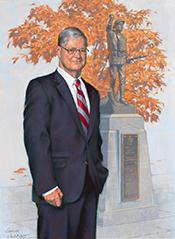
Mr. Speaker, let me share my support for the House Amendment to S. 1963, the Caregivers and Veterans Omnibus Health Services Act. This is a good bill for our nation's veterans and those who care for…
Mr. Speaker, let me share my support for the House Amendment to S. 1963, the Caregivers and Veterans Omnibus Health Services Act. This is a good bill for our nation's veterans and those who care for them, and I am thankful for all the hard work that has gone in to this legislation.
Missouri's Fourth Congressional District, which I have the honor to represent, is a rural district consisting of small towns, farms, and patriotic Americans, so I am particularly pleased with the provisions of the bill that focus on the needs of rural veterans. Veterans of all of our nation's conflicts, from World War II to today, call the Fourth District home, but the advantages of living in rural Missouri often come with long drives to the closest VA hospital or clinic. This legislation takes a number of steps to improve access to care for rural veterans, including increasing the mileage reimbursement rate for traveling to a VA health facility and partnering with veterans service organizations to provide transportation options for veterans living in rural areas. These moves would help address some of the concerns I often hear from veterans.
I am also pleased with the provisions of the legislation that impact the caregivers of our veterans. Oftentimes, the day-to-day care of a seriously injured or ill veteran is provided by a spouse, a child or a parent. These individuals give of themselves gladly, but many are forced to take time off of work or school, or to leave their jobs or their pursuit of higher education altogether. And many caregivers do not have the experience or training to provide the most effective care for their loved one. The bill before us today expands training and education for caregivers, provides access to them for counseling and mental health services, and for those caring for veterans of Operation Iraqi Freedom and Operation Enduring Freedom, provides a monthly stipend and health care through the CHAMPVA program. These caregivers are providing an important service for our veterans and this legislation gives proper consideration for their needs.
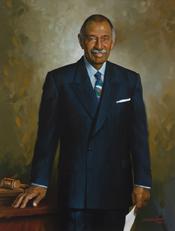
Mr. Speaker, I rise in strong support of S. 1963, the ``Caregivers and Veterans Omnibus Health Services Act of 2009.'' As a Korean War veteran, I understand the various challenges that veterans face…
Mr. Speaker, I rise in strong support of S. 1963, the ``Caregivers and Veterans Omnibus Health Services Act of 2009.'' As a Korean War veteran, I understand the various challenges that veterans face when returning home. This bill takes a significant step forward in terms of improving the overall access to quality, affordable health care for our nation's veterans and provides much needed assistance to the devoted families across this nation that provide housing, food, and full-time care for wounded veterans.
Under S. 1963, veterans who are catastrophically disabled would no longer be required to pay copayments for their medical
care. As we all know, in America, the sicker you are, the more you must pay in out-of-pocket costs. Passage of this bill means veterans and their caretakers will be able to live with less financial stress.
This bill also increases funding to expand VA clinics in rural areas where VA programs currently do not exist. Veterans living in rural areas must often travel hundreds of miles in order to receive care at a Veterans hospital--a crushing burden for veterans who need frequent health care services, and must pay for expensive travel due to increasing transportation costs.
The bill will also help address the many hardships and sacrifices associated with the lengthy recovery and rehabilitation associated with severe injuries. In particular, the bill improves access to counseling and mental health services. S. 1963 also provides health care and a stipend for caregivers living with severely wounded veterans of the wars Iraq and Afghanistan. This stipend should help reduce the enormous financial pressures on caregivers who are providing food, clothing, transportation, and housing to their wounded loved ones during one of the worst economic downturns since the Great Depression.
Again, I thank the Democratic leadership for introducing this important bill, which will go a long way in improving the lives of scores of veterans and their caregivers for years to come. I encourage my colleagues to support the bill.
Mr. Speaker, I rise today for those veterans who can't. I rise today for the catastrophically injured veterans who have to battle their injuries and their rising health care costs. I rise today for…
Mr. Speaker, I rise today for those veterans who can't. I rise today for the catastrophically injured veterans who have to battle their injuries and their rising health care costs. I rise today for those caregivers who dedicate their lives to supporting our wounded warriors and our military families. I rise today to support S. 1963 and the two provisions in the bill that I was proud to author.
The first provision, H.R. 1335, would relieve the burden of costly copayments from catastrophically disabled veterans who receive medical or nursing home care from the VA. This was the first piece of legislation that I introduced when I came to Congress because I knew that there are men and women who have served honorably that need our help. These are brave men and women who have sacrificed so much so that we can enjoy the freedoms that we have every day. These are men and women who struggle through their routines in life that we take for granted, and they should not have to struggle to make their copays.
Passing this measure into law would be a great way to show our support for our wounded warriors and to show that we are truly dedicated to making their lives better.
However, it is not just our injured veterans who need our help. Every day in districts across the country caregivers provide essential services to our veterans. When my stepson, Jay, was injured in Afghanistan and recuperating at Walter Reed, I spoke to so many of these families who just began their second battle, the battle to rehabilitate. That is why I worked to include in this bill H.R. 2898, the Wounded Warrior Caregiver Assistance Act, to provide support services to those taking care of our wounded warriors. Just as it is our duty to care for a disabled soldier, passing this provision would help care for those who work tirelessly every day to look after our injured veterans.
I urge my colleagues to join me in honoring those who have sacrificed for us by supporting this legislation.
Today, the House will consider an important bill--the Caregivers and Veterans Omnibus Health Services Act. This legislation will provide much-needed support for our veterans and their families.…
Today, the House will consider an important bill--the Caregivers and Veterans Omnibus Health Services Act. This legislation will provide much-needed support for our veterans and their families.
According to the Dole/Shalala report, 20 percent of active duty, 15 percent of reserve, and 25 percent of retired and separated members of the military have a family member of friend who has been forced to leave a job to care for the veteran full-time. This places an incredible burden on many, many families across our country.
Today's bill offers an important array of support services for veterans and their caregivers such as: training and education, counseling and mental health services, lodging and subsistence payments for the caregiver when accompanying the veteran on medical care visits, and monthly financial stipends for caregivers. This bill takes important steps towards supporting those individuals who care for our veterans.
The bill also makes important investments in health care for women veterans. Over 1.8 million women have served our country and for too long many of their health care needs have gone unaddressed. This bill builds on the previous efforts of our Congress to correct that inequity.
S. 1963 expands and improves Veterans Administration health care for women by requiring the VA to conduct a study of barriers to women veterans seeking health care, educate and train mental health professionals caring for female veterans with sexual trauma, implement a reintegration and readjustment pilot program aimed a helping women veterans, establish a child care pilot program, and provide post- delivery health care to a new born child of a woman veteran.
I support this legislation and our Majority's efforts to support those men and women who have risked their lives for our country.
I thank the gentleman. Mr. Speaker, I rise today in support of S. 1963, the Caregivers and Veterans Omnibus Health Services Act of 2009. As Members of Congress, we do have a responsibility to provide…
I thank the gentleman.
Mr. Speaker, I rise today in support of S. 1963, the Caregivers and Veterans Omnibus Health Services Act of 2009.
As Members of Congress, we do have a responsibility to provide the best support we can to our Nation's veterans. With provisions for caregiver support, rural health improvement and mental health benefits, there are many reasons why I support this legislation. I could speak at length about these important and necessary benefits. However, in the interest of time, I would like to highlight just one: health care for women veterans.
While more and more women are joining the military, the VA's health care services for women veterans have not kept pace. Although approximately 14 percent of our troops are female, as a female veteran recently said in an interview with Good Housekeeping magazine, it is as if women are ``Martians, abnormalities descending on the VA health system.'' In fact, of the country's 153 VA medical centers, only about half even have a gynecologist on staff. This is despite the fact that between 23 and 29 percent of all female veterans seeking medical care through the VA have reported experiencing sexual assault. Is it any surprise, then, that the number of female veterans being treated for post-traumatic stress disorder rose from 1 to 19 percent in only 4 years?
For this reason, my colleague, Representative Herseth Sandlin, and I introduced H.R. 1211, the Women Veterans Health Care Improvement Act. Although the Senate has not acted on our legislation, I am happy to see some of the key provisions, like studying the barriers preventing women veterans from receiving VA health care and developing a plan to improve that care for women veterans both immediately and in the long term, that actually made it into this bill.
Mr. Speaker, today is a good day for America's veterans and their families. I rise in support of S. 1963, the Caregivers and Veterans Omnibus Health Services Act of 2009, landmark legislation that…
Mr. Speaker, today is a good day for America's veterans and their families. I rise in support of S. 1963, the Caregivers and Veterans Omnibus Health Services Act of 2009, landmark legislation that makes good on our national commitment to our veterans and their families, including those in our rural communities. I also want to thank the chairs and the ranking members for putting our veterans ahead of our partisan divides.
Taking care of our veterans includes taking care of those who care for them when they are unable to care for themselves. Today, more than ever, revolutionary advances in military medicine have significantly increased servicemembers' chances of surviving a catastrophic injury sustained in combat, but in many cases surviving a catastrophic injury is only the first step in the battle. Recovering from such injuries requires a long-term commitment not only from the veteran, but also from those who love and care for them.
Once an injured veteran returns home from treatment at a DOD or VA facility, it is often a spouse, mother, father, or other loving family member who steps up to the challenge of providing ongoing care. And while this care is provided out of a sense of love, compassion, and devotion, it oftentimes shifts into a full-time commitment requiring the caregiver to make significant personal decisions regarding professional goals, commitments, and obligations.
To help better support family caregivers, I introduced H.R. 2734, the Health Care for Family Caregivers Act of 2009, a bill that will help provide much-needed assistance to those family caregivers facing the difficult decisions related to caring for a veteran confronting a catastrophic injury. I am pleased that this bill has included this, and I encourage its support.
Mr. Speaker, our veterans deserve more. The proper care of our veterans is our most fervent duty to uphold. This bill permits us to advance this support even more with needed programs that will not…
Mr. Speaker, our veterans deserve more. The proper care of our veterans is our most fervent duty to uphold. This bill permits us to advance this support even more with needed programs that will not only cover our veterans, but will also extend caregiver support to their families.
This bill makes marked improvements in rural health programs such as the partnering with the Department of Health and Human Services to expand care in rural areas. It also gives the Department of Veterans Affairs the flexibility it needs to contract mental health services in rural areas where there are no adequate VA facilities.
This bill also addresses the need for coordination between the Departments and the key stakeholders in the study to find solutions to the alarming suicide rates among our veterans and active duty forces and gives more resources to the Department of Veterans Affairs to address key areas such as veteran homelessness and women's health, and strengthens their quality assurance and other programs.
Additionally, this bill reestablishes the previous highly successful Health Professionals Education Assistance Scholarship Program in the Department of Veterans Affairs. Earlier this
year, I introduced H.R. 4166, a bill to bring back this successful program. I am glad that this bill includes my legislation.
We also need to recognize our soldiers and thank them for their service. We owe it to each and every one of our wounded warriors and all veterans to ensure their care and medical needs are properly taken care of. Their selfless sacrifices for our Nation's freedom and the sacrifices endured by their families warrant the passage of this bill.
Mr. Speaker, I rise today in support of S. 1963, which includes H.R. 2738, my bill to reimburse caregivers of disabled veterans for travel expenses to medical appointments. For those Members of…
Mr. Speaker, I rise today in support of S. 1963, which includes H.R. 2738, my bill to reimburse caregivers of disabled veterans for travel expenses to medical appointments. For those Members of Congress that represent vast rural districts with large veteran populations like mine, we know that this assistance has been needed for far too long.
Mr. Speaker, veterans throughout my district often volunteer their time to drive fellow veterans to medical appointments even though the drive can last over 3 or 4 hours. That means that veterans in Silver City must leave their homes at three in the morning to make a trip to the only VA hospital in our State. It means that many of my constituents must dedicate entire days to travel from their homes in Jal or Deming or Santa Rosa to a medical visit that may only take a few minutes.
This also means that the family of Airman Michael Malarsie, an airman from Bosque Farms who was blinded by an IED, would have to take time off work to travel to a VA medical center; and as the law currently stands, they must pay for that trip out of pocket whether they can afford it or not.
Mr. Speaker, that is just plain wrong. But we can right that wrong today by passing this bill and providing our wounded warriors and families with the help that they have earned and need. It is the very least that we can do to repay the debt that we as a Nation owe to our veterans and their courageous families.
Bill Text
3 versions available
        [Congressional Bills 111th Congress]
[From the U.S. Government Publishing Office]
[H.R. 402 Referred in Senate (RFS)]

111th CONGRESS
1st Session
H. R. 402

_______________________________________________________________________

IN THE SENATE OF THE UNITED STATES

July 15, 2009

Received; read twice and referred to the Committee on Veterans' Affairs

_______________________________________________________________________

AN ACT

To designate the Department of Veterans Affairs Outpatient Clinic in
Knoxville, Tennessee, as the ``William C. Tallent Department of
Veterans Affairs Outpatient Clinic''.

Be it enacted by the Senate and House of Representatives of the
United States of America in Congress assembled,

SECTION 1. DESIGNATION OF WILLIAM C. TALLENT DEPARTMENT OF VETERANS
AFFAIRS OUTPATIENT CLINIC.

(a) Designation.--The Department of Veterans Affairs Outpatient
Clinic in Knoxville, Tennessee, shall be known and designated as the
``William C. Tallent Department of Veterans Affairs Outpatient
Clinic''.
(b) References.--Any reference in any law, regulation, map,
document, record, or other paper of the United States to the outpatient
clinic referred to in subsection (a) shall be considered to be a
reference to the William C. Tallent Department of Veterans Affairs
Outpatient Clinic.

Passed the House of Representatives July 14, 2009.

Attest:

LORRAINE C. MILLER,

Clerk.

By Robert F. Reeves,

Deputy Clerk.