Mr. Speaker, parliamentary inquiry. Mr. Speaker, just to clarify, I have a series here of questions I would like to ask under parliamentary inquiry, and that does not count against my time; is that…
Mr. Speaker, parliamentary inquiry.
Mr. Speaker, just to clarify, I have a series here of questions I would like to ask under parliamentary inquiry, and that does not count against my time; is that correct?
Thank you, Mr. Speaker.
Mr. Speaker, just to be clear, as we are considering S. 22, has the gentleman from West Virginia made a motion to amend S. 22?
Further parliamentary inquiry.
Mr. Speaker, is this motion by the Democrat bill manager the only way that this bill may be amended under suspension of the rules?
Further parliamentary inquiry, Mr. Speaker.
Mr. Speaker, just to clarify, then, under suspension of the rules, no other Member except the Democrat bill manager may offer amendments or text directly to S. 22 to change any other provisions of the bill which have not been considered by the House or which have substantive issues like cutting off recreational opportunities, reducing border security, locking up energy sources, or high costs?
Mr. Speaker, if S. 22 had been considered under an open rule, would any Member with a germane amendment be able to offer that amendment?
I think I know the answer, but further parliamentary inquiry.
Mr. Speaker, could the Rules Committee have issued a rule to allow Members from both sides of the aisle to offer amendments to strike objectionable provisions or restore House- passed language which was not included by the Senate?
I suspected that would be your response, Mr. Speaker.
Mr. Speaker, I yield myself 4 minutes.
(Mr. HASTINGS of Washington asked and was given permission to revise and extend his remarks.)
Mr. Speaker, I oppose this motion to consider the Senate Omnibus Lands bill by suspending the rules of the House.
Let us be very clear about what's happening on the House floor this morning. For weeks and months, Democrat leaders in the Senate and the House, and outside special interest groups, have repeatedly insisted that the House must pass this massive Senate bill without changing a single word or it will be doomed to Senate purgatory and no further action will be taken. This was the justification given for why every Member of this House should be blocked from offering their ideas and amendments to improve or change this 1,200-page bill. Yet this morning, as I have just confirmed with the Speaker through the parliamentary inquiry, Democrat leaders are using the special suspension process to
amend the Senate bill and simultaneously block other Members from offering an amendment.
The Senate's Rubicon of not changing one word has now been crossed. S. 22 has been amended. If we change one part of the bill, then this House deserves the opportunity to consider it in an open and fair manner. Instead, the Democrat leaders are shutting down everyone from offering amendments, including Democrats who have publicly been outspoken about wanting to remove entire provisions from S. 22. I urge these Democrats and all House Members to oppose this bill under suspension and demand a fair and open process of debate.
The suspension process, Mr. Speaker, should be reserved for noncontroversial bills with little or no cost to the taxpayers. Yet, this Senate Omnibus Lands bill costs over $10 billion and consists of over 170 bills folded into a 1,200-page monster piece of legislation. Mr. Speaker, this is an extreme abuse of the process for considering bills under suspension of the rules.
Under suspension of the rules, the House has only 40 minutes to debate the bill. With over 170 bills in this omnibus package, that allows just seven seconds--seven seconds--to debate each bill. And of these 170 plus bills, 100 of them have never been passed by the House. Any notion that this is just a package of bills already passed by the House is absolutely false.
Now, I know that for some Members there may be a page or two in this 1,200-page bill that does something positive for their district. In fact, three separate pieces of legislation, Mr. Speaker, that I authored were attached to this package. But I am more concerned about the other bills that have not been closely examined or been debated by the House.
This massive bill was assembled behind closed doors with the purpose of creating a package that tries to force individual Members to vote for it in order to get their own bill passed despite broad policy differences that will have serious and harmful impacts. Members of the House should consider this bill in its entirety and what it does for our country.
This bill contains 19 provisions to block American-made energy production, locking away hundreds of millions of barrels of oil and trillions of cubic feet of natural gas. Under this bill, our country becomes less secure, and we must rely on foreign imports of energy to fuel our vehicles and run our businesses.
When the Federal Government shuts down energy production in America, we are sending good-paying jobs overseas. Over 3 million acres of land will be locked up from possible energy production, and new jobs won't be created when Americans desperately need them in these times. With our economy reeling, and thousands of Americans losing jobs every week, this is a poisonous policy that makes it tougher and more expensive to get America's economy back on track.
This bill also bans recreational access to millions of acres of public lands despite proponents' claims that it will do otherwise. Lands that citizens currently use for enjoyment will be barricaded from recreational vehicle use. Riding a bicycle won't even be allowed.
I yield myself an additional 30 seconds.
Mr. Speaker, this bill costs $10 billion at a time when taxpayers and the economy simply can't afford it. Our National Parks Service system can't even keep existing priorities open and in working order.
With the maintenance backlog of $9 billion on existing lands, Congress should not be passing a $10 billion bill to buy more lands to make the problem worse. This bill makes it more difficult for the Border Patrol and other law enforcement agencies to secure the southern border. And this bill makes criminals and potential felons out of children who want to collect fossils on Federal lands.
Mr. Speaker, I could go on much longer, but I only have 20 minutes for debate.
Mr. Speaker, I yield myself an additional 15 seconds.
And we are considering a package of over 170 bills, with just seven seconds to debate each bill's cost.
So I urge my colleagues, Mr. Speaker, to oppose passage of this bill under suspension of the rules and insist on the ability to consider under an open process that allows for amendments.
Mr. Speaker, I oppose this motion to consider the Senate Omnibus Lands bill by suspending the rules of the House.
Let us be very clear about what's happening on the House Floor this morning. For weeks and months, Democrat leaders in the Senate and the House, and outside special interest groups, have repeatedly insisted that the House must pass this massive Senate bill without changing a single word or it will be doomed to Senate purgatory and no further action will be taken.
This was the justification given for why every Representative in this House should be blocked from offering their ideas and amendments to improve or change this over 1,200 page bill.
Yet this morning, Democrat Leaders are using the special suspension process to amend the Senate bill and simultaneously block every other Representative from offering an amendment.
The Senate's rubicon of not changing one word has now been crossed. S. 22 has been amended. So then why isn't the House allowed to consider additional amendments except the one approved by Democrat leaders. If we change one part of the bill, then this House deserves the opportunity to consider it in an open and fair manner. Instead, Democrat leaders are shutting down everyone from offering amendments, including Democrats who've been publicly outspoken about wanting to remove entire provisions from S. 22 that they strongly oppose. I urge these Democrats and all House Members to oppose this bill under suspension and demand a fair, open process of debate on this bill in the House.
The suspension process is reserved for noncontroversial bills with little cost to the taxpayer. Indeed, other bills on suspension today include supporting the goals of International Woman's Day, urging the President to designate 2009 as the Year of the Military Family, and supporting the designation of Pi Day. Yet, this Senate Omnibus Lands Bill costs over 10 billion dollars, and consists of over 170 individual bills being amassed into a 1,200 page monster piece of legislation. This is an extreme abuse of the process for considering bills under suspension of House rules.
Under suspension of the rules, the House has only 40 minutes to debate the bill. I've been recognized for 20 of those minutes. With over 170 bills in this Omnibus, that allows just 7 seconds . . . 7 seconds . . . to debate each bill.
And of these 170 plus bills, some 100 of them have never been passed by the House. Any notion that this is just a packaging of bills already passed by the House is absolutely false.
I recognize what I have just spoken about is inside baseball, legislative process arguments, yet it is important for the American public to understand the heavy-fisted manner in which this House is being run. It's also important for all Representatives to understand that this bill has now been amended and that we should have the opportunity to consider other changes to it.
For every Member of the House, there may be a page or two in this 1,200 page bill that does something positive in your district. In fact, three separate pieces of legislation that I authored were attached to this package. However, I am more concerned about the other bills that have not been closely examined or debated by the House. This massive bill was written behind-closed-doors with the purpose of creating a package that tries to force individual Members to vote for it in order to get their own small bill passed despite broad policies that will have a serious and harmful impact. Members of the House should consider this bill in its entirety and what it does to our country.
It contains 19 provisions to block American-made energy production, locking away hundreds of millions of barrels of oil and trillions of cubic feet of natural gas. Under this bill, our country becomes less secure as we must rely on foreign imports of energy to fuel our vehicles and run our businesses. When the federal government shuts down energy production here in America, we're sending good-paying jobs overseas. Over 3 million acres of land will be locked up from possible energy production and new jobs won't be created when Americans desperately need them. With our economy reeling and thousands of Americans losing jobs every week, this is a poisonous policy that makes it tougher and more expensive to get America's economy back on track.
This bill bans recreational access to millions of acres of public lands despite proponents' claims that it will protect vast new land areas for the appreciation of Americans. Lands that citizens currently use for enjoyment will be barricaded from recreational vehicle use.
Riding a bicycle won't even be allowed. The harm to American's outdoor enjoyment is so outrageous that even ESPN has covered it.
This bill costs $10 billion at a time when taxpayers and our economy simply can't afford it. Our National Parks System can't even keep existing properties open and in working order. With a maintenance backlog of 9 billion dollars on existing lands, Congress should not be passing a $10 billion bill to buy more land and make the problem worse.
This bill makes it more difficult for the Border Patrol and other law enforcement to secure our southern border by restricting vehicle access onto specific lands. This bill would make criminals and potential felons out of children and others who collect fossils on federal lands.
Mr. Speaker, I could go on much longer, but we have only 20 minutes for debate and we're considering a package of over 170 bills, so we have just 7 seconds to debate each bill's cost and effect upon domestic energy production, American jobs, recreation access to public lands, and border security. I urge my colleagues to oppose passage of this bill under suspension of the rules and insist on the ability to consider it under a fair, open process that allows for amendments.
Mr. Speaker, I reserve the balance of my time.
Mr. Speaker, I yield for the purpose of making a unanimous consent request to the gentleman from Texas (Mr. Smith).
(Mr. SMITH of Texas asked and was given permission to revise and extend his remarks.)
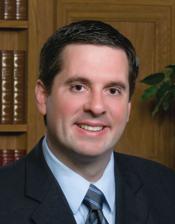
Mr. Speaker, I am pleased to yield 1\1/2\ minutes to the gentleman from California (Mr. Nunes).
Mr. Speaker, I am pleased to yield 2 minutes to the gentleman from Texas (Mr. Culberson).
Mr. Speaker, I am pleased to yield 1 minute to the gentleman from Georgia (Mr. Broun), a member of the committee.
Mr. Speaker, I yield the gentleman an additional 15 seconds.
Mr. Speaker, I am pleased to yield 5 minutes to a very valuable member of the Natural Resources Committee, the gentleman from Utah (Mr. Bishop).
Mr. Speaker, how much time on both sides remains?
Mr. Speaker, I am pleased to yield 2 minutes to the gentlelady from Wyoming (Mrs. Lummis), a new member of the committee.
I yield the gentlelady an additional 15 seconds.
Mr. Speaker, I think we are kind of out of balance here.
I will reserve the balance of my time.
Mr. Speaker, could I inquire of my friend from West Virginia how many speakers he has.
I will reserve my time.
I will reserve.
And I have two speakers, including me.
Mr. Speaker, can I inquire of my friend how many speakers he has left?
Including you?
Why don't I reserve my time, and we'll be even.
Mr. Speaker, I am pleased to yield 1 minute to a new member of the Natural Resources Committee, the gentleman from Utah (Mr. Chaffetz).
Once again, Mr. Speaker, I understand that I am ready to close on my side. If the gentleman from West Virginia is prepared to close after I speak, I will go ahead.
I yield myself the balance of my time, Mr. Speaker.
Mr. Speaker, I just want to make a point. There's some reference here to the NRA and what their position is on this bill. I just want to say that there was a letter passed to all Members that NRA has no position on this bill. They are neutral.
Mr. Speaker, because under suspension of the rules Members cannot offer amendments directly to S. 22, so, Mr. Speaker, may I ask the gentleman from West Virginia to yield for the purpose of an amendment to his motion to strike the provisions of S. 22 which can criminalize rock-collecting on Federal lands?
Mr. Speaker, let me try another one. There are several issues here. May I ask the gentleman from West Virginia to yield to me for the purpose of an amendment to his motion to guarantee that S. 22 will not prohibit or delay energy development on millions of acres of Federal lands affected by this bill?
The gentleman won't yield. Mr. Speaker, I will try one more time.
May I ask the gentleman from West Virginia to yield to me for the purpose of an amendment to his motion to guarantee that S. 22 will not prohibit recreational access for all Americans to the millions of acres of Federal lands affected by this bill?
Mr. Speaker, how much time do I have left?
Mr. Speaker, I just want to point out that this is an extraordinary process. Suspension of the rules for bills are generally for noncontroversial issues. This is a $10 billion authorization bill, and it was amended. It was amended. But nobody else, including those that I referenced here earlier, had an opportunity to come to the floor and offer their amendment in their way to try to perfect this bill.
So, I am urging my colleagues to vote ``no'' on this bill. When it's defeated under suspension of the rules, the majority can take this back to Rules, have an open rule so we can debate this process, I think, in a very reasonable way.
Because, keep in mind, Mr. Speaker, we were told, ``No amendments on this bill or the Senate will take it down to their purgatory.'' That didn't happen. So, with that, Mr. Speaker, I yield back my time and urge a ``no'' vote.
Mr. Speaker, on that I demand the yeas and nays.