Mr. Speaker, I move to suspend the rules and pass the bill (H.R. 6620) to amend title 18, United States Code, to eliminate certain limitations on the length of Secret Service Protection for former…
Mr. Speaker, I move to suspend the rules and pass the bill (H.R. 6620) to amend title 18, United States Code, to eliminate certain limitations on the length of Secret Service Protection for former Presidents and for the children of former Presidents.
Mr. Speaker, I ask unanimous consent that all Members may have 5 legislative days within which to revise and extend their remarks and include extraneous materials on H.R. 6620, currently under consideration.
Mr. Speaker, I yield myself such time as I may consume.
Mr. Speaker, H.R. 6620, the Former Presidents Protection Act of 2012, amends Federal law to uniformly provide lifetime Secret Service protection to all of America's former Presidents.
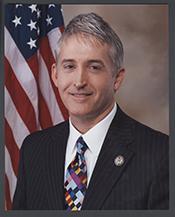
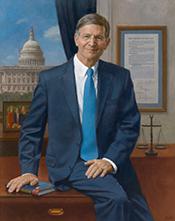
I want to thank the gentleman from South Carolina (Mr. Gowdy) and the gentleman from Virginia (Mr. Scott) for sponsoring this commonsense, bipartisan legislation.
America has a responsibility to protect its Presidents and their families, and not simply while they serve in office. We also have a duty to ensure the ongoing safety of those who serve in America's highest elected office after they leave office.
In 1958, Congress first authorized Secret Service protection for former Presidents, which was limited to a reasonable period of time after a President leaves office. Congress expanded this to lifetime protection in 1965.
But in 1994, Congress once again limited Secret Service protection for former Presidents, this time to 10 years after a President leaves office. This 10-year restriction applied to Presidents who took office after January 1, 1997.
The role of a former President has changed throughout the years. Former Presidents now have a global presence, and they are often seen as de facto representatives of the United States.
Whether it's former President Carter's work in peace negotiations with other countries or President Clinton's global initiative, former Presidents have a valuable role in using their experience and knowledge to help the U.S. in both a public and private capacity.
The world has changed dramatically since the 9/11 terrorist attacks. The threats to American personnel and interests continue as terrorists wage a war against the United States. Arbitrarily limiting Secret Service protection to 10 years may have made sense in 1994, after the Cold War had ended and before the war on terror had begun.
In a world where Americans who serve the public interest are considered targets, we must make sure that the safety and security of our former Chief Executives is not jeopardized. H.R. 6620 recognizes that those who serve as President are symbols of America and American freedoms and deserve to be protected.
There are only a handful of Americans who will be called upon to serve this country as President. These individuals represent America, not only while serving in office, but remain in the public consciousness long after they leave. H.R. 6620, simply recognizes that unique role and reinstates lifetime protection for all of our former Presidents.
I want to again thank Mr. Gowdy and Mr. Scott for their work on this issue, and I urge my colleagues to support the bill.
I reserve the balance of my time.
Mr. Speaker, I yield such time as he may consume to the gentleman from South Carolina (Mr. Gowdy), who is the sponsor of this legislation.
Will the gentleman yield?
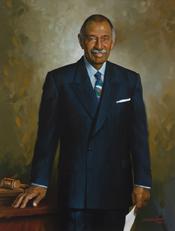
Mr. Speaker, I wanted to thank the former chairman of the Judiciary Committee himself for those generous comments and say I've certainly enjoyed our working relationship over the last 6 years, and I know that that will continue as well.
Mr. Speaker, we have no further requests for time, and I yield back the balance of my time.