Mr. Speaker, I rise in support of H.R. 2189, as amended, and I yield myself such time as I may consume. Mr. Speaker, H.R. 2189, as amended, is a bipartisan omnibus bill addressing veterans'…
Mr. Speaker, I rise in support of H.R. 2189, as amended, and I yield myself such time as I may consume.
Mr. Speaker, H.R. 2189, as amended, is a bipartisan omnibus bill addressing veterans' disability benefits and compensation. This bill includes provisions from nine other measures. These bills are part of the slate of commonsense legislation introduced in May of this year. It provides the Department of Veterans Affairs with additional tools and reforms to assist in eliminating the backlog.
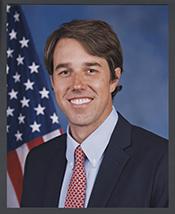
Included are provisions from H.R. 2086, the Pay As You Rate Act, introduced by the Disability Assistance and Memorial Affairs Subcommittee ranking member, Representative Titus of Nevada; H.R. 1809, the Faster Filing Act, introduced by Representative O'Rourke from Texas; H.R. 1623, the Claims Efficiency Through Information Act, introduced by Representative Negrete McLeod of California; H.R. 1759, introduced by Representative
Ruiz of California; H.R. 1805, the Veterans Claims Efficiency Through Automation Act, introduced by Representative Kuster of New Hampshire; H.R. 1824, the VA Regional Office Accountability Act, introduced by Representative Meng of New York; H.R. 1521, the Disabled Veterans Red Tape Reduction Act, introduced by Representative Sean Patrick Maloney of New York; H.R. 864, which will designate at least one city in the United States each year as an ``American World War II City,'' introduced by Representative McIntyre of North Carolina; and H.R. 1288, the World War II Merchant Mariner Service Act, introduced by Representative Butterfield of North Carolina.
Collectively, H.R. 2189, as amended, gives VA real, useful tools they can begin using now. These tools will assist the Department of Veterans Affairs in making significant progress on its goal of eliminating the backlog by 2015.
The legislation will require VA to pay veterans more quickly. It will provide them with information that may lead to veterans receiving a quicker decision on their claims. It will formulate a task force to attack the growing appeals backlog, and it will require the VA to start tracking information that will help them better understand the claims inventory.
I want to thank my colleagues on both sides of the aisle for their bipartisan effort to create a smart, pragmatic solution. Together we will help VA provide better benefits and services to our veterans. I also want to thank the staff on both sides of the aisle for their work on this legislation. I urge my colleagues to support H.R. 2189, as amended.
I reserve the balance of my time.
Mr. Speaker, I yield 2 minutes to the gentlewoman from Nevada (Ms. Titus).
Mr. Speaker, I yield 2 minutes to the gentlewoman from California (Mrs. Negrete McLeod).
Mrs. NEGRETE McLEOD. Mr. Speaker, I rise to support H.R. 2189, which includes provisions from the VA Claims Efficiency Through Information Act of 2013, which I introduced in April, that will require VA to track the time spent evaluating each medical condition in a disability compensation claim. VA would have to report the number of completed claims by region and by medical condition for the current and preceding month and year.
As Veterans Day approaches, we should remember veterans who are struggling to find work while living with service-connected disabilities. VA compensation is needed so veterans can support themselves and avoid homelessness.
The VA's legacy paper system has made it difficult to process claims of older veterans who need additional compensation later in life. Claims of younger veterans can also take longer to process because they have multiple medical conditions.
The claims backlog is a serious problem for the VA and the U.S. Department of Veterans Affairs. Since July, the Los Angeles regional office has reduced the average time to process claims from 600 days to 400 days. The VA still has a long way to go to meet its own goal of 125 days, and the backlog will not end overnight and may even go up as more men and women apply for benefits.
No one is looking at directing blame but, instead, searching for a way to work together, and Congress and the VA must be willing to explore new methods for delivering services to veterans in the 21st century for the growing veteran population.
I thank Mr. Miller for allowing my bill to be included in his.
Mr. Speaker, I yield 2 minutes to the gentlewoman from New Hampshire (Ms. Kuster).
Mr. Speaker, at this time I yield 2 minutes to the gentleman from Texas (Mr. O'Rourke).
Mr. Speaker, I yield 2 minutes to the gentleman from Massachusetts (Mr. Lynch).
Mr. Speaker, I have no further speakers. I would encourage my colleagues on both sides of the aisle to support H.R. 2189, as amended.
Once again, I want to thank Chairman Miller and his staff for working very diligently on this piece of legislation, along with my staff on the minority side, and for bringing this forward.
Mr. Speaker, I yield back the balance of my time.
Mr. Speaker, on that I demand the yeas and nays.