Mr. Speaker, pursuant to House Resolution 101, Mr. Speaker, I ask unanimous consent that all Members may have 5 legislative days in which to revise and extend their remarks on H.R. 644, the Fighting…
Mr. Speaker, pursuant to House Resolution 101,
Mr. Speaker, I ask unanimous consent that all Members may have 5 legislative days in which to revise and extend their remarks on H.R. 644, the Fighting Hunger Incentive Act of 2015.
Mr. Speaker, I yield myself such time as I may consume.
Here is what we are trying to accomplish with this legislation today: we are trying to provide some more certainty.
Small businesses, they have to be able to plan for the future. Charities who are serving those in need, they also have to plan for the future. Families need to know whether there is going to be help for them at the local food bank. A lot of them look to the Tax Code, ironically, when planning for the future. They need a tax code that is easy to understand. But that is not the Tax Code that we have today. Whether we make the Tax Code more complicated--well, if we do that, we are
making their lives more unpredictable. That is a disservice to the people we are trying to serve.
What would really help would be to fix our broken tax system. And ultimately, our goal is to get to a tax code that is simpler, that is flatter, that is fairer for everybody. But we have still got work to do on that front, and life doesn't wait for Washington. In fact, Washington has a really bad habit of letting really important provisions expire, only to renew them retroactively. This has got to stop, and we are trying to fix this.
So this bill would make several of these provisions permanent. Number one, it would encourage charitable giving. Number two, it would help people contribute to charities from their IRAs, Individual Retirement Accounts, tax-free. Number three, it would let people deduct food bank donations from their taxes, and it would make other changes that make giving less expensive.
The quick to the short, Mr. Speaker, is these are provisions in the Code that we know--because it has been demonstrated--make a big difference.
It is so important that we have a vibrant civil society, that space that stands between ourselves and our government, which is where we live and we lead our lives, that it is vibrant and that that space is there to help people in need. Private charity is the glue that keeps our communities together.
In so many instances, private charities thrive on the good will and the donations and the generosity of other people, of businesses, and those businesses are affected by the Tax Code. What we have to do is provide certainty to those businesses who want to be generous and to those people who want to be generous, but to these charities who need some predictability, so they can plan their charitable endeavors.
Mr. Speaker, knowing that this is a bipartisan notion, knowing that the good work that is done by these groups is absolutely essential to healing people in our communities, to getting people on to lives of self-sufficiency, getting them to where they want to be in life, the least we can do is provide some certainty so more of this can happen.
Last year, Mr. Speaker, we waited until the end of the year to extend these provisions retroactive to the first of the year but only for that year--oh, and by the way, last year, we waited until December 11 to tell all of these charities, these donors to charities, Okay. Now, here is the benefit for the past year, but guess what, it already expired the beginning of this year.
I know that it sounds kind of complicated. The point is this is no way to run a railroad. We need to provide families with certainty. We need to provide charities with certainty. That is what this bill does.
The part that we are going to have a debate here, Mr. Speaker, is nobody seems to have a problem when we do this 1 year at a time. Nobody seems to have a problem suggesting that we ``pay for it'' which is, in my opinion, another way of saying raise taxes on other people just to keep them the same when we do it 1 year at a time, but when we say, Let's make this thing permanent, this thing that we do once every year that everybody is fine with, instead of doing it once every year and sometimes retroactively, let's just do it permanently so people in families and businesses can plan, then all of a sudden, there is a big problem.
I personally don't understand that. It makes no sense because who we are serving is not Washington, who we are serving are the people who are trying to survive, are the people who are the beneficiaries of these charities or the charities who are doing the good works. That is why we are bringing this legislation to the floor. I am very excited to be a part of this.
Mr. Speaker, I want to thank all the Members on both sides of the aisle for their hard work in this area, and with that, I reserve the balance of my time.
At this time, I would like to yield 2 minutes to the gentleman from Pennsylvania (Mr. Kelly), the distinguished member from the Ways and Means Committee.
I yield the gentleman an additional 30 seconds.
Mr. Speaker, I yield myself 1 minute to say I truly, sincerely want to say this.
I very much respect the majority whip. We have had a great relationship over the years. I very much respect the gentleman. He is a class act legislator. I look forward to his support of our coming work from the committee if he wants to be part of tax reform.
I yield to the gentleman.
That was the longest magic minute I think I have seen.
Mr. Speaker, I just want to keep on my time.
Let me ask about the time allotment, by the way. Who is where.
Mr. Speaker, I yield myself 2 minutes.
Mr. Speaker, normally, I don't try to get into these baseline issues because it is kind of arcane budget issues. But here is where I think there is an inconsistency or a problem, and so people listening to this debate, there is a lot of confusion here.
If we were talking about a spending bill--let's just say the highway trust fund or TANF, Temporary Assistance for Needy Families--and it expired and we said, well, let's just extend this bill, this law, and the spending in it at its current levels for another 5, 6 years, we wouldn't have to ``pay'' for that. It wouldn't cost anything. It is already in the baseline. So if we were basically talking about a spending bill here, none of these kinds of criticisms would hold merit, would be usable.
So here we are talking about taxes, and so I think people are getting the impression from this debate that we are talking about a tax cut here, that we are talking about doing something to businesses or individuals and cutting their taxes. These are laws that are already on the books. Charities, that is what we are talking about here in this particular bill. All we are saying is don't raise their taxes. That is what we are saying here.
The choice before us is fairly obvious. Either we raise taxes on small businesses and individuals with respect to charitable giving, or we keep them where they are today and just go raise taxes on somebody else, or we acknowledge reality for what it is: they have these benefits, they have had these benefits, we all agree they ought to keep these benefits, and every year we renew these benefits.
I yield myself an additional 30 seconds.
But we do it in such an awful way. We wait until the end of the year, then we do it retroactively or we do it 1 year. Nobody knows what is going on. Nobody can predict the Tax Code. Nobody can make decisions. As a result, these charities, these families, these small businesses suffer. That is what we are trying to fix here.
With that, I yield 3 minutes to the gentleman from Illinois (Mr. Schock), a distinguished member of the Ways and Means Committee.
Mr. Speaker, I yield myself 10 seconds to say: I wonder what the reaction would be if we chose to change the way that the spending baseline is treated, such that, if any program in its authorization expired, then it would expire on the baseline, and you would have to offset the spending for renewing any program. I would be curious to see what the reaction would be for that.
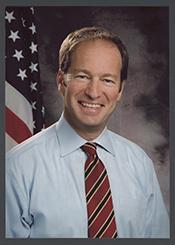
I yield 3\1/2\ minutes to the distinguished gentleman from Minnesota (Mr. Paulsen), a member of the Ways and Means Committee.
Mr. Speaker, I yield myself 30 seconds.
I want to say to the gentlewoman, the minority leader, that I appreciate the tone and the temperament of her remarks. I thought that was well done.
I disagree with the basic premise on baseline. I won't get into the details. I talked about that a little bit before.
So I have some differences of opinion on the facts as she laid them out. I see it quite differently. But I thought that was a good tone and temperament that speaks well to the need for tax reform that is comprehensive. We believe that this helps move us in the right direction toward tax reform.
I won't go to the baseline issues again, only to say I think this is a positive step in the direction toward comprehensive tax reform, which clearly the gentlewoman--meaning both parties--agree is something that we have to tackle.
Mr. Speaker, I yield 4 minutes to the gentleman from Illinois (Mr. Roskam), a member of the Ways and Means Committee.
Mr. Speaker, I yield 3 minutes to the distinguished member from New York (Mr. Reed), a member of the Ways and Means Committee.
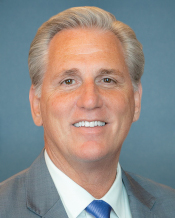
Mr. Speaker, at this time, I yield 1 minute to the gentleman from California (Mr. McCarthy), the distinguished House majority leader.
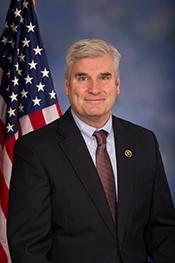
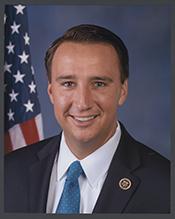
Mr. Speaker, I yield 1 minute to the distinguished gentleman from Minnesota (Mr. Emmer).
I yield 2 minutes to the gentleman from California (Mr. Knight).
At this time, I yield 2 minutes to the gentleman from North Dakota (Mr. Cramer).
Mr. Speaker, at this time, I yield 1 minute to the gentleman from Pennsylvania (Mr. Costello).
Mr. Speaker, I yield myself the balance of my time to close.
I guess I will just try to summarize this debate in a couple of ways. What I am hearing is, to paraphrase: We like this policy. We think there is a need. We just want to raise taxes.
Let me put it a different way. If there was a popular spending measure that came here to the floor that extended the same policy from last year to this year because it was expiring, I don't think we would be hearing these concerns.
In fact, with Trade Adjustment Assistance, something that is very popular among this committee and the Members on the other side of the aisle, that is exactly what happened in December. The law expired. A straight extension of the law, of spending, continued. It didn't cost anything. Why? Because that is how the baseline treats spending.
I didn't hear all the hues and cries about deficits when we extended the Trade Adjustment Assistance law, that spending program. So we hear all of these cries about it.
Actually, let me take that back. We don't hear all these hues and cries about the deficits when we extend these tax provisions for 2 years. We don't hear these concerns when we extend current law tax provisions for 1 year. And we don't hear these concerns about deficits when we retroactively extend it from last year, going forward. We only hear these concerns when we are giving people the certainty.
So the real actual question before us is: Do we have to raise taxes on other hardworking Americans just so that we can keep them where they are for everybody else? Do we take money away from charities and people giving donations or raise taxes on other hardworking Americans? Or, just like Trade Adjustment Assistance was extended this last year, do we treat these important provisions the same, which is: they are in the Code; they have been in the Code; we want them in the Code; we agree they should be in the Code--let's keep them in the Code. That is the decision here.
So the newfound concern about deficits, I find, is really more of a thinly veiled attempt to raise taxes. I think what this baseline argument is really all about is: Do we just want to have a Tax Code that raises more and more and more taxes? Do we want to put ourselves in this position of just always raising taxes? Or do we want to give taxpayers a break? We are not even saying give them a break. We are saying, just don't raise their taxes; just keep them where they are.
So this isn't costing anything, in that we are not lowering someone's taxes. We are just keeping their taxes where they are, and we are preventing them from going up. So let's just make it really clear.
I guess the new definition of preventing tax increases from hitting hardworking Americans is now a big tax cut. That is basically what we are hearing here.
We don't buy that logic. We don't want to raise people's taxes. We want to reform the Tax Code. And we want these kinds of provisions that are very important, that we know will stay in the Tax Code even with tax reform. We want people to know that they are there so they can plan accordingly.
We are doing 179 tomorrow. We want farmers to be able to buy tractors before December 11 in the year. We want people to make decisions to donate food to charities. Maybe you are doing well in retirement and you have got a little bit of money out of your Individual Retirement Account and you would like to donate it to a charity, we think you ought to be able to do that. We want foundations to be able to make donations for the greater good in their communities. Those are the things we are getting here and, more importantly, we are giving them the certainty they need to make long-term plans so they can do more of it. That is why we should pass this bill. That is why I think everybody should vote for this bill. That is why I think Democrats and Republicans should vote for this bill.
Mr. Speaker, I yield back the balance of my time.
Mr. Speaker, I reserve a point of order.
I withdraw my reservation of a point of order.
Mr. Speaker, I claim the time in opposition to the gentleman's motion.
Mr. Speaker, I will be very brief. My friend got a little animated.
Mr. Speaker, there was a lot there. I will just say this. Here is the question before us: Do we want to give businesses and charities certainty or not? If we would pass this motion to recommit and it went into law, then we will be right back here at the end of the year with the same old problem. We will be right back here. We will be right back here in the same old problem.
They are saying, Let's just do 1 year. Let's just say it takes a few months to pass through the Senate and all of this, then we are back here at the end of the year saying, Oh, my gosh, all these charities are going to be in jeopardy in January.
Let's get off this merry-go-round, Mr. Speaker. It is ridiculous. We all know this is good policy. We all know this is the right thing to do, and we all know that businesses and charities need the kind of certainty that we are providing, and most of us believe that not raising taxes is not the same as cutting taxes.
With that, Mr. Speaker, I urge a ``no'' vote, and I yield back the balance of my time.