Mr. Speaker, I move to suspend the rules and pass the bill (H.R. 1312) to amend the Small Business Investment Incentive Act of 1980 to require an annual review by the Securities and Exchange…
Mr. Speaker, I move to suspend the rules and pass the bill (H.R. 1312) to amend the Small Business Investment Incentive Act of 1980 to require an annual review by the Securities and Exchange Commission of the annual government-business forum on capital formation that is held pursuant to such Act, as amended.
Mr. Speaker, I ask unanimous consent that all Members may have 5 legislative days in which to revise and extend their remarks and include extraneous material on this bill.
Mr. Speaker, I yield myself such time as I may consume.
Mr. Speaker, today I rise in support of H.R. 1312, the Small Business Capital Formation Enhancement Act, which would require the Securities and Exchange Commission to respond to the recommendations from its annual forum on small business capital formation.
Small businesses are the backbone of the U.S. economy, and, according to the SBA, have provided 55 percent of all jobs and 66 percent of all net new jobs over the past 40 years. These small
businesses are intimately familiar with their businesses and the regulatory environment, and who better to provide insights to regulators and lawmakers on how to best provide and promote capital formation and remove unnecessary regulatory barriers and burdens?
Nearly four decades ago, in 1980, Congress recognized the importance of our small-business owners and their having a voice and sharing their recommendations with the SEC, and Congress required the SEC to conduct an annual forum to review the current status and issues surrounding small business capital formation. But while the Commission is required to conduct this forum, its obligation goes no further.
Though the SEC often praises this small business forum and the insights and recommendations from the small business community, the SEC has no obligation to respond to or act on the forum's recommendations and findings and has rarely done so. For example, many of the provisions of the JOBS Act came from recommendations from the small business forum, but it was Congress who had to move forward with these ideas, not the SEC.
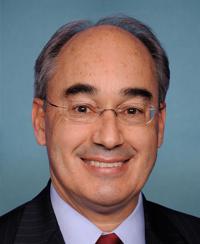
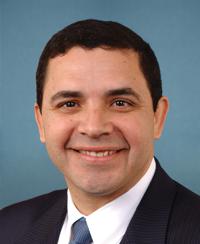
This commonsense bill introduced by Mr. Poliquin and Mr. Vargas would require the SEC to formally respond to these recommendations just like they legally have to acknowledge and respond to recommendations from their Investor Advisory Committee. Similar legislation passed the House last Congress by a nearly unanimous vote, and, earlier this year, H.R. 1312 passed the House Financial Services Committee by a unanimous vote.
I urge my colleagues on both sides of the aisle to support this bill, and I thank, again, my good friends from Maine and from California for their hard work on this bipartisan bill that ensures the voice of our small business community is heard.
Mr. Speaker, I reserve the balance of my time.
Mr. Speaker, again, I appreciate the gentlewoman from New York's views and her helpful work on this legislation.
We have lost over the last 20 years some 50 percent of our public companies. When I was getting out of college, one of the great dreams in business would be that you could have a company that was so successful that you could go public. Over the years, obviously that process has made it more and more difficult for our entrepreneurs to pursue their dream of a public company.
So what better way to make sure their voice about our rules, our laws, the process of being public, and the process of registering and disclosing is all made in a way that does not discourage our entrepreneurs and our small-business people from pursuing that dream of going public.
Mr. Speaker, I yield 2 minutes to the gentleman from Maine (Mr. Poliquin), my distinguished friend who serves on the House Financial Services Committee and is a gentleman who is a voice for small business at every meeting of the House Financial Services Committee.
Mr. Speaker, I yield back the balance of my time.
Mr. Speaker, on that I demand the yeas and nays.