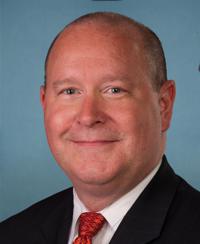
Mr. Speaker, I move to suspend the rules and pass the bill (H.R. 4531) to reauthorize certain programs that provide for opioid use disorder prevention, recovery, and treatment, and for other…
Mr. Speaker, I move to suspend the rules and pass the bill
(H.R. 4531) to reauthorize certain programs that provide for opioid use disorder prevention, recovery, and treatment, and for other purposes, as amended.
Mr. Speaker, I ask unanimous consent that all Members have 5 legislative days in which to revise and extend their remarks and insert extraneous material in the Record on the bill.
Mr. Speaker, I yield myself such time as I may consume.
Mr. Speaker, I rise today to speak in strong support of my bill, H.R. 4531, the Support for Patients and Communities Reauthorization Act.
Over the past 2 years, we have lost over 200,000 Americans to drug overdoses and poisonings. This is a step in the wrong direction, as the United States saw decreases in year-over-year drug overdoses between 2018 and 2019.
Tragically, our best efforts to drive down these overdose rates were disrupted by the COVID-19 pandemic, which left millions of Americans isolated and shuttered from support systems that helped those struggling with substance use disorder stay on track.
These statistics show the policies and programs we enacted in 2018 were working prior to the pandemic. However, since 2018 we have seen the horrors that illicit fentanyl and other illicit substances, like xylazine, have caused our local communities.
In the past 3 years, over 70 percent of all drug overdoses in the Commonwealth of Kentucky have been the direct result of poisonings from fentanyl or fentanyl-related substances.
Earlier this year, I convened an Energy and Commerce Health Subcommittee field hearing in Gettysburg, Pennsylvania, where we heard firsthand accounts from law enforcement and treatment providers about the harsh realities of the crisis.
We heard the heart-wrenching testimony from Michael Straley, who lost daughter, Leah, a few years ago to fentanyl poisoning, underscoring the daily stresses of families with loved ones battling substance use disorder. That work has helped inform the bill before us today.
We are reauthorizing important programs such as State-level prescription drug monitoring programs, residential treatment for pregnant and postpartum women, and other prevention, treatment, and recovery services.
We are also placing xylazine into schedule III of the Controlled Substances Act, while maintaining access for veterinarians and ranchers to use in animals.
Xylazine is an emerging lethal street drug that is a unique threat as it is not an opioid, and so it does not respond to FDA-approved opioid reversal medications.
That said, H.R. 4531 provides even greater access for treatment providers to use Federal funds to purchase over-the-counter opioid overdose reversal medications, which we know have helped reduce opioid overdose rates in communities across the country.
We are also building on important steps we took in 2018 to help those who rely on the Medicaid program access care.
We are permanently requiring Medicaid programs to provide lifesaving medication-assisted treatment. We are permanently codifying the flexibility for States to waive outdated policies that prevent vulnerable individuals from seeking comprehensive wraparound and substance use disorder care. We are also assisting foster care youth by ensuring they do not lose their Medicaid services if they are receiving the behavioral care they need at qualified residential treatment programs.
Finally, the legislation before us today promotes access to long-term recovery and support services like workforce training for individuals in recovery.
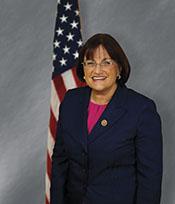
In closing, Mr. Speaker, I thank my Democratic colleague, Representative
Ann Kuster, for her help on this important legislation and historical leadership on addressing the opioid crisis.
I also thank all of my colleagues for working with us to ensure the policies of H.R. 4531 are fully offset, which was essential to ensuring this legislation could get to this point.
Again, I thank my colleague from New Hampshire for working with me on this bill.
Mr. Speaker, I urge my colleagues to vote ``yes'' on H.R. 4531, and I reserve the balance of my time.
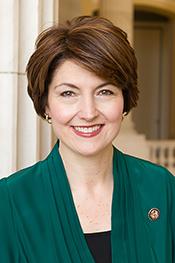
Mr. Speaker, I yield 2 minutes to the distinguished gentlewoman from Washington (Mrs. Rodgers), who is the chair of the Energy and Commerce Committee.
Mr. Speaker, I yield 2 minutes to the gentleman from Florida (Mr. Bilirakis).
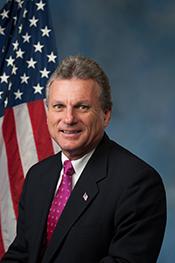
Mr. Speaker, I yield 2 minutes to the gentleman from Indiana (Mr. Bucshon).
Mr. Speaker, I yield 2 minutes to the gentleman from Georgia (Mr. Carter), my good friend.
Mr. Speaker, I yield 2 minutes to the gentleman from Texas (Mr. Pfluger), my good friend.
Mr. Speaker, I yield 2 minutes to the gentleman from Iowa (Mr. Nunn), my friend.
Mr. Speaker, I yield myself the balance of my time.
Mr. Speaker, I appreciate the chair of the committee, the ranking member, and the gentlewoman from New Hampshire (Ms. Kuster) all working together to solve this problem which every American family is facing or knows of someone or has some relation to someone who is. This touches everybody far and wide, urban and rural, suburbs and small towns. Particularly in my home State, the Commonwealth of Kentucky, we have really had families just devastated by this.
We have to close the border. We have to get a handle on what is coming across the border. We have to make sure that we have things in place to prevent people from bringing these to our young people and adults. We are here today, though, to make sure those who have this substance use disorder have access to proper care, the opportunity to not just recover, but to have full and productive lives.
We believe that on both sides of the aisle, and we have worked together for this. I urge my colleagues to vote ``yes,'' and I yield back the balance of my time.
Mr. Speaker, on that I demand the yeas and nays.