


H.R. 7198House118th Congress (2023-2025)Passed House

Prove It Act of 2024

Introduced February 1, 2024

AI-Generated Summary

Updated January 20, 2026 at 2:29 PM UTC

The Prove It Act of 2024 amends Title 5 of the U.S. Code to increase transparency and oversight of federal regulations that affect small businesses. It lets small entities petition the SBA’s Chief Counsel to review an agency’s certification that a rule won’t have a significant economic impact, and it requires agencies to consider indirect costs and publish related guidance. The law also adds enforcement steps if agencies fail to cooperate or review rules as required.

Key Provisions

  • Adds a new paragraph to the initial regulatory flexibility analysis requiring agencies to assess foreseeable indirect costs to small entities.
  • Creates Section 605A allowing small entities to file petitions with the SBA Chief Counsel to challenge agency certifications that a rule won’t significantly impact them, with detailed petition requirements.
  • Establishes a two‑step review process—prima facie review and, if needed, a full review with a meeting, publication of results, and a requirement for agencies to conduct full regulatory flexibility analyses when impact is found.
  • Imposes a penalty that if an agency does not cooperate in the full review, the final rule will not apply to small entities.
  • Requires agency heads to publish all guidance documents for rules likely to affect many small entities on regulations.gov and to allow public comments on those documents.
  • Updates periodic review provisions to include indirect costs and adds a mechanism that if an agency fails to review a rule within ten years, the rule is deemed ineffective unless reinstated after a new review.

Legislative Activity

Stay on top of the latest movement without scrolling through every action

24 earlier actions
SenateIntro Referral Latest Action

Received in the Senate.

December 9, 2024

View full timeline
HouseIntro Referral

Introduced in House

February 1, 2024

HouseIntro Referral

Referred to the Committee on the Judiciary, and in addition to the Committee on Small Business, for a period to be subsequently determined by the Speaker, in each case for consideration of such provisions as fall within the jurisdiction of the committee concerned.

February 1, 2024

HouseCommittee

Committee Consideration and Mark-up Session Held

March 21, 2024

HouseCommittee

Ordered to be Reported in the Nature of a Substitute (Amended) by the Yeas and Nays: 17 - 10.

March 21, 2024

HouseCommittee

Committee Consideration and Mark-up Session Held

September 10, 2024

HouseCommittee

Ordered to be Reported by the Yeas and Nays: 13 - 11.

September 10, 2024

HouseCommittee

Reported (Amended) by the Committee on Judiciary. H. Rept. 118-761, Part I.

November 22, 2024

HouseCommittee

Committee on Small Business discharged.

November 22, 2024

HouseCalendars

Placed on the Union Calendar, Calendar No. 631.

November 22, 2024

HouseFloor

Rules Committee Resolution H. Res. 1602 Reported to House. Rule provides for consideration of H.R. 5349 and H.R. 7198. The resolution provides for consideration of H.R. 5349 and H.R. 7198 under a structured rule. Rule provides for one hour of general debate and one motion to recommit on each bill.

December 3, 2024 • 6:16 PM

HouseFloor

Rule H. Res. 1602 passed House.

December 4, 2024 • 5:21 PM

HouseFloor

Considered under the provisions of rule H. Res. 1602. (consideration: CR H6379-6392)

December 5, 2024 • 12:27 PM

HouseFloor

Rule provides for consideration of H.R. 5349 and H.R. 7198. The resolution provides for consideration of H.R. 5349 and H.R. 7198 under a structured rule. Rule provides for one hour of general debate and one motion to recommit on each bill.

December 5, 2024 • 12:27 PM

HouseFloor

DEBATE - The House proceeded with one hour of debate on H.R. 7198.

December 5, 2024 • 12:28 PM

HouseFloor

DEBATE - Pursuant to the provisions of H.Res. 1602, the House proceeded with 10 minutes of debate on the Velazquez amendment No.1.

December 5, 2024 • 1:12 PM

HouseFloor

The previous question was ordered on the amendment and the bill pursuant to the rule.

December 5, 2024 • 1:12 PM

HouseFloor

POSTPONED PROCEEDINGS - At the conclusion of debate on the Velazquez amendment No. 1, the Chair put the question on agreeing to the amendment and by voice vote, announced the noes had prevailed. Ms. Velazquez demanded the yeas and nays and the Chair postponed further proceedings until a time to be announced.

December 5, 2024 • 1:18 PM

HouseFloor

Considered as unfinished business. (consideration: CR H6397-6400)

December 5, 2024 • 5:25 PM

HouseFloor

Mr. Landsman moved to recommit to the Committee on the Judiciary. (CR H6398)

December 5, 2024 • 5:31 PM

HouseFloor

The previous question on the motion to recommit was ordered pursuant to clause 2(b) of rule XIX.

December 5, 2024 • 5:31 PM

HouseFloor

On motion to recommit Failed by the Yeas and Nays: 197 - 206 (Roll no. 488).

December 5, 2024 • 5:37 PM

HouseFloor

Passed/agreed to in House: On passage Passed by the Yeas and Nays: 208 - 196 (Roll no. 489). (text of amendment in the nature of a substitute: CR H6379-6380)

December 5, 2024 • 5:49 PM

HouseFloor

On passage Passed by the Yeas and Nays: 208 - 196 (Roll no. 489). (text of amendment in the nature of a substitute: CR H6379-6380)

December 5, 2024 • 5:49 PM

HouseFloor

Motion to reconsider laid on the table Agreed to without objection.

December 5, 2024 • 5:49 PM

SenateIntro Referral

Received in the Senate.

December 9, 2024

Floor Debate

22 members

What members said about H.R. 7198 on the floor

13 Republicans9 Democrats
James P. McGovern
Rep. James P. McGovernD-MA-2 · Dec 4, 2024

Mr. Speaker, I thank the gentleman from Texas for yielding me the customary 30 minutes, and I yield myself such time as I may consume. Mr. Speaker, today we are debating two bills that perfectly show…

Harriet M. Hageman
Rep. Harriet M. HagemanR-WY · Dec 5, 2024

Mr. Speaker, pursuant to House Resolution 1602, I call up the bill (H.R. 7198) to amend title 5, United States Code, to require greater transparency for Federal regulatory decisions that impact small…

Jerrold Nadler
Rep. Jerrold NadlerD-NY-12 · Dec 5, 2024

Mr. Speaker, I yield myself such time as I may consume. Mr. Speaker, H.R. 7198, the Prove It Act, represents the latest effort by Republicans to dismantle the regulatory process, giving well-…

Michael C. Burgess
Rep. Michael C. BurgessR-TX-26 · Dec 4, 2024

Mr. Speaker, by direction of the Committee on Rules, I call up House Resolution 1602 and ask for its immediate consideration. Mr. Speaker, for the purpose of debate only, I yield the customary 30…

Doug LaMalfa
Rep. Doug LaMalfaR-CA-1 · Dec 4, 2024

Mr. Speaker, we cover a wide range of topics here, and it is important that we discuss many of them with the public. Something that is an interesting trend these days and is lost in the memory or…

Show 8 more
Nydia M. Velázquez
Rep. Nydia M. VelázquezD-NY-7 · Dec 5, 2024

Mr. Speaker, I rise in opposition to H.R. 7198, the Prove It Act. Part of the role of the Small Business Committee is to recognize the impact regulations have on small businesses and work to find…

Erica Lee Carter
Rep. Erica Lee CarterD-TX-18 · Dec 4, 2024

Mr. Speaker, I thank the gentleman for yielding. Mr. Speaker, I think one of the best ways to protect children is to protect their mothers, and so I rise to speak on H.R. 12, the Women's Health…

Brad Finstad
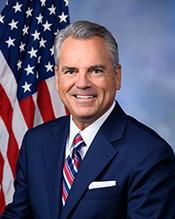
Rep. Brad FinstadR-MN-1 · Dec 5, 2024

Mr. Speaker, I thank the gentlewoman for yielding. Mr. Speaker, I rise today in support of my bipartisan legislation, the Prove It Act, which gives small businesses a seat at the table during the…

Blake D. Moore
Rep. Blake D. MooreR-UT-1 · Dec 4, 2024

Mr. Speaker, I ask unanimous consent that all Members may have 5 legislative days in which to revise and extend their remarks and include extraneous material on the topic of this Special Order. Mr.…

Erica Lee Carter
Rep. Erica Lee CarterD-TX-18 · Dec 5, 2024

Mr. Speaker, I thank the gentleman for yielding me time. Mr. Speaker, I rise in opposition to H.R. 7198, the Prove It Act of 2024, a bill that would vest the chief counsel of the Office of Advocacy…

Nathaniel Moran
Rep. Nathaniel MoranR-TX-1 · Dec 5, 2024

Mr. Speaker, I rise today to support H.R. 7198, the Prove It Act, a bipartisan piece of legislation to protect small businesses from the burdens of Federal regulations. I was proud to join…

Yadira Caraveo
Rep. Yadira CaraveoD-CO-8 · Dec 5, 2024

Mr. Speaker, I thank Ranking Member Nadler for yielding. Mr. Speaker, I rise today in support of H.R. 7198, the Prove It Act. I also thank my colleagues, Congressman Finstad and Congressman Moran,…

Mark Alford
Rep. Mark AlfordR-MO-4 · Dec 4, 2024

Mr. Speaker, I thank the chairman for this opportunity. Mr. Speaker, in the words of Yogi Berra, this is like deja vu all over again. It was just last year that I was here in this very spot debating…

Show 11 more
Roger Williams
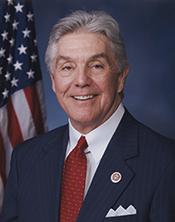
Rep. Roger WilliamsR-TX-25 · Dec 5, 2024

Mr. Speaker, I rise today in support of H.R. 7198, the Prove It Act of 2024, introduced by Representative Finstad. In full disclosure, I am a small business owner. The Prove It Act is an important…

Pete Stauber
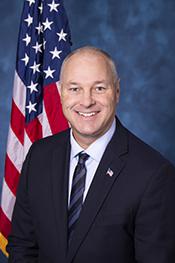
Rep. Pete StauberR-MN-8 · Dec 5, 2024

Mr. Speaker, I rise to speak in favor of H.R. 7198. I will start by thanking my good friend and colleague from Minnesota, Representative Brad Finstad, for his leadership with this legislation. Small…

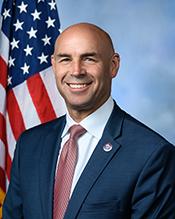
Jake Ellzey
Rep. Jake EllzeyR-TX-6 · Dec 5, 2024

Mr. Speaker, small businesses have been hit hard in the last 4 years by rising costs, supply chain problems, and heavy regulations. These businesses, which make up a large part of America's economy,…

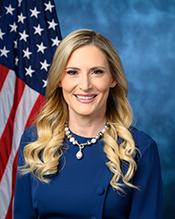
Laurel M. Lee
Rep. Laurel M. LeeR-FL-15 · Dec 4, 2024

Mr. Speaker, Florida's 15th District is home to thousands of small businesses that create jobs, spur economic growth, and contribute to the cultural fabric of our community. There are few things more…

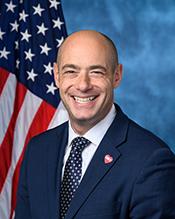
Greg Landsman
Rep. Greg LandsmanD-OH-1 · Dec 5, 2024

Mr. Speaker, I rise today to oppose the bill, not because I don't want to see a whole host of reforms as it relates to helping our small businesses but because it does not exclude the big…

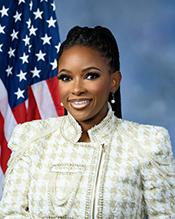
Jasmine Crockett
Rep. Jasmine CrockettD-TX-30 · Dec 5, 2024

Mr. Speaker, I was absent during the time of votes. Had I been present, I would have voted: YEA on Roll Call No. 484; S. 709; YEA on Roll Call No. 485; H.R. 9598; YEA on Roll Call No. 486; H.R. 9600;…

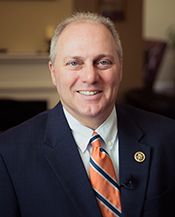
Steve Scalise
Rep. Steve ScaliseR-LA-1 · Dec 5, 2024

Mr. Speaker, I have a motion at the desk to refer the resolution to the Committee on Ethics. Mr. Speaker, we have heard enough on this. We can talk about it for an hour, four hours. The bottom line,…

Katie Porter
Rep. Katie PorterD-CA-47 · Dec 5, 2024

Mr. Speaker, I was unable to be present to cast my votes on Roll Call Nos. 484, 485, 486, 487, 488, 489, 490 and 491. Had I been present, I would have voted YEA on Roll Call No. 484, YEA on Roll Call…

Marie Gluesenkamp Perez
Rep. Marie Gluesenkamp PerezD-WA-3 · Dec 5, 2024

Mr. Speaker, I unfortunately missed votes today due to a family emergency. Had I been present, I would have voted: YEA on Roll Call No. 484, YEA on Roll Call No. 485, YEA on Roll Call No. 486, NAY on…

Sam Graves
Rep. Sam GravesR-MO-6 · Dec 5, 2024

Mr. Speaker, I missed a series of votes. Had I been present, I would have voted YEA on Roll Call No. 484, YEA on Roll Call No. 485, YEA on Roll Call No. 486, NAY on Roll Call No. 487, NAY on Roll…

Katie Porter
Rep. Katie PorterD-CA-47 · Dec 4, 2024

Mr. Speaker, I was unable to be present to cast my vote on Roll Call Nos. 480, 481, 482, and 483 today. Had I been present, I would have voted YEA on Roll Call No. 480, YEA on Roll Call No. 481, NAY…

Bill Text

4 versions available

Reading Mode
Latest
Received in SenateIssued December 9, 2024

II

118th CONGRESS

2d Session

H. R. 7198

IN THE SENATE OF THE UNITED STATES

December 9, 2024

Received

AN ACT

To amend title 5, United States Code, to require greater transparency for Federal regulatory decisions that impact small businesses, and for other purposes.


1.

Short title

This Act may be cited as the Prove It Act of 2024.

2.

Initial regulatory flexibility analysis

(a)

In general

Chapter 6 of title 5, United States Code, is amended—

(1)

in section 603(b)—

(A)

in paragraph (5), by striking the period at the end and inserting ; and; and

(B)

by adding at the end the following:

(6)

where feasible, any reasonably foreseeable potential indirect costs the proposed rule may impose on small entities, including small entities that—

(A)

purchase products or services from, sell products or services to, or otherwise conduct business with entities directly regulated by the rule;

(B)

are directly regulated by other governmental entities as a result of the rule; or

(C)

are not directly regulated by the agency as a result of the rule but are otherwise subject to other agency rules as a result of the rule.

;

(2)

in section 605(b), by striking The agency and inserting Not later than 10 days after completing the certification described in this subsection, the agency; and

(3)

by inserting after section 605 the following:

605A.

Review procedures relating to initial regulatory flexibility analysis certifications

(a)

Filing a petition to review agency certification of a proposed rule

(1)

In general

Any small entity, group of small entities, or organization representing the interests of small entities may petition the Chief Counsel for Advocacy of the Small Business Administration (in this section referred to as the Chief Counsel) to review a certification published under section 605(b) that a proposed rule will not, if promulgated, have a significant economic impact on a substantial number of small entities.

(2)

Form

The Chief Counsel shall—

(A)

determine the method, timing, and form of disseminating a petition described in paragraph (1); and

(B)

display the information described in subparagraph (A) on the website of the Office of Advocacy of the Small Business Administration in a conspicuous manner.

(3)

Contents

Each petition described in paragraph (1) with respect to a certification published under section 605(b) for a proposed rule shall clearly and concisely—

(A)

specify the name of the petitioner and a telephone number, a mailing address, and an email address that the Chief Counsel may use to communicate with the petitioner;

(B)

if the petitioner is an organization, provide additional identifying information, as applicable, including the organizational or corporate status of the petitioner, the State of incorporation of the petitioner, the registered agent of the petitioner, the interest of the petitioner in representing small entities affected by the proposed rule and the certification at issue, and the name and authority of the individual who signed the petition on behalf of the organizational or corporate petitioner;

(C)

present the specific problems or issues that the petitioner believes should be addressed or considered through a review of the certification, such as—

(i)

any specific circumstances in which the determination of the certification that the proposed rule will not, if promulgated, have a significant economic impact on a substantial number of small entities is incorrect, incomplete, or inadequate; or

(ii)

why the proposed rule would, if promulgated, have a significant economic impact on a substantial number of small entities;

(D)

cite, enclose, or reference any relevant and non-protected or confidential technical, scientific, or other data or information supporting any assertion of the problems or issues with the certification;

(E)

present a proposed solution to the problems or issues raised in the petition, including potential regulatory or compliance alternatives to the proposed rule;

(F)

provide an analysis, discussion, or argument that explains how the proposed solution described in subparagraph (E) solves the problems or issues raised in the petition; and

(G)

cite, enclose, or reference any other publicly available data or information supporting the proposed solution described in subparagraph (E).

(b)

Consultation

(1)

In general

Any entity or organization desiring to file a petition under subsection (a) may request a consultation with the Chief Counsel before or after filing the petition.

(2)

Form

The Chief Counsel shall—

(A)

determine the method, timing, and form of requesting a consultation with the Chief Counsel under paragraph (1); and

(B)

display the information described in subparagraph (A) on the website of the Office of Advocacy of the Small Business Administration in a conspicuous manner.

(3)

Limitations on assistance

In any consultation regarding a petition under paragraph (1), the Chief Counsel—

(A)

may only—

(i)

describe the process for filing, docketing, tracking, closing, amending, withdrawing, and resolving the petition; and

(ii)

assist the petitioner to clarify the petition so that the Chief Counsel is able to understand the issues of concern to the petitioner; and

(B)

may not advise a petitioner on whether the petition should be amended or withdrawn.

(c)

Prima facie review

(1)

In general

Upon receipt of a petition filed under this section with respect to the certification of a proposed rule, the Chief Counsel shall make an initial prima facie determination on the merit of the issues raised in petition as to the properness of the certification and whether the proposed rule in question would, if promulgated, have a significant economic impact on a substantial number of small entities.

(2)

No further review

If, following the prima facie review of a petition under paragraph (1), the Chief Counsel determines that the issues raised in the petition do not merit further review by the Chief Counsel, the Chief Counsel shall, not later than 10 days after receipt of the petition, inform the petitioner of that determination and the matter shall be closed.

(3)

Further review

If, following the prima facie review of a petition under paragraph (1), the Chief Counsel determines that the issues raised in the petition do merit further review by the Chief Counsel, the Chief Counsel shall, not later than 10 days after receipt of the petition, inform the petitioner and the agency that promulgated the proposed rule that the Chief Counsel shall conduct a full review of the certification and proposed rule to which the petition relates under subsection (d).

(d)

Full review

(1)

Considerations; meeting

In conducting a full review under this subsection with respect to the certification made under section 605(b), the Chief Counsel shall—

(A)

consider—

(i)

whether the agency that promulgated the proposed rule correctly determined which small entities will be affected by the proposed rule;

(ii)

whether the agency considered adequate economic data to assess whether the proposed rule will have a significant impact on a substantial number of small entities; and

(iii)

the economic implications of the proposed rule; and

(B)

convene a virtual or in-person meeting between the Chief Counsel, the petitioner, representatives of the agency that promulgated the proposed rule who are determined appropriate by the Chief Counsel, and the Administrator of the Office of Information and Regulatory affairs to—

(i)

provide positions and support for those positions regarding the certification of the proposed rule; and

(ii)

allow the Chief Counsel to ask questions as the Chief Counsel determines necessary to make a final determination as to the validity of the certification.

(2)

Publication

Not later than 30 days after the date on which the Chief Counsel begins a full review of a certification made with respect to a proposed rule under paragraph (1), the Chief Counsel shall submit to the petitioner and the agency that promulgated the proposed rule, and publish in the Federal Register and on the website of the Office of Advocacy of the Small Business Administration, the results of the review conducted under paragraph (1).

(3)

Requirement to perform analyses

If, after a full review of a certification made with respect to a proposed rule under paragraph (1), the Chief Counsel determines that the proposed rule will, if promulgated, have a significant economic impact on a substantial number of small entities, the agency that promulgated the proposed rule shall perform an initial regulatory flexibility analysis and a final regulatory flexibility analysis for the proposed rule under sections 603 and 604, respectively.

(4)

Penalty

If an agency fails to attend the required meeting under paragraph (1)(B) or in any other way fails to assist the Chief Counsel in a full review under paragraph (1) with respect to a proposed rule of the agency, as determined by the Chief Counsel, the final rule shall not apply to small entities.

(5)

Judicial review

For purposes of judicial review under chapter 7 of this title, a certification made by an agency under section 605(b) for which a petition is filed under subsection (a) shall be considered final agency action as of the date on which the Chief Counsel—

(A)

makes a determination under subsection (c)(2) that the issues raised in the petition do not merit further review; or

(B)

publishes the results of a full review of the certification under paragraph (1).

.

(b)

Technical and conforming amendment

The table of sections for chapter 6 of title 5, United States Code, is amended by inserting after the item relating to section 605 the following:

605A. Review procedures relating to initial regulatory flexibility analysis certifications.

.

3.

Publication of guidance

Section 609 of title 5, United States Code, is amended by adding at the end the following:

(f)

With respect to any rule that an agency determines is likely to have a significant economic impact on a substantial number of small entities, the head of the agency shall, on regulations.gov or any similar internet website—

(1)

publish all guidance documents and other relevant documents, as determined by the agency, including any updated guidance documents that set forth interpretations of the rule; and

(2)

allow for comments on the documents described in paragraph (1) to ensure that small entities may access and provide feedback on those documents.

.

4.

Review procedures for section 610 periodic review of rules

(a)

In general

Section 610 of title 5, United States Code, is amended—

(1)

in subsection (b)—

(A)

in the matter preceding paragraph (1), by striking the following factors;

(B)

in paragraph (4), by striking and at the end;

(C)

in paragraph (5), by striking the period at the end and inserting ; and; and

(D)

by adding at the end the following:

(6)

any indirect costs described in the initial regulatory flexibility analysis under section 603(b)(6), and any other indirect costs that may have arisen during the 10-year period described in subsection (a).

; and

(2)

by adding at the end the following:

(d)

If an agency fails to conduct a review of a rule as required under this section within the 10-year period described in subsection (a)—

(1)

the Chief Counsel for Advocacy of the Small Business Administration shall notify the agency that the rule has ceased to be effective;

(2)

the agency shall publish in the Federal Register a notification that the rule has ceased to be effective, and solicit comments for why the rule should be reinstated; and

(3)

if, based on the comments received under paragraph (2), the agency determines that the rule should be reinstated—

(A)

the agency shall have 180 days beginning on the date of that determination to complete the review of the rule under this section; and

(B)

upon completion of the review under subparagraph (A), the rule shall be reinstated, notwithstanding the notice and comment rulemaking procedures under section 553 of this title.

.

(b)

Application

The amendment made by subsection (a)(2) shall apply with respect to any final rule issued by an agency—

(1)

during the 5-year period preceding the date of enactment of this Act; or

(2)

on or after the date of enactment of this Act.

Passed the House of Representatives December 5, 2024.

Kevin F. McCumber,

Clerk.