I
119th CONGRESS
2d Session
H. R. 9130
IN THE HOUSE OF REPRESENTATIVES
June 3, 2026
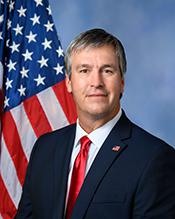
Mr. Moore of Alabama (for himself, Mr. Vindman, Ms. Perez, and Mr. Crane) introduced the following bill; which was referred to the Committee on the Judiciary
A BILL
To amend title 18, United States Code, to prohibit former Members and elected officers of Congress from lobbying Congress at any time after leaving office.
Short title
This Act may be cited as the Banning Lobbying And Safeguarding Trust Act
or the BLAST Act
.
Prohibiting former Members and officers of Congress from lobbying Congress
Prohibition
Section 207(e) of title 18, United States Code, is amended by striking paragraph (1) and inserting the following:
Members and elected officers of Congress
Any person who is a Senator, a Member of the House of Representatives, or an elected officer of the Senate or the House of Representatives and who, after that person leaves office—
registers as a lobbyist under section 4 of the Lobbying Disclosure Act of 1995 (2 U.S.C. 1603), or
knowingly makes, with the intent to influence, any communication to or appearance before any Member, officer, or employee of either House of Congress or any employee of any other legislative office of Congress, on behalf of any other person (except the United States) in connection with any matter on which the former Senator, Member, or elected official seeks action by a Member, officer, or employee of either House of Congress, in his or her official capacity,
.
Lobbyist definition
Section 3(10) of the Lobbying Disclosure Act of 1995 (2 U.S.C. 1602(10)) is amended—
by striking
and inserting “ ‘lobbyist’—lobbyist
means any
means any
;
by striking the period at the end and inserting ; and
; and
by adding at the end the following:
includes any former Member of Congress who is employed or retained by a client for financial or other compensation—
for services that include making 1 or more lobbying contacts; or
to engage in lobbying activities that do not include making lobbying contacts.
.
Technical and conforming amendments
Section 207(e)(2) of title 18, United States Code, is amended—
in the heading, by striking Officers and staff
and inserting Staff
;
by striking an elected officer of the Senate, or
;
by striking office or
; and
by striking former elected officer or
.
Applicability
The amendments made by this section shall apply with respect to an individual who leaves office on or after the date of the enactment of this Act.