S. 5638Senate119th Congress (2025-2027)In Committee

Protecting American Workers Through H–1B Modernization Act.

A bill to amend the Immigration and Nationality Act to modernize the wage required for exempt H-1B workers, and for other purposes.

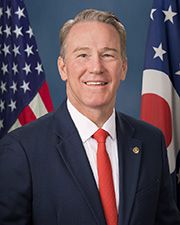
Sponsored by Jon HustedSen. Jon Husted (R-OH)
Introduced September 30, 2026

AI-Generated Summary

Updated October 8, 2026 at 2:51 AM UTC

The Protecting American Workers Through H‑1B Modernization Act updates the wage rule for certain H‑1B visa holders who are exempt from the usual labor‑condition requirements. It changes the minimum salary these exempt workers must be paid, tying it to a current economic measure rather than a fixed dollar amount. The change mainly affects employers hiring exempt H‑1B workers and the foreign professionals who would receive those visas.

Key Provisions

  • Replace the flat $60,000 minimum wage for exempt H‑B 1 B a ​​​ ​ ​ … ...

Legislative Activity

Stay on top of the latest movement without scrolling through every action

1 earlier action
SenateIntro Referral Latest Action

Read twice and referred to the Committee on the Judiciary.

September 30, 2026

View full timeline
SenateIntro Referral

Introduced in Senate

September 30, 2026

SenateIntro Referral

Read twice and referred to the Committee on the Judiciary.

September 30, 2026

Bill Text

Latest available legislative text

Reading Mode
Latest
Introduced in SenateIssued September 30, 2026

II

119th CONGRESS

2d Session

S. 5638

IN THE SENATE OF THE UNITED STATES

September 30, 2026

Mr. Husted introduced the following bill; which was read twice and referred to the Committee on the Judiciary

A BILL

To amend the Immigration and Nationality Act to modernize the wage required for exempt H–1B workers, and for other purposes.

1.

Short title

This Act may be cited as the Protecting American Workers Through H–1B Modernization Act.

2.

Exempt H–1B nonimmigrant wage modernization

Section 212(n)(3)(B)(i)(I) of the Immigration and Nationality Act (8 U.S.C. 1182(n)(3)(B)(i)(I)) is amended by striking at least $60,000 and inserting not less than twice the national average wage index (as defined in section 209(k)(1) of the Social Security Act (42 U.S.C. 409(k)(1))) for the most recently calculated year..