Filibuster Explained: A Guide for Journalists
Definition
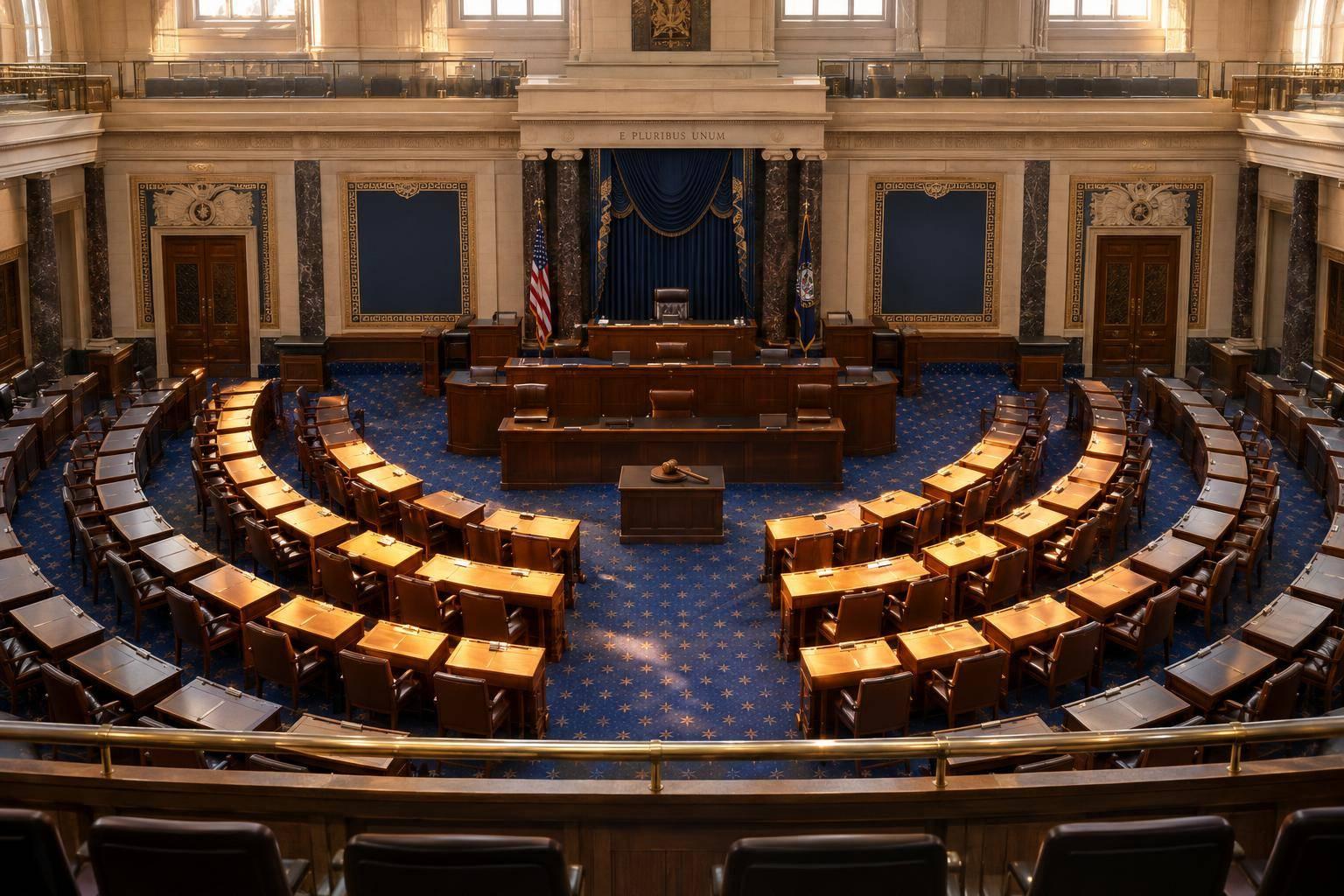
A filibuster is a Senate practice that uses extended or otherwise procedurally prolonged debate to delay or block action on legislation. Because ordinary Senate debate on legislation is generally not subject to a fixed time limit, supporters of a bill usually need to invoke cloture to end debate; under current Rule XXII, that normally requires three-fifths of senators duly chosen and sworn—typically 60 votes in a 100-member Senate.
Overview
An English-language explainer for journalists covering how Senate filibusters operate, how cloture votes affect legislative scheduling and outcomes, and how to report the distinction between debate, procedural votes, and final passage. It emphasizes current practice as of October 2, 2026, including recent failed cloture votes and contemporary debate over a talking filibuster.
Who Should Understand This Term?
- Journalists
- Congressional and legislative aides
- Policy analysts
- Legal and legislative researchers
- Lobbyists and advocacy professionals
- Civic educators
- Students of government
Procedural Breakdown
- The Senate takes up, or seeks to take up, a legislative measure; under ordinary legislative practice, debate can continue without a fixed overall limit.
- A senator or party may use extended debate, objections, amendments, procedural motions, or demands for floor time to delay progress. In modern practice, a filibuster need not always involve continuous speech on the floor.
- The majority leader or another senator files a cloture motion. Under Rule XXII, the cloture vote generally occurs after the rule's required intervening period, unless the Senate agrees to different timing.
- The Senate votes on cloture. For legislation, approval normally requires three-fifths of senators duly chosen and sworn—usually 60 votes.
- If cloture fails, debate and delay can continue, and the Senate may be unable to reach a final vote. If cloture succeeds, debate is limited; Rule XXII provides no more than 30 hours of consideration after cloture, subject to the rule's conditions, after which the Senate proceeds to the relevant vote.
- Do not confuse cloture with final passage: cloture ends or limits debate, while final passage determines whether the Senate approves the measure.
Legislative Significance
The filibuster gives a Senate minority substantial leverage: a bill may have majority support yet fail to advance unless its proponents obtain the votes required for cloture or find another procedural route. It therefore affects which bills receive floor consideration, how leaders schedule business, and whether bipartisan support is needed. Journalists should distinguish a cloture vote on taking up a bill from a cloture vote ending debate on the bill itself, and should not describe every failed cloture vote as a final vote against enactment.
Historical Context
The Senate adopted its first formal cloture rule in 1917 at a two-thirds threshold. Cloture was first used in 1919 against a filibuster of the Treaty of Versailles, but remained rare for decades. Southern senators used filibusters extensively against civil-rights legislation; the Senate did not overcome a filibuster to pass a major civil-rights bill until 1964. In 1975, the Senate reduced the cloture threshold to three-fifths of all senators duly chosen and sworn, generally 60 votes. In the 2010s, Senate precedents changed so that a simple majority could end debate on nominations, leaving the legislative filibuster distinct from the nomination process.
Recent Examples
On September 30, 2026, the Senate rejected cloture on the motion to proceed to H.R. 9340 by 57–43, short of the required three-fifths threshold. The same day, cloture on the motion to proceed to H.R. 7008 failed by 53–47. These were procedural defeats, not final-passage votes. Separately, September 2026 reporting described Republican disagreement over whether to use a talking filibuster against the SAVE America Act, while a September 30 report described Democrats blocking a data-center ratepayer bill. These examples illustrate both the conventional 60-vote cloture barrier and continuing debate over whether senators must physically hold the floor.
Practical Implications
Journalists should report: (1) the matter being filibustered; (2) whether the vote concerns a motion to proceed, amendment, or final passage; (3) the cloture threshold and vote tally; (4) whether debate continues or is limited after cloture; and (5) the political consequence for the bill. Advocacy groups and civic educators should focus on senators' cloture positions as well as final-passage votes. A failed cloture vote can preserve the status quo without permanently disposing of the bill, while a successful cloture vote generally leaves limited post-cloture debate and moves the Senate toward disposition.
Professional Use Cases
Journalists use this term to explain why Senate action is delayed, why bipartisan support or unanimous consent may be sought, and why a bill can have majority support yet fail to advance. A strong report should identify the pending matter, the procedural tactic being used, whether a cloture motion has been filed or voted on, the number of votes required, and the practical consequence for the legislative calendar. Policy analysts, lobbyists, legal researchers, civic educators, and legislative aides likewise use the distinction between extended debate, cloture, and final passage to assess whether a proposal is likely to reach a decisive vote.
Expert Tips
For accurate reporting, distinguish the filibuster from cloture: a filibuster is the obstruction or threatened delay; cloture is the Senate procedure for ending debate. Verify whether a filibuster is actually occurring, merely threatened, or being addressed through unanimous consent or another expedited procedure. When covering cloture, report the threshold precisely: normally three-fifths of all Senators duly chosen and sworn—usually 60 votes—not simply 60 votes cast. Note that a Senator’s failure to vote effectively deprives cloture of a needed affirmative vote. Also identify the business involved, because rules differ for legislation, nominations, and amendments to Senate rules.
Related Terms
- Cloture
- Senate Rule XXII
- Extended debate
- Unanimous consent
- Quorum call
- Roll-call vote
- Amendment
- Final passage
- Nominations
Key Details
| Legislative Term | Category | Chamber Relevance | Process Stage |
|---|---|---|---|
| Filibuster | Senate floor procedure / debate-obstruction tactic | Senate. In contemporary U.S. congressional practice, “filibuster” principally describes the Senate’s ability to delay or block action through extended debate or other procedural obstruction. The House’s tightly controlled debate rules do not provide an equivalent general-purpose filibuster mechanism. | Senate floor consideration—especially debate, amendment, and the transition to final action. The key terminating procedure is cloture under Senate Rule XXII: generally, 16 Senators submit a cloture motion; the vote normally occurs on the second day of Senate session after filing; if cloture succeeds, consideration is subject to limits, including up to 30 additional hours of debate under the rule. |