An amendment in the nature of a substitute numbered 1 printed in part B of House Report 108-44. Amendment provides for spending at the levels contained in the President's budget as estimated by CBO. Includes reconciliation instructions for a tax package which would provide immediate tax relief for all taxpayers; incentives for business; immediate and permanent estate tax relief; and other items. Tax relief is offset by deferring a portion of additional tax cuts for upper income taxpayers if the budget remains in deficit because of the campaign in Iraq, the war on terrorism, or other factors. Directs the Ways and Means Committee and Energy and Commerce Committee to report reconciliation legislation providing a Medicare prescription drug benefit of $400 billion. Establishes discretionary spending limits, pay as you go rules, and other budget enforcement measures in the House of Representatives. Provides for an increase in the debt limit of $150 billion, which is projected to cover obligations through September 30, 2003, but prohibits any further increase in the debt limit of more than $100 billion until CBO certifies that the budget is on path to balance by 2009, except for any increase necessary to finance the costs of a war in Iraq.
What it does: Replaces the resolution's text with a full substitute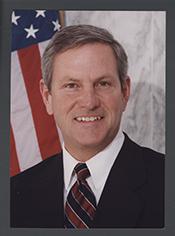 Rep. Baron P. Hill (D-IN)
Description
Amendment in the nature of a substitute printed in Part B of H. Rept. 108-44 and numbered one was offered as the Blue Dog substitute.
What it changes
1 change to H.Con.Res. 95
We couldn't match these changes to the text of H.Con.Res. 95, so they're shown as written.
Replaces the resolution's text with a full substitute
Replaces the full textEverything after the resolving clauseRemoves all after the resolving clause.
Inserted: SECTION 1. CONCURRENT RESOLUTION ON THE BUDGET FOR FISCAL YEAR 2004.
Inserted: (a) Declaration.--The Congress declares that the concurrent resolution on the budget for fiscal year 2004 is hereby established and that the appropriate levels for fiscal years 2005 through 2013 are hereby set forth.
Inserted: (b) Table of Contents.--The table of contents for this concurrent resolution is as follows:
Inserted: Sec. 1. Concurrent resolution on the budget for fiscal year 2004.
Inserted: TITLE I--RECOMMENDED LEVELS AND AMOUNTS
Inserted: Sec. 101. Recommended levels and amounts.
Inserted: Sec. 102. Homeland security.
Inserted: Sec. 103. Major functional categories.
Inserted: TITLE II--RECONCILIATION
Inserted: Sec. 201. Reconciliation in the House of Representatives.
Inserted: Sec. 202. Increase in debt limit contingent upon plan to restore balanced budget.
Inserted: Sec. 203. Review of budget outlook.
Show 867 more inserted paragraphsShow less
Inserted: TITLE III--RESERVE FUNDS AND ENFORCEMENT
Inserted: Subtitle A--Reserve Funds
Inserted: Sec. 301. Reserve fund for homeland security.
Inserted: Sec. 302. Reserve fund for the costs of military operations in iraq.
Inserted: Sec. 303. Reserve fund for additional mandatory funding for existing health and employment programs which provide assistance to States and individuals.
Inserted: Sec. 304. Reserve fund for surface transportation.
Inserted: Sec. 305. Reserve fund for bioshield.
Inserted: Sec. 306. Reserve fund for permanent extension of tax cuts; medicare.
Inserted: Subtitle B--Enforcement
Inserted: Sec. 311. Point of order against certain legislation reducing the surplus or increasing the deficit after fiscal year 2008.
Inserted: Sec. 312. Application and effect of changes in allocations and aggregates.
Inserted: Sec. 313. Discretionary spending limits in the House.
Inserted: Sec. 314. Emergency legislation.
Inserted: Sec. 315. Pay-as-you-go point of order in the House.
Inserted: Sec. 316. Disclosure of effect of legislation on the public debt.
Inserted: Sec. 317. Disclosure of interest costs.
Inserted: Sec. 318. Dynamic scoring of tax legislation.
Inserted: TITLE IV--SENSE OF CONGRESS PROVISIONS
Inserted: Sec. 401. Sense of Congress regarding budget enforcement.
Inserted: Sec. 402. Sense of Congress on tax reform.
Inserted: TITLE I--RECOMMENDED LEVELS AND AMOUNTS
Inserted: SEC. 101. RECOMMENDED LEVELS AND AMOUNTS.
Inserted: The following budgetary levels are appropriate for each of fiscal years 2004 through 2013:
Inserted: (1) Federal revenues.--For purposes of the enforcement of this resolution:
Inserted: (A) The recommended levels of Federal revenues are as follows:
Inserted: Fiscal year 2004: $1,441,770,000,000.
Inserted: Fiscal year 2005: $1,604,926,000,000.
Inserted: Fiscal year 2006: $1,746,972,000,000.
Inserted: Fiscal year 2007: $1,863,966,000,000.
Inserted: Fiscal year 2008: $1,981,577,000,000.
Inserted: Fiscal year 2009: $2,099,530,000,000.
Inserted: Fiscal year 2010: $2,226,842,000,000.
Inserted: Fiscal year 2011: $2,460,796,000,000.
Inserted: Fiscal year 2012: $2,637,779,000,000.
Inserted: Fiscal year 2013: $2,778,210,000,000.
Inserted: (B) The amounts by which the aggregate levels of Federal revenues should be reduced are as follows:
Inserted: Fiscal year 2004: $30,600,000,000.
Inserted: Fiscal year 2005: $12,100,000,000.
Inserted: Fiscal year 2006: -$6,300,000,000.
Inserted: Fiscal year 2007: -$10,800,000,000.
Inserted: Fiscal year 2008: -$18,600,000,000.
Inserted: Fiscal year 2009: -$21,200,000,000.
Inserted: Fiscal year 2010: -$33,800,000,000.
Inserted: Fiscal year 2011: -$33,300,000,000.
Inserted: Fiscal year 2012: $0.
Inserted: Fiscal year 2013: $0.
Inserted: (2) New budget authority.--For purposes of the enforcement of this resolution, the appropriate levels of total new budget authority are as follows:
Inserted: Fiscal year 2004: $1,843,018,000,000.
Inserted: Fiscal year 2005: $1,951,195,000,000.
Inserted: Fiscal year 2006: $2,071,194,000,000.
Inserted: Fiscal year 2007: $2,171,250,000,000.
Inserted: Fiscal year 2008: $2,276,515,000,000.
Inserted: Fiscal year 2009: $2,373,830,000,000.
Inserted: Fiscal year 2010: $2,472,581,000,000.
Inserted: Fiscal year 2011: $2,585,874,000,000.
Inserted: Fiscal year 2012: $2,662,041,000,000.
Inserted: Fiscal year 2013: $2,768,930,000,000. (3) Budget outlays.--For purposes of the enforcement of this resolution, the appropriate levels of total budget outlays are as follows:
Inserted: Fiscal year 2004: $1,851,551,000,000.
Inserted: Fiscal year 2005: $1,942,306,000.000.
Inserted: Fiscal year 2006: $2,045,298,000,000.
Inserted: Fiscal year 2007: $2,140,438,000,000.
Inserted: Fiscal year 2008: $2,249,176,000,000.
Inserted: Fiscal year 2009: $2,355,806,000,000.
Inserted: Fiscal year 2010: $2,461,760,000,000.
Inserted: Fiscal year 2011: $2,586,165,000,000.
Inserted: Fiscal year 2012: $2,653,413,000,000.
Inserted: Fiscal year 2013: $2,776,371,000,000. (4) Deficits.--For purposes of the enforcement of this resolution, the amounts of the deficits (on-budget) are as follows:
Inserted: Fiscal year 2004: $409,781,000,000.
Inserted: Fiscal year 2005: $337,380,000,000.
Inserted: Fiscal year 2006: $298,326,000,000.
Inserted: Fiscal year 2007: $276,472,000,000.
Inserted: Fiscal year 2008: $267,599,000,000.
Inserted: Fiscal year 2009: $256,276,000,000.
Inserted: Fiscal year 2010: $234,918,000,000.
Inserted: Fiscal year 2011: $125,369,000,000.
Inserted: Fiscal year 2012: $15,634,000,000.
Inserted: Fiscal year 2013: $-1,839,000,000. (5) Public debt.--The appropriate levels of the public debt are as follows:
Inserted: Fiscal year 2004: $7,179,838,000,000.
Inserted: Fiscal year 2005: $7,621,902,000,000.
Inserted: Fiscal year 2006: $8,048,310,000,000.
Inserted: Fiscal year 2007: $8,457,629,000,000.
Inserted: Fiscal year 2008: $8,861,982,000,000.
Inserted: Fiscal year 2009: $9,258,280,000,000.
Inserted: Fiscal year 2010: $9,637,286,000,000.
Inserted: Fiscal year 2011: $9,911,600,000,000.
Inserted: Fiscal year 2012: $10,082,375,000,000.
Inserted: Fiscal year 2013: $10,239,283,000,000. (6) Debt held by the public.--The appropriate levels of debt held by the public are as follows:
Inserted: Fiscal year 2004: $4,072,838,000,000.
Inserted: Fiscal year 2005: $4,221,902,000,000.
Inserted: Fiscal year 2006: $4,321,310,000,000.
Inserted: Fiscal year 2007: $4,378,629,000,000.
Inserted: Fiscal year 2008: $4,406,982,000,000.
Inserted: Fiscal year 2009: $4,404,280,000,000.
Inserted: Fiscal year 2010: $4,361,286,000,000.
Inserted: Fiscal year 2011: $4,191,600,000,000.
Inserted: Fiscal year 2012: $3,895,375,000,000.
Inserted: Fiscal year 2013: $3,568,283,000,000.
Inserted: SEC. 102. HOMELAND SECURITY.
Inserted: The Congress determines and declares that the appropriate levels of new budget authority for fiscal year 2004 for Homeland Security are as follows:
Inserted: (1) New budget authority, $41,035,000,000.
Inserted: SEC. 103. MAJOR FUNCTIONAL CATEGORIES.
Inserted: The Congress determines and declares that the appropriate levels of new budget authority and outlays for fiscal years 2004 through 2013 for each major functional category are:
Inserted: (1) National Defense (050):
Inserted: Fiscal year 2004:
Inserted: (A) New budget authority, $400,476,000,000.
Inserted: (B) Outlays, $400,882,000,000.
Inserted: Fiscal year 2005:
Inserted: (A) New budget authority, $420,071,000,000.
Inserted: (B) Outlays, $414,205,000,000.
Inserted: Fiscal year 2006:
Inserted: (A) New budget authority, $440,185,000,000.
Inserted: (B) Outlays, $426,007,000,000.
Inserted: Fiscal year 2007:
Inserted: (A) New budget authority, $460,435,000,000.
Inserted: (B) Outlays, $438,656,000,000.
Inserted: Fiscal year 2008:
Inserted: (A) New budget authority, $480,886,000,000.
Inserted: (B) Outlays, $462,861,000,000.
Inserted: Fiscal year 2009:
Inserted: (A) New budget authority, $494,067,000,000.
Inserted: (B) Outlays, $480,650,000,000.
Inserted: Fiscal year 2010:
Inserted: (A) New budget authority, $507,840,000,000.
Inserted: (B) Outlays, $497,348,000,000.
Inserted: Fiscal year 2011:
Inserted: (A) New budget authority, $522,103,000,000.
Inserted: (B) Outlays, $516,338,000,000.
Inserted: Fiscal year 2012:
Inserted: (A) New budget authority, $536,531,000,000.
Inserted: (B) Outlays, $523,884,000,000.
Inserted: (A) New budget authority, $551,323,000,000.
Inserted: (B) Outlays, $543,541,000,000.
Inserted: (2) International Affairs (150):
Inserted: Fiscal year 2004:
Inserted: (A) New budget authority, $25,681,000,000.
Inserted: (B) Outlays, $24,207,000,000.
Inserted: Fiscal year 2005:
Inserted: (A) New budget authority, $29,734,000,000.
Inserted: (B) Outlays, $24,917,000,000.
Inserted: Fiscal year 2006:
Inserted: (A) New budget authority, $32,308,000,000.
Inserted: (B) Outlays, $26,539,000,000.
Inserted: Fiscal year 2007:
Inserted: (A) New budget authority, $33,603,000,000.
Inserted: (B) Outlays, $28,464,000,000.
Inserted: Fiscal year 2008:
Inserted: (A) New budget authority, $34,611,000,000.
Inserted: (B) Outlays, $29,604,000,000.
Inserted: Fiscal year 2009:
Inserted: (A) New budget authority, $35,413,000,000.
Inserted: (B) Outlays, $30,733,000,000.
Inserted: Fiscal year 2010:
Inserted: (A) New budget authority, $36,258,000,000.
Inserted: (B) Outlays, $31,689,000,000.
Inserted: Fiscal year 2011:
Inserted: (A) New budget authority, $37,136,000,000.
Inserted: (B) Outlays, $32,565,000,000.
Inserted: Fiscal year 2012:
Inserted: (A) New budget authority, $38,005,000,000.
Inserted: (B) Outlays, $33,408,000,000.
Inserted: Fiscal year 2013:
Inserted: (A) New budget authority, $38,885,000,000.
Inserted: (B) Outlays, $34,298,000,000.
Inserted: (3) General Science, Space, and Technology (250):
Inserted: Fiscal year 2004:
Inserted: (A) New budget authority, $23,503,000,000.
Inserted: (B) Outlays, $22,678,000,000.
Inserted: Fiscal year 2005:
Inserted: (A) New budget authority, $24,330,000,000.
Inserted: (B) Outlays, $23,618,000,000.
Inserted: Fiscal year 2006:
Inserted: (A) New budget authority, $25,112,000,000.
Inserted: (B) Outlays, $24,316,000,000.
Inserted: Fiscal year 2007:
Inserted: (A) New budget authority, $25,949,000,000.
Inserted: (B) Outlays, $25,097,000,000.
Inserted: Fiscal year 2008:
Inserted: (A) New budget authority, $26,722,000,000.
Inserted: (B) Outlays, $25,833,000,000.
Inserted: Fiscal year 2009:
Inserted: (A) New budget authority, $27,350,000,000.
Inserted: (B) Outlays, $26,528,000,000.
Inserted: Fiscal year 2010:
Inserted: (A) New budget authority, $28,006,000,000.
Inserted: (B) Outlays, $27,183,000,000.
Inserted: Fiscal year 2011:
Inserted: (A) New budget authority, $28,687,000,000.
Inserted: (B) Outlays, $27,847,000,000.
Inserted: Fiscal year 2012:
Inserted: (A) New budget authority, $29,372,000,000.
Inserted: (B) Outlays, $28,520,000,000.
Inserted: Fiscal year 2013:
Inserted: (A) New budget authority, $30,062,000,000.
Inserted: (B) Outlays, $29,198,000,000.
Inserted: (4) Energy (270):
Inserted: Fiscal year 2004:
Inserted: (A) New budget authority, $2,690,000,000.
Inserted: (B) Outlays, $959,000,000.
Inserted: Fiscal year 2005:
Inserted: (A) New budget authority, $2,828,000,000.
Inserted: (B) Outlays, $1,020,000,000.
Inserted: Fiscal year 2006:
Inserted: (A) New budget authority, $2,741,000,000.
Inserted: (B) Outlays, $1,322,000,000.
Inserted: Fiscal year 2007:
Inserted: (A) New budget authority, $2,559,000,000.
Inserted: (B) Outlays, $1,097,000,000.
Inserted: Fiscal year 2008:
Inserted: (A) New budget authority, $3,100,000,000.
Inserted: (B) Outlays, $1,446,000,000.
Inserted: Fiscal year 2009:
Inserted: (A) New budget authority, $3,111,000,000.
Inserted: (B) Outlays, $1,712,000,000.
Inserted: Fiscal year 2010:
Inserted: (A) New budget authority, $3,218,000,000.
Inserted: (B) Outlays, $1,823,000,000.
Inserted: Fiscal year 2011:
Inserted: (A) New budget authority, $3,319,000,000.
Inserted: (B) Outlays, $2,006,000,000.
Inserted: Fiscal year 2012:
Inserted: (A) New budget authority, $3,430,000,000.
Inserted: (B) Outlays, $2,386,000,000.
Inserted: Fiscal year 2013:
Inserted: (A) New budget authority, $3,547,000,000.
Inserted: (B) Outlays, $2,359,000,000.
Inserted: (5) Natural Resources and Environment (300):
Inserted: Fiscal year 2004:
Inserted: (A) New budget authority, $30,237,000,000.
Inserted: (B) Outlays, $30,357,000,000.
Inserted: Fiscal year 2005:
Inserted: (A) New budget authority, $31,084,000,000.
Inserted: (B) Outlays, $30,996,000,000.
Inserted: Fiscal year 2006:
Inserted: (A) New budget authority, $31,824,000,000.
Inserted: (B) Outlays, $31,998,000,000.
Inserted: Fiscal year 2007:
Inserted: (A) New budget authority, $32,384,000,000.
Inserted: (B) Outlays, $32,168,000,000.
Inserted: Fiscal year 2008:
Inserted: (A) New budget authority, $33,240,000,000.
Inserted: (B) Outlays, $32,612,000,000.
Inserted: Fiscal year 2009:
Inserted: (A) New budget authority, $34,577,000,000.
Inserted: (B) Outlays, $33,835,000,000.
Inserted: Fiscal year 2010:
Inserted: (A) New budget authority, $35,647,000,000.
Inserted: (B) Outlays, $34,857,000,000.
Inserted: Fiscal year 2011:
Inserted: (A) New budget authority, $36,684,000,000.
Inserted: (B) Outlays, $35,870,000,000.
Inserted: Fiscal year 2012:
Inserted: (A) New budget authority, $37,629,000,000.
Inserted: (B) Outlays, $36,772,000,000.
Inserted: Fiscal year 2013:
Inserted: (A) New budget authority, $38,549,000,000.
Inserted: (B) Outlays, $37,769,000,000.
Inserted: (6) Agriculture (350):
Inserted: Fiscal year 2004:
Inserted: (A) New budget authority, $24,629,000,000.
Inserted: (B) Outlays, $23,693,000,000.
Inserted: Fiscal year 2005:
Inserted: (A) New budget authority, $27,028,000,000.
Inserted: (B) Outlays, $25,695,000,000.
Inserted: Fiscal year 2006:
Inserted: (A) New budget authority, $26,841,000,000.
Inserted: (B) Outlays, $25,587,000,000.
Inserted: Fiscal year 2007:
Inserted: (A) New budget authority, $26,296,000,000.
Inserted: (B) Outlays, $25,103,000,000.
Inserted: Fiscal year 2008:
Inserted: (A) New budget authority, $25,494,000,000.
Inserted: (B) Outlays, $24,368,000,000.
Inserted: Fiscal year 2009:
Inserted: (A) New budget authority, $26,079,000,000.
Inserted: (B) Outlays, $25,111,000,000.
Inserted: Fiscal year 2010:
Inserted: (A) New budget authority, $25,531,000,000.
Inserted: (B) Outlays, $24,701,000,000.
Inserted: Fiscal year 2011:
Inserted: (A) New budget authority, $24,971,000,000.
Inserted: (B) Outlays, $24,157,000,000.
Inserted: Fiscal year 2012:
Inserted: (A) New budget authority, $24,550,000,000.
Inserted: (B) Outlays, $23,752,000,000.
Inserted: Fiscal year 2013:
Inserted: (A) New budget authority, $24,267,000,000.
Inserted: (B) Outlays, $23,472,000,000.
Inserted: (7) Commerce and Housing Credit (370):
Inserted: Fiscal year 2004:
Inserted: (A) New budget authority, $7,513,000,000.
Inserted: (B) Outlays, $3,630,000,000.
Inserted: Fiscal year 2005:
Inserted: (A) New budget authority, $8,778,000,000.
Inserted: (B) Outlays, $4,132,000,000.
Inserted: Fiscal year 2006:
Inserted: (A) New budget authority, $8,337,000,000.
Inserted: (B) Outlays, $3,193,000,000.
Inserted: Fiscal year 2007:
Inserted: (A) New budget authority, $8,670,000,000.
Inserted: (B) Outlays, $2,708,000,000.
Inserted: Fiscal year 2008:
Inserted: (A) New budget authority, $8,798,000,000.
Inserted: (B) Outlays, $2,300,000,000.
Inserted: Fiscal year 2009:
Inserted: (A) New budget authority, $9,013,000,000.
Inserted: (B) Outlays, $2,448,000,000.
Inserted: Fiscal year 2010:
Inserted: (A) New budget authority, $9,065,000,000.
Inserted: (B) Outlays, $2,168,000,000.
Inserted: Fiscal year 2011:
Inserted: (A) New budget authority, $9,262,000,000.
Inserted: (B) Outlays, $1,786,000,000.
Inserted: Fiscal year 2012:
Inserted: (A) New budget authority, $9,347,000,000.
Inserted: (B) Outlays, $1,508,000,000.
Inserted: Fiscal year 2013:
Inserted: (A) New budget authority, $9,556,000,000.
Inserted: (B) Outlays, $1,731,000,000.
Inserted: (8) Transportation (400):
Inserted: Fiscal year 2004:
Inserted: (A) New budget authority, $59,741,000,000.
Inserted: (B) Outlays, $68,763,000,000.
Inserted: Fiscal year 2005:
Inserted: (A) New budget authority, $64,072,000,000.
Inserted: (B) Outlays, $66,422,000,000.
Inserted: Fiscal year 2006:
Inserted: (A) New budget authority, $64,454,000,000.
Inserted: (B) Outlays, $66,283,000,000.
Inserted: Fiscal year 2007:
Inserted: (A) New budget authority, $64,948,000,000.
Inserted: (B) Outlays, $67,388,000,000.
Inserted: Fiscal year 2008:
Inserted: (A) New budget authority, $65,521,000,000.
Inserted: (B) Outlays, $68,758,000,000.
Inserted: Fiscal year 2009:
Inserted: (A) New budget authority, $66,303,000,000.
Inserted: (B) Outlays, $70,299,000,000.
Inserted: Fiscal year 2010:
Inserted: (A) New budget authority, $67,104,000,000.
Inserted: (B) Outlays, $71,902,000,000.
Inserted: Fiscal year 2011:
Inserted: (A) New budget authority, $67,947,000,000.
Inserted: (B) Outlays, $73,629,000,000.
Inserted: Fiscal year 2012:
Inserted: (A) New budget authority, $68,819,000,000.
Inserted: (B) Outlays, $75,449,000,000.
Inserted: Fiscal year 2013:
Inserted: (A) New budget authority, $69,726,000,000.
Inserted: (B) Outlays, $77,306,000,000.
Inserted: (9) Community and Regional Development (450):
Inserted: Fiscal year 2004:
Inserted: (A) New budget authority, $14,435,000,000.
Inserted: (B) Outlays, $16,085,000,000.
Inserted: Fiscal year 2005:
Inserted: (A) New budget authority, $14,628,000,000.
Inserted: (B) Outlays, $16,231,000,000.
Inserted: Fiscal year 2006:
Inserted: (A) New budget authority, $14,929,000,000.
Inserted: (B) Outlays, $15,385,000,000.
Inserted: Fiscal year 2007:
Inserted: (A) New budget authority, $15,259,000,000.
Inserted: (B) Outlays, $15,174,000,000.
Inserted: Fiscal year 2008:
Inserted: (A) New budget authority, $15,652,000,000.
Inserted: (B) Outlays, $14,756,000,000.
Inserted: Fiscal year 2009:
Inserted: (A) New budget authority, $16,019,000,000.
Inserted: (B) Outlays, $15,065,000,000.
Inserted: Fiscal year 2010:
Inserted: (A) New budget authority, $16,406,000,000.
Inserted: (B) Outlays, $15,414,000,000.
Inserted: Fiscal year 2011:
Inserted: (A) New budget authority, $16,806,000,000.
Inserted: (B) Outlays, $15,800,000,000.
Inserted: Fiscal year 2012:
Inserted: (A) New budget authority, $17,205,000,000.
Inserted: (B) Outlays, $16,176,000,000.
Inserted: Fiscal year 2013:
Inserted: (A) New budget authority, $17,610,000,000.
Inserted: (B) Outlays, $16,579,000,000. (10) Education, Training, Employment, and Social Services (500):
Inserted: Fiscal year 2004:
Inserted: (A) New budget authority, $88,575,000,000.
Inserted: (B) Outlays, $85,634,000,000.
Inserted: Fiscal year 2005:
Inserted: (A) New budget authority, $87,080,000,000.
Inserted: (B) Outlays, $84,690,000,000.
Inserted: Fiscal year 2006:
Inserted: (A) New budget authority, $89,410,000,000.
Inserted: (B) Outlays, $86,920,000,000.
Inserted: Fiscal year 2007:
Inserted: (A) New budget authority, $91,519,000,000.
Inserted: (B) Outlays, $88,896,000,000.
Inserted: Fiscal year 2008:
Inserted: (A) New budget authority, $93,852,000,000.
Inserted: (B) Outlays, $91,029,000,000.
Inserted: Fiscal year 2009:
Inserted: (A) New budget authority, $95,607,000,000.
Inserted: (B) Outlays, $93,322,000,000.
Inserted: Fiscal year 2010:
Inserted: (A) New budget authority, $97,323,000,000.
Inserted: (B) Outlays, $95,187,000,000.
Inserted: Fiscal year 2011:
Inserted: (A) New budget authority, $99,277,000,000.
Inserted: (B) Outlays, $97,003,000,000.
Inserted: Fiscal year 2012:
Inserted: (A) New budget authority, $101,142,000,000.
Inserted: (B) Outlays, $98,838,000,000.
Inserted: Fiscal year 2013:
Inserted: (A) New budget authority, $103,094,000,000.
Inserted: (B) Outlays, $100,775,000,000. (11) Health (550):
Inserted: Fiscal year 2004:
Inserted: (A) New budget authority, $240,084,000,000.
Inserted: (B) Outlays, $239,946,000,000.
Inserted: Fiscal year 2005:
Inserted: (A) New budget authority, $252,037,000,000.
Inserted: (B) Outlays, $251,380,000,000.
Inserted: Fiscal year 2006:
Inserted: (A) New budget authority, $269,598,000,000.
Inserted: (B) Outlays, $268,807,000,000.
Inserted: Fiscal year 2007:
Inserted: (A) New budget authority, $290,285,000,000.
Inserted: (B) Outlays, $288,983,000,000.
Inserted: Fiscal year 2008:
Inserted: (A) New budget authority, $312,078,000,000.
Inserted: (B) Outlays, $310,553,000,000.
Inserted: Fiscal year 2009:
Inserted: (A) New budget authority, $335,314,000,000.
Inserted: (B) Outlays, $333,819,000,000.
Inserted: Fiscal year 2010:
Inserted: (A) New budget authority, $361,218,000,000.
Inserted: (B) Outlays, $359,731,000,000.
Inserted: Fiscal year 2011:
Inserted: (A) New budget authority, $389,078,000,000.
Inserted: (B) Outlays, $387,597,000,000.
Inserted: Fiscal year 2012:
Inserted: (A) New budget authority, $419,498,000,000.
Inserted: (B) Outlays, $418,027,000,000.
Inserted: Fiscal year 2013:
Inserted: (A) New budget authority, $452,918,000,000.
Inserted: (B) Outlays, $451,354,000,000. (12) Medicare (570):
Inserted: Fiscal year 2004:
Inserted: (A) New budget authority, $265,111,000,000.
Inserted: (B) Outlays, $265,376,000,000.
Inserted: Fiscal year 2005:
Inserted: (A) New budget authority, $282,929,000,000.
Inserted: (B) Outlays, $285,877,000,000.
Inserted: Fiscal year 2006:
Inserted: (A) New budget authority, $322,160,000,000.
Inserted: (B) Outlays, $318,921,000,000.
Inserted: Fiscal year 2007:
Inserted: (A) New budget authority, $344,455,000,000.
Inserted: (B) Outlays, $344,725,000,000.
Inserted: Fiscal year 2008:
Inserted: (A) New budget authority, $370,178,000,000.
Inserted: (B) Outlays, $370,053,000,000.
Inserted: Fiscal year 2009:
Inserted: (A) New budget authority, $396,532,000,000.
Inserted: (B) Outlays, $396,271,000,000.
Inserted: Fiscal year 2010:
Inserted: (A) New budget authority, $423,768,000,000.
Inserted: (B) Outlays, $424,026,000,000.
Inserted: Fiscal year 2011:
Inserted: (A) New budget authority, $455,875,000,000.
Inserted: (B) Outlays, $459,232,000,000.
Inserted: Fiscal year 2012:
Inserted: (A) New budget authority, $490,601,000,000.
Inserted: (B) Outlays, $486,775,000,000.
Inserted: Fiscal year 2013:
Inserted: (A) New budget authority, $526,303,000,000.
Inserted: (B) Outlays, $526,559,000,000.
Inserted: (13) Income Security (600):
Inserted: Fiscal year 2004:
Inserted: (A) New budget authority, $318,262,000,000.
Inserted: (B) Outlays, $323,329,000,000.
Inserted: Fiscal year 2005:
Inserted: (A) New budget authority, $326,674,000,000.
Inserted: (B) Outlays, $329,937,000,000.
Inserted: Fiscal year 2006:
Inserted: (A) New budget authority, $334,563,000,000.
Inserted: (B) Outlays, $337,028,000,000.
Inserted: Fiscal year 2007:
Inserted: (A) New budget authority, $340,873,000,000.
Inserted: (B) Outlays, $342,609,000,000.
Inserted: Fiscal year 2008:
Inserted: (A) New budget authority, $352,461,000,000.
Inserted: (B) Outlays, $353,378,000,000.
Inserted: Fiscal year 2009:
Inserted: (A) New budget authority, $363,361,000,000.
Inserted: (B) Outlays, $364,102,000,000.
Inserted: Fiscal year 2010:
Inserted: (A) New budget authority, $375,471,000,000.
Inserted: (B) Outlays, $376,077,000,000.
Inserted: Fiscal year 2011:
Inserted: (A) New budget authority, $392,310,000,000.
Inserted: (B) Outlays, $392,878,000,000.
Inserted: Fiscal year 2012:
Inserted: (A) New budget authority, $383,486,000,000.
Inserted: (B) Outlays, $384,054,000,000.
Inserted: Fiscal year 2013:
Inserted: (A) New budget authority, $398,184,000,000.
Inserted: (B) Outlays, $398,881,000,000.
Inserted: (14) Social Security (650):
Inserted: Fiscal year 2004:
Inserted: (A) New budget authority, $14,544,000,000.
Inserted: (B) Outlays, $14,502,000,000.
Inserted: Fiscal year 2005:
Inserted: (A) New budget authority, $15,612,000,000.
Inserted: (B) Outlays, $15,597,000,000.
Inserted: Fiscal year 2006:
Inserted: (A) New budget authority, $16,689,000,000.
Inserted: (B) Outlays, $16,698,000,000.
Inserted: Fiscal year 2007:
Inserted: (A) New budget authority, $18,174,000,000.
Inserted: (B) Outlays, $18,182,000,000.
Inserted: Fiscal year 2008:
Inserted: (A) New budget authority, $19,999,000,000.
Inserted: (B) Outlays, $20,005,000,000.
Inserted: Fiscal year 2009:
Inserted: (A) New budget authority, $22,156,000,000.
Inserted: (B) Outlays, $22,157,000,000.
Inserted: Fiscal year 2010:
Inserted: (A) New budget authority, $24,536,000,000.
Inserted: (B) Outlays, $24,535,000,000.
Inserted: Fiscal year 2011:
Inserted: (A) New budget authority, $28,416,000,000.
Inserted: (B) Outlays, $28,416,000,000.
Inserted: Fiscal year 2012:
Inserted: (A) New budget authority, $31,635,000,000.
Inserted: (B) Outlays, $31,634,000,000.
Inserted: Fiscal year 2013:
Inserted: (A) New budget authority, $34,670,000,000.
Inserted: (B) Outlays, $34,670,000,000.
Inserted: (15) Veterans Benefits and Services (700):
Inserted: Fiscal year 2004:
Inserted: (A) New budget authority, $61,978,000,000.
Inserted: (B) Outlays, $61,522,000,000.
Inserted: Fiscal year 2005:
Inserted: (A) New budget authority, $67,365,000,000.
Inserted: (B) Outlays, $66,612,000,000.
Inserted: Fiscal year 2006:
Inserted: (A) New budget authority, $65,644,000,000.
Inserted: (B) Outlays, $65,215,000,000.
Inserted: Fiscal year 2007:
Inserted: (A) New budget authority, $64,128,000,000.
Inserted: (B) Outlays, $63,680,000,000.
Inserted: Fiscal year 2008:
Inserted: (A) New budget authority, $67,928,000,000.
Inserted: (B) Outlays, $67,654,000,000.
Inserted: Fiscal year 2009:
Inserted: (A) New budget authority, $69,550,000,000.
Inserted: (B) Outlays, $69,192,000,000.
Inserted: Fiscal year 2010:
Inserted: (A) New budget authority, $71,275,000,000.
Inserted: (B) Outlays, $70,868,000,000.
Inserted: Fiscal year 2011:
Inserted: (A) New budget authority, $75,962,000,000.
Inserted: (B) Outlays, $75,539,000,000.
Inserted: Fiscal year 2012:
Inserted: (A) New budget authority, $72,923,000,000.
Inserted: (B) Outlays, $72,399,000,000.
Inserted: Fiscal year 2013:
Inserted: (A) New budget authority, $77,755,000,000.
Inserted: (B) Outlays, $77,329,000,000.
Inserted: (16) Administration of Justice (750):
Inserted: Fiscal year 2004:
Inserted: (A) New budget authority, $37,742,000,000.
Inserted: (B) Outlays, $40,902,000,000.
Inserted: Fiscal year 2005:
Inserted: (A) New budget authority, $37,977,000,000.
Inserted: (B) Outlays, $39,271,000,000.
Inserted: Fiscal year 2006:
Inserted: (A) New budget authority, $37,938,000,000.
Inserted: (B) Outlays, $38,318,000,000.
Inserted: Fiscal year 2007:
Inserted: (A) New budget authority, $38,334,000,000.
Inserted: (B) Outlays, $38,164,000,000.
Inserted: Fiscal year 2008:
Inserted: (A) New budget authority, $39,299,000,000.
Inserted: (B) Outlays, $38,984,000,000.
Inserted: Fiscal year 2009:
Inserted: (A) New budget authority, $40,306,000,000.
Inserted: (B) Outlays, $40,059,000,000.
Inserted: Fiscal year 2010:
Inserted: (A) New budget authority, $41,406,000,000.
Inserted: (B) Outlays, $41,148,000,000.
Inserted: Fiscal year 2011:
Inserted: (A) New budget authority, $42,682,000,000.
Inserted: (B) Outlays, $42,304,000,000.
Inserted: Fiscal year 2012:
Inserted: (A) New budget authority, $44,015,000,000.
Inserted: (B) Outlays, $43,590,000,000.
Inserted: Fiscal year 2013:
Inserted: (A) New budget authority, $45,355,000,000.
Inserted: (B) Outlays, $44,938,000,000.
Inserted: (17) General Government (800):
Inserted: Fiscal year 2004:
Inserted: (A) New budget authority, $20,208,000,000.
Inserted: (B) Outlays, $19,776,000,000.
Inserted: Fiscal year 2005:
Inserted: (A) New budget authority, $20,643,000,000.
Inserted: (B) Outlays, $20,677,000,000.
Inserted: Fiscal year 2006:
Inserted: (A) New budget authority, $20,410,000,000.
Inserted: (B) Outlays, $20,381,000,000.
Inserted: Fiscal year 2007:
Inserted: (A) New budget authority, $20,842,000,000.
Inserted: (B) Outlays, $20,533,000,000.
Inserted: Fiscal year 2008:
Inserted: (A) New budget authority, $20,920,000,000.
Inserted: (B) Outlays, $20,646,000,000.
Inserted: Fiscal year 2009:
Inserted: (A) New budget authority, $21,619,000,000.
Inserted: (B) Outlays, $21,138,000,000.
Inserted: Fiscal year 2010:
Inserted: (A) New budget authority, $22,361,000,000.
Inserted: (B) Outlays, $21,835,000,000.
Inserted: Fiscal year 2011:
Inserted: (A) New budget authority, $21,110,000,000.
Inserted: (B) Outlays, $22,560,000,000.
Inserted: Fiscal year 2012:
Inserted: (A) New budget authority, $23,905,000,000.
Inserted: (B) Outlays, $23,489,000,000.
Inserted: Fiscal year 2013:
Inserted: (A) New budget authority, $24,714,000,000.
Inserted: (B) Outlays, $24,121,000,000.
Inserted: (18) Net Interest (900):
Inserted: Fiscal year 2004:
Inserted: (A) New budget authority, $253,189,000,000.
Inserted: (B) Outlays, $254,890,000,000.
Inserted: Fiscal year 2005:
Inserted: (A) New budget authority, $293,834,000,000.
Inserted: (B) Outlays, $296,538,000,000.
Inserted: Fiscal year 2006:
Inserted: (A) New budget authority, $325,488,000,000.
Inserted: (B) Outlays, $329,817,000,000.
Inserted: Fiscal year 2007:
Inserted: (A) New budget authority, $344,743,000,000.
Inserted: (B) Outlays, $351,017,000,000.
Inserted: Fiscal year 2008:
Inserted: (A) New budget authority, $360,529,000,000.
Inserted: (B) Outlays, $369,089,000,000.
Inserted: Fiscal year 2009:
Inserted: (A) New budget authority, $375,129,000,000.
Inserted: (B) Outlays, $386,360,000,000.
Inserted: Fiscal year 2010:
Inserted: (A) New budget authority, $387,388,000,000.
Inserted: (B) Outlays, $401,485,000,000.
Inserted: Fiscal year 2011:
Inserted: (A) New budget authority, $397,483,000,000.
Inserted: (B) Outlays, $414,520,000,000.
Inserted: Fiscal year 2012:
Inserted: (A) New budget authority, $401,388,000,000.
Inserted: (B) Outlays, $422,797,000,000.
Inserted: Fiscal year 2013:
Inserted: (A) New budget authority, $397,817,000,000.
Inserted: (B) Outlays, $425,508,000,000.
Inserted: (19) Allowances (920):
Inserted: Fiscal year 2004:
Inserted: (A) New budget authority, $0.0
Inserted: (B) Outlays, $0.0 Fiscal year 2005:
Inserted: (A) New budget authority, $0.0
Inserted: (B) Outlays, $0.0 Fiscal year 2006:
Inserted: (A) New budget authority, $0.0
Inserted: (B) Outlays, $0.0 Fiscal year 2007:
Inserted: (A) New budget authority, $0.0
Inserted: (B) Outlays, $0.0 Fiscal year 2008:
Inserted: (A) New budget authority, $0.0
Inserted: (B) Outlays, $0.0 Fiscal year 2009:
Inserted: (A) New budget authority, -$1,116,000,000.
Inserted: (B) Outlays, -$435,000,000.
Inserted: Fiscal year 2010:
Inserted: (A) New budget authority, -$2,255,000,000.
Inserted: (B) Outlays, -$1,232,000,000.
Inserted: Fiscal year 2011:
Inserted: (A) New budget authority, -$3,712,000,000.
Inserted: (B) Outlays, -$2,360,000,000.
Inserted: Fiscal year 2012:
Inserted: (A) New budget authority, -$5,082,000,000.
Inserted: (B) Outlays, -$3,687,000,000.
Inserted: Fiscal year 2013:
Inserted: (A) New budget authority, -$6,437,000,000.
Inserted: (B) Outlays, -$5,040,000,000.
Inserted: (20) Undistributed Offsetting Receipts (950):
Inserted: Fiscal year 2004:
Inserted: (A) New budget authority, -$45,580,000,000.
Inserted: (B) Outlays, -$45,580,000,000.
Inserted: Fiscal year 2005:
Inserted: (A) New budget authority, -$55,509,000,000.
Inserted: (B) Outlays, -$55,509,000,000.
Inserted: Fiscal year 2006:
Inserted: (A) New budget authority, -$57,437,000,000.
Inserted: (B) Outlays, -$57,437,000,000.
Inserted: Fiscal year 2007:
Inserted: (A) New budget authority, -$52,206,000,000.
Inserted: (B) Outlays, -$52,206,000,000.
Inserted: Fiscal year 2008:
Inserted: (A) New budget authority, -$54,753,000,000.
Inserted: (B) Outlays, -$54,753,000,000.
Inserted: Fiscal year 2009:
Inserted: (A) New budget authority, -$56,560,000,000.
Inserted: (B) Outlays, -$56,560,000,000.
Inserted: Fiscal year 2010:
Inserted: (A) New budget authority, -$58,985,000,000.
Inserted: (B) Outlays, -$58,985,000,000.
Inserted: Fiscal year 2011:
Inserted: (A) New budget authority, -$61,522,000,000.
Inserted: (B) Outlays, -$61,522,000,000.
Inserted: Fiscal year 2012:
Inserted: (A) New budget authority, -$66,358,000,000.
Inserted: (B) Outlays, -$66,358,000,000.
Inserted: Fiscal year 2013:
Inserted: (A) New budget authority, -$68,977,000,000.
Inserted: (B) Outlays, -$68,977,000,000. TITLE II--RECONCILIATION SEC. 201. RECONCILIATION IN THE HOUSE OF REPRESENTATIVES.
Inserted: (a) Submission Providing Economic Growth.--(1) The House Committee on Ways and Means shall report to the House a reconciliation bill not later than April 11, 2003, that consists of changes in laws within its jurisdiction sufficient to reduce the total level of revenues by not more than: $46,700,000,000 for the period of fiscal years 2003 and 2004 and increase the total level of revenues by not more than $49,900,000,000 for the period of fiscal years 2004 through 2013.
Inserted: (2) It is the sense of the Congress that in complying with the instructions set forth in paragraph (1) the Committee on Ways and Means should provide immediate tax relief and economic stimulus by accelerating tax relief for middle-class families through increases in the child tax credit, marriage penalty relief, and reductions in individual income tax rates, provide incentives for business investment, provide immediate and permanent estate tax relief and defer tax relief for individual taxpayers with incomes above $140,000 until the budget is in balance and national security threats have been addressed.
Inserted: (b) Submissions Regarding Medicare Reform and Prescription Drugs.--Not later than July 18, 2003, the committees named in this subsection shall submit their recommendations to the Committee on the Budget of the House. After receiving those recommendations, the Committee on the Budget shall report to the House a reconciliation bill carrying out all such recommendations without any substantive revisions.
Inserted: (1) Committee on energy and commerce.--The House Committee on Energy and Commerce shall report changes in laws within its jurisdiction that reform medicare and provide a prescription drug benefit, such that the total level of direct spending for that committee does not exceed: $6,000,000,000 in outlays for fiscal year 2004 and $400,000,000,000 in outlays in fiscal years 2004 through 2013.
Inserted: (2) Committee on ways and means.--The House Committee on Ways and Means shall report changes in laws within its jurisdiction that reform medicare and provide a prescription drug benefit, such that the total level of direct spending for that committee does not exceed: $6,000,000,000 in outlays for fiscal year 2004 and $400,000,000,000 in outlays in fiscal years 2004 through 2013.
Inserted: SEC. 202. INCREASE IN DEBT LIMIT CONTINGENT UPON PLAN TO RESTORE BALANCED BUDGET.
Inserted: (a) Temporary Increase in Statutory Debt Limit.--The Committee on Ways and Means of the House shall report a bill as soon as practicable, but not later than April 11, 2003, that consists solely of changes in laws within its jurisdiction to increase the statutory debt limit by $150,000,000,000.
Inserted: (b) Point of Order.--(1) Except as provided by subsection (a) or paragraph (2), it shall not be in order in the House to consider any bill, joint resolution, amendment, or conference report that includes any provision that increases the limit on the public debt by more than $100,000,000,000.
Inserted: (2) Paragraph (1) shall not apply in the House if--
Inserted: (A) the chairman of the Committee on the Budget of the House has made the certification described in section 203 that the unified budget will be in balance by fiscal year 2009; or
Inserted: (B) the President has submitted to Congress a declaration that such increase is necessary to finance costs of a military conflict or address an imminent threat to national security, but which shall not exceed the amount of the adjustment under section 302 for the costs of military operations in Iraq.
Inserted: SEC. 203. REVIEW OF BUDGET OUTLOOK.
Inserted: (a) In General.--If, in the report released pursuant to section 202 of the Congressional Budget Act of 1974, entitled the Budget and Economic Outlook Update (for fiscal years 2004 through 2013), the Director of the Congressional Budget Office projects that the unified budget of the United States for fiscal year 2009 will be in balance, then the chairman of the Committee on the Budget of the House is authorized to certify that the budget is projected to meet the goals of a balanced budget.
Inserted: (b) Calculating Discretionary Spending Baseline.--Notwithstanding any other provision of law, the Director of the Congressional Budget Office shall use the discretionary spending levels set forth in this resolution, including any adjustments to such levels as a result of the implementation of any reserve funds set forth in this resolution to calculate the discretionary spending baseline.
Inserted: TITLE III--RESERVE FUNDS AND ENFORCEMENT
Inserted: Subtitle A--Reserve Funds SEC. 301. RESERVE FUND FOR HOMELAND SECURITY.
Inserted: (a) In General.--In the House, if the Committee on Appropriations reports a bill or joint resolution, or if an amendment thereto is offered or a conference report thereon is submitted, that provides new budget authority (and outlays flowing therefrom) for the Department of Homeland Security and if the Secretary of Homeland Security so requests, then the chairman of the Committee on the Budget shall make the appropriate revisions to the allocations and other levels in this resolution by the amount provided by that measure for that purpose.
Inserted: (b) Sense of Congress.--It is the sense of Congress that the Secretary of Homeland Security should--
Inserted: (1) conduct a homeland security needs assessment in consultation with all Federal agencies with responsibilities for homeland security and State and local governments; and
Inserted: (2) submit a report to Congress with additional funding requests, if any, identified in the needs assessment, and that such report should also include a compilation of the needs assessments submitted by State and local governments.
Inserted: SEC. 302. RESERVE FUND FOR THE COSTS OF MILITARY OPERATIONS IN IRAQ.
Inserted: In the House, if the Committee on Appropriations reports a bill or joint resolution, or if an amendment thereto is offered or a conference report thereon is submitted, that provides new budget authority (and outlays flowing therefrom) for the costs of military operations in Iraq, then the chairman of the Committee on the Budget shall make the appropriate revisions to the allocations and other levels in this resolution by the amount provided by that measure for that purpose.
Inserted: SEC. 303. RESERVE FUND FOR ADDITIONAL MANDATORY FUNDING FOR EXISTING HEALTH AND EMPLOYMENT PROGRAMS WHICH PROVIDE ASSISTANCE TO STATES AND INDIVIDUALS.
Inserted: In the House, if the Committee on Energy and Commerce, the Committee on Education and the Workforce, or the Committee on Ways and Means reports a bill or joint resolution, or if an amendment thereto is offered or a conference report thereon is submitted, that provides new budget authority (and outlays flowing therefrom) for additional mandatory funding for existing health and employment programs which provide assistance to States and individuals, then the chairman of the Committee on the Budget shall make the appropriate revisions to the allocations and other levels in this resolution by the amount provided by that measure for that purpose, but such revision shall not exceed $12,500,000,000 in new budget authority for the period of fiscal years 2003 through 2008 and outlays flowing therefrom.
Inserted: SEC. 304. RESERVE FUND FOR SURFACE TRANSPORTATION.
Inserted: (a) In General.--In the House, if the Committee on Transportation and Infrastructure reports a bill or joint resolution, or if an amendment thereto is offered or a conference report thereon is submitted, that provides new budget authority for the budget accounts or portions thereof in the highway and transit categories as defined in sections 250(c)(4)(B) and (C) of the Balanced Budget and Emergency Deficit Control Act of 1985 in excess of the following amounts:
Inserted: (1) for fiscal year 2004: $30,340,000,000,
Inserted: (2) for fiscal year 2005: $30,998,000,000,
Inserted: (3) for fiscal year 2006: $31,707,000,000,
Inserted: (4) for fiscal year 2007: $32,436,000,000, or
Inserted: (5) for fiscal year 2008: $33,190,000,000, and the amount of such excess in each such year is offset by reductions in the deficit caused by such legislation or any previously enacted legislation that changes direct spending from, or receipts subsequently appropriated to, the Highway Trust Fund, the chairman of the Committee on the Budget may increase the allocation of new budget authority for such committee by the amount of such excess for fiscal year 2004 and by the total amount of such excesses for the period of fiscal years 2004 through 2008 and make the necessary offsetting adjustments in the appropriate budget aggregates and allocations.
Inserted: (b) Committee on Appropriations.--In the House, if the Committee on Appropriations reports a bill or joint resolution, or if an amendment thereto is offered or a conference report thereon is submitted, that establishes obligation limitations that, in total, are in excess of $38,496,000,000 for fiscal year 2004, but not to exceed the amount of such excess that was offset pursuant to subsection (a), for programs, projects, and activities within the highway and transit categories as defined in sections 250(c)(4)(B) and (C) of the Balanced Budget and Emergency Deficit Control Act of 1985 and if legislation has been enacted that satisfies the conditions set forth in subsection (a) for such fiscal year, the chairman of the Committee on the Budget may increase the allocation of outlays for such fiscal year for the Committee on Appropriations by the amount of outlays that corresponds to such excess obligation limitations.
Inserted: SEC. 305. RESERVE FUND FOR BIOSHIELD.
Inserted: In the House, if the appropriate committee of jurisdiction reports a bill or joint resolution, or if an amendment thereto is offered or a conference report thereon is submitted, that establishes a program to accelerate the research, development, and purchase of biomedical threat countermeasures and--
Inserted: (1) such measure provides new budget authority to carry out such program; or
Inserted: (2) such measure authorizes discretionary new budget authority to carry out such program and the Committee on Appropriations reports a bill or joint resolution that provides new budget authority to carry out such program, the chairman of the Committee on the Budget may revise the allocations for the committee providing such new budget authority, and other appropriate levels in this resolution, by the amount provided for that purpose, but, in the case of a measure described in paragraph (1), not to exceed $890,000,000 in new budget authority for fiscal year 2004 and outlays flowing therefrom and $3,418,000,000 in new budget authority for the period of fiscal years 2004 through 2008 and outlays flowing therefrom or, in the case of a measure described in paragraph (2), not to exceed $890,000,000 in new budget authority for fiscal year 2004 and outlays flowing therefrom. Notwithstanding the preceding sentence, the total such revision for fiscal year 2004 may not exceed $890,000,000 in new budget authority and outlays flowing therefrom.
Inserted: SEC. 306. RESERVE FUND FOR PERMANENT EXTENSION OF TAX CUTS; MEDICARE.
Inserted: In the House, notwithstanding section 311 of this resolution, if the Committee on Ways and Means reports a bill or joint resolution, or if an amendment thereto is offered or a conference report thereon is submitted, that makes the provisions of the Economic Growth and Tax Relief Reconciliation Act of 2001 permanent or provides additional resources for a medicare prescription drug benefit in excess of $400,000,000,000 over the period of fiscal years 2004 through 2013, and if the chairman on the Committee on the Budget certifies that the enactment of such legislation would not cause or increase an on-budget deficit in 2013, then the chairman on the Committee on the Budget shall revise allocations to accommodate such legislation and make other necessary adjustments.
Inserted: Subtitle B--Enforcement SEC. 311. POINT OF ORDER AGAINST CERTAIN LEGISLATION REDUCING THE SURPLUS OR INCREASING THE DEFICIT AFTER FISCAL YEAR 2008.
Inserted: (a) Point of Order.--It shall not be in order in the House to consider any bill, joint resolution, amendment, or conference report that includes any provision that first provides new budget authority or a decrease in revenues for any fiscal year after fiscal year 2008 through fiscal year 2013 that would decrease the surplus or increase the deficit for any fiscal year.
Inserted: (b) Exception.--Subsection (a) shall not apply if the chairman of the Committee on the Budget of the House certifies, based on estimates prepared by the Director of the Congressional Budget Office, that Congress has enacted legislation restoring 75-year solvency of the Federal Old Age and Survivors Disability Insurance Trust Fund and legislation extending the solvency of the Hospital Insurance Trust Fund for 20 years.
Inserted: SEC. 312. APPLICATION AND EFFECT OF CHANGES IN ALLOCATIONS AND AGGREGATES.
Inserted: (a) Application.--Any adjustments of allocations and aggregates made pursuant to this resolution shall--
Inserted: (1) apply while that measure is under consideration;
Inserted: (2) take effect upon the enactment of that measure; and
Inserted: (3) be published in the Congressional Record as soon as practicable.
Inserted: (b) Effect of Changed Allocations and Aggregates.--Revised allocations and aggregates resulting from these adjustments shall be considered for the purposes of the Congressional Budget Act of 1974 as allocations and aggregates contained in this resolution.
Inserted: (c) Budget Committee Determinations.--For purposes of this resolution--
Inserted: (1) the levels of new budget authority, outlays, direct spending, new entitlement authority, revenues, deficits, and surpluses for a fiscal year or period of fiscal years shall be determined on the basis of estimates made by the Committee on the Budget; and
Inserted: (2) such chairman may make any other necessary adjustments to such levels to carry out this resolution.
Inserted: SEC. 313. DISCRETIONARY SPENDING LIMITS IN THE HOUSE.
Inserted: (a) Point of Order.--It shall not be in order in the House to consider any bill or joint resolution, or amendment thereto, that provides new budget authority that would cause the discretionary spending limits to be exceeded for any fiscal year.
Inserted: (b) Discretionary Spending Limits.--In the House and as used in this section, the term "discretionary spending limit" means--
Inserted: (8) with respect to fiscal year 2004--
Inserted: (A) for the defense category: $399,683,000,000 in new budget authority and $389,746,000,000 in outlays;
Inserted: (B) for the nondefense category: $392,517,000,000 in new budget authority and $429,054,000,000 in outlays;
Inserted: (9) with respect to fiscal year 2005--
Inserted: (A) for the defense category: $420,019,000,000 in new budget authority and $409,737,000,000 in outlays;
Inserted: (B) for the nondefense category: $393,481,000,000 in new budget authority and $440,264,000,000 in outlays;
Inserted: (10) with respect to fiscal year 2006--
Inserted: (A) for the defense category: $440,044,000,000 in new budget authority and $422,808,000,000 in outlays;
Inserted: (B) for the nondefense category: $402,256,000,000 in new budget authority and $446,992,000,000;
Inserted: (11) with respect to fiscal year 2007--
Inserted: (A) for the defense category: $460,309,000,000 in new budget authority and $436,164,000,000 in outlays;
Inserted: (B) for the nondefense category: $412,091,000,000 in new budget authority and $455,236,000,000;
Inserted: (12) with respect to fiscal year 2008--
Inserted: (A) for the defense category: $480,747,000,000 in new budget authority and $460,190,000,000 in outlays;
Inserted: (B) for the nondefense category: $494,853,000,000 in new budget authority and $465,710,000,000; as adjusted in conformance with subsection (c).
Inserted: (c) Adjustments.--
Inserted: (1) In general.--
Inserted: (A) Chairman.--After the reporting of a bill or joint resolution, the offering of an amendment thereto, or the submission of a conference report thereon, the chairman of the Committee on the Budget may make the adjustments set forth in subparagraph (B) for the amount of new budget authority in that measure (if that measure meets the requirements set forth in paragraph (2)) and the outlays flowing from that budget authority. The chairman of the Committee on the Budget may also make appropriate adjustments for the reserve funds set forth in sections 301, 302, and 303.
Inserted: (B) Matters to be adjusted.--The adjustments referred to in subparagraph (A) are to be made to--
Inserted: (i) the discretionary spending limits, if any, set forth in the appropriate concurrent resolution on the budget;
Inserted: (ii) the allocations made pursuant to the appropriate concurrent resolution on the budget pursuant to section 302(a) of the Congressional Budget Act of 1974; and
Inserted: (iii) the budgetary aggregates as set forth in the appropriate concurrent resolution on the budget.
Inserted: (2) Amounts of adjustments.--The adjustment referred to in paragraph (1) shall be--
Inserted: (A) an amount provided and designated as an emergency requirement pursuant to section 314;
Inserted: (B) an amount appropriated for homeland security as provided in section 301;
Inserted: (C) an amount appropriated for military operations in Iraq as provided in section 302; and
Inserted: (D) an amount provided for transportation under section 304.
Inserted: (3) Application of adjustments.--The adjustments made for legislation pursuant to paragraph (1) shall--
Inserted: (A) apply while that legislation is under consideration;
Inserted: (B) take effect upon the enactment of that legislation; and
Inserted: (C) be published in the Congressional Record as soon as practicable.
Inserted: (4) Application of this section.--The provisions of this section shall apply to legislation providing new budget authority for fiscal years 2003 through 2008.
Inserted: (d) Enforcement in the House of Representatives.--(1) It shall not be in order in the House of Representatives to consider a rule or order that waives the application of this section.
Inserted: (2)(A) This subsection shall apply only to the House of Representatives.
Inserted: (B) In order to be cognizable by the Chair, a point of order under this section must specify the precise language on which it is premised.
Inserted: (C) As disposition of points of order under this section, the Chair shall put the question of consideration with respect to the proposition that is the subject of the points of order.
Inserted: (D) A question of consideration under this section shall be debatable for 10 minutes by each Member initiating a point of order and for 10 minutes by an opponent on each point of order, but shall otherwise be decided without intervening motion except one that the House adjourn or that the Committee of the Whole rise, as the case may be.
Inserted: (E) The disposition of the question of consideration under this subsection with respect to a bill or joint resolution shall be considered also to determine the question of consideration under this subsection with respect to an amendment made in order as original text.
Inserted: SEC. 314. EMERGENCY LEGISLATION.
Inserted: (a) Authority To Designate.--If a provision of direct spending or receipts legislation is enacted or if appropriations for discretionary accounts are enacted that the President designates as an emergency requirement and that the Congress so designates in statute, the amounts of new budget authority, outlays, and receipts in all fiscal years resulting from that provision shall be designated as an emergency requirement for the purpose of this resolution.
Inserted: (b) Designations.--
Inserted: (1) Guidance.--If a provision of legislation is designated as an emergency requirement under subsection (a), the committee report and any statement of managers accompanying that legislation shall analyze whether a proposed emergency requirement meets all the criteria in paragraph (2).
Inserted: (2) Criteria.--
Inserted: (A) In general.--The criteria to be considered in determining whether a proposed expenditure or tax change is an emergency requirement are that the expenditure or tax change is--
Inserted: (i) necessary, essential, or vital (not merely useful or beneficial);
Inserted: (ii) sudden, quickly coming into being, and not building up over time;
Inserted: (iii) an urgent, pressing, and compelling need requiring immediate action;
Inserted: (iv) subject to subparagraph (B), unforeseen, unpredictable, and unanticipated; and
Inserted: (v) not permanent, temporary in nature.
Inserted: (B) Unforeseen.--An emergency that is part of an aggregate level of anticipated emergencies, particularly when normally estimated in advance, is not unforeseen.
Inserted: (3) Justification for use of designation.--When an emergency designation is proposed in any bill, joint resolution, or conference report thereon, the committee report and the statement of managers accompanying a conference report, as the case may be, shall provide a written justification of why the provision meets the criteria set forth in paragraph (2).
Inserted: (c) Definitions.--In this section, the terms "direct spending", "receipts", and "appropriations for discretionary accounts" means any provision of a bill, joint resolution, amendment, motion or conference report that provides direct spending, receipts, or appropriations as those terms have been defined and interpreted for purposes of the Balanced Budget and Emergency Deficit Control Act of 1985.
Inserted: (d) Separate House Vote on Emergency Designation.--(1) In the House, in the consideration of any measure for amendment in the Committee of the Whole containing any emergency spending designation, it shall always be in order unless specifically waived by terms of a rule governing consideration of that measure, to move to strike such emergency spending designation from the portion of the bill then open to amendment.
Inserted: (2) The Committee on Rules shall include in the report required by clause 1(d) of rule XI (relating to its activities during the Congress) of the Rules of House of Representatives a separate item identifying all waivers of points of order relating to emergency spending designations, listed by bill or joint resolution number and the subject matter of that measure.
Inserted: (e) Committee Notification of Emergency Legislation.--Whenever the Committee on Appropriations or any other committee of either House (including a committee of conference) reports any bill or joint resolution that provides budget authority for any emergency, the report accompanying that bill or joint resolution (or the joint explanatory statement of managers in the case of a conference report on any such bill or joint resolution) shall identify all provisions that provide budget authority and the outlays flowing therefrom for such emergency and include a statement of the reasons why such budget authority meets the definition of an emergency pursuant to the guidelines described in subsection (b).
Inserted: (f) Conference Reports.--If a point of order is sustained under this section against a conference report, the report shall be disposed of as provided in section 313(d) of the Congressional Budget Act of 1974.
Inserted: (g) Exception for Defense and Homeland Security Spending.--Subsection (d) shall not apply against an emergency designation for a provision making discretionary appropriations in the defense category and for homeland security programs.
Inserted: SEC. 315. PAY-AS-YOU-GO POINT OF ORDER IN THE HOUSE.
Inserted: (a) Point of Order.--
Inserted: (1) In general.--It shall not be in order in the House to consider any direct spending or revenue legislation that would increase the on-budget deficit or cause an on-budget deficit for any one of the three applicable time periods as measured in paragraphs (5) and (6).
Inserted: (2) Applicable time periods.--For purposes of this subsection, the term "applicable time period" means any 1 of the 3 following periods:
Inserted: (A) The first year covered by the most recently adopted concurrent resolution on the budget.
Inserted: (B) The period of the first 5 fiscal years covered by the most recently adopted concurrent resolution on the budget.
Inserted: (C) The period of the 5 fiscal years following the first 5 fiscal years covered in the most recently adopted concurrent resolution on the budget.
Inserted: (3) Direct-spending legislation.--For purposes of this subsection and except as provided in paragraph (4), the term "direct-spending legislation" means any bill, joint resolution, amendment, or conference report that affects direct spending as that term is defined by, and interpreted for purposes of, the Balanced Budget and Emergency Deficit Control Act of 1985.
Inserted: (4) Exclusion.--For purposes of this subsection, the terms "direct-spending legislation" and "revenue legislation" do not include--
Inserted: (A) any concurrent resolution on the budget;
Inserted: (B) any reconciliation bill reported pursuant to section 201 of this resolution;
Inserted: (C) any provision of legislation that affects the full funding of, and continuation of, the deposit insurance guarantee commitment in effect on the date of enactment of the Budget Enforcement Act of 1990; or
Inserted: (D) any legislation for which an adjustment is made under section 302.
Inserted: (5) Baseline.--Estimates prepared pursuant to this section shall--
Inserted: (A) use the baseline surplus or deficit used for the most recently adopted concurrent resolution on the budget as adjusted for any changes in revenues or direct spending assumed by such resolution; and
Inserted: (B) be calculated under the requirements of subsections (b) through (d) of section 257 of the Balanced Budget and Emergency Deficit Control Act of 1985 for fiscal years beyond those covered by that concurrent resolution on the budget.
Inserted: (6) Prior surplus.--If direct spending or revenue legislation increases the on-budget deficit or causes an on-budget deficit when taken individually, it must also increase the on-budget deficit or cause an on-budget deficit when taken together with all direct spending and revenue legislation enacted since the beginning of the calendar year not accounted for in the baseline under paragraph (5)(A), except that direct spending or revenue effects resulting in net deficit reduction enacted pursuant to reconciliation instructions since the beginning of that same calendar year shall not be available.
Inserted: (b) Appeals.--Appeals in the House from the decisions of the Chair relating to any provision of this section shall be limited to 1 hour, to be equally divided between, and controlled by, the appellant and the manager of the bill or joint resolution, as the case may be.
Inserted: (c) Determination of Budget Levels.--For purposes of this section, the levels of new budget authority, outlays, and revenues for a fiscal year shall be determined on the basis of estimates made by the Committee on the Budget of the House.
Inserted: (d) Enforcement in the House of Representatives.--(1) It shall not be in order in the House of Representatives to consider a rule or order that waives the application of this section.
Inserted: (2)(A) This subsection shall apply only to the House of Representatives.
Inserted: (B) In order to be cognizable by the Chair, a point of order under this section must specify the precise language on which it is premised.
Inserted: (C) As disposition of points of order under this section, the Chair shall put the question of consideration with respect to the proposition that is the subject of the points of order.
Inserted: (D) A question of consideration under this section shall be debatable for 10 minutes by each Member initiating a point of order and for 10 minutes by an opponent on each point of order, but shall otherwise be decided without intervening motion except one that the House adjourn or that the Committee of the Whole rise, as the case may be.
Inserted: (E) The disposition of the question of consideration under this subsection with respect to a bill or joint resolution shall be considered also to determine the question of consideration under this subsection with respect to an amendment made in order as original text.
Inserted: (e) Sunset.--This section shall expire on September 30, 2008.
Inserted: SEC. 316. DISCLOSURE OF EFFECT OF LEGISLATION ON THE PUBLIC DEBT.
Inserted: Each report of a committee of the House on a public bill or public joint resolution shall contain an estimate by the committee of the amount the public debt would be increased (including related debt service costs) in carrying out the bill or joint resolution in the fiscal year in which it is reported and in the 5-fiscal year period beginning with such fiscal year (or for the authorized duration of any program authorized by the bill or joint resolution if less than five years).
Inserted: SEC. 317. DISCLOSURE OF INTEREST COSTS.
Inserted: Whenever a committee of either House of Congress reports to its House legislation providing new budget authority or providing an increase or decrease in revenues or tax expenditures, the report accompanying that bill or joint resolution shall contain a projection by the Congressional Budget Office of the cost of the debt servicing that would be caused by such measure for such fiscal year (or fiscal years) and each of the 4 ensuing fiscal years.
Inserted: SEC. 318. DYNAMIC SCORING OF TAX LEGISLATION.
Inserted: Any report of the Committee on Ways and Means of the House of any bill or joint resolution reported by that committee that proposes to amend the Internal Revenue Code of 1986 and which report includes an estimate prepared by the Joint Committee on Internal Revenue Taxation pursuant to clause 2(h)(2) of the Rules of the House of Representatives shall also contain an estimate prepared by the Congressional Budget Office regarding the macroeconomic effect of any increase or decrease in the estimated budget deficit resulting from such bill or joint resolution.
Inserted: TITLE IV--SENSE OF CONGRESS PROVISIONS
Inserted: SEC. 401. SENSE OF CONGRESS REGARDING BUDGET ENFORCEMENT.
Inserted: It is the sense of Congress that legislation should be enacted enforcing this resolution by--
Inserted: (1) setting discretionary spending limits for budget authority and outlays at the levels set forth in this resolution for each of the next 5 fiscal years;
Inserted: (2) reinstating the pay-as-you-go rules set forth in section 252 of the Balanced Budget and Emergency Deficit Control Act of 1985 for the next 10 fiscal years;
Inserted: (3) requiring separate votes to exceed such discretionary spending limits or to waive such pay-as-you-go rules;
Inserted: (4) establishing a definition for emergency spending and requiring a justification for emergency spending requests and legislation; and
Inserted: (5) establishing expedited rescission authority regarding congressional votes on rescission submitted by the President and reducing discretionary spending limits to reflect savings from any rescissions enacted into law.
Inserted: SEC. 402. SENSE OF CONGRESS ON TAX REFORM.
Inserted: It is the sense of Congress that the Committee on Ways and Means should--
Inserted: (1) work with the Secretary of the Treasury to draft legislation reforming the Internal Revenue Code of 1986 in a revenue-neutral manner to improve savings and investment; and
Inserted: (2) consider changes that address the treatment of dividends and retirement savings, corporate tax avoidance, and simplification of the tax laws.
Original wording
Strike all after the resolving clause and insert the following:
Read automatically from the Congressional Record. Check the original before relying on it.
As printed
Strike all after the resolving clause and insert the following:
SECTION 1. CONCURRENT RESOLUTION ON THE BUDGET FOR FISCAL YEAR 2004.
(a) Declaration.--The Congress declares that the concurrent resolution on the budget for fiscal year 2004 is hereby established and that the appropriate levels for fiscal years 2005 through 2013 are hereby set forth.
(b) Table of Contents.--The table of contents for this concurrent resolution is as follows:
Sec. 1. Concurrent resolution on the budget for fiscal year 2004.
TITLE I--RECOMMENDED LEVELS AND AMOUNTS
Sec. 101. Recommended levels and amounts.
Sec. 102. Homeland security.
Sec. 103. Major functional categories.
TITLE II--RECONCILIATION
Sec. 201. Reconciliation in the House of Representatives.
Sec. 202. Increase in debt limit contingent upon plan to restore balanced budget.
Sec. 203. Review of budget outlook.
TITLE III--RESERVE FUNDS AND ENFORCEMENT
Subtitle A--Reserve Funds
Sec. 301. Reserve fund for homeland security.
Sec. 302. Reserve fund for the costs of military operations in iraq.
Sec. 303. Reserve fund for additional mandatory funding for existing health and employment programs which provide assistance to States and individuals.
Sec. 304. Reserve fund for surface transportation.
Sec. 305. Reserve fund for bioshield.
Sec. 306. Reserve fund for permanent extension of tax cuts; medicare.
Subtitle B--Enforcement
Sec. 311. Point of order against certain legislation reducing the surplus or increasing the deficit after fiscal year 2008.
Sec. 312. Application and effect of changes in allocations and aggregates.
Sec. 313. Discretionary spending limits in the House.
Sec. 314. Emergency legislation.
Sec. 315. Pay-as-you-go point of order in the House.
Sec. 316. Disclosure of effect of legislation on the public debt.
Sec. 317. Disclosure of interest costs.
Sec. 318. Dynamic scoring of tax legislation.
TITLE IV--SENSE OF CONGRESS PROVISIONS
Sec. 401. Sense of Congress regarding budget enforcement.
Sec. 402. Sense of Congress on tax reform.
TITLE I--RECOMMENDED LEVELS AND AMOUNTS
SEC. 101. RECOMMENDED LEVELS AND AMOUNTS.
The following budgetary levels are appropriate for each of fiscal years 2004 through 2013:
(1) Federal revenues.--For purposes of the enforcement of this resolution:
(A) The recommended levels of Federal revenues are as follows:
Fiscal year 2004: $1,441,770,000,000.
Fiscal year 2005: $1,604,926,000,000.
Fiscal year 2006: $1,746,972,000,000.
Fiscal year 2007: $1,863,966,000,000.
Fiscal year 2008: $1,981,577,000,000.
Fiscal year 2009: $2,099,530,000,000.
Fiscal year 2010: $2,226,842,000,000.
Fiscal year 2011: $2,460,796,000,000.
Fiscal year 2012: $2,637,779,000,000.
Fiscal year 2013: $2,778,210,000,000.
(B) The amounts by which the aggregate levels of Federal revenues should be reduced are as follows:
Fiscal year 2004: $30,600,000,000.
Fiscal year 2005: $12,100,000,000.
Fiscal year 2006: -$6,300,000,000.
Fiscal year 2007: -$10,800,000,000.
Fiscal year 2008: -$18,600,000,000.
Fiscal year 2009: -$21,200,000,000.
Fiscal year 2010: -$33,800,000,000.
Fiscal year 2011: -$33,300,000,000.
Fiscal year 2012: $0.
Fiscal year 2013: $0.
(2) New budget authority.--For purposes of the enforcement of this resolution, the appropriate levels of total new budget authority are as follows:
Fiscal year 2004: $1,843,018,000,000.
Fiscal year 2005: $1,951,195,000,000.
Fiscal year 2006: $2,071,194,000,000.
Fiscal year 2007: $2,171,250,000,000.
Fiscal year 2008: $2,276,515,000,000.
Fiscal year 2009: $2,373,830,000,000.
Fiscal year 2010: $2,472,581,000,000.
Fiscal year 2011: $2,585,874,000,000.
Fiscal year 2012: $2,662,041,000,000.
Fiscal year 2013: $2,768,930,000,000. (3) Budget outlays.--For purposes of the enforcement of this resolution, the appropriate levels of total budget outlays are as follows:
Fiscal year 2004: $1,851,551,000,000.
Fiscal year 2005: $1,942,306,000.000.
Fiscal year 2006: $2,045,298,000,000.
Fiscal year 2007: $2,140,438,000,000.
Fiscal year 2008: $2,249,176,000,000.
Fiscal year 2009: $2,355,806,000,000.
Fiscal year 2010: $2,461,760,000,000.
Fiscal year 2011: $2,586,165,000,000.
Fiscal year 2012: $2,653,413,000,000.
Fiscal year 2013: $2,776,371,000,000. (4) Deficits.--For purposes of the enforcement of this resolution, the amounts of the deficits (on-budget) are as follows:
Fiscal year 2004: $409,781,000,000.
Fiscal year 2005: $337,380,000,000.
Fiscal year 2006: $298,326,000,000.
Fiscal year 2007: $276,472,000,000.
Fiscal year 2008: $267,599,000,000.
Fiscal year 2009: $256,276,000,000.
Fiscal year 2010: $234,918,000,000.
Fiscal year 2011: $125,369,000,000.
Fiscal year 2012: $15,634,000,000.
Fiscal year 2013: $-1,839,000,000. (5) Public debt.--The appropriate levels of the public debt are as follows:
Fiscal year 2004: $7,179,838,000,000.
Fiscal year 2005: $7,621,902,000,000.
Fiscal year 2006: $8,048,310,000,000.
Fiscal year 2007: $8,457,629,000,000.
Fiscal year 2008: $8,861,982,000,000.
Fiscal year 2009: $9,258,280,000,000.
Fiscal year 2010: $9,637,286,000,000.
Fiscal year 2011: $9,911,600,000,000.
Fiscal year 2012: $10,082,375,000,000.
Fiscal year 2013: $10,239,283,000,000. (6) Debt held by the public.--The appropriate levels of debt held by the public are as follows:
Fiscal year 2004: $4,072,838,000,000.
Fiscal year 2005: $4,221,902,000,000.
Fiscal year 2006: $4,321,310,000,000.
Fiscal year 2007: $4,378,629,000,000.
Fiscal year 2008: $4,406,982,000,000.
Fiscal year 2009: $4,404,280,000,000.
Fiscal year 2010: $4,361,286,000,000.
Fiscal year 2011: $4,191,600,000,000.
Fiscal year 2012: $3,895,375,000,000.
Fiscal year 2013: $3,568,283,000,000.
SEC. 102. HOMELAND SECURITY.
The Congress determines and declares that the appropriate levels of new budget authority for fiscal year 2004 for Homeland Security are as follows:
(1) New budget authority, $41,035,000,000.
SEC. 103. MAJOR FUNCTIONAL CATEGORIES.
The Congress determines and declares that the appropriate levels of new budget authority and outlays for fiscal years 2004 through 2013 for each major functional category are:
(1) National Defense (050):
Fiscal year 2004:
(A) New budget authority, $400,476,000,000.
(B) Outlays, $400,882,000,000.
Fiscal year 2005:
(A) New budget authority, $420,071,000,000.
(B) Outlays, $414,205,000,000.
Fiscal year 2006:
(A) New budget authority, $440,185,000,000.
(B) Outlays, $426,007,000,000.
Fiscal year 2007:
(A) New budget authority, $460,435,000,000.
(B) Outlays, $438,656,000,000.
Fiscal year 2008:
(A) New budget authority, $480,886,000,000.
(B) Outlays, $462,861,000,000.
Fiscal year 2009:
(A) New budget authority, $494,067,000,000.
(B) Outlays, $480,650,000,000.
Fiscal year 2010:
(A) New budget authority, $507,840,000,000.
(B) Outlays, $497,348,000,000.
Fiscal year 2011:
(A) New budget authority, $522,103,000,000.
(B) Outlays, $516,338,000,000.
Fiscal year 2012:
(A) New budget authority, $536,531,000,000.
(B) Outlays, $523,884,000,000.
(A) New budget authority, $551,323,000,000.
(B) Outlays, $543,541,000,000.
(2) International Affairs (150):
Fiscal year 2004:
(A) New budget authority, $25,681,000,000.
(B) Outlays, $24,207,000,000.
Fiscal year 2005:
(A) New budget authority, $29,734,000,000.
(B) Outlays, $24,917,000,000.
Fiscal year 2006:
(A) New budget authority, $32,308,000,000.
(B) Outlays, $26,539,000,000.
Fiscal year 2007:
(A) New budget authority, $33,603,000,000.
(B) Outlays, $28,464,000,000.
Fiscal year 2008:
(A) New budget authority, $34,611,000,000.
(B) Outlays, $29,604,000,000.
Fiscal year 2009:
(A) New budget authority, $35,413,000,000.
(B) Outlays, $30,733,000,000.
Fiscal year 2010:
(A) New budget authority, $36,258,000,000.
(B) Outlays, $31,689,000,000.
Fiscal year 2011:
(A) New budget authority, $37,136,000,000.
(B) Outlays, $32,565,000,000.
Fiscal year 2012:
(A) New budget authority, $38,005,000,000.
(B) Outlays, $33,408,000,000.
Fiscal year 2013:
(A) New budget authority, $38,885,000,000.
(B) Outlays, $34,298,000,000.
(3) General Science, Space, and Technology (250):
Fiscal year 2004:
(A) New budget authority, $23,503,000,000.
(B) Outlays, $22,678,000,000.
Fiscal year 2005:
(A) New budget authority, $24,330,000,000.
(B) Outlays, $23,618,000,000.
Fiscal year 2006:
(A) New budget authority, $25,112,000,000.
(B) Outlays, $24,316,000,000.
Fiscal year 2007:
(A) New budget authority, $25,949,000,000.
(B) Outlays, $25,097,000,000.
Fiscal year 2008:
(A) New budget authority, $26,722,000,000.
(B) Outlays, $25,833,000,000.
Fiscal year 2009:
(A) New budget authority, $27,350,000,000.
(B) Outlays, $26,528,000,000.
Fiscal year 2010:
(A) New budget authority, $28,006,000,000.
(B) Outlays, $27,183,000,000.
Fiscal year 2011:
(A) New budget authority, $28,687,000,000.
(B) Outlays, $27,847,000,000.
Fiscal year 2012:
(A) New budget authority, $29,372,000,000.
(B) Outlays, $28,520,000,000.
Fiscal year 2013:
(A) New budget authority, $30,062,000,000.
(B) Outlays, $29,198,000,000.
(4) Energy (270):
Fiscal year 2004:
(A) New budget authority, $2,690,000,000.
(B) Outlays, $959,000,000.
Fiscal year 2005:
(A) New budget authority, $2,828,000,000.
(B) Outlays, $1,020,000,000.
Fiscal year 2006:
(A) New budget authority, $2,741,000,000.
(B) Outlays, $1,322,000,000.
Fiscal year 2007:
(A) New budget authority, $2,559,000,000.
(B) Outlays, $1,097,000,000.
Fiscal year 2008:
(A) New budget authority, $3,100,000,000.
(B) Outlays, $1,446,000,000.
Fiscal year 2009:
(A) New budget authority, $3,111,000,000.
(B) Outlays, $1,712,000,000.
Fiscal year 2010:
(A) New budget authority, $3,218,000,000.
(B) Outlays, $1,823,000,000.
Fiscal year 2011:
(A) New budget authority, $3,319,000,000.
(B) Outlays, $2,006,000,000.
Fiscal year 2012:
(A) New budget authority, $3,430,000,000.
(B) Outlays, $2,386,000,000.
Fiscal year 2013:
(A) New budget authority, $3,547,000,000.
(B) Outlays, $2,359,000,000.
(5) Natural Resources and Environment (300):
Fiscal year 2004:
(A) New budget authority, $30,237,000,000.
(B) Outlays, $30,357,000,000.
Fiscal year 2005:
(A) New budget authority, $31,084,000,000.
(B) Outlays, $30,996,000,000.
Fiscal year 2006:
(A) New budget authority, $31,824,000,000.
(B) Outlays, $31,998,000,000.
Fiscal year 2007:
(A) New budget authority, $32,384,000,000.
(B) Outlays, $32,168,000,000.
Fiscal year 2008:
(A) New budget authority, $33,240,000,000.
(B) Outlays, $32,612,000,000.
Fiscal year 2009:
(A) New budget authority, $34,577,000,000.
(B) Outlays, $33,835,000,000.
Fiscal year 2010:
(A) New budget authority, $35,647,000,000.
(B) Outlays, $34,857,000,000.
Fiscal year 2011:
(A) New budget authority, $36,684,000,000.
(B) Outlays, $35,870,000,000.
Fiscal year 2012:
(A) New budget authority, $37,629,000,000.
(B) Outlays, $36,772,000,000.
Fiscal year 2013:
(A) New budget authority, $38,549,000,000.
(B) Outlays, $37,769,000,000.
(6) Agriculture (350):
Fiscal year 2004:
(A) New budget authority, $24,629,000,000.
(B) Outlays, $23,693,000,000.
Fiscal year 2005:
(A) New budget authority, $27,028,000,000.
(B) Outlays, $25,695,000,000.
Fiscal year 2006:
(A) New budget authority, $26,841,000,000.
(B) Outlays, $25,587,000,000.
Fiscal year 2007:
(A) New budget authority, $26,296,000,000.
(B) Outlays, $25,103,000,000.
Fiscal year 2008:
(A) New budget authority, $25,494,000,000.
(B) Outlays, $24,368,000,000.
Fiscal year 2009:
(A) New budget authority, $26,079,000,000.
(B) Outlays, $25,111,000,000.
Fiscal year 2010:
(A) New budget authority, $25,531,000,000.
(B) Outlays, $24,701,000,000.
Fiscal year 2011:
(A) New budget authority, $24,971,000,000.
(B) Outlays, $24,157,000,000.
Fiscal year 2012:
(A) New budget authority, $24,550,000,000.
(B) Outlays, $23,752,000,000.
Fiscal year 2013:
(A) New budget authority, $24,267,000,000.
(B) Outlays, $23,472,000,000.
(7) Commerce and Housing Credit (370):
Fiscal year 2004:
(A) New budget authority, $7,513,000,000.
(B) Outlays, $3,630,000,000.
Fiscal year 2005:
(A) New budget authority, $8,778,000,000.
(B) Outlays, $4,132,000,000.
Fiscal year 2006:
(A) New budget authority, $8,337,000,000.
(B) Outlays, $3,193,000,000.
Fiscal year 2007:
(A) New budget authority, $8,670,000,000.
(B) Outlays, $2,708,000,000.
Fiscal year 2008:
(A) New budget authority, $8,798,000,000.
(B) Outlays, $2,300,000,000.
Fiscal year 2009:
(A) New budget authority, $9,013,000,000.
(B) Outlays, $2,448,000,000.
Fiscal year 2010:
(A) New budget authority, $9,065,000,000.
(B) Outlays, $2,168,000,000.
Fiscal year 2011:
(A) New budget authority, $9,262,000,000.
(B) Outlays, $1,786,000,000.
Fiscal year 2012:
(A) New budget authority, $9,347,000,000.
(B) Outlays, $1,508,000,000.
Fiscal year 2013:
(A) New budget authority, $9,556,000,000.
(B) Outlays, $1,731,000,000.
(8) Transportation (400):
Fiscal year 2004:
(A) New budget authority, $59,741,000,000.
(B) Outlays, $68,763,000,000.
Fiscal year 2005:
(A) New budget authority, $64,072,000,000.
(B) Outlays, $66,422,000,000.
Fiscal year 2006:
(A) New budget authority, $64,454,000,000.
(B) Outlays, $66,283,000,000.
Fiscal year 2007:
(A) New budget authority, $64,948,000,000.
(B) Outlays, $67,388,000,000.
Fiscal year 2008:
(A) New budget authority, $65,521,000,000.
(B) Outlays, $68,758,000,000.
Fiscal year 2009:
(A) New budget authority, $66,303,000,000.
(B) Outlays, $70,299,000,000.
Fiscal year 2010:
(A) New budget authority, $67,104,000,000.
(B) Outlays, $71,902,000,000.
Fiscal year 2011:
(A) New budget authority, $67,947,000,000.
(B) Outlays, $73,629,000,000.
Fiscal year 2012:
(A) New budget authority, $68,819,000,000.
(B) Outlays, $75,449,000,000.
Fiscal year 2013:
(A) New budget authority, $69,726,000,000.
(B) Outlays, $77,306,000,000.
(9) Community and Regional Development (450):
Fiscal year 2004:
(A) New budget authority, $14,435,000,000.
(B) Outlays, $16,085,000,000.
Fiscal year 2005:
(A) New budget authority, $14,628,000,000.
(B) Outlays, $16,231,000,000.
Fiscal year 2006:
(A) New budget authority, $14,929,000,000.
(B) Outlays, $15,385,000,000.
Fiscal year 2007:
(A) New budget authority, $15,259,000,000.
(B) Outlays, $15,174,000,000.
Fiscal year 2008:
(A) New budget authority, $15,652,000,000.
(B) Outlays, $14,756,000,000.
Fiscal year 2009:
(A) New budget authority, $16,019,000,000.
(B) Outlays, $15,065,000,000.
Fiscal year 2010:
(A) New budget authority, $16,406,000,000.
(B) Outlays, $15,414,000,000.
Fiscal year 2011:
(A) New budget authority, $16,806,000,000.
(B) Outlays, $15,800,000,000.
Fiscal year 2012:
(A) New budget authority, $17,205,000,000.
(B) Outlays, $16,176,000,000.
Fiscal year 2013:
(A) New budget authority, $17,610,000,000.
(B) Outlays, $16,579,000,000. (10) Education, Training, Employment, and Social Services (500):
Fiscal year 2004:
(A) New budget authority, $88,575,000,000.
(B) Outlays, $85,634,000,000.
Fiscal year 2005:
(A) New budget authority, $87,080,000,000.
(B) Outlays, $84,690,000,000.
Fiscal year 2006:
(A) New budget authority, $89,410,000,000.
(B) Outlays, $86,920,000,000.
Fiscal year 2007:
(A) New budget authority, $91,519,000,000.
(B) Outlays, $88,896,000,000.
Fiscal year 2008:
(A) New budget authority, $93,852,000,000.
(B) Outlays, $91,029,000,000.
Fiscal year 2009:
(A) New budget authority, $95,607,000,000.
(B) Outlays, $93,322,000,000.
Fiscal year 2010:
(A) New budget authority, $97,323,000,000.
(B) Outlays, $95,187,000,000.
Fiscal year 2011:
(A) New budget authority, $99,277,000,000.
(B) Outlays, $97,003,000,000.
Fiscal year 2012:
(A) New budget authority, $101,142,000,000.
(B) Outlays, $98,838,000,000.
Fiscal year 2013:
(A) New budget authority, $103,094,000,000.
(B) Outlays, $100,775,000,000. (11) Health (550):
Fiscal year 2004:
(A) New budget authority, $240,084,000,000.
(B) Outlays, $239,946,000,000.
Fiscal year 2005:
(A) New budget authority, $252,037,000,000.
(B) Outlays, $251,380,000,000.
Fiscal year 2006:
(A) New budget authority, $269,598,000,000.
(B) Outlays, $268,807,000,000.
Fiscal year 2007:
(A) New budget authority, $290,285,000,000.
(B) Outlays, $288,983,000,000.
Fiscal year 2008:
(A) New budget authority, $312,078,000,000.
(B) Outlays, $310,553,000,000.
Fiscal year 2009:
(A) New budget authority, $335,314,000,000.
(B) Outlays, $333,819,000,000.
Fiscal year 2010:
(A) New budget authority, $361,218,000,000.
(B) Outlays, $359,731,000,000.
Fiscal year 2011:
(A) New budget authority, $389,078,000,000.
(B) Outlays, $387,597,000,000.
Fiscal year 2012:
(A) New budget authority, $419,498,000,000.
(B) Outlays, $418,027,000,000.
Fiscal year 2013:
(A) New budget authority, $452,918,000,000.
(B) Outlays, $451,354,000,000. (12) Medicare (570):
Fiscal year 2004:
(A) New budget authority, $265,111,000,000.
(B) Outlays, $265,376,000,000.
Fiscal year 2005:
(A) New budget authority, $282,929,000,000.
(B) Outlays, $285,877,000,000.
Fiscal year 2006:
(A) New budget authority, $322,160,000,000.
(B) Outlays, $318,921,000,000.
Fiscal year 2007:
(A) New budget authority, $344,455,000,000.
(B) Outlays, $344,725,000,000.
Fiscal year 2008:
(A) New budget authority, $370,178,000,000.
(B) Outlays, $370,053,000,000.
Fiscal year 2009:
(A) New budget authority, $396,532,000,000.
(B) Outlays, $396,271,000,000.
Fiscal year 2010:
(A) New budget authority, $423,768,000,000.
(B) Outlays, $424,026,000,000.
Fiscal year 2011:
(A) New budget authority, $455,875,000,000.
(B) Outlays, $459,232,000,000.
Fiscal year 2012:
(A) New budget authority, $490,601,000,000.
(B) Outlays, $486,775,000,000.
Fiscal year 2013:
(A) New budget authority, $526,303,000,000.
(B) Outlays, $526,559,000,000.
(13) Income Security (600):
Fiscal year 2004:
(A) New budget authority, $318,262,000,000.
(B) Outlays, $323,329,000,000.
Fiscal year 2005:
(A) New budget authority, $326,674,000,000.
(B) Outlays, $329,937,000,000.
Fiscal year 2006:
(A) New budget authority, $334,563,000,000.
(B) Outlays, $337,028,000,000.
Fiscal year 2007:
(A) New budget authority, $340,873,000,000.
(B) Outlays, $342,609,000,000.
Fiscal year 2008:
(A) New budget authority, $352,461,000,000.
(B) Outlays, $353,378,000,000.
Fiscal year 2009:
(A) New budget authority, $363,361,000,000.
(B) Outlays, $364,102,000,000.
Fiscal year 2010:
(A) New budget authority, $375,471,000,000.
(B) Outlays, $376,077,000,000.
Fiscal year 2011:
(A) New budget authority, $392,310,000,000.
(B) Outlays, $392,878,000,000.
Fiscal year 2012:
(A) New budget authority, $383,486,000,000.
(B) Outlays, $384,054,000,000.
Fiscal year 2013:
(A) New budget authority, $398,184,000,000.
(B) Outlays, $398,881,000,000.
(14) Social Security (650):
Fiscal year 2004:
(A) New budget authority, $14,544,000,000.
(B) Outlays, $14,502,000,000.
Fiscal year 2005:
(A) New budget authority, $15,612,000,000.
(B) Outlays, $15,597,000,000.
Fiscal year 2006:
(A) New budget authority, $16,689,000,000.
(B) Outlays, $16,698,000,000.
Fiscal year 2007:
(A) New budget authority, $18,174,000,000.
(B) Outlays, $18,182,000,000.
Fiscal year 2008:
(A) New budget authority, $19,999,000,000.
(B) Outlays, $20,005,000,000.
Fiscal year 2009:
(A) New budget authority, $22,156,000,000.
(B) Outlays, $22,157,000,000.
Fiscal year 2010:
(A) New budget authority, $24,536,000,000.
(B) Outlays, $24,535,000,000.
Fiscal year 2011:
(A) New budget authority, $28,416,000,000.
(B) Outlays, $28,416,000,000.
Fiscal year 2012:
(A) New budget authority, $31,635,000,000.
(B) Outlays, $31,634,000,000.
Fiscal year 2013:
(A) New budget authority, $34,670,000,000.
(B) Outlays, $34,670,000,000.
(15) Veterans Benefits and Services (700):
Fiscal year 2004:
(A) New budget authority, $61,978,000,000.
(B) Outlays, $61,522,000,000.
Fiscal year 2005:
(A) New budget authority, $67,365,000,000.
(B) Outlays, $66,612,000,000.
Fiscal year 2006:
(A) New budget authority, $65,644,000,000.
(B) Outlays, $65,215,000,000.
Fiscal year 2007:
(A) New budget authority, $64,128,000,000.
(B) Outlays, $63,680,000,000.
Fiscal year 2008:
(A) New budget authority, $67,928,000,000.
(B) Outlays, $67,654,000,000.
Fiscal year 2009:
(A) New budget authority, $69,550,000,000.
(B) Outlays, $69,192,000,000.
Fiscal year 2010:
(A) New budget authority, $71,275,000,000.
(B) Outlays, $70,868,000,000.
Fiscal year 2011:
(A) New budget authority, $75,962,000,000.
(B) Outlays, $75,539,000,000.
Fiscal year 2012:
(A) New budget authority, $72,923,000,000.
(B) Outlays, $72,399,000,000.
Fiscal year 2013:
(A) New budget authority, $77,755,000,000.
(B) Outlays, $77,329,000,000.
(16) Administration of Justice (750):
Fiscal year 2004:
(A) New budget authority, $37,742,000,000.
(B) Outlays, $40,902,000,000.
Fiscal year 2005:
(A) New budget authority, $37,977,000,000.
(B) Outlays, $39,271,000,000.
Fiscal year 2006:
(A) New budget authority, $37,938,000,000.
(B) Outlays, $38,318,000,000.
Fiscal year 2007:
(A) New budget authority, $38,334,000,000.
(B) Outlays, $38,164,000,000.
Fiscal year 2008:
(A) New budget authority, $39,299,000,000.
(B) Outlays, $38,984,000,000.
Fiscal year 2009:
(A) New budget authority, $40,306,000,000.
(B) Outlays, $40,059,000,000.
Fiscal year 2010:
(A) New budget authority, $41,406,000,000.
(B) Outlays, $41,148,000,000.
Fiscal year 2011:
(A) New budget authority, $42,682,000,000.
(B) Outlays, $42,304,000,000.
Fiscal year 2012:
(A) New budget authority, $44,015,000,000.
(B) Outlays, $43,590,000,000.
Fiscal year 2013:
(A) New budget authority, $45,355,000,000.
(B) Outlays, $44,938,000,000.
(17) General Government (800):
Fiscal year 2004:
(A) New budget authority, $20,208,000,000.
(B) Outlays, $19,776,000,000.
Fiscal year 2005:
(A) New budget authority, $20,643,000,000.
(B) Outlays, $20,677,000,000.
Fiscal year 2006:
(A) New budget authority, $20,410,000,000.
(B) Outlays, $20,381,000,000.
Fiscal year 2007:
(A) New budget authority, $20,842,000,000.
(B) Outlays, $20,533,000,000.
Fiscal year 2008:
(A) New budget authority, $20,920,000,000.
(B) Outlays, $20,646,000,000.
Fiscal year 2009:
(A) New budget authority, $21,619,000,000.
(B) Outlays, $21,138,000,000.
Fiscal year 2010:
(A) New budget authority, $22,361,000,000.
(B) Outlays, $21,835,000,000.
Fiscal year 2011:
(A) New budget authority, $21,110,000,000.
(B) Outlays, $22,560,000,000.
Fiscal year 2012:
(A) New budget authority, $23,905,000,000.
(B) Outlays, $23,489,000,000.
Fiscal year 2013:
(A) New budget authority, $24,714,000,000.
(B) Outlays, $24,121,000,000.
(18) Net Interest (900):
Fiscal year 2004:
(A) New budget authority, $253,189,000,000.
(B) Outlays, $254,890,000,000.
Fiscal year 2005:
(A) New budget authority, $293,834,000,000.
(B) Outlays, $296,538,000,000.
Fiscal year 2006:
(A) New budget authority, $325,488,000,000.
(B) Outlays, $329,817,000,000.
Fiscal year 2007:
(A) New budget authority, $344,743,000,000.
(B) Outlays, $351,017,000,000.
Fiscal year 2008:
(A) New budget authority, $360,529,000,000.
(B) Outlays, $369,089,000,000.
Fiscal year 2009:
(A) New budget authority, $375,129,000,000.
(B) Outlays, $386,360,000,000.
Fiscal year 2010:
(A) New budget authority, $387,388,000,000.
(B) Outlays, $401,485,000,000.
Fiscal year 2011:
(A) New budget authority, $397,483,000,000.
(B) Outlays, $414,520,000,000.
Fiscal year 2012:
(A) New budget authority, $401,388,000,000.
(B) Outlays, $422,797,000,000.
Fiscal year 2013:
(A) New budget authority, $397,817,000,000.
(B) Outlays, $425,508,000,000.
(19) Allowances (920):
Fiscal year 2004:
(A) New budget authority, $0.0
(B) Outlays, $0.0
Fiscal year 2005:
(A) New budget authority, $0.0
(B) Outlays, $0.0
Fiscal year 2006:
(A) New budget authority, $0.0
(B) Outlays, $0.0
Fiscal year 2007:
(A) New budget authority, $0.0
(B) Outlays, $0.0
Fiscal year 2008:
(A) New budget authority, $0.0
(B) Outlays, $0.0
Fiscal year 2009:
(A) New budget authority, -$1,116,000,000.
(B) Outlays, -$435,000,000.
Fiscal year 2010:
(A) New budget authority, -$2,255,000,000.
(B) Outlays, -$1,232,000,000.
Fiscal year 2011:
(A) New budget authority, -$3,712,000,000.
(B) Outlays, -$2,360,000,000.
Fiscal year 2012:
(A) New budget authority, -$5,082,000,000.
(B) Outlays, -$3,687,000,000.
Fiscal year 2013:
(A) New budget authority, -$6,437,000,000.
(B) Outlays, -$5,040,000,000.
(20) Undistributed Offsetting Receipts (950):
Fiscal year 2004:
(A) New budget authority, -$45,580,000,000.
(B) Outlays, -$45,580,000,000.
Fiscal year 2005:
(A) New budget authority, -$55,509,000,000.
(B) Outlays, -$55,509,000,000.
Fiscal year 2006:
(A) New budget authority, -$57,437,000,000.
(B) Outlays, -$57,437,000,000.
Fiscal year 2007:
(A) New budget authority, -$52,206,000,000.
(B) Outlays, -$52,206,000,000.
Fiscal year 2008:
(A) New budget authority, -$54,753,000,000.
(B) Outlays, -$54,753,000,000.
Fiscal year 2009:
(A) New budget authority, -$56,560,000,000.
(B) Outlays, -$56,560,000,000.
Fiscal year 2010:
(A) New budget authority, -$58,985,000,000.
(B) Outlays, -$58,985,000,000.
Fiscal year 2011:
(A) New budget authority, -$61,522,000,000.
(B) Outlays, -$61,522,000,000.
Fiscal year 2012:
(A) New budget authority, -$66,358,000,000.
(B) Outlays, -$66,358,000,000.
Fiscal year 2013:
(A) New budget authority, -$68,977,000,000.
(B) Outlays, -$68,977,000,000. TITLE II--RECONCILIATION SEC. 201. RECONCILIATION IN THE HOUSE OF REPRESENTATIVES.
(a) Submission Providing Economic Growth.--(1) The House Committee on Ways and Means shall report to the House a reconciliation bill not later than April 11, 2003, that consists of changes in laws within its jurisdiction sufficient to reduce the total level of revenues by not more than: $46,700,000,000 for the period of fiscal years 2003 and 2004 and increase the total level of revenues by not more than $49,900,000,000 for the period of fiscal years 2004 through 2013.
(2) It is the sense of the Congress that in complying with the instructions set forth in paragraph (1) the Committee on Ways and Means should provide immediate tax relief and economic stimulus by accelerating tax relief for middle-class families through increases in the child tax credit, marriage penalty relief, and reductions in individual income tax rates, provide incentives for business investment, provide immediate and permanent estate tax relief and defer tax relief for individual taxpayers with incomes above $140,000 until the budget is in balance and national security threats have been addressed.
(b) Submissions Regarding Medicare Reform and Prescription Drugs.--Not later than July 18, 2003, the committees named in this subsection shall submit their recommendations to the Committee on the Budget of the House. After receiving those recommendations, the Committee on the Budget shall report to the House a reconciliation bill carrying out all such recommendations without any substantive revisions.
(1) Committee on energy and commerce.--The House Committee on Energy and Commerce shall report changes in laws within its jurisdiction that reform medicare and provide a prescription drug benefit, such that the total level of direct spending for that committee does not exceed: $6,000,000,000 in outlays for fiscal year 2004 and $400,000,000,000 in outlays in fiscal years 2004 through 2013.
(2) Committee on ways and means.--The House Committee on Ways and Means shall report changes in laws within its jurisdiction that reform medicare and provide a prescription drug benefit, such that the total level of direct spending for that committee does not exceed: $6,000,000,000 in outlays for fiscal year 2004 and $400,000,000,000 in outlays in fiscal years 2004 through 2013.
SEC. 202. INCREASE IN DEBT LIMIT CONTINGENT UPON PLAN TO RESTORE BALANCED BUDGET.
(a) Temporary Increase in Statutory Debt Limit.--The Committee on Ways and Means of the House shall report a bill as soon as practicable, but not later than April 11, 2003, that consists solely of changes in laws within its jurisdiction to increase the statutory debt limit by $150,000,000,000.
(b) Point of Order.--(1) Except as provided by subsection (a) or paragraph (2), it shall not be in order in the House to consider any bill, joint resolution, amendment, or conference report that includes any provision that increases the limit on the public debt by more than $100,000,000,000.
(2) Paragraph (1) shall not apply in the House if--
(A) the chairman of the Committee on the Budget of the House has made the certification described in section 203 that the unified budget will be in balance by fiscal year 2009; or
(B) the President has submitted to Congress a declaration that such increase is necessary to finance costs of a military conflict or address an imminent threat to national security, but which shall not exceed the amount of the adjustment under section 302 for the costs of military operations in Iraq.
SEC. 203. REVIEW OF BUDGET OUTLOOK.
(a) In General.--If, in the report released pursuant to section 202 of the Congressional Budget Act of 1974, entitled the Budget and Economic Outlook Update (for fiscal years 2004 through 2013), the Director of the Congressional Budget Office projects that the unified budget of the United States for fiscal year 2009 will be in balance, then the chairman of the Committee on the Budget of the House is authorized to certify that the budget is projected to meet the goals of a balanced budget.
(b) Calculating Discretionary Spending Baseline.--Notwithstanding any other provision of law, the Director of the Congressional Budget Office shall use the discretionary spending levels set forth in this resolution, including any adjustments to such levels as a result of the implementation of any reserve funds set forth in this resolution to calculate the discretionary spending baseline.
TITLE III--RESERVE FUNDS AND ENFORCEMENT
Subtitle A--Reserve Funds SEC. 301. RESERVE FUND FOR HOMELAND SECURITY.
(a) In General.--In the House, if the Committee on Appropriations reports a bill or joint resolution, or if an amendment thereto is offered or a conference report thereon is submitted, that provides new budget authority (and outlays flowing therefrom) for the Department of Homeland Security and if the Secretary of Homeland Security so requests, then the chairman of the Committee on the Budget shall make the appropriate revisions to the allocations and other levels in this resolution by the amount provided by that measure for that purpose.
(b) Sense of Congress.--It is the sense of Congress that the Secretary of Homeland Security should--
(1) conduct a homeland security needs assessment in consultation with all Federal agencies with responsibilities for homeland security and State and local governments; and
(2) submit a report to Congress with additional funding requests, if any, identified in the needs assessment, and that such report should also include a compilation of the needs assessments submitted by State and local governments.
SEC. 302. RESERVE FUND FOR THE COSTS OF MILITARY OPERATIONS IN IRAQ.
In the House, if the Committee on Appropriations reports a bill or joint resolution, or if an amendment thereto is offered or a conference report thereon is submitted, that provides new budget authority (and outlays flowing therefrom) for the costs of military operations in Iraq, then the chairman of the Committee on the Budget shall make the appropriate revisions to the allocations and other levels in this resolution by the amount provided by that measure for that purpose.
SEC. 303. RESERVE FUND FOR ADDITIONAL MANDATORY FUNDING FOR EXISTING HEALTH AND EMPLOYMENT PROGRAMS WHICH PROVIDE ASSISTANCE TO STATES AND INDIVIDUALS.
In the House, if the Committee on Energy and Commerce, the Committee on Education and the Workforce, or the Committee on Ways and Means reports a bill or joint resolution, or if an amendment thereto is offered or a conference report thereon is submitted, that provides new budget authority (and outlays flowing therefrom) for additional mandatory funding for existing health and employment programs which provide assistance to States and individuals, then the chairman of the Committee on the Budget shall make the appropriate revisions to the allocations and other levels in this resolution by the amount provided by that measure for that purpose, but such revision shall not exceed $12,500,000,000 in new budget authority for the period of fiscal years 2003 through 2008 and outlays flowing therefrom.
SEC. 304. RESERVE FUND FOR SURFACE TRANSPORTATION.
(a) In General.--In the House, if the Committee on Transportation and Infrastructure reports a bill or joint resolution, or if an amendment thereto is offered or a conference report thereon is submitted, that provides new budget authority for the budget accounts or portions thereof in the highway and transit categories as defined in sections 250(c)(4)(B) and (C) of the Balanced Budget and Emergency Deficit Control Act of 1985 in excess of the following amounts:
(1) for fiscal year 2004: $30,340,000,000,
(2) for fiscal year 2005: $30,998,000,000,
(3) for fiscal year 2006: $31,707,000,000,
(4) for fiscal year 2007: $32,436,000,000, or
(5) for fiscal year 2008: $33,190,000,000, and the amount of such excess in each such year is offset by reductions in the deficit caused by such legislation or any previously enacted legislation that changes direct spending from, or receipts subsequently appropriated to, the Highway Trust Fund, the chairman of the Committee on the Budget may increase the allocation of new budget authority for such committee by the amount of such excess for fiscal year 2004 and by the total amount of such excesses for the period of fiscal years 2004 through 2008 and make the necessary offsetting adjustments in the appropriate budget aggregates and allocations.
(b) Committee on Appropriations.--In the House, if the Committee on Appropriations reports a bill or joint resolution, or if an amendment thereto is offered or a conference report thereon is submitted, that establishes obligation limitations that, in total, are in excess of $38,496,000,000 for fiscal year 2004, but not to exceed the amount of such excess that was offset pursuant to subsection (a), for programs, projects, and activities within the highway and transit categories as defined in sections 250(c)(4)(B) and (C) of the Balanced Budget and Emergency Deficit Control Act of 1985 and if legislation has been enacted that satisfies the conditions set forth in subsection (a) for such fiscal year, the chairman of the Committee on the Budget may increase the allocation of outlays for such fiscal year for the Committee on Appropriations by the amount of outlays that corresponds to such excess obligation limitations.
SEC. 305. RESERVE FUND FOR BIOSHIELD.
In the House, if the appropriate committee of jurisdiction reports a bill or joint resolution, or if an amendment thereto is offered or a conference report thereon is submitted, that establishes a program to accelerate the research, development, and purchase of biomedical threat countermeasures and--
(1) such measure provides new budget authority to carry out such program; or
(2) such measure authorizes discretionary new budget authority to carry out such program and the Committee on Appropriations reports a bill or joint resolution that provides new budget authority to carry out such program, the chairman of the Committee on the Budget may revise the allocations for the committee providing such new budget authority, and other appropriate levels in this resolution, by the amount provided for that purpose, but, in the case of a measure described in paragraph (1), not to exceed $890,000,000 in new budget authority for fiscal year 2004 and outlays flowing therefrom and $3,418,000,000 in new budget authority for the period of fiscal years 2004 through 2008 and outlays flowing therefrom or, in the case of a measure described in paragraph (2), not to exceed $890,000,000 in new budget authority for fiscal year 2004 and outlays flowing therefrom. Notwithstanding the preceding sentence, the total such revision for fiscal year 2004 may not exceed $890,000,000 in new budget authority and outlays flowing therefrom.
SEC. 306. RESERVE FUND FOR PERMANENT EXTENSION OF TAX CUTS; MEDICARE.
In the House, notwithstanding section 311 of this resolution, if the Committee on Ways and Means reports a bill or joint resolution, or if an amendment thereto is offered or a conference report thereon is submitted, that makes the provisions of the Economic Growth and Tax Relief Reconciliation Act of 2001 permanent or provides additional resources for a medicare prescription drug benefit in excess of $400,000,000,000 over the period of fiscal years 2004 through 2013, and if the chairman on the Committee on the Budget certifies that the enactment of such legislation would not cause or increase an on-budget deficit in 2013, then the chairman on the Committee on the Budget shall revise allocations to accommodate such legislation and make other necessary adjustments.
Subtitle B--Enforcement SEC. 311. POINT OF ORDER AGAINST CERTAIN LEGISLATION REDUCING THE SURPLUS OR INCREASING THE DEFICIT AFTER FISCAL YEAR 2008.
(a) Point of Order.--It shall not be in order in the House to consider any bill, joint resolution, amendment, or conference report that includes any provision that first provides new budget authority or a decrease in revenues for any fiscal year after fiscal year 2008 through fiscal year 2013 that would decrease the surplus or increase the deficit for any fiscal year.
(b) Exception.--Subsection (a) shall not apply if the chairman of the Committee on the Budget of the House certifies, based on estimates prepared by the Director of the Congressional Budget Office, that Congress has enacted legislation restoring 75-year solvency of the Federal Old Age and Survivors Disability Insurance Trust Fund and legislation extending the solvency of the Hospital Insurance Trust Fund for 20 years.
SEC. 312. APPLICATION AND EFFECT OF CHANGES IN ALLOCATIONS AND AGGREGATES.
(a) Application.--Any adjustments of allocations and aggregates made pursuant to this resolution shall--
(1) apply while that measure is under consideration;
(2) take effect upon the enactment of that measure; and
(3) be published in the Congressional Record as soon as practicable.
(b) Effect of Changed Allocations and Aggregates.--Revised allocations and aggregates resulting from these adjustments shall be considered for the purposes of the Congressional Budget Act of 1974 as allocations and aggregates contained in this resolution.
(c) Budget Committee Determinations.--For purposes of this resolution--
(1) the levels of new budget authority, outlays, direct spending, new entitlement authority, revenues, deficits, and surpluses for a fiscal year or period of fiscal years shall be determined on the basis of estimates made by the Committee on the Budget; and
(2) such chairman may make any other necessary adjustments to such levels to carry out this resolution.
SEC. 313. DISCRETIONARY SPENDING LIMITS IN THE HOUSE.
(a) Point of Order.--It shall not be in order in the House to consider any bill or joint resolution, or amendment thereto, that provides new budget authority that would cause the discretionary spending limits to be exceeded for any fiscal year.
(b) Discretionary Spending Limits.--In the House and as used in this section, the term “discretionary spending limit” means--
(8) with respect to fiscal year 2004--
(A) for the defense category: $399,683,000,000 in new budget authority and $389,746,000,000 in outlays;
(B) for the nondefense category: $392,517,000,000 in new budget authority and $429,054,000,000 in outlays;
(9) with respect to fiscal year 2005--
(A) for the defense category: $420,019,000,000 in new budget authority and $409,737,000,000 in outlays;
(B) for the nondefense category: $393,481,000,000 in new budget authority and $440,264,000,000 in outlays;
(10) with respect to fiscal year 2006--
(A) for the defense category: $440,044,000,000 in new budget authority and $422,808,000,000 in outlays;
(B) for the nondefense category: $402,256,000,000 in new budget authority and $446,992,000,000;
(11) with respect to fiscal year 2007--
(A) for the defense category: $460,309,000,000 in new budget authority and $436,164,000,000 in outlays;
(B) for the nondefense category: $412,091,000,000 in new budget authority and $455,236,000,000;
(12) with respect to fiscal year 2008--
(A) for the defense category: $480,747,000,000 in new budget authority and $460,190,000,000 in outlays;
(B) for the nondefense category: $494,853,000,000 in new budget authority and $465,710,000,000; as adjusted in conformance with subsection (c).
(c) Adjustments.--
(1) In general.--
(A) Chairman.--After the reporting of a bill or joint resolution, the offering of an amendment thereto, or the submission of a conference report thereon, the chairman of the Committee on the Budget may make the adjustments set forth in subparagraph (B) for the amount of new budget authority in that measure (if that measure meets the requirements set forth in paragraph (2)) and the outlays flowing from that budget authority. The chairman of the Committee on the Budget may also make appropriate adjustments for the reserve funds set forth in sections 301, 302, and 303.
(B) Matters to be adjusted.--The adjustments referred to in subparagraph (A) are to be made to--
(i) the discretionary spending limits, if any, set forth in the appropriate concurrent resolution on the budget;
(ii) the allocations made pursuant to the appropriate concurrent resolution on the budget pursuant to section 302(a) of the Congressional Budget Act of 1974; and
(iii) the budgetary aggregates as set forth in the appropriate concurrent resolution on the budget.
(2) Amounts of adjustments.--The adjustment referred to in paragraph (1) shall be--
(A) an amount provided and designated as an emergency requirement pursuant to section 314;
(B) an amount appropriated for homeland security as provided in section 301;
(C) an amount appropriated for military operations in Iraq as provided in section 302; and
(D) an amount provided for transportation under section 304.
(3) Application of adjustments.--The adjustments made for legislation pursuant to paragraph (1) shall--
(A) apply while that legislation is under consideration;
(B) take effect upon the enactment of that legislation; and
(C) be published in the Congressional Record as soon as practicable.
(4) Application of this section.--The provisions of this section shall apply to legislation providing new budget authority for fiscal years 2003 through 2008.
(d) Enforcement in the House of Representatives.--(1) It shall not be in order in the House of Representatives to consider a rule or order that waives the application of this section.
(2)(A) This subsection shall apply only to the House of Representatives.
(B) In order to be cognizable by the Chair, a point of order under this section must specify the precise language on which it is premised.
(C) As disposition of points of order under this section, the Chair shall put the question of consideration with respect to the proposition that is the subject of the points of order.
(D) A question of consideration under this section shall be debatable for 10 minutes by each Member initiating a point of order and for 10 minutes by an opponent on each point of order, but shall otherwise be decided without intervening motion except one that the House adjourn or that the Committee of the Whole rise, as the case may be.
(E) The disposition of the question of consideration under this subsection with respect to a bill or joint resolution shall be considered also to determine the question of consideration under this subsection with respect to an amendment made in order as original text.
SEC. 314. EMERGENCY LEGISLATION.
(a) Authority To Designate.--If a provision of direct spending or receipts legislation is enacted or if appropriations for discretionary accounts are enacted that the President designates as an emergency requirement and that the Congress so designates in statute, the amounts of new budget authority, outlays, and receipts in all fiscal years resulting from that provision shall be designated as an emergency requirement for the purpose of this resolution.
(b) Designations.--
(1) Guidance.--If a provision of legislation is designated as an emergency requirement under subsection (a), the committee report and any statement of managers accompanying that legislation shall analyze whether a proposed emergency requirement meets all the criteria in paragraph (2).
(2) Criteria.--
(A) In general.--The criteria to be considered in determining whether a proposed expenditure or tax change is an emergency requirement are that the expenditure or tax change is--
(i) necessary, essential, or vital (not merely useful or beneficial);
(ii) sudden, quickly coming into being, and not building up over time;
(iii) an urgent, pressing, and compelling need requiring immediate action;
(iv) subject to subparagraph (B), unforeseen, unpredictable, and unanticipated; and
(v) not permanent, temporary in nature.
(B) Unforeseen.--An emergency that is part of an aggregate level of anticipated emergencies, particularly when normally estimated in advance, is not unforeseen.
(3) Justification for use of designation.--When an emergency designation is proposed in any bill, joint resolution, or conference report thereon, the committee report and the statement of managers accompanying a conference report, as the case may be, shall provide a written justification of why the provision meets the criteria set forth in paragraph (2).
(c) Definitions.--In this section, the terms “direct spending”, “receipts”, and “appropriations for discretionary accounts” means any provision of a bill, joint resolution, amendment, motion or conference report that provides direct spending, receipts, or appropriations as those terms have been defined and interpreted for purposes of the Balanced Budget and Emergency Deficit Control Act of 1985.
(d) Separate House Vote on Emergency Designation.--(1) In the House, in the consideration of any measure for amendment in the Committee of the Whole containing any emergency spending designation, it shall always be in order unless specifically waived by terms of a rule governing consideration of that measure, to move to strike such emergency spending designation from the portion of the bill then open to amendment.
(2) The Committee on Rules shall include in the report required by clause 1(d) of rule XI (relating to its activities during the Congress) of the Rules of House of Representatives a separate item identifying all waivers of points of order relating to emergency spending designations, listed by bill or joint resolution number and the subject matter of that measure.
(e) Committee Notification of Emergency Legislation.--Whenever the Committee on Appropriations or any other committee of either House (including a committee of conference) reports any bill or joint resolution that provides budget authority for any emergency, the report accompanying that bill or joint resolution (or the joint explanatory statement of managers in the case of a conference report on any such bill or joint resolution) shall identify all provisions that provide budget authority and the outlays flowing therefrom for such emergency and include a statement of the reasons why such budget authority meets the definition of an emergency pursuant to the guidelines described in subsection (b).
(f) Conference Reports.--If a point of order is sustained under this section against a conference report, the report shall be disposed of as provided in section 313(d) of the Congressional Budget Act of 1974.
(g) Exception for Defense and Homeland Security Spending.--Subsection (d) shall not apply against an emergency designation for a provision making discretionary appropriations in the defense category and for homeland security programs.
SEC. 315. PAY-AS-YOU-GO POINT OF ORDER IN THE HOUSE.
(a) Point of Order.--
(1) In general.--It shall not be in order in the House to consider any direct spending or revenue legislation that would increase the on-budget deficit or cause an on-budget deficit for any one of the three applicable time periods as measured in paragraphs (5) and (6).
(2) Applicable time periods.--For purposes of this subsection, the term “applicable time period” means any 1 of the 3 following periods:
(A) The first year covered by the most recently adopted concurrent resolution on the budget.
(B) The period of the first 5 fiscal years covered by the most recently adopted concurrent resolution on the budget.
(C) The period of the 5 fiscal years following the first 5 fiscal years covered in the most recently adopted concurrent resolution on the budget.
(3) Direct-spending legislation.--For purposes of this subsection and except as provided in paragraph (4), the term “direct-spending legislation” means any bill, joint resolution, amendment, or conference report that affects direct spending as that term is defined by, and interpreted for purposes of, the Balanced Budget and Emergency Deficit Control Act of 1985.
(4) Exclusion.--For purposes of this subsection, the terms “direct-spending legislation” and “revenue legislation” do not include--
(A) any concurrent resolution on the budget;
(B) any reconciliation bill reported pursuant to section 201 of this resolution;
(C) any provision of legislation that affects the full funding of, and continuation of, the deposit insurance guarantee commitment in effect on the date of enactment of the Budget Enforcement Act of 1990; or
(D) any legislation for which an adjustment is made under section 302.
(5) Baseline.--Estimates prepared pursuant to this section shall--
(A) use the baseline surplus or deficit used for the most recently adopted concurrent resolution on the budget as adjusted for any changes in revenues or direct spending assumed by such resolution; and
(B) be calculated under the requirements of subsections (b) through (d) of section 257 of the Balanced Budget and Emergency Deficit Control Act of 1985 for fiscal years beyond those covered by that concurrent resolution on the budget.
(6) Prior surplus.--If direct spending or revenue legislation increases the on-budget deficit or causes an on-budget deficit when taken individually, it must also increase the on-budget deficit or cause an on-budget deficit when taken together with all direct spending and revenue legislation enacted since the beginning of the calendar year not accounted for in the baseline under paragraph (5)(A), except that direct spending or revenue effects resulting in net deficit reduction enacted pursuant to reconciliation instructions since the beginning of that same calendar year shall not be available.
(b) Appeals.--Appeals in the House from the decisions of the Chair relating to any provision of this section shall be limited to 1 hour, to be equally divided between, and controlled by, the appellant and the manager of the bill or joint resolution, as the case may be.
(c) Determination of Budget Levels.--For purposes of this section, the levels of new budget authority, outlays, and revenues for a fiscal year shall be determined on the basis of estimates made by the Committee on the Budget of the House.
(d) Enforcement in the House of Representatives.--(1) It shall not be in order in the House of Representatives to consider a rule or order that waives the application of this section.
(2)(A) This subsection shall apply only to the House of Representatives.
(B) In order to be cognizable by the Chair, a point of order under this section must specify the precise language on which it is premised.
(C) As disposition of points of order under this section, the Chair shall put the question of consideration with respect to the proposition that is the subject of the points of order.
(D) A question of consideration under this section shall be debatable for 10 minutes by each Member initiating a point of order and for 10 minutes by an opponent on each point of order, but shall otherwise be decided without intervening motion except one that the House adjourn or that the Committee of the Whole rise, as the case may be.
(E) The disposition of the question of consideration under this subsection with respect to a bill or joint resolution shall be considered also to determine the question of consideration under this subsection with respect to an amendment made in order as original text.
(e) Sunset.--This section shall expire on September 30, 2008.
SEC. 316. DISCLOSURE OF EFFECT OF LEGISLATION ON THE PUBLIC DEBT.
Each report of a committee of the House on a public bill or public joint resolution shall contain an estimate by the committee of the amount the public debt would be increased (including related debt service costs) in carrying out the bill or joint resolution in the fiscal year in which it is reported and in the 5-fiscal year period beginning with such fiscal year (or for the authorized duration of any program authorized by the bill or joint resolution if less than five years).
SEC. 317. DISCLOSURE OF INTEREST COSTS.
Whenever a committee of either House of Congress reports to its House legislation providing new budget authority or providing an increase or decrease in revenues or tax expenditures, the report accompanying that bill or joint resolution shall contain a projection by the Congressional Budget Office of the cost of the debt servicing that would be caused by such measure for such fiscal year (or fiscal years) and each of the 4 ensuing fiscal years.
SEC. 318. DYNAMIC SCORING OF TAX LEGISLATION.
Any report of the Committee on Ways and Means of the House of any bill or joint resolution reported by that committee that proposes to amend the Internal Revenue Code of 1986 and which report includes an estimate prepared by the Joint Committee on Internal Revenue Taxation pursuant to clause 2(h)(2) of the Rules of the House of Representatives shall also contain an estimate prepared by the Congressional Budget Office regarding the macroeconomic effect of any increase or decrease in the estimated budget deficit resulting from such bill or joint resolution.
TITLE IV--SENSE OF CONGRESS PROVISIONS
SEC. 401. SENSE OF CONGRESS REGARDING BUDGET ENFORCEMENT.
It is the sense of Congress that legislation should be enacted enforcing this resolution by--
(1) setting discretionary spending limits for budget authority and outlays at the levels set forth in this resolution for each of the next 5 fiscal years;
(2) reinstating the pay-as-you-go rules set forth in section 252 of the Balanced Budget and Emergency Deficit Control Act of 1985 for the next 10 fiscal years;
(3) requiring separate votes to exceed such discretionary spending limits or to waive such pay-as-you-go rules;
(4) establishing a definition for emergency spending and requiring a justification for emergency spending requests and legislation; and
(5) establishing expedited rescission authority regarding congressional votes on rescission submitted by the President and reducing discretionary spending limits to reflect savings from any rescissions enacted into law.
SEC. 402. SENSE OF CONGRESS ON TAX REFORM.
It is the sense of Congress that the Committee on Ways and Means should--
(1) work with the Secretary of the Treasury to draft legislation reforming the Internal Revenue Code of 1986 in a revenue-neutral manner to improve savings and investment; and
(2) consider changes that address the treatment of dividends and retirement savings, corporate tax avoidance, and simplification of the tax laws.
Legislative Activity
Stay on top of the latest movement without scrolling through every action
House amendment offered
March 20, 2003
View full timeline
House amendment offered
March 20, 2003
Roll call votes on amendments in House
March 20, 2003 • 6:36 PM
House amendment not agreed to: On agreeing to the Hill amendment (A002) Failed by recorded vote: 174 - 254 (Roll no. 78).
March 20, 2003 • 6:36 PM
Amendment failed in Committee of the Whole
March 20, 2003 • 6:36 PM
House amendment offered/reported by : Amendment (A002) in the nature of a substitute offered by Mr. Hill.(consideration: CR H2176-2189; text: CR H2176-2182)
March 20, 2003 • 5:14 PM
Amendment (A002) in the nature of a substitute offered by Mr. Hill. (consideration: CR H2176-2189; text: CR H2176-2182)
March 20, 2003 • 5:14 PM
On agreeing to the Hill amendment (A002) Failed by recorded vote: 174 - 254 (Roll no. 78).
March 20, 2003 • 6:36 PM
Votes
1 roll call on this amendment