S.Amdt. 2971
What it does: Adds SEC. __. DIRECT CONGRESSIONAL ACCESS TO THE OFFICE OF THE CHIEF ACTUARY IN THE CENTERS FOR MEDICARE & MEDICAID SERVICES wherever appropriate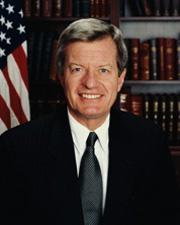 Sen. Max Baucus (D-MT)
What it changes
1 change to H.R. 4
Adds SEC. __. DIRECT CONGRESSIONAL ACCESS TO THE OFFICE OF THE CHIEF ACTUARY IN THE CENTERS FOR MEDICARE & MEDICAID SERVICES wherever appropriate
Adds a sectionInserted: SEC. __. DIRECT CONGRESSIONAL ACCESS TO THE OFFICE OF THE CHIEF ACTUARY IN THE CENTERS FOR MEDICARE & MEDICAID SERVICES.
Inserted: (a) Findings.--Congress finds the following:
Inserted: (1) In creating the Office of the Actuary in the Health Care Financing Administration (now known as the Centers for Medicare & Medicaid Services) with the enactment of the Balanced Budget Act of 1997, Congress intended that the Office would provide independent advice and analysis to assist in the development of health care legislation.
Inserted: (2) While the Congressional Budget Office would continue to serve as the official source for cost estimates for Congress, Congress created the Office of the Actuary in order to have--
Inserted: (A) an additional, independent source for estimates in the development of health care legislation; and
Inserted: (B) access to more detailed actuarial data and assumptions related to program participation, payments, and costs.
Inserted: (3) While the joint explanatory statement of the committee of conference contained in the conference report for the Balanced Budget Act of 1997 provided a clear statement of the Congressional intent described in paragraphs (1) and (2), Congressional access to the Office of the Actuary has been inappropriately restricted over the past year.
Inserted: (b) Access.--Section 1117(b) of the Social Security Act (42 U.S.C. 1317(b)), as amended by section 900(c) of the Medicare Prescription Drug, Improvement, and Modernization Act of 2003 (Public Law 108-173), is amended by adding at the end the following new paragraphs:
Inserted: "(4)(A) In exercising the duties of the office of the Chief Actuary, the Chief Actuary shall provide the committees of jurisdiction of Congress with independent counsel and technical assistance with respect to the programs under titles XVIII, XIX, and XXI.
Inserted: "(B)(i) The Chief Actuary may directly provide Congress with reports, comments on, and estimates of, the financial effects of potential legislation, and other actuarial information related to the programs described in subparagraph (A).
Inserted: "(ii) No officer or agency of the United States may require the Chief Actuary to submit to any officer or agency of the United States for approval, comments, or review, prior to the provision to Congress of such reports, comments, estimates, or other information.
Inserted: "(C)(i) Any person who knowingly interferes with the Chief Actuary in complying with subparagraph (A) or (B)(i) or who knowingly violates the requirement under subparagraph (B)(ii) shall be subject, in addition to any other penalties that may be prescribed by law, to a civil monetary penalty of not more than $250,000 for each violation involved.
Show 4 more inserted paragraphsShow less
Inserted: "(ii) The provisions of section 1128A (other than subsections (a) and (b)) shall apply to a civil money penalty under clause (i) in the same manner as they apply to a civil money penalty or proceeding under section 1128A(a).
Inserted: "(5) Beginning in 2005, on the same day the President submits to Congress the budget of the United States Government for the following fiscal year, the Chief Actuary shall submit to Congress, and publish on the Internet website of the Centers for Medicare & Medicaid Services, a report that contains--
Inserted: "(A) the Chief Actuary's 10-year projections and assumptions with respect to the programs under titles XVIII, XIX, and XXI, based on current-law baselines with respect to such programs; and
Inserted: "(B) cost estimates for proposed changes to the programs under titles XVIII, XIX, and XXI that are contained in such budget submission.".
The amendment doesn't say where this goes; the clerk decides.
Original wording
At the appropriate place, insert the following:
Read automatically from the Congressional Record. Check the original before relying on it.
As printed
SA 2971. Mr. BAUCUS (for himself, Mr. Daschle, Mr. Lautenberg, Mr. Graham of Florida, Mr. Kennedy, and Mrs. Clinton) submitted an amendment intended to be proposed by him to the bill H.R. 4, to reauthorize and improve the program of block grants to States for temporary assistance for needy families, improve access to quality child care, and for other purposes; which was ordered to lie on the table; as follows:
At the appropriate place, insert the following:
SEC. __. DIRECT CONGRESSIONAL ACCESS TO THE OFFICE OF THE CHIEF ACTUARY IN THE CENTERS FOR MEDICARE & MEDICAID SERVICES.
(a) Findings.--Congress finds the following:
(1) In creating the Office of the Actuary in the Health Care Financing Administration (now known as the Centers for Medicare & Medicaid Services) with the enactment of the Balanced Budget Act of 1997, Congress intended that the Office would provide independent advice and analysis to assist in the development of health care legislation.
(2) While the Congressional Budget Office would continue to serve as the official source for cost estimates for Congress, Congress created the Office of the Actuary in order to have--
(A) an additional, independent source for estimates in the development of health care legislation; and
(B) access to more detailed actuarial data and assumptions related to program participation, payments, and costs.
(3) While the joint explanatory statement of the committee of conference contained in the conference report for the Balanced Budget Act of 1997 provided a clear statement of the Congressional intent described in paragraphs (1) and (2), Congressional access to the Office of the Actuary has been inappropriately restricted over the past year.
(b) Access.--Section 1117(b) of the Social Security Act (42 U.S.C. 1317(b)), as amended by section 900(c) of the Medicare Prescription Drug, Improvement, and Modernization Act of 2003 (Public Law 108-173), is amended by adding at the end the following new paragraphs:
“(4)(A) In exercising the duties of the office of the Chief Actuary, the Chief Actuary shall provide the committees of jurisdiction of Congress with independent counsel and technical assistance with respect to the programs under titles XVIII, XIX, and XXI.
“(B)(i) The Chief Actuary may directly provide Congress with reports, comments on, and estimates of, the financial effects of potential legislation, and other actuarial information related to the programs described in subparagraph (A).
“(ii) No officer or agency of the United States may require the Chief Actuary to submit to any officer or agency of the United States for approval, comments, or review, prior to the provision to Congress of such reports, comments, estimates, or other information.
“(C)(i) Any person who knowingly interferes with the Chief Actuary in complying with subparagraph (A) or (B)(i) or who knowingly violates the requirement under subparagraph (B)(ii) shall be subject, in addition to any other penalties that may be prescribed by law, to a civil monetary penalty of not more than $250,000 for each violation involved.
“(ii) The provisions of section 1128A (other than subsections (a) and (b)) shall apply to a civil money penalty under clause (i) in the same manner as they apply to a civil money penalty or proceeding under section 1128A(a).
“(5) Beginning in 2005, on the same day the President submits to Congress the budget of the United States Government for the following fiscal year, the Chief Actuary shall submit to Congress, and publish on the Internet website of the Centers for Medicare & Medicaid Services, a report that contains--
“(A) the Chief Actuary's 10-year projections and assumptions with respect to the programs under titles XVIII, XIX, and XXI, based on current-law baselines with respect to such programs; and
“(B) cost estimates for proposed changes to the programs under titles XVIII, XIX, and XXI that are contained in such budget submission.”.
Legislative Activity
Stay on top of the latest movement without scrolling through every action
Senate amendment submitted
March 31, 2004