An amendment numbered 29 printed in House Report 109-49 to expand the definition of environmental justice; to direct each Federal Agency to establish an office of environmental justice; to reestablish the interagency Federal Working Group on Environmental Justice; and to require that Executive Order 12898 remain in force until changed by law.
What it does: Adds TITLE XXVII--ENVIRONMENTAL JUSTICE at the end of the bill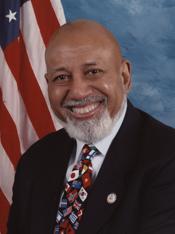 Rep. Alcee L. Hastings (D-FL)
Description
Amendment sought to codify Executive Order 12898 titled, "Federal Actions to Address Environmental Justice in Minority Populations and Low Income Populations"; provide a definition of "environmental justice"; establish offices of environmental justice in appropriate agencies; and reestablish the Interagency Federal Working Group on Environmental Justice.
What it changes
1 change to H.R. 6
We couldn't match these changes to the text of H.R. 6, so they're shown as written.
Adds TITLE XXVII--ENVIRONMENTAL JUSTICE at the end of the bill
Adds a titleInserted: TITLE XXVII--ENVIRONMENTAL JUSTICE
Inserted: SEC. 2701. EXECUTIVE ORDER 12898.
Inserted: The provisions of Executive Order 12898, dated February 11, 1994, pertaining to Federal actions to address environmental justice in minority populations and low-income populations, shall remain in force until changed by law. In carrying out such executive order, the provisions of this title shall apply.
Inserted: SEC. 2702. ADDITIONAL PROVISIONS RELATING TO ENVIRONMENTAL JUSTICE.
Inserted: (a) Definition of Environmental Justice.--For purposes of Executive Order 12898, environmental justice is the fair treatment and meaningful involvement of all people regardless of race, color, national origin, educational level, or income with respect to the development, implementation, and enforcement of environmental laws, regulations, and policies. Environmental justice seeks to ensure that minority and low-income communities have adequate access to public information relating to human health and environmental planning, regulations, and enforcement. Environmental justice ensures that no population, especially the elderly and children, are forced to shoulder a disproportionate burden of the negative human health and environmental impacts of pollution or other environmental hazard.
Inserted: (b) Identification and Prioritization of Environmental Justice Communities.--For purposes of Executive Order 12898, criteria for defining an environmental justice community shall include demographic characteristics, such as percentages of minority and low-income residents within an area, as well as--
Inserted: (1) health vulnerabilities, such as cancer mortality and incidence rate, infant mortality, low birth weight, asthma, and childhood lead poisoning; and
Inserted: (2) environmental conditions, such as facility density and proximity to Corrective Action/Superfund Sites, Enforcement Data (percent and number of uninspected facilities, percent and number of unaddressed violations, average and total penalty and air nonattainment status), emissions, attainment status, indoor air issues, 305b stream data, fish advisories, beach closings, and truck traffic.
Inserted: (c) Establishment of Offices of Environmental Justice.--For purposes of Executive Order 12898, each of the following shall establish an Office of Environmental Justice:
Inserted: (1) Department of Health and Human Services.
Inserted: (2) Department of Housing and Urban Development.
Inserted: (3) Department of Defense.
Show 49 more inserted paragraphsShow less
Inserted: (4) Department of Labor.
Inserted: (5) Department of Agriculture.
Inserted: (6) Department of Transportation.
Inserted: (7) Department of Justice.
Inserted: (8) Department of the Interior.
Inserted: (9) Department of Commerce.
Inserted: (10) Department of Energy.
Inserted: (11) Environmental Protection Agency.
Inserted: (12) Office of Management and Budget.
Inserted: (13) Office of Science and Technology Policy.
Inserted: (14) Office of the Deputy Assistant to the President for Environmental Policy.
Inserted: (15) Office of the Assistant to the President for Domestic Policy.
Inserted: (16) National Economic Council.
Inserted: (17) Council of Economic Advisers.
Inserted: (18) Such other Government officials as the President may designate.
Inserted: (d) Integration of Environmental Justice Policies in Agency Actions.--For purposes of the environmental justice strategies developed by agencies under Executive Order 12898, each agency shall integrate the strategy into the operation and mission of the agency and explicitly address compliance with this Act, including in the following activities:
Inserted: (1) Future rulemaking activities.
Inserted: (2) The development of any future guidance, environmental reviews (including NEPA, CAA, Federal Land Policy Act), regulation, or procedures for Federal agency programs, policies, or activities that affect human health or the environment.
Inserted: (e) Interagency Federal Working Group Coordination and Guidance.--The interagency Federal Working Group on Environmental Justice (in this section referred to as the "Working Group") shall--
Inserted: (1) coordinate an integrated environmental justice training plan for the Federal agencies and offices listed in subsection (c);
Inserted: (2) formalize public participation efforts;
Inserted: (3) survey the Federal agencies and offices to determine what is effective and how to best facilitate outreach without duplicating efforts;
Inserted: (4) develop a strategy for allocating responsibilities and ensuring participation, even when faced with competing agency priorities; and
Inserted: (5) coordinate plans to communicate research results so reporting and outreach activities produce more useful and timely information.
Inserted: (f) Agency Public Participation Efforts.--
Inserted: (1) Outreach efforts.--Each Federal agency listed in subsection (c) shall carry out and report outreach activities to the Working Group, including the following:
Inserted: (A) Respond directly to inquiries from the public and other stakeholders.
Inserted: (B) Maintain websites and listservers.
Inserted: (C) Produce and distribute hardcopy documents and multimedia products.
Inserted: (D) Conduct or sponsor briefings, lectures, and press conferences.
Inserted: (E) Testify before Congress or other government bodies.
Inserted: (F) Finance scholarships, fellowships, and internships.
Inserted: (G) Support museum exhibits and other public displays.
Inserted: (H) Sponsor, participate, or otherwise contribute to meetings attended by stakeholders.
Inserted: (I) Provide scientifically-sound content for K-12 education activities; and
Inserted: (J) fund outreach efforts managed outside the Federal Government.
Inserted: (2) Stakeholders.--To ensure their active public participation and to provide input early in environmental decision-making, Federal agencies along with the Working Group shall develop ways to enhance partnerships and coordination with stakeholders, including affected communities, Federal, Tribal, State, and local governments, environmental organizations, nonprofit organizations, academic institutions (including Historically Black Colleges and Universities (HBCUs), Hispanic Serving Institutions (HSIs), and Tribal Colleges), and business and industry.
Inserted: (g) Community Technology Centers.--
Inserted: (1) In general.--Federal agencies shall fund community technology centers to assist with technical assistance issues in the environmental justice area.
Inserted: (2) Description.--In this subsection, the term "community technology center" (CTC) refers to programs with the goal of providing at least 10 hours of open access a week for anyone in a community, especially youth and adults in low-income urban and rural communities, for purposes of providing technical assistance to communities experiencing issues of environmental hazards.
Inserted: (3) Location.--A community technology center may be located in places such as libraries, community centers, schools, churches, social service agencies, low-income residential housing complexes, and Minority Academic Institutions (such as Historically Black Colleges and Universities, Hispanic Serving Institutions, and Tribal Colleges).
Inserted: (4) Activities of community technology center.--A community technology center funded under this section shall--
Inserted: (A) assist community members in becoming active participants in cleanup and environmental development activities;
Inserted: (B) provide independent and credible technical assistance to communities affected by hazardous waste contamination;
Inserted: (C) review and interpret technical documents and other materials;
Inserted: (D) sponsor workshops, short courses, and other learning experiences to explain basic science and environmental policy;
Inserted: (E) inform community members about existing technical assistance materials, such as publications, videos, and web sites;
Inserted: (F) offer training to community leaders in facilitation and conflict resolution among stakeholders; and
Inserted: (G) create technical assistance materials tailored to the identified needs of a community.
Original wording
At the end of the bill, add the following new title:
Read automatically from the Congressional Record. Check the original before relying on it.
As printed
At the end of the bill, add the following new title:
TITLE XXVII--ENVIRONMENTAL JUSTICE
SEC. 2701. EXECUTIVE ORDER 12898.
The provisions of Executive Order 12898, dated February 11, 1994, pertaining to Federal actions to address environmental justice in minority populations and low-income populations, shall remain in force until changed by law. In carrying out such executive order, the provisions of this title shall apply.
SEC. 2702. ADDITIONAL PROVISIONS RELATING TO ENVIRONMENTAL JUSTICE.
(a) Definition of Environmental Justice.--For purposes of Executive Order 12898, environmental justice is the fair treatment and meaningful involvement of all people regardless of race, color, national origin, educational level, or income with respect to the development, implementation, and enforcement of environmental laws, regulations, and policies. Environmental justice seeks to ensure that minority and low-income communities have adequate access to public information relating to human health and environmental planning, regulations, and enforcement. Environmental justice ensures that no population, especially the elderly and children, are forced to shoulder a disproportionate burden of the negative human health and environmental impacts of pollution or other environmental hazard.
(b) Identification and Prioritization of Environmental Justice Communities.--For purposes of Executive Order 12898, criteria for defining an environmental justice community shall include demographic characteristics, such as percentages of minority and low-income residents within an area, as well as--
(1) health vulnerabilities, such as cancer mortality and incidence rate, infant mortality, low birth weight, asthma, and childhood lead poisoning; and
(2) environmental conditions, such as facility density and proximity to Corrective Action/Superfund Sites, Enforcement Data (percent and number of uninspected facilities, percent and number of unaddressed violations, average and total penalty and air nonattainment status), emissions, attainment status, indoor air issues, 305b stream data, fish advisories, beach closings, and truck traffic.
(c) Establishment of Offices of Environmental Justice.--For purposes of Executive Order 12898, each of the following shall establish an Office of Environmental Justice:
(1) Department of Health and Human Services.
(2) Department of Housing and Urban Development.
(3) Department of Defense.
(4) Department of Labor.
(5) Department of Agriculture.
(6) Department of Transportation.
(7) Department of Justice.
(8) Department of the Interior.
(9) Department of Commerce.
(10) Department of Energy.
(11) Environmental Protection Agency.
(12) Office of Management and Budget.
(13) Office of Science and Technology Policy.
(14) Office of the Deputy Assistant to the President for Environmental Policy.
(15) Office of the Assistant to the President for Domestic Policy.
(16) National Economic Council.
(17) Council of Economic Advisers.
(18) Such other Government officials as the President may designate.
(d) Integration of Environmental Justice Policies in Agency Actions.--For purposes of the environmental justice strategies developed by agencies under Executive Order 12898, each agency shall integrate the strategy into the operation and mission of the agency and explicitly address compliance with this Act, including in the following activities:
(1) Future rulemaking activities.
(2) The development of any future guidance, environmental reviews (including NEPA, CAA, Federal Land Policy Act), regulation, or procedures for Federal agency programs, policies, or activities that affect human health or the environment.
(e) Interagency Federal Working Group Coordination and Guidance.--The interagency Federal Working Group on Environmental Justice (in this section referred to as the “Working Group”) shall--
(1) coordinate an integrated environmental justice training plan for the Federal agencies and offices listed in subsection (c);
(2) formalize public participation efforts;
(3) survey the Federal agencies and offices to determine what is effective and how to best facilitate outreach without duplicating efforts;
(4) develop a strategy for allocating responsibilities and ensuring participation, even when faced with competing agency priorities; and
(5) coordinate plans to communicate research results so reporting and outreach activities produce more useful and timely information.
(f) Agency Public Participation Efforts.--
(1) Outreach efforts.--Each Federal agency listed in subsection (c) shall carry out and report outreach activities to the Working Group, including the following:
(A) Respond directly to inquiries from the public and other stakeholders.
(B) Maintain websites and listservers.
(C) Produce and distribute hardcopy documents and multimedia products.
(D) Conduct or sponsor briefings, lectures, and press conferences.
(E) Testify before Congress or other government bodies.
(F) Finance scholarships, fellowships, and internships.
(G) Support museum exhibits and other public displays.
(H) Sponsor, participate, or otherwise contribute to meetings attended by stakeholders.
(I) Provide scientifically-sound content for K-12 education activities; and
(J) fund outreach efforts managed outside the Federal Government.
(2) Stakeholders.--To ensure their active public participation and to provide input early in environmental decision-making, Federal agencies along with the Working Group shall develop ways to enhance partnerships and coordination with stakeholders, including affected communities, Federal, Tribal, State, and local governments, environmental organizations, nonprofit organizations, academic institutions (including Historically Black Colleges and Universities (HBCUs), Hispanic Serving Institutions (HSIs), and Tribal Colleges), and business and industry.
(g) Community Technology Centers.--
(1) In general.--Federal agencies shall fund community technology centers to assist with technical assistance issues in the environmental justice area.
(2) Description.--In this subsection, the term “community technology center” (CTC) refers to programs with the goal of providing at least 10 hours of open access a week for anyone in a community, especially youth and adults in low-income urban and rural communities, for purposes of providing technical assistance to communities experiencing issues of environmental hazards.
(3) Location.--A community technology center may be located in places such as libraries, community centers, schools, churches, social service agencies, low-income residential housing complexes, and Minority Academic Institutions (such as Historically Black Colleges and Universities, Hispanic Serving Institutions, and Tribal Colleges).
(4) Activities of community technology center.--A community technology center funded under this section shall--
(A) assist community members in becoming active participants in cleanup and environmental development activities;
(B) provide independent and credible technical assistance to communities affected by hazardous waste contamination;
(C) review and interpret technical documents and other materials;
(D) sponsor workshops, short courses, and other learning experiences to explain basic science and environmental policy;
(E) inform community members about existing technical assistance materials, such as publications, videos, and web sites;
(F) offer training to community leaders in facilitation and conflict resolution among stakeholders; and
(G) create technical assistance materials tailored to the identified needs of a community.
Legislative Activity
Stay on top of the latest movement without scrolling through every action
House amendment offered
April 21, 2005
View full timeline
House amendment offered
April 21, 2005
House amendment not agreed to: On agreeing to the Hastings (FL) amendment (A030) Failed by recorded vote: 185 - 243 (Roll no. 130).
April 21, 2005 • 4:11 PM
Roll call votes on amendments in House
April 21, 2005 • 4:11 PM
Amendment failed in Committee of the Whole
April 21, 2005 • 4:11 PM
House amendment offered/reported by : Amendment (A030) offered by Mr. Hastings (FL).(consideration: CR H2428-2431, H2437; text: CR H2428-2429)
April 21, 2005 • 2:48 PM
Amendment (A030) offered by Mr. Hastings (FL). (consideration: CR H2428-2431, H2437; text: CR H2428-2429)
April 21, 2005 • 2:48 PM
On agreeing to the Hastings (FL) amendment (A030) Failed by recorded vote: 185 - 243 (Roll no. 130).
April 21, 2005 • 4:11 PM
Votes
1 roll call on this amendment