To establish a laboratory science pilot program at the National Science Foundation.
What it does: Adds SEC. ___. PARTNERSHIPS FOR ACCESS TO LABORATORY SCIENCE PILOT PROGRAM at the end of division D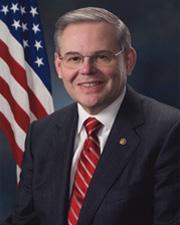 Sen. Robert Menendez (D-NJ)
What it changes
1 change to S. 761 · shown in the bill's text
Adds SEC. ___. PARTNERSHIPS FOR ACCESS TO LABORATORY SCIENCE PILOT PROGRAM at the end of division D
Adds a sectionIn S. 761 · Placed on Calendar Senate
"(C) Theme and structure.--Each year, not later than 180 days before the application deadline for a grant under this section, the Director shall, in consultation with a broad group of relevant education organizations, develop a theme and structure for the teacher institutes of the 21st century supported under paragraph (3)(B).".
Inserted: SEC. ___. PARTNERSHIPS FOR ACCESS TO LABORATORY SCIENCE PILOT PROGRAM.
Inserted: (a) Findings.--Congress finds the following:
Inserted: (1) To remain competitive in science and technology in the global economy, the United States must increase the number of students graduating from high school prepared to pursue postsecondary education in science, technology, engineering, and mathematics.
Inserted: (2) There is broad agreement in the scientific community that learning science requires direct involvement by students in scientific inquiry and that laboratory experience is so integral to the nature of science that it must be included in every science program for every science student.
Inserted: (3) In America's Lab Report, the National Research Council concluded that the current quality of laboratory experiences is poor for most students and that educators and researchers do not agree on how to define high school science laboratories or on their purpose, hampering the accumulation of research on how to improve labs.
Inserted: (4) The National Research Council found that schools with higher concentrations of non-Asian minorities and schools with higher concentrations of poor students are less likely to have adequate laboratory facilities than other schools.
Inserted: (5) The Government Accountability Office reported that 49.1 percent of schools where the minority student population is greater than 50.5 percent reported not meeting functional requirements for laboratory science well or at all.
Inserted: (6) 40 percent of those college students who left the science fields reported some problems related to high school science preparation, including lack of laboratory experience and no introduction to theoretical or to analytical modes of thought.
Inserted: (7) It is the national interest for the Federal Government to invest in research and demonstration projects to improve the teaching of laboratory science in the Nation's high schools.
Inserted: (b) Grant Program.--Section 8(8) of the National Science Foundation Authorization Act of 2002 (Public Law 107-368) is amended--
Inserted: (1) by redesignating subparagraphs (A) through (F) as clauses (i) through (vi), respectively, and indenting appropriately;
Inserted: (2) by moving the flush language at the end 2 ems to the right;
Show 21 more inserted paragraphsShow less
Inserted: (3) in the flush language at the end, by striking "paragraph" and inserting "subparagraph";
Inserted: (4) by striking "Initiative.--A program of" and inserting "initiative.--
Inserted: "(A) In general.--A program of"; and
Inserted: (5) by inserting at the end the following:
Inserted: "(B) Pilot program.--
Inserted: "(i) In general.--In accordance with subparagraph (A)(v), the Director shall establish a pilot program designated as 'Partnerships for Access to Laboratory Science' to award grants to partnerships to pay the Federal share of the costs of improving laboratories and providing instrumentation as part of a comprehensive program to enhance the quality of mathematics, science, engineering, and technology instruction at the secondary school level. Grants under this subparagraph may be used for--
Inserted: "(I) purchase, rental, or leasing of equipment, instrumentation, and other scientific educational materials;
Inserted: "(II) maintenance, renovation, and improvement of laboratory facilities;
Inserted: "(III) professional development and training for teachers;
Inserted: "(IV) development of instructional programs designed to integrate the laboratory experience with classroom instruction and to be consistent with State mathematics and science academic achievement standards;
Inserted: "(V) training in laboratory safety for school personnel;
Inserted: "(VI) design and implementation of hands-on laboratory experiences to encourage the interest of individuals identified in section 33 or 34 of the Science and Engineering Equal Opportunities Act (42 U.S.C. 1885a or 1885b) in mathematics, science, engineering, and technology and help prepare such individuals to pursue postsecondary studies in these fields; and
Inserted: "(VII) assessment of the activities funded under this subparagraph.
Inserted: "(ii) Partnership.--Grants awarded under clause (i) shall be to a partnership that--
Inserted: "(I) includes an institution of higher education or a community college;
Inserted: "(II) includes a high-need local educational agency;
Inserted: "(III) includes a business or eligible nonprofit organization; and
Inserted: "(IV) may include a State educational agency, other public agency, National Laboratory, or community-based organization.
Inserted: "(iii) Federal share.--The Federal share of the cost of activities carried out using amounts from a grant under clause (i) shall not exceed 50 percent.".
Inserted: (c) Report.--The Director of the National Science Foundation shall evaluate the effectiveness of activities carried out under the pilot projects funded by the grant program established pursuant to the amendment made by subsection (b) in improving student performance in mathematics, science, engineering, and technology. A report documenting the results of that evaluation shall be submitted to the Committee on Commerce, Science, and Transportation and the Committee on Health, Education, Labor, and Pensions of the Senate and the Committee on Science and Technology of the House of Representatives not later than 5 years after the date of enactment of this Act. The report shall identify best practices and materials developed and demonstrated by grant awardees.
Inserted: (d) Authorization of Appropriations.--There are authorized to be appropriated to the National Science Foundation to carry out this section and the amendments made by this section $5,000,000 for fiscal year 2008, and such sums as may be necessary for each of the 3 succeeding fiscal years.
Original wording
At the end of division D, insert the following:
Read automatically from the Congressional Record. Check the original before relying on it.
As printed
SA 926. Mr. MENENDEZ submitted an amendment intended to be proposed by him to the bill S. 761, to invest in innovation and education to improve the competitiveness of the United States in the global economy; which was ordered to lie on the table; as follows:
At the end of division D, insert the following:
SEC. ___. PARTNERSHIPS FOR ACCESS TO LABORATORY SCIENCE PILOT PROGRAM.
(a) Findings.--Congress finds the following:
(1) To remain competitive in science and technology in the global economy, the United States must increase the number of students graduating from high school prepared to pursue postsecondary education in science, technology, engineering, and mathematics.
(2) There is broad agreement in the scientific community that learning science requires direct involvement by students in scientific inquiry and that laboratory experience is so integral to the nature of science that it must be included in every science program for every science student.
(3) In America's Lab Report, the National Research Council concluded that the current quality of laboratory experiences is poor for most students and that educators and researchers do not agree on how to define high school science laboratories or on their purpose, hampering the accumulation of research on how to improve labs.
(4) The National Research Council found that schools with higher concentrations of non-Asian minorities and schools with higher concentrations of poor students are less likely to have adequate laboratory facilities than other schools.
(5) The Government Accountability Office reported that 49.1 percent of schools where the minority student population is greater than 50.5 percent reported not meeting functional requirements for laboratory science well or at all.
(6) 40 percent of those college students who left the science fields reported some problems related to high school science preparation, including lack of laboratory experience and no introduction to theoretical or to analytical modes of thought.
(7) It is the national interest for the Federal Government to invest in research and demonstration projects to improve the teaching of laboratory science in the Nation's high schools.
(b) Grant Program.--Section 8(8) of the National Science Foundation Authorization Act of 2002 (Public Law 107-368) is amended--
(1) by redesignating subparagraphs (A) through (F) as clauses (i) through (vi), respectively, and indenting appropriately;
(2) by moving the flush language at the end 2 ems to the right;
(3) in the flush language at the end, by striking “paragraph” and inserting “subparagraph”;
(4) by striking “Initiative.--A program of” and inserting “initiative.--
“(A) In general.--A program of”; and
(5) by inserting at the end the following:
“(B) Pilot program.--
“(i) In general.--In accordance with subparagraph (A)(v), the Director shall establish a pilot program designated as ‘Partnerships for Access to Laboratory Science' to award grants to partnerships to pay the Federal share of the costs of improving laboratories and providing instrumentation as part of a comprehensive program to enhance the quality of mathematics, science, engineering, and technology instruction at the secondary school level. Grants under this subparagraph may be used for--
“(I) purchase, rental, or leasing of equipment, instrumentation, and other scientific educational materials;
“(II) maintenance, renovation, and improvement of laboratory facilities;
“(III) professional development and training for teachers;
“(IV) development of instructional programs designed to integrate the laboratory experience with classroom instruction and to be consistent with State mathematics and science academic achievement standards;
“(V) training in laboratory safety for school personnel;
“(VI) design and implementation of hands-on laboratory experiences to encourage the interest of individuals identified in section 33 or 34 of the Science and Engineering Equal Opportunities Act (42 U.S.C. 1885a or 1885b) in mathematics, science, engineering, and technology and help prepare such individuals to pursue postsecondary studies in these fields; and
“(VII) assessment of the activities funded under this subparagraph.
“(ii) Partnership.--Grants awarded under clause (i) shall be to a partnership that--
“(I) includes an institution of higher education or a community college;
“(II) includes a high-need local educational agency;
“(III) includes a business or eligible nonprofit organization; and
“(IV) may include a State educational agency, other public agency, National Laboratory, or community-based organization.
“(iii) Federal share.--The Federal share of the cost of activities carried out using amounts from a grant under clause (i) shall not exceed 50 percent.”.
(c) Report.--The Director of the National Science Foundation shall evaluate the effectiveness of activities carried out under the pilot projects funded by the grant program established pursuant to the amendment made by subsection (b) in improving student performance in mathematics, science, engineering, and technology. A report documenting the results of that evaluation shall be submitted to the Committee on Commerce, Science, and Transportation and the Committee on Health, Education, Labor, and Pensions of the Senate and the Committee on Science and Technology of the House of Representatives not later than 5 years after the date of enactment of this Act. The report shall identify best practices and materials developed and demonstrated by grant awardees.
(d) Authorization of Appropriations.--There are authorized to be appropriated to the National Science Foundation to carry out this section and the amendments made by this section $5,000,000 for fiscal year 2008, and such sums as may be necessary for each of the 3 succeeding fiscal years.
Legislative Activity
Stay on top of the latest movement without scrolling through every action
Senate amendment proposed (on the floor): Amendment SA 926 proposed by Senator Bingaman for Senator Menendez.(consideration: CR S5057-5063)
April 25, 2007
View full timeline
Senate amendment proposed (on the floor): Amendment SA 926 proposed by Senator Bingaman for Senator Menendez.(consideration: CR S5057-5063)
April 25, 2007
Senate amendment agreed to: Amendment SA 926 as modified agreed to in Senate by Unanimous Consent.(text as modified: CR S5059)
April 25, 2007
Amendment SA 926 proposed by Senator Bingaman for Senator Menendez. (consideration: CR S5057-5063) To establish a laboratory science pilot program at the National Science Foundation.
April 25, 2007
Amendment SA 926 as modified agreed to in Senate by Unanimous Consent. (text as modified: CR S5059)
April 25, 2007
Senate amendment submitted
April 24, 2007