To carry out a pilot program to assess the feasibility and advisability of using service dogs for the treatment or rehabilitation of veterans with physical or mental injuries or disabilities.
What it does: Adds SEC. 1083. PILOT PROGRAM ON USE OF SERVICE DOGS FOR THE TREATMENT OR REHABILITATION OF VETERANS WITH PHYSICAL OR MENTAL INJURIES OR DISABILITIES at the end of subtitle H of title X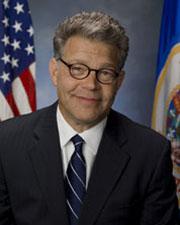 Sen. Al Franken (D-MN)
What it changes
1 change to S. 1390 · shown in the bill's text
Adds SEC. 1083. PILOT PROGRAM ON USE OF SERVICE DOGS FOR THE TREATMENT OR REHABILITATION OF VETERANS WITH PHYSICAL OR MENTAL INJURIES OR DISABILITIES at the end of subtitle H of title X
Adds a sectionIn S. 1390 · Placed on Calendar Senate
(d) Additional Terms and Conditions.--The Secretary may require such additional terms and conditions in connection with a conveyance under this section as the Secretary considers appropriate to protect the interests of the United States.
Inserted: SEC. 1083. PILOT PROGRAM ON USE OF SERVICE DOGS FOR THE TREATMENT OR REHABILITATION OF VETERANS WITH PHYSICAL OR MENTAL INJURIES OR DISABILITIES.
Inserted: (a) Findings.--Congress makes the following findings:
Inserted: (1) The United States owes a profound debt to those who have served the United States honorably in the Armed Forces.
Inserted: (2) Disabled veterans suffer from a range of physical and mental injuries and disabilities.
Inserted: (3) In 2008, the Army reported the highest level of suicides among its soldiers since it began tracking the rate 28 years before 2009.
Inserted: (4) A scientific study documented in the 2008 Rand Report entitled "Invisible Wounds of War" estimated that 300,000 veterans of Operation Enduring Freedom and Operation Iraqi Freedom currently suffer from post-traumatic stress disorder.
Inserted: (5) Veterans have benefitted in multiple ways from the provision of service dogs.
Inserted: (6) The Department of Veterans Affairs has been successfully placing guide dogs with the blind since 1961.
Inserted: (7) Thousands of dogs around the country await adoption.
Inserted: (b) Program Required.--Not later than 120 days after the date of the enactment of this Act, the Secretary of Veterans Affairs shall commence a three-year pilot program to assess the benefits, feasibility, and advisability of using service dogs for the treatment or rehabilitation of veterans with physical or mental injuries or disabilities, including post-traumatic stress disorder.
Inserted: (c) Partnerships.--
Inserted: (1) In general.--The Secretary shall carry out the pilot program by partnering with nonprofit organizations that--
Show 22 more inserted paragraphsShow less
Inserted: (A) have experience providing service dogs to individuals with injuries or disabilities;
Inserted: (B) do not charge fees for the dogs, services, or lodging that they provide; and
Inserted: (C) are accredited by a generally accepted industry-standard accrediting institution.
Inserted: (2) Reimbursement of costs.--The Secretary shall reimburse partners for costs relating to the pilot program as follows:
Inserted: (A) For the first 50 dogs provided under the pilot program, all costs relating to the provision of such dogs.
Inserted: (B) For dogs provided under the pilot program after the first 50 dogs provided, all costs relating to the provision of every other dog.
Inserted: (d) Participation.--
Inserted: (1) In general.--As part of the pilot program, the Secretary shall provide a service dog to a number of veterans with physical or mental injuries or disabilities that is greater than or equal to the greater of--
Inserted: (A) 200; and
Inserted: (B) the minimum number of such veterans required to produce scientifically valid results with respect to assessing the benefits and costs of the use of such dogs for the treatment or rehabilitation of such veterans.
Inserted: (2) Composition.--The Secretary shall ensure that--
Inserted: (A) half of the participants in the pilot program are veterans who suffer primarily from a mental health injury or disability; and
Inserted: (B) half of the participants in the pilot program are veterans who suffer primarily from a physical injury or disability.
Inserted: (e) Study.--In carrying out the pilot program, the Secretary shall conduct a scientifically valid research study of the costs and benefits associated with the use of service dogs for the treatment or rehabilitation of veterans with physical or mental injuries or disabilities. The matters studied shall include the following:
Inserted: (1) The therapeutic benefits to such veterans, including the quality of life benefits reported by the veterans partaking in the pilot program.
Inserted: (2) The economic benefits of using service dogs for the treatment or rehabilitation of such veterans, including--
Inserted: (A) savings on health care costs, including savings relating to reductions in hospitalization and reductions in the use of prescription drugs; and
Inserted: (B) productivity and employment gains for the veterans.
Inserted: (3) The effectiveness of using service dogs to prevent suicide.
Inserted: (f) Reports.--
Inserted: (1) Annual report of the secretary.--After each year of the pilot program, the Secretary shall submit to Congress a report on the findings of the Secretary with respect to the pilot program.
Inserted: (2) Final report by the national academy of sciences.--Not later than 180 days after the date of the completion of the pilot program, the National Academy of Sciences shall submit to Congress a report on the results of the pilot program.
Original wording
At the end of subtitle H of title X, add the following:
Read automatically from the Congressional Record. Check the original before relying on it.
As printed
SA 1717. Mr. FRANKEN (for himself, Mr. Isakson, Ms. Landrieu, Mr. Graham, Mr. Brown, and Mr. Begich) submitted an amendment intended to be proposed by him to the bill S. 1390, to authorize appropriations for fiscal year 2010 for military activities of the Department of Defense, for military construction, and for defense activities of the Department of Energy, to prescribe military personnel strengths for such fiscal year, and for other purposes; which was ordered to lie on the table; as follows:
At the end of subtitle H of title X, add the following:
SEC. 1083. PILOT PROGRAM ON USE OF SERVICE DOGS FOR THE TREATMENT OR REHABILITATION OF VETERANS WITH PHYSICAL OR MENTAL INJURIES OR DISABILITIES.
(a) Findings.--Congress makes the following findings:
(1) The United States owes a profound debt to those who have served the United States honorably in the Armed Forces.
(2) Disabled veterans suffer from a range of physical and mental injuries and disabilities.
(3) In 2008, the Army reported the highest level of suicides among its soldiers since it began tracking the rate 28 years before 2009.
(4) A scientific study documented in the 2008 Rand Report entitled “Invisible Wounds of War” estimated that 300,000 veterans of Operation Enduring Freedom and Operation Iraqi Freedom currently suffer from post-traumatic stress disorder.
(5) Veterans have benefitted in multiple ways from the provision of service dogs.
(6) The Department of Veterans Affairs has been successfully placing guide dogs with the blind since 1961.
(7) Thousands of dogs around the country await adoption.
(b) Program Required.--Not later than 120 days after the date of the enactment of this Act, the Secretary of Veterans Affairs shall commence a three-year pilot program to assess the benefits, feasibility, and advisability of using service dogs for the treatment or rehabilitation of veterans with physical or mental injuries or disabilities, including post-traumatic stress disorder.
(c) Partnerships.--
(1) In general.--The Secretary shall carry out the pilot program by partnering with nonprofit organizations that--
(A) have experience providing service dogs to individuals with injuries or disabilities;
(B) do not charge fees for the dogs, services, or lodging that they provide; and
(C) are accredited by a generally accepted industry-standard accrediting institution.
(2) Reimbursement of costs.--The Secretary shall reimburse partners for costs relating to the pilot program as follows:
(A) For the first 50 dogs provided under the pilot program, all costs relating to the provision of such dogs.
(B) For dogs provided under the pilot program after the first 50 dogs provided, all costs relating to the provision of every other dog.
(d) Participation.--
(1) In general.--As part of the pilot program, the Secretary shall provide a service dog to a number of veterans with physical or mental injuries or disabilities that is greater than or equal to the greater of--
(A) 200; and
(B) the minimum number of such veterans required to produce scientifically valid results with respect to assessing the benefits and costs of the use of such dogs for the treatment or rehabilitation of such veterans.
(2) Composition.--The Secretary shall ensure that--
(A) half of the participants in the pilot program are veterans who suffer primarily from a mental health injury or disability; and
(B) half of the participants in the pilot program are veterans who suffer primarily from a physical injury or disability.
(e) Study.--In carrying out the pilot program, the Secretary shall conduct a scientifically valid research study of the costs and benefits associated with the use of service dogs for the treatment or rehabilitation of veterans with physical or mental injuries or disabilities. The matters studied shall include the following:
(1) The therapeutic benefits to such veterans, including the quality of life benefits reported by the veterans partaking in the pilot program.
(2) The economic benefits of using service dogs for the treatment or rehabilitation of such veterans, including--
(A) savings on health care costs, including savings relating to reductions in hospitalization and reductions in the use of prescription drugs; and
(B) productivity and employment gains for the veterans.
(3) The effectiveness of using service dogs to prevent suicide.
(f) Reports.--
(1) Annual report of the secretary.--After each year of the pilot program, the Secretary shall submit to Congress a report on the findings of the Secretary with respect to the pilot program.
(2) Final report by the national academy of sciences.--Not later than 180 days after the date of the completion of the pilot program, the National Academy of Sciences shall submit to Congress a report on the results of the pilot program.
Legislative Activity
Stay on top of the latest movement without scrolling through every action
Senate amendment agreed to: Amendment SA 1717 agreed to in Senate by Unanimous Consent.
July 23, 2009
View full timeline
Senate amendment agreed to: Amendment SA 1717 agreed to in Senate by Unanimous Consent.
July 23, 2009
Senate amendment proposed (on the floor): Amendment SA 1717 proposed by Senator Levin for Senator Franken.(consideration: CR S8005-8017; text: CR S8011-8012)
July 23, 2009
Amendment SA 1717 proposed by Senator Levin for Senator Franken. (consideration: CR S8005-8017; text: CR S8011-8012) To carry out a pilot program to assess the feasibility and advisability of using service dogs for the treatment or rehabilitation of veterans with physical or mental injuries or disabilities.
July 23, 2009
Amendment SA 1717 agreed to in Senate by Unanimous Consent.
July 23, 2009
Senate amendment submitted
July 22, 2009