In the nature of a substitute.
What it does: Replaces the resolution's text with a full substitute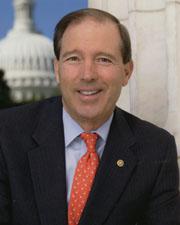 Sen. Tom Udall (D-NM)
Replaces the resolution's text with a full substitute
Replaces the full textEverything after the resolving clauseRemoves all after the resolving clause.
Inserted: SECTION 1. DEBATE ON MOTIONS TO PROCEED.
Inserted: Rule VIII of the Standing Rules of the Senate is amended by striking paragraph 2 and inserting the following:
Inserted: "2. Debate on a motion to proceed to the consideration of any matter, and any debatable motion or appeal in connection therewith, shall be limited to not more than 2 hours, to be equally divided between, and controlled by, the majority leader and the minority leader or their designees except for a motion to go into executive session to consider a specified item of executive business and a motion to proceed to consider any privileged matter, which shall not be debatable.".
Inserted: SEC. 2. ELIMINATING SECRET HOLDS.
Inserted: Rule VIII of the Standing Rules of the Senate is amended by inserting at the end the following:
Inserted: "3. No Senator may object on behalf of another Senator without disclosing the name of that Senator.".
Inserted: SEC. 3. RIGHT TO OFFER AMENDMENTS.
Inserted: Paragraph 2 of rule XXII of the Standing Rules of the Senate is amended by inserting at the end the following:
Inserted: "After the filing of a cloture motion under this paragraph but prior to a vote on such motion, the Majority Leader and the Minority Leader may each offer not to exceed 3 amendments identified as leadership amendments if they have been timely filed under this paragraph and are germane to the matter being amended. Debate on a leadership amendment shall be limited to 1 hour equally divided. A leadership amendment may not be divided. A leadership amendment shall require the approval of at least three-fifths of the Senators duly chosen and sworn.".
Inserted: SEC. 4. EXTENDED DEBATE.
Inserted: Paragraph 2 of rule XXII of the Standing Rules of the Senate is amended--
Inserted: (1) by designating the first 3 undesignated paragraphs as subparagraphs (a), (b), and (d), respectively;
Show 19 more inserted paragraphsShow less
Inserted: (2) in subparagraph (d), as designated by paragraph (1), by striking "Thereafter" and inserting "If the Senate agrees to bring debate to a close under subparagraphs (b) or (c), thereafter"; and
Inserted: (3) by inserting after subparagraph (b), as designated by paragraph (1), the following:
Inserted: "(c)(1) If the Senate has voted against closing debate on a measure, motion, or other matter under subparagraph (b), but a majority of senators present and voting have voted to bring debate to a close, then the procedures under this subparagraph shall be in order at any time, so long as that measure, motion or other matter has continued as the only pending business subsequent to the vote against closing debate.
Inserted: "(2) Under the circumstances described in clause (1), it shall be in order for the Majority Leader or his designee to move to bring debate on the pending measure, motion, or other matter to a close on the grounds that no Senator seeks recognition to debate the matter. Immediately after the motion is made and before putting the question thereon, the Presiding Officer shall immediately inquire whether any Senator seeks recognition for the purpose of debating the measure, motion or other matter on which the Senate had previously voted against closing debate under subparagraph (b). If a Senator seeks recognition for that purpose, the Presiding Officer shall announce that the Senate is proceeding under extended debate, and shall recognize a Senator who seeks recognition for debate. After the Presiding Officer's announcement under the preceding sentence the Senate shall continue to proceed under extended debate subject to the conditions provided in clause (3). Notwithstanding rule XIX, Senators may speak more than twice on a question during extended debate.
Inserted: "(3)(A) If the Senate enters into extended debate under this clause, no dilatory motions, motions to suspend any rule or any part thereof, nor dilatory quorum calls shall be entertained.
Inserted: "(B) If during extended debate the proceedings described in either subclause (C), (D), or (E) occur and unless the Majority Leader or his designee withdraws the motion made under clause (2), the Senate shall proceed immediately to vote on that motion or to vote at a time designated by the Majority Leader or his designee within the next 4 calendar days of Senate session. When voted on, that motion shall be decided by a majority of Senators chosen and sworn.
Inserted: "(C) If, at any point during extended debate when no Senator is recognized, no Senator seeks recognition, the Presiding Officer shall renew the inquiry as to whether a Senator seeks recognition and shall recognize a Senator who seeks recognition for the purpose of debate. If no Senator then seeks recognition (or if no Senator sought recognition in response to the Presiding Officer's inquiry under clause (2)), the Senate shall dispose of the motion of the Majority Leader (or his designee) to bring debate to a close pursuant to clause (2), in the manner specified in subclause (B).
Inserted: "(D)(i) If, at any point during extended debate, a Senator raises a question of the presence of a quorum, the Presiding Officer shall renew the inquiry as to whether a Senator seeks recognition, and shall recognize a Senator who seeks recognition for debate.
Inserted: "(ii) If no Senator then seeks recognition for debate--
Inserted: "(I) the Presiding Officer shall direct the Clerk to call the roll;
Inserted: "(II) upon the establishment of a quorum, the Senate shall dispose of the motion of the Majority Leader (or his designee) to bring debate to a close pursuant to clause (2) in the manner specified in subclause (B); and
Inserted: "(III) if the Senate adjourns for lack of a quorum and when the Senate next convenes and the morning hour or any period for morning business is expired or is deemed to be expired, the Senate shall dispose of the motion of the Majority Leader (or his designee) made to bring debate to a close pursuant to clause (2) in the manner specified in subclause (B).
Inserted: "(E)(i) If, at any point during extended debate, a Senator having been recognized moves to adjourn, recess, postpone the pending matter, or proceed to other business, then unless the motion is made or seconded by the Majority Leader or his designee, the Presiding Officer shall renew the inquiry as to whether a Senator seeks recognition, and shall recognize a Senator who seeks recognition for debate, and said motion shall be considered withdrawn. If no Senator then seeks recognition for debate, then the Presiding Officer shall immediately put the question on the motion offered, unless the vote is delayed as provided in subclause (F).
Inserted: "(ii) If the Senate agrees to a motion to adjourn or recess it shall resume consideration of the pending measure, motion or other matter pending at the time of adjournment or recess when it first takes up business after it next reconvenes, and the Senate shall still be in a period of extended debate. Upon the negative disposition of the motion to adjourn, recess, postpone, or proceed to other business, unless such motion was made by the majority leader or his designee, the Senate shall dispose of the motion of the Majority Leader (or his designee) to bring debate to a close pursuant to clause (2) in the manner specified in subclause (B).
Inserted: "(F) During a period of extended debate, the Majority Leader or his designee may delay any vote until a designated time within the next 4 calendar days of Senate session, and any votes ordered or occurring thereafter shall likewise be delayed.
Inserted: "(4) If the motion of the Majority Leader to bring debate to a close pursuant to clause (3)(B) is agreed to by a majority of Senators chosen and sworn, the Presiding Officer shall announce that extended debate is ended and that the measure, motion, or other matter pending before the Senate shall be the unfinished business to the exclusion of all other business until disposed of and further proceedings on the measure, motion or other matter shall occur in accordance with subparagraph (d). If the Majority Leader withdraws the motion to bring debate to a close pursuant to clause (3)(B) or that motion is not agreed to by a majority of Senators chosen and sworn the Presiding Officer shall announce that extended debate is ended.
Inserted: "(5) If extended debate on a measure, motion or other matter is ended under this subparagraph, other than by agreement to the motion made by the Majority Leader under clause (4), further consideration of the measure, motion or other matter shall occur as otherwise provided by the rules, except that if the Senate subsequently again votes against closing debate under subparagraph (b), the procedures under this subparagraph shall apply.".
Inserted: SEC. 5. POSTCLOTURE DEBATE ON NOMINATIONS.
Inserted: The second undesignated paragraph of paragraph 2 of rule XXII of the Standing Rules of the Senate is amended by inserting at the end the following: "If the matter on which cloture is invoked is a nomination, the period of time for debate shall be 2 hours.".
Original wording
Strike all after the resolving clause and insert the following:
Read automatically from the Congressional Record. Check the original before relying on it.
As printed
SA 1. Mr. UDALL of New Mexico proposed an amendment to the resolution S. Res. 10, to improve the debate and consideration of legislative matters and nominations in the Senate; as follows:
Strike all after the resolving clause and insert the following:
SECTION 1. DEBATE ON MOTIONS TO PROCEED.
Rule VIII of the Standing Rules of the Senate is amended by striking paragraph 2 and inserting the following:
“2. Debate on a motion to proceed to the consideration of any matter, and any debatable motion or appeal in connection therewith, shall be limited to not more than 2 hours, to be equally divided between, and controlled by, the majority leader and the minority leader or their designees except for a motion to go into executive session to consider a specified item of executive business and a motion to proceed to consider any privileged matter, which shall not be debatable.”.
SEC. 2. ELIMINATING SECRET HOLDS.
Rule VIII of the Standing Rules of the Senate is amended by inserting at the end the following:
“3. No Senator may object on behalf of another Senator without disclosing the name of that Senator.”.
SEC. 3. RIGHT TO OFFER AMENDMENTS.
Paragraph 2 of rule XXII of the Standing Rules of the Senate is amended by inserting at the end the following:
“After the filing of a cloture motion under this paragraph but prior to a vote on such motion, the Majority Leader and the Minority Leader may each offer not to exceed 3 amendments identified as leadership amendments if they have been timely filed under this paragraph and are germane to the matter being amended. Debate on a leadership amendment shall be limited to 1 hour equally divided. A leadership amendment may not be divided. A leadership amendment shall require the approval of at least three-fifths of the Senators duly chosen and sworn.”.
SEC. 4. EXTENDED DEBATE.
Paragraph 2 of rule XXII of the Standing Rules of the Senate is amended--
(1) by designating the first 3 undesignated paragraphs as subparagraphs (a), (b), and (d), respectively;
(2) in subparagraph (d), as designated by paragraph (1), by striking “Thereafter” and inserting “If the Senate agrees to bring debate to a close under subparagraphs (b) or (c), thereafter”; and
(3) by inserting after subparagraph (b), as designated by paragraph (1), the following:
“(c)(1) If the Senate has voted against closing debate on a measure, motion, or other matter under subparagraph (b), but a majority of senators present and voting have voted to bring debate to a close, then the procedures under this subparagraph shall be in order at any time, so long as that measure, motion or other matter has continued as the only pending business subsequent to the vote against closing debate.
“(2) Under the circumstances described in clause (1), it shall be in order for the Majority Leader or his designee to move to bring debate on the pending measure, motion, or other matter to a close on the grounds that no Senator seeks recognition to debate the matter. Immediately after the motion is made and before putting the question thereon, the Presiding Officer shall immediately inquire whether any Senator seeks recognition for the purpose of debating the measure, motion or other matter on which the Senate had previously voted against closing debate under subparagraph (b). If a Senator seeks recognition for that purpose, the Presiding Officer shall announce that the Senate is proceeding under extended debate, and shall recognize a Senator who seeks recognition for debate. After the Presiding Officer's announcement under the preceding sentence the Senate shall continue to proceed under extended debate subject to the conditions provided in clause (3). Notwithstanding rule XIX, Senators may speak more than twice on a question during extended debate.
“(3)(A) If the Senate enters into extended debate under this clause, no dilatory motions, motions to suspend any rule or any part thereof, nor dilatory quorum calls shall be entertained.
“(B) If during extended debate the proceedings described in either subclause (C), (D), or (E) occur and unless the Majority Leader or his designee withdraws the motion made under clause (2), the Senate shall proceed immediately to vote on that motion or to vote at a time designated by the Majority Leader or his designee within the next 4 calendar days of Senate session. When voted on, that motion shall be decided by a majority of Senators chosen and sworn.
“(C) If, at any point during extended debate when no Senator is recognized, no Senator seeks recognition, the Presiding Officer shall renew the inquiry as to whether a Senator seeks recognition and shall recognize a Senator who seeks recognition for the purpose of debate. If no Senator then seeks recognition (or if no Senator sought recognition in response to the Presiding Officer's inquiry under clause (2)), the Senate shall dispose of the motion of the Majority Leader (or his designee) to bring debate to a close pursuant to clause (2), in the manner specified in subclause (B).
“(D)(i) If, at any point during extended debate, a Senator raises a question of the presence of a quorum, the Presiding Officer shall renew the inquiry as to whether a Senator seeks recognition, and shall recognize a Senator who seeks recognition for debate.
“(ii) If no Senator then seeks recognition for debate--
“(I) the Presiding Officer shall direct the Clerk to call the roll;
“(II) upon the establishment of a quorum, the Senate shall dispose of the motion of the Majority Leader (or his designee) to bring debate to a close pursuant to clause (2) in the manner specified in subclause (B); and
“(III) if the Senate adjourns for lack of a quorum and when the Senate next convenes and the morning hour or any period for morning business is expired or is deemed to be expired, the Senate shall dispose of the motion of the Majority Leader (or his designee) made to bring debate to a close pursuant to clause (2) in the manner specified in subclause (B).
“(E)(i) If, at any point during extended debate, a Senator having been recognized moves to adjourn, recess, postpone the pending matter, or proceed to other business, then unless the motion is made or seconded by the Majority Leader or his designee, the Presiding Officer shall renew the inquiry as to whether a Senator seeks recognition, and shall recognize a Senator who seeks recognition for debate, and said motion shall be considered withdrawn. If no Senator then seeks recognition for debate, then the Presiding Officer shall immediately put the question on the motion offered, unless the vote is delayed as provided in subclause (F).
“(ii) If the Senate agrees to a motion to adjourn or recess it shall resume consideration of the pending measure, motion or other matter pending at the time of adjournment or recess when it first takes up business after it next reconvenes, and the Senate shall still be in a period of extended debate. Upon the negative disposition of the motion to adjourn, recess, postpone, or proceed to other business, unless such motion was made by the majority leader or his designee, the Senate shall dispose of the motion of the Majority Leader (or his designee) to bring debate to a close pursuant to clause (2) in the manner specified in subclause (B).
“(F) During a period of extended debate, the Majority Leader or his designee may delay any vote until a designated time within the next 4 calendar days of Senate session, and any votes ordered or occurring thereafter shall likewise be delayed.
“(4) If the motion of the Majority Leader to bring debate to a close pursuant to clause (3)(B) is agreed to by a majority of Senators chosen and sworn, the Presiding Officer shall announce that extended debate is ended and that the measure, motion, or other matter pending before the Senate shall be the unfinished business to the exclusion of all other business until disposed of and further proceedings on the measure, motion or other matter shall occur in accordance with subparagraph (d). If the Majority Leader withdraws the motion to bring debate to a close pursuant to clause (3)(B) or that motion is not agreed to by a majority of Senators chosen and sworn the Presiding Officer shall announce that extended debate is ended.
“(5) If extended debate on a measure, motion or other matter is ended under this subparagraph, other than by agreement to the motion made by the Majority Leader under clause (4), further consideration of the measure, motion or other matter shall occur as otherwise provided by the rules, except that if the Senate subsequently again votes against closing debate under subparagraph (b), the procedures under this subparagraph shall apply.”.
SEC. 5. POSTCLOTURE DEBATE ON NOMINATIONS.
The second undesignated paragraph of paragraph 2 of rule XXII of the Standing Rules of the Senate is amended by inserting at the end the following: “If the matter on which cloture is invoked is a nomination, the period of time for debate shall be 2 hours.”.
Legislative Activity
Stay on top of the latest movement without scrolling through every action
Senate amendment proposed (on the floor): Amendment SA 1 proposed by Senator Udall NM.
January 27, 2011
View full timeline
Senate amendment proposed (on the floor): Amendment SA 1 proposed by Senator Udall NM.
January 27, 2011
Senate amendment agreed to: Amendment SA 1 agreed to in Senate by Unanimous Consent.
January 27, 2011
Senate amendment submitted
January 27, 2011
Amendment SA 1 proposed by Senator Udall NM. (consideration: CR S296-297; text: CR S296-297) In the nature of a substitute.
January 27, 2011
Amendment SA 1 agreed to in Senate by Unanimous Consent.
January 27, 2011