To amend title II of the Social Security Act to permit Kentucky to operate a separate retirement system for certain public employees.
Legislative Activity
Stay on top of the latest movement without scrolling through every action
Referred to the Subcommittee on Social Security.
January 16, 2003
View full timeline
Introduced in House
January 7, 2003
Referred to the House Committee on Ways and Means.
January 7, 2003
Referred to the Subcommittee on Social Security.
January 16, 2003
Floor Debate
18 membersWhat members said about H.R. 134 on the floor
 ECS
ECS LD
LD KB
KB GG
GG KCH+13
Floor Debate
18 membersWhat members said about H.R. 134 on the floor
Madam Speaker, I move to suspend the rules and pass the bill (H.R. 743) to amend the Social Security Act and the Internal Revenue Code of 1986 to provide additional safeguards for Social Security and…
Madam Speaker, I move to suspend the rules and pass the bill (H.R. 743) to amend the Social Security Act and the Internal Revenue Code of 1986 to provide additional safeguards for Social Security and Supplemental Security Income beneficiaries with representative payees, to enhance the program protections, and for other purposes, as amended.
Madam Speaker, I yield myself such time as I may consume.
Madam Speaker, Social Security, as everyone in this Chamber knows, touches the lives of virtually every American and serves as a vital safety net for those who retire, become disabled or die. Nearly $500 billion in Social Security and supplemental security income benefits were paid last year to about 50 million retired and disabled workers their families and SSI recipients. These costs represent close to one- fourth of all Federal outlays last year. More importantly, as baby boomers approach retirement age, Social Security's and SSI's combined benefit outlays are expected to double by the time children born this year finish high school. Programs as important, as comprehensive as these require our constant vigilance. We must act today to address inadequate protections for beneficiaries and the programs in order to avoid potentially tragic consequences in the future.
This is why I urge all Members to support the Social Security Protection Act of 2003. This is a bipartisan bill introduced earlier this month by myself and the gentleman from California (Mr. Matsui) along with other Members of Congress. The Protection Act will give the Social Security Administration the additional tools needed to fight activities that drain resources from Social Security and undermine the financial security of beneficiaries.
First, this bill protects the one in eight Social Security and SSI beneficiaries who cannot, for physical or mental reasons, handle their own funds. For these persons, the Social Security Administration appoints an individual or organization called a representative payee to manage their benefits. While most representative payees are conscientious and they are honest, some violate the trust placed in them.
The Social Security Inspector General reported that in the late 1990's over 2,400 representative payees missed about $12 million in benefits. This bill raises the standard for persons and organizations serving as representative payees and imposes stricter regulation and monetary penalties on those who mismanage benefits.
Second, this bill picks up where legislation enacted in 1996 let off in ending benefit payments to those who committed crimes. That legislation denied SSI benefits to fugitive felons. However, these criminals are still allowed to receive Social Security benefits. The Congressional Budget Office estimates that they will pay $526 million out of the Social Security trust fund to these law-breakers over the next 10 years. This is not right, and this legislation denies them these benefits.
The Protection Act also provides tools to further safeguard Social Security programs. Our goals are to help shield Social Security employees from harm while conducting their duties, expanding the Inspector General's ability to stop perpetrators of fraud through new civil monetary penalties, and prevent people from misrepresenting themselves as they provide Social Security-related services.
On top of this, the bill helps individuals with disabilities by, one, making it easier for them to obtain legal representation while applying for benefits by improving the attorney fee withholding process; two, enhancing provisions of the Ticket to Work Program; and, three, encouraging more employers to hire individuals with disabilities by expanding eligibility for the Work Opportunity Tax Credit.
Finally, the bill contains several provisions aimed at correcting inequities in the law regarding benefit coverage and receipt, as well as making technical corrections to the law.
It is our and the agency's duty to protect Social Security programs and the beneficiaries. This bill is the accumulation of bipartisan efforts towards that, and as well as the cooperation and support of the Social Security Administration and the Social Security Inspector General. That is why the 107th Congress's version of the bill, the Social Security Protection Act of 2002, passed this House by an overwhelming bipartisan support of 425 to 0 and passed the Senate as amended under unanimous consent.
I urge the Members today to finish the good work begun in the 107th Congress and vote in favor of the Social Security Protection Act. We must enact these changes quickly to protect the most vulnerable beneficiaries and to stop Social Security from hemorrhaging precious dollars through fraud and benefit misuse.
Mr. Speaker, I reserve the balance of my time.
Mr. Speaker, I insert for the Record two documents. The first is bipartisan summary report language, including a detailed summary of current law and an explanation of each provision and the reasons for the change. The second is a list of organizations, including AARP, that provided letters of support for this bill, with those letters attached.
``The Social Security Protection Act of 2003'' Summary
Mr. Speaker, I yield 2 minutes to the gentleman from California (Mr. Herger), a valued member of the subcommittee.
Mr. Speaker, I yield 2 minutes to the gentleman from Arizona (Mr. Hayworth), another valued member of the Subcommittee on Social Security of the Committee on Ways and Means.
Mr. Speaker, I yield myself such time as I may consume to say to the gentlewoman from Texas that this levels the playing field and treats the people, or the teachers in Texas as other teachers throughout the entire country.
Mr. Speaker, I yield 3 minutes to the gentleman from Missouri (Mr. Hulshof), another valued member of the Committee on Ways and Means.
Mr. Speaker, I yield myself 1 minute.
Mr. Speaker, I remind Members who are going to vote on this issue who are zeroing in on this one small part of this bill, where we have a two-worker family both paying into Social Security, one dies, the survivor either gets their earned benefit or the survivor benefit, whichever is greater.
But in Texas where you have one spouse who has paid nothing into Social Security but paid all into their pension plan, they would receive, if they worked 1 day under the Social Security system, they would receive their full pension and survivor benefits. All we are trying to do is to say if someone works 5 years under Social Security, they can get both. But if they work 1 day, they cannot get both.
This is trying to level the playing field for the millions of teachers, firefighters and others across this country who have paid into Social Security, to level the playing field so the people who never paid into Social Security are not getting a better deal. It is as simple as that.
Mr. Speaker, I reserve the balance of my time.
Mr. Speaker, I yield 4 minutes to the gentleman from Texas (Mr. Brady), a valued member of the Ways and Means subcommittee.
Mr. Speaker, I would remind the other speaker that what we did was picked up the language that the Democrat-controlled Senate passed by unanimous consent in the last Congress and put it in this bill and now have brought it to the floor.
Mr. Speaker, I yield 30 seconds to the gentleman from Texas (Mr. Brady).
Mr. Speaker, I yield myself the balance of my time.
Mr. Speaker, I would like to remind the House, even though we have been talking about the Texas situation over most of the time that has been allocated to this bill, exactly what this bill does and exactly why it is and does receive such high bipartisan support. This holds representative payees accountable for mismanaging benefits and increases representative payee oversight. We support that and you support that. It denies Social Security benefits to fugitive felons. That is right. I support that. You support that. It deters fraud by creating new civil penalties for Social Security fraud. All of us agree to that. It helps individuals with disabilities gain access to representation. These are the people that need it most. We agree with that. You agree with that. It helps disabled beneficiaries return to work. This is something that I think that this Congress has done with a ticket to work, and I think have done it in the best tradition of this House, in a very bipartisan way.
Now we come to a little bump in the road. It does involve Texas. I think the gentleman was quite right to put the sign up, ``Don't Mess with Texas,'' because that is a Texas problem. But Texas has discovered a loophole which folds into their pension plan which is unfair to the rest of the country. The General Accounting Office has told us that this is going to amount to about a half a billion dollars in savings once this goes into place, just simply by treating Texas like the rest of the country.
This is not anti-Texas, and it is not intended to punish anybody. As a matter of fact, those that are already receiving those double benefits and the disability benefits as well as their earned pension plans will continue to do so. They plan for their retirement. So we do not take that away; but we do put fairness into the law, and we say that people who do not pay into Social Security should not get a better deal than those who did pay into Social Security.
With that, Mr. Speaker, I ask for a ``yes'' vote.
Mr. Speaker, I yield back the balance of my time.
Mr. Speaker, I must begin by saying that I find the comments of the last speaker, the gentleman from Texas (Mr. Brady), to be very troubling. Each of the three organizations that he identified, the…
Mr. Speaker, I must begin by saying that I find the comments of the last speaker, the gentleman from Texas (Mr. Brady), to be very troubling. Each of the three organizations that he identified, the Association of Professional Texas Educators, the Texas State Teachers Association, and the American Federation of Teachers, oppose this bill. They have submitted written testimony when at least one of those organization's representatives was stranded in Austin because of an ice storm.
It is fine to talk about teachers; this Republican leadership though has a chance to act. Today they talk about leveling the playing field. It is just that they want to level the playing
field down instead of leveling the playing field up. The Texas teachers who have tried to protect themselves from this terrible government pension offset have confronted a Republican leadership that has been in control here for the last eight years. What have they done about the windfall elimination provision or the government pension offset during that time? They filed a bill that a lot of us have cosponsored. They could have had a hearing in the subcommittee last week on that bill. But what did they choose to do? They took a bill that passed unanimously, that I voted for, that the gentleman from California (Mr. Matsui) voted for, that every Member of this Chamber voted for last year, and they added a provision to it, on page 70 of the bill, section 418, a provision that is not even clearly identified in the summary of the bill. This bill has the effect of taking away a right that Texas teachers and teachers in other parts of this country have utilized and which they enjoy a perfect right to utilize.
It is legal and proper for teachers to do this, and the reason they must act for themselves is that this Congress, under Republican leadership, has failed to act for them. This self-help should be of little surprise when all they hear is talk up here and when the Republican leadership will not even set this for a hearing.
Yes, they had a hearing on a bill that passed unanimously last year. They just tucked in a little provision they did not tell us about that hurts the teachers of Texas and many other States. Then what did they do after they held a hearing when our teachers were stuck in an ice storm but they were so eager to move forward that they would not wait for them to get to Washington? Did they bring it up for a vote in the subcommittee? No, they did not. Did they bring it up for a vote in the full committee on Ways and Means? No, they did not. Instead they brought it directly to the floor today in a surprise move announced only a couple of legislative days after this was taken up in committee. Now they propose to bring it up under a procedure where debate is limited and we cannot even offer an amendment to take out this offending provision.
Yes, I think we should do something about felons getting Social Security checks. I am ready to vote for that. But why do we have to treat our teachers like felons and deny them the benefits that they have rightly earned?
The loss of a spouse is difficult enough to bear. But when a widow or a widower has devoted their lifetime to public service as a teacher often at low wages, they get another cruel surprise. When these former educators lose their husband or wife, the Social Security Administration does not send them a letter to console them in their mourning, it reduces the spousal Social Security benefit by two-thirds of the teacher's pension. That is what these teachers are concerned about.
To the average retired teacher in Texas, or anywhere else, this means a loss of about $360 a month. For an elderly retiree, you can call it an ``offset,'' but for them it is mighty upsetting. Confronted with this unfair offset and the technique that teachers have had to rely on as self-help to fix this injustice, the Republican leadership has not been willing to correct the problem. Instead, they want to target the cure. What a contrast, too, with the rest of their legislative package.
The Republicans could have fixed this injustice in a separate bill or they could have fixed this injustice in the bill that they are going to be taking up tomorrow, that began as a very appropriate, unanimously supported bill much like this one. It is called the ``Armed Forces Tax Fairness Act,'' and it is designed to treat our Armed Forces fairly as they serve in harm's way throughout the world.
But what began as a bill to help our Armed Forces has been debased with measures that would allow foreigners to bet on horse races tax- free, certainly good news to the Turks and the French; it would exempt fishing tackle boxes from an excise tax; and exempt bows and arrows from a similar tax.
I support tax fairness for our military because they secure our country. But I also support retirement security for our teachers because they build the foundation upon which our democracy rests. The Republican leadership is today tackling the issue of tackle boxes, but it tells our teachers to ``Go fish.'' They will cut bow and arrow taxes but put a bulls-eye on teachers. Surely we can also fix the injustice that this offset inflicts on America's educators.
We ask for a ``no'' vote on this bill and we have a message to this entire Congress that has not been heard, apparently by even some of our own representatives, but certainly not by the sneaky tactics that got this provision in the bill. That message, is, ``Don't mess with Texas.'' [Doggett holds bumper sticker] Don't mess with Texas teachers. Vote ``no'' on this bad bill.
Mr. Speaker, I object to the vote on the ground that a quorum is not present and make the point of order that a quorum is not present.
Mr. Speaker, we are right to be concerned about our teachers. They are overworked. They are underpaid. We are concerned about them. I think had it not been for study over the last year or so, I would…
Mr. Speaker, we are right to be concerned about our teachers. They are overworked. They are underpaid. We are concerned about them. I think had it not been for study over the last year or so, I would be giving the exact same speech today as my Democratic colleagues from Texas because we are all concerned. It turns out this is not exactly the case I thought it was.
Recently we held a hearing on this legislation. We wanted to hear from our Texas teachers, so we requested the chairman invite our Texas State Teachers Association, our Texas Federation of Teachers and the Association of Texas Professional Educators to testify. Unfortunately, they were not able to because of various reasons, the snow being one of them, but we submitted their testimony on their behalf and urged members of the subcommittee to study it.
During the hearing, it was shown that teachers in government pensions are not being singled out. They are not. The government pension offset affects more than just teachers. It affects more than 5 million people in all sorts of State, local and Federal Government pensions who do not pay into Social Security. This is important to know because a lot of my teachers feel like they are being targeted, being singled out.
My main concern during the hearing that I expressed that my teachers are so upset about, that a widower who has worked a lifetime to earn their government pension, like a Texas teacher, will keep less of their deceased spouse's Social Security than a widower who has worked and paid into Social Security. The Social Security Administration conclusively proved this is not the case. It turns out it is just the opposite.
Teachers in TRS are able to keep the same, or more, of their spouse's Social Security benefits than other widowers who have worked, like nurses or waitresses. That is because the government pension offset law reduces their husband's or their deceased spouse's Social Security by two-thirds of their pension. But for other widowers, for waitresses, nurses and others who paid into Social Security, their husband's benefits are reduced even more, 100 percent of their own benefit.
What I think confuses teachers and many is that if someone has not worked, they have worked inside the home all their life, have not earned Social Security, they keep all of their husband's or their deceased spouses's benefits because they depend upon it more. Social Security is extremely complicated. There is a great deal of misinformation going around the Internet and by well-meaning individuals and organizations these days.
What frustrates me most is that teachers were not told about this situation years ago. They feel they have paid into Social Security for years and they do not get the help when they need it the most. It would have been so much better if this would have been reformed years ago, where you put aside your own contribution to Social Security into a traditional retirement account, where that money grew for you over the years, you could take it with you, it was yours to own and you would not be surprised by some government formula done 20 years ago. That is where we need to head.
How we can help teachers today and others I think is to focus on the windfall elimination provision. It sounds complicated, but the principle is, for me, if you have worked hard and paid into Social Security and you have worked hard and paid into a government pension, you should receive more of both. I am thinking here of teachers who have contributed their hard-earned pay into Social Security through a second job, teachers who have contributed to Social Security in another State before moving to Texas or Georgia, thinking of future teachers who already have a career, we would like to get them into the classroom to help but they are afraid of losing their retirement benefits. I believe the best and the most timely solution to help these people, these teachers, and others who have earned two pensions, is to modernize the windfall elimination provision to make it more fair.
I have asked our subcommittee chairman, the gentleman from Florida (Mr. Shaw), to hold hearings on the windfall elimination provision. This is where I think we can take a formula that is outdated, I think a bit arbitrary, and focus on the principles if you have paid into Social Security and you have paid into your government pension, that you keep more of the Social Security that you have paid into.
Mr. Speaker, clearing up a couple of misconceptions there, I would love to be able to tell my Texas teachers, whom I love, what they want to hear. But I respect them too much to do that. I want to tell them the truth. The fact of the matter is, this was not snuck in. This was passed in the Senate last session. And this Republican House, with Texas lawmakers from both sides said, let us discuss this in open debate and make sure it is the right way, which is exactly what we are doing. Both parties have had a chance to work on this issue since 1983. We have not come up with a solution yet. We are working to do that.
Finally, I want our Texas teachers to be treated fairly. I want our Texas waitresses and nurses and other moms to be treated fairly, too.
Mr. Speaker, I thank the gentleman for yielding me this time. This is an issue so important to some of us who represent districts in Texas and Georgia, and it is important nationwide because there…
Mr. Speaker, I thank the gentleman for yielding me this time.
This is an issue so important to some of us who represent districts in Texas and Georgia, and it is important nationwide because there has been legislation in the last 4 years that had a majority of the U.S. House of Representatives as cosponsors to repeal the offset for public employees, for teachers, firefighters and police officers. The gentleman from Arizona (Mr. Hayworth) was a cosponsor of the bill 2 years ago, and now we are gathering signatures again. It is a system that is wrong, and it needs to be changed; but in my 5 years, we have not had a chance to address it on the floor of the House of Representatives.
I know my colleagues talk about the 1 day as a loophole. Well, it may be a loophole, but it is also complying with the law. It is interesting, we are going to close a loophole and allow firefighters, police officers and teachers to go to work 1 day in a system that has Social Security and their retirement system and be eligible for Social Security. Yet we are willing to open up millions of loopholes for corporations to be able to walk through.
I regret to say Enron is from the area I am from in Houston, and they have not paid Federal taxes in 6 years. We do not mind opening loopholes big enough for corporations to drive trucks through, but for a school teacher who wants to get her husband's Social Security benefits because she has taught for 30 years teaching our children, we are closing up that loophole. They get penalized on their widow's benefits. We are talking about widows' benefits and not somebody that is double dipping, and I know previously that is what the committee wanted to do.
Mr. Speaker, I am opposed to H.R. 743, and I hope that Members will look at it to change it. Some public employees are not covered by Social Security, and in Texas it is particularly our police officers, firefighters and teachers. Our school districts can be part of Social Security or not. The individual employee, whether they are a cafeteria worker or custodian or a teacher, they do not have a choice. All they want to do is serve our children, and yet they are getting penalized.
My example is the best one I can think of. My wife and I have been married 33 years. She has been a teacher in Texas for 26 years. If I died tomorrow, she would be penalized on all the benefits that I have put into Social Security. I have paid the maximum for I-do-not-know- how-many years. She would be penalized because she is a public schoolteacher in Texas.
H.R. 743 has a great many good things in it, but this is so bad we ought to have enough votes on the floor to be able to defeat it and bring it back without this provision in it, or at least bring it back and debate it fully on the floor with an opportunity to amend it.
Full spousal benefit ought to be if I paid into Social Security, my wife as a widow when I pass away ought to get the same benefit no matter whether she is a stay-at-home housewife or actually worked as a schoolteacher. We should not punish teachers and firefighters and police officers by stripping away this right unless we address the underlying problem of the government pension offset.
Closing a loophole, that is what the current law is. And in Texas I have a good example. I have a teacher in my wife's school district who was 73 years old. Her husband died in her early sixties. She was receiving his Social Security widow's benefit. She could not retire because of the cut she would take in her Social Security benefit from her husband. They were married many years so she was entitled to it. What she did, she went and worked in a school district that had Social Security and teacher retirement for that 1 day at 73 years old. How long do we want people to have to work?
It is just outrageous what the law has made people have to do. Teachers across our country are chronically underpaid. We give lots of lip service on the floor. Yesterday we passed a resolution about Lutheran educators. I am talking about public school teachers who teach our children every day. Is it perfect? Of course not. But this is the only thing we can do on the Federal level because teachers' salaries are set by the school districts and by the States. But this is something we can do to say we are not going to slap them in
the face. We are going to make sure that if someone is a teacher and has taught all those years, and their husband has been under Social Security and they pass away, and I say husband because most of the teachers are women. They are the ones in their retirement years who have less than we do as men, and yet we are taking that away from them. Again, that is just outrageous.
We find it harder and harder to attract teachers. Let us make sure if teachers are married to someone who pays into Social Security, they can get their widow's benefit without being punished for it. This issue is close to the heart for a lot of us in Texas.
Mr. Speaker, I thank the chairman for yielding me this time, and I rise in support of H.R. 743, the Social Security Protection Act. There are a lot of issues that are addressed that are important to…
Mr. Speaker, I thank the chairman for yielding me this time, and I rise in support of H.R. 743, the Social Security Protection Act.
There are a lot of issues that are addressed that are important to Americans with disabilities that depend upon Title II and Title XVI. Individuals facing the challenges of life with a disability need these protections that are proposed on the representative payee provisions.
There are about 6 million Americans that receive Social Security and supplemental security income. These beneficiaries often have family members or loved ones who act on their behalf, and yet there are some of those receiving these benefits that go to services, a fee for this service of being a representative payee. If someone receives a fee for this service, now they must be bonded and licensed. And if this representative payee chooses to pray on the disability or the elderly, society's most vulnerable, then tough civil monetary penalties will result. These changes are important and necessary.
Another provision deserving mention, Mr. Speaker, is contained within section 401 through 405. In 1999, this body enacted some breakthrough changes for individuals with disabilities, specifically the Ticket to Work and Work Incentive Improvement Act. The Ticket to Work rolled over barriers that prevented countless employable individuals with disabilities from rejoining the workforce.
Yet now we need to make some technical corrections. For instance, one of the things in the original Ticket to Work bill was a demonstration project which allowed the commissioners of Social Security to look at other ways to employ those that want to rejoin the workforce. One of the technical corrections is that we extend the 5-year limit on designing and implementing these worthy demonstration projects.
I am especially interested personally in abolishing this so-called ``income cliff.'' That is, if an individual is employable and works and achieves earnings up to a certain amount, if that individual makes $1 more than that, they fall off the cliff and lose all of their Social Security disability benefits. I encourage this sliding scale, for every $2 earned, maybe losing $1 of disability benefits. Yet we need to make those technical corrections to the bill so employer networks will accept these beneficiaries that are participating in this $1 for $2 offset demonstration project. So these are worthy changes.
Let me quickly address the issue of my colleagues from Texas. There was a recent study that the General Accounting Office came back to our committee in August of last year with, at the request of the chairman, and found this last-day exemption, this loophole, found that nearly 5,000 individuals in two States were taking advantage of this loophole in order to get around the requirements of law.
What we do is simply implement the changes of the GAO. What the General Accounting Office found was that we were allowing, current law was allowing a select group of individuals with really a small investment of work time and only minimal Social Security contributions to really gain access to potentially many years of full Social Security benefits. I recognize this is a tough situation for those Members from those particular States; but as the chairman alluded after the last speaker, this is something that brings those States in line with the other 48 States. Again a difficult but necessary, important change. These changes are overdue. I urge adoption of H.R. 743.
Show 8 more
Mr. Speaker, I yield myself 2 minutes. Mr. Speaker, first of all, I wish to commend the Chair of the Subcommittee on Social Security, the gentleman from Florida (Mr. Shaw), for the bipartisanship in…
Mr. Speaker, I yield myself 2 minutes.
Mr. Speaker, first of all, I wish to commend the Chair of the Subcommittee on Social Security, the gentleman from Florida (Mr. Shaw), for the bipartisanship in which we were able to put this legislation together. As many know, and as the gentleman from Florida (Mr. Shaw) mentioned, we passed this bill last year, in the last Congress, but unfortunately, it was dropped during the waning hours of the joint House-Senate conference committees in the month of October. So now we are bringing the bill back.
It essentially has four parts to it. We added one provision which has become somewhat controversial. As the gentleman from Florida (Mr. Shaw) says, it has strengthening of the representative pay provisions of the law. Obviously, when someone is mentally disabled or one is a child, one needs a representative payee. This bill strengthens that law to protect the recipient, the beneficiary.
Second, it provides anti-fraud provisions in the legislation, including denying benefits to fugitive felons and also those who have violated their parole.
Thirdly, it provides for SSI recipients more of the advantages of having a lawyer or others represent that person as they are going through the administrative process, essentially by creating the same kind of withholding of benefits by the attorney or other representative of the claimant as we currently have in the Social Security System. So SSI beneficiaries will have the same kind of rights as the Social Security recipients. And, in addition, it caps attorneys' fees, the processing fees, to $75. So it will make it much easier for people to actually go through the administrative procedures.
It has 18 technical provisions in the legislation, or in the bill last year. The one area in which we have added to it is it closes a loophole in which some have attempted to get around the GPO, the government pension offset provisions that are currently in the law. The gentleman from Florida (Mr. Shaw) has indicated to me and to others that he intends to have hearings on the whole
issue of the government pension offset issue. And as a result of that, I am very satisfied with this legislation.
As I indicated, Mr. Speaker, many of my colleagues have problems with it on my side of the aisle. They intend to speak on this issue today. I would urge a ``yes'' vote on it, but I certainly can understand some of those that might have some differences of opinion on that one provision.
Mr. Speaker, I reserve the balance of my time.
Mr. Speaker, I yield 1 minute to the gentleman from Texas (Mr. Sandlin), a member of the Committee on Ways and Means.
Mr. Speaker, I yield 1 minute to the gentlewoman from the State of Texas (Ms. Jackson-Lee).
(Ms. JACKSON-LEE of Texas asked and was given permission to revise and extend her remarks.)
Mr. Speaker, I yield 2 minutes to the gentleman from Texas (Mr. Lampson).
Mr. Speaker, I yield 2 minutes to the gentleman from Texas (Mr. Turner).
Mr. Speaker, I yield 6 minutes to the gentleman from Texas (Mr. Green).
Mr. Speaker, I yield 1 minute to the distinguished gentlewoman from Ohio (Mrs. Jones), a member of the Committee on Ways and Means.
Mr. Speaker, I yield the balance of my time to the distinguished gentleman from Texas (Mr. Doggett), a member of the Committee on Ways and Means.
Mr. Speaker, I rise today to register my strong support for the Social Security Protection Act of 2003 (H.R. 743). While I recognize there are differences between Republicans and Democrats on how to…
Mr. Speaker, I rise today to register my strong support for the Social Security Protection Act of 2003 (H.R. 743).
While I recognize there are differences between Republicans and Democrats on how to address the long-term solvency problems facing Social Security, I am pleased to see that we can work together to address other important issues facing the program.
H.R. 743 is a common-sense bill that provides the Social Security Administration with the necessary resources and tools to fight fraud and abuse. Along with other provisions in the bill, this will save taxpayers $656 million over ten years. In addition, the legislation improves the landmark Ticket to Work law to help people with disabilities find work.
H.R. 743 also adds Kentucky to the list of states that offer divided retirement systems. In January, the former governments of the City of Louisville and Jefferson County merged. Since the merger was approved by the people of Jefferson County in November 2000, local and state officials have been working together to ensure that the transition was without problems. All indications are that it has been a success.
One important issue, however, that needs to be addressed is how to provide Social Security and Medicare coverage to hazardous duty employees working for the county and the city. Since January 6, 2003, all officers are considered a single group for Social Security coverage purposes. Prior to the merger some police officers and firefighters contributed to Medicare, but not Social Security. Some contributed to both; others neither.
As we can see, ensuring fair and equal coverage presents a serious challenge to the new government. After working with all interested parties, it was agreed that a divided retirement system is the solution. Currently 21 states use this system.
Under a divided retirement system, each employee will decide whether or not to pay into Social Security. All new employees hired after the system is in place would automatically be enrolled in Social Security.
The Kentucky Division of Social Security has started the education process with representatives from the Social Security Administration and the groups that represents the hazardous duty employees. Last year, the Kentucky General Assembly adopted a bill that allows this system to go forward as soon as Congress approves this legislation and President Bush signs it into law.
In closing, I would like to thank Chairman Shaw and Ranking Member Matsui for including this important provision in H.R. 743 and urge my colleagues to support the bill.
Mr. Speaker, I thank the chairman of the subcommittee for yielding me this time, and I rise in strong support of the Social Security Protection Act of 2003. Now, the gentleman who preceded me in the…
Mr. Speaker, I thank the chairman of the subcommittee for yielding me this time, and I rise in strong support of the Social Security Protection Act of 2003.
Now, the gentleman who preceded me in the well, the gentleman from California, spoke of the initiatives this committee and this House adopted to crack down on fraud and abuse, specifically the abuse of Social Security payments going to convicted felons. We have a chance now to expand that, to deny fugitive felons and payroll violators from receiving Social Security benefits and help individuals with disabilities.
This is the key thing for me, my colleagues, because so many folks in the Fifth Congressional District of Arizona have come to me to extol the virtues of something this Congress did back in 1999, as we put people back to work with our Ticket to Work incentives that year. And while we have granted tickets to work across the country to emphasize the ability in disability and put people back to work, an important piece of clarifying language is in this provision. It clarifies that the Work Opportunity Tax Credit would be available to employers who hire a disabled beneficiary who is referred from any employment network, not just the State rehabilitation agency.
So we actually expand the pool of people who can go to work and add further incentives in our Ticket to Work. So, on one hand, if we are talking about Social Security protection, we move to bar those who would take advantage of fraud and abuse. We crack down there. And yet for the most deserving among us, people who genuinely want to get back in the workforce, who have been met with limitations heretofore, we expand their opportunities to find work. We expand the opportunities for those who are willing to put them to work.
It creates the type of balance necessary. It is the ideal type of perfecting and expanding legislation that is meant when we say we step up to protect this vital program. It shows reasoned balance and perfection in what is all too often an imperfect world as we strive to further strengthen and protect and perfect our process of Social Security.
If nothing else were there but this expansion of the Work Opportunity Tax Credit and the Ticket to Work Program, I would stand in favor of this bill. But it does so much more. I would invite all of my friends in the House to join us in supporting this legislation.
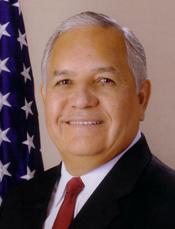
Mr. Speaker, I rise today in recognition of the hard work of our nation's teachers, particularly in El Paso, Texas, which I proudly represent. My community, like many other communities across the…
Mr. Speaker, I rise today in recognition of the hard work of our nation's teachers, particularly in El Paso, Texas, which I proudly represent. My community, like many other communities across the country, are suffering from a teacher shortage. Our schools lack teachers in many important areas of study, such as math, science, and special education. Meanwhile, teacher salaries are still insufficient and it is difficult to recruit qualified personnel when salaries are not atttractive.
I know full well the effort and hard work that teachers dedicate to their students. My wife was a teacher for many years and my daughter, who just completed her doctorate degree in education, is currently an administrator at a local school district. I believe the teaching profession is one of the most honorable professions. I credit our teachers with laying the foundation for the future of our country and the world. In addition to teaching children the basic skills they need, teachers are an important guiding force for our children. After parents, they are one of the greatest influences on children. We therefore need to make sure we have well-qualified and well-paid teachers educating students.
As you know Mr. Speaker, passage of this bill before us would reduce the spousal Social Security benefits for countless teachers. H.R. 743 also affects school support personnel, police officers, firefighters, and other public servants. At a time when multi-billion dollar tax breaks are being given to our country's top income earners, our teachers and other public servants would be penelized through this bill. These are people we should be protecting. We should not make them pay for the tax cuts we give those who are more fortunate. This bill negatively affects teachers and other public servants in my state of Texas. For that reason I will be voting against this bill.
Mr. Speaker, I have co-sponsored H.R. 594, a bill introduced by my colleague Mr. McKeon that will eliminate the Government Pension Offset and the Windfall Elimination Provisions that target our teachers and other public servants by denying them the opportunity to retain their full spousal Social Security benefits.
I strongly urge my colleagues to oppose H.R. 743 and continue to support our teachers.
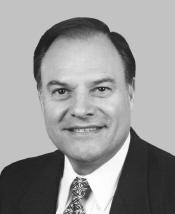
Mr. Speaker, there are over 40,000 teachers across the State of Texas who could be adversely affected by this legislation. This bill includes provisions which I consider to be catastrophic for Texas…
Mr. Speaker, there are over 40,000 teachers across the State of Texas who could be adversely affected by this legislation. This bill includes provisions which I consider to be catastrophic for Texas teachers and many other government employees. Provisions in the legislation would, in effect, reduce the amount of combined benefits that the Texas teachers could depend upon after retirement, even for many teachers who have paid into both Social Security and the Texas teacher retirement system.
I realize that many in this body characterize section 418, the section that would extend the last-day exemption to 6 years, as an issue of fundamental fairness. With that, I cannot entirely disagree. Those who are able to take advantage of a loophole in the law represent a small minority of Americans who pay into Social Security and a government pension; and there are other ways in which we can fix that, and we do have legislation that is pending.
I do not object to this legislation on the grounds that it seeks to create an equitable system of payment for all citizens. I object to a process whereby Members of the Texas delegation and other delegations are not able to offer amendments or debate this bill on the floor of the House. This legislation will have broad implementations for teachers in Texas and will most likely force a mass exodus of experienced teachers from our public schools. Under this legislation, teachers will still be able to retire this year and use the last day exemption provision to draw their retirement.
What impetus does an experienced teacher have to stay in the classroom and continue teaching if the government is, in effect, going to significantly reduce his or her retirement payment after this year? If we are to attract and retain qualified, caring teachers, then hidden procedures such as that in section 418 must be debated and considered in an open forum where amendments and debate are not stifled. Now is not the time to force experienced, caring teachers into retirement and demonstrate to the younger generation of educators our indifference to the livelihood of our Nation's educators.
Mr. Speaker, I ask that we pull section 418, make the bill like it was last year, or defeat H.R. 743.
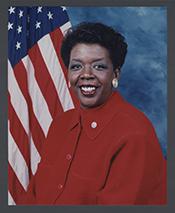
I thank the gentleman for yielding me this time. Mr. Speaker, I rise to speak in support of the legislation, but not with regard to the government offset. It is very, very important that we make sure…
I thank the gentleman for yielding me this time.
Mr. Speaker, I rise to speak in support of the legislation, but not with regard to the government offset. It is very, very important that we make sure that we take care of the persons on Social Security that have representatives speaking on their behalf. This legislation will provide stricter requirements with regard to those who represent people in the Social Security Administration on behalf of recipients.
This is my first opportunity as a member of the Committee on Ways and Means, the Subcommittee on Social Security, to be on the floor to speak on behalf of an issue. I am pleased to stand in support of this legislation with regard to all the provisions with regard to Social Security. I thank the chairman and the ranking member for all the work they have done in this particular regard.
Mr. Speaker, I rise in support of H.R. 743. First, I would like to acknowledge Mr. Matsui for working diligently on the Social Security Act of 2003.
As we all know, H.R. 743 will extend the direct fee withholding program payment to attorneys who represent supplemental security income claimants, thus encouraging more attorneys to represent them.
It is vital that we pass legislation that addresses the major concerns of our seniors, the blind, and the disabled.
This legislation imposes greater standards on individuals and organizations that serve as representative payees for Social Security and supplemental security income recipients; this legislation will make non-governmental representative payees liable for ``misused'' funds and subject them to civil monetary penalties; H.R. 743 will reduce the fee assessments from the Social Security Administration that charges attorneys for fee withholding.
Overall, the Social Security Act of 2003 will be beneficial to recipients and those who serve as representatives for recipients.
Furthermore, H.R. 743 will make a number of technical changes designed to reduce Social Security fraud and abuse.
Mr. Speaker, I will close my statement for the record with supporting
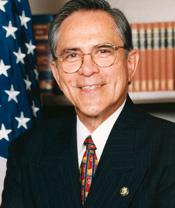
Mr. Speaker, I rise in strong opposition to H.R. 743. I do so, not because I oppose ending Social Security fraud and abuse, but because of a section that is damaging to state and municipal employees.…
Mr. Speaker, I rise in strong opposition to H.R. 743. I do so, not because I oppose ending Social Security fraud and abuse, but because of a section that is damaging to state and municipal employees. Section 418 is bad for teachers, police officers, fire fighters and other state and local workers in Texas who receive government pensions that are currently being reduced because of the Government Pension Offset provision of the Social Security Act. Section 418 would require experienced public servants to quit their jobs prematurely and work for the private sector for the 5 years before they retire in order to avoid the offset. We all know that our Nation has a critical shortage of teachers and public safety personnel. This provision will only exacerbate the problem.
The teachers of Texas have been writing and calling my office to protest this long-standing offset provision that is taking away Social Security benefits that they and their spouses have earned. At a time when federal and state budgets for education are being slashed, this is just one more slap in the face to those who are working hard to educate our children. We need to let them know that education is a national priority and that we value their dedication.
Instead of this bill that will provide no relief for these hardworking public servants, I urge the majority to bring H.R. 594, introduced by Congressman McKeon and which I proudly co-sponsor, to the House floor for a vote. This legislation would repeal both the Government Pension Offset and the ``Windfall Elimination Provision'', another portion of the Social Security Act that is penalizing state and local government employees.
I encourage my colleagues to move quickly to bring real relief to teachers and other public employees by considering H.R. 594 or failing that, by bringing H.R. 743 to the floor under regular order so that this damaging Section 418 provision can be removed. Our public servants deserves no less.
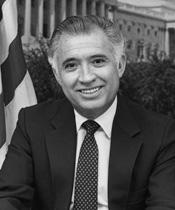
Mr. Speaker, the original intent of this bill was a worthy one: to reimburse Social Security benefits if they are misused by people representing the recipient. That's not controversial . . . but the…
Mr. Speaker, the original intent of this bill was a worthy one: to reimburse Social Security benefits if they are misused by people representing the recipient.
That's not controversial . . . but the provision reducing the spousal Social Security benefits for countless teachers, school support personnel, police officers, firefighters, and other public servants is most certainly controversal--and I intent to oppose the entire bill since it contains this provision that will adversely affect teachers and others across Texas. These are people we should be protecting.
We need to understand that targeting pensions of teachers and other school employees will discourage qualified individuals from entering the classroom at exactly the time when the nation is experiencing a shortage of teachers. We say we are committed to education . . . yet in this bill we are profoundly uncommitted to educators.
The teachers across the state of Texas are largely women and are not wealthy people. They depend on the benefits of both them and their spouses; nearly all are part of two-income families. We are being monumentally unfair to them by changing the rules late in the game.
Since we are ramrodding this bill through the House with non- controversial bills today, be on notice that our opposition efforts will not end here.
I am a co-sponsor of HR 594, a bill introduced in the 108th Congress that will eliminate the Government Pension Offset and the Windfall Elimination Provisions that target our teachers and other public servants by denying them the opportunity to retain their full spousal Social Security benefits.
Mr. Speaker, I am deeply disappointed that this provision was included in an otherwise good bill.
Show 5 more
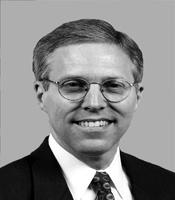
Mr. Speaker, a few years ago a lady came to my office in my district whose husband had died before he had ever collected a single penny of Social Security. He had worked his entire life paying into…
Mr. Speaker, a few years ago a lady came to my office in my district whose husband had died before he had ever collected a single penny of Social Security. He had worked his entire life paying into the Social Security system thinking when he died, his wife would receive a survivor's benefit from his Social Security payments that would help keep her secure during her retirement.
She sat in my office near tears explaining to me that because she had spent her career in teaching and because she receives a monthly Texas State teacher's retirement benefit, she would never see one penny from Social Security. To learn that she would have received a survivor's benefit if she had been drawing a retirement benefit from a private, rather than a public, retirement fund only added insult to her injury.
Mr. Speaker, this is unfair and the government pension offset must be repealed. For the 6 years that I have been in Congress, I have cosponsored the legislation to end this unfair result caused by this provision we call the GPO. Last year 186 Members on both sides of the aisle cosponsored legislation to repeal this government pension offset. In spite of that support, the bill never has passed, never has received a full hearing in the committee. And in spite of the support in this Congress, section 418 of the bill before us moves in exactly the opposite direction.
Mr. Speaker, I urge my colleagues to protect our teachers, to reject this bill today, to send it back to the Committee on Ways and Means with the understanding that the GPO should be repealed.

Mr. Speaker, I thank the gentleman for yielding me this time, and I rise today to express my strong opposition to section 418 of the Social Security Protection Act. Under section 418, an individual…
Mr. Speaker, I thank the gentleman for yielding me this time, and I rise today to express my strong opposition to section 418 of the Social Security Protection Act.
Under section 418, an individual would be required to work in a Social Security-covered job for his or her last 5 years of employment to be exempt from the GPO. Both the increase in time and the offset itself are absolutely ridiculous.
Under a provision of current law, known as the ``last day rule,'' an individual is exempt from GPO if he or she worked in a job that was covered by Social Security on the last day of employment. According to the GAO, extending the employment requirement to 5 years will save only $18 million per year, greatly to the detriment of public workers, especially our school teachers.
Section 418 was not included in the version of this legislation that the House passed, with my support, during the 107th Congress. This is not the same bill as last year. I support the other provisions of this legislation, but cannot support H.R. 743 as introduced. Technical corrections are necessary. This is a correction that will strike at the very heart of public school teachers in Texas and public employees in other parts of the country.
Mr. Speaker, I hope this legislation will finally focus Congress' attention on the need to repeal the government pension offset. I urge the Committee on Ways and Means to examine the GPO and its harmful impact on seniors in my district and all across the country.
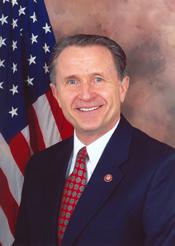
Mr. Speaker, I rise in support of the Social Security Program Protection act. I would like to thank Chairman Shaw and the other members of the Committee on Ways and Means who have worked tirelessly…
Mr. Speaker, I rise in support of the Social Security Program Protection act. I would like to thank Chairman Shaw and the other members of the Committee on Ways and Means who have worked tirelessly to improve Social Security programs that provide a crucial safety net for many of our Nation's neediest disabled and elderly individuals. These changes have been designed to ensure that the right benefits go to the right people, a principle which should guide our efforts on behalf of the taxpayers we serve.
I am especially pleased that the bill before us includes a provision designed to keep convicted fugitive felons from getting Social Security checks. These efforts built upon the criminal welfare prevention provisions which I introduced and which were enacted into law more than 3 years ago. By all accounts, these laws have been effective in stopping illegal, fraudulent Social Security payments to prisoners.
We have also stopped hard-earned taxpayer dollars from being used to subsidize addicts with disability checks. Overall, we have saved the taxpayers and beneficiaries literally billions of dollars.
Other provisions in the legislation before us, such as granting the Social Security Administration the tools it needs to weed out waste and fraud, will further protect vulnerable beneficiaries.
Mr. Speaker, this bill passed with overwhelming bipartisan support in the last Congress. I urge all my colleagues to join me today in supporting it once again.
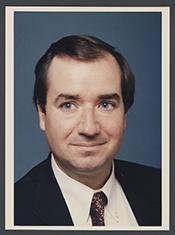
Mr. Speaker, I am firmly committed to protecting Social Security for current recipients and for those who will be retiring in the near future. So, I want to thank the Chairman of the Subcommittee on…
Mr. Speaker, I am firmly committed to protecting Social Security for current recipients and for those who will be retiring in the near future. So, I want to thank the Chairman of the Subcommittee on Social Security, Mr. Shaw for his efforts to strengthen the financial security of our Nation's retirement system. I support the Social Security Protection Act, and I was pleased to support this bill when it passed the House unanimously last year. It is unfortunate that the House and Senate couldn't work out a final version before the end of the 107th Congress.
This bill stops fugitive felons from receiving benefits. The CBO estimates we will pay over $500 million to fugitive felons over the next 10 years from the Social Security trust funds.
The Social Security Administration appoints representatives payees for many beneficiaries to help manage their financial affairs when they are not able. This bill protects these beneficiaries from representative payees who may misuse their benefits.
Mr. Speaker, this bill helps put the Security back in Social Security and I look forward to its passage.

Mr. Speaker, I support this bill because it includes many necessary provisions to protect Social Security beneficiaries. However, I do have concerns about one provision, and would have preferred for…
Mr. Speaker, I support this bill because it includes many necessary provisions to protect Social Security beneficiaries.
However, I do have concerns about one provision, and would have preferred for the bill to be considered under a procedure allowing for amendments.
The troublesome provision is the one related to the ``government pension offset'' part of the Social Security Act.
I understand the rationale for that provision, which would make application of the offset
provision more uniform. However, I think it would be better for this provision to be considered separately, as part of a measure to make other revisions to the government pension offset.
I think the offset should be revised, because as it stands it works a hardship on many people. That is why I am cosponsoring a bill (H.R. 887) which would assure that the offset will not reduce Social Security benefits below $2,000 per month. I hope the House will soon take up that much-needed legislation.
Bill Text
Latest available legislative text
        [Congressional Bills 108th Congress]
[From the U.S. Government Publishing Office]
[H.R. 134 Introduced in House (IH)]

108th CONGRESS
1st Session
H. R. 134

To amend title II of the Social Security Act to permit Kentucky to
operate a separate retirement system for certain public employees.

_______________________________________________________________________

IN THE HOUSE OF REPRESENTATIVES

January 7, 2003

Mr. Lewis of Kentucky (for himself and Mrs. Northup) introduced the
following bill; which was referred to the Committee on Ways and Means

_______________________________________________________________________

A BILL

To amend title II of the Social Security Act to permit Kentucky to
operate a separate retirement system for certain public employees.

Be it enacted by the Senate and House of Representatives of the
United States of America in Congress assembled,

SECTION 1. COVERAGE UNDER DIVIDED RETIREMENT SYSTEM FOR PUBLIC
EMPLOYEES IN KENTUCKY.

(a) In General.--Section 218(d)(6)(C) of the Social Security Act
(42 U.S.C. 418(d)(6)(C)) is amended by inserting ``Kentucky,'' after
``Illinois,''.
(b) Effective Date.--The amendment made by subsection (a) takes
effect on January 1, 2003.
<all>